Chopped Pollock Fish Cakes
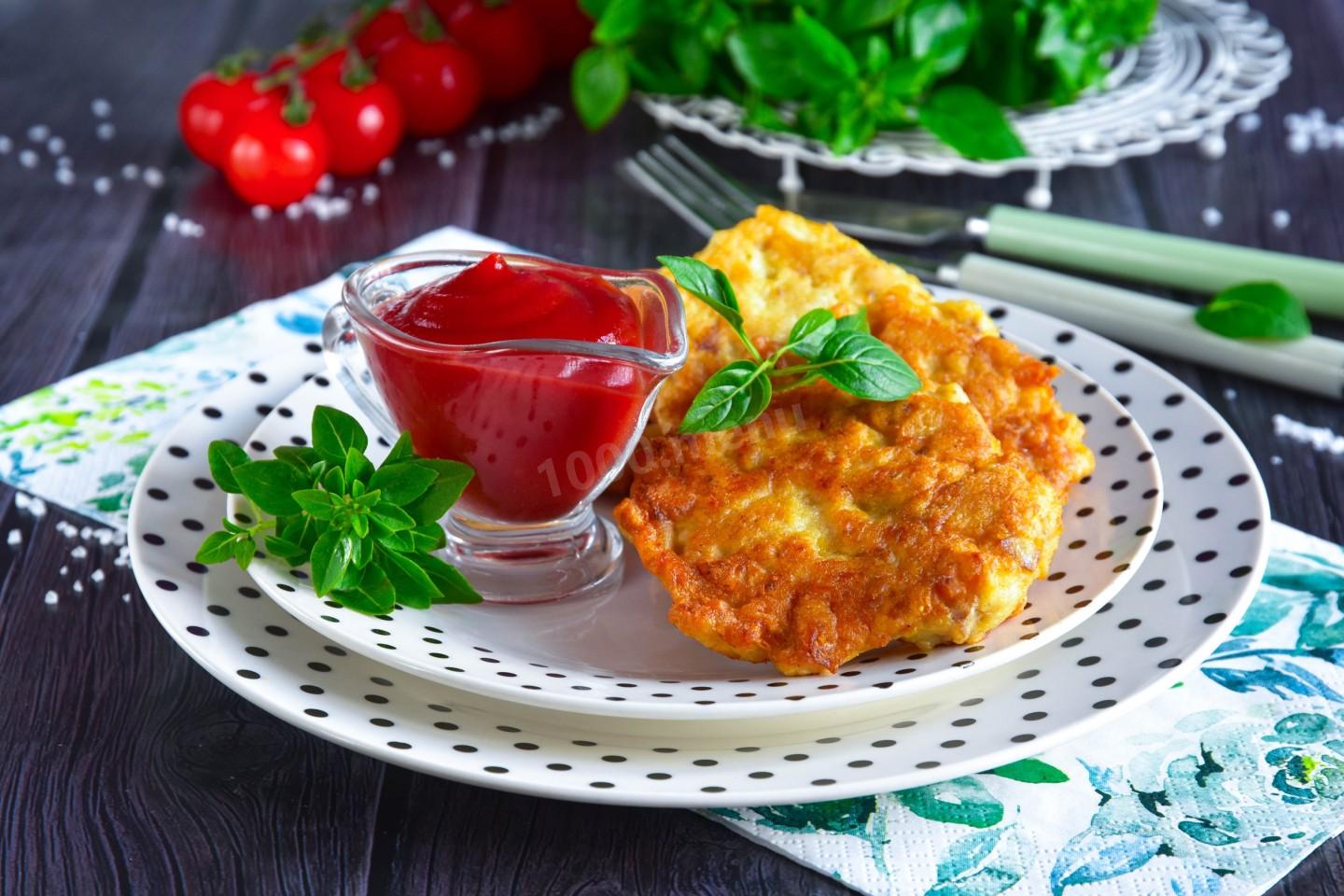
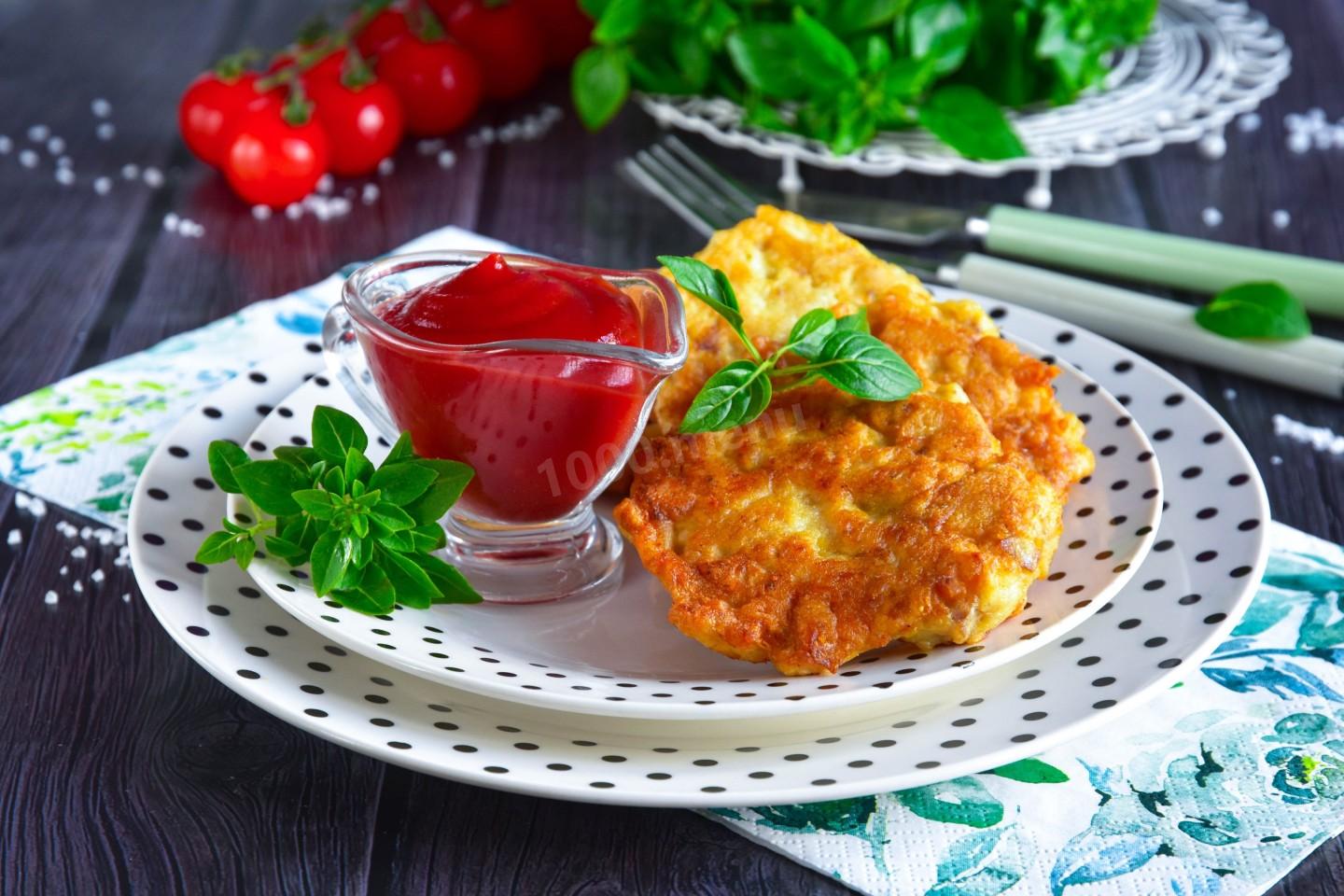
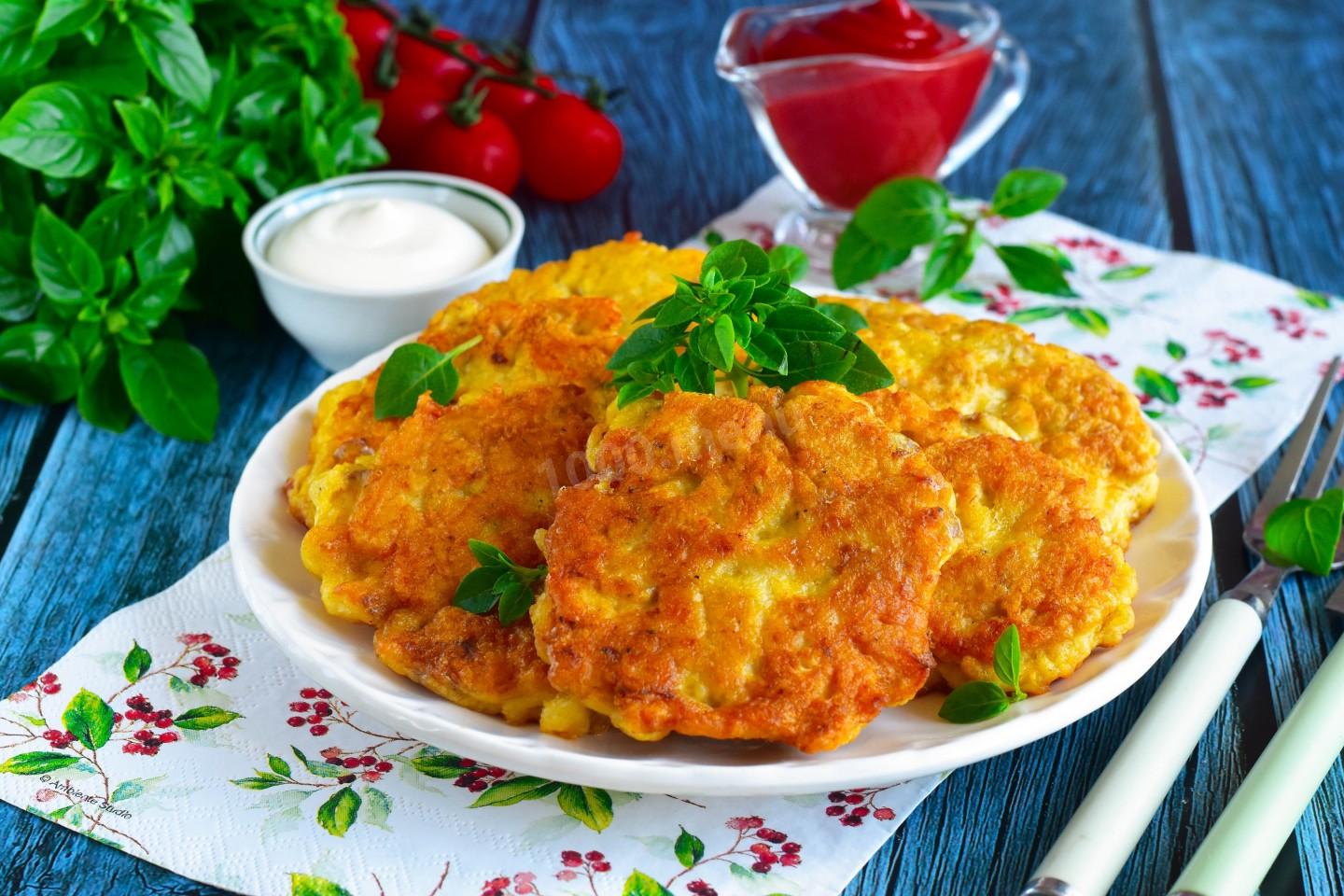
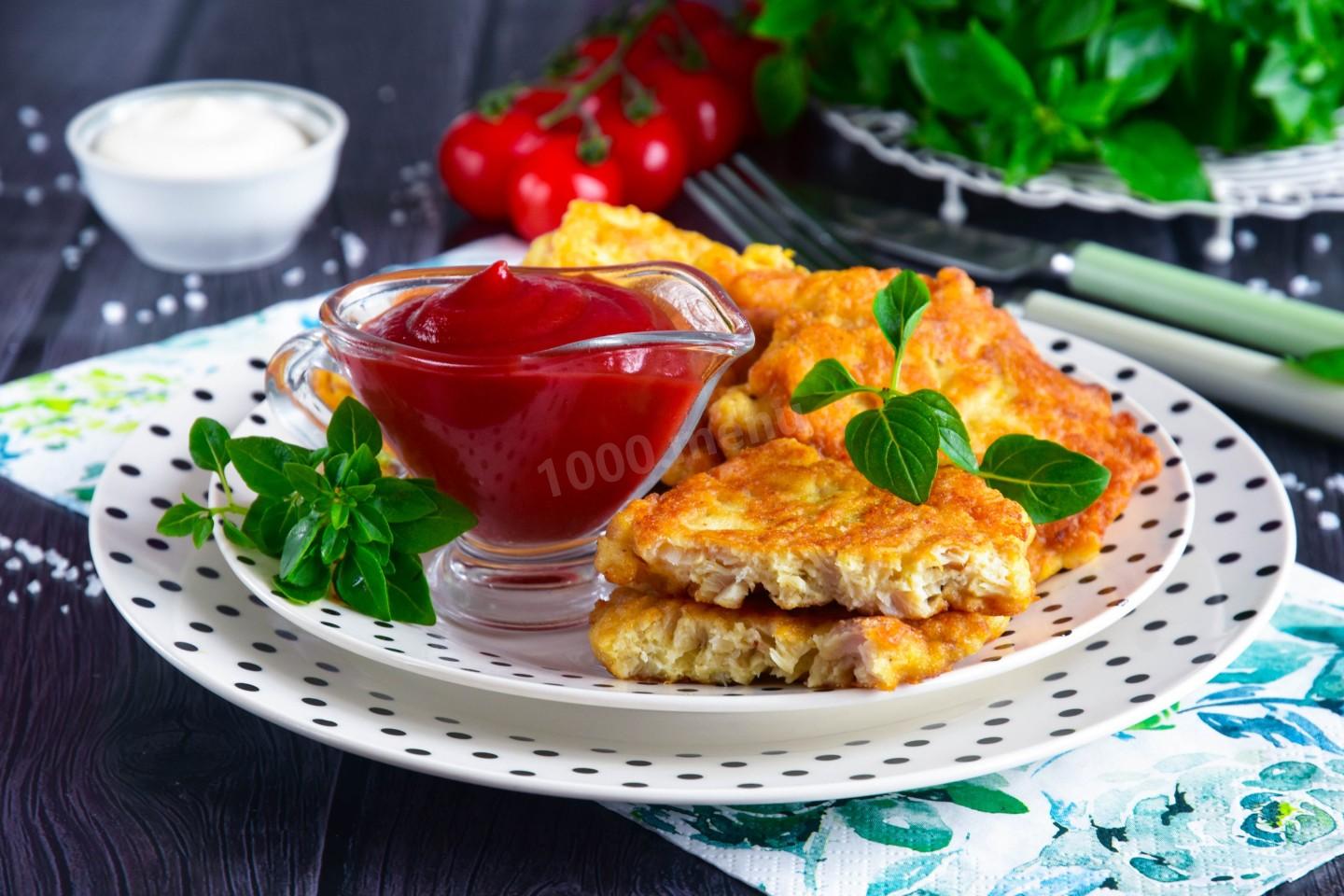
Delicious, incredibly juicy, and budget-friendly—perfect for the whole family! These chopped pollock fish cakes come out wonderfully tender. Because the fillet is hand-chopped with a knife, it keeps all its flavor instead of getting lost among the other ingredients. The fish stays soft and juicy rather than drying out.


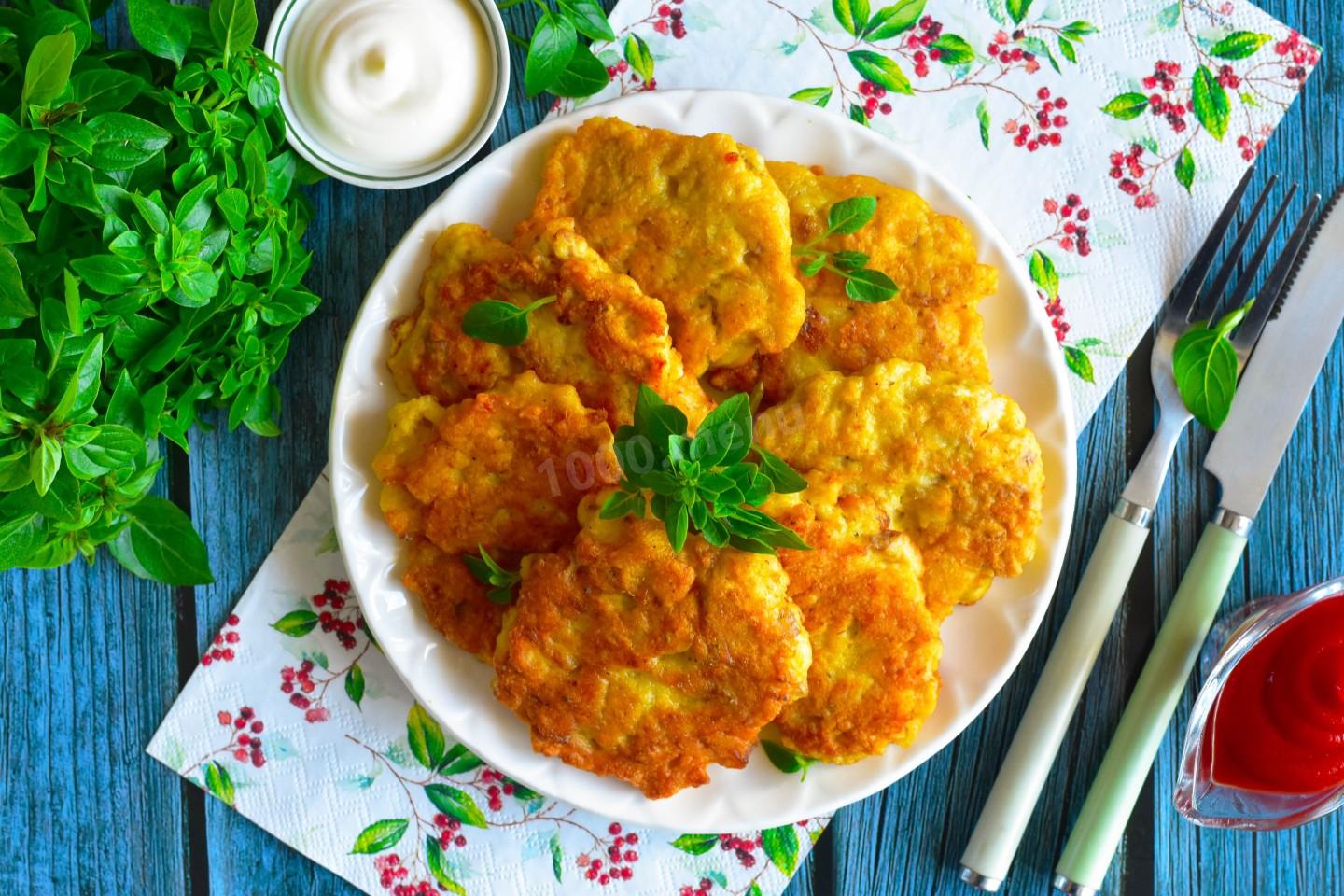
Cooking method
-
Step 1:
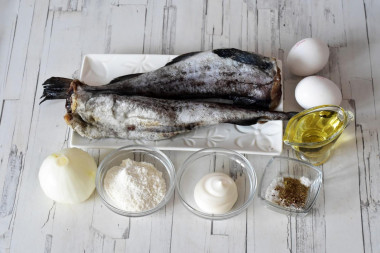
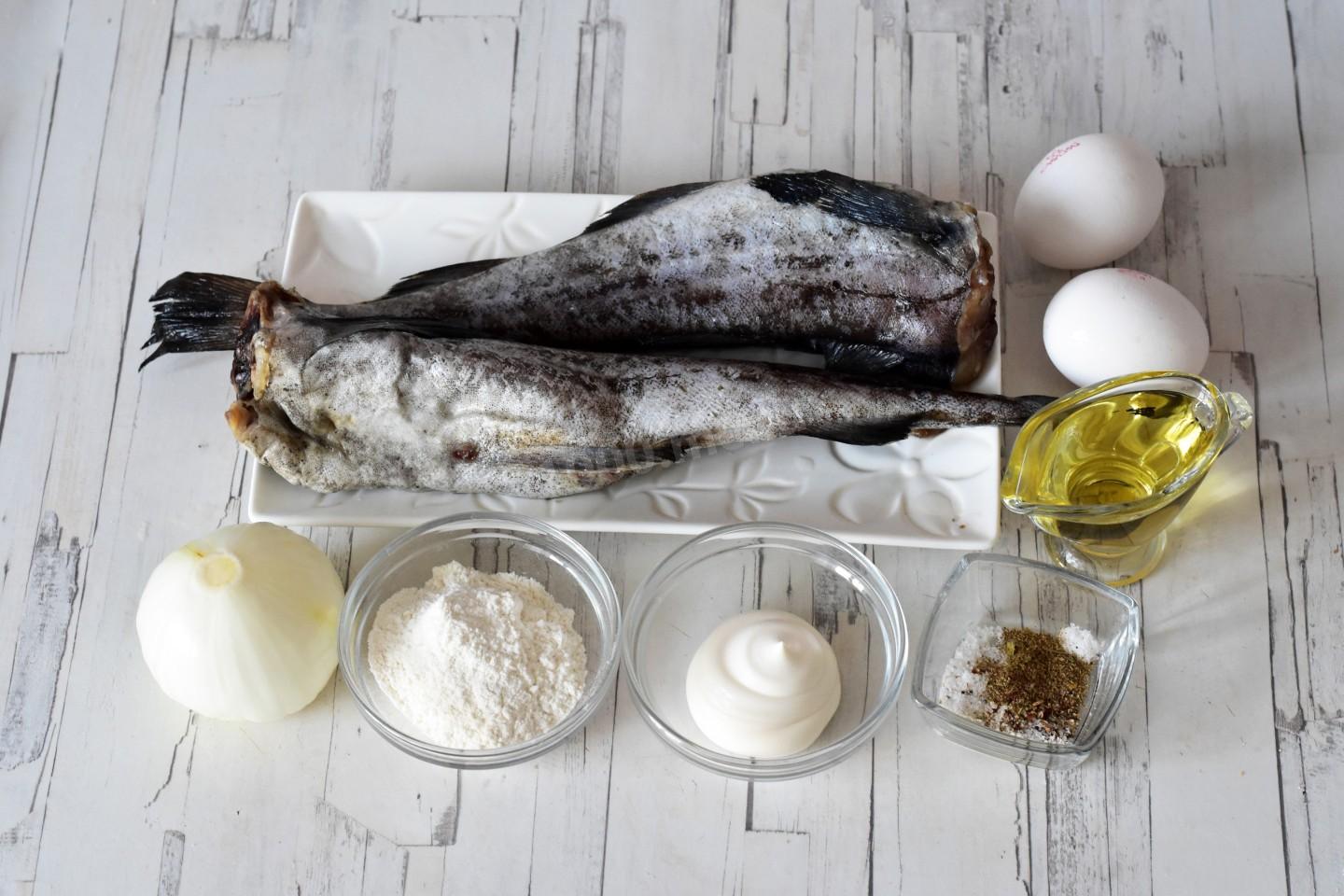
How do you make chopped pollock fish cakes? It's quick and easy! Start by gathering the ingredients on the list. Besides pollock, you can use any white or salmon-type fish. Fresh or frozen both work—if using frozen, thaw it first on the bottom shelf of the refrigerator.
-
Step 2:
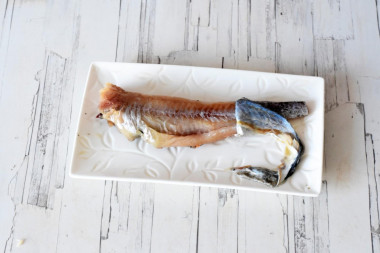
How do you fillet a whole fish? Remove the tail, head, and fins. Cut along the backbone down to the spine, then peel off the skin. With a sharp knife, slice the meat away from the backbone. Flip the fish and cut the fillet from the other side. Check the fillets for any remaining bones.
-
Step 3:
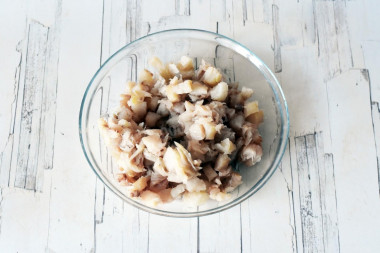
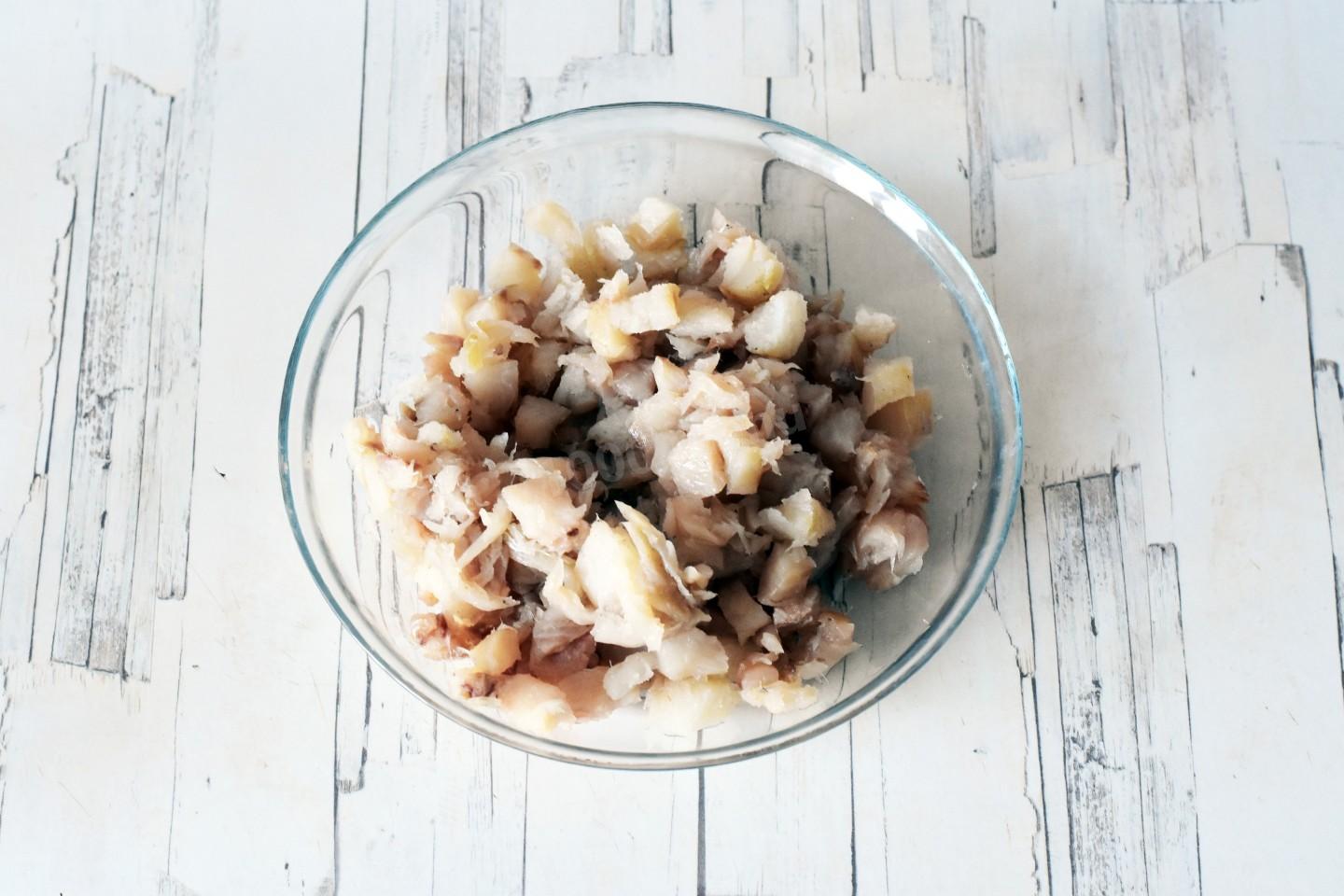
Cut the fish fillet into small pieces. Two fish weighing 650 g total gave me just over 300 g of fillet. You can also start with ready-made fillets, fresh or frozen.
-
Step 4:
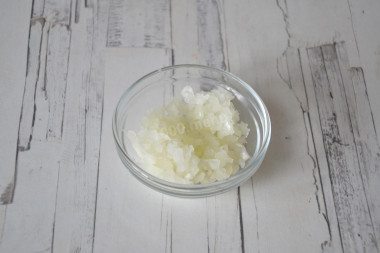
Cut the onion into small cubes. If you or your kids don't care for onion, you can leave it out—the fish cakes will still be juicy.
-
Step 5:
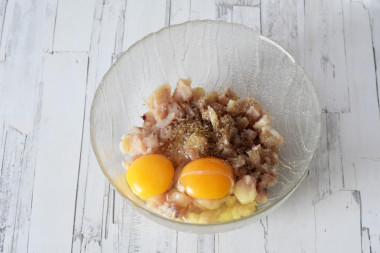
In a bowl, combine the chopped fish, onion, and eggs. Season with salt and pepper and mix.
-
Step 6:
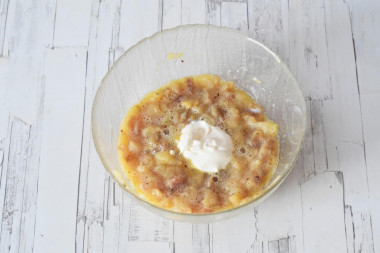
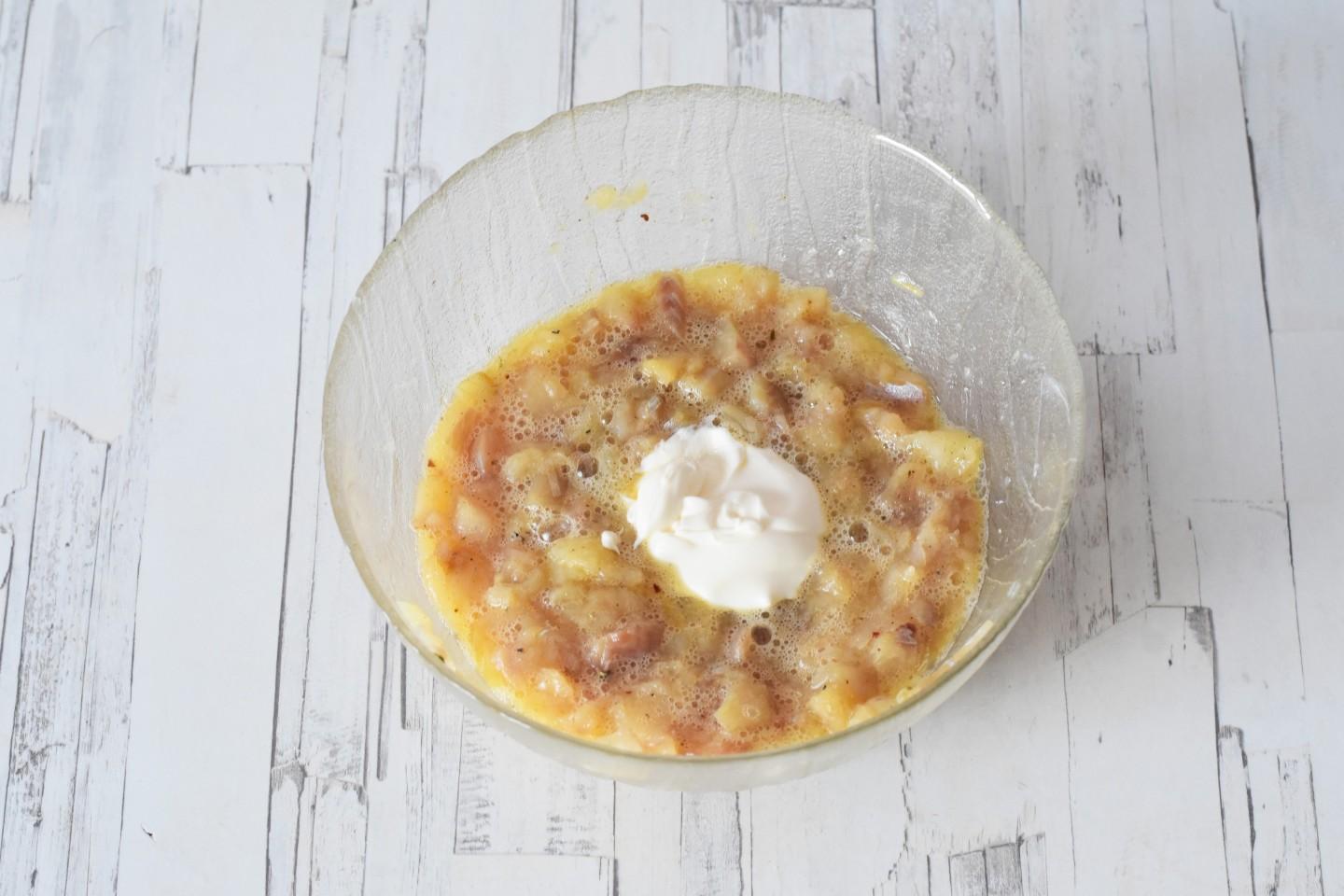
Add the mayonnaise and mix thoroughly again.
-
Step 7:
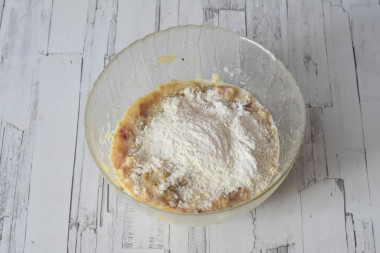
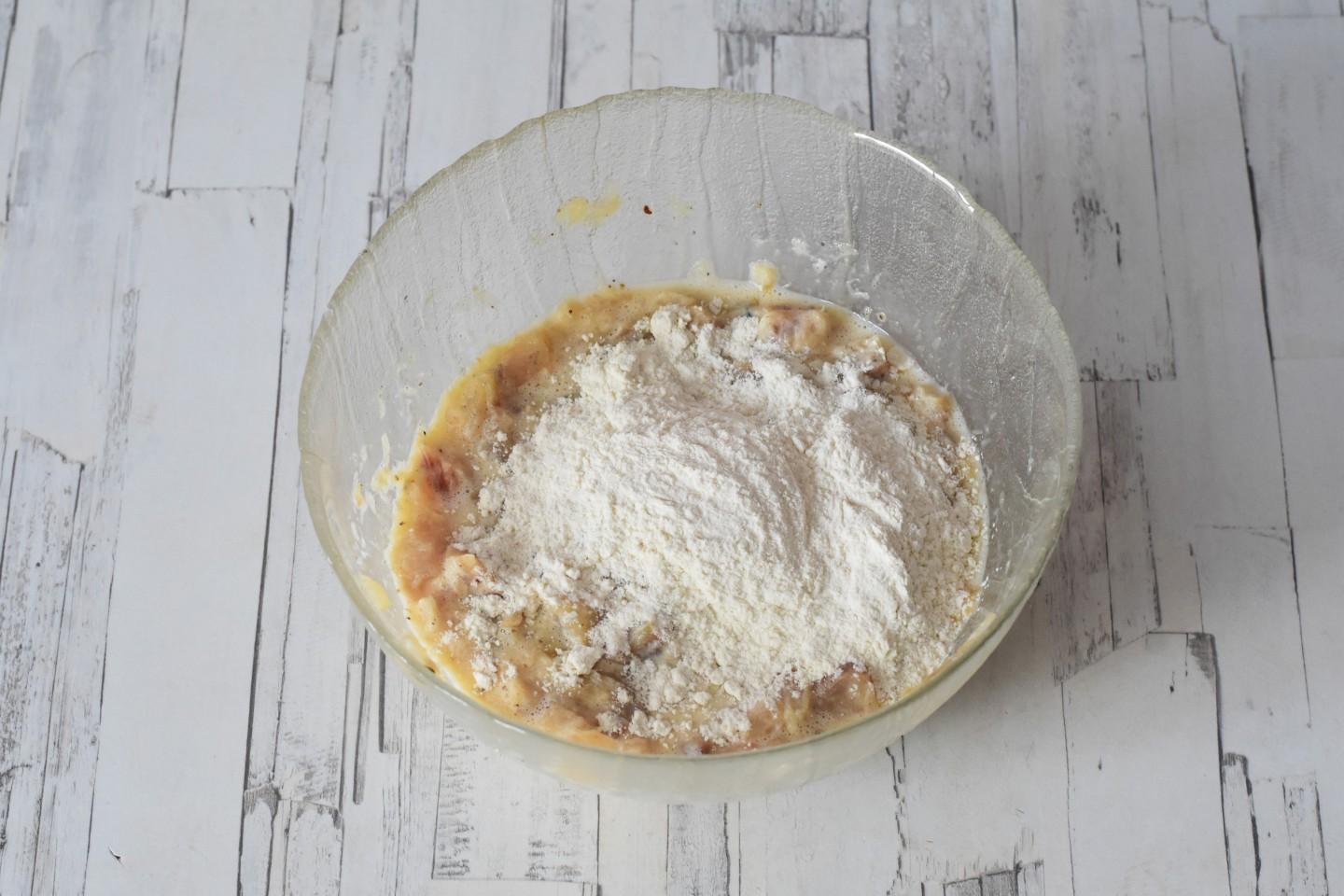
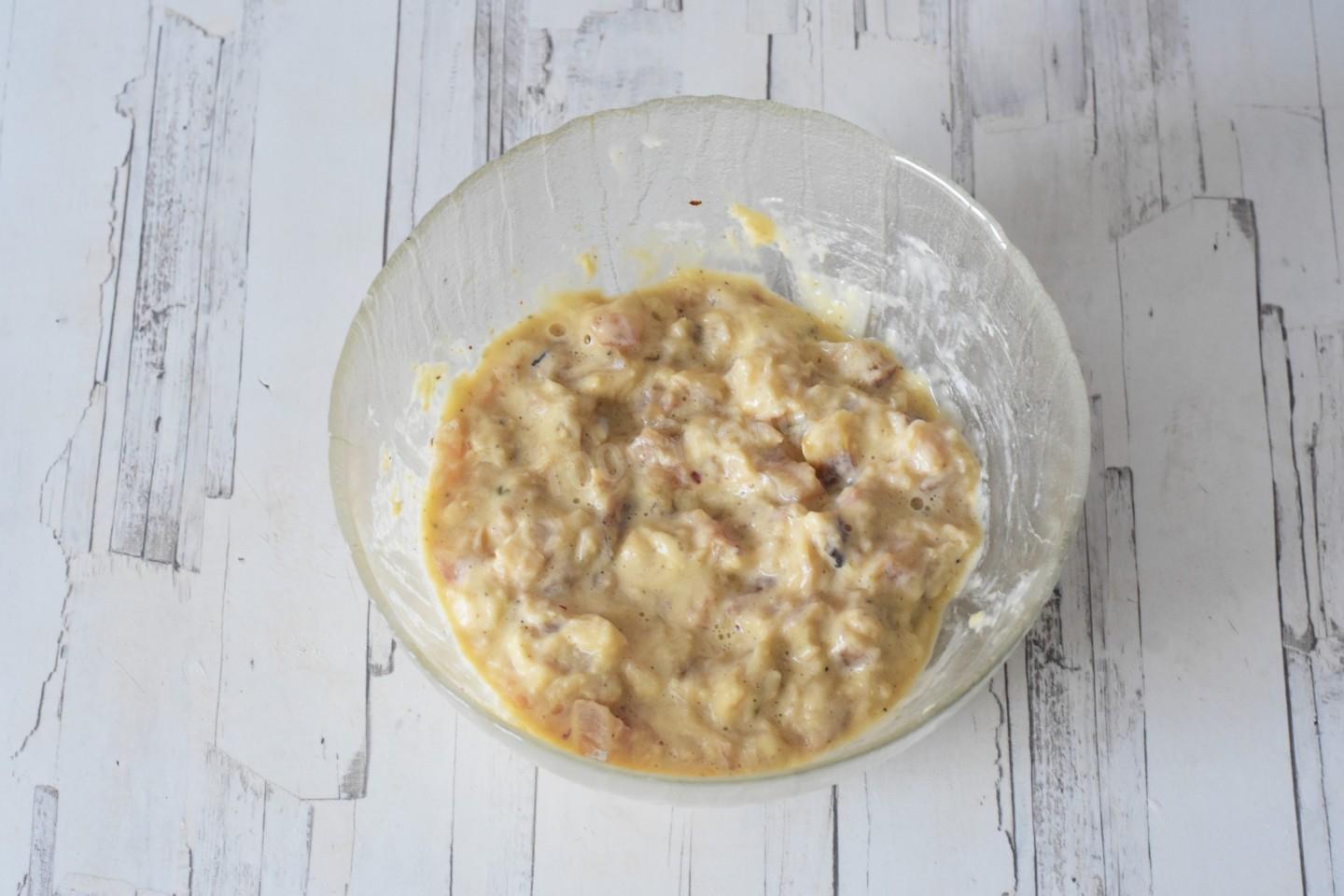
Add the flour and stir again. Adjust the amount of flour based on the consistency of the mixture—it should be viscous and hold its shape without being too stiff or too runny.
-
Step 8:
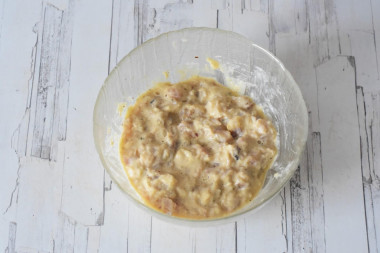
Refrigerate the fish mixture for 30 minutes; it will firm up a little more during this time.
-
Step 9:
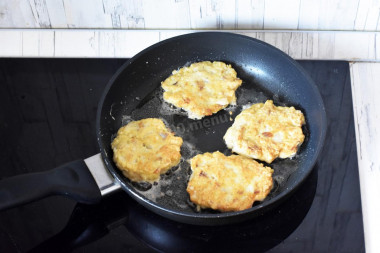
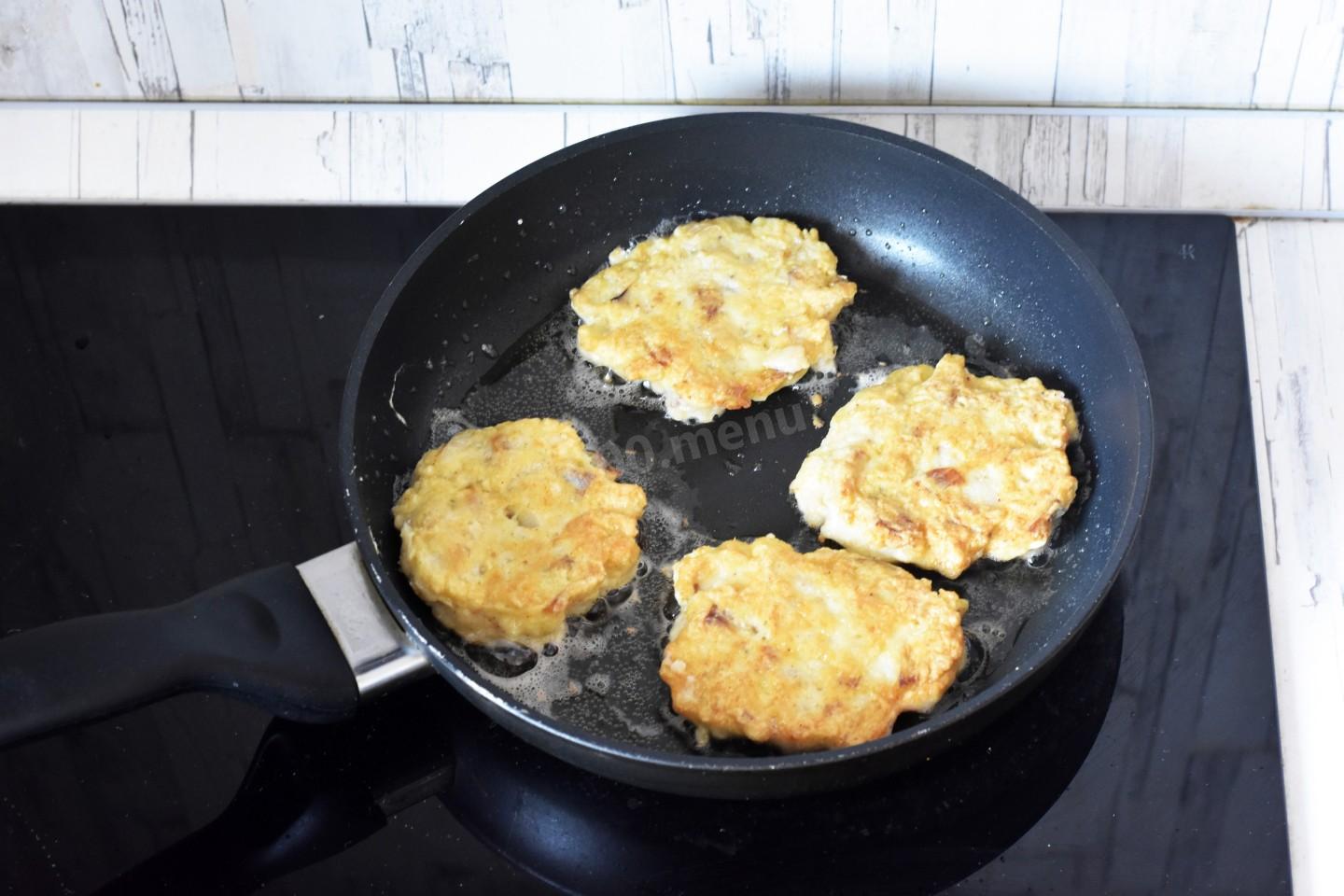
Heat the vegetable oil in a skillet over medium heat. Drop the fish mixture into the hot oil by the tablespoon, shaping small cakes. I got 8. Fry for about 3–5 minutes per side, until golden. The exact time depends on your heat and the thickness of the cakes.
-
Step 10:
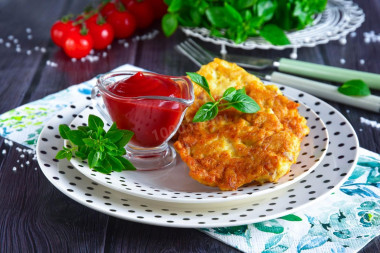
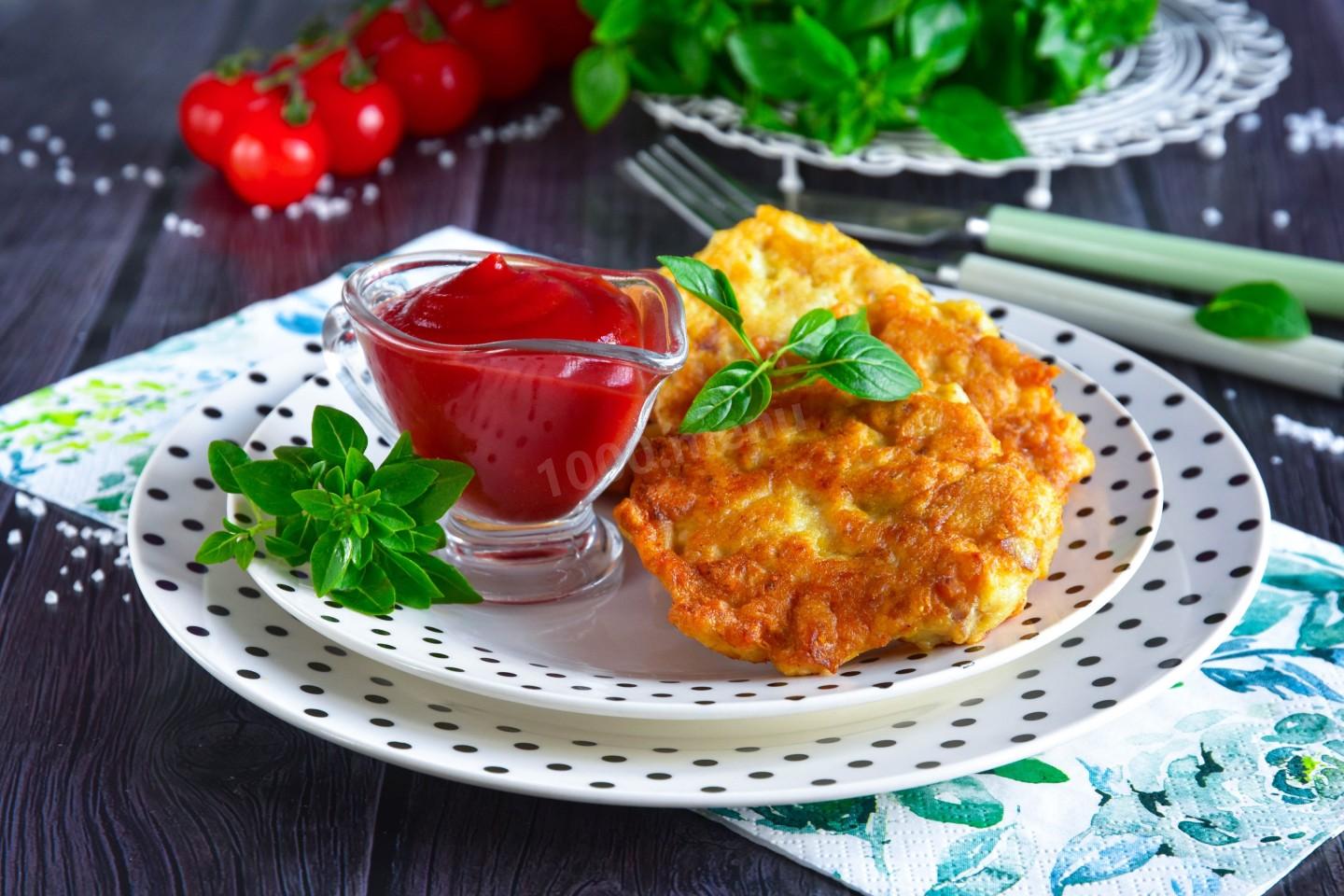
Transfer the finished fish cakes to a plate and serve right away. They go with any side dish and any sauce. Enjoy!



- Since everyone's preference for salt, sweetness, bitterness, heat, and tang is different, always add spices and seasonings to your own taste. When trying a new seasoning, remember that some are especially easy to overdo (chili pepper, for instance).
- Every oil is only good up to a certain temperature—its smoke point—beyond which it starts to burn and form harmful compounds. Choose a neutral oil with a high smoke point for frying.
- The right pan matters, too: a poorly chosen skillet can spoil even the best recipe.
Caloric content of the products possible in the composition of the dish
- Onion - 41 kcal/100g
- Chicken egg - 157 kcal/100g
- Egg white - 45 kcal/100g
- Egg powder - 542 kcal/100g
- Egg yolk - 352 kcal/100g
- Ostrich egg - 118 kcal/100g
- Boiled pollock - 79 kcal/100g
- Fresh pollock - 72 kcal/100g
- Ground black pepper - 255 kcal/100g
- Whole durum wheat flour fortified - 333 kcal/100g
- Whole durum wheat flour universal - 364 kcal/100g
- Flour krupchatka - 348 kcal/100g
- Flour - 325 kcal/100g
- Salad mayonnaise of 50% fat content - 502 kcal/100g
- Light mayonnaise - 260 kcal/100g
- Provencal Mayonnaise - 624 kcal/100g
- Provencal mayonnaise - 627 kcal/100g
- Table mayonnaise - 627 kcal/100g
- Vegetable oil - 873 kcal/100g
- Salt - 0 kcal/100g
Similar recipes
- Fast and tasty
- Second course
- Eggs
- Fish and seafood
- Vegetables
- Spices seasonings spices
- Fats and oils
- Other
- Salt
- Dry spices
- Vegetable oil
- Starch
- Frying
- In a frying pan
- The second is fast and delicious
- Dishes in 30 minutes
- Cutlets
- Fish second course
- Fish with vegetables
- Pollock
- From onion
- Recipes for lean dishes without butter