Slow-Cooker Braised Moose
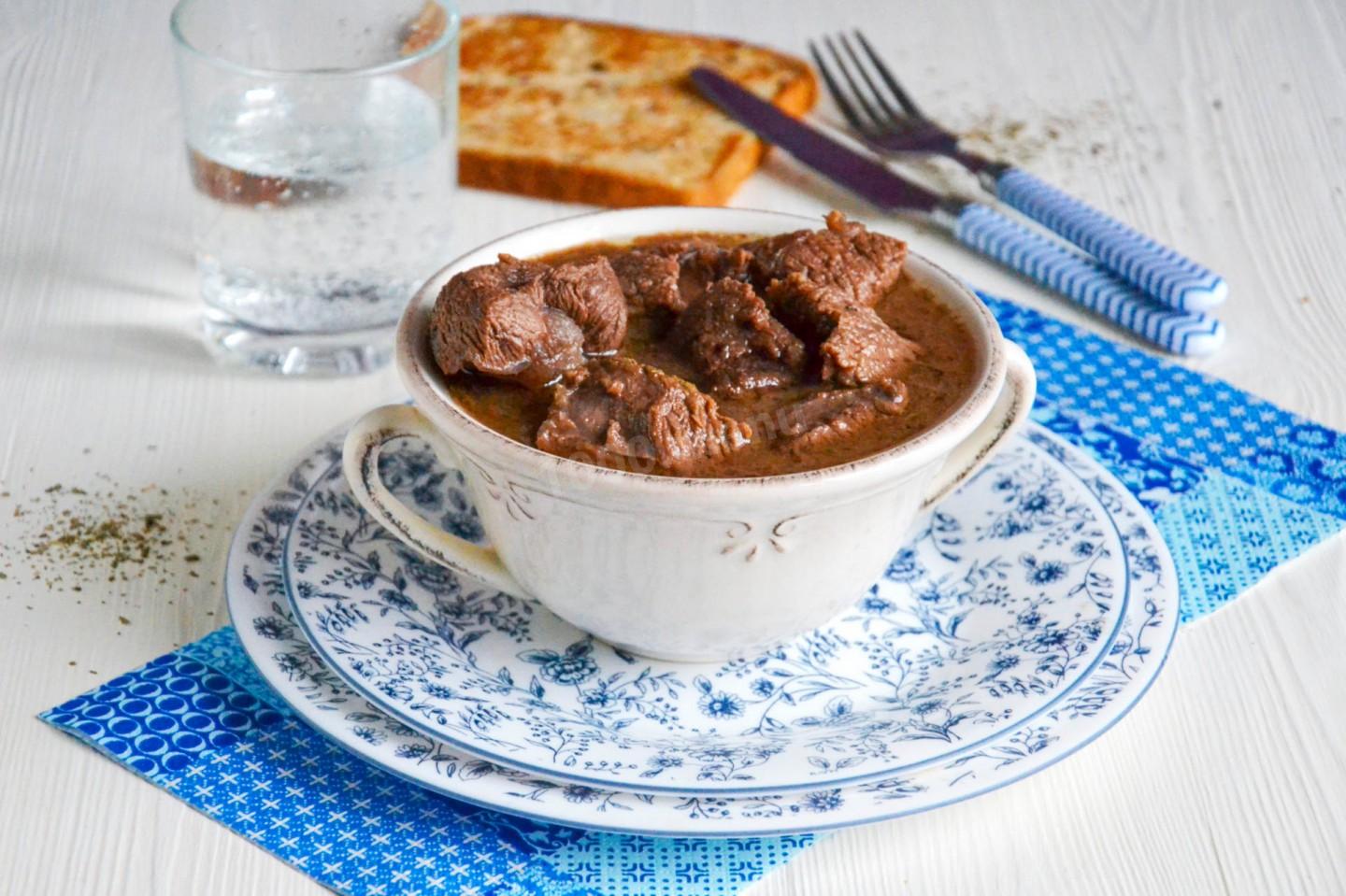
Fragrant, appetizing, rich, and very tasty! Braised moose in the slow cooker is very simple to make. Done right, with a good soak beforehand, moose is almost indistinguishable from beef. You can use this recipe to braise any game meat.

Cooking method
-
Step 1:
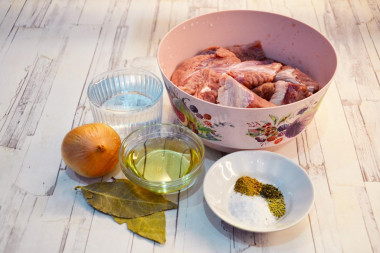
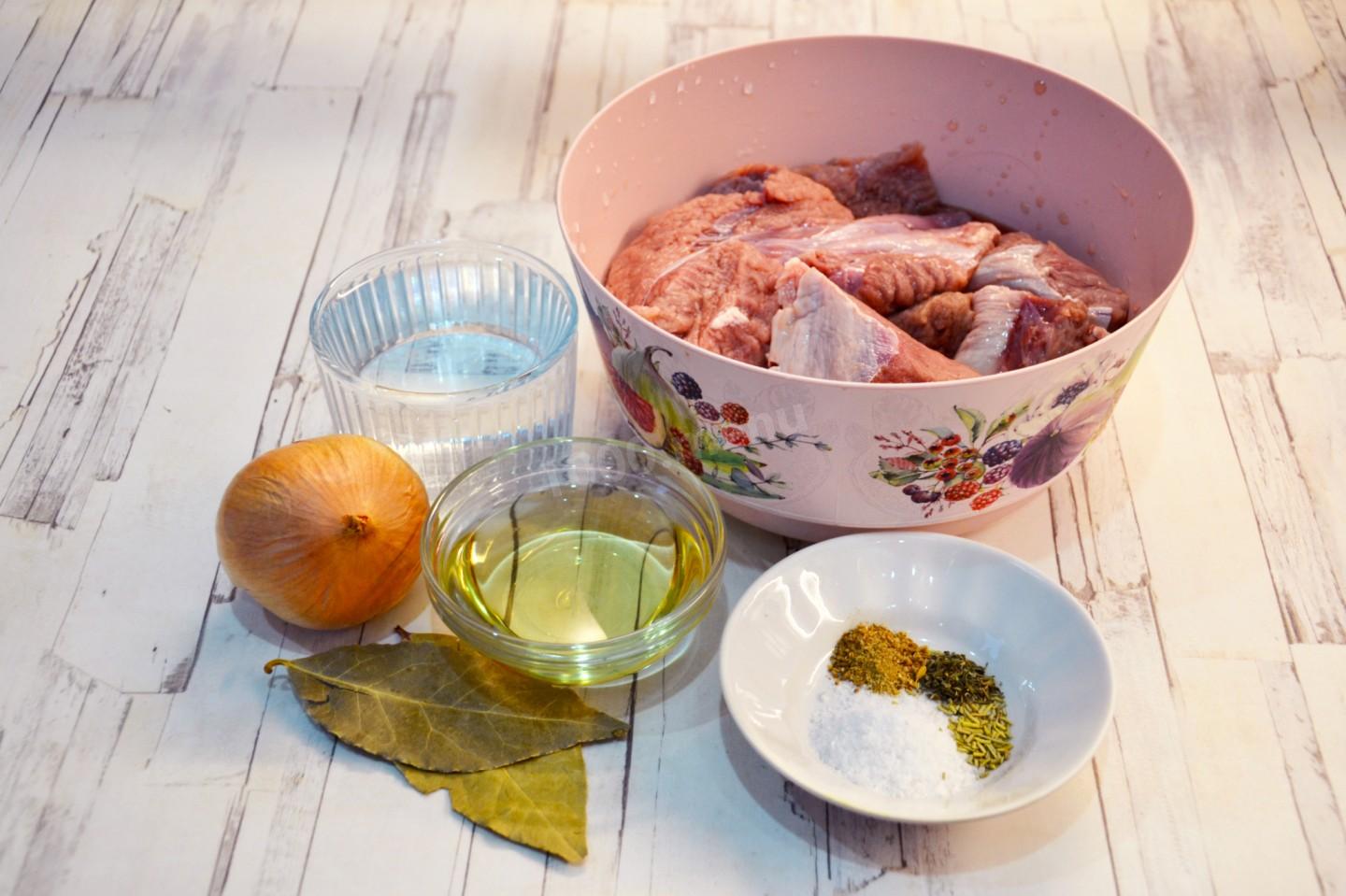
How do you braise moose in a slow cooker? Gather your ingredients. Moose is tougher than beef, so it needs to soak — ideally for at least a day. This softens the muscle fibers and adds moisture. Don't overlook the distinctive gaminess moose has, either; water with vinegar and spices helps get rid of it. Use distilled white vinegar (9%).
-
Step 2:
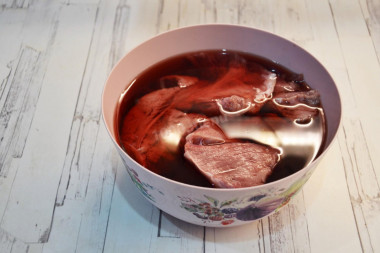
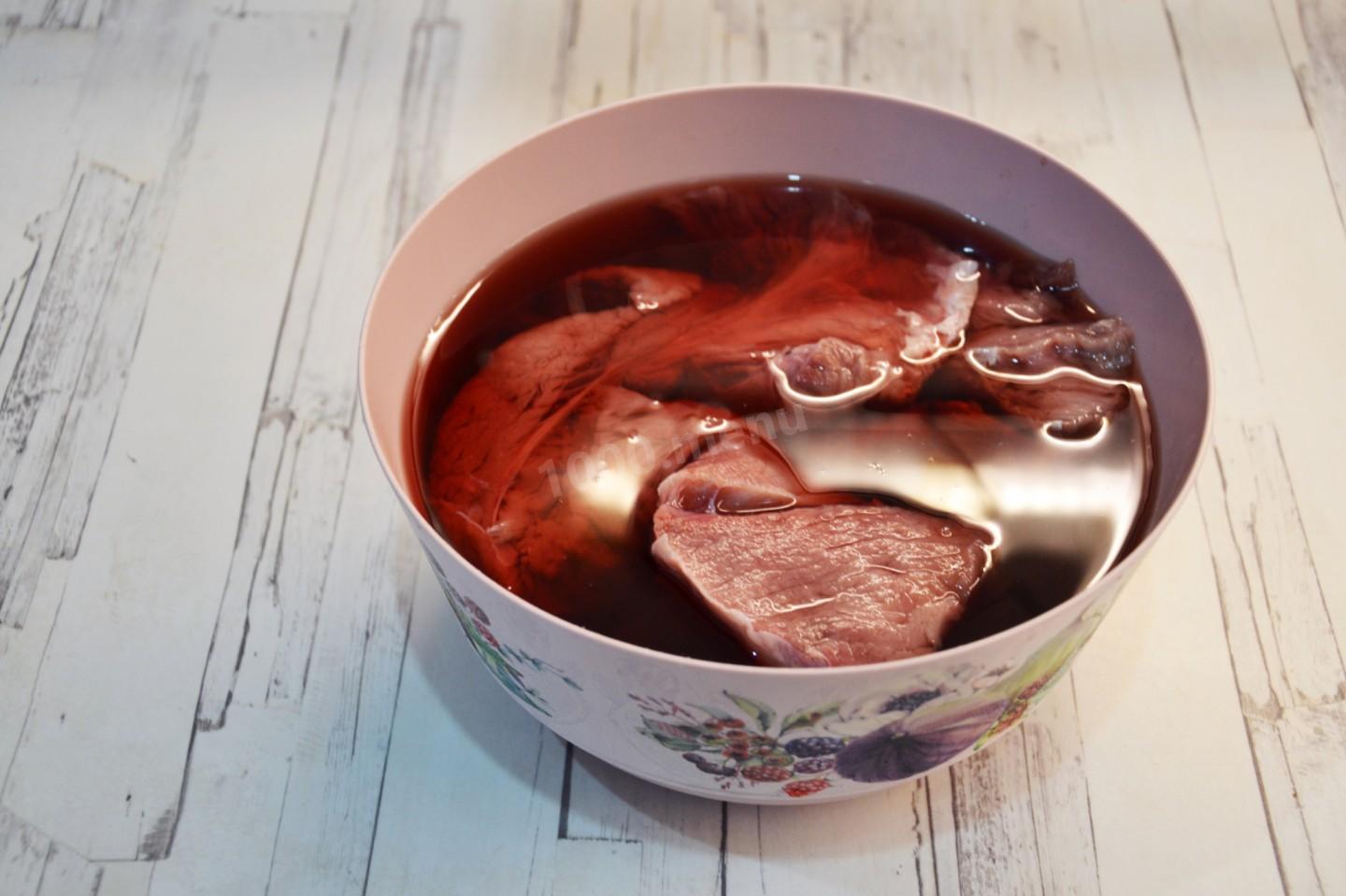
Rinse the moose thoroughly and remove any bones, silverskin, and blood. Cover the meat completely with water. Pour the vinegar in with the meat. Put the bowl in the fridge for 12 hours, or preferably a full day.
-
Step 3:
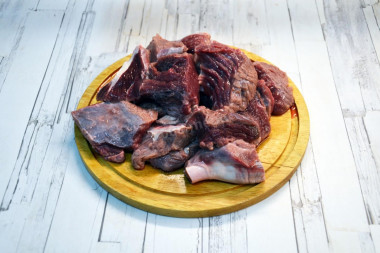
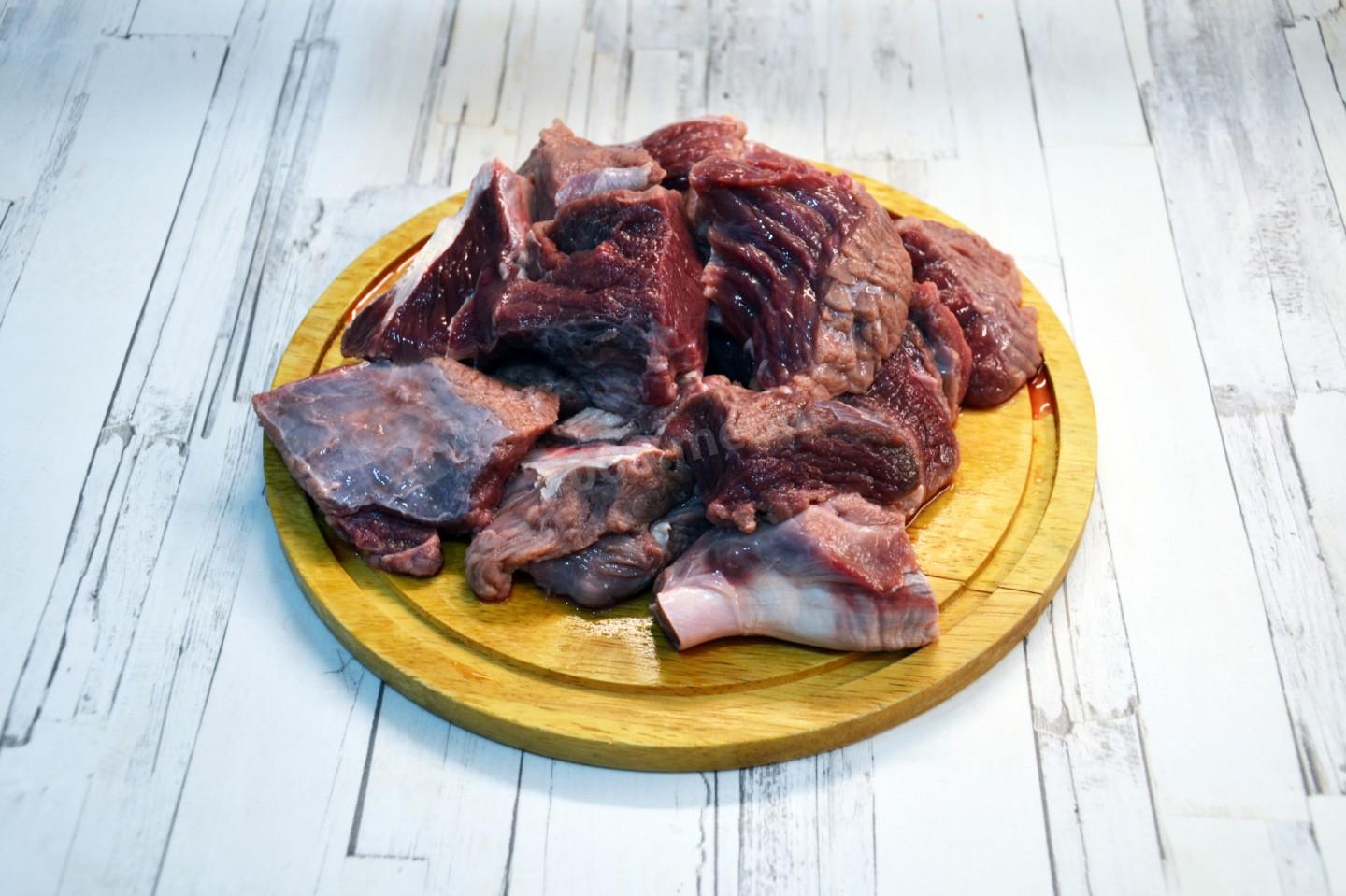
When the time's up, take the meat out of the marinade, pat it dry, and cut it into serving pieces.
-
Step 4:
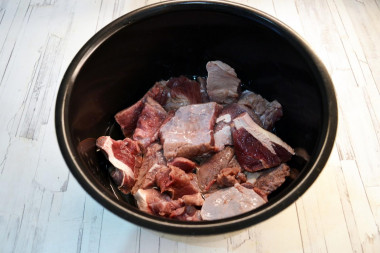
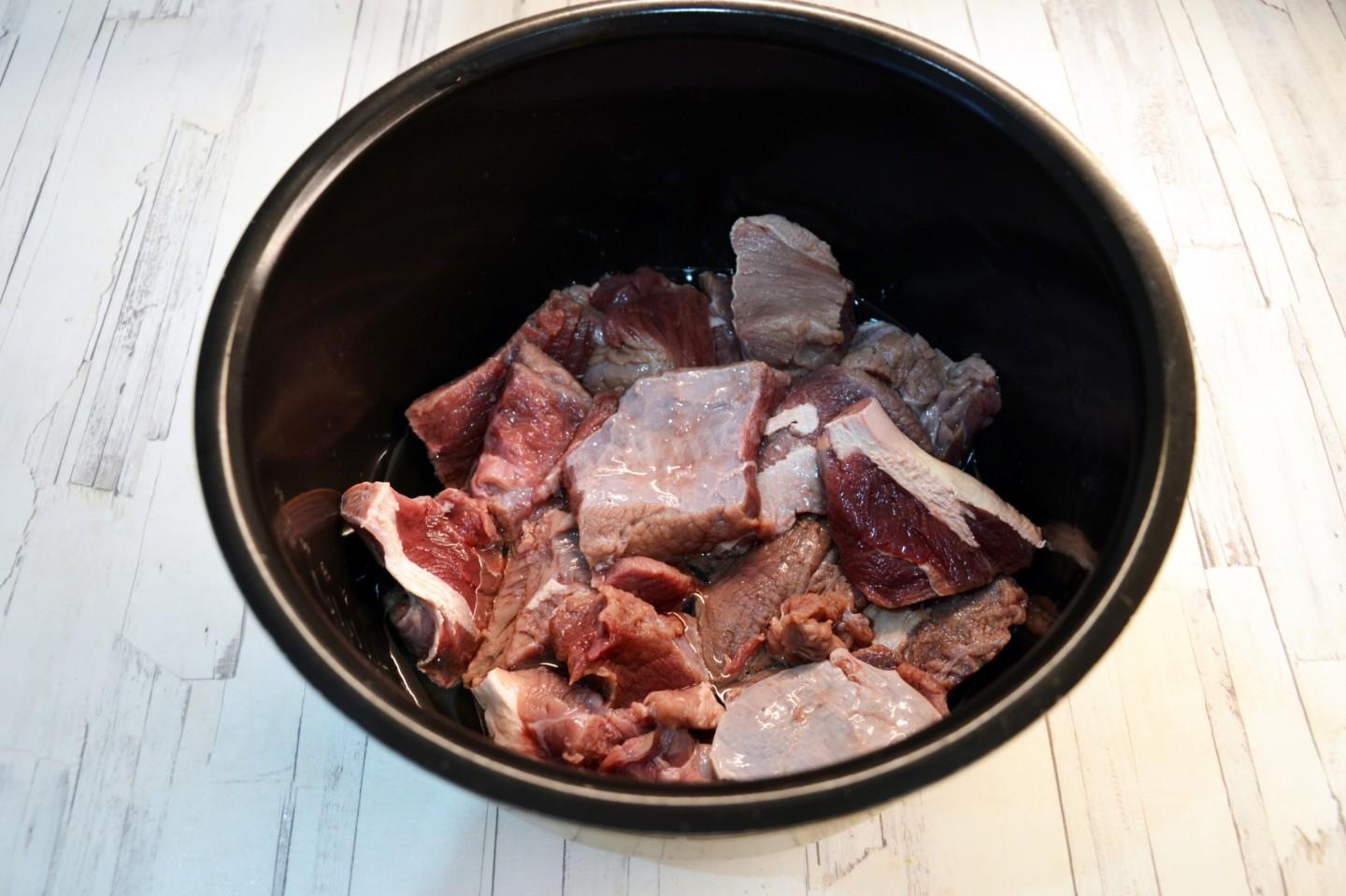
Pour the vegetable oil into the slow cooker bowl and add the meat.
-
Step 5:
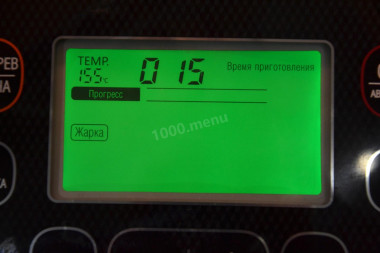
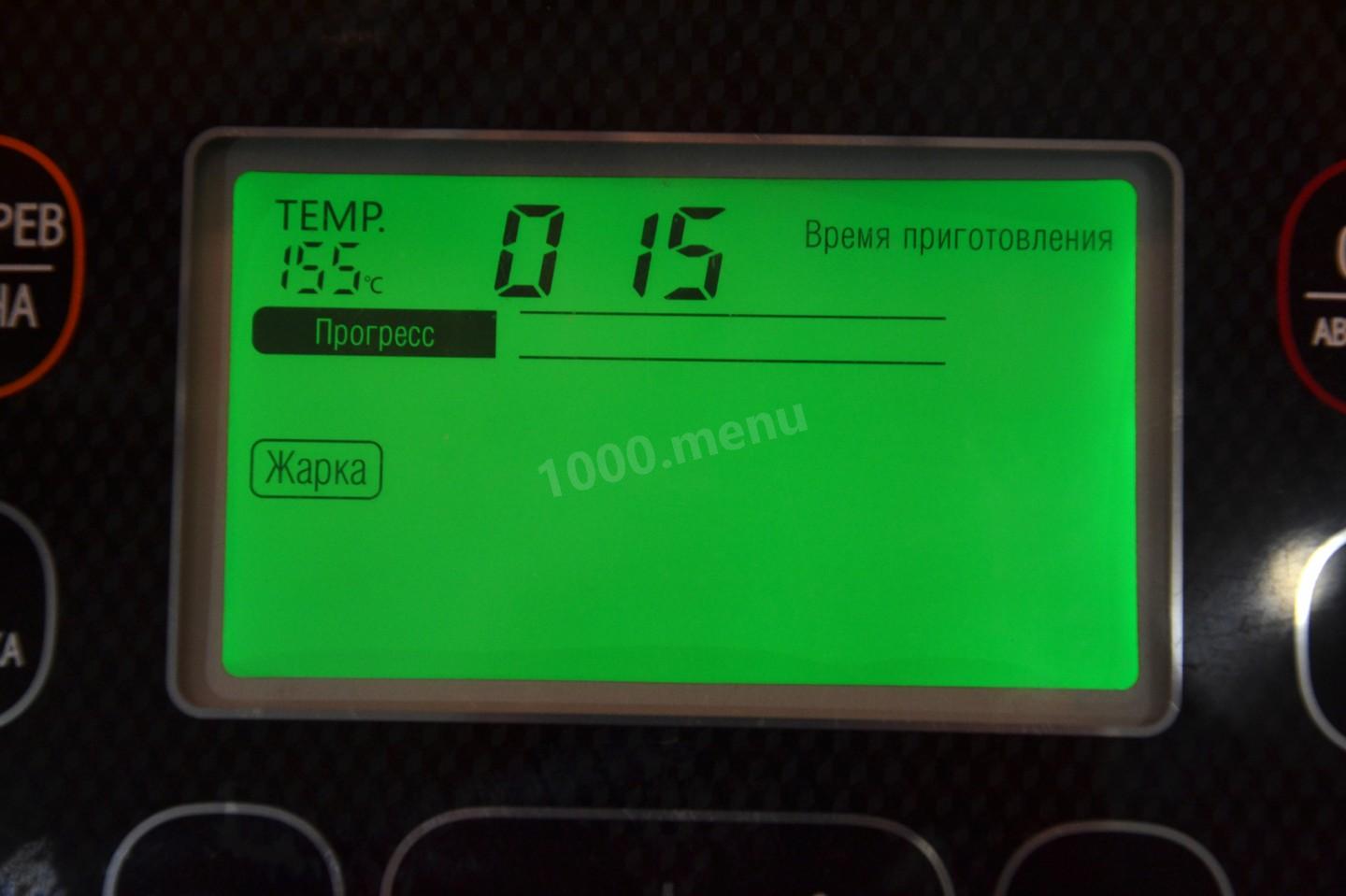
Set the slow cooker to the "Fry" setting (or whatever setting suits frying on your model) and cook the meat, stirring now and then, for 15 minutes.
-
Step 6:
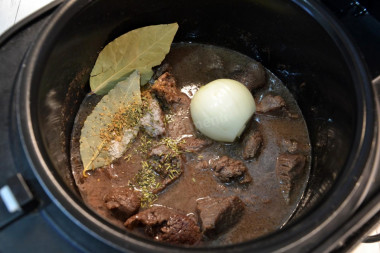
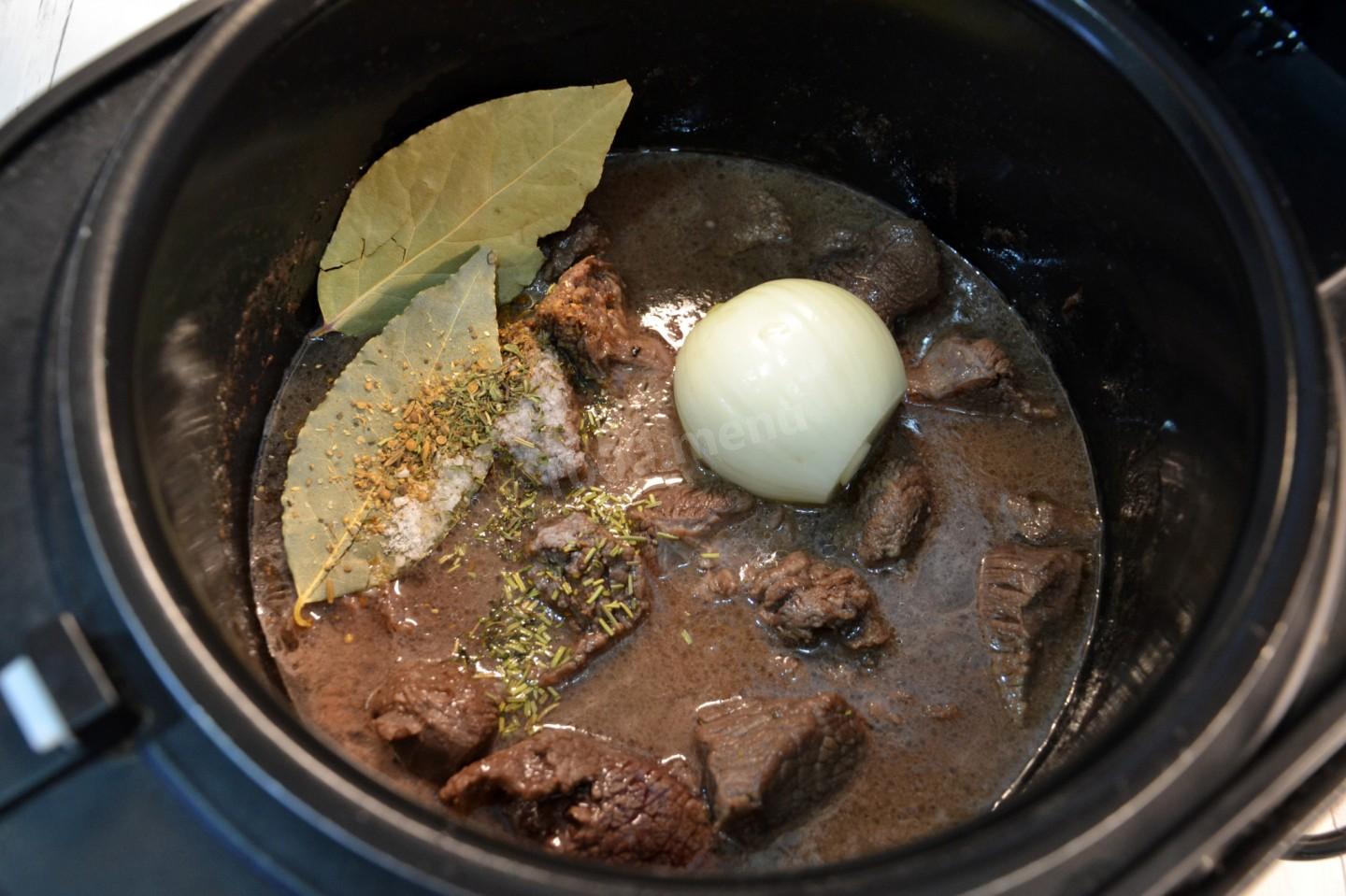
Peel the onion but leave it whole — you'll want it that way. Pour hot water over the browned meat and add the whole onion, bay leaves, dried herbs, ground pepper, and salt. Using hot water saves time so it doesn't need to heat up during braising. Adjust the spices to your taste.
-
Step 7:
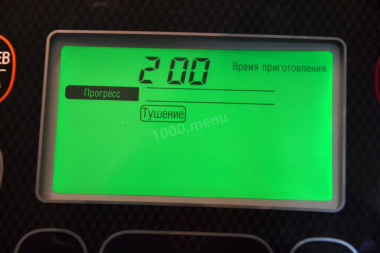
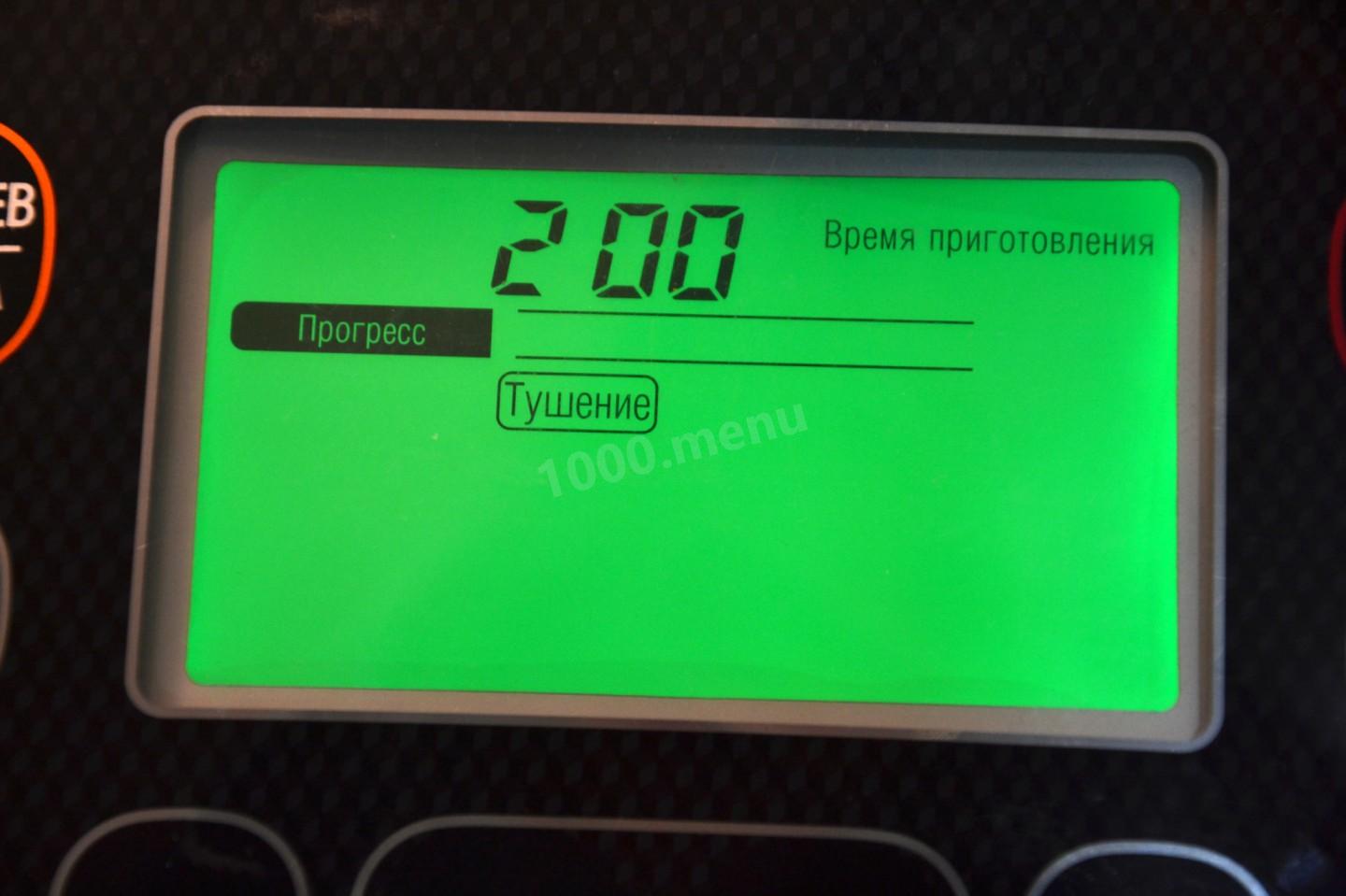
Braise the moose for 2 hours on the "Stew" setting (or another suitable one), stirring occasionally.
-
Step 8:
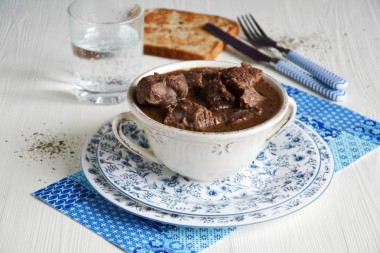
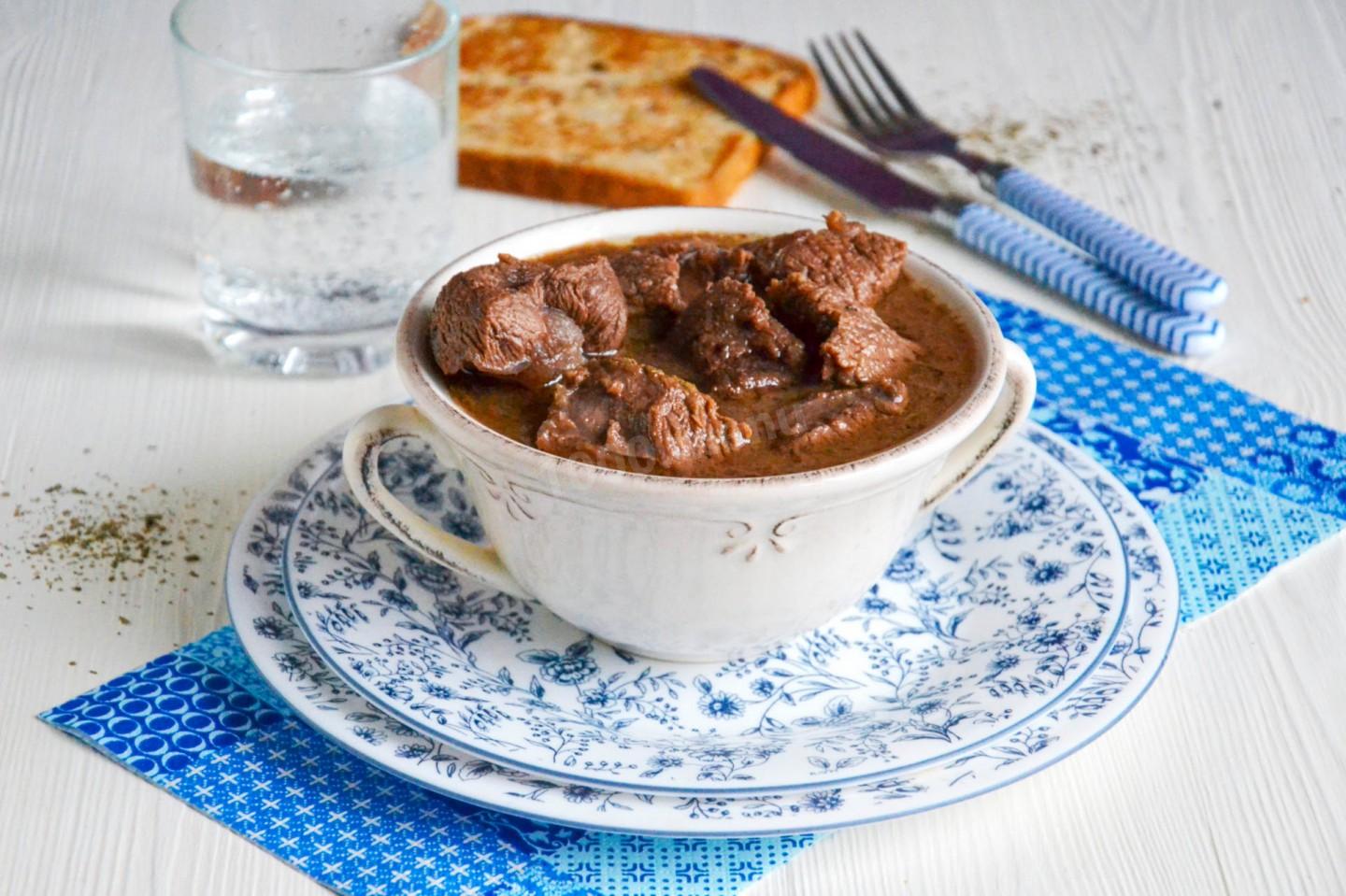
The slow-cooker moose is ready. Serve it with the sauce that forms during braising. Enjoy!
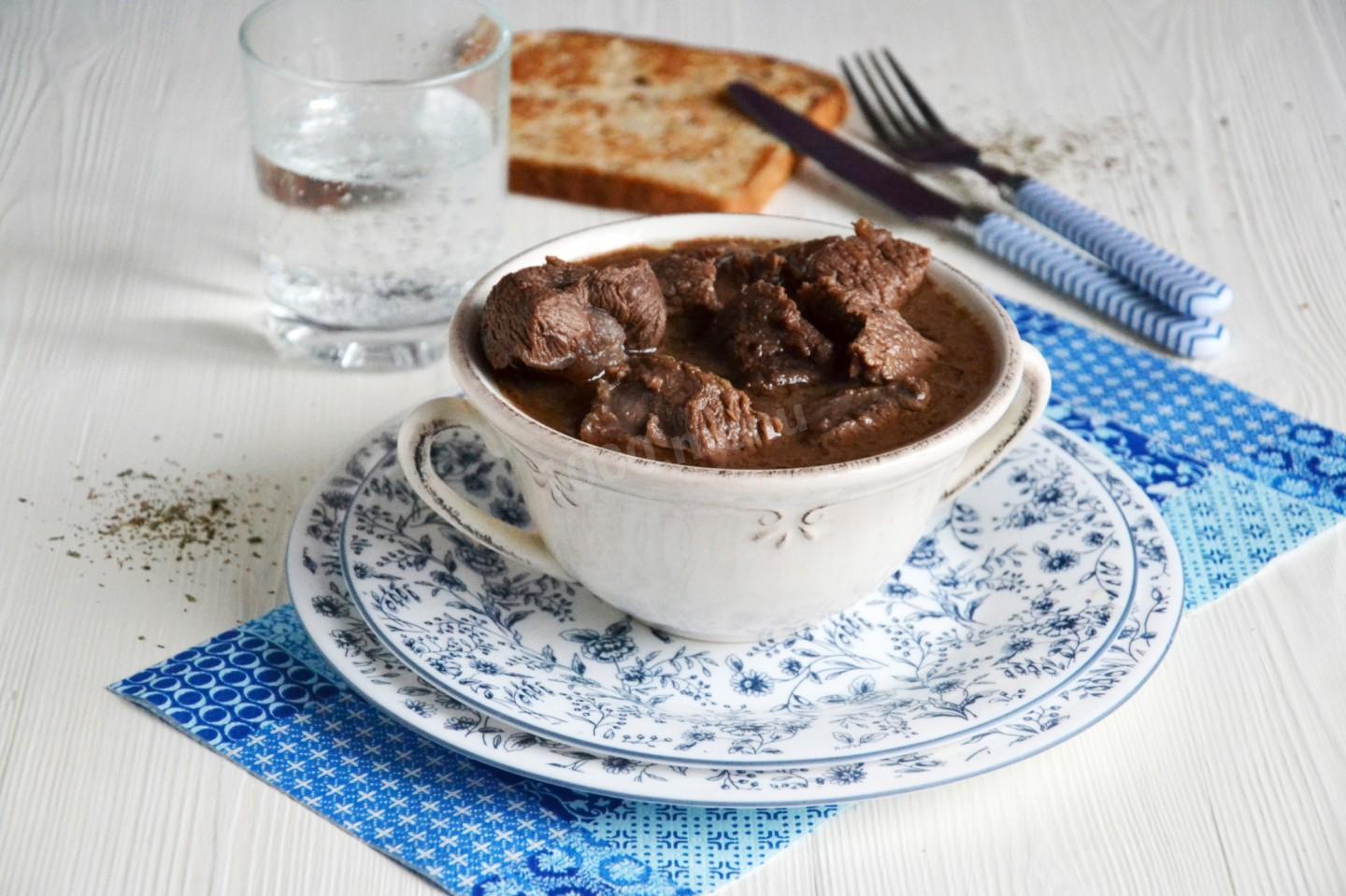
- We got the meat of an older, large animal. I roasted one part whole in the oven, and it turned out a bit tough even after two days of soaking. But braised in the slow cooker, it was indistinguishable from beef in taste and texture — even though it soaked for only 12 hours. So when people ask how best to cook moose, my answer is clear: braise it in a slow cooker, or simply in a deep, heavy-bottomed pan with a lid.
- Keep in mind that the cooking time and setting in this recipe are approximate. Every slow cooker works a little differently, and even identical models from the same manufacturer can have their quirks. Before making a new dish in your slow cooker, read the manual carefully, then start by cooking dishes you already know well before moving on to new ones, dialing in the setting and timing to suit your own machine.
- It's best to cook with neutral-tasting filtered or bottled water. If you use tap water, keep in mind it can give the dish an off, characteristic aftertaste.
- Since everyone's tolerance for salty, sweet, bitter, spicy, sour, and hot is different, always add spices and seasonings to your own taste! If you're using a seasoning for the first time, remember that some are especially easy to overdo (chili pepper, for example).
Caloric content of the products possible in the composition of the dish
- Onion - 41 kcal/100g
- Bay leaf - 313 kcal/100g
- Ground black pepper - 255 kcal/100g
- Thyme - 101 kcal/100g
- Dried thyme - 276 kcal/100g
- Thyme - 276 kcal/100g
- Vegetable oil - 873 kcal/100g
- Salt - 0 kcal/100g
- Water - 0 kcal/100g
- Rosemary dry - 131 kcal/100g
- Table vinegar - 11 kcal/100g
- Moose - 100 kcal/100g
Similar recipes
- Homemade dinner
- Second course
- Meat and meat products
- Vegetables
- Spices seasonings spices
- Fats and oils
- Other
- Bay leaf
- Pepper
- Rosemary
- Salt
- Thyme
- Vinegar
- Vegetable oil
- Water
- Stewing
- Recipes for a slow cooker
- Marinating
- Stewed vegetables
- Meat second course
- Meat in a slow cooker
- Game
- Light dinner
- Meat for dinner
- From onion
- No eggs
- Recipes for lean dishes without butter