Braised Beef Heart with Vegetables
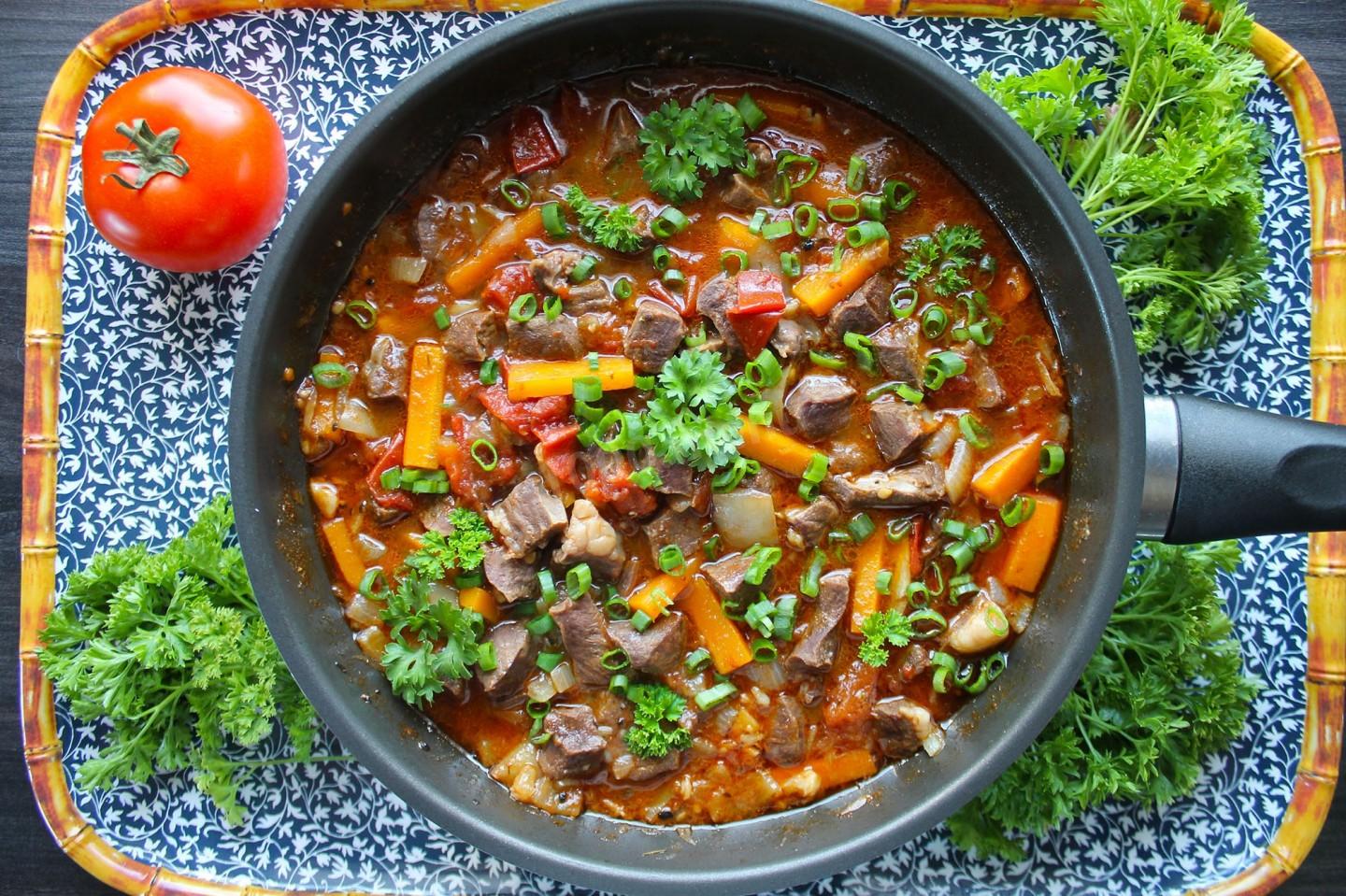
A tasty, filling, wholesome dinner for the whole family! Beef heart braised with vegetables comes out incredibly appetizing and colorful. Serve it on its own, or alongside boiled rice, buckwheat, or mashed potatoes.

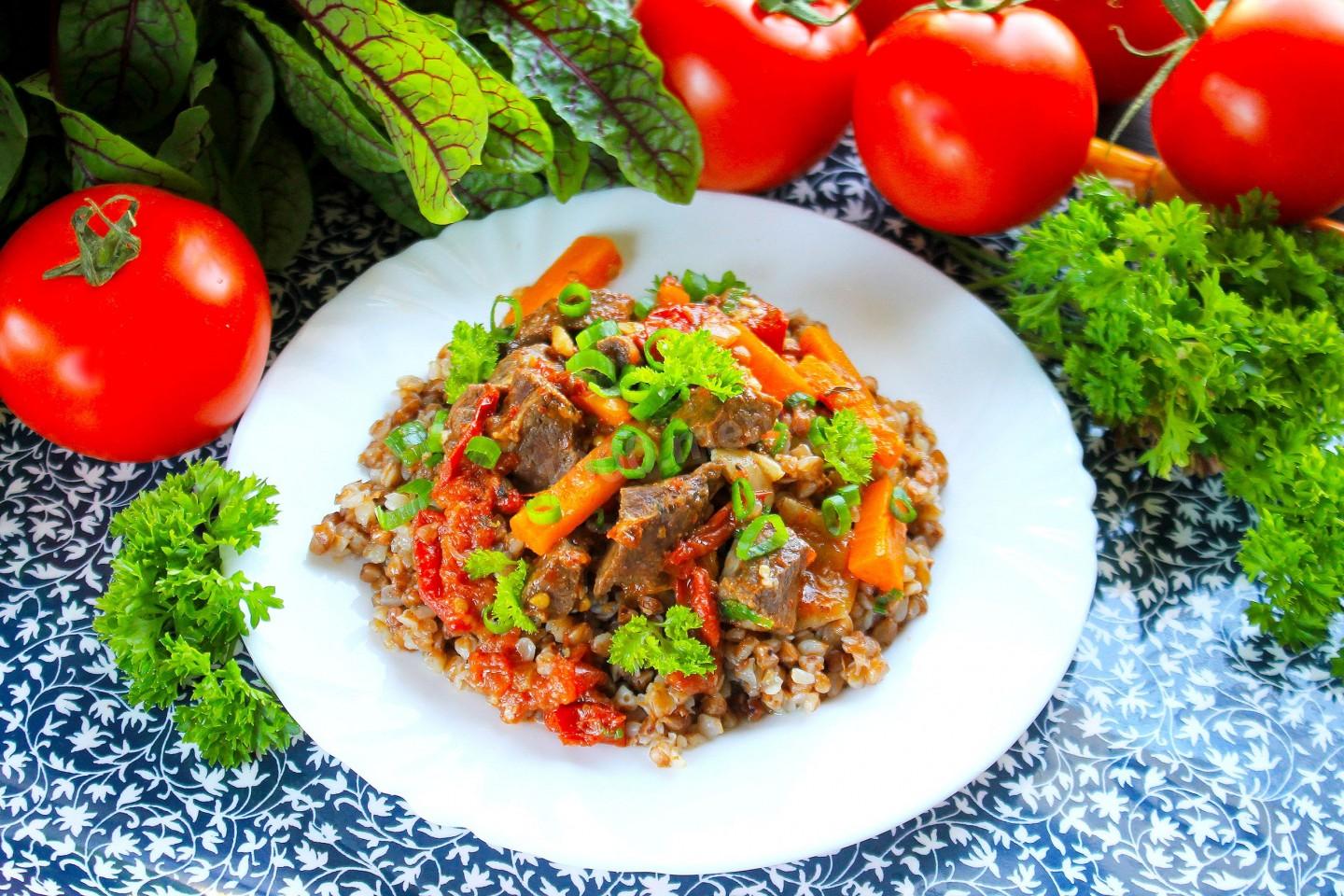
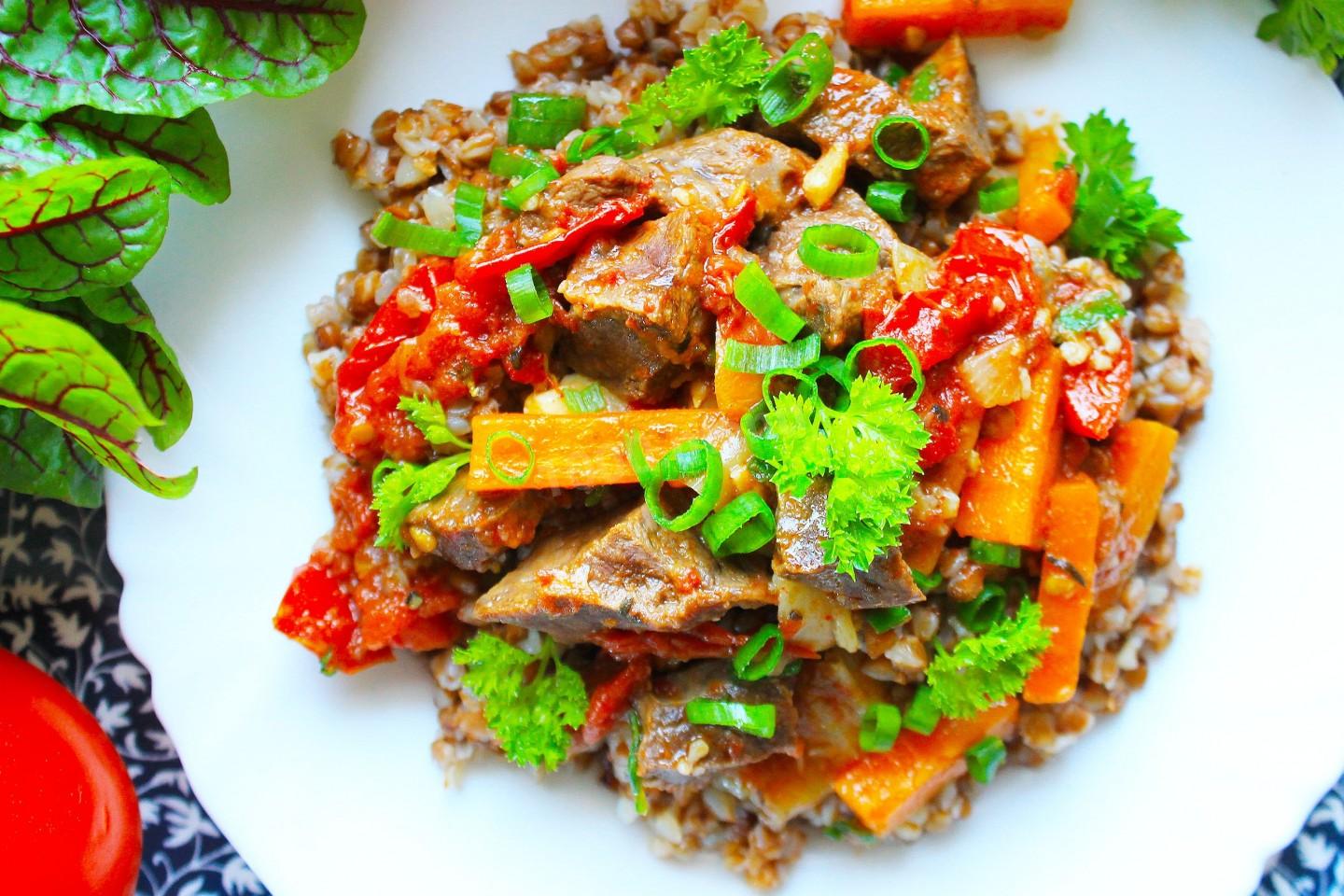
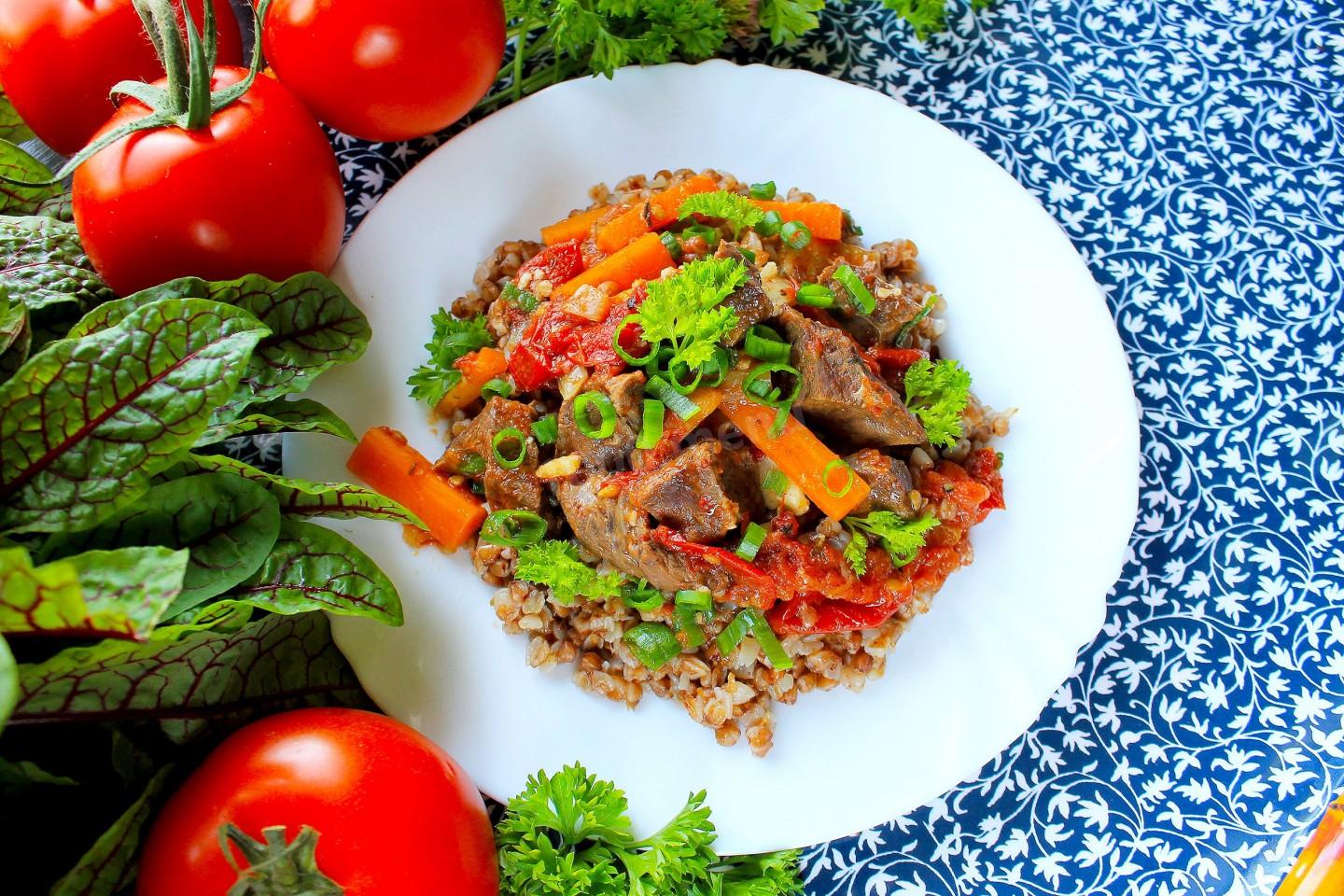
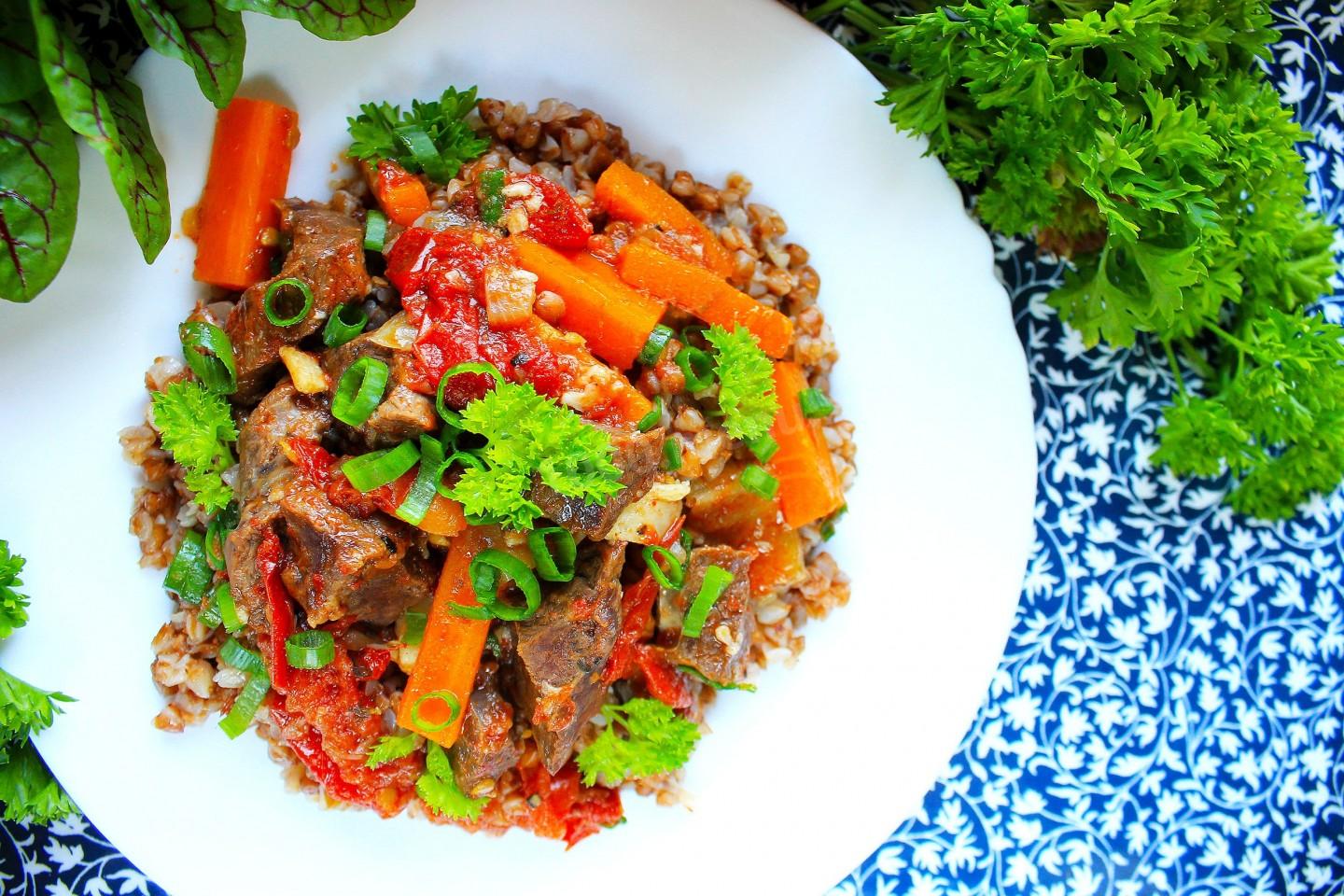
Cooking method
-
Step 1:
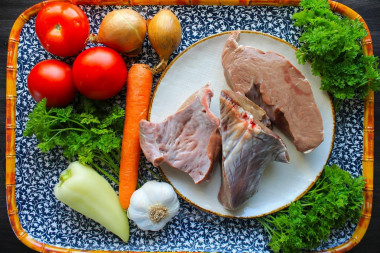
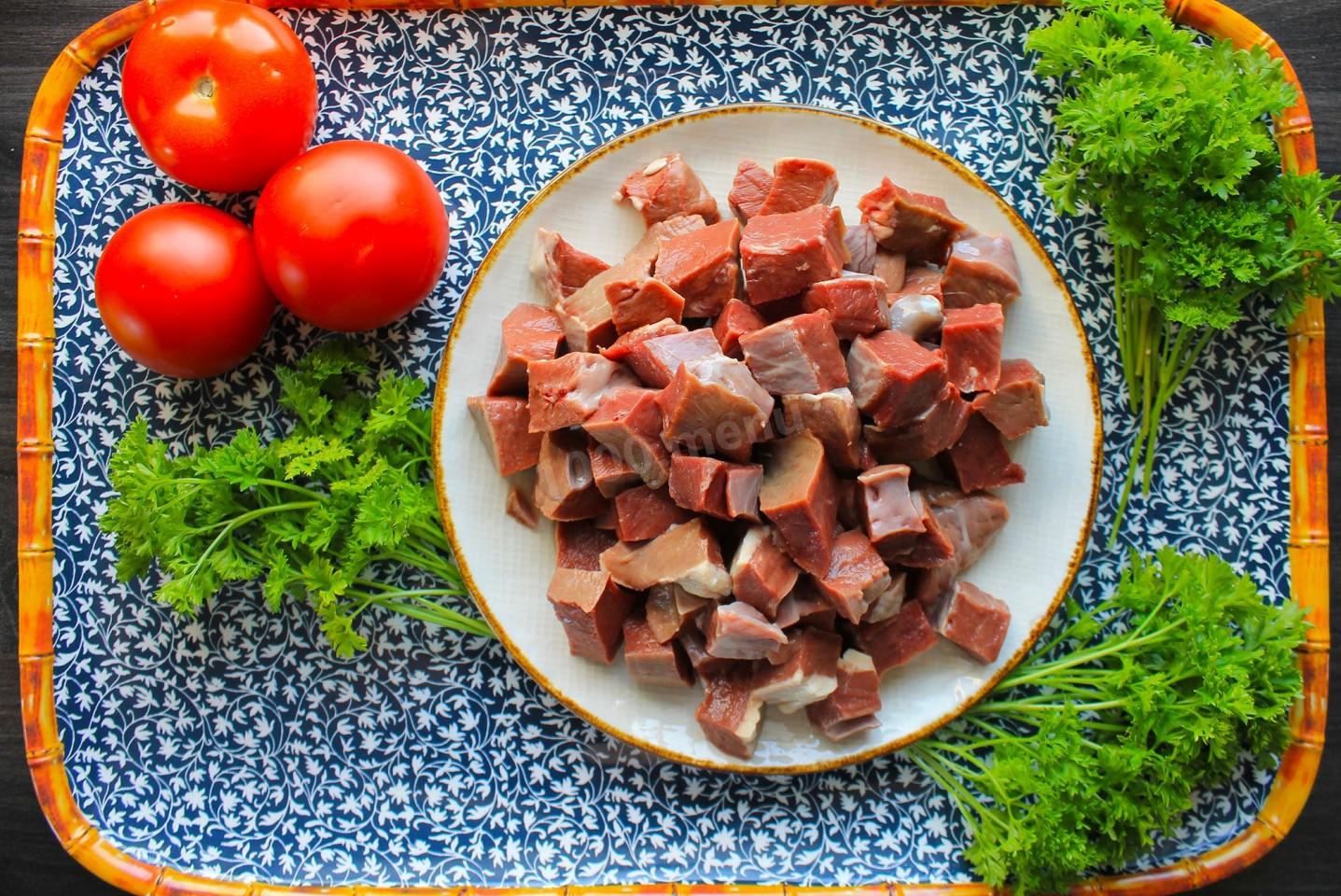
How do you braise beef heart with vegetables in a skillet? Gather everything on the ingredient list. If your heart is frozen, take it out of the freezer ahead of time and let it thaw at room temperature.
-
Step 2:
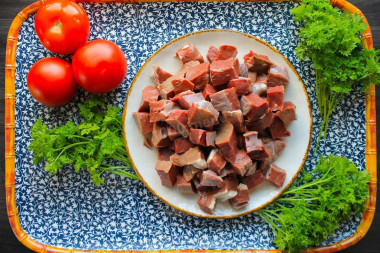
Cut the heart into small cubes, roughly 1/2 inch (1 cm).
-
Step 3:
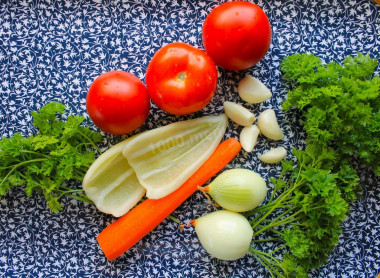
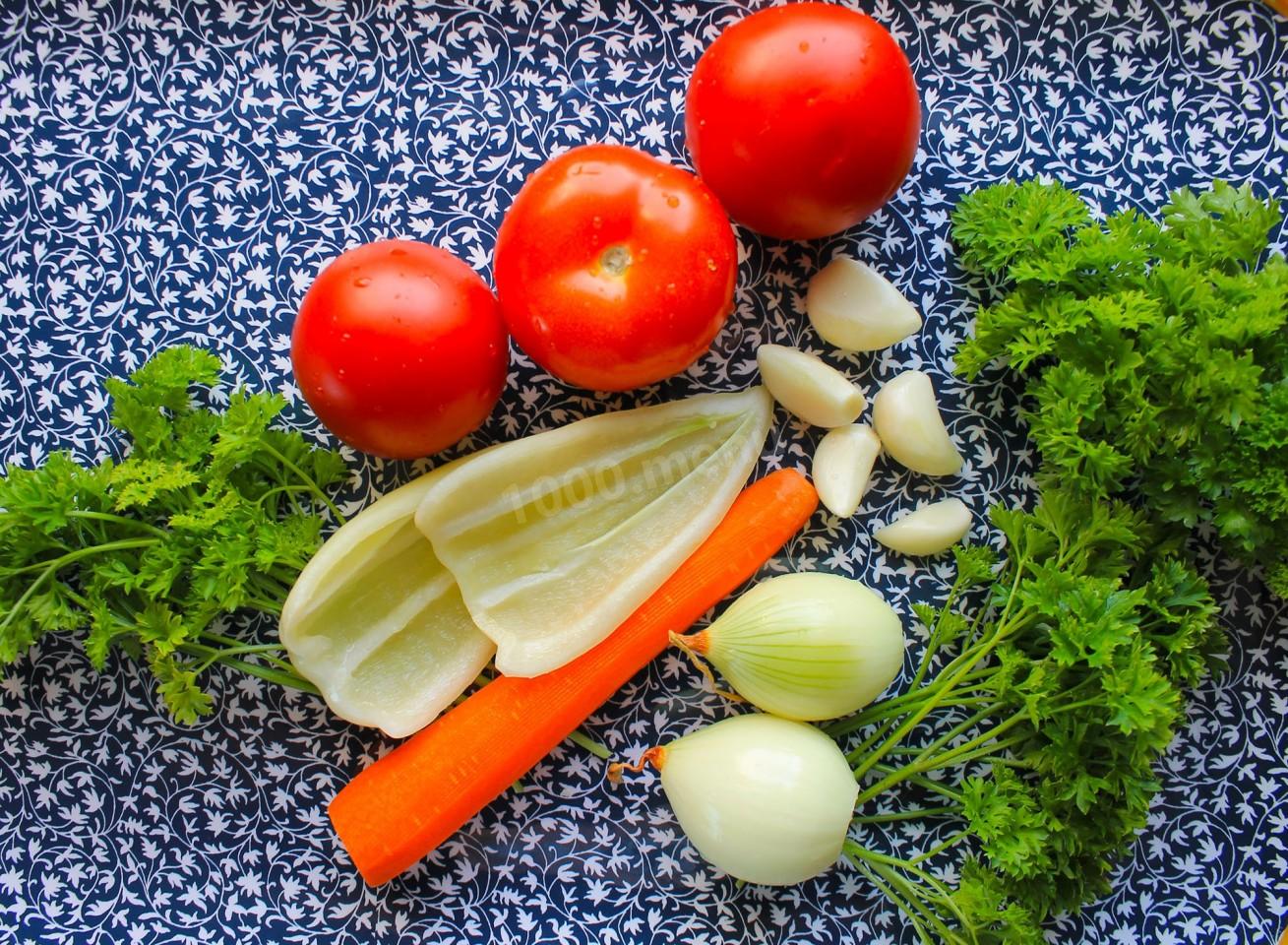
Peel the onion, carrot, and garlic. Halve the bell pepper and remove the core and seeds. Rinse all the vegetables and herbs in clean cold water and pat them dry with paper towels.
-
Step 4:
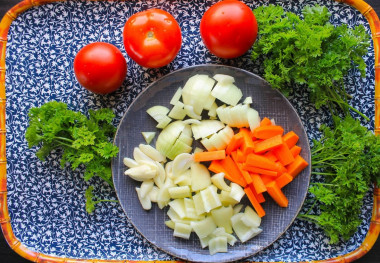
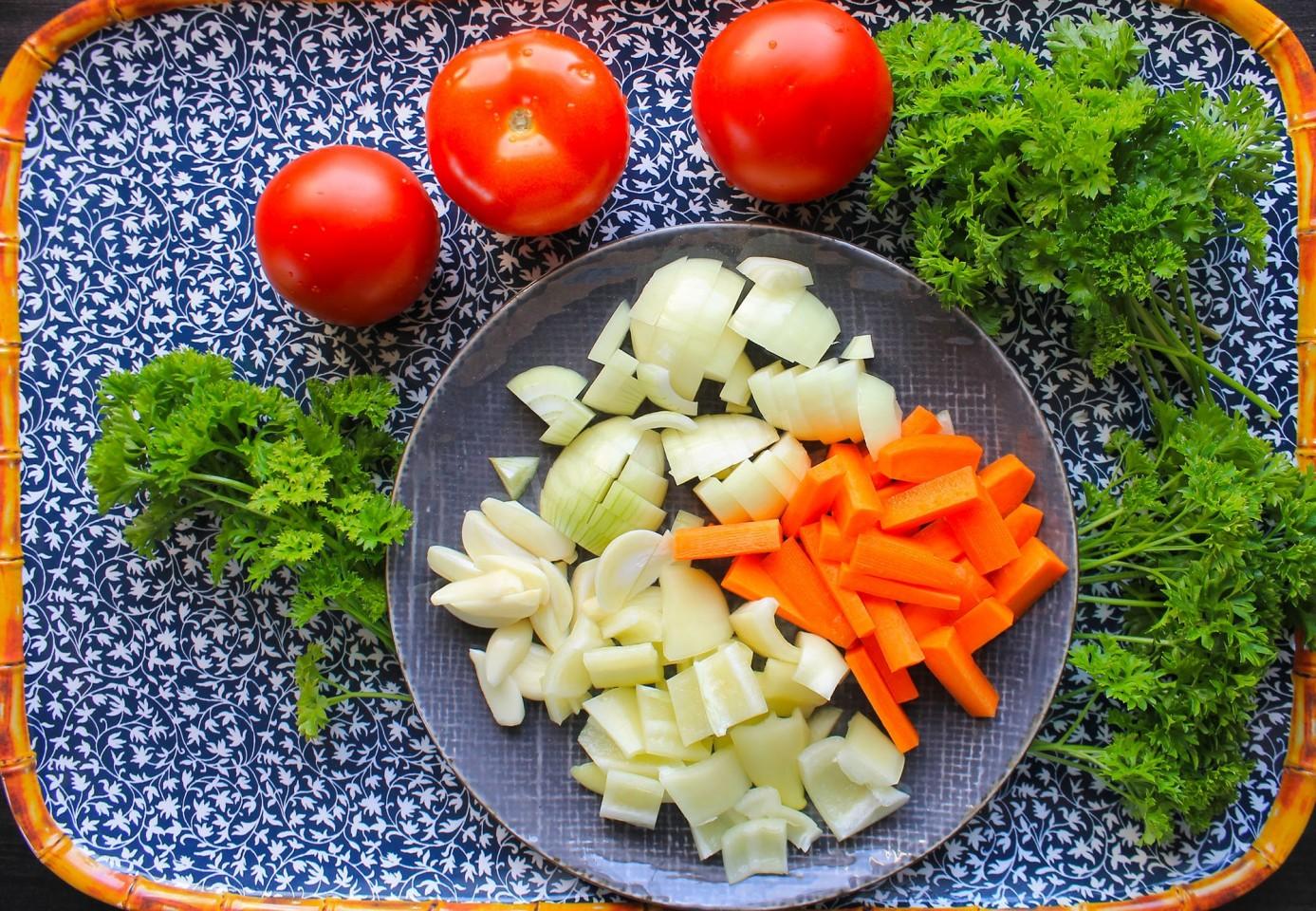
Cut the carrot into sticks or rounds — or grate it on the coarse side of a box grater, whichever you prefer. Cut the onion in half, then each half into two, and slice into quarter-rings. Cut each garlic clove into 4 to 6 pieces and dice the bell pepper small.
-
Step 5:
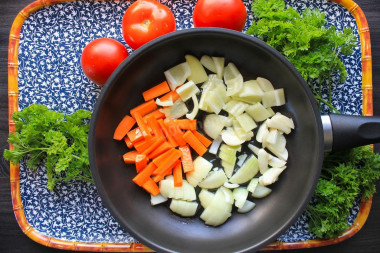
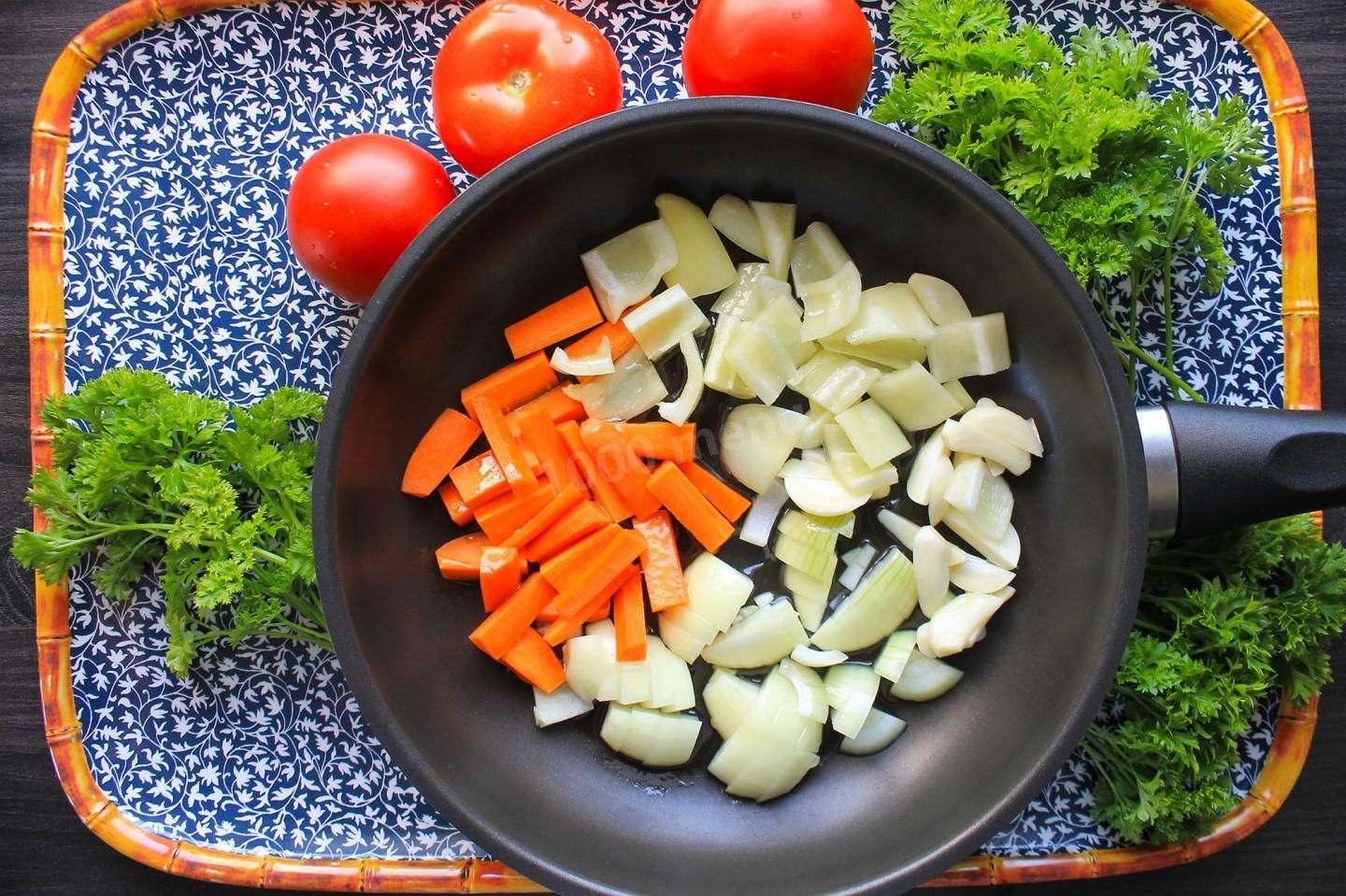
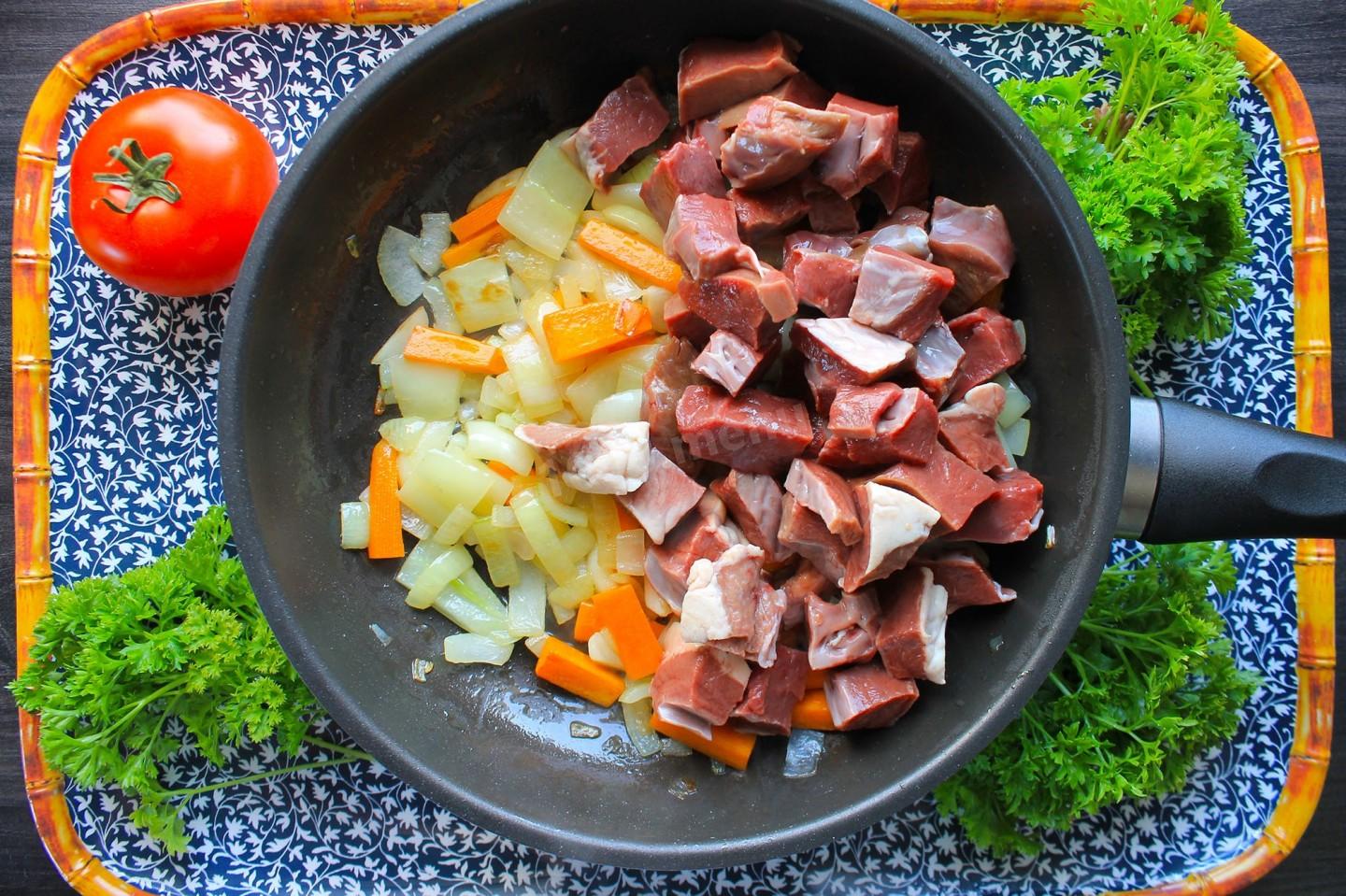
Heat a little refined vegetable oil in a heavy-bottomed skillet. Add the onion, carrot, pepper, and garlic. Cook, stirring, until the onion turns translucent.
-
Step 6:
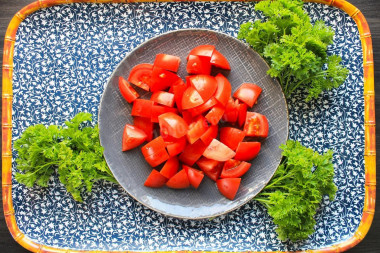
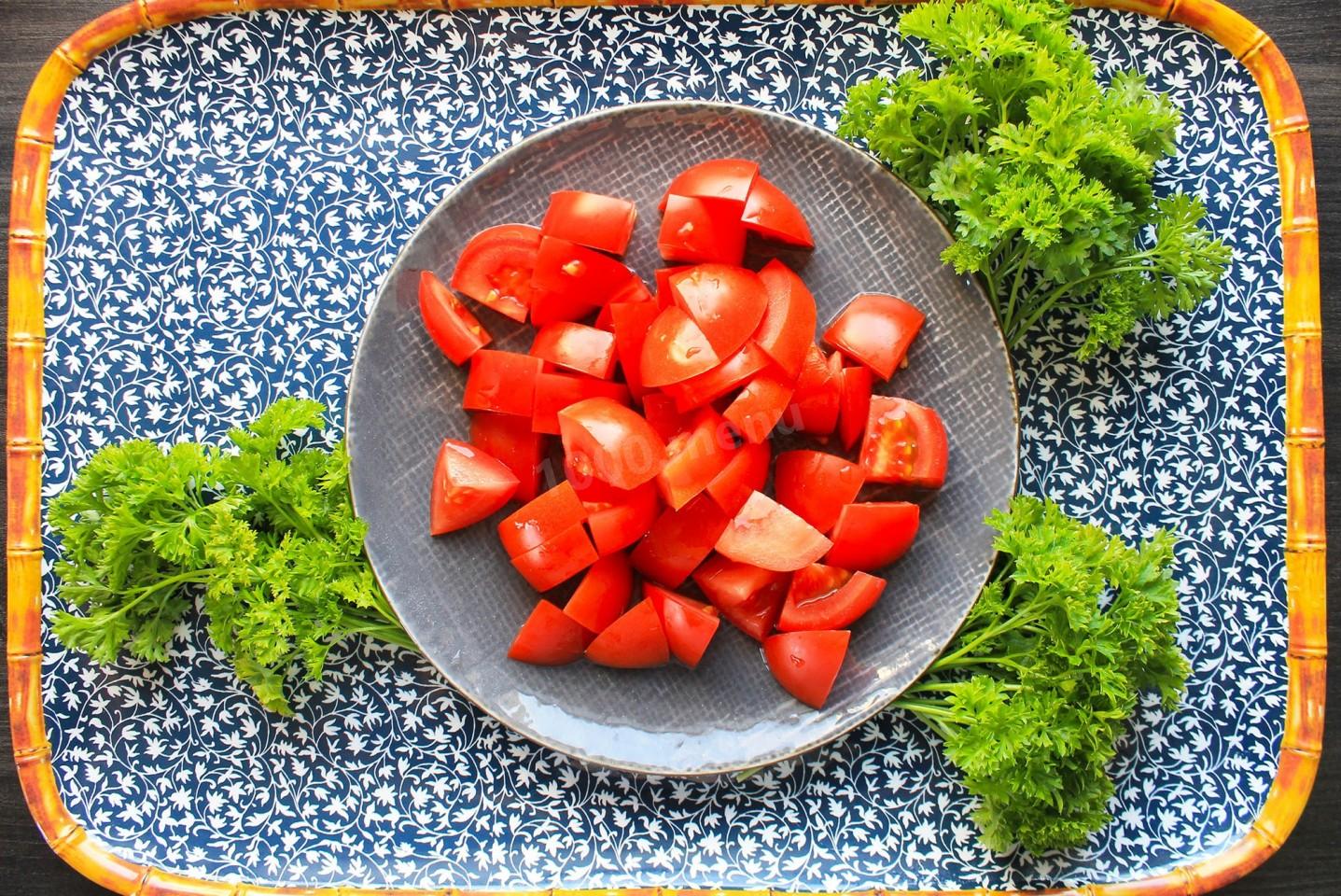
Meanwhile, cut the tomatoes into cubes. If you like, peel them first: pour boiling water over them and let them sit for a minute, then drain and slip off the skins (they come off easily after the hot water). I usually skip this step.
-
Step 7:
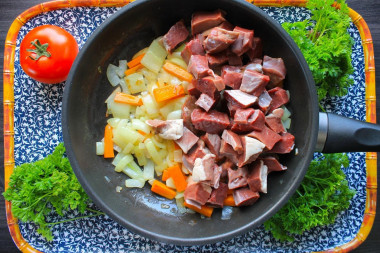
Add the beef heart to the skillet with the vegetables.
-
Step 8:
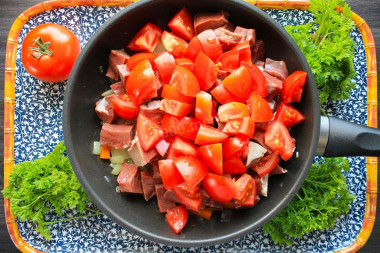
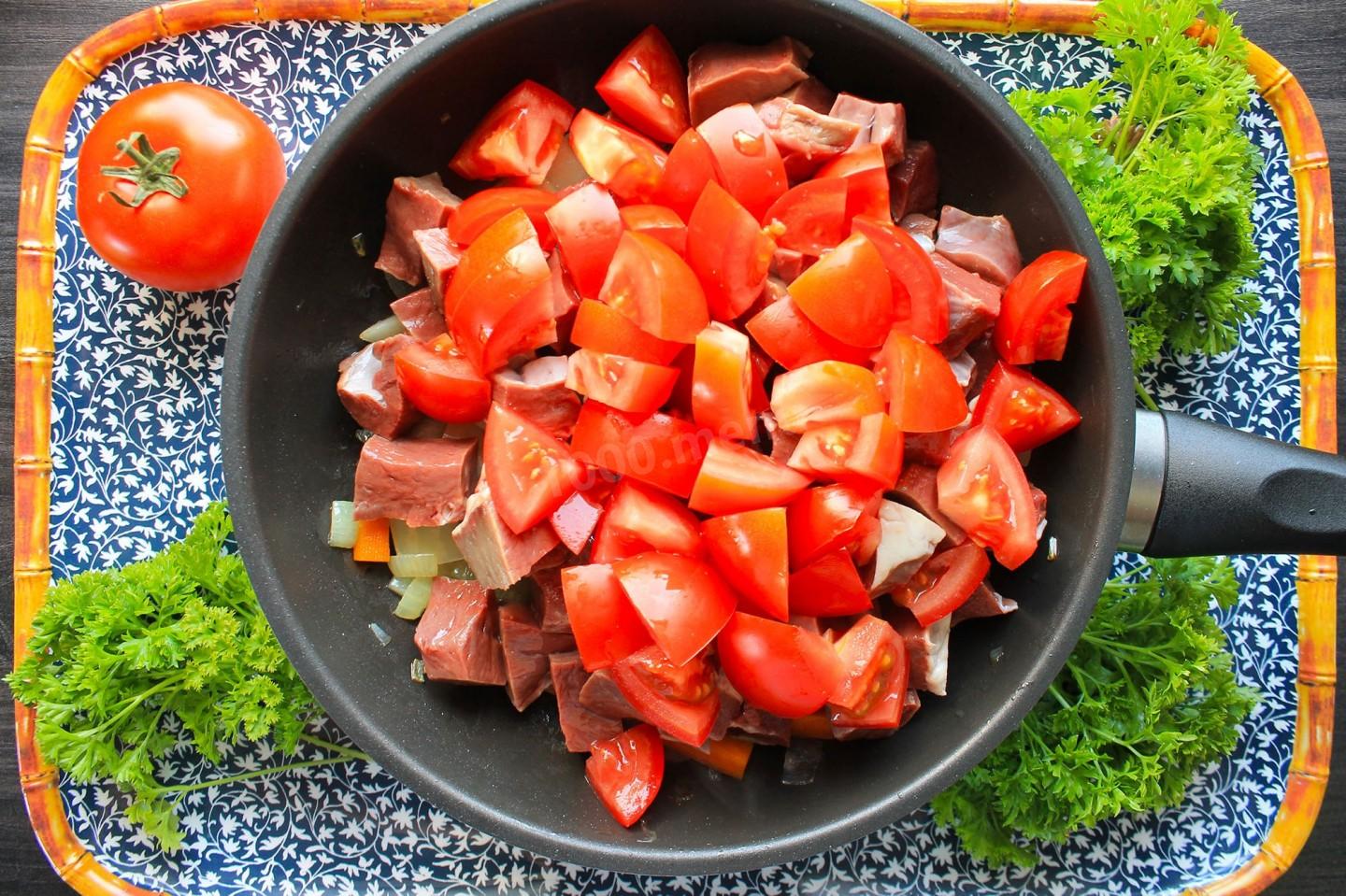
Then add the tomatoes.
-
Step 9:
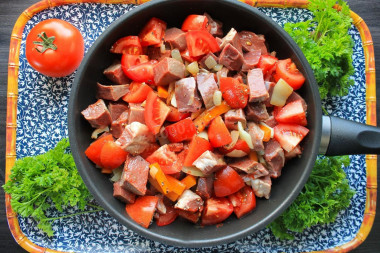
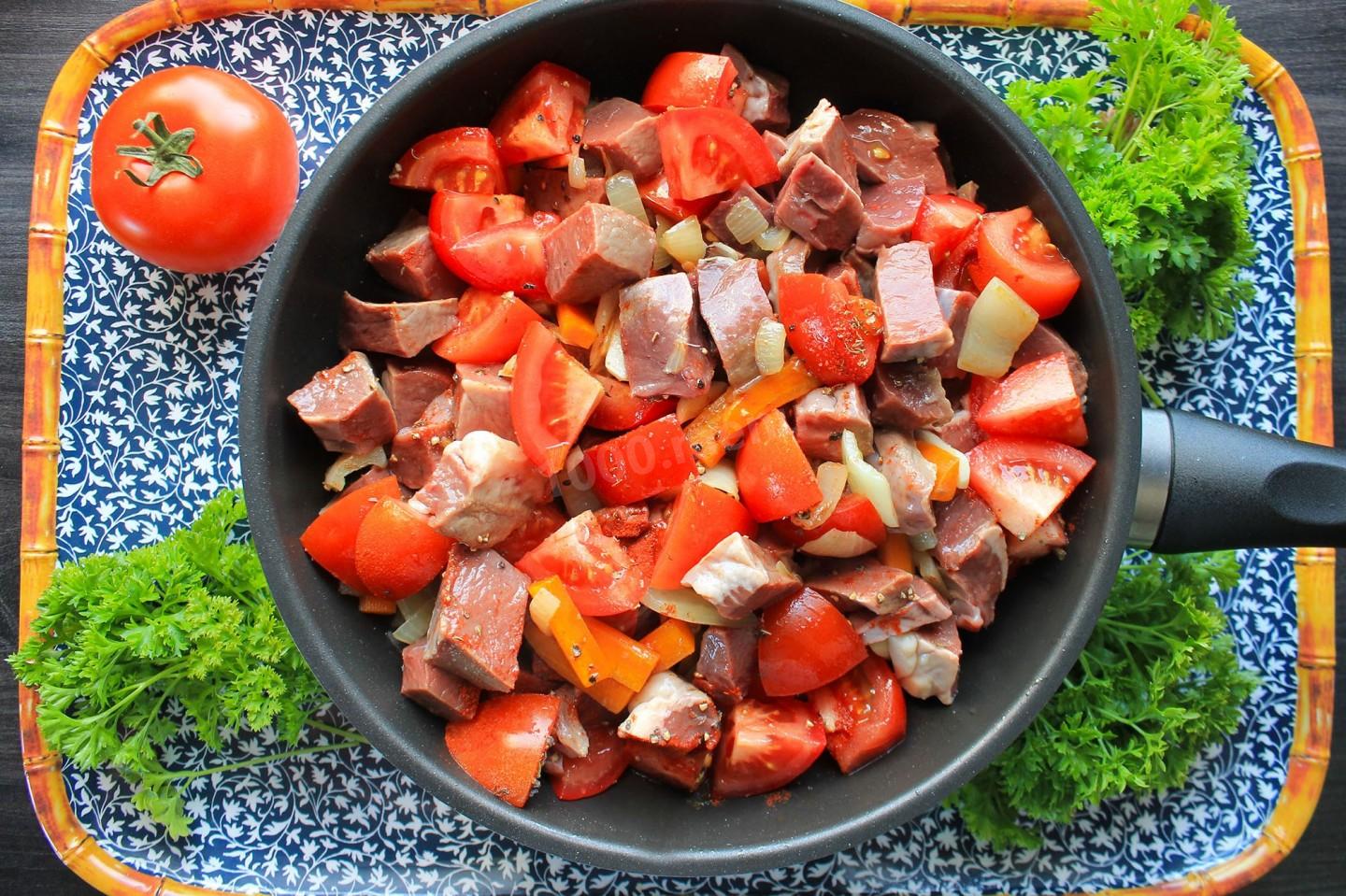
Salt to taste, add your favorite dried spices, stir everything well, and cover.
-
Step 10:
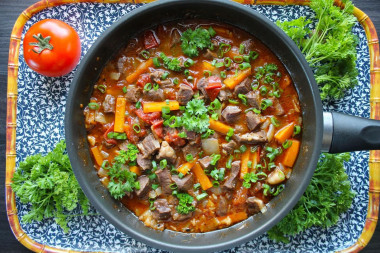
Lower the heat and braise the heart until fully tender. Lift the lid now and then to make sure nothing is scorching, and add a splash of boiling water if needed — usually the tomato juices are enough to braise the heart and vegetables nicely. Finely chop the fresh herbs and scatter them over the finished dish.
-
Step 11:
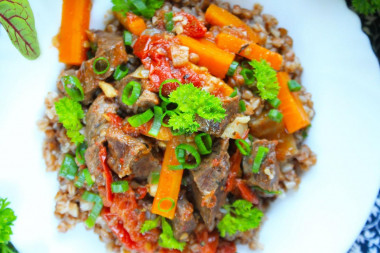
Let the heart and vegetables rest for a bit, then serve hot.
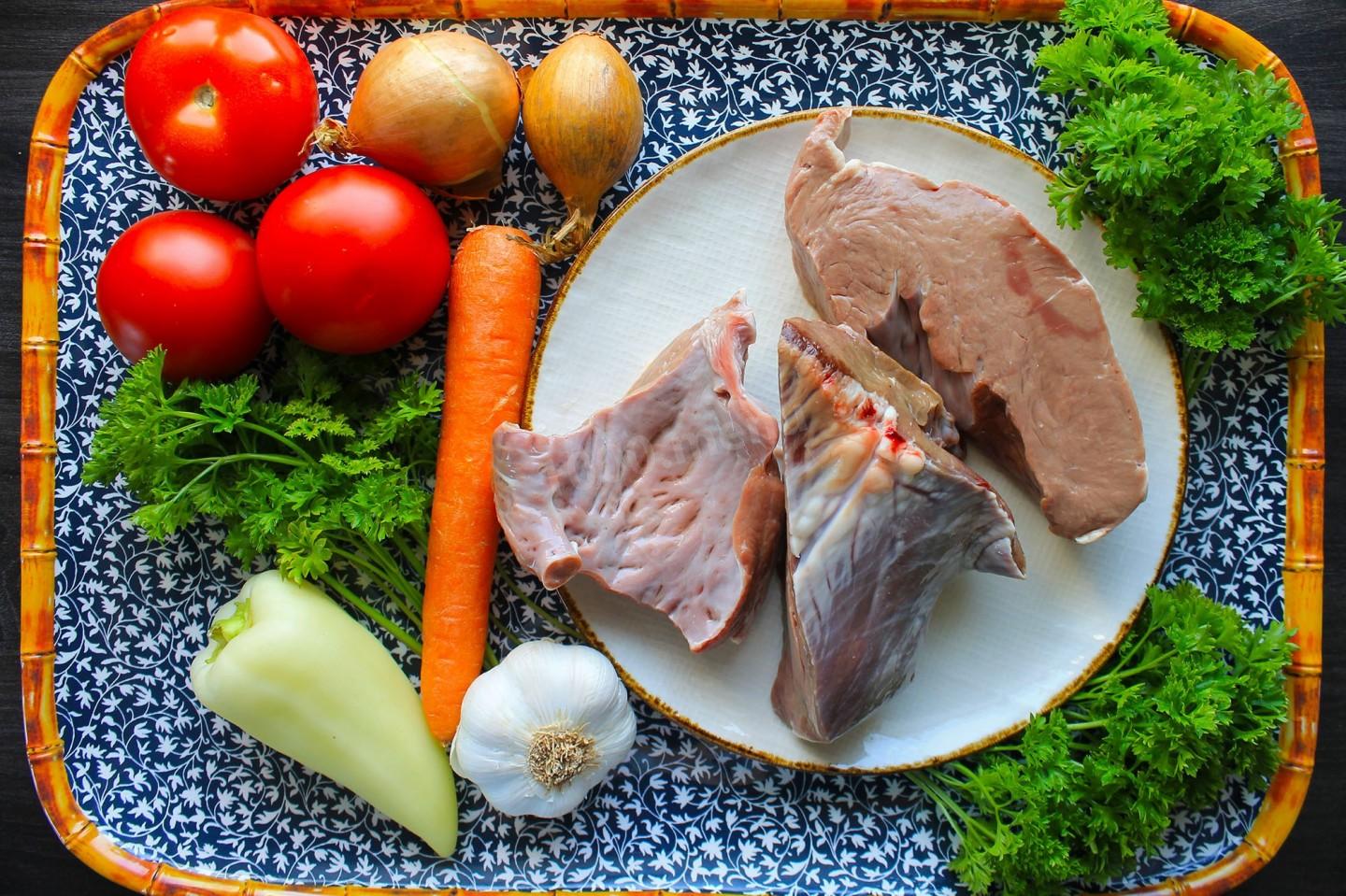
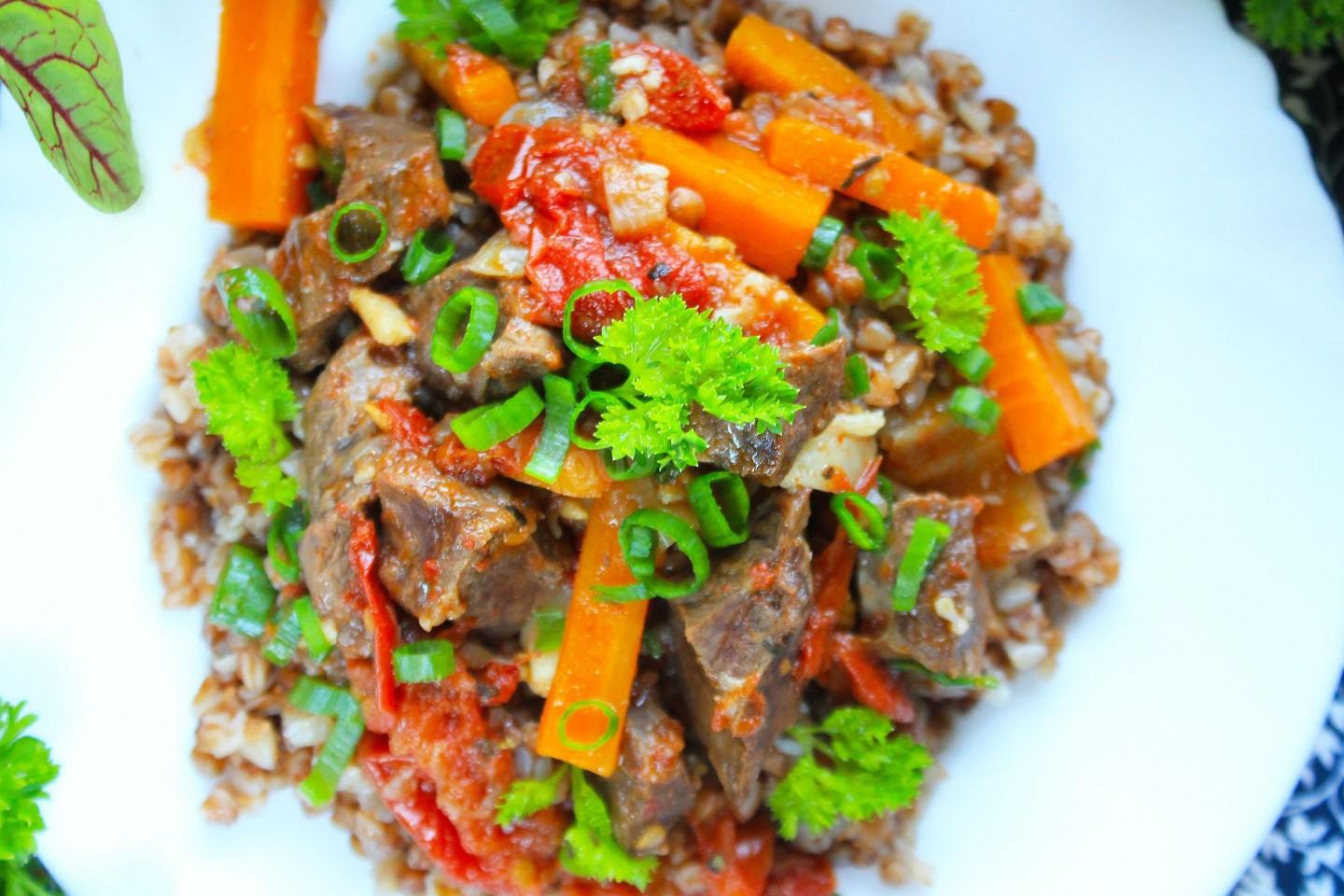
- This dish pairs really well with boiled grains and potatoes.
- Enjoy your meal!
- If you use a store-bought spice blend, check the label. These mixes often already contain salt, so factor that in or you may end up over-salting the dish.
- Everyone's tolerance for salt, sweetness, bitterness, heat, and acidity is different, so always add spices and seasonings to your own taste. If you're using a seasoning for the first time, keep in mind that some are especially easy to overdo — chili pepper, for one.
- Use an oil with a high smoke point for frying. Every oil is only good up to a certain temperature — its smoke point, past which it starts to burn and forms harmful compounds, including carcinogens. Unrefined oils, with few exceptions, have a low smoke point; they're full of unfiltered particles that scorch quickly. Refined oils hold up better to heat and have a higher smoke point. Whenever you're cooking in the oven, in a skillet, or on the grill, reach for a high-smoke-point oil — the most common being refined sunflower, olive, and grapeseed.
Caloric content of the products possible in the composition of the dish
- Onion - 41 kcal/100g
- Tomatoes - 23 kcal/100g
- Carrots - 33 kcal/100g
- Dried carrots - 275 kcal/100g
- Boiled carrots - 25 kcal/100g
- Garlic - 143 kcal/100g
- Vegetable oil - 873 kcal/100g
- Salt - 0 kcal/100g
- Fresh frozen soup greens in a package - 41 kcal/100g
- Greenery - 41 kcal/100g
- Heart of mutton - 82 kcal/100g
- Beef heart - 96 kcal/100g
- A mixture of ground peppers - 255 kcal/100g
Similar recipes

- Homemade dinner
- Second course
- Meat and meat products
- Vegetables
- Spices seasonings spices
- Fats and oils
- Garlic
- Зелень
- Pepper
- Salt
- Vegetable oil
- Stewing
- Simple dinner
- Stewed vegetables
- Meat second course
- Offal
- Simple quick dinner
- From carrots
- From tomato
- From onion
- No eggs
- Recipes for lean dishes without butter