Bell Pepper and Tomato Ketchup for Winter
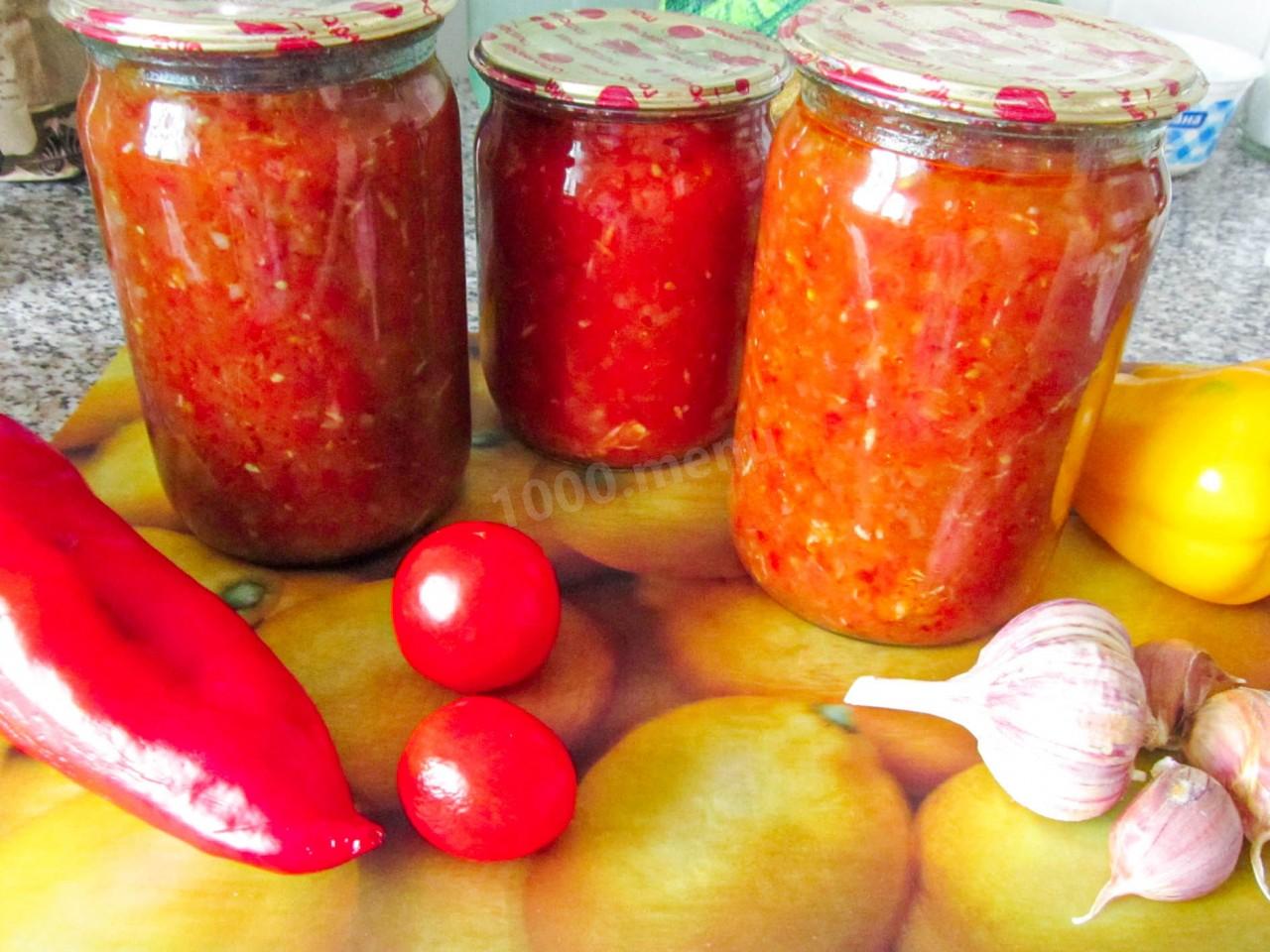
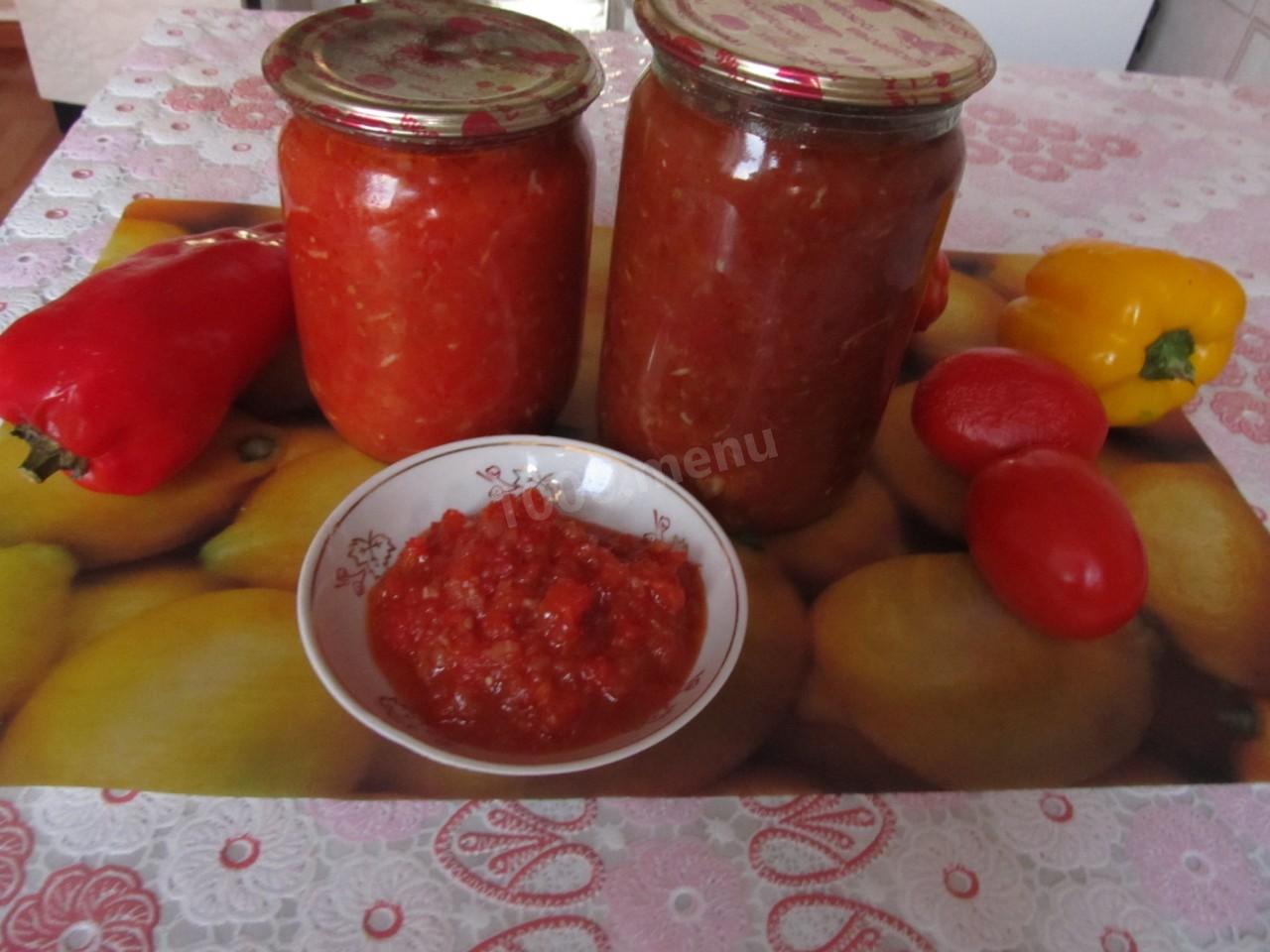
Appetizing, fragrant, tangy, and downright delicious! This bell pepper and tomato ketchup for winter is a simple recipe for a really tasty preserve that works as a sauce with just about anything. Made during the cheap-vegetable season, it's easy on the wallet too.

Cooking method
-
Step 1:
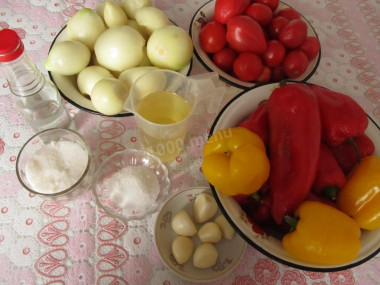
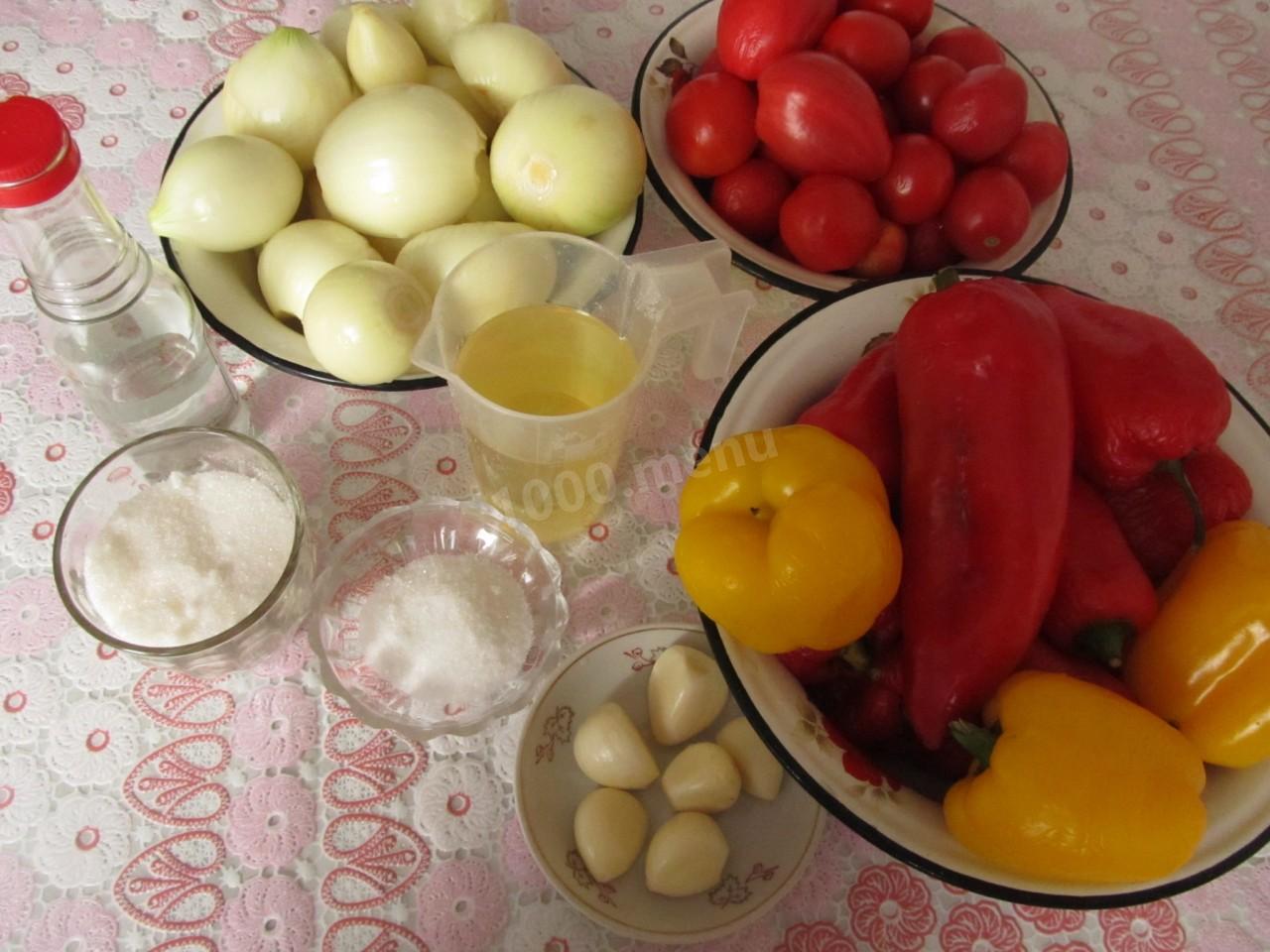
How do you make bell pepper and tomato ketchup for winter? Prep the ingredients. Use ripe, firm peppers and tomatoes with no signs of spoilage. Wash and dry the vegetables. Cut the peppers open and remove the core and seeds. Peel the onion and garlic.
-
Step 2:
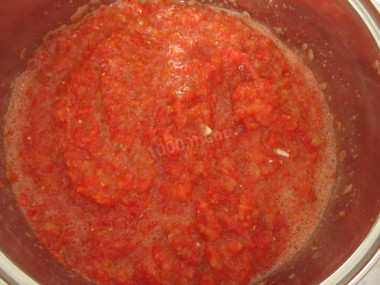
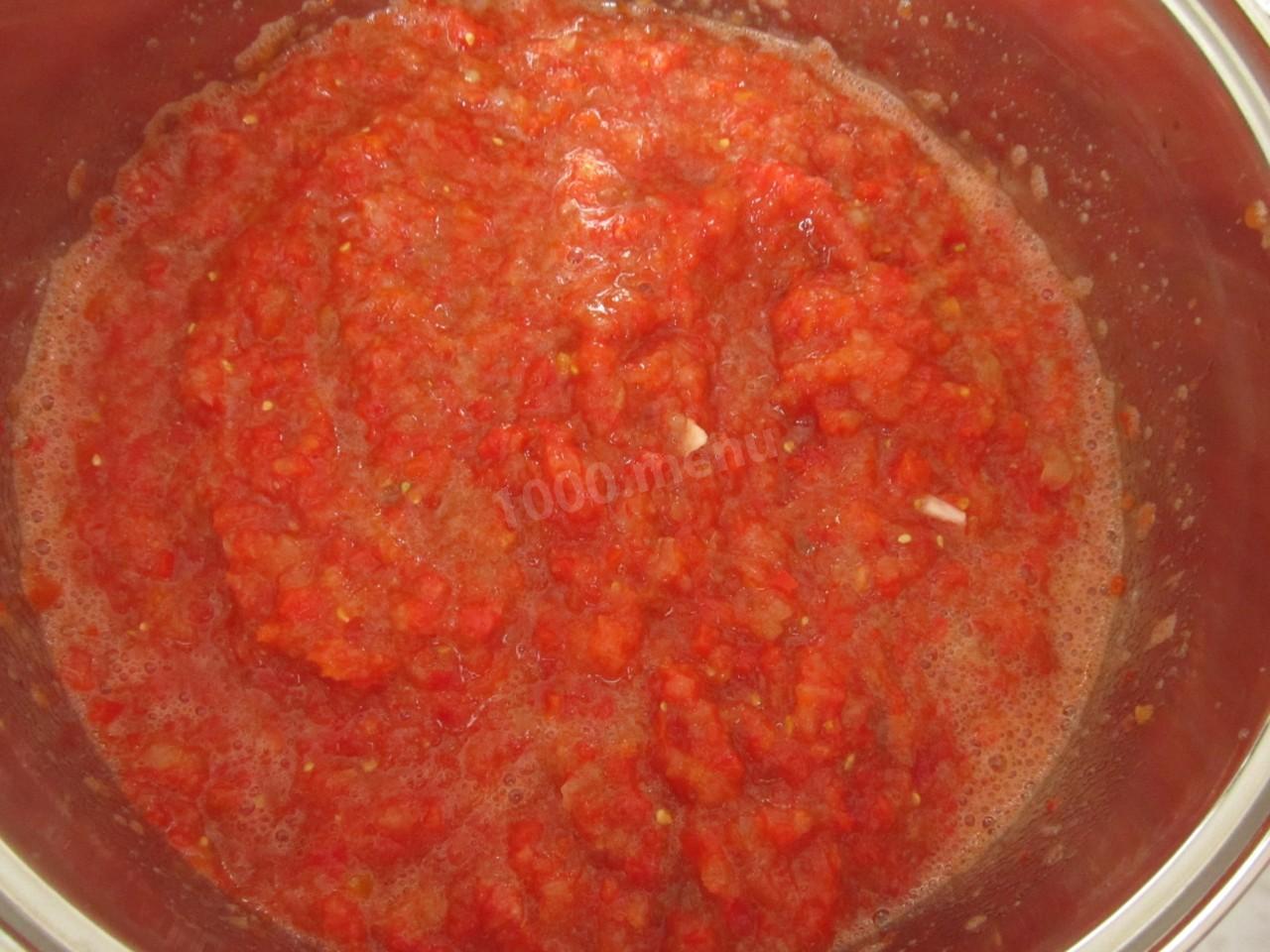
Run all the vegetables (except the garlic) through a meat grinder into a large pot suitable for cooking, and set it over low heat on the stove.
-
Step 3:
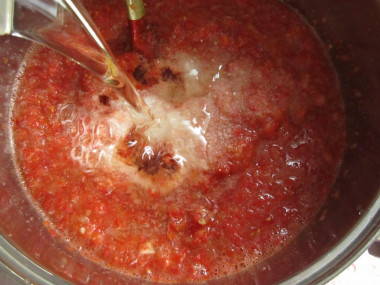
Once the vegetable mixture comes to a boil, add the salt, sugar, and vegetable oil, and stir.
-
Step 4:
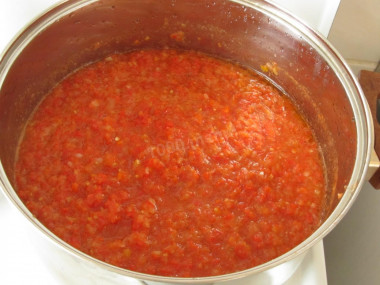
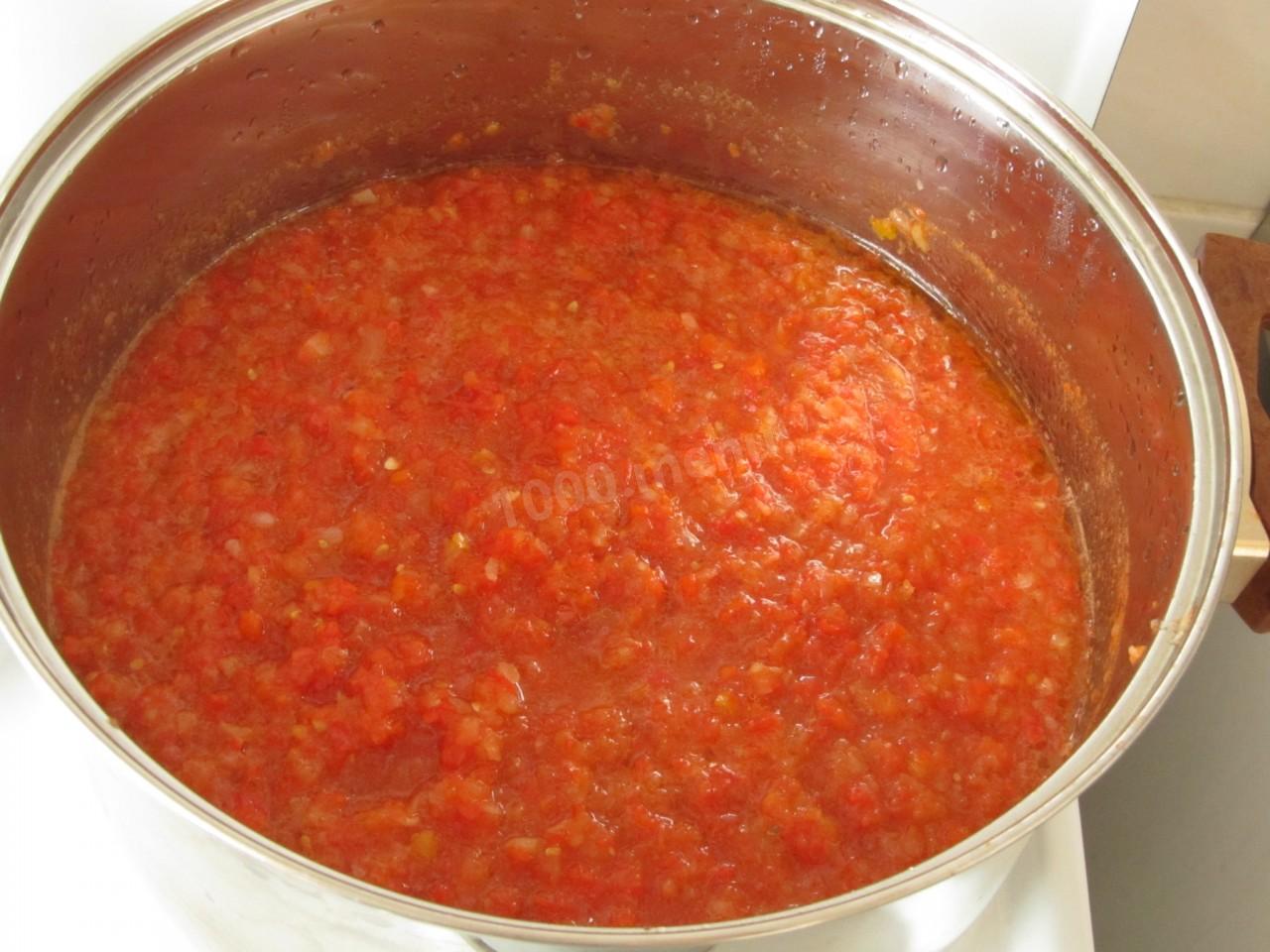
Simmer the ketchup over low heat for 1 to 1.5 hours. Judge doneness by its thickness — it should be about as thick as heavy sour cream.
-
Step 5:
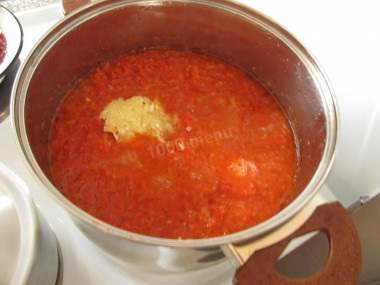
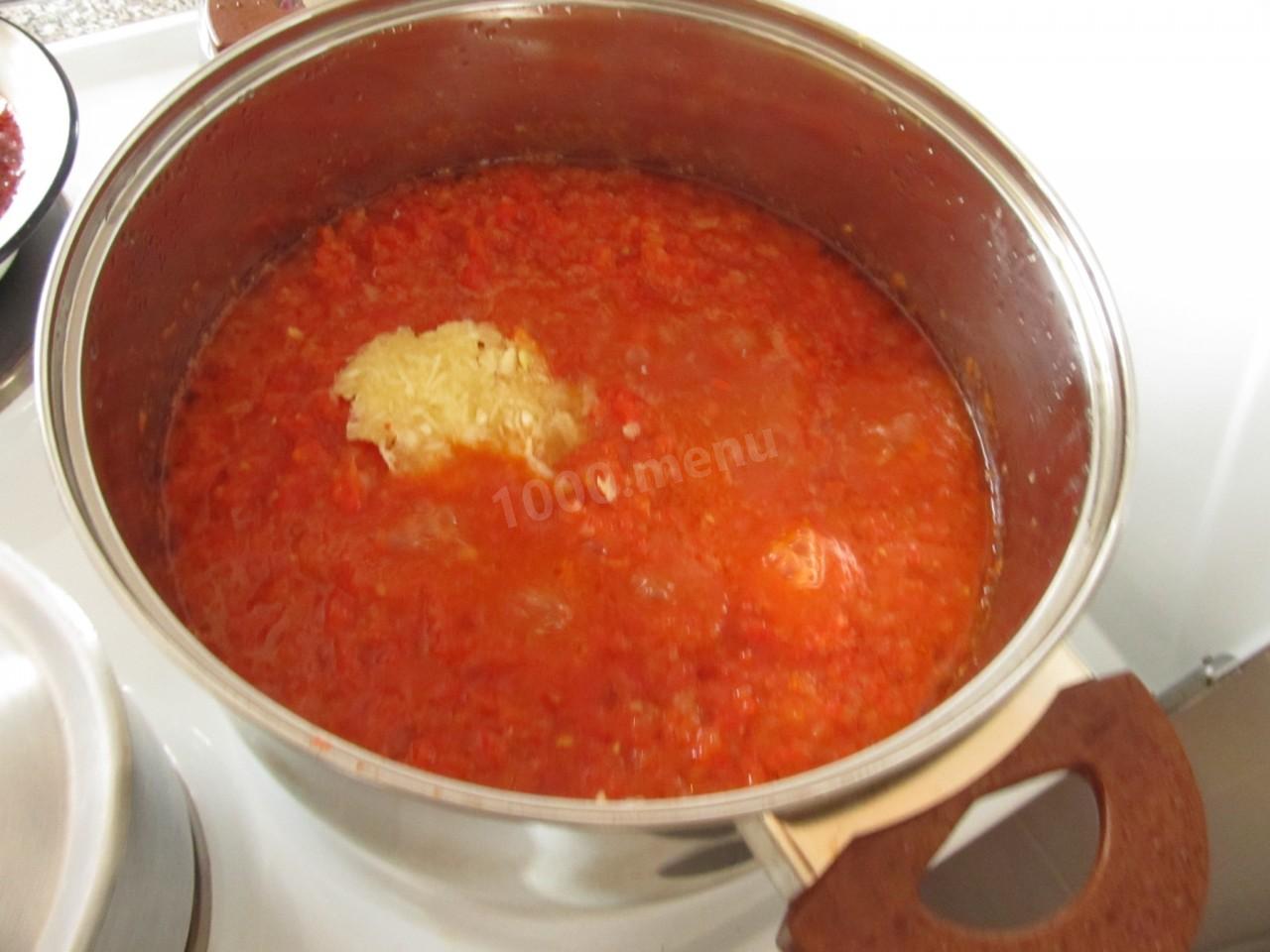
About 10–15 minutes before the end of cooking, add the garlic, grated on a fine grater.
-
Step 6:
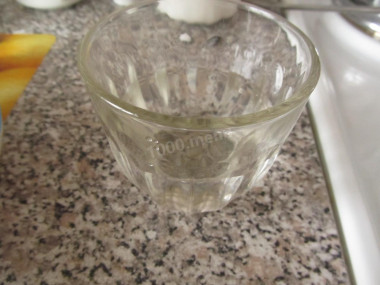
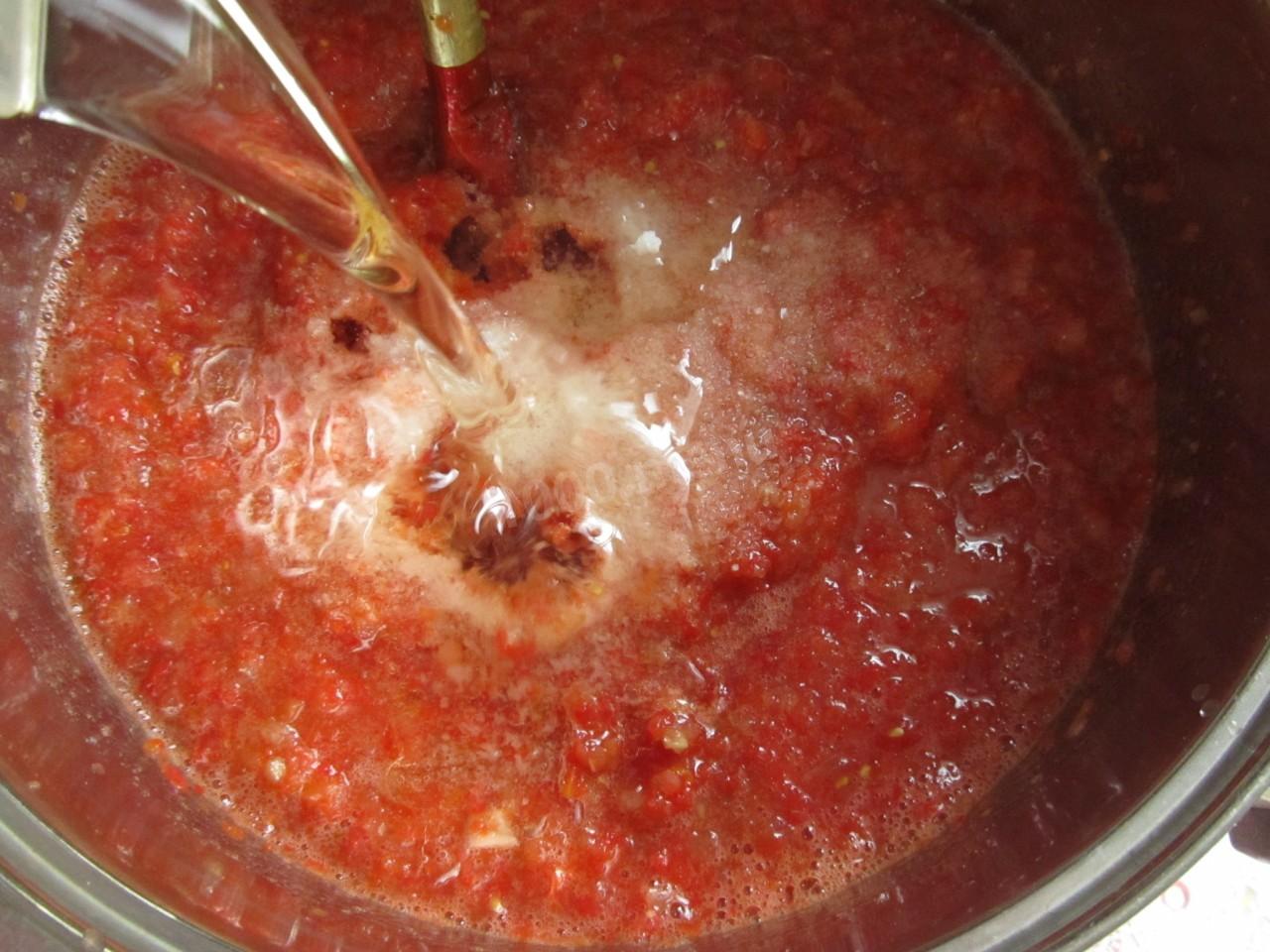
At the very end, pour the vinegar into the pot of ketchup, stir well, and remove from the heat.
-
Step 7:
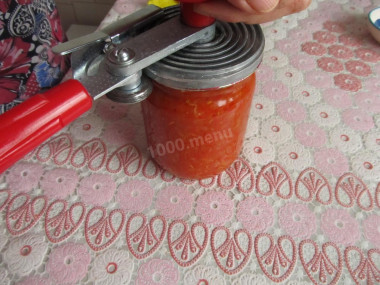
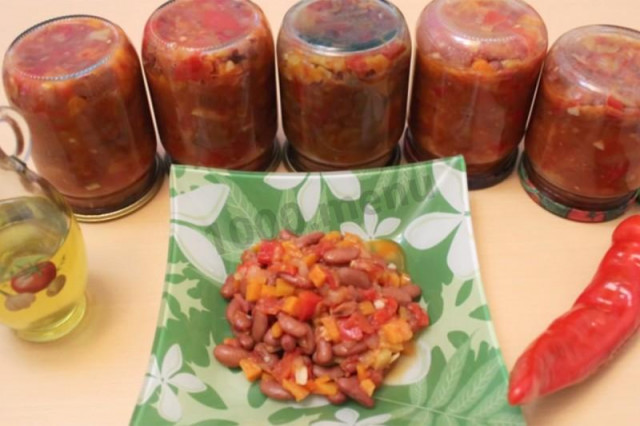
Ladle the sauce into sterilized jars and seal them with sterilized lids. Use small jars for ketchup so it doesn't spoil once opened. See the end of the recipe for how to sterilize jars and lids.
-
Step 8:
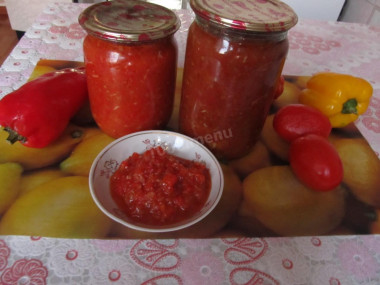
Turn the jars upside down, cover them with something warm, and leave them until completely cooled. Move the finished preserve to a cool place for storage. You can serve the ketchup right after making it. Enjoy!

- If you like, you can add ground red pepper (along with the garlic).
- For how to figure out how many jars you'll need, why jars sometimes blow their seals and how to prevent it, plus other tips and tricks, see our article on canning for winter.
- For how to choose the perfect pot for soup, porridge, or pickling cucumbers, see our article on pots.
- Since everyone's preference for saltiness, sweetness, bitterness, spice, acidity, and heat is different, always add spices and seasonings to your own taste! And if you're using a seasoning for the first time, keep in mind that some are especially easy to overdo — chili pepper, for one.
Caloric content of the products possible in the composition of the dish
- Tomatoes - 23 kcal/100g
- Sweet pepper - 27 kcal/100g
- Garlic - 143 kcal/100g
- Granulated sugar - 398 kcal/100g
- Sugar - 398 kcal/100g
- Vegetable oil - 873 kcal/100g
- Salt - 0 kcal/100g
- Onion - 41 kcal/100g
- Table vinegar - 11 kcal/100g