Homemade Caramel Cake
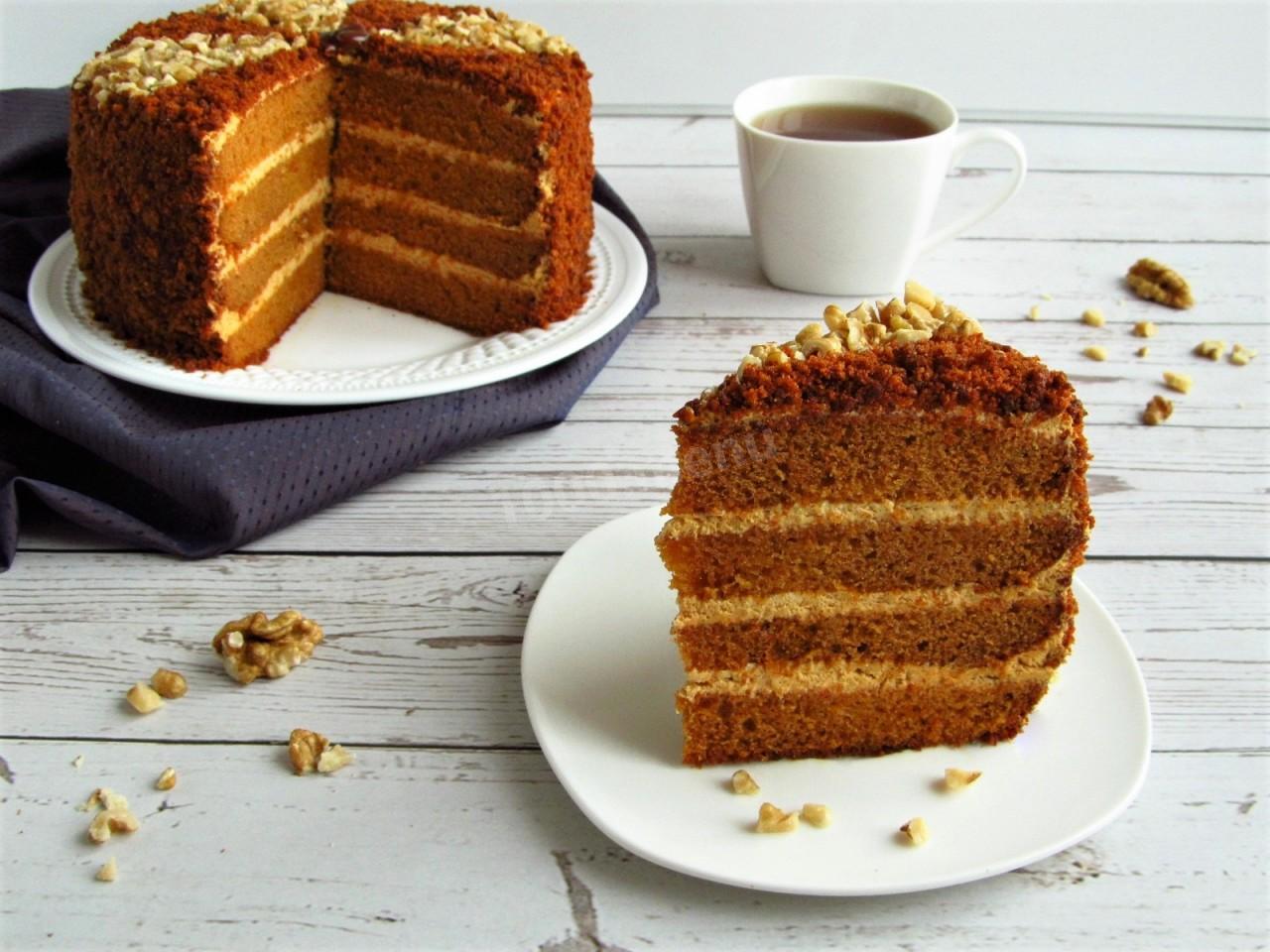
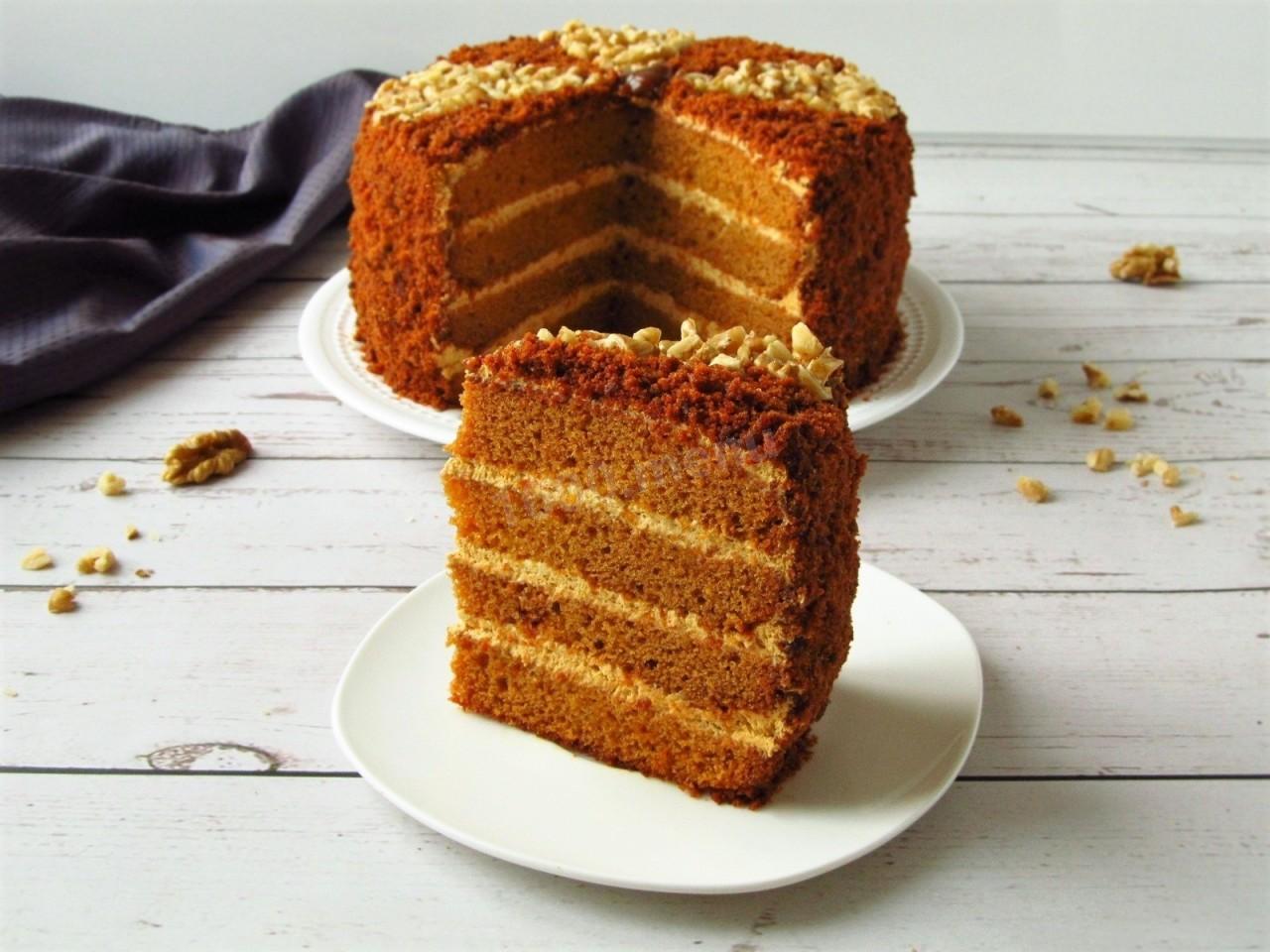
A true caramel treat for anyone with a sweet tooth. The star ingredient in this cake is caramel — it goes into both the sponge and the frosting. Getting the caramel right is key, because the flavor of the whole dessert depends on it.

Cooking method
-
Step 1:
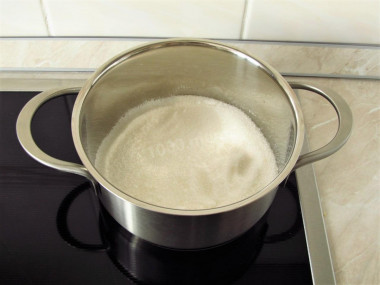
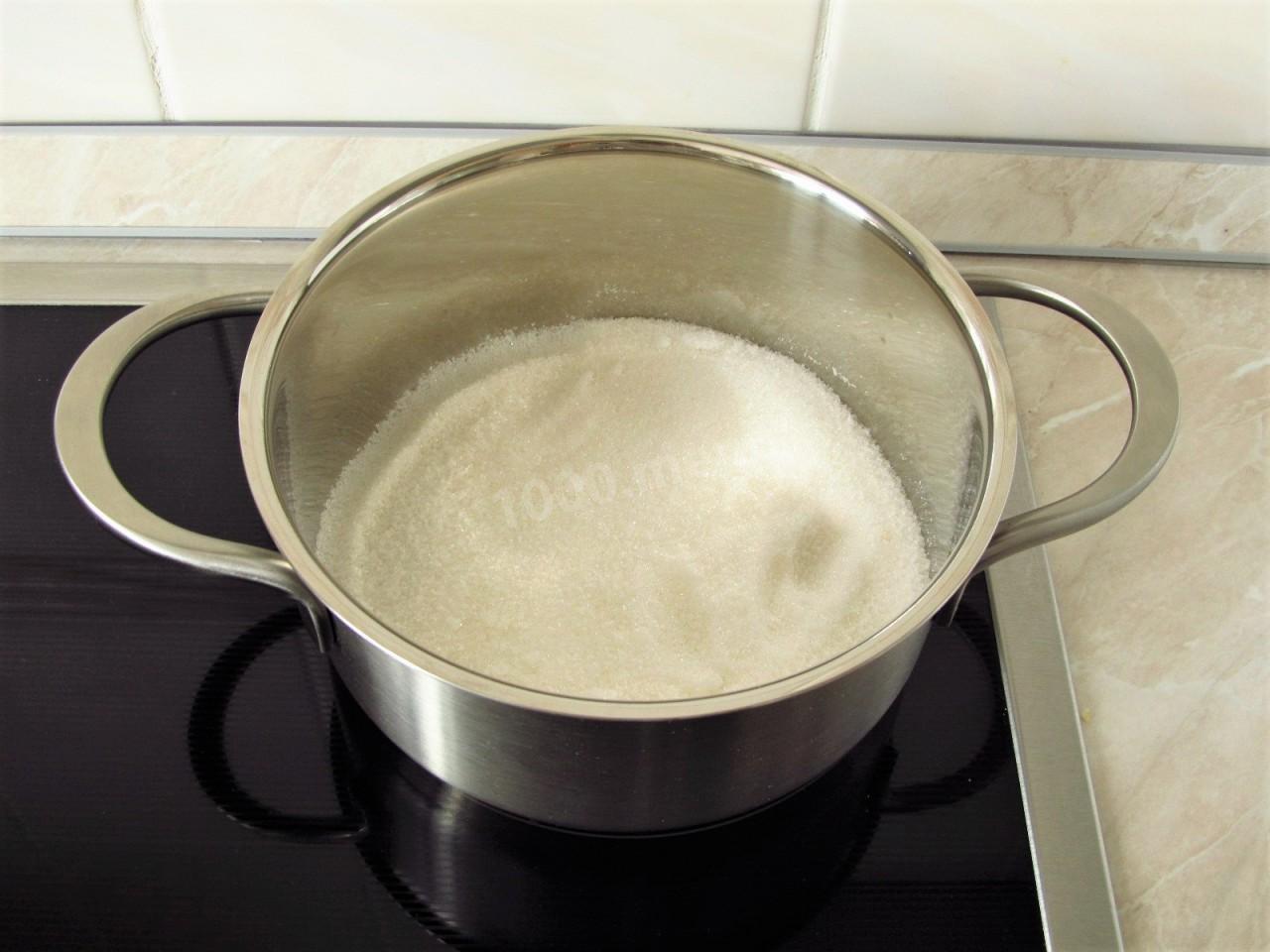
First, make the caramel. Put the sugar in a heavy-bottomed saucepan and set it over low heat.
-
Step 2:
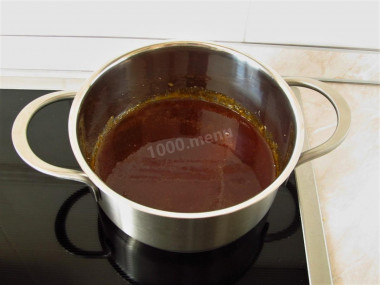
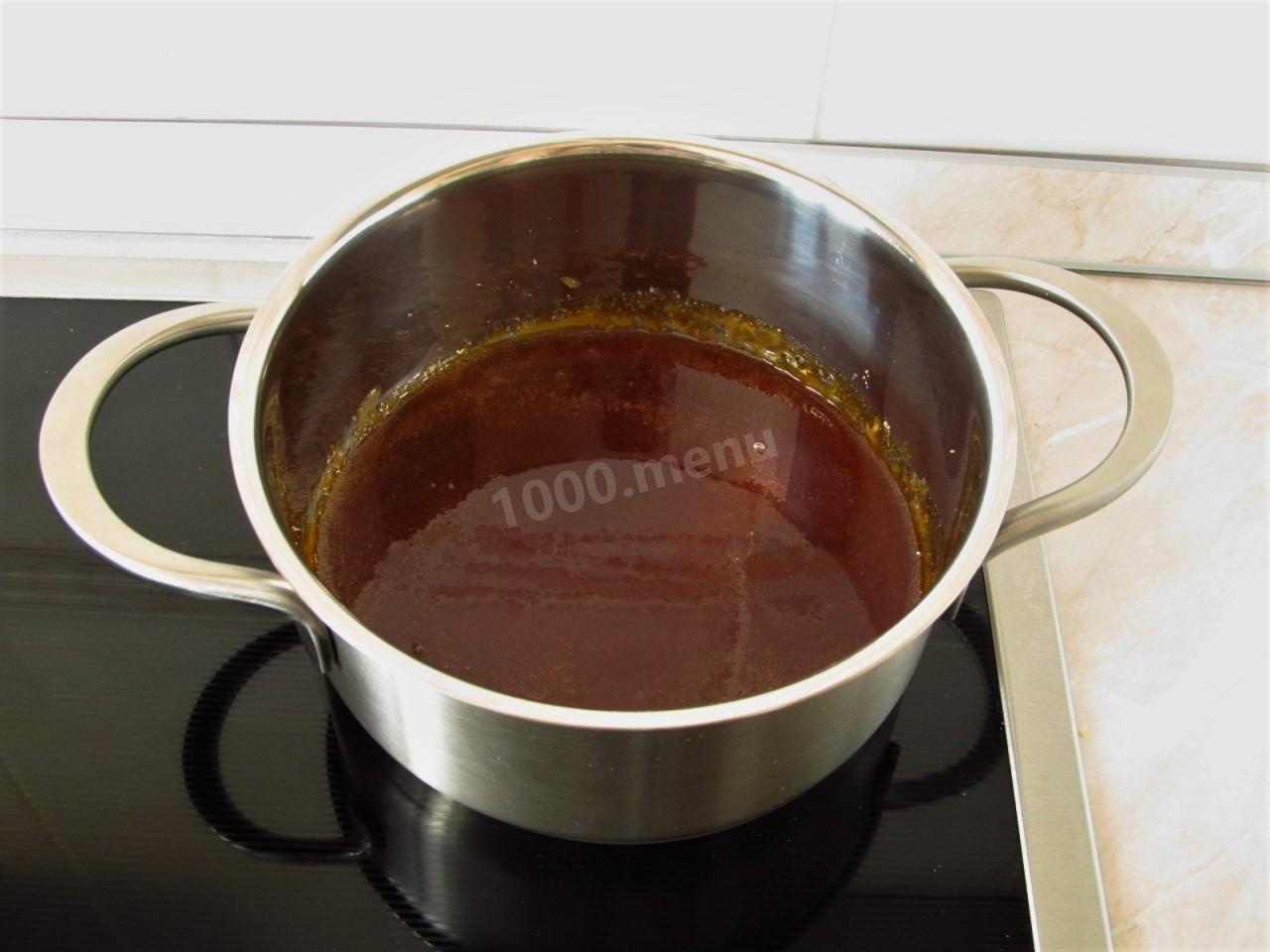
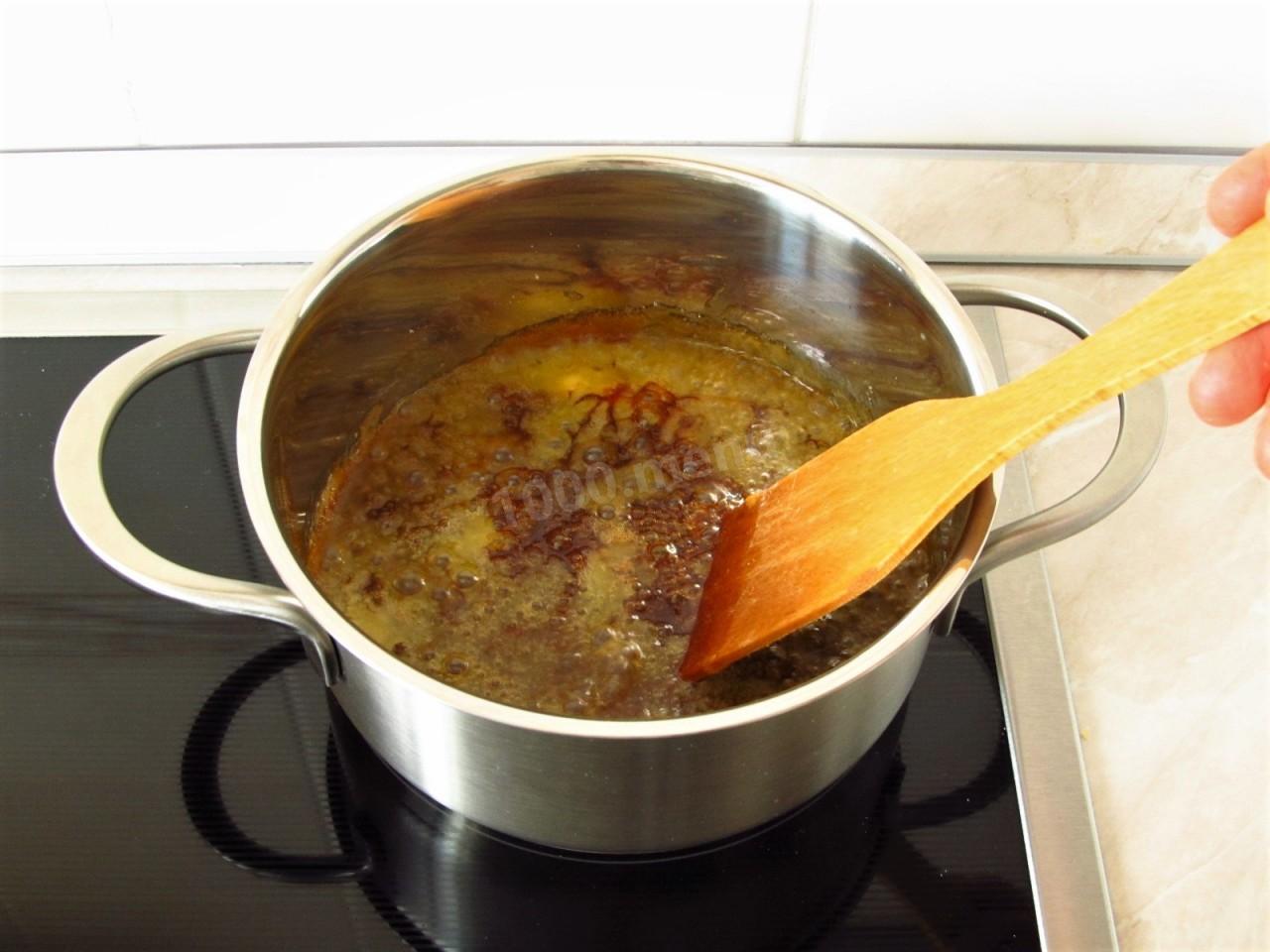
Only once the sugar starts to melt at the bottom should you begin stirring it with a wooden spoon so it melts evenly. There's no need to turn up the heat. It's important to watch it closely and keep stirring so the sugar doesn't scorch — otherwise the caramel will taste bitter. If the sugar starts to burn before it has fully dissolved, lift the pan off the heat and stir vigorously until everything melts.
-
Step 3:
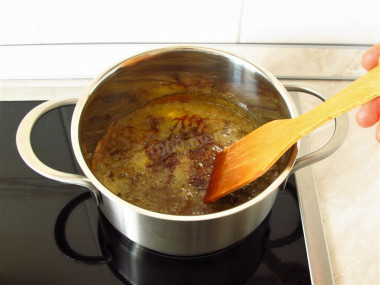
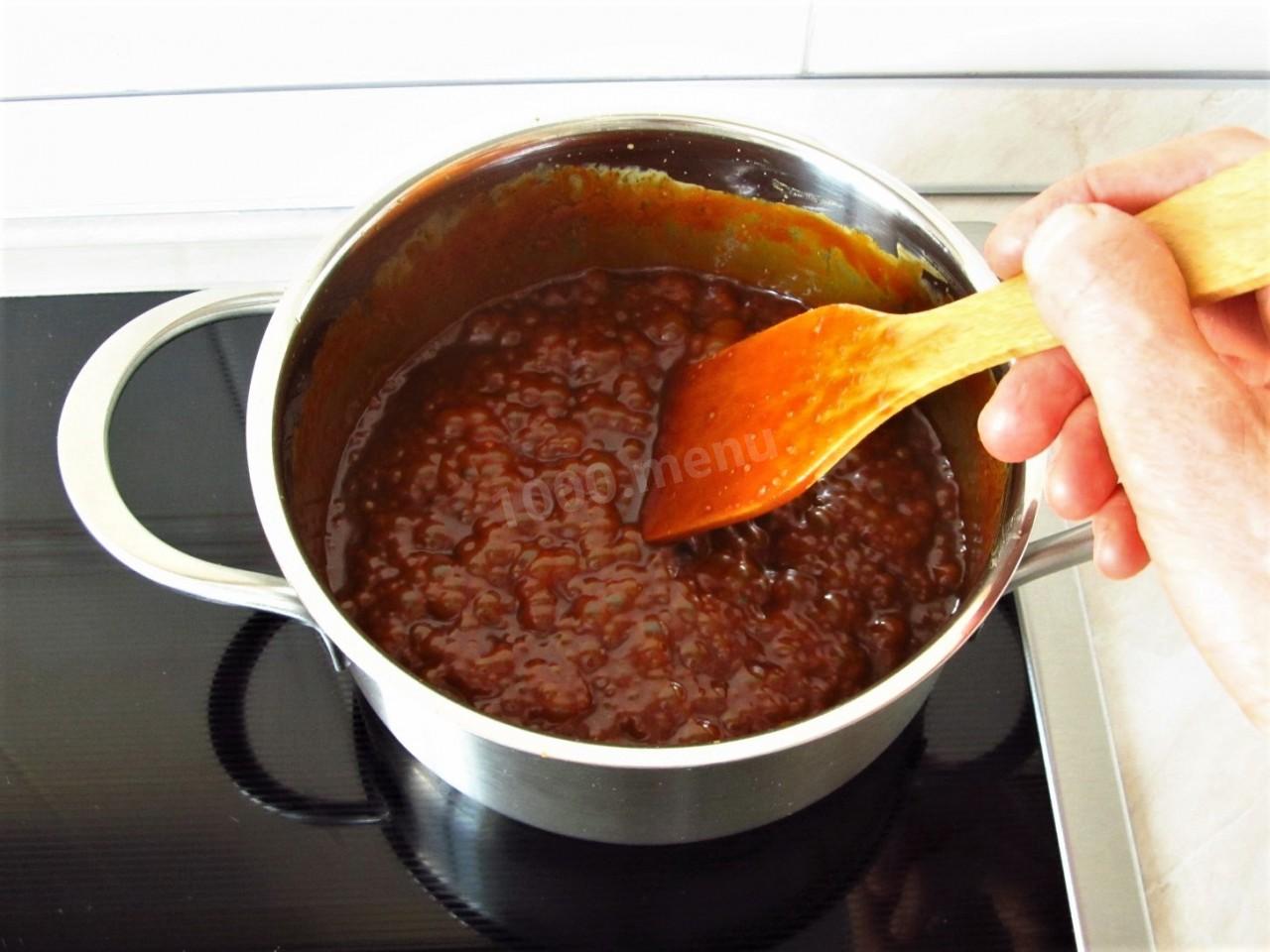
When the caramel turns amber, add the butter and stir vigorously. Meanwhile, heat the cream until it's just about to boil, but don't let it boil.
-
Step 4:
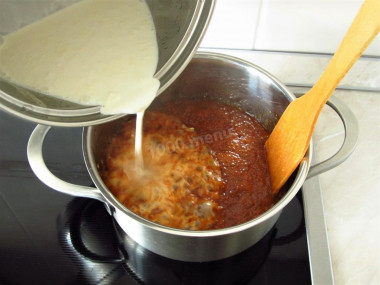
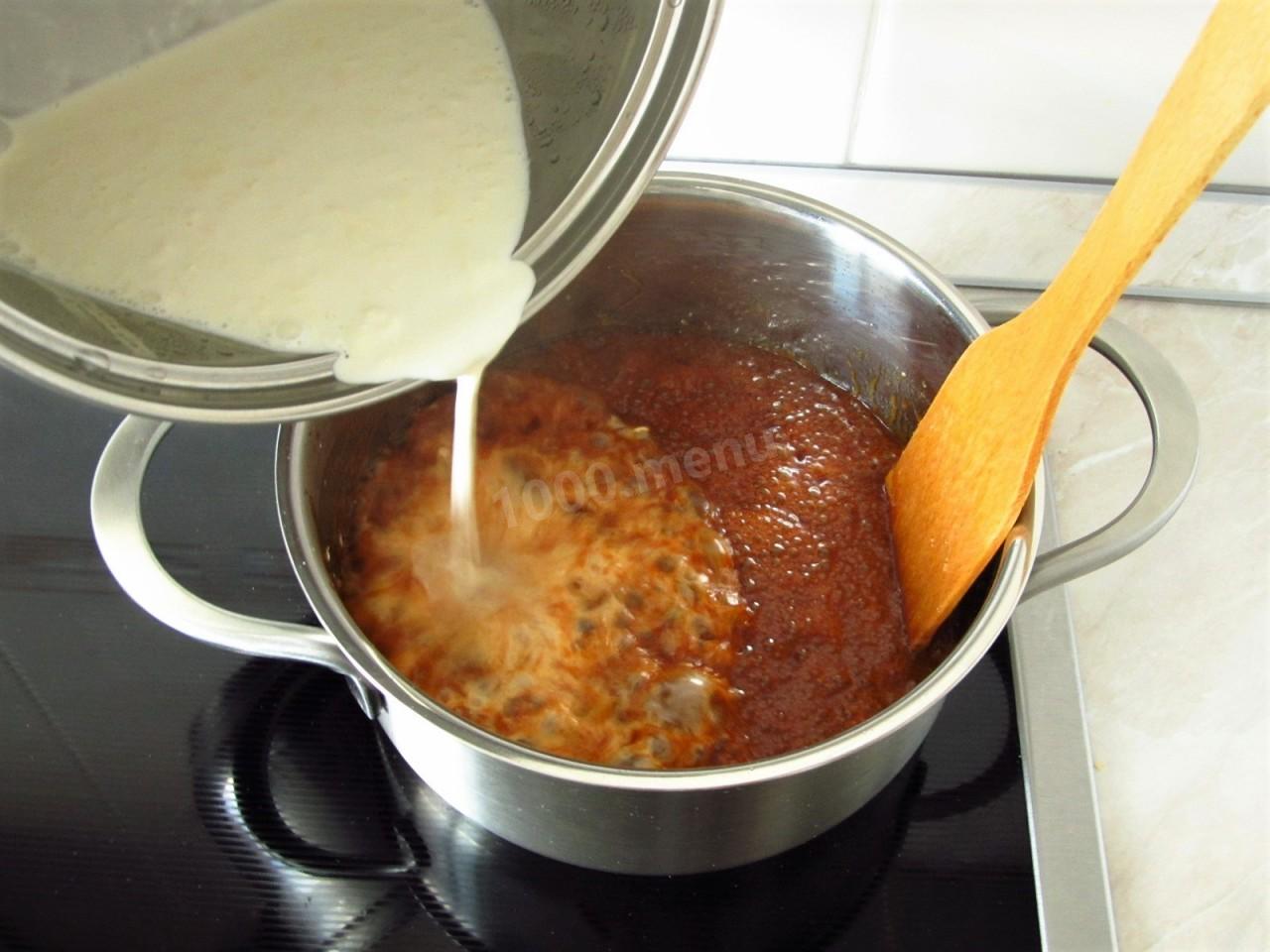
Pour the hot cream in a thin stream, stirring constantly. The mixture will sputter, so be careful not to burn yourself.
-
Step 5:
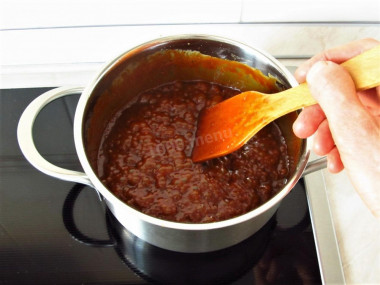
Cook the caramel over low heat, stirring, for another 2 minutes, then take it off the stove. Set aside 120 g of the caramel for the sponge and let it cool to room temperature.
-
Step 6:
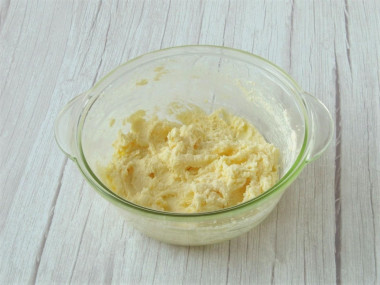
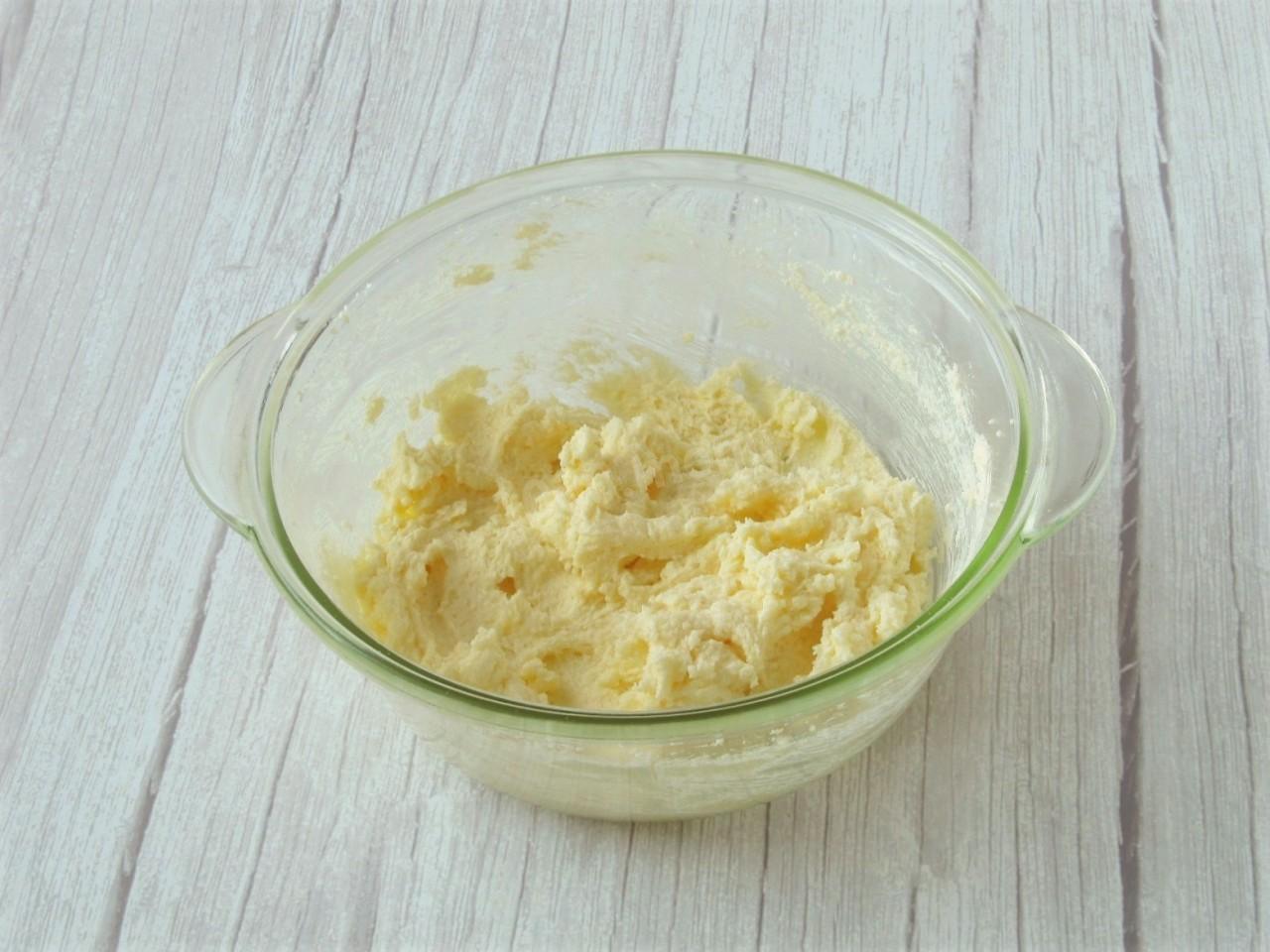
For the sponge, all the ingredients should be at room temperature. Beat the softened butter with the sugar until light and fluffy.
-
Step 7:
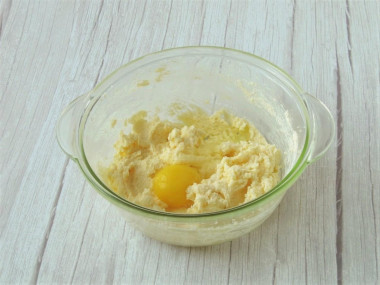
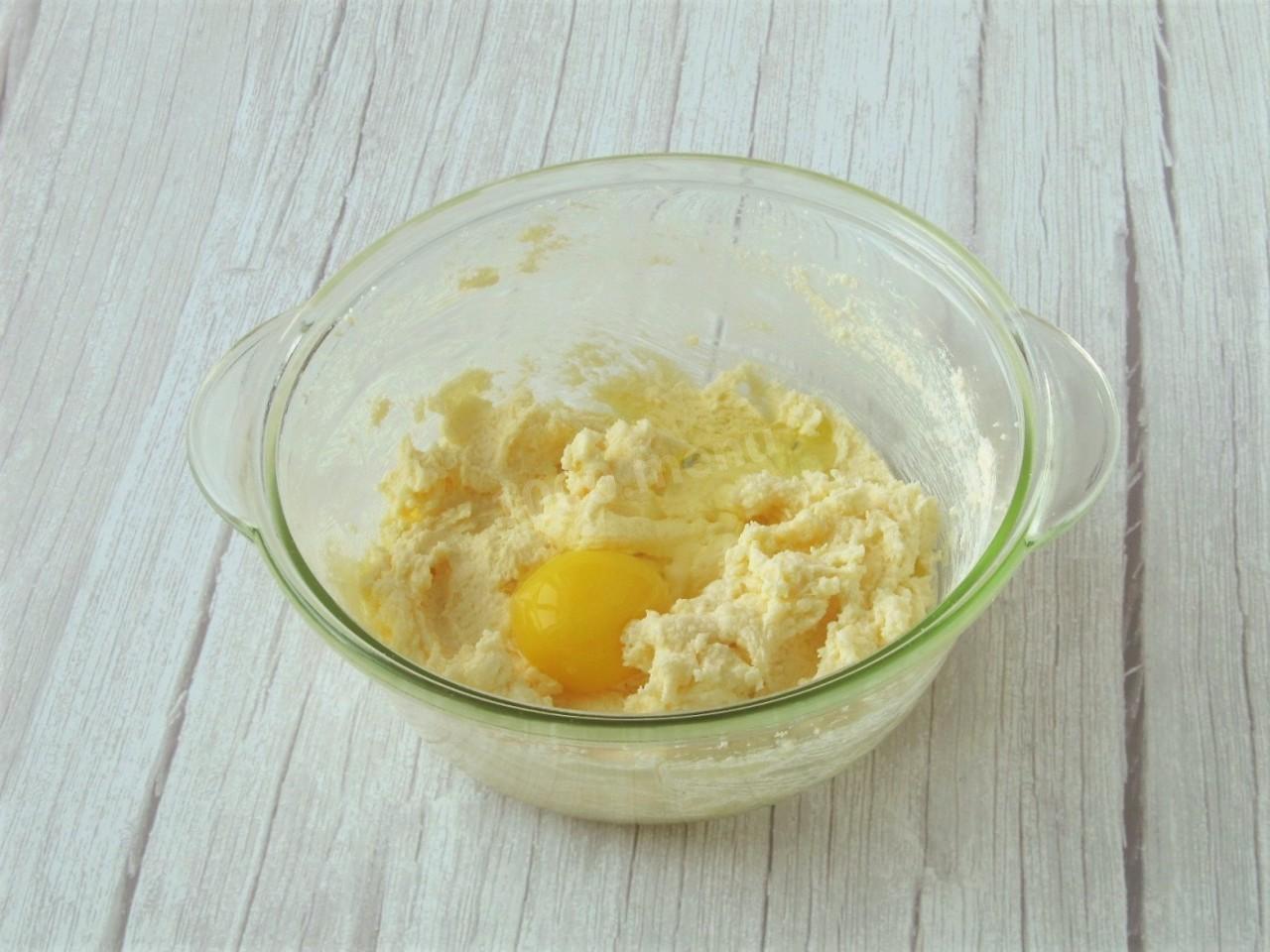
Add the eggs one at a time, beating well after each.
-
Step 8:
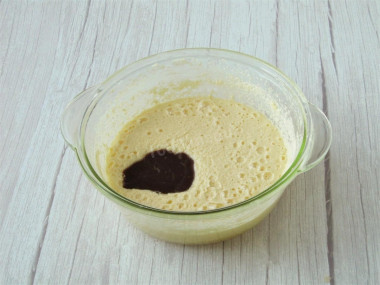
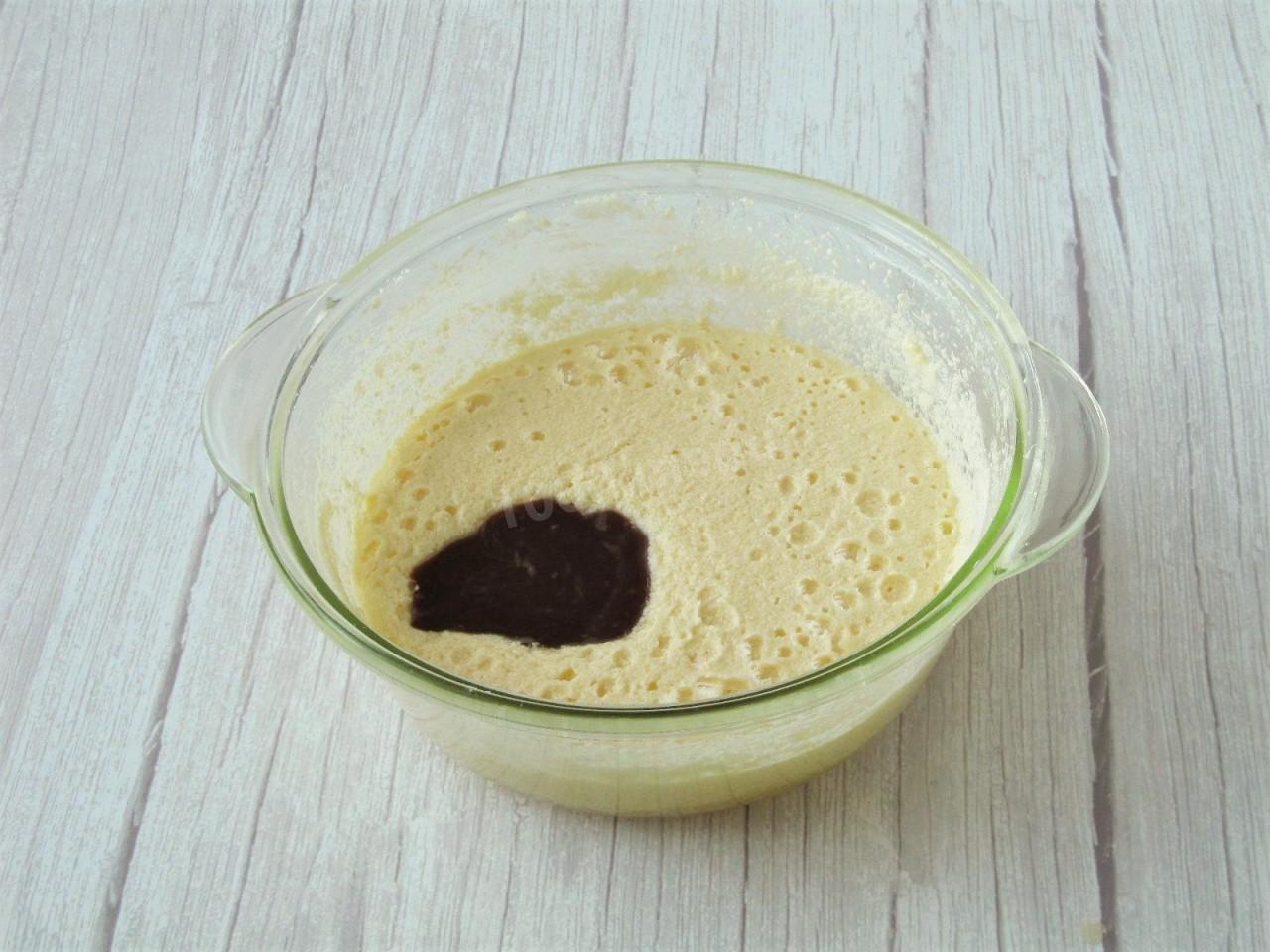
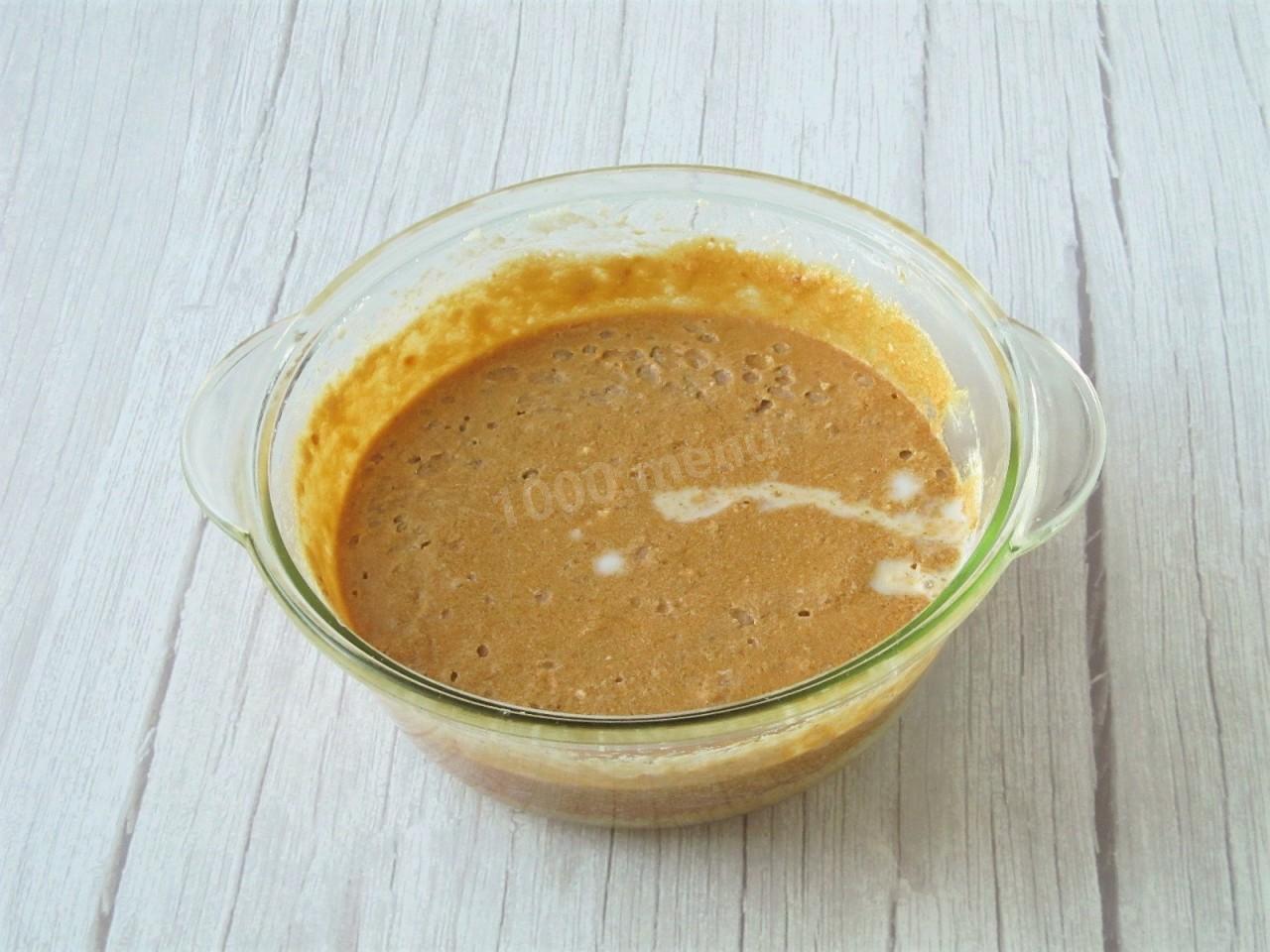
Add the caramel to the egg-and-butter mixture and beat again.
-
Step 9:
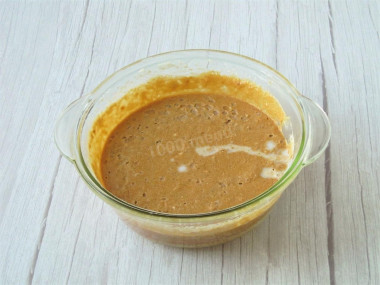
Pour in the milk and mix.
-
Step 10:
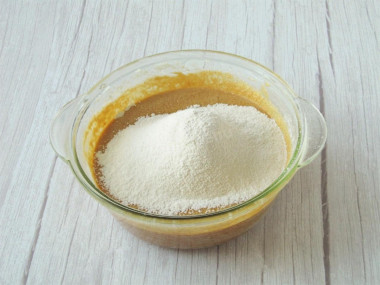
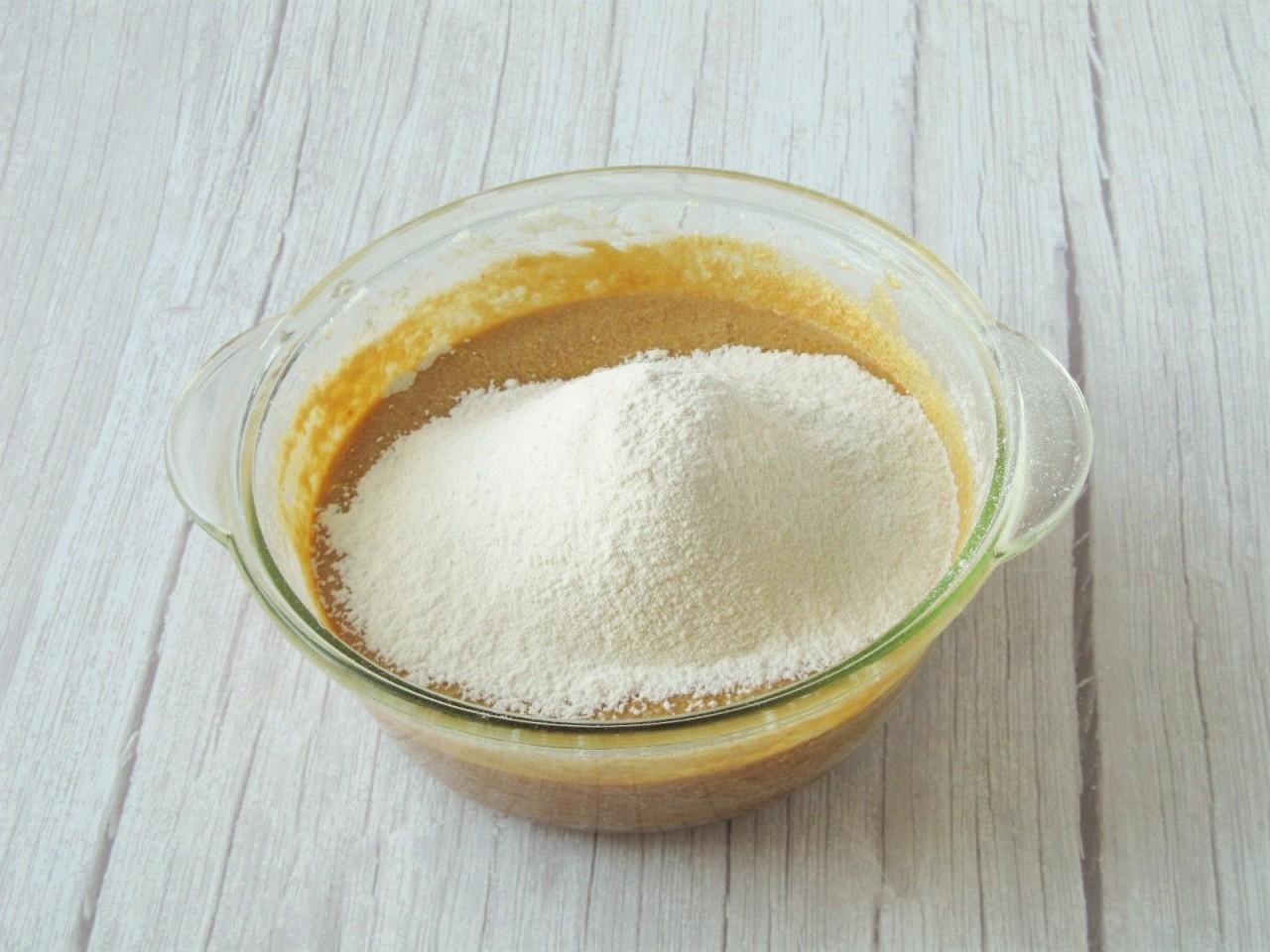
Add the flour sifted with the baking powder and mix thoroughly.
-
Step 11:
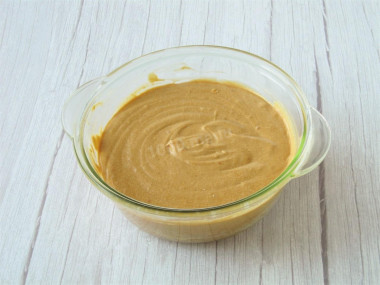
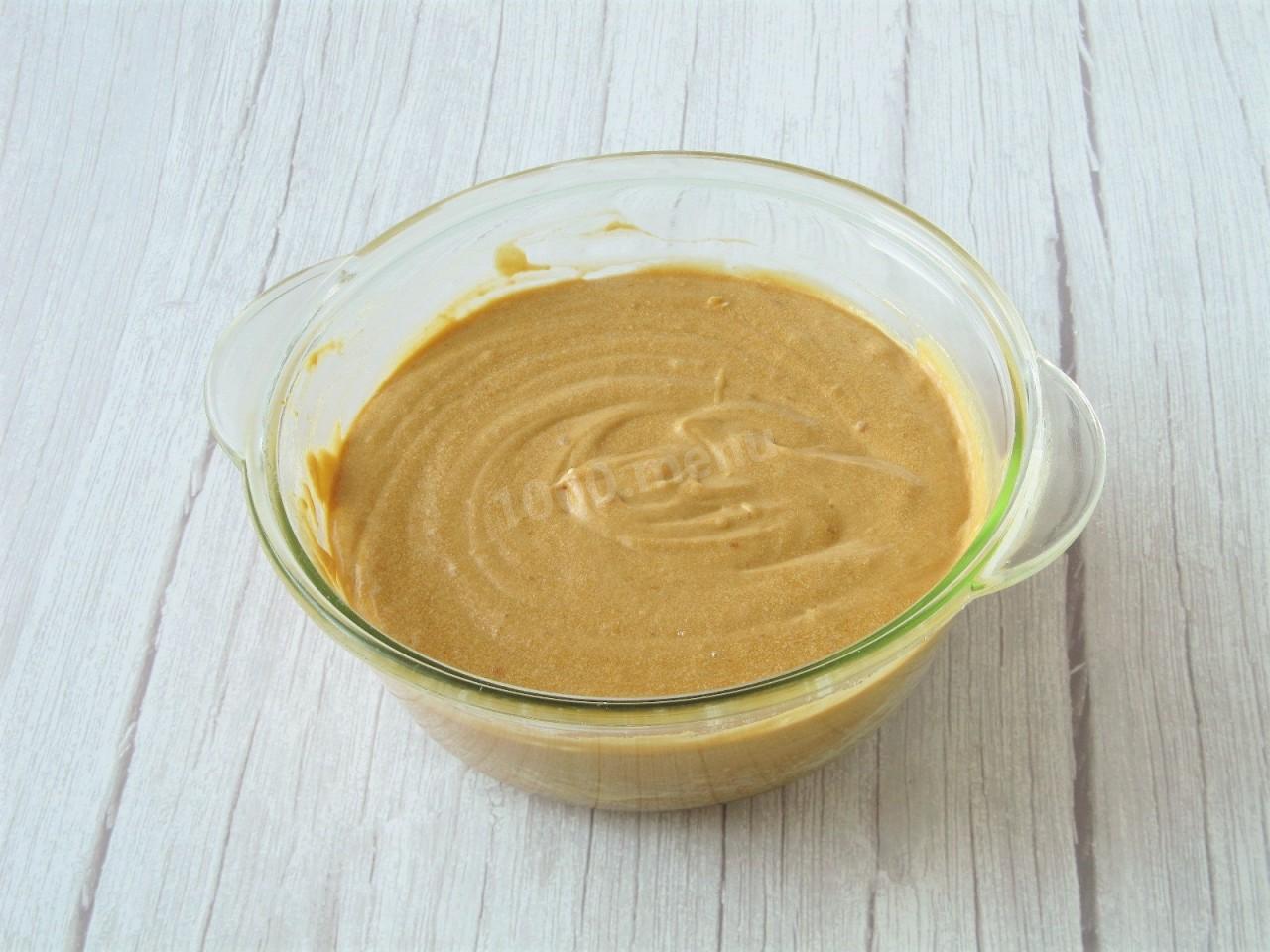
The batter should be smooth and of medium consistency.
-
Step 12:
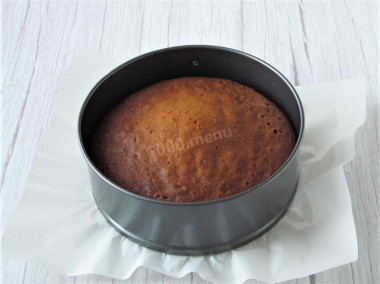
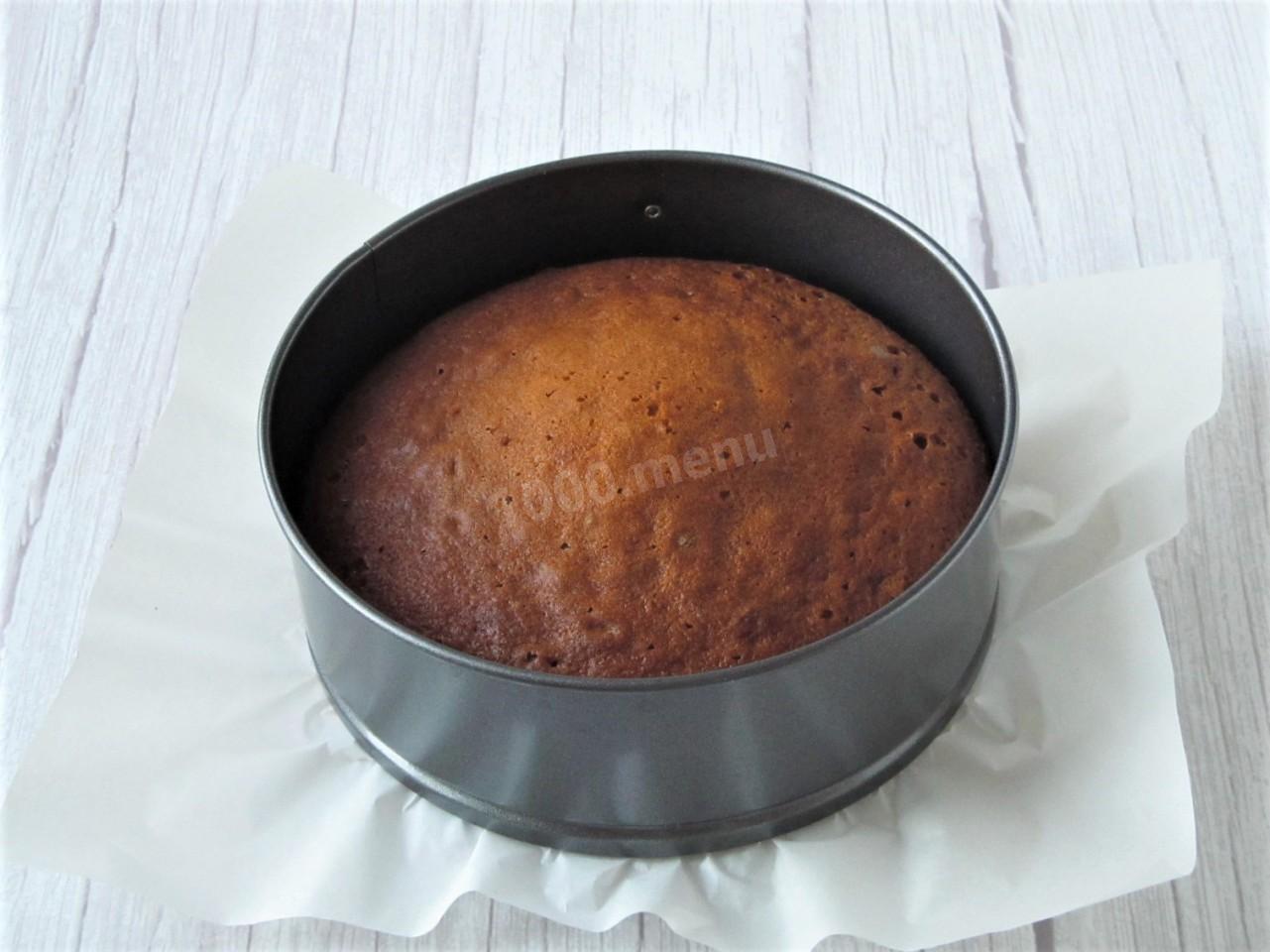
I divided the batter in two and baked the sponges one at a time in an 18 cm (7-inch) pan. You can also bake a single sponge in a larger pan. Grease the pan with vegetable oil first. Bake in an oven preheated to 340°F (170°C) for 30 minutes. A larger sponge will need a bit more time.
-
Step 13:
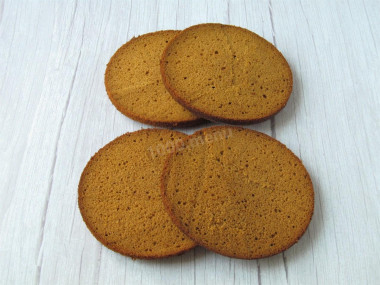
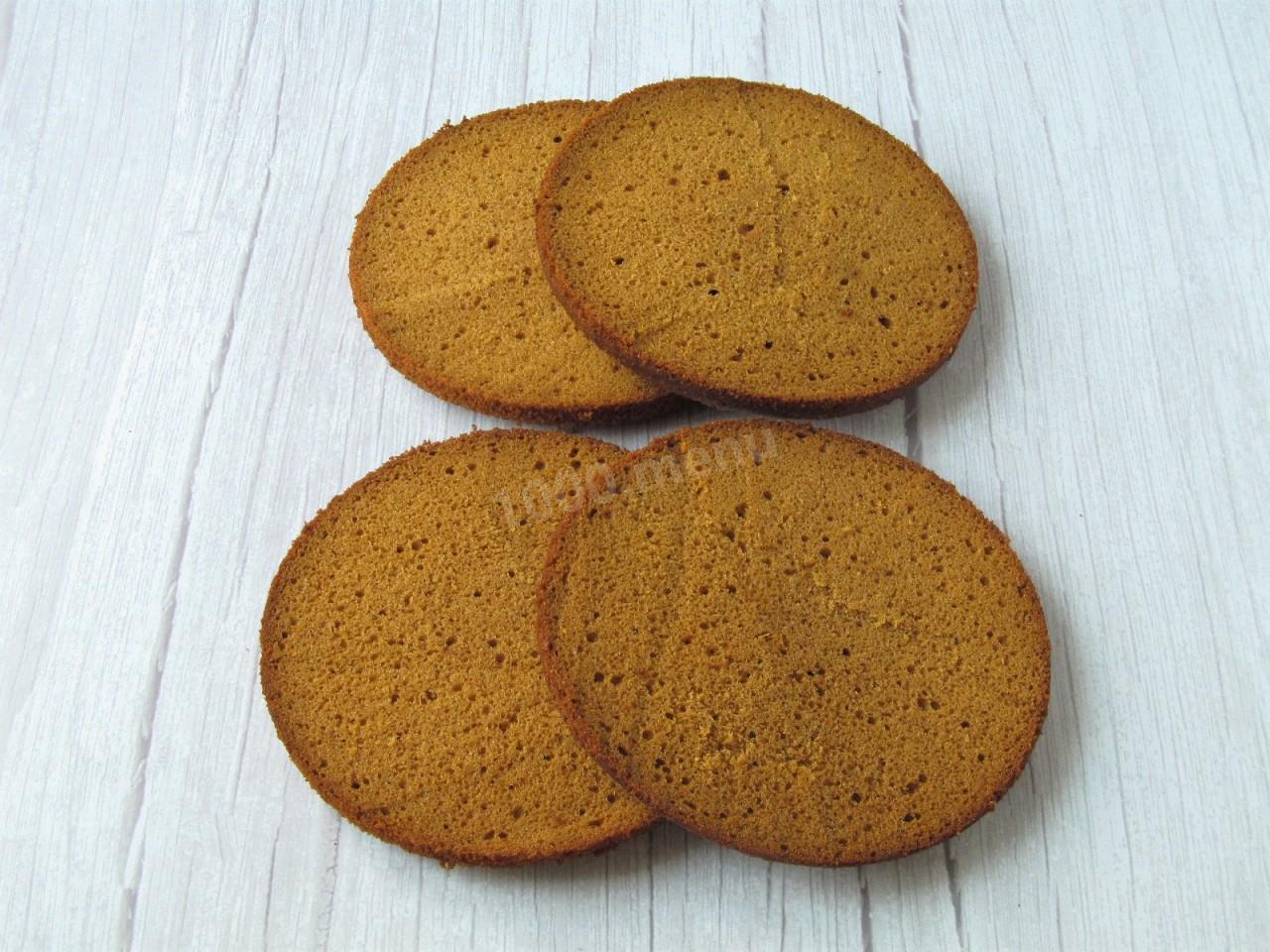
Let the sponges cool completely. I trimmed the domed top off each one and split them horizontally into two layers.
-
Step 14:
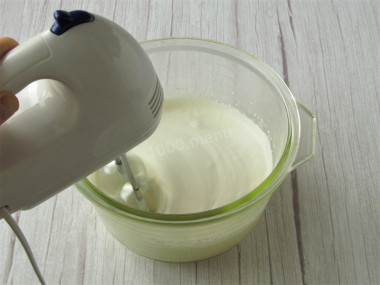
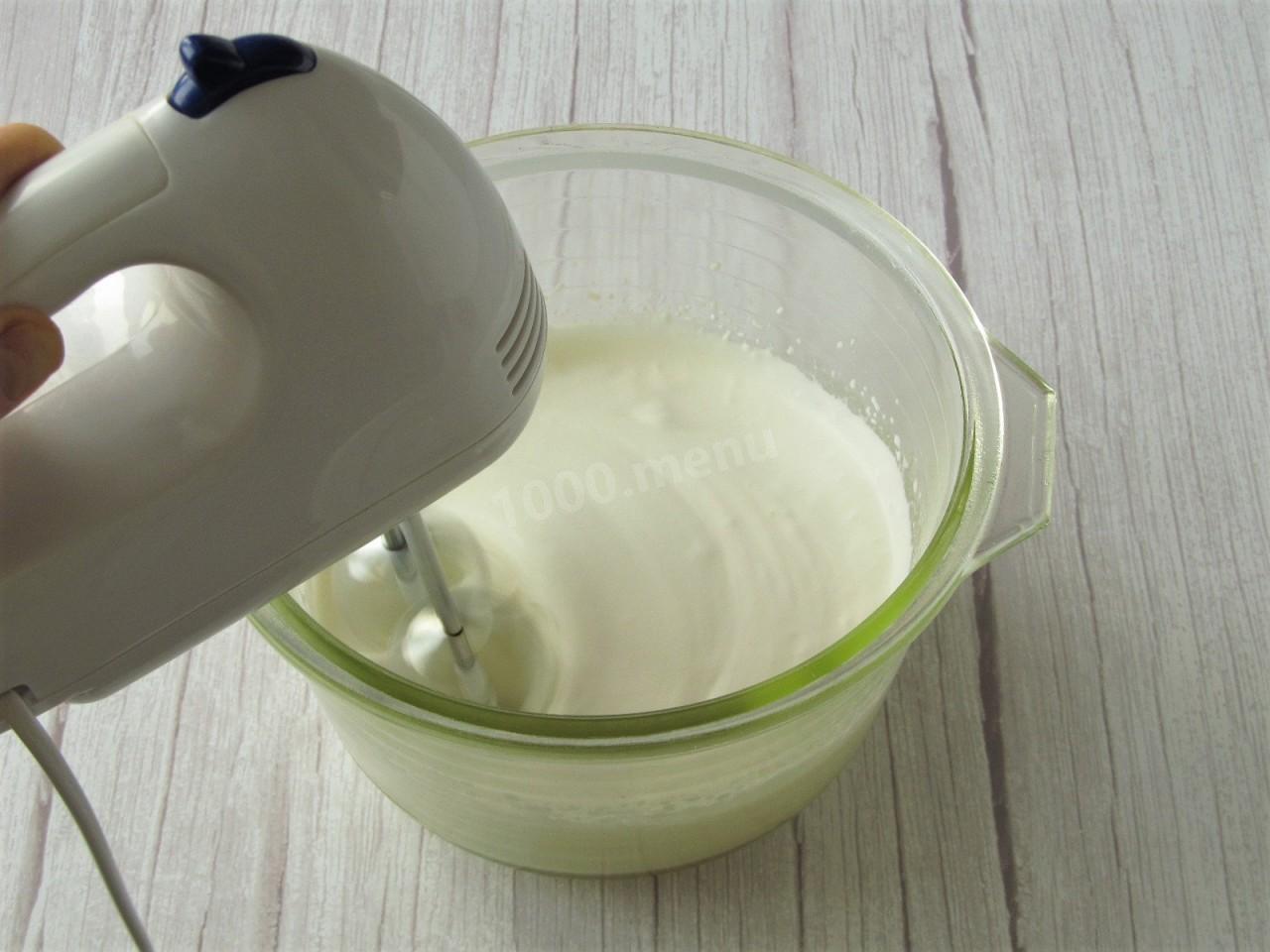
For the frosting, the cream and the mixing bowl should be well chilled. Whip the cream on low speed until fluffy.
-
Step 15:
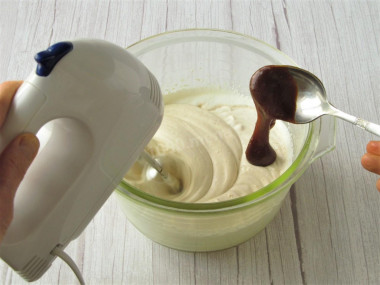
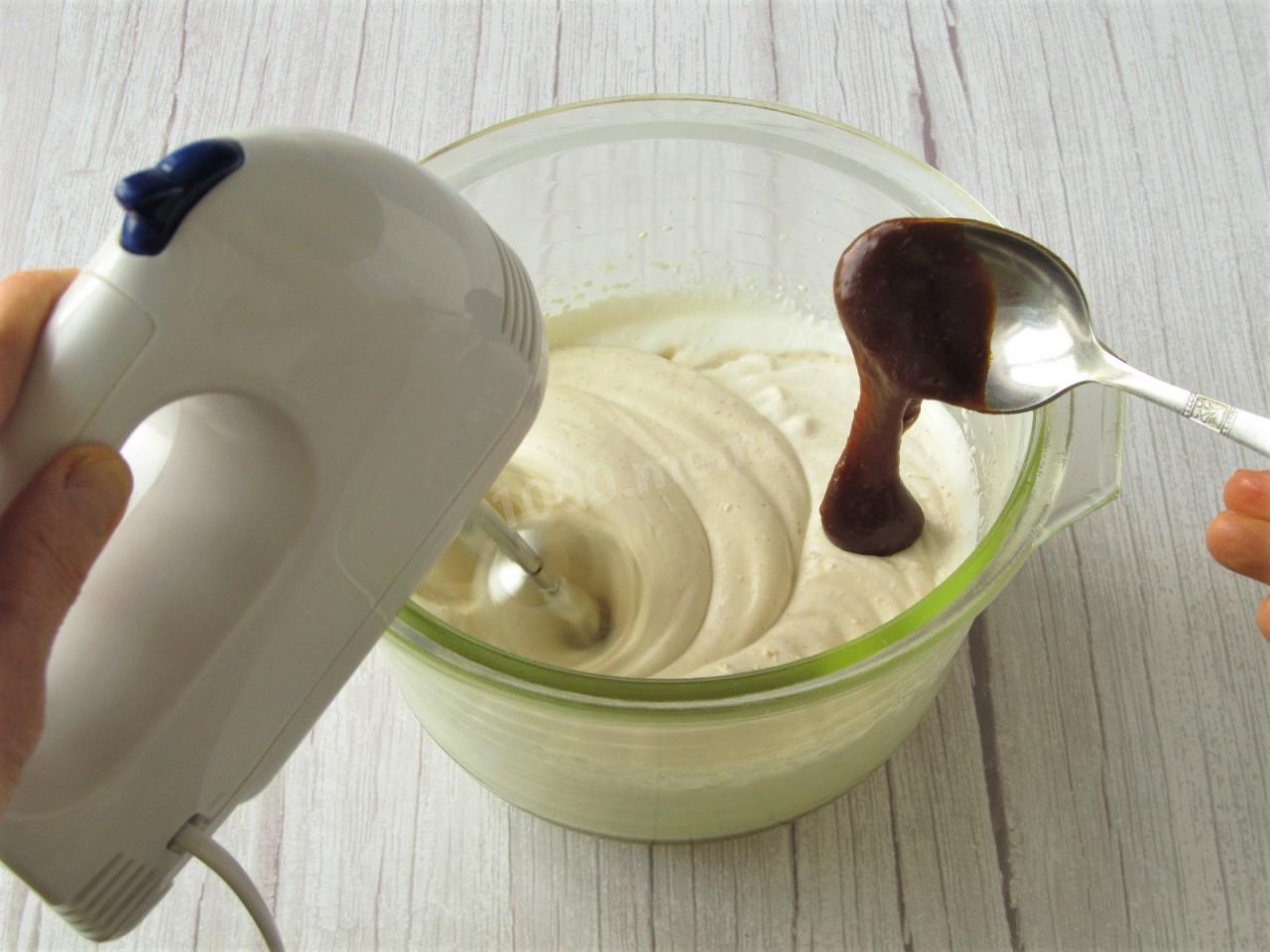
When the cream begins to thicken, increase the speed and gradually add the caramel (100 g) without stopping the mixer.
-
Step 16:
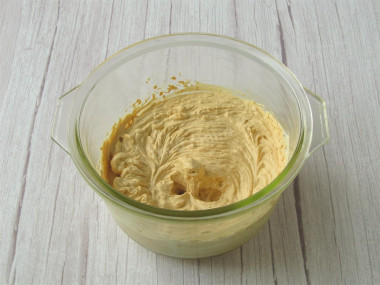
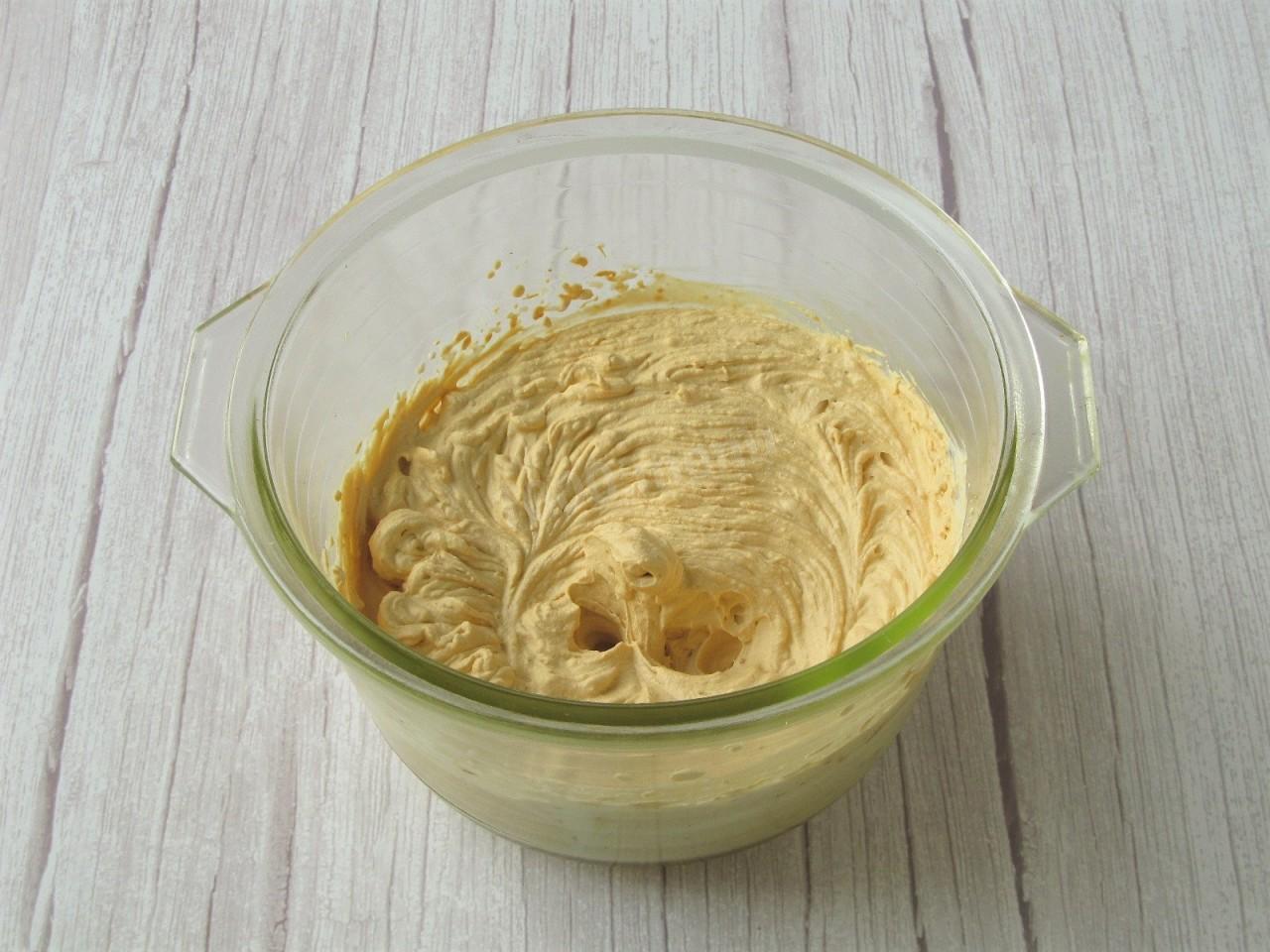
Beat until thick, fluffy, and stable.
-
Step 17:
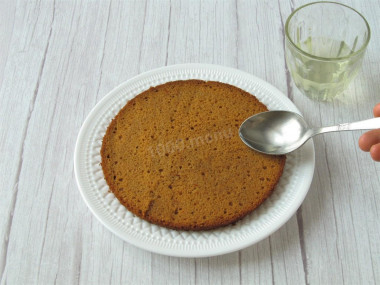
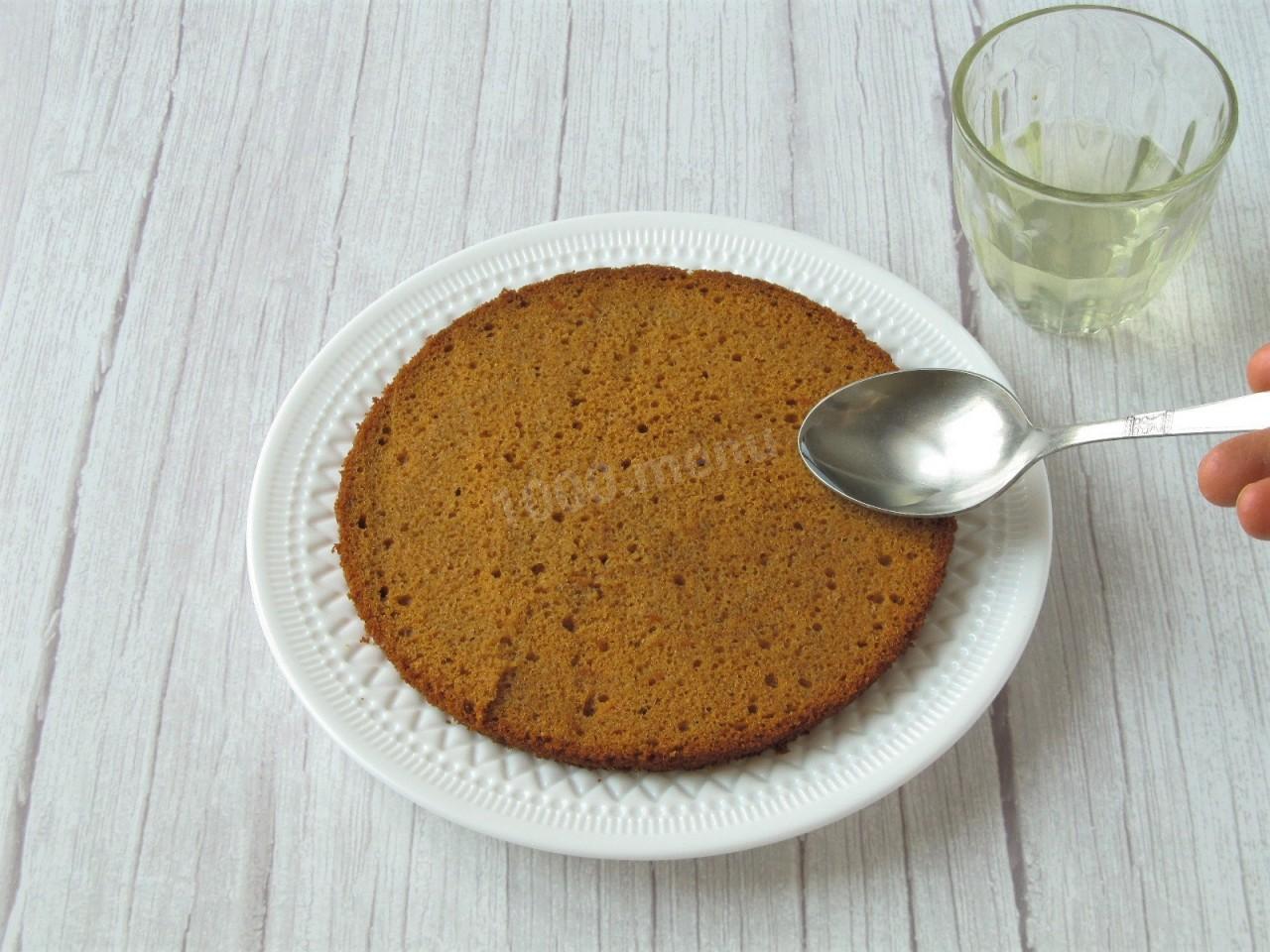
Place a cake layer on a plate and brush it with syrup. I used the syrup from canned pineapple, but any fruit juice works too.
-
Step 18:
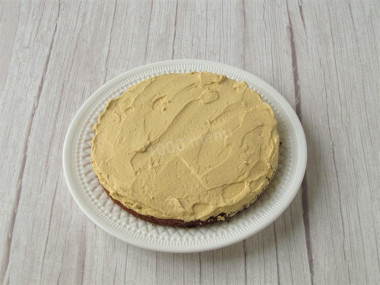
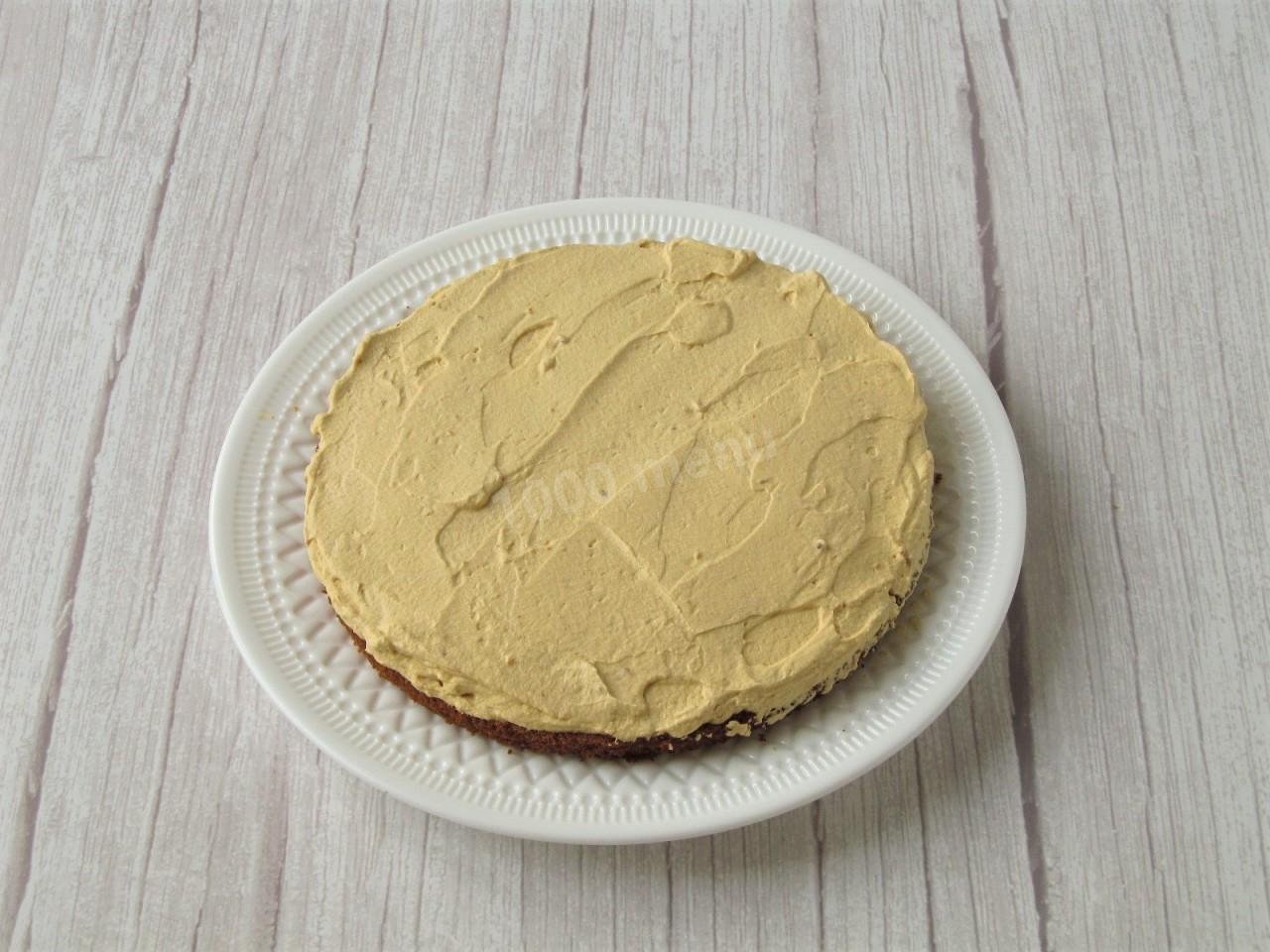
Spread a layer of caramel frosting over the soaked layer and smooth it out.
-
Step 19:
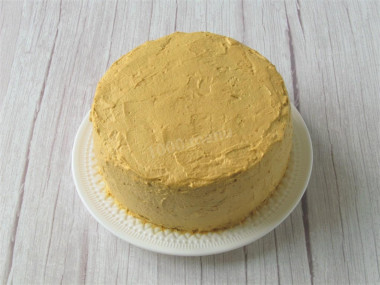
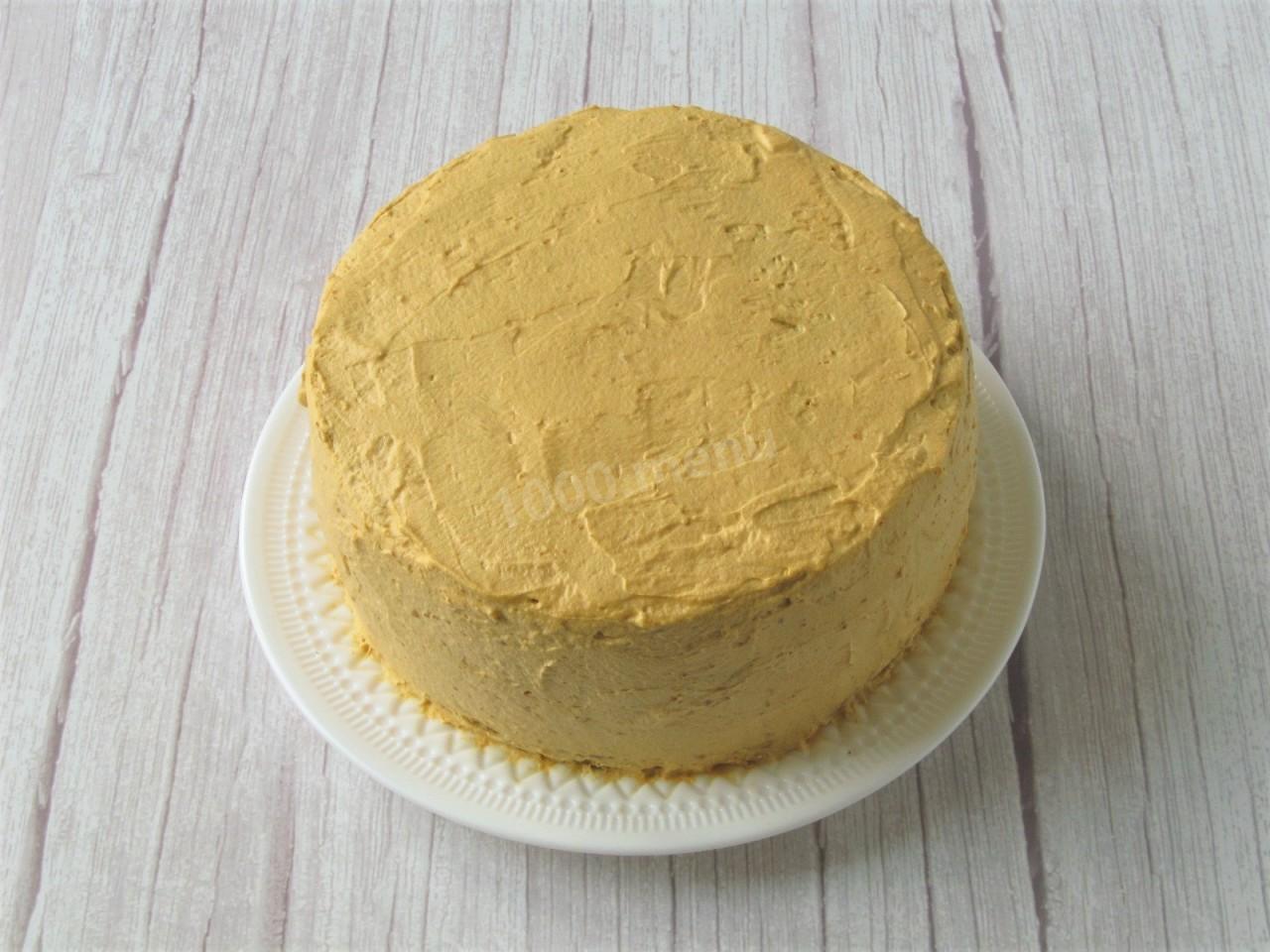
Top with the next layer. Assemble the whole cake this way, then frost the top and sides.
-
Step 20:
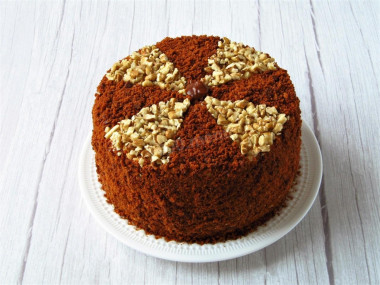
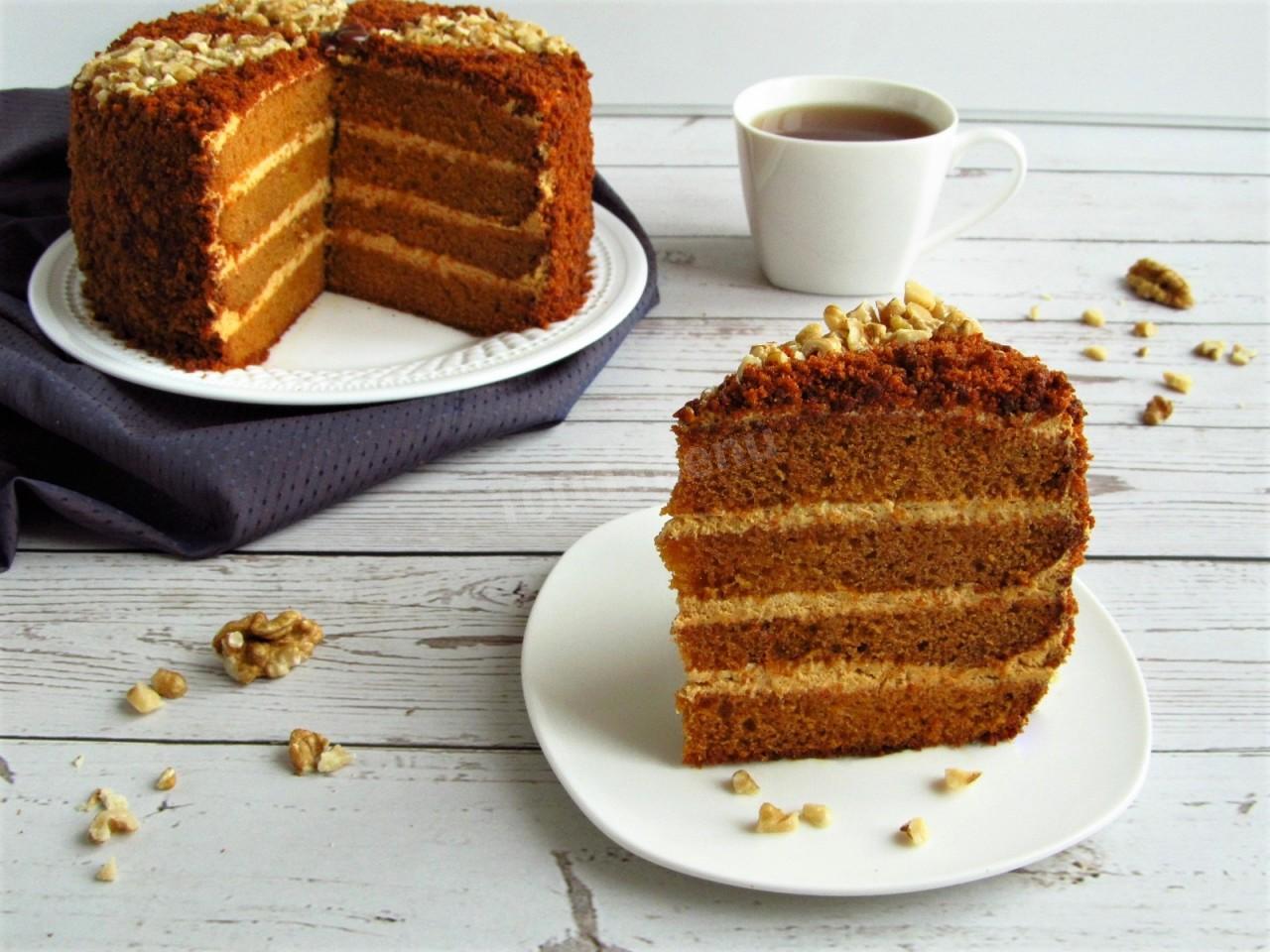
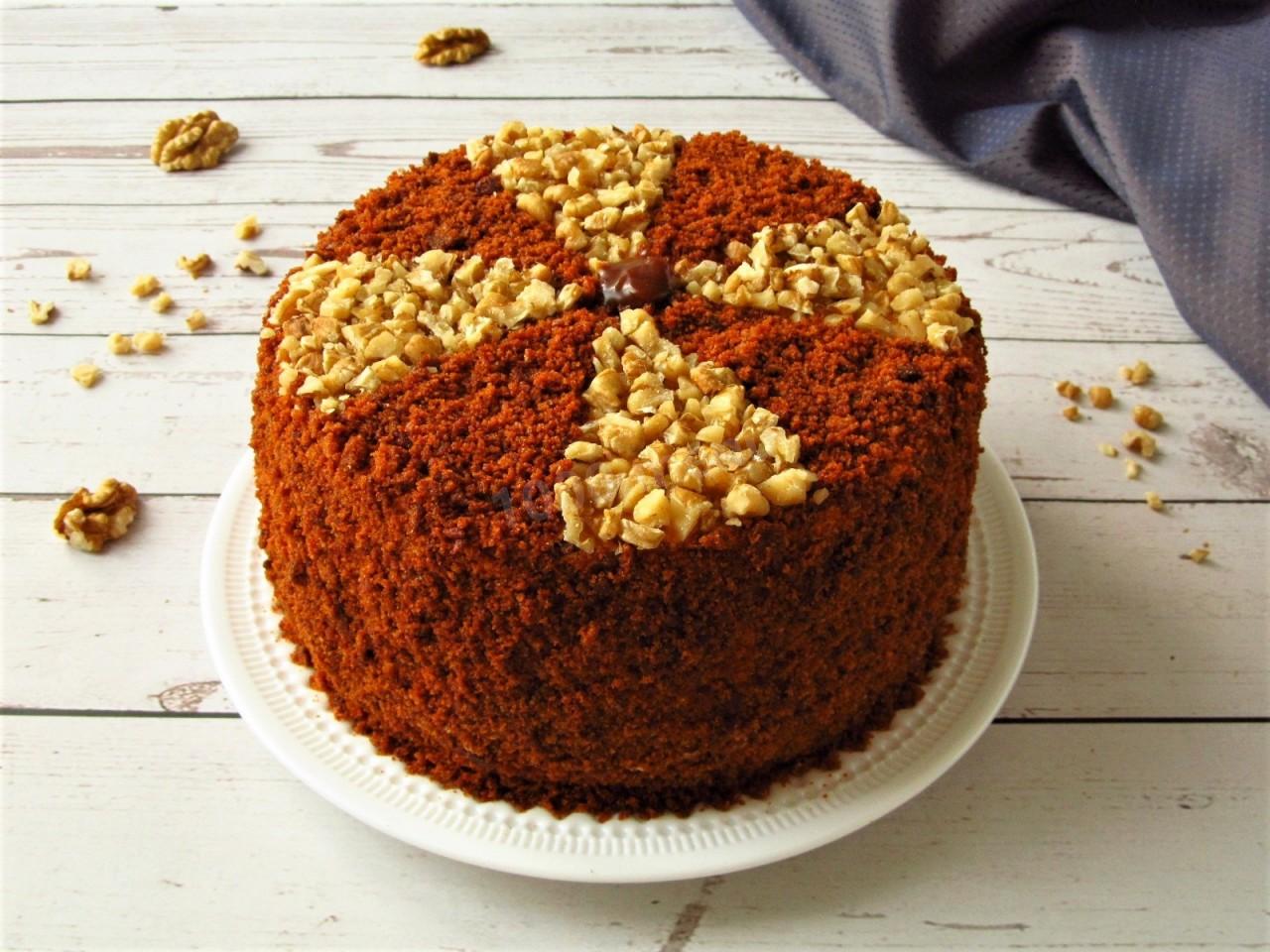
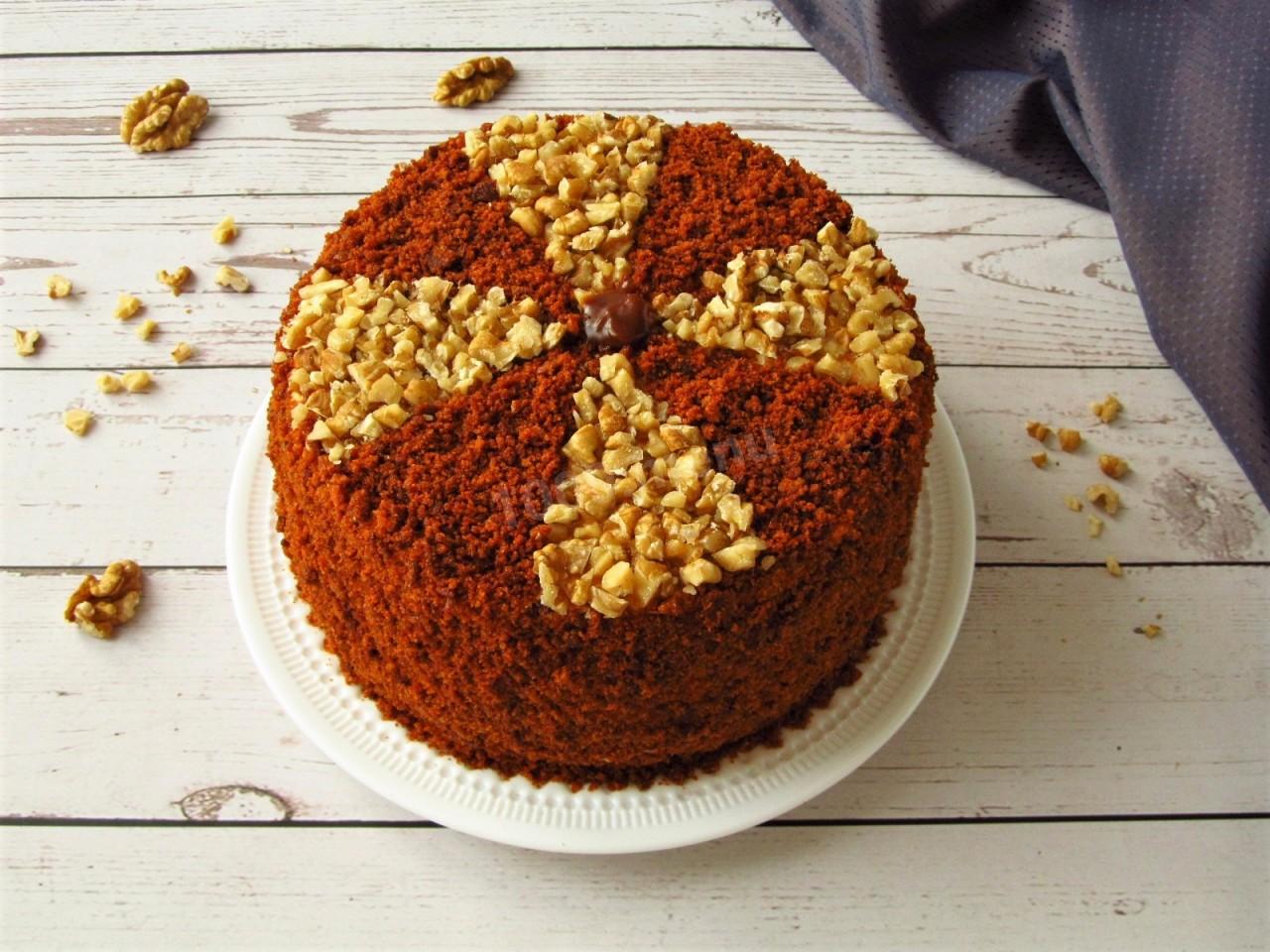
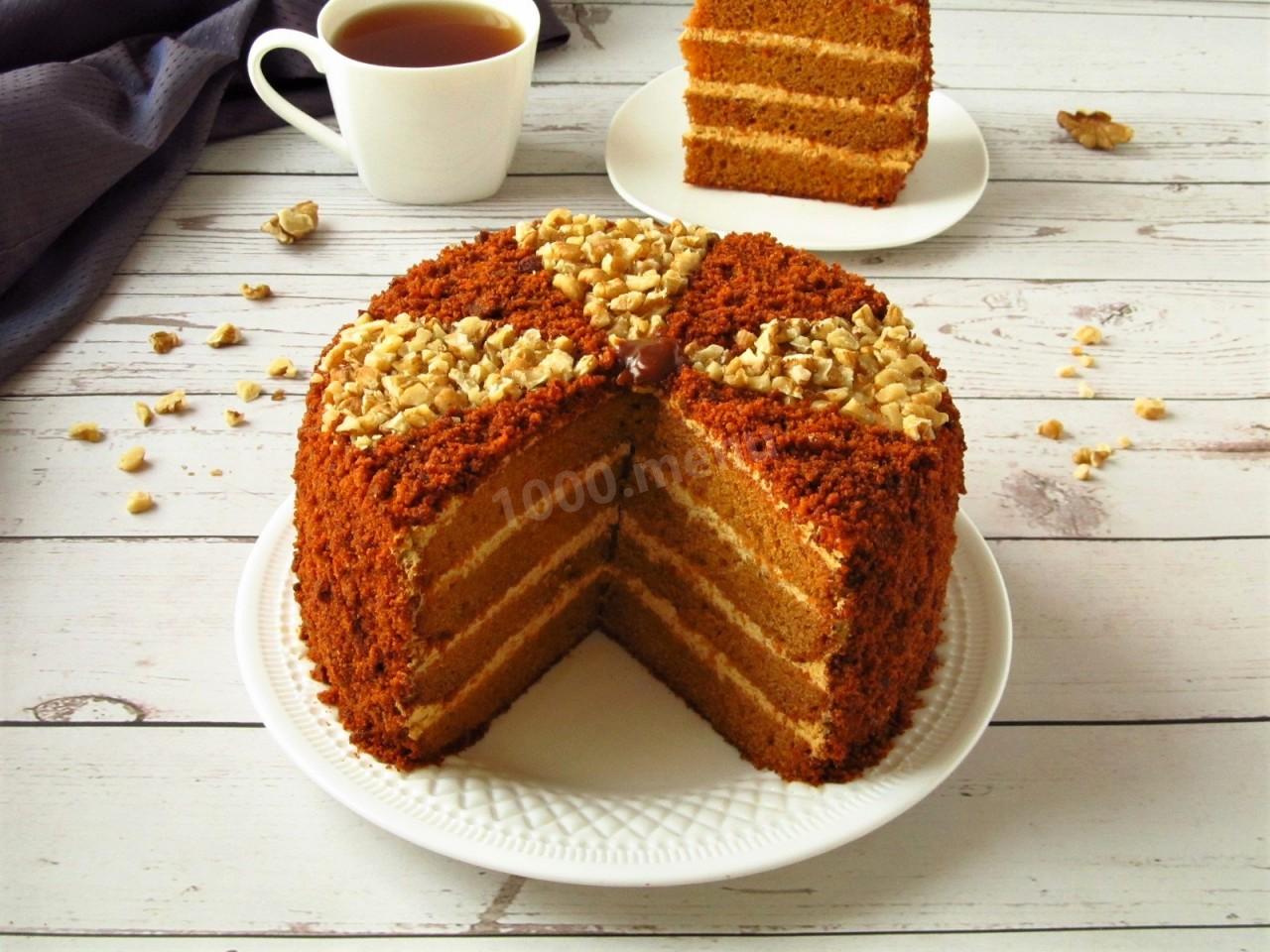
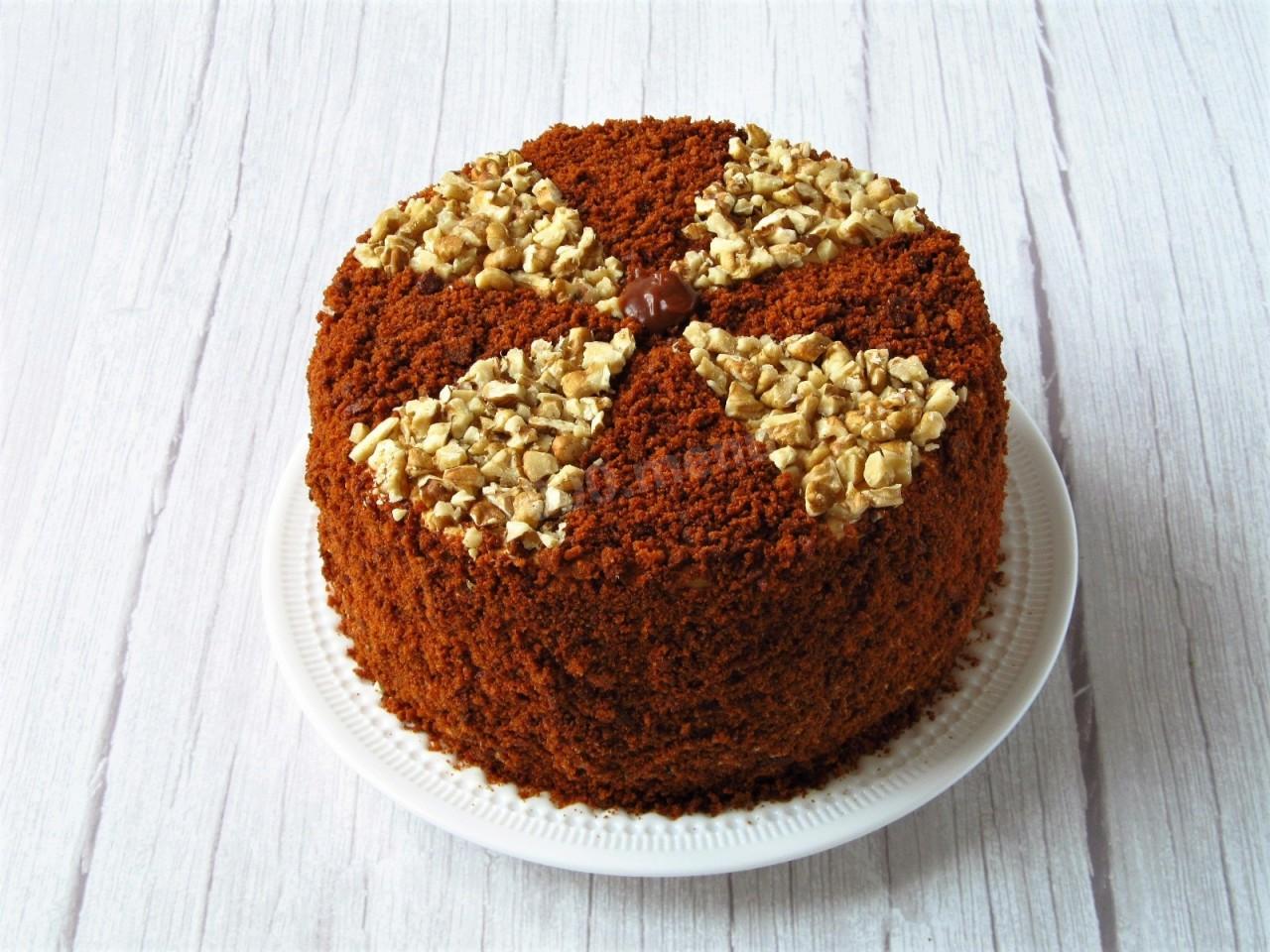
Decorate the cake however you like. I dried the trimmed sponge scraps in the oven and crushed them, then used the crumbs and chopped walnuts to coat the top and sides. Let the finished cake set in the refrigerator for 6–8 hours. Enjoy with a cup of tea!
- My caramel didn't work out the first time. Cook it just a touch too long and it turns dark and bitter — which won't do. So make sure nothing distracts you while the caramel is cooking. The sponge comes out a lovely amber color, with a pleasant caramel aroma and just the right amount of sweetness. If you like, you can make a salted caramel by adding 0.25 tsp of salt after the cream goes in — the salt brings out the caramel flavor.
Caloric content of the products possible in the composition of the dish
- Whole cow's milk - 68 kcal/100g
- Milk 3.5% fat content - 64 kcal/100g
- Milk 3.2% fat content - 60 kcal/100g
- Milk 1.5% fat content - 47 kcal/100g
- Concentrated milk 7.5% fat content - 140 kcal/100g
- Milk 2.5% fat content - 54 kcal/100g
- Chicken egg - 157 kcal/100g
- Egg white - 45 kcal/100g
- Egg powder - 542 kcal/100g
- Egg yolk - 352 kcal/100g
- Ostrich egg - 118 kcal/100g
- Walnuts - 650 kcal/100g
- Black Walnut English Walnut - 628 kcal/100g
- Black Persian Walnut - 651 kcal/100g
- Walnut oil - 925 kcal/100g
- Granulated sugar - 398 kcal/100g
- Sugar - 398 kcal/100g
- Butter 82% - 734 kcal/100g
- Amateur unsalted butter - 709 kcal/100g
- Unsalted peasant butter - 661 kcal/100g
- Peasant salted butter - 652 kcal/100g
- Melted butter - 869 kcal/100g
- Vegetable oil - 873 kcal/100g
- Salt - 0 kcal/100g
- Wheat flour - 325 kcal/100g
- Cream 35% - 337 kcal/100g
- Cream 40% - 362 kcal/100g
- Baking powder - 79 kcal/100g
- Syrup - 300 kcal/100g
- Molasses - 296 kcal/100g