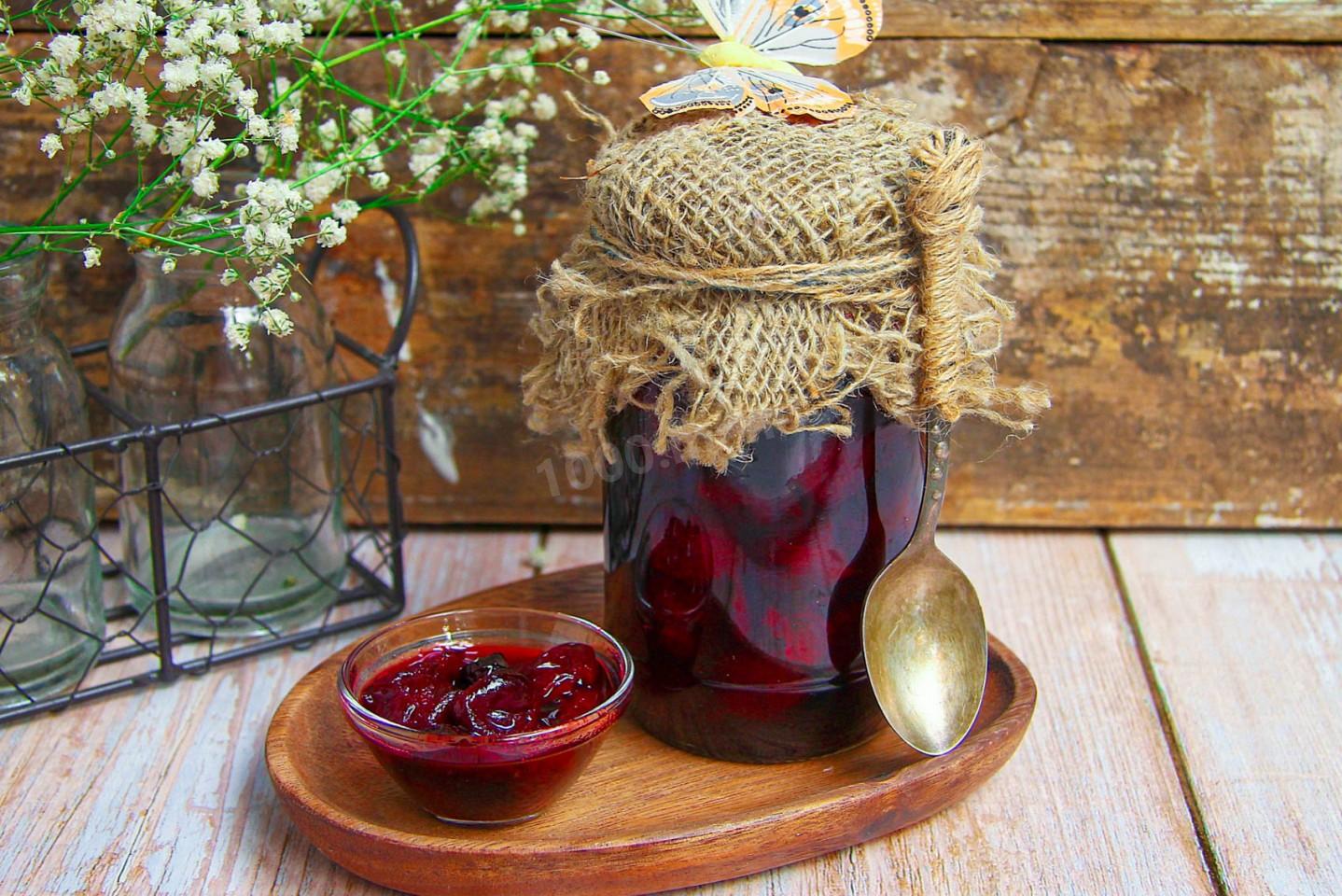
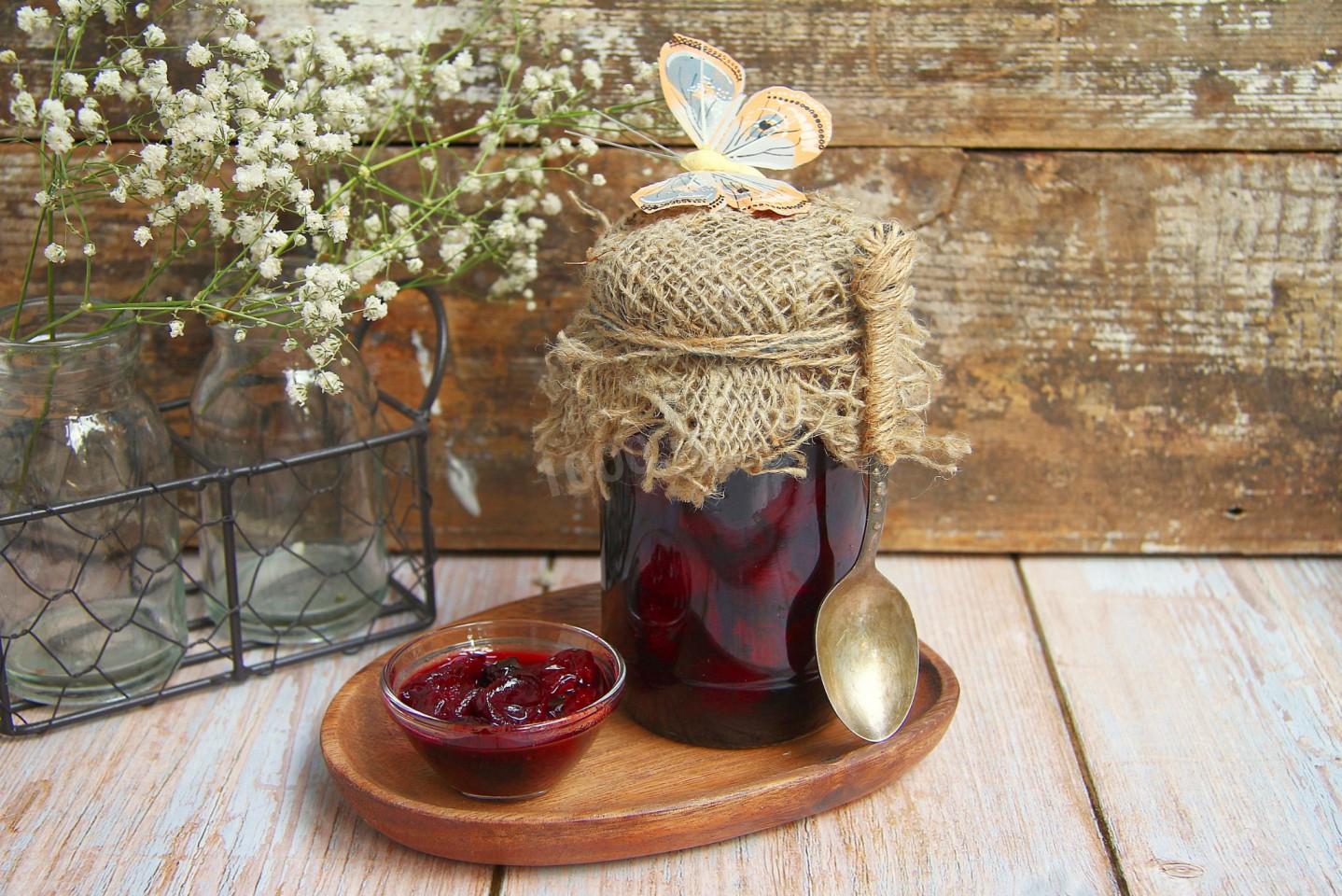
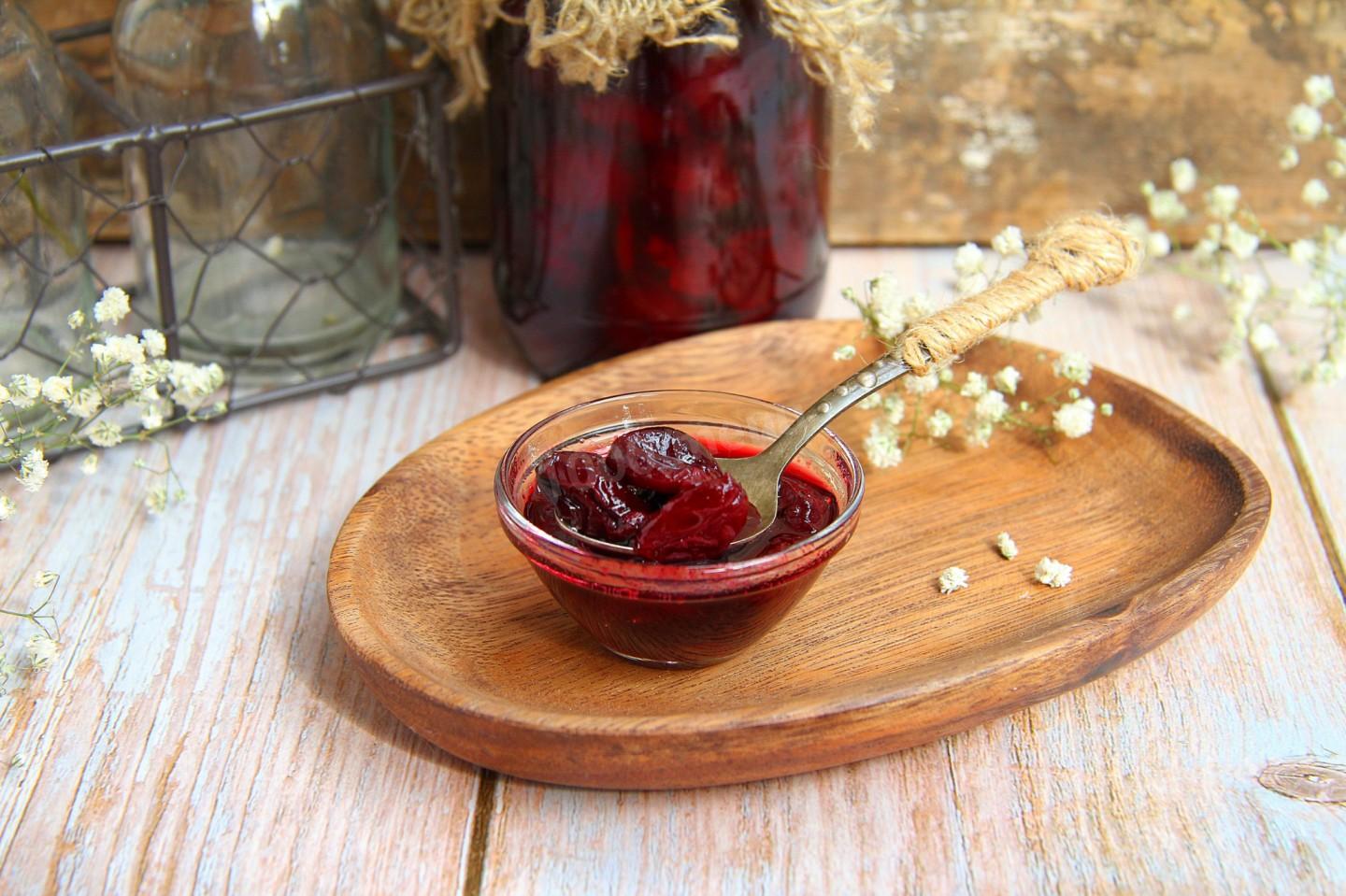
Cherry Jam with Agar-Agar
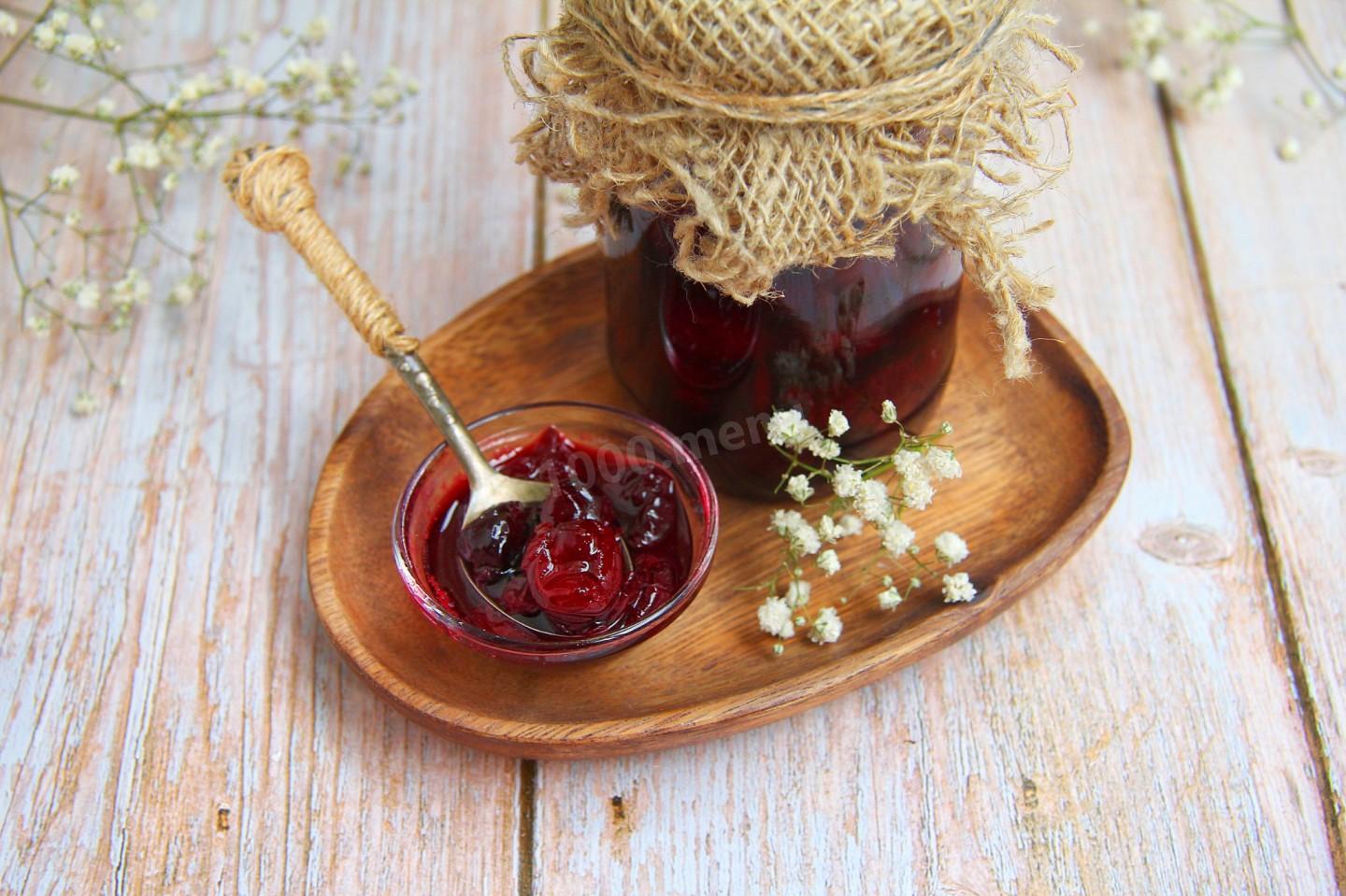
The most fragrant jam — gelled and pitted! Jam made with agar-agar (a plant-based alternative to gelatin) keeps more of its goodness than the same jam made with sugar alone. Agar lets you cook the berries for less time, preserving the vitamins that break down during long cooking.

Cooking method
-
Step 1:
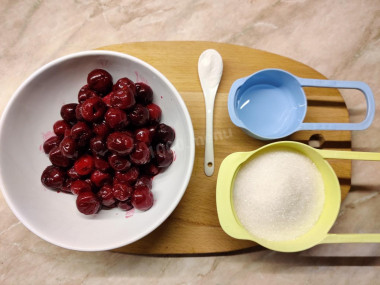
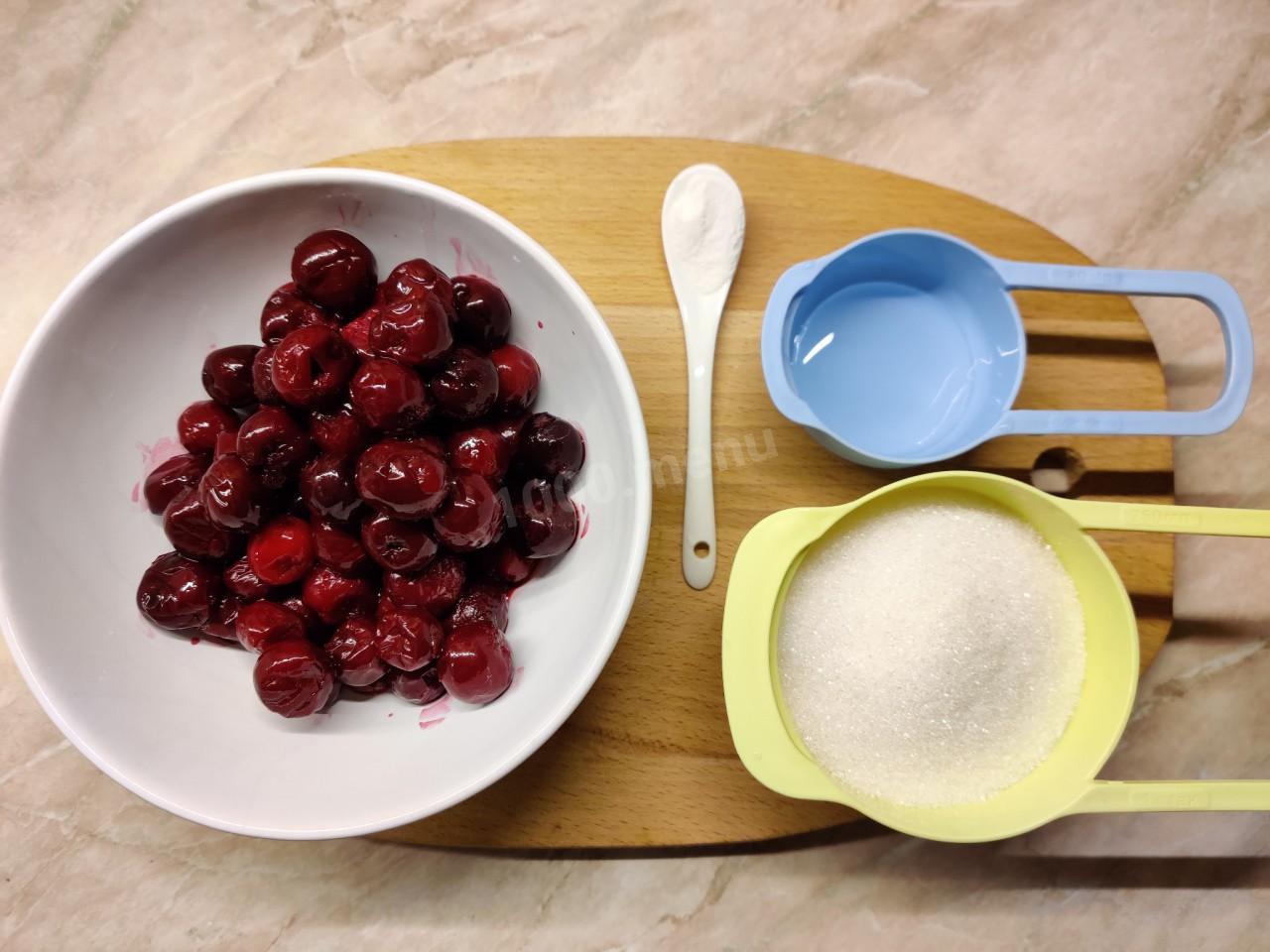
How do you make jam with agar-agar? Get everything ready. Fresh cherries are best — rinse them under running water and remove the pits beforehand. I'm using frozen cherries that I've thawed first. Keep in mind that agar-agar can vary in gelling strength! For the perfect result, follow the directions on your particular package of agar-agar. The amounts are given with a little extra to allow for cooking down.
-
Step 2:
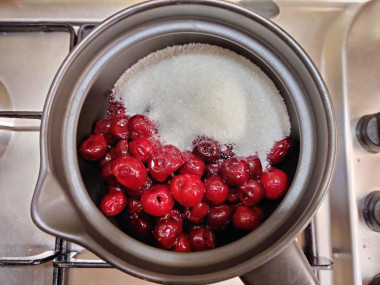
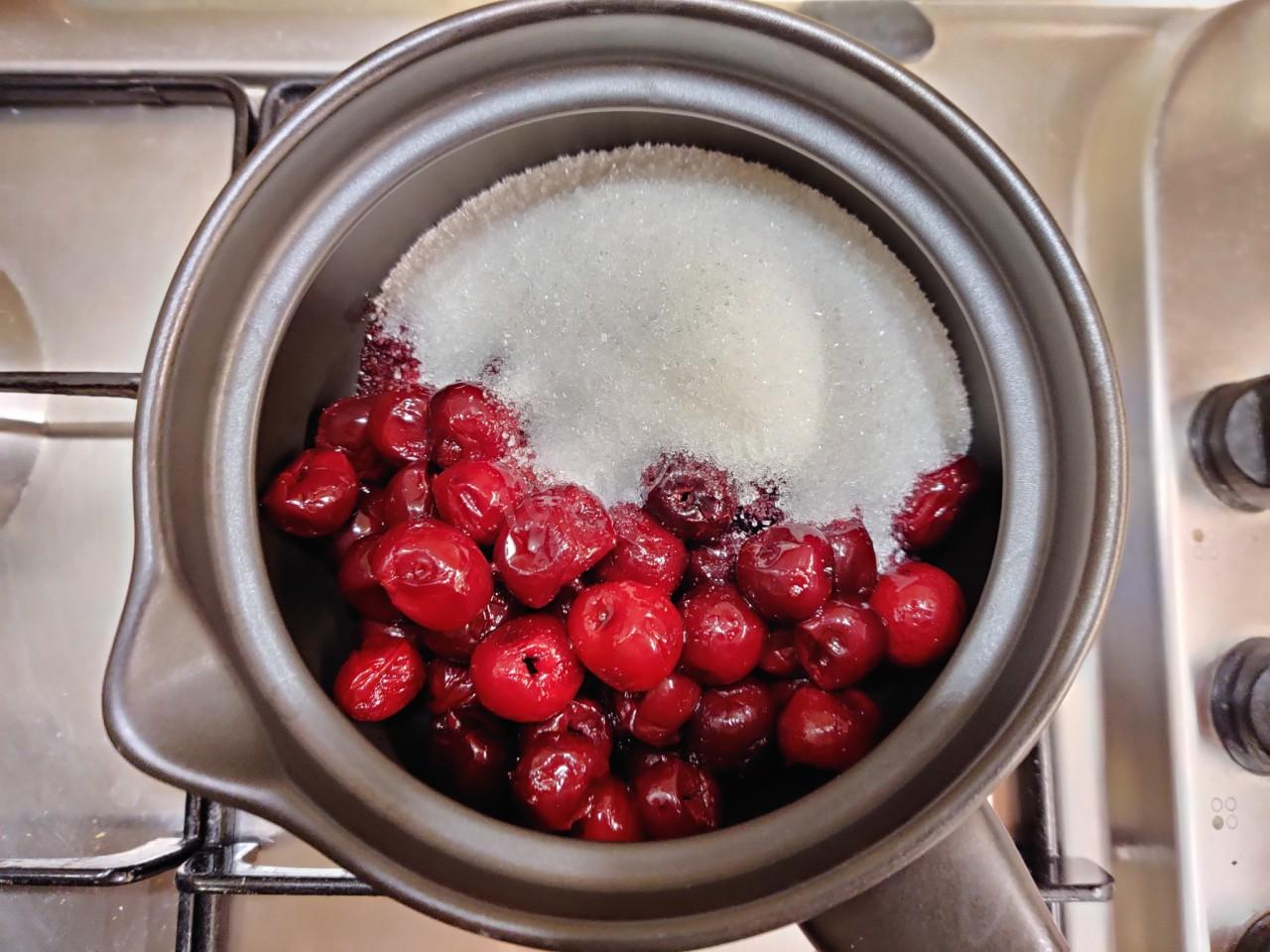
Transfer the cherries to a heavy-bottomed saucepan and add the sugar. Over low heat, stirring constantly, bring the berries to a boil. Cook the cherries for 20 minutes, stirring now and then so the sugar dissolves completely. If too much foam forms, skim it off with a slotted spoon or a regular spoon.
-
Step 3:
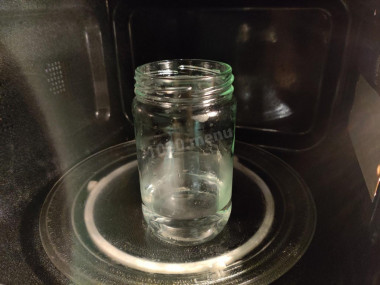
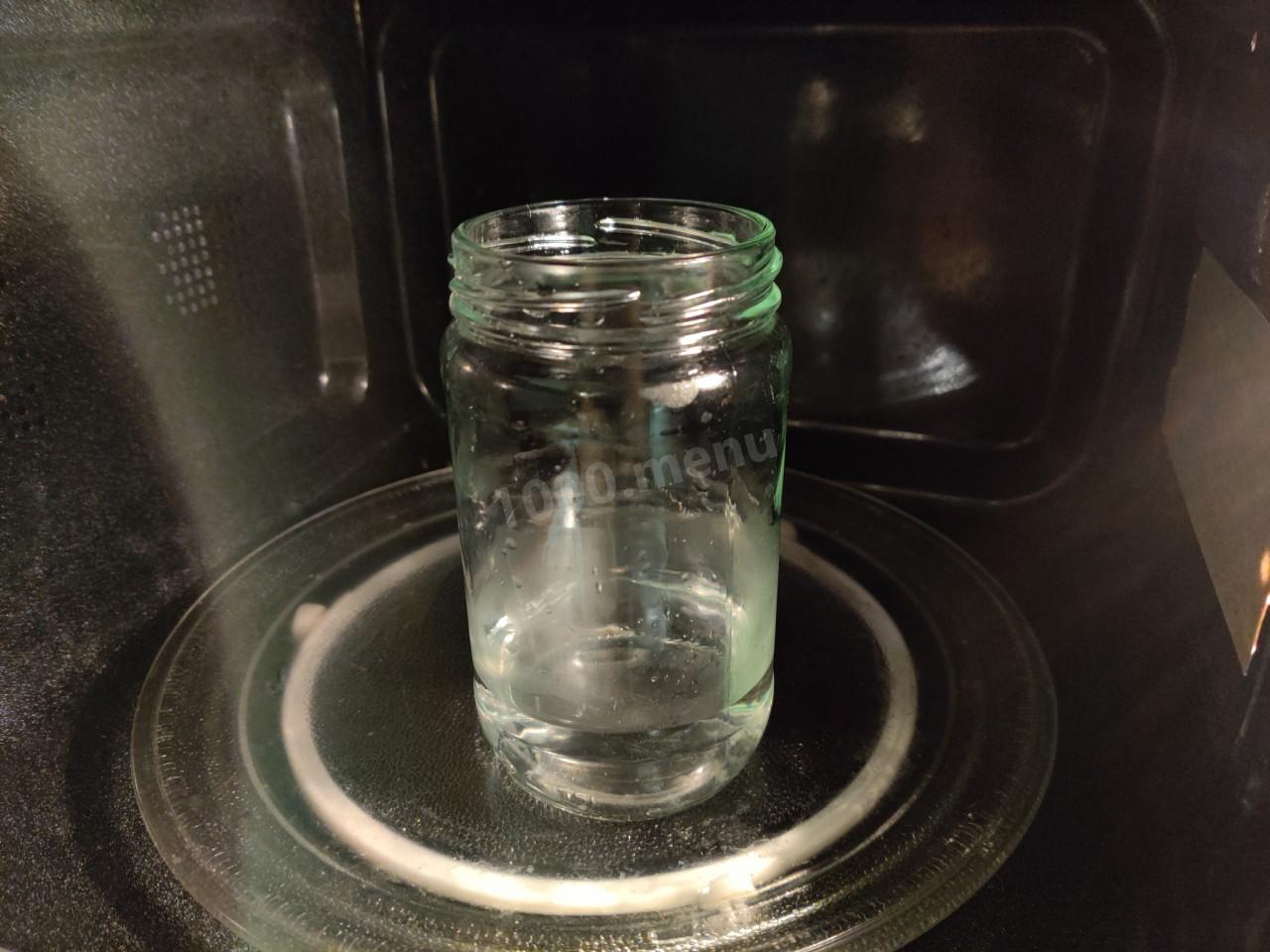
Meanwhile, prepare the jars. Wash them first. I'll be using just one 0.5-liter (1-pint) jar. Pour about an inch (a centimeter) of filtered water into each jar and microwave for 3 minutes. The water should come to a boil — that sterilizes the jars. For the lids, simply pour boiling water over them and leave them until you need them.
-
Step 4:
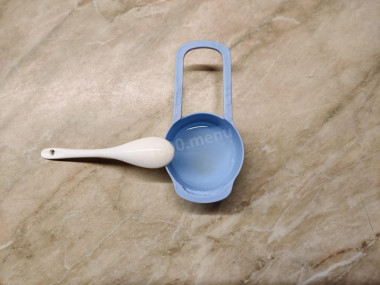
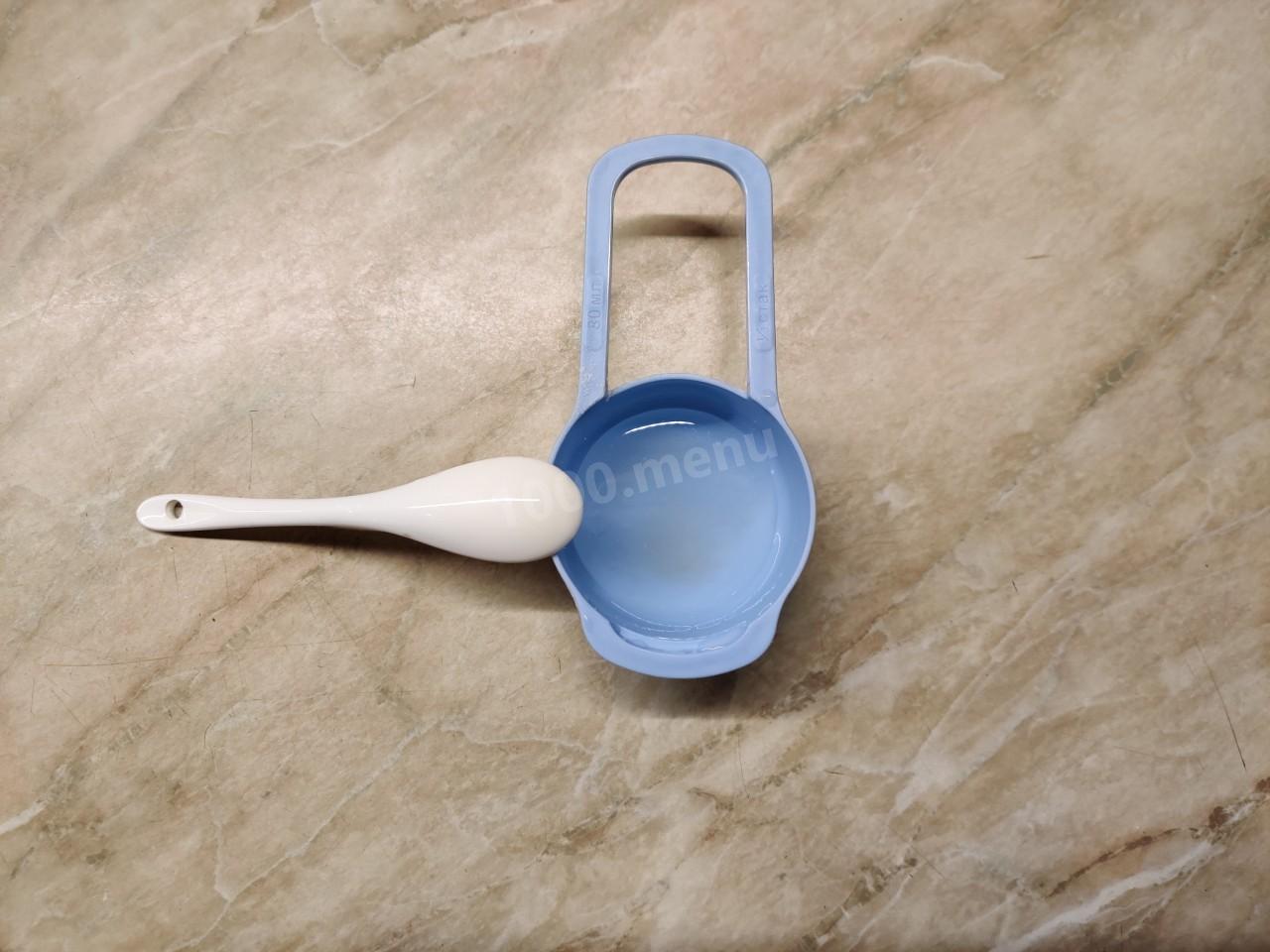
Dissolve the agar-agar in warm water, stirring until smooth.
-
Step 5:
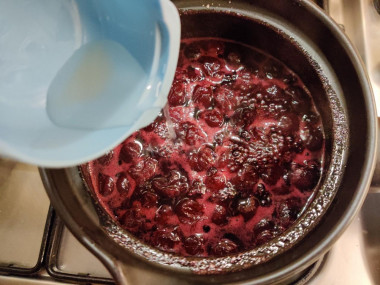
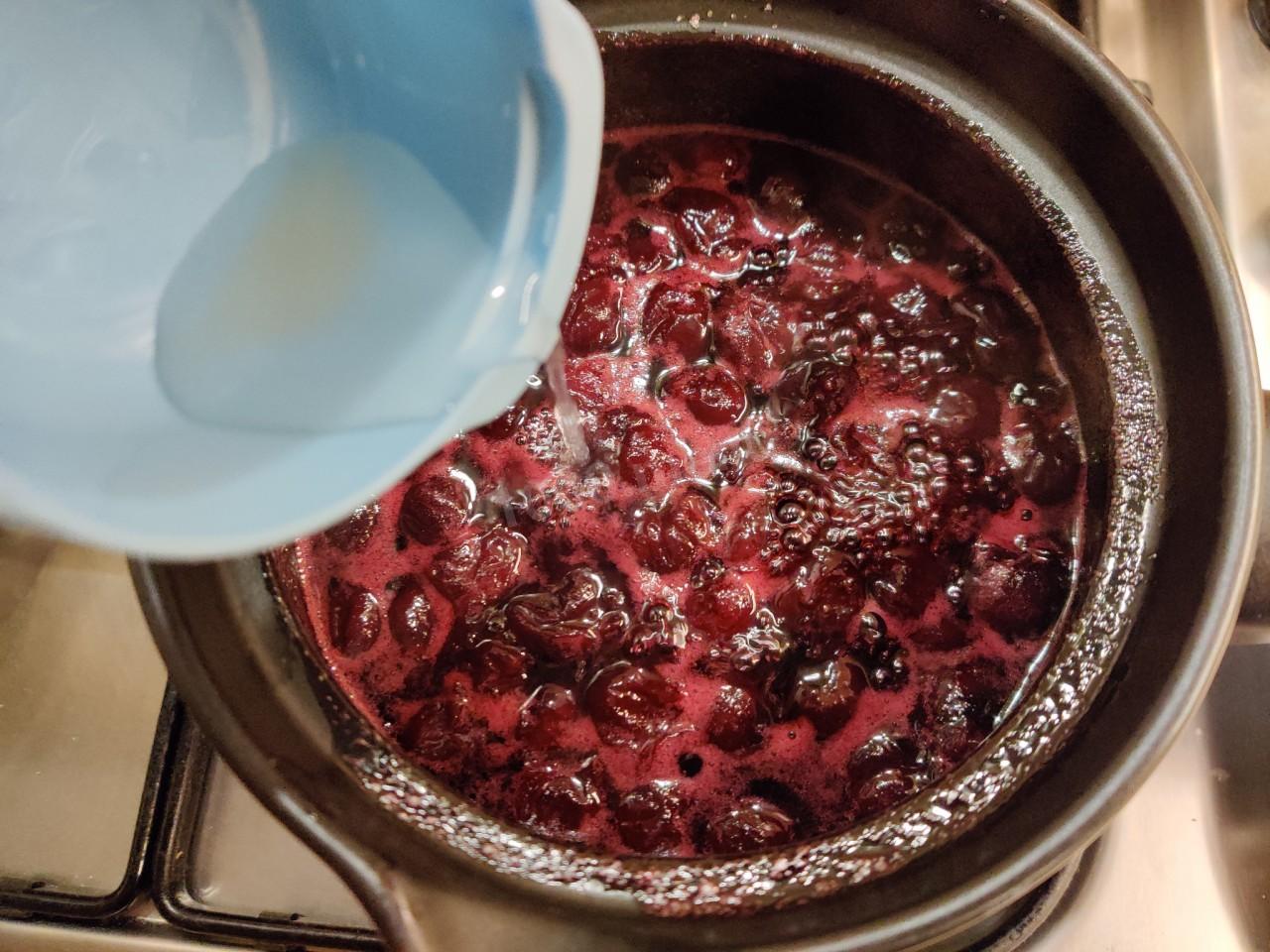
Stirring the jam, pour the agar water into the saucepan. Cook for another 3 minutes. You won't see much change at first, since the agar starts to set a little later.
-
Step 6:
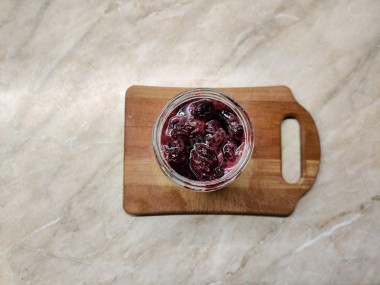
Ladle the hot jam into the jars and seal them with lids. Turn the jars upside down and wrap them in a warm blanket until completely cooled. After that, the jam is ready to be stored.
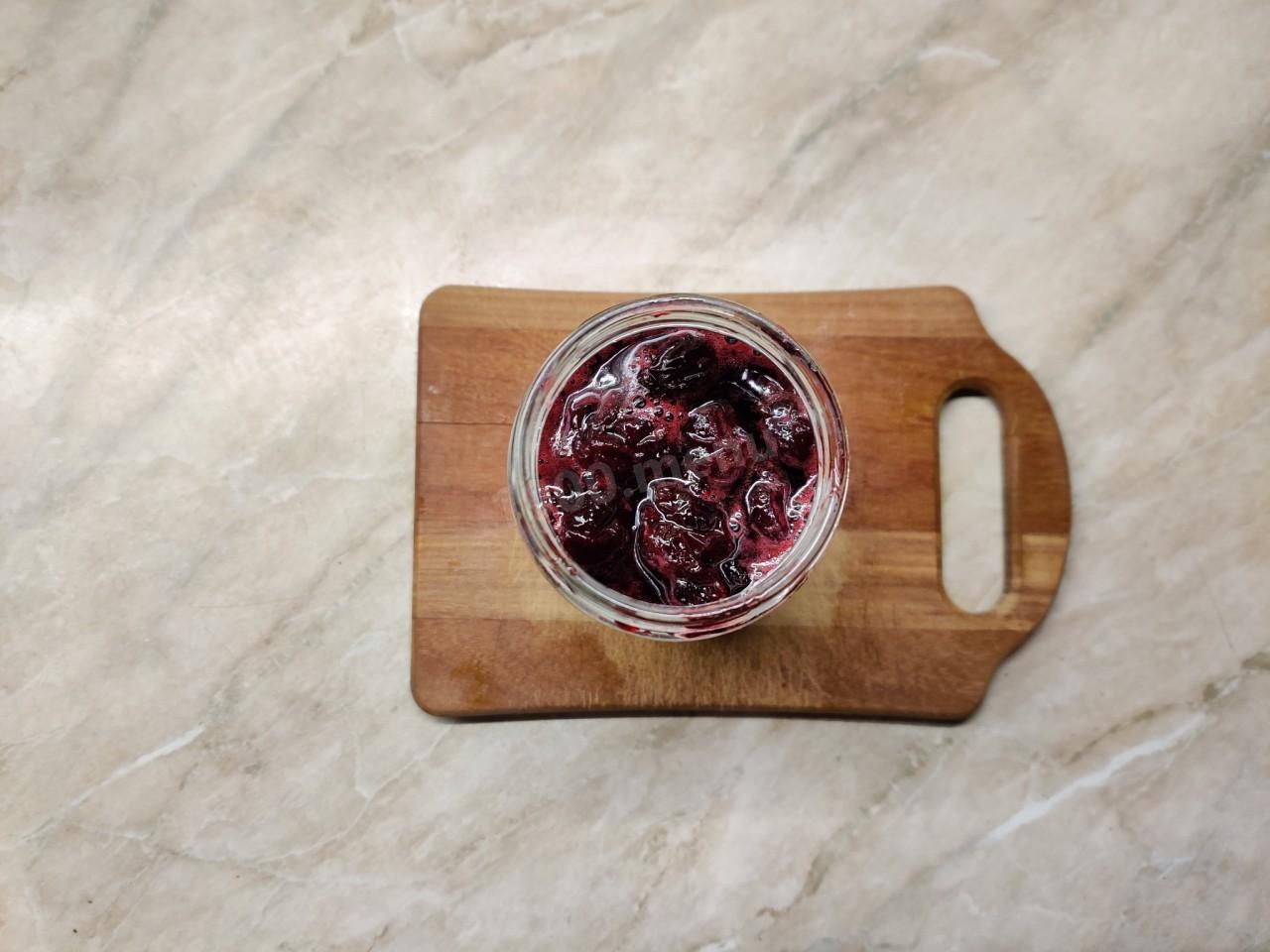
- If we wanted a thicker jam without adding agar, we'd have to boil the mixture down for a long time until it thickened on its own. The beauty of agar-agar is that, added in the right amount, it thickens the thin cherry syrup in just a few minutes.
- Enjoy!
- Remember that ingredients like salt, sugar, and vinegar (along with its substitutes) are used in winter-preserve recipes not just for flavor but, above all, as preservatives. For that reason, you should never reduce the amount of salt or sugar, or swap in vinegar (or essence) weaker than the recipe calls for — otherwise the vinegar (or salt and sugar) won't do its preserving job and the batch will spoil.
- Before adding the agar, check its rating. The numbers on the package — 600, 900, or 1200, for example — indicate the strength (firmness) of the resulting gel. The higher the number, the firmer the jelly. Always keep in mind that the agar-agar proportions given in a recipe are approximate, since the result depends not only on the gel strength (the number on the package) but also on the quality of the agar and the amount of sugar and acid in the dish. To avoid mistakes and get the result you want, it's worth running a test: take 1 tablespoon of the finished but not-yet-cooled mixture and put it in the freezer for 1 minute. If the jelly sets to the consistency you want, your proportions are right. If not, you'll need to thicken or, conversely, thin the mixture.
- An opened package of agar-agar can be kept for quite a while, but check it before use — exposure to sunlight and air can cause the agar to lose its gelling power.
Caloric content of the products possible in the composition of the dish
- Granulated sugar - 398 kcal/100g
- Sugar - 398 kcal/100g
- Sour cherry - 52 kcal/100g
- Sweet cherry - 64 kcal/100g
- Dried cherries - 292 kcal/100g
- Canned cherry - 61 kcal/100g
- Water - 0 kcal/100g
- Agar-agar - 301 kcal/100g