Classic Herring Butter
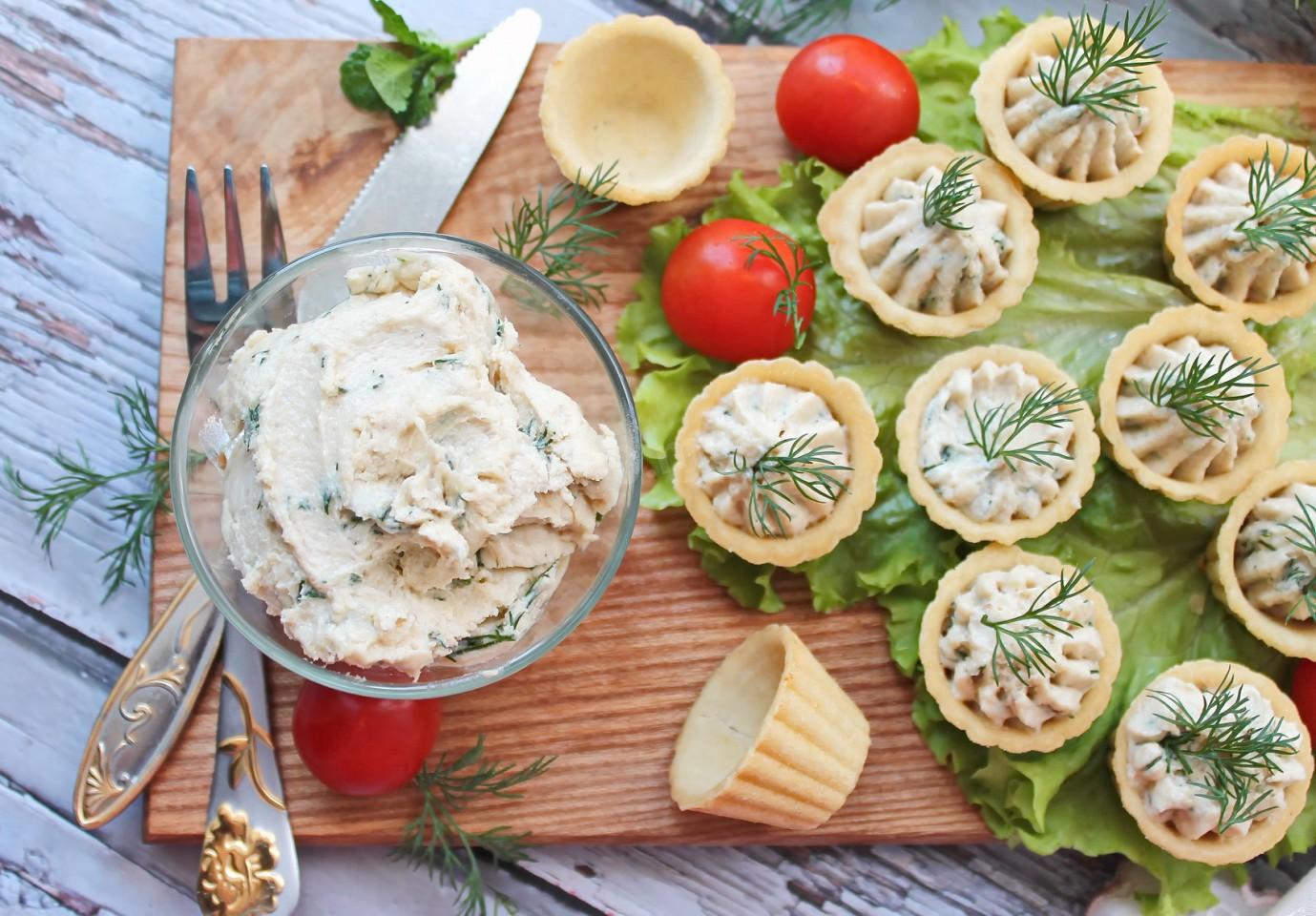
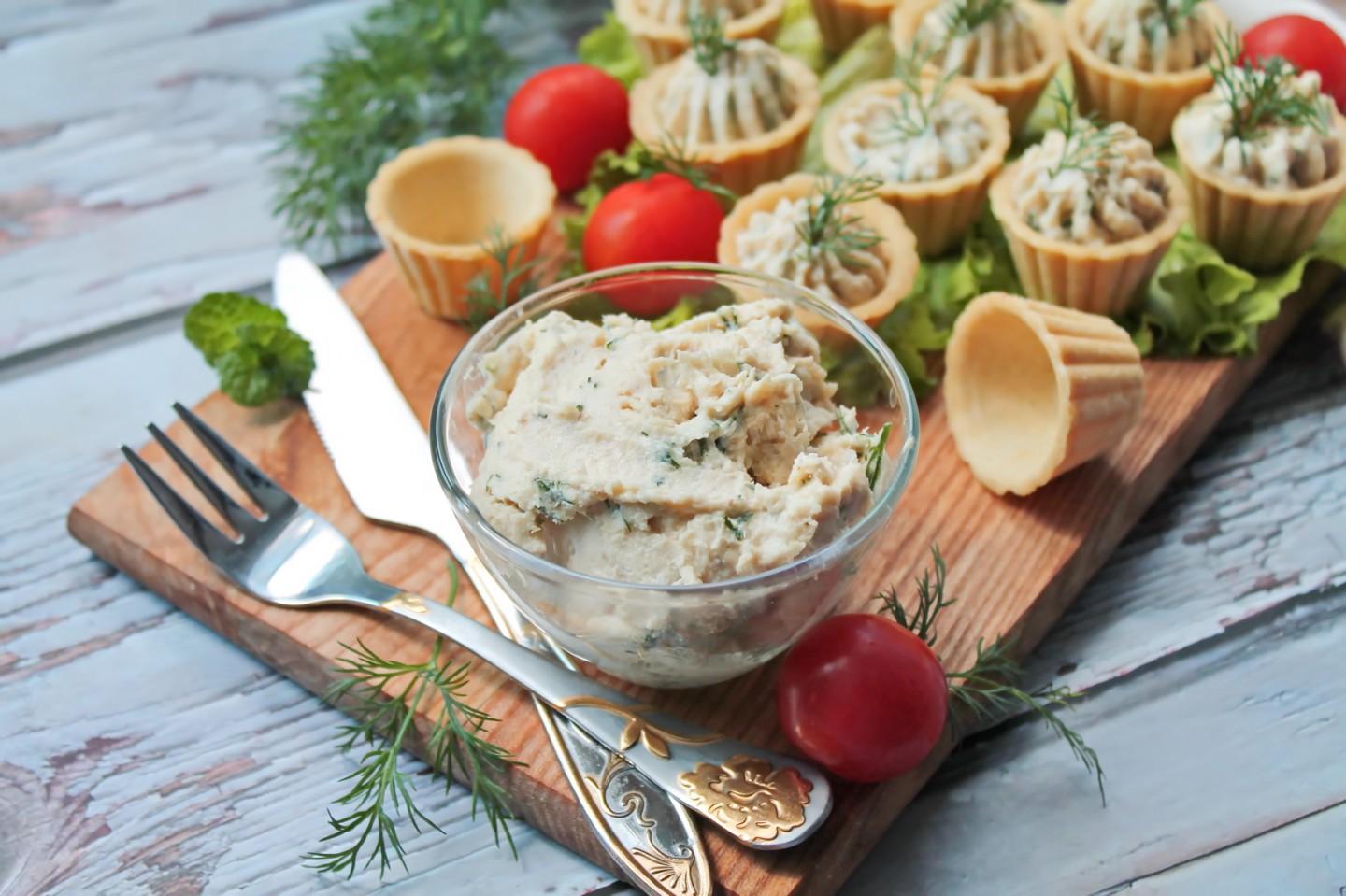
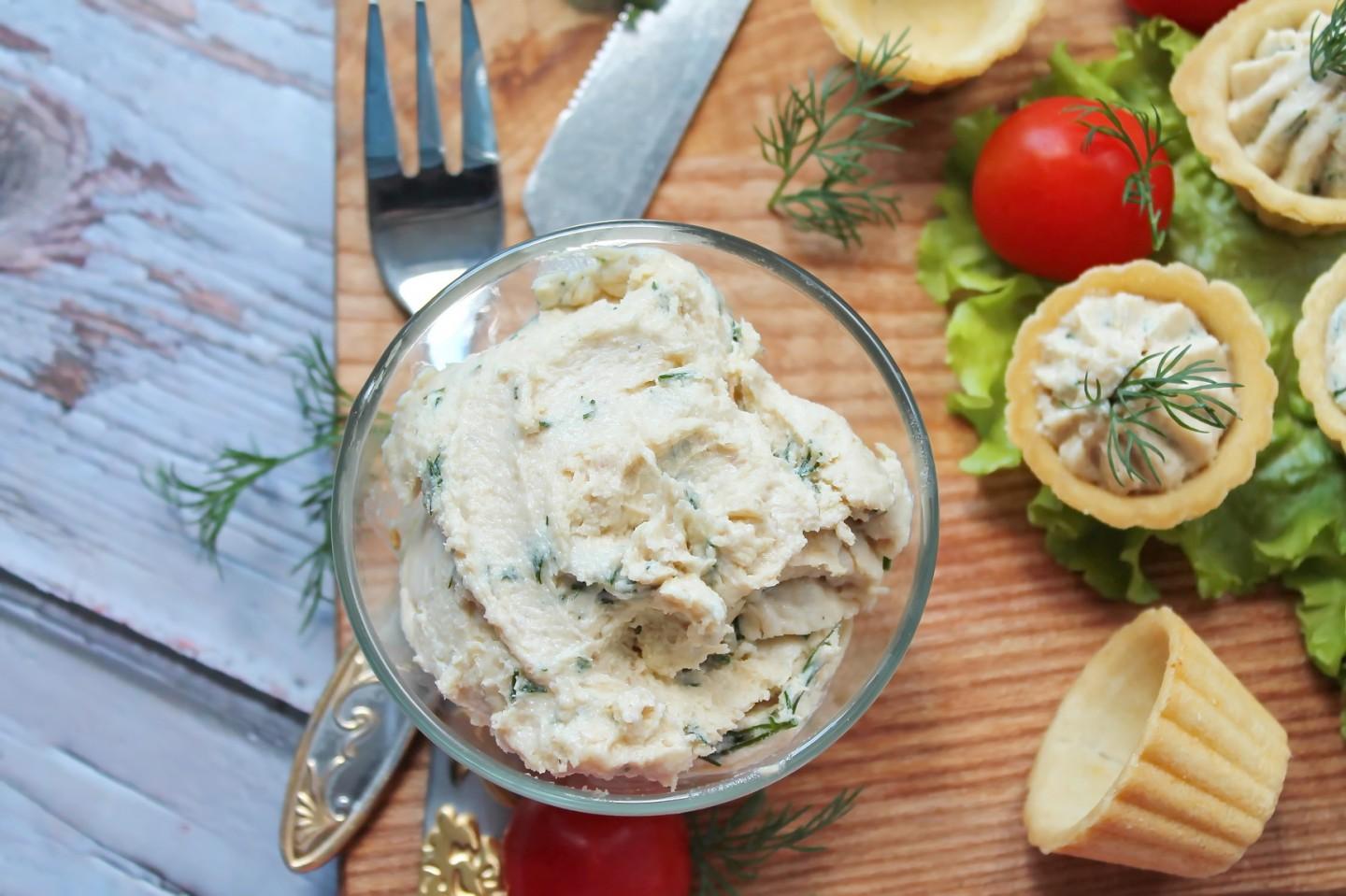
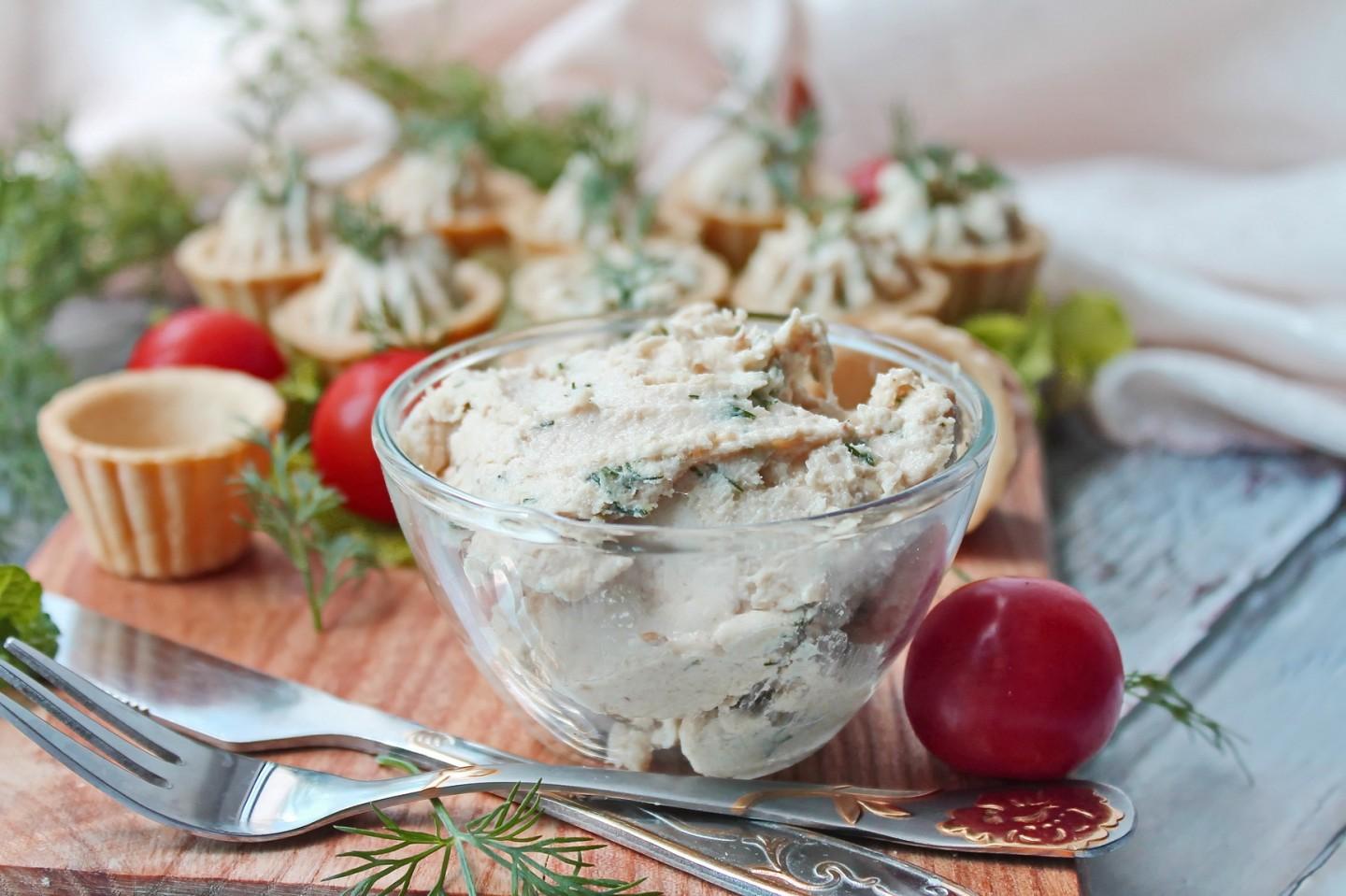
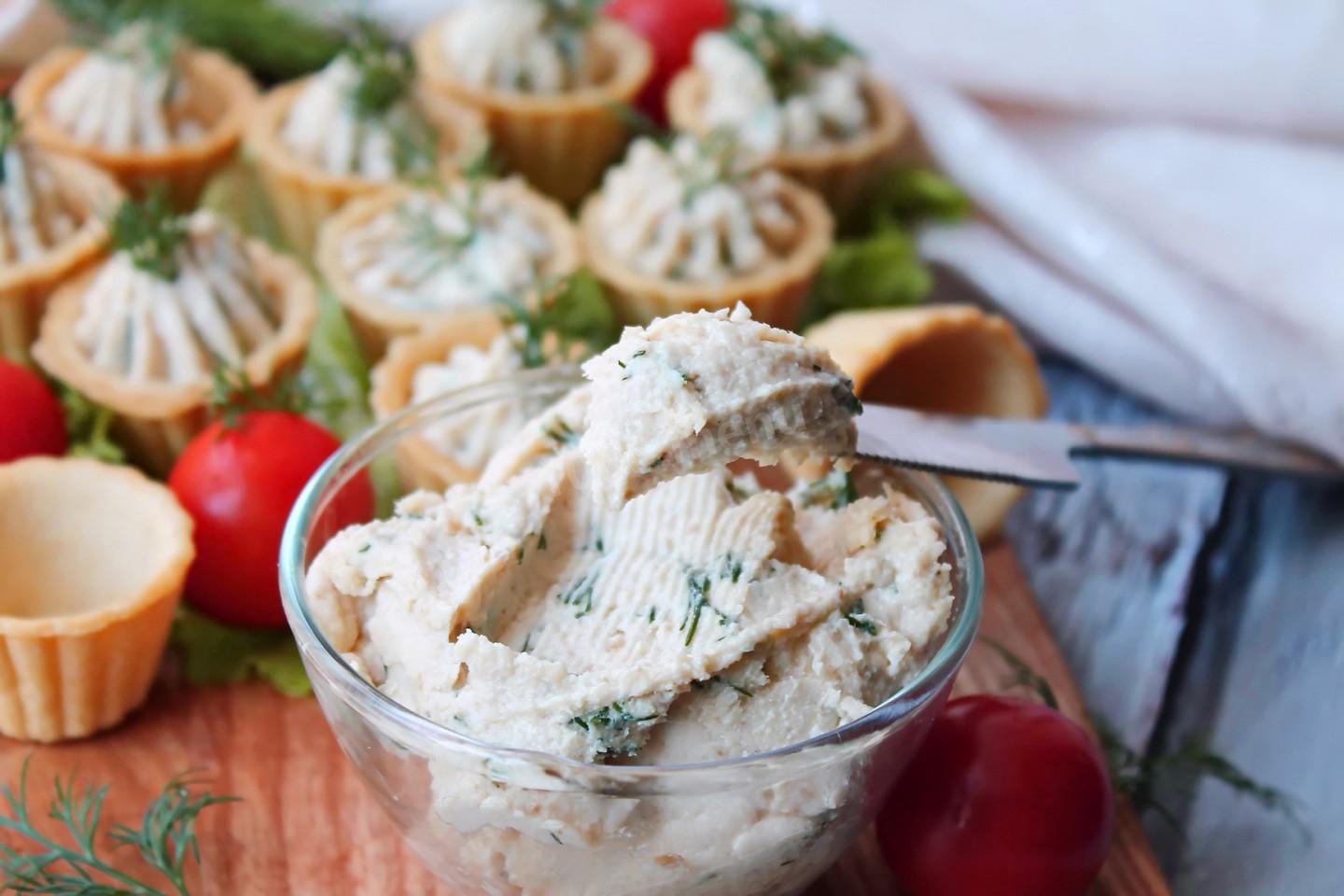
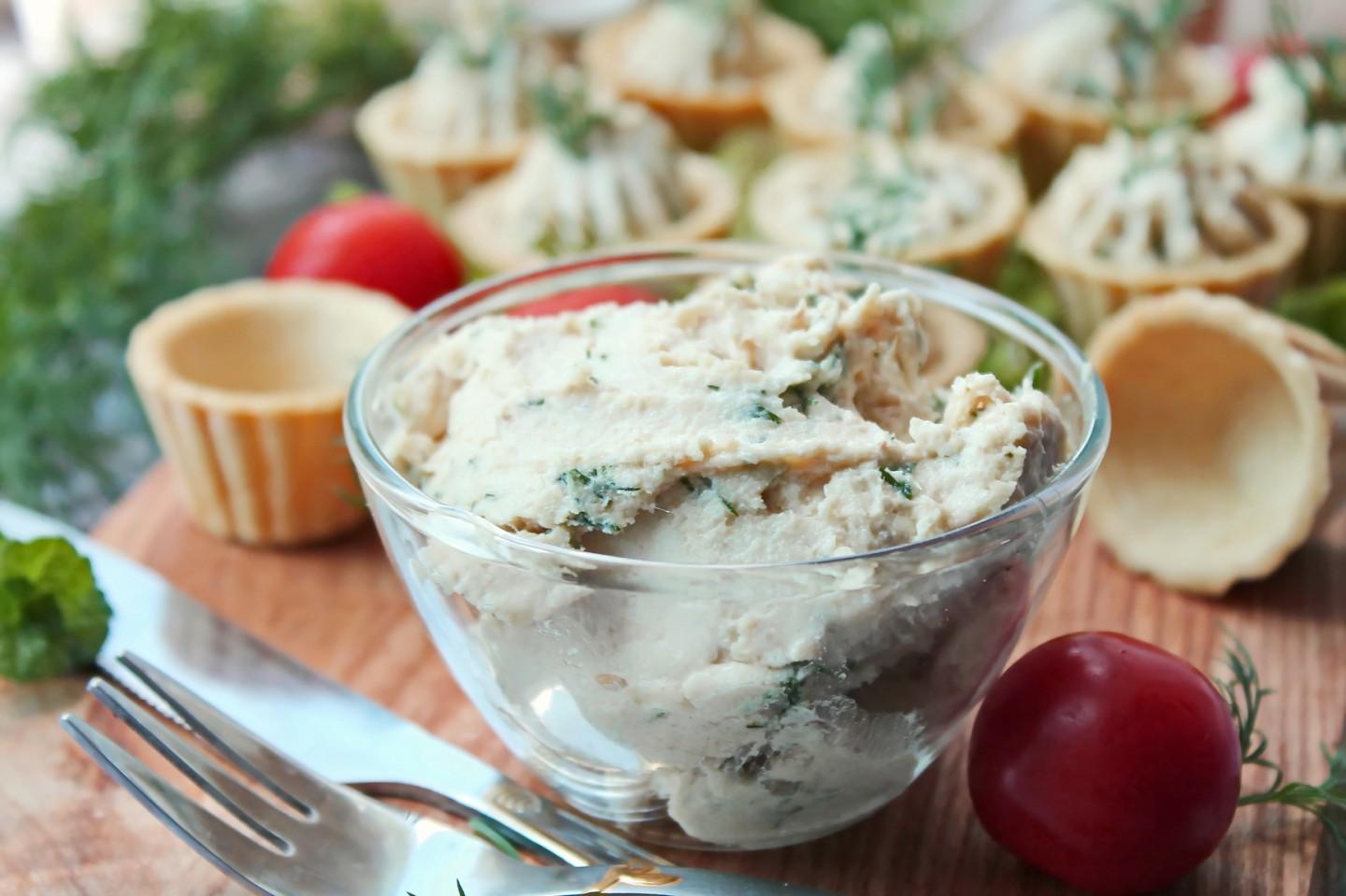
A tasty herring butter for sandwiches at your table. After all, many people love a slice of bread with butter and fish on top — and here it's all in one: just spread and go. And if you pipe the butter into little tartlet shells and garnish them, you get a wonderful appetizer for a holiday table.

Cooking method
-
Step 1:
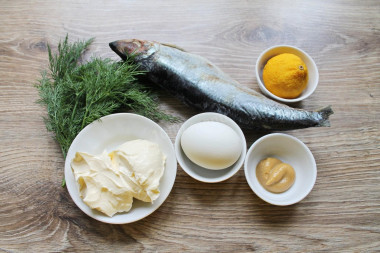
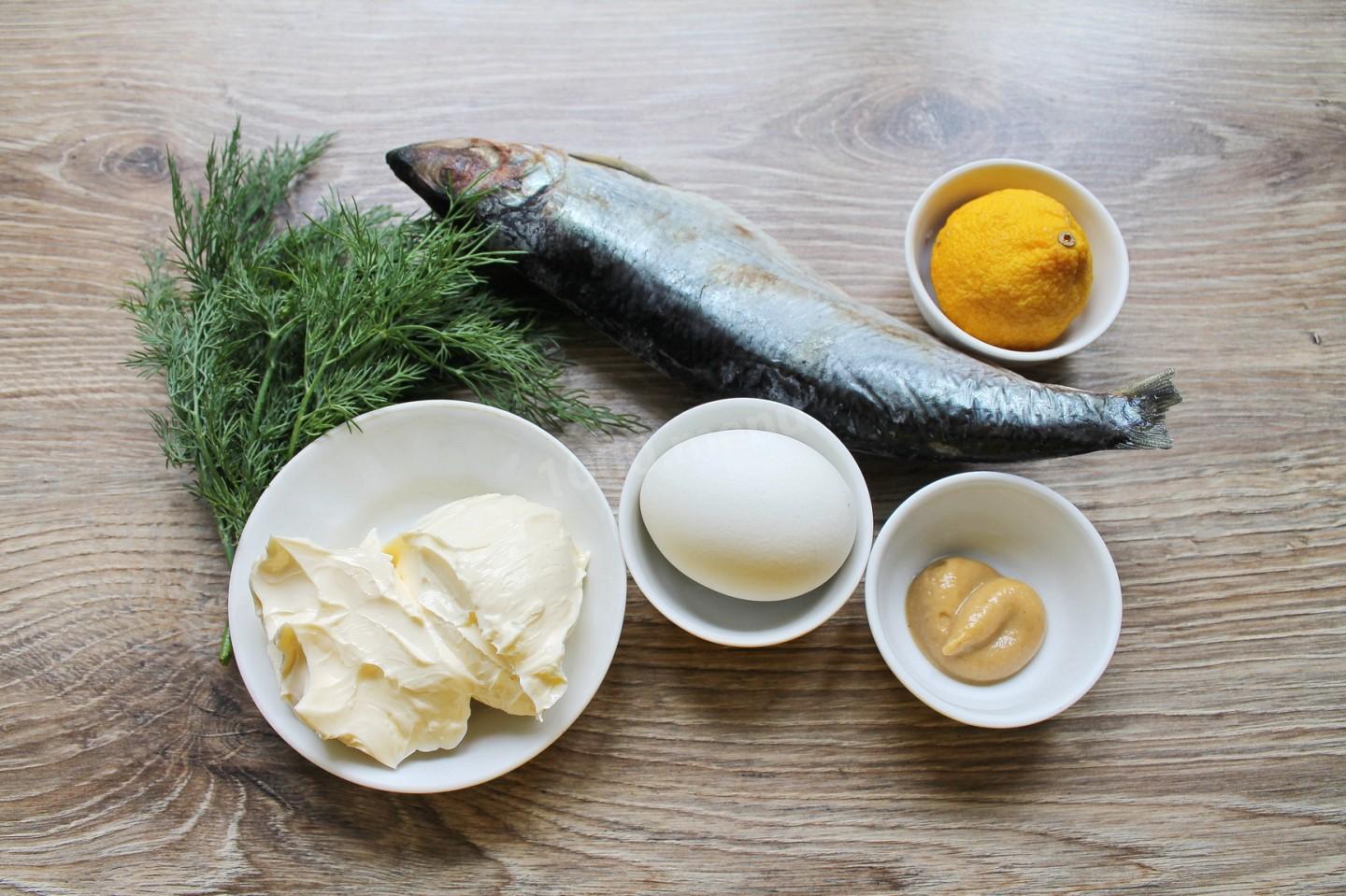
Gather all the ingredients for the herring butter. Lightly salted or spice-cured herring is best. The main thing is that it's fresh and not old, or the butter will take on an unappetizing smell. There shouldn't be any yellow marks on it — a sure sign of a stale fish. Wash the egg, hard-boil it, and let it cool. Take the butter out of the refrigerator ahead of time so it softens.
-
Step 2:
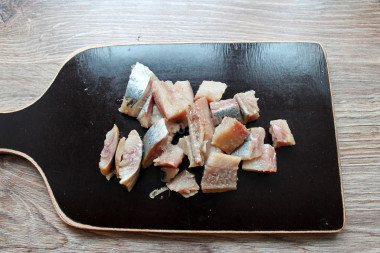
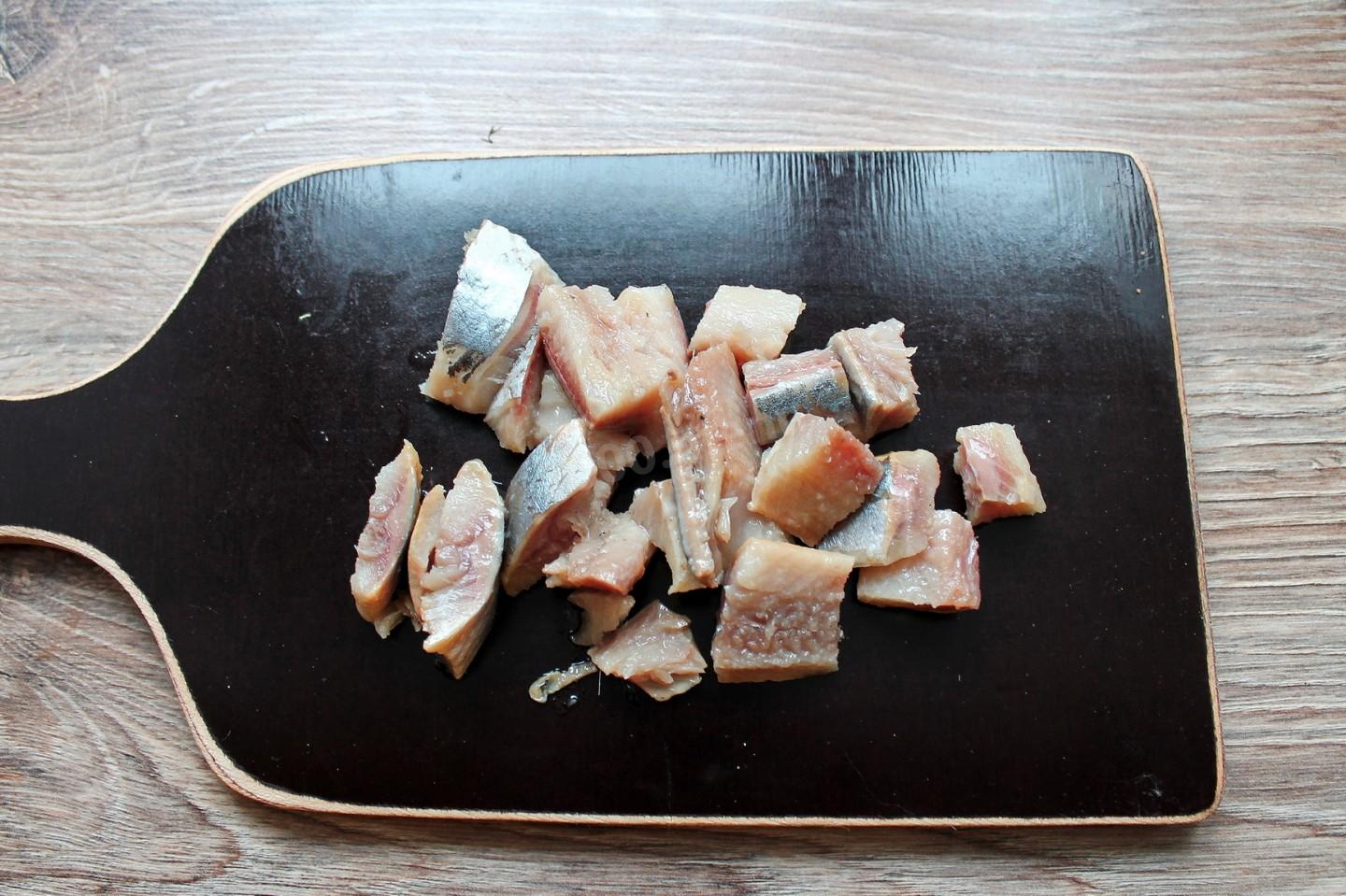
Fillet the fish, removing the skin and all the bones. Try to pull out even the tiniest bones, because no matter how well you blend, a bone can still slip through — and that can have unpleasant consequences. Ordinary tweezers make this easy. Then cut the herring into pieces.
-
Step 3:
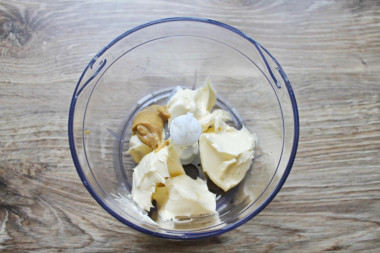
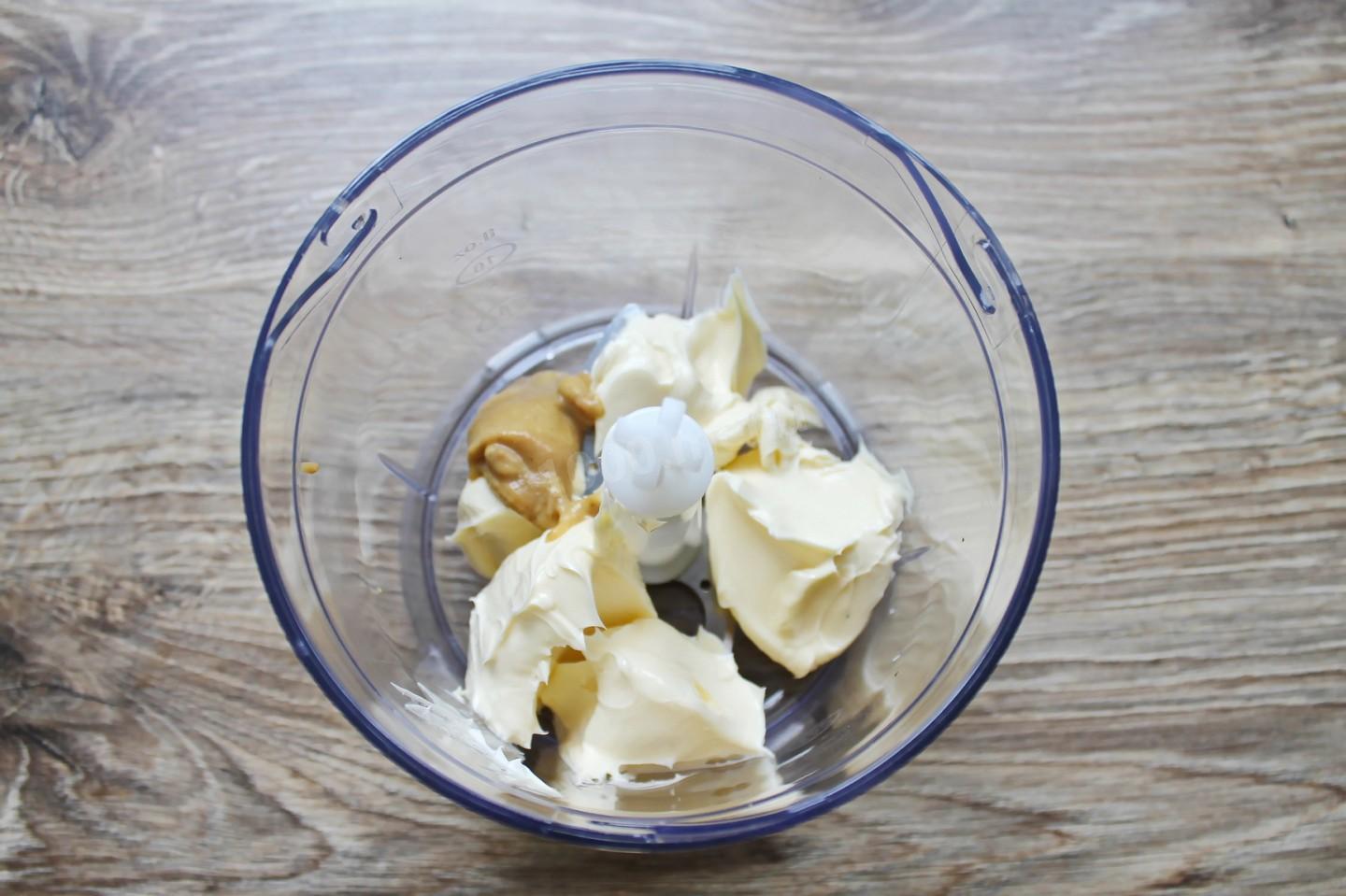
Put the softened butter and the mustard in a blender bowl. You can use any mustard you like, but it determines the flavor of the finished butter — sharp or mild and tangy. Hot (Russian-style) mustard adds a kick, while whole-grain mustard adds a tang. The key is moderation, so the mustard doesn't overpower the taste of the fish.
-
Step 4:
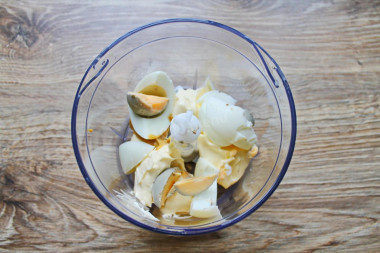
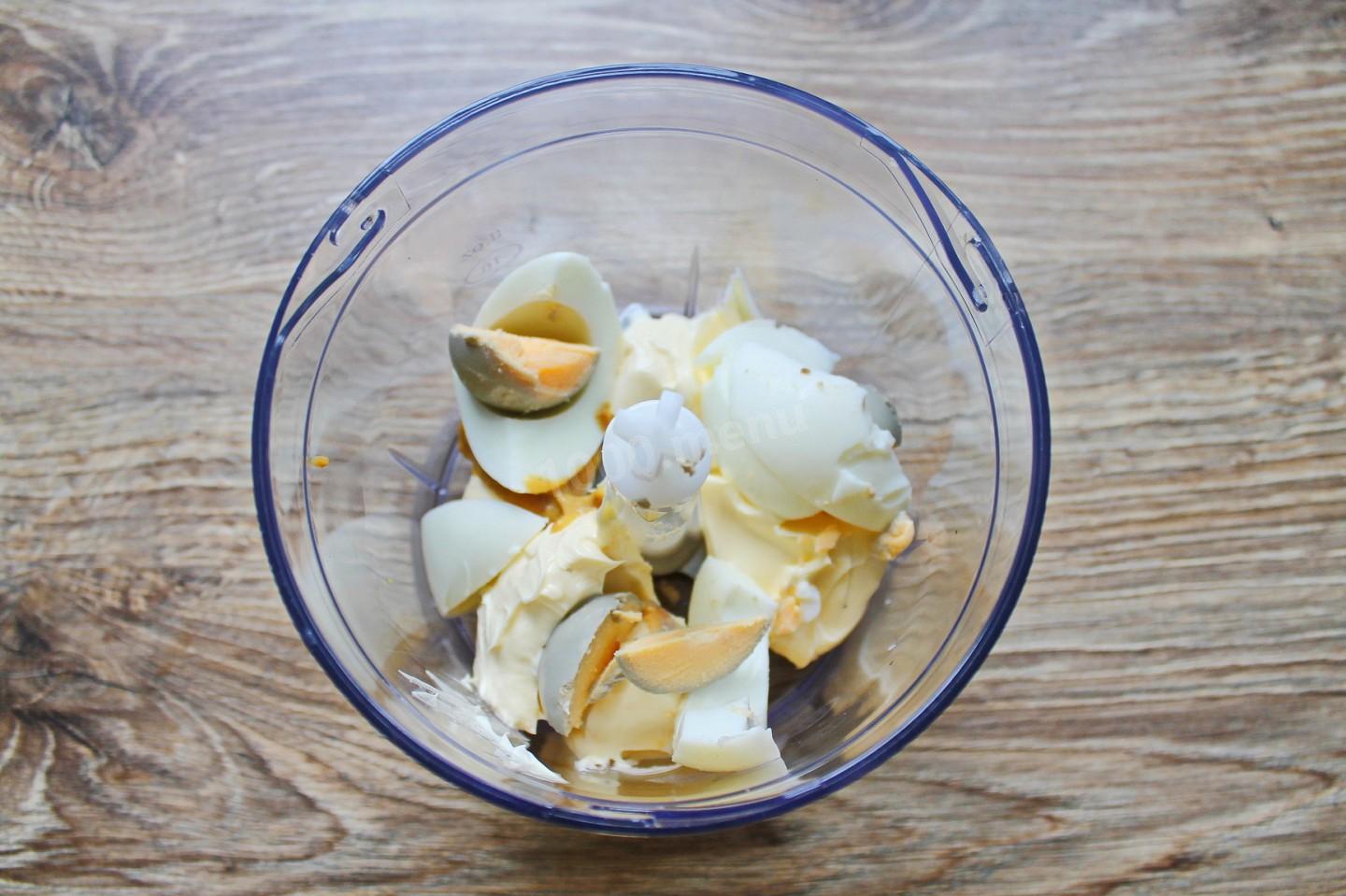
Peel and chop the egg and add it to the bowl with the butter and mustard. The color of the finished butter depends directly on the egg — the brighter the yolk, the more yellow the butter.
-
Step 5:
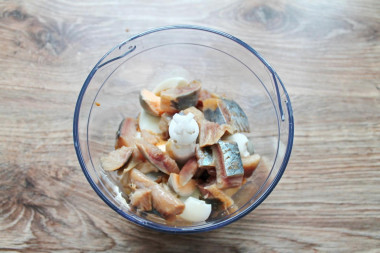
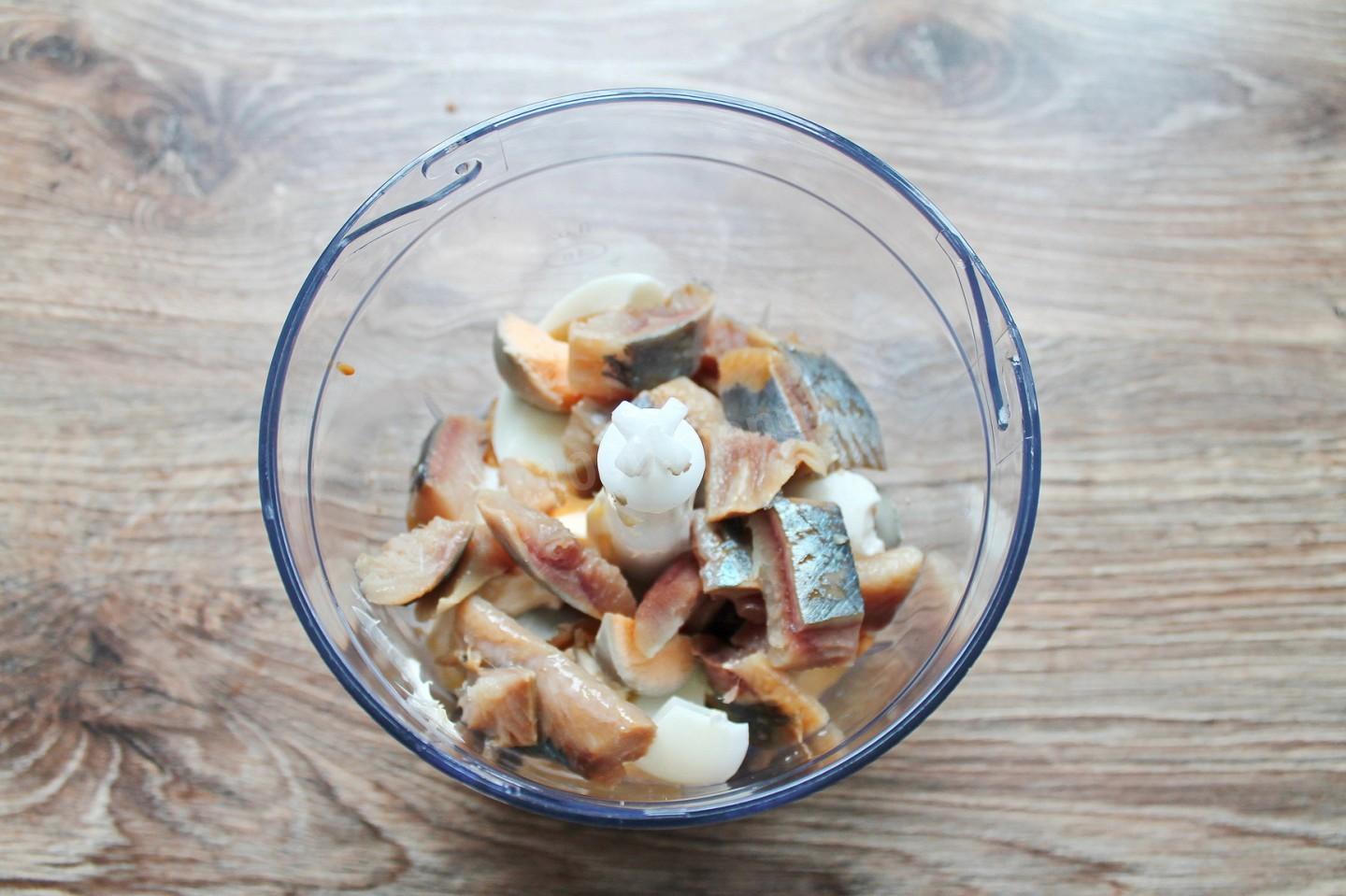
Add the cleaned, cut-up herring to the blender bowl. If you like, pour in the lemon juice — it softens the fishy smell a bit.
-
Step 6:
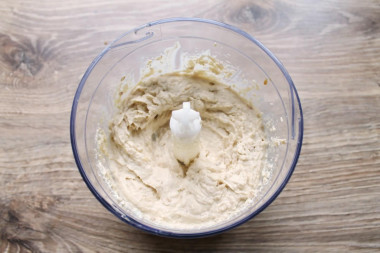
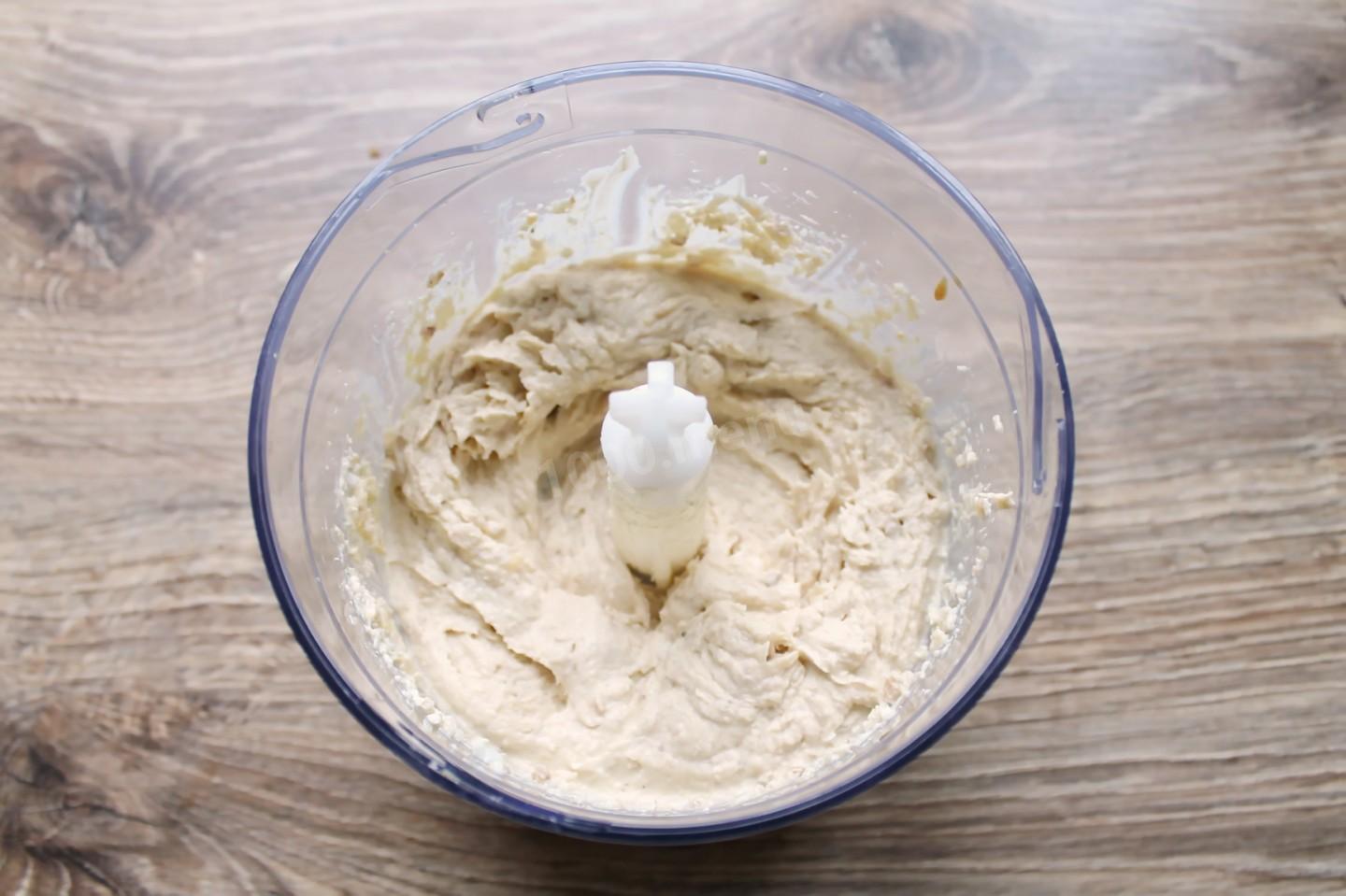
Blend everything at medium speed. If you blend only briefly, you'll get little bits of herring throughout. For a smooth butter, blend a little longer. Taste it and add a pinch of salt if needed, though it usually isn't necessary.
-
Step 7:
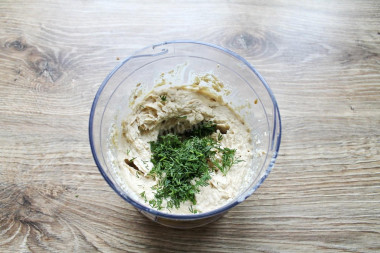
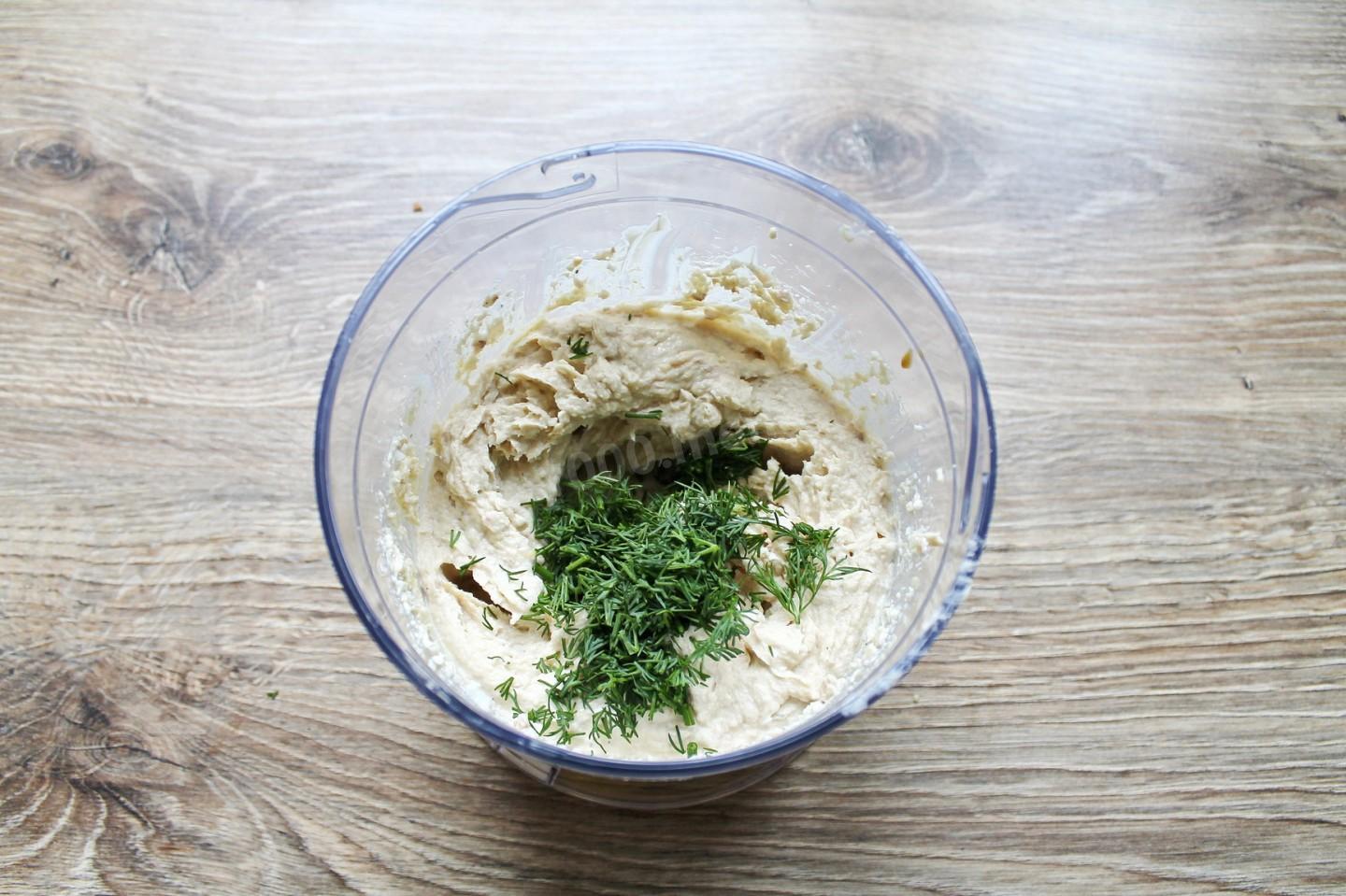
Rinse the dill and be sure to dry it well with a paper towel, since any moisture that gets in will speed up spoilage. If you don't like dill, swap it for parsley or any other herb.
-
Step 8:
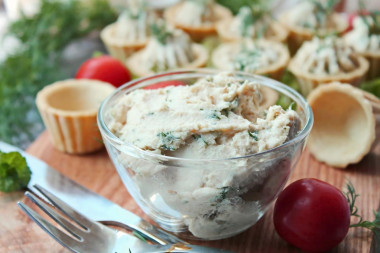
You can spread this butter on bread, make sandwiches and top them with fresh vegetables, or fill tartlet shells with it. Enjoy.
Caloric content of the products possible in the composition of the dish
- Chicken egg - 157 kcal/100g
- Egg white - 45 kcal/100g
- Egg powder - 542 kcal/100g
- Egg yolk - 352 kcal/100g
- Ostrich egg - 118 kcal/100g
- Herring in vegetable oil - 301 kcal/100g
- Herring in sour cream - 97 kcal/100g
- Herring in tomato sauce - 159 kcal/100g
- Hot smoked herring - 215 kcal/100g
- Pickled herring - 192 kcal/100g
- Fresh herring - 161 kcal/100g
- Salted herring - 217 kcal/100g
- Dill greens - 38 kcal/100g
- Butter 82% - 734 kcal/100g
- Amateur unsalted butter - 709 kcal/100g
- Unsalted peasant butter - 661 kcal/100g
- Peasant salted butter - 652 kcal/100g
- Melted butter - 869 kcal/100g
- Lemon juice - 16 kcal/100g
- Mustard ready - 418 kcal/100g