Gubadia with Kort
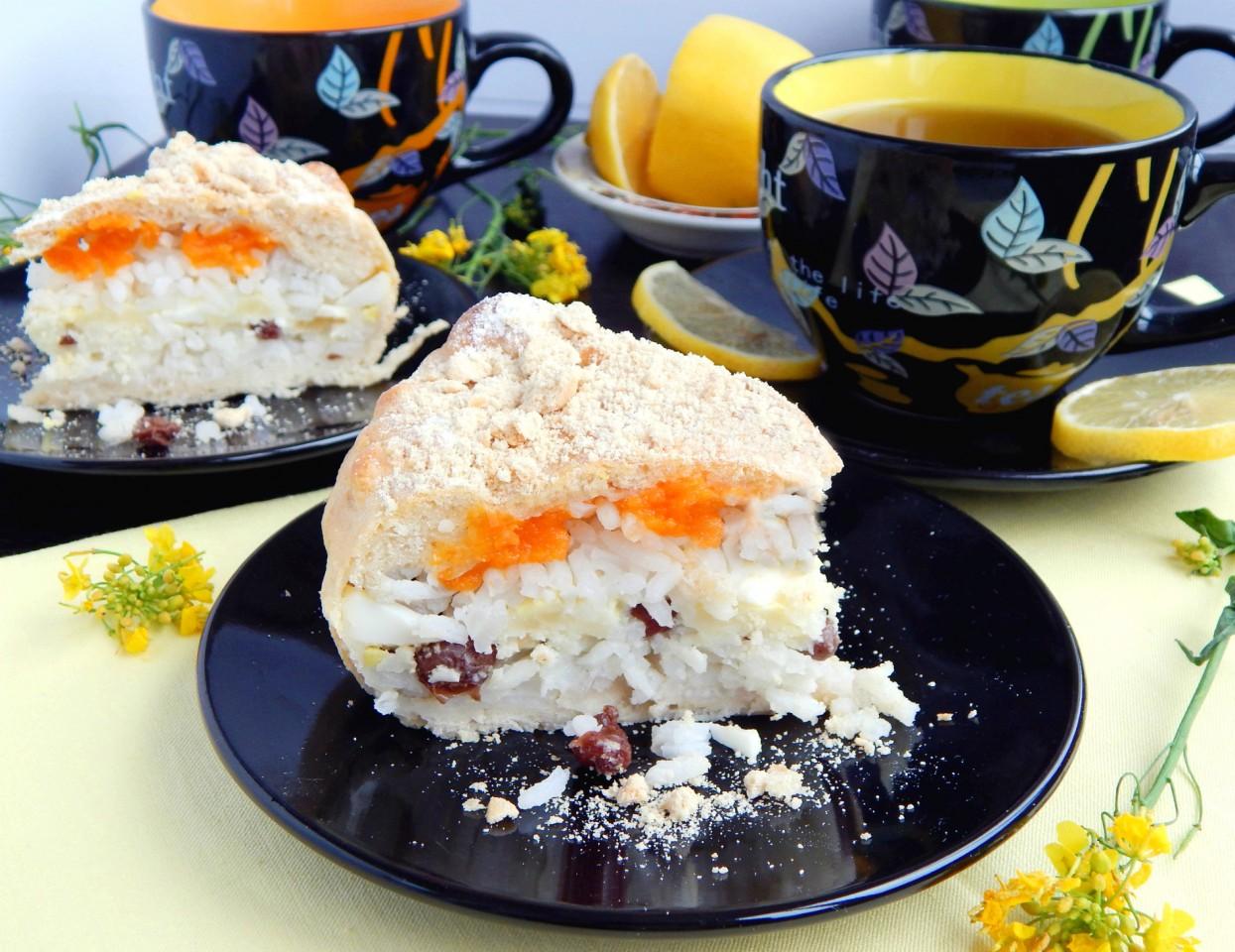
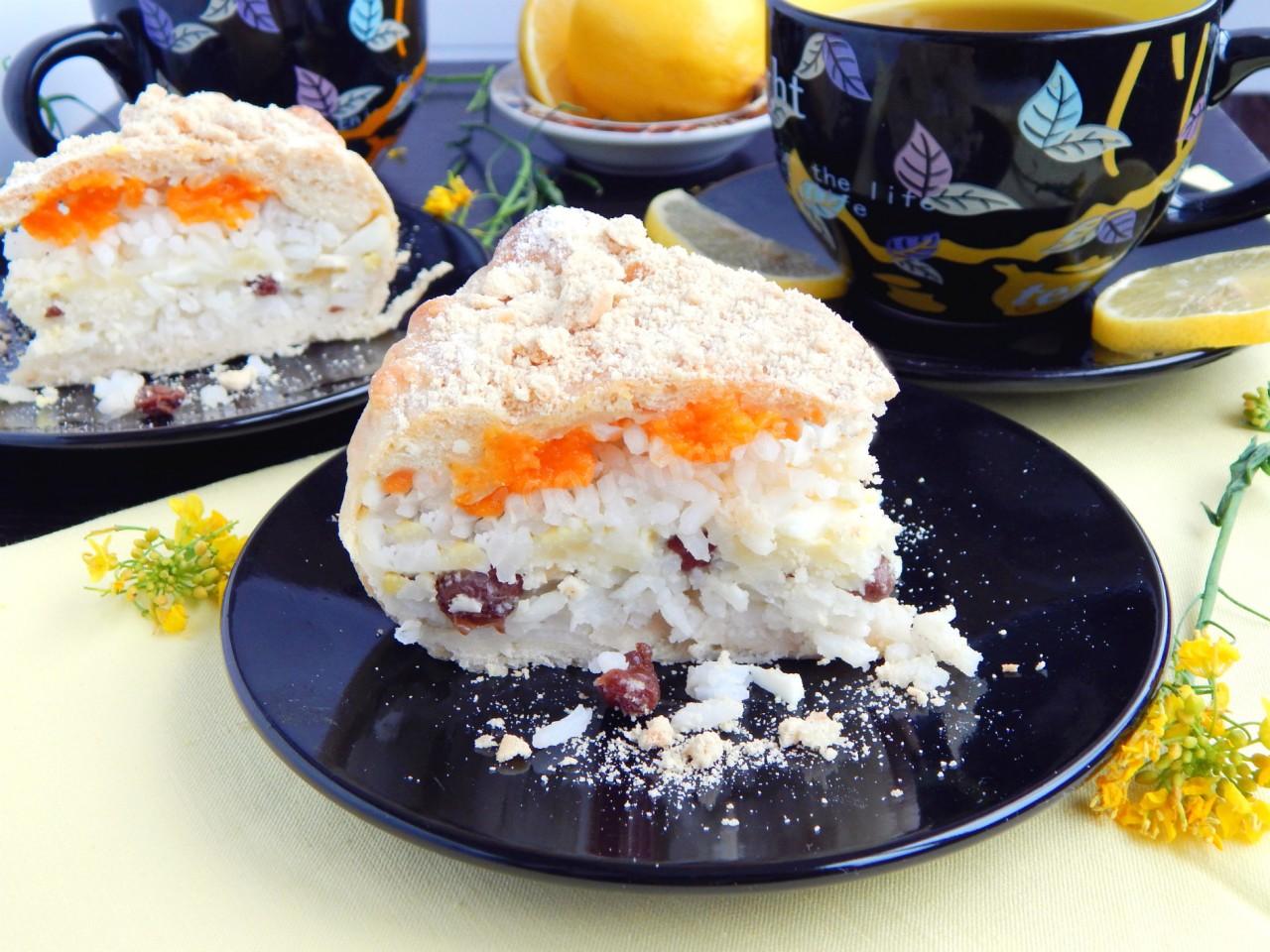
A delicious sweet layered pie with several fillings! Gubadia with kort is a traditional Tatar pie. On the one hand it's not at all complicated to make; on the other, it turns out so tasty it's sure to surprise your guests and win them over — everyone finds a flavor to love in it. Part of the intrigue is the name itself, and especially the "kort" filling. Not many people know this ingredient, and it's hard to find in stores. But kort is easy to make at home from plain natural farmer's cheese cooked down with milk, butter, and sugar.

Cooking method
-
Step 1:
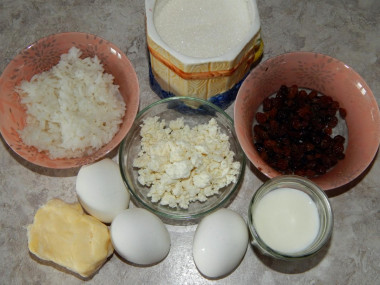
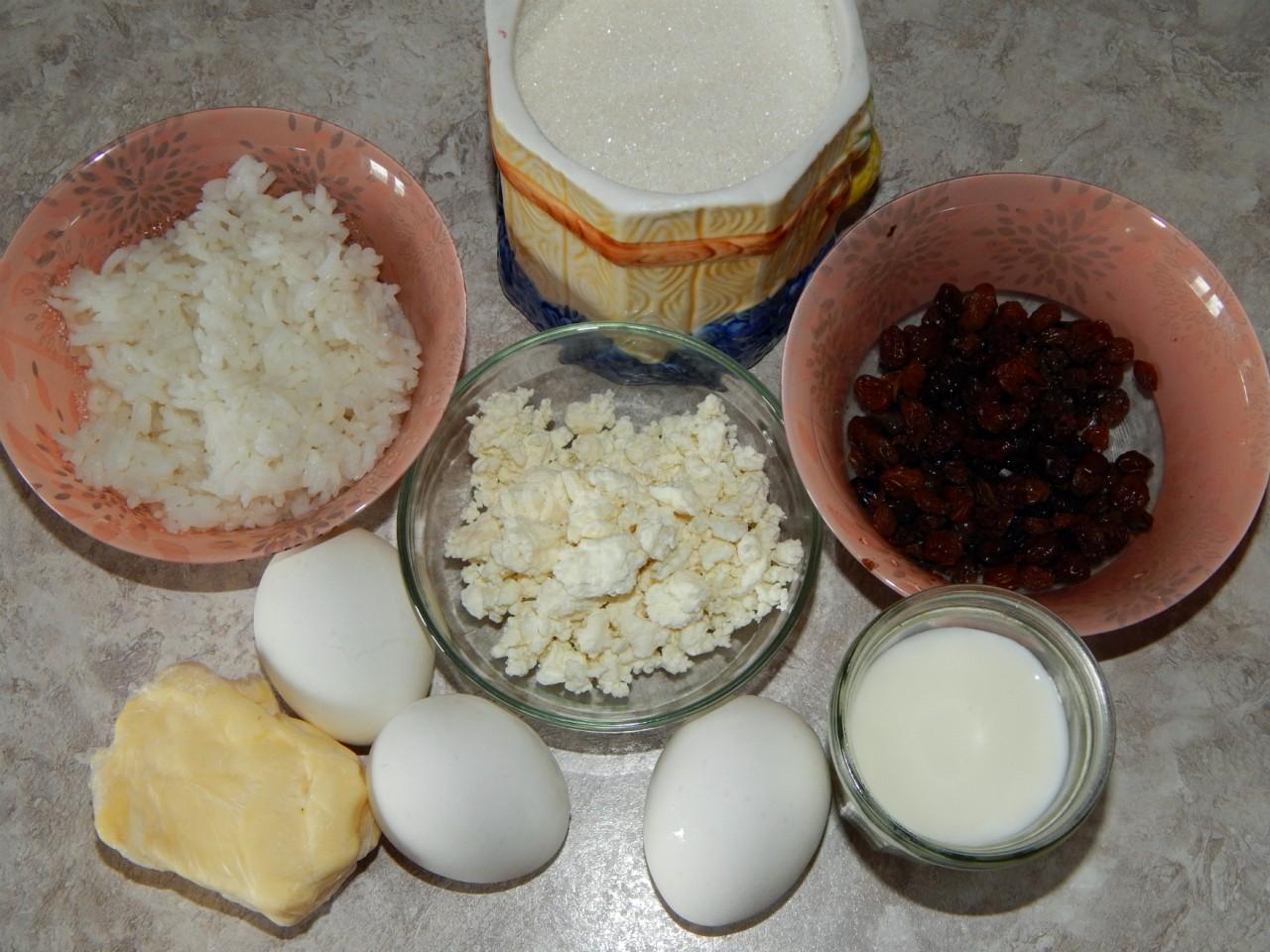
Gather your ingredients. Gubadia comes out more tender with a yeast dough, which pairs beautifully with the fillings — so we'll make a rich yeast dough.
-
Step 2:
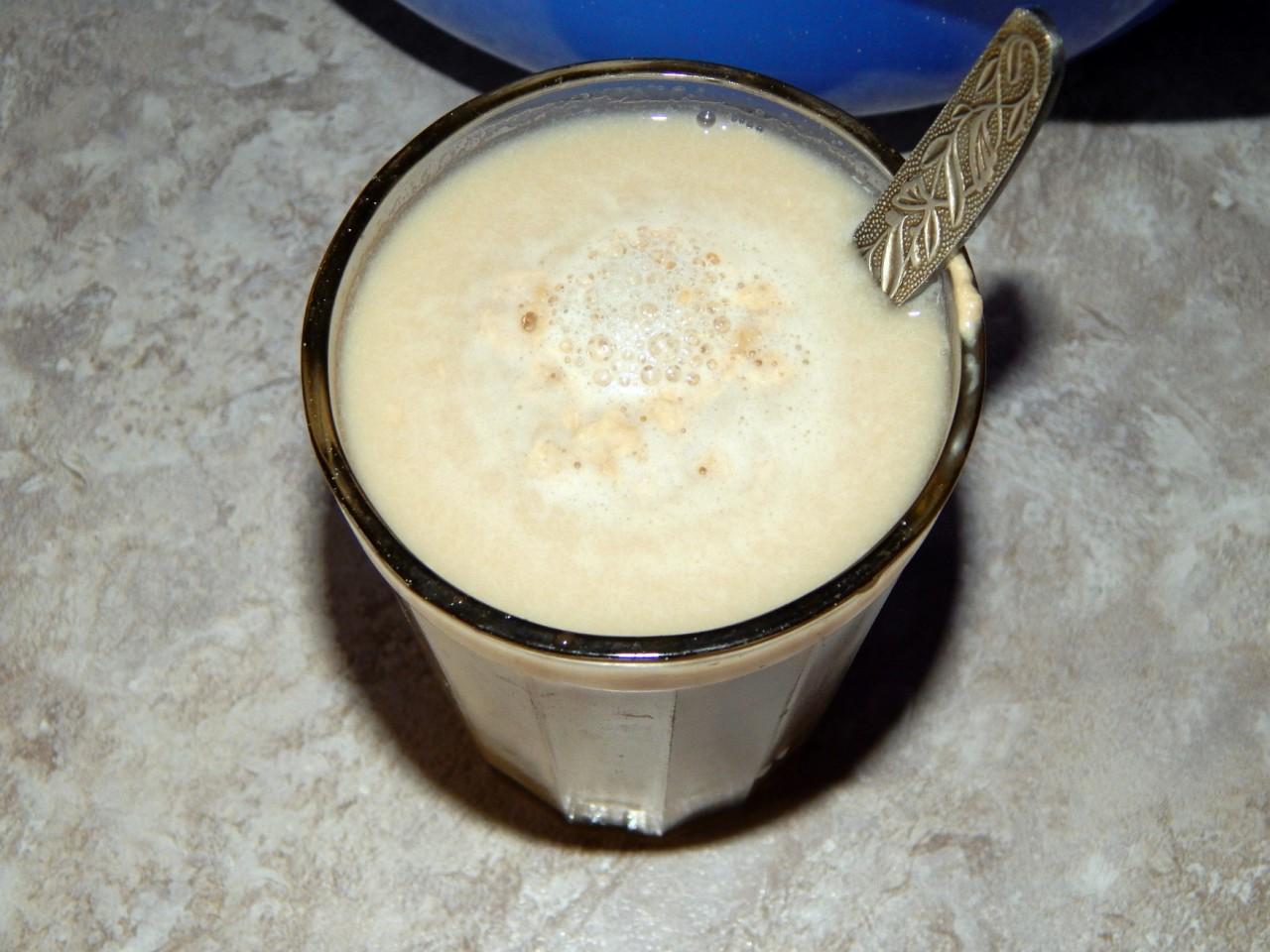
Put a tablespoon of sugar and a tablespoon of flour in a cup, add the dry yeast, and pour in half a cup of warm water. Stir and leave it somewhere warm for 15 minutes. Meanwhile, prep the rest: melt the butter in a water bath and cool it to room temperature, and warm the milk to about 95°F (35°C) — the microwave is fine for this.
-
Step 3:
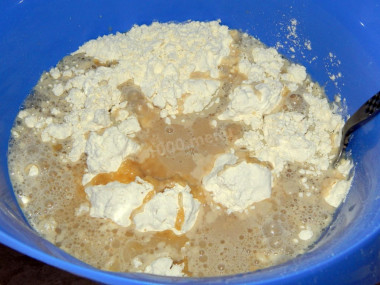
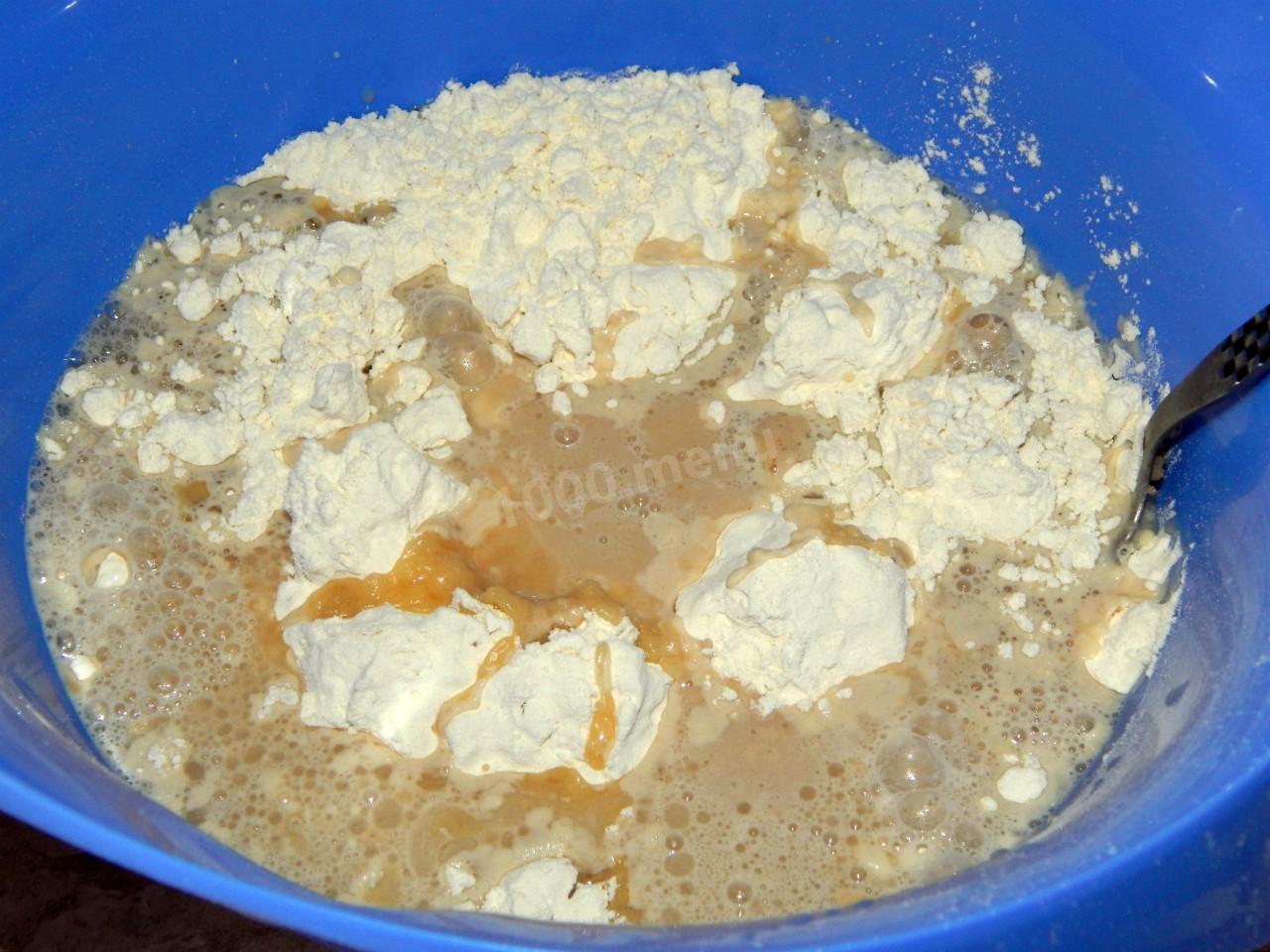
Sift the flour. Pour the yeast mixture into a deep bowl, crack in an egg, and add the melted butter, warm milk, and salt. Stir. Add the sifted flour a bit at a time so the dough takes only as much as it needs — you may need slightly more.
-
Step 4:
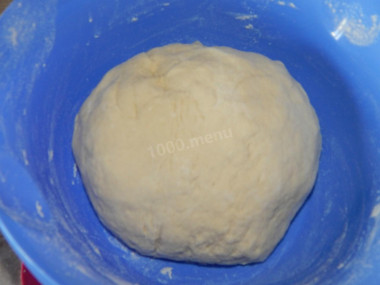
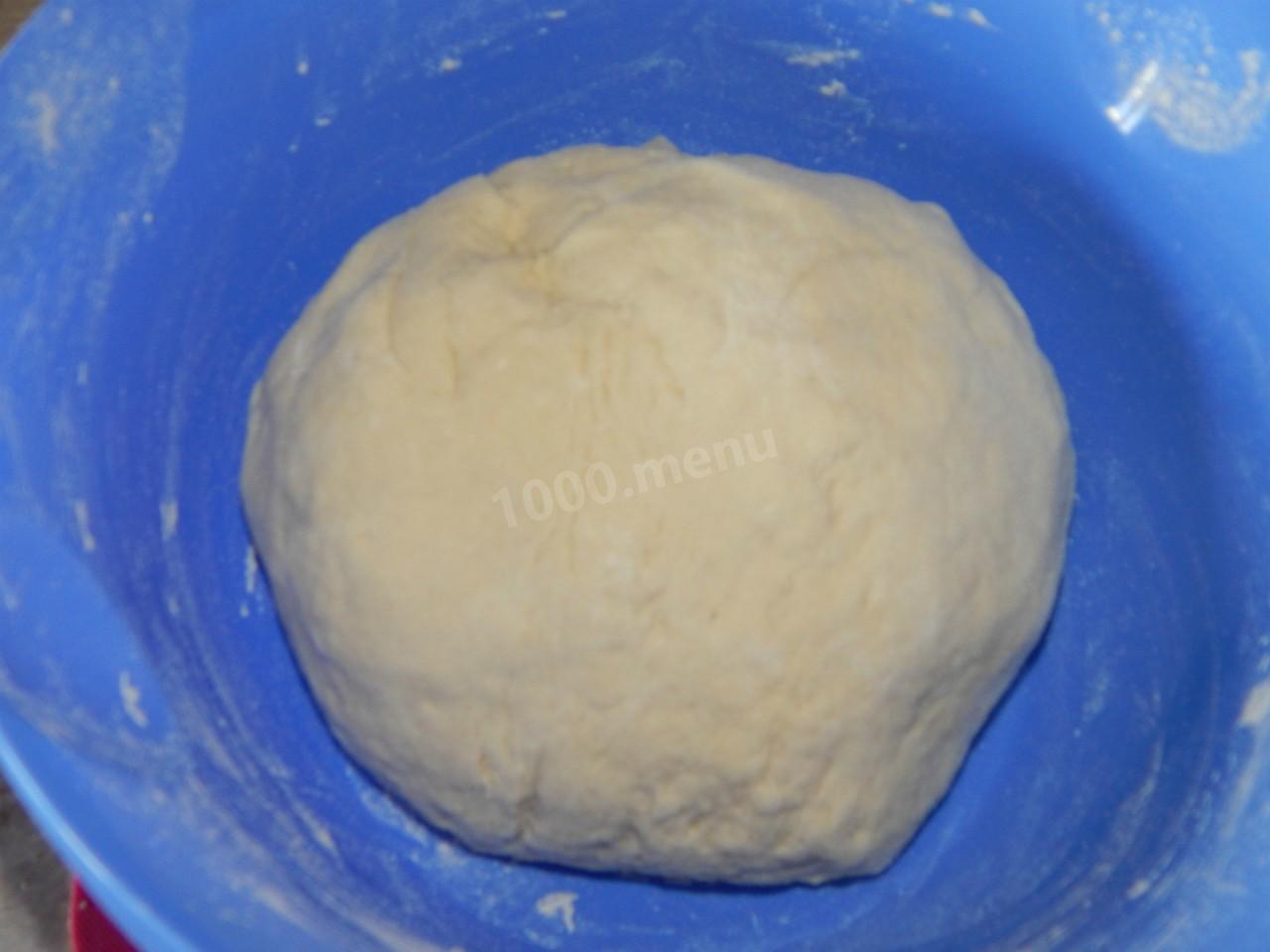
You should have a smooth ball. Put it in a bowl, cover it with plastic wrap, and set it in a warm spot while you make the fillings.
-
Step 5:
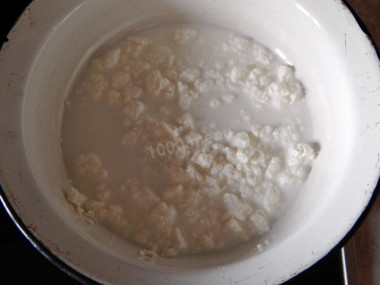
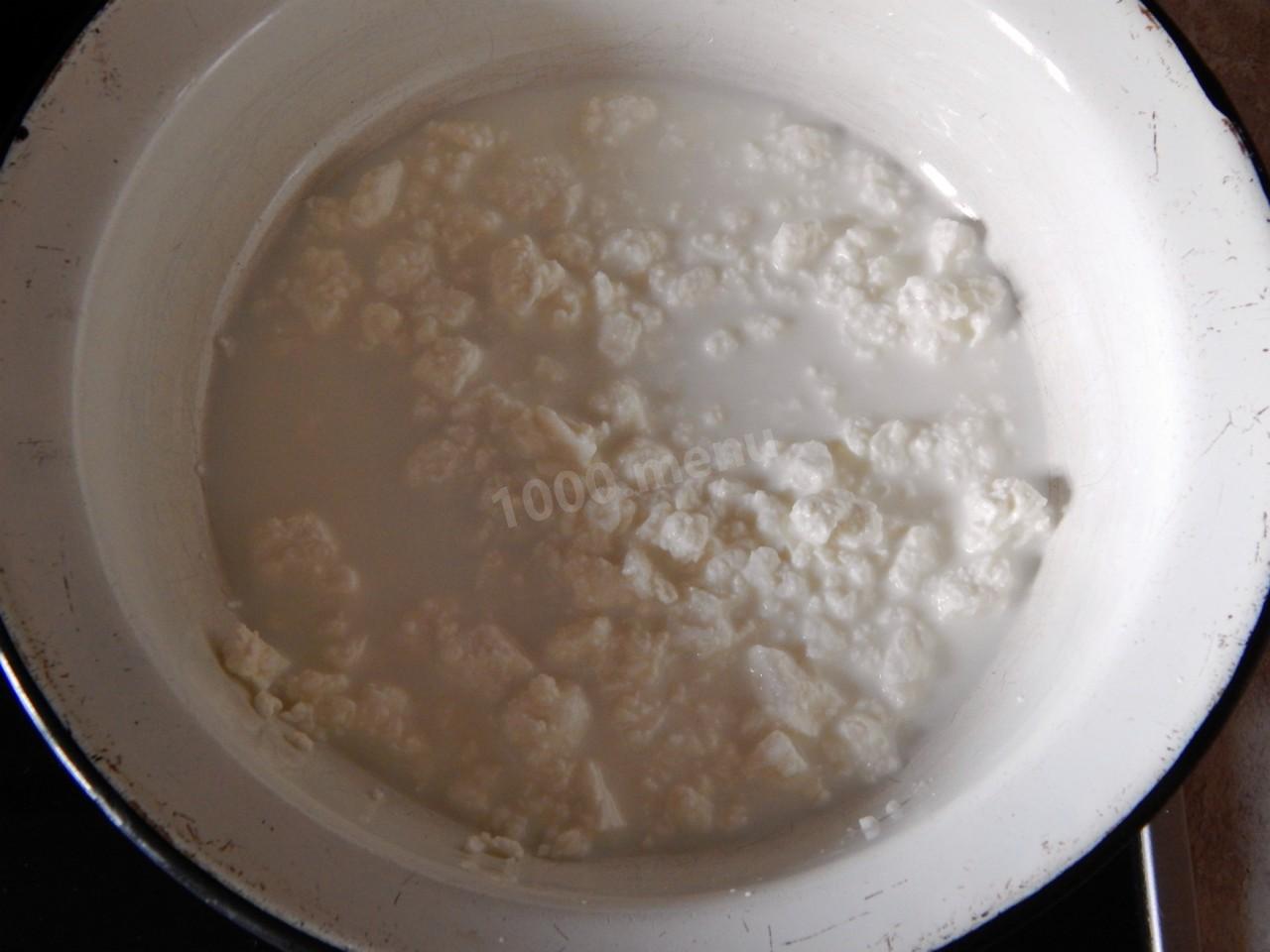
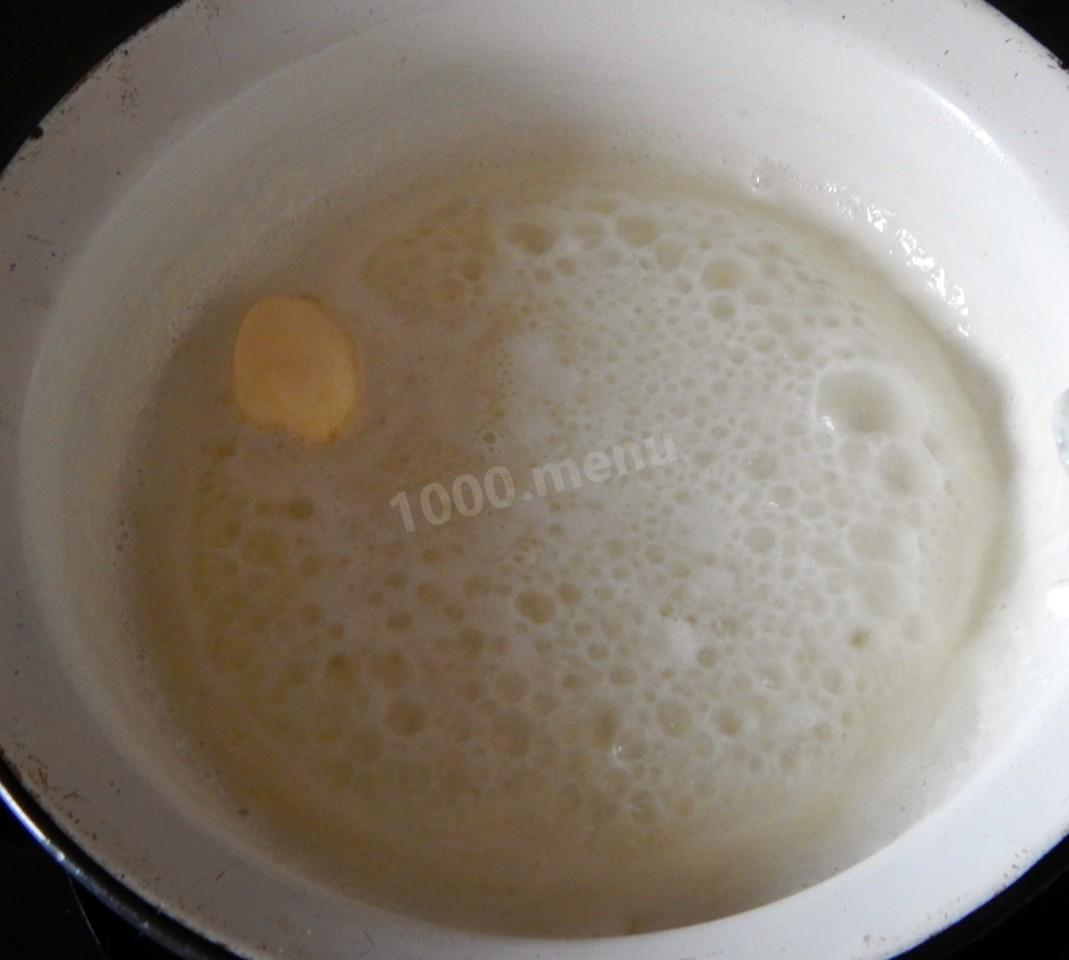
Start the kort. Put the farmer's cheese in a metal pan and pour in the milk. Set it over the heat. When it comes to a boil, lower to medium and cook, stirring so it doesn't scorch. The cheese will first melt and the liquid will start to cook off.
-
Step 6:
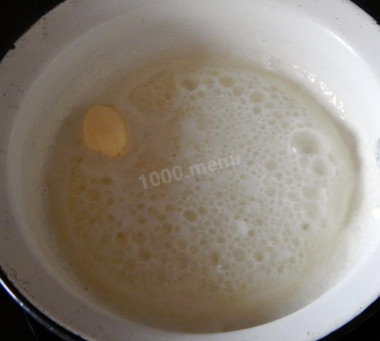
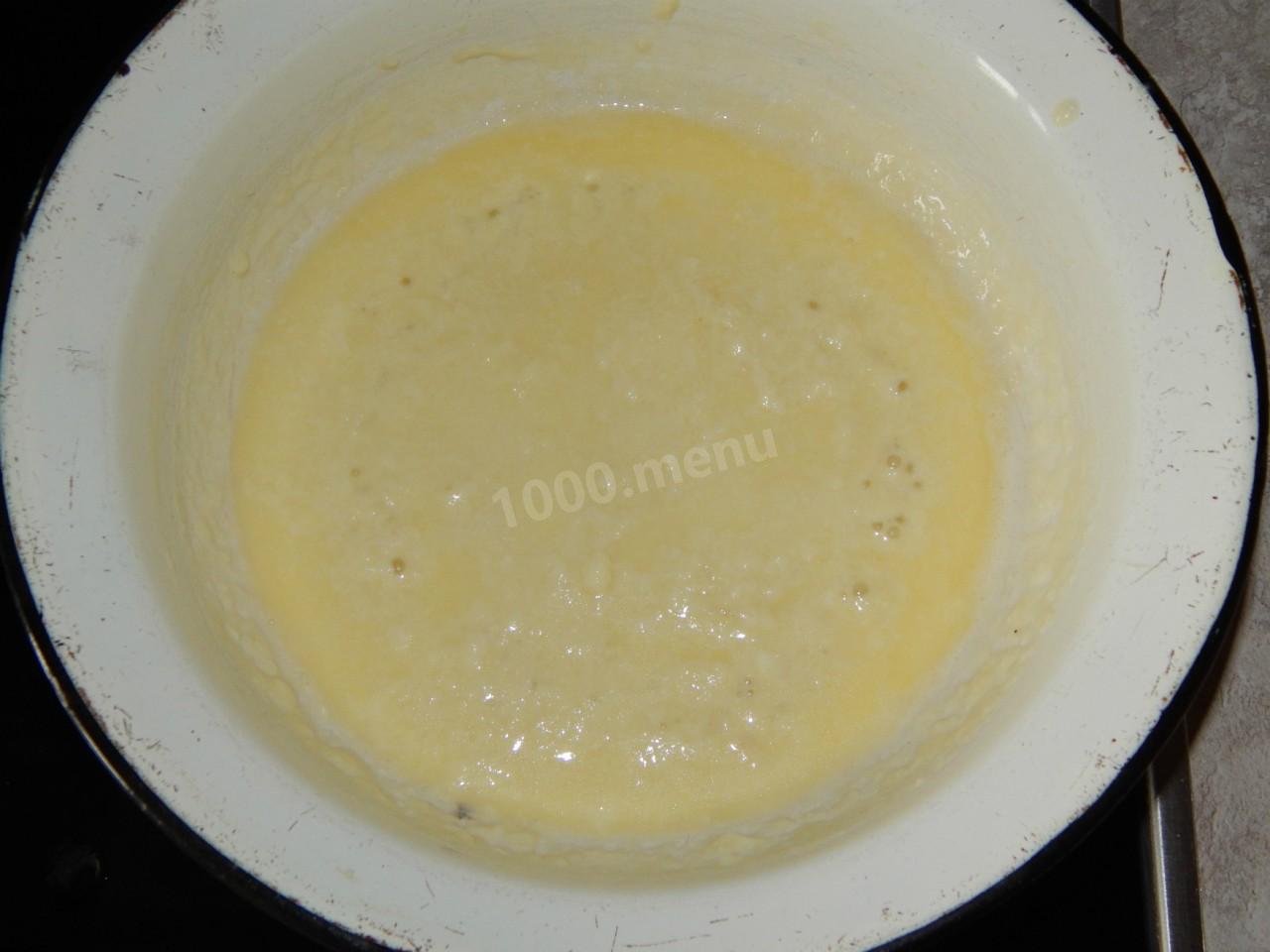
When the mixture begins to thicken, add the sugar and butter, stir, and keep cooking until it turns golden-brown and thick.
-
Step 7:
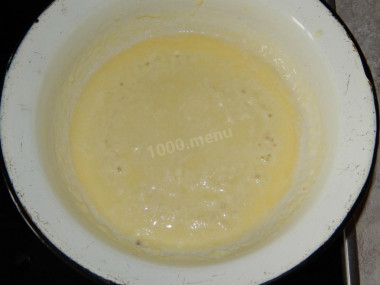
Once almost no liquid remains, turn off the heat and leave the pan on the stove so the kort dries out a bit.
-
Step 8:
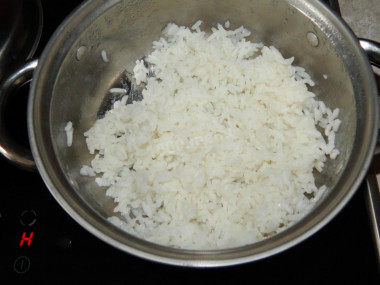
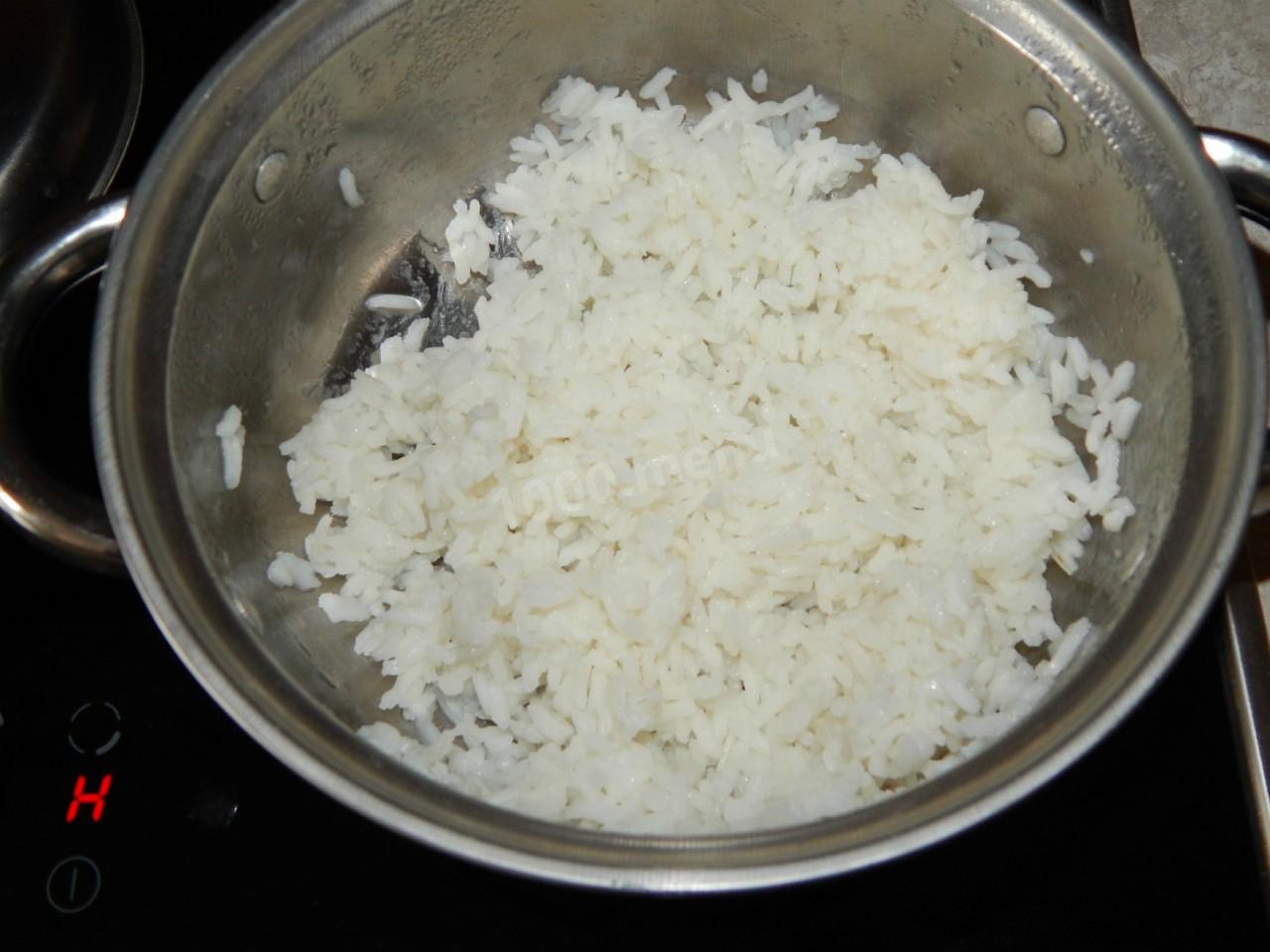
Rinse the rice and boil it until tender in water with a tablespoon of sugar and a pinch of salt. Don't overcook it — it should stay fluffy and separate.
-
Step 9:
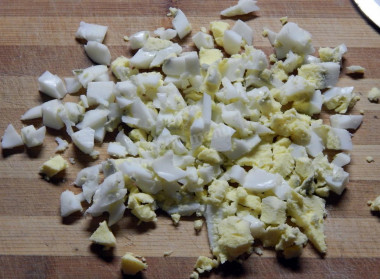
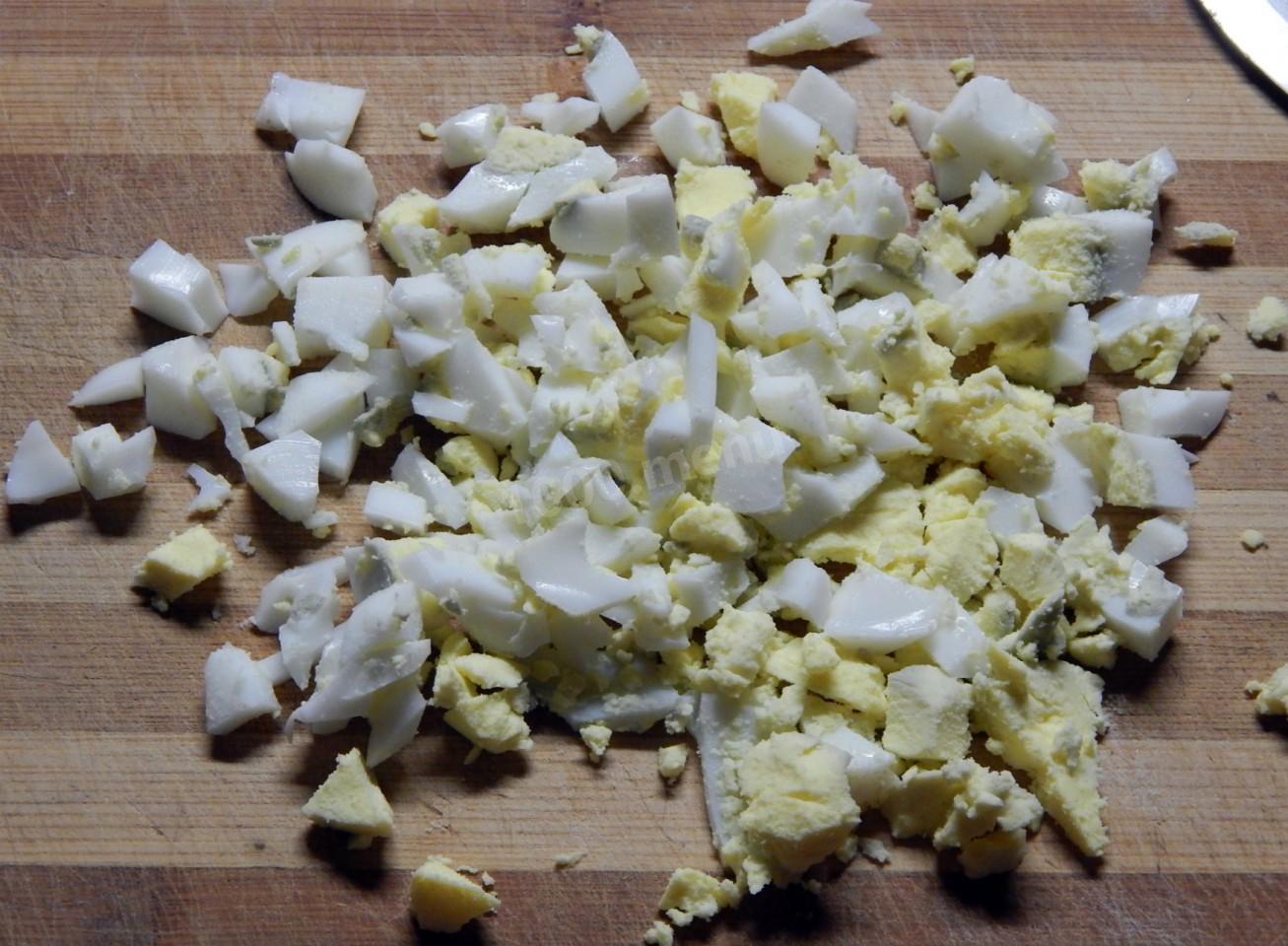
Hard-boil the eggs. Cool, peel, and finely chop them with a knife or an egg slicer.
-
Step 10:
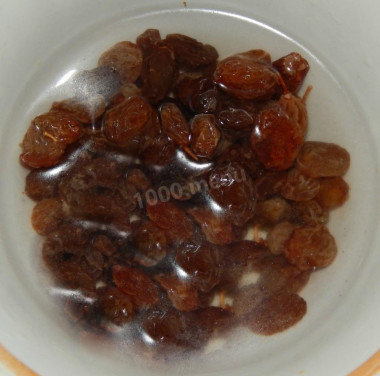
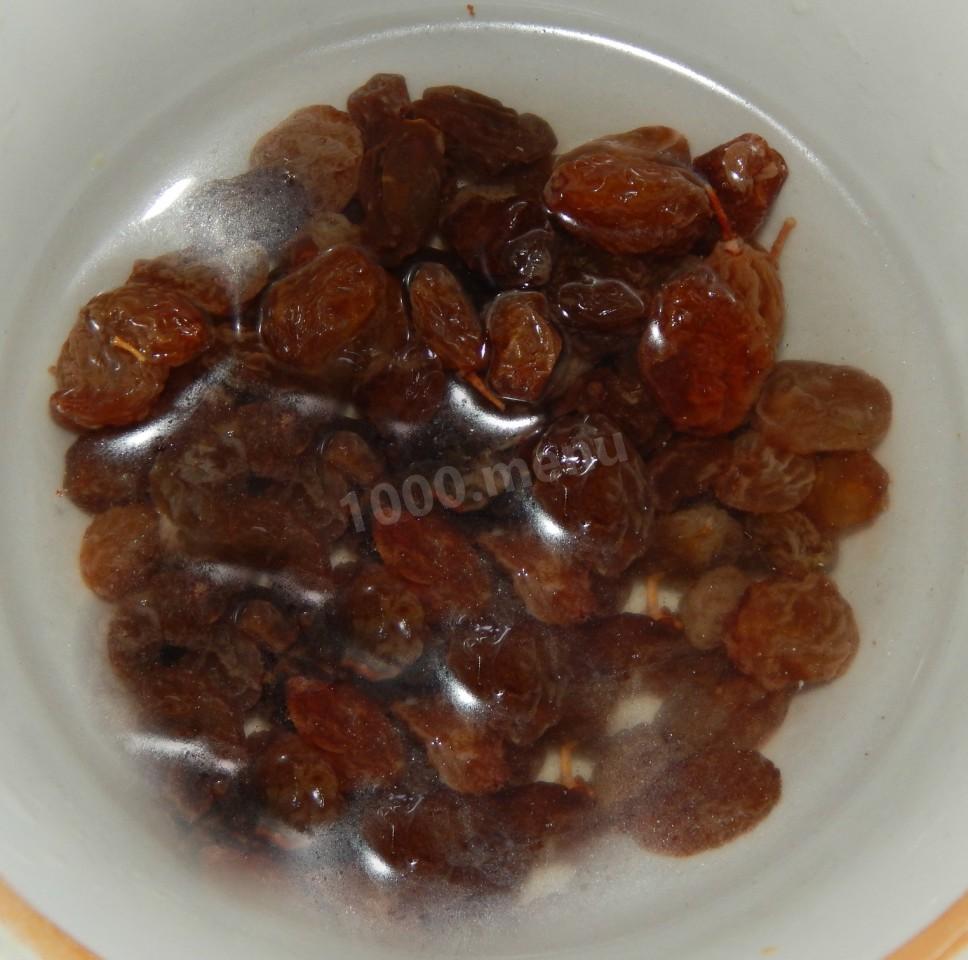
For the fruit filling, use raisins and dried apricots — add prunes too, if you like. Rinse the dried fruit well, cover with hot water, and let it sit 10–15 minutes to plump up and soften. Drain and pat the raisins and apricots dry on a paper towel. Now make a streusel topping: rub the flour together with a piece of butter into crumbs, adding sugar to taste.
-
Step 11:
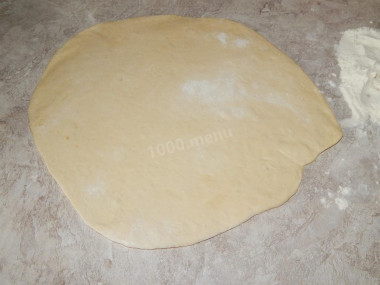
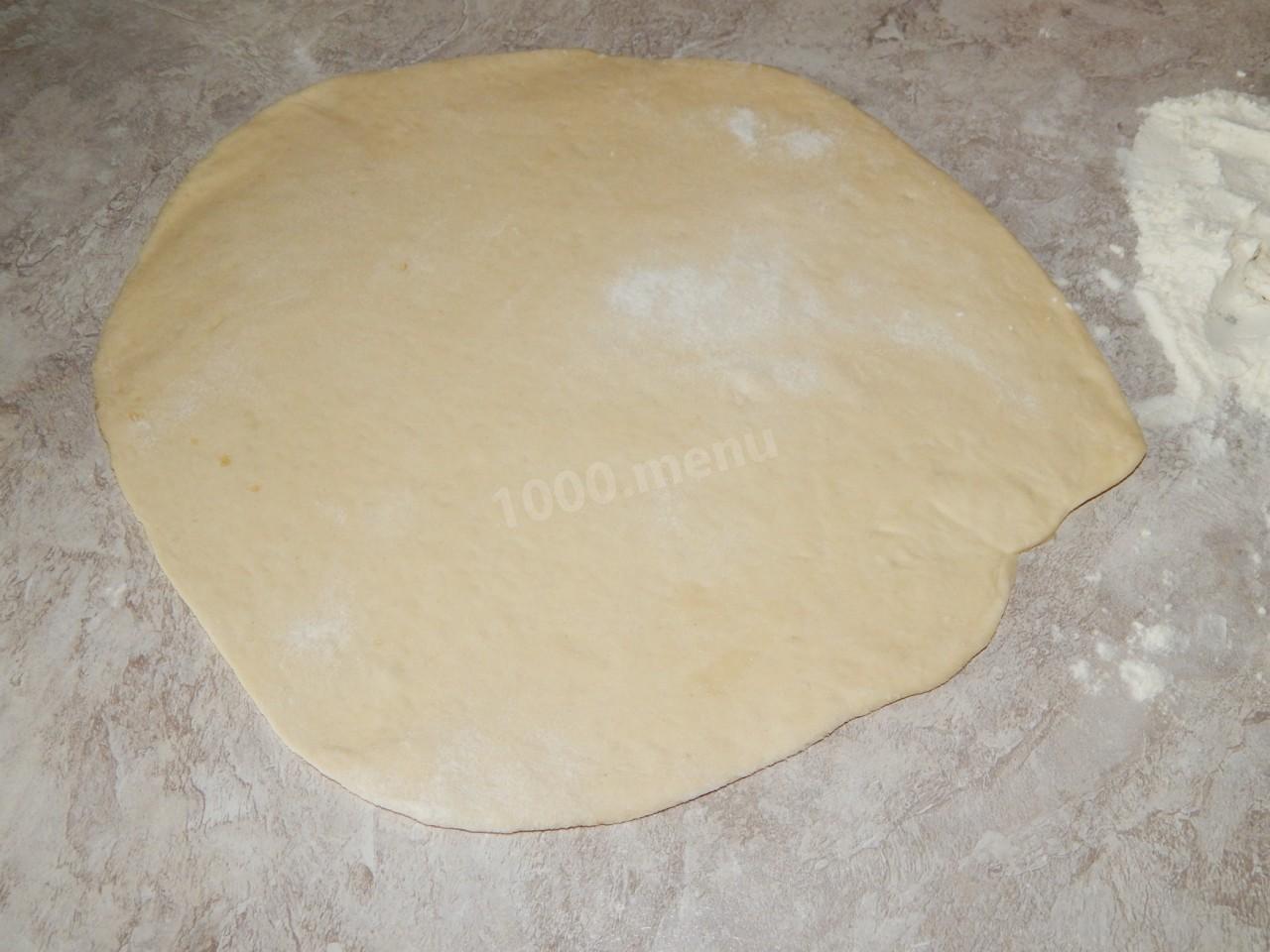
Start assembling the pie. Divide the dough into two pieces, one larger than the other. Roll the larger piece into a thin circle on a floured surface.
-
Step 12:
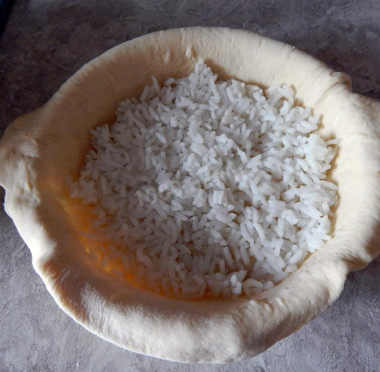
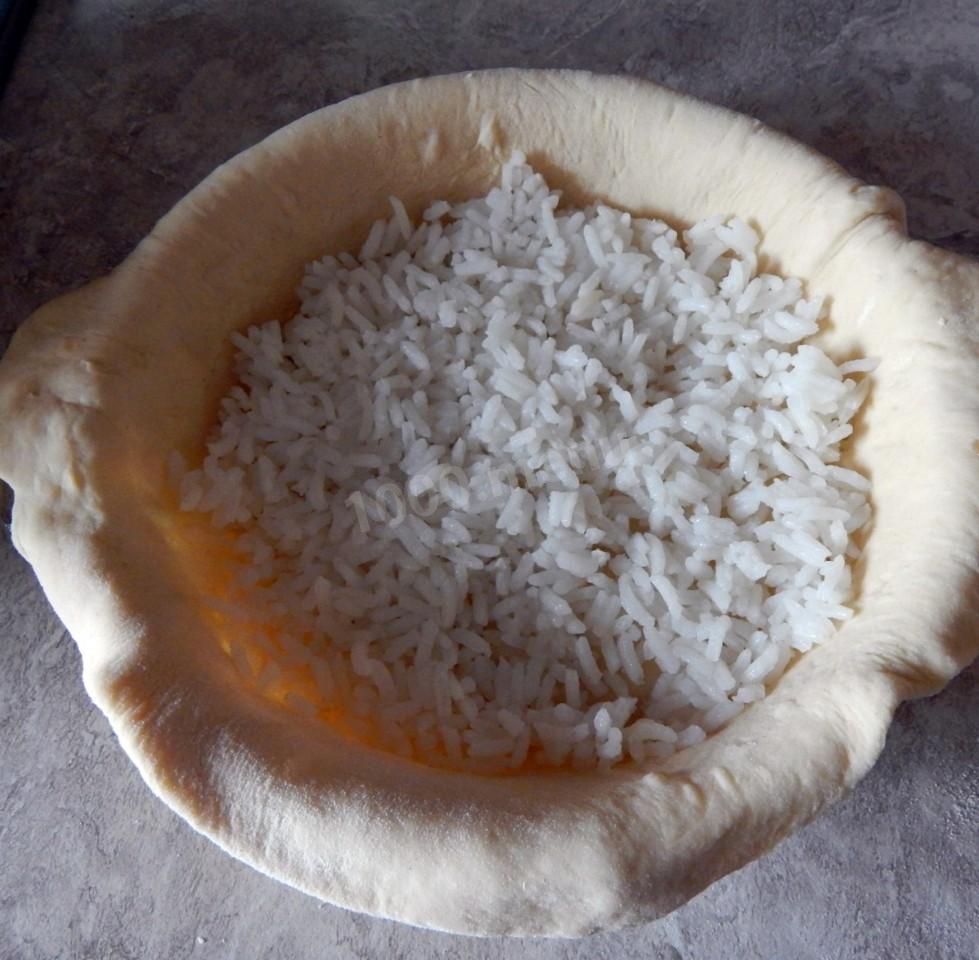
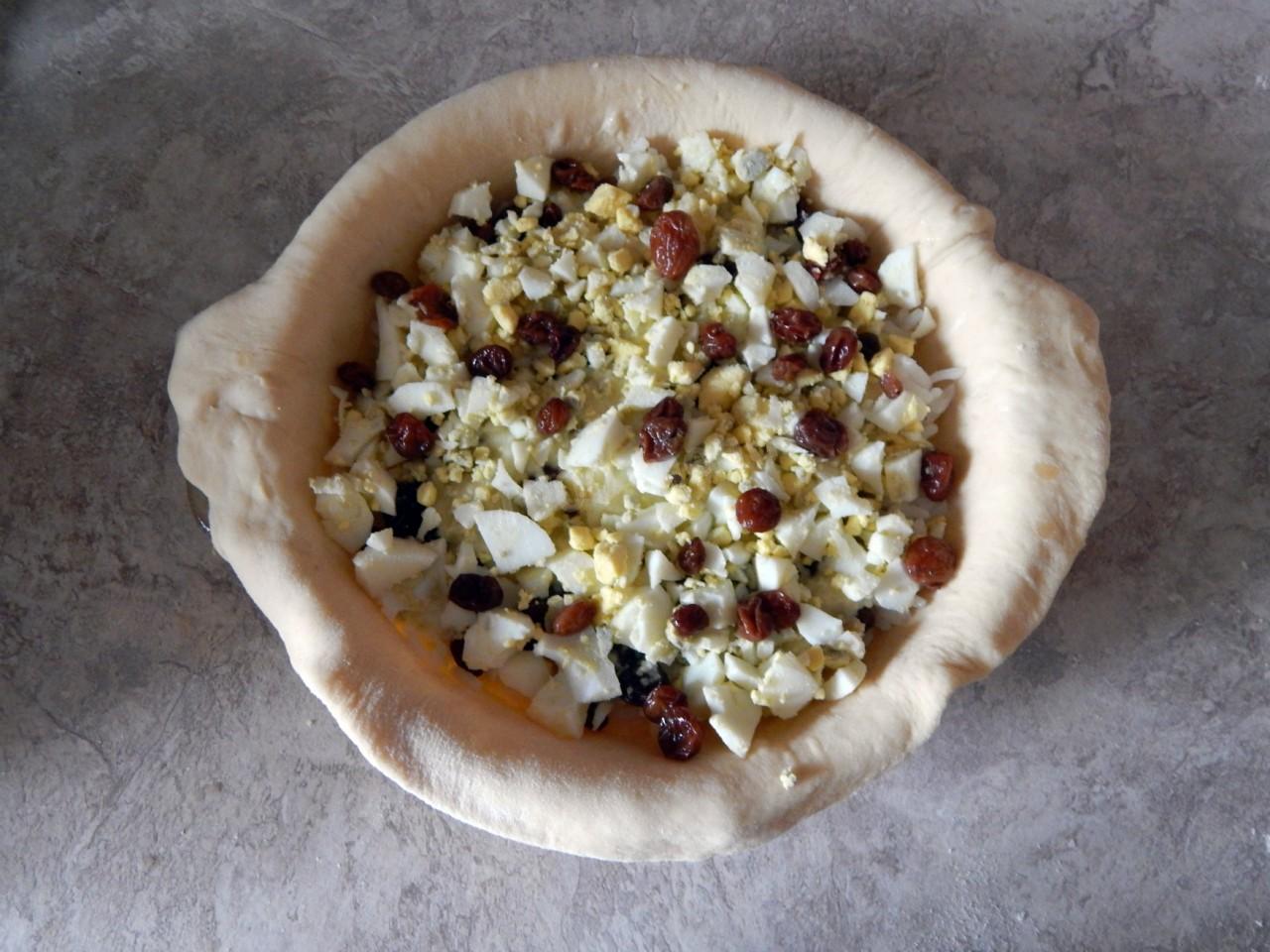
Lay it into a greased pan with the edges hanging over the sides. Spread part of the cooled rice over the bottom and scatter raisins on top.
-
Step 13:
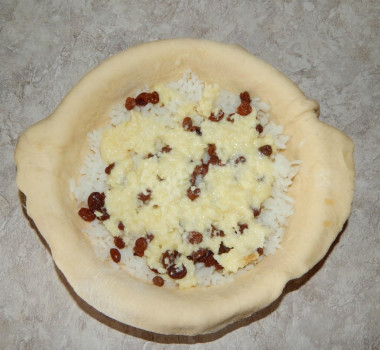
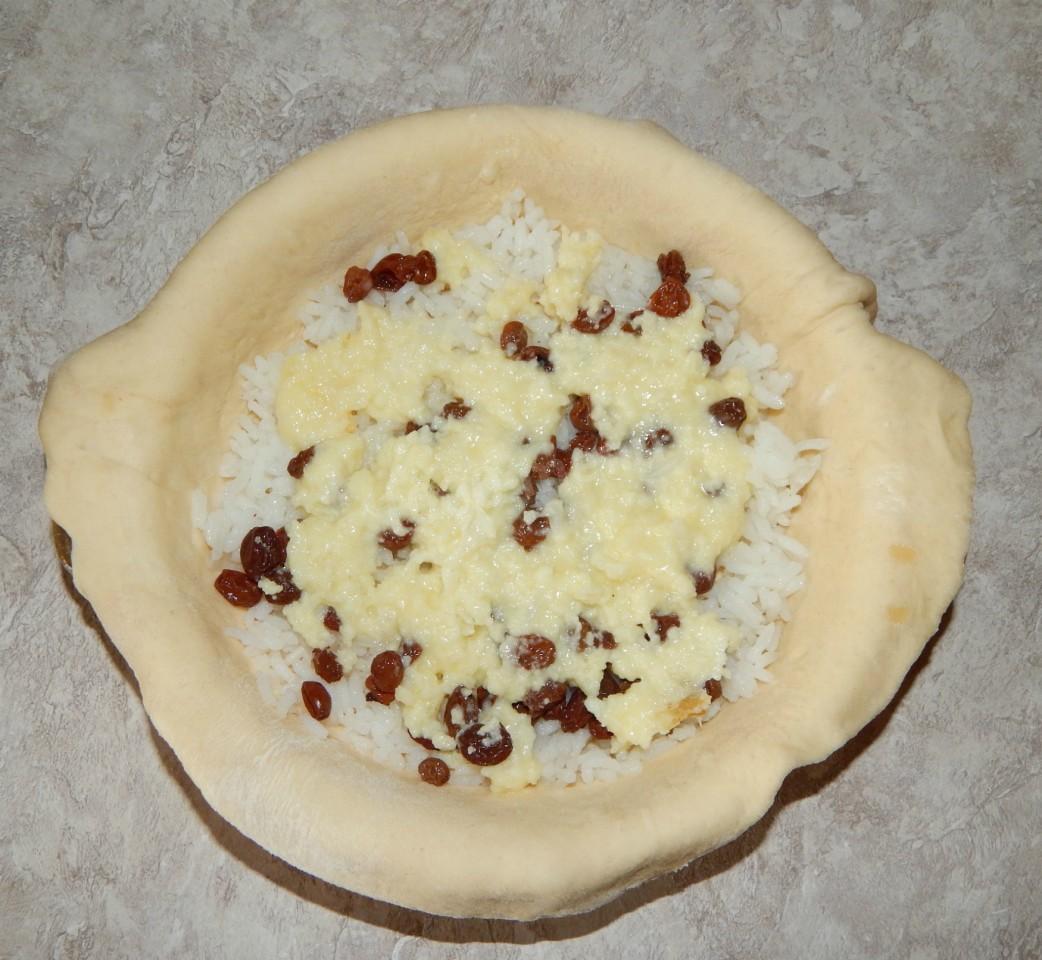
Spread the kort and the chopped eggs over that.
-
Step 14:
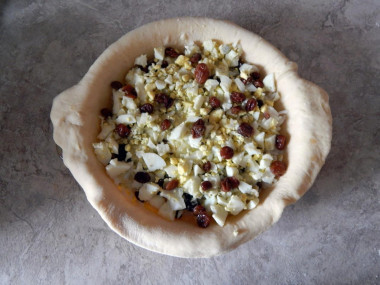
Then more rice, raisins, and dried apricots (cut them up if they're large). Drizzle with melted butter — clarified butter is even tastier and adds a special aroma.
-
Step 15:
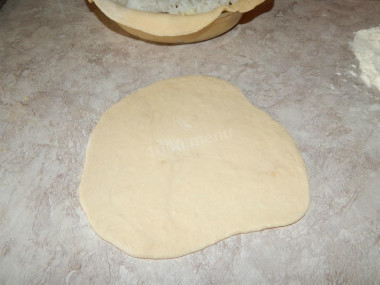
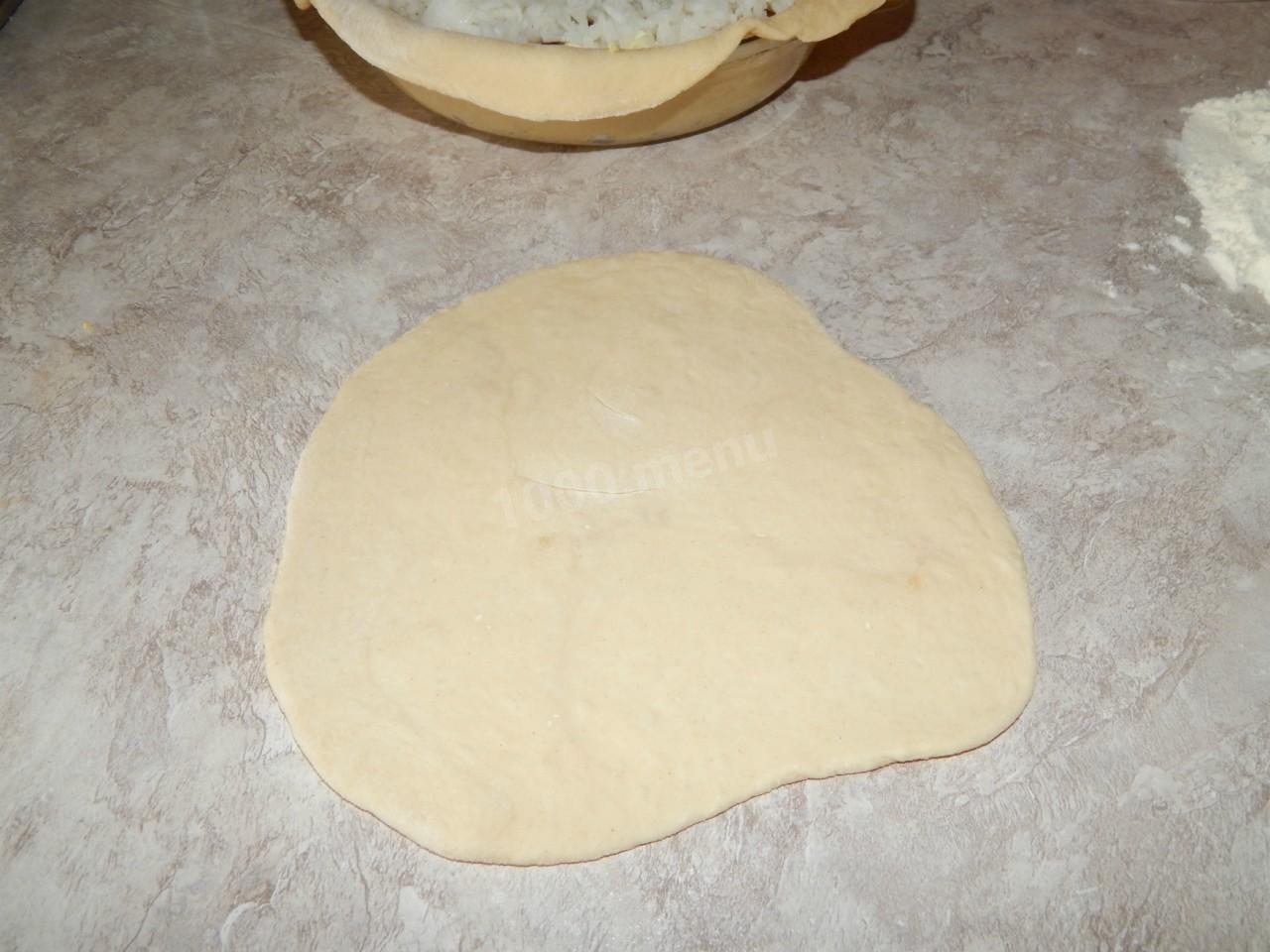
Roll the smaller piece of dough into a smaller circle.
-
Step 16:
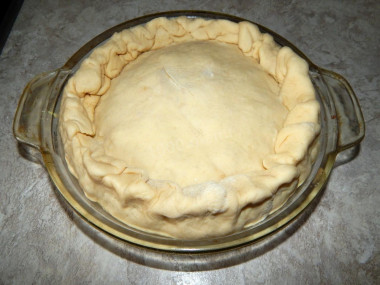
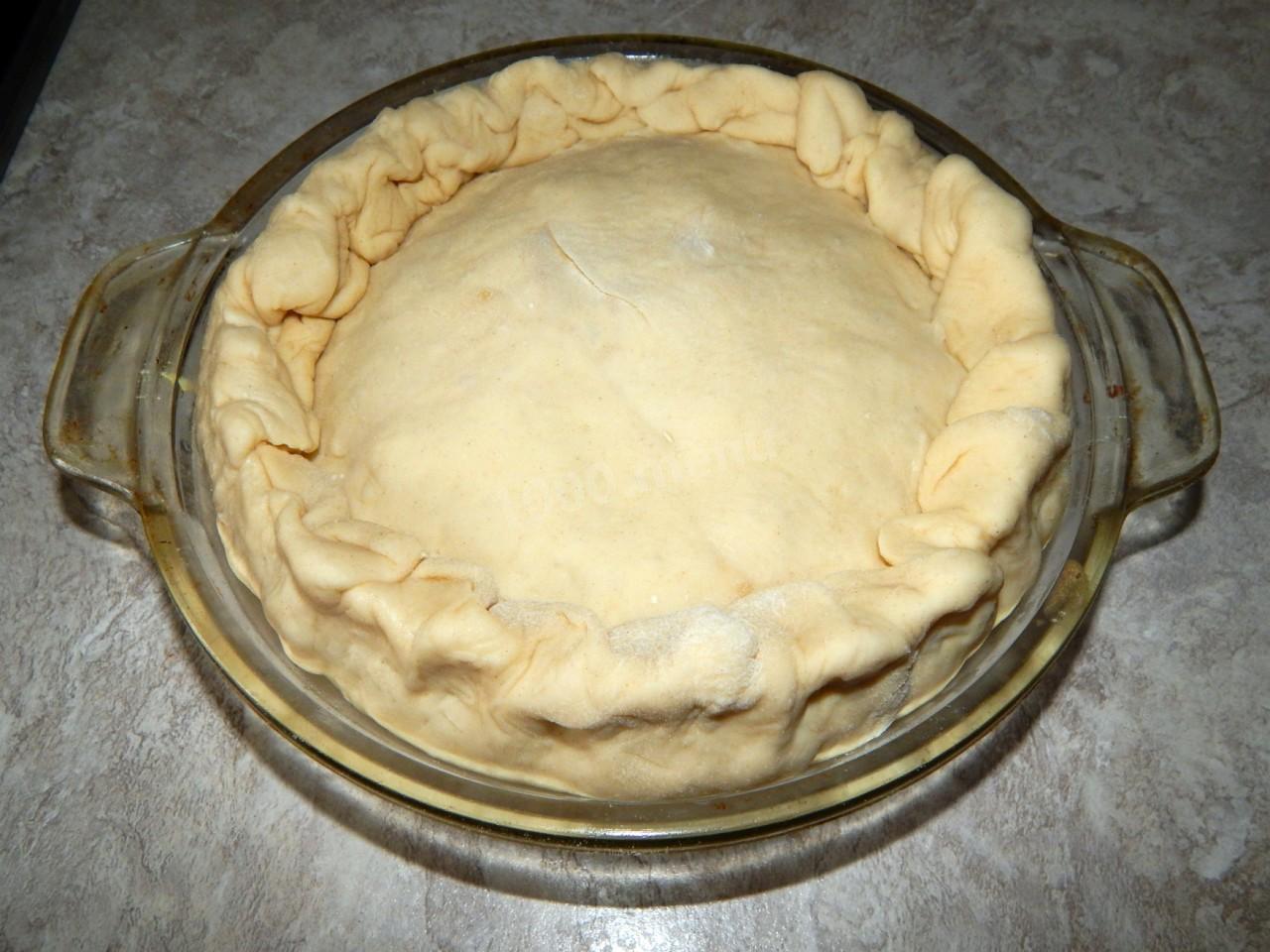
Cover the pie with it and pinch the edges to seal. Scatter the streusel over the top. Bake the gubadia in an oven preheated to 350°F (180°C) for about 25 minutes.
-
Step 17:
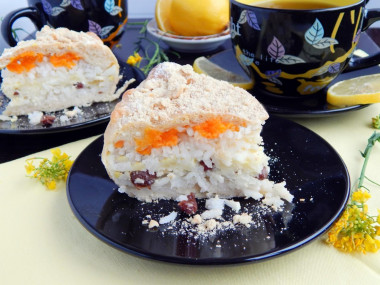
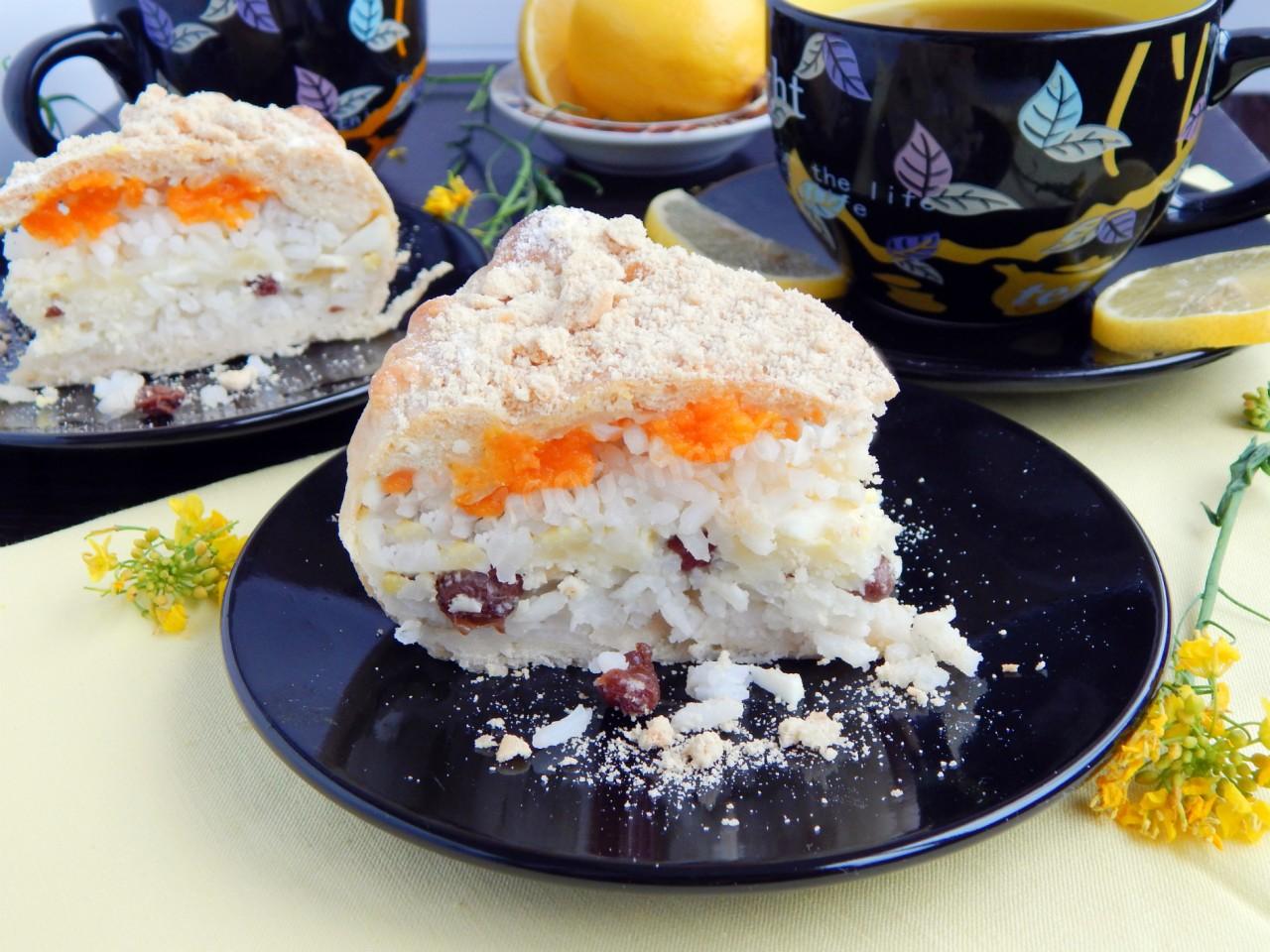
Take the fragrant, delicious gubadia out of the oven and bring it to the table. Enjoy with your tea!
- *
Caloric content of the products possible in the composition of the dish
- Whole cow's milk - 68 kcal/100g
- Milk 3.5% fat content - 64 kcal/100g
- Milk 3.2% fat content - 60 kcal/100g
- Milk 1.5% fat content - 47 kcal/100g
- Concentrated milk 7.5% fat content - 140 kcal/100g
- Milk 2.5% fat content - 54 kcal/100g
- Raw wild rice - 353 kcal/100g
- Brown raw rice - 360 kcal/100g
- Boiled brown rice - 119 kcal/100g
- White fortified raw rice - 363 kcal/100g
- Fortified boiled white rice - 109 kcal/100g
- White rice, steamed, with long grains raw - 369 kcal/100g
- Steamed white rice, boiled with long grains - 106 kcal/100g
- Instant dry rice - 374 kcal/100g
- Instant rice, ready to eat - 109 kcal/100g
- Fig - 344 kcal/100g
- Cottage cheese of 40% fat content - 466 kcal/100g
- Cottage cheese of 20% fat content - 233 kcal/100g
- Cottage cheese of 18% fat content - 226 kcal/100g
- Cottage cheese of 10% fat content - 156 kcal/100g
- Low-fat cottage cheese - 75 kcal/100g
- Cottage cheese with sour cream - 260 kcal/100g
- Fruit cottage cheese - 147 kcal/100g
- Soft dietary cottage cheese - 170 kcal/100g
- Vitalinia cottage cheese - 64 kcal/100g
- Cottage cheese 'morning' ( 'danone') without sugar - 91 kcal/100g
- Cottage cheese - 156 kcal/100g
- Whole durum wheat flour fortified - 333 kcal/100g
- Whole durum wheat flour, universal - 364 kcal/100g
- Flour krupchatka - 348 kcal/100g
- Flour - 325 kcal/100g
- Granulated sugar - 398 kcal/100g
- Sugar - 398 kcal/100g
- Butter 82% - 734 kcal/100g
- Amateur unsalted butter - 709 kcal/100g
- Unsalted peasant butter - 661 kcal/100g
- Peasant salted butter - 652 kcal/100g
- Melted butter - 869 kcal/100g
- Dried apricots - 215 kcal/100g
- Uryuk - 290 kcal/100g
- Dried peaches - 254 kcal/100g
- Raisins - 280 kcal/100g
- Kishmish - 279 kcal/100g
- Salt - 0 kcal/100g
- Water - 0 kcal/100g
- Wheat flour - 325 kcal/100g
- Chicken egg - 80 kcal/100g
- Dry yeast - 410 kcal/100g
Similar recipes

- National cuisine
- Baking
- Eggs
- Dairy products
- Flour
- From dried fruits
- Sweet
- Cereals and cereal products
- Spices seasonings spices
- Fats and oils
- Other
- Salt
- Butter
- Water
- Yeast
- Tatar cuisine
- Oven roasting
- Pies
- Cottage cheese pastries
- Yeast pastry
- Unsweetened pastries
- Chicken eggs
- Cottage cheese
- Milk
- Wheat flour
- From raisins
- Vegetarianism
- Sugar
- From rice