Cauliflower with Egg in a Skillet
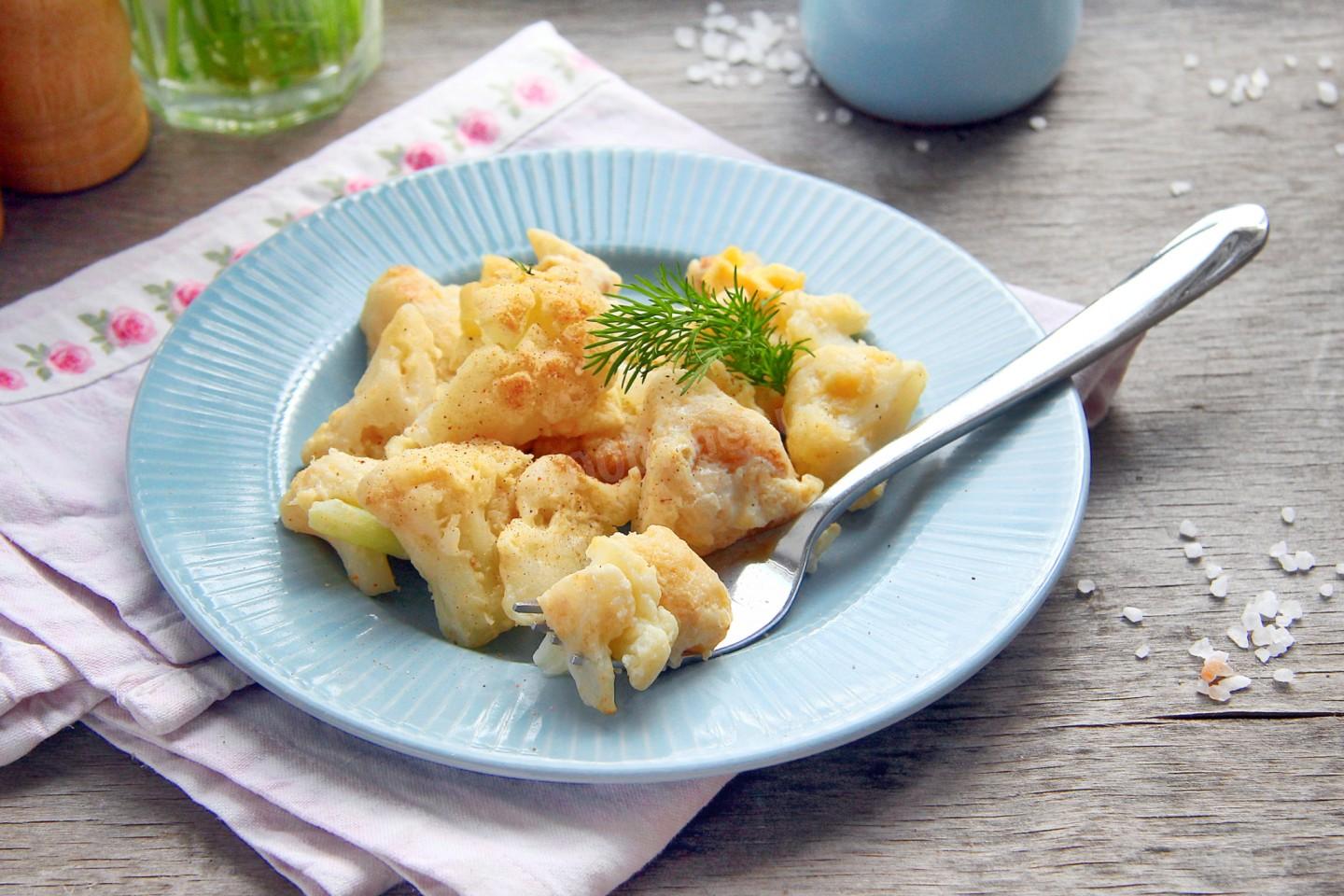
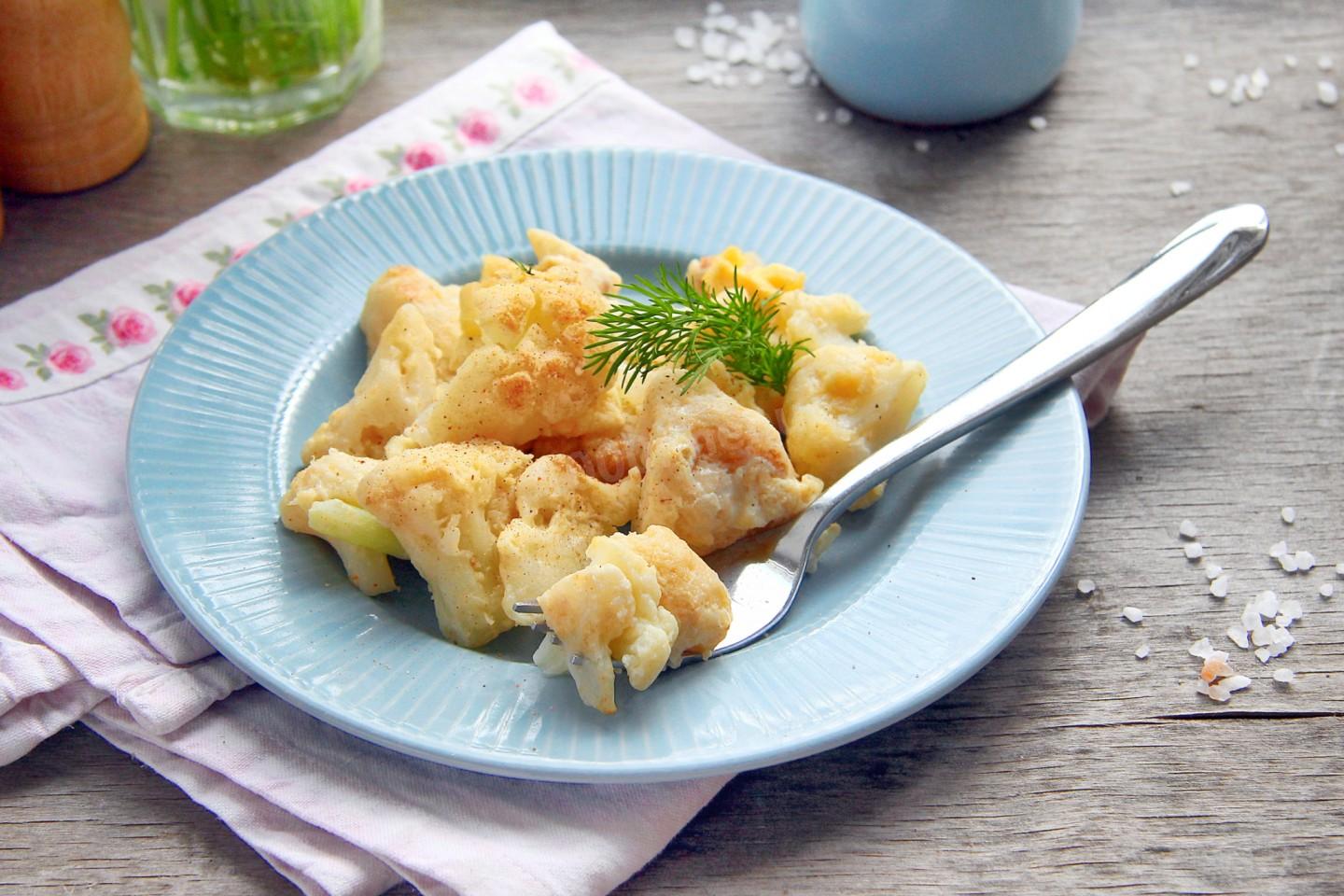
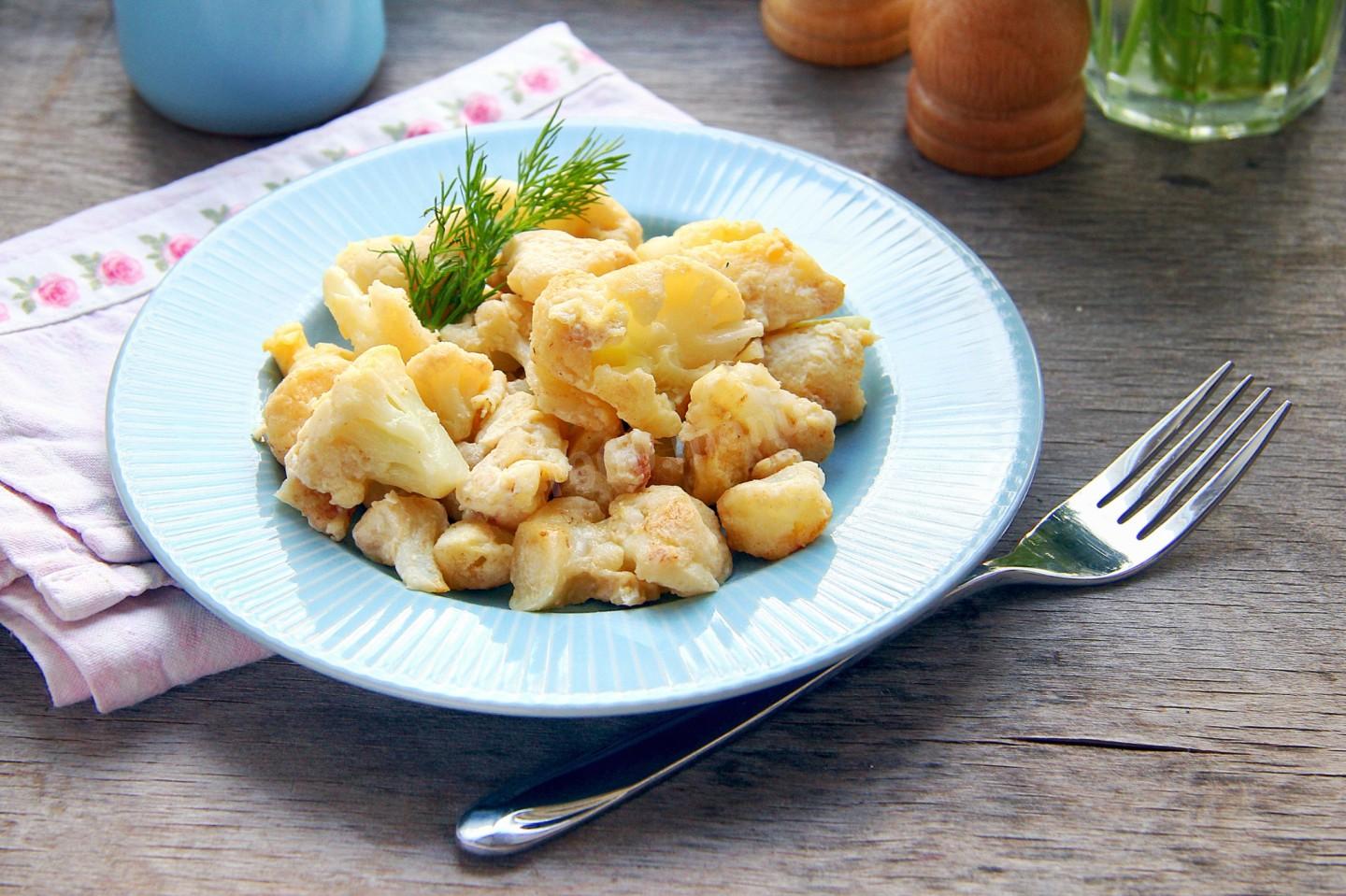
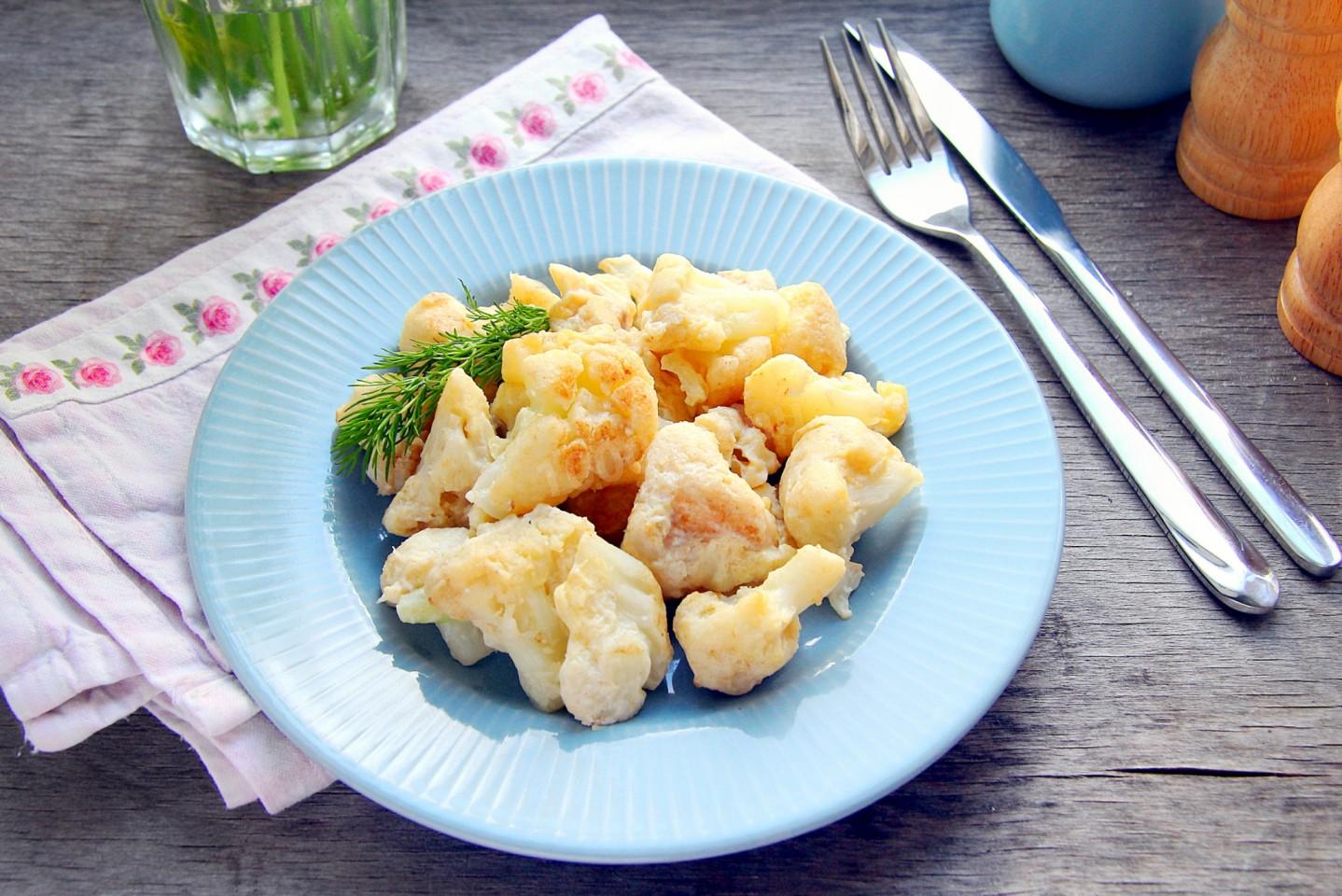
A simple everyday dish for the whole family. A basic recipe any good cook should be able to whip up with ease. Dress it up with any spices and seasonings, fresh herbs, or grated cheese. It works for lunch, dinner, and even breakfast!

Cooking method
-
Step 1:
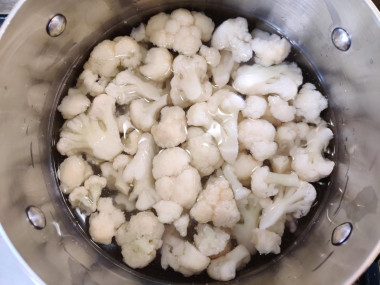
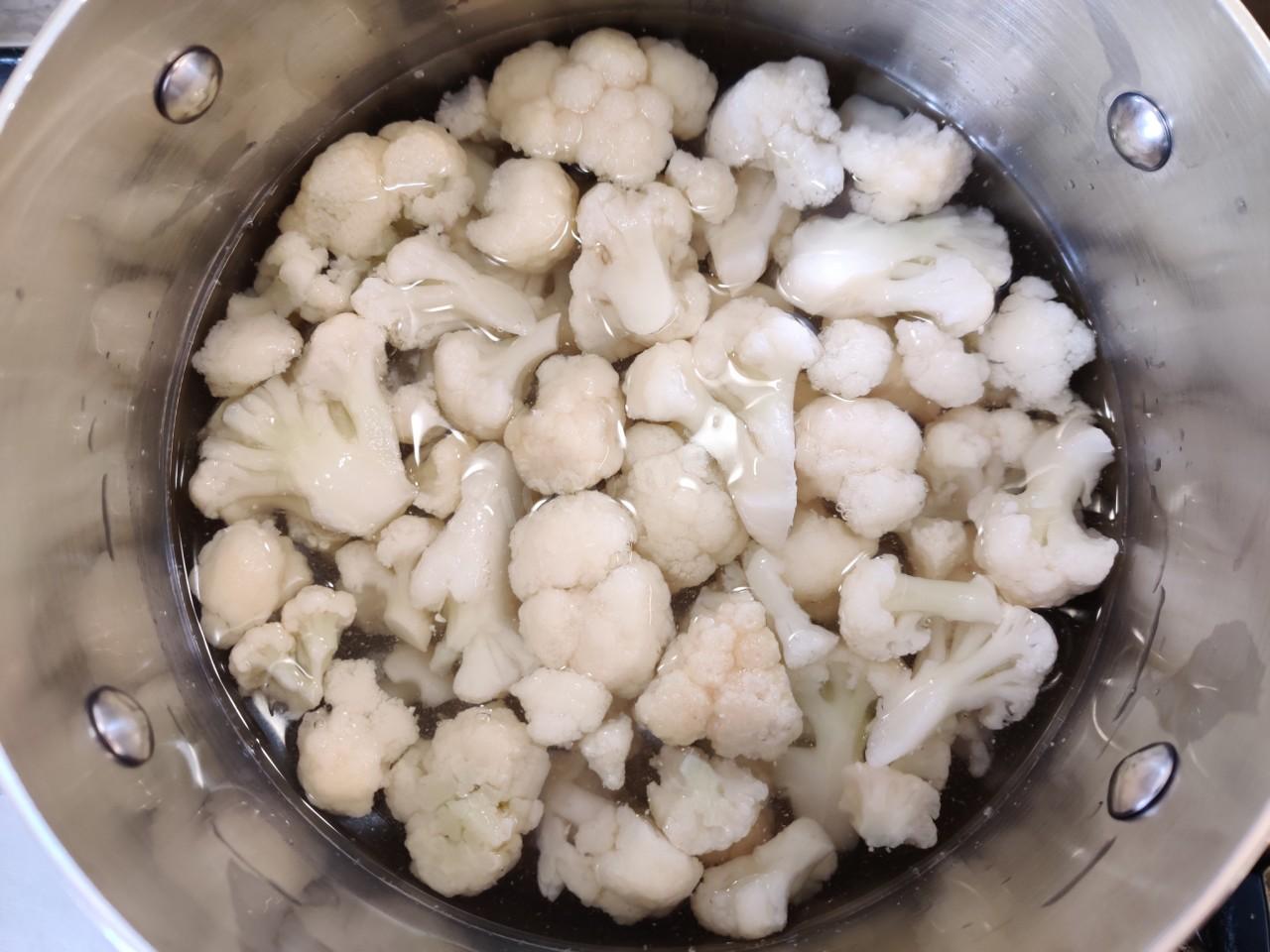
How do you make cauliflower with egg in a skillet? You can use fresh or frozen cauliflower; the frozen kind shouldn't be thawed first. Fresh cauliflower should be washed under running water and broken into florets. So, pour cold tap water into a pot, add the cauliflower, and set it over medium heat. Once the water boils, salt it and cook for another five minutes.
-
Step 2:
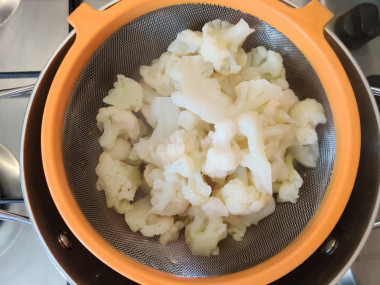
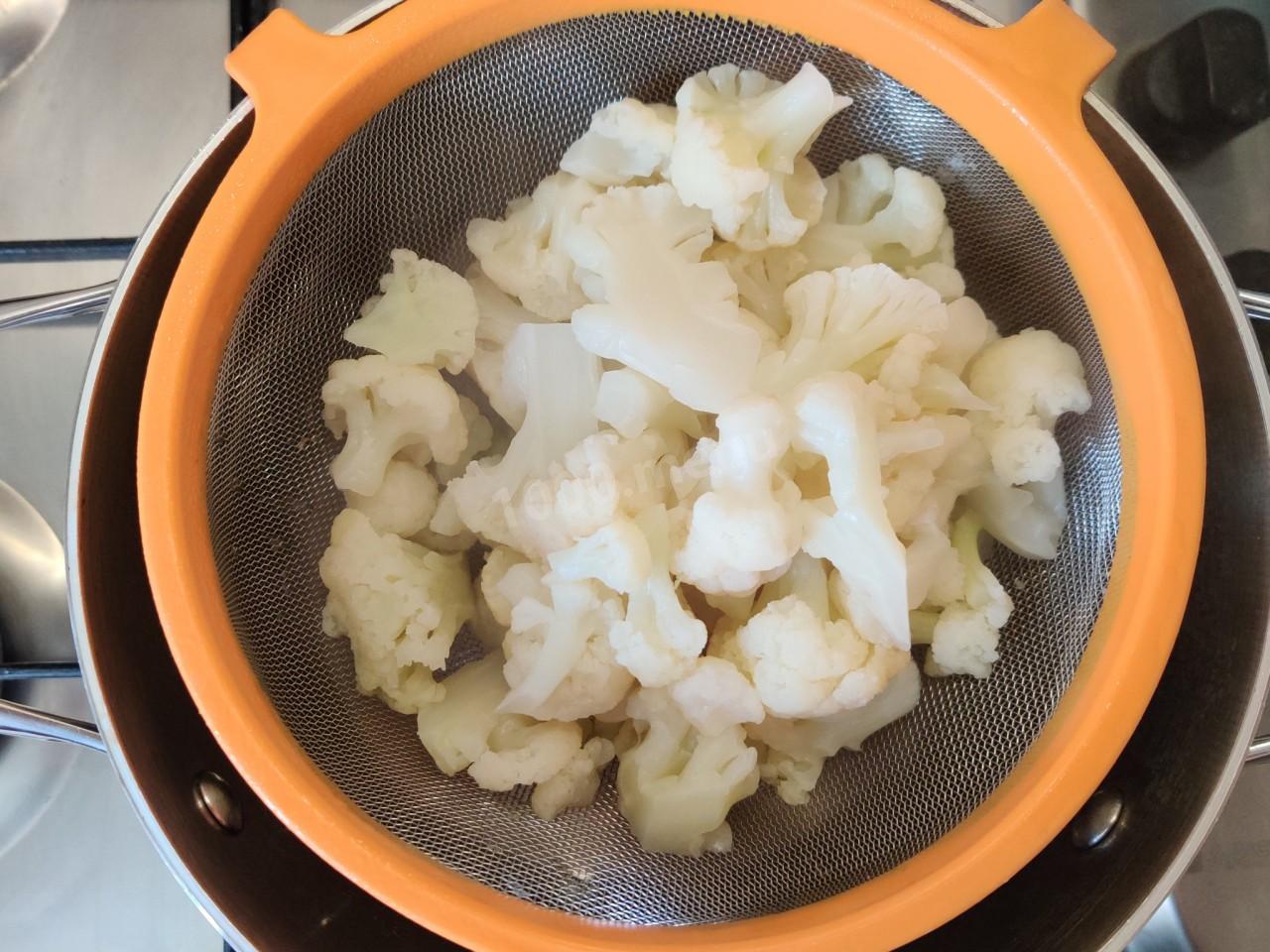
Drain the cauliflower in a colander and let the excess water run off, since frying comes next. If the florets are too wet, they'll steam instead of fry.
-
Step 3:
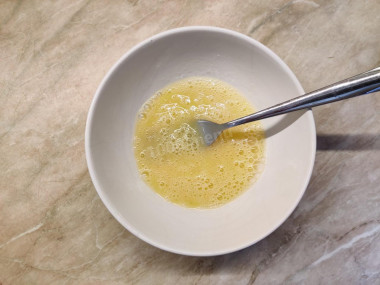
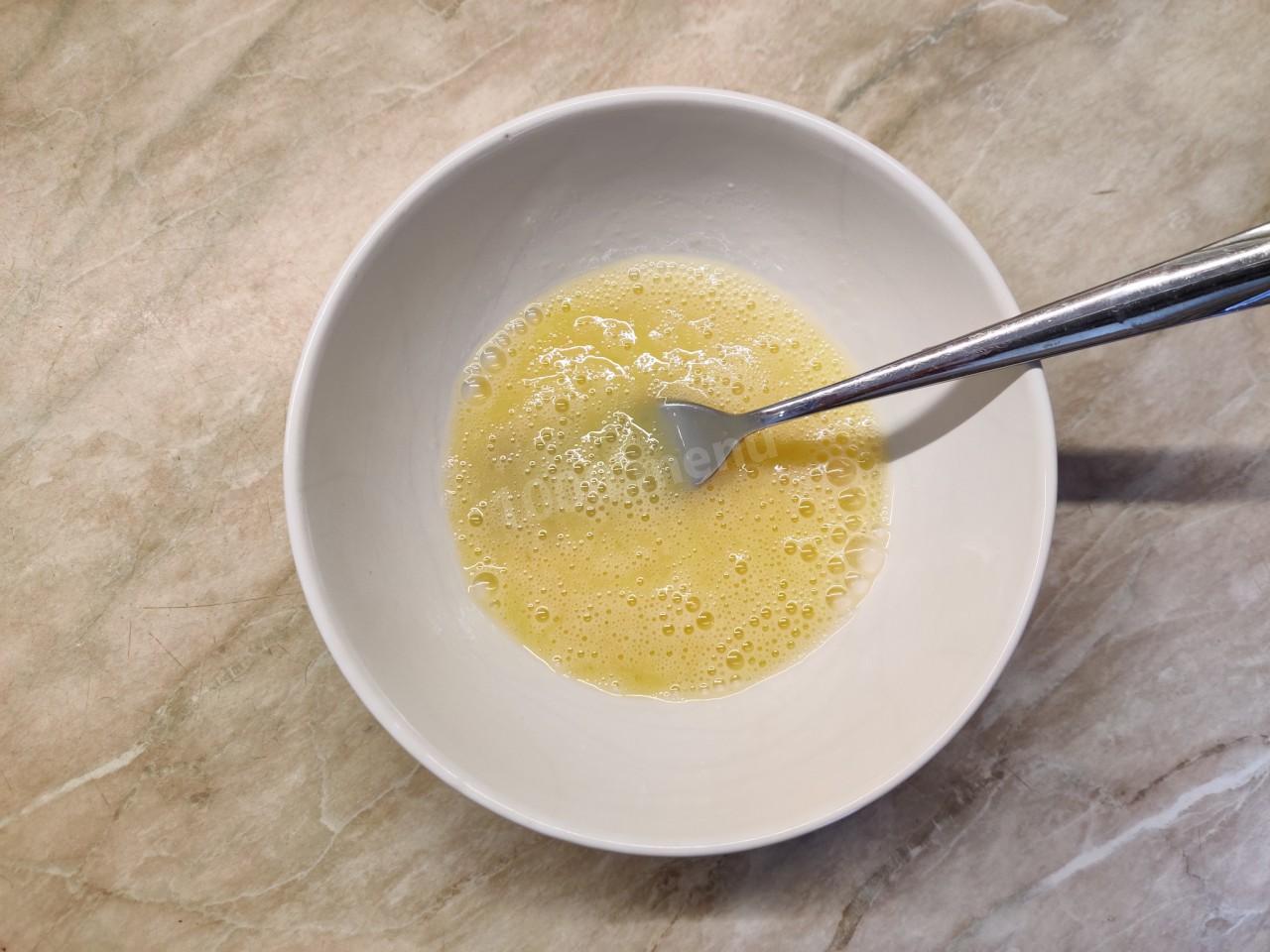
Wash the eggs under running water and crack them into a bowl. Add a pinch of salt and whisk with a fork until light bubbles form — just enough for the salt to dissolve and the white and yolk to combine well.
-
Step 4:
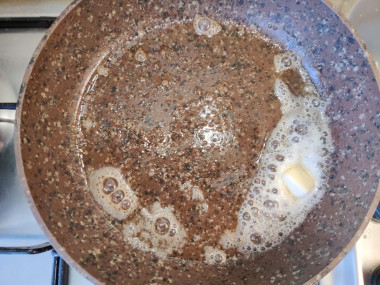
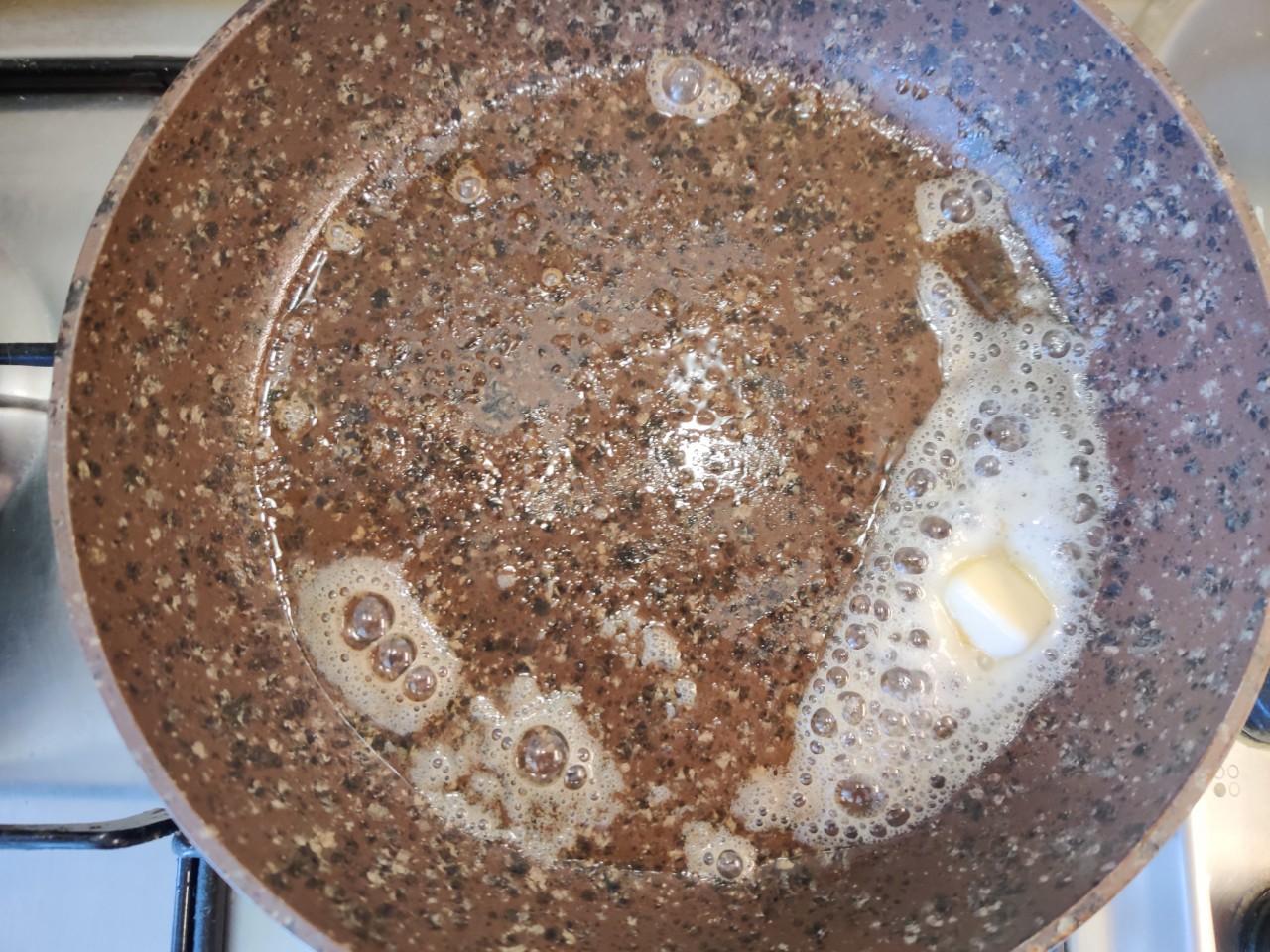
Heat a nonstick skillet over high heat. Add the butter and, lowering the heat to medium, melt it until liquid. Butter really enriches this dish, though you can fry in sunflower oil instead.
-
Step 5:
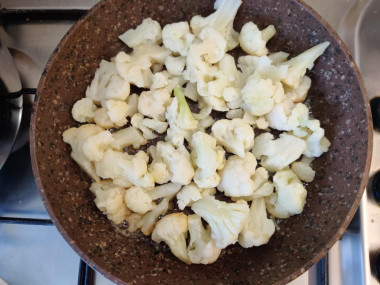
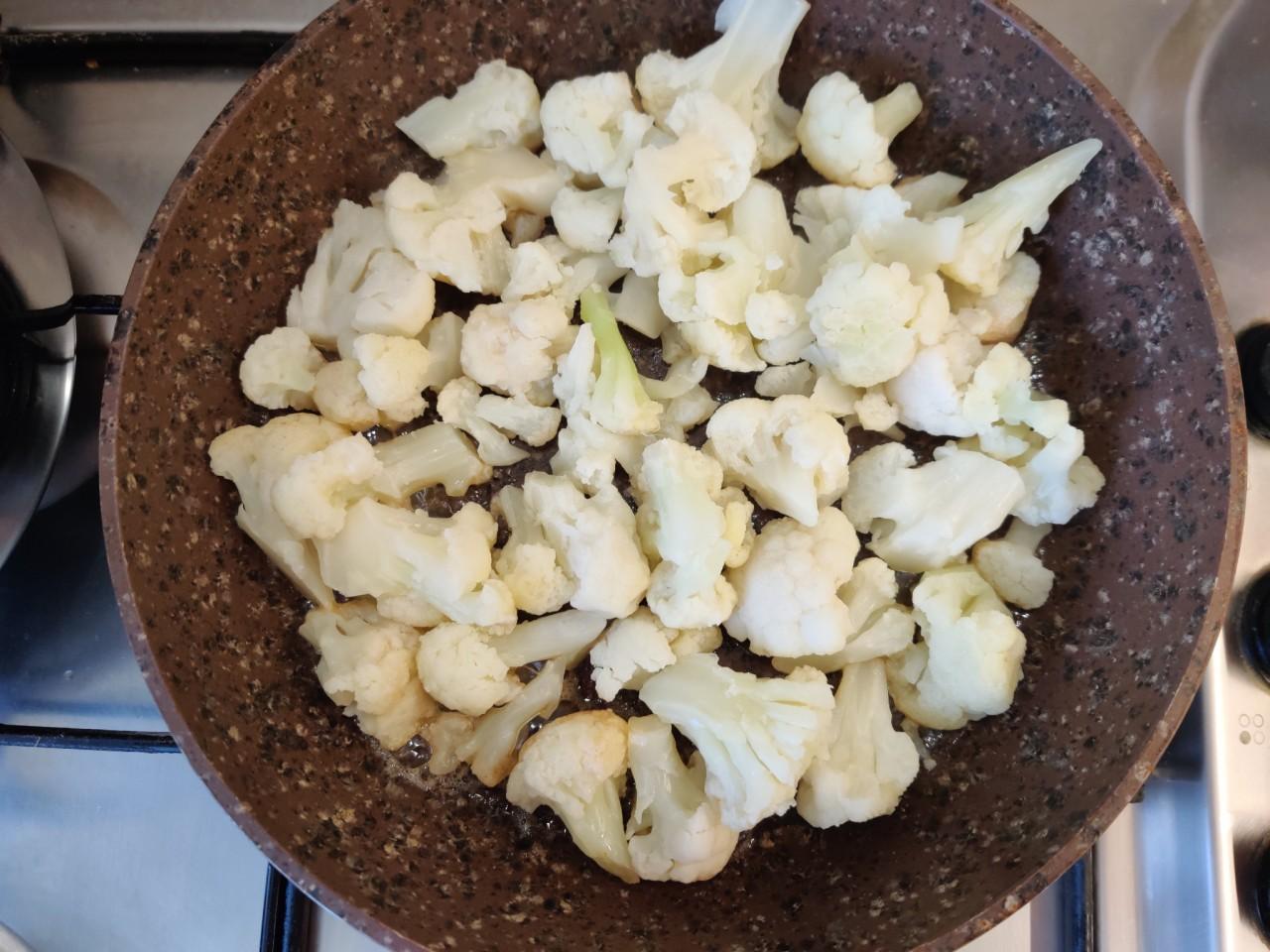
Add the cauliflower florets to the skillet and fry for a couple of minutes over medium heat, uncovered, so the cauliflower doesn't soften too much.
-
Step 6:
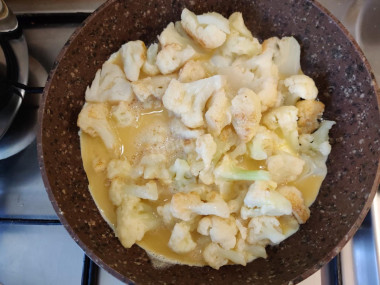
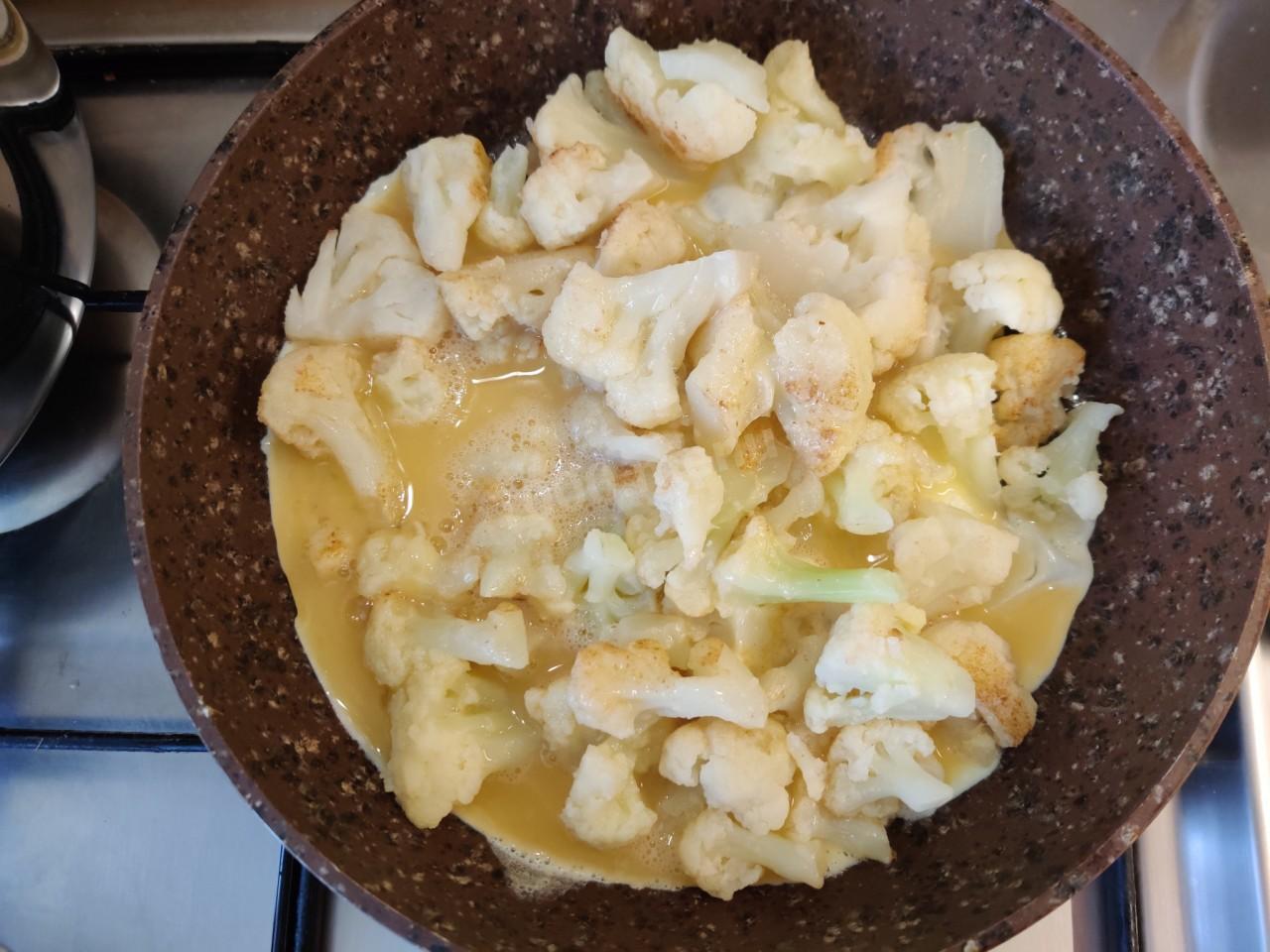
Pour in the egg mixture and immediately stir everything with a spatula so the eggs don't turn into an omelet. Cook another five minutes over medium heat, stirring constantly so it doesn't scorch. That's usually enough for the eggs to set — but stoves vary, so go by yours. The egg mixture should turn white and firm up, but not be wet. Pepper to taste before serving.
- It's simple recipes like this that our everyday meals are built on. Yet for all its simplicity, the dish tastes wonderful — tender, well-cooked cauliflower florets in a nourishing egg "coating." The flavor is so balanced and easygoing you could eat half a serving in one go without blinking! Enjoy!
- Every oil is only good up to a certain temperature — its smoke point, beyond which it starts to burn and form toxic compounds, including carcinogens. For how to gauge frying temperature and choose the best oil for the job (and which to avoid), read here.
- Important! The wrong pan can ruin even the best recipe. For all the details on choosing the perfect pan for different dishes, read here.
- How do you tell if an egg is fresh? Crack it into a separate bowl. First, there should be no off smell. The white of a fresh egg is clear and clean. The yolk shouldn't spread — it stays shiny, domed, and uniform.
Caloric content of the products possible in the composition of the dish
- Chicken egg - 157 kcal/100g
- Egg white - 45 kcal/100g
- Egg powder - 542 kcal/100g
- Egg yolk - 352 kcal/100g
- Ostrich egg - 118 kcal/100g
- Cauliflower - 28 kcal/100g
- Butter 82% - 734 kcal/100g
- Amateur unsalted butter - 709 kcal/100g
- Unsalted peasant butter - 661 kcal/100g
- Peasant salted butter - 652 kcal/100g
- Melted butter - 869 kcal/100g
- Salt - 0 kcal/100g
- Water - 0 kcal/100g
- Ground hot pepper - 21 kcal/100g
Similar recipes
- Fast and tasty
- For breakfast
- Children's recipes
- National cuisine
- Second course
- Eggs
- Vegetables
- Spices seasonings spices
- Fats and oils
- Other
- Pepper
- Salt
- Butter
- Water
- Russian cuisine
- Cooking
- Frying
- The second is fast and delicious
- Dishes in 30 minutes
- Second courses of cabbage
- Egg breakfast
- From cabbage
- Balanced nutrition
- Vegetarianism