Leningrad Cake (GOST Recipe)
This recipe takes some effort, but the result is worth it! These days you almost never find the Leningrad cake from our Soviet past in stores. Many people loved it, so we set out to recreate it at home by the strict GOST (Soviet state standard) recipe to capture that very taste.


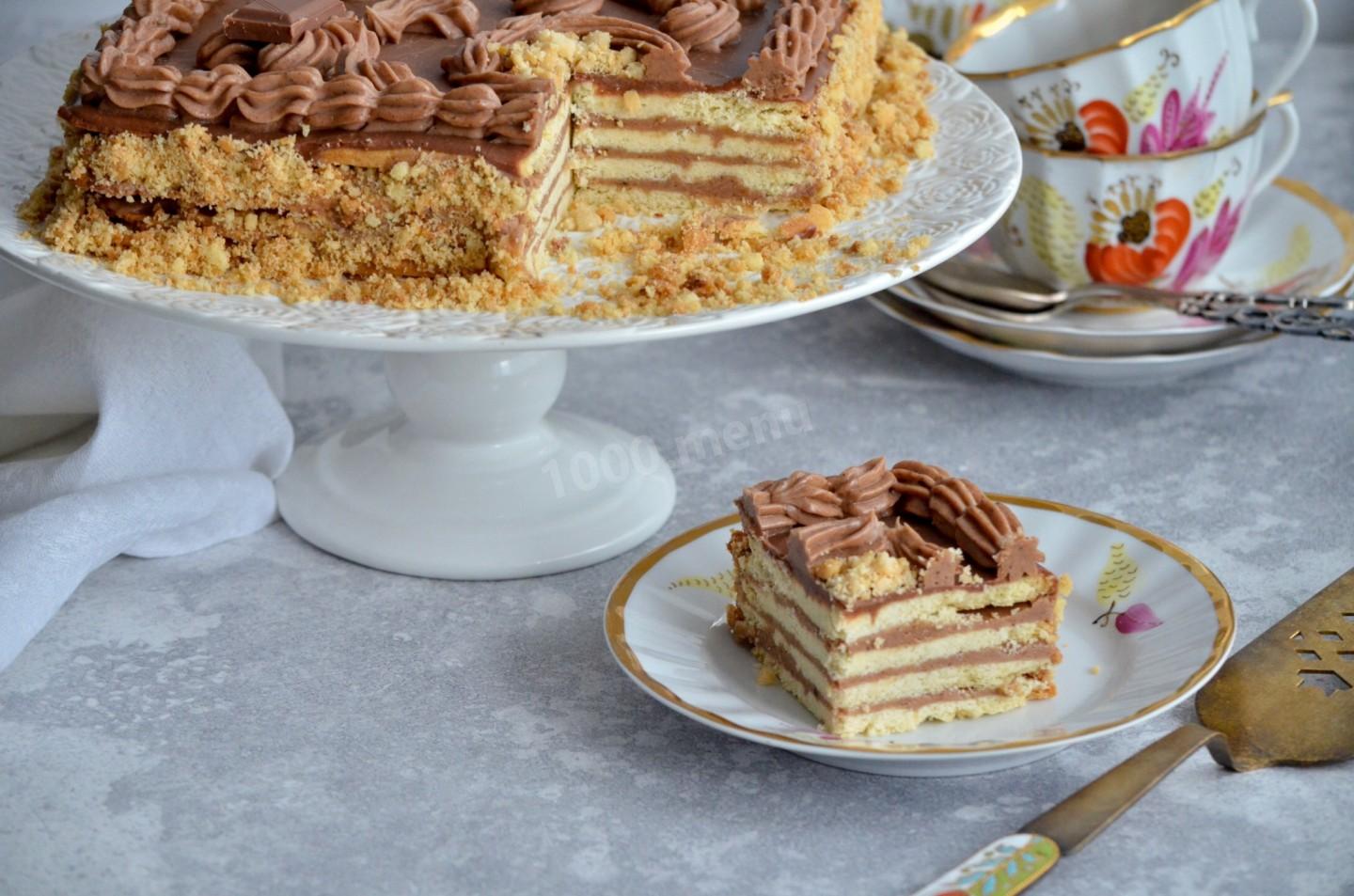

Cooking method
-
Step 1:
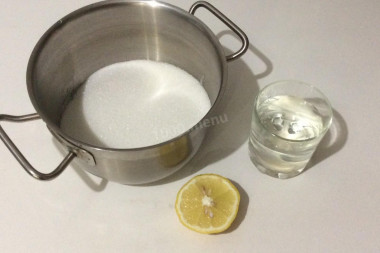
First you need to make the sugar fondant. Do this at least a day before making the cake, since it needs a day to set up. Just three ingredients: sugar, water, and lemon juice.
-
Step 2:
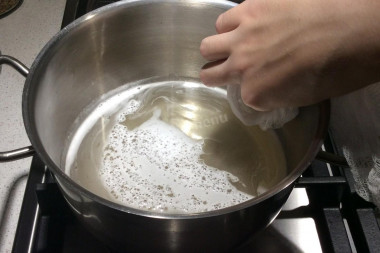
Dissolve the sugar completely in the water, down to the last crystal. Set the pot of sugar and water over the heat and stir until it dissolves. As soon as it does, take the pot off the heat and wipe all the stuck sugar off the sides with a wet cloth — if you skip this, the fondant won't work.
-
Step 3:
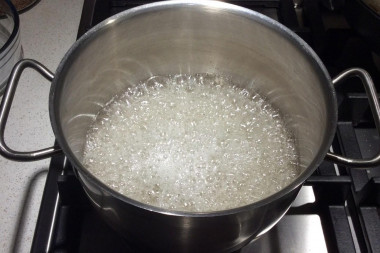
Put the pot back over the heat and wait for the syrup to boil. As soon as it boils hard, cover it and leave it for two minutes. Then uncover it, add the lemon juice, and cook for about two more minutes. If you have a thermometer, cook to 240°F (115°C). If not, cook the syrup to the soft-ball stage.
-
Step 4:
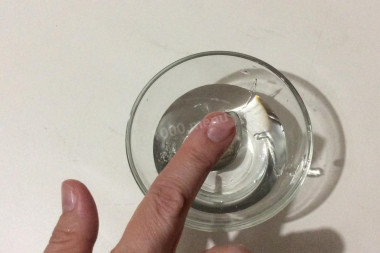
To test the syrup, set a cup of cold water by the stove. Drop a little syrup from a teaspoon into the cup. After a few seconds, try to roll the cooled syrup into a ball. If you can, the syrup is ready; if not, keep cooking. Take the syrup off the heat while you test.
-
Step 5:
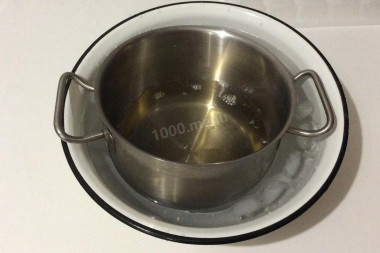
Once the syrup reaches the right temperature, cool it quickly. Fill a bowl with cold water and ice and set the pot of syrup in it.
-
Step 6:
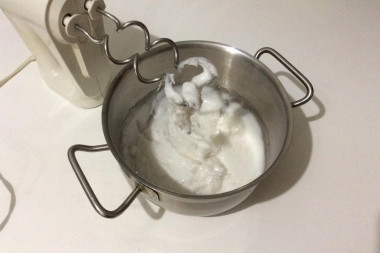
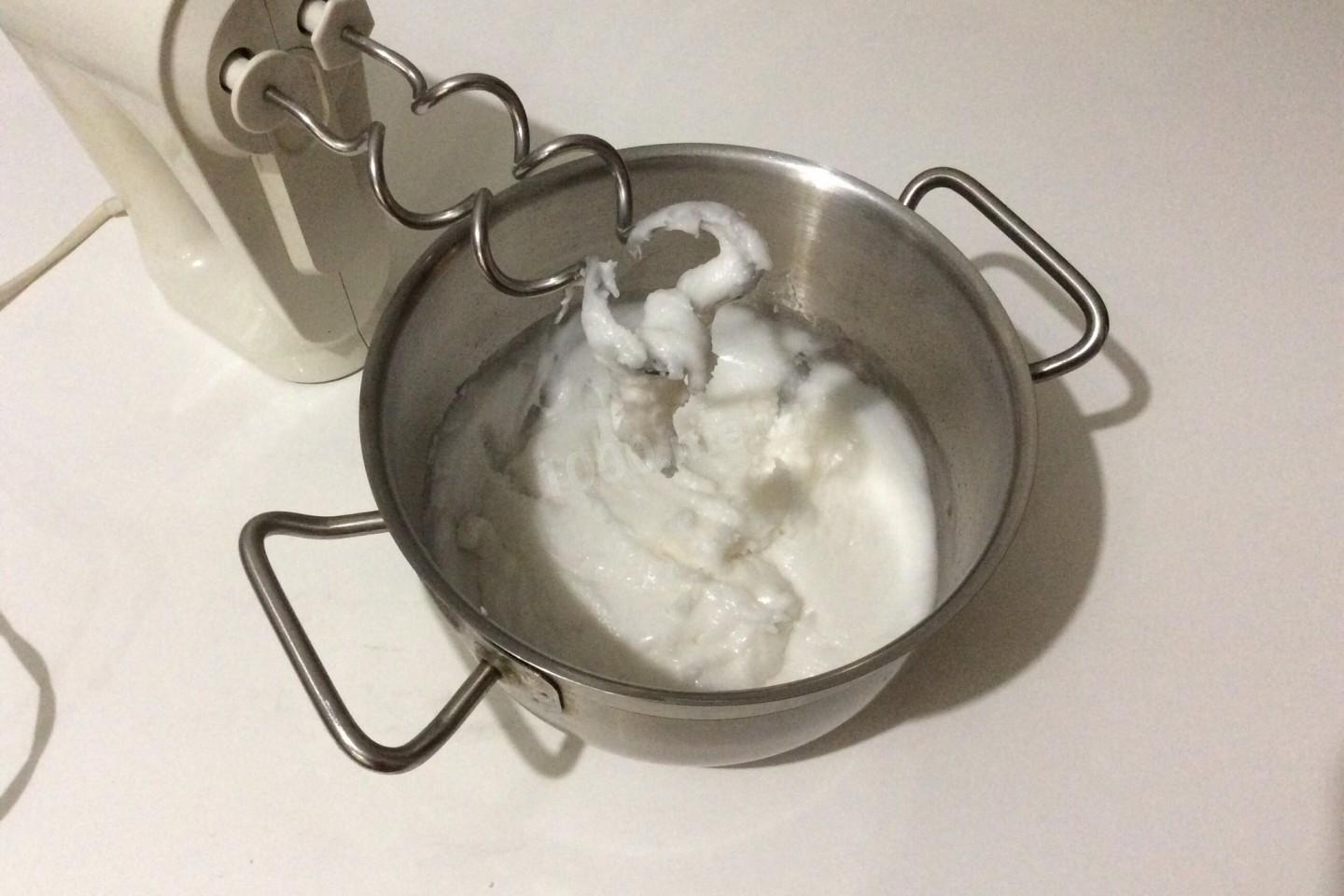
When the syrup cools to about 115°F (45°C) — cool enough to touch gently — start beating it. I used a mixer with dough hooks. The syrup is very viscous and beating takes a while, at least 20 minutes. It should turn white and become very thick while almost stopping sticking to your hands. That's the sugar fondant.
-
Step 7:
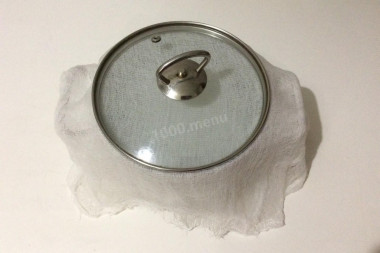
Now cover the pot of fondant with a wet cloth, put on the lid, and leave it on the counter for at least a day.
-
Step 8:
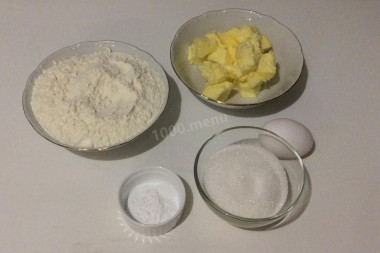
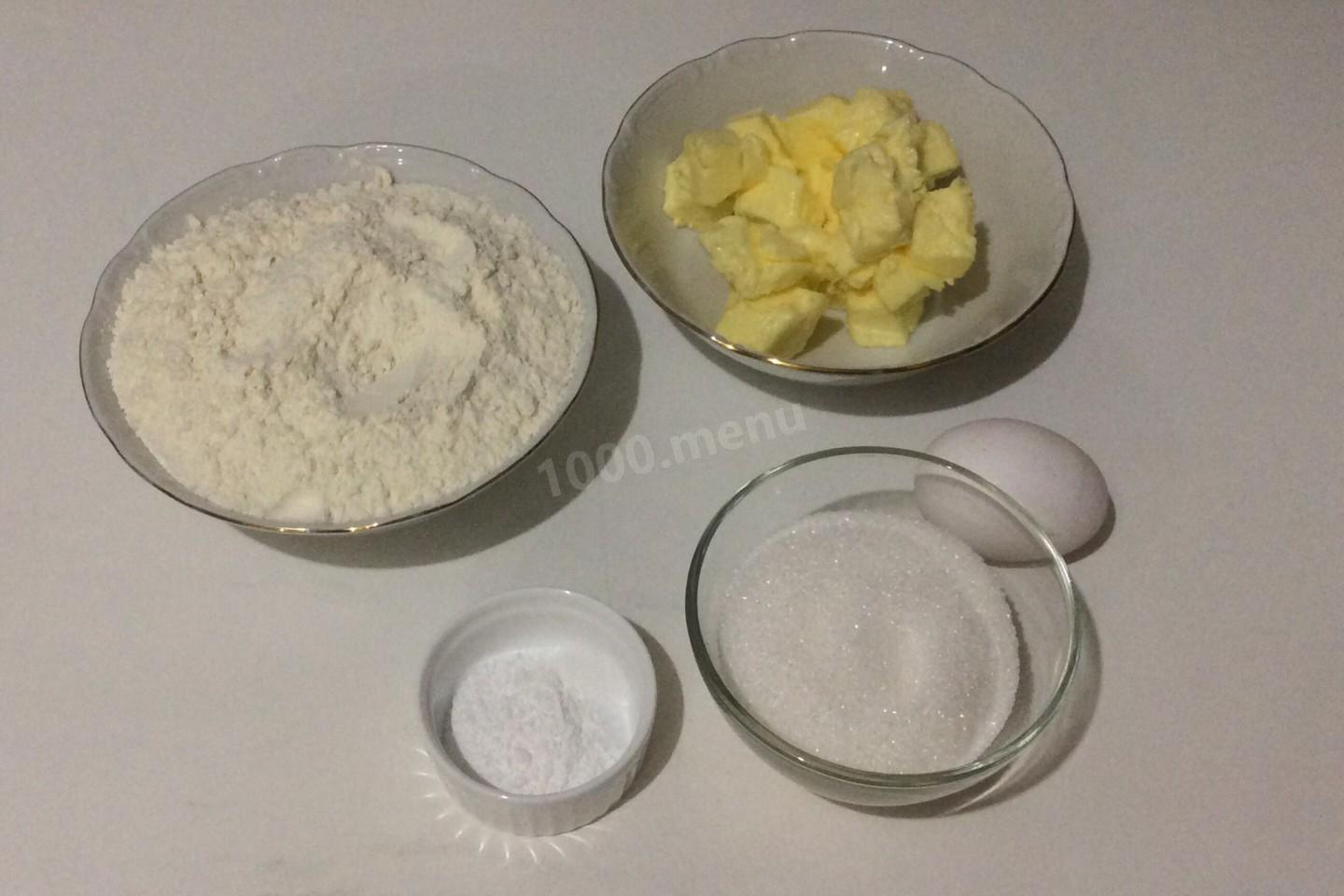
Let's bake the cake. Get the ingredients for the layers ready. Take the butter out of the fridge ahead of time so it softens well.
-
Step 9:
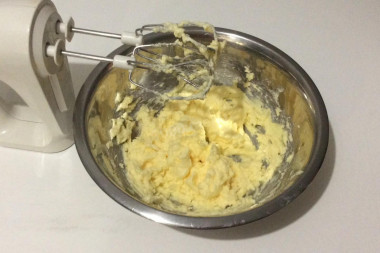
Cream the butter with the sugar, add the egg, and beat until smooth.
-
Step 10:
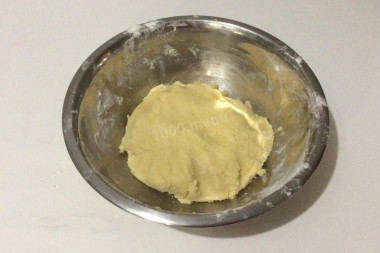
Add the flour mixed with baking powder to the butter mixture and quickly knead the dough. Don't knead shortcrust dough long, or the baked layers can turn tough.
-
Step 11:
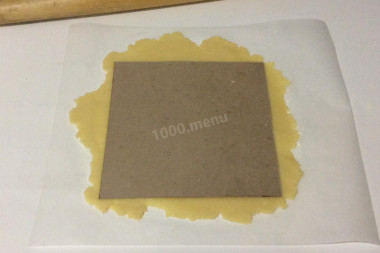
Divide the dough into four parts and roll each out on parchment to about 1/8 inch (3–4 mm) thick. Cut out a 7-inch (18 × 18 cm) square using a template made ahead. Save the trimmings carefully — you'll need them. Prick the layers all over with a fork and freeze them for at least 15 minutes. Roll out one more layer from all the scraps; don't cut it — it'll become crumbs for the sides.
-
Step 12:

Bake the layers in a preheated 350°F (180°C) oven for about 10 minutes, until golden. (I left mine in a touch too long.) Let each baked layer cool right on the paper, then carefully lift it off — it's very fragile!
-
Step 13:
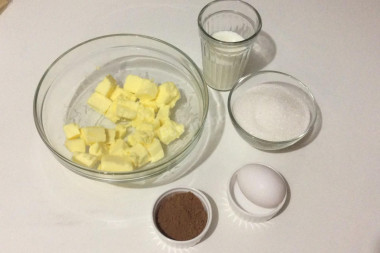
Now make the cream. Take the butter for the cream out ahead of time too so it's soft.
-
Step 14:
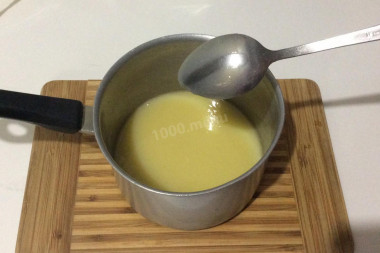
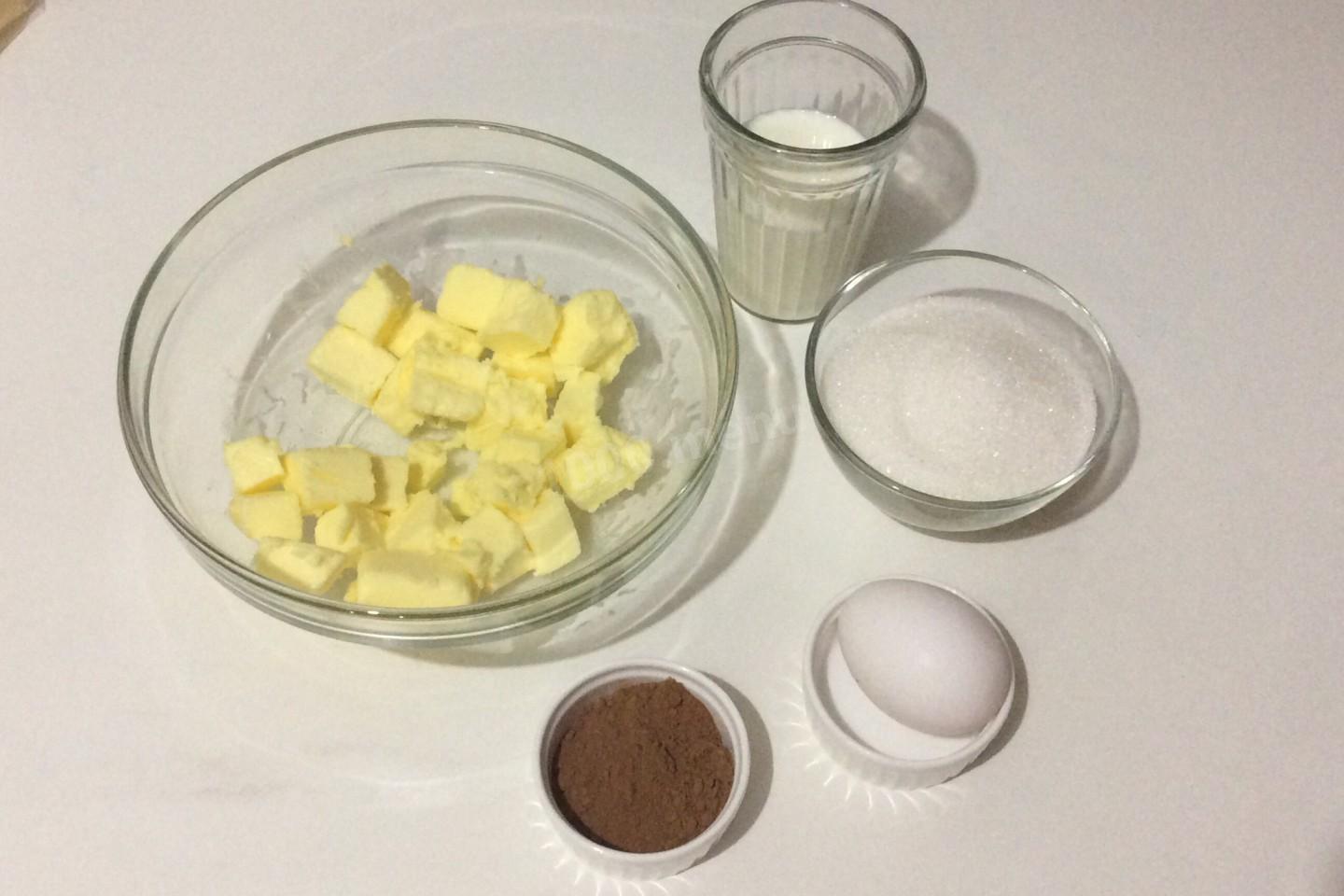
Mix the yolk, milk, and sugar and cook over low heat, stirring constantly. Don't boil it — just wait for it to thicken to the consistency of condensed milk; a line drawn on a spoon should hold. Pour it into another dish and let it cool completely, stirring constantly so no skin forms.
-
Step 15:
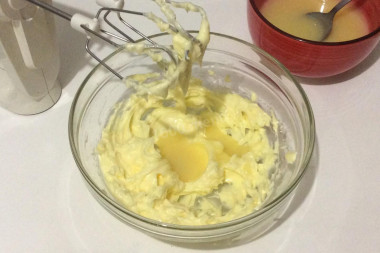
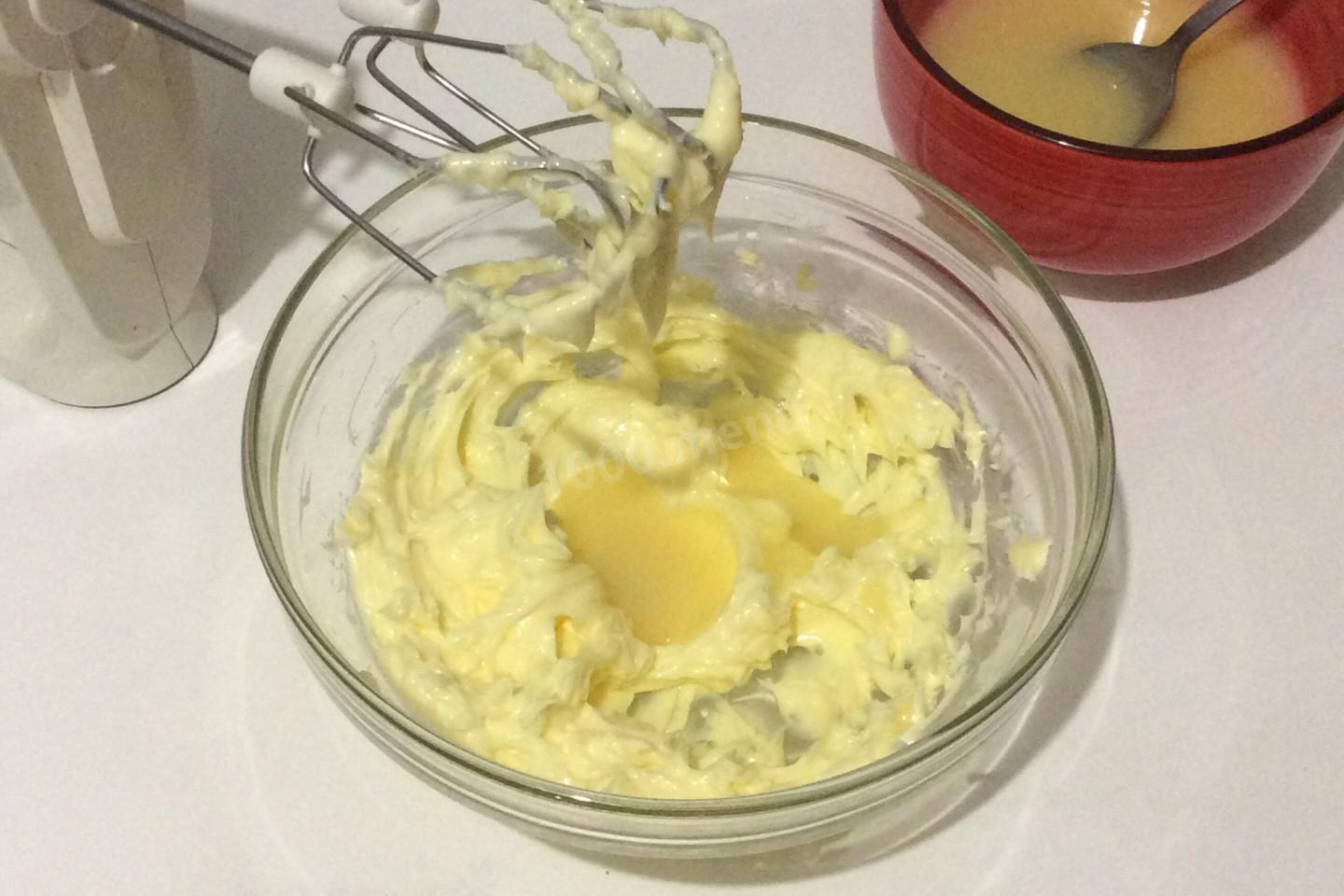
Beat the butter and start adding the custard base a spoonful at a time.
-
Step 16:

Once all the base is in, add the cocoa and cognac. (I left out the alcohol, but the recipe calls for it.) Beat until smooth. The cream is ready.
-
Step 17:
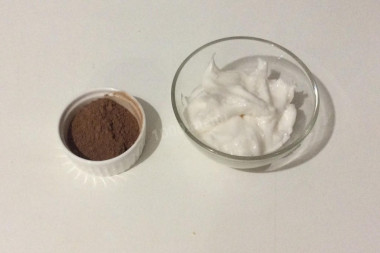
Now the top layer. For it you need the sugar fondant you made earlier and cocoa powder. Put the fondant in a small saucepan and melt it over low heat — it melts quickly and easily. Add the cocoa and mix well. If it seems too thick, stir in a little boiled water.
-
Step 18:
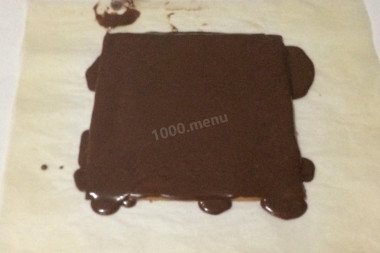
Coat one of the layers with the finished fondant — this will be the top one. Work fast, as the fondant hardens very quickly.
-
Step 19:
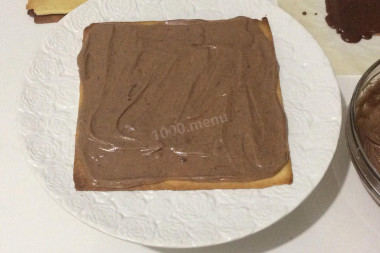
Divide the cream into 4 parts, setting one aside for decorating. Start assembling the cake, spreading each layer with cream. Put the fondant-topped layer on top.
-
Step 20:
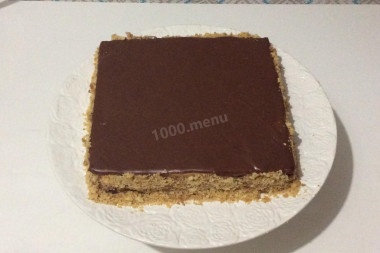
Coat the sides with cream too. Crush the uncut layer into crumbs and press them onto the sides. Put the reserved cream in a piping bag and decorate the top. Refrigerate the finished cake to let it soak.








- Making sugar fondant is a tricky process. If you're not up for it, top the cake with chocolate ganache or glaze instead — but the real Leningrad was always covered with fondant.
Caloric content of the products possible in the composition of the dish
- Whole cow's milk - 68 kcal/100g
- Milk 3.5% fat content - 64 kcal/100g
- Milk 3.2% fat content - 60 kcal/100g
- Milk 1.5% fat content - 47 kcal/100g
- Concentrated milk 7.5% fat content - 140 kcal/100g
- Milk 2.5% fat content - 54 kcal/100g
- Chicken egg - 157 kcal/100g
- Egg white - 45 kcal/100g
- Egg powder - 542 kcal/100g
- Egg yolk - 352 kcal/100g
- Ostrich egg - 118 kcal/100g
- Whole durum wheat flour fortified - 333 kcal/100g
- Whole durum wheat flour, universal - 364 kcal/100g
- Flour krupchatka - 348 kcal/100g
- Flour - 325 kcal/100g
- Granulated sugar - 398 kcal/100g
- Sugar - 398 kcal/100g
- Butter 82% - 734 kcal/100g
- Amateur unsalted butter - 709 kcal/100g
- Unsalted peasant butter - 661 kcal/100g
- Peasant salted butter - 652 kcal/100g
- Melted butter - 869 kcal/100g
- Cocoa powder - 374 kcal/100g
- Ordinary cognac 'three stars' - 239 kcal/100g
- Cognac - 239 kcal/100g
- Water - 0 kcal/100g
- Lemon juice - 16 kcal/100g
- Baking powder - 79 kcal/100g
- Egg yolks - 352 kcal/100g
- Vanilla sugar - 379 kcal/100g
Similar recipes
- Festive table
- Old recipes
- Eggs
- Dairy products
- Flour
- Sweet
- Spices seasonings spices
- Fats and oils
- Alcohol
- Other
- Vanilla
- Butter
- Cognac
- Cocoa
- Water
- Baking powder
- From juice
- Cooking
- Oven roasting
- Chocolate cake
- Cakes without mastic
- Classic cakes of soviet times
- Birthday cakes
- Sand cake
- Recipes for March 8
- Egg yolks
- Milk
- Vegetarianism
- Sugar