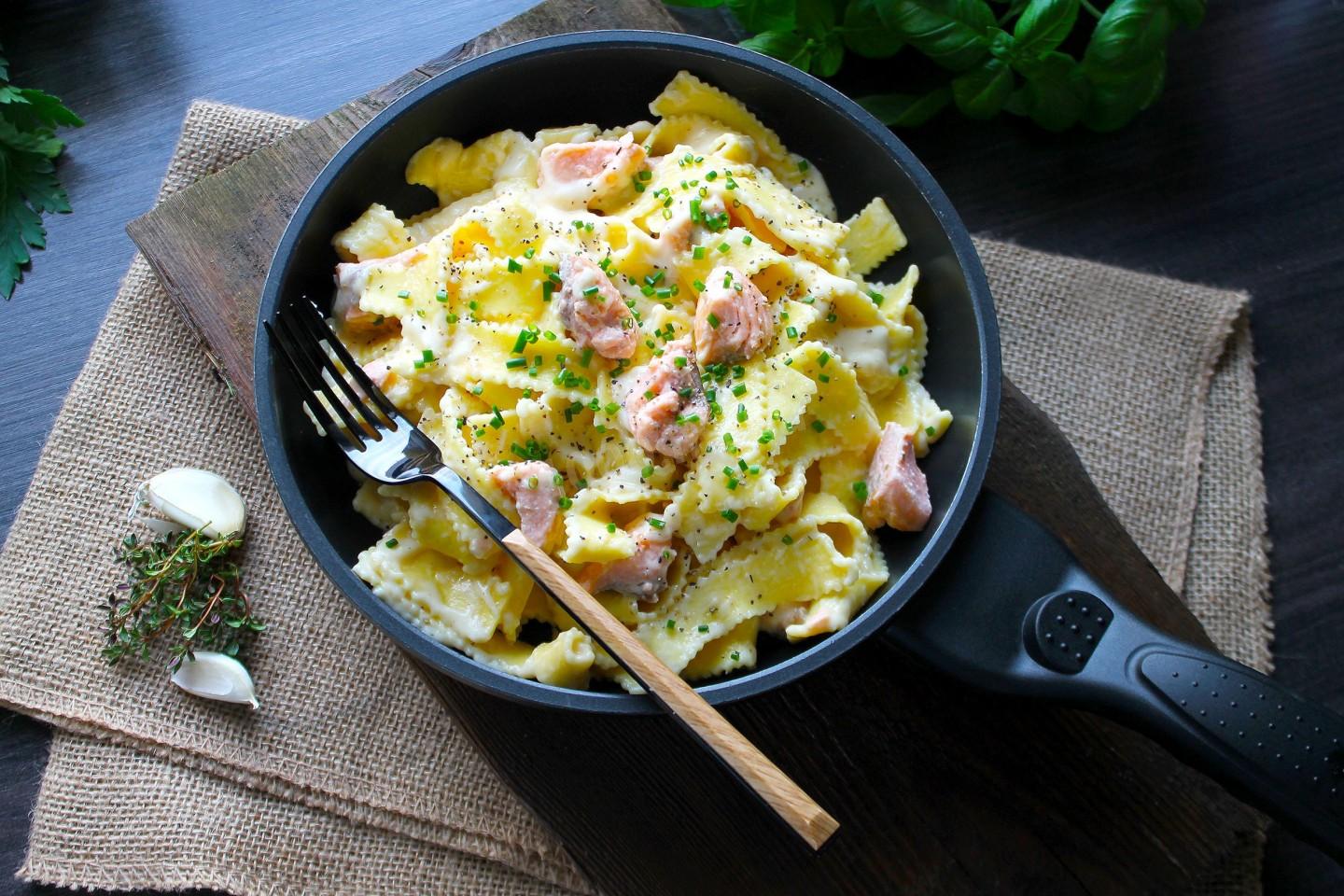
Pasta with salmon in cream sauce
Very tasty, filling, wholesome, and quick — perfect for dinner! Pasta with salmon in cream sauce is easy and simple to make. Serve it for a romantic dinner and surprise your sweetheart with a wonderful combination of flavors. A glass of white wine is a perfect match.

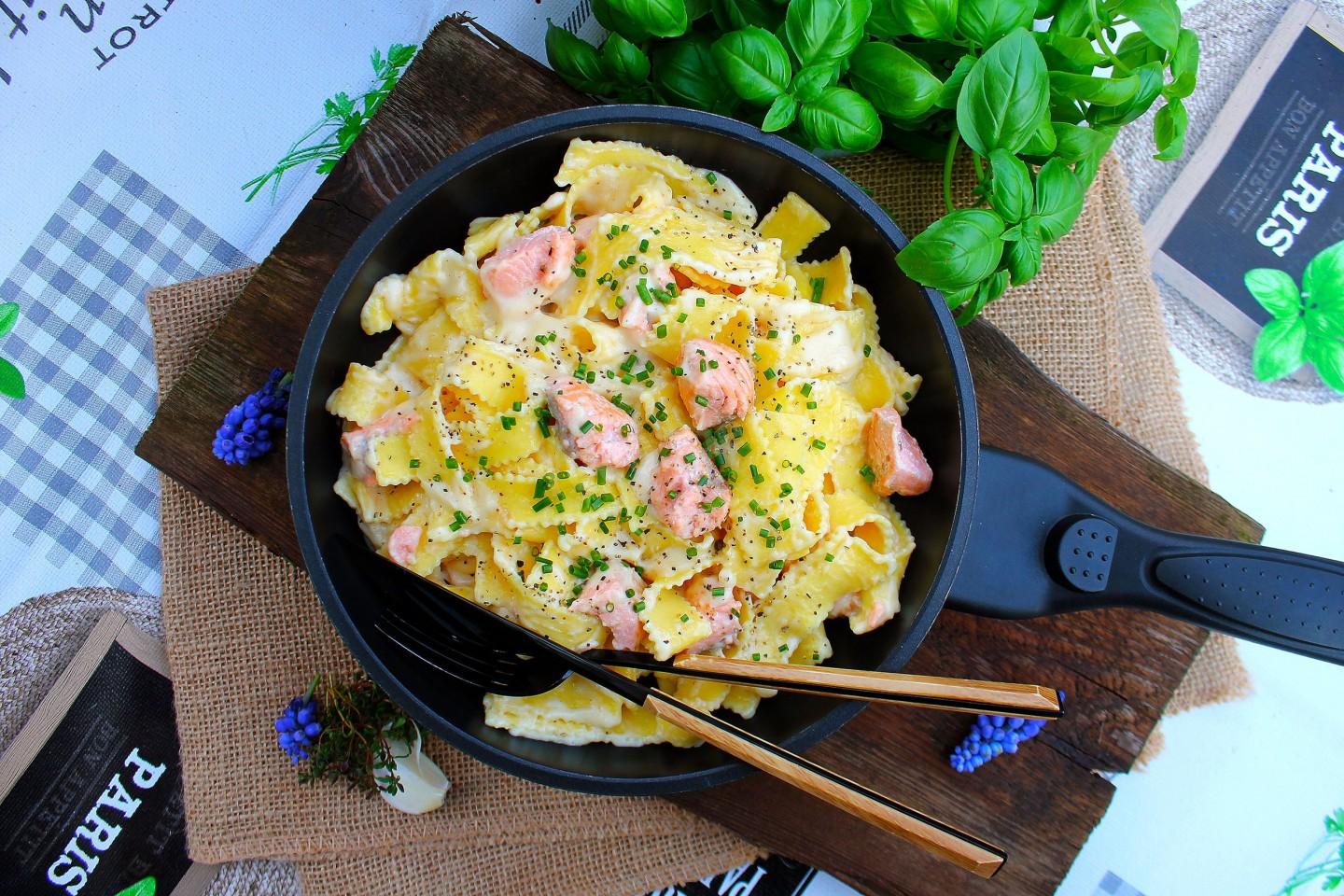


Cooking method
-
Step 1:
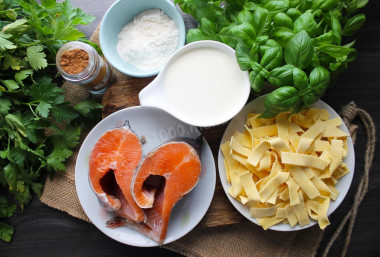
How do you make pasta with salmon in cream sauce? First, gather all the ingredients listed in the recipe. If your fish is frozen, take it out of the freezer ahead of time and let it thaw completely at room temperature. Which pasta is best? You can use any kind you like — tagliatelle (long, thin, wide ribbons) is preferable for this recipe.
-
Step 2:
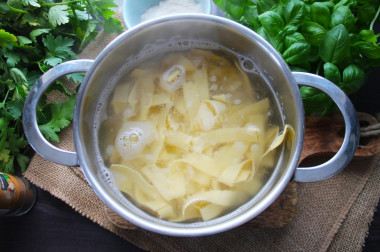
Cook the pasta in lightly salted water per the package directions. It should come out al dente. Drain the cooked tagliatelle in a colander and let all the excess liquid run off.
-
Step 3:
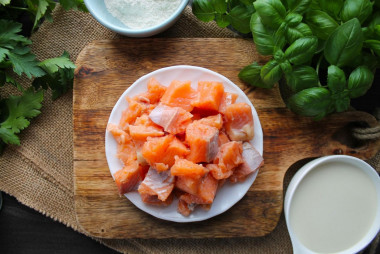
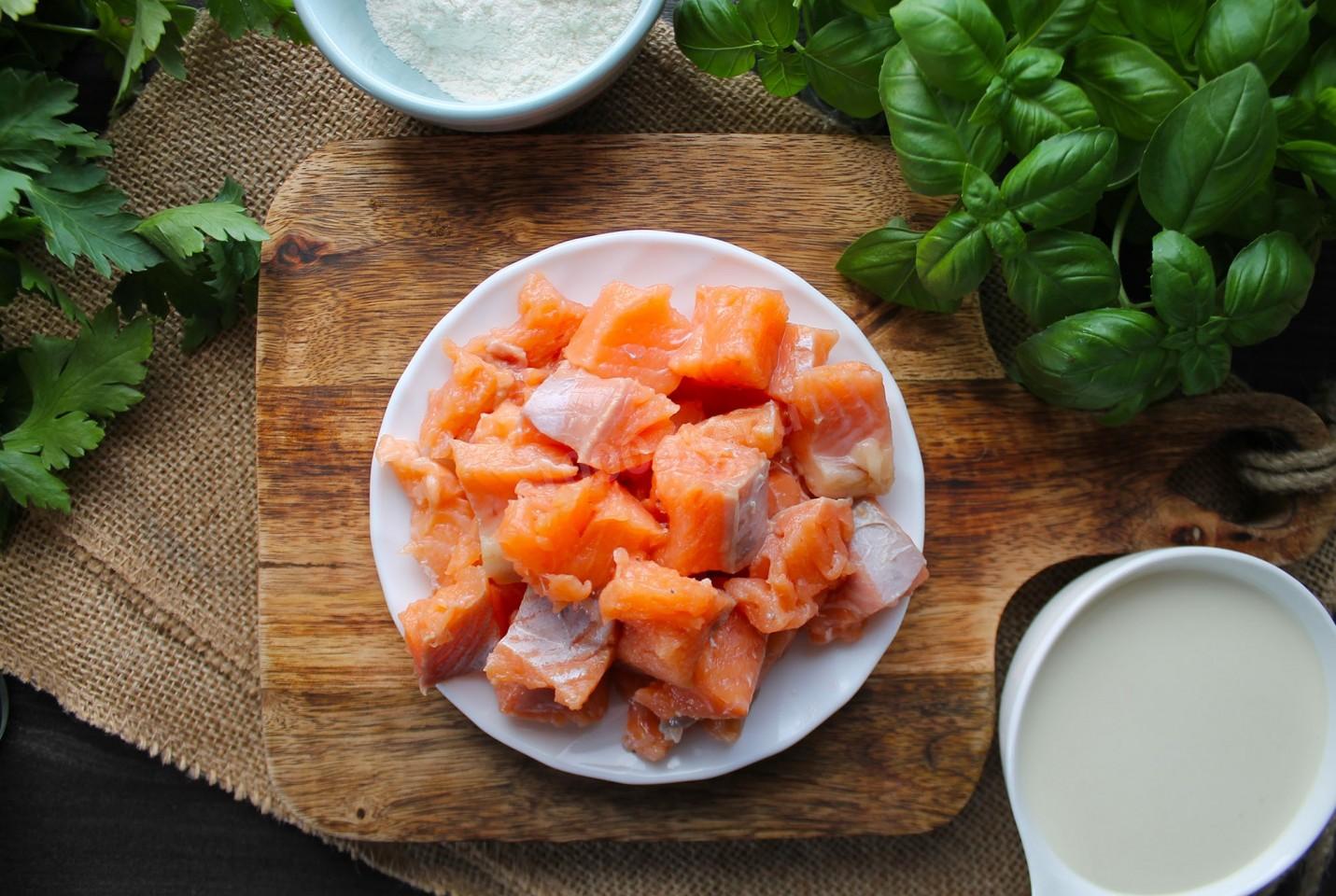
Meanwhile, remove the skin from the salmon and take out any bones. Cut the fillet into medium cubes.
-
Step 4:
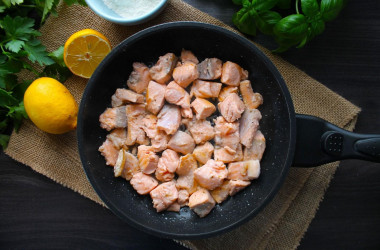
Heat the vegetable oil in a heavy-bottomed skillet. Add the salmon pieces and fry them over medium heat. Don't cook the fish too long — literally 2–3 minutes is enough, or it'll dry out. Stir the pieces now and then so they don't scorch. Sprinkle the fish with freshly squeezed lemon juice.
-
Step 5:
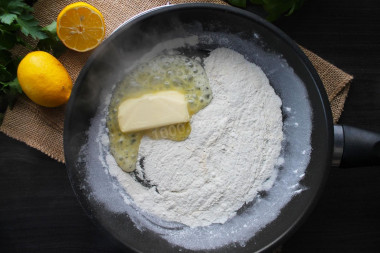
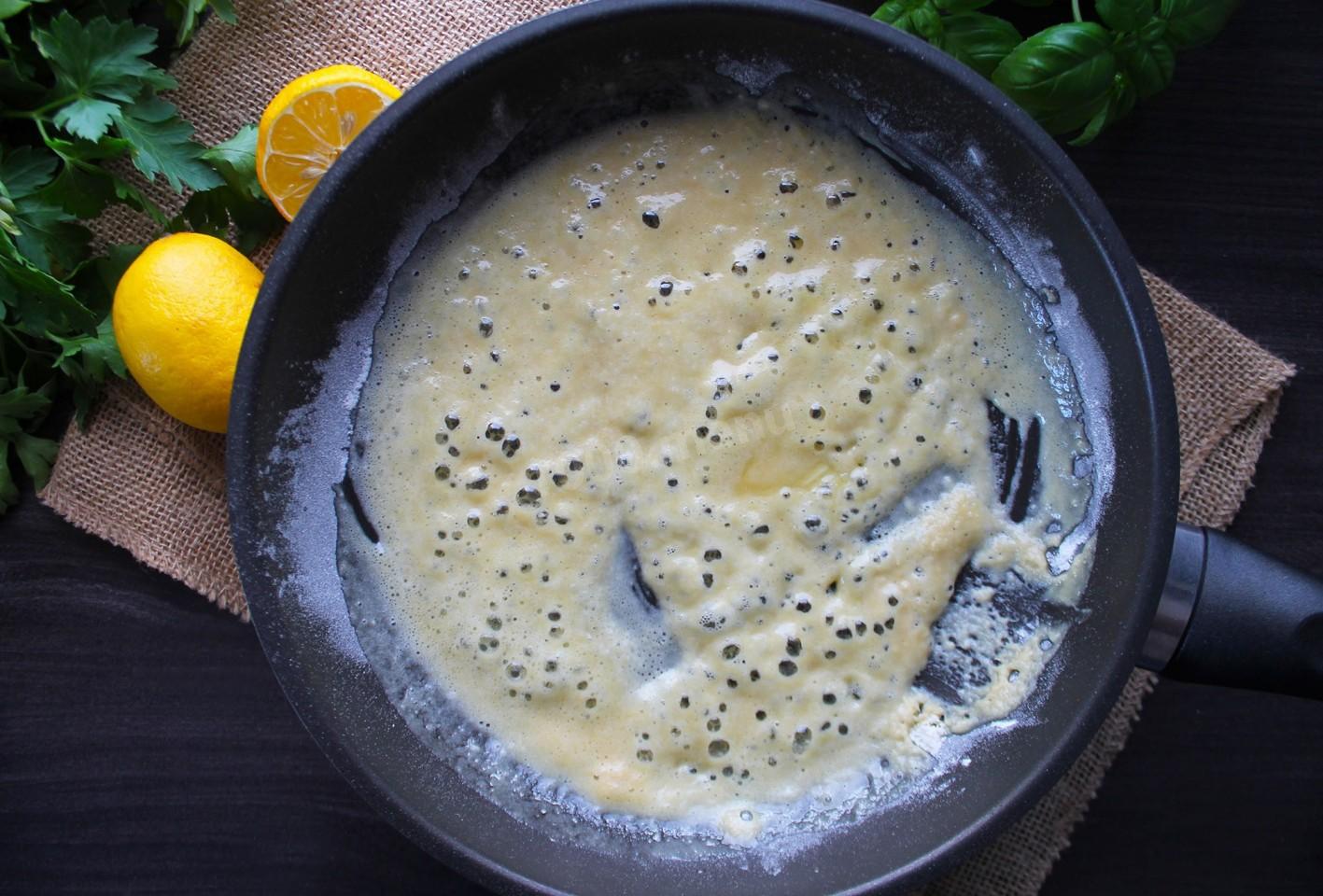
Make the cream sauce. In a dry skillet, toast the flour briefly, stirring constantly. Keep the heat just below medium, or the flour will burn. Add the butter.
-
Step 6:
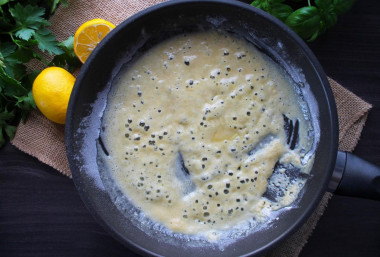
Stirring, melt the butter and work the mixture until smooth.
-
Step 7:
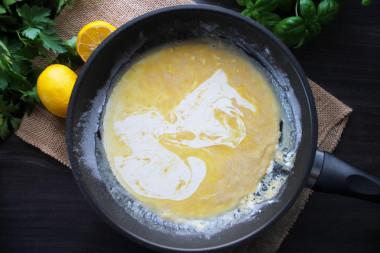
Pour in the cream and add the nutmeg and salt. The cream should be at least 20% fat. Stir everything thoroughly and let it thicken. If the sauce gets too thick, pour in a little more cream.
-
Step 8:
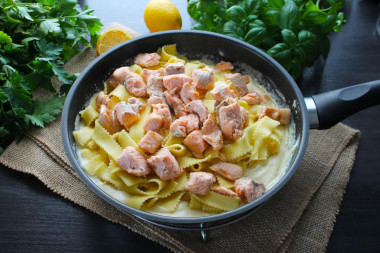
Add the pasta and the salmon pieces to the skillet with the cream sauce. Toss everything gently.
-
Step 9:
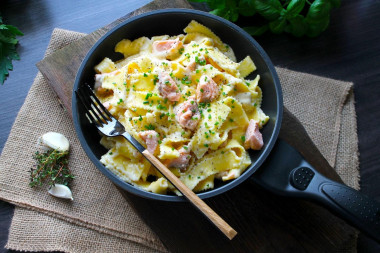
Sprinkle the finished dish with finely chopped fresh herbs — dill, parsley, basil, or green onion, whatever you like. Season with pepper to taste and serve while it's hot!






- Pour a glass of white or red wine to go with the pasta and fish. Enjoy!
- Since everyone's tolerance for salty, sweet, bitter, spicy, sour, and hot is different, always add spices and seasonings to your own taste! And if you're using a particular seasoning for the first time, keep in mind that some are especially easy to overdo (chili pepper, for example).
- There's a simple way to check whether the oil in the skillet is hot enough: dip in a wooden spatula. If bubbles gather around it, you're ready to start frying.
- How do you cook pasta properly? Use a roomy pot and add water at a rate of about 1 liter per 100 grams of pasta — the key is that the pasta can float freely. Salt it to taste. Bring the water to a boil. It's important to add the pasta to boiling water, or it may stick together. Cook over medium heat, stirring occasionally, until fully done or al dente (the cooking time is always on the package). Drain the cooked pasta in a colander and let the liquid run off. Don't rinse cooked pasta with water. If you're not going to toss it with sauce right away, you can return it from the colander to the pot, add a teaspoon of olive oil (or a knob of butter), and stir gently to keep the hot pasta from sticking.
Caloric content of the products possible in the composition of the dish
- Buttermilk - 36 kcal/100g
- Cream of 20 % fat content - 300 kcal/100g
- Cream of 10% fat content - 120 kcal/100g
- Cream - 300 kcal/100g
- Lemon - 16 kcal/100g
- Lemon zest - 47 kcal/100g
- Ground black pepper - 255 kcal/100g
- Whole durum wheat flour fortified - 333 kcal/100g
- Whole durum wheat flour, universal - 364 kcal/100g
- Flour krupchatka - 348 kcal/100g
- Flour - 325 kcal/100g
- Butter 82% - 734 kcal/100g
- Amateur unsalted butter - 709 kcal/100g
- Unsalted peasant butter - 661 kcal/100g
- Peasant salted butter - 652 kcal/100g
- Melted butter - 869 kcal/100g
- Vegetable oil - 873 kcal/100g
- Salt - 0 kcal/100g
- Fresh frozen soup greens in a package - 41 kcal/100g
- Greenery - 41 kcal/100g
- Nutmeg - 556 kcal/100g
- Red Fish - 191 kcal/100g
Similar recipes
- Fast and tasty
- Homemade dinner
- Second course
- Fish and seafood
- Dairy products
- Flour
- Fruit berries
- Pasta
- Spices seasonings spices
- Fats and oils
- Зелень
- Nutmeg
- Pepper
- Salt
- Vegetable oil
- Butter
- Cooking
- Frying
- The second is fast and delicious
- Dishes in 30 minutes
- Спагетти
- Fish in sauce
- Fish second course
- Red fish
- Romantic dinner
- Сливки
- From lemons
- No eggs