Flour-and-egg dumplings for soup
Fluffy, appetizing, about as simple as it gets, and so tasty! The soup dumplings in this recipe are made from nothing but flour and eggs. By adjusting how loose the batter is, you can get dumplings of different textures. They make any soup — even the plainest — tastier and more filling.


Cooking method
-
Step 1:
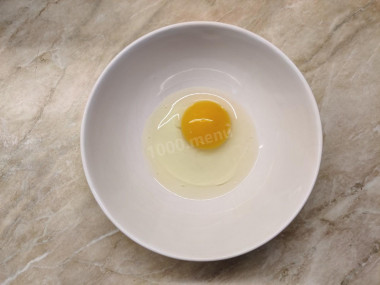
How do you make flour-and-egg dumplings for soup? Gather your ingredients. Wash the egg and crack it into a bowl.
-
Step 2:
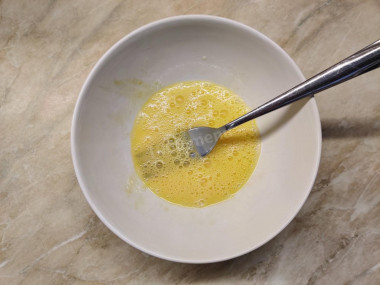
Beat the egg with a fork. A mixer or even a regular whisk would be overkill here — you just need to combine the white and the yolk.
-
Step 3:
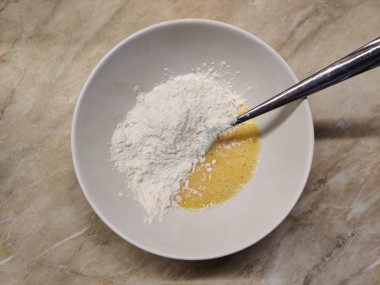
Add all-purpose flour. You can sift it first for fluffier dumplings. Add less flour than the recipe calls for to start, then adjust the amount to reach the dough consistency you want. Add salt so the dumplings aren't bland, and stir the mixture thoroughly with a fork until smooth.
-
Step 4:
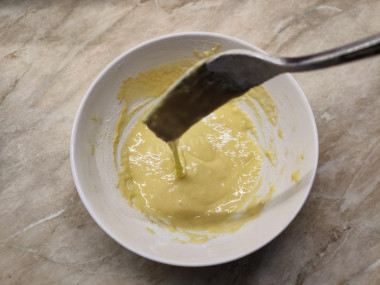
The dough seemed a bit loose to me, so I added another level tablespoon of flour and stirred it smooth again.
-
Step 5:
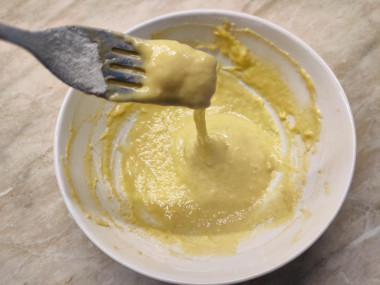
This is roughly the consistency the dumpling batter should end up at. It should be on the thick side but still flow freely off the fork and not hold the trail for long. Adjust the amount of flour to get about this consistency — it'll depend on both the gluten and the size of the egg.
-
Step 6:
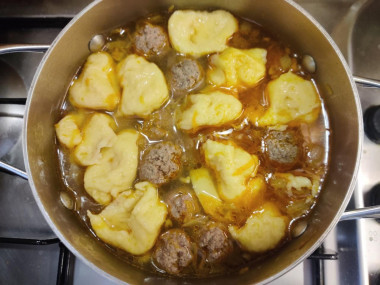
Here's how to form the dumplings. Using two teaspoons, drop about a third of a teaspoon of batter at a time into already-boiling soup or broth — one spoon helps slide the dumpling off into the soup. Don't make them too big, since they'll swell more as they cook. Once the dumplings float to the surface, cook the soup another four minutes, then serve. Enjoy!


- There are at least two versions of dumpling dough: loose, like mine, and stiff — where you roll it into a rope and slice it with a knife.
- To my taste, dumplings from the loose batter are more interesting in texture; they're not as rubbery, since they aren't overloaded with flour.
- As for flavor, neither kind brings much of its own. They're pretty neutral and serve, in my view, to make the soup more interesting and to up its calorie content.
- I added these dumplings to a soup with potatoes and meatballs, and my family happily polished off the dish.
- This amount of batter was enough for dumplings for two liters of a not-too-thick soup.
- Always wash eggs before using them, since even a shell that looks clean can carry harmful bacteria. A food-safe wash and a brush work best.
- It's important to sift the flour to aerate it. That makes the result lighter and helps it rise well.
- Be ready for the flour to come out to more or less than the recipe states. Go by the desired dough consistency rather than the exact amount of flour. To avoid mistakes, read up on flour and its properties!
Caloric content of the products possible in the composition of the dish
- Chicken egg - 157 kcal/100g
- Egg white - 45 kcal/100g
- Egg powder - 542 kcal/100g
- Egg yolk - 352 kcal/100g
- Ostrich egg - 118 kcal/100g
- Salt - 0 kcal/100g
- Wheat flour - 325 kcal/100g
Similar recipes
- Fast and tasty
- Children's recipes
- National cuisine
- Old recipes
- Soups
- Eggs
- Flour
- Spices seasonings spices
- Salt
- Russian cuisine
- Ukrainian cuisine
- Belarusian cuisine
- Cooking
- Soups fast and delicious
- Dishes in 10 minutes
- Dishes in 30 minutes
- Egg soup
- Gnocchi soup
- Meat-free soup
- Soup without potatoes
- Soups for children
- Soups for children baby
- Wheat flour
- Balanced nutrition
- Vegetarianism
- Recipes for lean dishes without butter