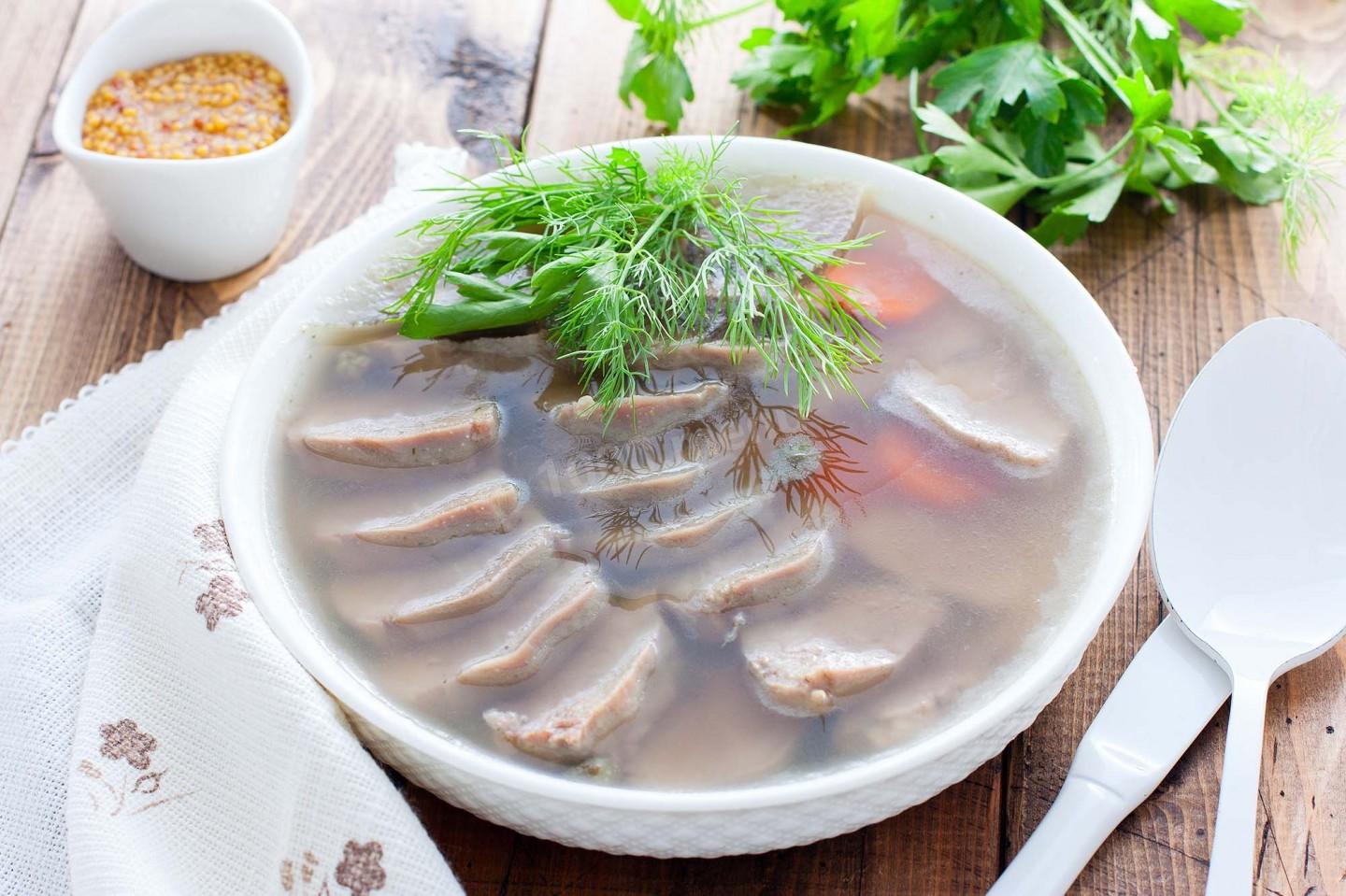
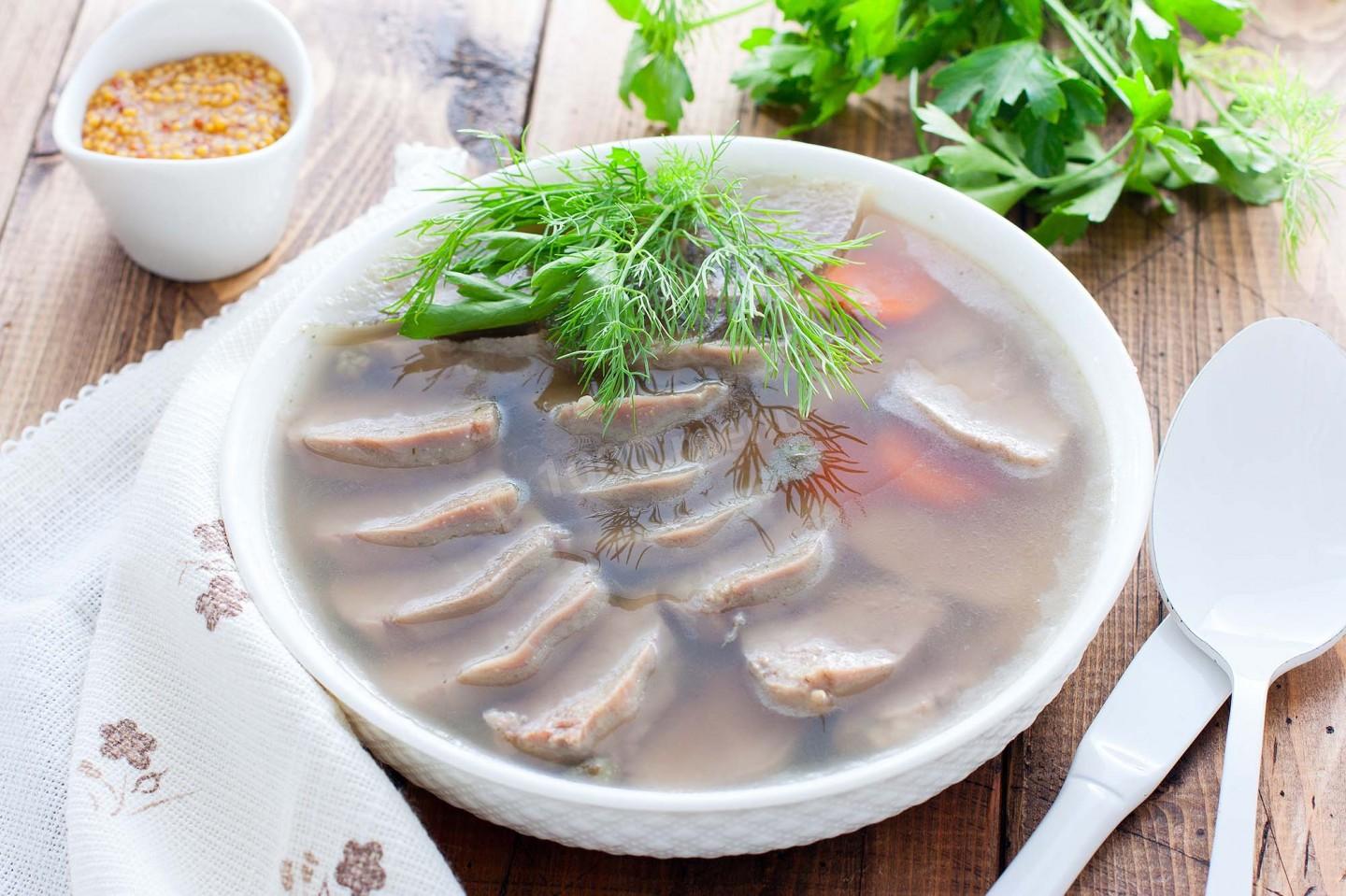
Pork tongue aspic
A delicious cold appetizer of jellied pork tongue. Aspic dishes have been a familiar part of the holiday table for generations, and the name tells you exactly what you're getting: a savory broth set with gelatin that suspends whatever you fold into it — fish, meat, chicken, or vegetables. This version uses pork tongue, which is a far more budget-friendly choice than beef tongue while staying just as tender and satisfying. Aspic is usually reserved for holidays, but there's no reason you can't make it for an ordinary weeknight dinner.

Cooking method
-
Step 1:
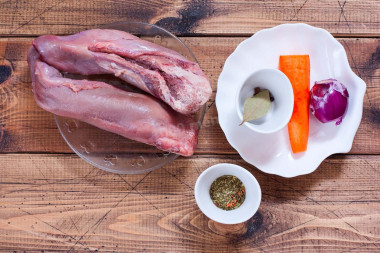
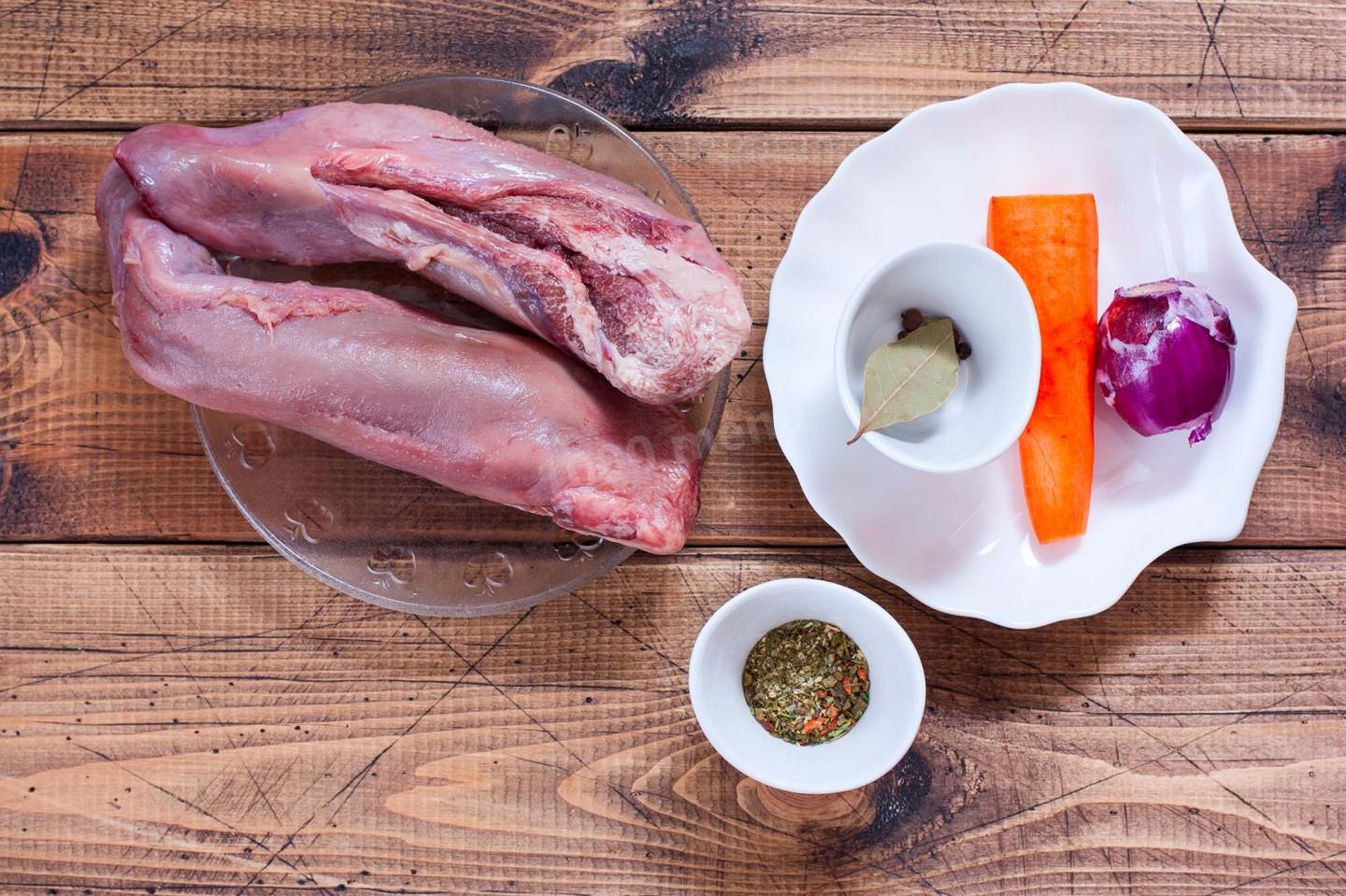
Gather everything you'll need to make the pork tongue aspic. Fresh, never-frozen tongue is best. If you can only find frozen, thaw it slowly overnight in the refrigerator first. For the broth you'll want carrots, onion, bay leaf, salt, and both black and allspice peppercorns. I like to use a seasoned salt blended with dried herbs. The gelatin should be the powdered kind — or you can use a ready-made aspic mix.
-
Step 2:
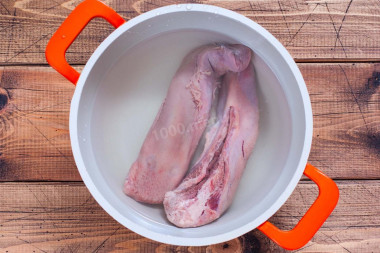
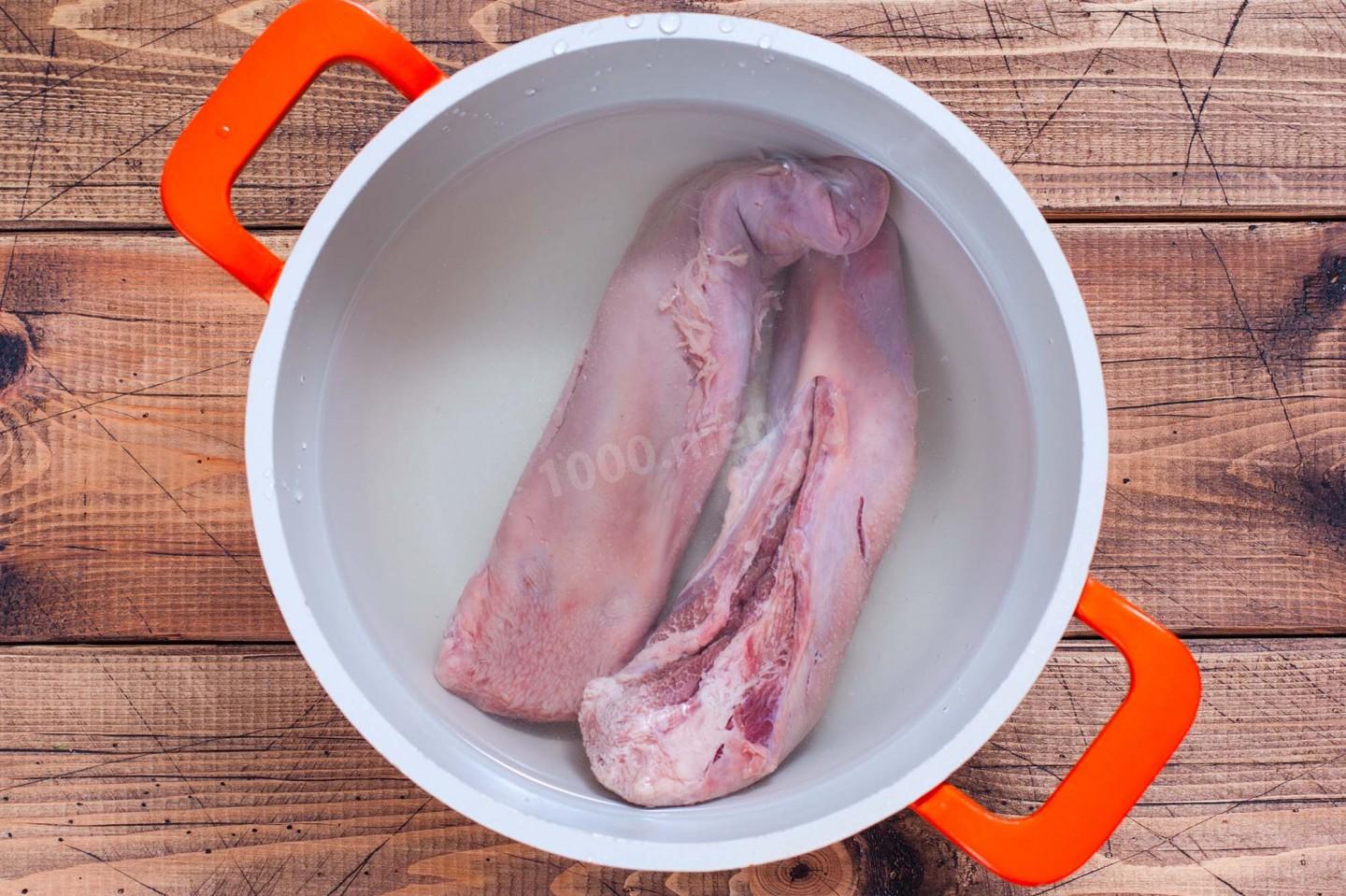
Rinse the pork tongue well under running water. Put it in a pot, cover with cold water, and bring to a boil over high heat. Drain, rinse the tongue again under running water, then return it to the pot with fresh clean water. Bring back to a boil, skimming off any foam that rises. Add the peeled carrot and onion, the bay leaf, peppercorns, and salt. Simmer over medium heat until the tongue is fully tender, about two hours. The broth should taste well-salted and flavorful.
-
Step 3:

The cooked tongue should be soft. Lift it out of the broth and plunge it into cold water, then carefully peel off the outer skin. Slice the peeled tongue into serving pieces, or cut it however you like — it's a matter of taste, but tongue aspic is most often made with larger, not finely chopped, pieces.
-
Step 4:

Dissolve the gelatin in 0.5 liters (about 2 cups) of hot broth, stirring constantly so no undissolved bits remain. Gelatin varies from brand to brand, so read the instructions on the package first. A broth set with gelatin doesn't always turn out crystal clear, so if you want a transparent aspic you can use a ready-made dry mix instead — in that case the gelling liquid is made with water and will set up clear.
-
Step 5:

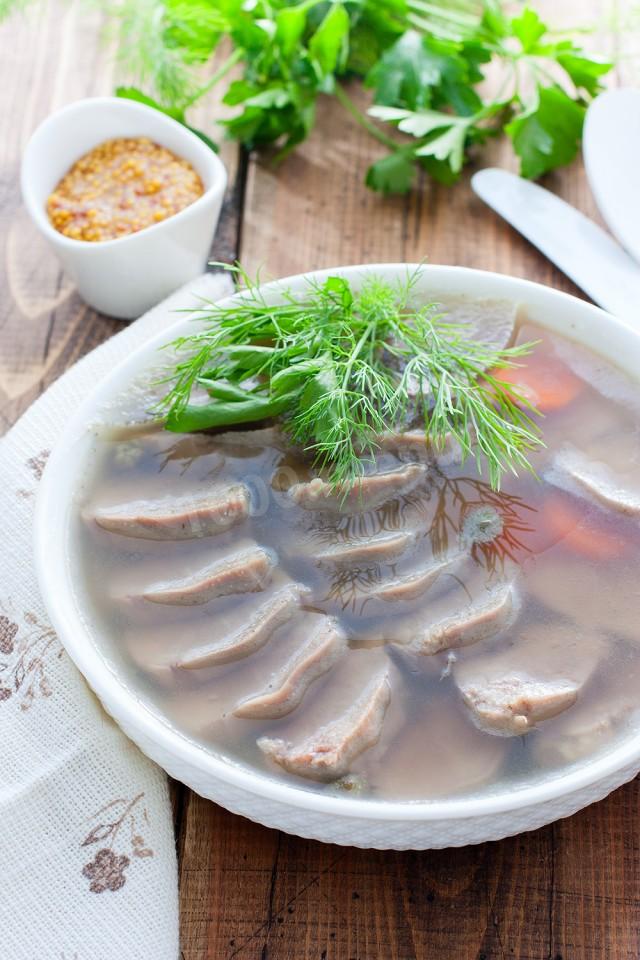
Arrange the tongue pieces in a deep dish or mold of your choice. If you like, add boiled carrot, peas, or olives. Pour the prepared liquid over the tongue. To decorate with fresh parsley, pour the liquid in stages: first cover the tongue halfway and chill until set, then lay the parsley leaves on the firmed-up surface, pour in the rest of the liquid, and return it to the fridge to set completely.
-
Step 6:
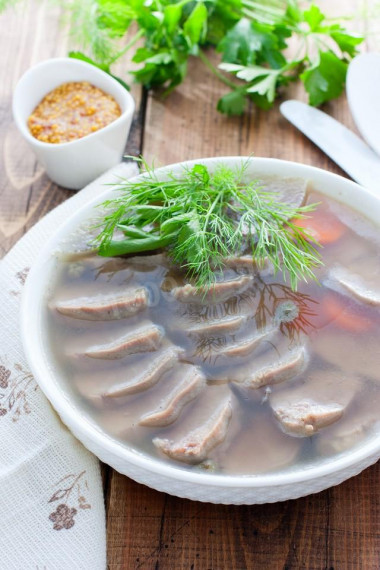
Once the gelatin broth has set firm, the aspic is ready to serve. Tongue aspic is usually a festive dish, but keep in mind that while it sits out on the table it can quietly lose its set — at room temperature it will begin to melt.



Caloric content of the products possible in the composition of the dish
- Onion - 41 kcal/100g
- Carrots - 33 kcal/100g
- Dried carrots - 275 kcal/100g
- Boiled carrots - 25 kcal/100g
- Bay leaf - 313 kcal/100g
- Gelatin - 355 kcal/100g
- Salt - 0 kcal/100g
- Pepper - 26 kcal/100g
- Broth - 15 kcal/100g
- Pork tongue - 165 kcal/100g