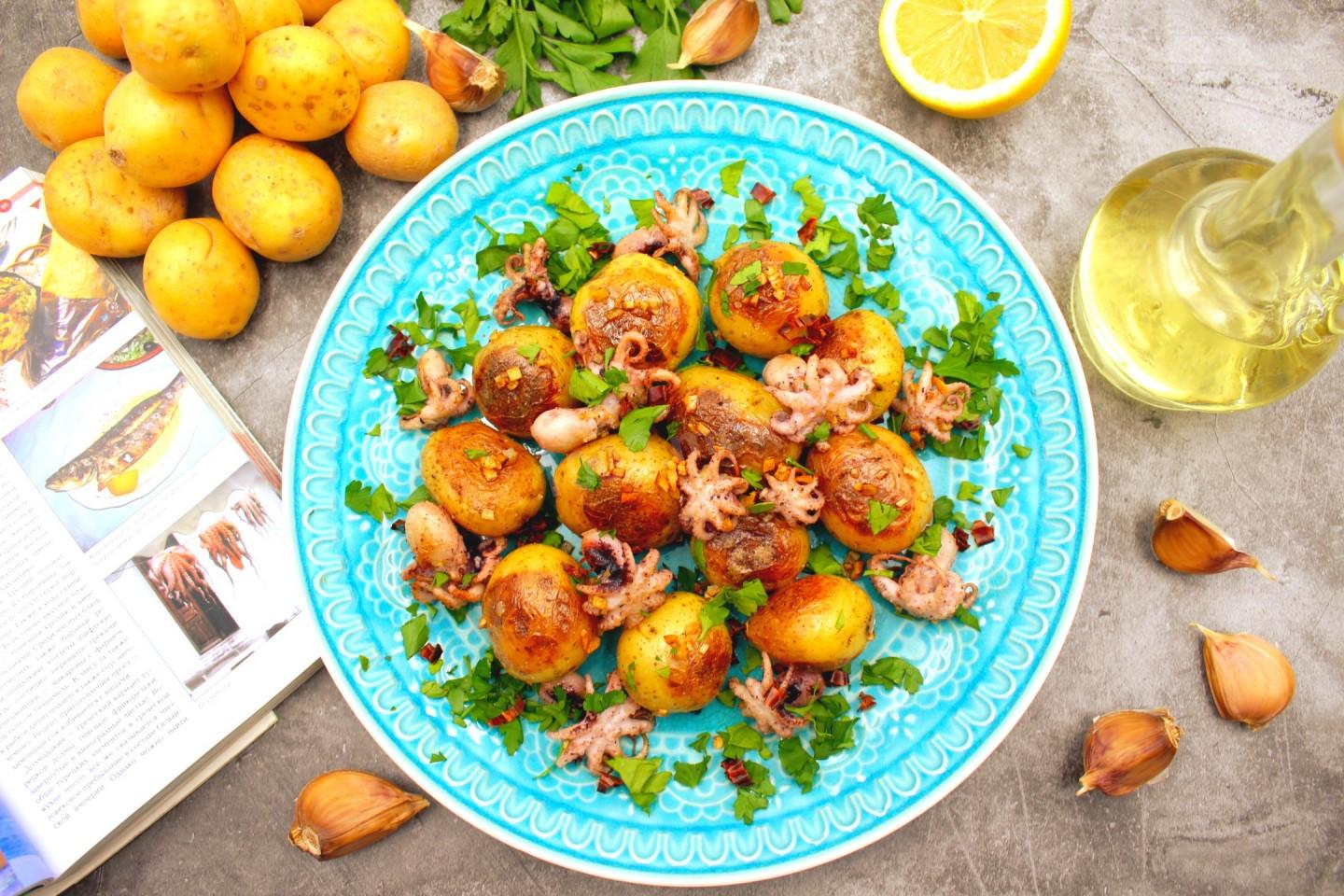
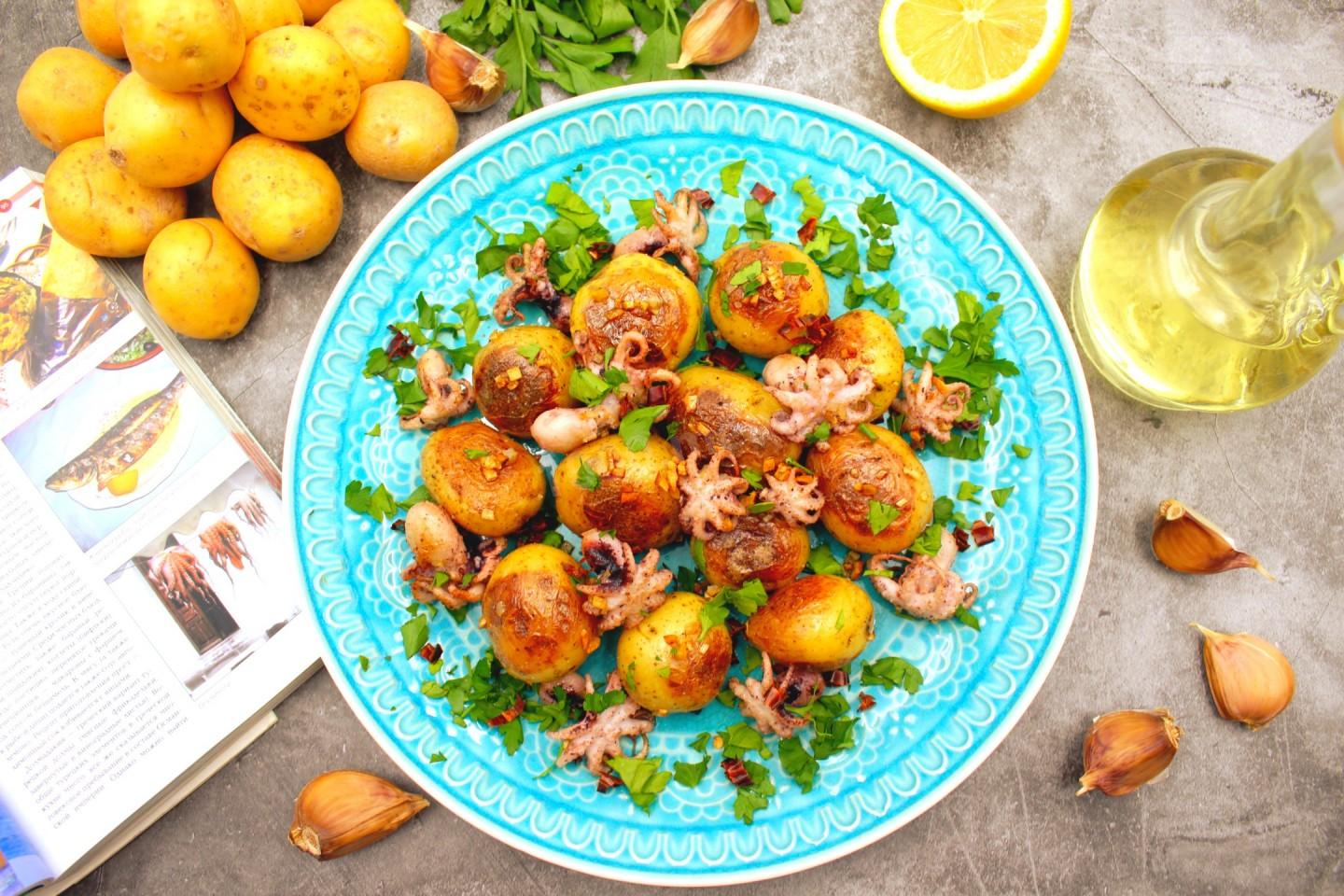
Pan-fried baby octopus with potatoes
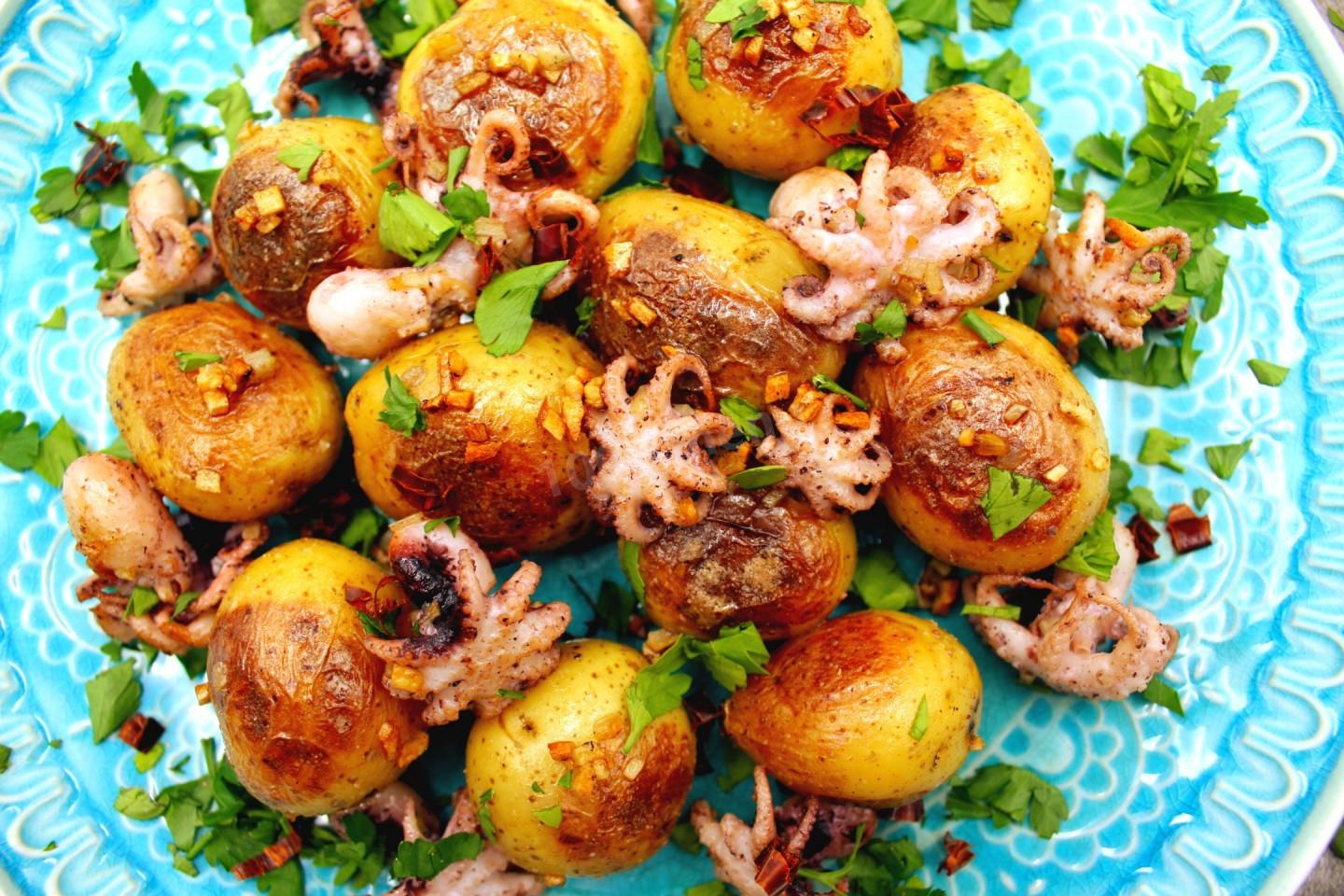
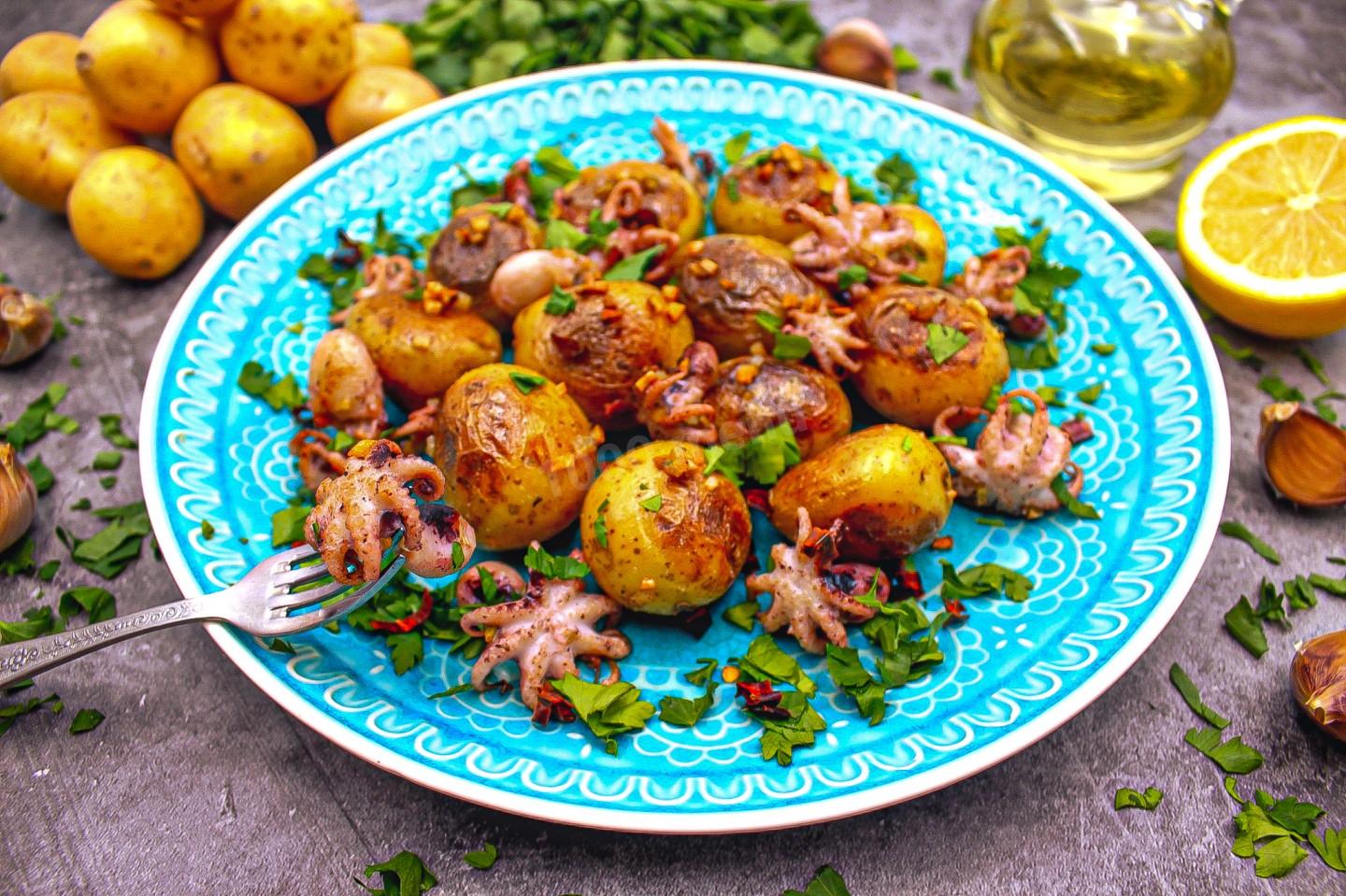
A delicious, simple main course for the whole family! Whole little frozen octopuses cooked in a skillet will please not just seafood lovers but anyone with an eye for presentation. Tiny whole-roasted (or new) potatoes and mini octopuses make for a bright, striking plate — and there's nothing tricky about making them.

Cooking method
-
Step 1:
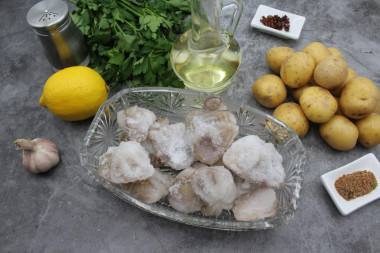
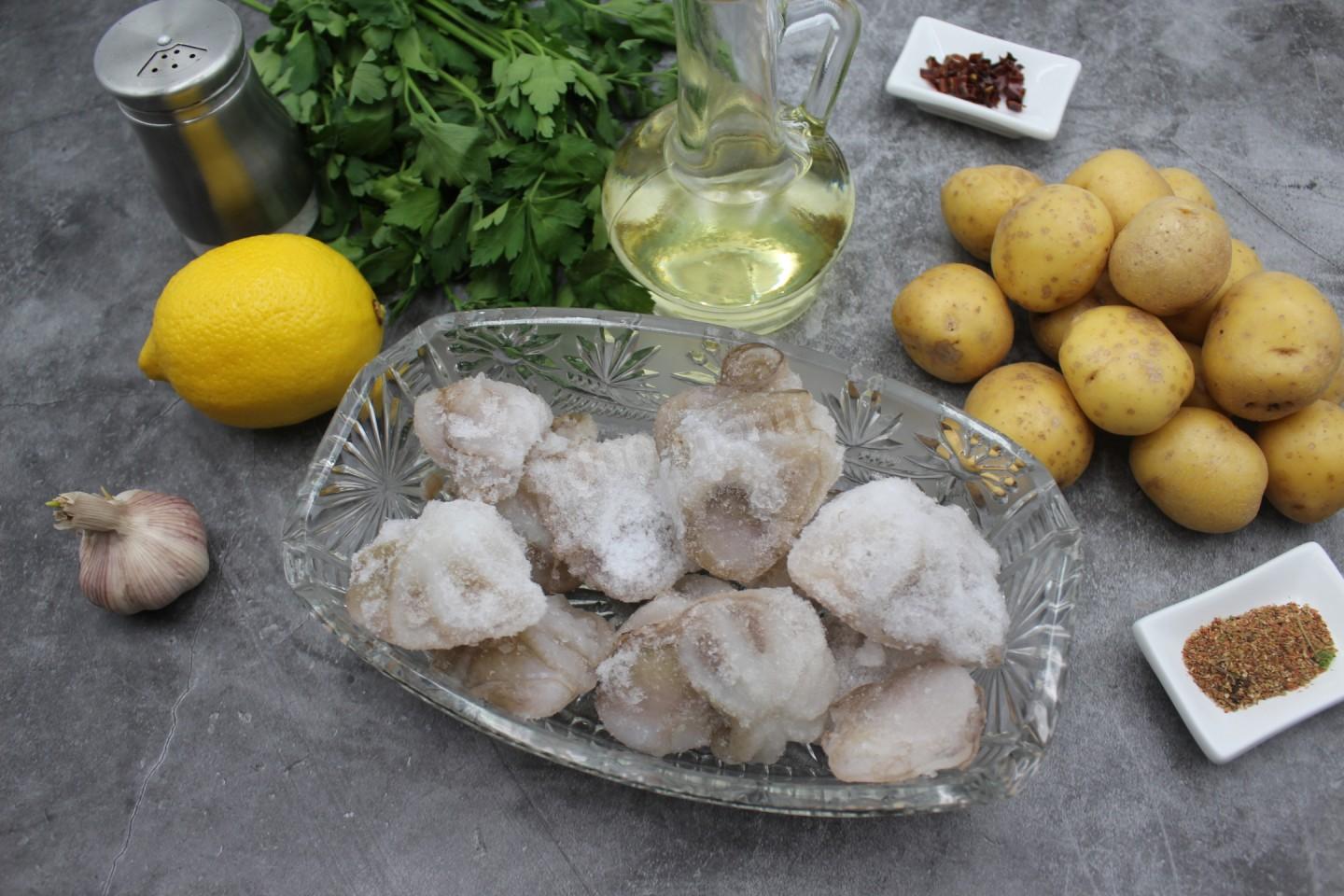
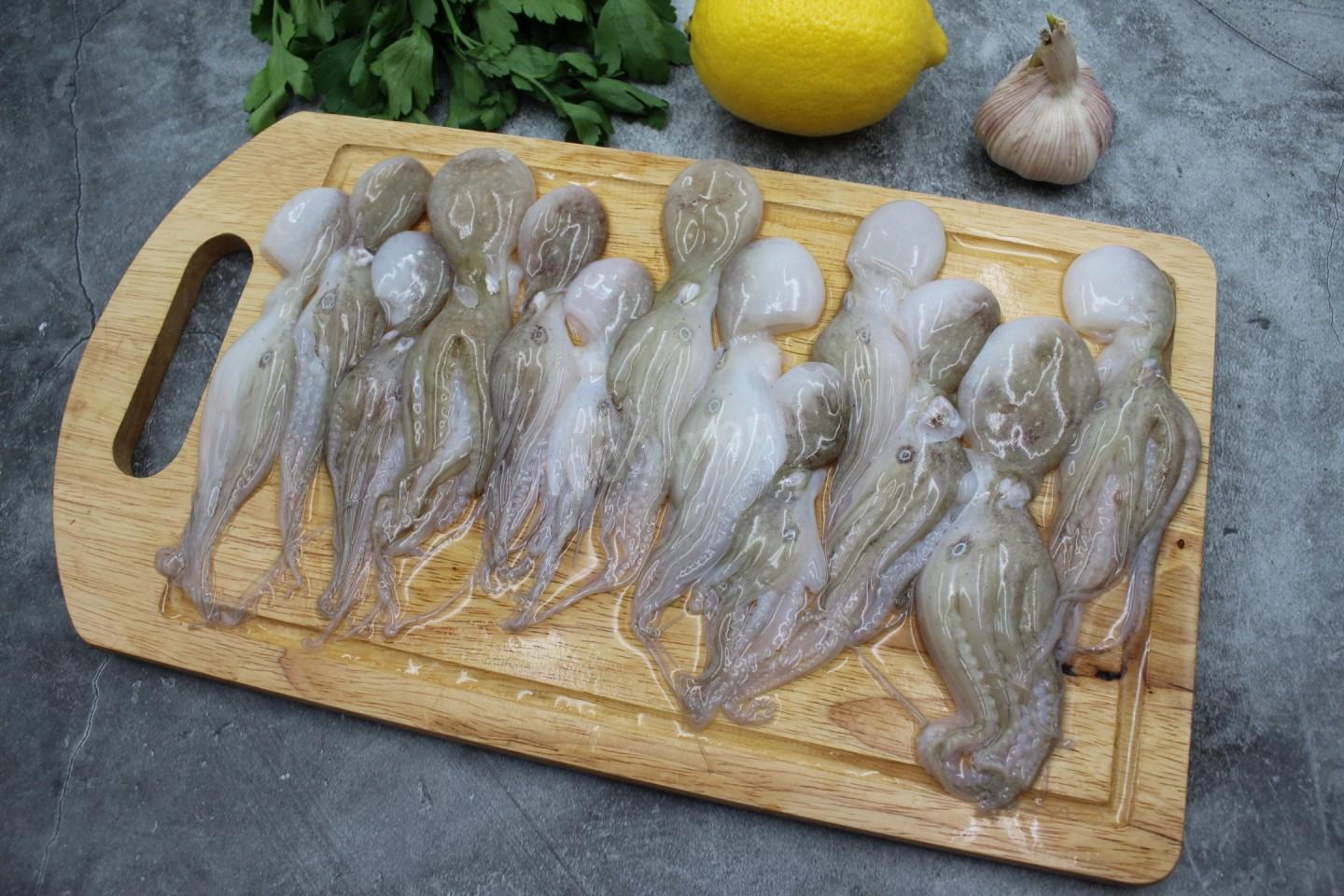
How do you cook baby octopus? Gather your ingredients. Take the octopus out of the freezer ahead of time, put it in a container, and let it thaw gently in the refrigerator. Don't thaw seafood at room temperature or in cold or warm water. Proper thawing preserves its nutrients, flavor, color, and texture. Get the rest of the ingredients ready too.
-
Step 2:
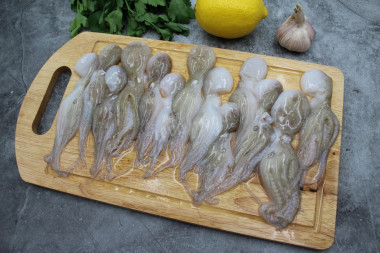
Rinse the thawed baby octopus thoroughly under running water, and be sure to rinse inside the heads, where bits of ice and grit can linger. Don't peel the skin off baby octopus — they're young and their skin hasn't toughened, and leaving it on adds the aroma and taste of the sea.
-
Step 3:
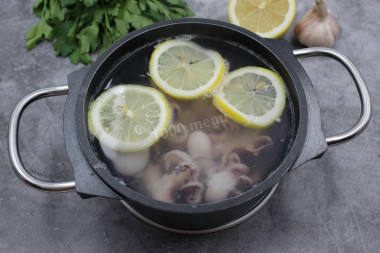
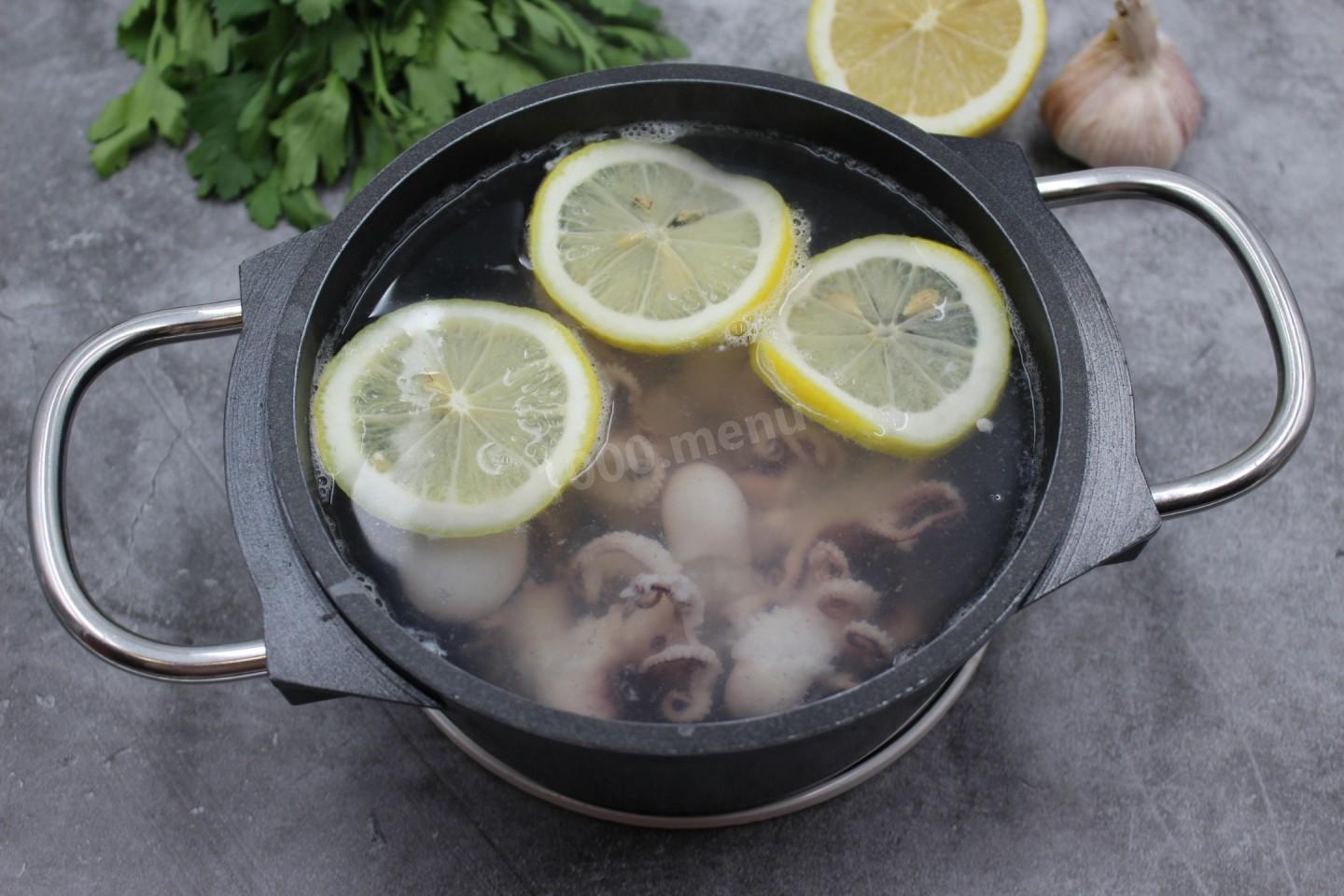
Pour water into a pot, add 2-3 lemon slices, and set it over heat. When the water boils, gently lower in the cleaned octopus. The boiling water makes the tentacles curl up right away. Skim off any foam with a slotted spoon. Cook the octopus over medium heat for about 10 minutes. Note: don't salt the water, as salt keeps the octopus from cooking evenly.
-
Step 4:
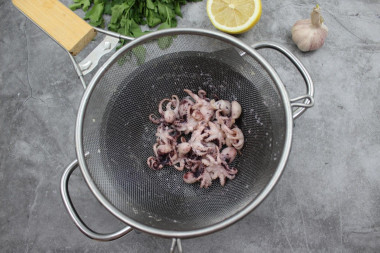
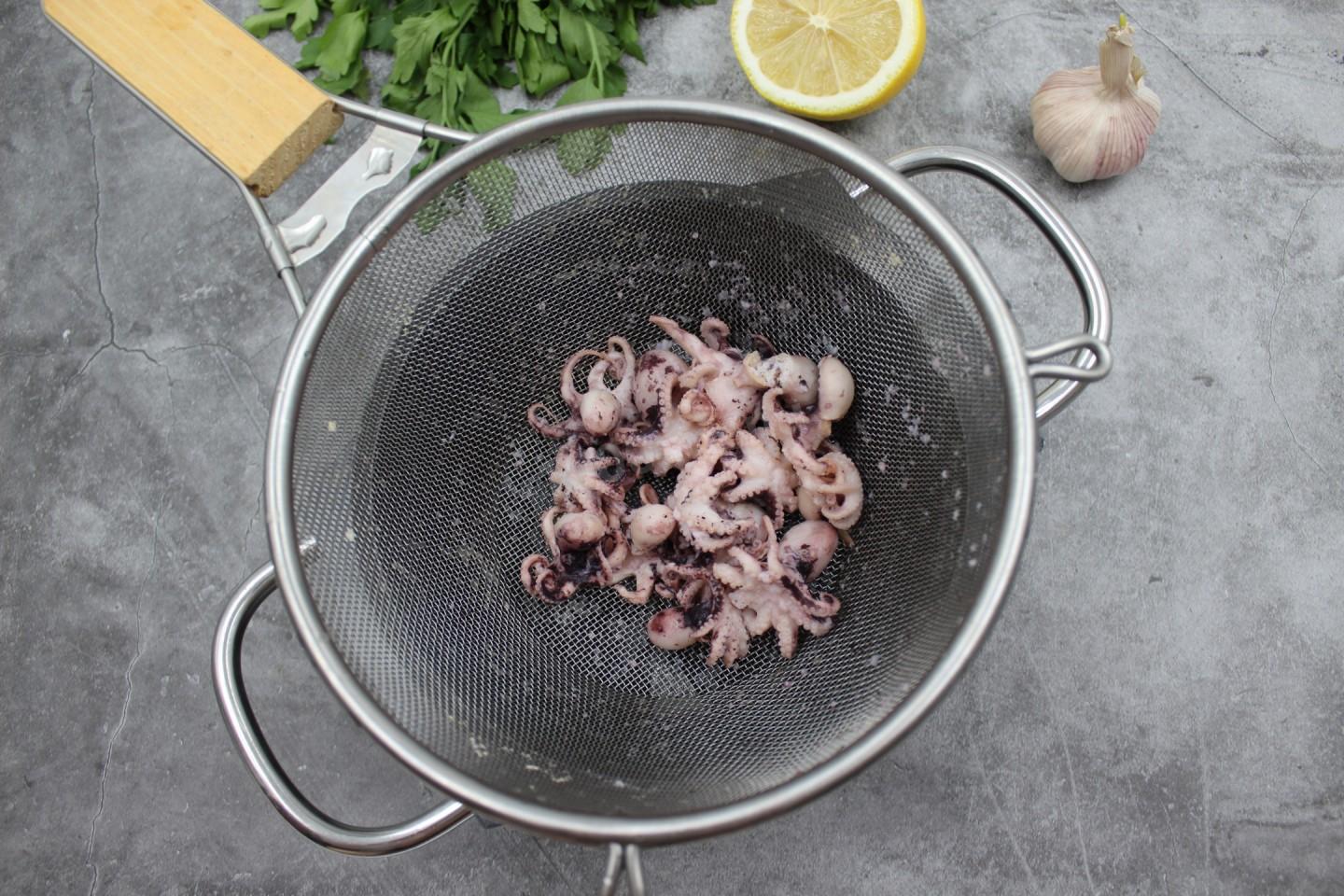
Take the pot off the heat and let the octopus cool right in the cooking liquid — the temperature drops slowly, so they cook evenly and the skin stays intact. Once the water and the octopus have cooled, remove the lemon slices, tip the octopus into a colander, and let all the liquid drain off.
-
Step 5:
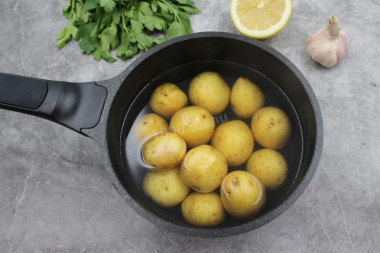
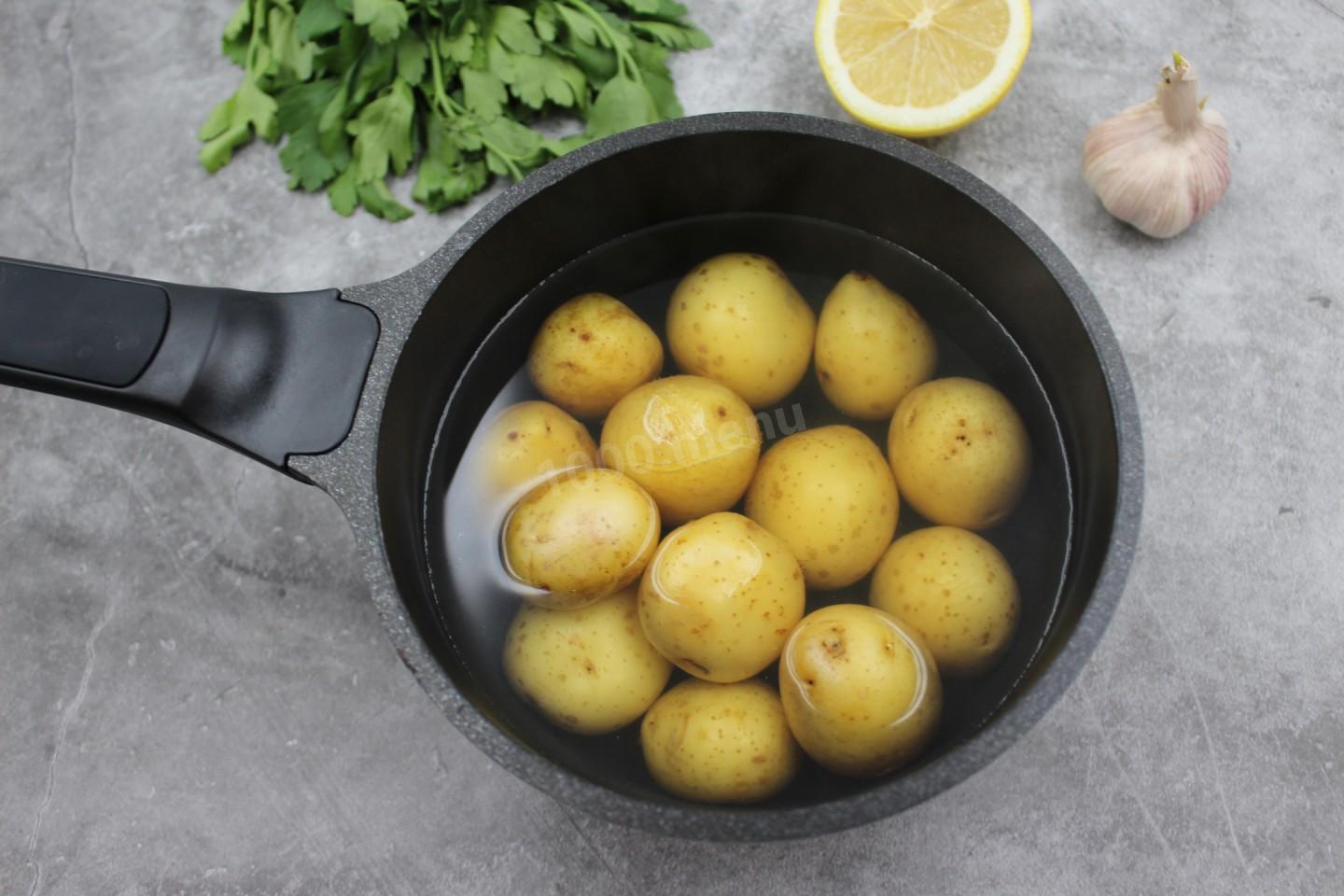
Wash the potatoes well and boil them for 15 minutes after the water boils. Drain and let them cool a little. If you couldn't find baby potatoes, use regular ones — just peel them, cut them into smaller pieces, and boil them the same way.
-
Step 6:
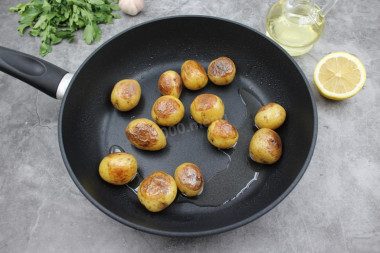
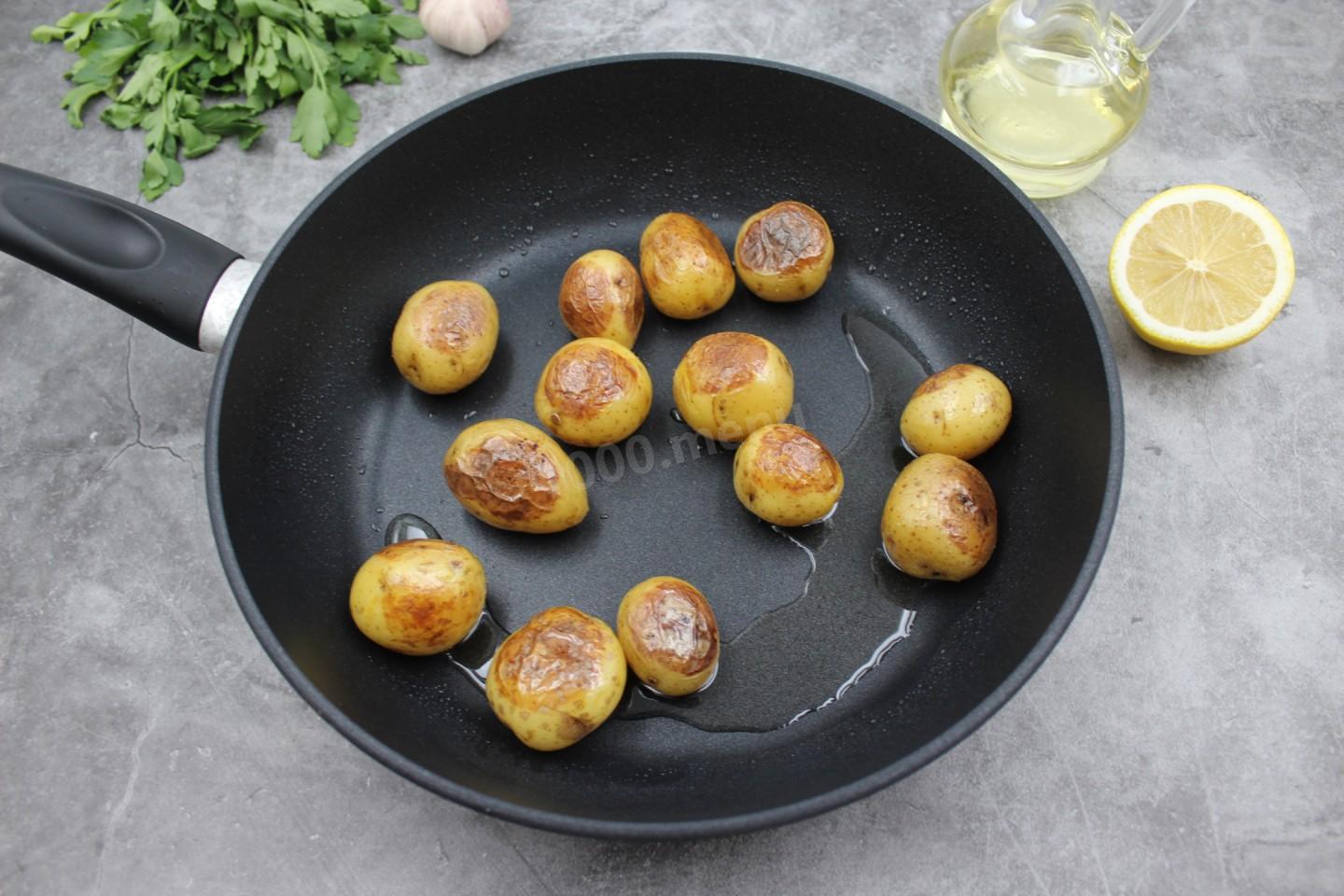
Pour vegetable oil into a skillet and let it heat up. Over medium heat, fry the baby potatoes until they form a nice golden crust. Transfer the fried potatoes to a bowl.
-
Step 7:
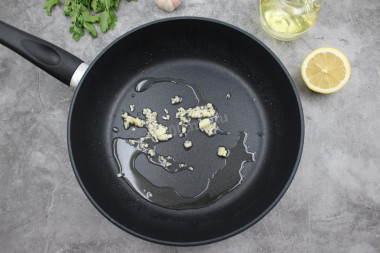
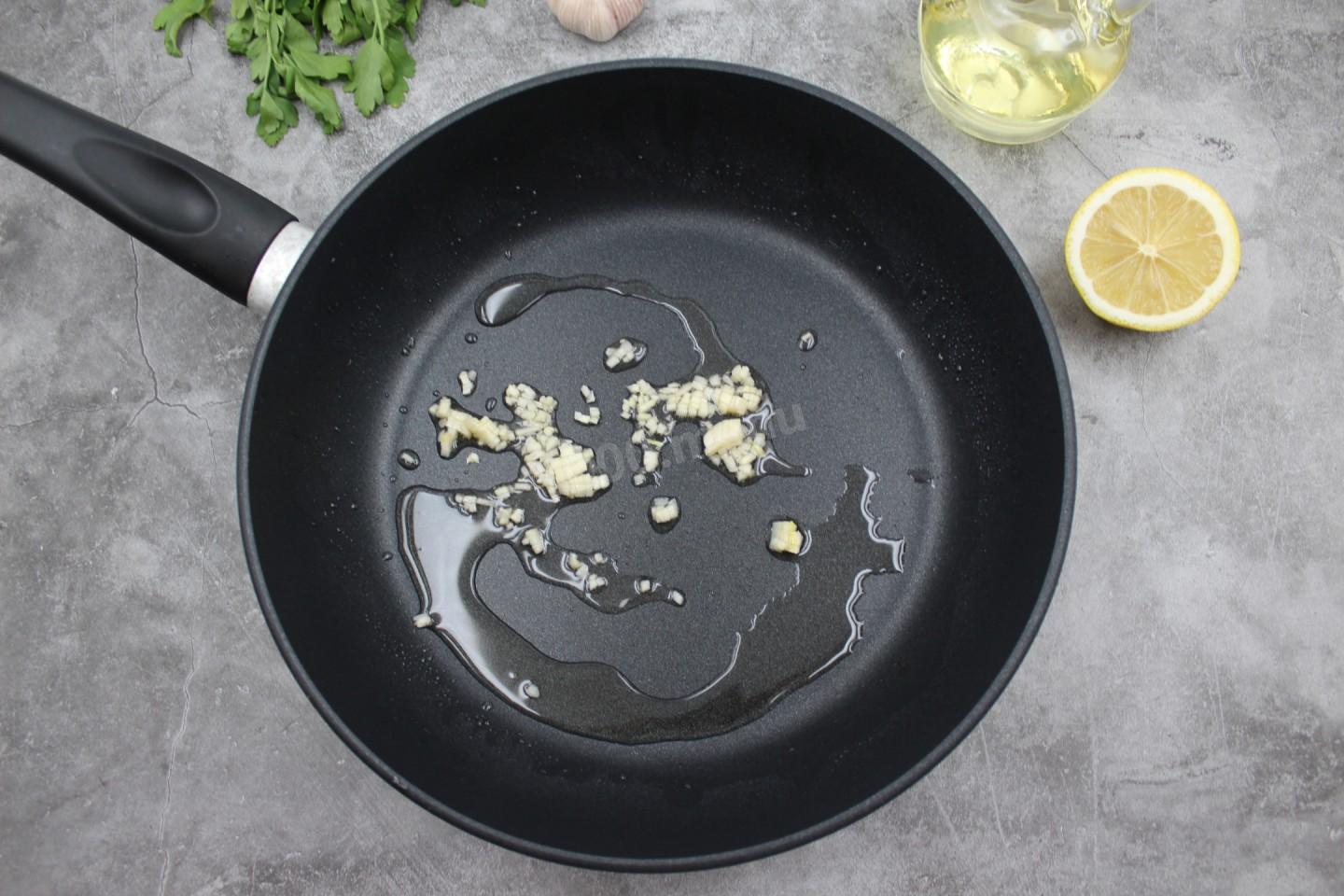
In the same skillet the potatoes were fried in, fry the finely chopped garlic.
-
Step 8:
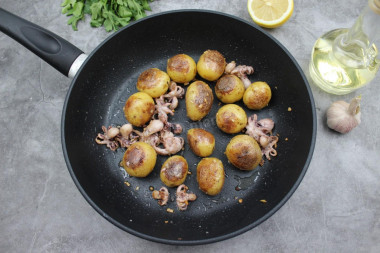
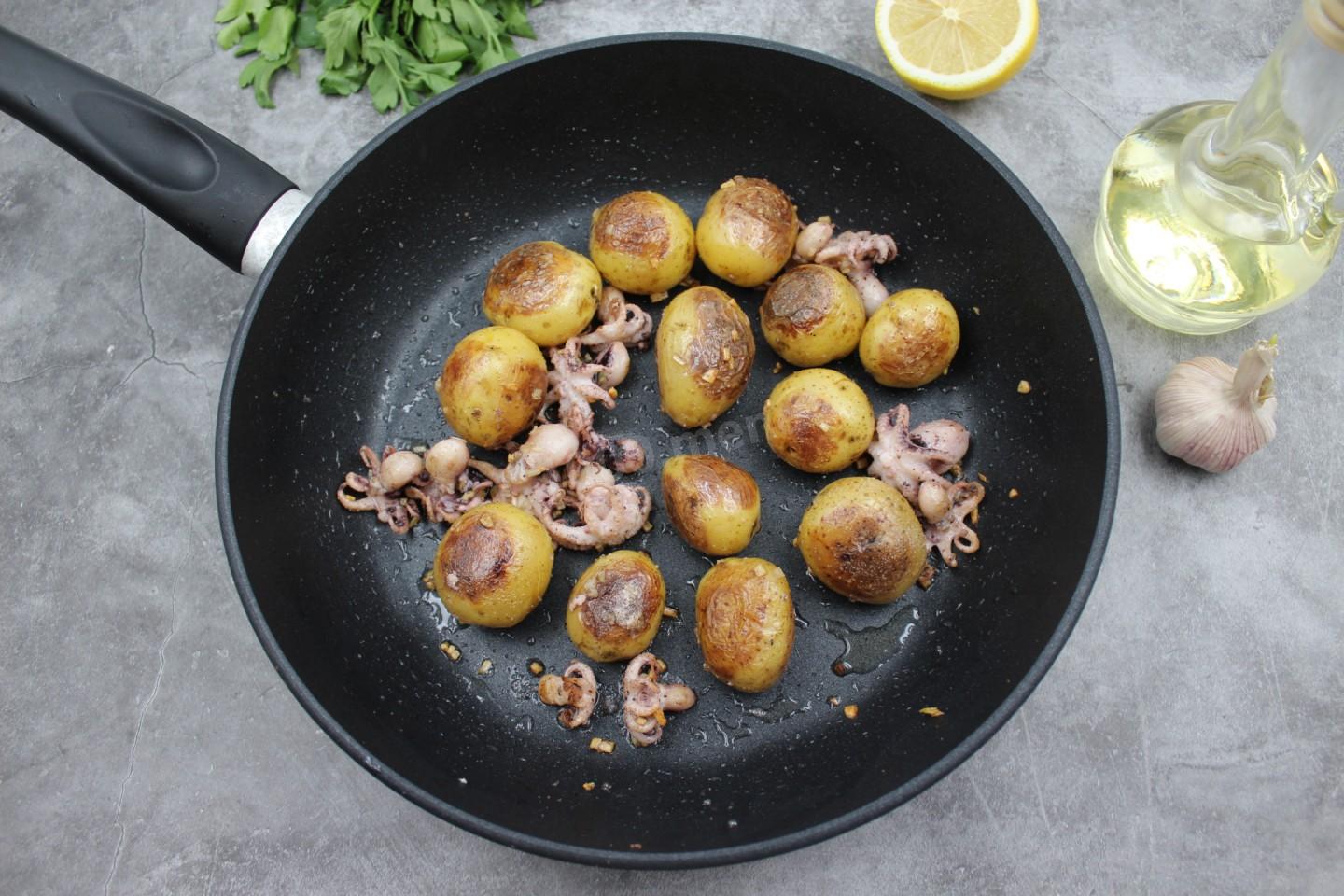
As soon as the garlic smells fragrant, add the boiled octopus, fried potatoes, your favorite spices, and salt to the garlicky oil. Stir and fry briefly over low heat so everything soaks up the garlic flavor and spices.
-
Step 9:
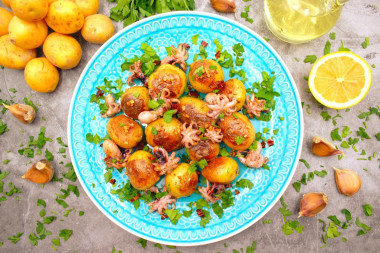
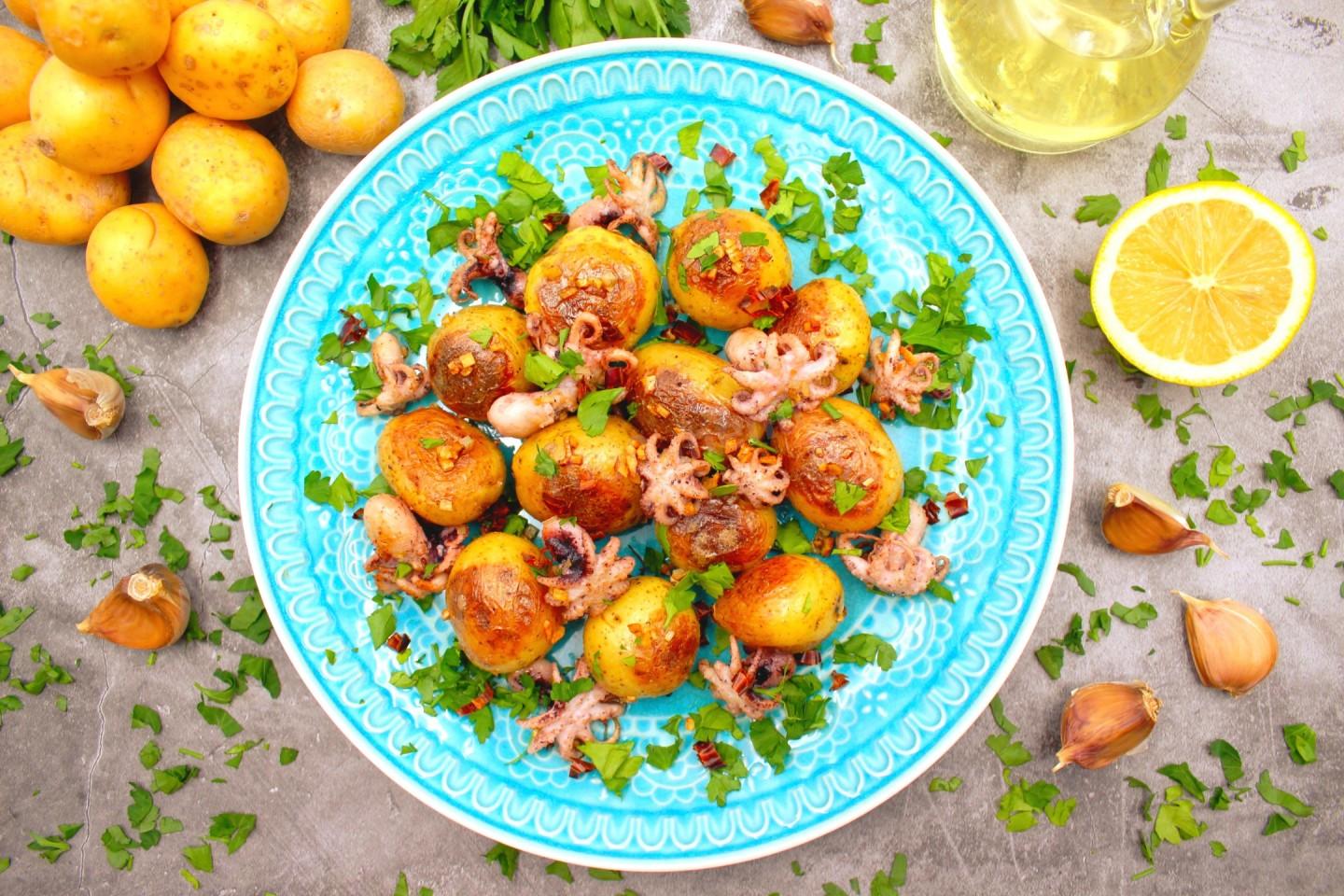
Transfer the finished dish to a plate and sprinkle with chopped herbs and hot pepper.
- Fry with an oil that has a high smoke point. Every oil is good only up to a certain temperature — its smoke point — beyond which it starts to burn and forms toxic compounds, including carcinogens. Unrefined oils, with rare exceptions, have a low smoke point: they're full of unfiltered organic particles that scorch quickly. Refined oils stand up to heat better and have a higher smoke point. If you're cooking in the oven, in a skillet, or on the grill, make sure you're using a high-smoke-point oil. The most common ones are refined sunflower, olive, and grapeseed oil.
- There's a simple way to check whether the oil is hot enough in the skillet: dip a wooden spatula into it. If bubbles gather around it, you can start frying.
- If you use ready-made spice blends, always check the label. They often already contain salt, so take that into account or you risk over-salting the dish.
Caloric content of the products possible in the composition of the dish
- Lemon - 16 kcal/100g
- Lemon zest - 47 kcal/100g
- Garlic - 143 kcal/100g
- Parsley greens - 45 kcal/100g
- Vegetable oil - 873 kcal/100g
- Hot chili pepper - 40 kcal/100g
- Salt - 0 kcal/100g
- Dry spices - 240 kcal/100g
- Octopus - 164 kcal/100g
- New potatoes - 61 kcal/100g