Custard cream for waffle cones
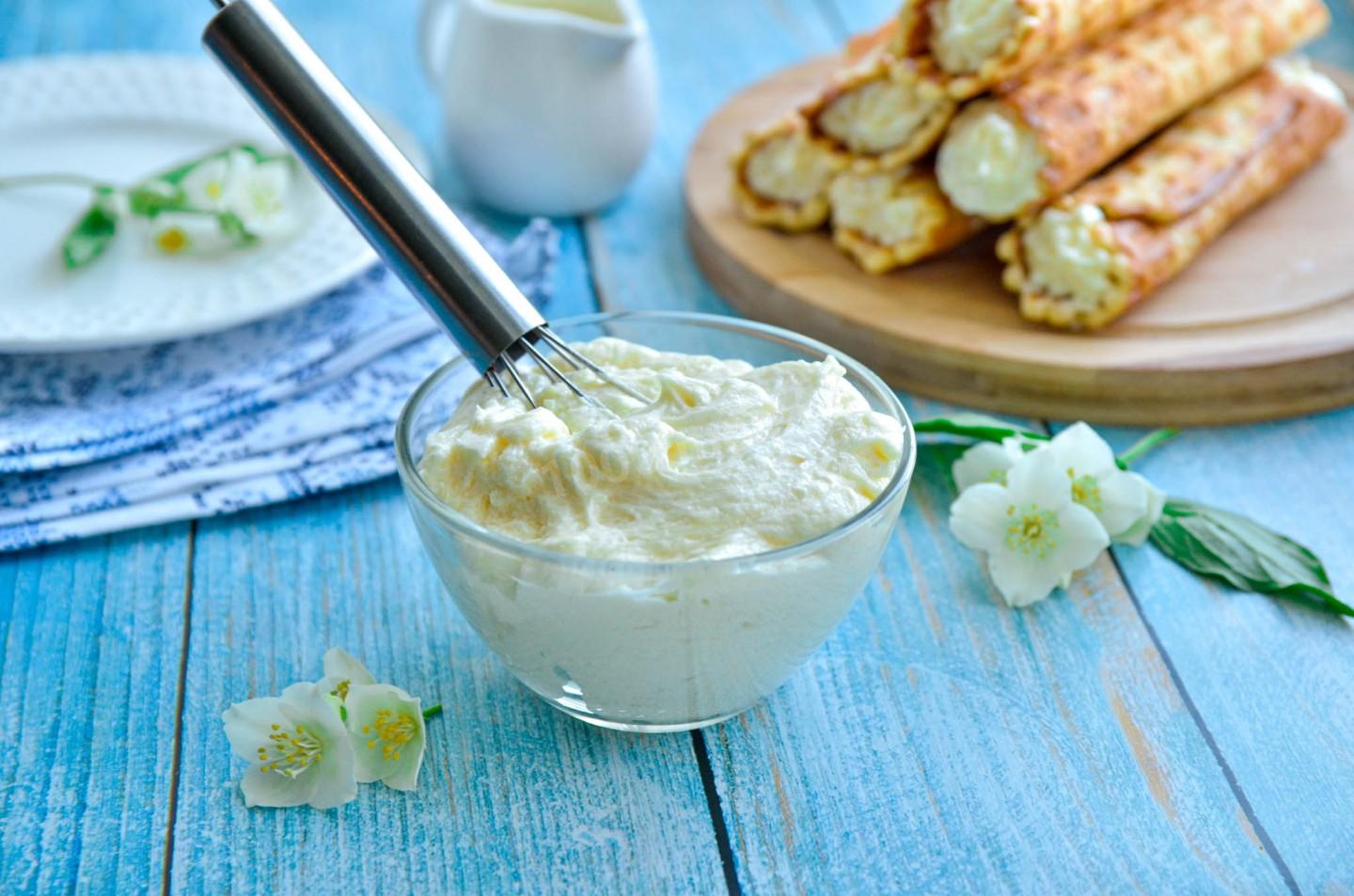
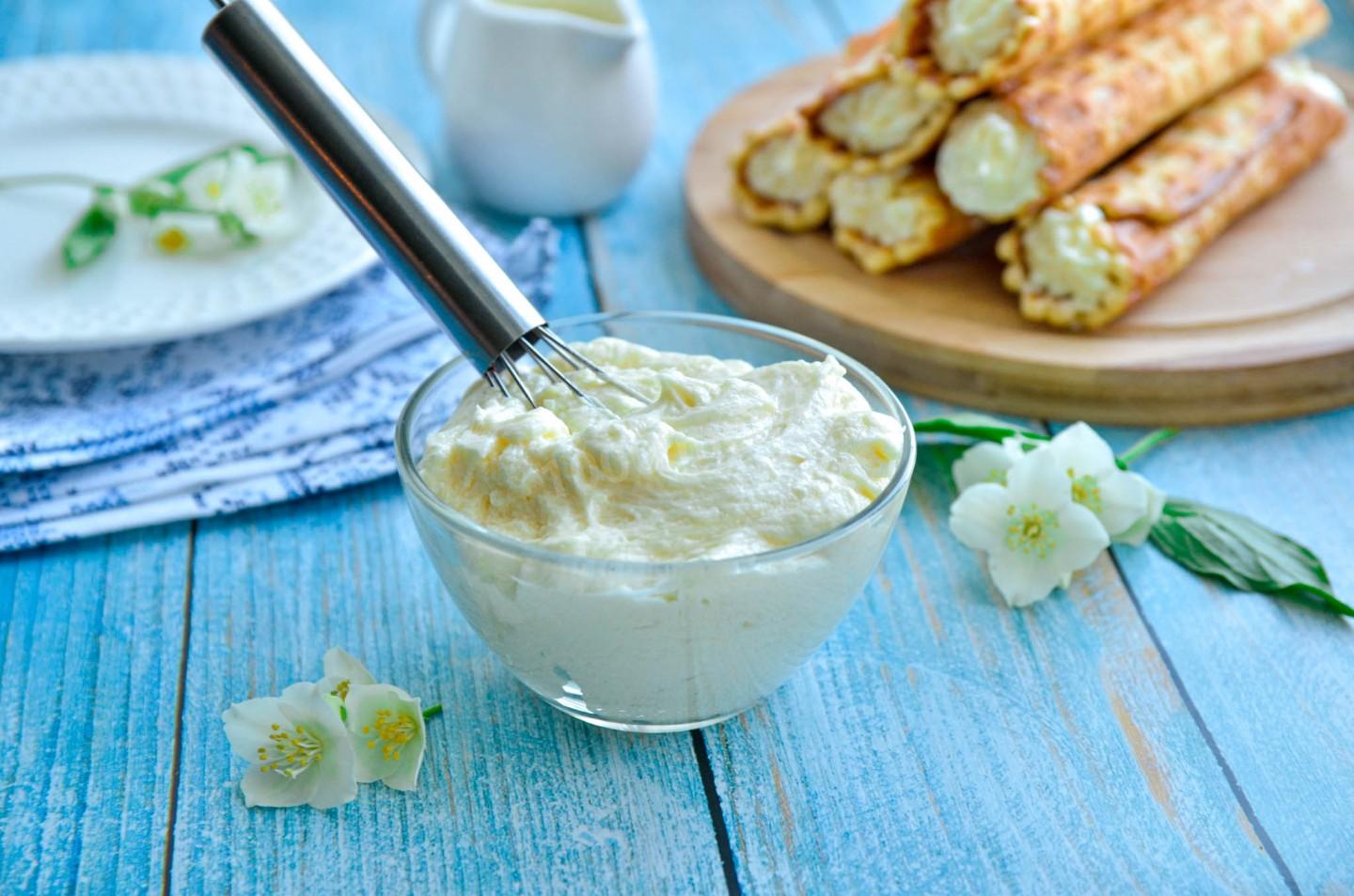
Incredibly tasty, melts in your mouth, and made from everyday ingredients! The custard cream for waffle cones made by this recipe holds its shape beautifully and won't run. You can use it to fill not just cones, but also eclairs, pastries, and all kinds of cakes. It's especially good for a homemade "Napoleon."

Cooking method
-
Step 1:
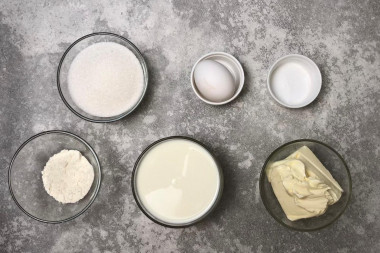
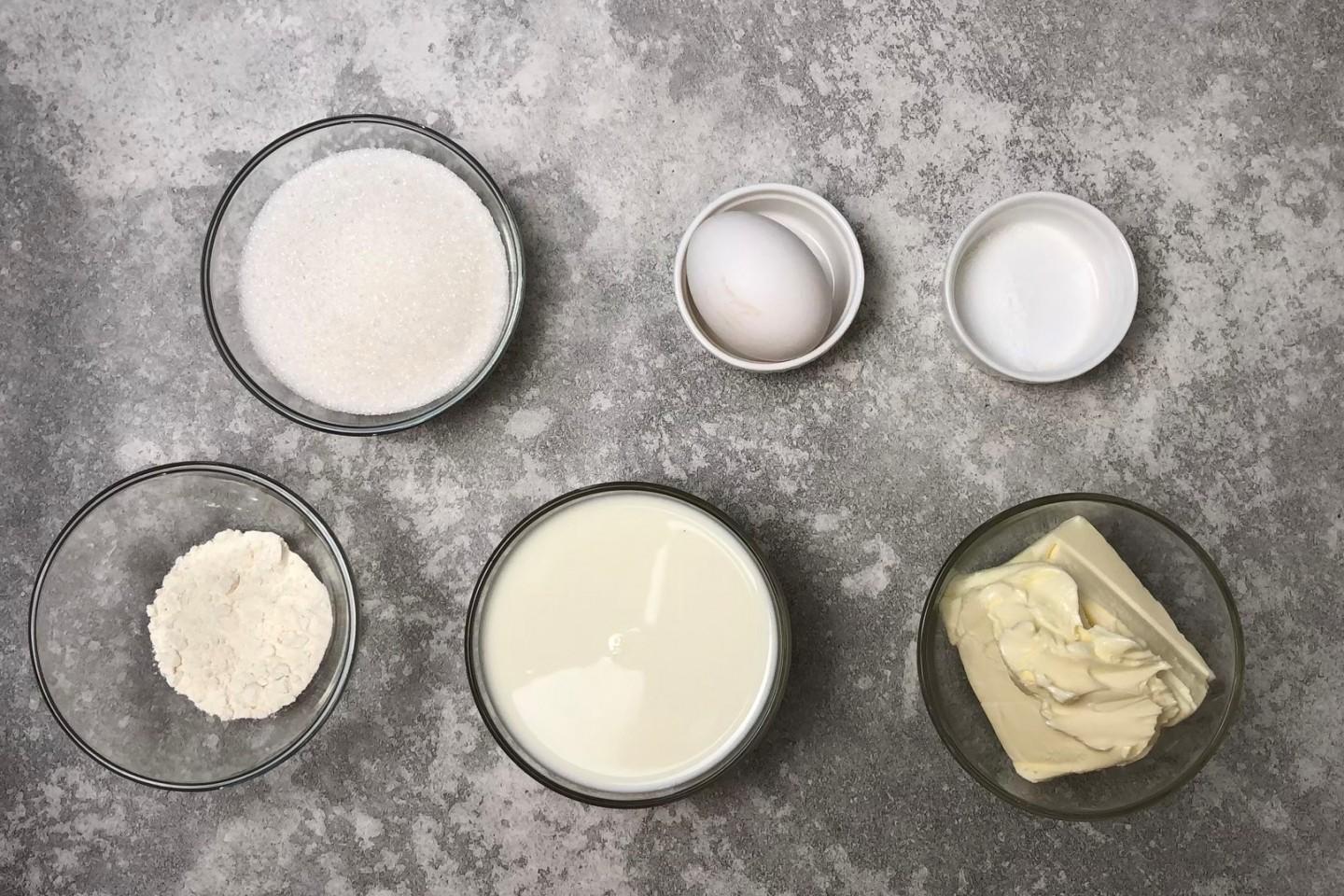
How do you make custard cream for waffle cones? Gather your ingredients. If you don't have a sweet tooth, I'd suggest using less sugar — 150 grams will do. The butter should be good quality. Take it out of the fridge ahead of time so it softens.
-
Step 2:
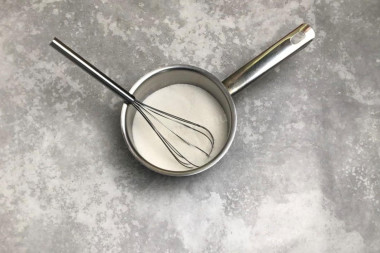
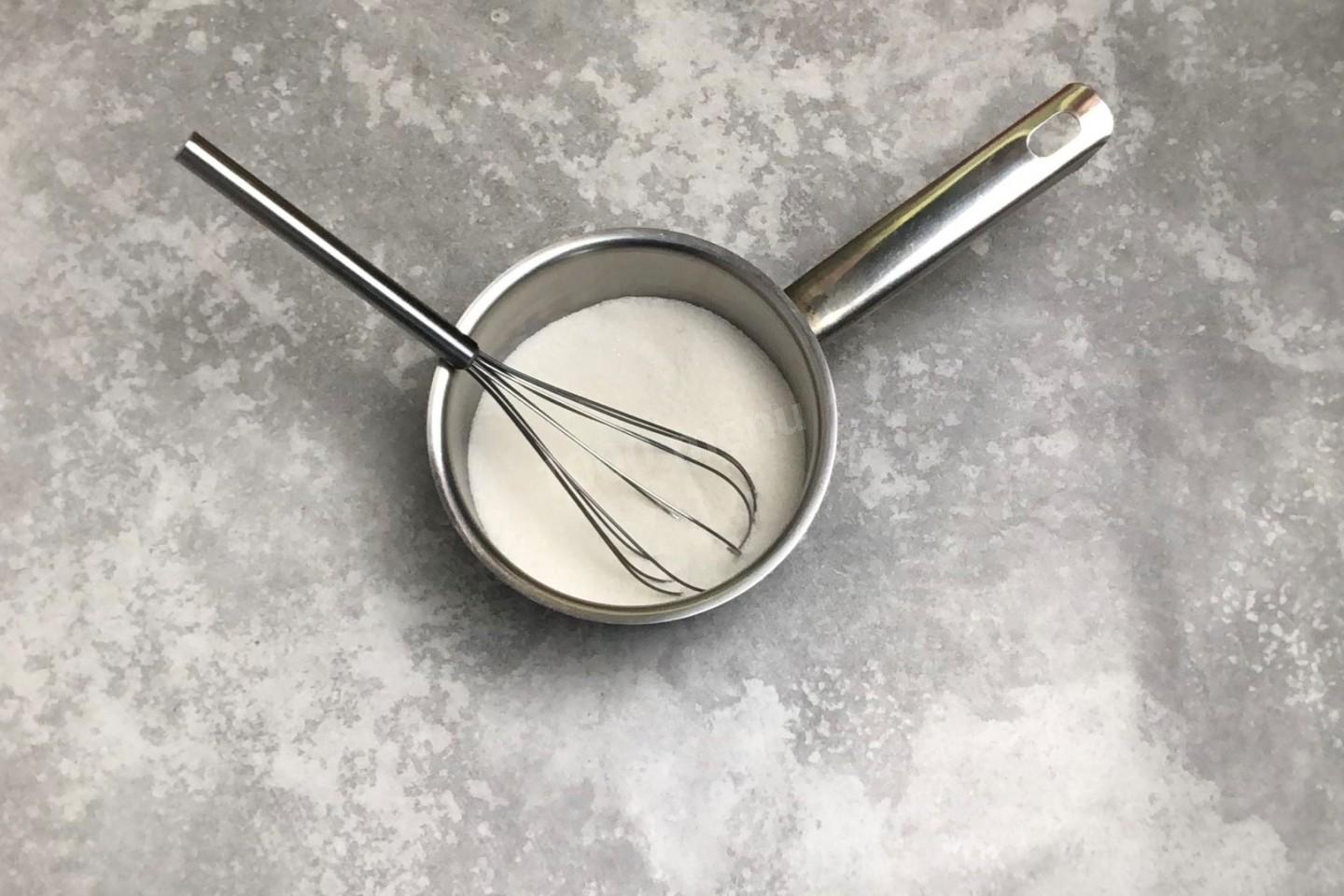
Take a heavy-bottomed saucepan and put the dry ingredients in it — the sugar, flour, and vanillin. Stir them together with a whisk.
-
Step 3:
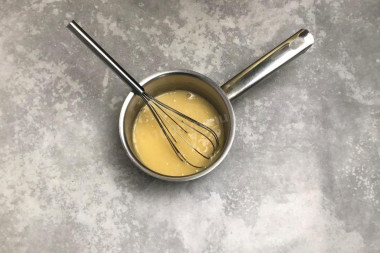
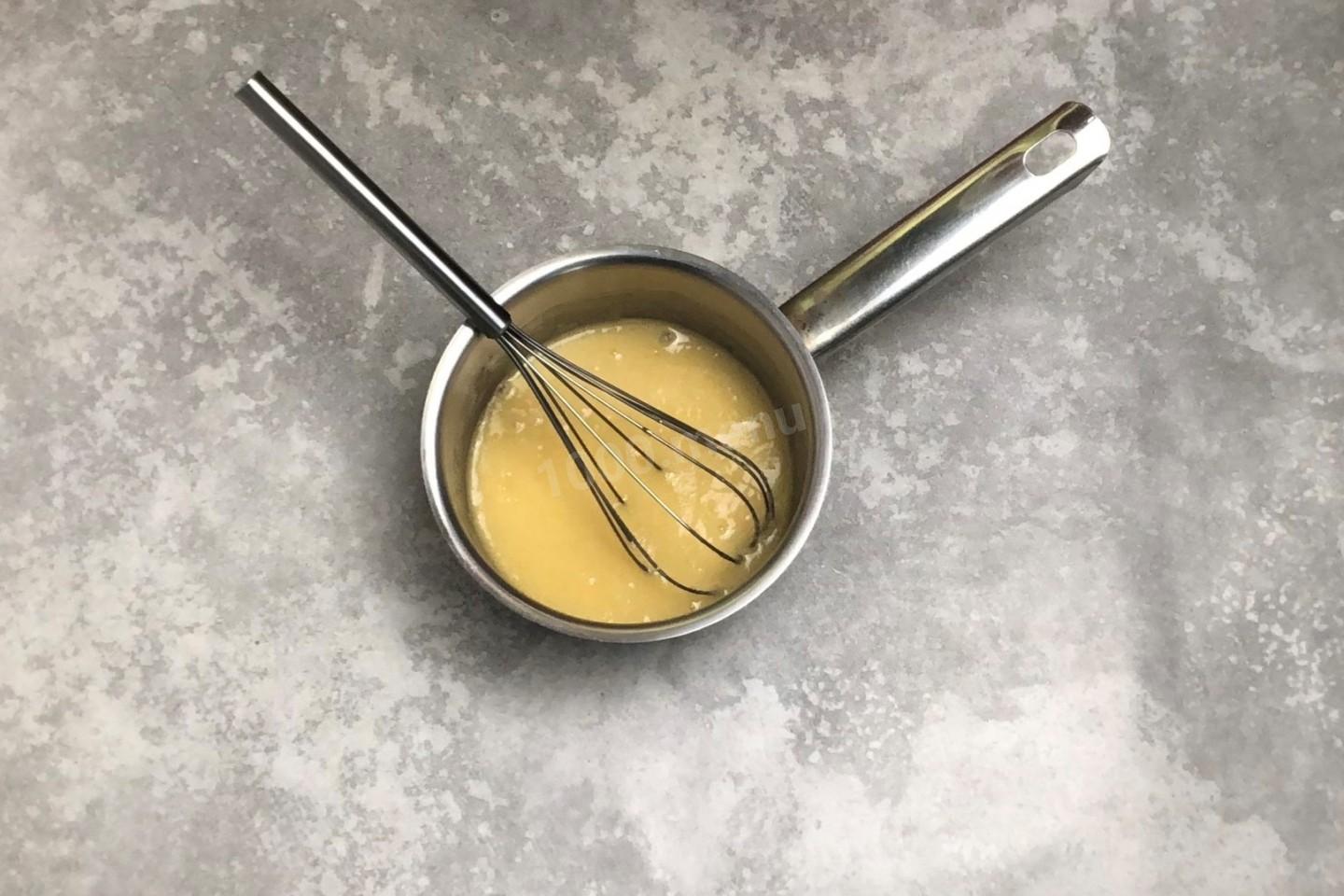
Add the egg and stir.
-
Step 4:
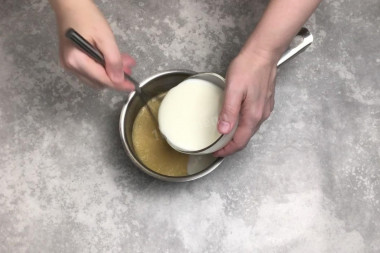
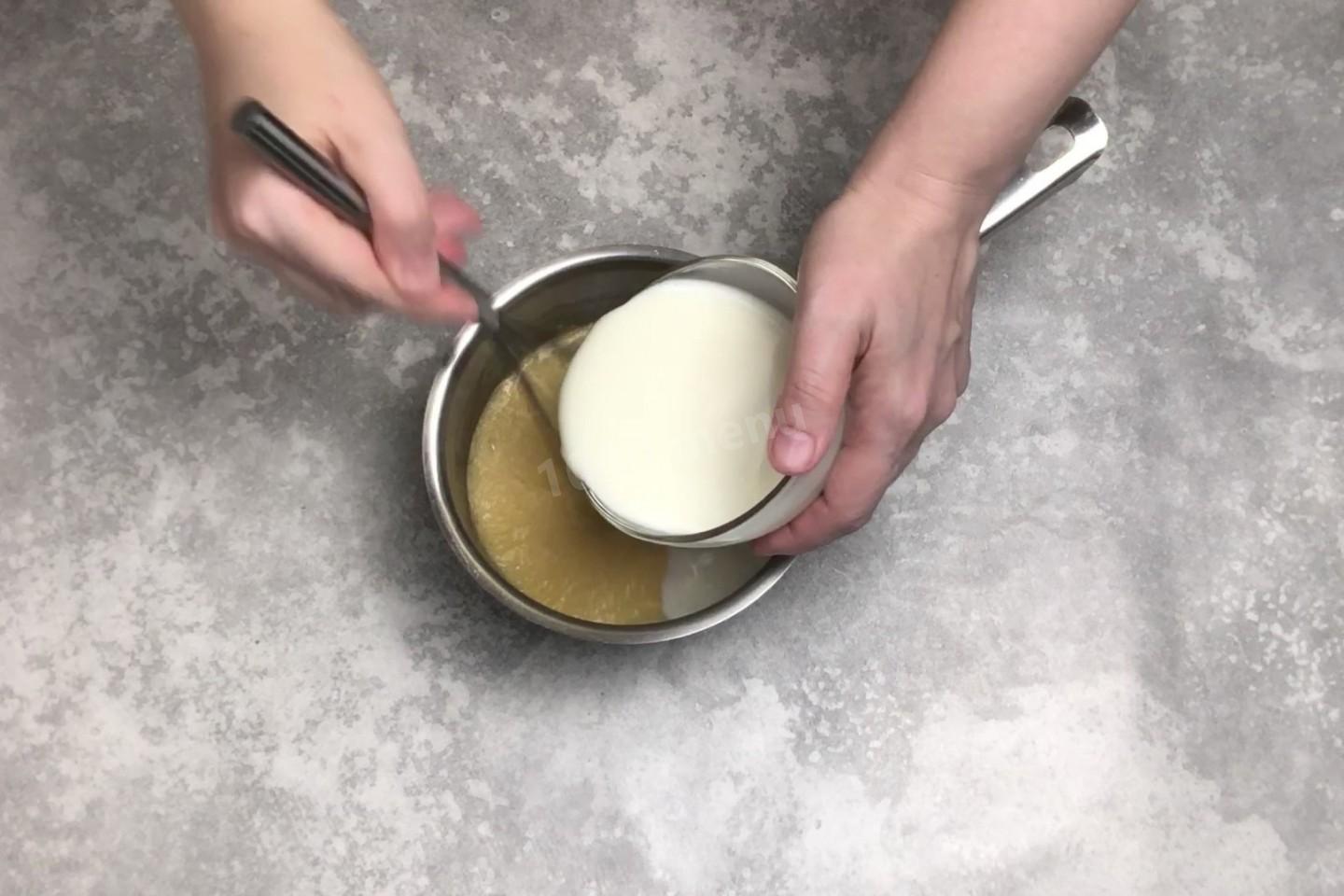
Pour in the milk in a thin stream, whisking the mixture the whole time. It should become completely smooth.
-
Step 5:
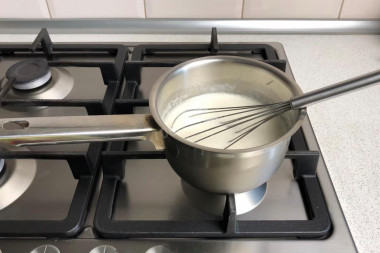
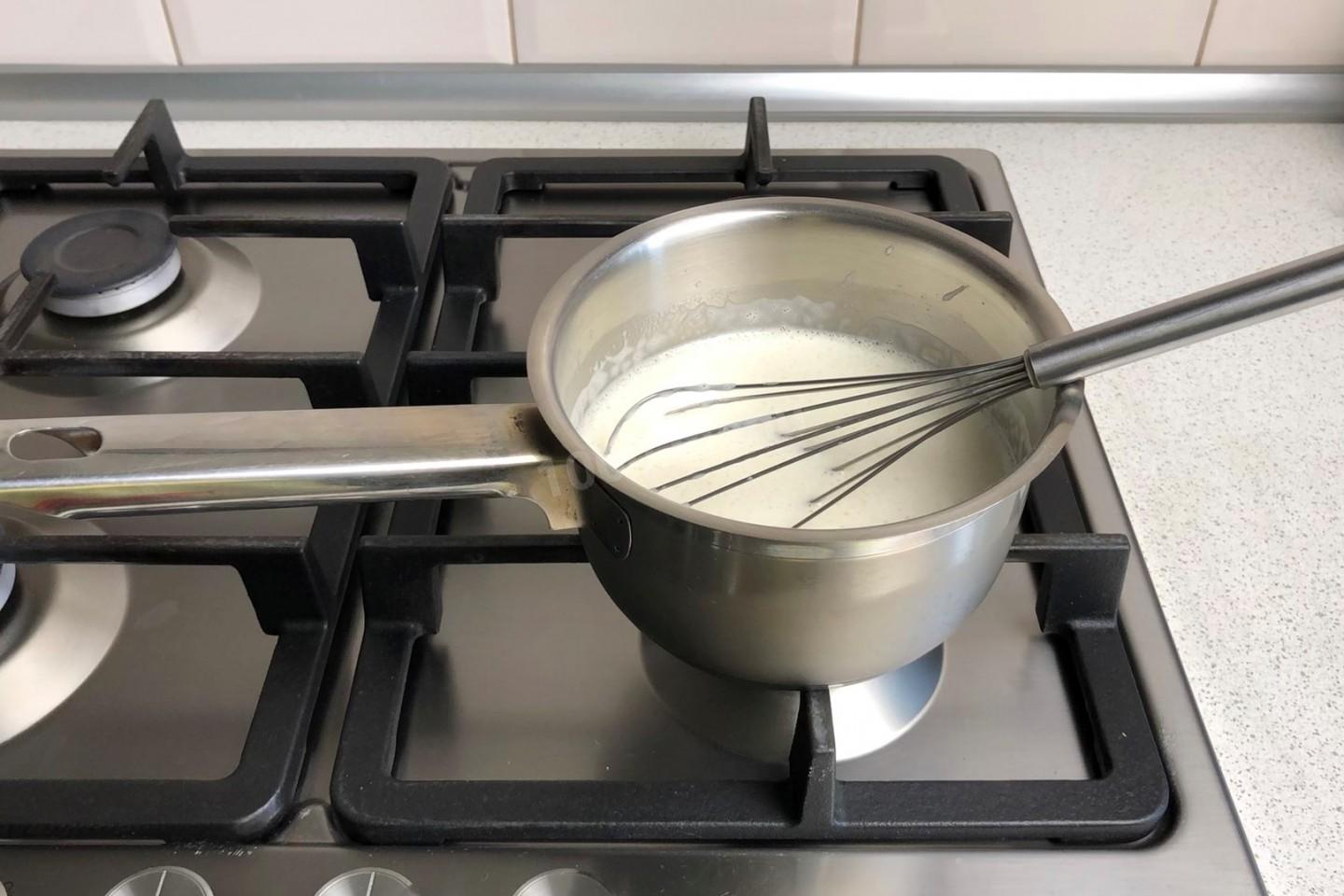
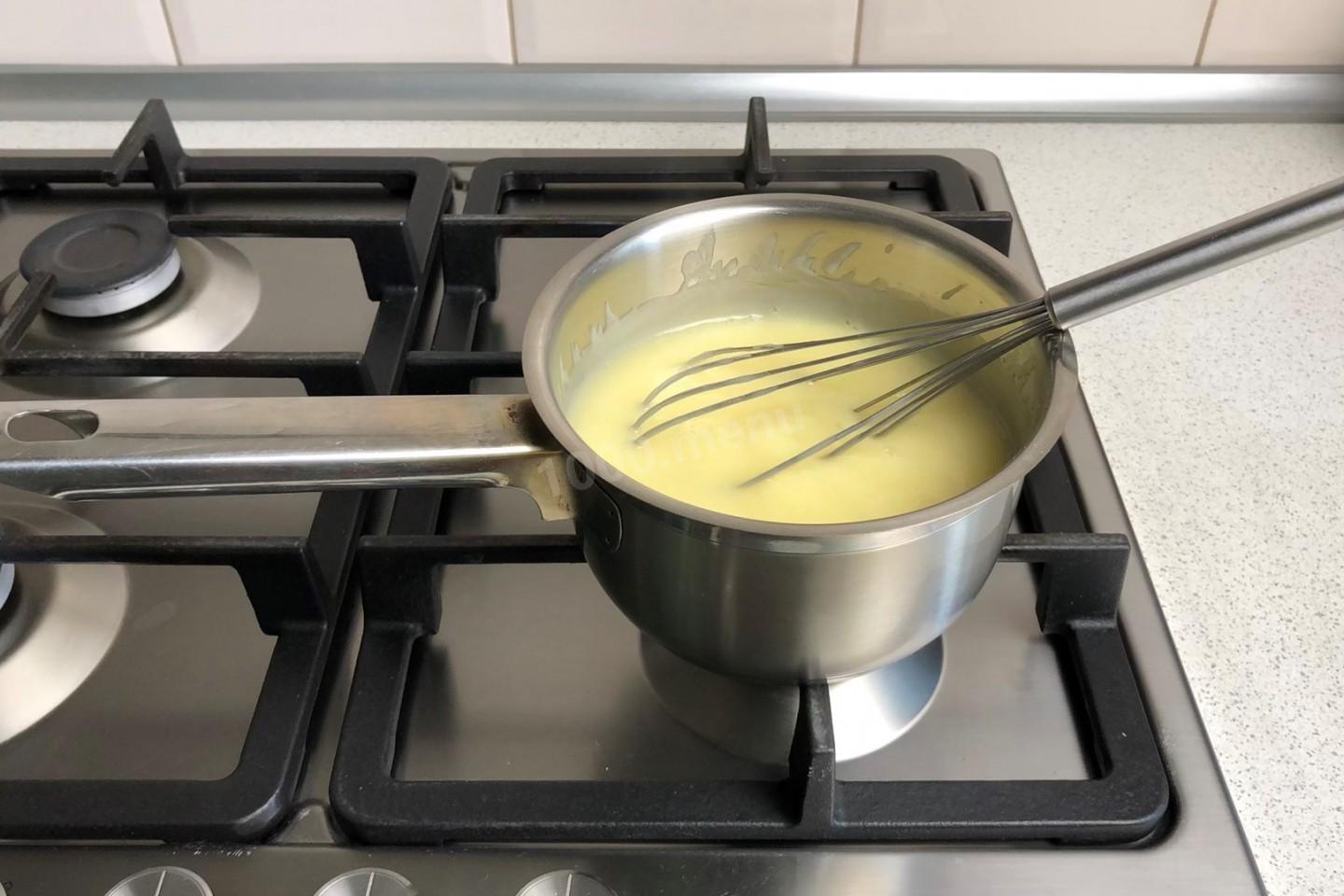
Set the saucepan with the milk mixture over low heat. This matters — a heavy bottom and low heat. Since the mixture thickens as it cooks, it can scorch easily, and a heavy bottom prevents that. If you're not confident in your cookware, cook the custard base in a water bath.
-
Step 6:
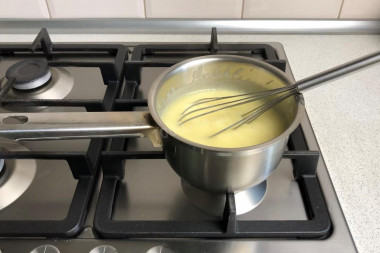
Whisking the mixture constantly, wait for it to thicken. This usually takes about 5 minutes. It will come to a boil, with large bubbles breaking the surface. Turn off the heat and let the mixture cool completely. That's our custard base for the cream.
-
Step 7:
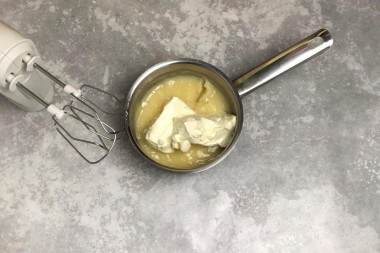
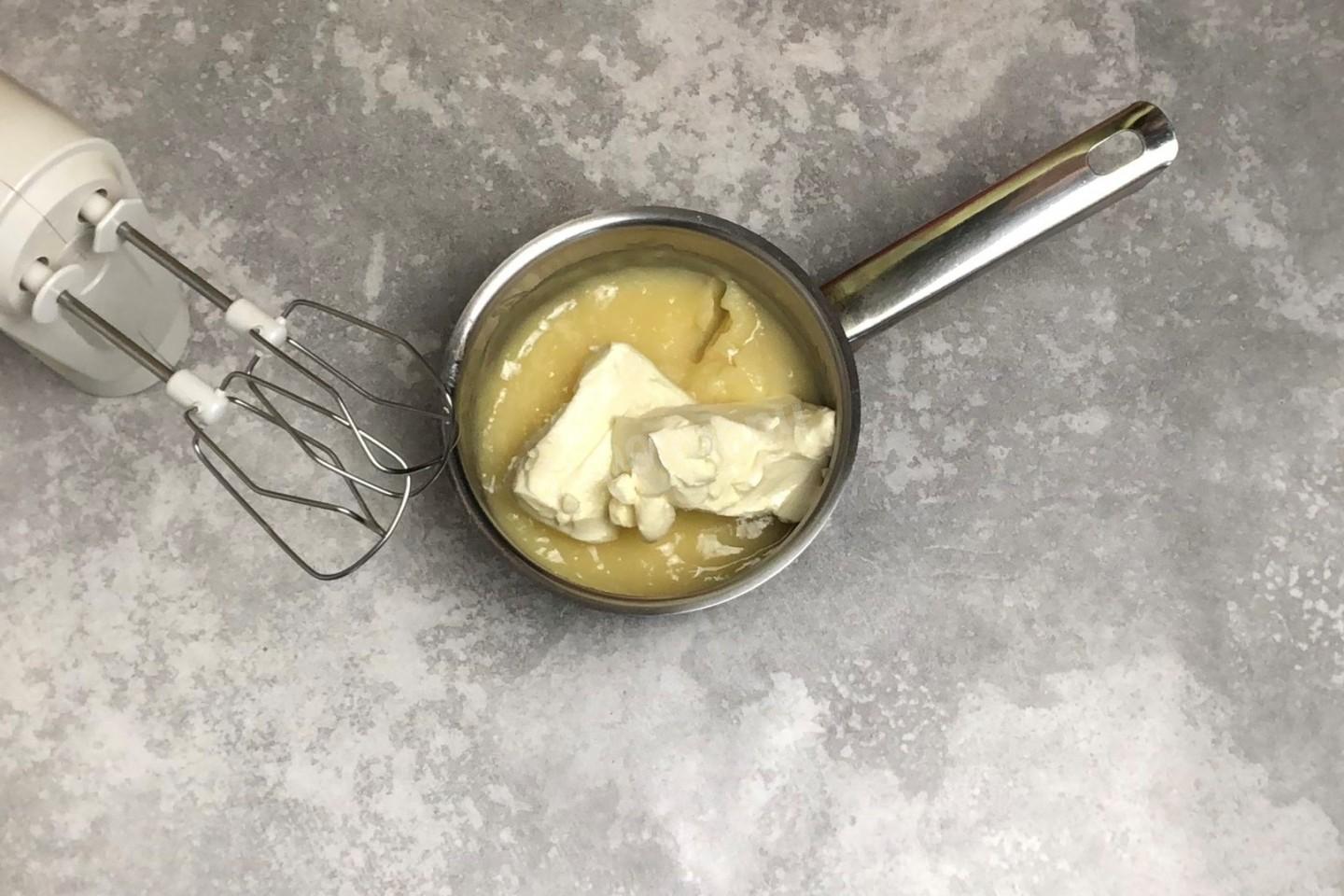
Once the base has cooled completely, add the softened butter.
-
Step 8:
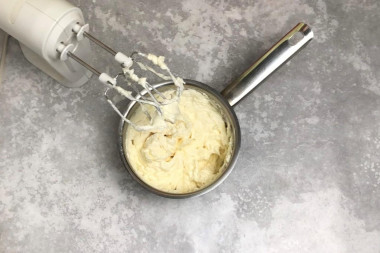
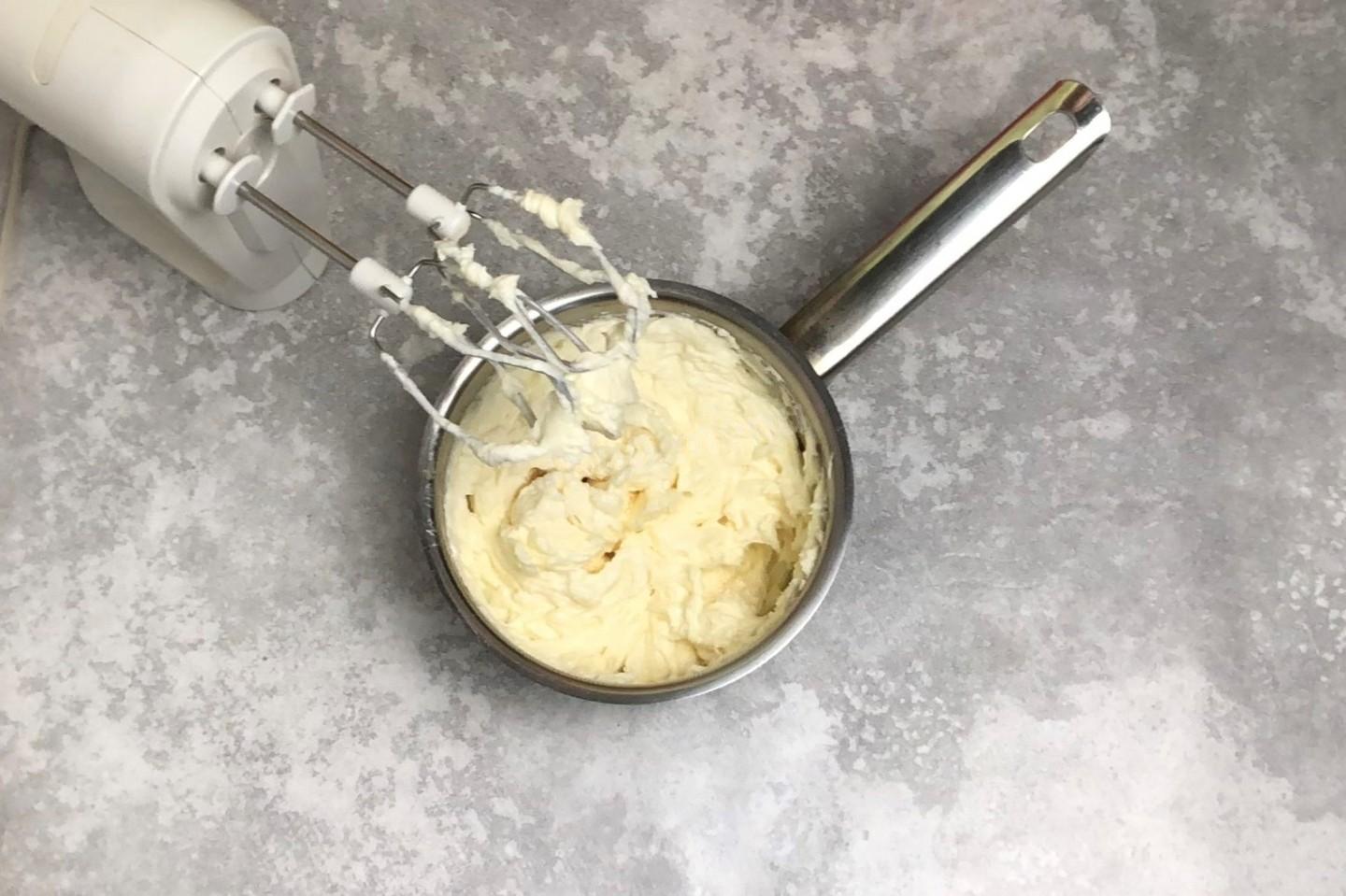
Beat the cream with a mixer until it's fluffy and white. The cream is ready — you can fill pastries with it or spread it on a cake.
-
Step 9:
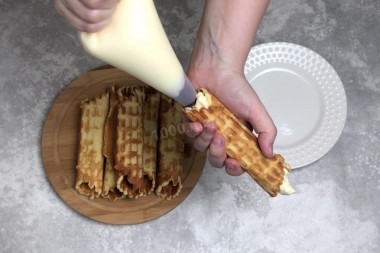
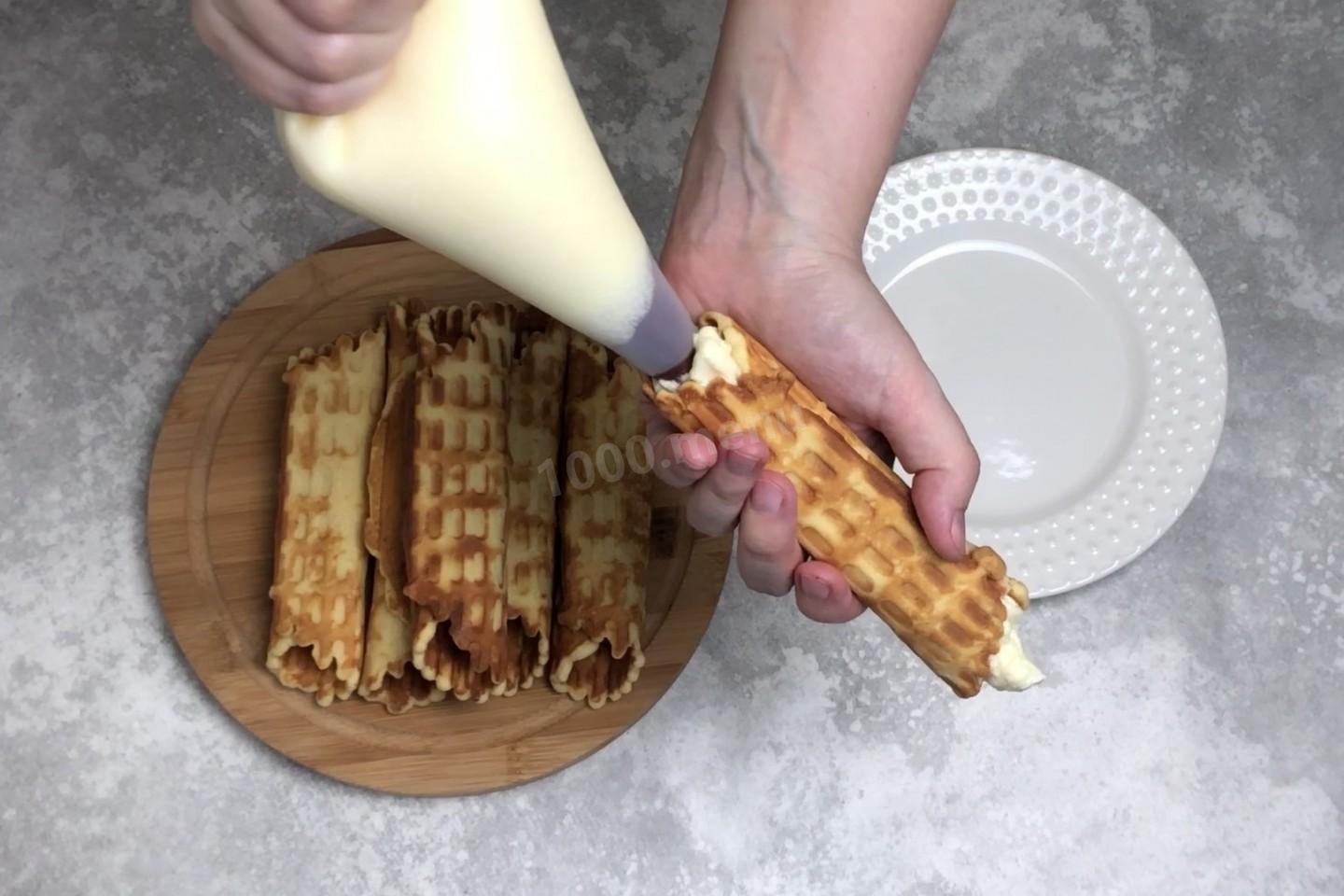
Transfer the cream to a piping bag and fill the waffle cones. It's easiest to do this from both ends of the cone so the cream reaches the middle. The filled cones can go in the fridge. Once chilled, the cream will firm up.
- As I mentioned, the cream is very sweet, so you can safely cut back on the sugar. What I love about it is how thick it is. Custard cream usually comes out a bit runny — fine for spreading between cake layers, but it leaks out of cones. This one holds its shape perfectly, thanks to the generous amount of butter. So bear in mind that it's rich and high in calories. But it's delicious!
- How can you tell if an egg is fresh? Crack it into a separate dish. First and foremost, there should be no off smell. The white of a fresh egg will be clear and clean. The yolk shouldn't spread; it will be shiny, domed, and uniform.
- Always wash eggs before using them, since even a shell that looks clean can carry harmful bacteria. It's best to use a food-safe wash and a brush.
- Important! To make sure the custard cream comes out right, follow a few simple rules: Let the cream base thicken as it cooks (the flour needs to cook through, but watch that the cream doesn't scorch or form lumps). The cooked flour mixture absolutely must cool down — if you add butter to a warm base, the butter will melt and the cream won't whip up. The butter should be good quality; poor-quality butter can hurt the cream's consistency and make it runny.
Caloric content of the products possible in the composition of the dish
- Whole cow's milk - 68 kcal/100g
- Milk 3.5% fat content - 64 kcal/100g
- Milk 3.2% fat content - 60 kcal/100g
- Milk 1.5% fat content - 47 kcal/100g
- Concentrated milk 7.5% fat content - 140 kcal/100g
- Milk 2.5% fat content - 54 kcal/100g
- Chicken egg - 157 kcal/100g
- Egg white - 45 kcal/100g
- Egg powder - 542 kcal/100g
- Egg yolk - 352 kcal/100g
- Ostrich egg - 118 kcal/100g
- Whole durum wheat flour fortified - 333 kcal/100g
- Whole durum wheat flour universal - 364 kcal/100g
- Flour krupchatka - 348 kcal/100g
- Flour - 325 kcal/100g
- Granulated sugar - 398 kcal/100g
- Sugar - 398 kcal/100g
- Butter 82% - 734 kcal/100g
- Amateur unsalted butter - 709 kcal/100g
- Unsalted peasant butter - 661 kcal/100g
- Peasant salted butter - 652 kcal/100g
- Melted butter - 869 kcal/100g
- Vanillin - 288 kcal/100g