Frozen porcini mushroom soup
Aromatic, hearty, incredibly tasty, and perfect for the whole family! Frozen porcini mushroom soup is a first course that's best of all for a midday meal in the cold months. Porcini are a top-grade mushroom, with the most protein of all — but most of all, they're wonderfully delicious!

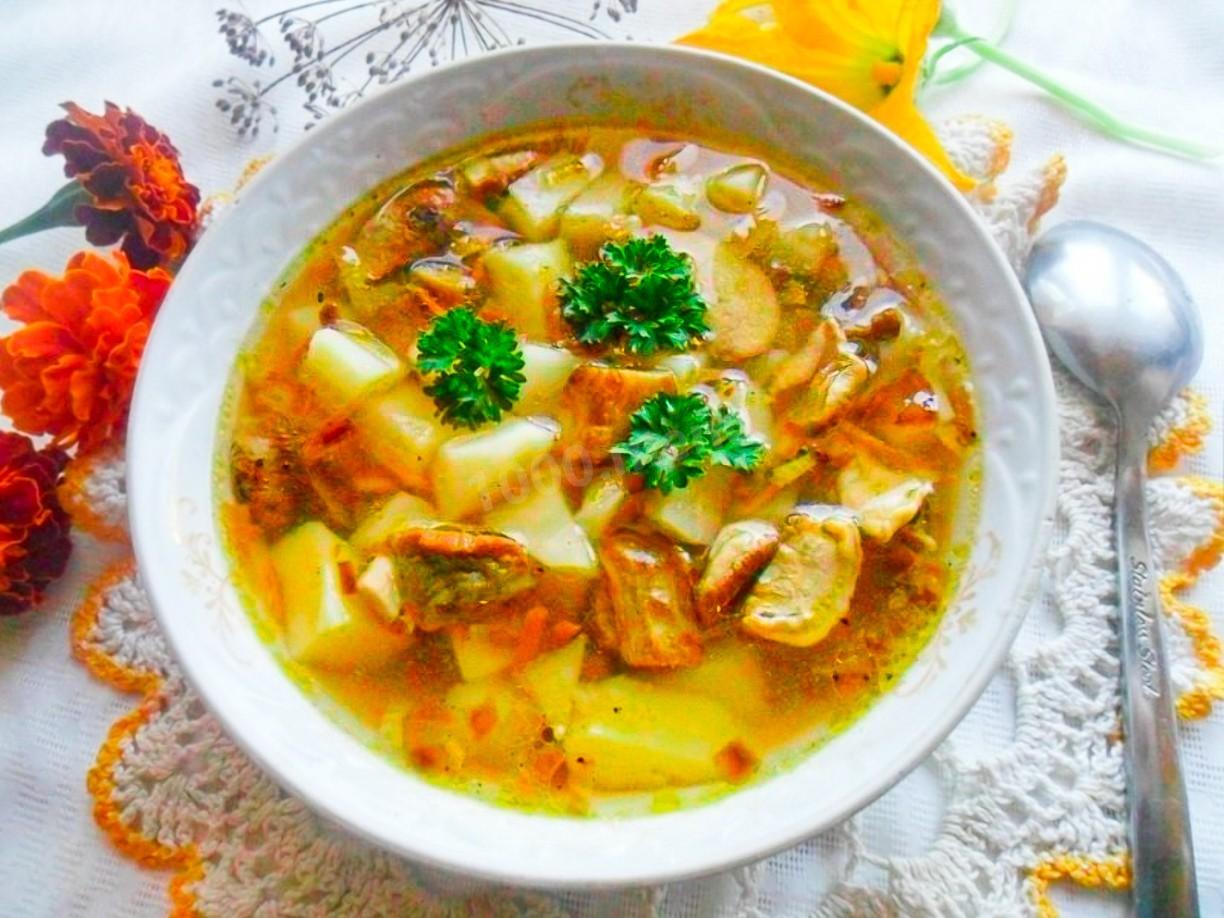
Cooking method
-
Step 1:
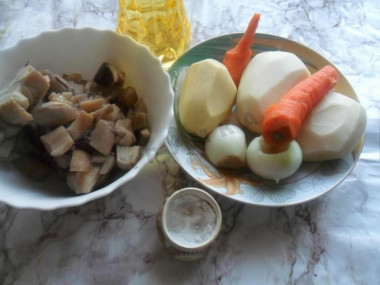
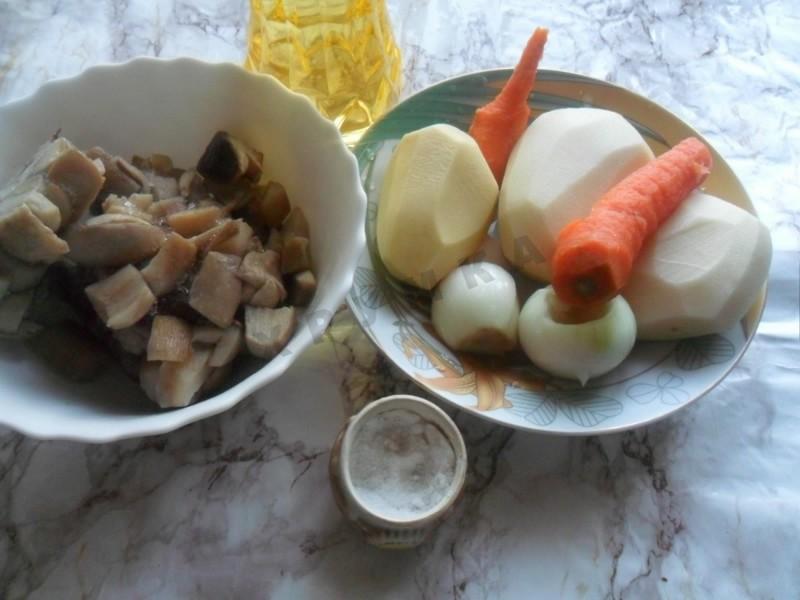
How do you make frozen porcini mushroom soup? Gather your ingredients. Thaw the mushrooms ahead of time by moving them from the freezer to the bottom shelf of the fridge. Thawing them this gently preserves not just the mushrooms' nutritional value but their flavor too. Wash and peel the vegetables.
-
Step 2:
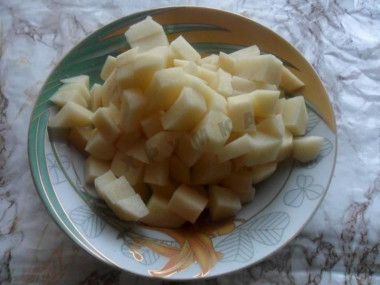
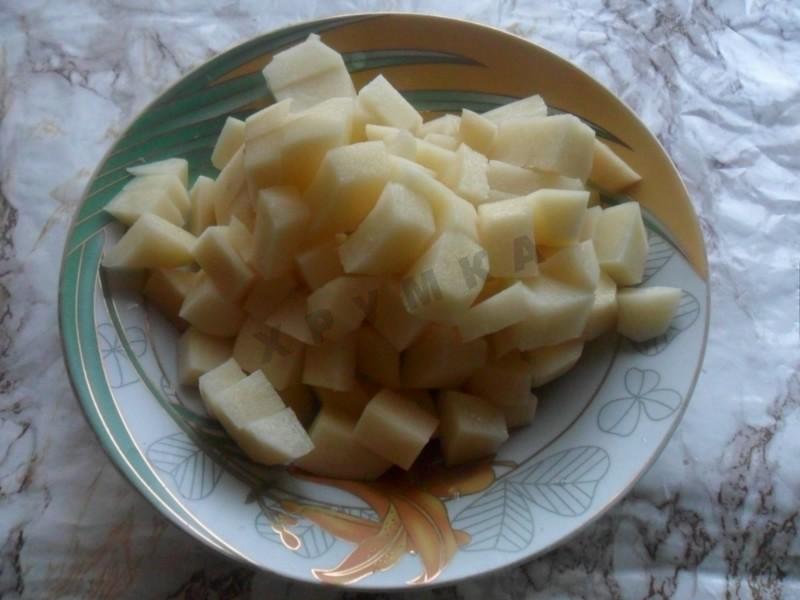
Cut the potatoes into small pieces, put them in a pot, and cover with clean cold water. Use filtered or bottled water — the taste of the dish depends on the quality of the water. Set the pot over low heat. Cut the onion into small cubes and grate the carrot on the coarse side of a grater.
-
Step 3:
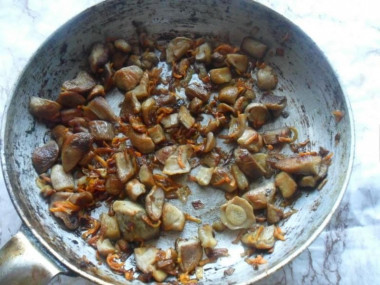
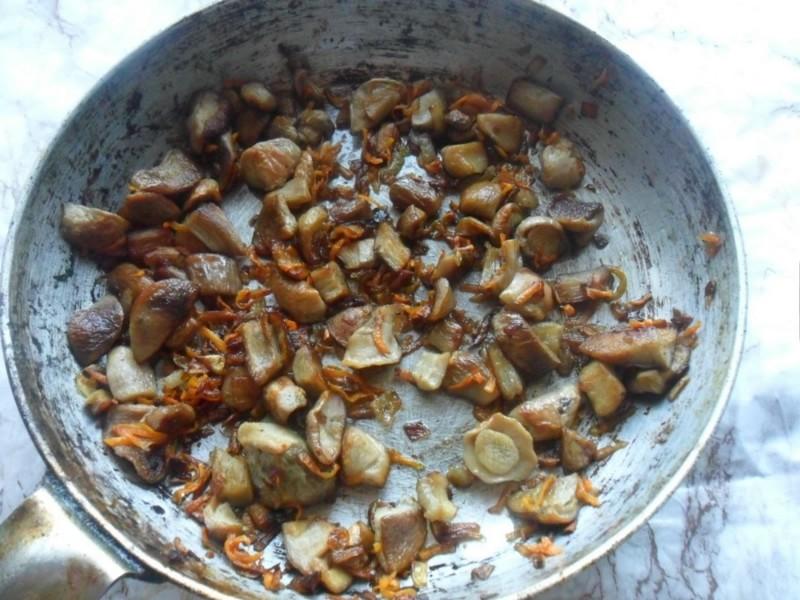
Cut up the thawed mushrooms (I freeze mine cleaned, cut into pieces, and boiled twice), put them in a skillet with hot vegetable oil, and saute over low heat until golden. Then add the chopped onion and grated carrot. Saute everything together, stirring, for about 5 minutes.
-
Step 4:
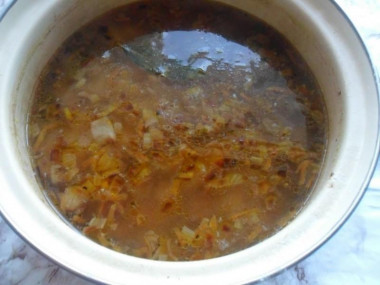
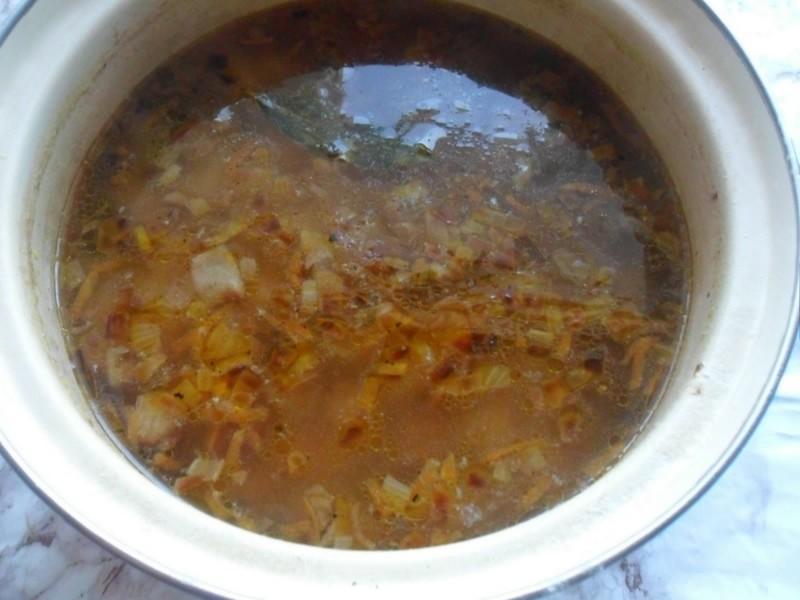
When the water comes to a boil, turn down the heat and cook the potatoes for about 15 minutes, until tender (they should break apart easily under the press of a spoon). Add the mushroom-and-vegetable saute to the soup, stir, season with salt, drop in the bay leaf, and cook until done, about 5 minutes. Then take the soup off the heat.
-
Step 5:
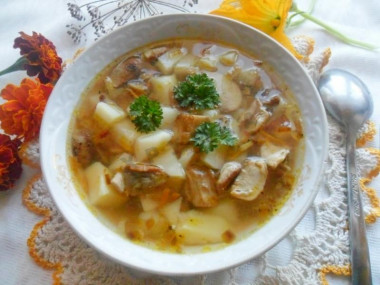
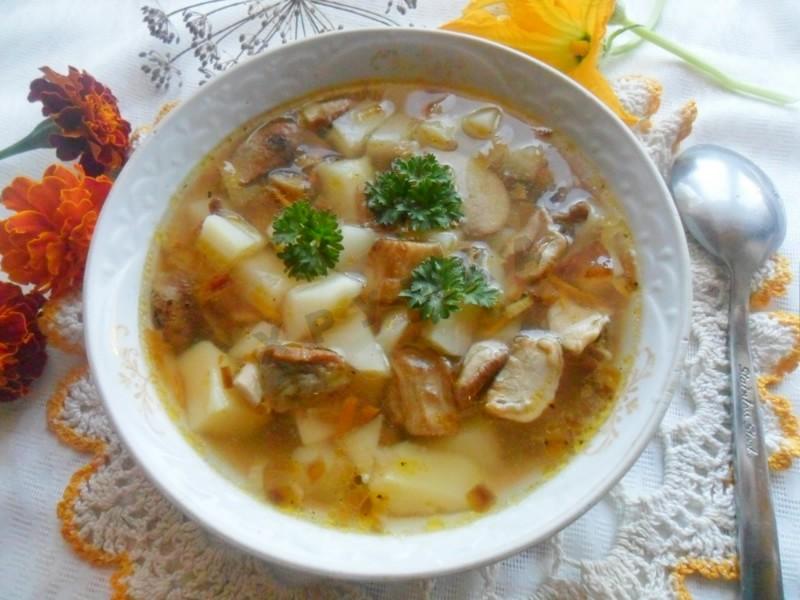
When serving, you can add chopped fresh herbs to the bowls to taste. Enjoy!
- Since everyone's threshold for salty, sweet, bitter, sharp, sour, and hot is different, always add spices and seasonings to your own taste! If you're using a particular seasoning for the first time, keep in mind that some spices are especially important not to overdo (chili pepper, for instance).
- For how to choose the perfect pot for soup, porridge, or pickling cucumbers, read the article about pots.
- Important! Whether or not the recipe gives an amount of water for the soup, it's best to go by your own preference (whether you like a thick or a thinner soup), as well as the size of your pot and the ingredients you're using. Keep in mind the author has their own idea of how much meat, potato, grain, and so on belongs in the soup, which may not match yours. In practice, that means if you're making it for the first time, don't cook a whole pot at once. Make a tasting batch — for one or two people. Scale all the ingredients down to 1 or 2 servings and figure the water at roughly one cup per serving for a very thick soup, up to 1.5 to 2 cups for a thinner one. Don't forget that some of the liquid will boil off during cooking. Once you've tasted a small batch, you can adjust both the amount of liquid and the proportions to your taste. From then on, like most experienced cooks, you'll be able to add water and ingredients by eye.
Caloric content of the products possible in the composition of the dish
- Onion - 41 kcal/100g
- Ripe potatoes - 80 kcal/100g
- Baked potatoes - 70 kcal/100g
- Mashed potatoes - 380 kcal/100g
- Boiled potatoes - 82 kcal/100g
- Potatoes in their skins - 74 kcal/100g
- Fried potatoes - 192 kcal/100g
- Carrots - 33 kcal/100g
- Dried carrots - 275 kcal/100g
- Boiled carrots - 25 kcal/100g
- Bay leaf - 313 kcal/100g
- Vegetable oil - 873 kcal/100g
- Salt - 0 kcal/100g
- Frozen mushrooms - 23 kcal/100g
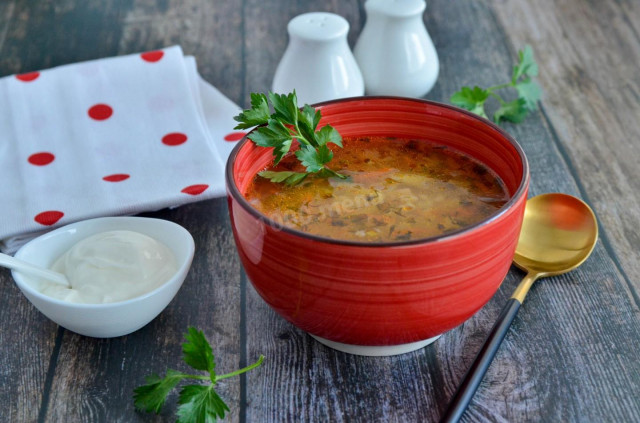
Similar recipes


- Soups
- Mushrooms
- Vegetables
- Spices seasonings spices
- Fats and oils
- Bay leaf
- Salt
- Vegetable oil
- Cooking
- Lean entrees
- Mushroom soup
- Vegetable soup vegetarian
- Meat-free soup
- Potato soup
- Vegetarian soups
- Mushrooms with onions
- Mushrooms with carrots
- Frozen mushrooms
- From carrots
- From potatoes
- From onion
- No eggs
- Low-calorie recipes
- Balanced nutrition
- Vegetarianism
- Lean table
- Recipes for lean dishes without butter