Chicken breast broth
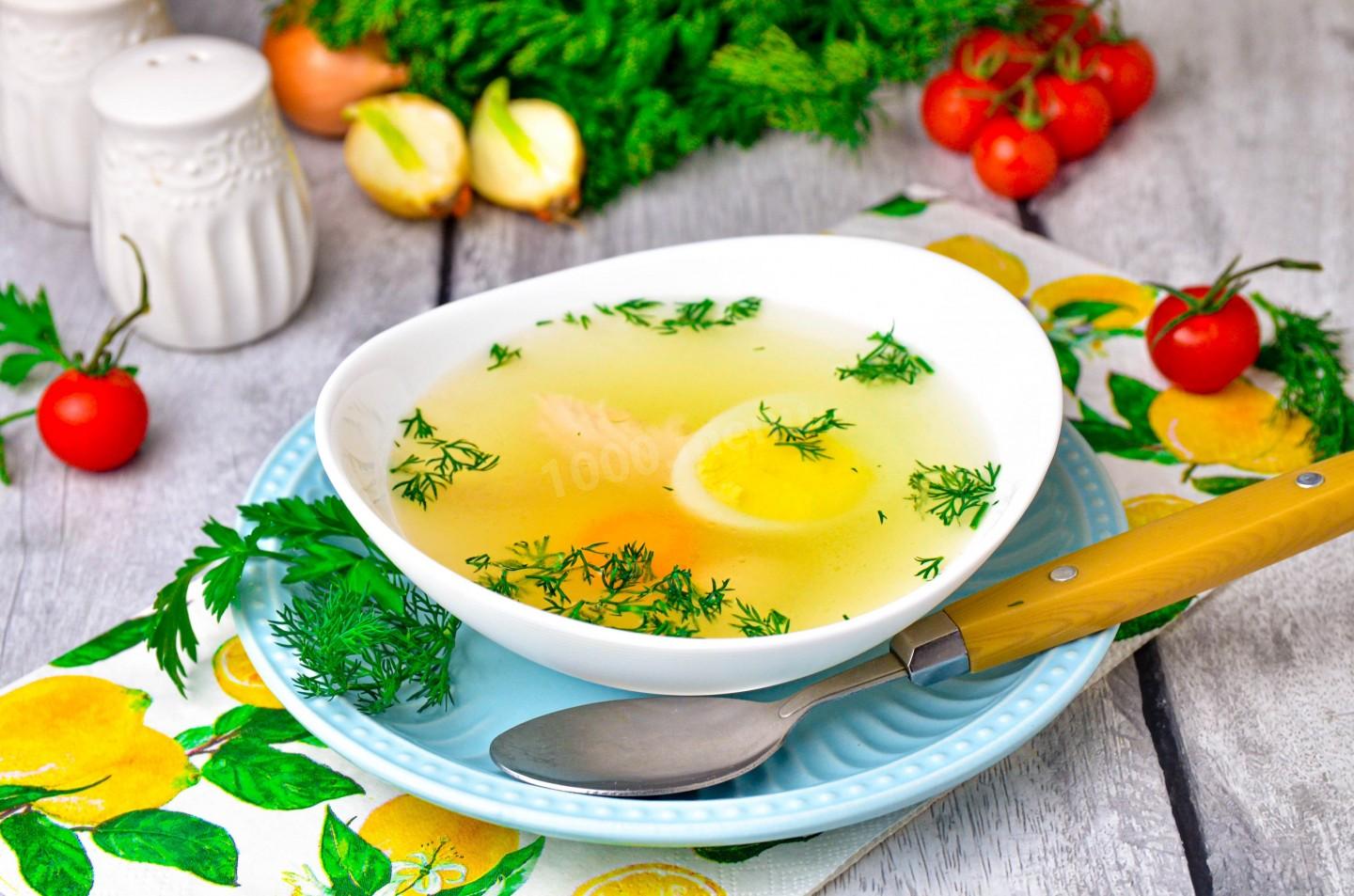
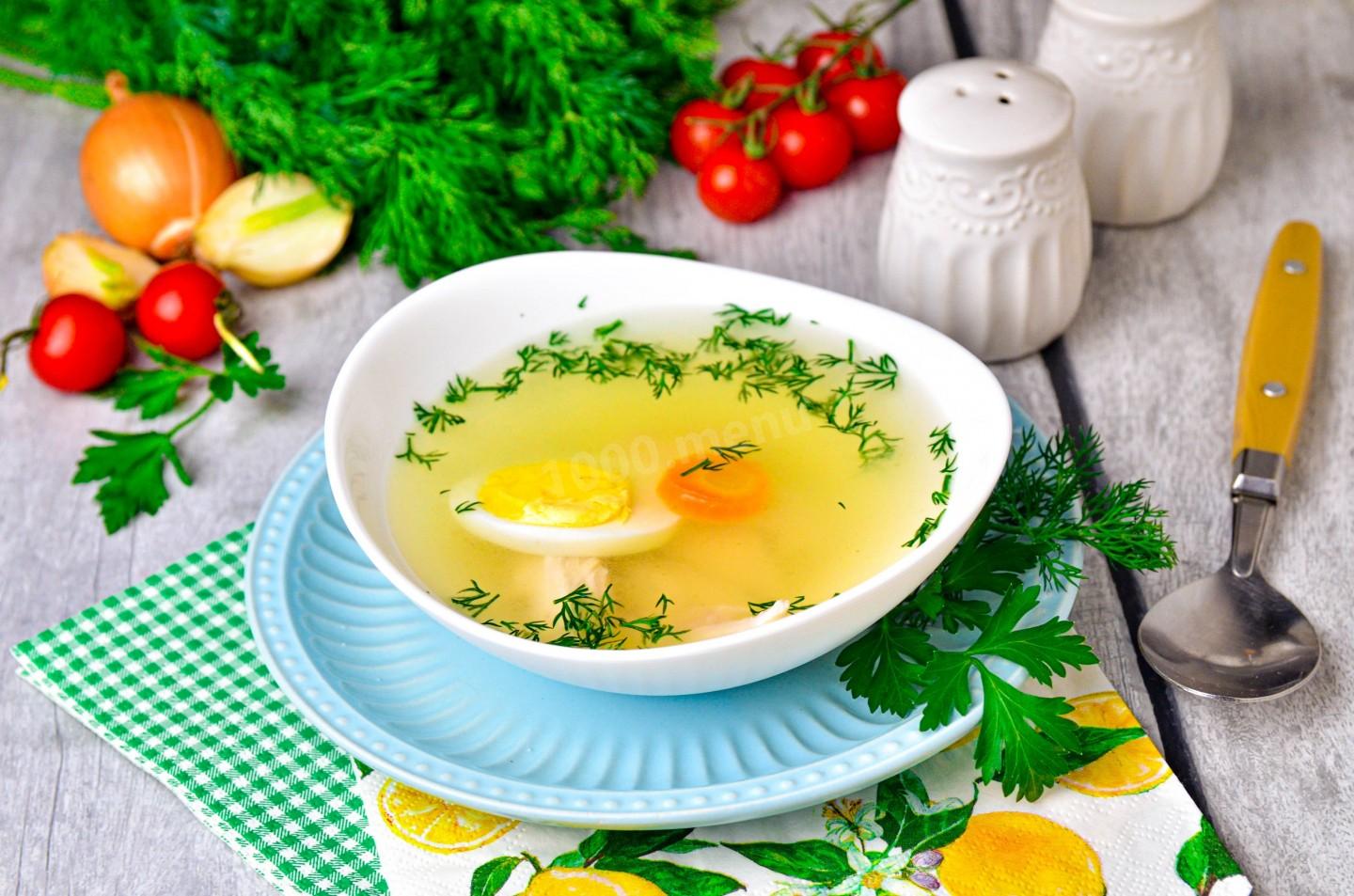
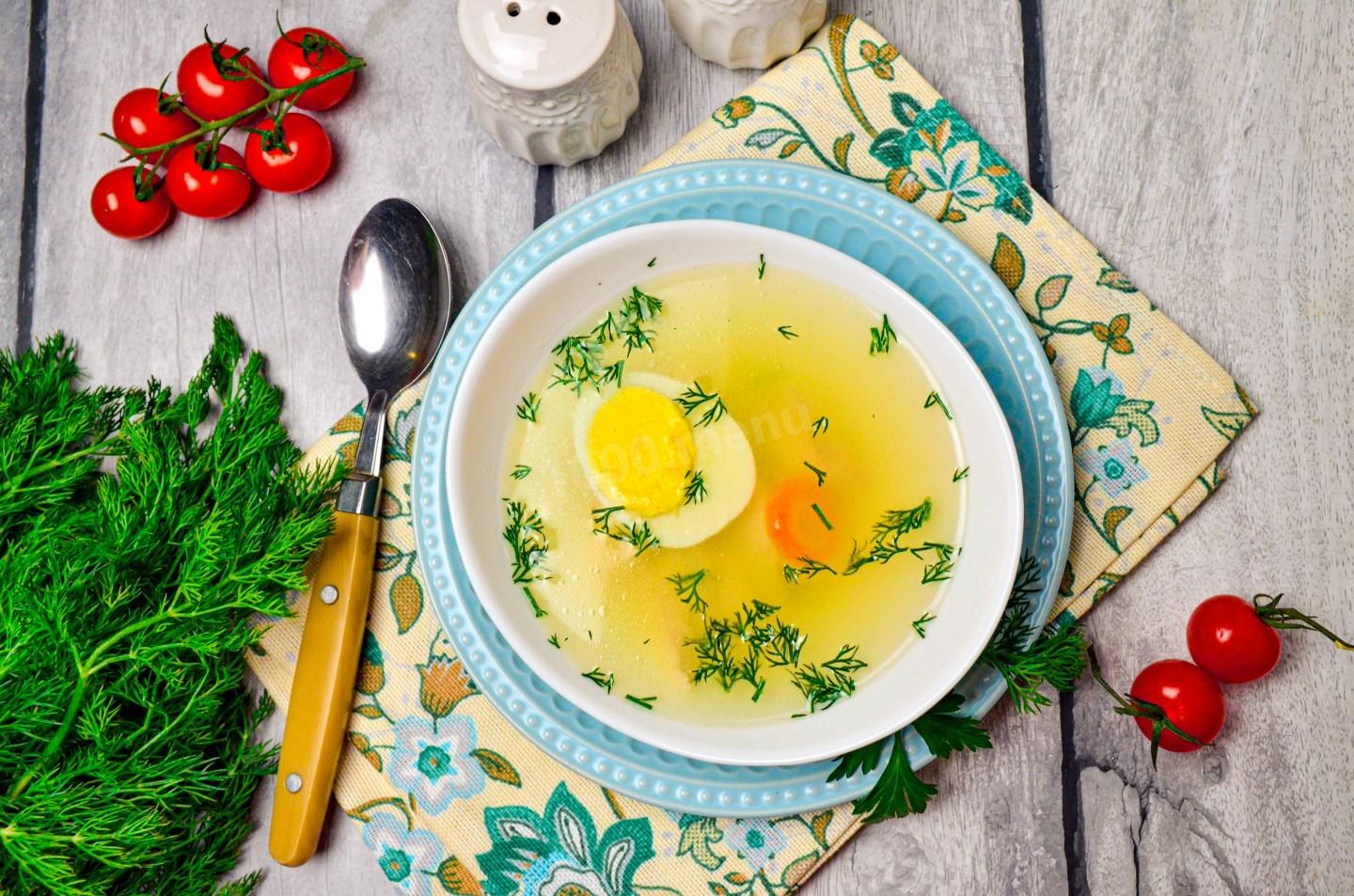
The tastiest, most wholesome, light broth — for the whole family! Chicken breast broth is a first course you can serve on its own or use as a base for soups. Made from white meat, it comes out low in calories and is suitable for children and light diets.

Cooking method
-
Step 1:
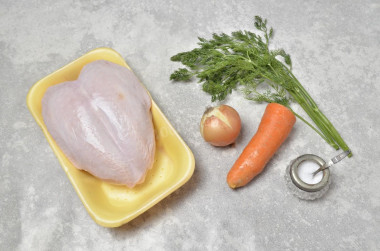
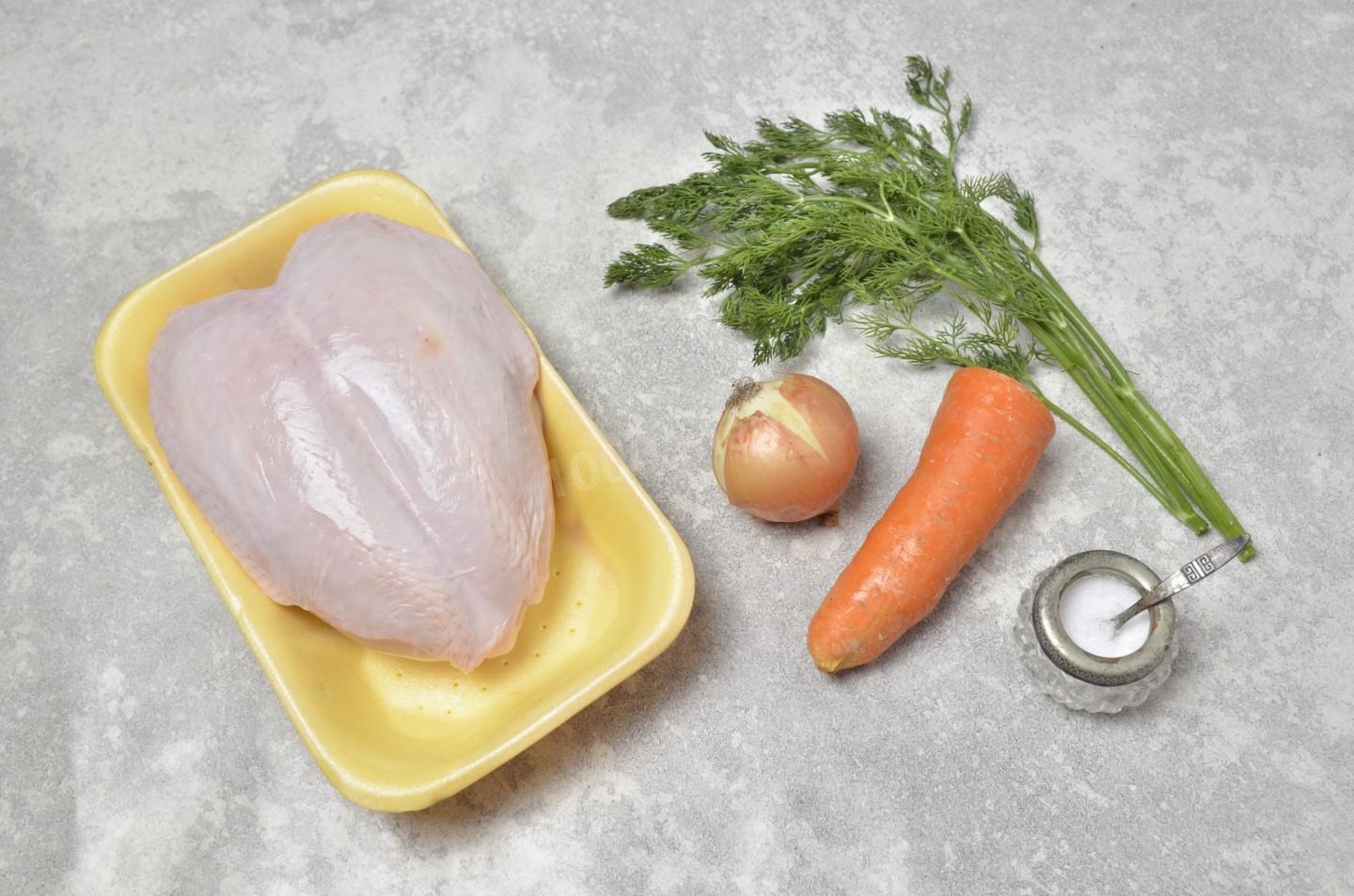
How do you cook chicken breast broth? Get your ingredients ready. Use a bone-in breast — the broth will be a little richer. Wash and peel the onion and carrot, but leave them whole. The dill is for serving; you can skip it or use other herbs you like. You can also add a bay leaf and peppercorns while it cooks.
-
Step 2:
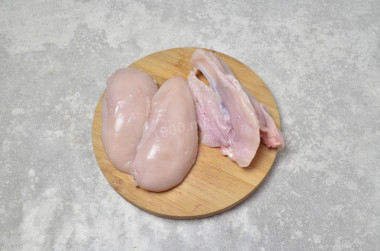
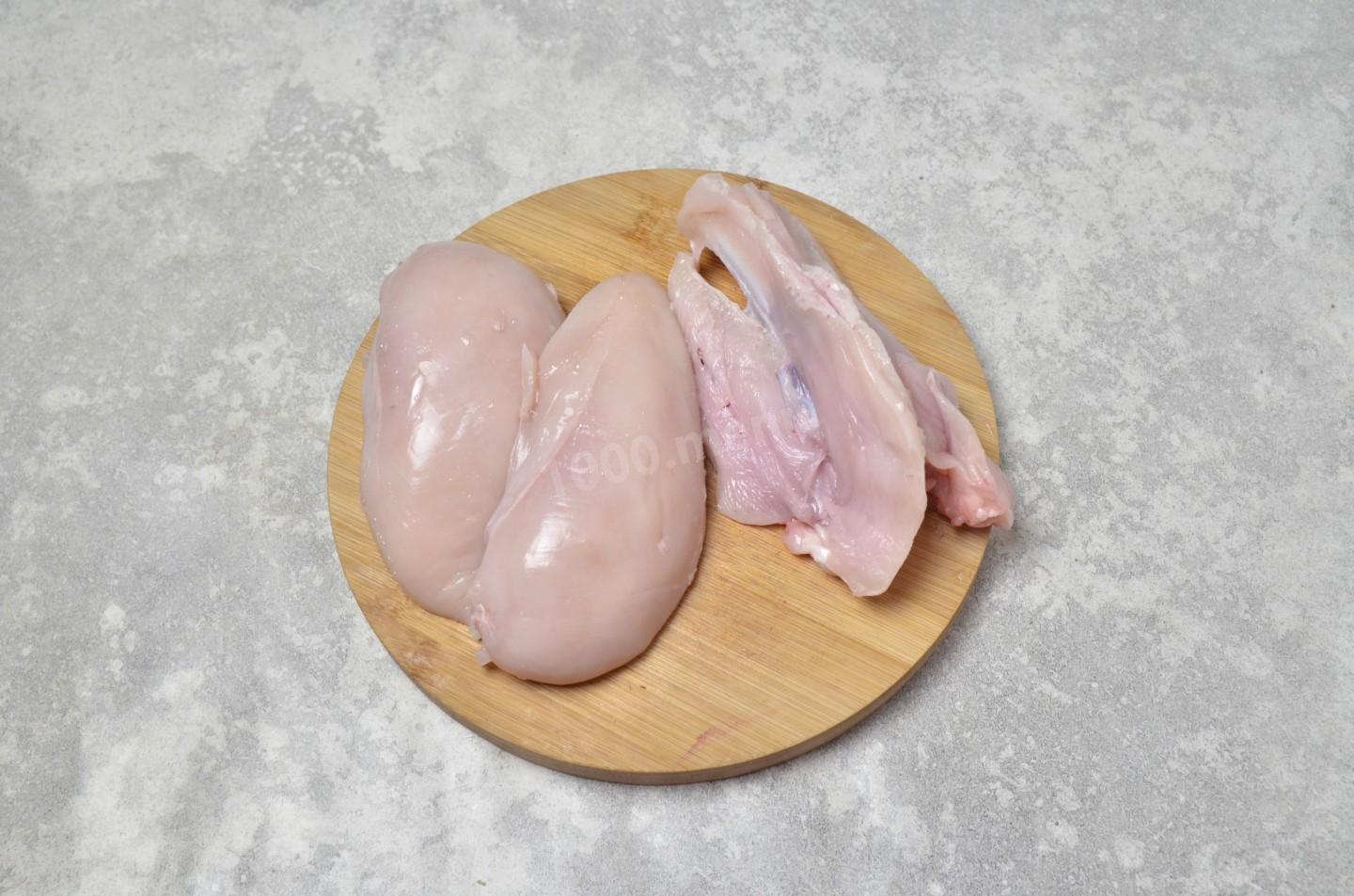
Wash the breast and remove the skin. Trim off any excess fat so the broth stays lean. Cut the fillet off the bone.
-
Step 3:
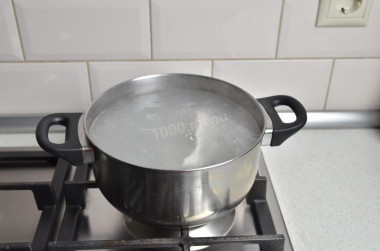
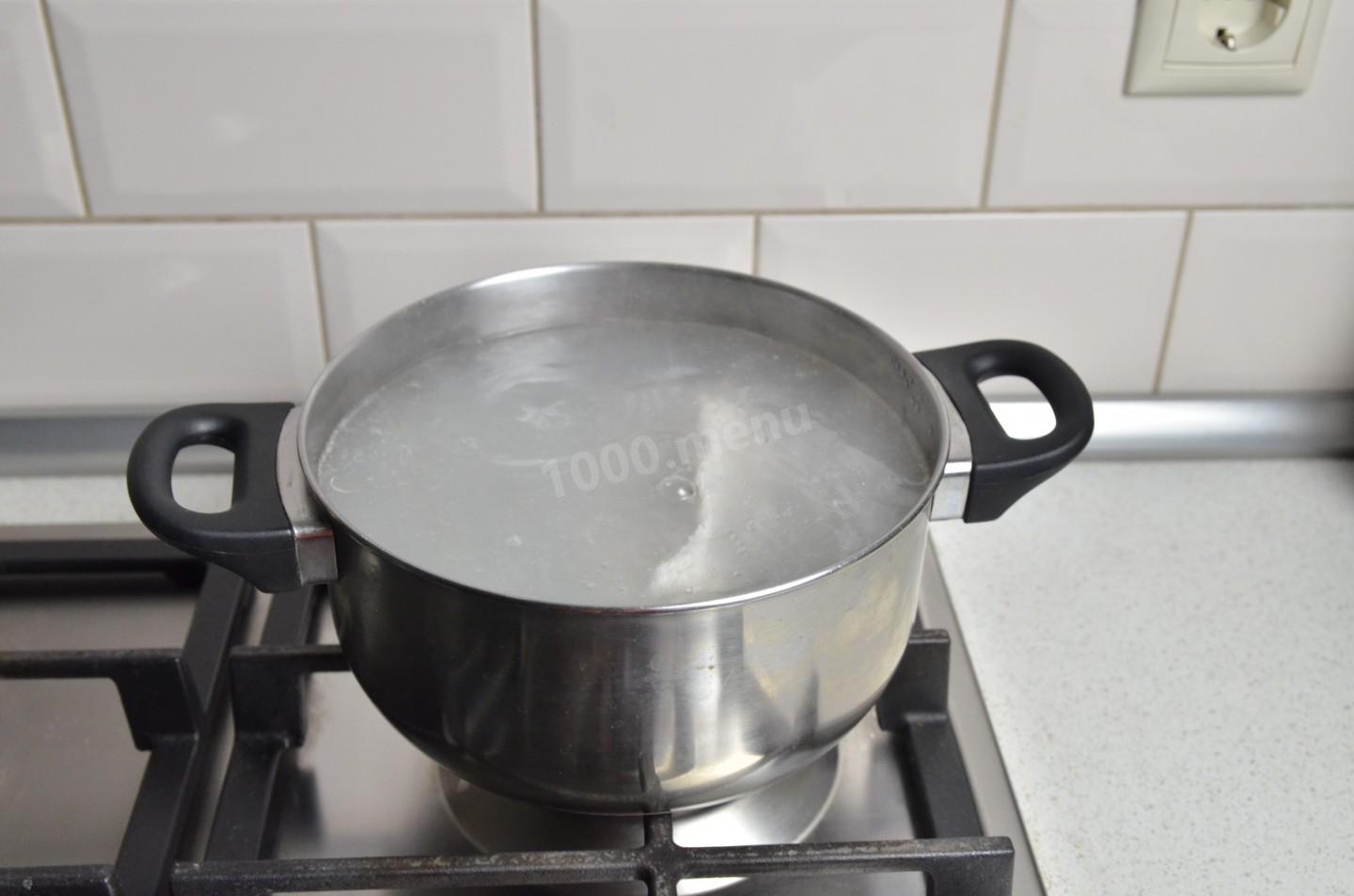
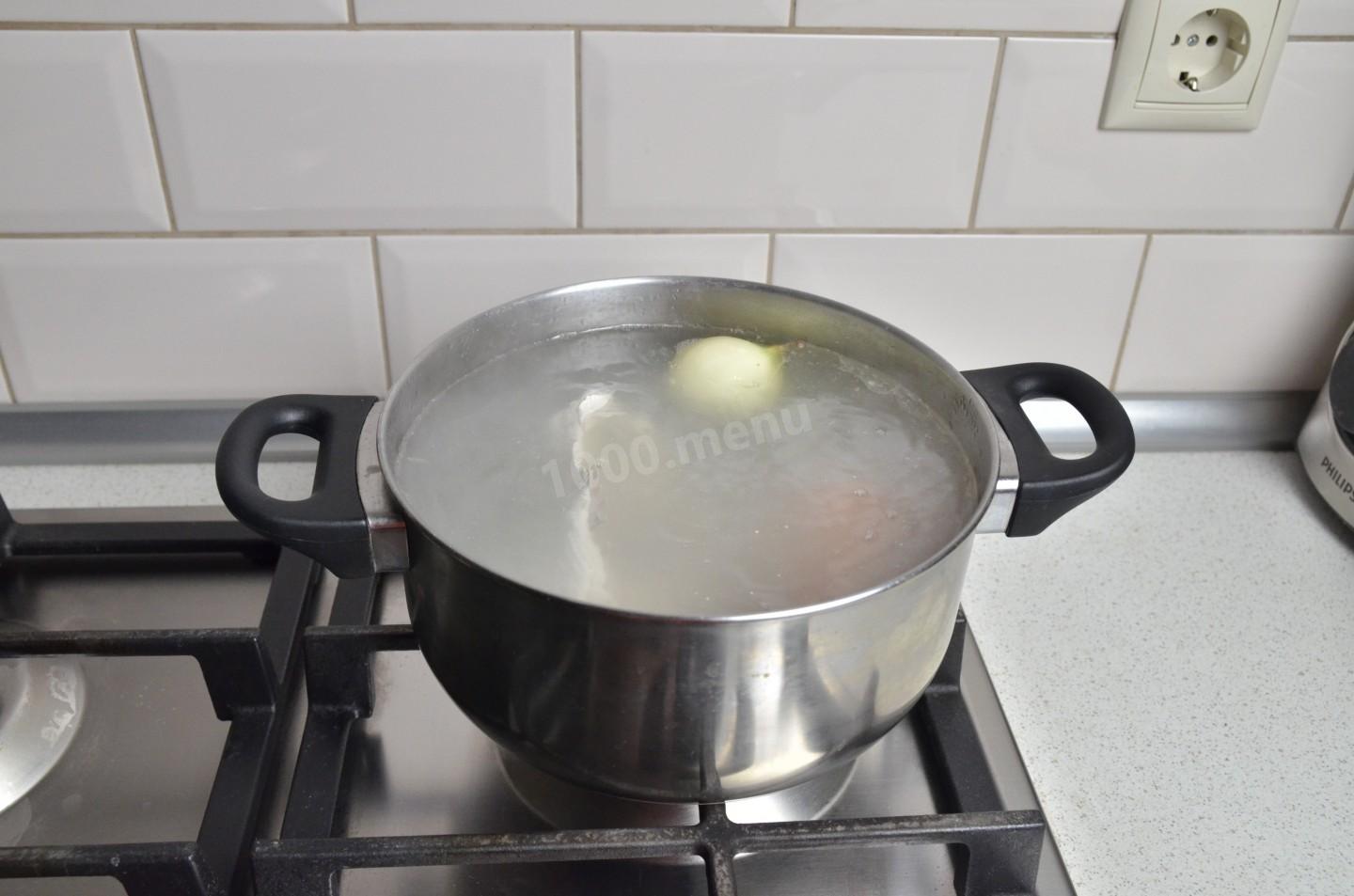
Take a pot of the right size and pour in clean cold water. It's best to use filtered or bottled water; tap water can give the dish an unpleasant off-flavor. Bring the water to a boil and lower the bone in. The meat protein sets immediately in boiling water instead of turning into the foam that usually forms when cooking broth.
-
Step 4:
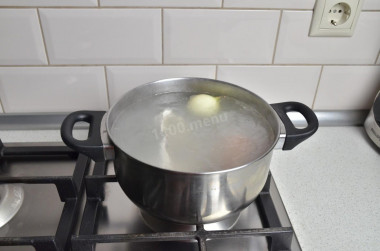
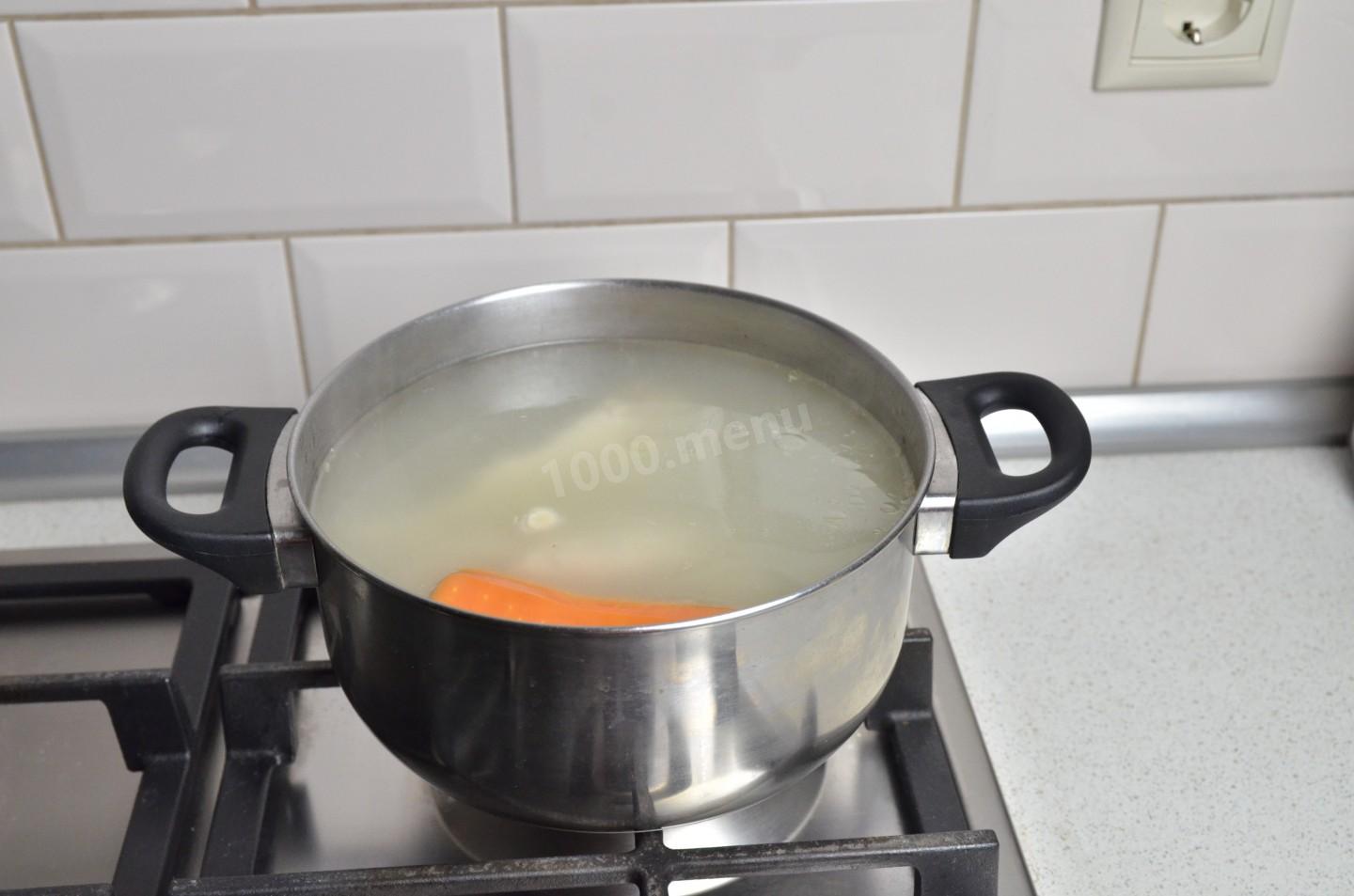
Cook the bone for 15 minutes over low heat. Then add the whole onion and carrot. Wait for it to return to a boil and cook for another 5 minutes. Then add the chicken fillet. Once it comes back to a boil, turn the heat down as low as it goes.
-
Step 5:
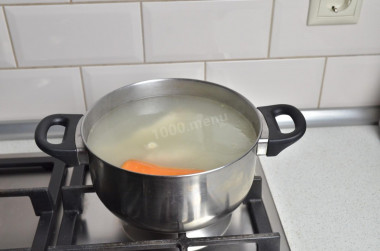
Cook the broth for 40 minutes at a very gentle simmer — that keeps it clear. About 10 minutes before the end, add salt and, if you like, a bay leaf and pepper. Lift the onion and carrot out with a slotted spoon. The broth is ready to serve — or you can use it as a base for any soup.
-
Step 6:
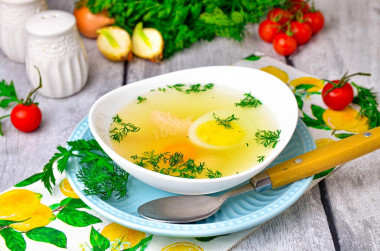
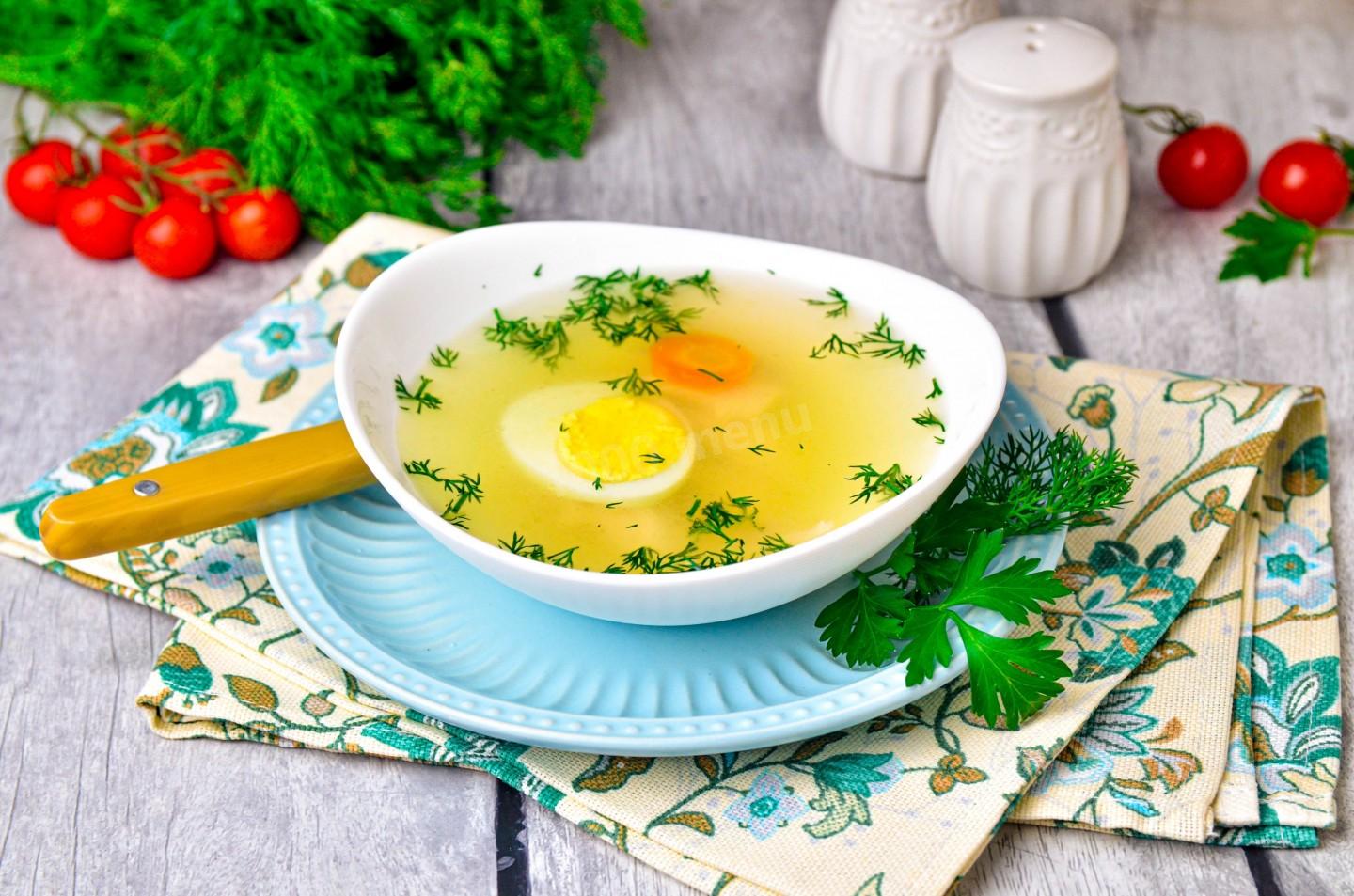
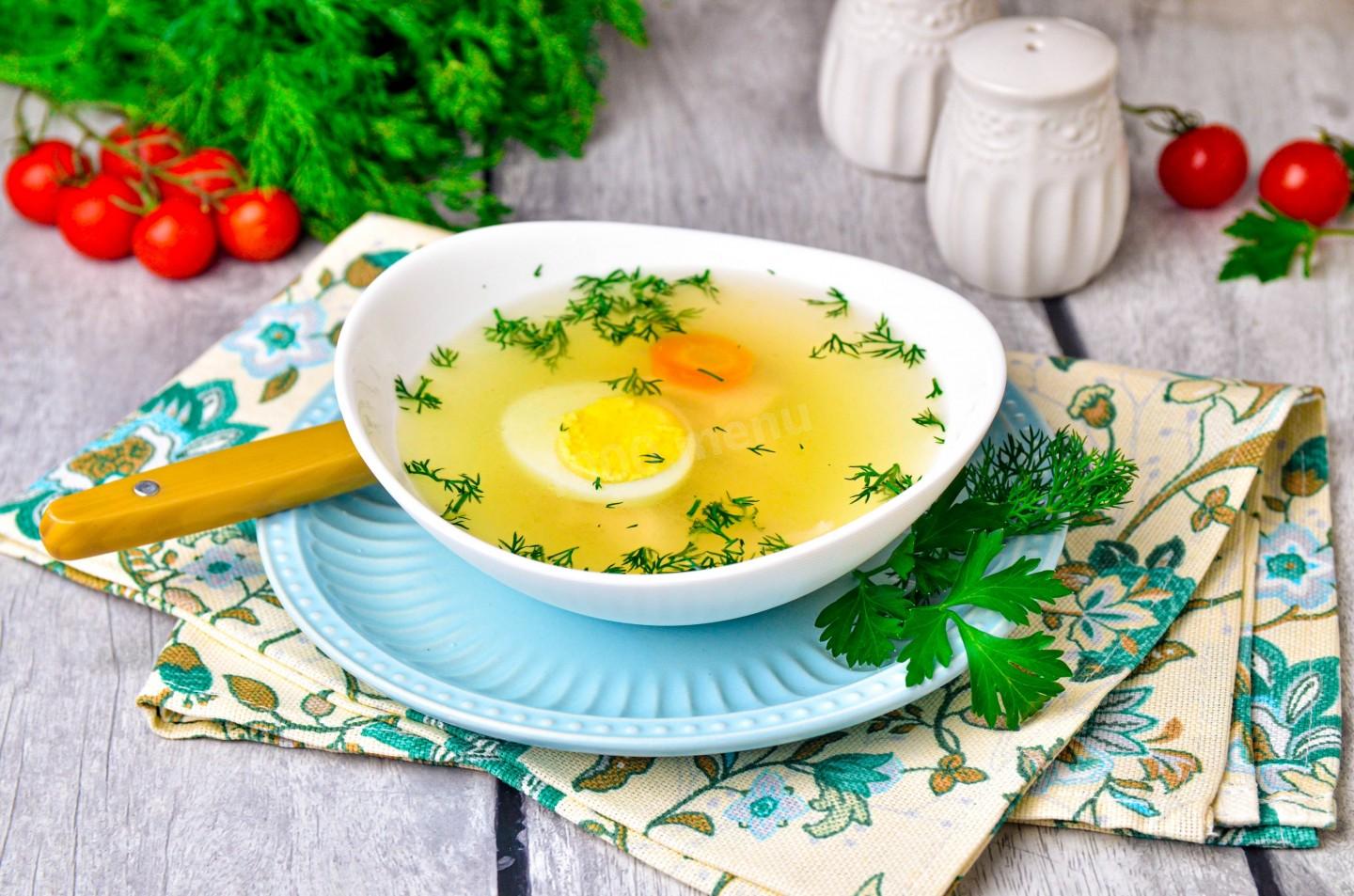
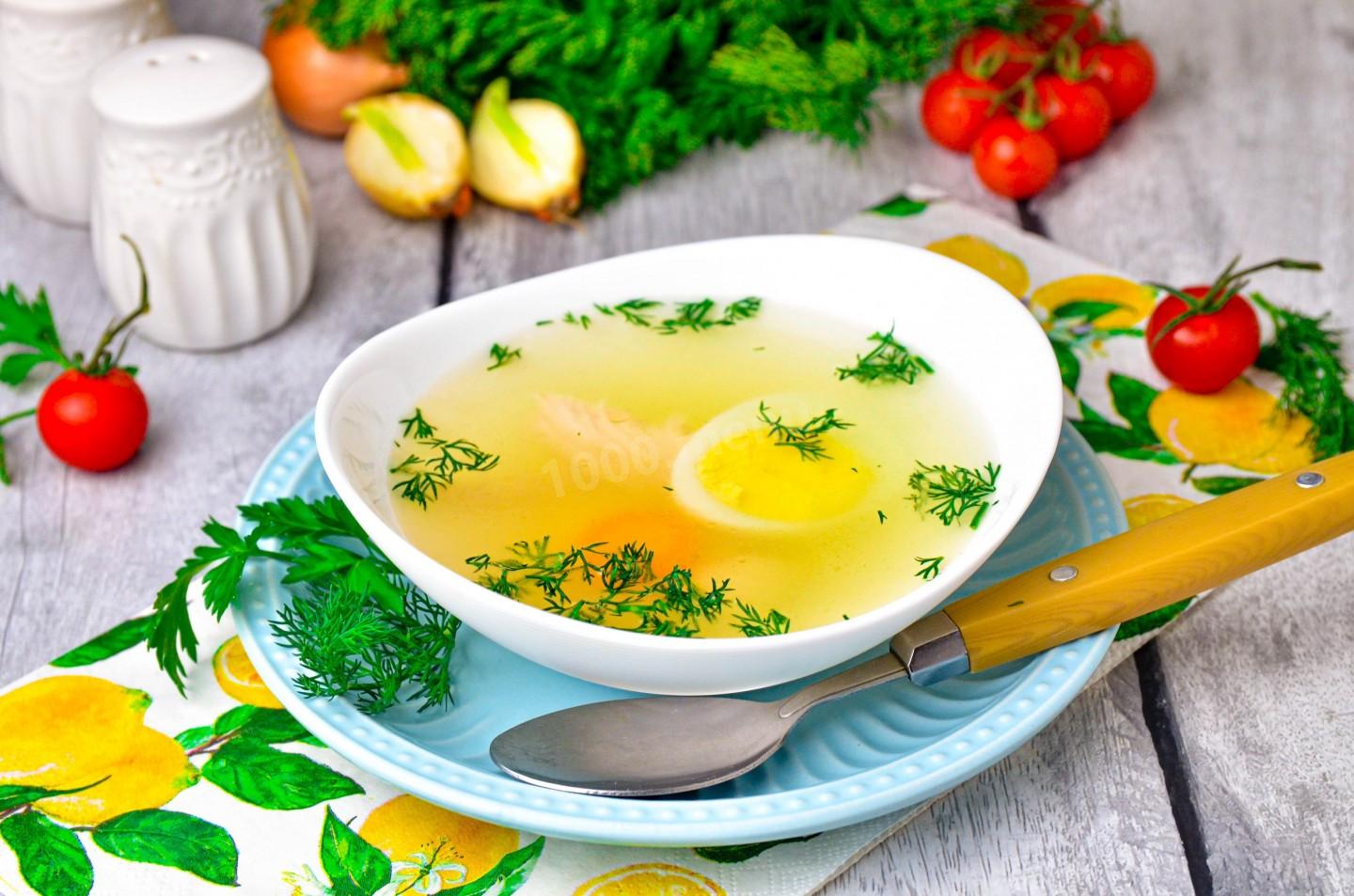
Before serving, you can strain the broth through cheesecloth to make it clearer. Add pieces of the fillet, some carrot, chopped dill, and a hard-boiled egg to the bowls. Enjoy!
- A note on quantities: whether or not the recipe gives an exact amount of water, it's best to go by your own preference (thick versus thinner), the size of your pot, and the ingredients you're using. Keep in mind the author has their own idea of how much meat, potato, grain, and so on belongs in the soup, and it may not match yours. In practice, if it's your first time, don't make a whole pot at once — make a tasting batch for one or two people. Scale all the ingredients down to 1–2 servings, and figure the water at roughly one cup per serving for a very thick soup, up to 1.5–2 cups for a thinner one. Remember that some liquid boils off as it cooks. After tasting a small batch, you can adjust both the liquid and the proportions to your liking. Before long, like most seasoned cooks, you'll be adding the water and ingredients by eye.
- For how to choose the perfect pot for soup, porridge, or pickling, see the article on pots.
- Keep in mind that properly thawing your ingredients has a lot to do with the quality and flavor of the finished dish. For how to avoid mistakes and pick the best way to defrost chicken, see the article on properly thawing food.
Caloric content of the products possible in the composition of the dish
- Onion - 41 kcal/100g
- Carrots - 33 kcal/100g
- Dried carrots - 275 kcal/100g
- Boiled carrots - 25 kcal/100g
- Dill greens - 38 kcal/100g
- Salt - 0 kcal/100g
- Chicken breast - 113 kcal/100g