Homemade ramen soup
Ramen is a refined restaurant dish with a bold, savory flavor. The classic Japanese recipe is out of reach for many — just think of the namesake noodles and other special ingredients. But don't worry that it won't come together. There are plenty of ways to make this dish, which is essentially a relative of lagman. So you can make homemade ramen without much trouble, even if it takes a bit more effort than usual. A soup that used to be considered fast food is now made in restaurants and even served at festive tables. By etiquette, you set out chopsticks (for eating the noodles and meat first) and a spoon (for scooping up the tasty, fragrant broth) beside the bowl.



Cooking method
-
Step 1:
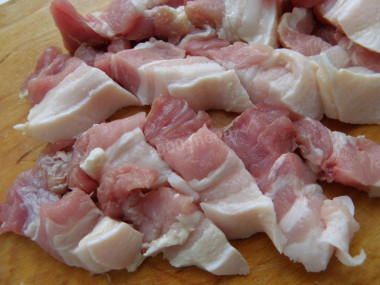
Any meat works for ramen — even fish. I used pork. Rinse it well in cold water, then pat it dry; it's important to get rid of the surface moisture since the meat will be fried. As for the cut, I sliced it into small pieces so it's easy to eat.
-
Step 2:
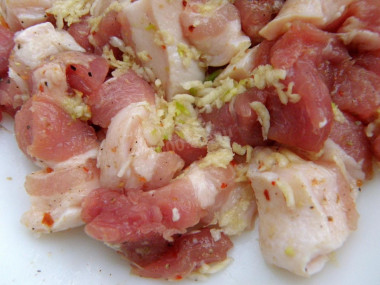
Season the slices with pepper, salt, spices, soy sauce, and finely chopped garlic. Add it all to taste, not by strict measurement.
-
Step 3:
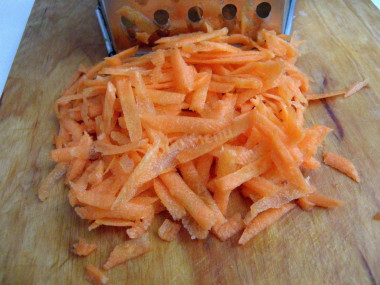
Peel a small carrot and grate it.
-
Step 4:
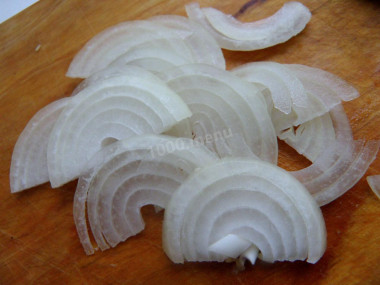
Peel, wash, and pat dry a small onion, then slice it into very thin half-rings.
-
Step 5:
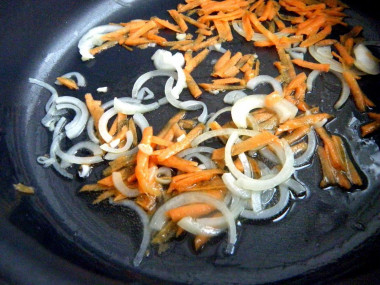
Now heat the oil in a skillet. Once it's good and hot, add the onion and carrot.
-
Step 6:
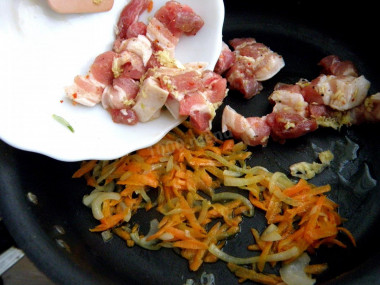
When the onion and carrot are fried, add the seasoned meat. (If your skillet is large and you don't have much to cook, you can fry it all at once.) Brown the meat slices, then cook them through: after they've browned, add a small amount of water — just enough to cover the bottom — and top it up a little as it evaporates.
-
Step 7:
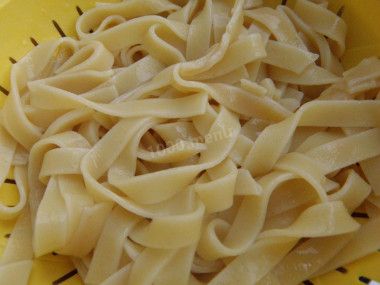
At the same time, put water on for the noodles (homemade if possible, but store-bought is fine). Cook them per the package directions, then drain them in a colander. To make noodles yourself, knead a dough from 3/4 cup of flour, an egg, salt to taste, and 1 tablespoon of kansui water (a special alkaline mineral water), roll it out into a sheet, cut it into strips, dry them slightly, and they're ready to use.
-
Step 8:
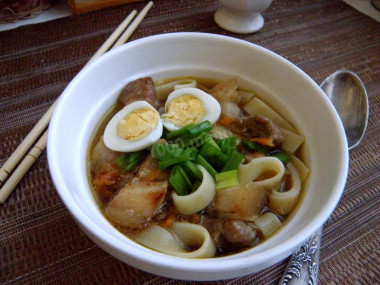
Once all the components are ready (this assumes you've combined the prepared broth with soy sauce), put the noodles in a bowl first, the meat and vegetables on top, and pour the hot broth over everything. The broth can be meat, fish, chicken, and so on. Top the dish with green onion and add the halves of hard-boiled, peeled quail eggs. Season once more with your favorite spices and dig in!


Caloric content of the products possible in the composition of the dish
- Onion - 41 kcal/100g
- Fatty pork - 333 kcal/100g
- Pork meat - 357 kcal/100g
- Pork - lean roast - 184 kcal/100g
- Bone-in pork chop - 537 kcal/100g
- Pork schnitzel - 352 kcal/100g
- Pork shoulder - 593 kcal/100g
- Boar leg - 113 kcal/100g
- Pork - 259 kcal/100g
- Carrots - 33 kcal/100g
- Dried carrots - 275 kcal/100g
- Boiled carrots - 25 kcal/100g
- Garlic - 143 kcal/100g
- Ginger - 80 kcal/100g
- Dried ginger - 347 kcal/100g
- Pickled ginger - 51 kcal/100g
- Soy sauce - 51 kcal/100g
- Green onion - 19 kcal/100g
- Salt - 0 kcal/100g
- Noodles - 135 kcal/100g
- Quail egg - 168 kcal/100g
- Dried spices - 240 kcal/100g
- Olive oil - 913 kcal/100g
- Ground pink pepper - 21 kcal/100g
- Chicken broth - 19 kcal/100g
Similar recipes



- National cuisine
- Soups
- Eggs
- Meat and meat products
- Semi-finished products
- Vegetables
- Spices seasonings spices
- Fats and oils
- Other
- Garlic
- Ginger
- Pepper
- Salt
- Dry spices
- Vegetable oil
- Asian cuisine
- Cooking
- Egg soup
- Meat soup
- Soup without potatoes
- Pasta soup
- Quail quail eggs
- Pork
- Sauce
- From carrots
- From onion
- Recipes for lean dishes without butter
- From pasta products
- Noodles