Sponge cake with custard
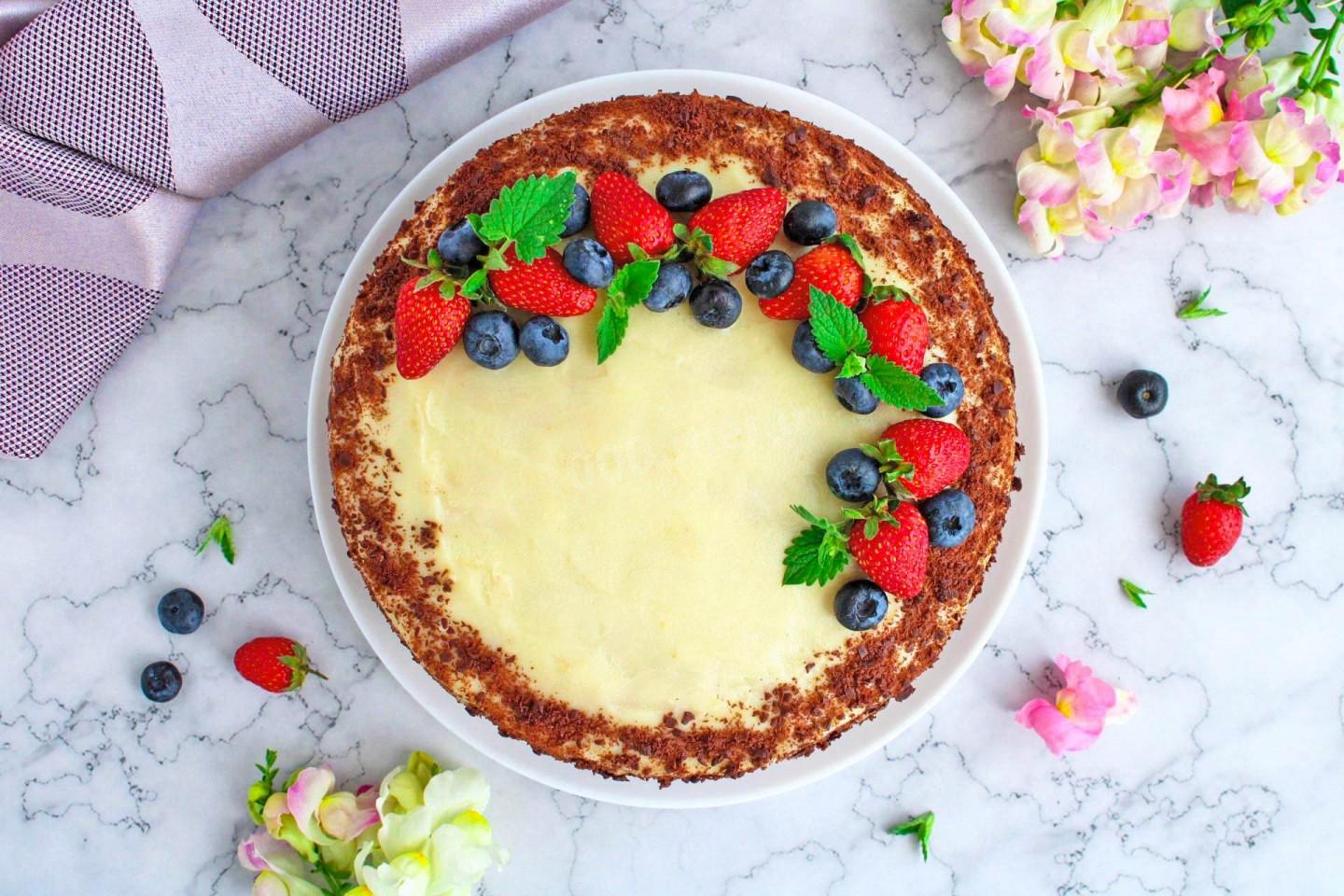
Light, tender, airy, melt-in-your-mouth! A custard cake made with airy sponge layers is an amazingly tender, delicious dessert. It can't be made quickly, but this sweet treat is worth it. No tea party will be dull with it on the table!




Cooking method
-
Step 1:
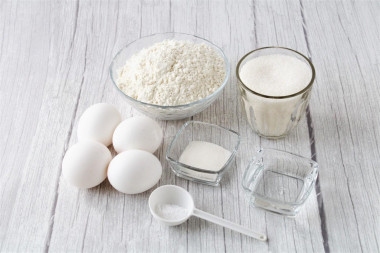
How do you make a sponge cake with custard? Measure out the ingredients for the sponge. They should be at room temperature. Warm the water until it's moderately hot.
-
Step 2:
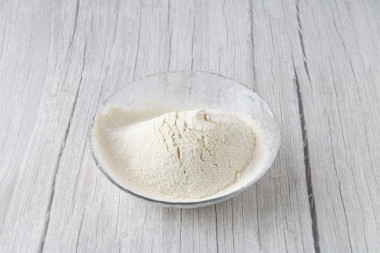
Mix the flour with the baking powder and sift it into a wide bowl. Sifting aerates the flour, which helps the batter rise more during baking, so the sponge comes out light and airy.
-
Step 3:

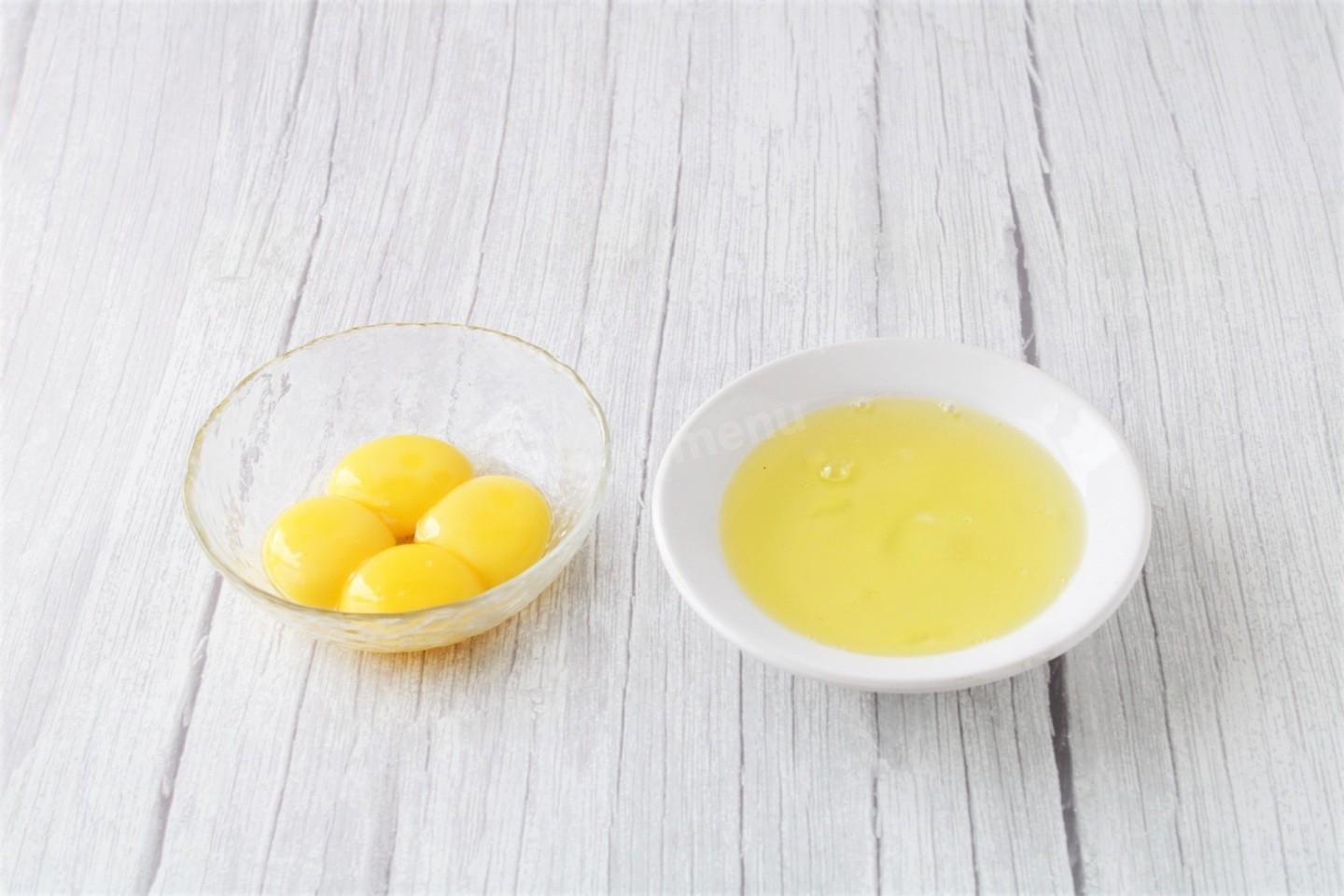
Carefully separate the eggs into whites and yolks. Not a drop of yolk should get into the whites, or they won't whip up.
-
Step 4:
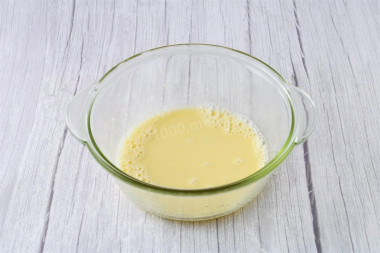
Beat the yolks with a mixer until smooth, pouring in the hot water as you go.
-
Step 5:
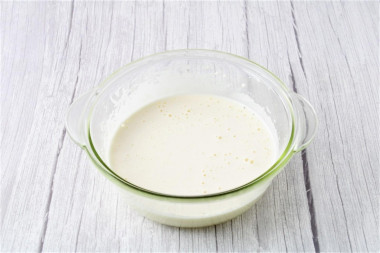
Without stopping the mixer, add half the sugar to the yolks. Whip on high speed until you have a fluffy, pale mass.
-
Step 6:
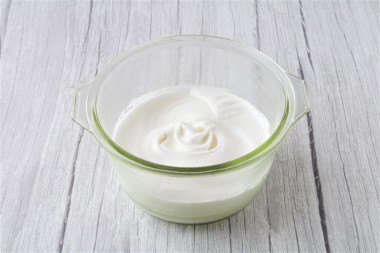
In a separate dry, grease-free bowl, whip the whites. Start on low speed. When the beaters start leaving visible tracks on the surface, add the remaining sugar in batches without stopping. Gradually increase the speed to maximum. Whip the whites to a dense, stiff foam. The whipped whites should stay put even when the bowl is turned upside down.
-
Step 7:
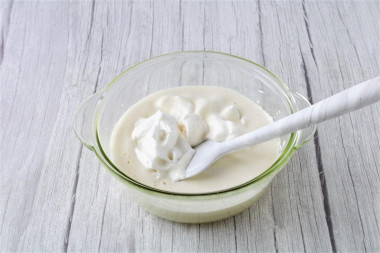
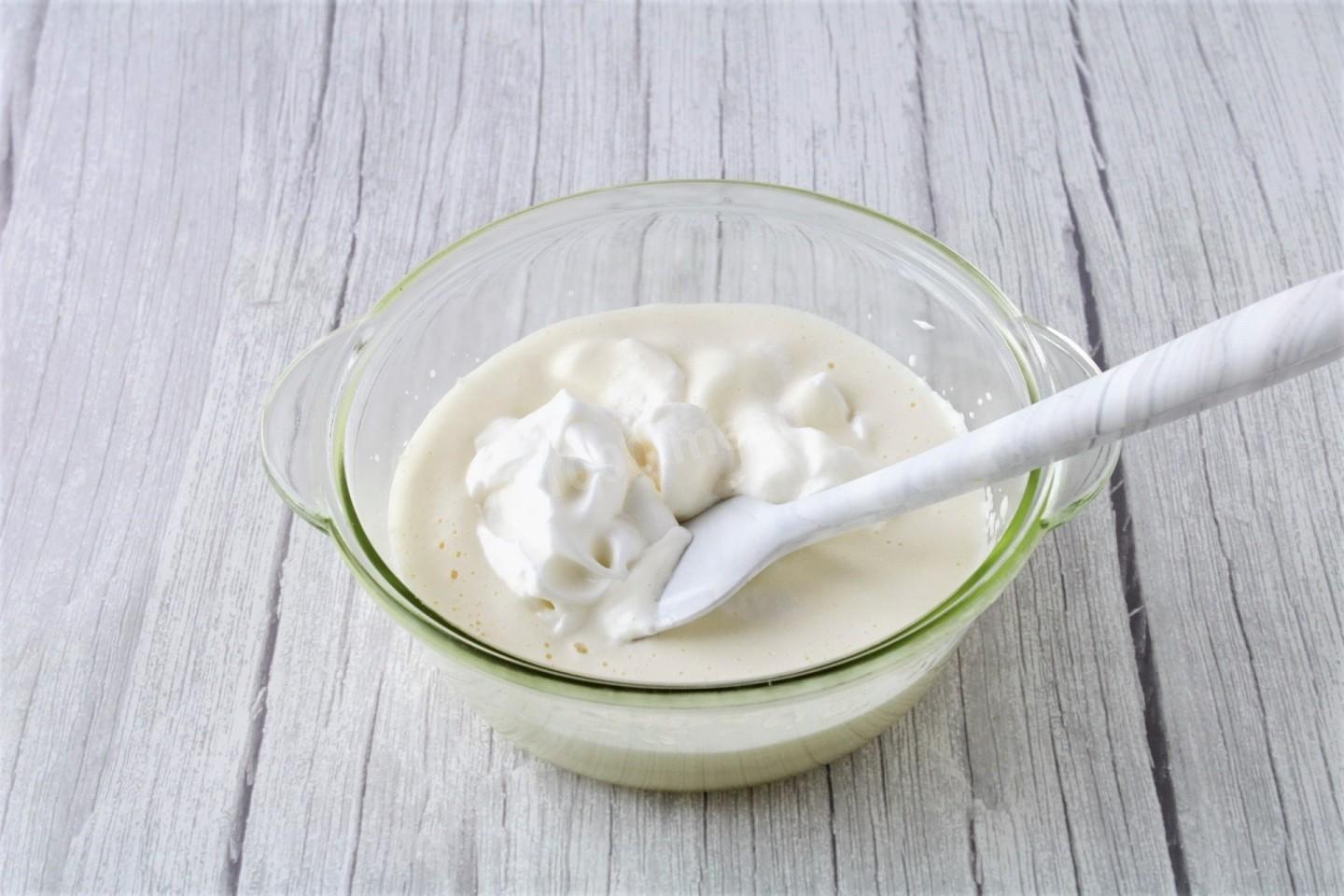
With a spatula, gently fold the whipped whites into the yolk mixture with a top-to-bottom motion.
-
Step 8:
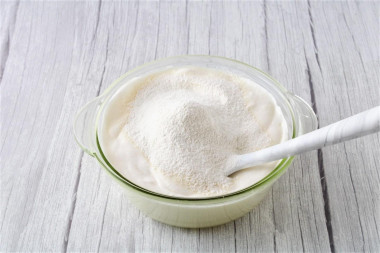
Add the flour (sifted with the baking powder) in small batches. Fold the batter just as gently and carefully so you don't knock the air out of it.
-
Step 9:
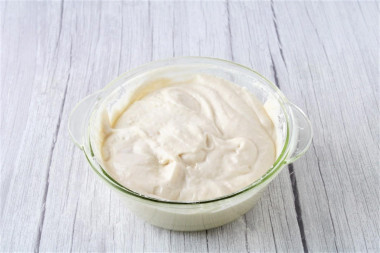
The batter comes out smooth, fluffy, and light.
-
Step 10:
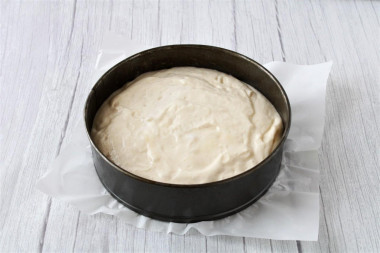
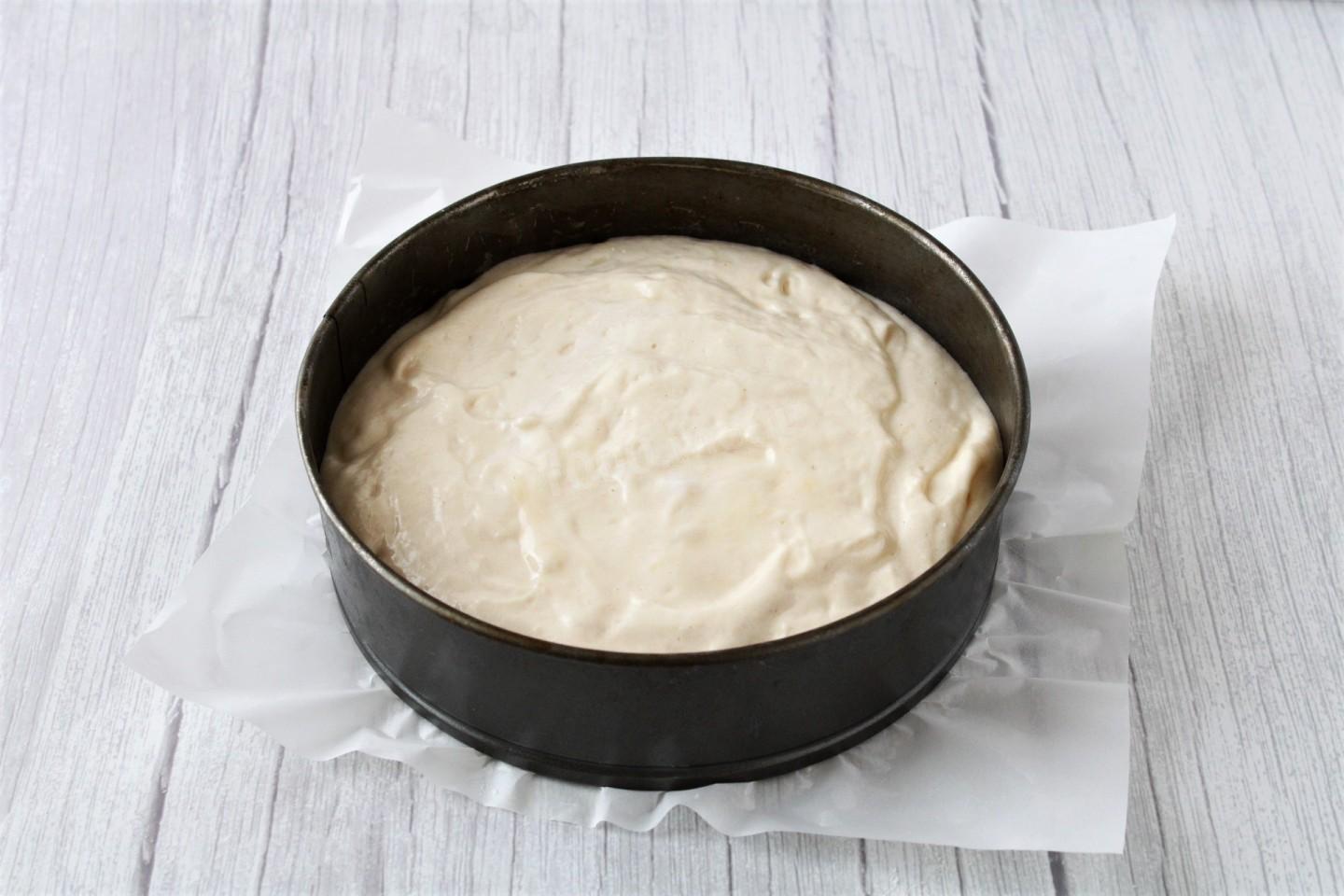
Line the bottom of a 9–9.5 in (22–24 cm) cake pan with parchment. You don't need to grease the sides. Gently pour the batter into the pan and smooth it out.
-
Step 11:
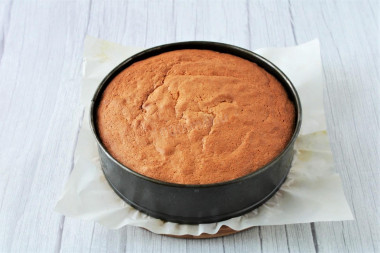
Bake the sponge in an oven preheated to 350°F (180°C) for 35–40 minutes, until golden. Don't open the oven during baking, or the temperature change can make the sponge sink. The baking time may vary—go by how your oven behaves. Cool the finished sponge and remove it from the pan. It's better to bake the sponge a day ahead and let it rest for 10–12 hours. The crumb firms up, so the sponge won't crumble much when you slice it into layers.
-
Step 12:
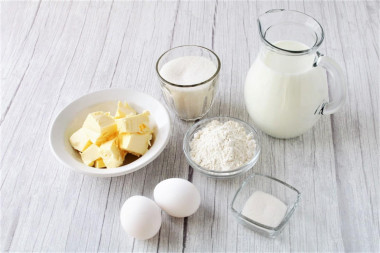
How do you make the custard? Use the custard ingredients at room temperature. Take the butter out ahead of time so it softens.
-
Step 13:
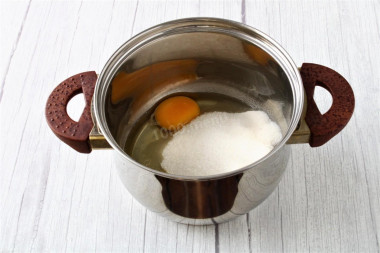
Take a small, heavy-bottomed saucepan—it heats more evenly while you cook the custard. Combine the eggs, sugar, and vanilla sugar in the saucepan. Whisk until smooth.
-
Step 14:
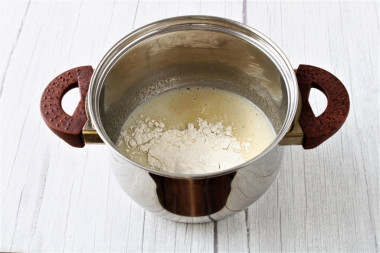
Add the flour in a few additions. Whisk until smooth, with not a single lump.
-
Step 15:
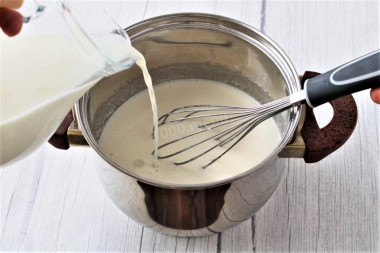
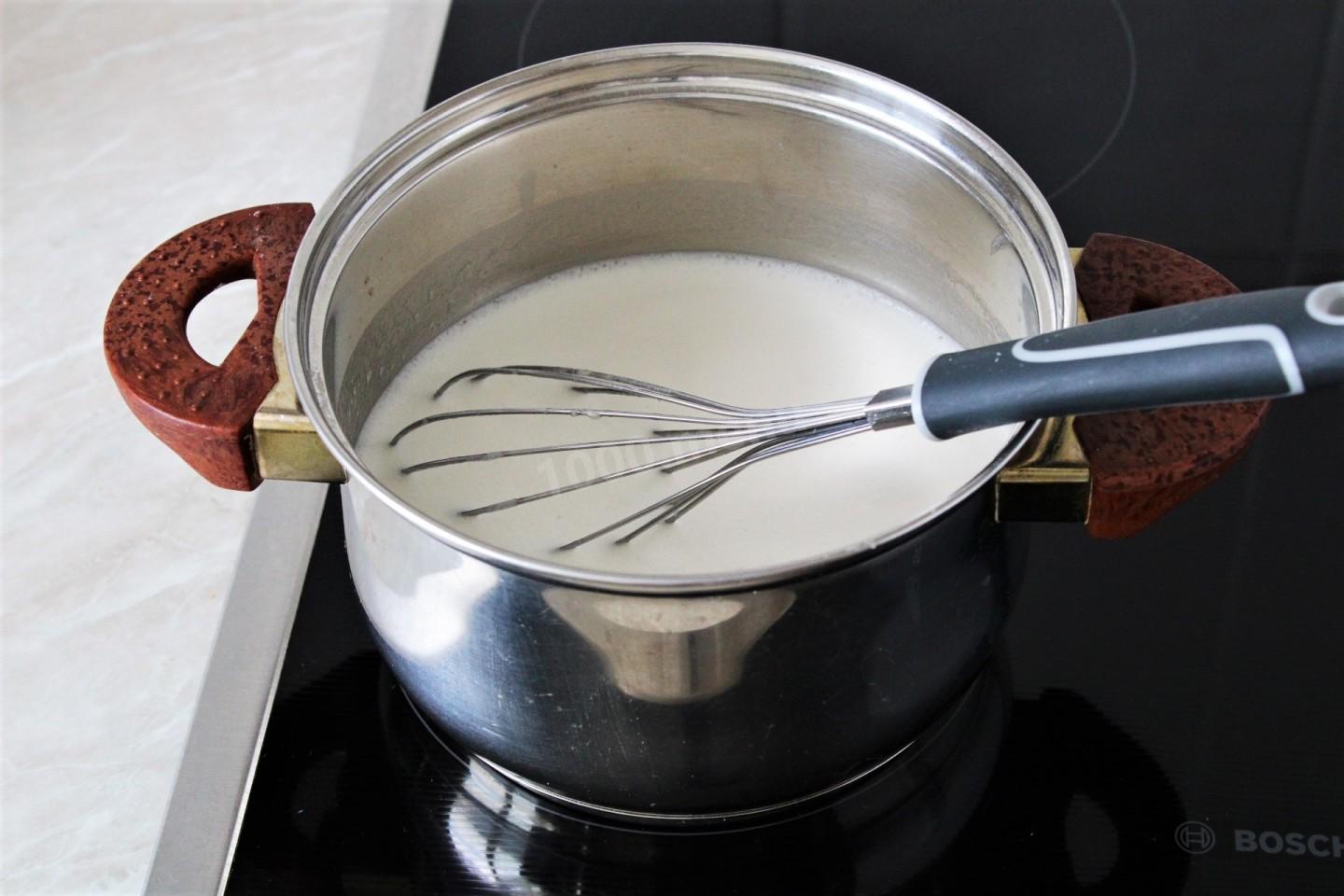
Pour the milk into the egg mixture in a thin stream, whisking all the while. Add the milk gradually—that makes it easier to get the mixture perfectly smooth.
-
Step 16:
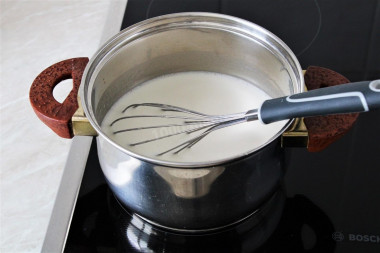
Set the saucepan of milk mixture over medium heat. Heat it, stirring constantly (!). It's very important not to leave the stove, so the custard doesn't stick to the bottom. If the mixture scorches and the eggs curdle, the custard will be ruined.
-
Step 17:
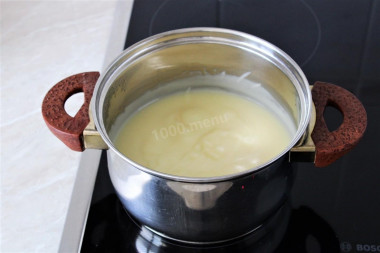
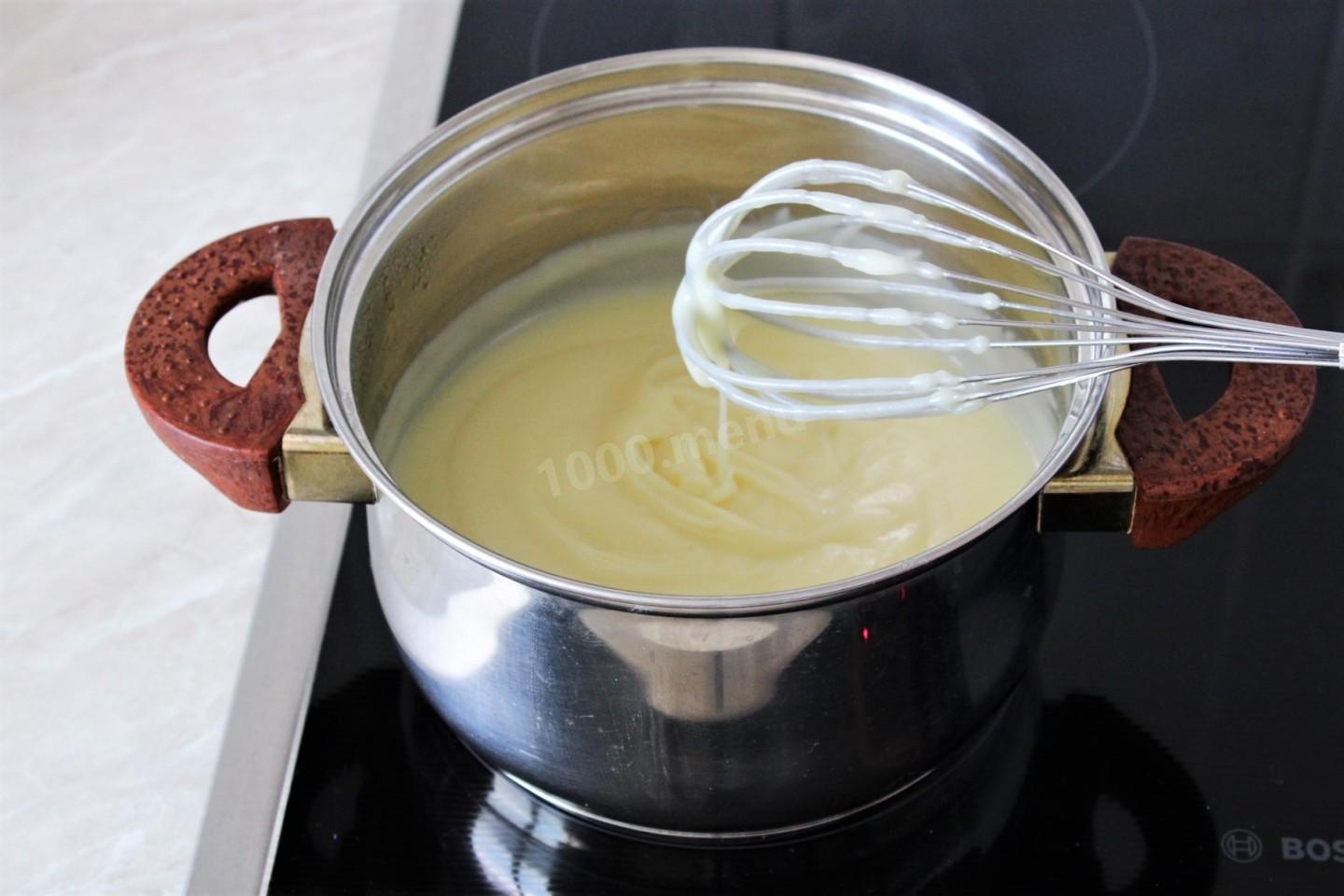
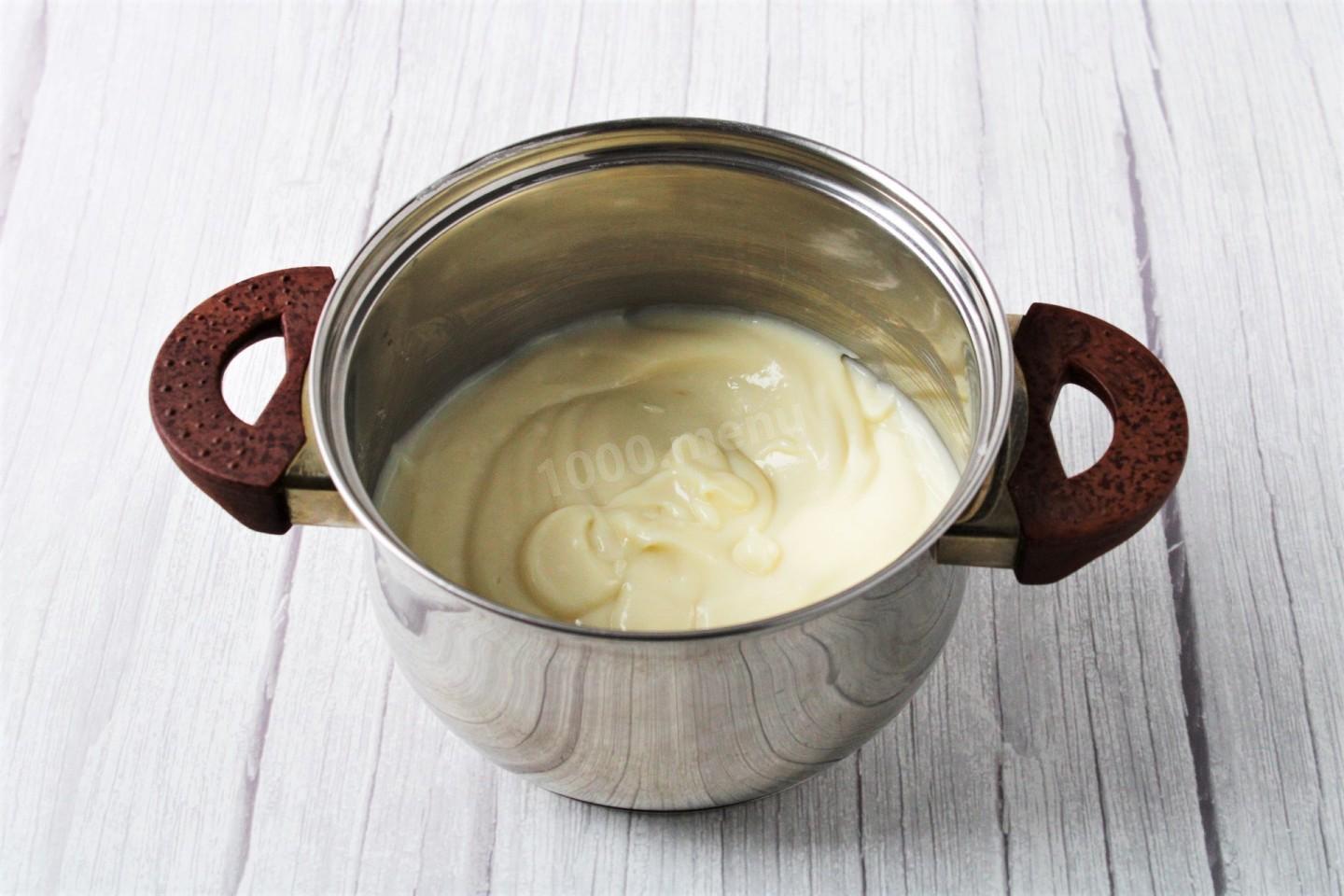
The custard will gradually start to thicken. Lower the heat to its minimum and wait for it to come to a boil. When bubbles appear on the surface and the custard starts to gently "puff," turn off the heat.
-
Step 18:
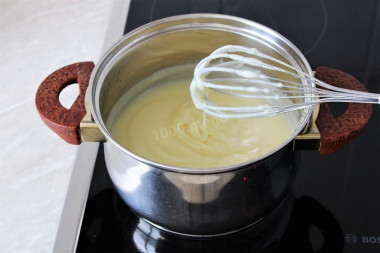
The custard comes out fairly thick and smooth.
-
Step 19:
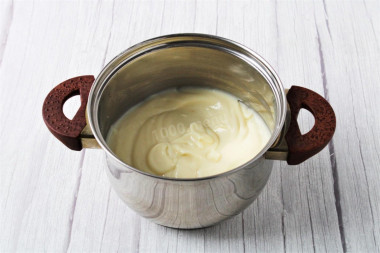
Cool the custard to room temperature. Stir it now and then so a skin doesn't form on the surface.
-
Step 20:
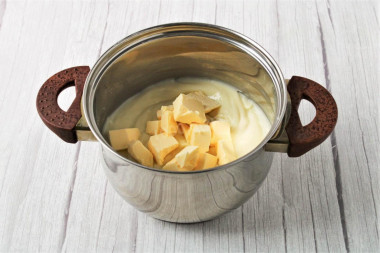
Add the soft butter to the custard and stir well.
-
Step 21:
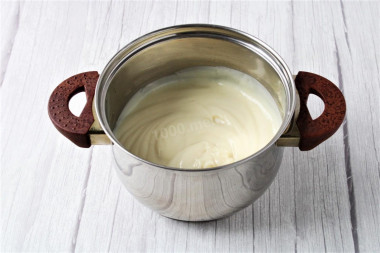
The butter should blend completely into the custard.
-
Step 22:
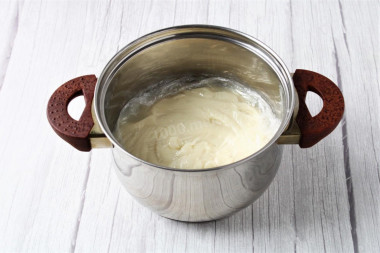
Cover the custard with plastic wrap pressed directly against the surface so it doesn't dry out. You can refrigerate the custard—then it's firmer and thicker, which makes it easier to layer the cake.
-
Step 23:
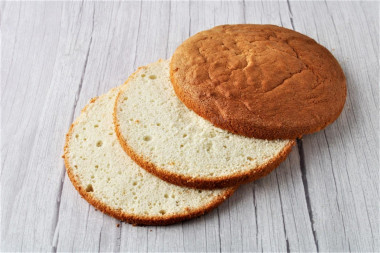
Slice the sponge into layers.
-
Step 24:
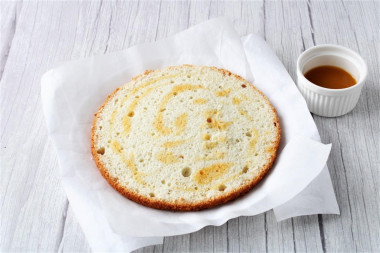
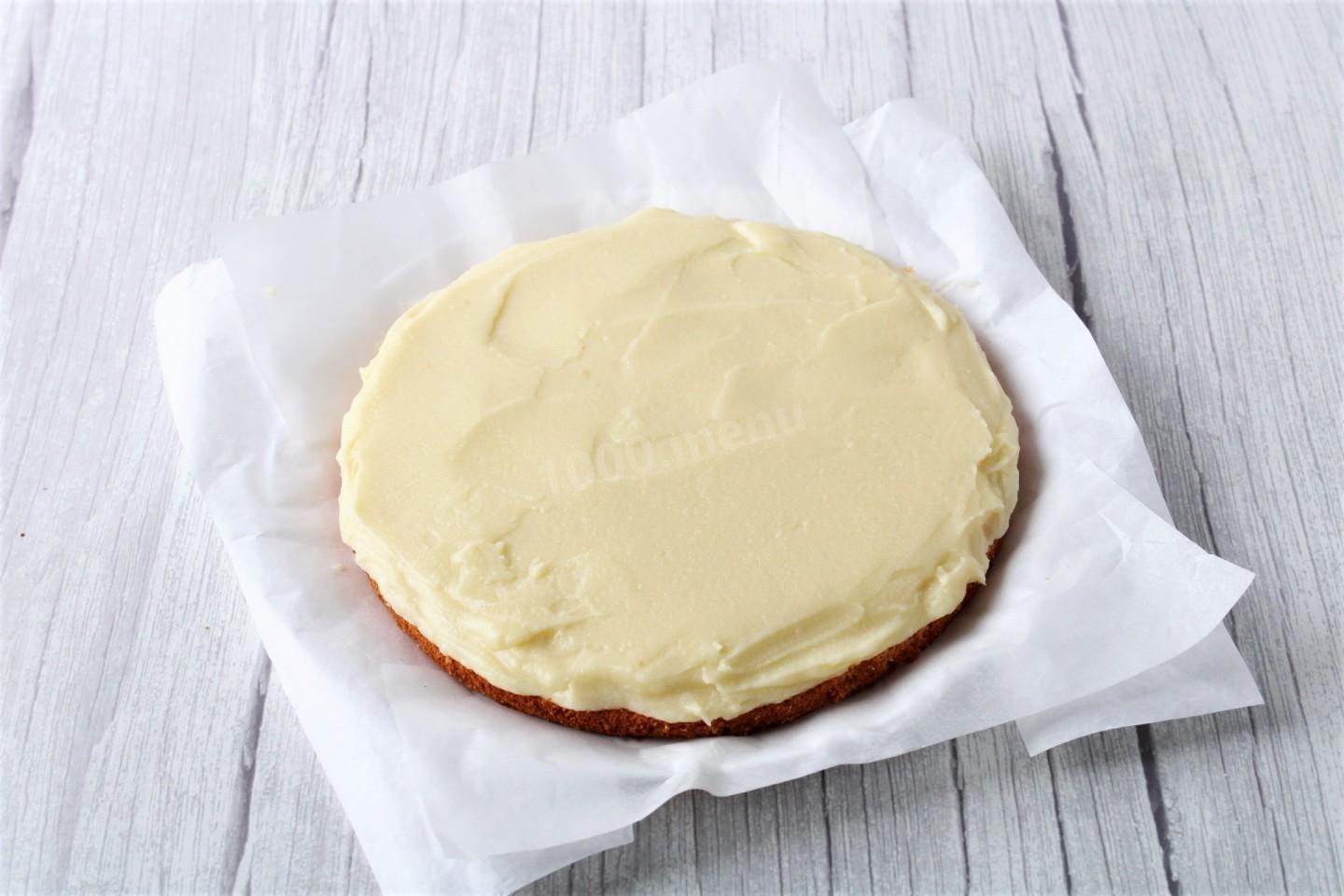
You can use any fruit or berry juice to moisten the layers. Or make a light sugar syrup: mix water and sugar in a 1:0.5 ratio and simmer it over low heat for about 5 minutes, then cool it. Brush the sponge layers with the soak of your choice. When assembling the cake, I lined the plate with parchment—it's handy, and the plate stays clean afterward.
-
Step 25:
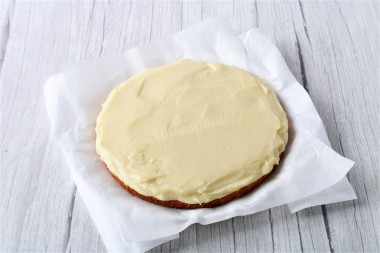
Spread an even layer of custard over a sponge layer. Top with the next layer.
-
Step 26:
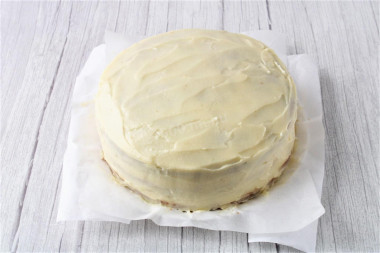
Assemble the whole cake this way. Spread custard over the top and sides of the cake too. Refrigerate the dessert for 5–6 hours so it can soak.
-
Step 27:
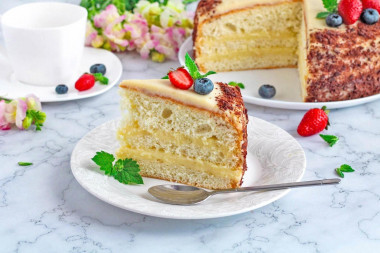
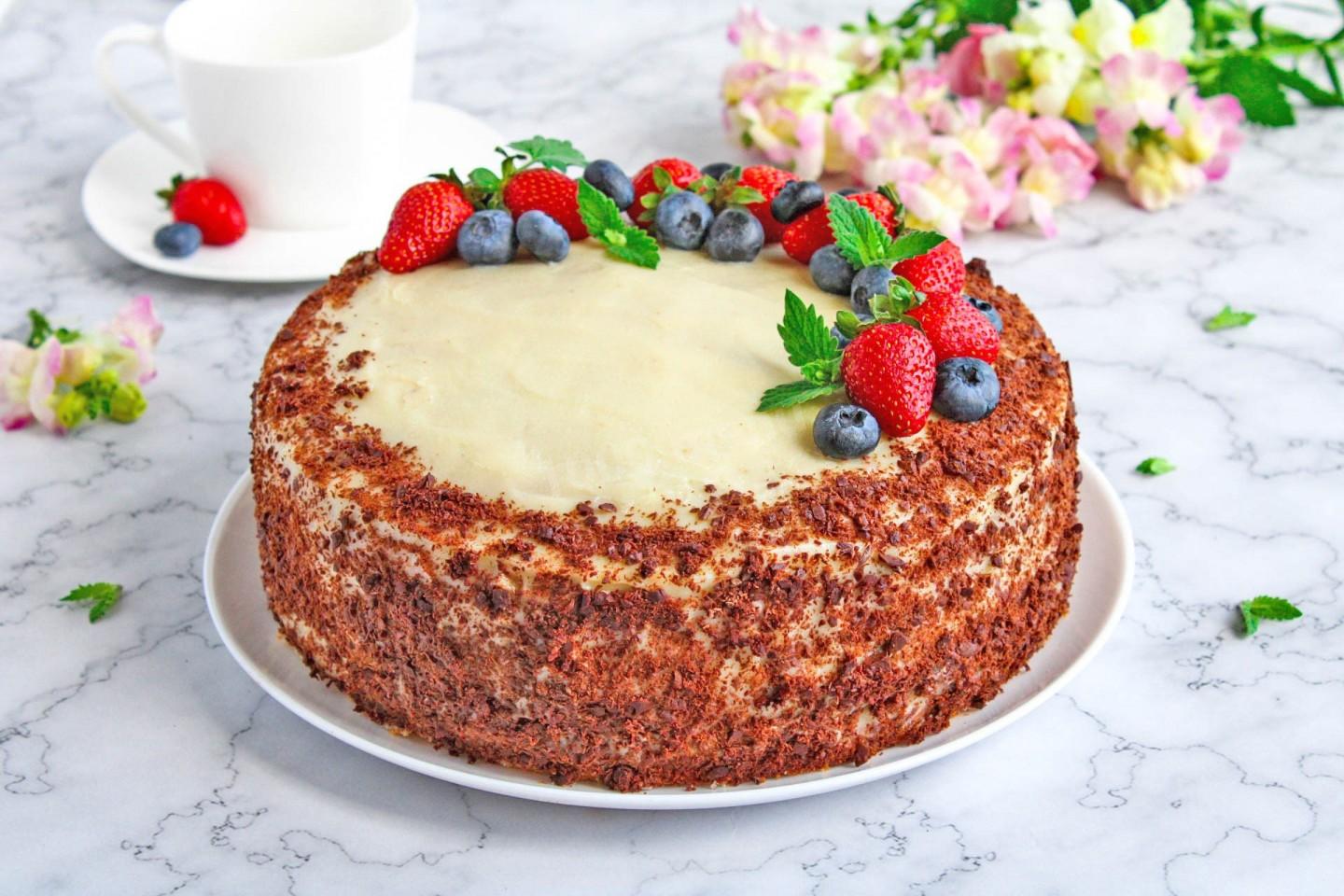
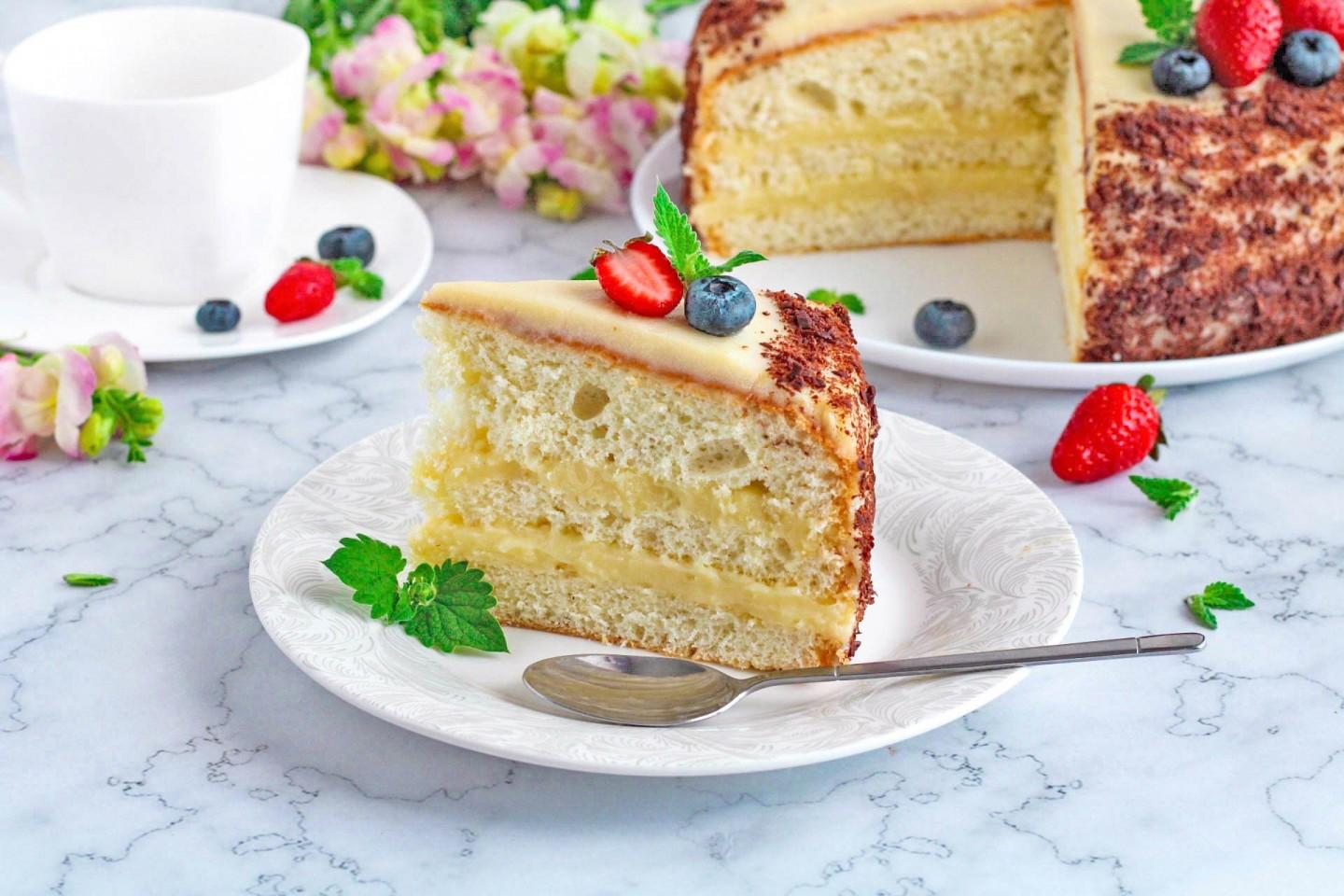
Before serving, decorate the cake however you like. I dusted the sides with grated chocolate and decorated it with berries and lemon balm leaves. Remove the parchment, slice the dessert into portions, and serve. Enjoy your meal!












- For all the secrets of making a tall, beautiful, fluffy sponge, read the article on sponge-cake batter.
- Keep in mind that every oven is different. The temperature and baking time may differ from what's given in the recipe. To make any baked dish a success, take advantage of this helpful information about how ovens behave!
- So the oven has time to reach the right temperature, turn it on ahead of time (10–20 minutes before you start).
Caloric content of the products possible in the composition of the dish
- Whole cow's milk - 68 kcal/100g
- Milk 3.5% fat - 64 kcal/100g
- Milk 3.2% fat - 60 kcal/100g
- Milk 1.5% fat - 47 kcal/100g
- Concentrated milk 7.5% fat - 140 kcal/100g
- Milk 2.5% fat - 54 kcal/100g
- Chicken egg - 157 kcal/100g
- Egg white - 45 kcal/100g
- Egg powder - 542 kcal/100g
- Egg yolk - 352 kcal/100g
- Ostrich egg - 118 kcal/100g
- Granulated sugar - 398 kcal/100g
- Sugar - 398 kcal/100g
- Butter 82% - 734 kcal/100g
- Amateur unsalted butter - 709 kcal/100g
- Unsalted peasant butter - 661 kcal/100g
- Salted peasant butter - 652 kcal/100g
- Clarified butter - 869 kcal/100g
- Juice - 36 kcal/100g
- Water - 0 kcal/100g
- Wheat flour - 325 kcal/100g
- Baking powder - 79 kcal/100g
- Vanilla sugar - 379 kcal/100g