Homemade Ginger Ale
A ginger-spiced drink to brighten your whole day. Back during Prohibition in the US, ginger ale became a popular stand-in for stronger drinks. Its bold, peppery ginger bite, lively carbonation, and very low alcohol content (about 2%) set it apart.

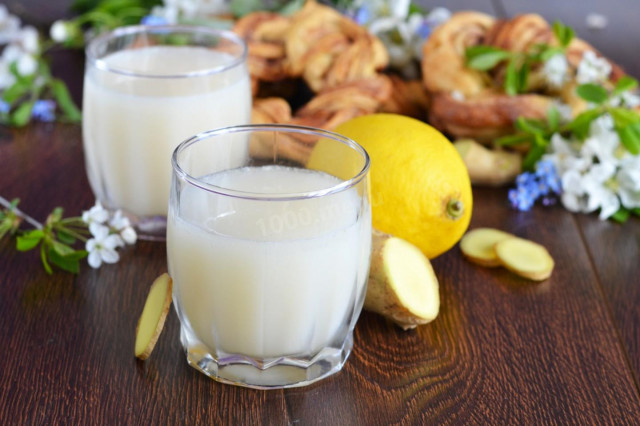
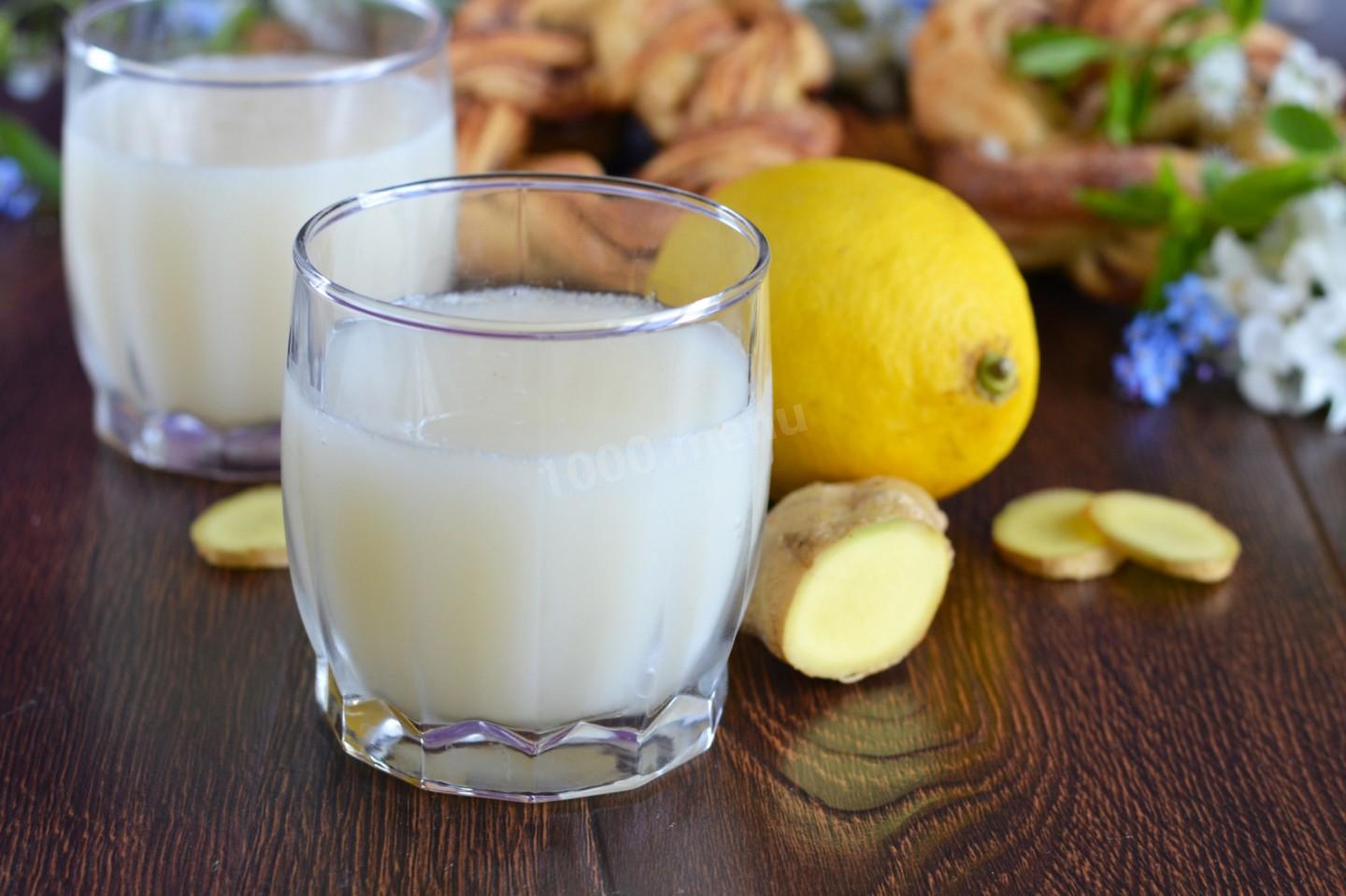
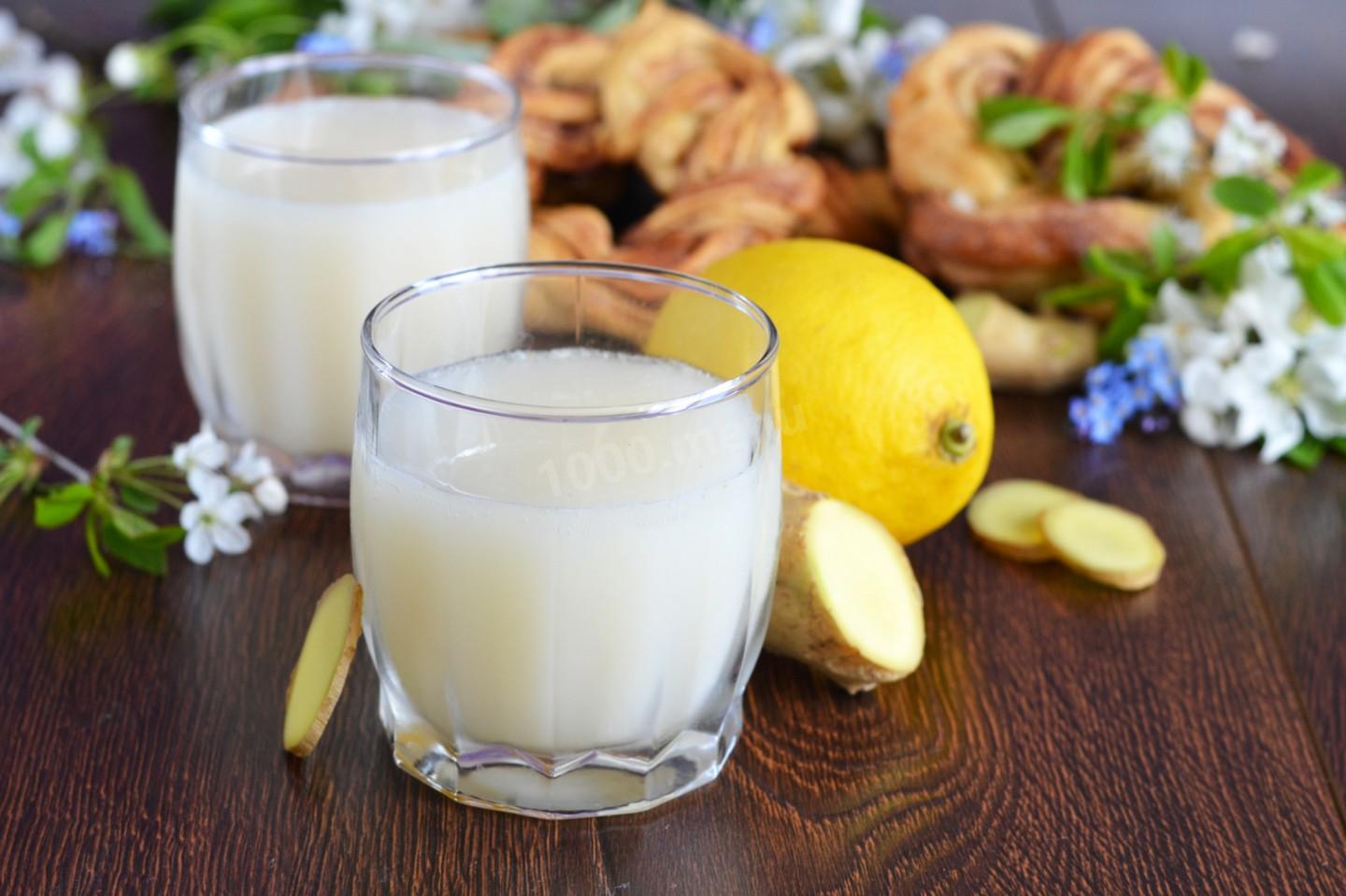
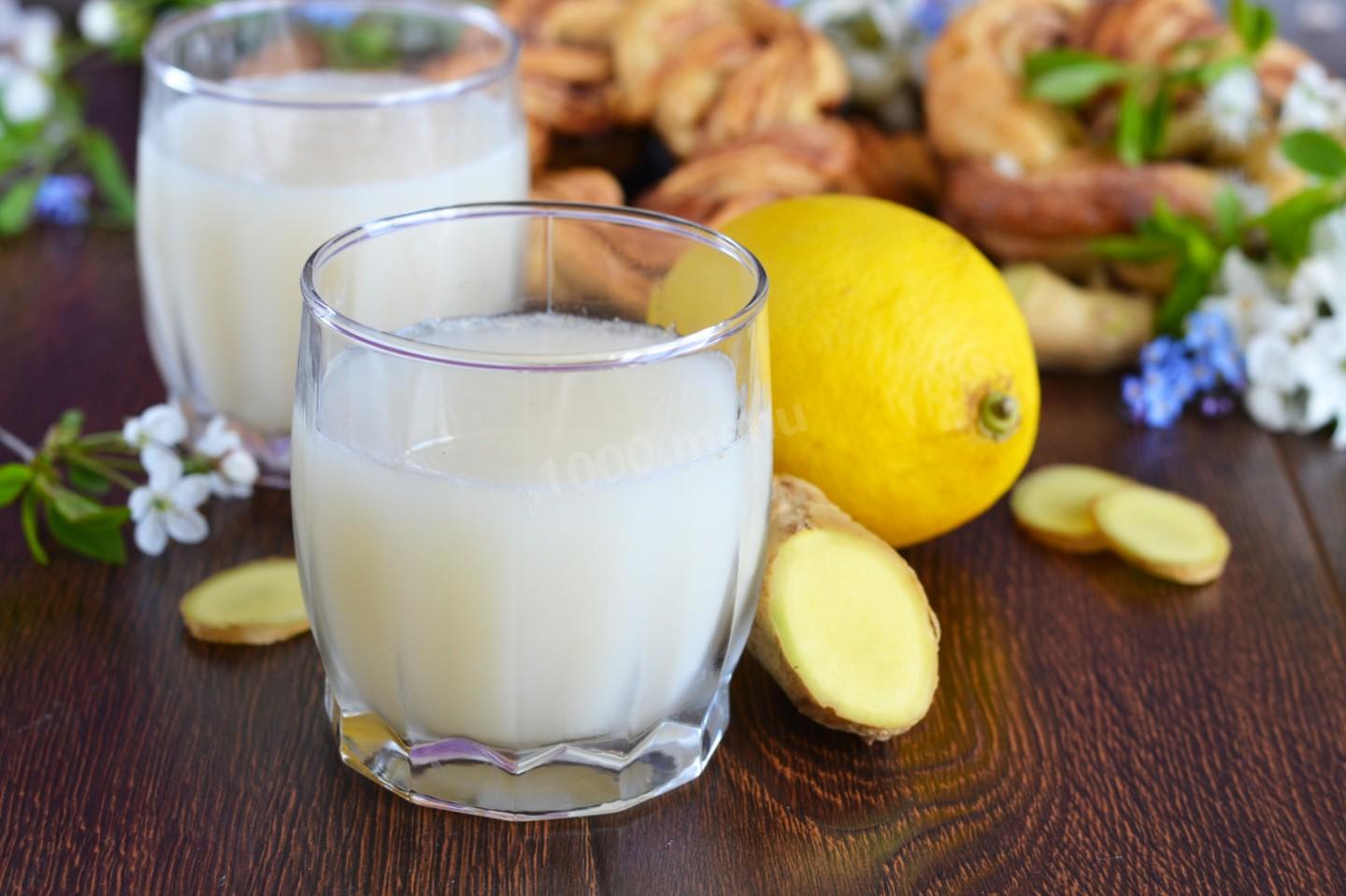
Cooking method
-
Step 1:
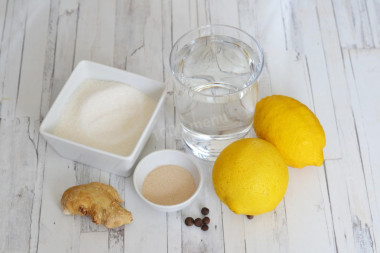
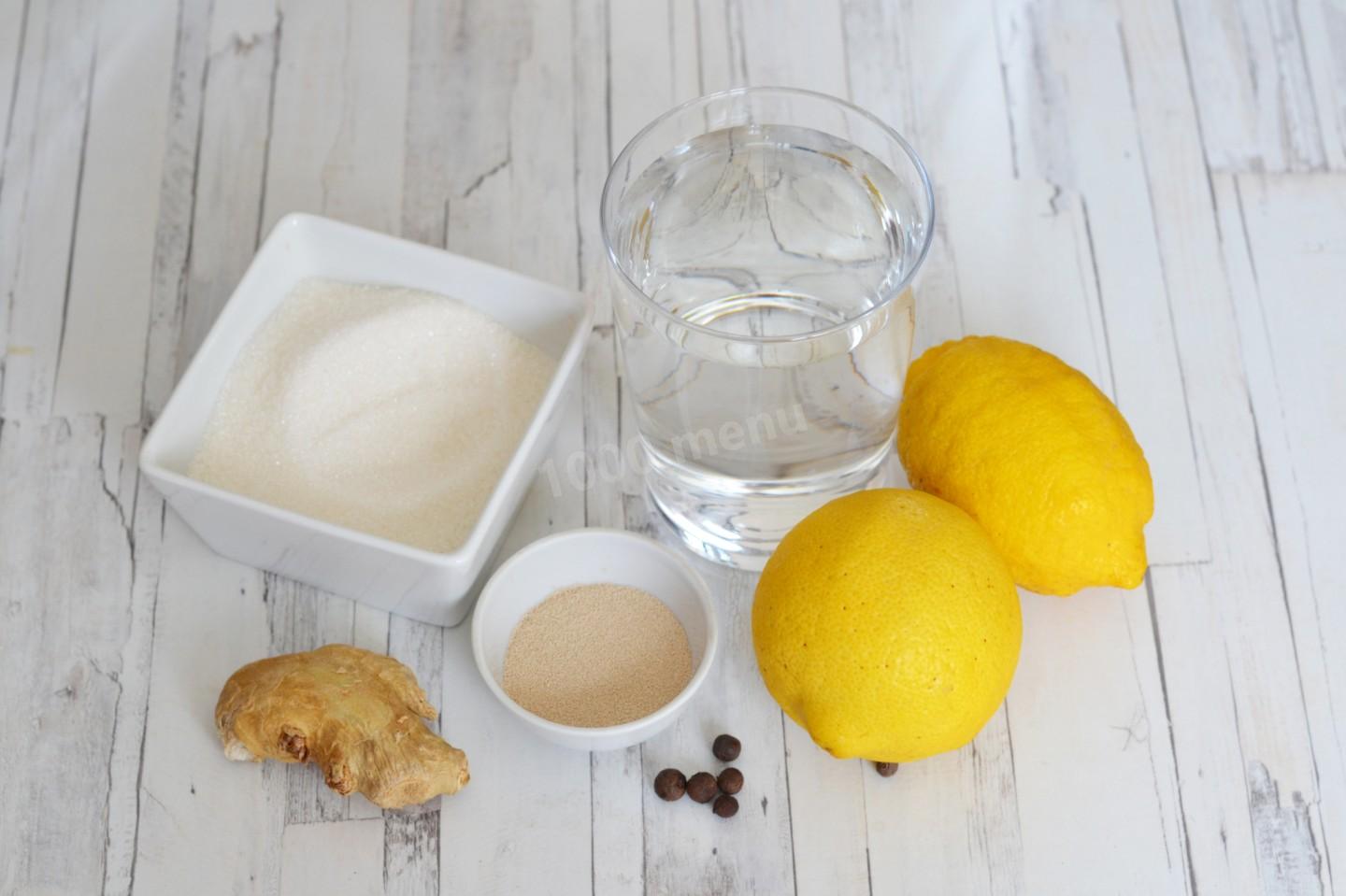
Gather all the ingredients for the ale. Besides lemons, you can use 1 lime, or make a citrus blend from the juice of 2 lemons, 1 lime, and 1 orange. The allspice berries are optional, but they give the drink a little extra fragrance.
-
Step 2:
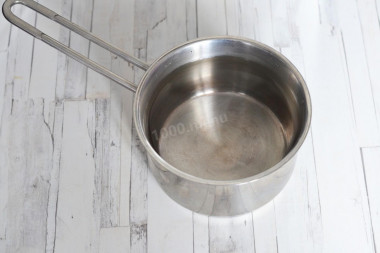
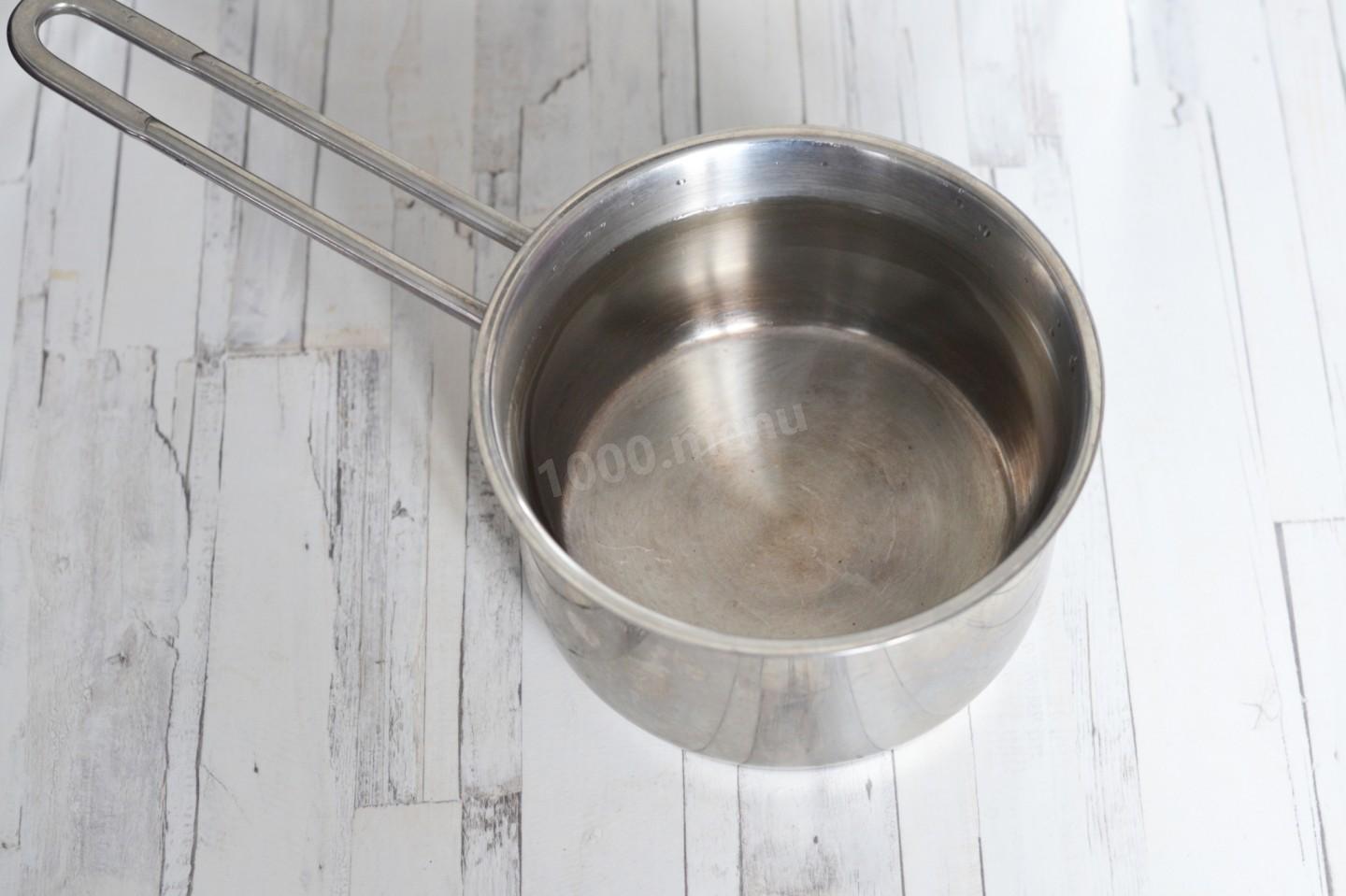
Pour the water into a saucepan, set it over the heat, and bring it to a boil.
-
Step 3:
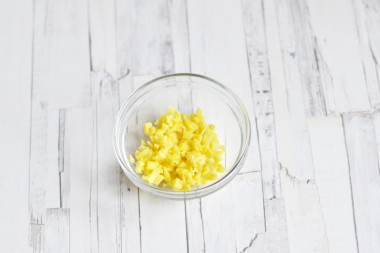
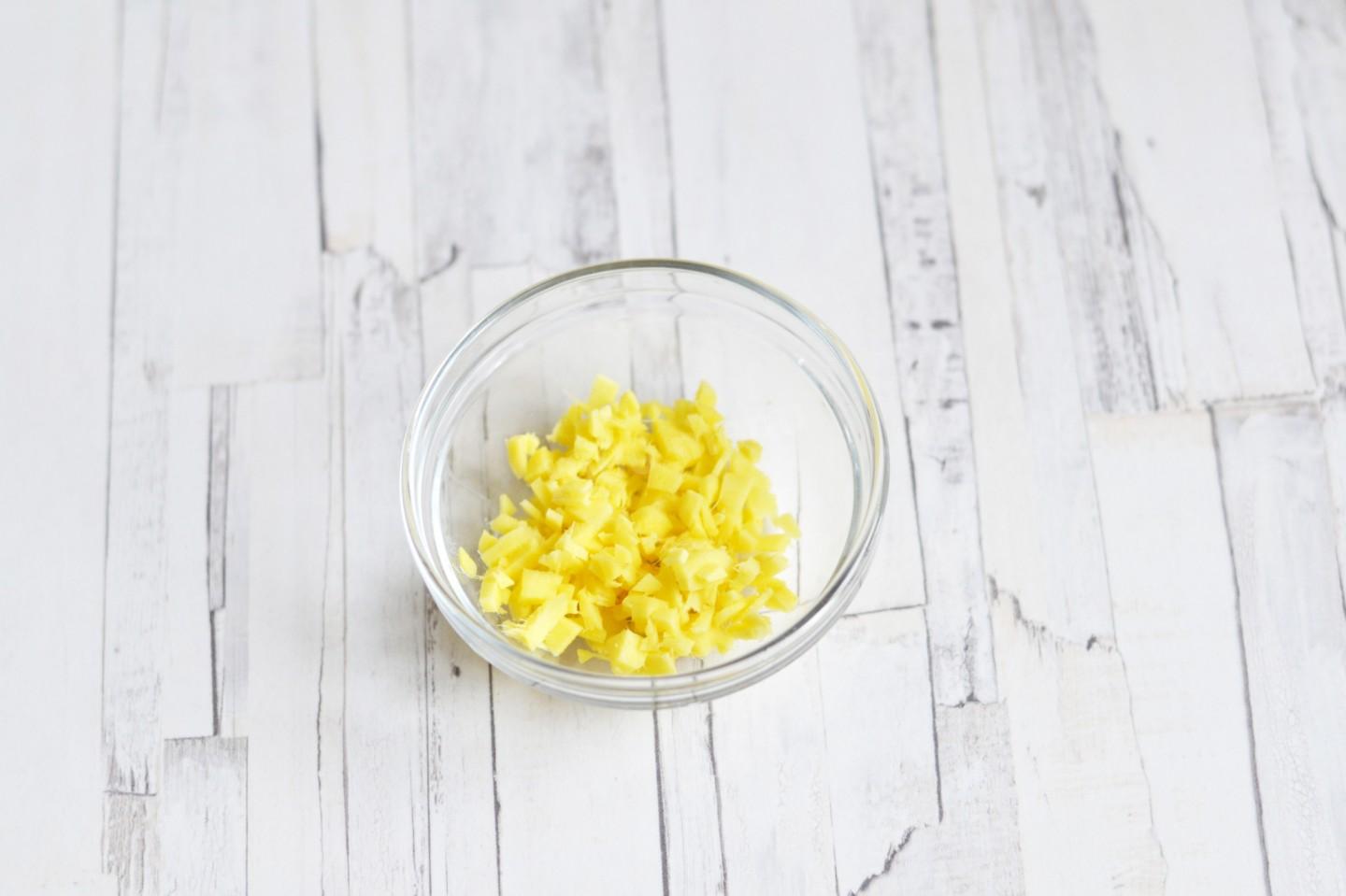
While the water heats, peel the ginger root and grate it on a fine or medium grater. You can dice it instead, but grating releases more juice. Be sure to save all the juice that comes out as you grate — it's needed for the ale.
-
Step 4:
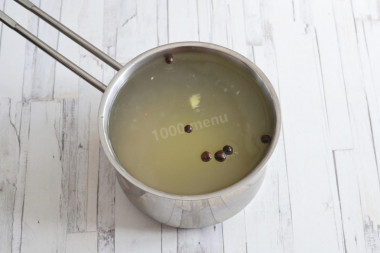
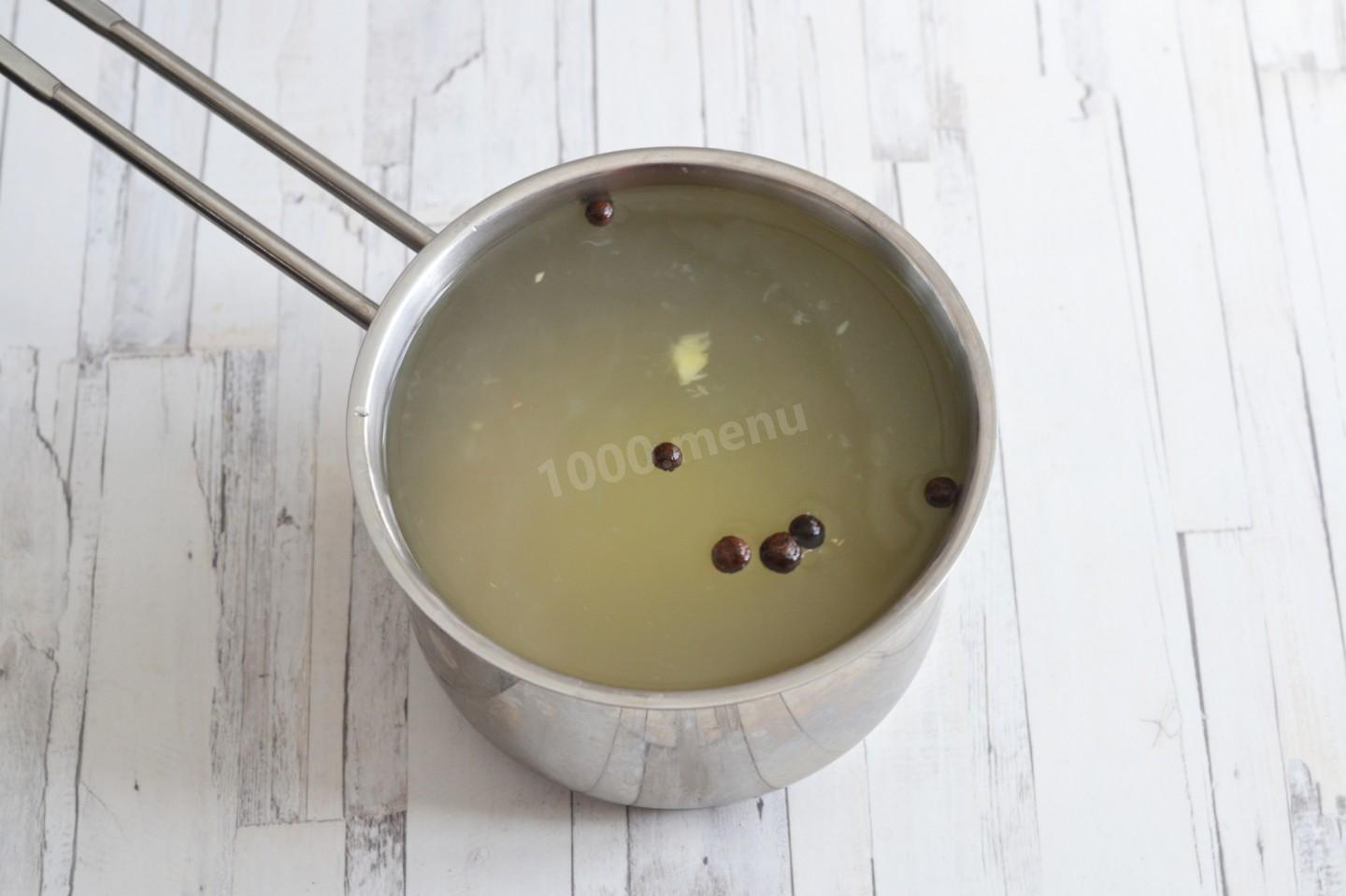
As soon as the water boils, take the saucepan off the heat. While the water is still hot, stir in the sugar, grated ginger, and allspice berries. Stir until the sugar fully dissolves. Leave the mixture at room temperature to steep and gradually cool to 99–104°F (37–40°C). Note: don't boil the ginger over the heat — it quickly loses its beneficial qualities. The mixture should cool slowly so the ginger releases all its juices.
-
Step 5:
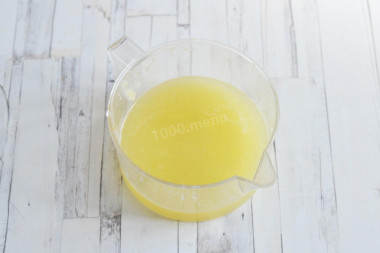
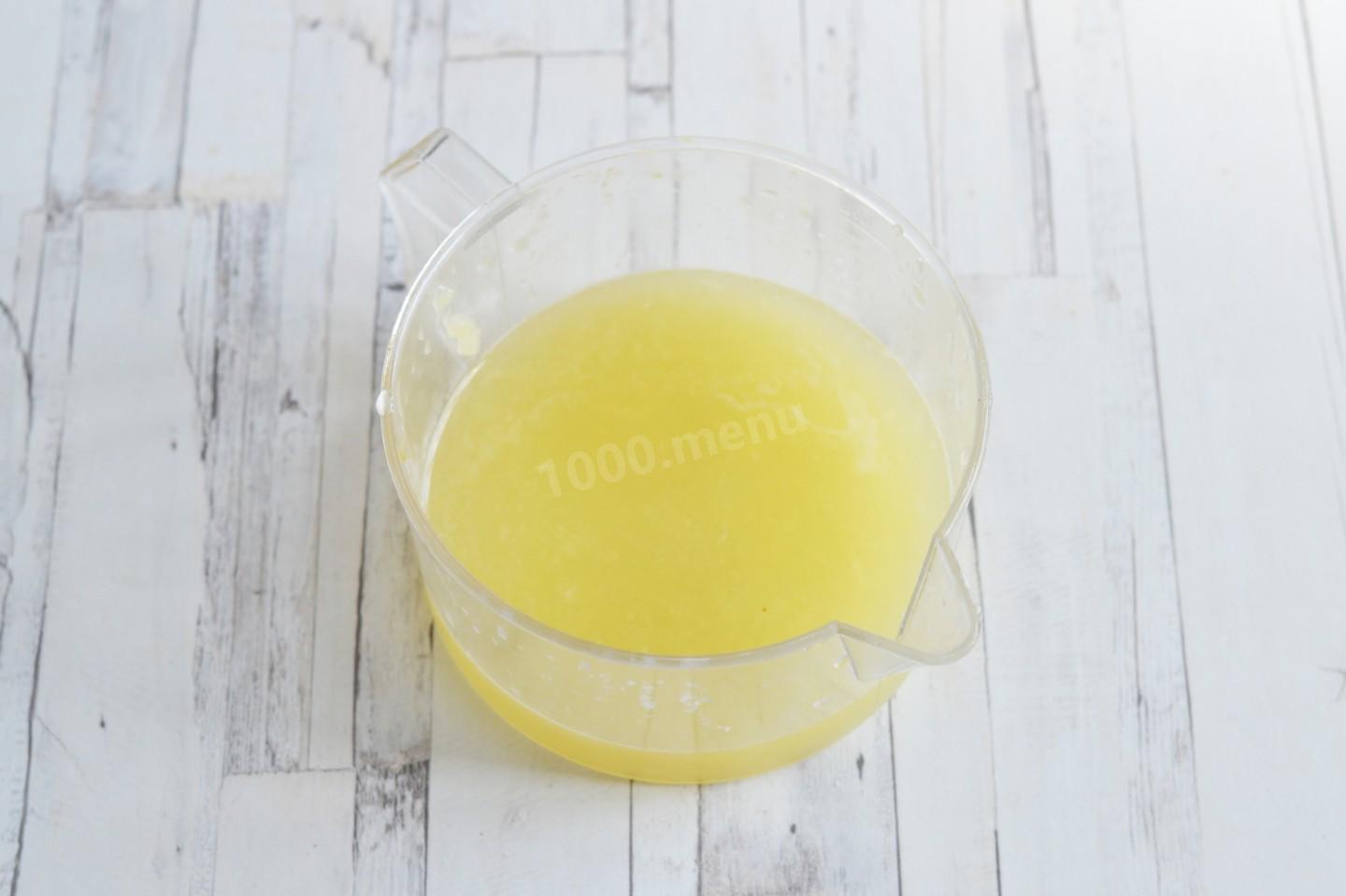
While the mixture cools, wash the lemons, cut them in half, and squeeze out the juice. You can do this by hand, but a juicer works better and yields more juice.
-
Step 6:
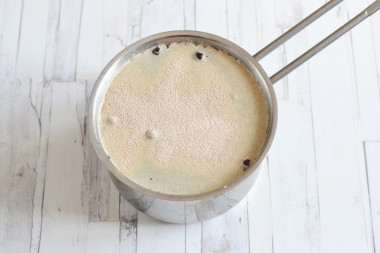
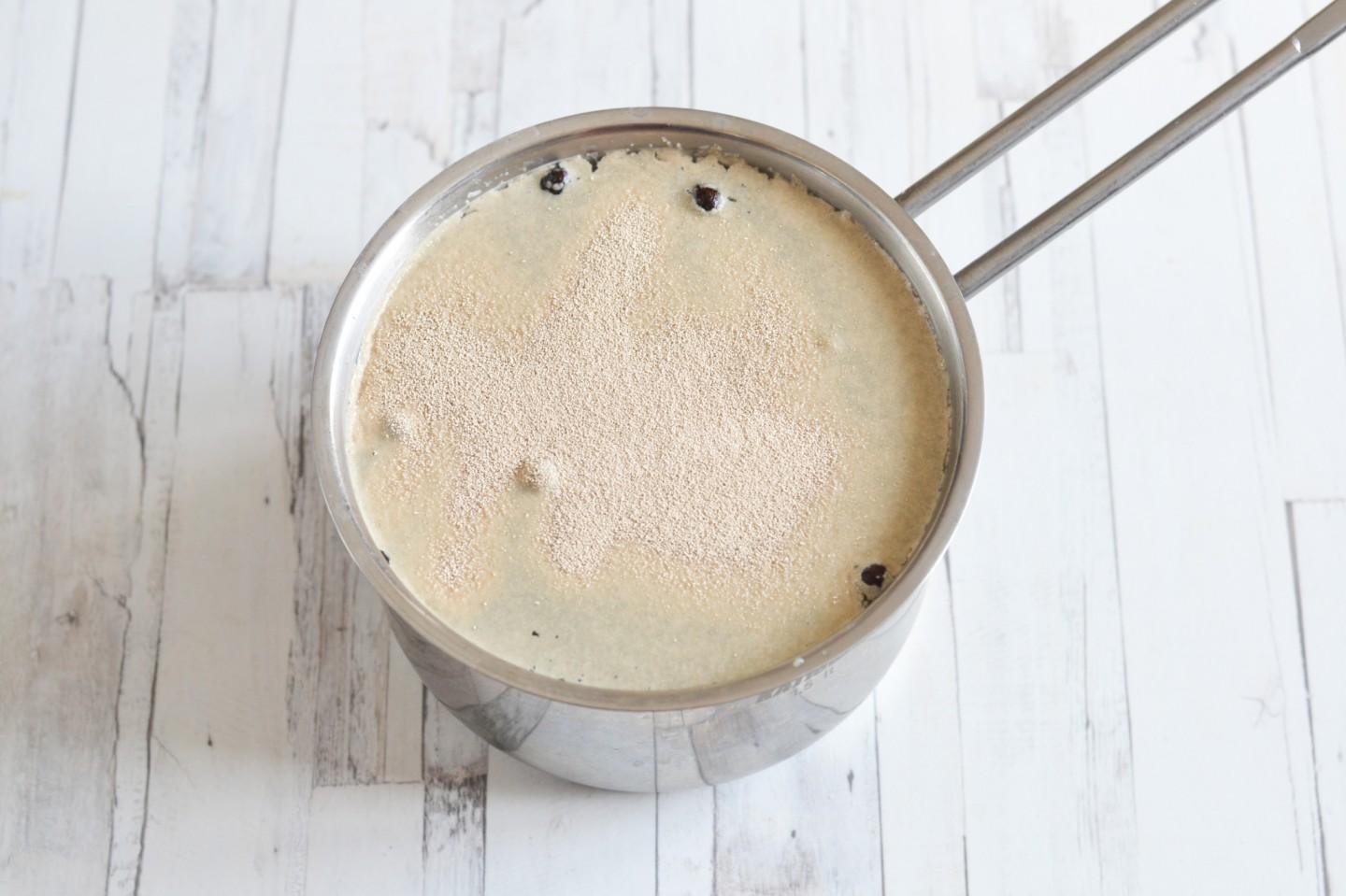
Once the ginger mixture has cooled to the right temperature (too hot and the yeast dies; too cool and fermentation is sluggish), add the lemon juice and dry yeast. Stir until the yeast fully dissolves. It's a good idea to test the yeast for freshness first: dissolve ¼ tsp of yeast in 3 tablespoons of warm water (99–104°F / 37–40°C) and let it sit for 10 minutes. If a foamy cap forms on the surface, the yeast is active.
-
Step 7:
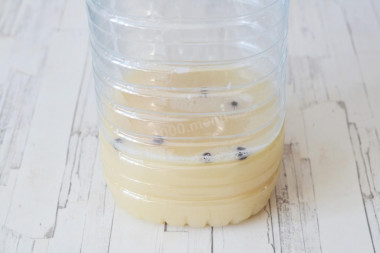
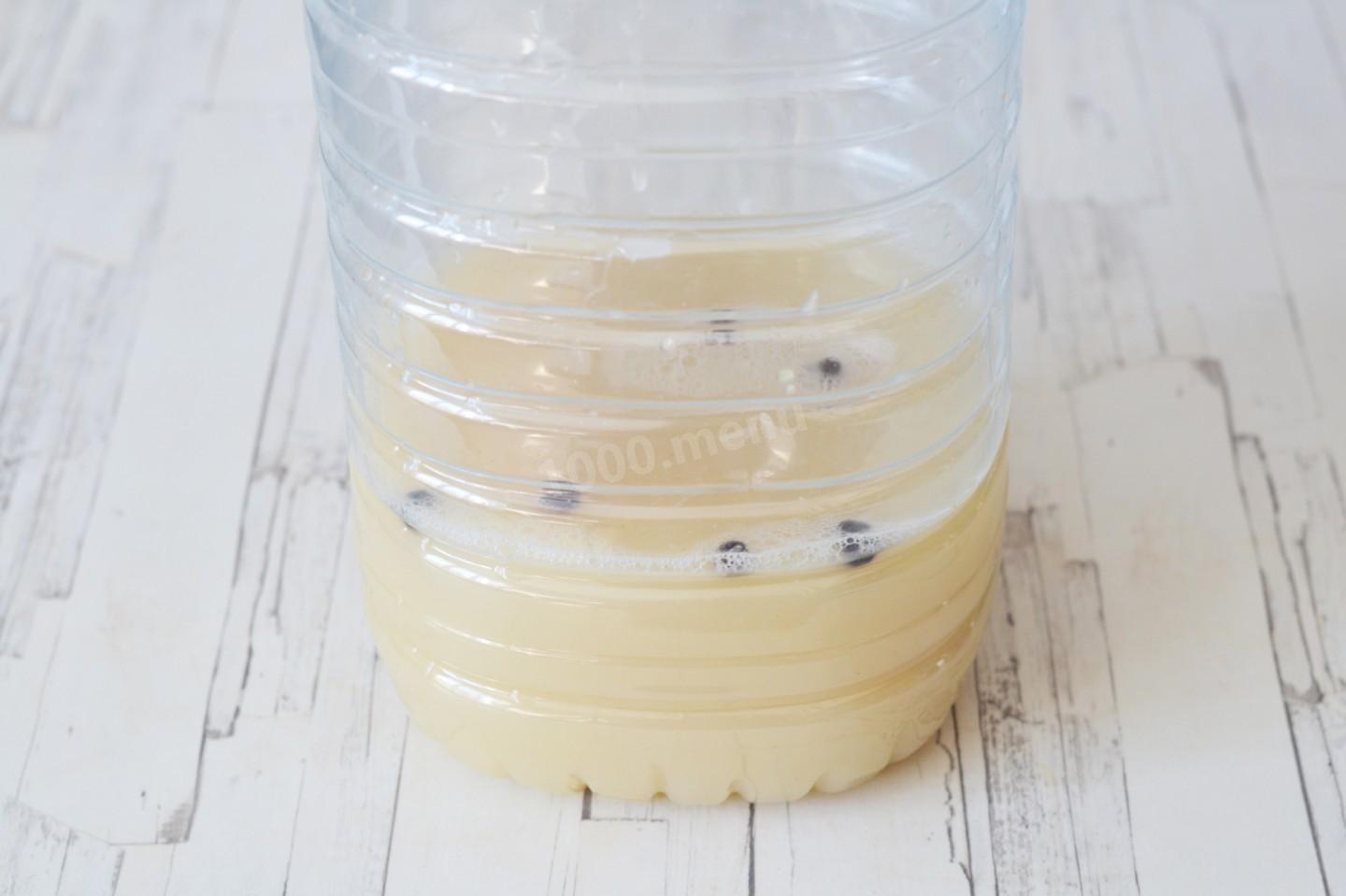
Pour the drink into a clean plastic bottle and seal it tightly with the cap. I don't recommend a glass jar — if you forget to keep an eye on the fermentation, the jar could burst.
-
Step 8:
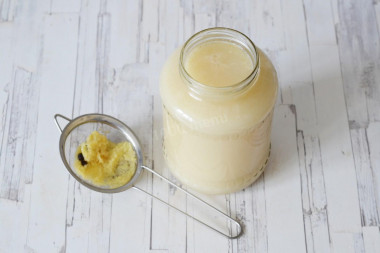
Set the ale to ferment in a dark, dry, warm spot at 64–77°F (18–25°C) for 24 hours, checking the bottle periodically and, if needed, opening the cap to release the built-up gas. Fermentation starts almost right away, so it's best to check the bottle every 4–5 hours. If the bottle has swelled up firmly (and if you've done everything right, it will), carefully unscrew the cap and let out the gas that's built up.
-
Step 9:
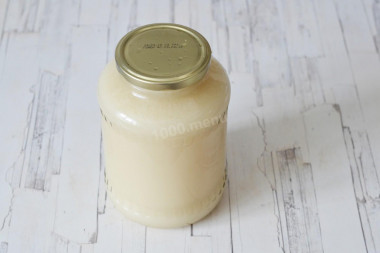
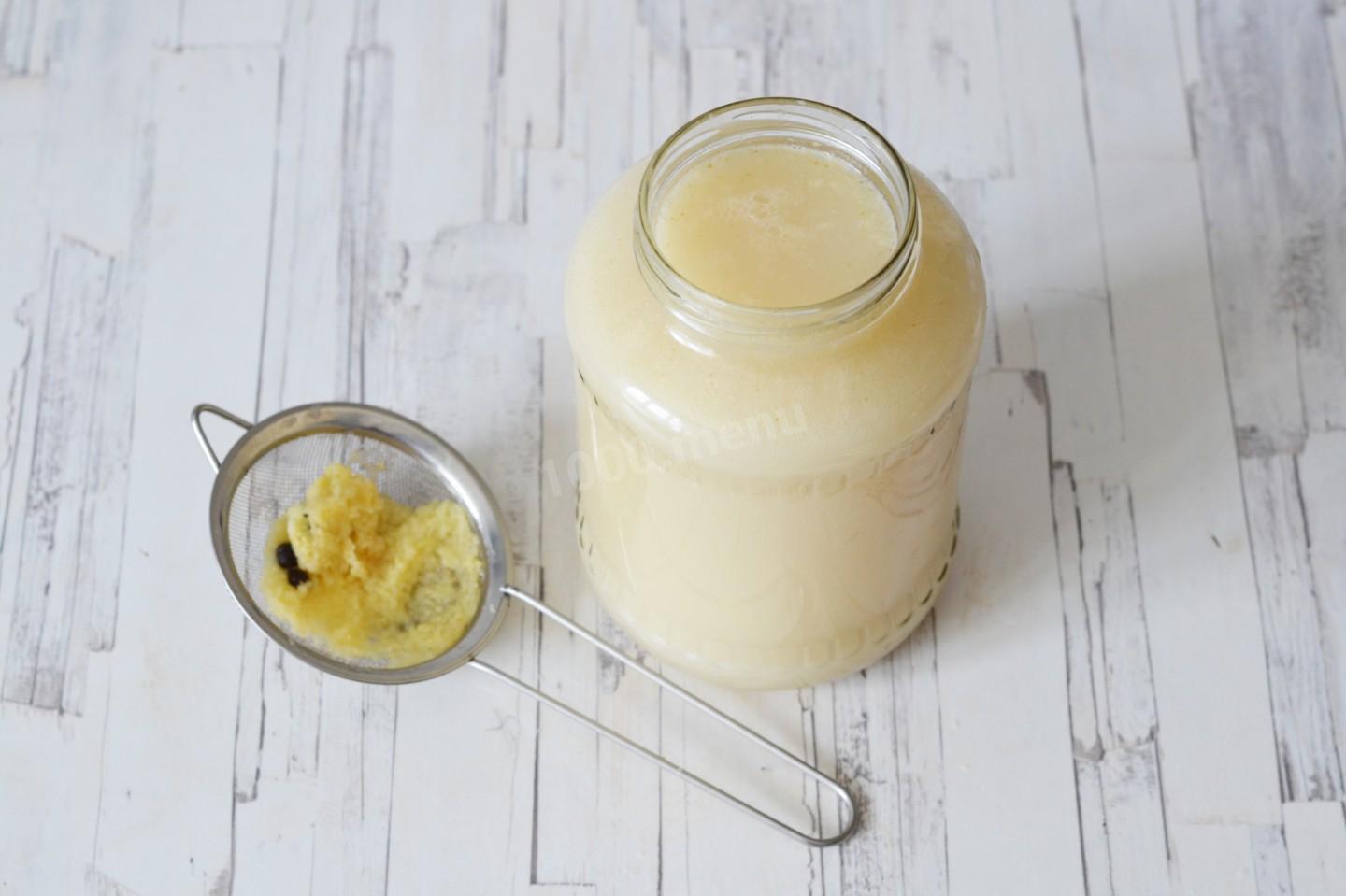
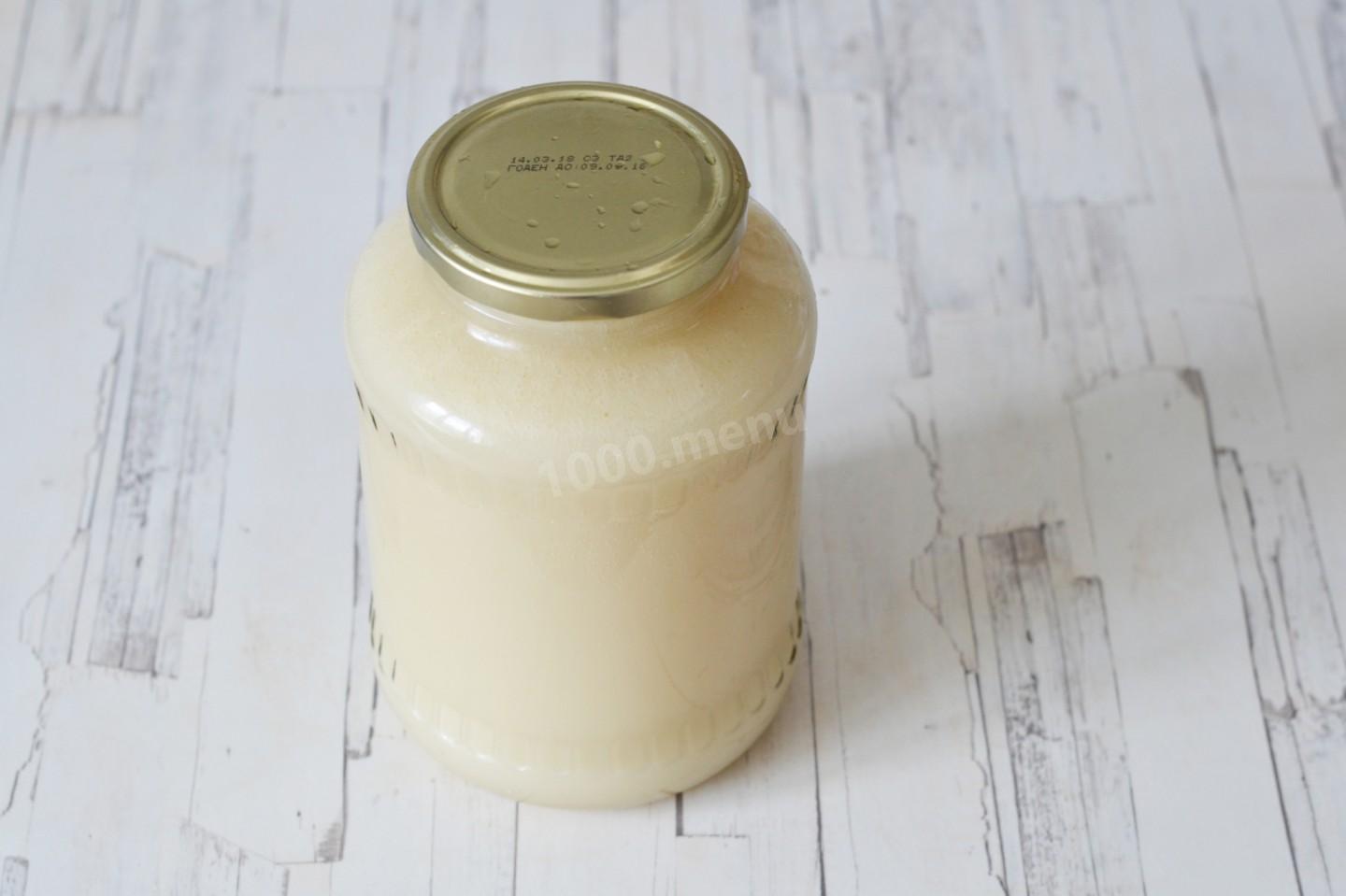
Strain the finished ale through a sieve and pour it into a clean bottle or jar. Seal it and refrigerate for 2–5 days to mature. It will no longer ferment and release carbon dioxide, so the jar won't burst. Store the finished ale in the fridge for no more than 10 days. Enjoy!
Caloric content of the products possible in the composition of the dish
- Lemon - 16 kcal/100g
- Lemon zest - 47 kcal/100g
- Ginger - 80 kcal/100g
- Dry ginger - 347 kcal/100g
- Pickled ginger - 51 kcal/100g
- Granulated sugar - 398 kcal/100g
- Sugar - 398 kcal/100g
- Water - 0 kcal/100g
- Allspice - 263 kcal/100g
- Dry yeast - 410 kcal/100g