Pea Soup with Smoked Sausage
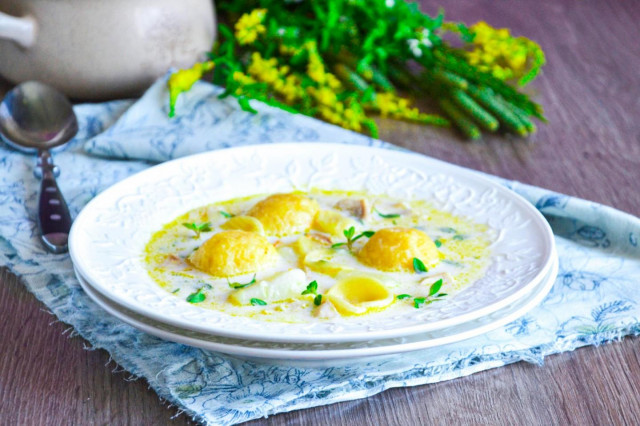
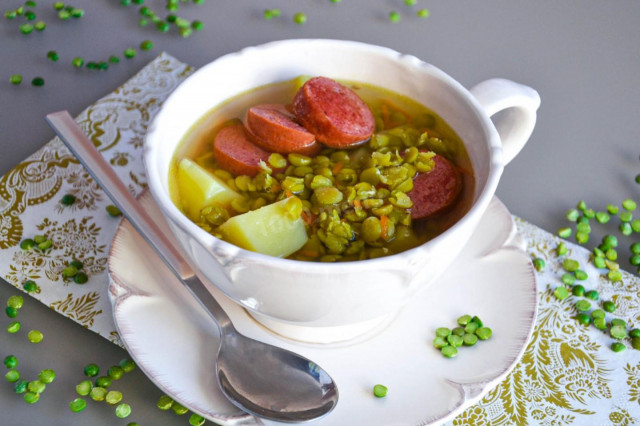
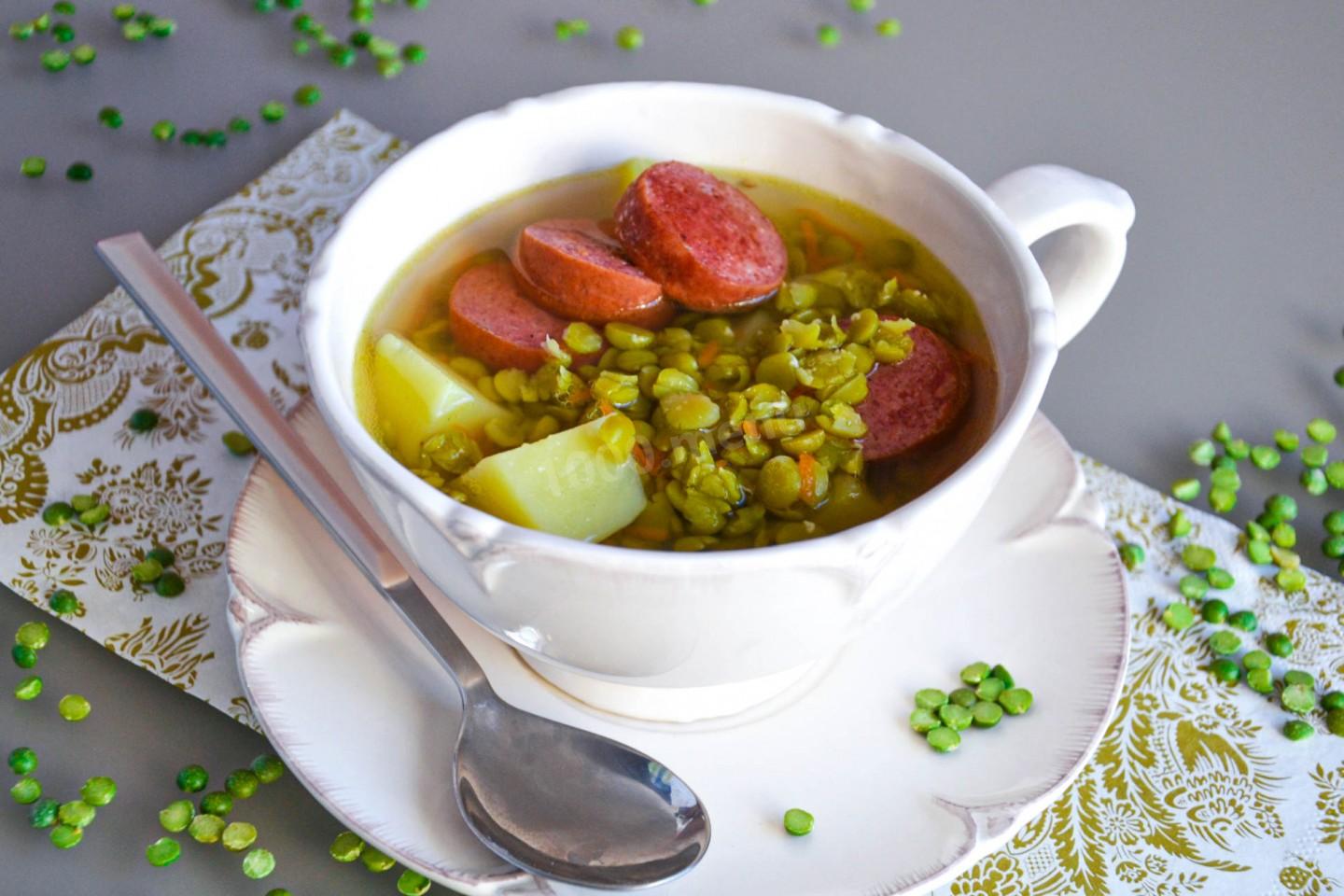
A delicious first course for lunch made from everyday ingredients! This pea soup with smoked sausage will warm you up and fill you up on a cold day. The sausage makes it incredibly fragrant and hearty — a real crowd-pleaser that kids will happily eat too.

Cooking method
-
Step 1:
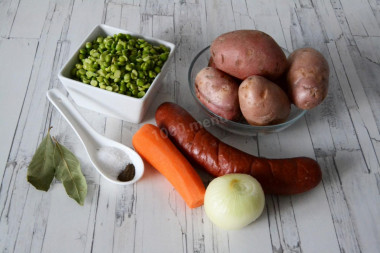
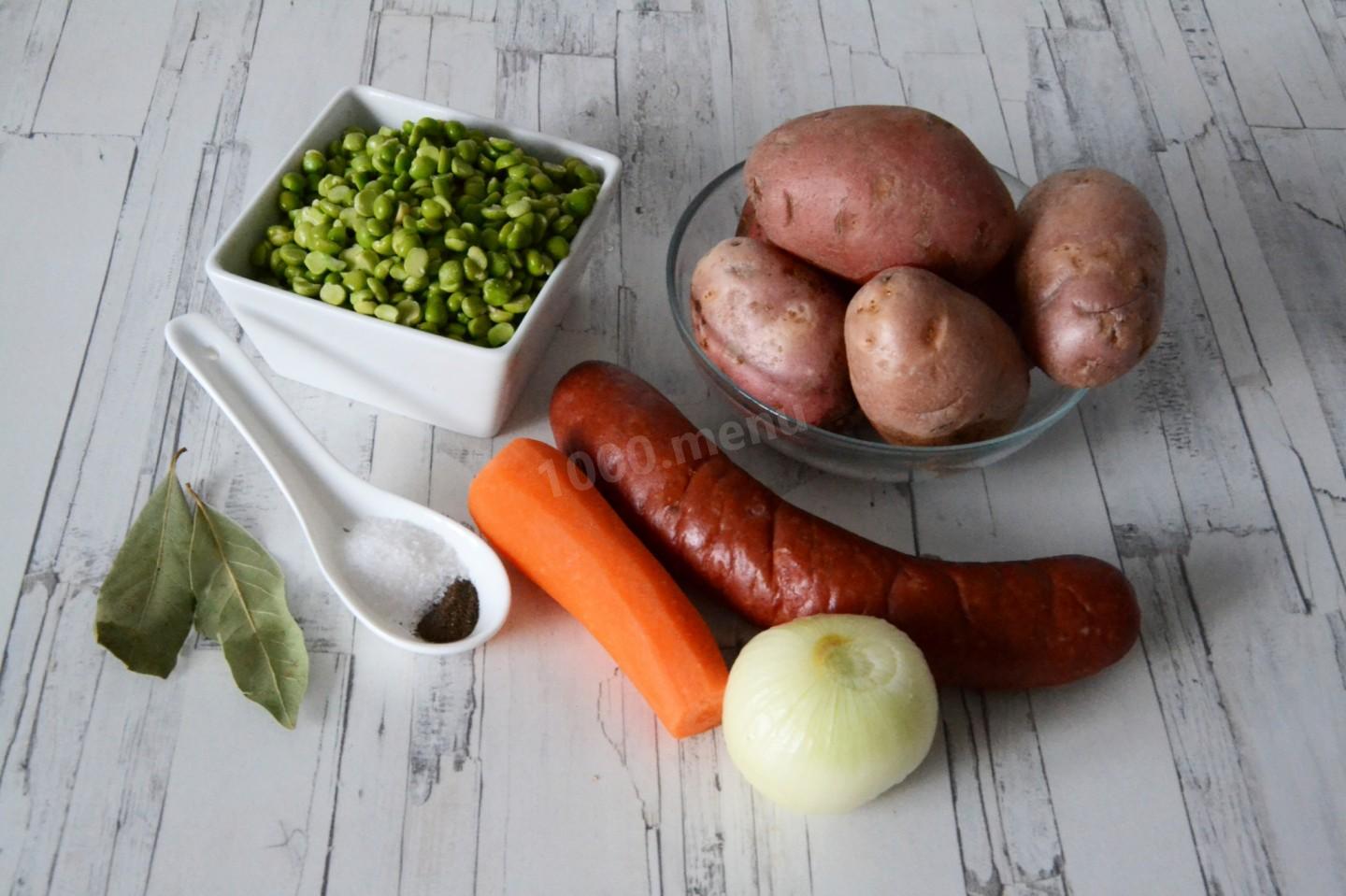
How do you make pea soup with smoked sausage? Gather your ingredients. I used dried green peas, but yellow work too — just choose split peas, which cook faster. Any sausage will do, as long as it tastes good; I used hunter's sausage. Rinse the vegetables well under running water first.
-
Step 2:
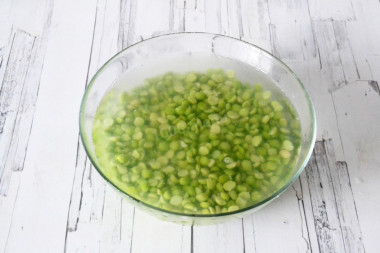
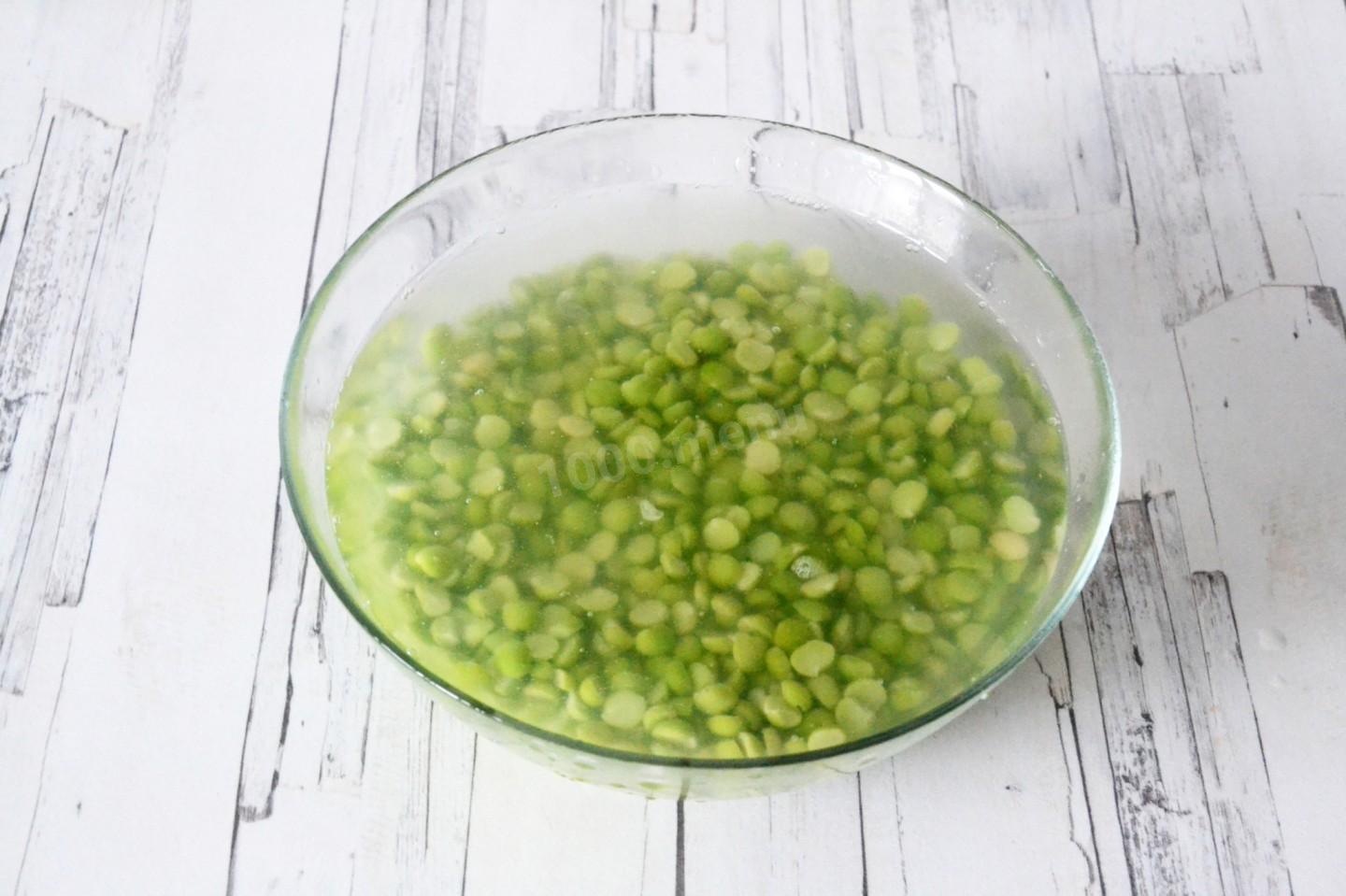
Rinse the peas, cover them with clean cold water, and let them soak for 8 hours. Then drain the soaking water.
-
Step 3:
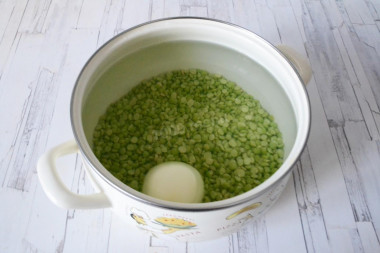
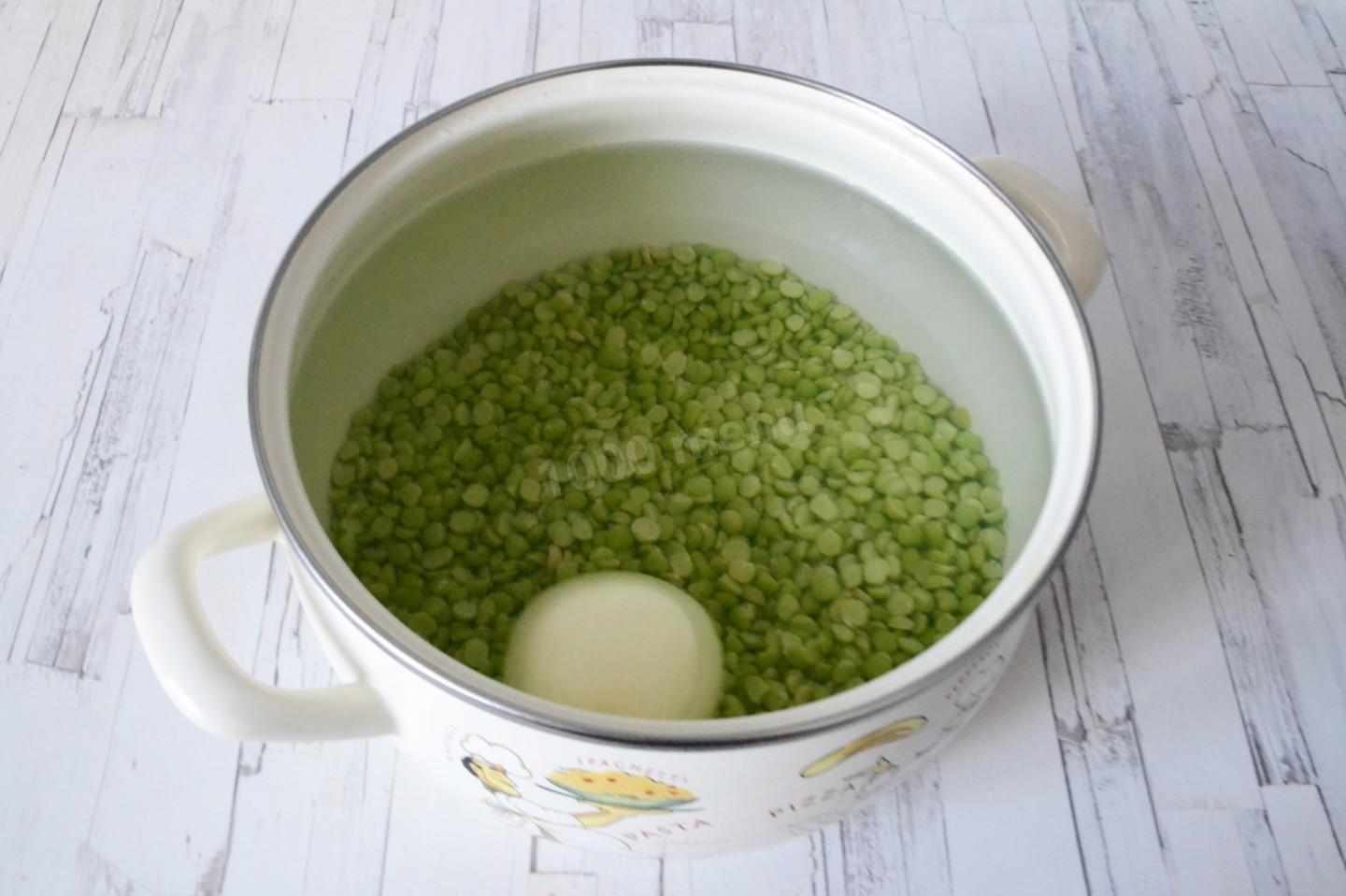
Put the peas in a soup pot and add 2.5 liters of clean cold water. Add a whole peeled onion — I always cook the onion in the soup this way, but you can add it chopped instead. Set the pot on the stove, bring it to a boil, and simmer over low heat, skimming the foam, for about an hour, until the peas are soft. Remove the onion at the end.
-
Step 4:
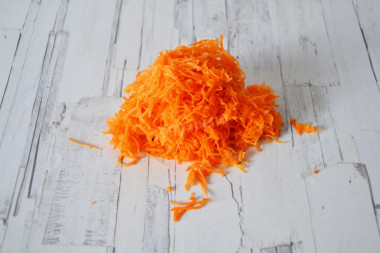
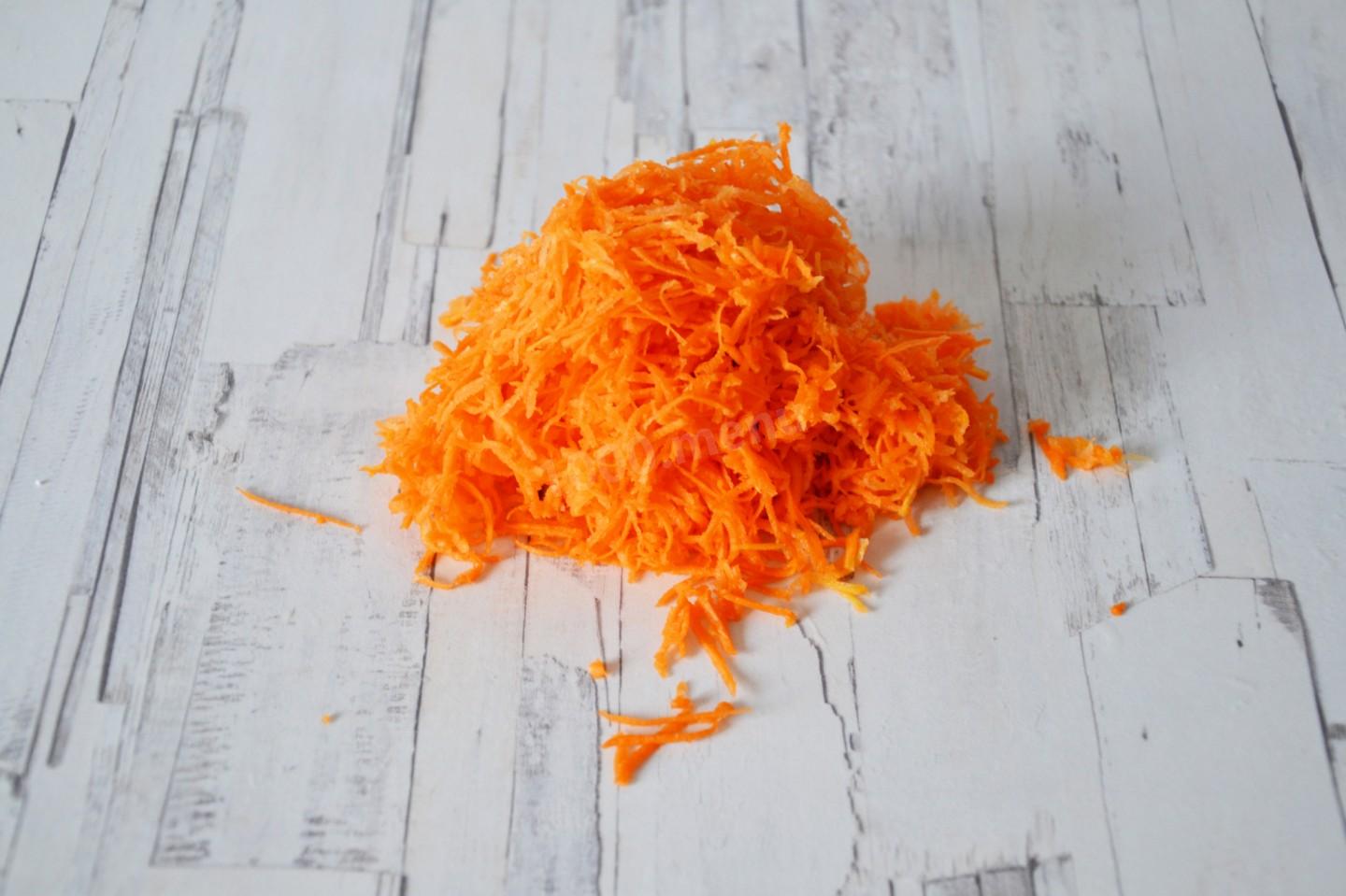
Peel the carrot, then grate it on the coarse side of a box grater. You can dice it instead — it's a matter of taste.
-
Step 5:
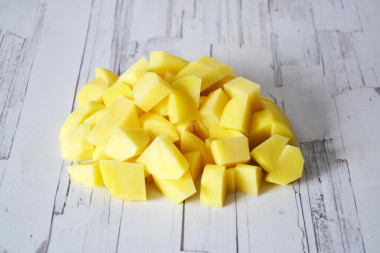
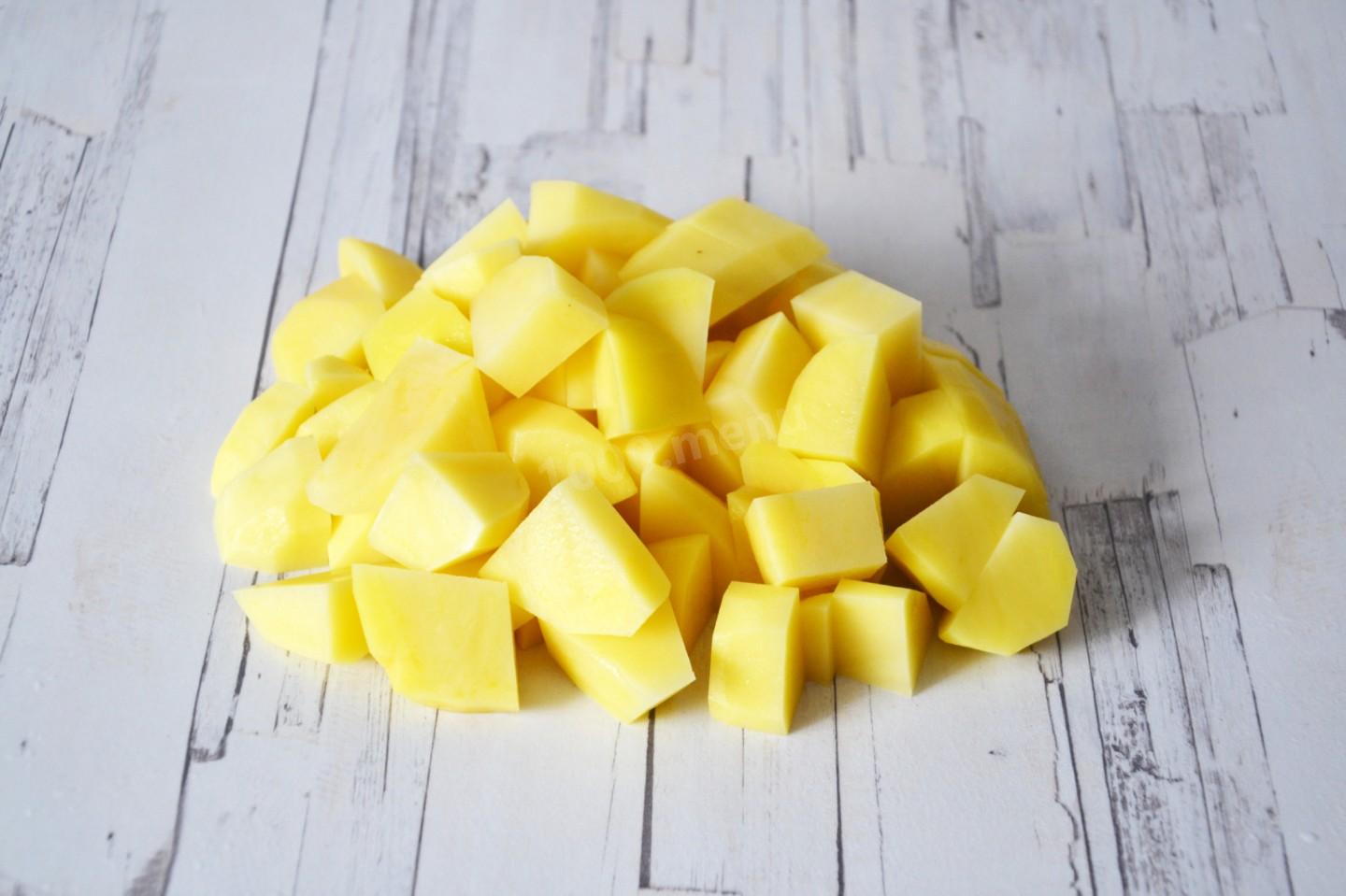
Peel the potatoes and cut them into medium cubes.
-
Step 6:

Peel the casing off the smoked sausage and cut it into medium rounds.
-
Step 7:

Fry the sausage in a skillet until golden. If it's fatty, don't add oil; otherwise, add a splash of vegetable oil.
-
Step 8:
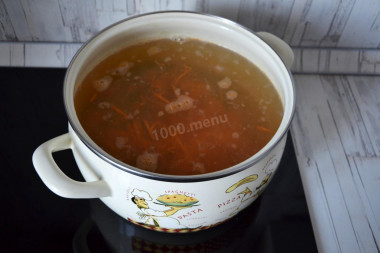
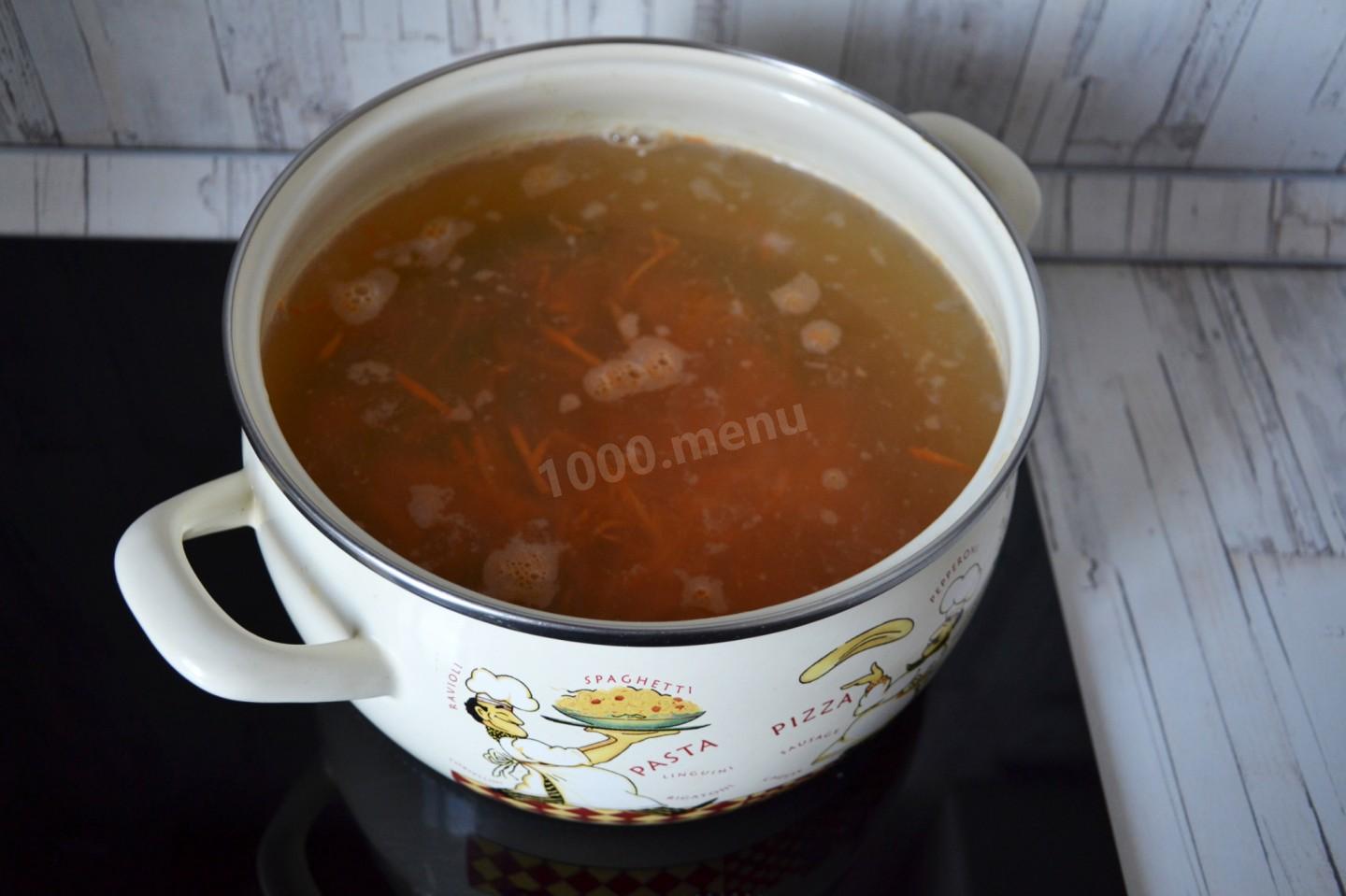
After the peas have cooked for an hour, add the carrot and cook, stirring, for 10 minutes.
-
Step 9:
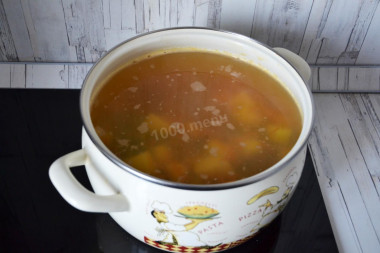
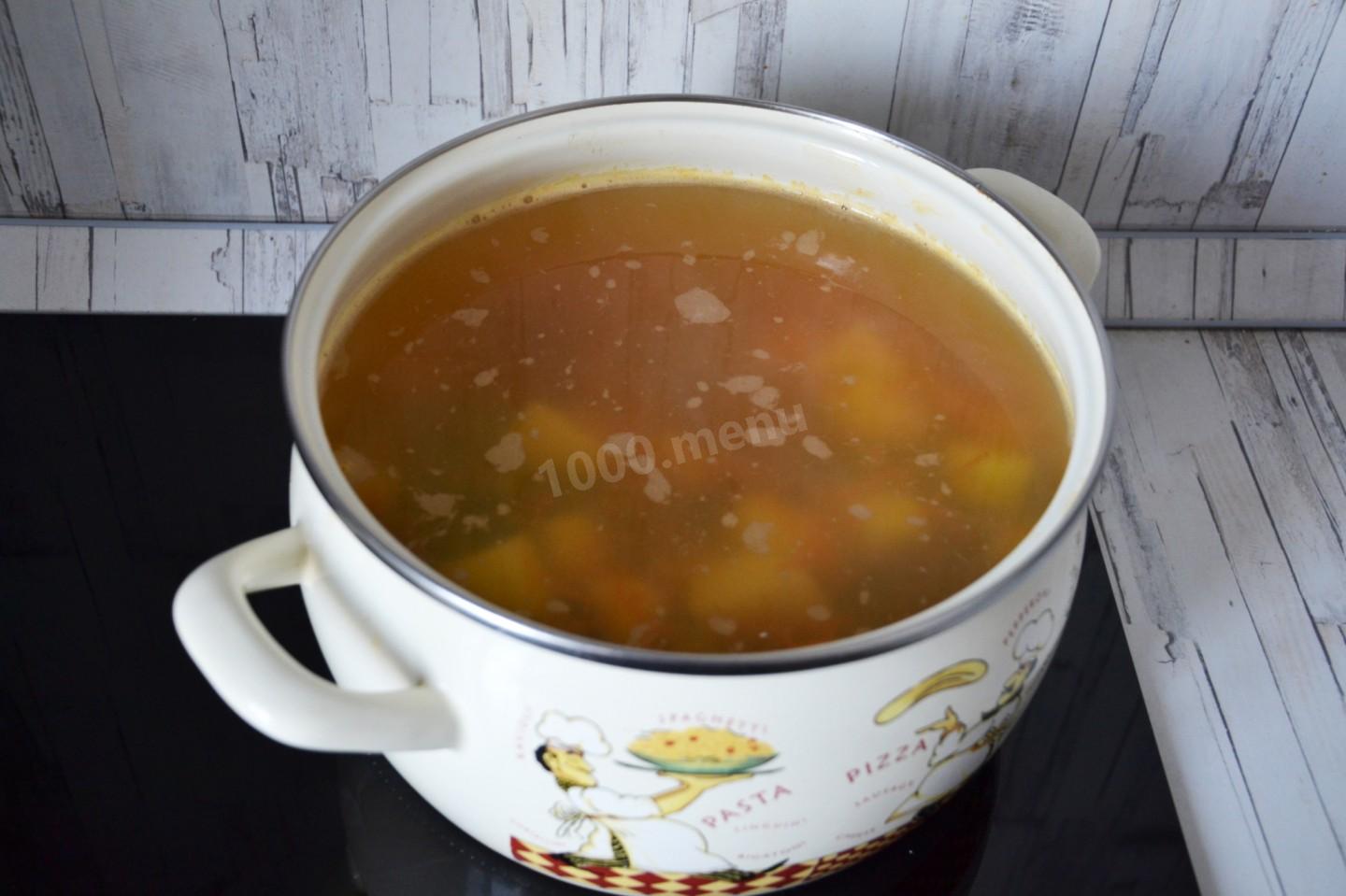
Then add the diced potatoes to the pot. Cook for another 10 minutes.
-
Step 10:
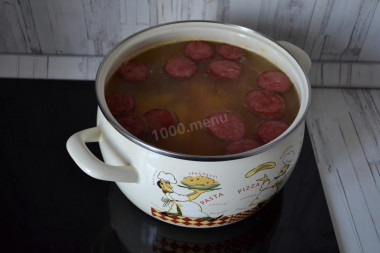
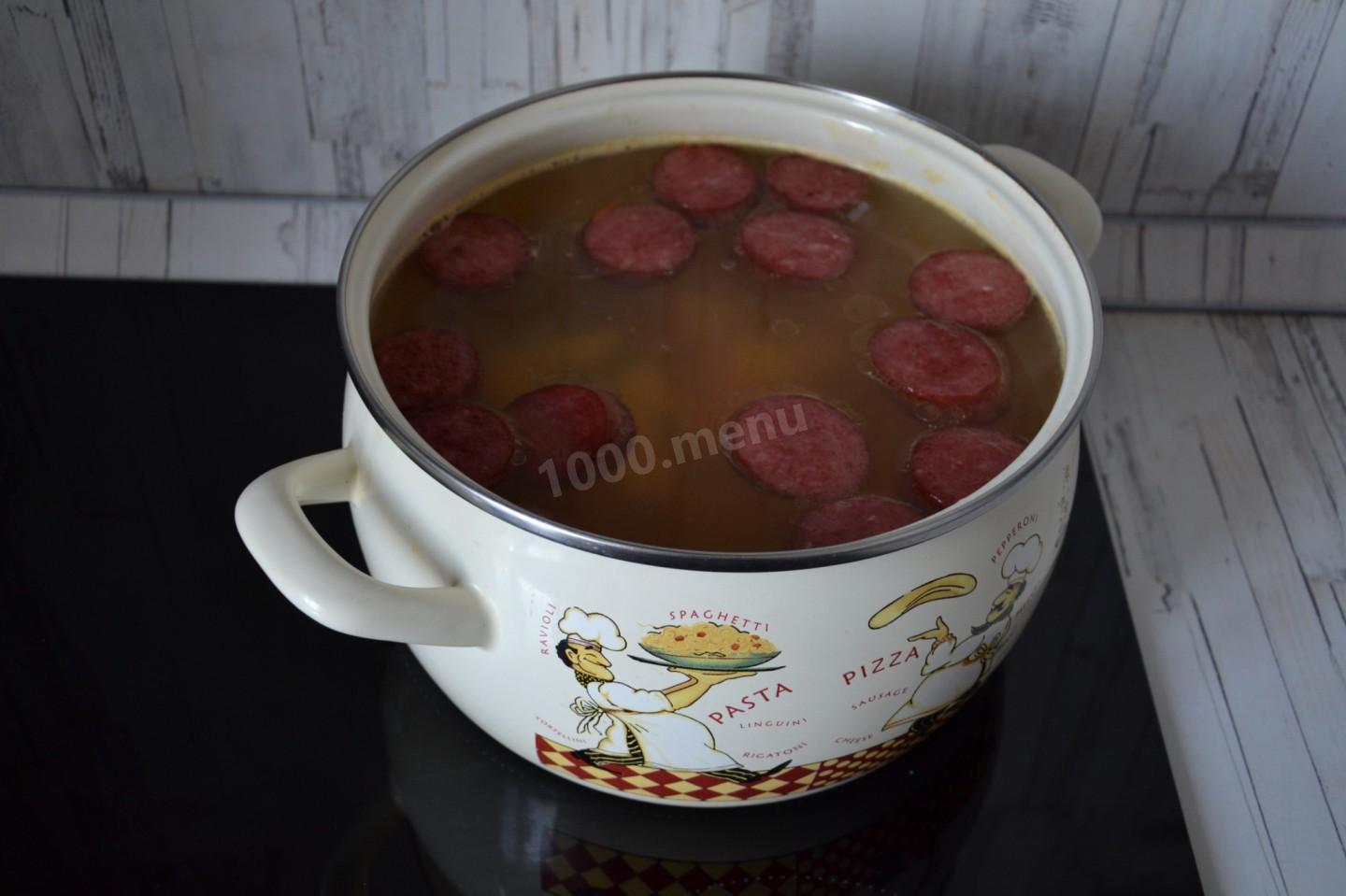
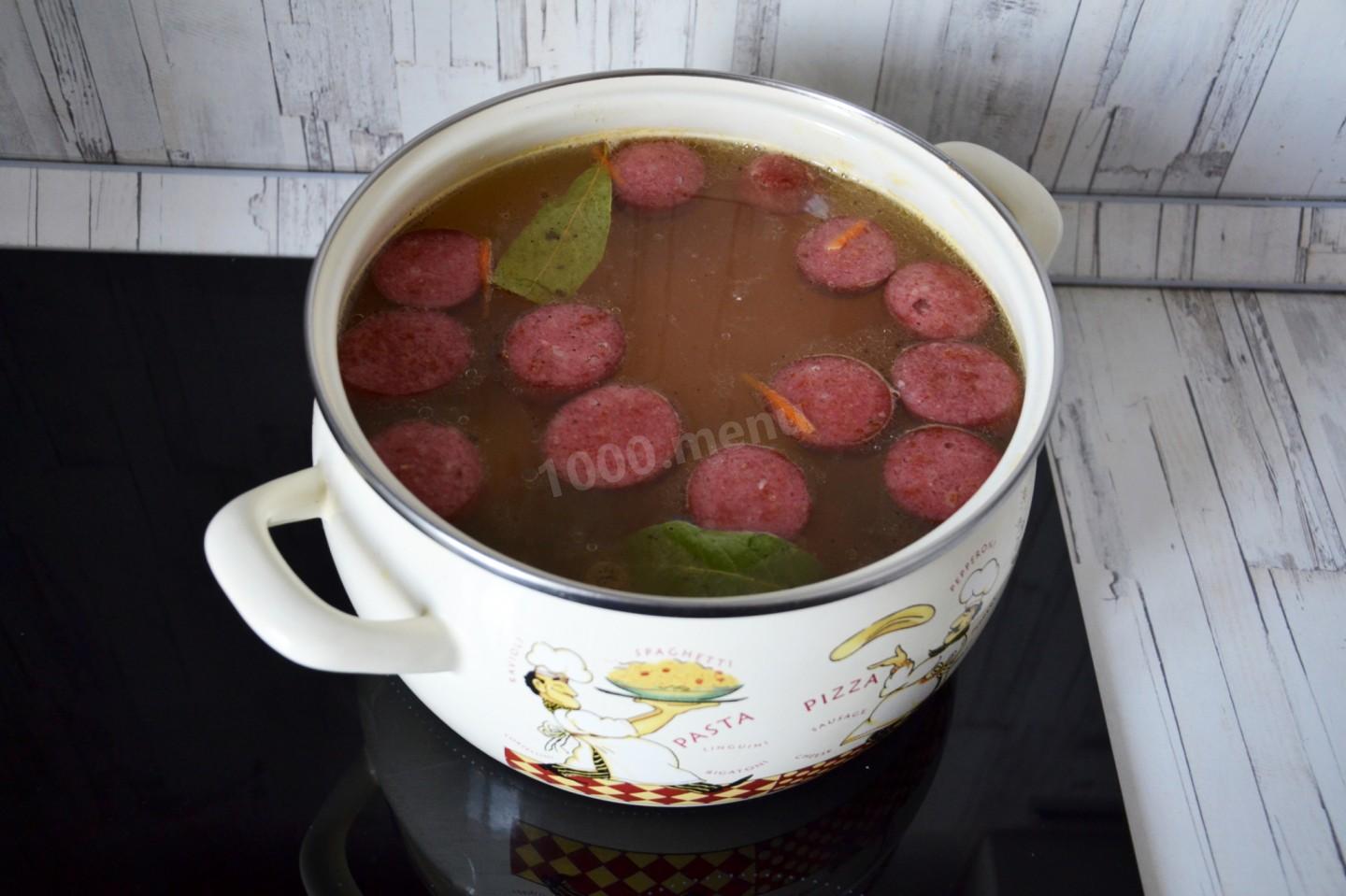
Add the fried sausage to the soup.
-
Step 11:
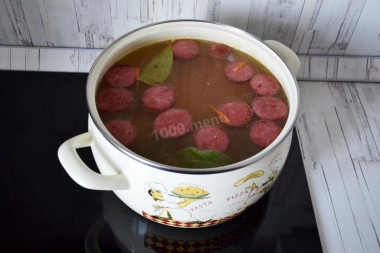
Add the bay leaves, salt, and pepper. Simmer the soup over low heat for another 5–7 minutes.
-
Step 12:
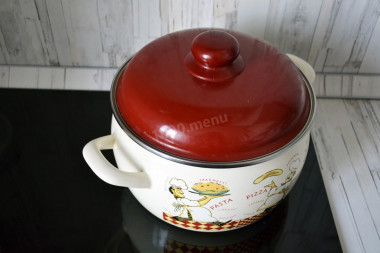
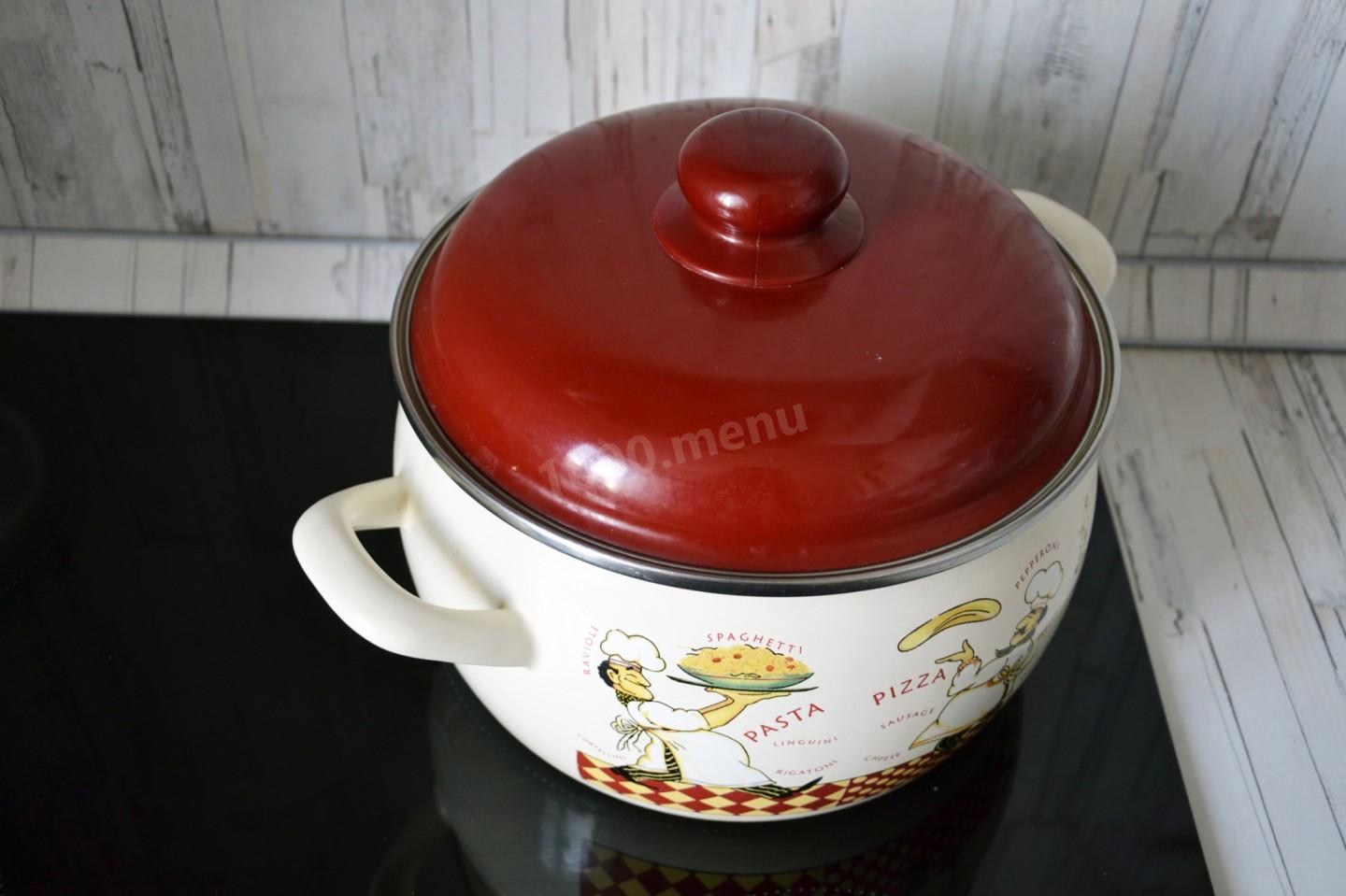
Take the finished soup off the heat, cover it, and let it rest for 10–15 minutes. Then ladle it into bowls and serve. Enjoy!


- Important! Whether or not the recipe specifies an amount of water, it's always best to go by your own preference (do you like a thick soup or a thinner one?), the size of your pot, and the ingredients you're using. Keep in mind that the author has their own idea of how much meat, potato, grain, and other ingredients belong in the soup, and it may not match yours. In practice, if it's your first time making it, don't cook a whole pot at once. Make a small tasting batch for one or two people: scale all the ingredients down to 1–2 servings and figure the water at roughly 1 cup per serving for a very thick soup, up to 1½–2 cups for a thinner one. Remember that some of the liquid will boil off as it cooks. After tasting that small batch, you can adjust both the amount of liquid and the proportions of ingredients to your taste. Before long, like most seasoned cooks, you'll be adding water and ingredients by eye.
- For tips on choosing the perfect pot for soup, porridge, or pickling, see our article on pots.
- It's best to cook with neutral-tasting filtered or bottled water. Tap water can give the dish an off, characteristic taste.
Caloric content of the products possible in the composition of the dish
- Onion - 41 kcal/100g
- Ripe potatoes - 80 kcal/100g
- Baked potatoes - 70 kcal/100g
- Mashed potatoes - 380 kcal/100g
- Boiled potatoes - 82 kcal/100g
- Potatoes in uniform - 74 kcal/100g
- Fried potatoes - 192 kcal/100g
- Carrots - 33 kcal/100g
- Dried carrots - 275 kcal/100g
- Boiled carrots - 25 kcal/100g
- Dried green peas, unboiled whole - 340 kcal/100g
- Crushed raw peas without seed coating - 348 kcal/100g
- Crushed boiled peas - 115 kcal/100g
- Turkish peas, dried, uncooked - 360 kcal/100g
- Dried, uncooked cow peas - 343 kcal/100g
- Dried boiled cow peas - 76 kcal/100g
- Dried peas - 322 kcal/100g
- Peas - 298 kcal/100g
- Bay leaf - 313 kcal/100g
- Ground black pepper - 255 kcal/100g
- Salt - 0 kcal/100g
- Smoked sausage - 507 kcal/100g
- Water - 0 kcal/100g