Pea Soup with Smoked Ribs and Chicken
Hearty, thick, fragrant, and incredibly tasty! Pea soup with smoked ribs and chicken is a first course made and loved in just about every family. This one is built on chicken broth with extra smoked meats added, which makes it very rich in flavor.

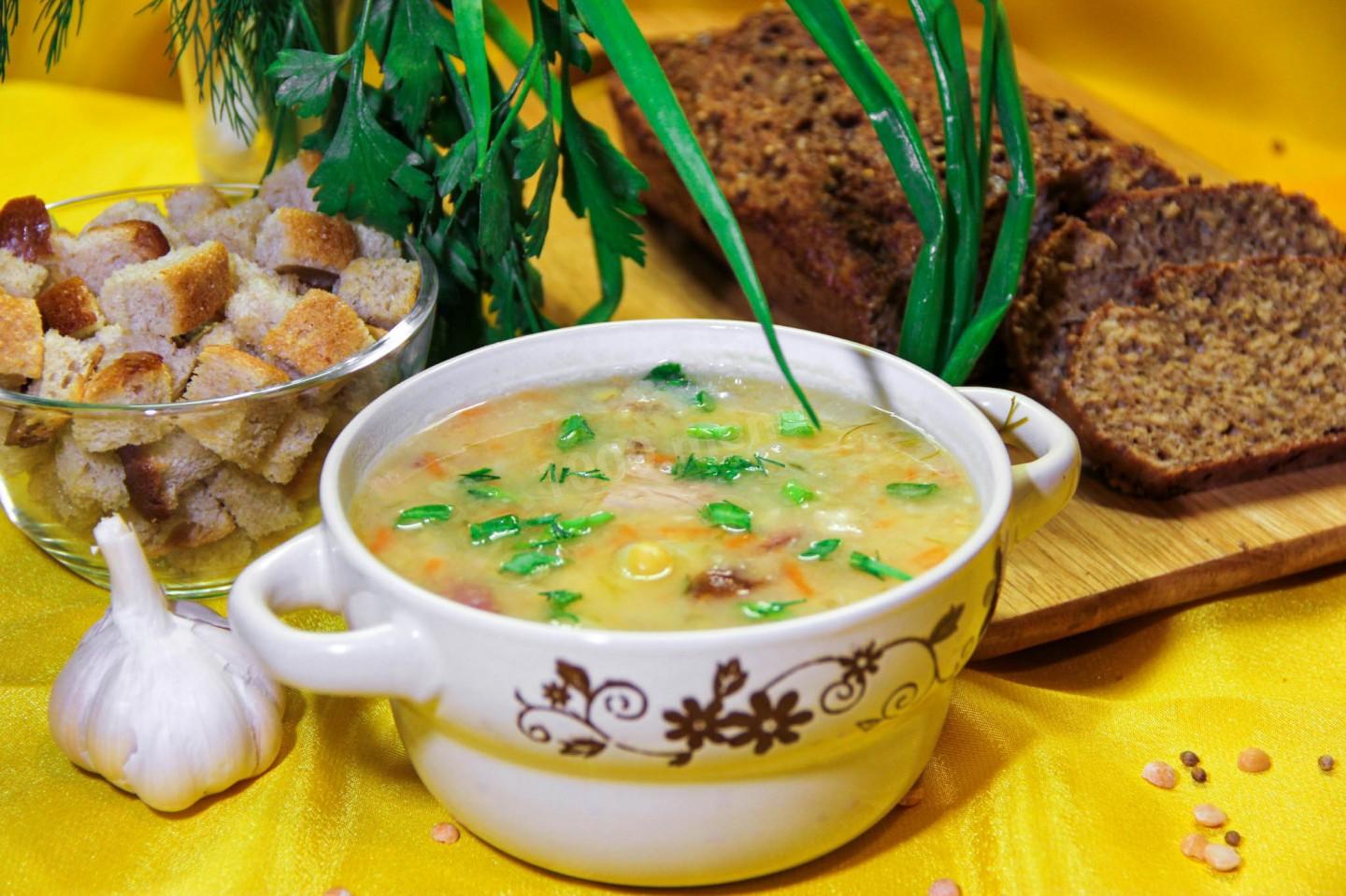
Cooking method
-
Step 1:
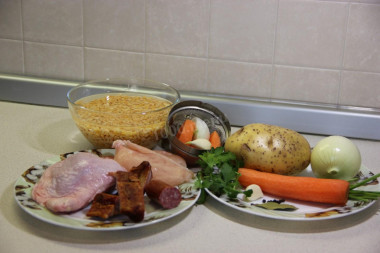
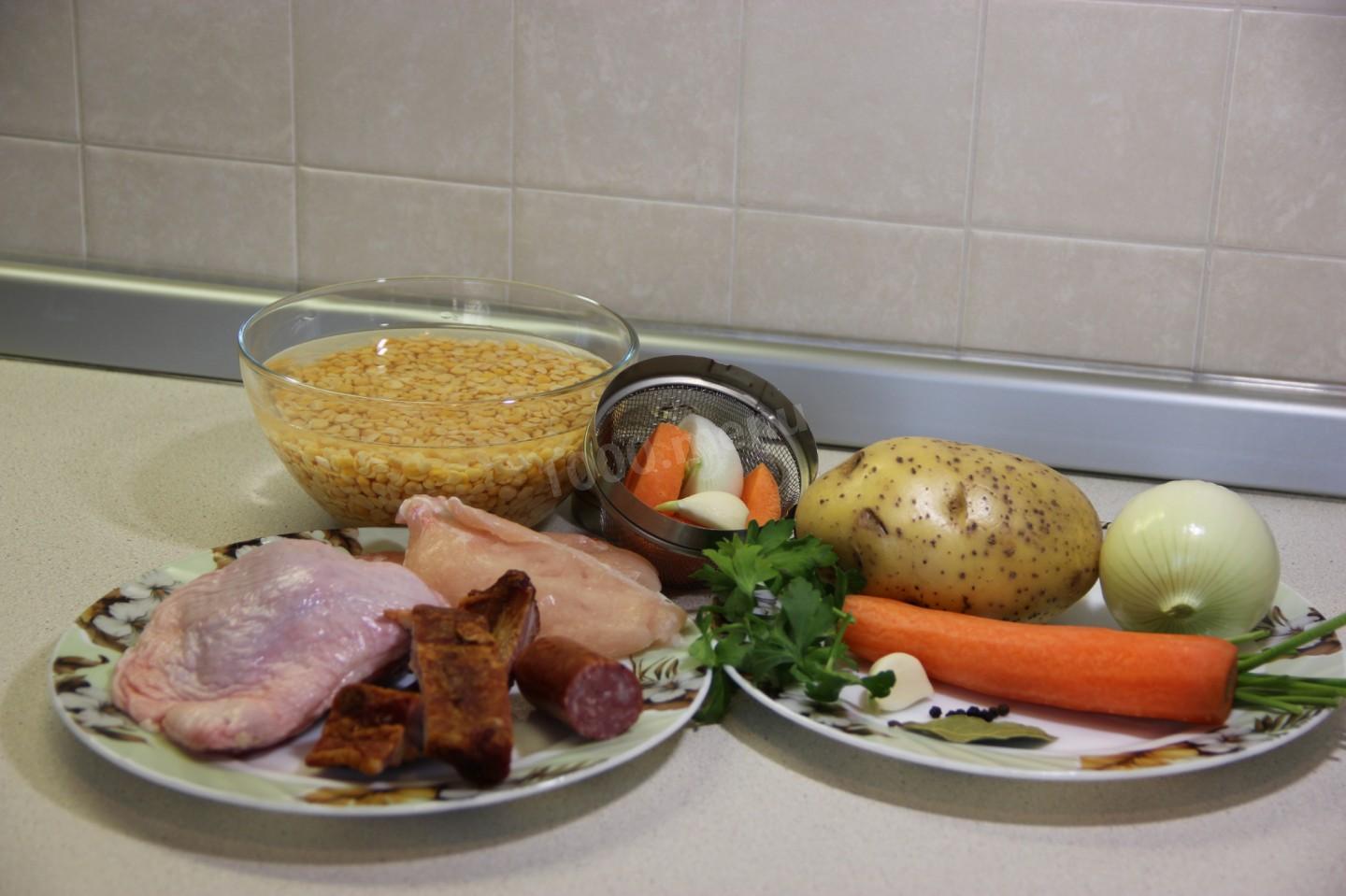
How do you make pea soup with smoked ribs and chicken? Gather the ingredients. Start with the peas: sort the dried peas, rinse them, and soak them in cold water — 2 hours for split peas, overnight for whole. Before making the soup, drain off the unabsorbed water and rinse the peas under running water. Wash and peel the vegetables.
-
Step 2:
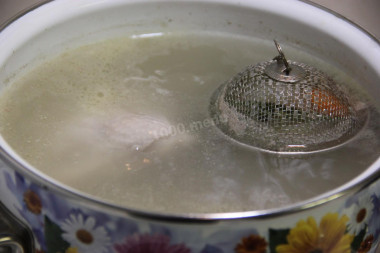
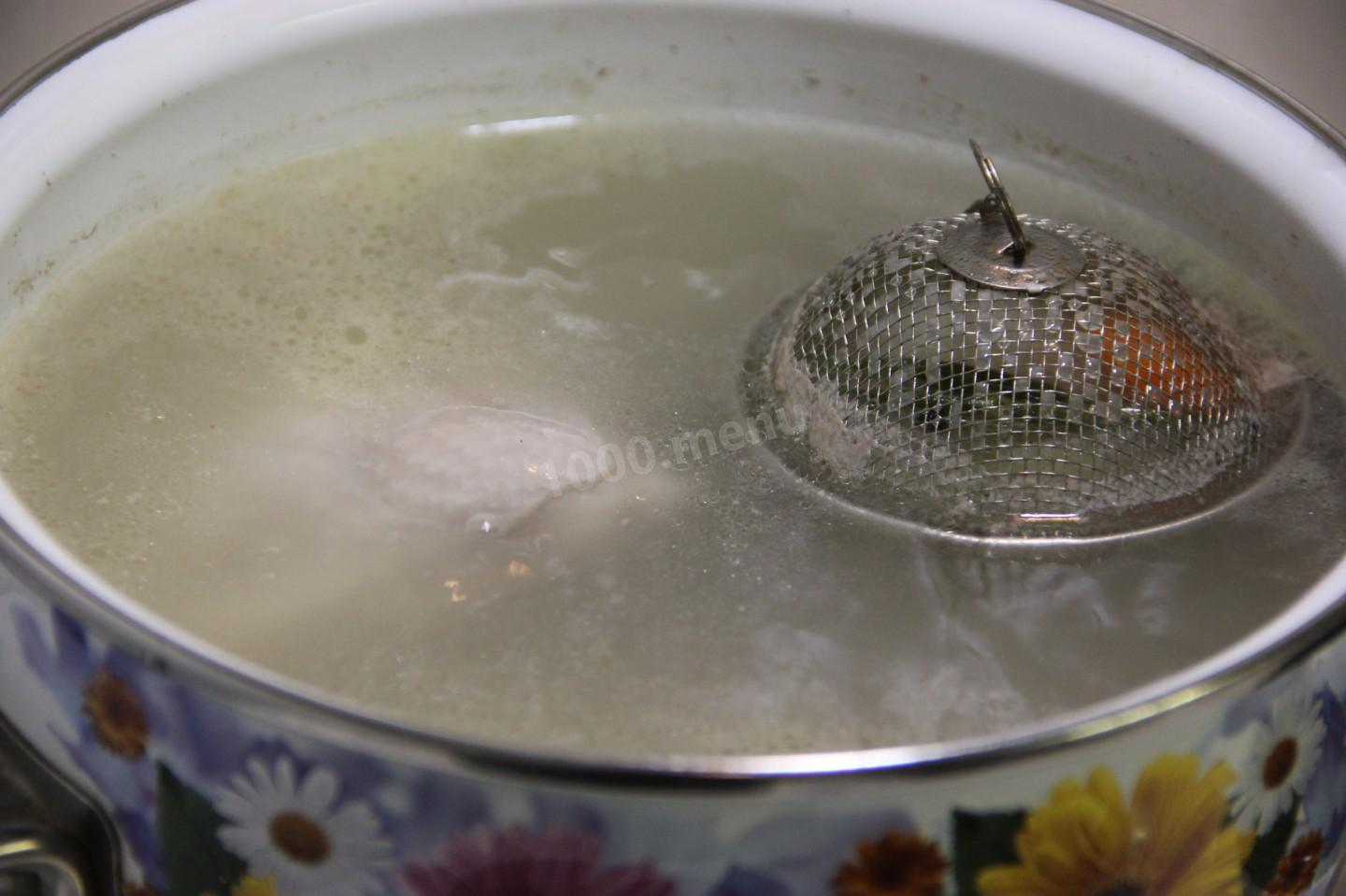
Rinse the chicken and cut the ribs apart along the bones. Into a mesh broth bag (or infuser) put: 1/2 onion, 1/4 carrot, 6 black peppercorns, 1 garlic clove, and the dill and parsley stems. Load the meat, ribs, and spice bag into the pot and cover everything with cold water. If you're using whole peas, add them now. Bring the broth to a boil, skim off the foam, turn the heat down low, and leave it to cook, covered, for 30–40 minutes. DON'T ADD SALT!
-
Step 3:
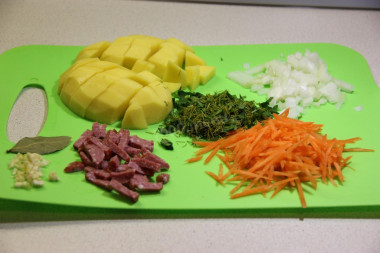
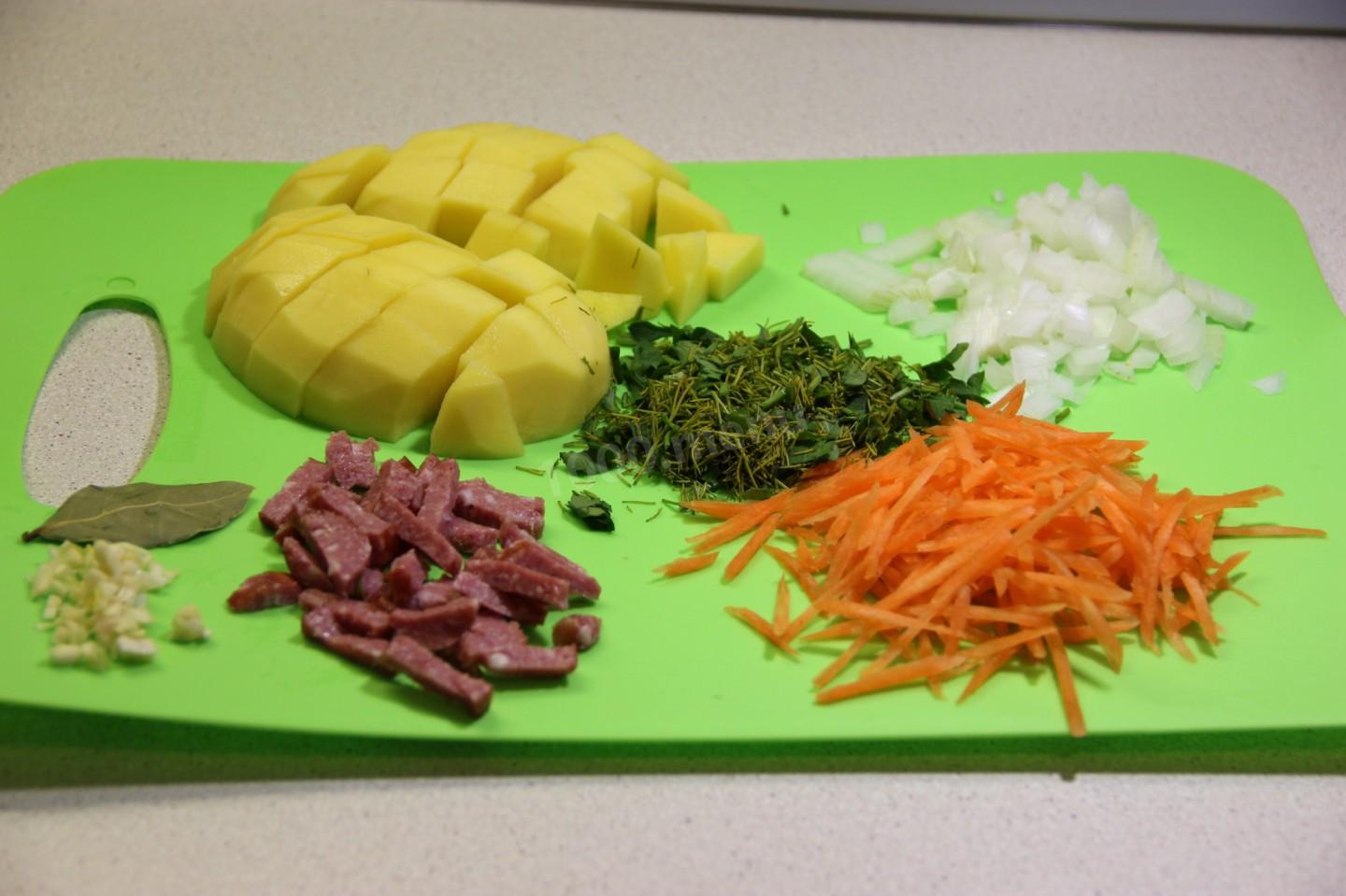
Peel and cut the carrots and sausage into strips, finely chop the onion, garlic, and herbs, and cut the potato into medium cubes.
-
Step 4:
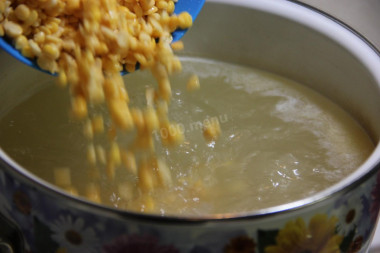
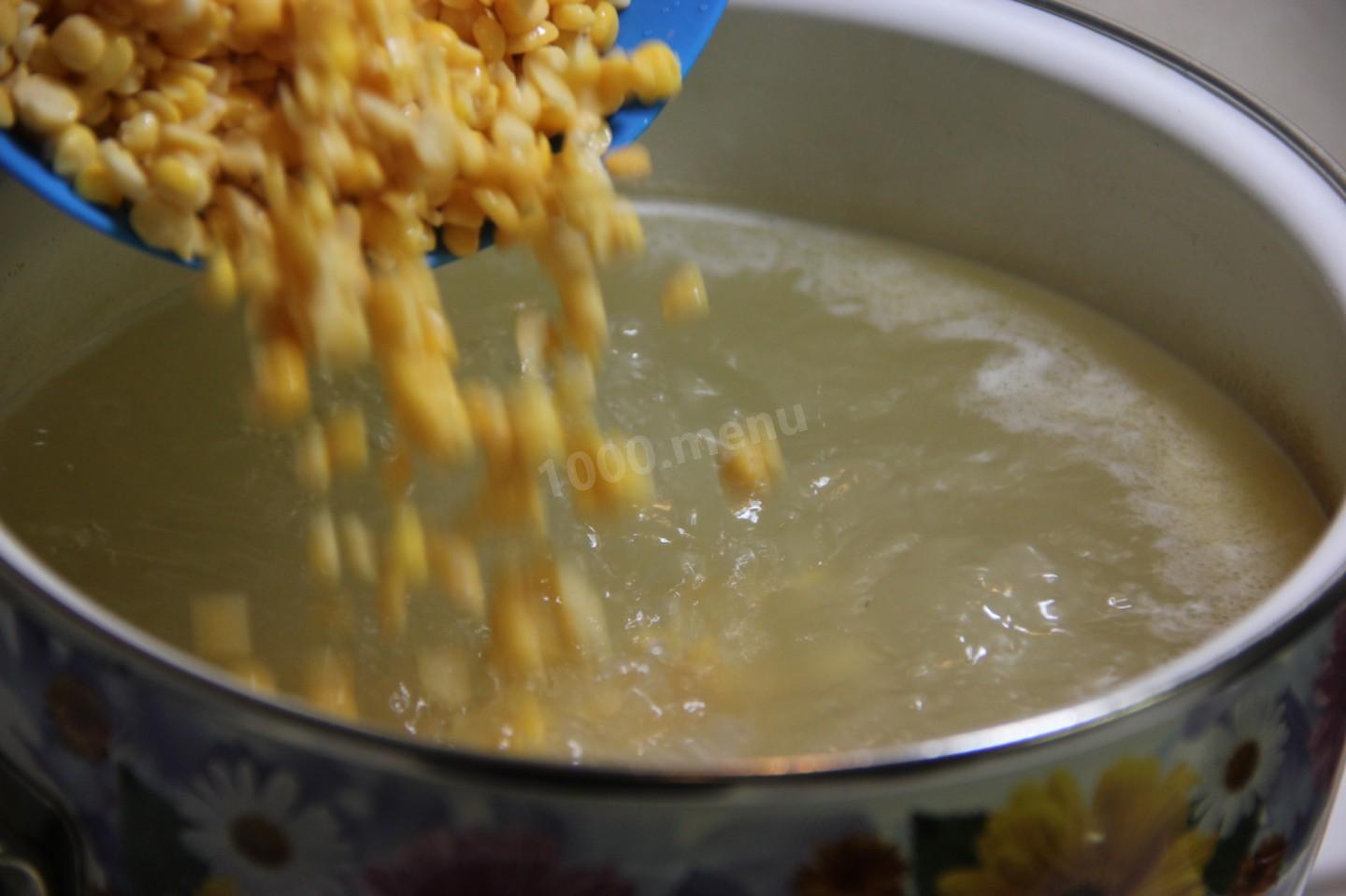
After that time, take out the cooked meat and the spice bag, and add the peas to the boiling broth (if they're split peas). Skim off any foam that appears, turn down the heat, and cook the soup for about 20–30 minutes, until the peas are almost done. DON'T ADD SALT, since peas take longer to cook in salted water.
-
Step 5:
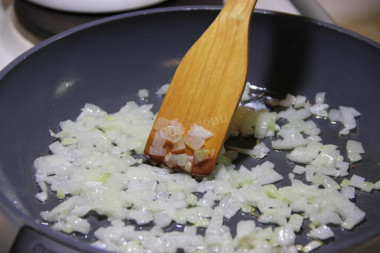
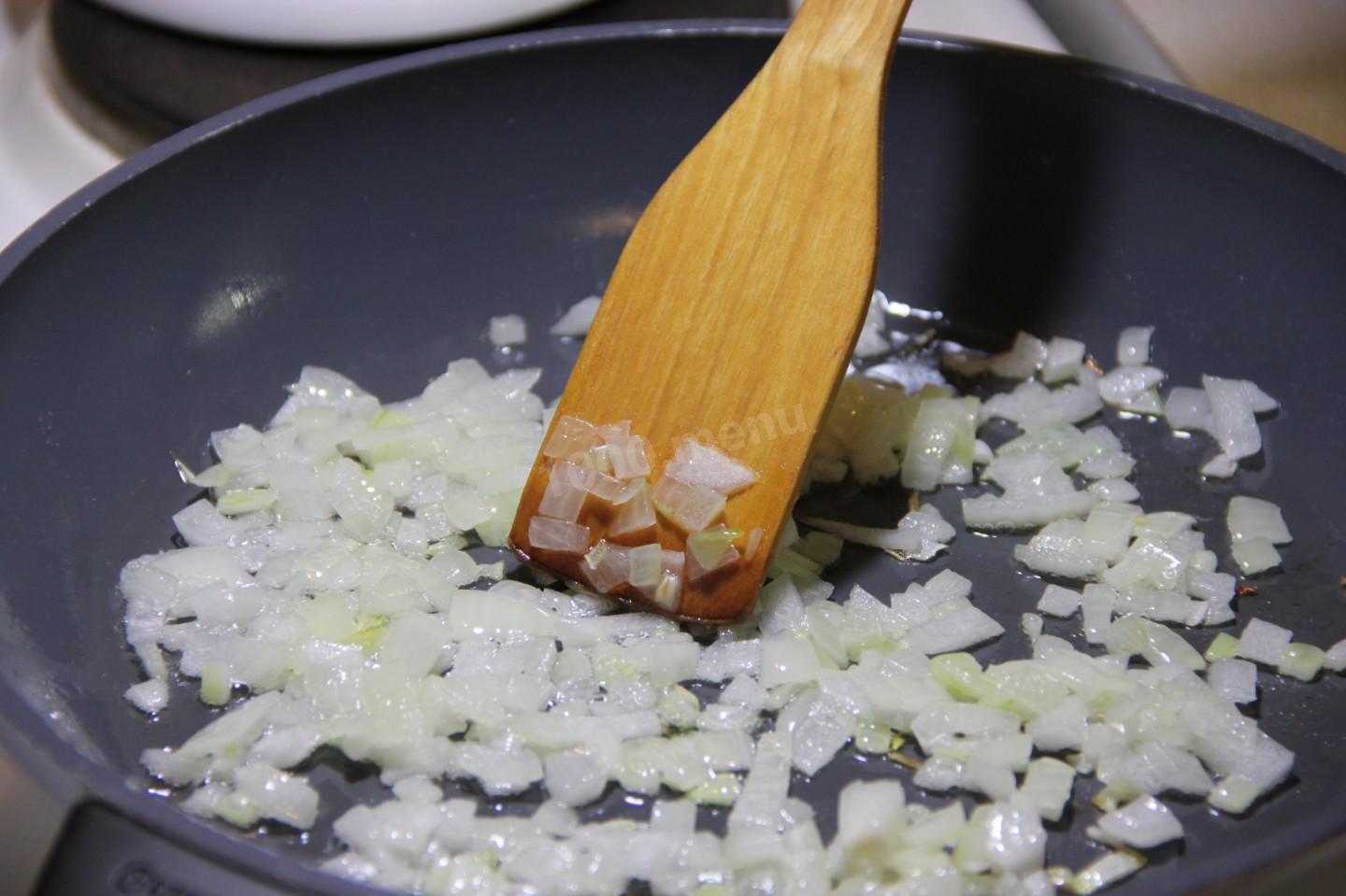
Make the sautéed vegetables: in a skillet with heated vegetable oil, fry the onion until translucent.
-
Step 6:
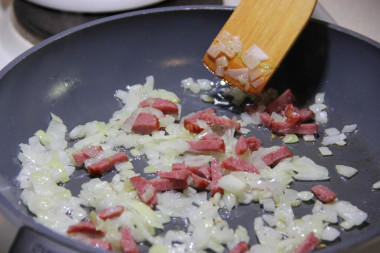
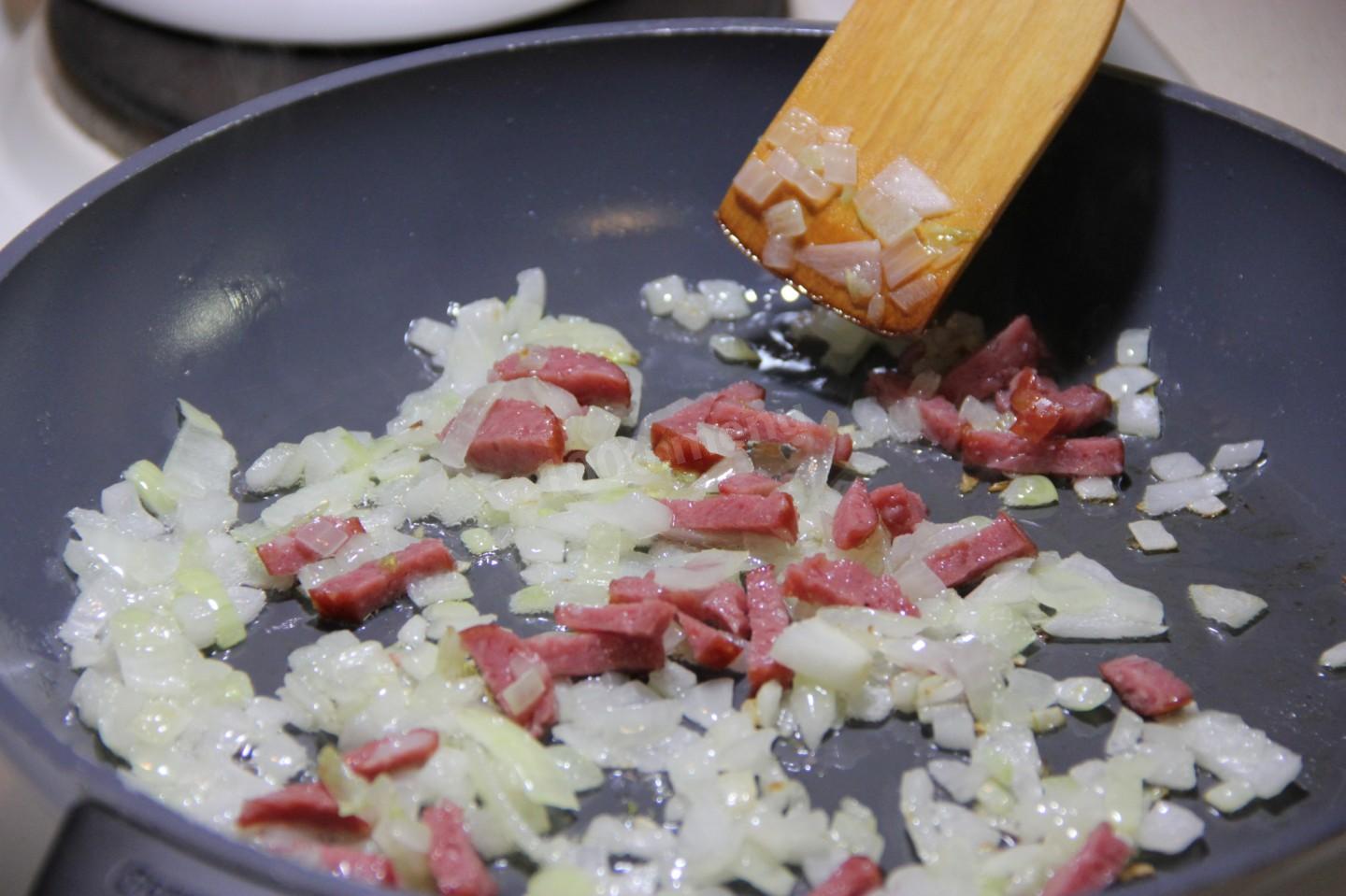
Add the sausage to the onion and fry it.
-
Step 7:
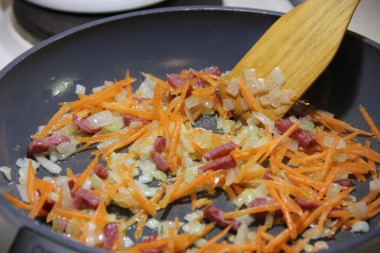
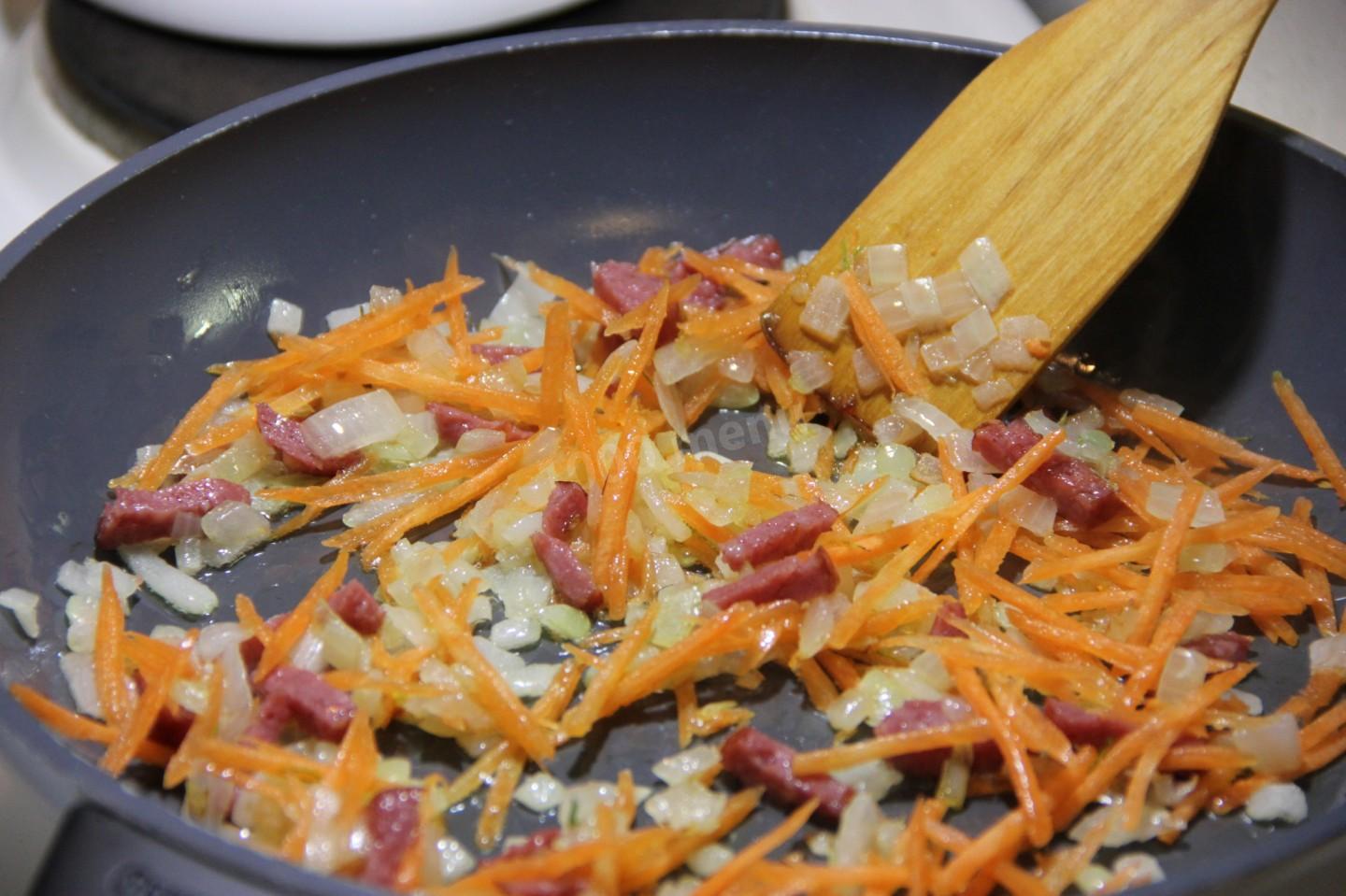
Then the carrots. At this point you can also add a tomato or tomato paste (they give the soup a pretty orange color).
-
Step 8:
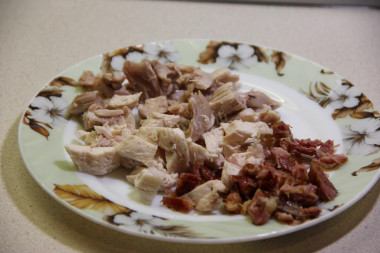
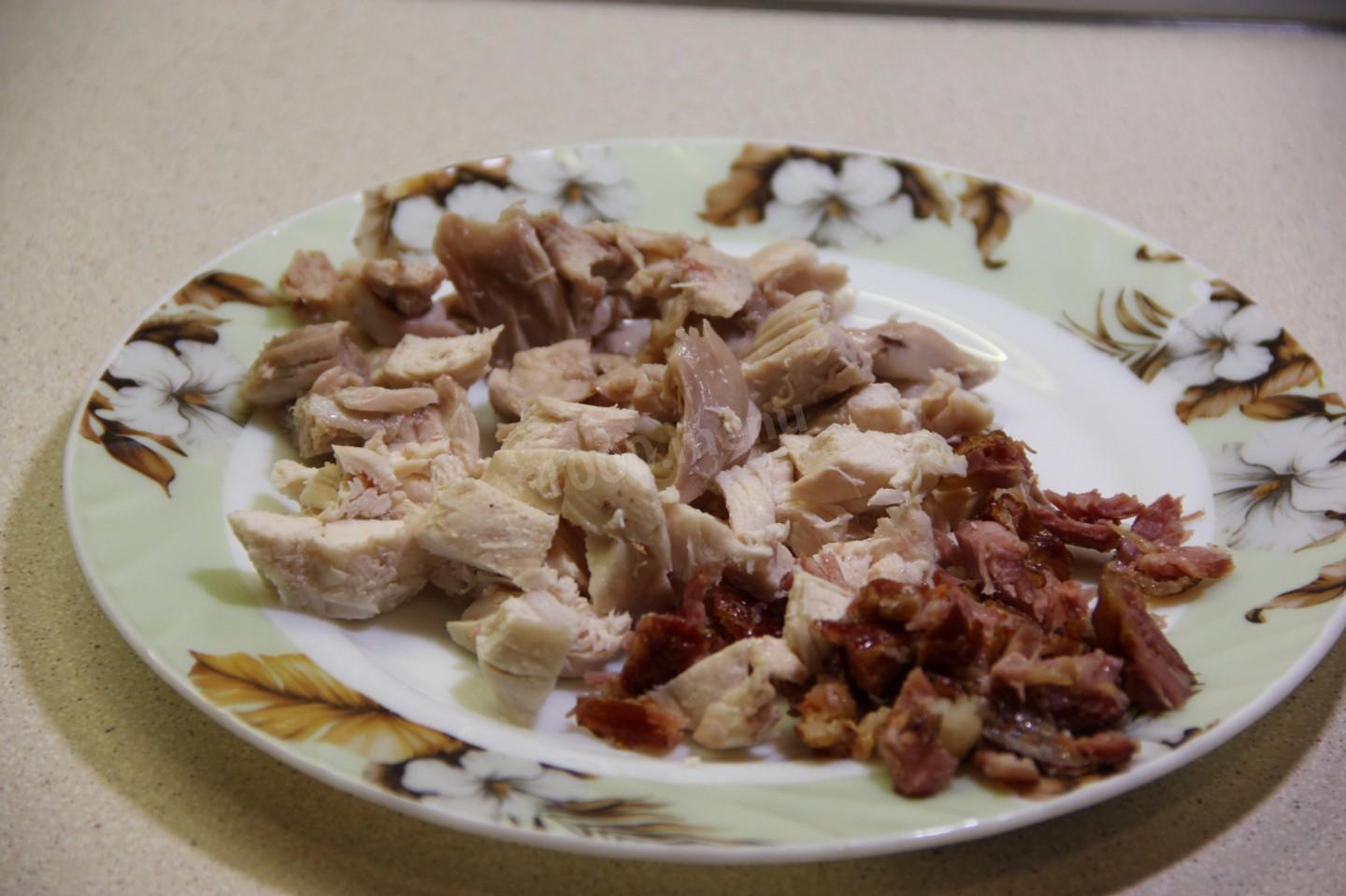
Pull the cooled meat off the skin and bones and cut it however you like (whatever's easiest to eat in the soup).
-
Step 9:
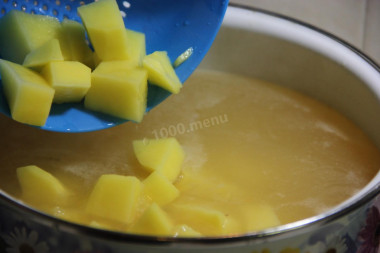
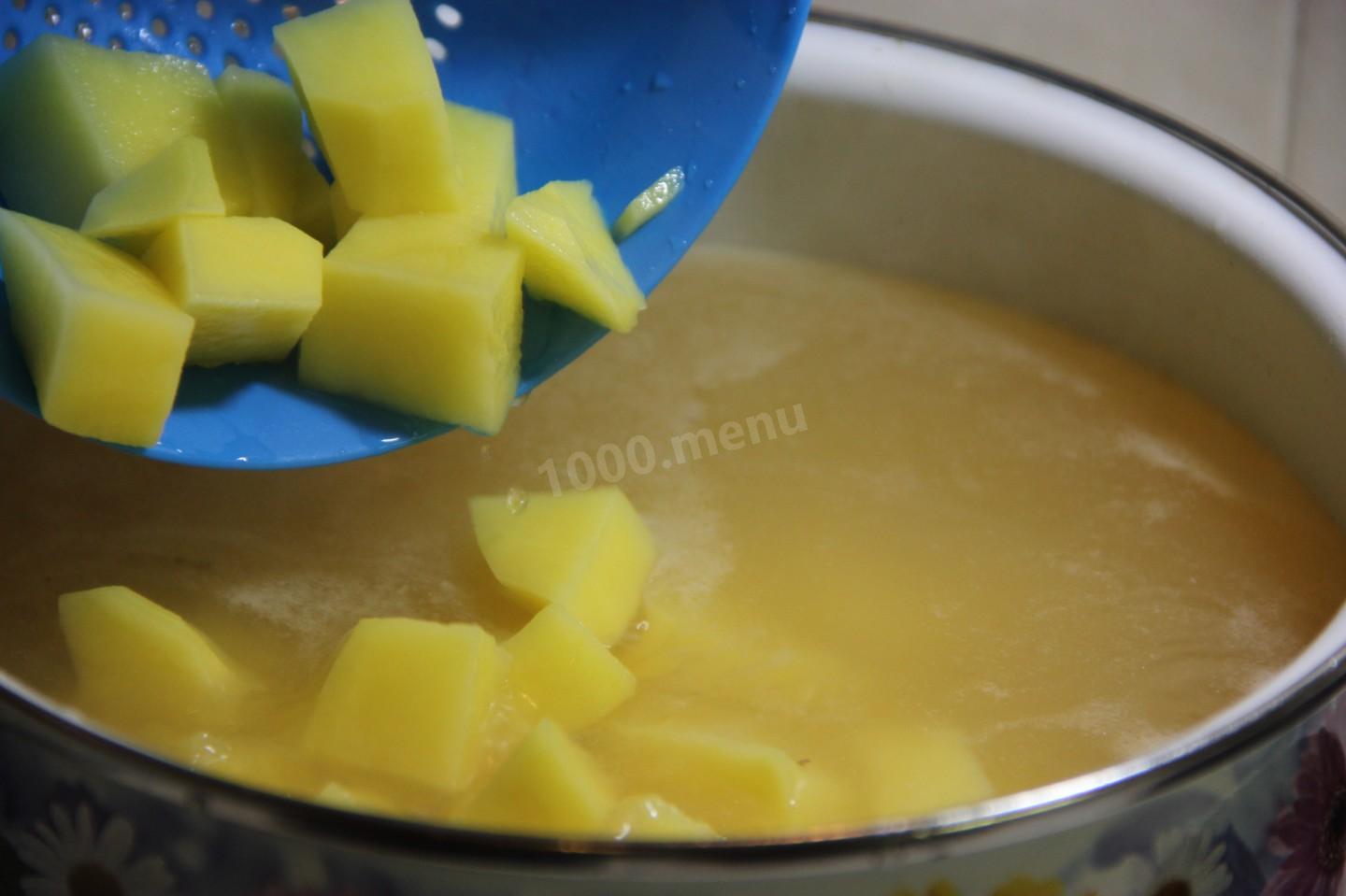
Taste the peas; if they're almost done, add the potato.
-
Step 10:
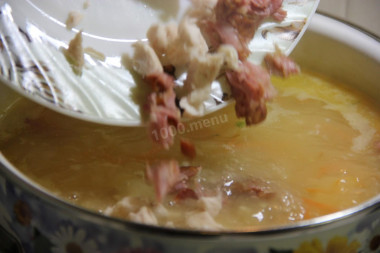
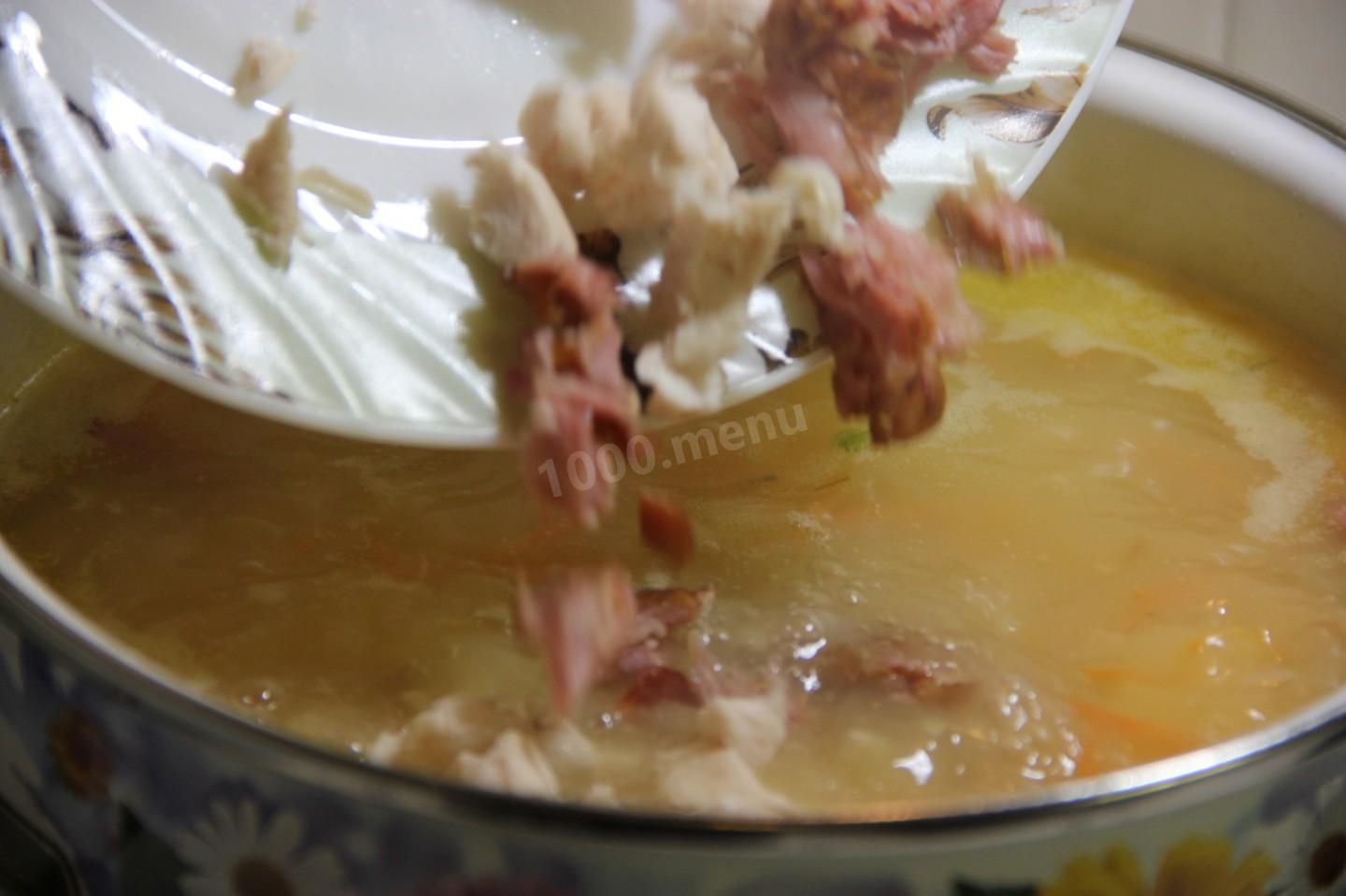
Next add the cut-up meat and the sautéed vegetables, and only now add salt (keeping in mind the ribs and sausage are already salty). Cook the soup for about 10 minutes until the potato is done — it should break apart easily when pressed with a spoon.
-
Step 11:
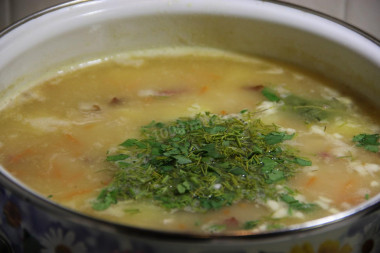
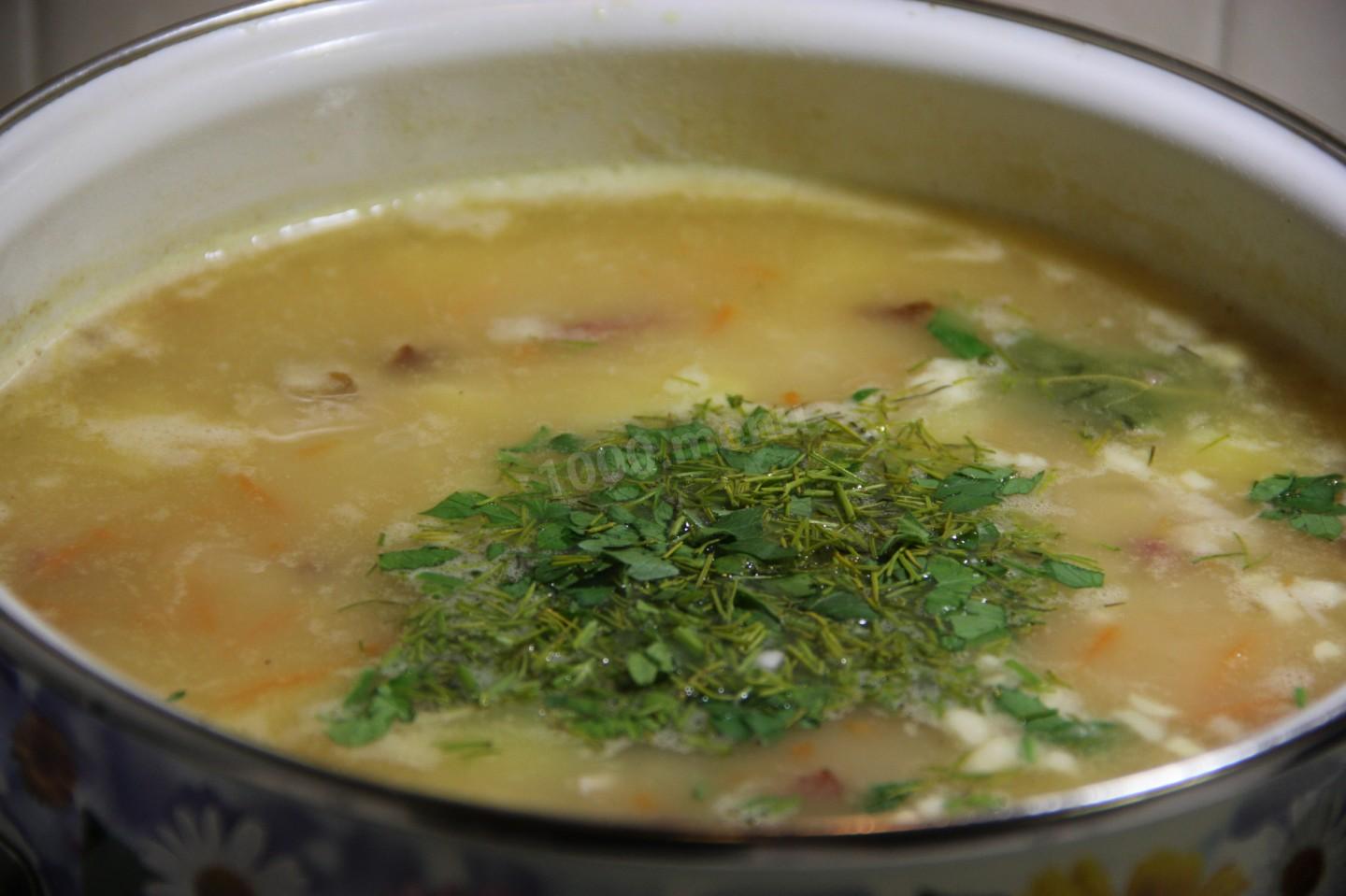
3–5 minutes before it's done, taste the soup for salt and add more if needed. Add a bay leaf, pressed garlic, and fresh or dried herbs to taste. Turn off the stove and let the soup rest, covered, for 10–15 minutes.
-
Step 12:
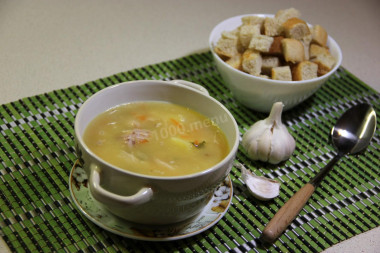
Serve the soup. Enjoy!
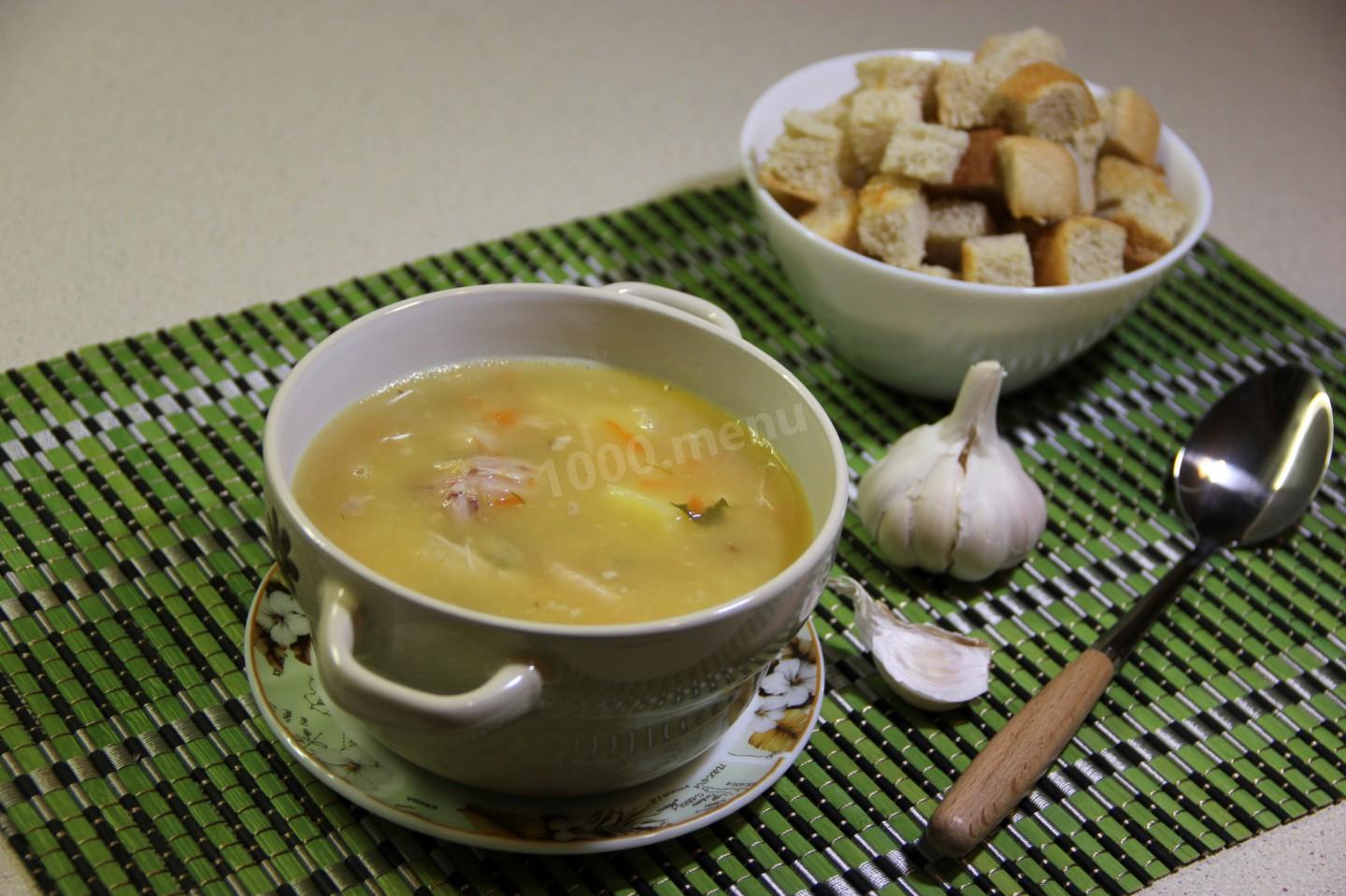
- If you don't have a special mesh bag for the vegetables, just cook them loose and fish them out afterward with a slotted spoon.
- Important! Whether or not the recipe gives an amount of water for the soup, it's best to go by your own preferences (whether you like a thick or thinner soup), as well as the size of your pot and the ingredients you're using. Keep in mind that the author has their own idea of how much meat, potatoes, grains, and other ingredients belong in the soup, which may not match yours. In practice this means that if you're making it for the first time, don't cook a whole pot at once. Make a tasting batch — for one or two people. To do this, scale all the recipe ingredients down to 1–2 servings, and figure the water at about one cup per serving for a very thick soup, up to 1.5–2 cups for a thinner one. Don't forget that some of the liquid will boil off during cooking. After tasting a small portion, you can adjust both the amount of liquid and the proportions of the ingredients to your taste. Down the road, like most experienced cooks, you'll be able to add the water and the ingredients by eye.
- For how to choose the perfect pot for soup, porridge, or pickling, see the article on pots.
- For cooking, it's best to use filtered or bottled water that's neutral in taste. If you use tap water, keep in mind it can give the dish an unpleasant off-flavor.
Caloric content of the products possible in the composition of the dish
- Category I chicken - 238 kcal/100g
- Category II chicken - 159 kcal/100g
- Chicken, skinless meat - 241 kcal/100g
- Spring chicken - 140 kcal/100g
- Ripe potatoes - 80 kcal/100g
- Baked potatoes - 70 kcal/100g
- Mashed potatoes - 380 kcal/100g
- Boiled potatoes - 82 kcal/100g
- Potatoes in their skins - 74 kcal/100g
- Fried potatoes - 192 kcal/100g
- Carrots - 33 kcal/100g
- Dried carrots - 275 kcal/100g
- Boiled carrots - 25 kcal/100g
- Garlic - 143 kcal/100g
- Vegetable oil - 873 kcal/100g
- Black peppercorns - 255 kcal/100g
- Salt - 0 kcal/100g
- Semi-smoked Krakowska sausage - 466 kcal/100g
- Semi-smoked Moskovskaya sausage - 406 kcal/100g
- Water - 0 kcal/100g
- Onion - 41 kcal/100g
- Frozen soup herb mix, packaged - 41 kcal/100g
- Fresh herbs - 41 kcal/100g
- Yellow split peas - 303 kcal/100g
- Smoked pork ribs - 514 kcal/100g
Similar recipes

- Soups
- Meat and meat products
- Vegetables
- Legumes
- Spices seasonings spices
- Fats and oils
- Other
- From peas
- Garlic
- Зелень
- Pepper
- Salt
- Vegetable oil
- Water
- Cooking
- Frying
- In a frying pan
- Meat soup
- Potato soup
- Thick soup
- Bean soup
- Meat semi-finished products
- Poultry
- Sausage products
- Chicken with vegetables
- From carrots
- From potatoes
- From onion
- No eggs
- Recipes for lean dishes without butter