Vareniki with Blueberries (Kefir Dough)
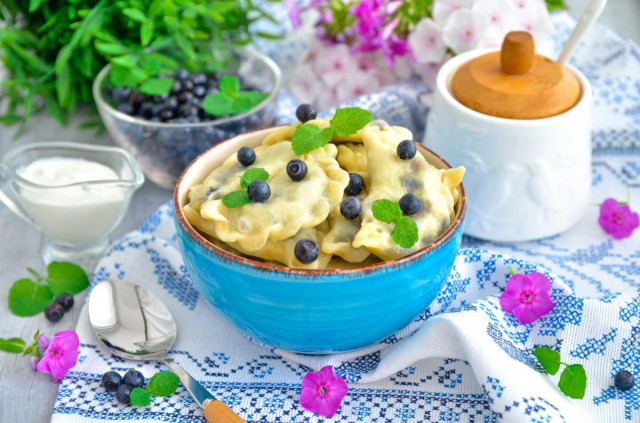
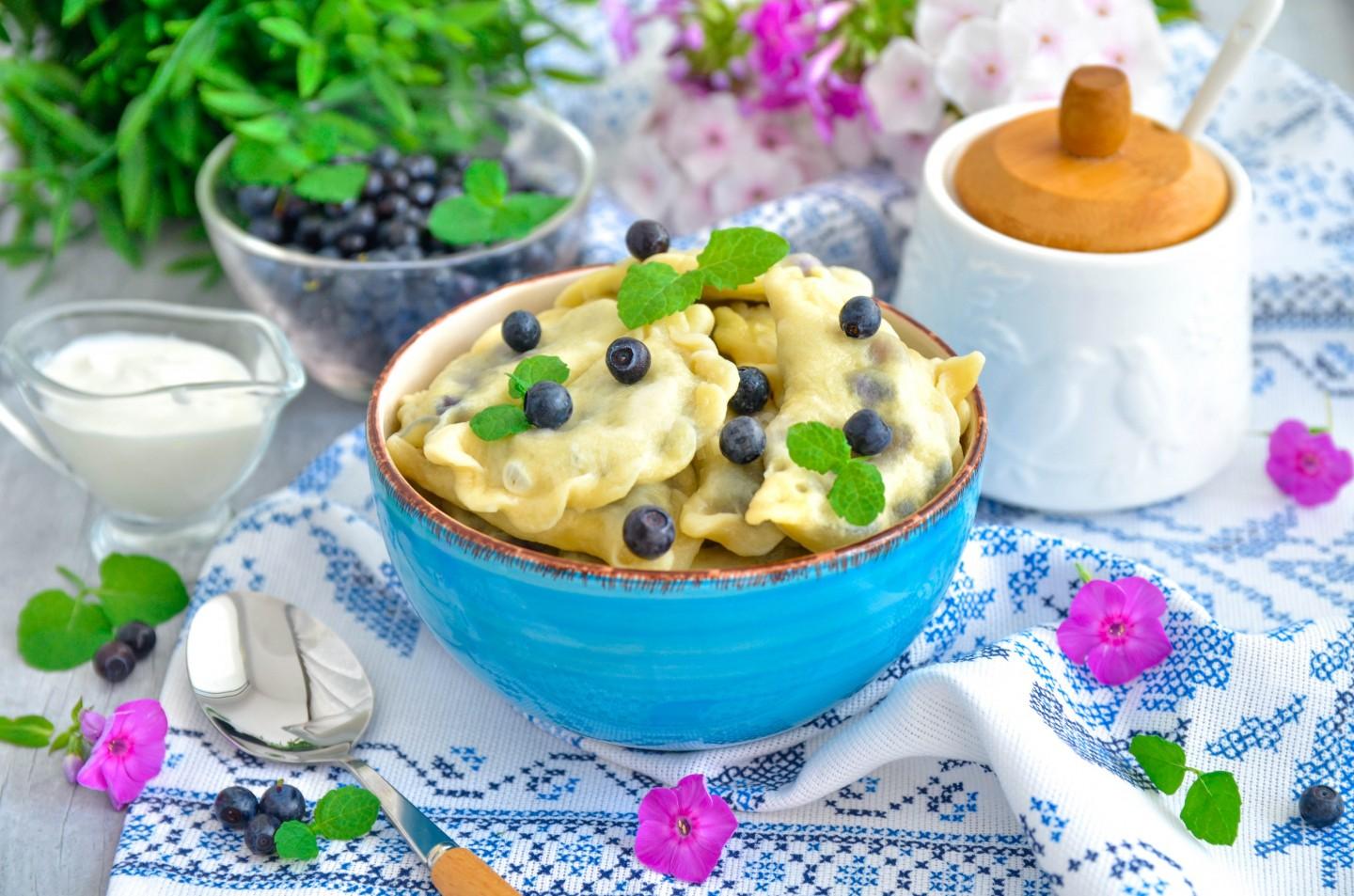
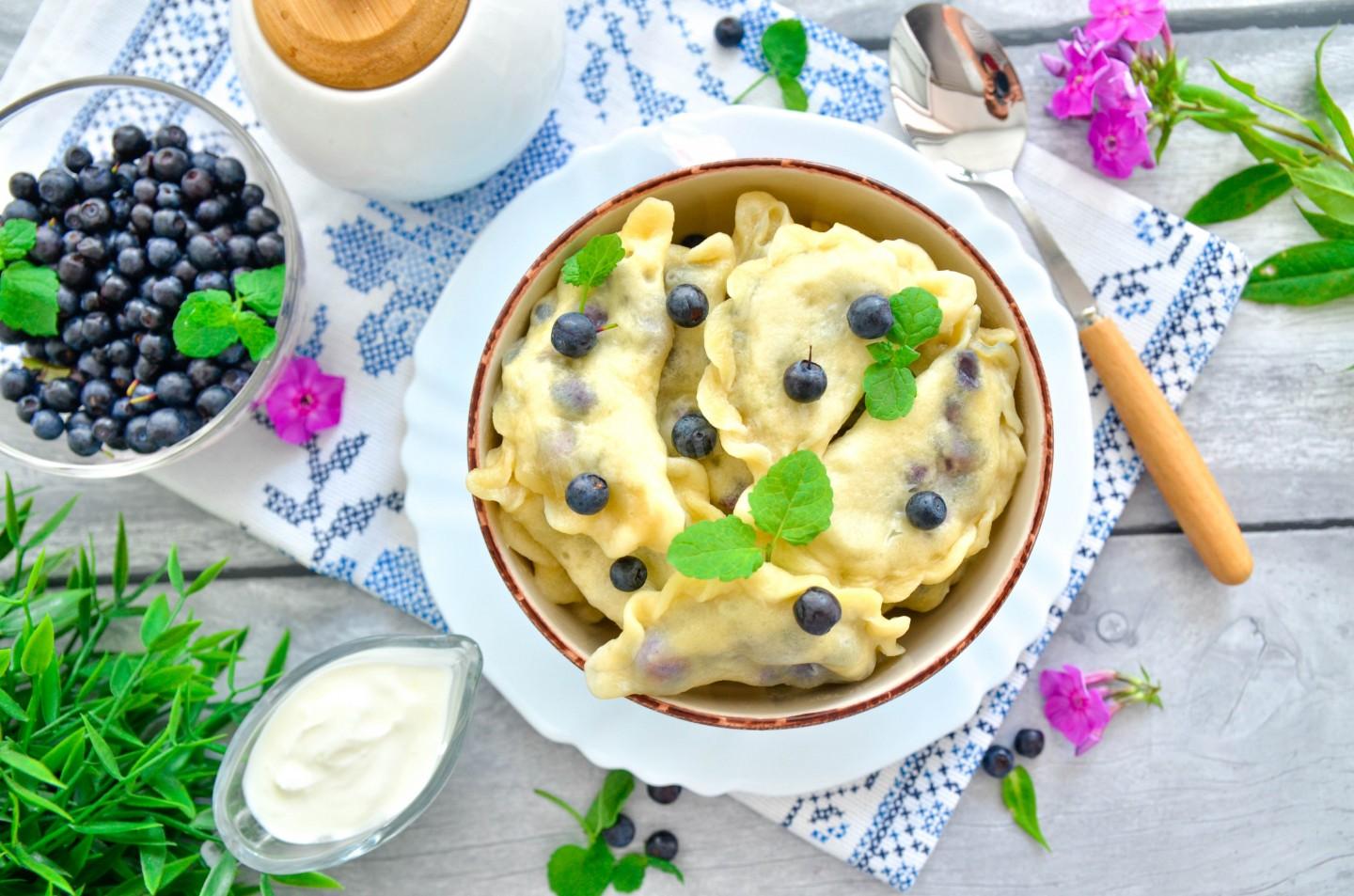
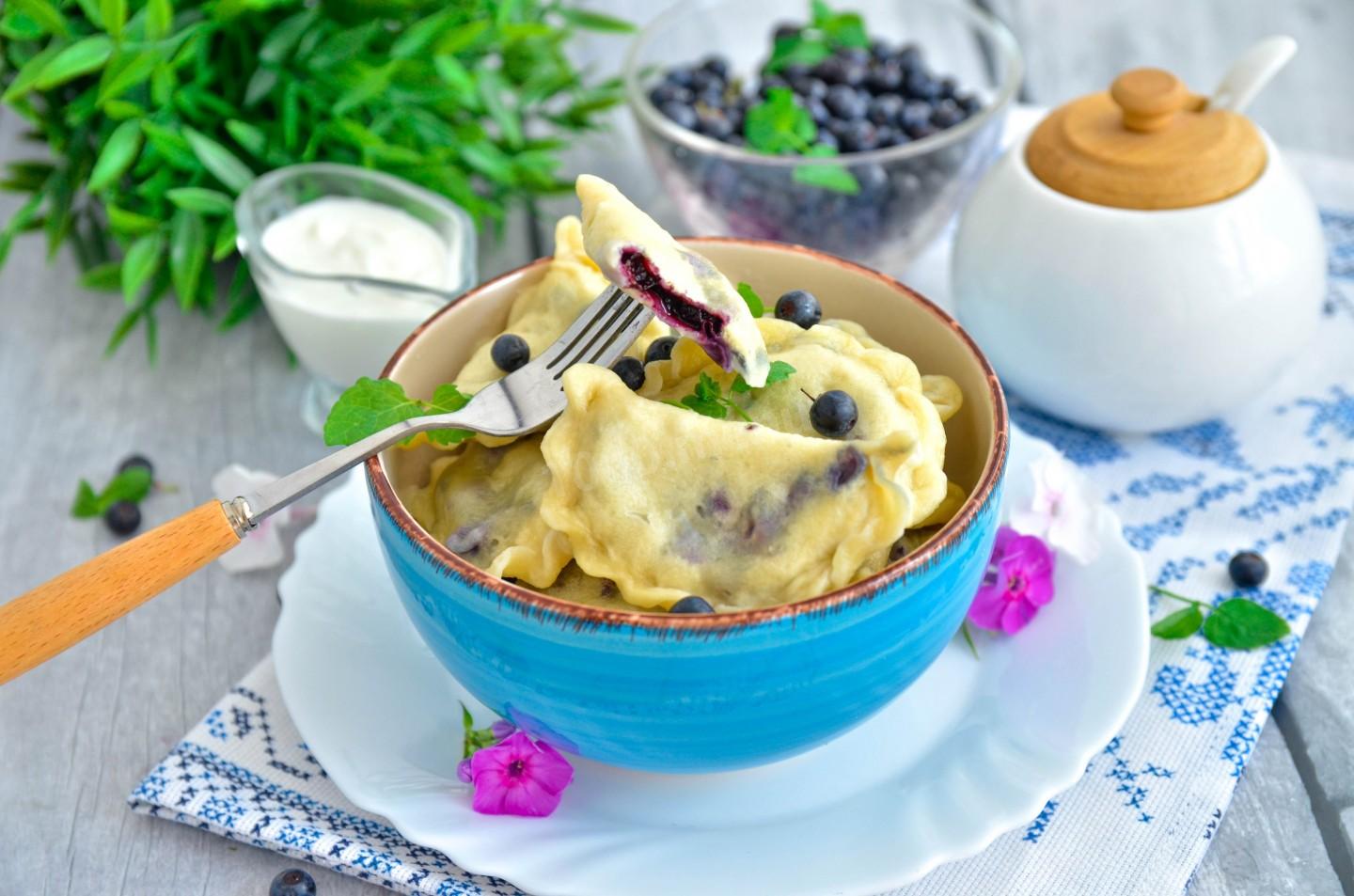
The tastiest, prettiest, fluffiest, most appetizing dumplings — for the whole family! Blueberry vareniki made with kefir dough are a true summer dish, made when fresh berries are everywhere. With dough mixed on kefir, they don't tear and all the filling stays inside. The dough itself is a winner — elastic, yet soft and fluffy.

Cooking method
-
Step 1:
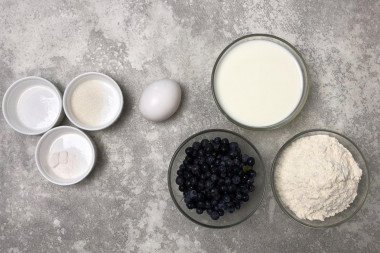
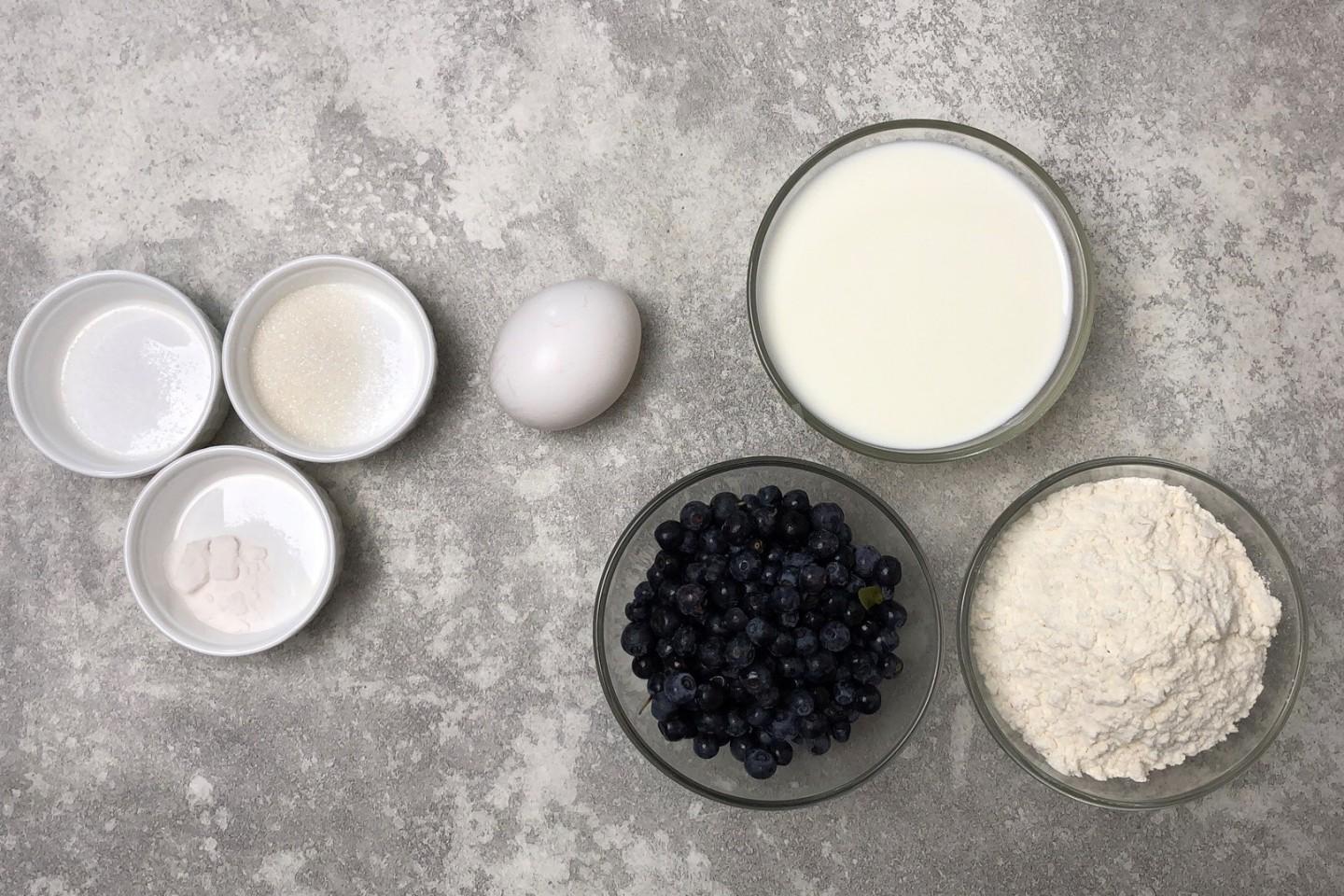
How do you make blueberry vareniki with kefir dough? Gather your ingredients. The fat content of the kefir doesn't matter. You may need a different amount of flour — go by the dough and its consistency. Fresh or frozen berries both work. If you use frozen ones, don't thaw them first. Sort the berries, wash them, and dry them by spreading them on a paper towel. Adjust the amount of sugar in the filling to your taste.
-
Step 2:
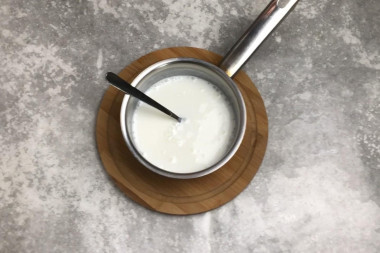
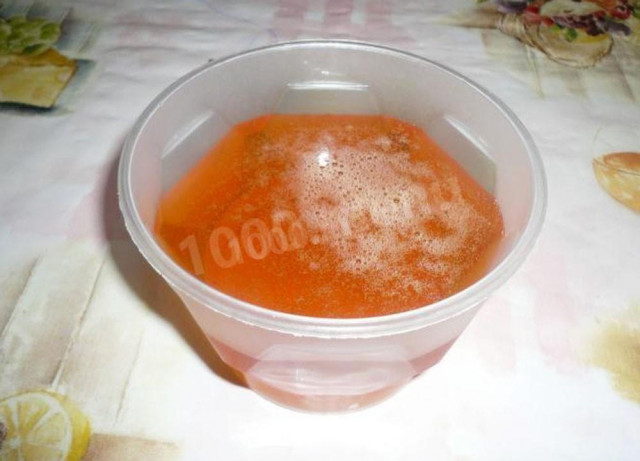
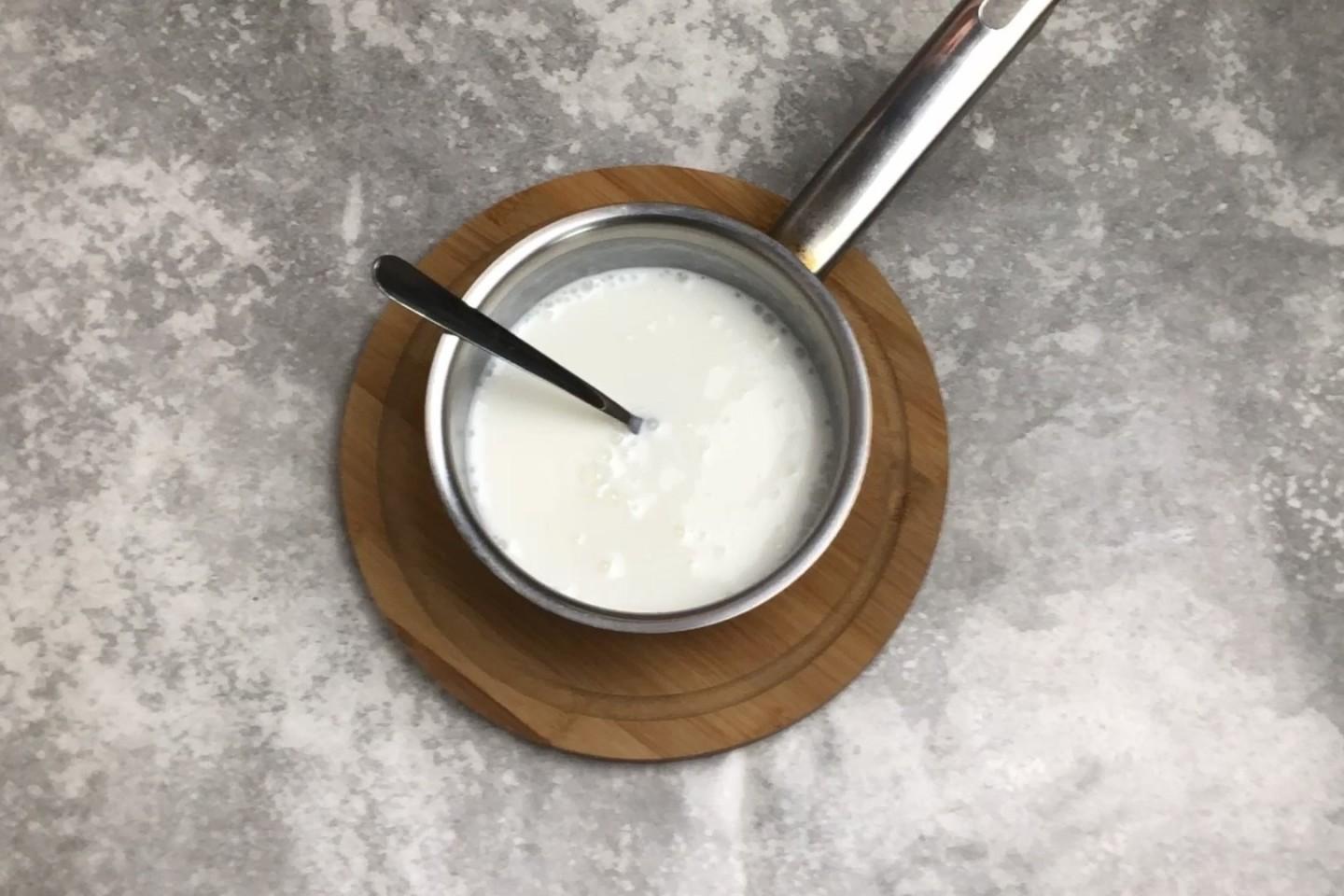
Warm the kefir until it's lukewarm — I did this in a saucepan on the stove over the lowest heat. Just be careful: overheated kefir can curdle. Add the sugar, salt, and baking soda and stir. Because the kefir is warm, they'll dissolve much faster.
-
Step 3:
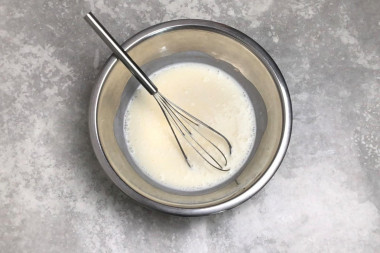
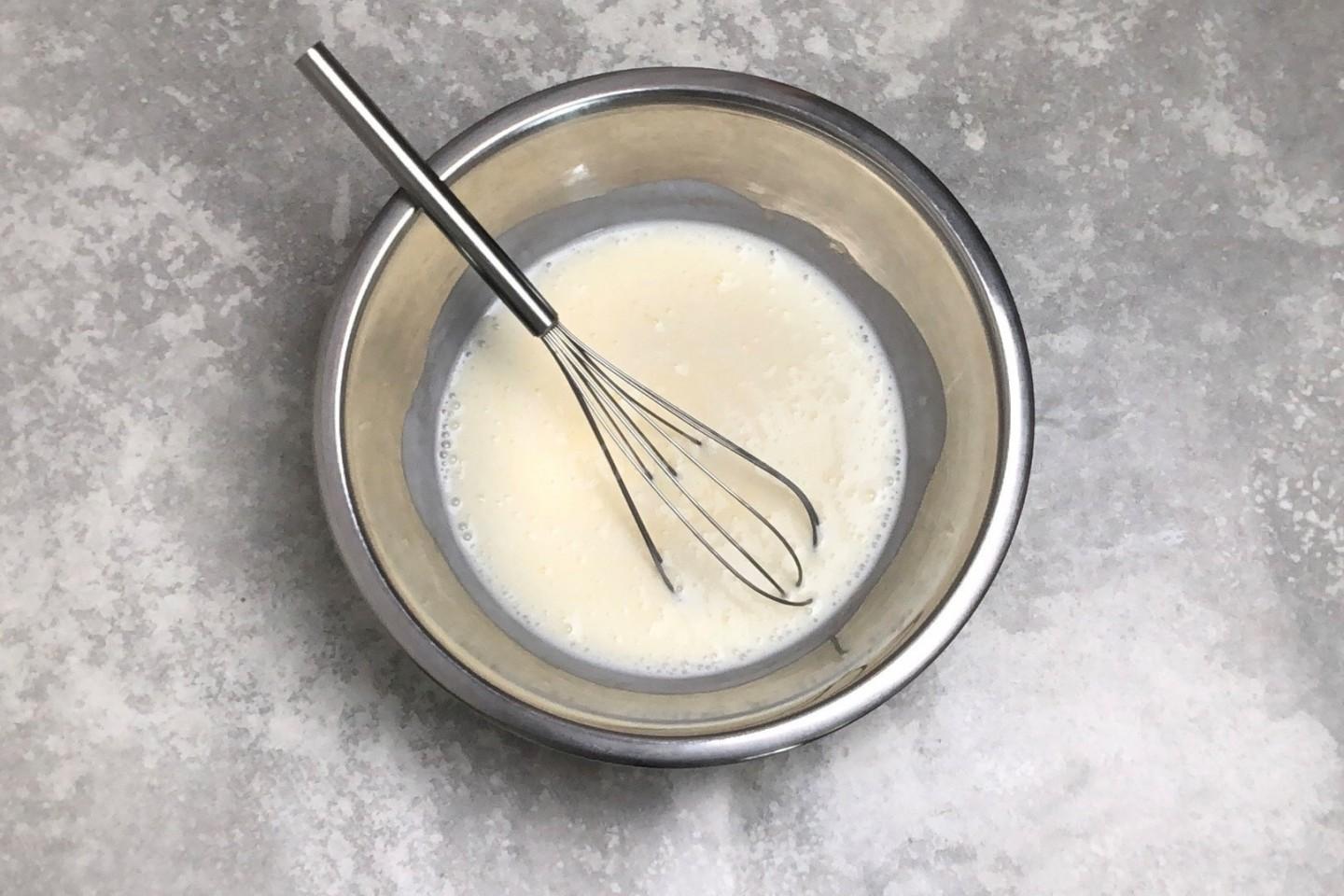
A reaction will start right away between the acid in the kefir and the alkaline baking soda. That releases carbon dioxide — you'll see it immediately as the mixture starts to bubble. The result is a fluffier, softer dough. Let the kefir stand for 5 minutes, then pour it into a mixing bowl. Beat in the egg and stir with a whisk.
-
Step 4:
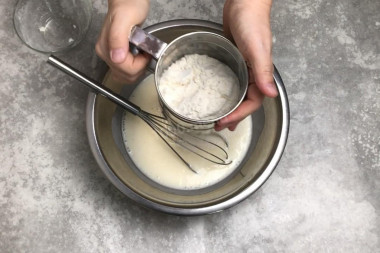
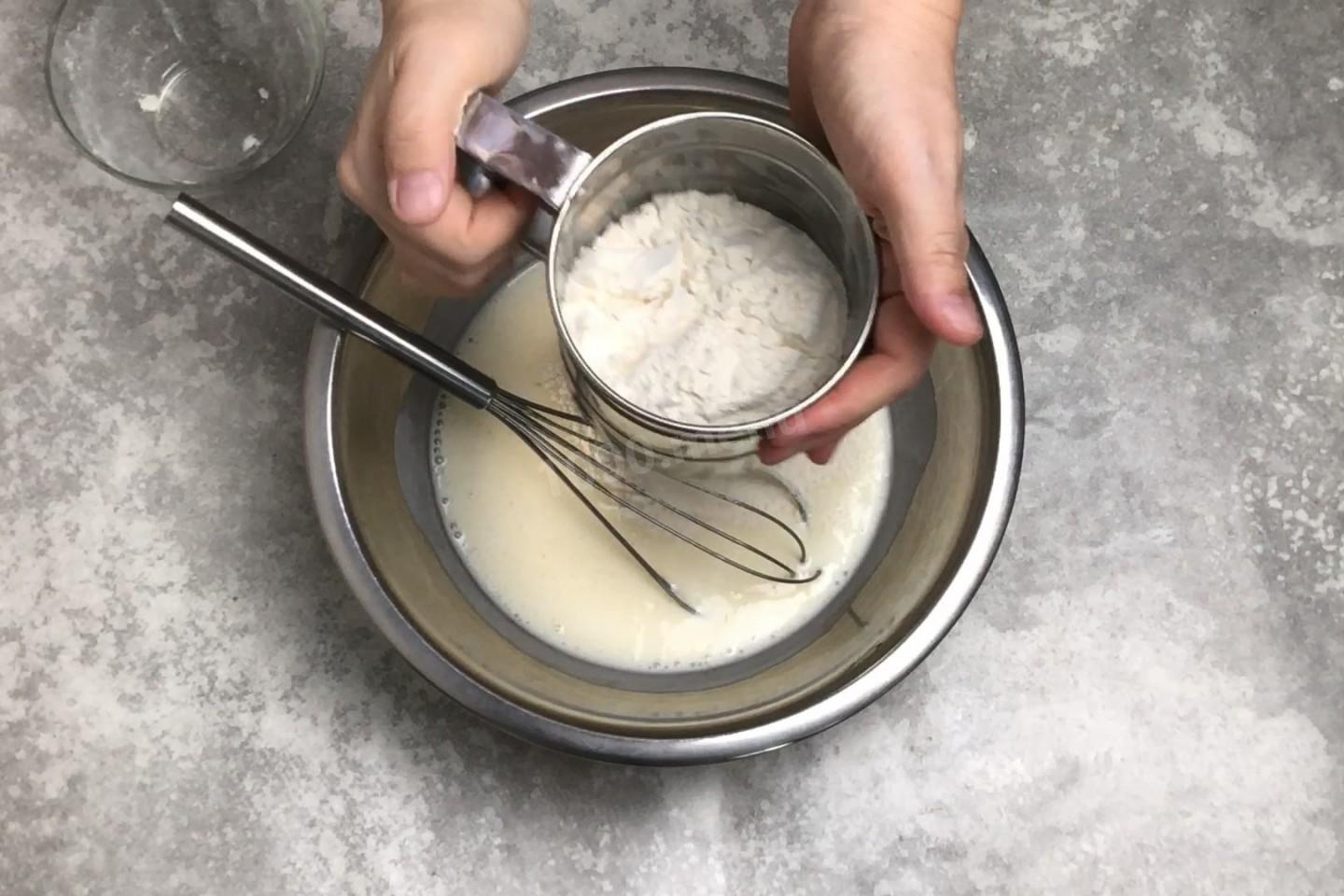
Start adding the flour to the kefir mixture a little at a time, always sifting it. This not only removes any bits but also aerates the flour, which improves the dough. After each addition of flour, stir the dough — first with a whisk, then by hand.
-
Step 5:
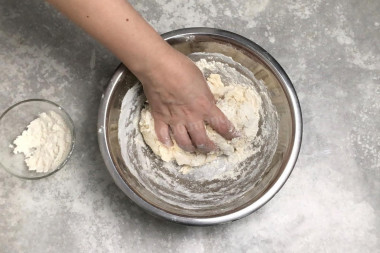
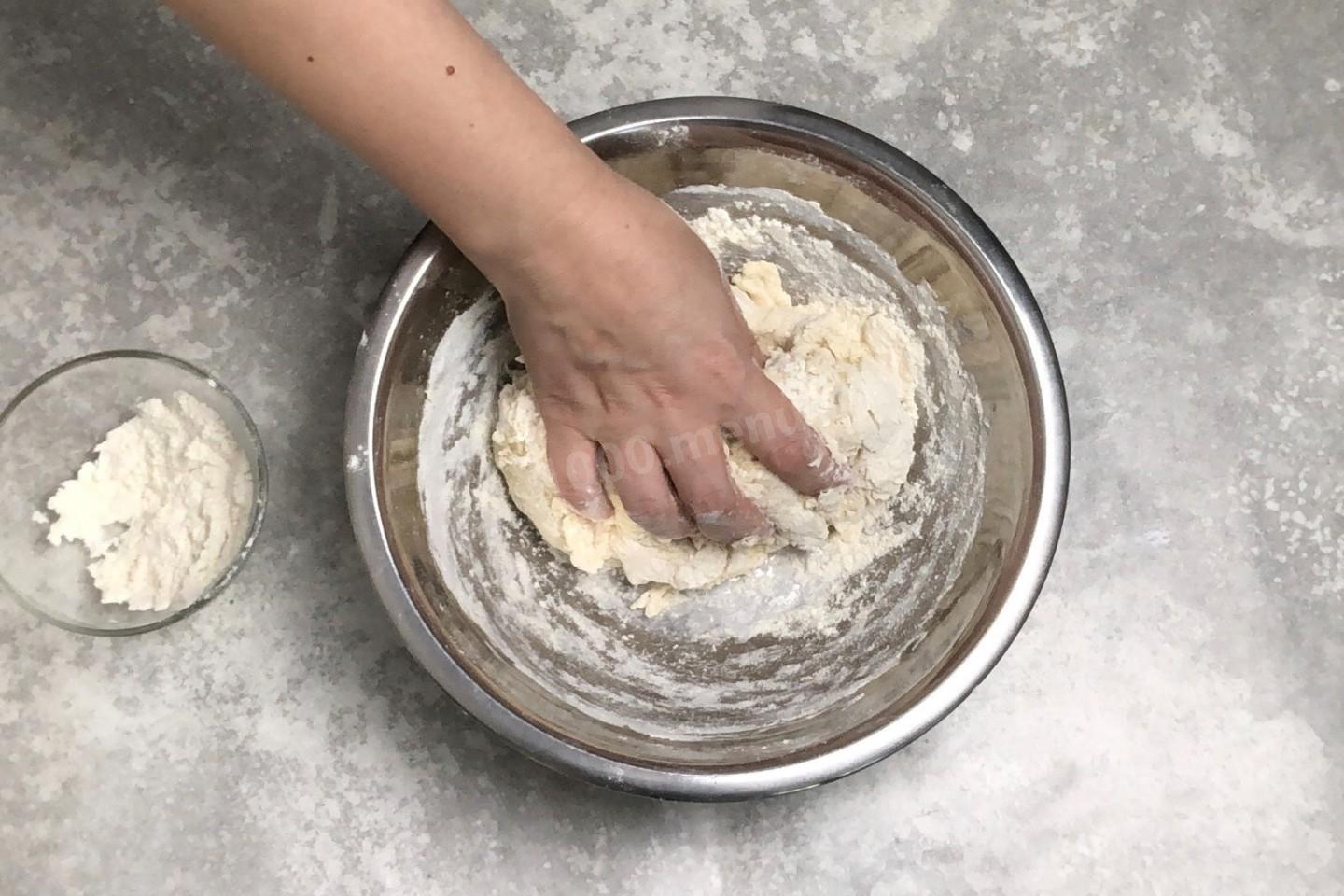
When the dough gets thick, turn it out onto the counter and knead it there. Whether to add more flour depends on the consistency — if it's too sticky, add more; if it's already easy to knead, stop.
-
Step 6:
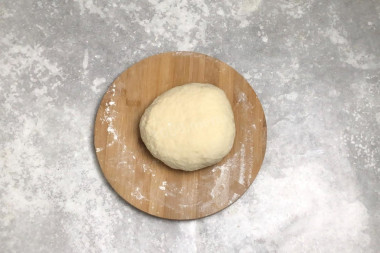
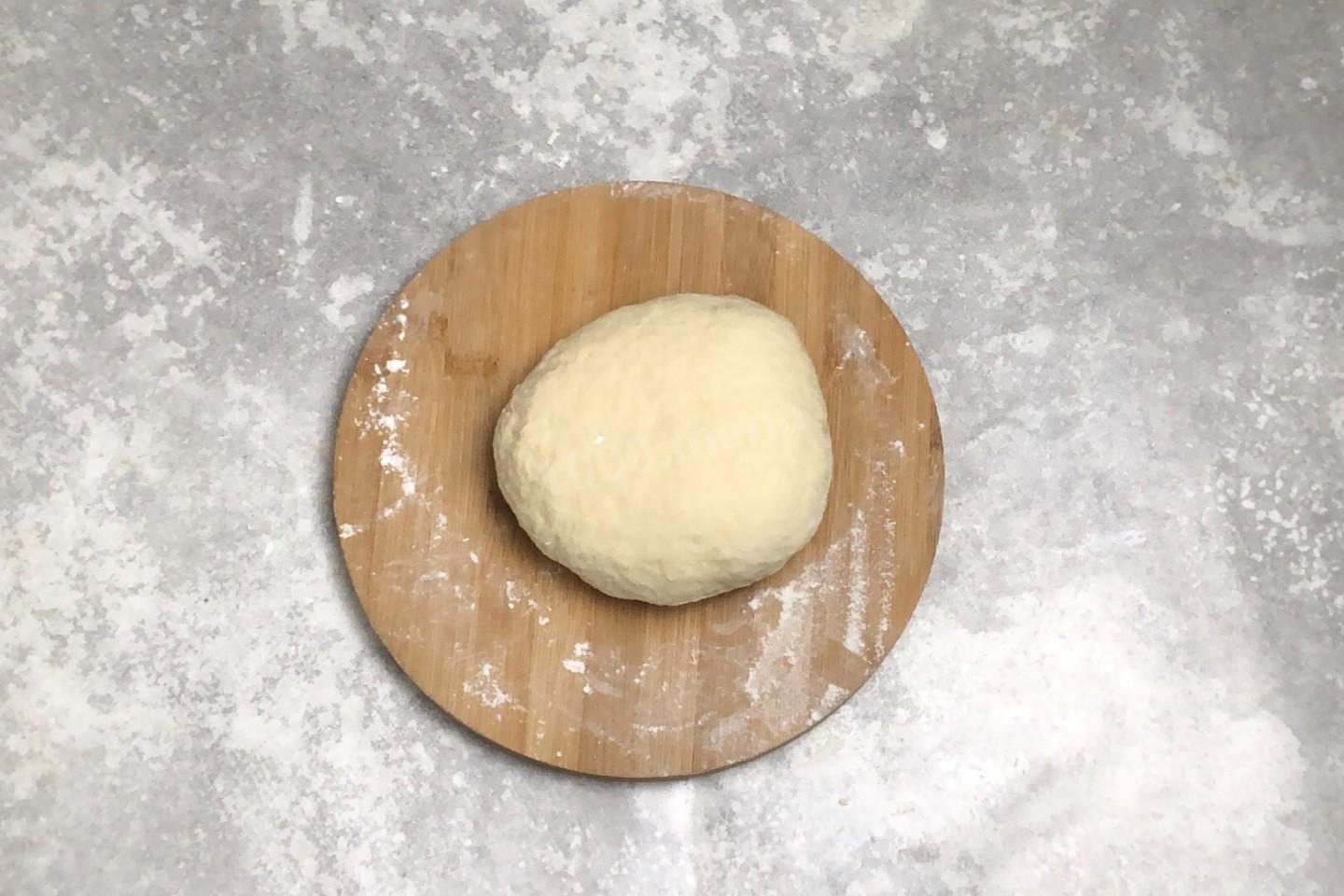
In the end, the dough should be smooth and uniform. Gather it into a ball, cover it with a towel, and let it rest for 30 minutes. During that time the flour fully absorbs the liquid and the gluten develops, which is what gives elasticity — dough like this is much easier to work with, so I always recommend letting it rest after kneading.
-
Step 7:
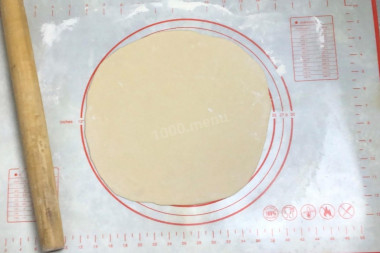
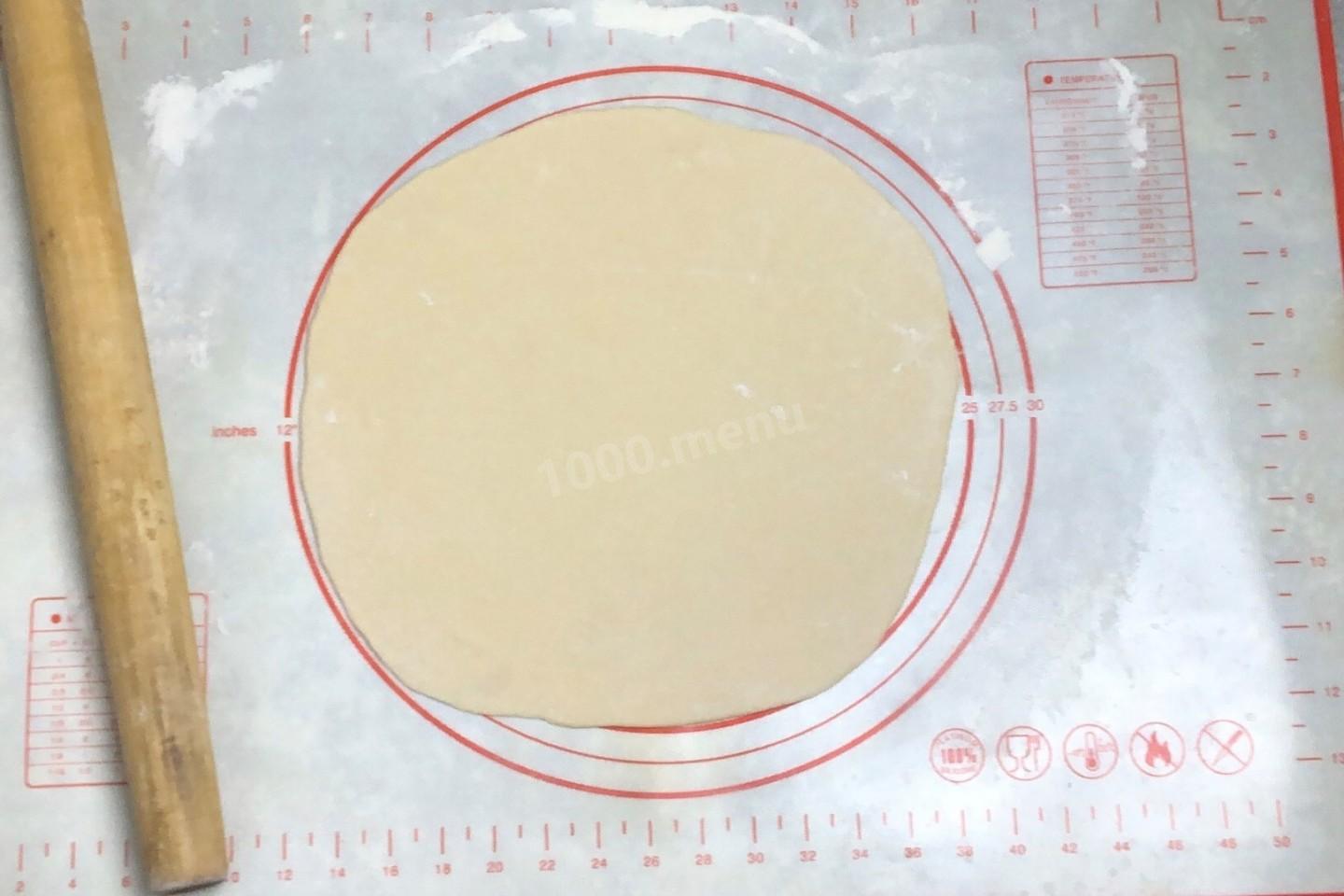
Then divide the dough into three parts to make it easier to roll out. On a flour-dusted surface, roll the dough into a sheet — not too thin; leave it slightly plump, about 4–5 mm, so it doesn't tear while cooking.
-
Step 8:
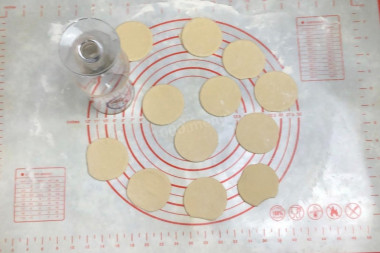
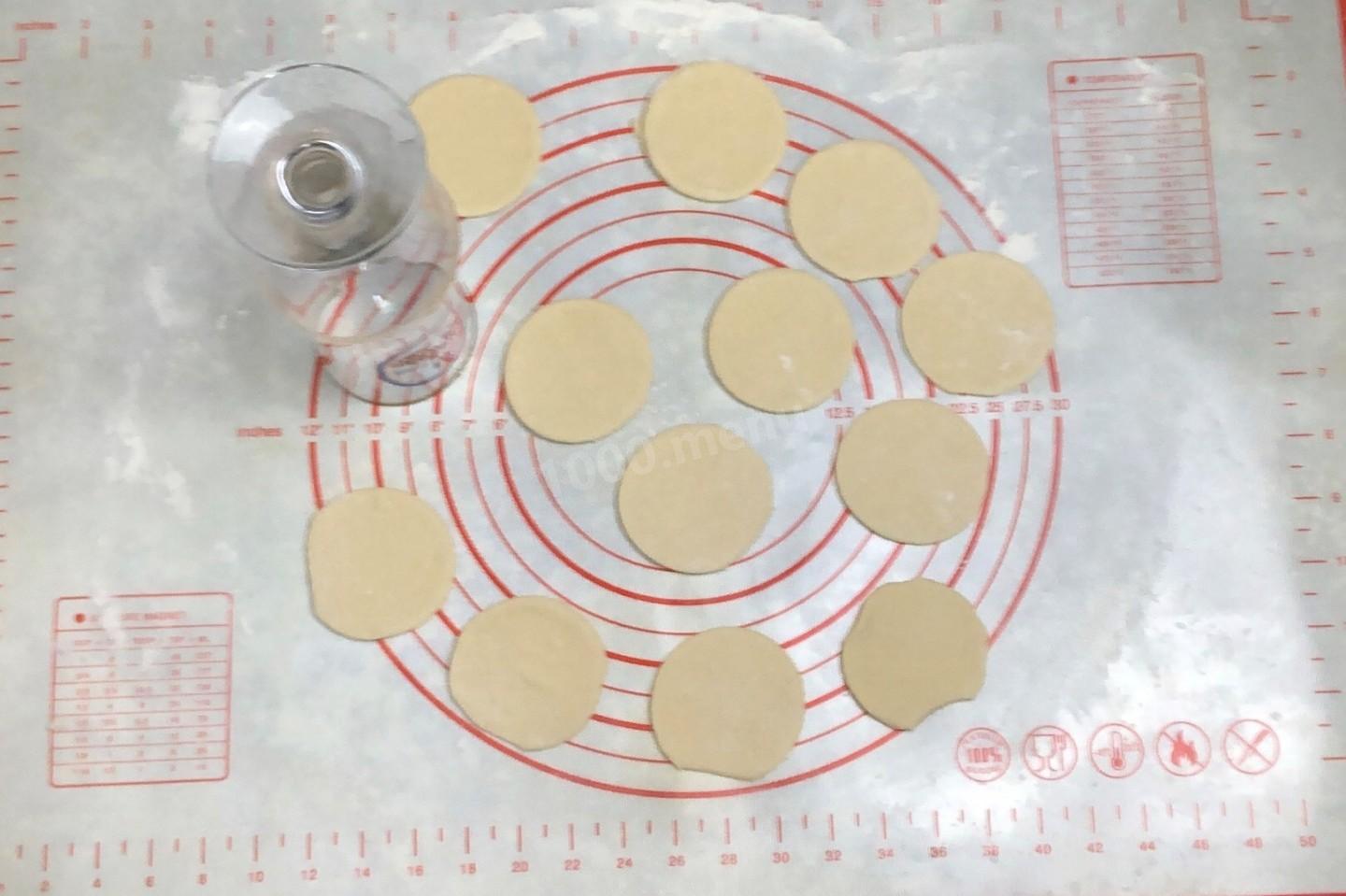
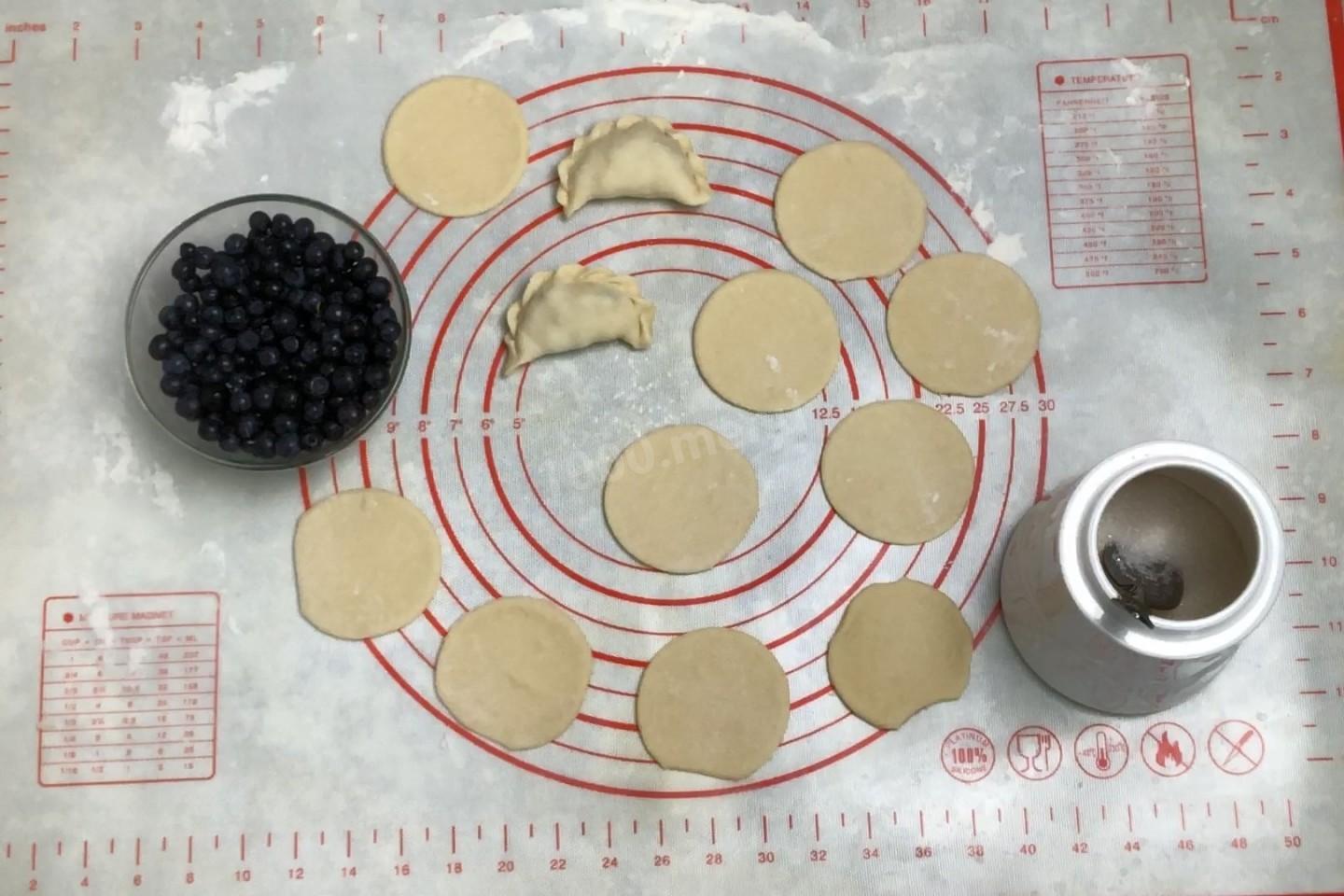
Cut the dough into rounds with a glass or a cookie cutter. Don't make them too small, so they can hold more berries.
-
Step 9:
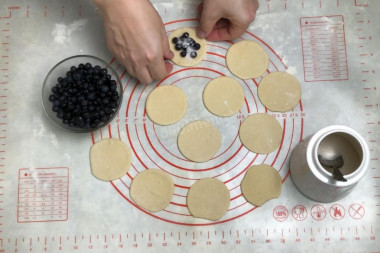
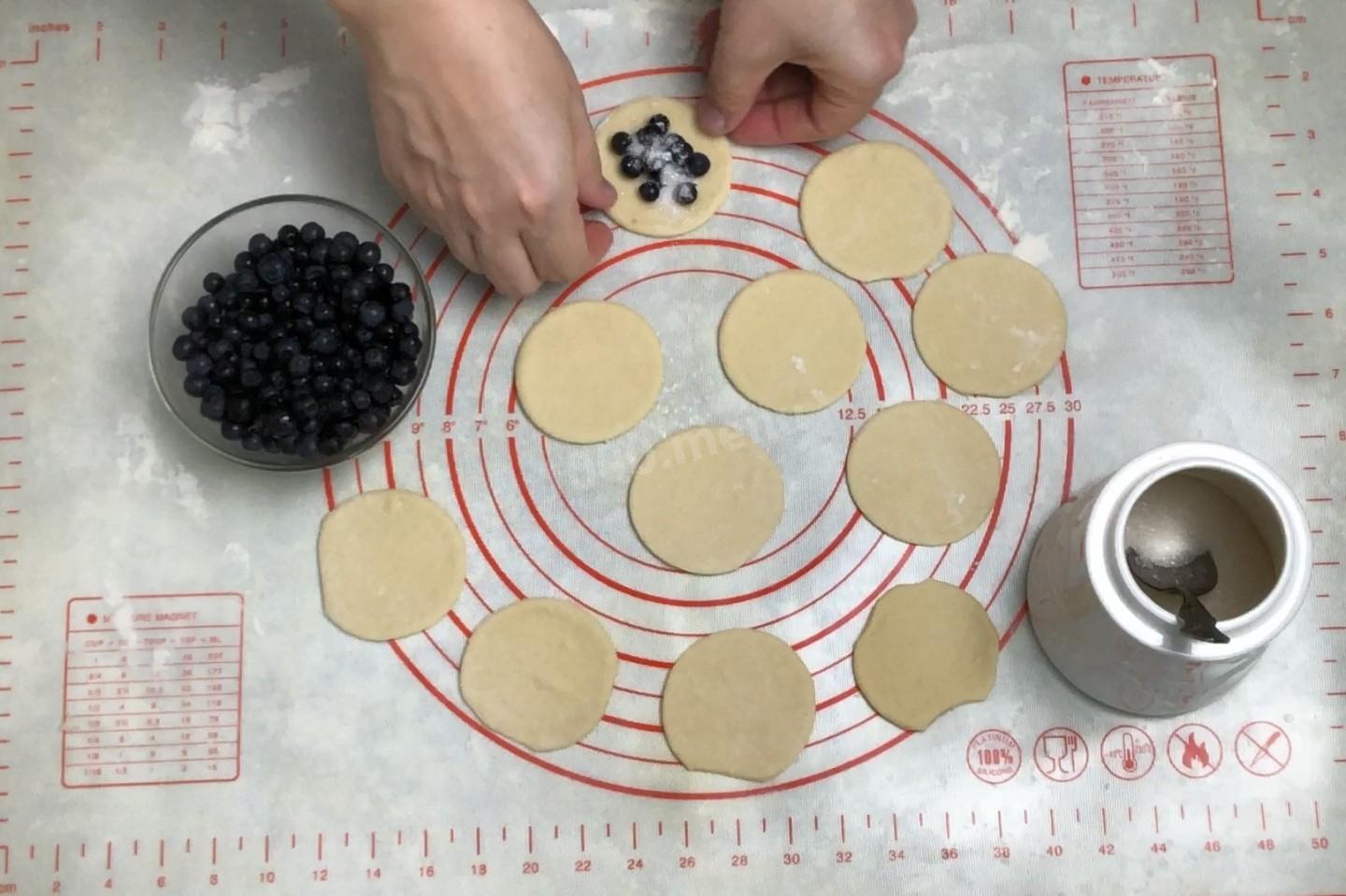
Put a teaspoon of blueberries on each round of dough and sprinkle a teaspoon of sugar on top. With this amount the vareniki aren't too sweet — I sprinkled a little more sugar over them as I ate.
-
Step 10:
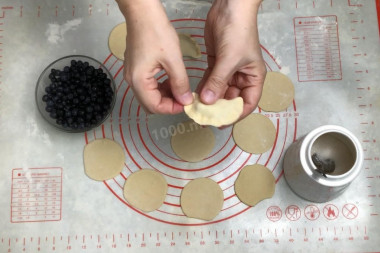
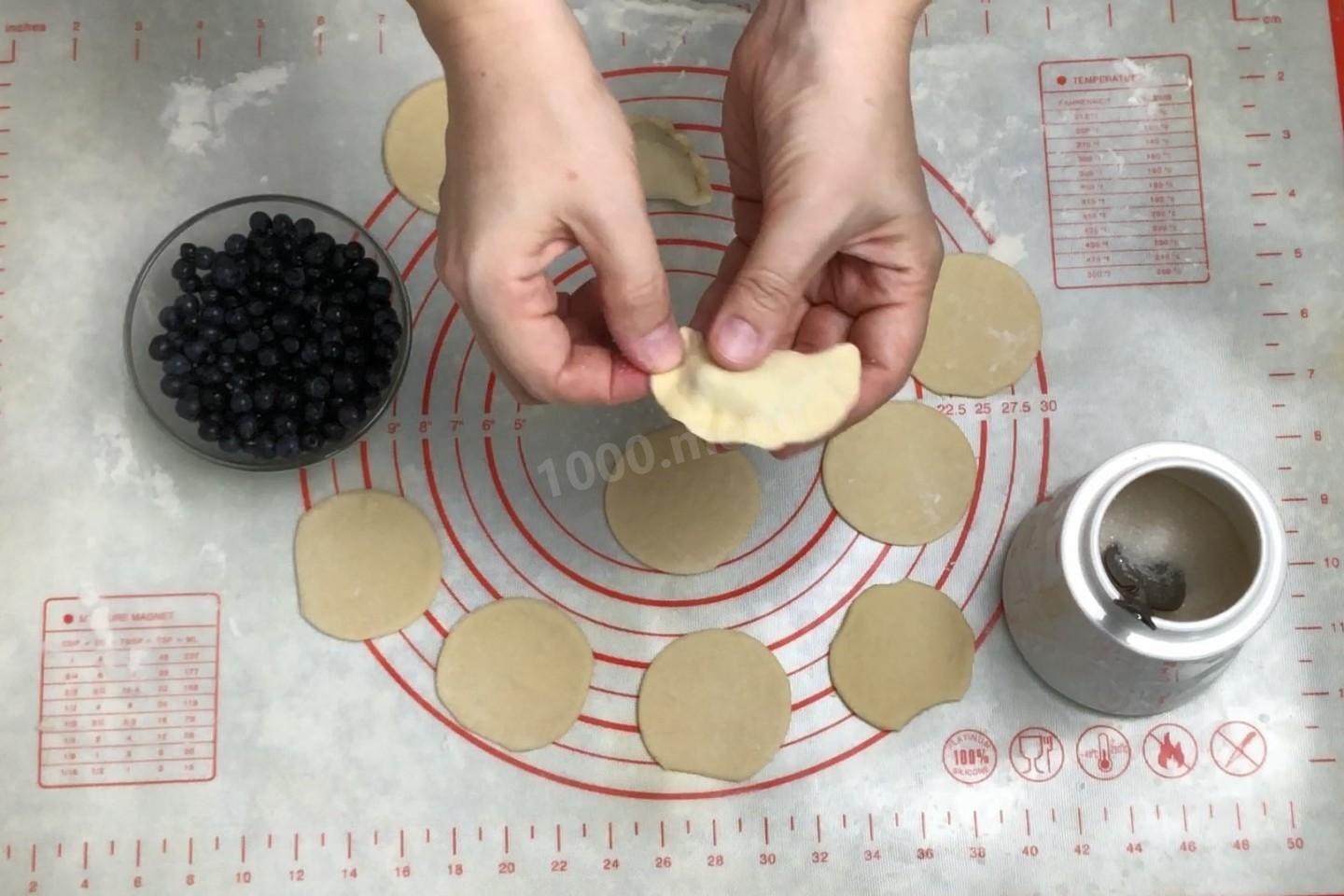
Bring the edges together and pinch them closed to form a half-moon.
-
Step 11:
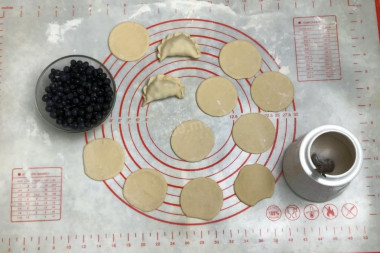
If you like, crimp the seam decoratively — this not only makes them pretty but also helps keep the juice from leaking out.
-
Step 12:
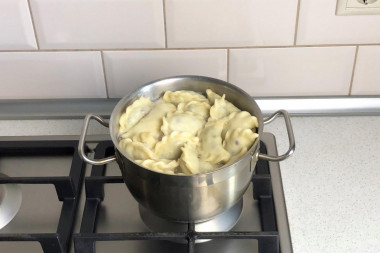
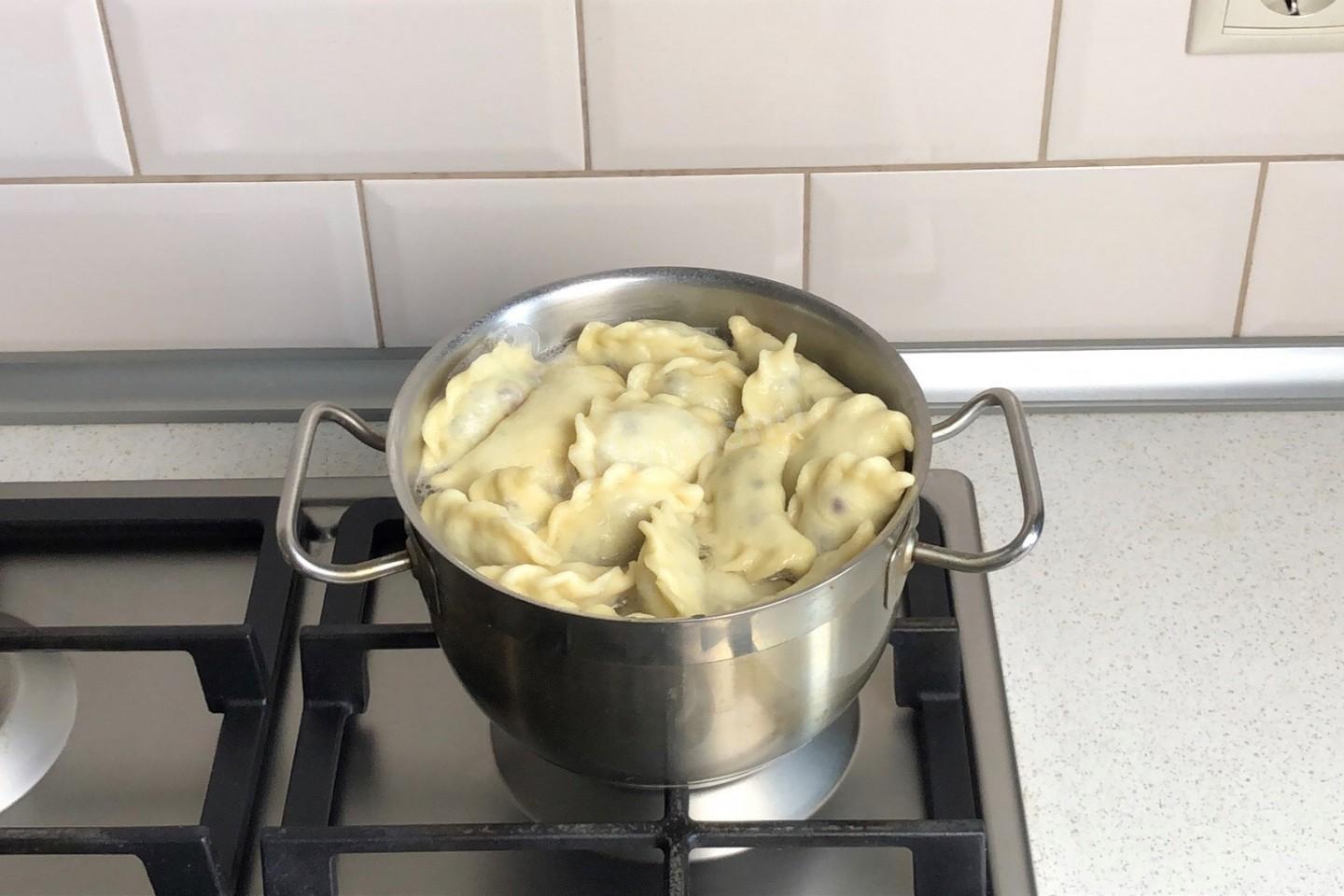
How do you cook vareniki? Bring water to a boil in a large pot — the vareniki need room to float freely so they don't stick together. For the same reason, I recommend cooking them in batches. Lightly salt the water. Drop in the vareniki. Stir with a spoon so they don't stick to the bottom. Wait for it to return to a boil, then lower the heat to moderate. After the vareniki float to the top, cook them for 3 to 5 minutes, depending on their size.
-
Step 13:
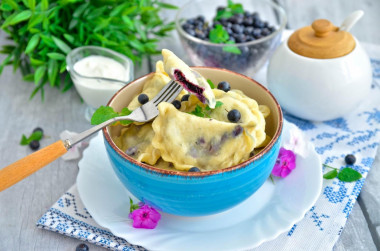
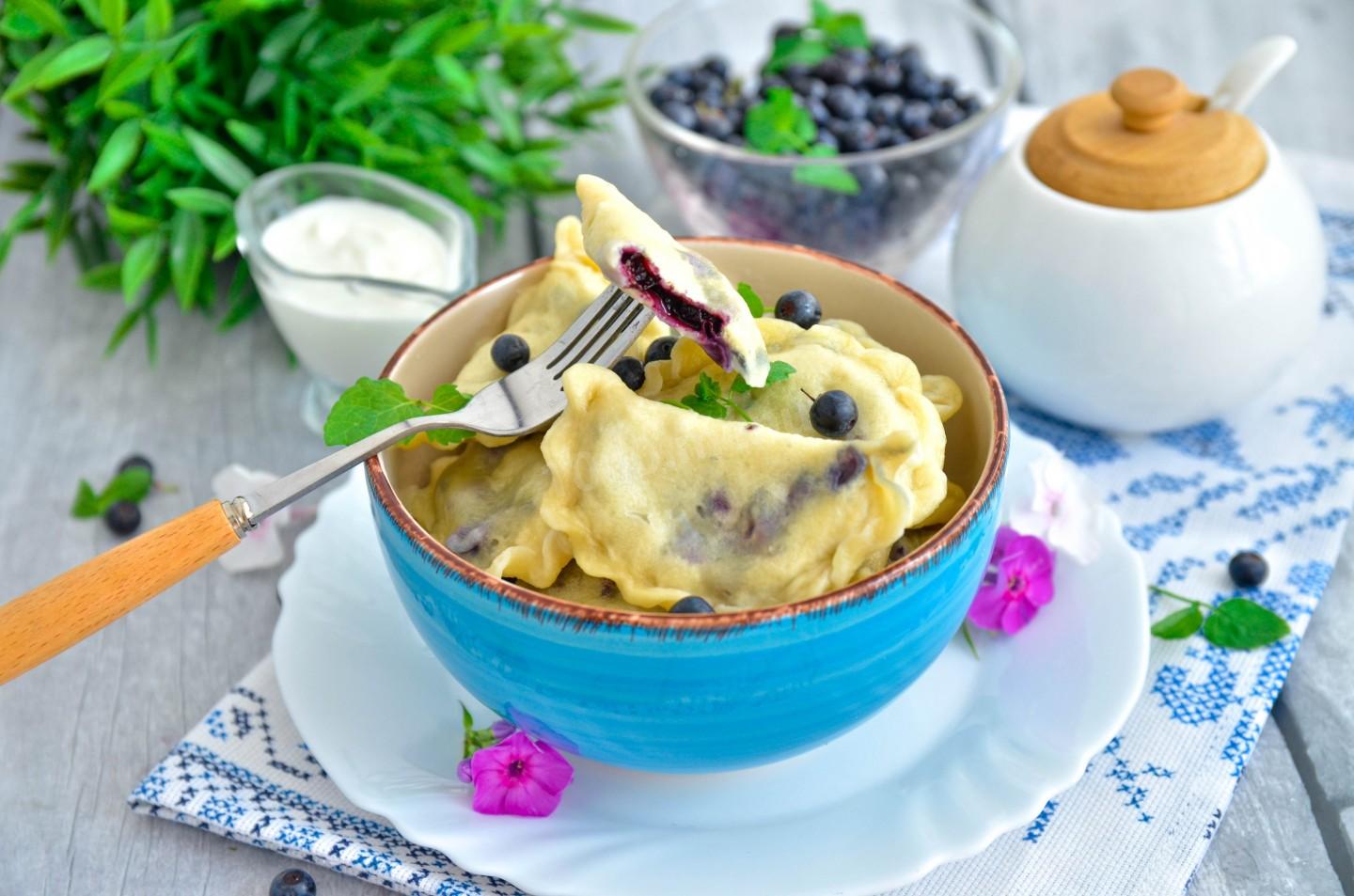
Lift the cooked vareniki out with a slotted spoon onto a plate and serve right away. They're wonderful with ice cream or any sweet cream you like. Enjoy!
- We really loved these blueberry vareniki! The dough was an especially nice surprise — soft, easy to work with, and delicious.
- Always wash eggs before using them, since harmful bacteria can be present even on a shell that looks clean. It's best to use food-safe detergent and a brush.
- To avoid mistakes when working with flour, read up on flour and its properties!
- For whether you can swap baking powder for baking soda, how to add them correctly for fluffy baked goods, how to avoid an unpleasant soda taste, and much more, see the article "Baking powder or baking soda — which is better?"
Caloric content of the products possible in the composition of the dish
- Chicken egg - 157 kcal/100g
- Egg white - 45 kcal/100g
- Egg powder - 542 kcal/100g
- Egg yolk - 352 kcal/100g
- Ostrich egg - 118 kcal/100g
- Fortified whole durum wheat flour - 333 kcal/100g
- All-purpose whole durum wheat flour - 364 kcal/100g
- Fine semolina flour - 348 kcal/100g
- Flour - 325 kcal/100g
- Blueberries - 44 kcal/100g
- Frozen blueberries - 56 kcal/100g
- Granulated sugar - 398 kcal/100g
- Sugar - 398 kcal/100g
- Full-fat kefir - 62 kcal/100g
- Kefir 1% fat - 38 kcal/100g
- Low-fat kefir - 30 kcal/100g
- Doctor Bifi kefir 1.8% fat - 45 kcal/100g
- Kefir 2.5% fat - 53 kcal/100g
- Salt - 0 kcal/100g
- Baking soda - 0 kcal/100g