Homemade Pasta Chips
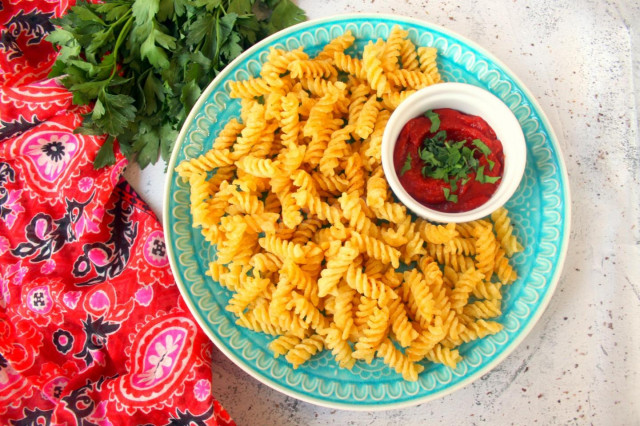
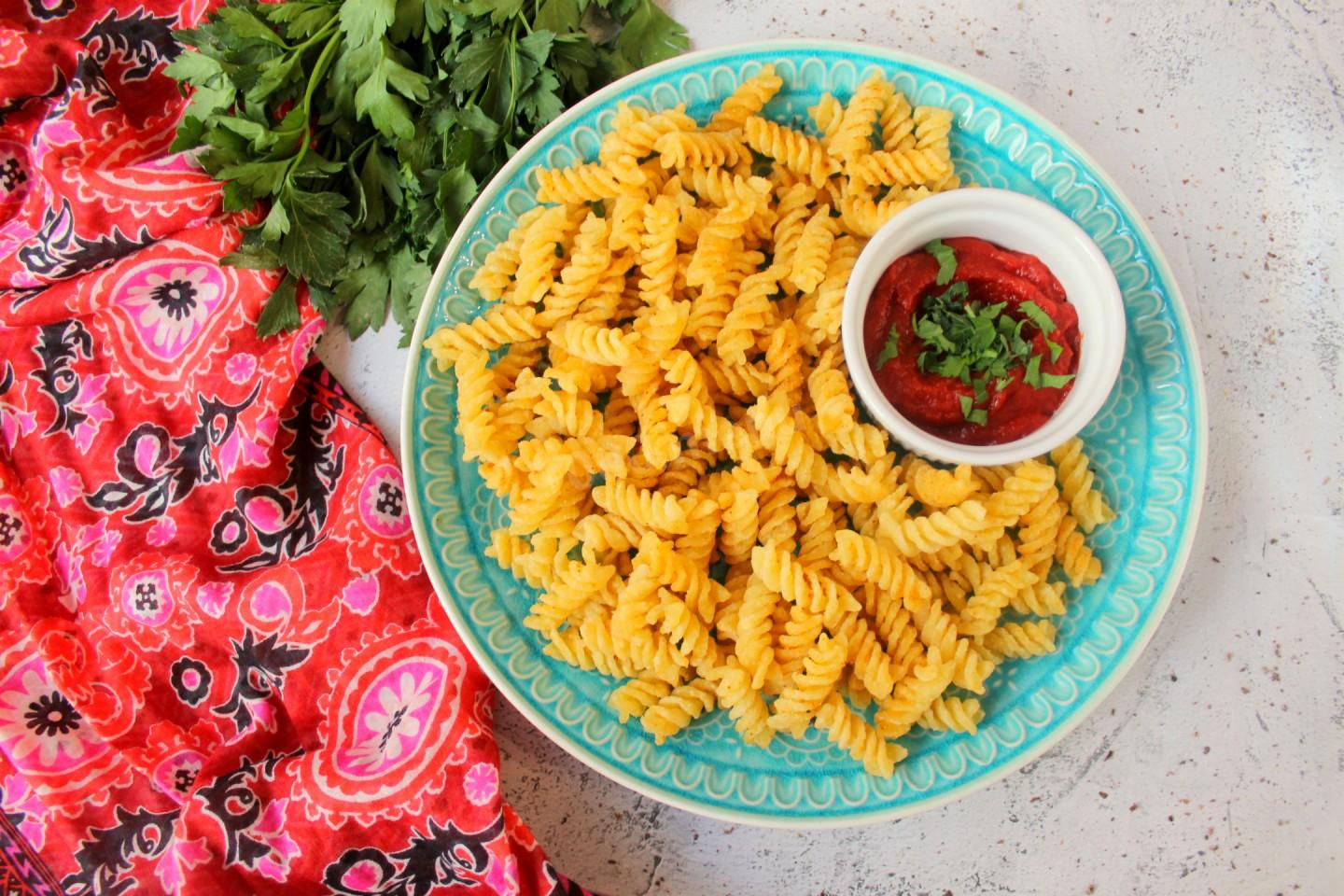
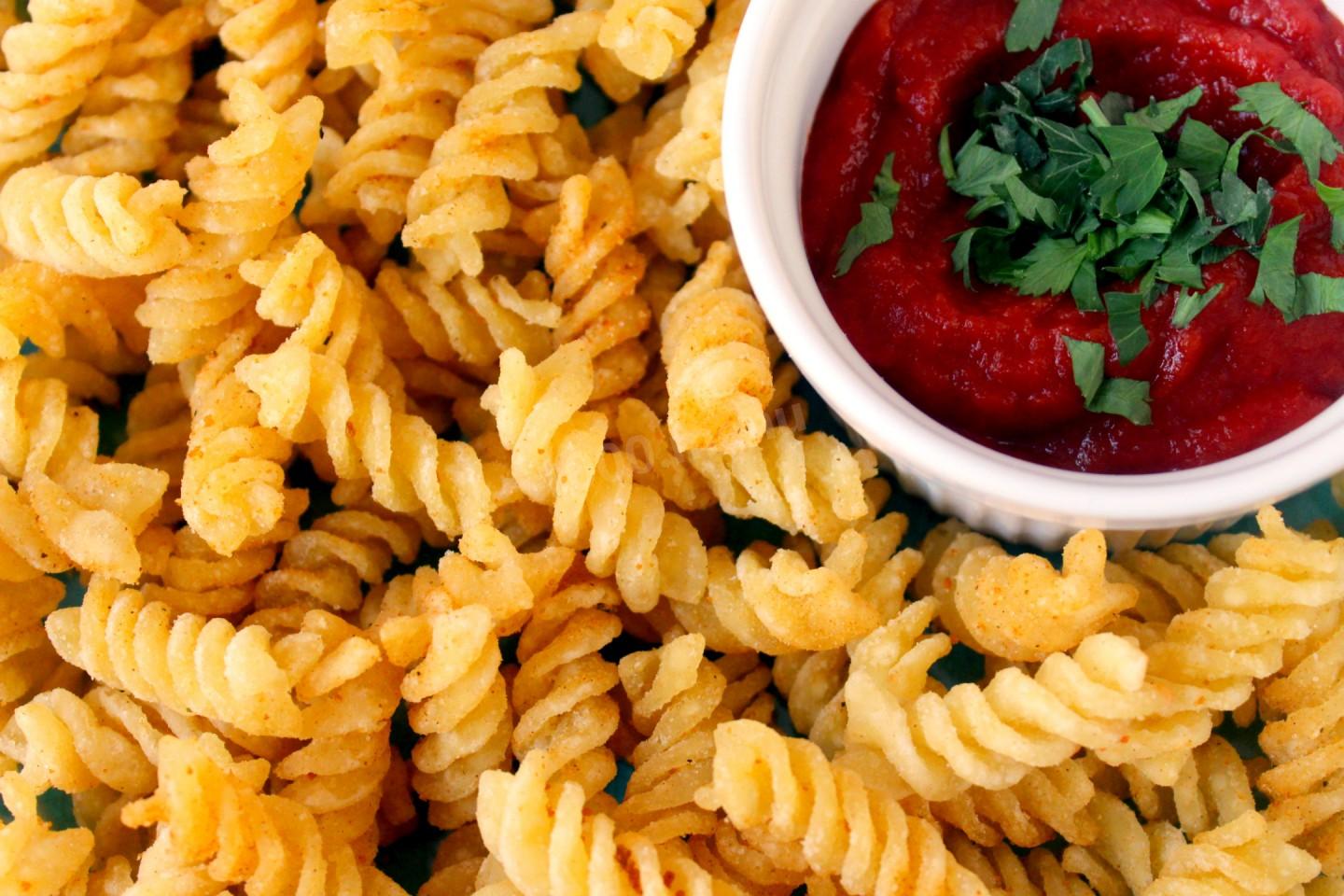
Turn ordinary pasta into unusual homemade chips! It's a fun snack you can riff on — switch up the pasta shape, or change the flavor with different spices and herbs.

Cooking method
-
Step 1:
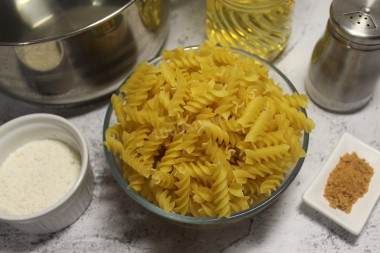
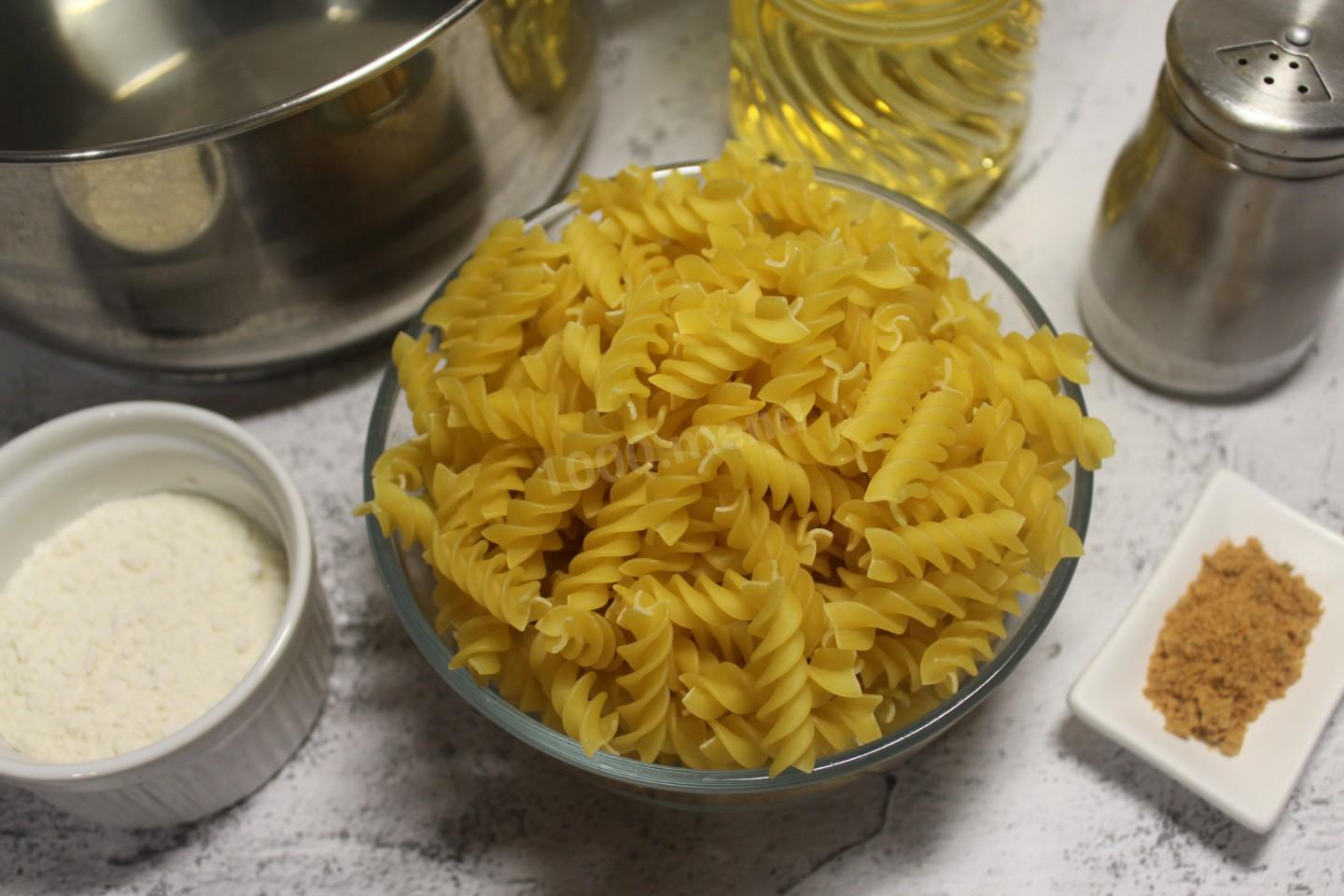
How do you make pasta chips? Gather your ingredients. Any pasta shape works: shells, farfalle, fusilli, penne, and so on. For this snack it's actually better to use cheap, non-durum-wheat pasta. Pick your spices to taste — just salt, or add something like garlic powder or paprika.
-
Step 2:
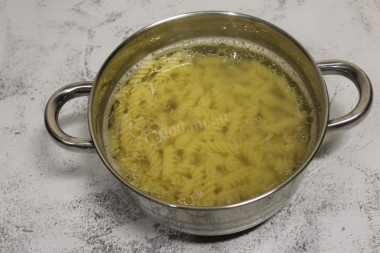
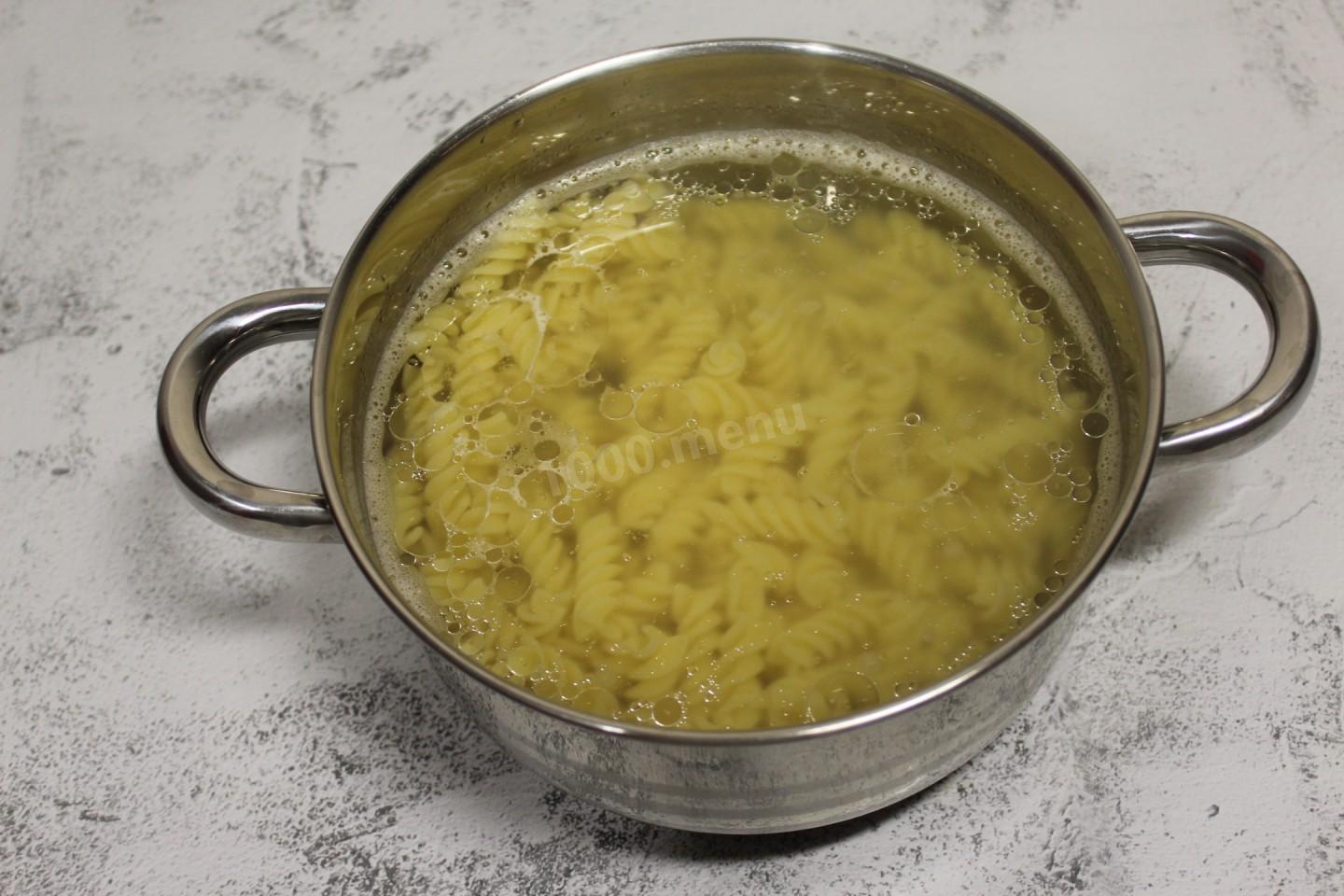
First, boil the pasta until fully cooked per the package directions. Non-durum pasta usually takes 7–8 minutes. I suggest adding 1 tablespoon of vegetable oil to the boiling water first, then cooking the pasta in it.
-
Step 3:
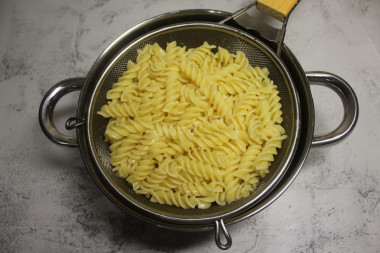
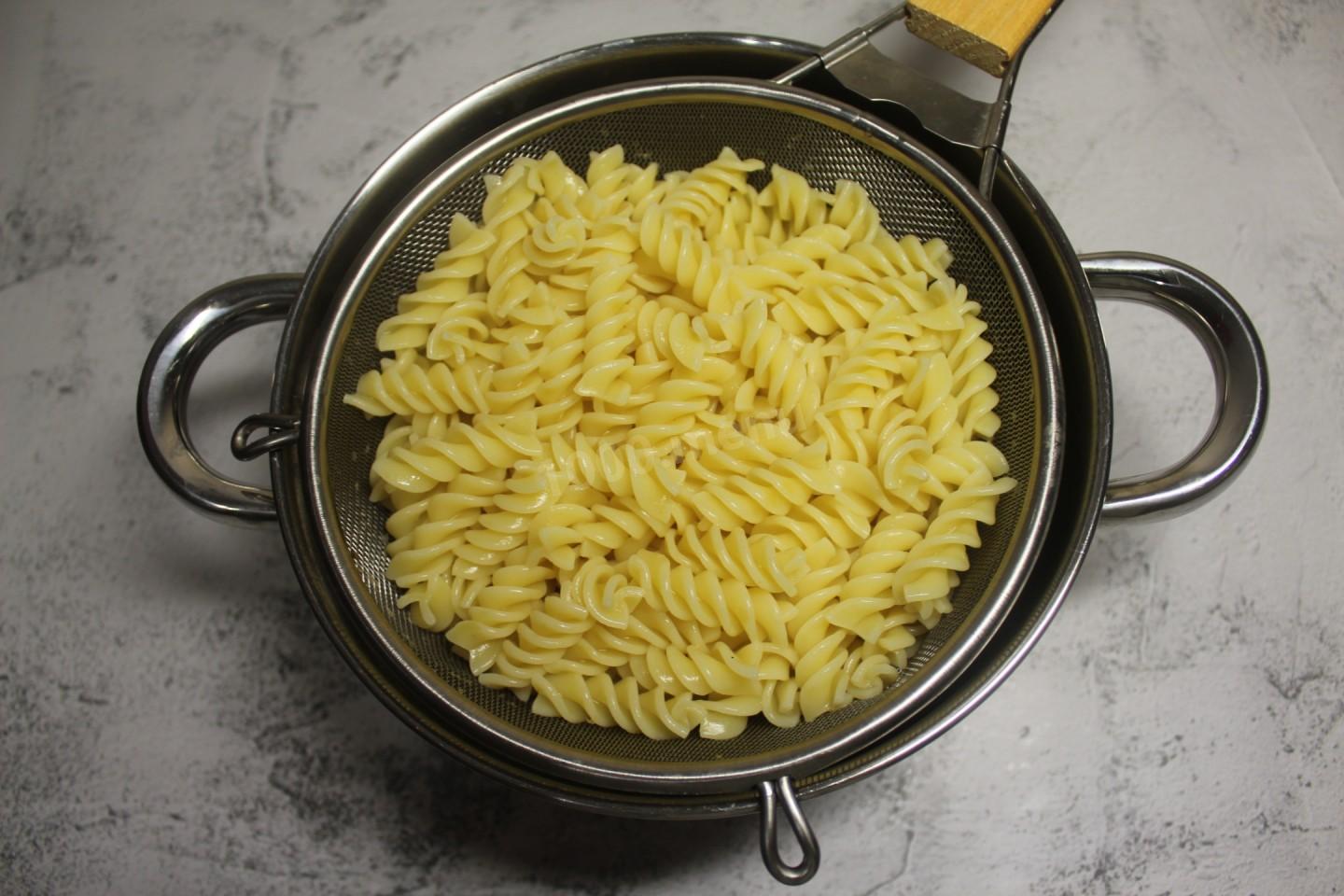
Drain the cooked pasta in a colander, then spread it on a clean towel to dry. You want the excess moisture gone.
-
Step 4:
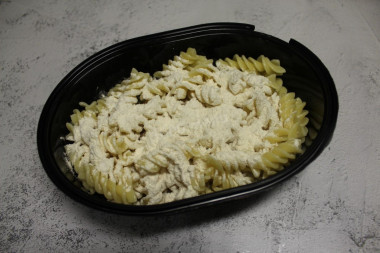
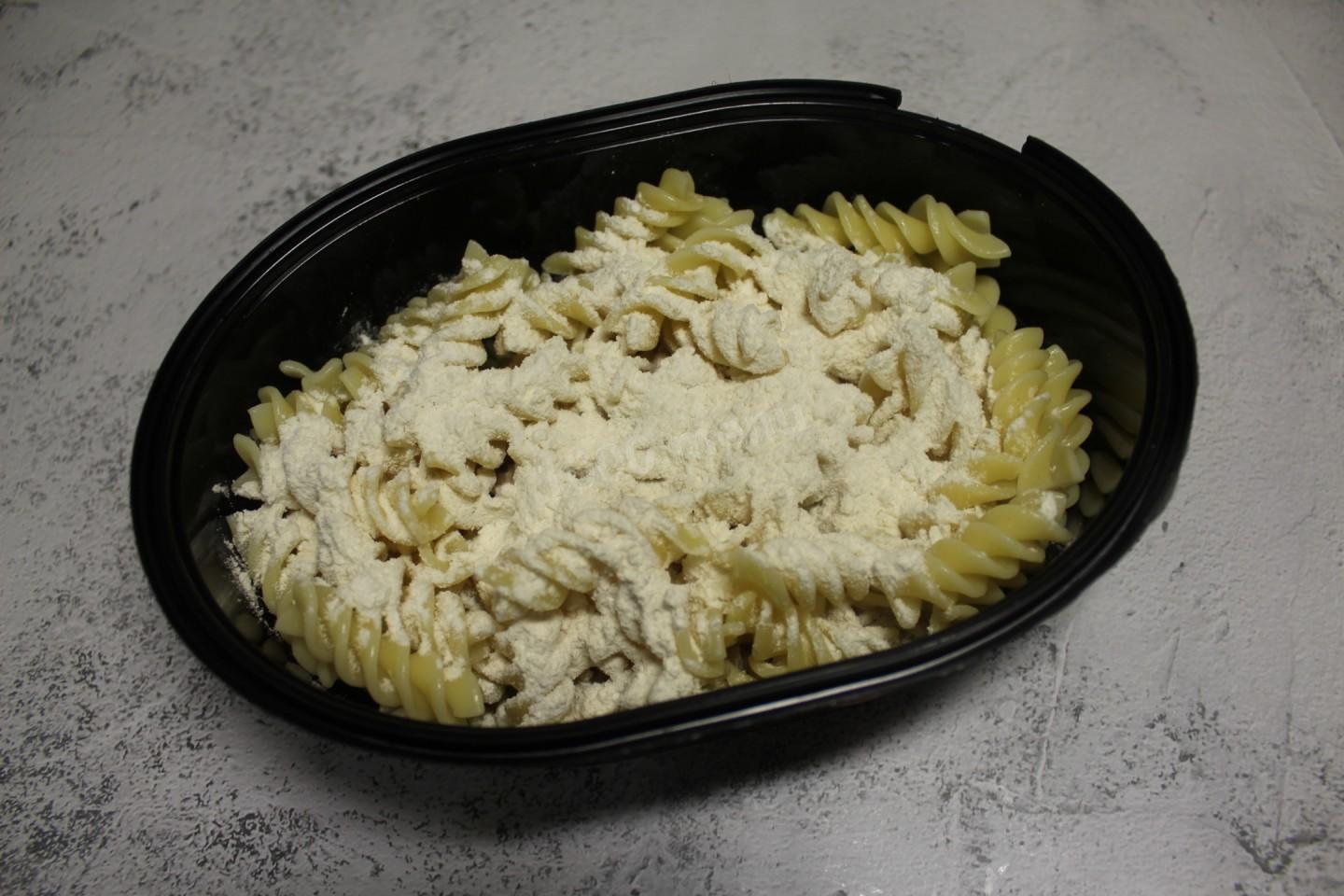
Put the dried pasta in a container, sprinkle the flour over it, cover with the lid, and shake so every piece gets coated in flour.
-
Step 5:
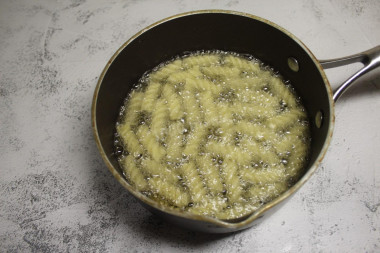
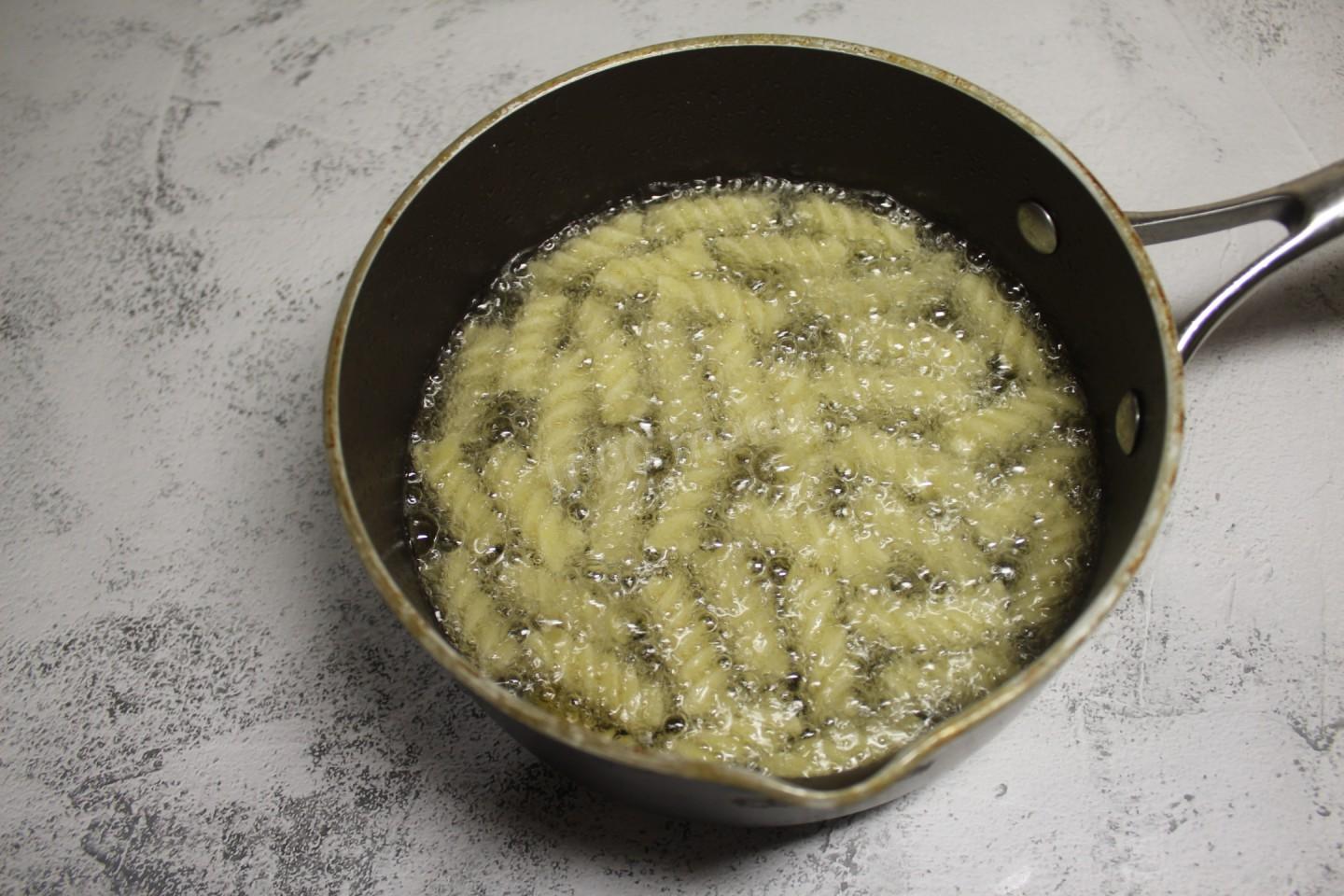
Heat the vegetable oil in a small deep pot. When it's hot, lower in the first batch of flour-coated pasta. Fry until golden, a few minutes, then fry the rest the same way. Drain them on paper towels to remove excess oil. After frying, the pasta should turn firm and crisp.
-
Step 6:
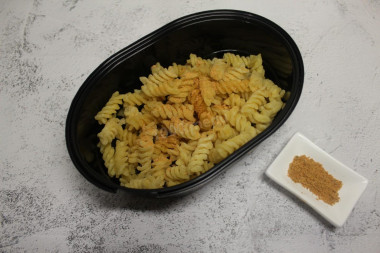
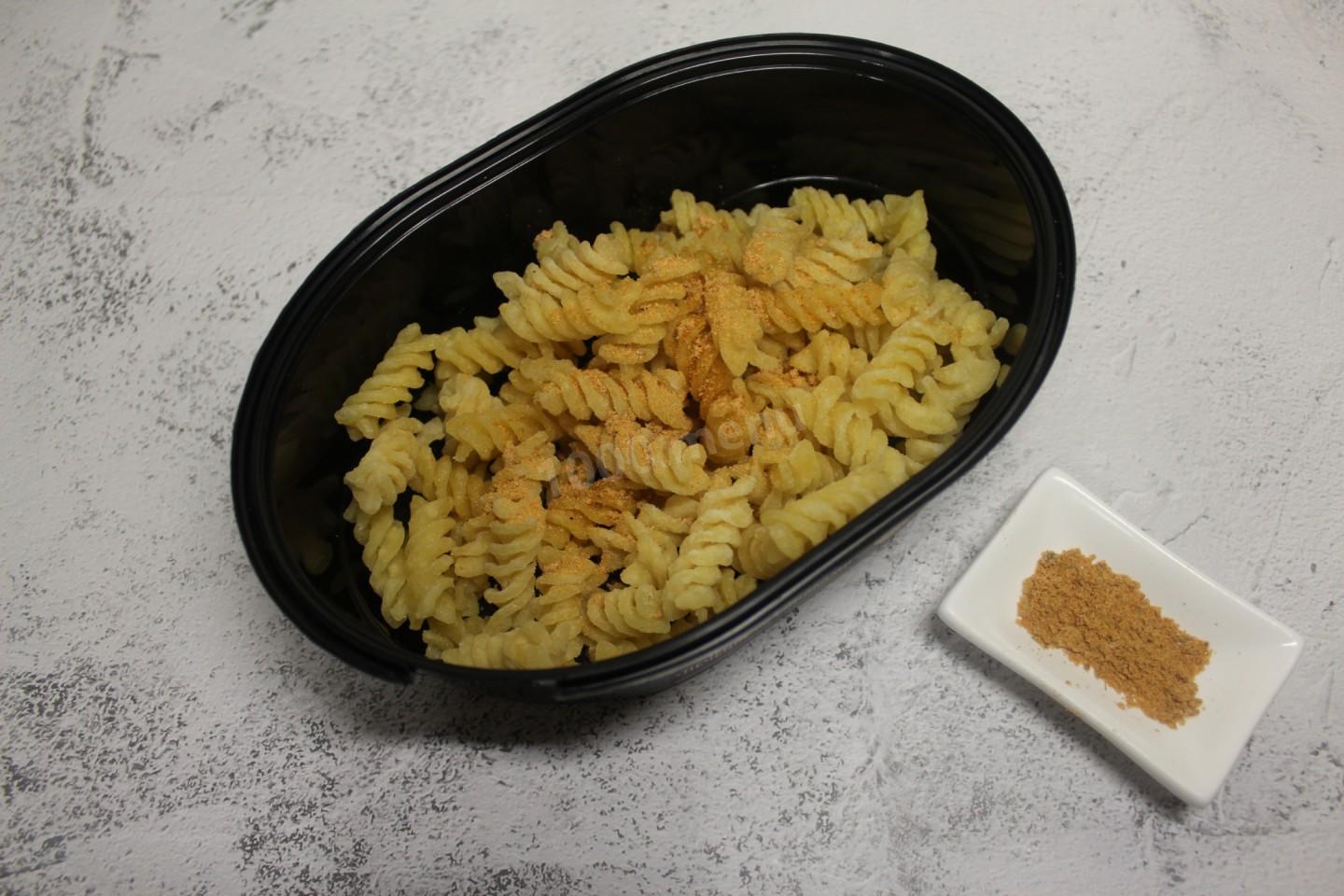
Once the oil has drained off, put the fried pasta in a container, sprinkle with salt and your favorite spices, cover, and shake so the seasoning spreads evenly.
-
Step 7:
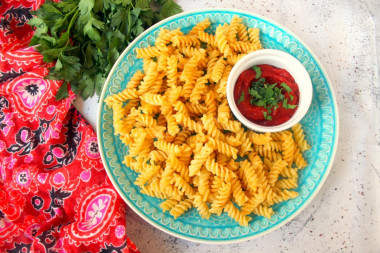
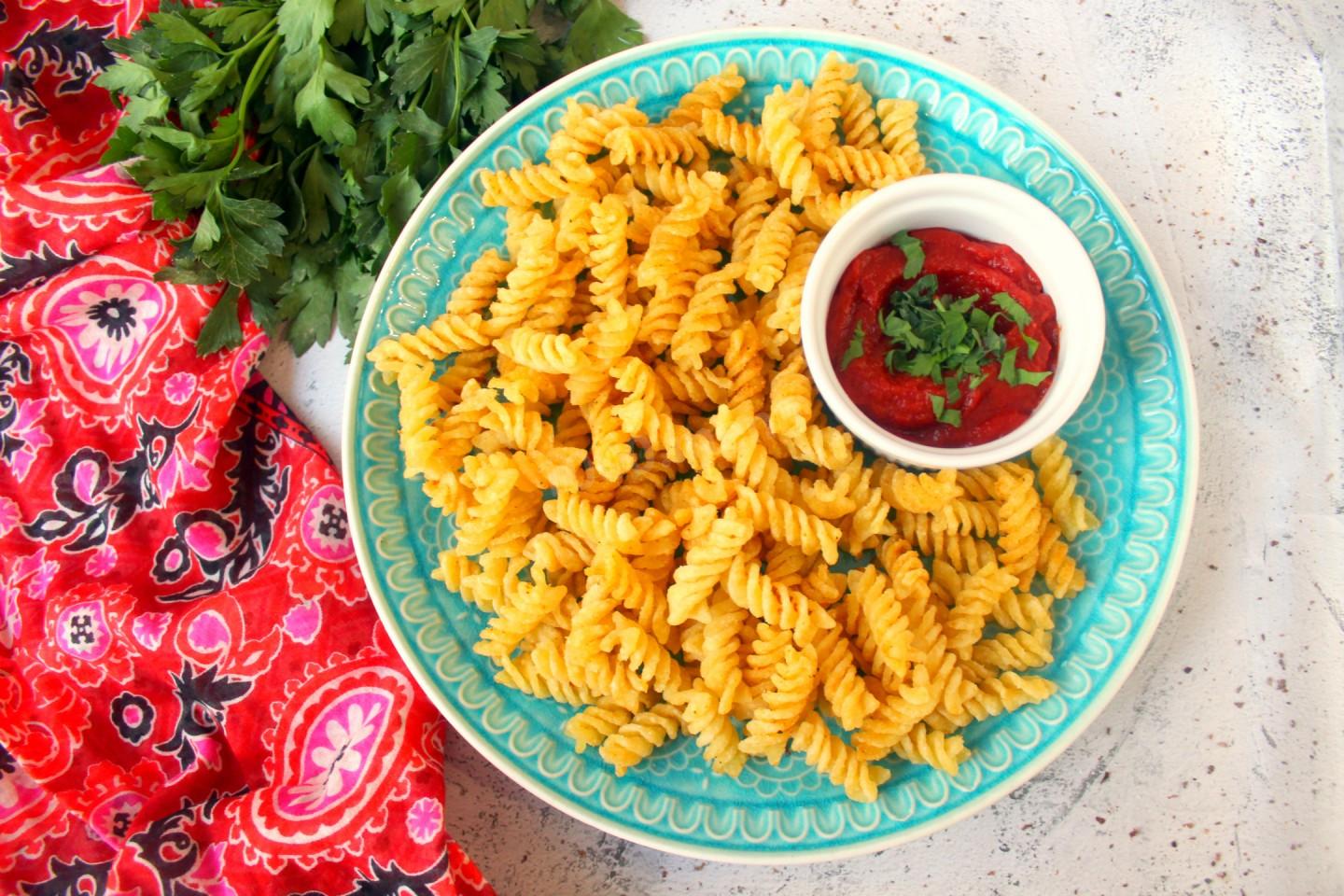
Tip the pasta chips onto a plate and serve with your favorite dipping sauces.
- Don't go overboard with these, of course — they're fairly high in calories — but every now and then it's fun to treat yourself to a snack like this while watching a good movie.
- Use a high-smoke-point oil for frying! Every oil is only good up to a certain temperature — its smoke point, where it starts to burn and form harmful compounds. Unrefined oils, with few exceptions, have a low smoke point: they're full of unfiltered organic particles that scorch quickly. Refined oils stand up to heat better and have a higher smoke point. If you're cooking in the oven, on the stove, or on the grill, use an oil with a high smoke point. The most common ones are refined sunflower, olive, and grapeseed oil.
- If you use a premixed seasoning blend, read the label — many already contain salt, so account for that or you risk over-salting.
Caloric content of the products possible in the composition of the dish
- Pasta, premium grade, fortified - 337 kcal/100g
- Pasta, premium, dairy - 309 kcal/100g
- Pasta, premium grade, egg - 342 kcal/100g
- Pasta made from flour of the 1st grade - 333 kcal/100g
- Pasta made of flour in / with - 338 kcal/100g
- Boiled pasta - 135 kcal/100g
- Pasta - 338 kcal/100g
- Whole durum wheat flour fortified - 333 kcal/100g
- Whole durum wheat flour, universal - 364 kcal/100g
- Flour krupchatka - 348 kcal/100g
- Flour - 325 kcal/100g
- Vegetable oil - 873 kcal/100g
- Salt - 0 kcal/100g
- Water - 0 kcal/100g
- Spices dry - 240 kcal/100g