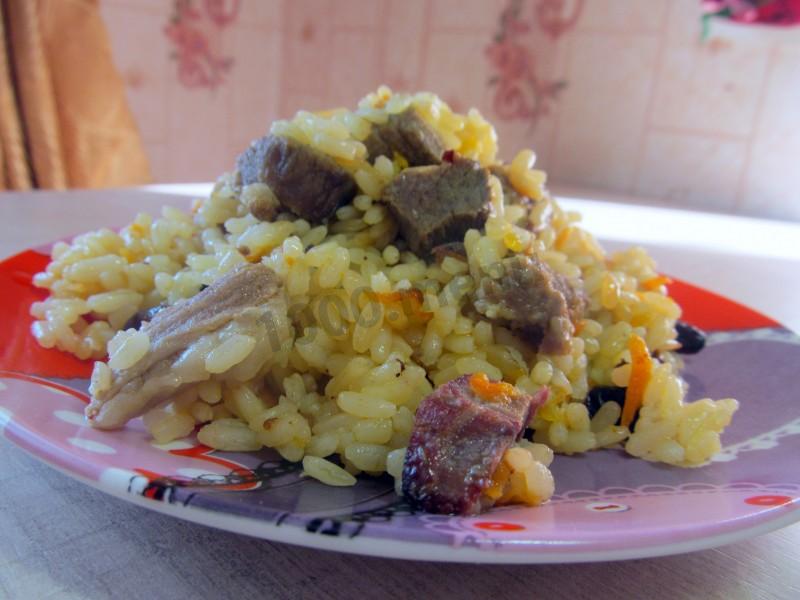
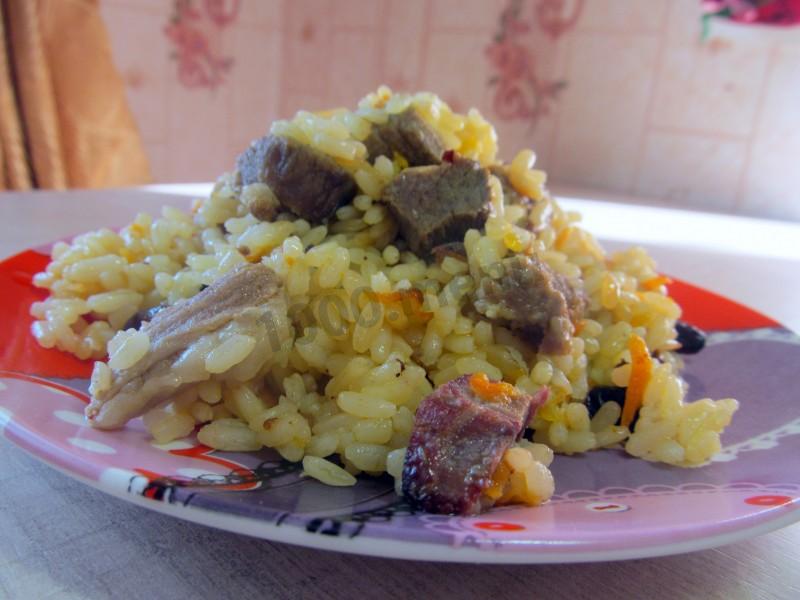
Bukhara-Style Pilaf in a Roaster
This unusual, very tasty take on pilaf will add some variety to your meals! I found this recipe online and was instantly intrigued. It's a bit different from your traditional pilaf — it has its own quirks — but it comes out really, really delicious. Give it a try!

Cooking method
-
Step 1:
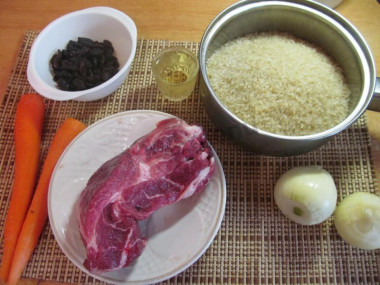
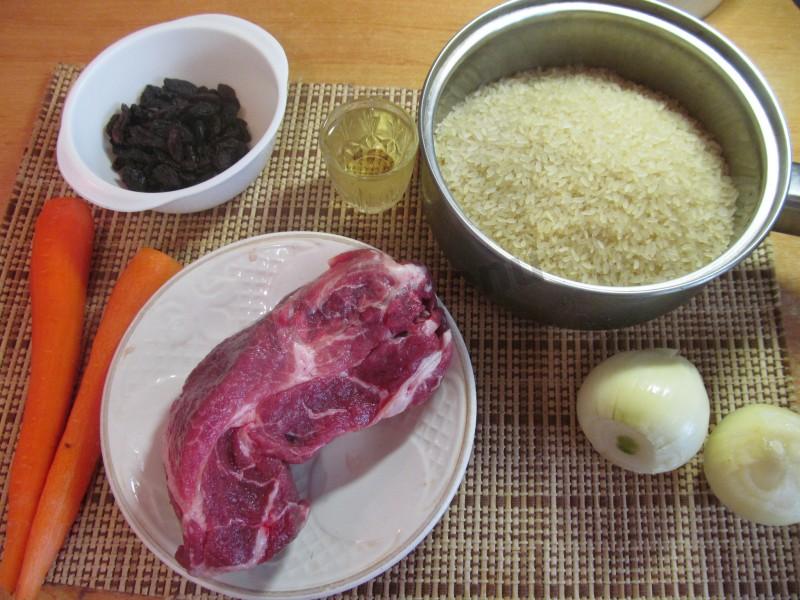
How do you make Bukhara-style pilaf in a roaster? Gather your ingredients.
-
Step 2:
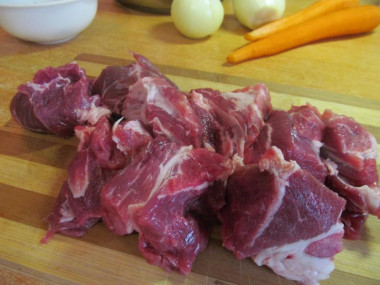
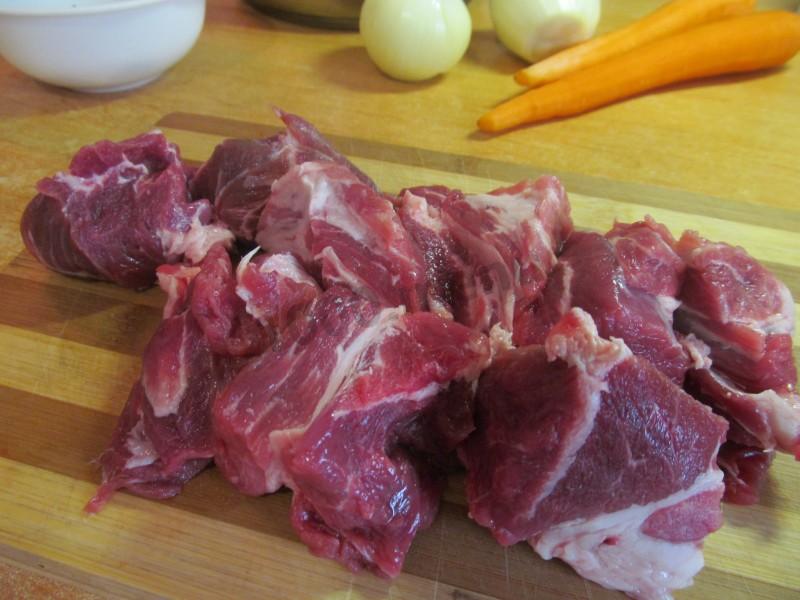
Cut the beef (or lamb) into large pieces.
-
Step 3:
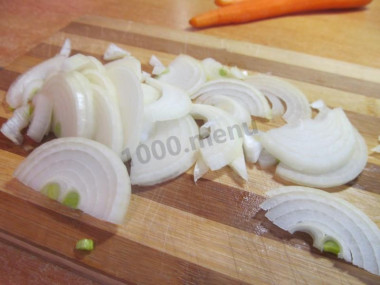
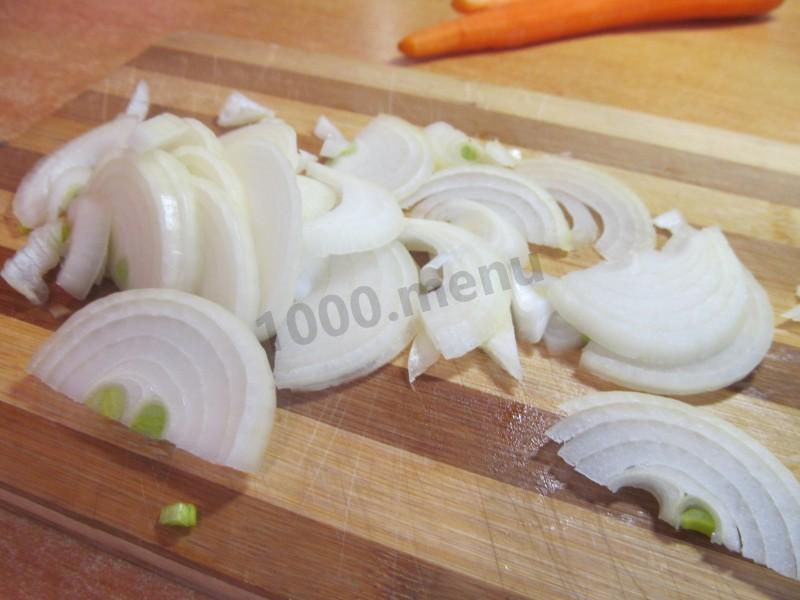
Slice the onion into thin half-moons.
-
Step 4:
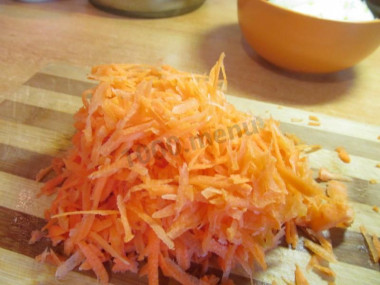
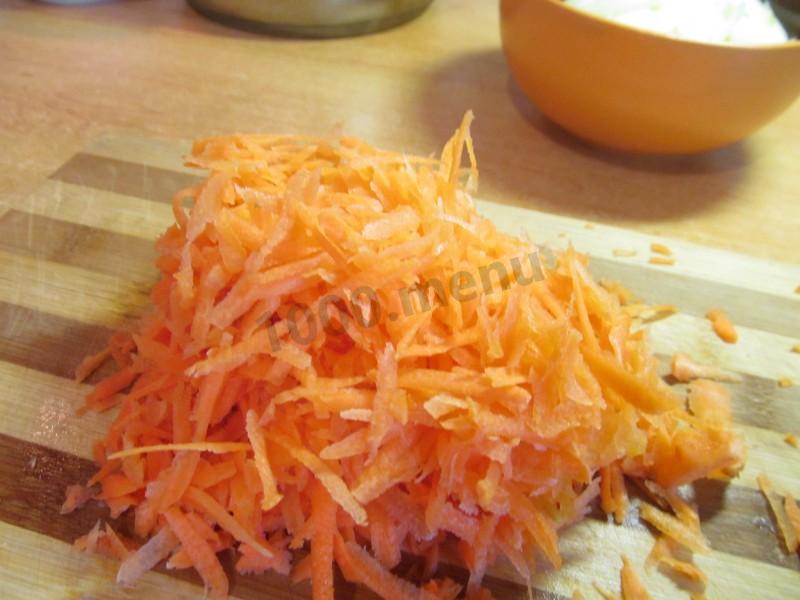
Unlike traditional pilaf, grate the carrots here.
-
Step 5:
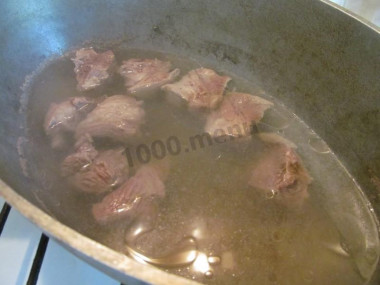
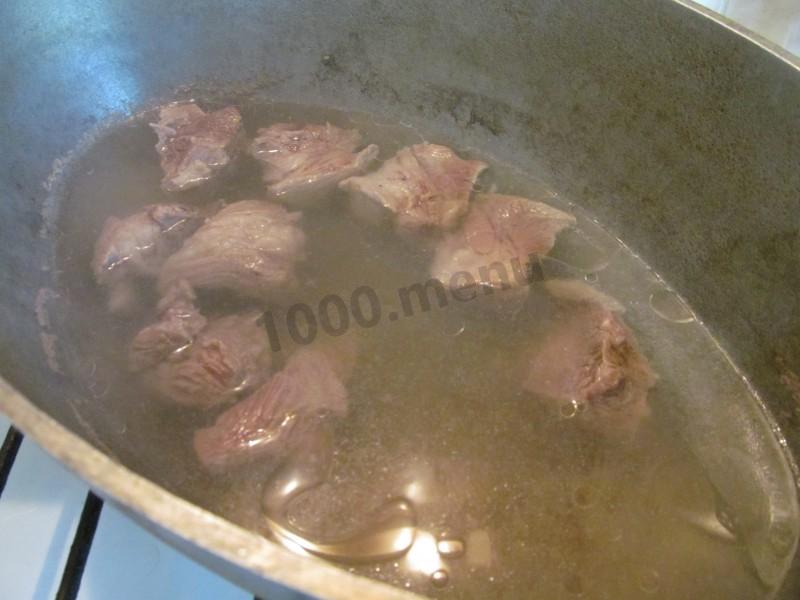
Cover the meat with 1 liter (about 4 cups) of water, bring to a boil, skim off the foam, lower the heat, and cook for about 30 minutes until partway done.
-
Step 6:
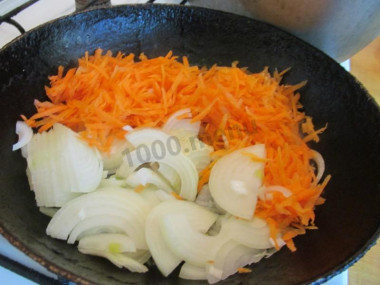
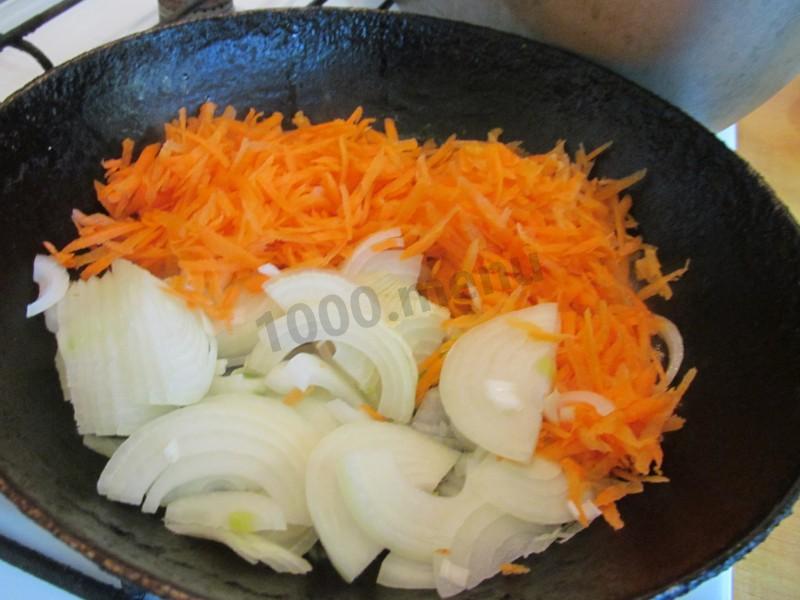
Add the onion and carrots to a skillet with heated vegetable oil.
-
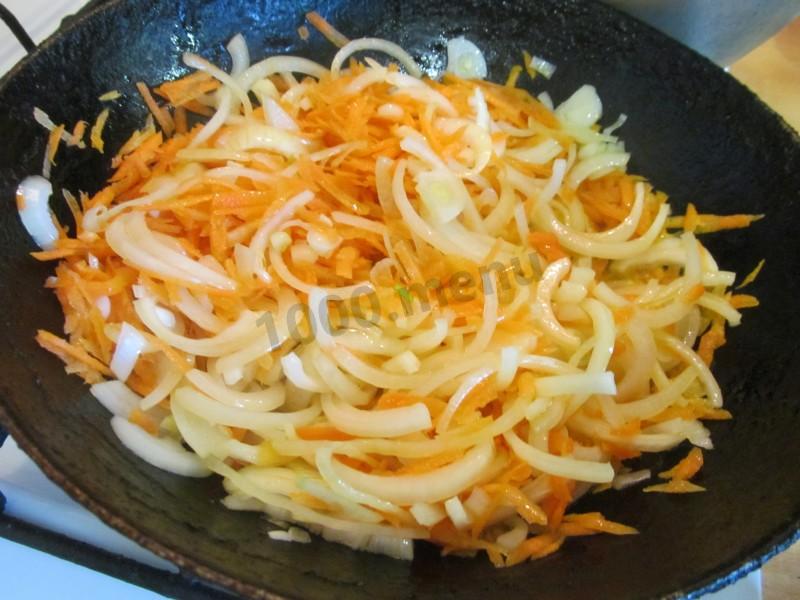
Step 7:
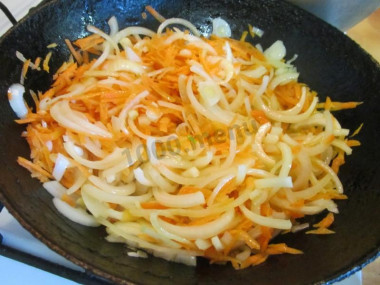
Stir.
-
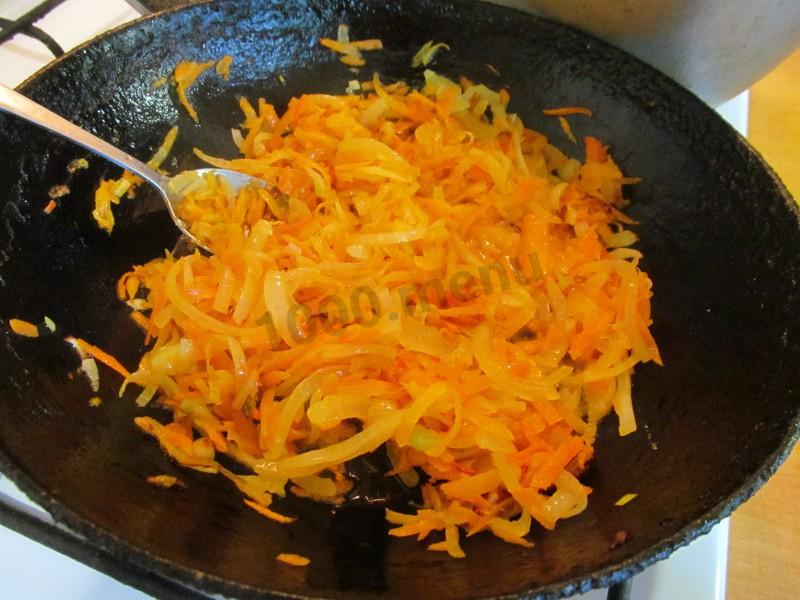
Step 8:
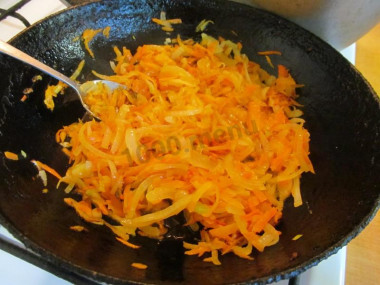
Sauté until golden.
-
Step 9:
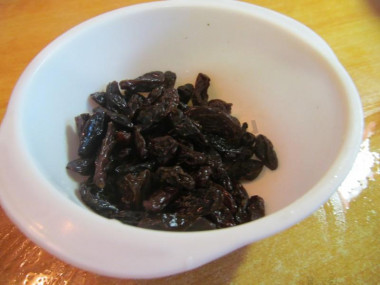
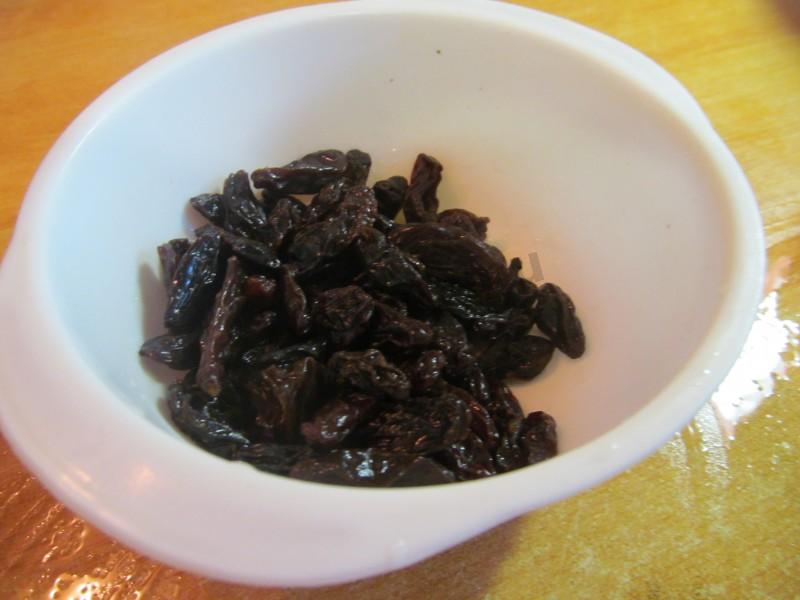
Meanwhile, rinse the raisins.
-
Step 10:
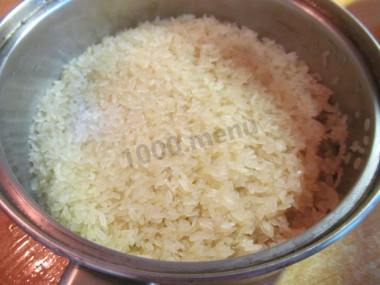
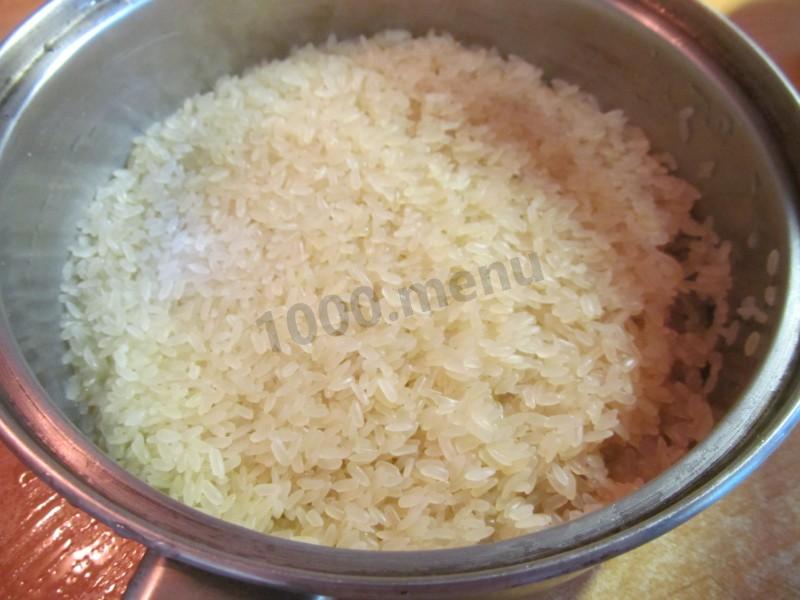
Rinse the rice until the water runs clear.
-
Step 11:
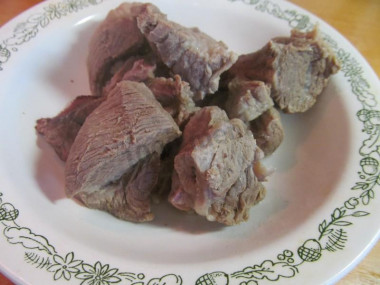
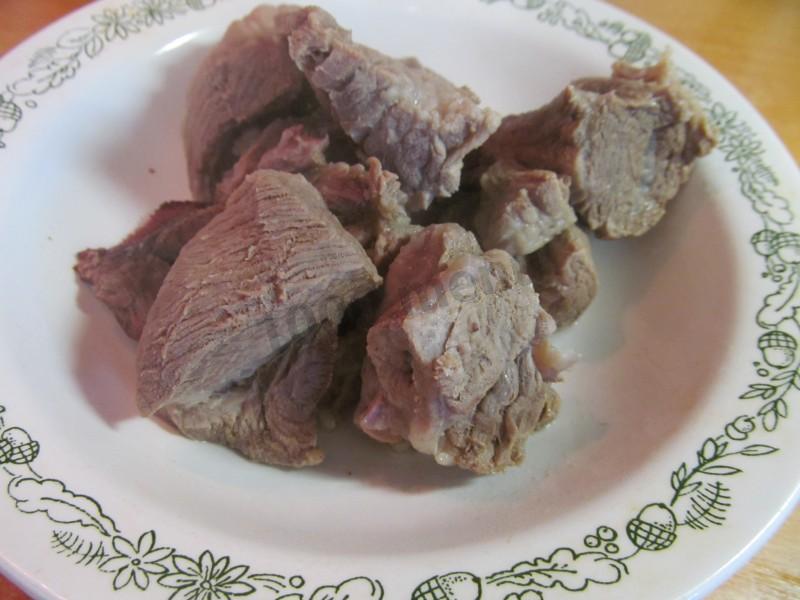
After 30 minutes, take the meat out of the broth.
-
Step 12:
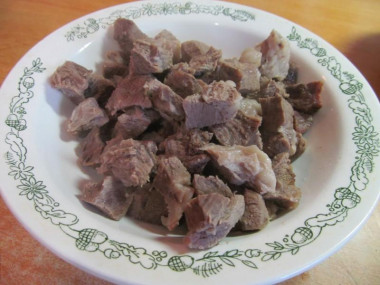
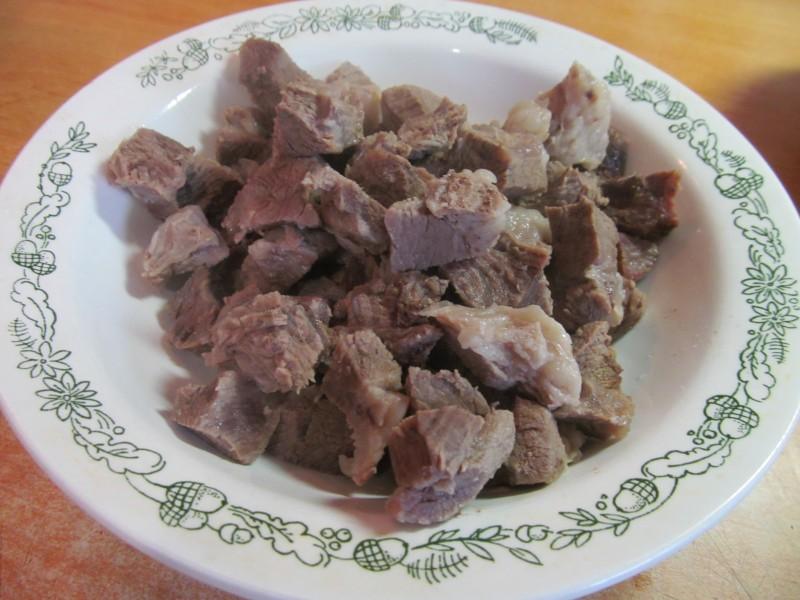
Cut it into small pieces.
-
Step 13:
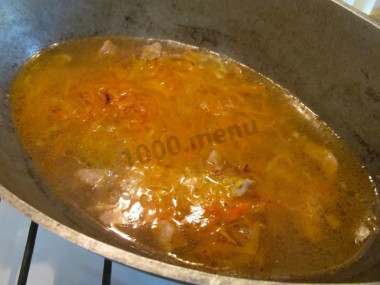
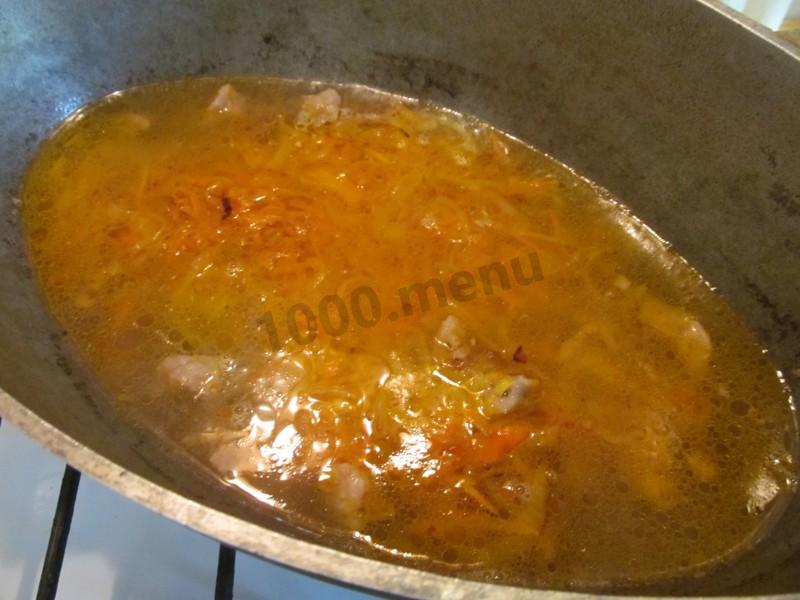
Return the cut-up meat to the broth, add the sautéed vegetables, and stir in the rinsed rice.
-
Step 14:
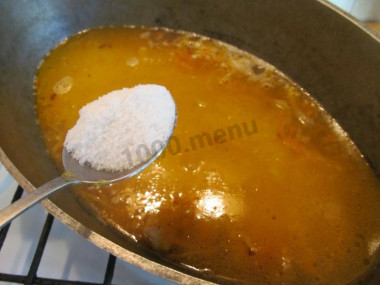
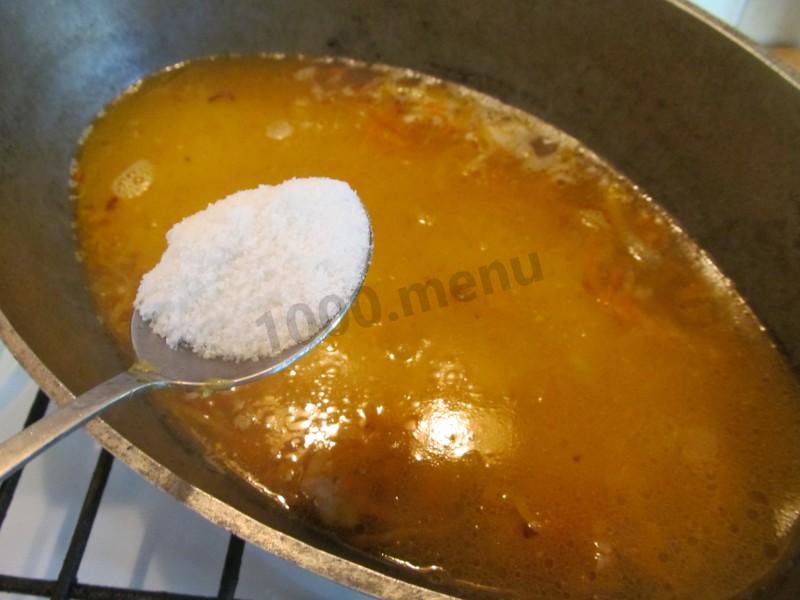
Add salt and the raisins.
-
Step 15:
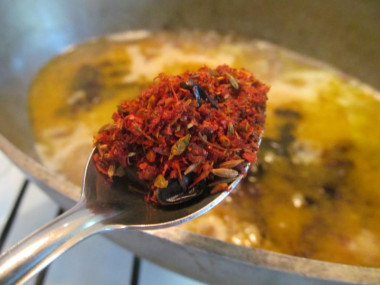
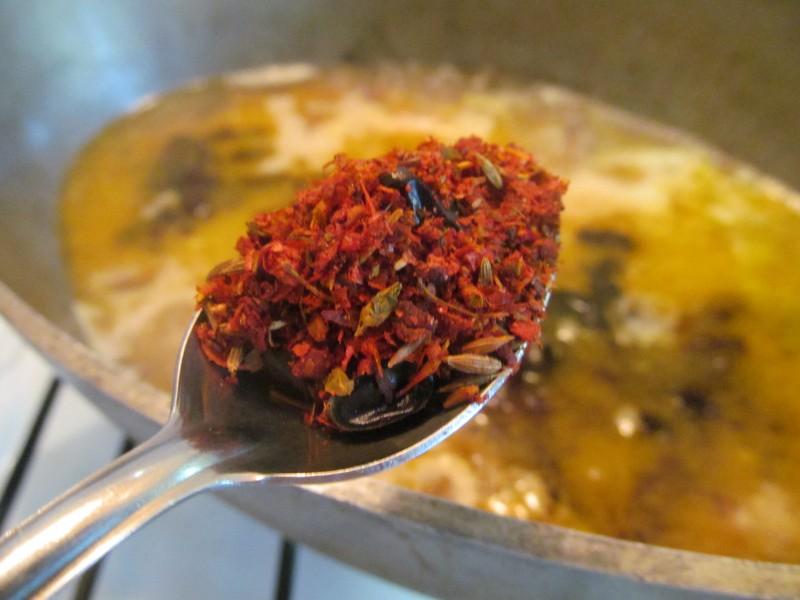
Add the spices — I use a ready-made all-natural pilaf blend.
-
Step 16:
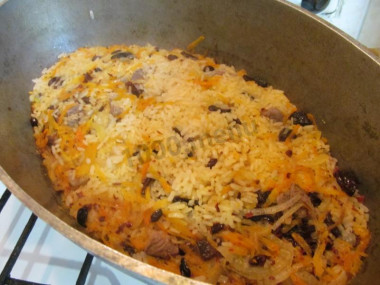
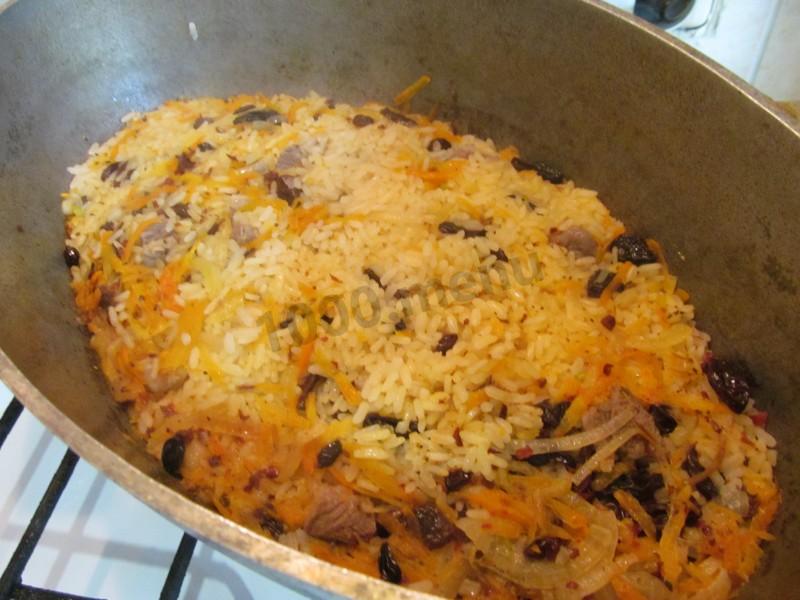
Cover and cook the pilaf over the lowest heat for about 30 minutes until the rice is done, then turn off the heat and let it rest for 10–15 minutes.
-
Step 17:
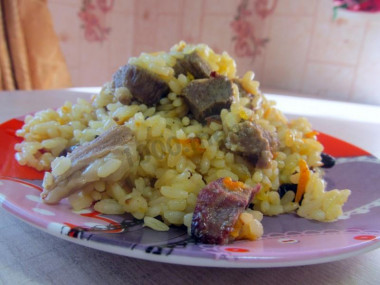
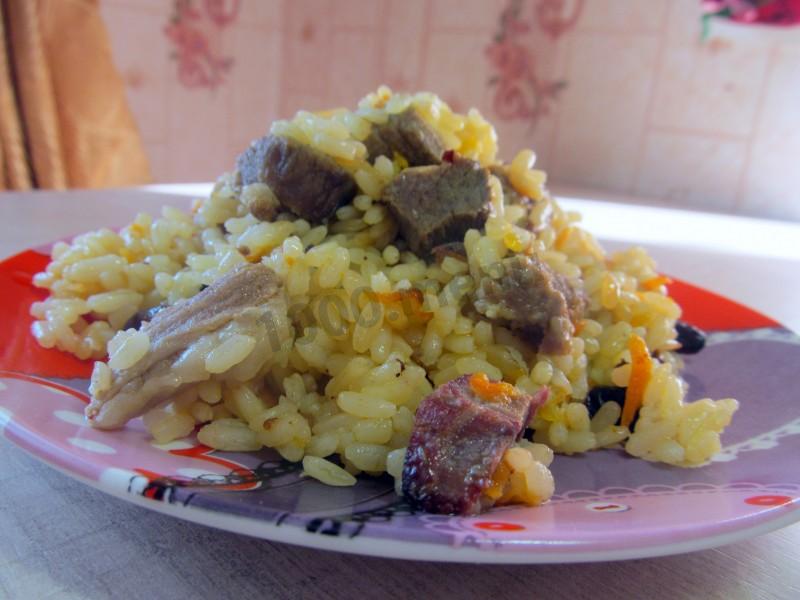
Spoon the finished Bukhara-style pilaf onto plates. Enjoy!
- If you use a ready-made spice blend, be sure to check the label. These mixes often already contain salt, so account for that or you risk over-salting the dish.
- For rice dishes that turn out great every time, it pays to learn the ins and outs of choosing and cooking rice.
- Every oil is only good up to a certain temperature — its smoke point, the point at which it starts to burn and form harmful compounds. Choose an oil with a high smoke point for frying.
Caloric content of the products possible in the composition of the dish
- Melted beef fat - 871 kcal/100g
- Fat beef - 171 kcal/100g
- Lean beef - 158 kcal/100g
- Beef brisket - 217 kcal/100g
- Beef - okovalok - 380 kcal/100g
- Beef - lean roast - 200 kcal/100g
- Beef shoulder - 137 kcal/100g
- Beef - ribs - 233 kcal/100g
- Beef - ham - 104 kcal/100g
- Beef - tail - 184 kcal/100g
- Boiled ham - 269 kcal/100g
- Beef corned beef - 216 kcal/100g
- Raw wild rice - 353 kcal/100g
- Brown raw rice - 360 kcal/100g
- Boiled brown rice - 119 kcal/100g
- White fortified raw rice - 363 kcal/100g
- Fortified boiled white rice - 109 kcal/100g
- White rice, steamed, with long grains raw - 369 kcal/100g
- Steamed white rice, boiled with long grains - 106 kcal/100g
- Instant dry rice - 374 kcal/100g
- Instant rice, ready to eat - 109 kcal/100g
- Rice - 344 kcal/100g
- Carrots - 33 kcal/100g
- Dried carrots - 275 kcal/100g
- Boiled carrots - 25 kcal/100g
- Raisins - 280 kcal/100g
- Kishmish - 279 kcal/100g
- Vegetable oil - 873 kcal/100g
- Salt - 0 kcal/100g
- Water - 0 kcal/100g
- Onion - 41 kcal/100g
- Spices dry - 240 kcal/100g
Similar recipes

- Kitchen utensils
- National cuisine
- Second course
- Meat and meat products
- Vegetables
- From dried fruits
- Cereals and cereal products
- Spices seasonings spices
- Fats and oils
- Other
- Salt
- Dry spices
- In the duck house
- Vegetable oil
- Water
- Asian cuisine
- Cooking
- Frying
- Stewing
- In a frying pan
- Pilaf
- Stewed vegetables
- Meat second course
- Beef
- From carrots
- From onion
- From raisins
- No eggs
- Balanced nutrition
- Recipes for lean dishes without butter
- From rice