Hot Pepper and Tomato Adjika for Winter
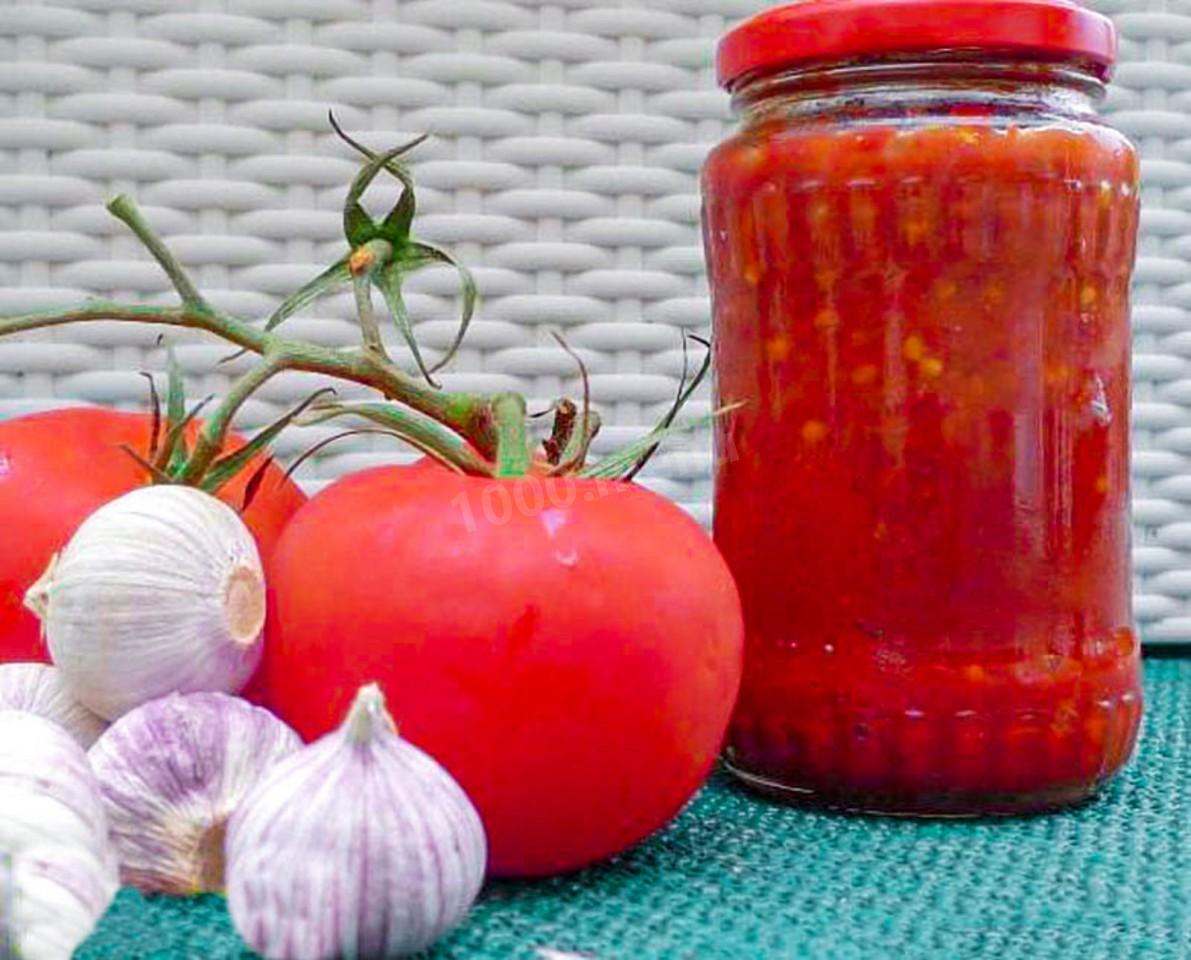
Zesty, fiery, mouthwatering, and absolutely delicious! This hot pepper and tomato adjika for winter is a great sauce that pairs with all kinds of dishes and sides — adjika is a spicy Georgian-style relish made from peppers and tomatoes. You can also use it as an ingredient in other recipes. The men in your family will especially love it.

Cooking method
-
Step 1:
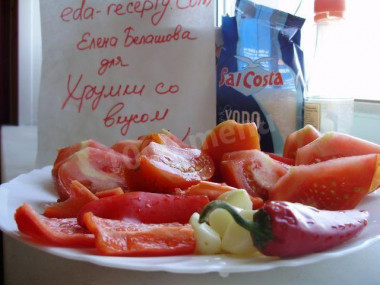
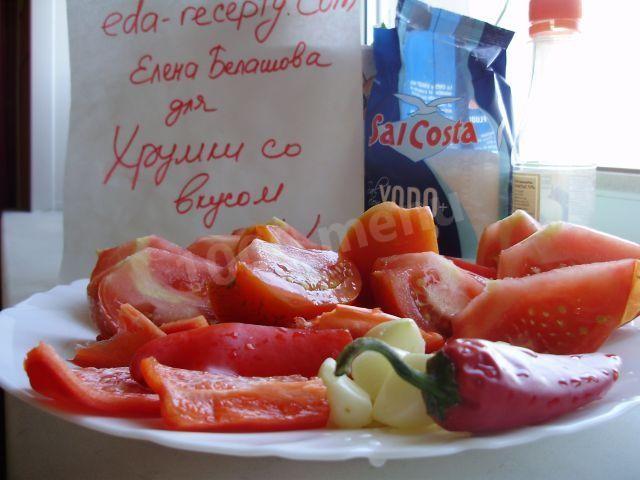
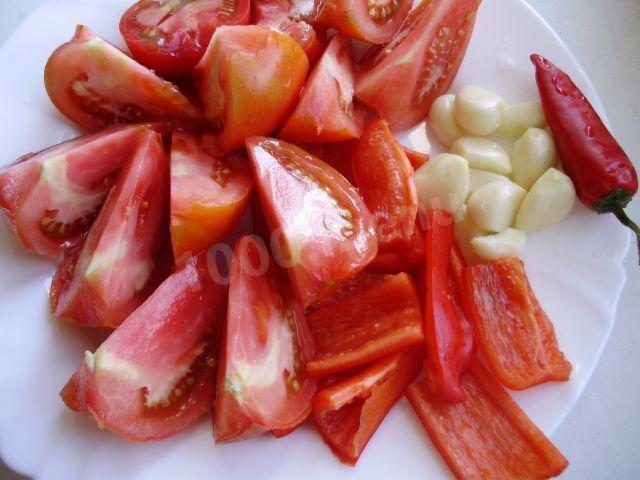
How do you make hot pepper and tomato adjika for winter? Gather your ingredients. Use red bell peppers — adjika is usually this color. Choose ripe, juicy tomatoes; they're the base of the sauce. Adjust the amount of hot pepper to your taste.
-
Step 2:
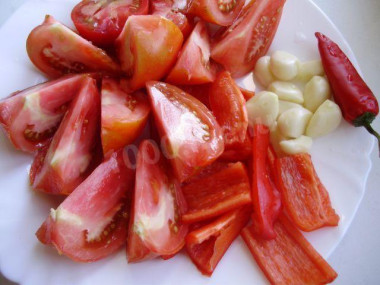
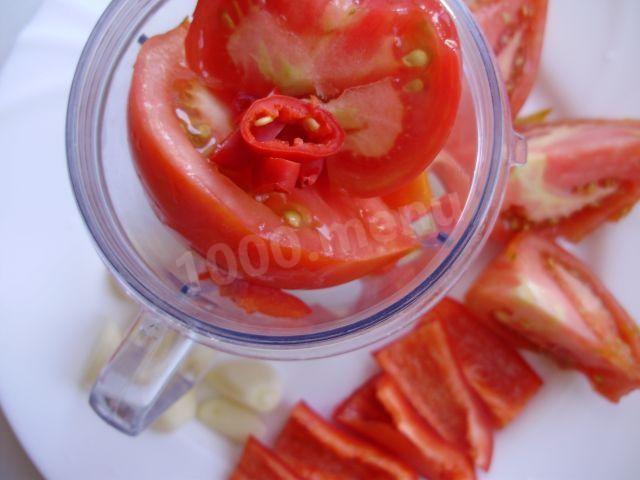
Wash and dry the tomatoes, then cut them into large pieces, removing the tough part near the stem. You can peel them if you like; I left the skins on. Wash the bell peppers, cut off the stem, and remove the core and seeds. Cut the peppers into large pieces, like the tomatoes. Peel the garlic.
-
Step 3:
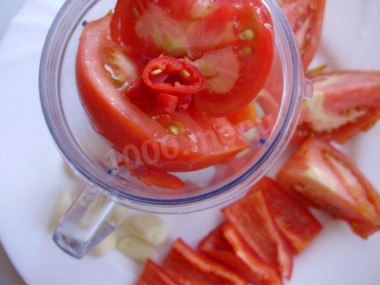
Transfer the tomatoes to a blender.
-
Step 4:
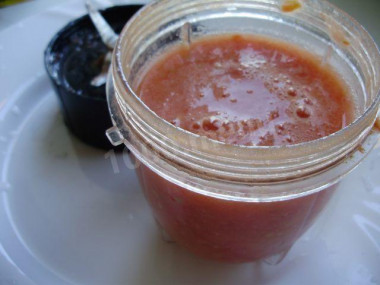
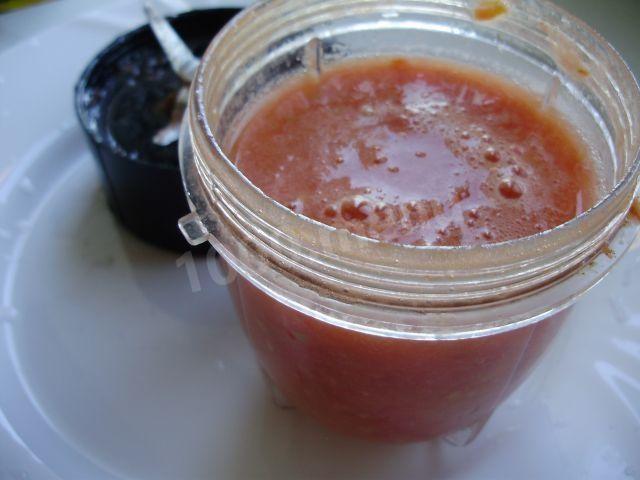
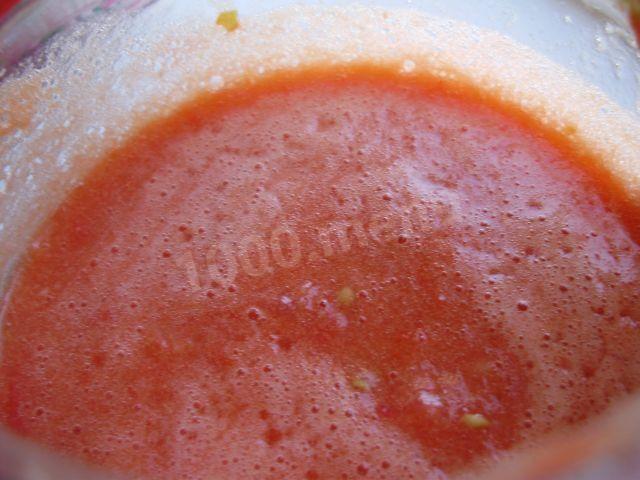
Blend them into a purée. You can also use a meat grinder or food processor. Pour the finished purée straight into a large cooking pot — preferably stainless steel or enameled, since the acid can react with aluminum. Purée the bell peppers the same way. If your blender bowl is small, work in batches. Don't add the peppers to the pot yet.
-
Step 5:
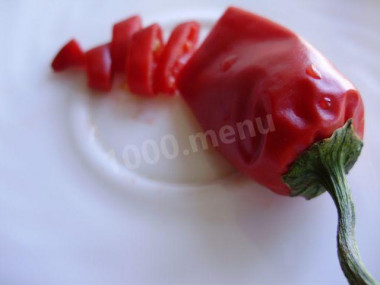
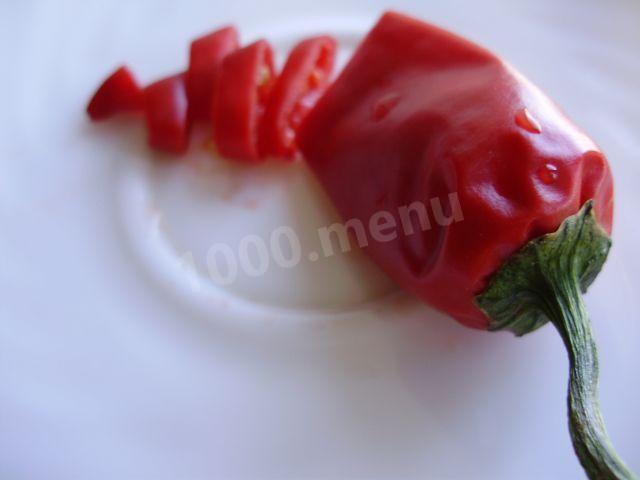
Take the hot peppers. I purée them whole, keeping the core and seeds — it comes out hotter and more aromatic. Remove the seeds for a milder result. Mince the garlic however you like — with a grater, a press, or the blender.
-
Step 6:
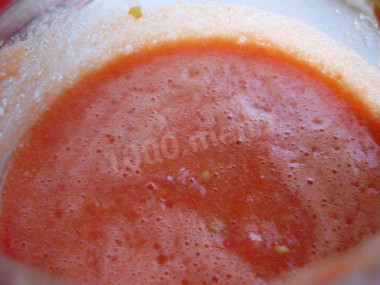
Set the pot of tomato purée over medium heat. Bring it to a boil, then lower the heat and let it simmer. Once some of the tomato liquid has cooked off (about 20 minutes), stir in the bell pepper. Keep cooking the adjika, letting the liquid reduce and stirring all the while. After about 20 more minutes, add the hot pepper and garlic and cook for another 5 minutes.
-
Step 7:
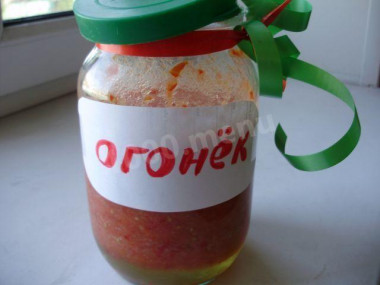
Add the salt, sugar, and vinegar gradually, in batches, tasting as you go. The spicy tomato-and-garlic adjika is ready! Ladle it into sterilized jars and screw on the lids. Turn the jars upside down, cover with a warm blanket, and leave them to cool overnight.
-
Step 8:
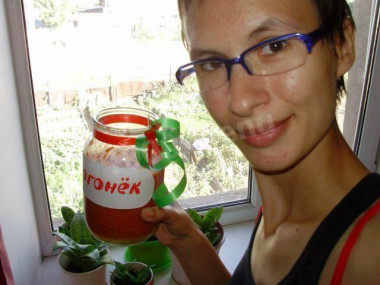
Store the finished adjika in a cool place. You can eat it right after cooking. Enjoy!
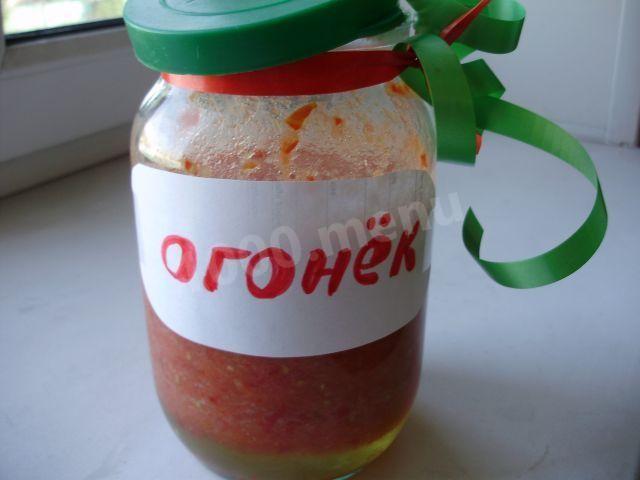
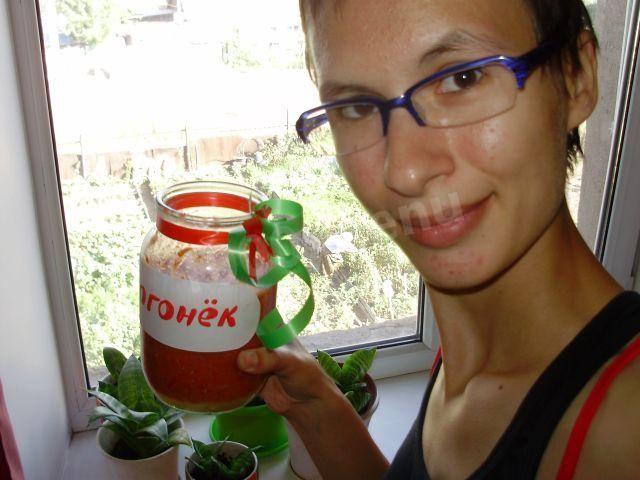
- There are countless ways to make adjika, and this recipe is just my take on this old, wholesome condiment. Keep in mind it's food for healthy stomachs — not for anyone with gastritis or ulcers. The proportions are approximate, since I always go by eye. Sometimes I want the adjika hotter, sometimes more sour or sweeter, which is easy to adjust by changing the ratio of sweet pepper to tomatoes to hot pepper, along with the salt and sugar. Either way, you'll end up with a tasty adjika that disappears fast in winter. I love it with meat dishes, all kinds of sides, and fried potatoes. Sometimes I serve it instead of horseradish alongside aspic, and it's wonderful with salt-cured pork fat and dark rye bread.
- To make sure your summer harvest delights you all through the cold season, read up on the basic rules, secrets, and tips for winter preserving.
- Since everyone's preference for saltiness, sweetness, bitterness, heat, sourness, and pungency is different, always add spices and seasonings to your own taste. If you're using a seasoning for the first time, remember that some are especially easy to overdo (chili pepper, for example).
- An easy way to peel tomatoes: wash them, score a cross on top with a sharp knife, and drop them into boiling water for 1-2 minutes. Take them out, cool slightly, and slip off the skins.
Caloric content of the products possible in the composition of the dish
- Tomatoes - 23 kcal/100g
- Sweet pepper - 27 kcal/100g
- Garlic - 143 kcal/100g
- Granulated sugar - 398 kcal/100g
- Sugar - 398 kcal/100g
- Wine vinegar (3%) - 9 kcal/100g
- Vinegar 9% - 11 kcal/100g
- Balsamic vinegar - 88 kcal/100g
- Apple vinegar - 14 kcal/100g
- Vinegar - 11 kcal/100g
- Hot capsicum - 40 kcal/100g
- Salt - 0 kcal/100g