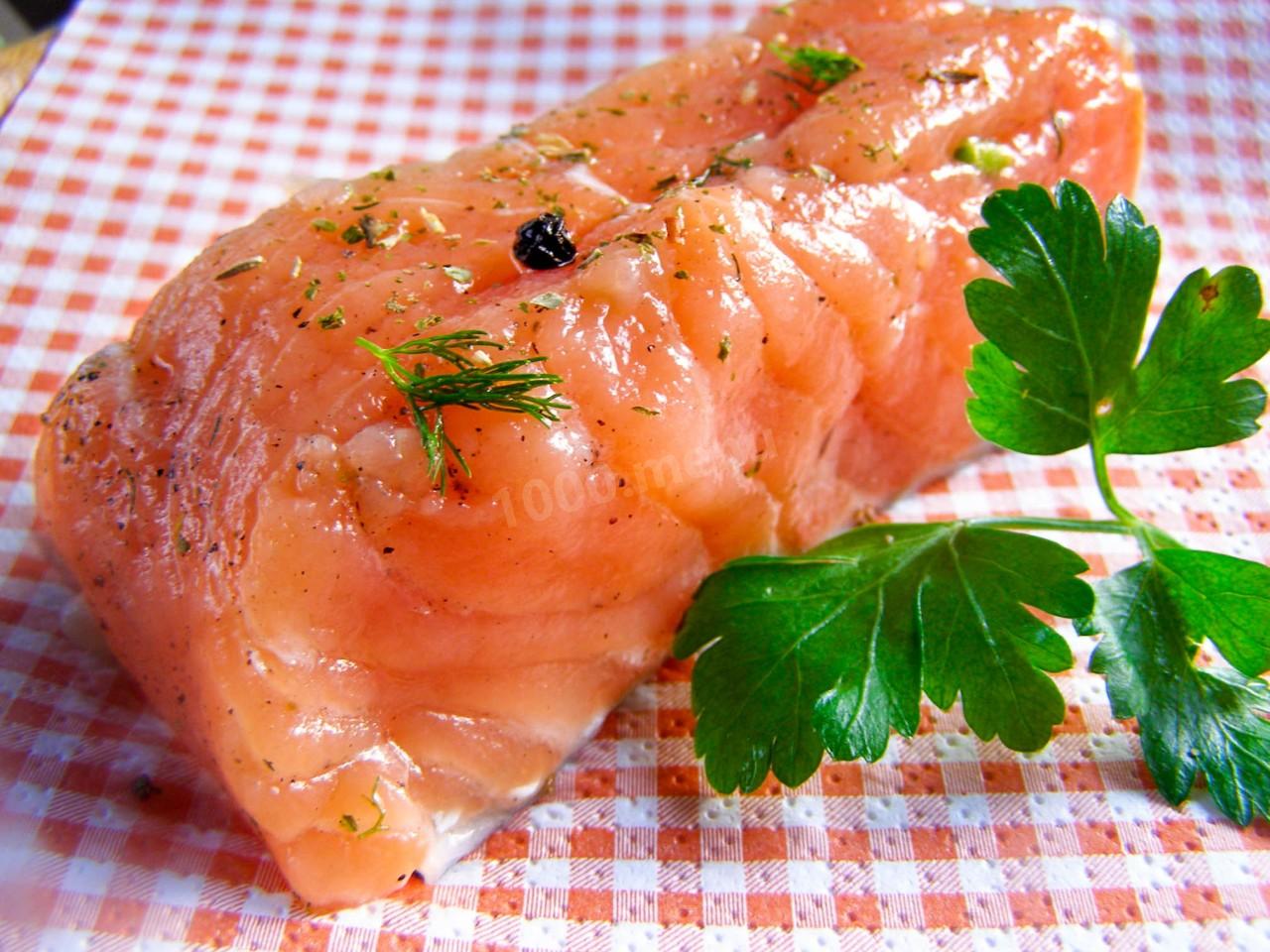
Home-Cured Salmon
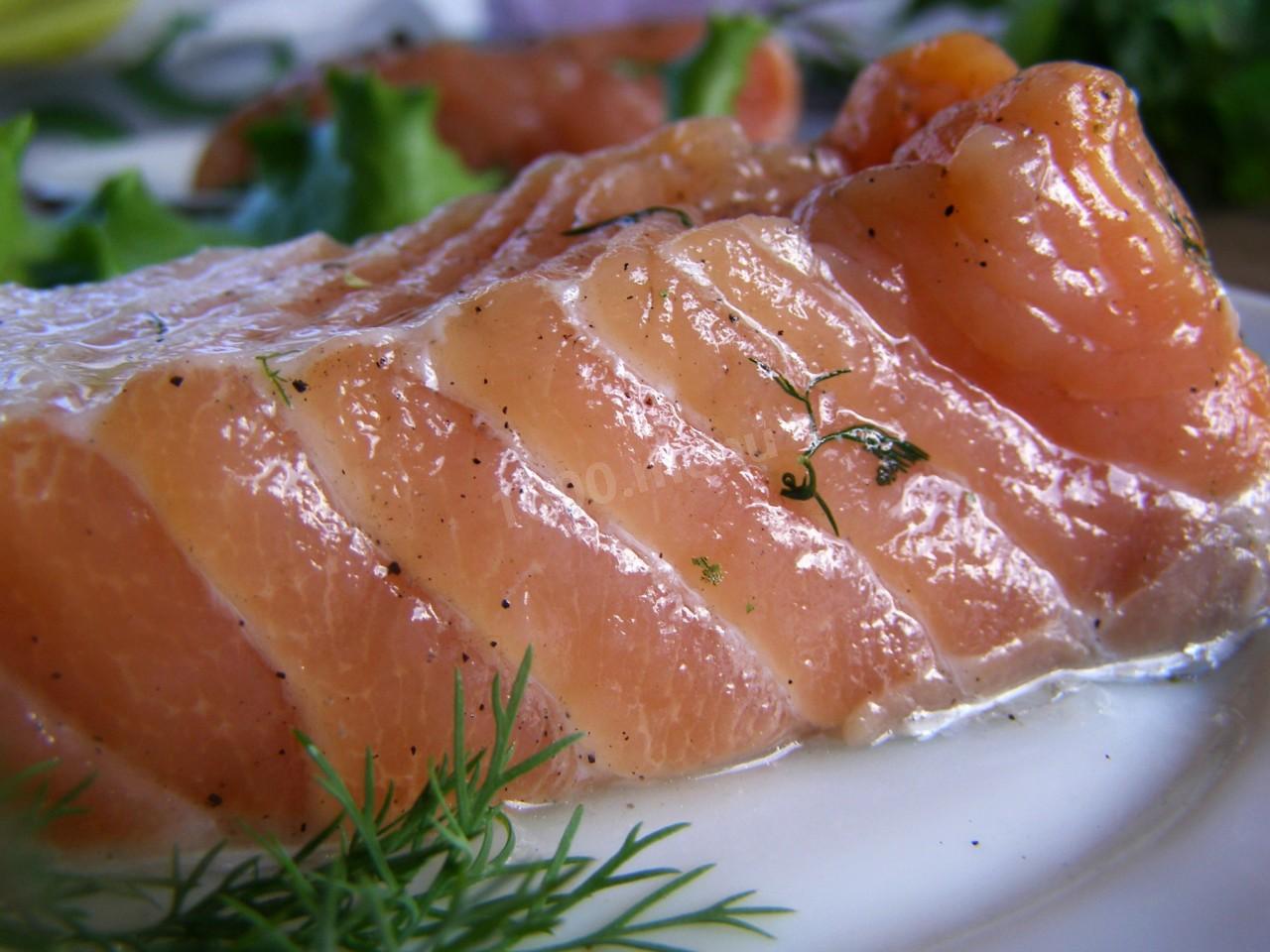
A delicious, wholesome, and versatile appetizer! Curing salmon at home is a very simple, quick process. Lightly cured fish dresses up and adds variety to any meal, everyday or festive. Unlike store-bought, home-cured salmon contains only natural ingredients.

Cooking method
-
Step 1:
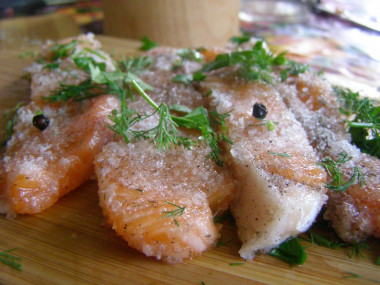
How do you cure salmon at home? Gather the ingredients. Cut the fish into fillets. From the gutted fish, cut off the head, tail, and fins and remove the backbone. There are several ways to cut the fillet, depending on the curing method. For quick (or dry) curing, cut the fillet into strips of the length you want (no more than 1 cm thick) and dip them in a mix of salt, sugar, and pepper (if you like). Rinse the salt off these pieces and serve them after 15–20 minutes.
-
Step 2:
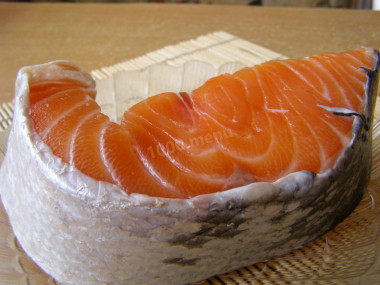
For regular curing, you can cure a whole fish or steaks, cut at home or bought at a store. I cured salmon steaks.
-
Step 3:
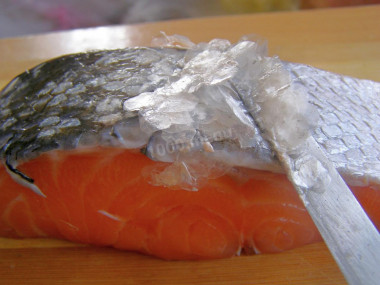
Be sure to scale the steaks (or the whole fish).
-
Step 4:
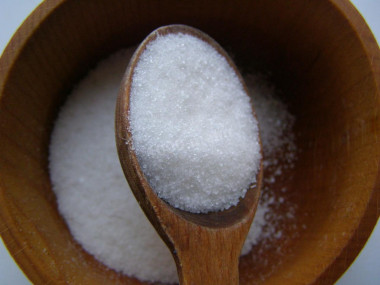
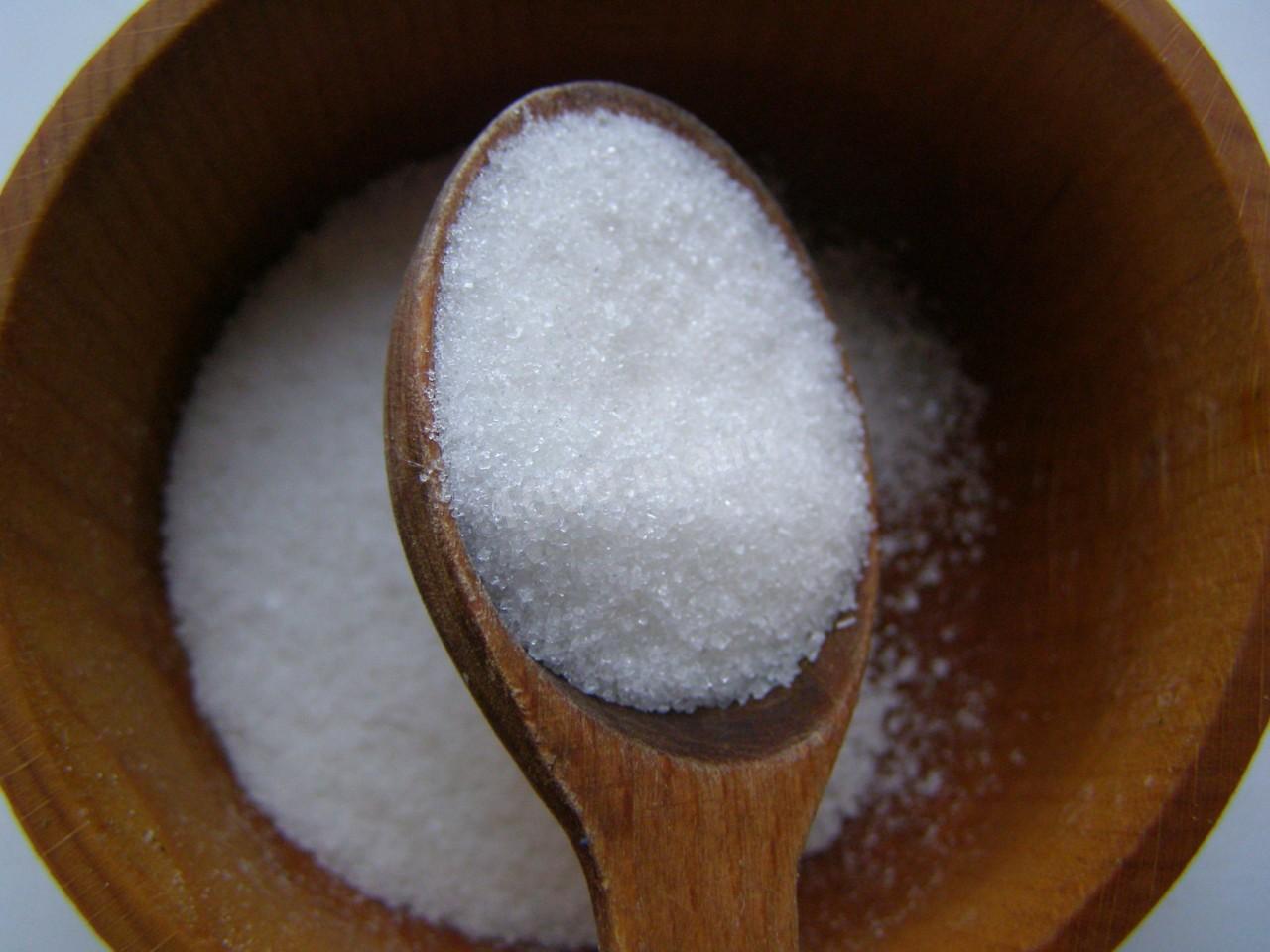
Make the curing mix. Take salt and sugar.
-
Step 5:
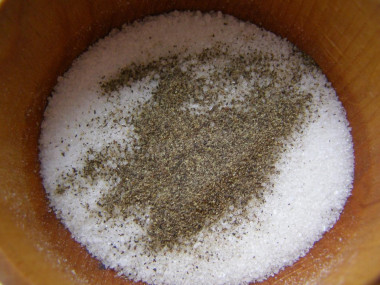
Mix these ingredients and add ground black pepper to taste.
-
Step 6:
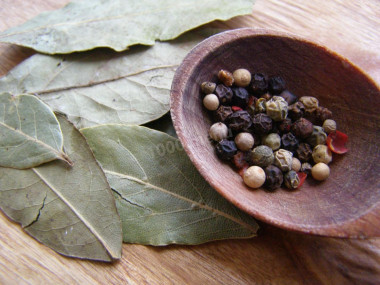
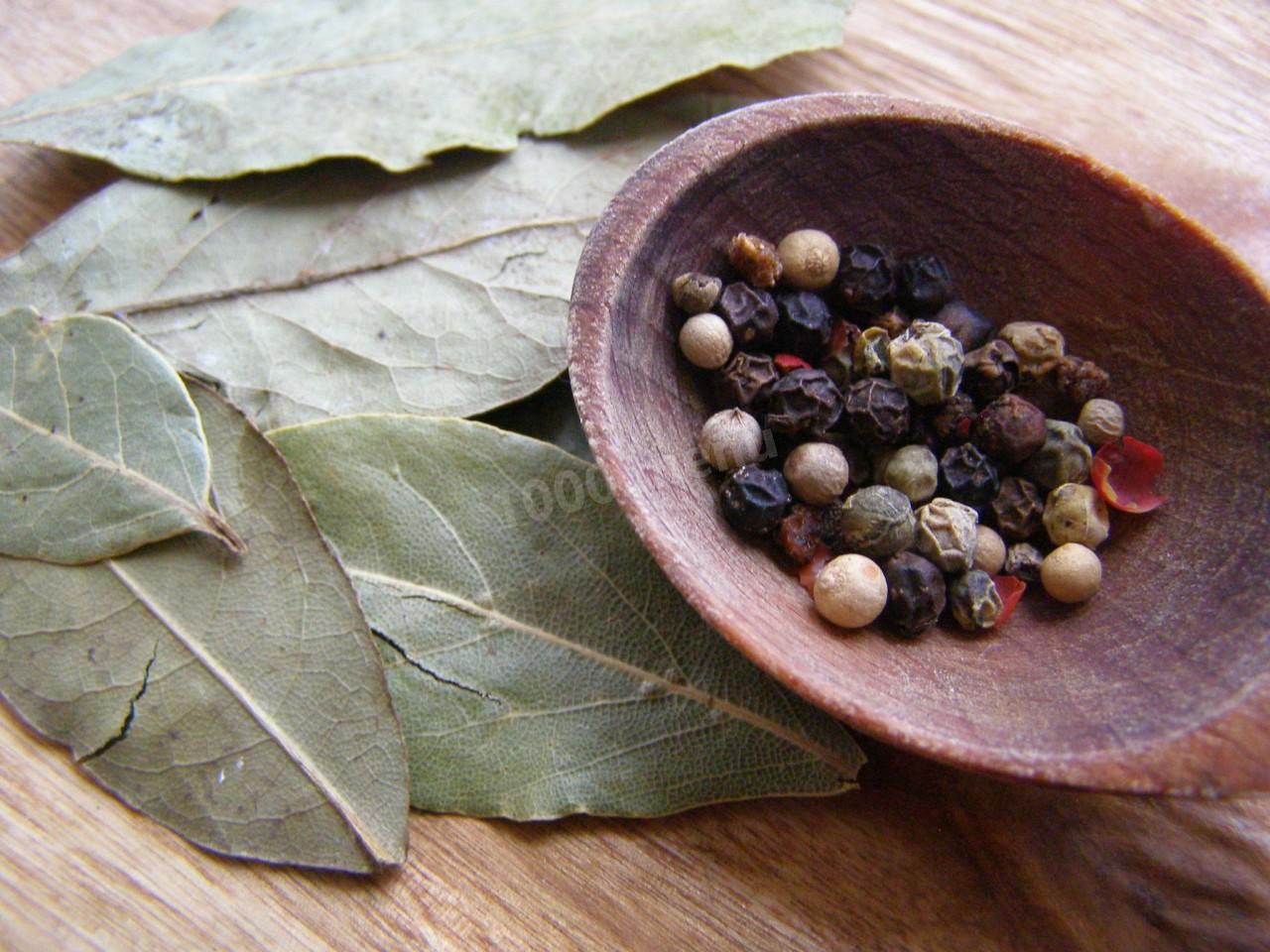
Prepare the spices. For salmon, the perfect pairing is bay leaf and mixed peppercorns. Unlike other spices, including fish seasonings, they won't drastically change salmon's distinctive taste.
-
Step 7:
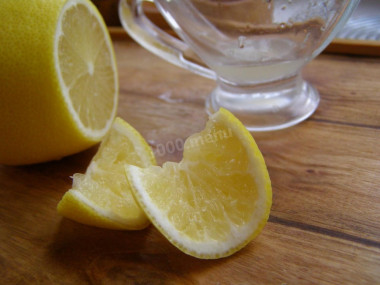
Squeeze the juice from the lemon and pour it over the salmon pieces.
-
Step 8:
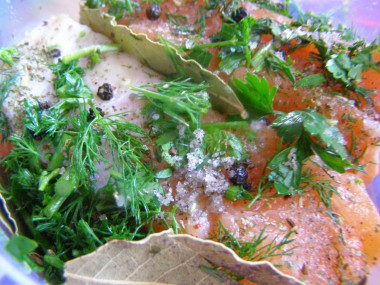
Layer the fish pieces in a suitable dish, sprinkling each layer with the salt-sugar-pepper mix, finely chopped herbs, bay leaves, and peppercorns. Set a weight on top.
-
Step 9:
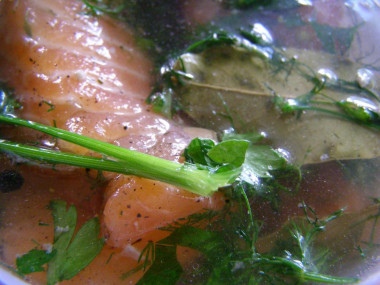
After a couple of hours under the weight, move the dish of fish to the refrigerator. The fish will release juices, so turn it over regularly.
-
Step 10:
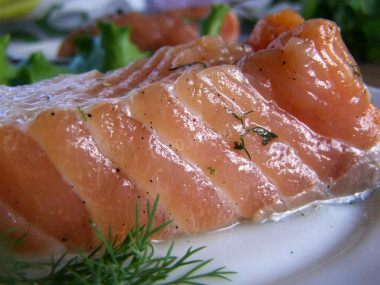
You usually taste-test it on the second day, but in my experience thinner pieces are ready the next day. Enjoy!





- Salmon can also be cured in brine. Dissolve salt and sugar (per the recipe) in a liter of hot water, then add the peppercorns and bay leaf, and at the end add a tablespoon of vinegar (9%). Cool the boiled brine and pour it over the steaks, which are stacked in the dish back to back and sprinkled with herbs.
- For this recipe it's better to use fresh rather than frozen fish, or the finished fish risks turning out dry.
- How do you fillet a whole fish properly? Remove the tail, head, and fins. Cut the fish open along the spine down to the backbone. Turn it on its side. With a sharp knife, slice the meat away from the backbone. Flip the fish and cut the fillet from the other side. Clean the inside, removing the black membrane, since it's bitter and will spoil the taste. Rinse and be sure to dry it well.
- Since everyone's preference for saltiness, sweetness, bitterness, spiciness, tanginess, and heat is different, always add spices and seasonings to your own taste! If you're using a seasoning for the first time, keep in mind that some spices are especially easy to overdo (chili pepper, for example).
Caloric content of the products possible in the composition of the dish
- Minced salmon - 130 kcal/100g
- Smoked salmon - 162 kcal/100g
- Grilled salmon - 283 kcal/100g
- Fresh salmon - 201 kcal/100g
- Salted salmon - 269 kcal/100g
- Salmon sauté - 379 kcal/100g
- Bay leaf - 313 kcal/100g
- Ground black pepper - 255 kcal/100g
- Granulated sugar - 398 kcal/100g
- Sugar - 398 kcal/100g
- Black peppercorns - 255 kcal/100g
- Salt - 0 kcal/100g
- Lemon juice - 16 kcal/100g
- Frozen packaged soup greens - 41 kcal/100g
- Fresh herbs - 41 kcal/100g