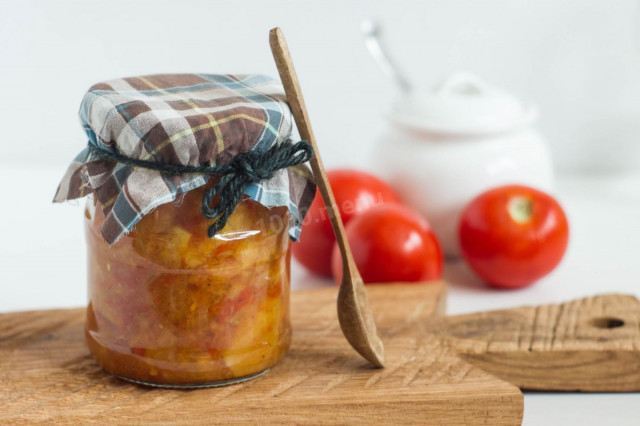
Tomato Juice Through a Meat Grinder for Winter
Tasty, natural tomato juice for winter! Plenty of people can't picture lunch or dinner without a glass of tomato juice—and for good reason. It's not just delicious, it's good for you. But a store-bought product full of preservatives is no match, of course, for homemade tomato juice put up for winter. This preserve doesn't take much in the way of money, time, or effort. The juice keeps a long time somewhere cool, and come winter you can use it not just as a drink but as a sauce for meat and fish dishes or as a base for other sauces.

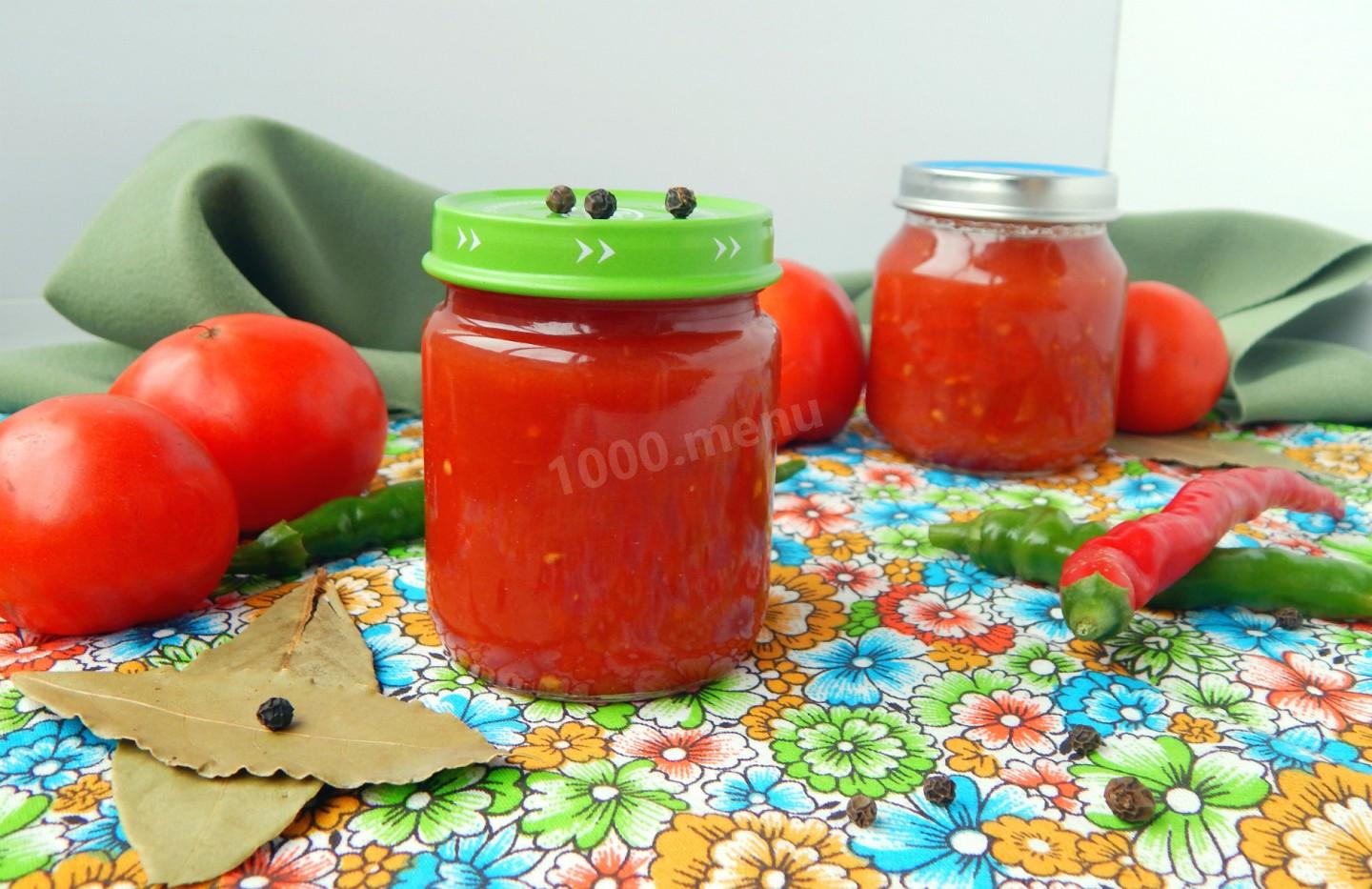
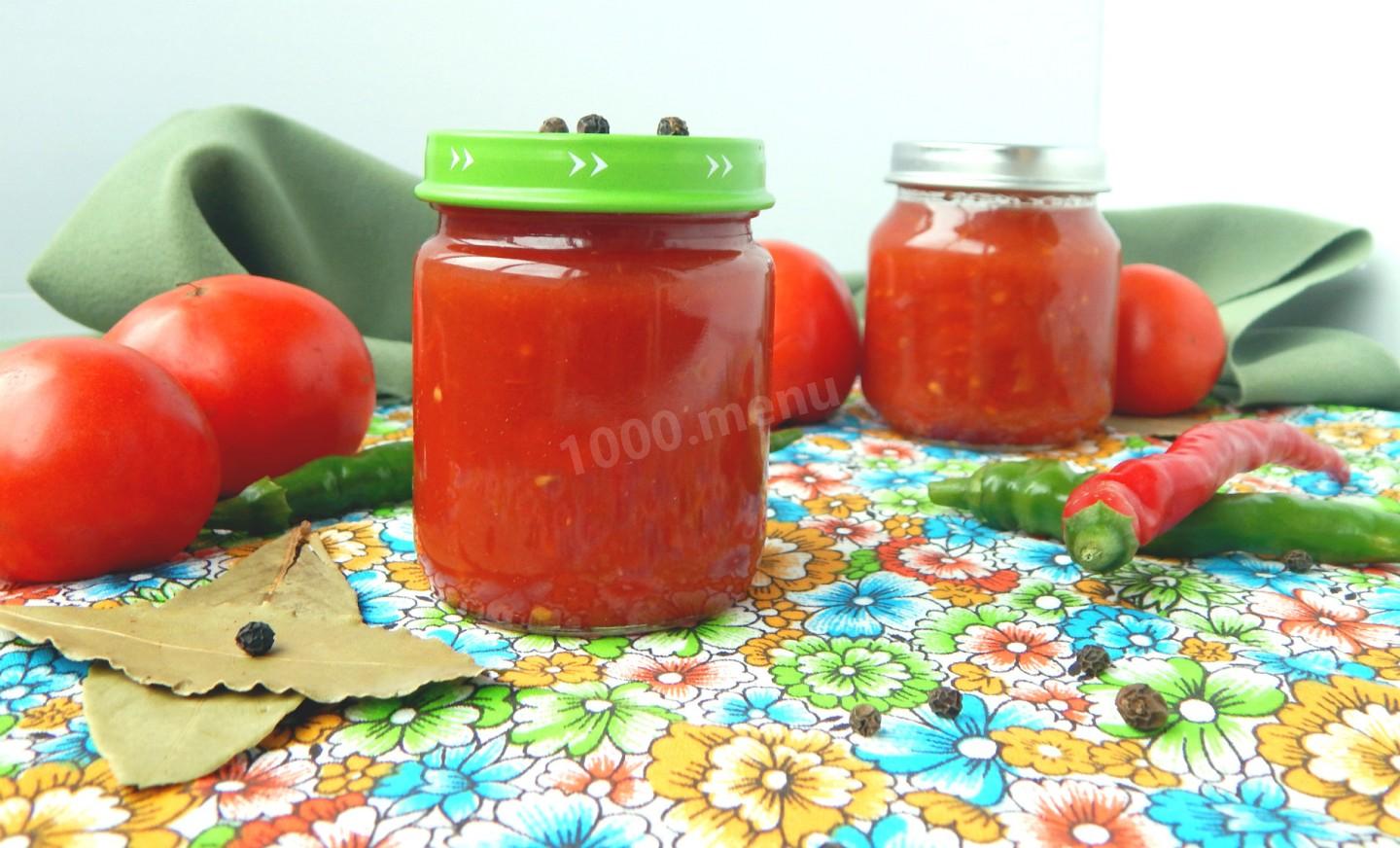
Cooking method
-
Step 1:
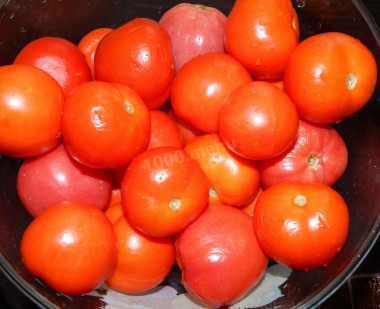
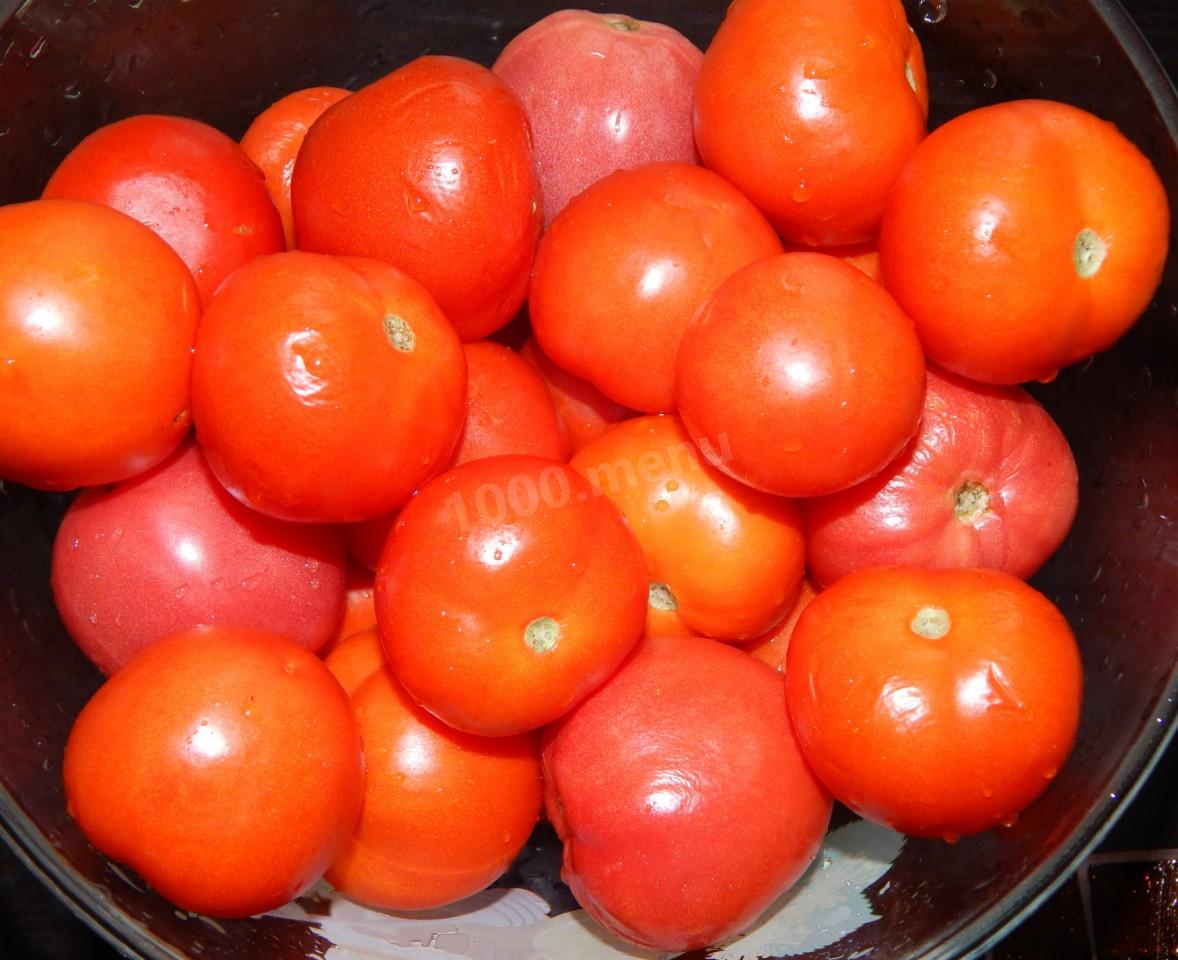
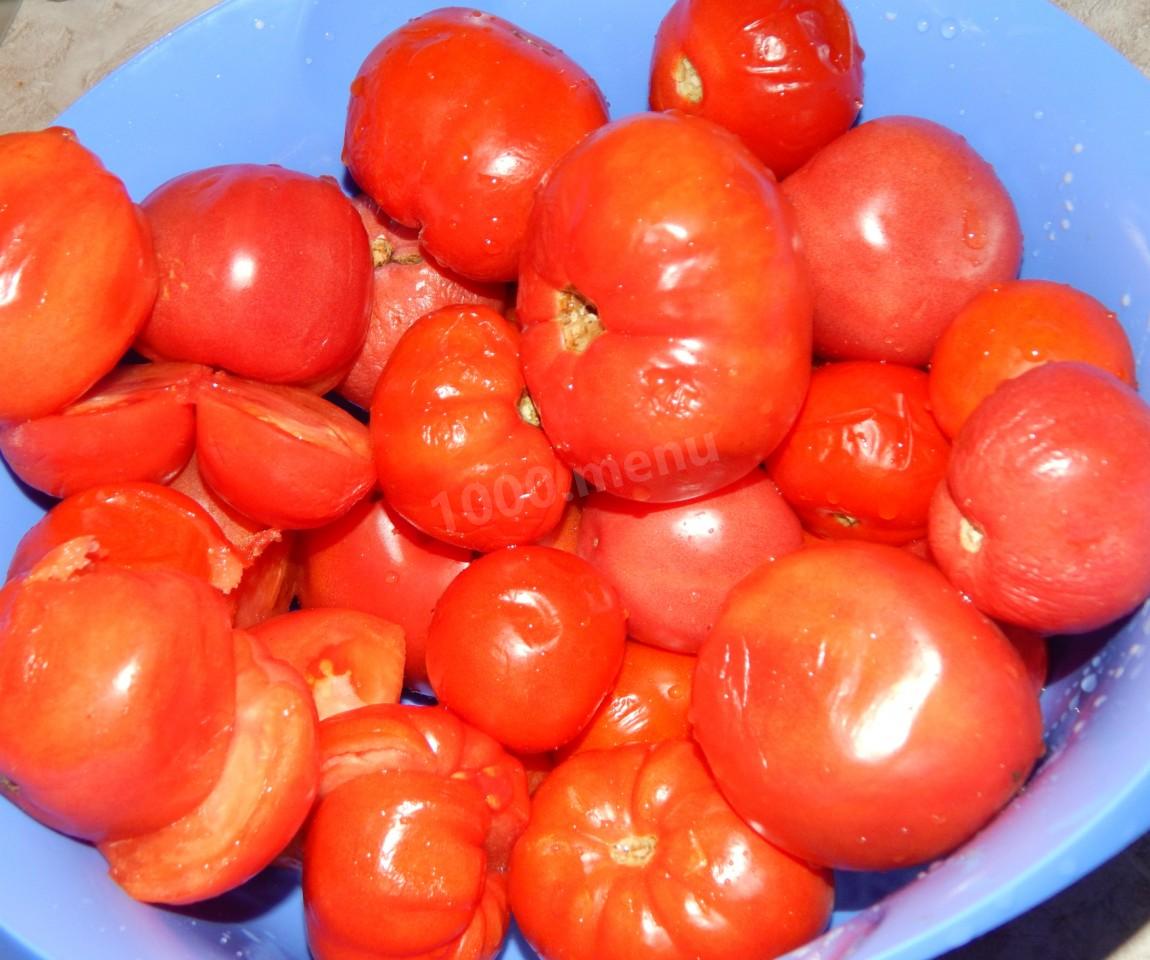
Gather your ingredients. Naturally, tomato juice is best made from homegrown tomatoes—grown without chemicals, ripened right on the vine, sweet and full of flavor. Besides the tomatoes, you'll need salt and vinegar, plus a meat grinder—it doesn't have to be an electric one with special juicing attachments. The plainest hand-crank grinder handles this easily; the juice will have some seeds in it, but that won't hurt the flavor.
-
Step 2:
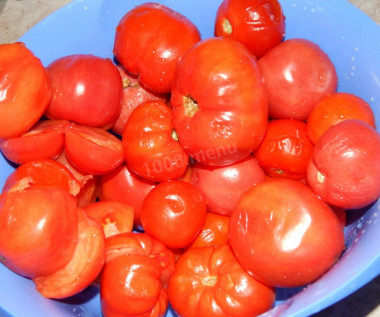
Wash the tomatoes well under running water. If you're using an ordinary meat grinder without a juicing attachment, you'll need to peel the tomatoes, or the skin will go through with the pulp. Drop them into boiling water for a couple of minutes, then take them out and plunge them straight into cold water. This little trick makes the skins slip off easily. Cut out the stem ends and peel them.
-
Step 3:
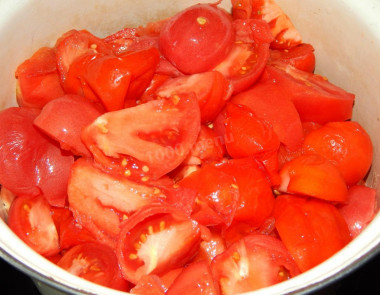
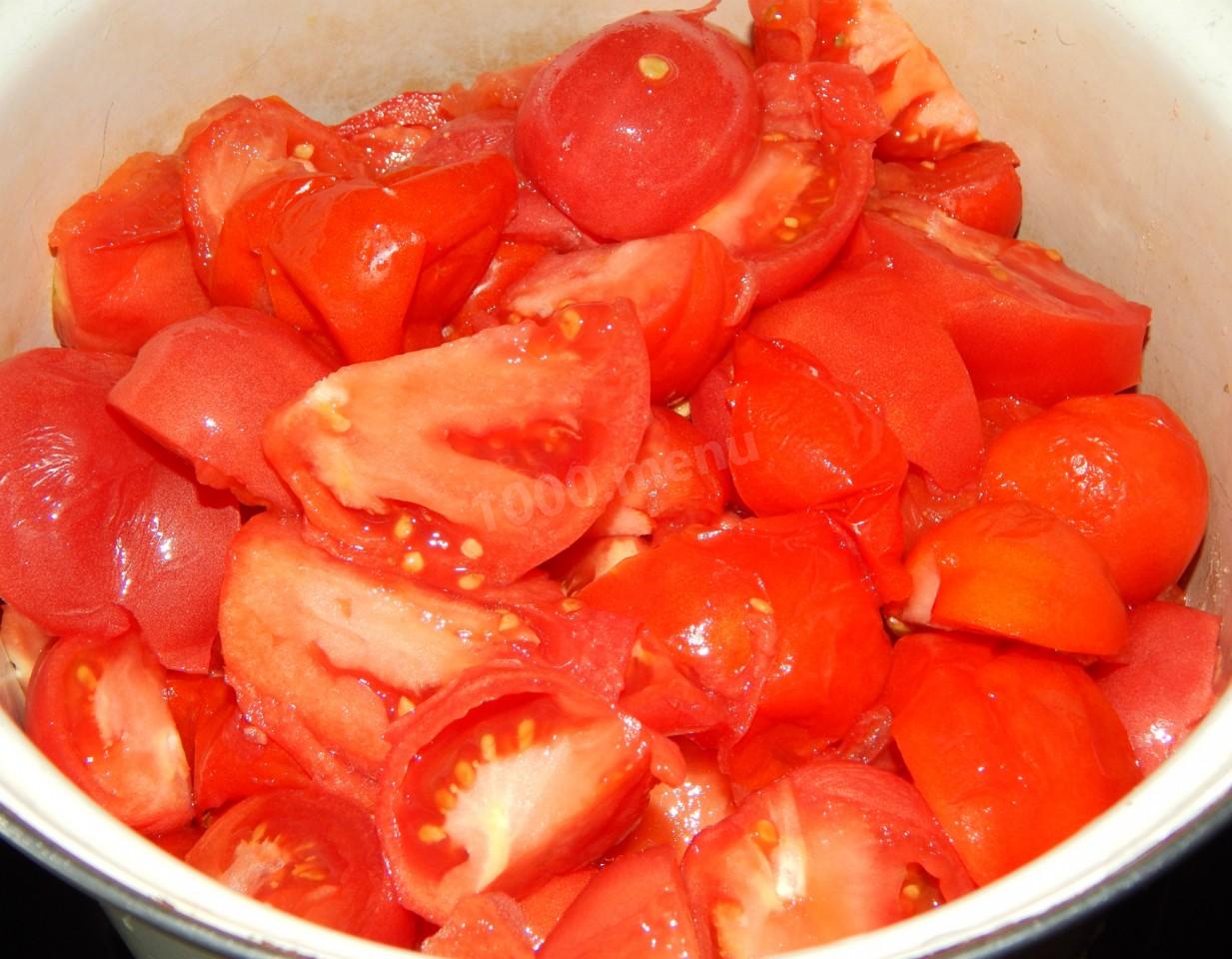
Cut the tomatoes into quarters so they're easy to feed through the meat grinder.
-
Step 4:
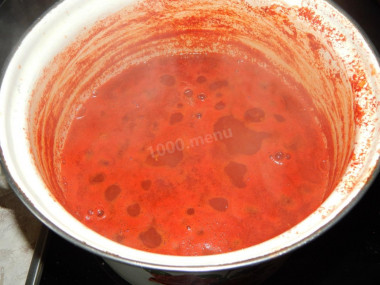
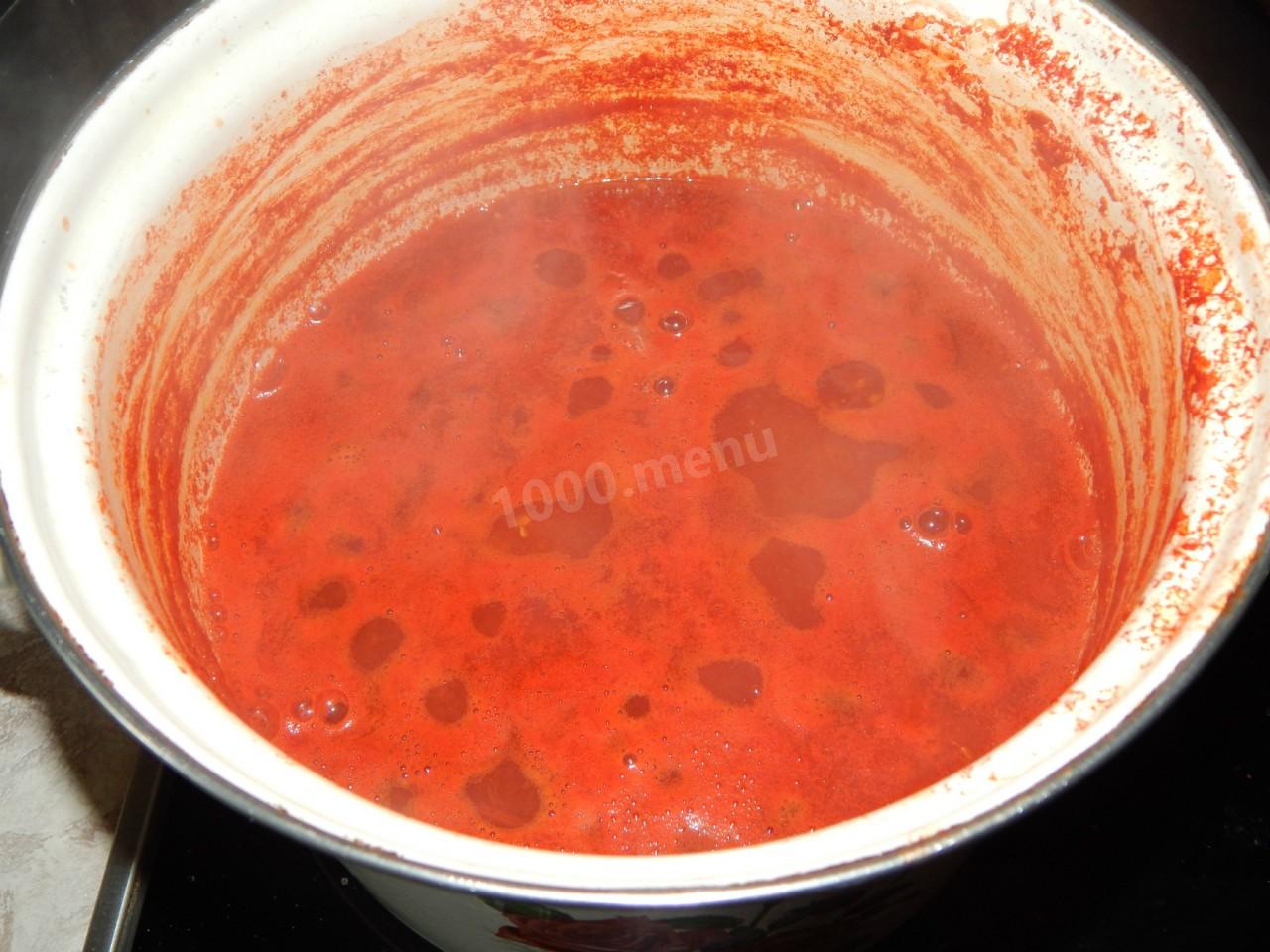
Pour the ground tomato juice into a heavy-bottomed pot and set it over the heat. Bring it to a boil, lower the heat, and cook the juice for about 15 minutes, skimming off any foam that rises. Add salt to taste—a little more or less than the recipe calls for; taste and adjust to suit yourself. Sugar is optional too. Stir and cook for another 5 minutes.
-
Step 5:
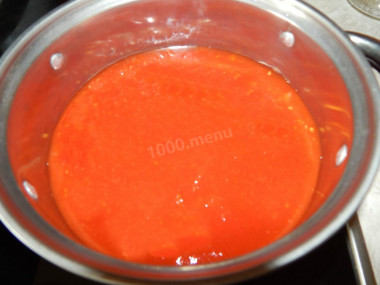
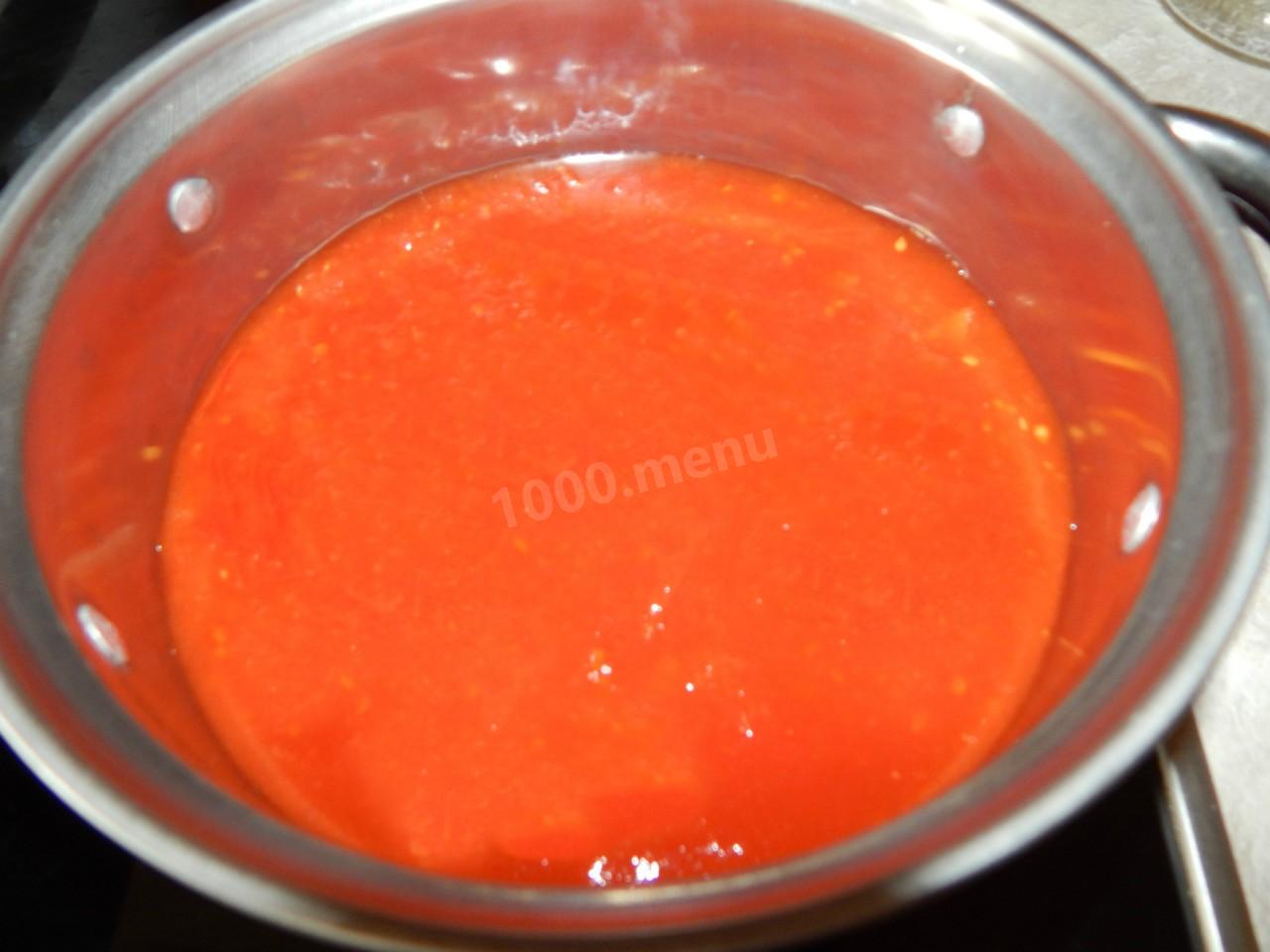
Then pour in the vinegar and stir. Take the tomato juice off the heat. Get your canning jars ready first: wash them with running water and baking soda and sterilize them however you like—in the oven, microwave, or a water bath. Wash and boil the lids.
-
Step 6:
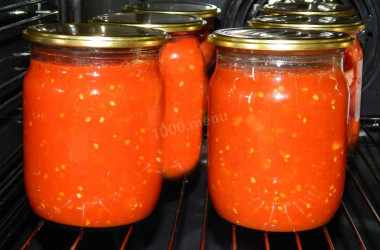
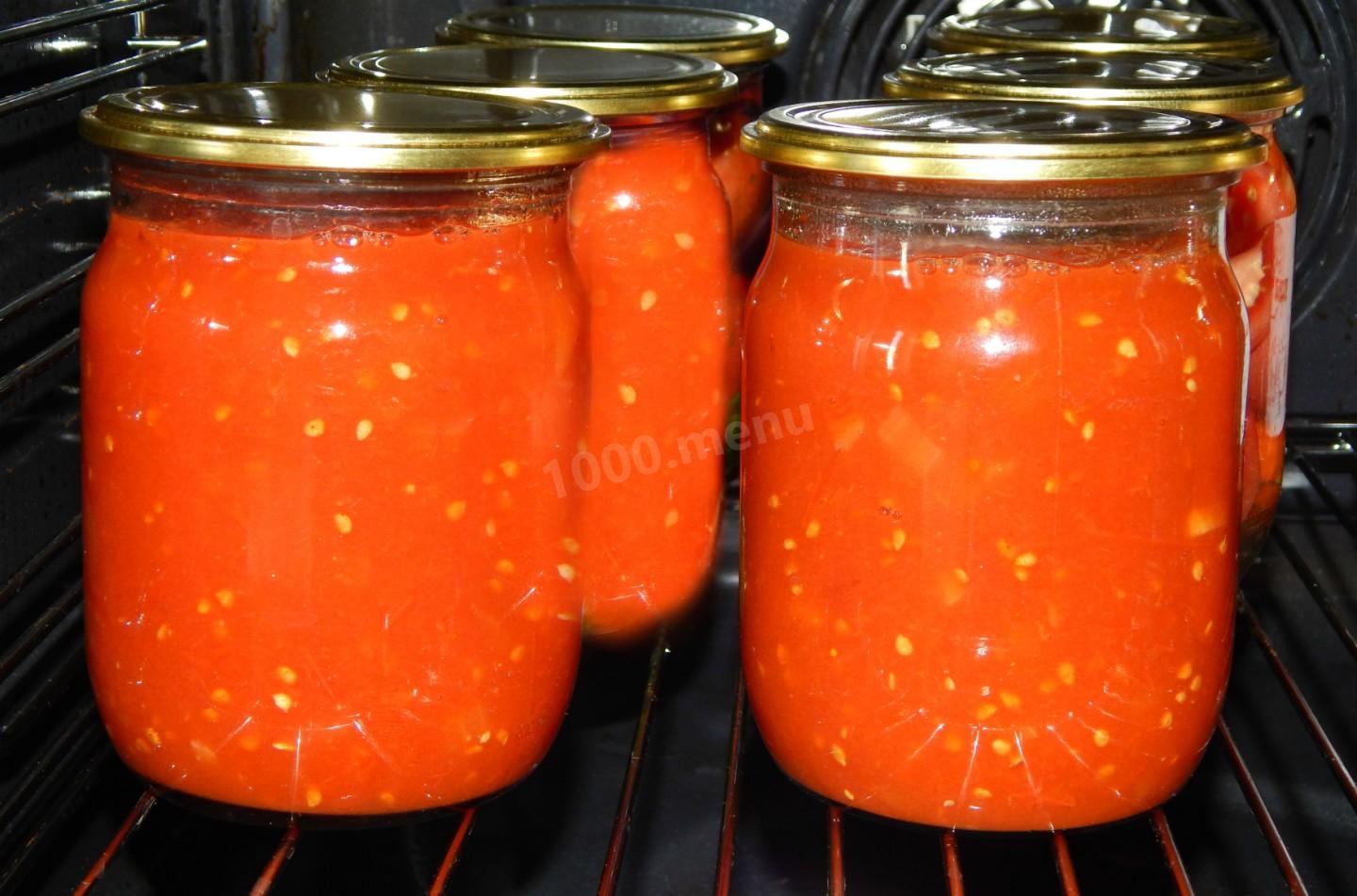
Pour the juice into the prepared jars—small jars are best, so you don't have to store an opened jar for long. Seal the jars right away. Wrap them in a warm blanket and let them cool to room temperature, then move them to the pantry for storage. Enjoy!
Caloric content of the products possible in the composition of the dish
- Tomatoes - 23 kcal/100g
- Granulated sugar - 398 kcal/100g
- Sugar - 398 kcal/100g
- Wine vinegar (3%) - 9 kcal/100g
- Vinegar 9% - 11 kcal/100g
- Balsamic vinegar - 88 kcal/100g
- Apple vinegar - 14 kcal/100g
- Vinegar - 11 kcal/100g
- Salt - 0 kcal/100g