Wheat Porridge with Pumpkin and Milk
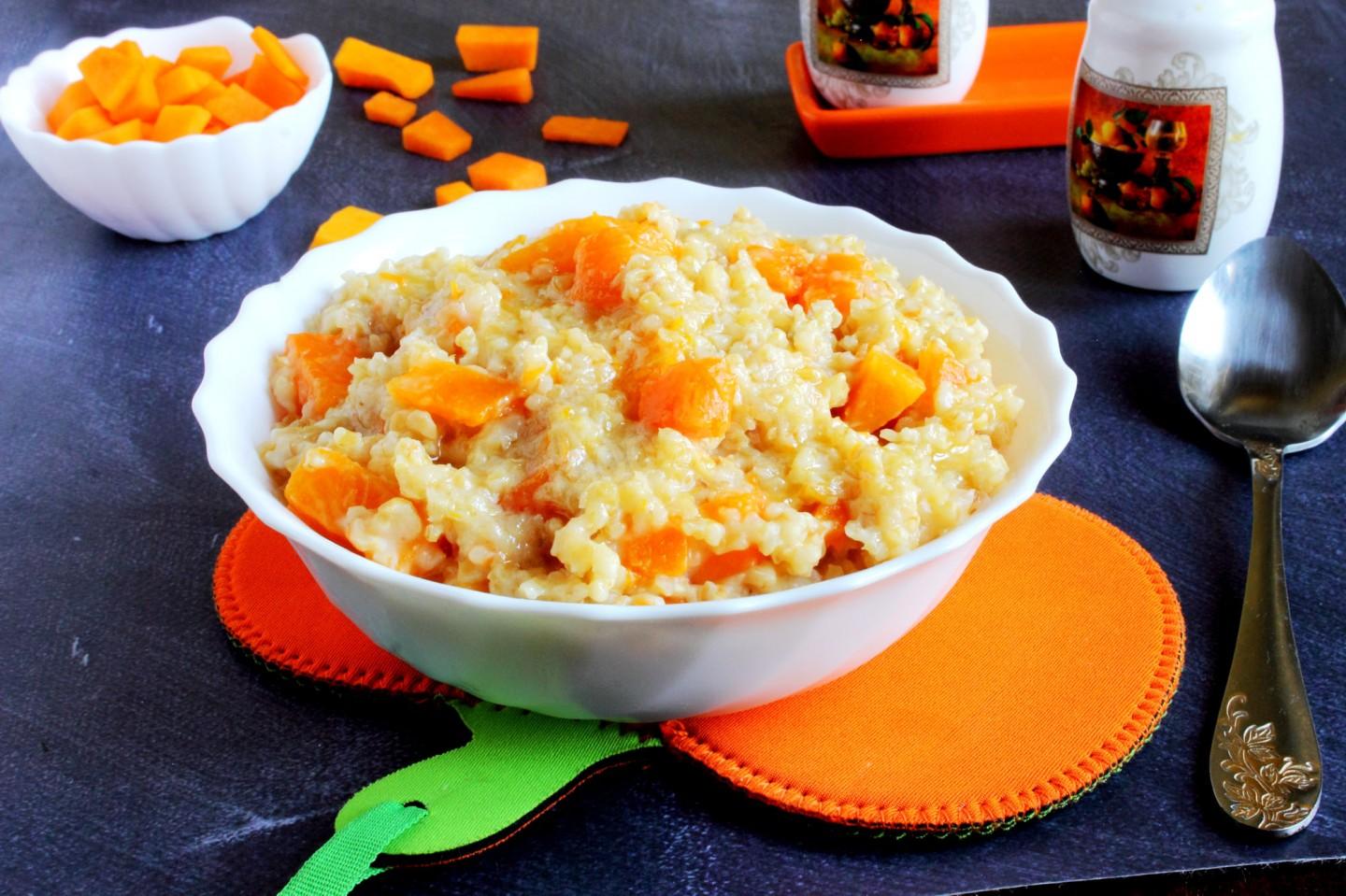
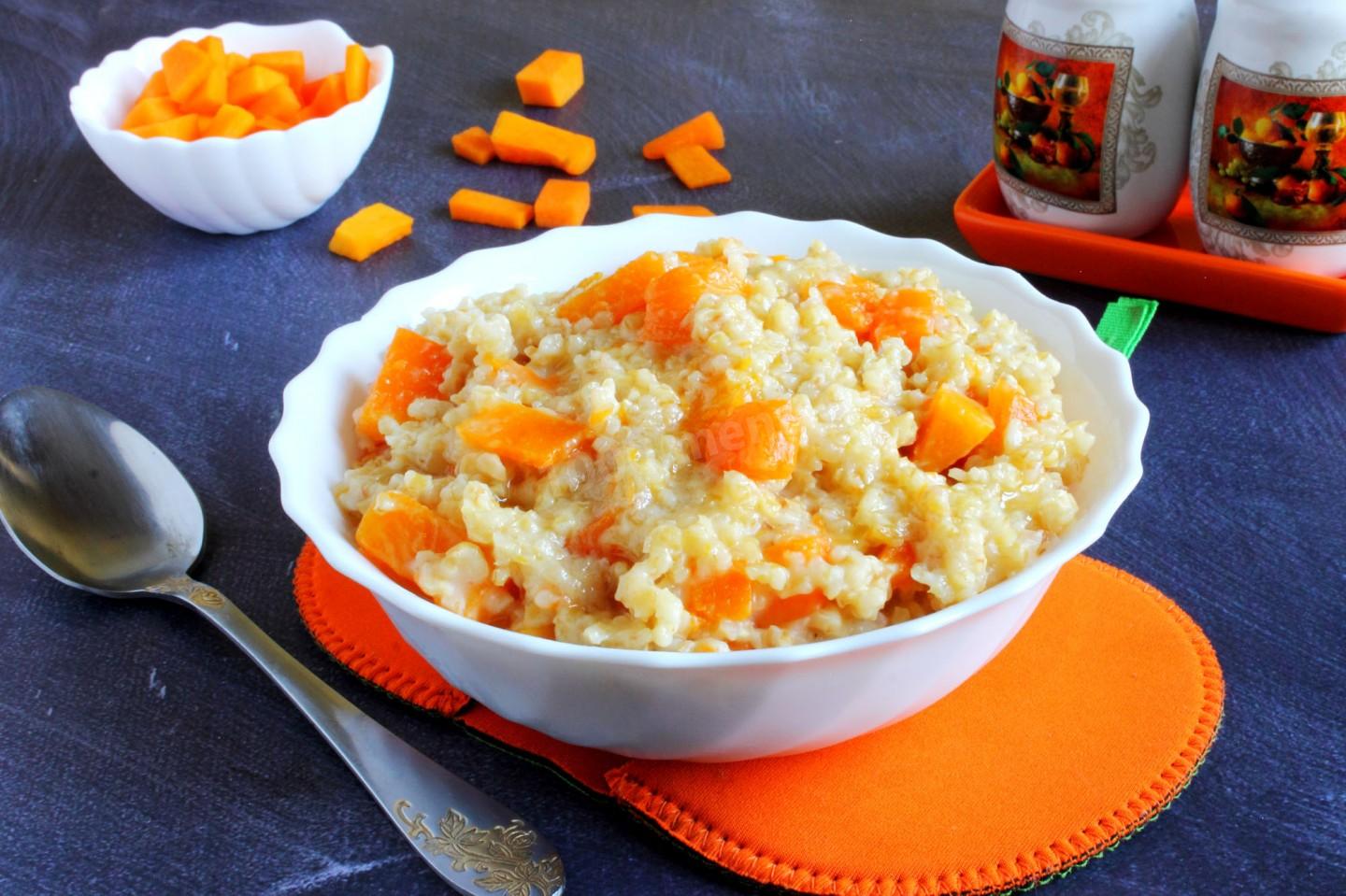
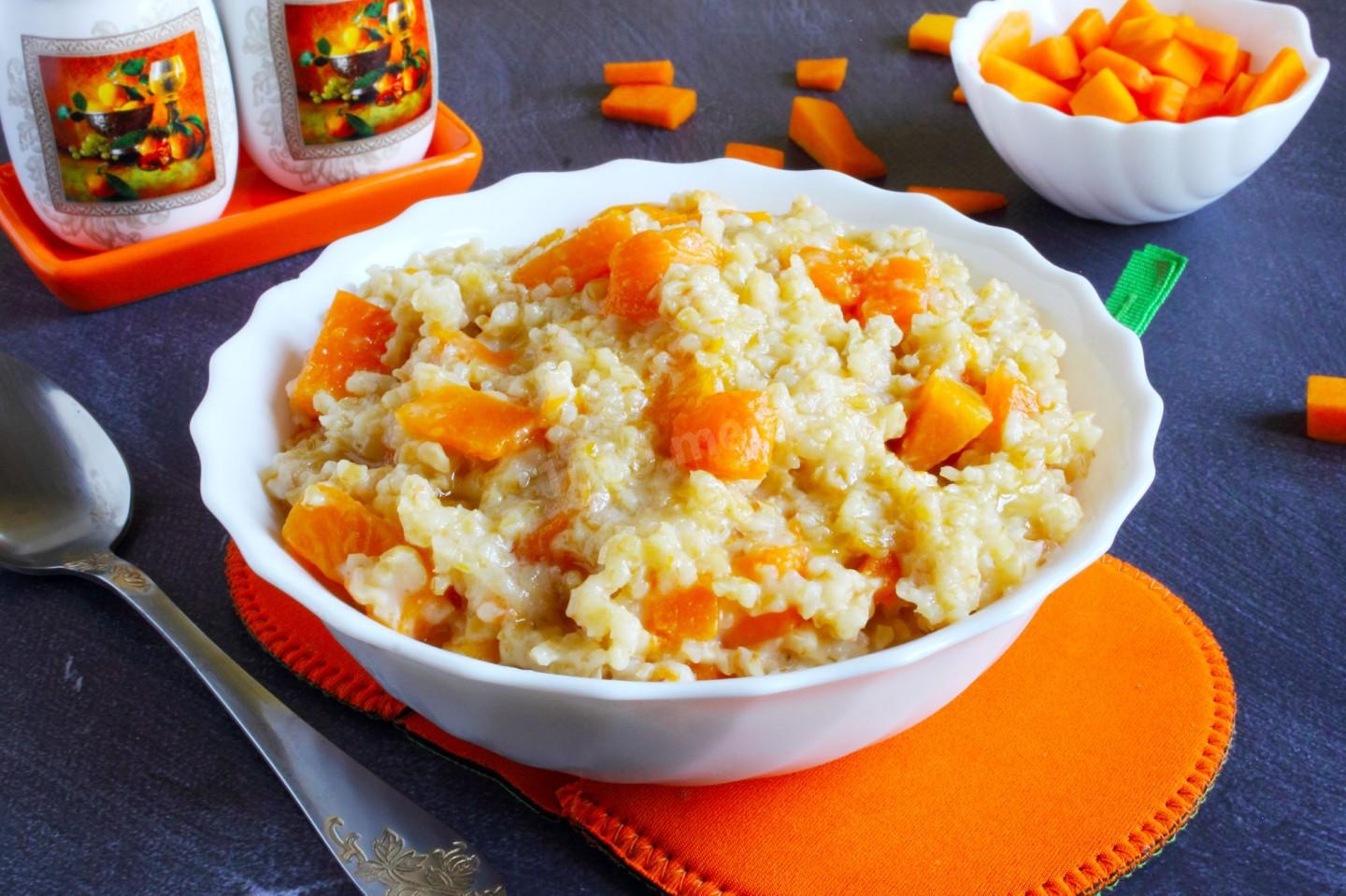
A tasty, wholesome breakfast that kids and grown-ups will both enjoy. This wheat porridge with pumpkin and milk is very filling, and it looks gorgeous too—bright and colorful. Try adding fruit or berries, or stir in some cocoa powder for a chocolate version.


Cooking method
-
Step 1:
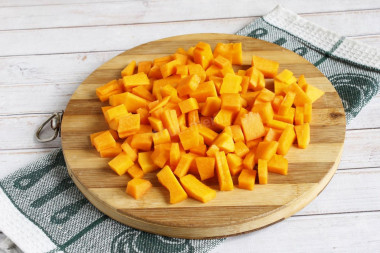
How do you make wheat porridge with pumpkin and milk? Peel the pumpkin, cut it into large pieces, then cut those into small squares. You can also grate the pumpkin instead.
-
Step 2:

Put the wheat groats in a deep bowl and rinse in several changes of water until it runs clear, skimming off any bits that float to the surface.
-
Step 3:
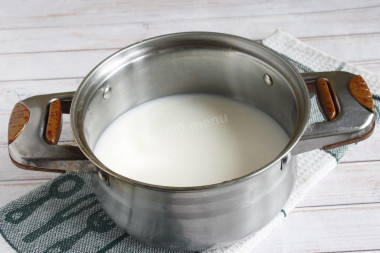
Pour the water and milk into a pot—a heavy-bottomed one works best. Set it over medium heat and wait for it to come to a boil, skimming off any foam that forms.
-
Step 4:
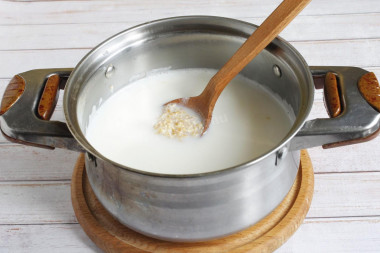
Add the groats to the pot, along with the salt and sugar, and stir well. Lower to a moderate heat and cook the porridge for 15 minutes, stirring. I skimmed off the foam again here.
-
Step 5:
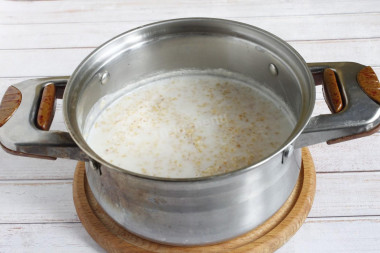
By now the grains will start to swell.
-
Step 6:
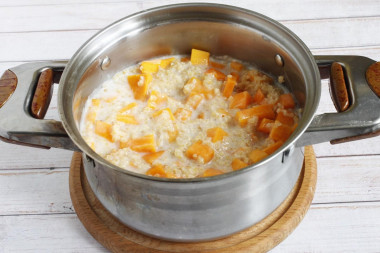
Add the chopped pumpkin to the pot. Stir and cook everything over low heat, stirring often and reaching the bottom so nothing scorches, for 15 minutes.
-
Step 7:
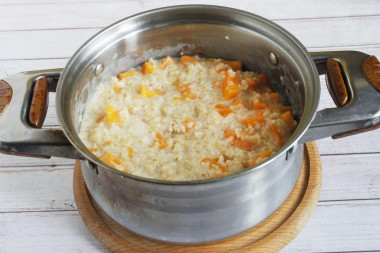
The porridge is almost done. Add the butter, cover the pot, wrap it in a warm towel, and let it rest for 40 minutes. Give the porridge a good stir before serving. Our dish is ready!


- I love making all sorts of dishes with pumpkin. I roast it on its own and serve it with honey, bake cookies with it, and cook various porridges too. I used to mostly make pumpkin porridge with rice and millet, but I tried this version and my family and I loved it. My grandmother reminded me that she often cooked this kind of porridge for me and my brother in a cast-iron pot when we were kids—porridge turns out much tastier that way, so next time I'll pull a small cast-iron pot out of my cupboard and make it in that. I know pumpkin is very good for you, and eating it in different forms helps your health. It's good for the digestive system and helps the body flush out waste, toxins, and bad cholesterol. It's high in potassium, which supports the cardiovascular system and lowers the risk of high blood pressure. Eat well and stay healthy!
Caloric content of the products possible in the composition of the dish
- Whole cow's milk - 68 kcal/100g
- Milk 3.5% fat content - 64 kcal/100g
- Milk 3.2% fat content - 60 kcal/100g
- Milk 1.5% fat content - 47 kcal/100g
- Concentrated milk 7.5% fat content - 140 kcal/100g
- Milk 2.5% fat content - 54 kcal/100g
- Pumpkin - 29 kcal/100g
- Hard red spring wheat (whole grain) - 330 kcal/100g
- Hard red winter wheat (whole grain) - 330 kcal/100g
- Soft red winter wheat (whole grain) - 326 kcal/100g
- White wheat (whole grain) - 335 kcal/100g
- Durum wheat (whole grain) - 332 kcal/100g
- Crushed dry hard red wheat - 359 kcal/100g
- Crushed winter wheat - 358 kcal/100g
- Dry wheat, canned without seasonings - 168 kcal/100g
- Dry wheat, canned with seasonings - 182 kcal/100g
- Sorghum grain - 332 kcal/100g
- Wheat groats - 352 kcal/100g
- Sprouted wheat grains - 305 kcal/100g
- Wheat groats - 332 kcal/100g
- Granulated sugar - 398 kcal/100g
- Sugar - 398 kcal/100g
- Butter 82% - 734 kcal/100g
- Amateur unsalted butter - 709 kcal/100g
- Unsalted peasant butter - 661 kcal/100g
- Peasant salted butter - 652 kcal/100g
- Melted butter - 869 kcal/100g
- Salt - 0 kcal/100g
- Water - 0 kcal/100g