No-Cook Sea Buckthorn Jelly for the Winter
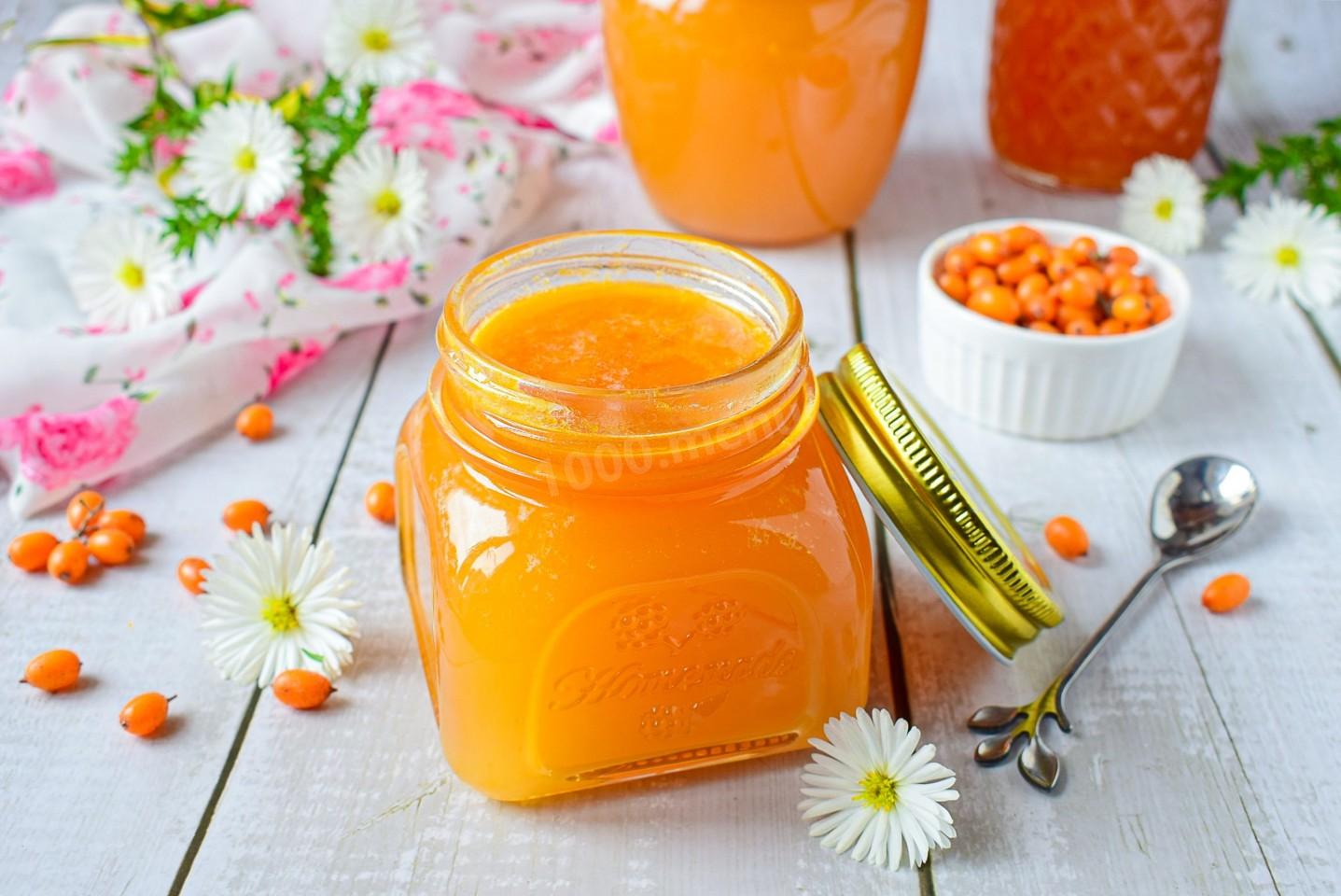
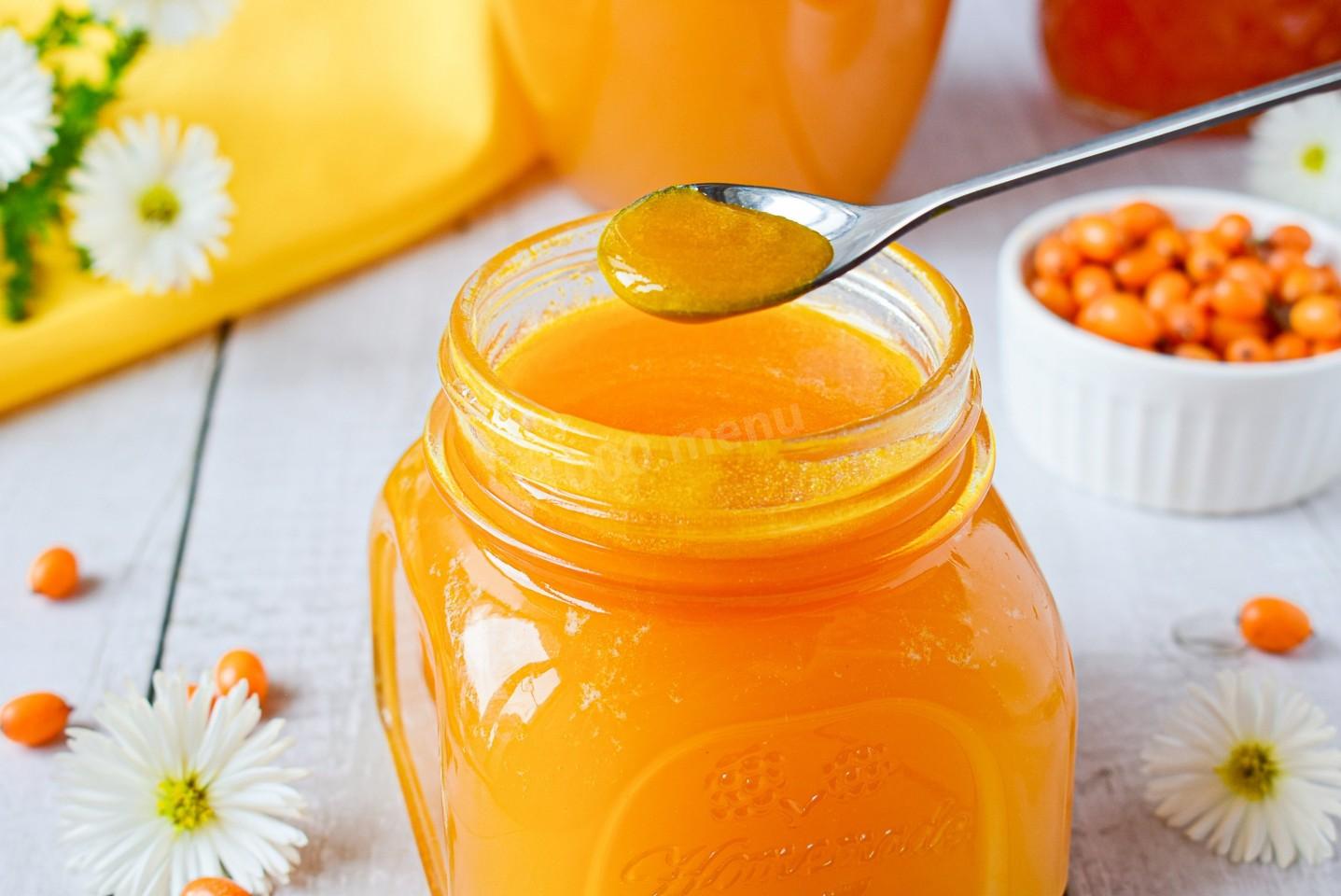
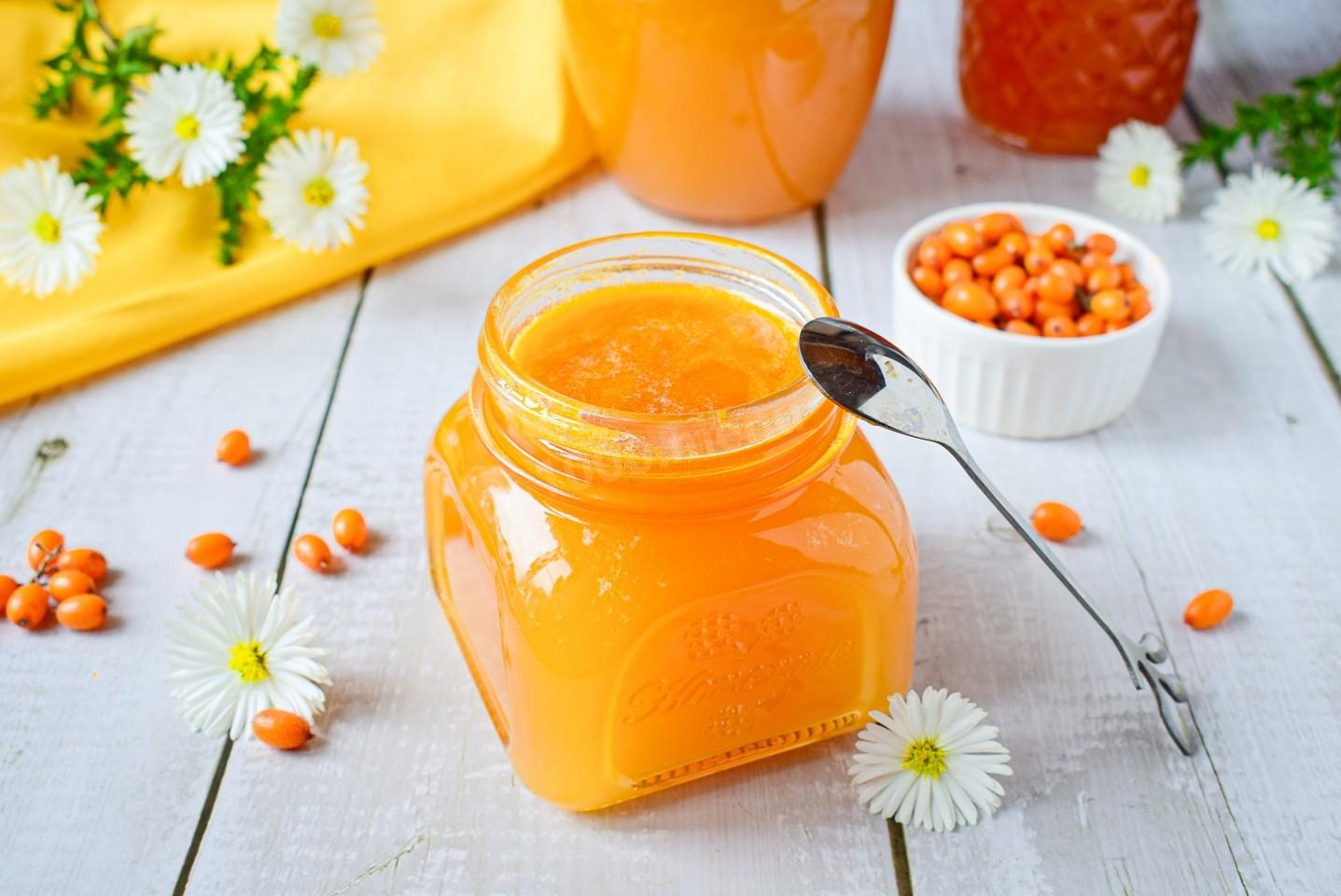
A tasty, fragrant, bright, and healthy berry put up for the winter! This no-cook sea buckthorn jelly for the winter will delight you all through the cold season. It's the best source of vitamins — add it to tea, spread it on bread, or eat it by the spoonful. You can use this jelly to fill or decorate any homemade baked goods!

Cooking method
-
Step 1:
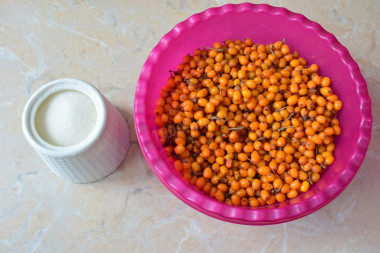
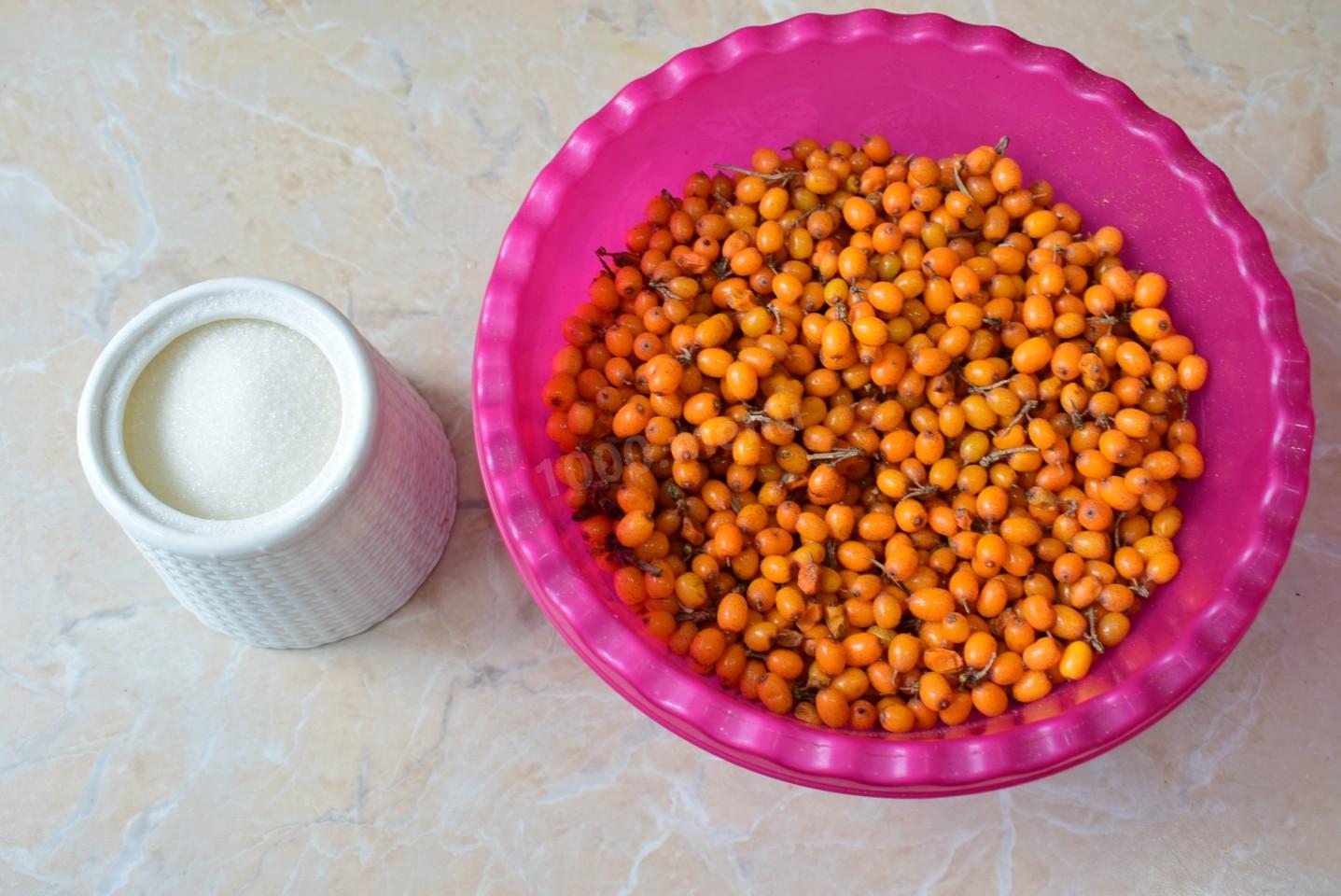
How do you make no-cook sea buckthorn jelly for the winter? You'll need just two ingredients — sugar and the sea buckthorn berries themselves. Separate the sea buckthorn from the branches. It's convenient to do this with scissors, snipping the berries straight into a bowl. Remove the leaves and any other debris.
-
Step 2:
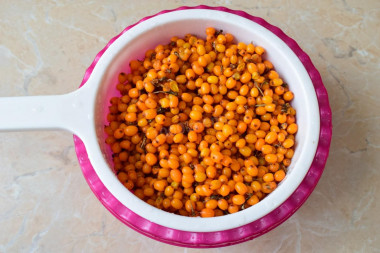
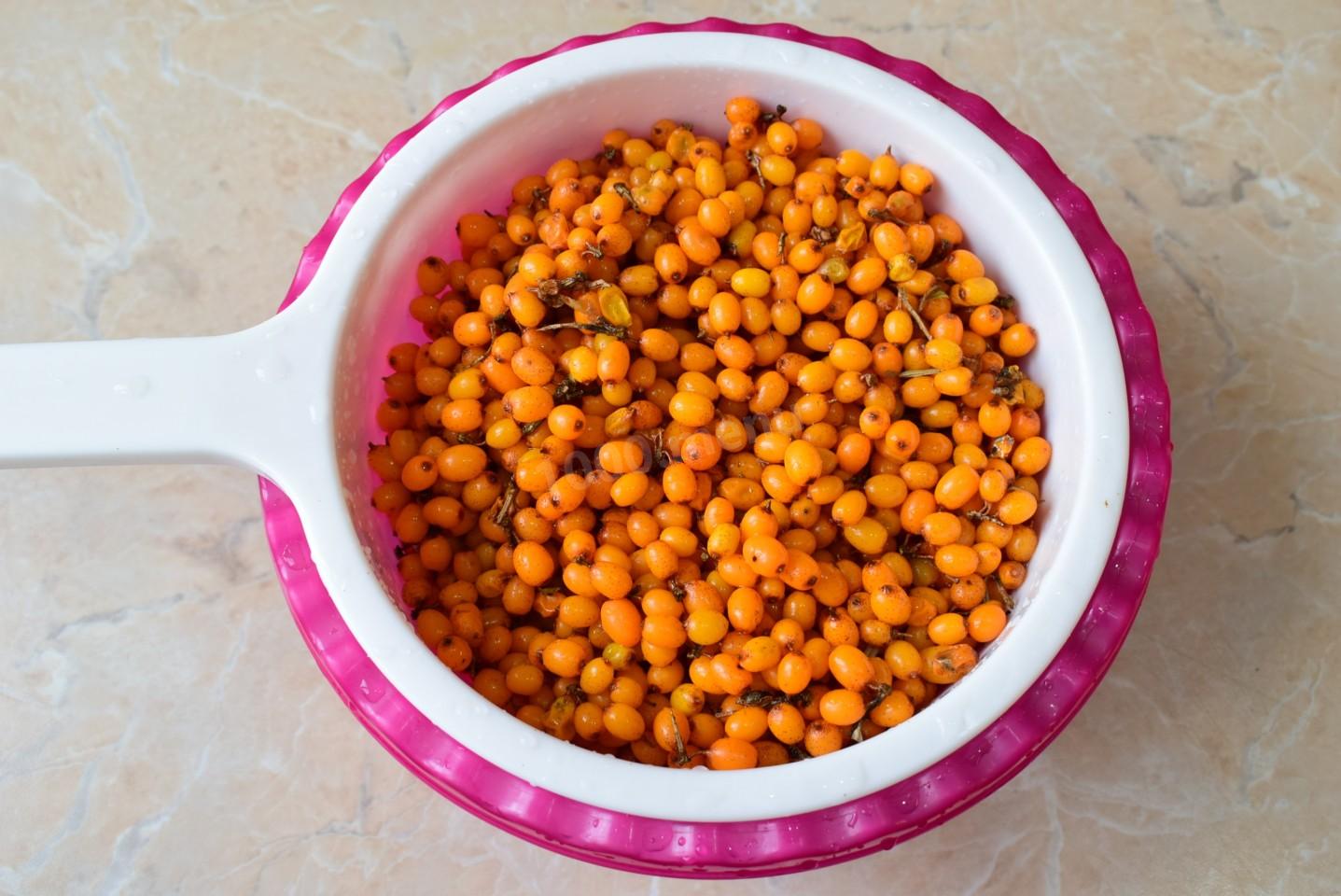
Then rinse the sea buckthorn berries well and tip them into a colander so all the excess water drains off. If a few small twigs remain on some berries, it's fine — everything will be strained later. You can spread the berries out on a towel to dry.
-
Step 3:
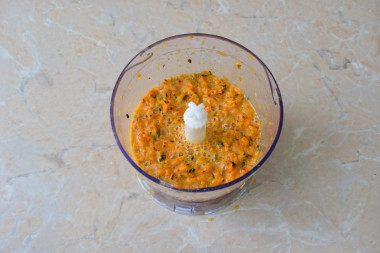
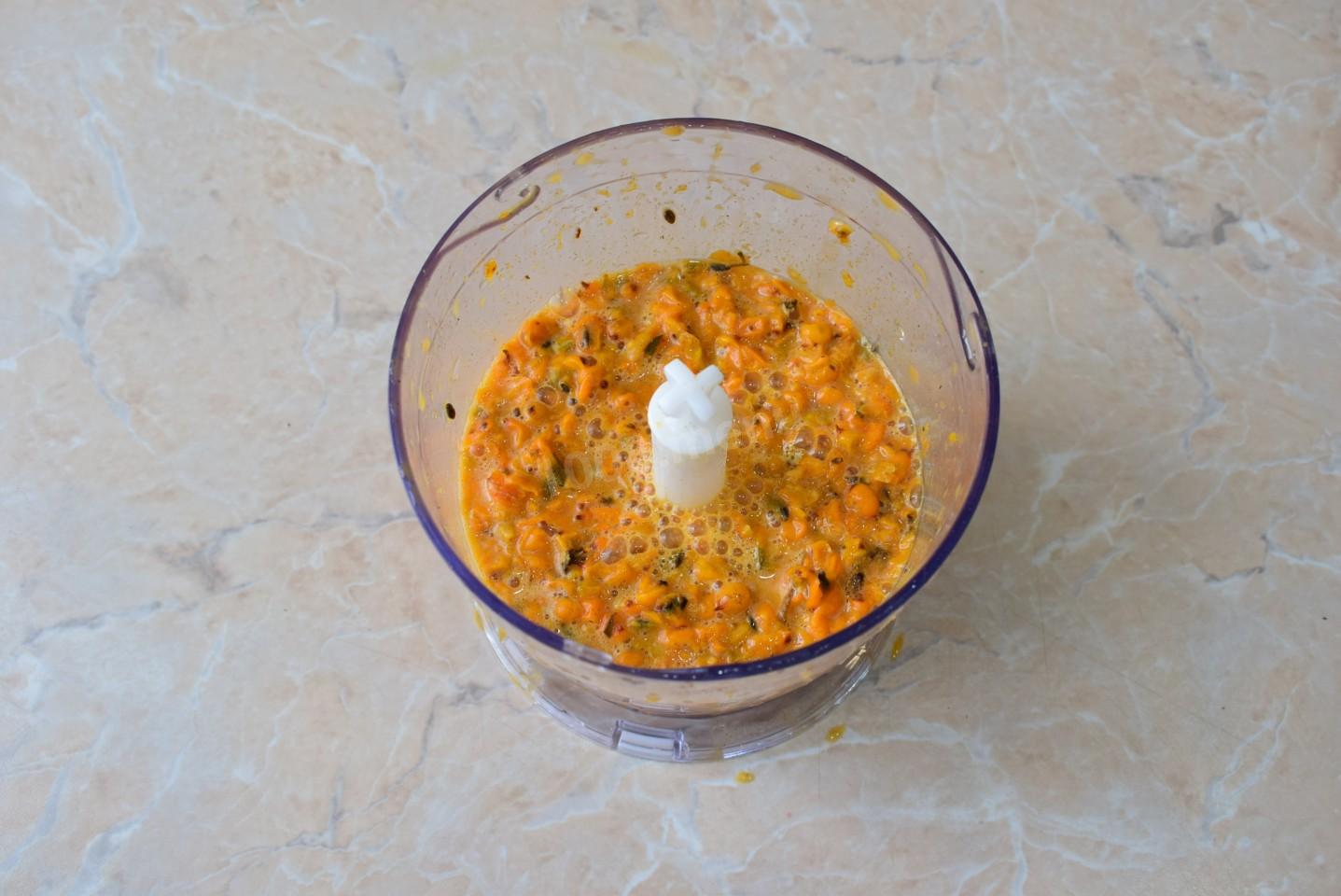
The dry berries need to be crushed. For large batches, a juicer is convenient. For small ones, you can use a chopper, a meat grinder, or an immersion blender. Crush the berries in whatever way is convenient.
-
Step 4:
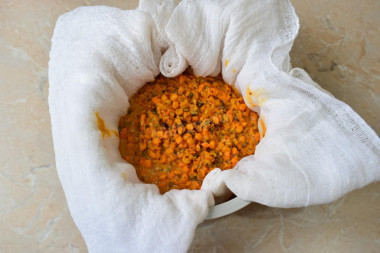
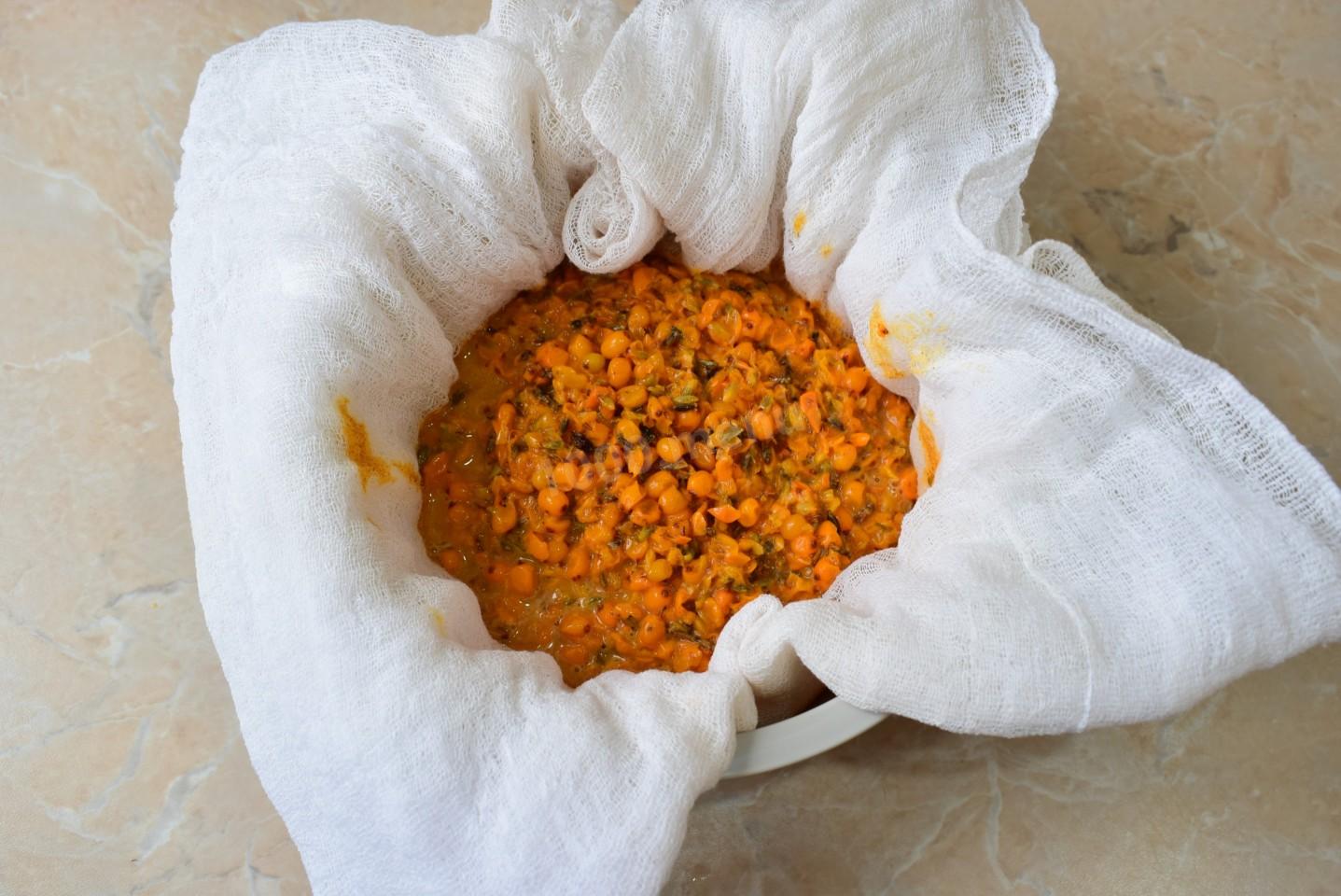
Strain the entire sea buckthorn mass through several layers of cheesecloth. At first the juice will drip out freely; then gather the cheesecloth into a bundle and squeeze it very thoroughly. Let the sea buckthorn pulp pass through the cheesecloth too — the main thing is to keep out the seeds and skins. After thorough pressing, you'll be left with very little pulp residue.
-
Step 5:
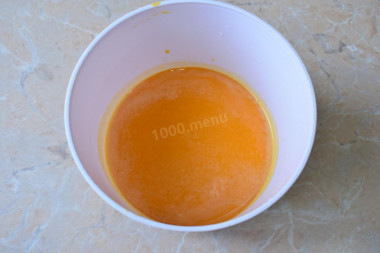
This way you'll squeeze out the maximum amount of juice with pulp.
-
Step 6:
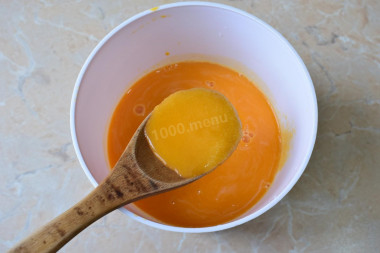
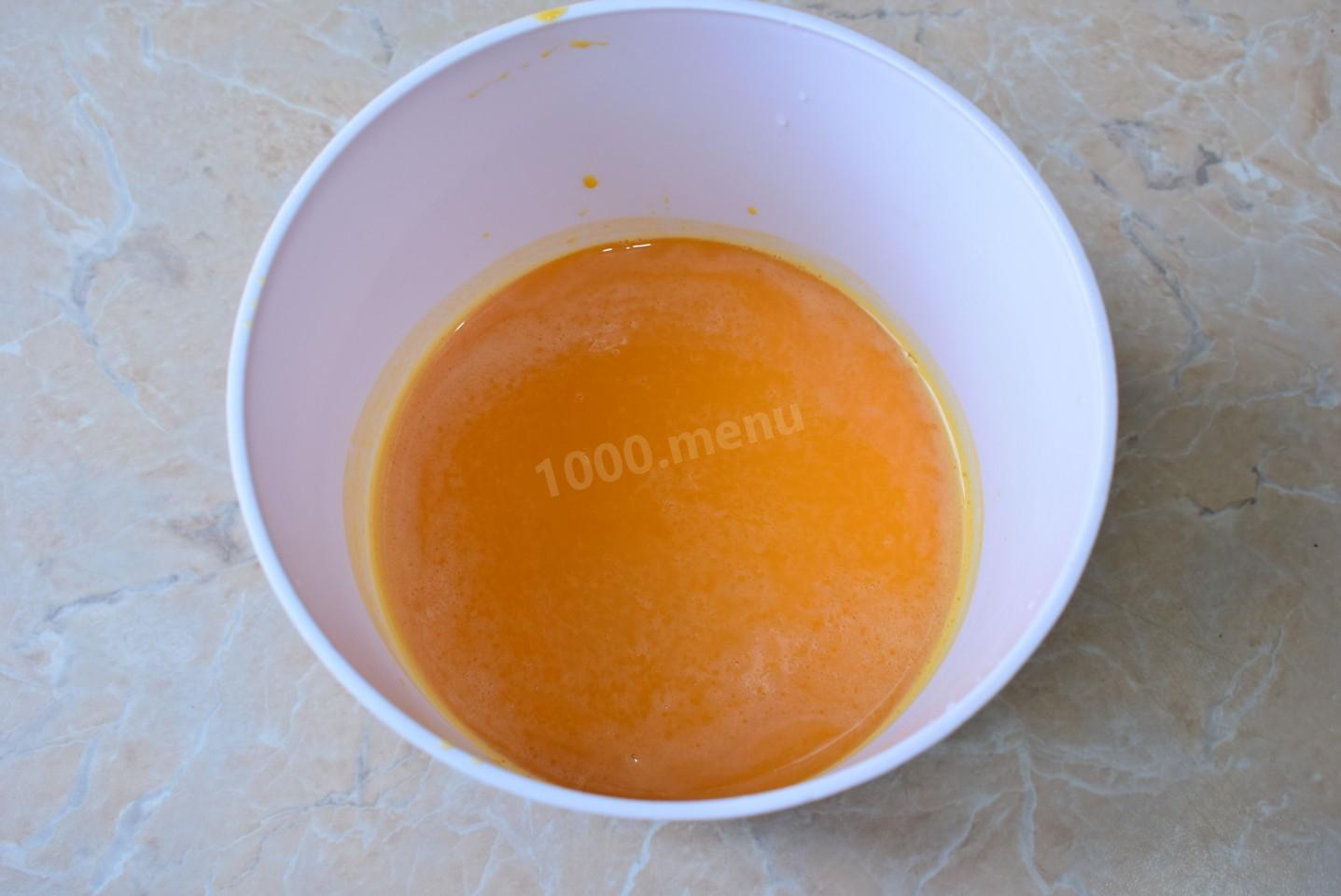
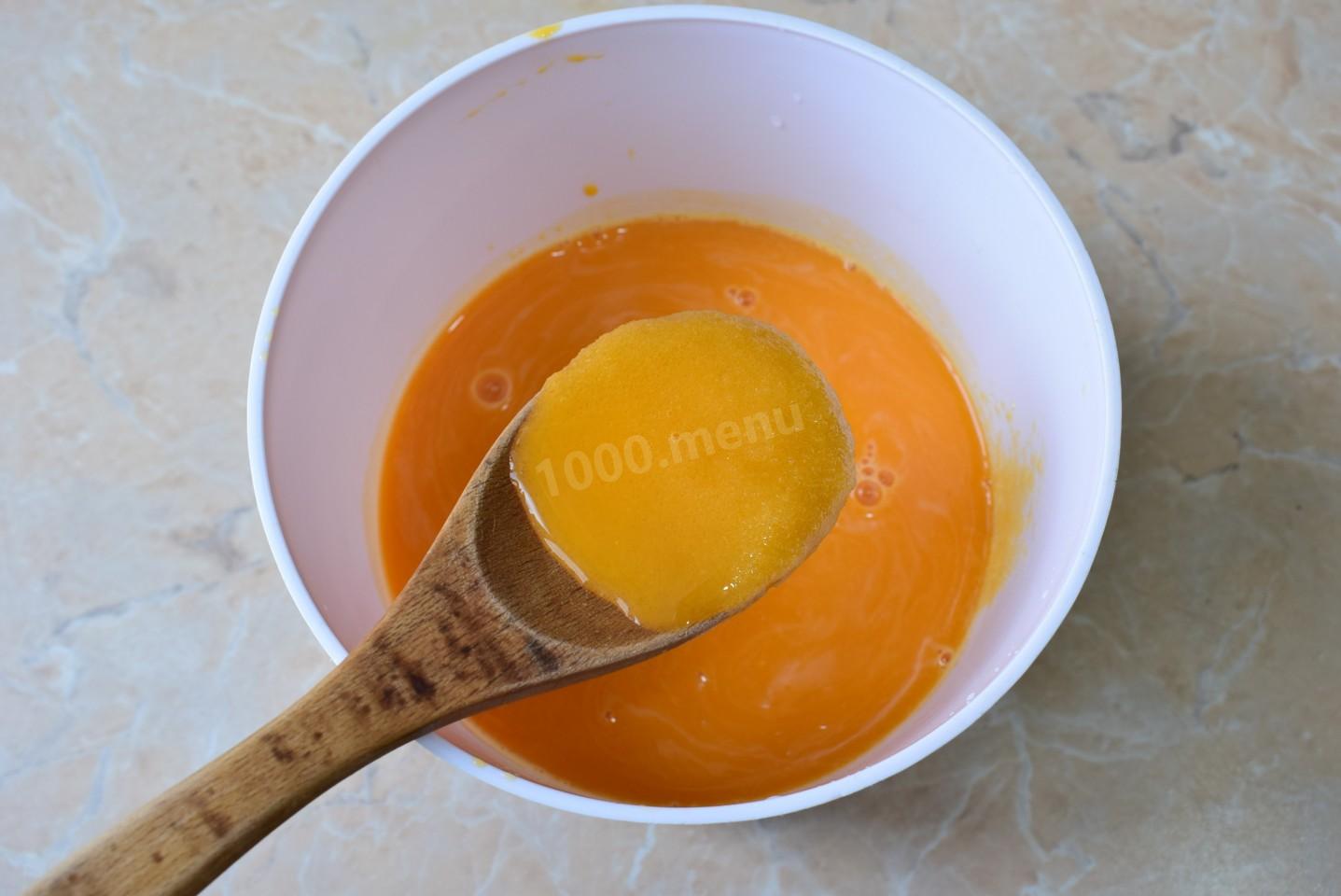
Pour the sugar into the juice and leave it for 5–7 hours, stirring the sweetened juice from time to time. You can adjust the amount of sugar slightly up or down. More sugar takes longer to dissolve but makes a thicker mass. Sea buckthorn contains a natural thickener — pectin — so the mass will thicken on its own.
-
Step 7:
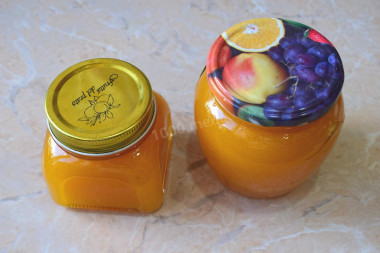
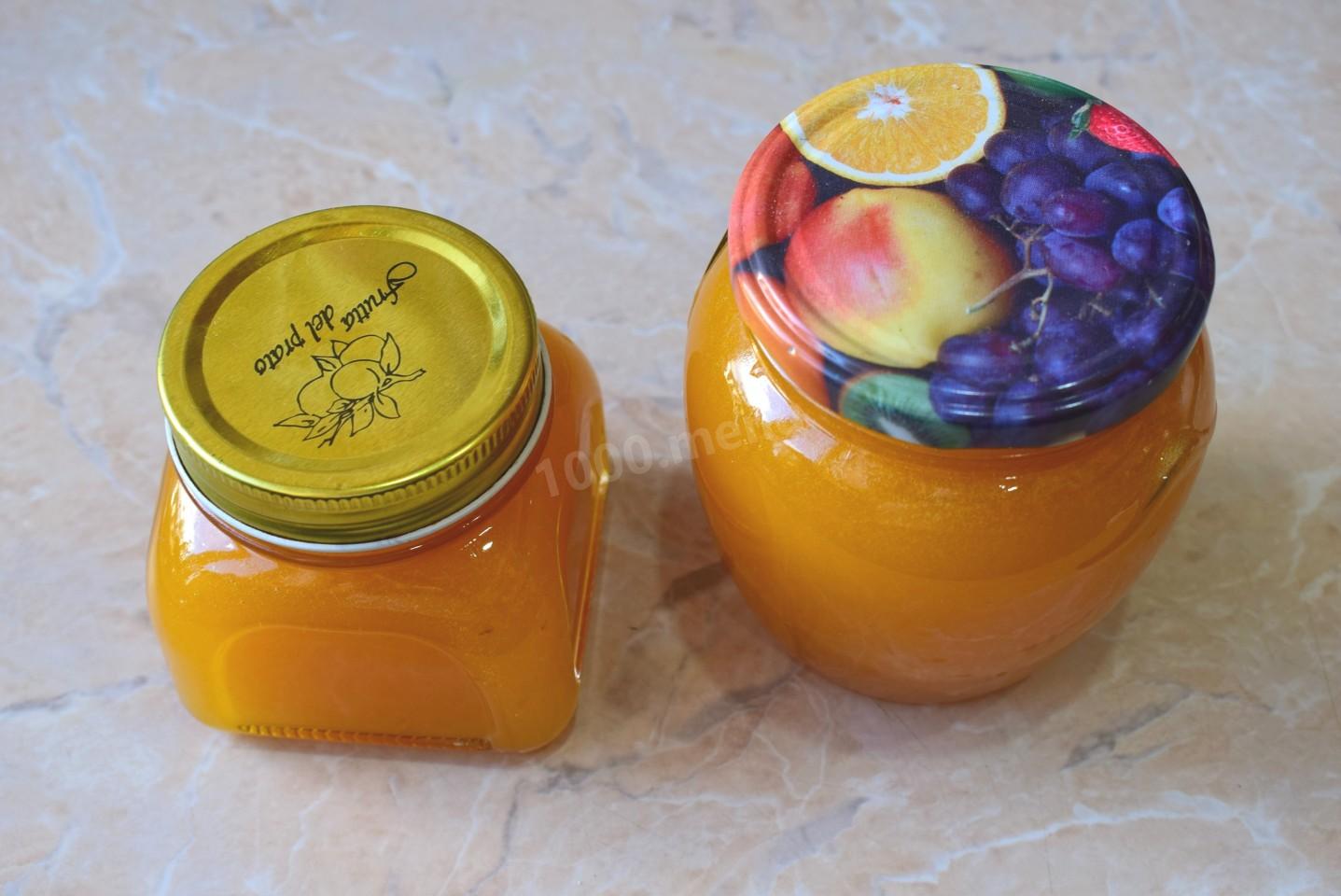
Scald the jars and lids with boiling water. Fill the jars with the sea buckthorn, close the lids, and store in the refrigerator. The finished sea buckthorn jelly will, of course, differ from store-bought jelly made with gelatin — it's more like a soft fruit preserve. But its benefits are undeniable, since the berries haven't been heat-treated and have kept the maximum amount of vitamins. Enjoy your winter treat!
- For how to calculate the number of jars, why jars burst and how to prevent it, plus tips and tricks, see the article on winter preserves.
Caloric content of the products possible in the composition of the dish
- Granulated sugar - 398 kcal/100g
- Sugar - 398 kcal/100g
- Sea buckthorn - 52 kcal/100g