Crispy Flour-Dredged Pan-Fried Fish
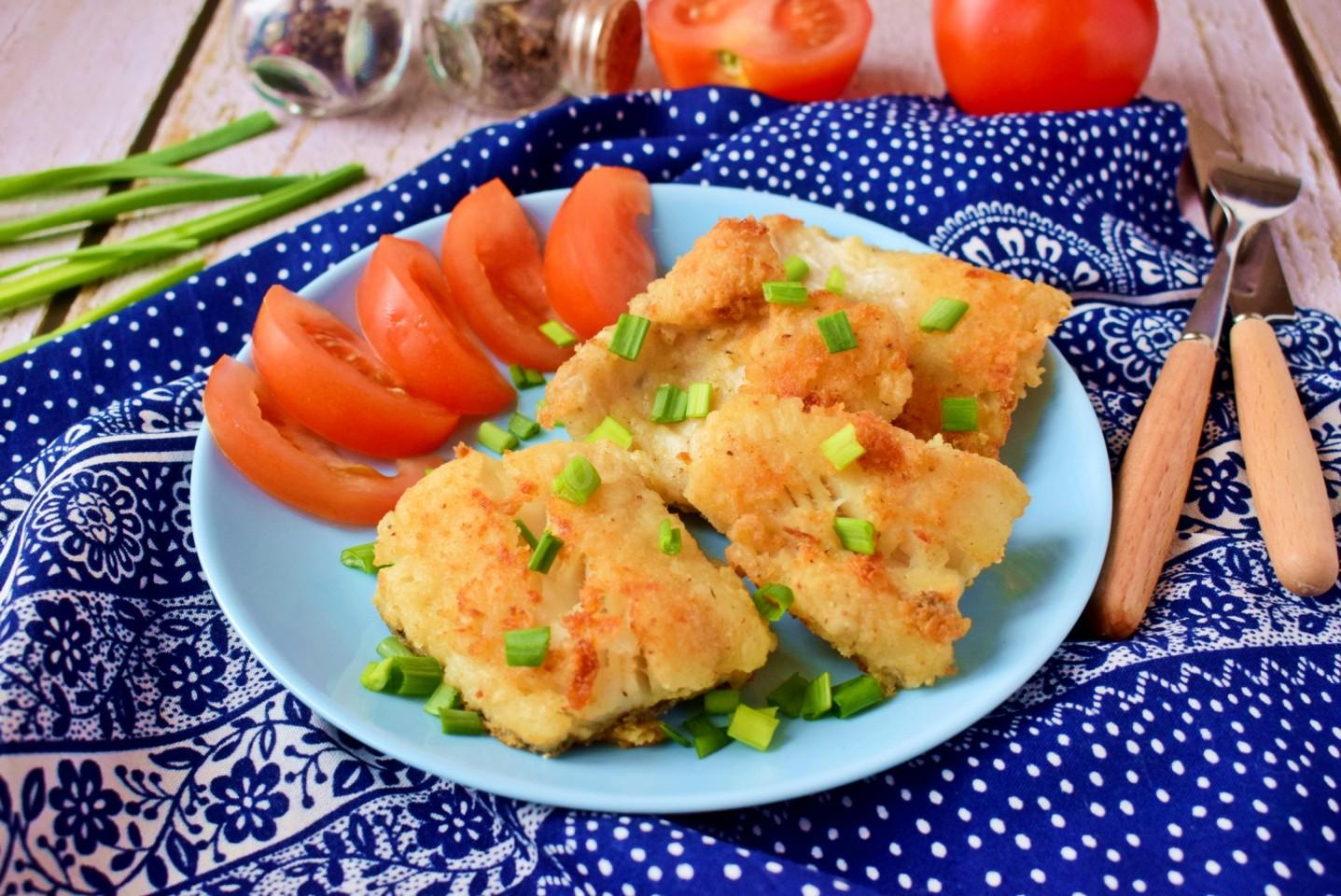
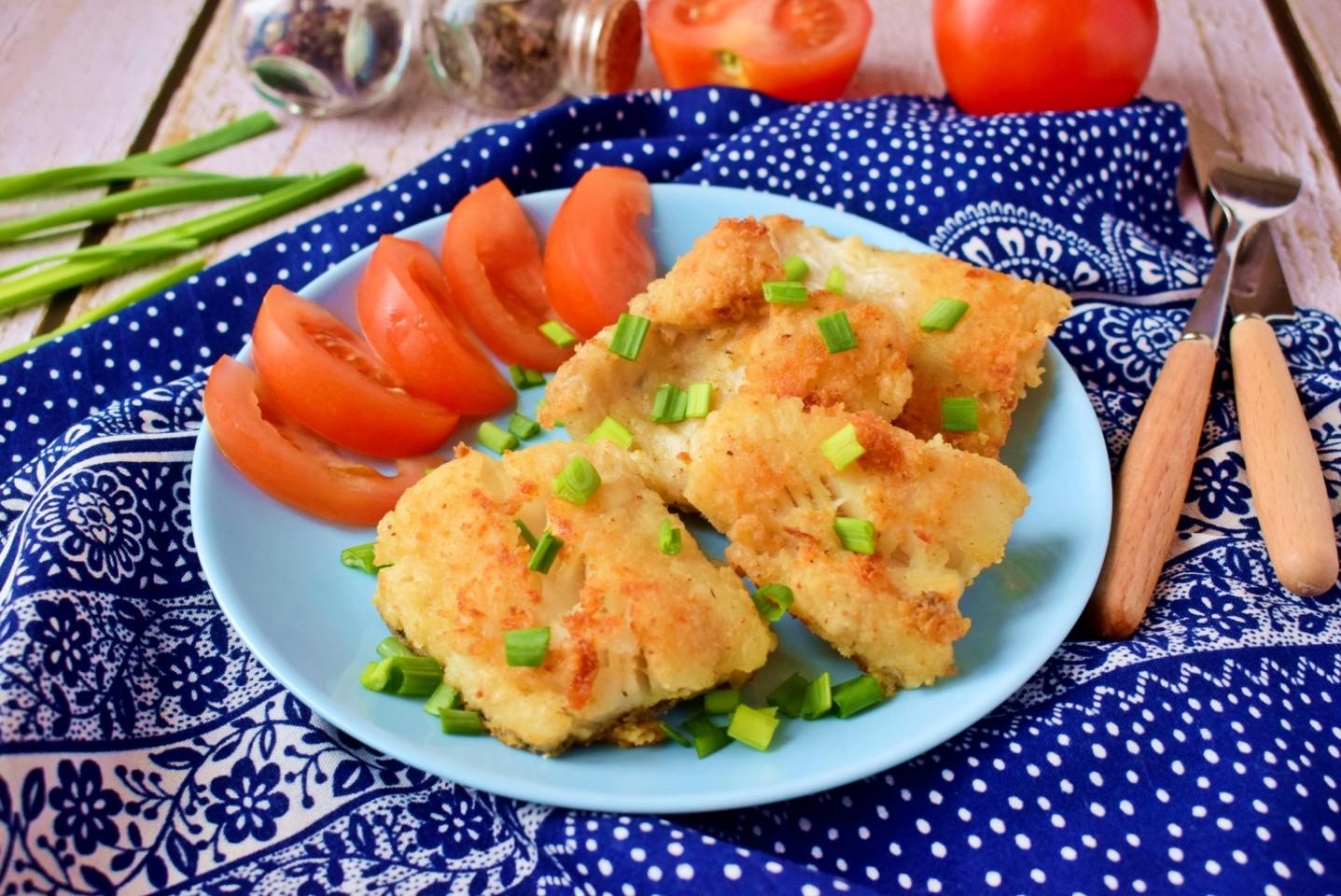
Super simple and fast, with a crispy crust. Flour-dredged pan-fried fish is great for both weeknights and special occasions. Fish is an essential source of protein, and while there are all kinds of ways to cook it, frying is the easiest.

Cooking method
-
Step 1:
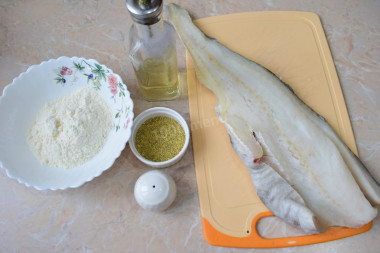
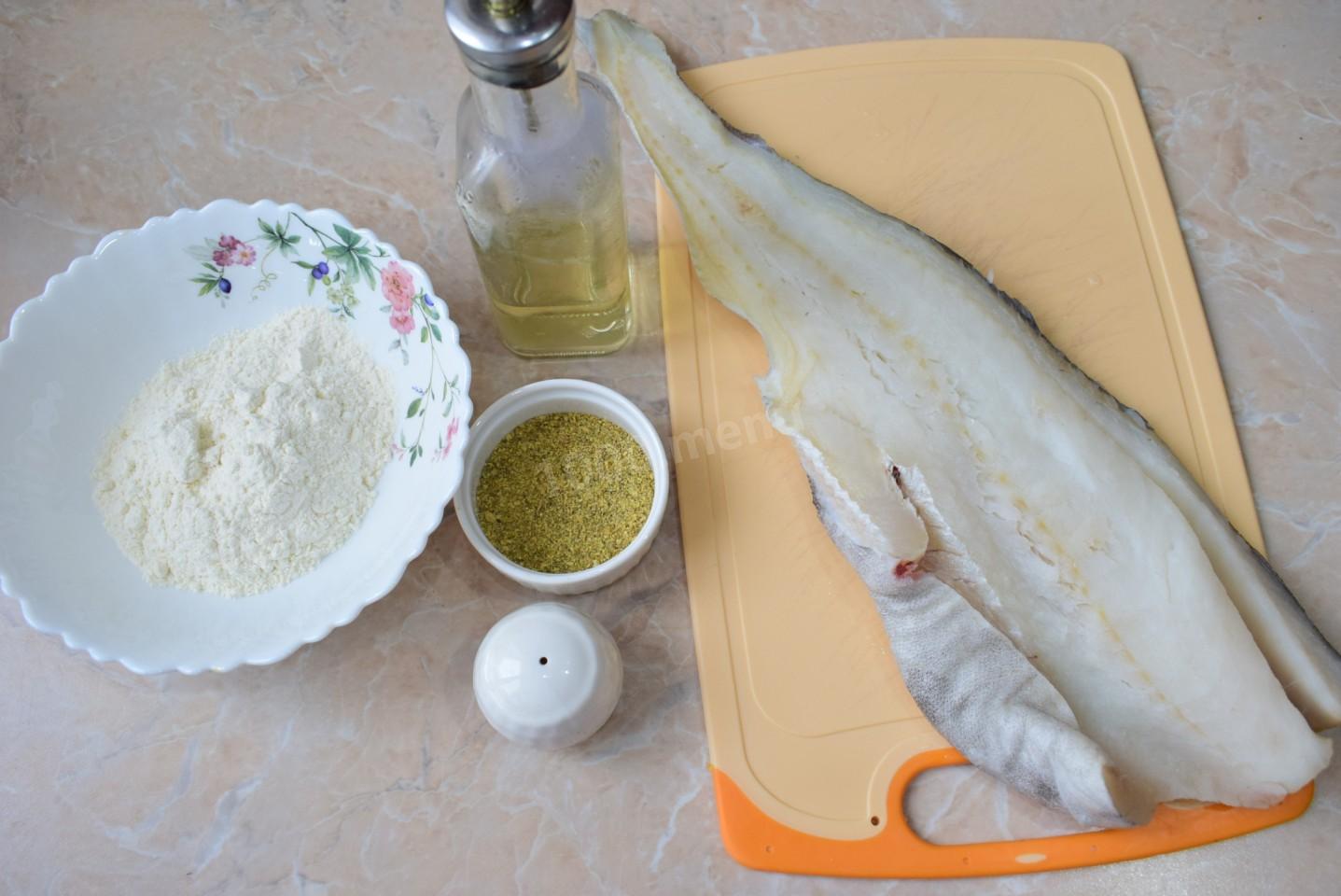
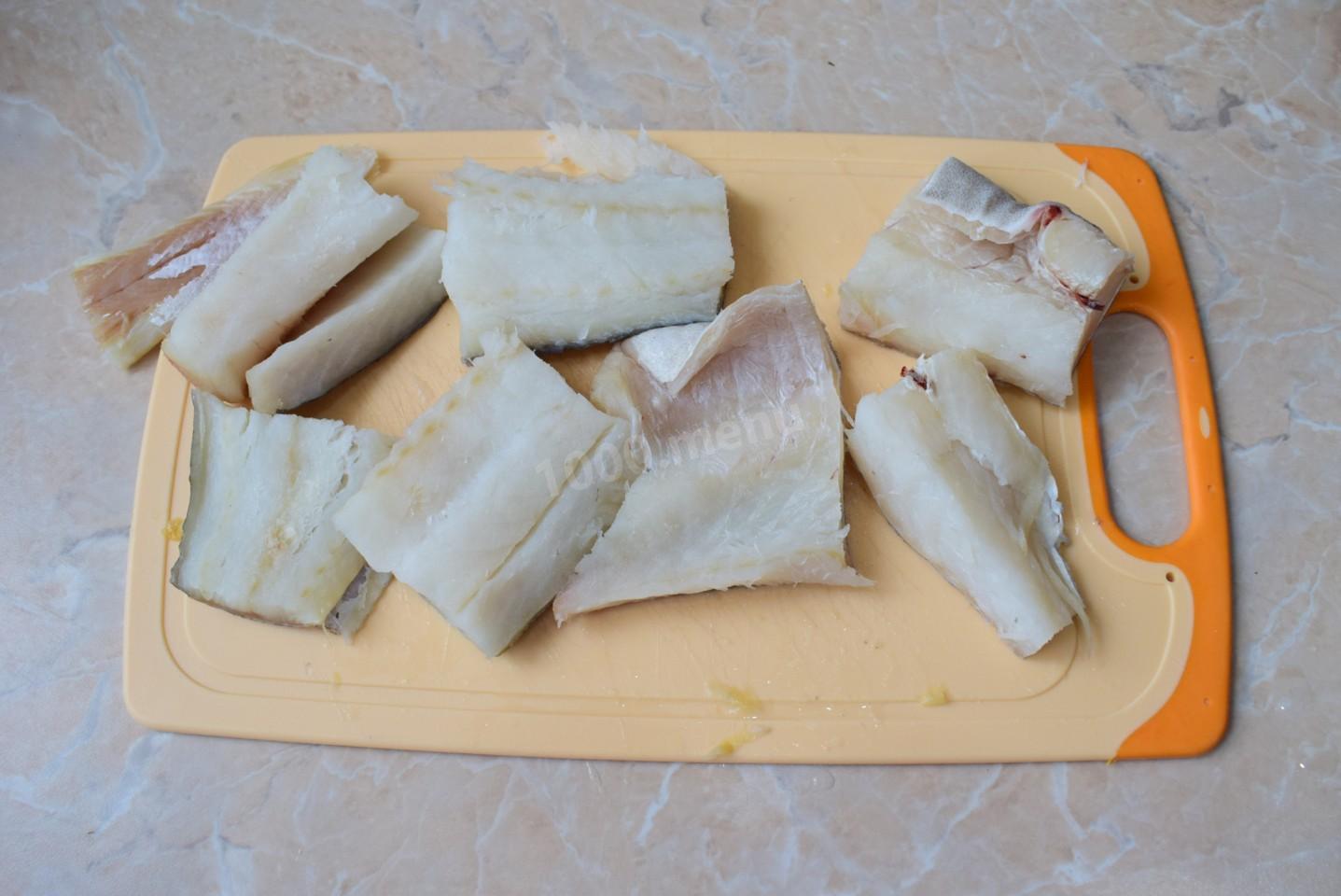
How do you pan-fry fish in flour? Gather your ingredients. Use any fish that's easy to find at the store — I'm frying cod. Clean and gut the fish and rinse it well under running water.
-
Step 2:
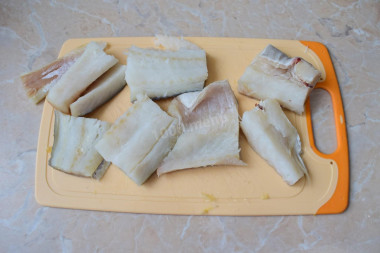
The fish should be dry. Blot it with paper towels and cut it into serving pieces. You can cut it into steaks, or remove the backbone and use fillets. I'm frying fillets — it's so nice when there are no bones.
-
Step 3:
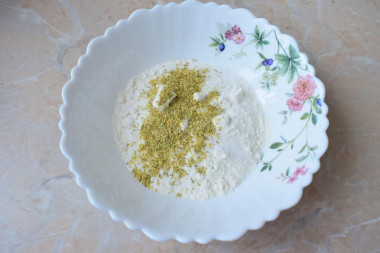
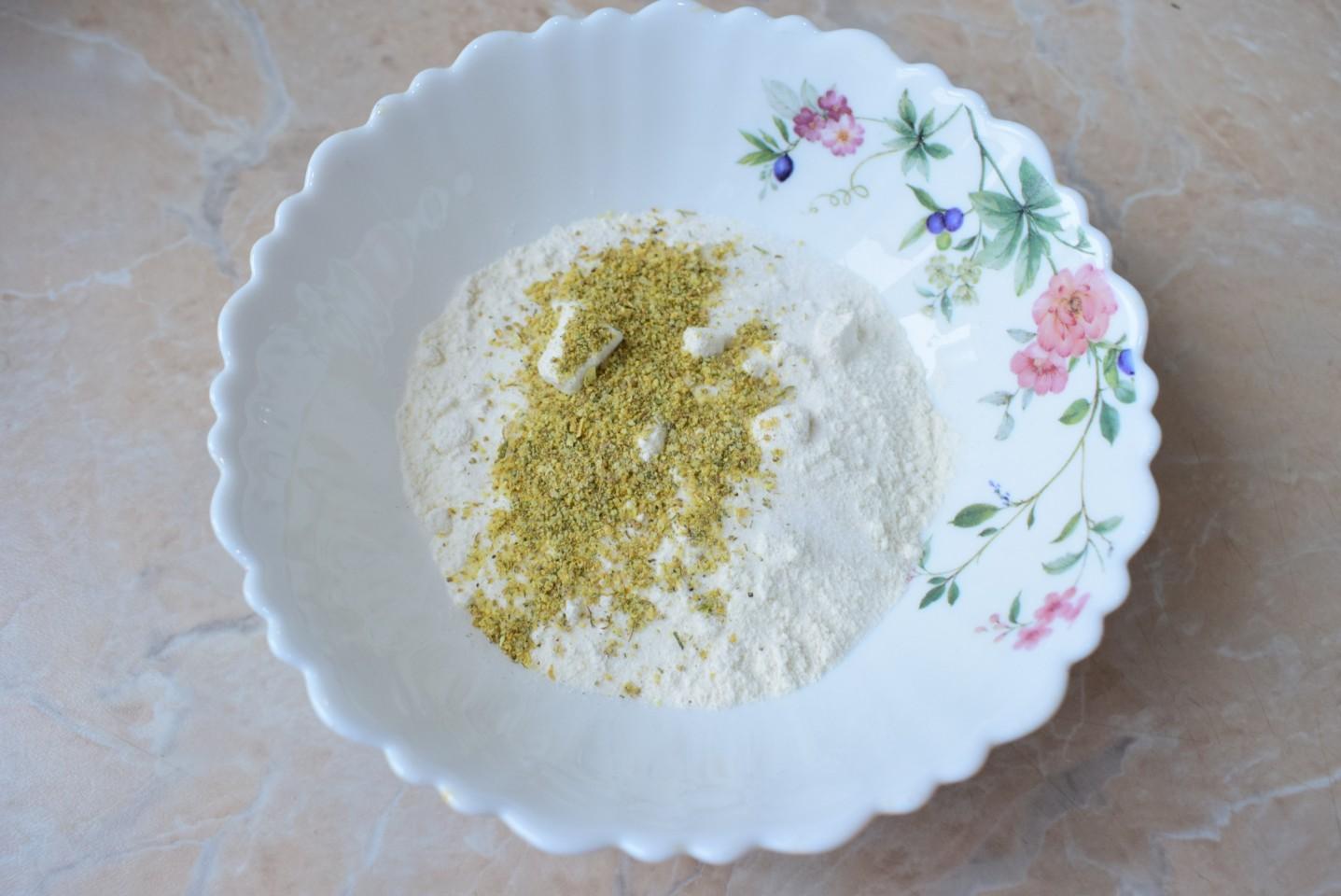
In a separate bowl, mix the flour with salt and spices — a ready-made seafood seasoning blend works well. Stir everything together.
-
Step 4:
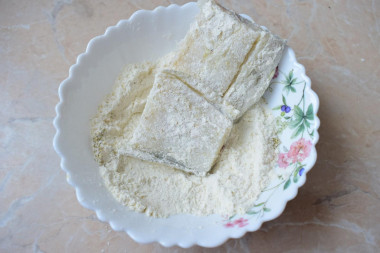
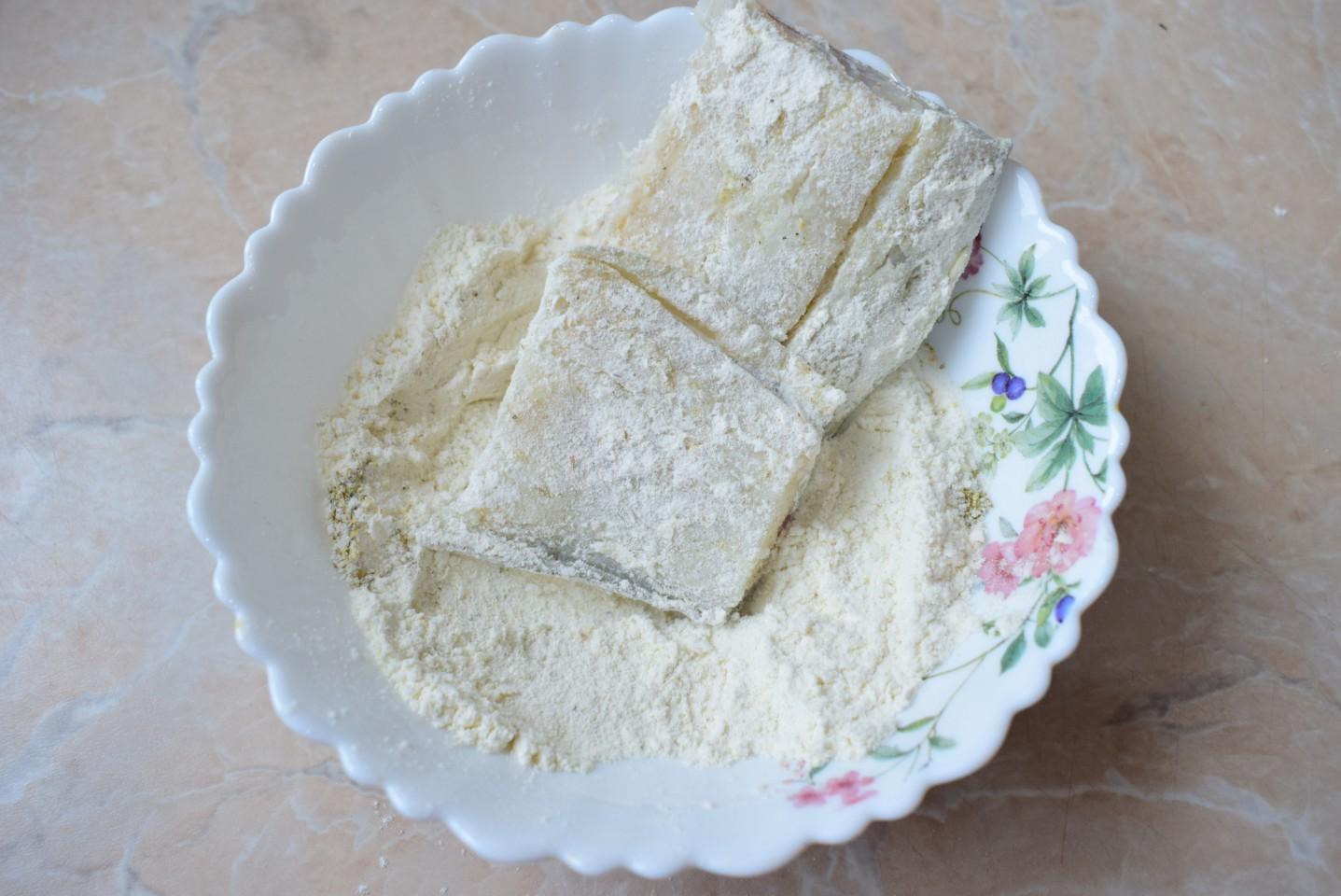
Dredge each piece of fish thoroughly in the flour mixture until it's fully coated. This flour coating keeps the fish from sticking to the pan and gives it an appetizing, crispy crust.
-
Step 5:
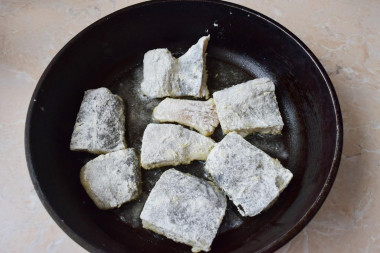
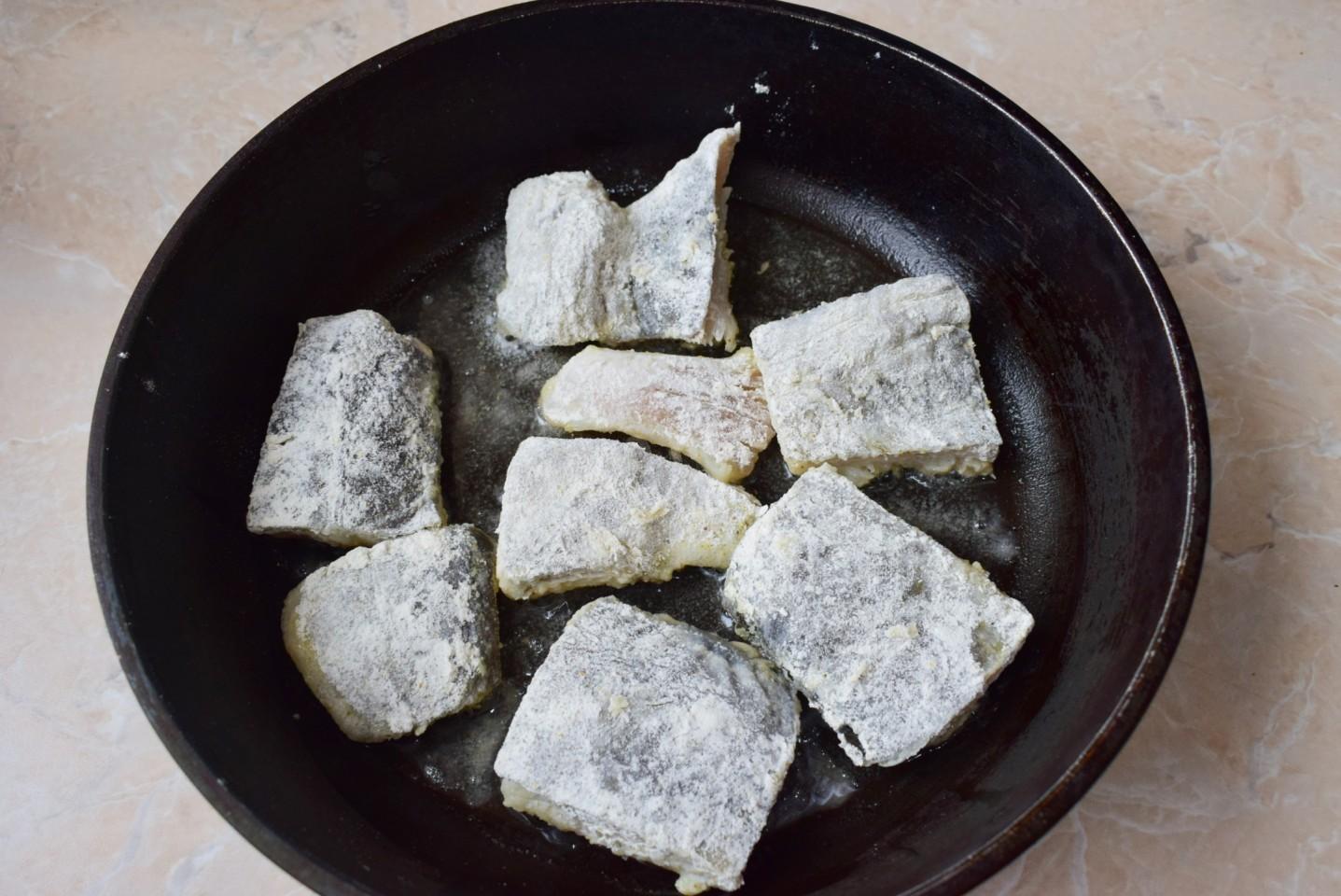
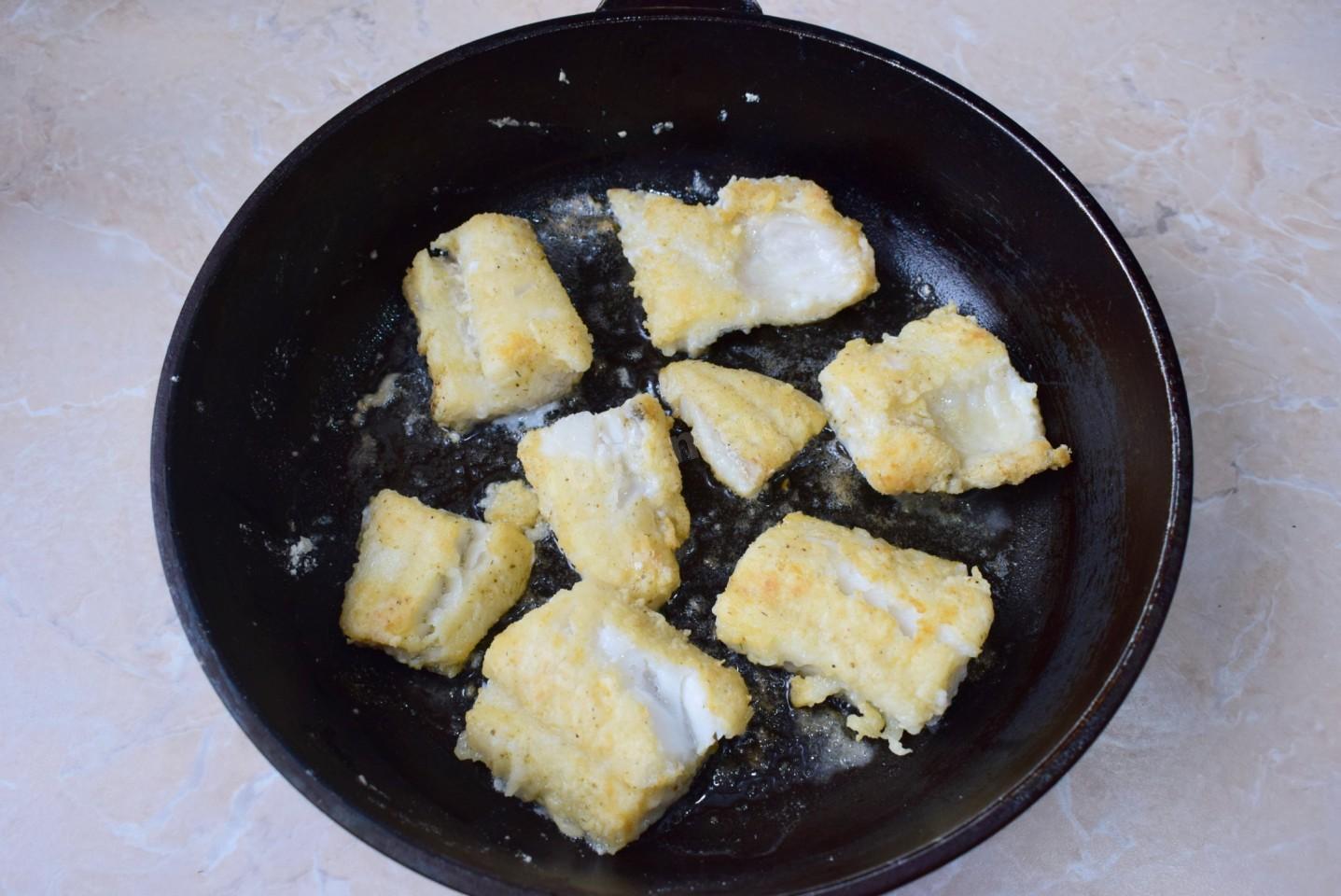
Use a wide skillet. With too little oil, the fish won't fry properly. Heat the pan well, but not so hot that the oil smokes — watch for that! If it isn't hot enough, the fish can stick. Lay in the flour-dredged pieces, spacing them apart so they aren't touching.
-
Step 6:
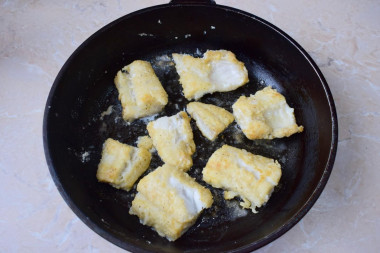
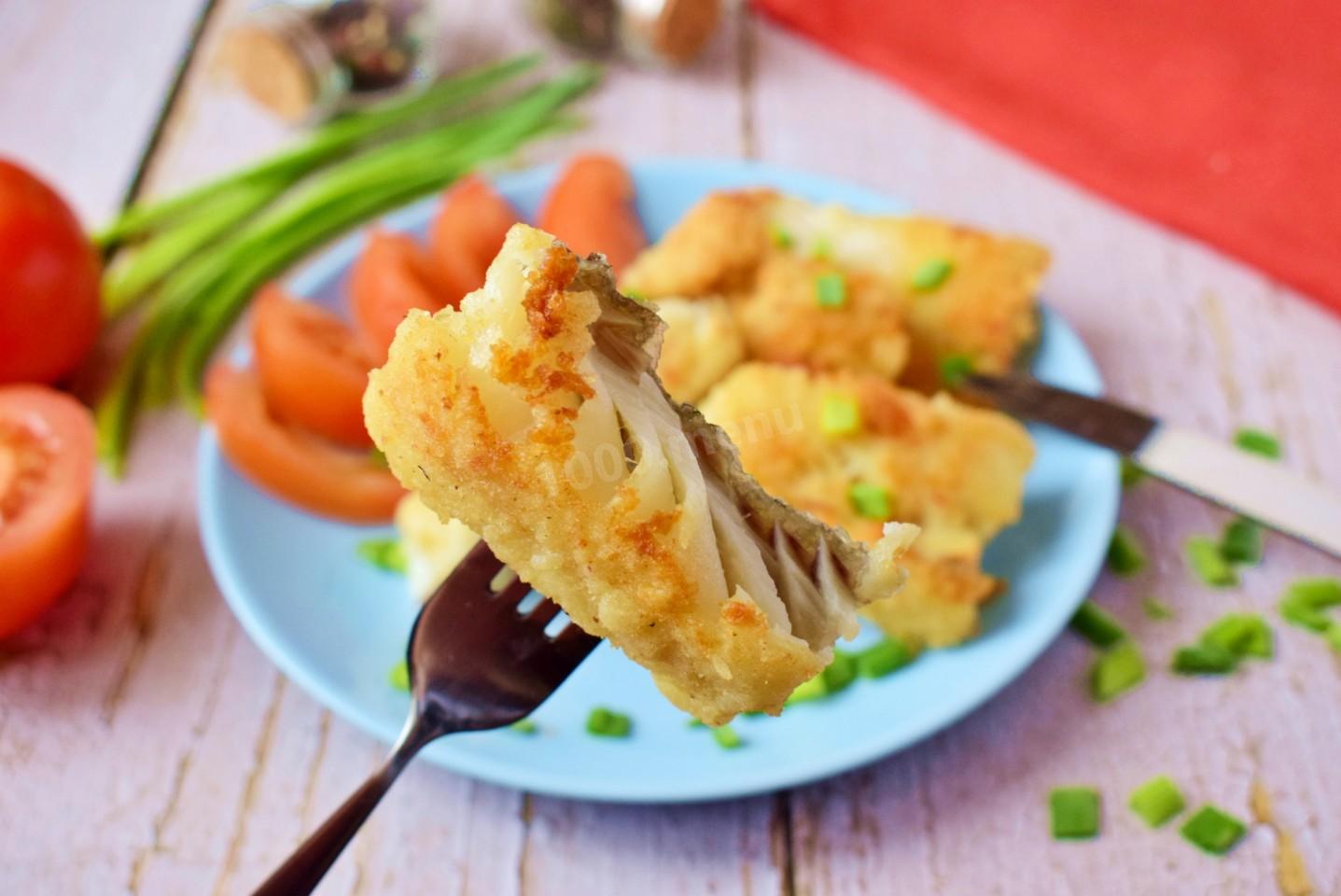
Fry the fish over high heat for 2 to 3 minutes per side (depending on thickness). The second side fries faster than the first. The high heat sets a crust right away, so the juices stay sealed inside and the fish comes out moist.
-
Step 7:
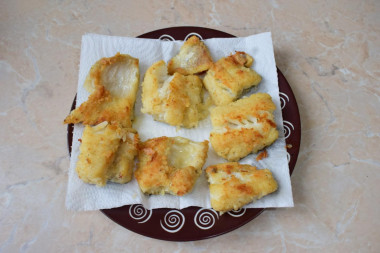
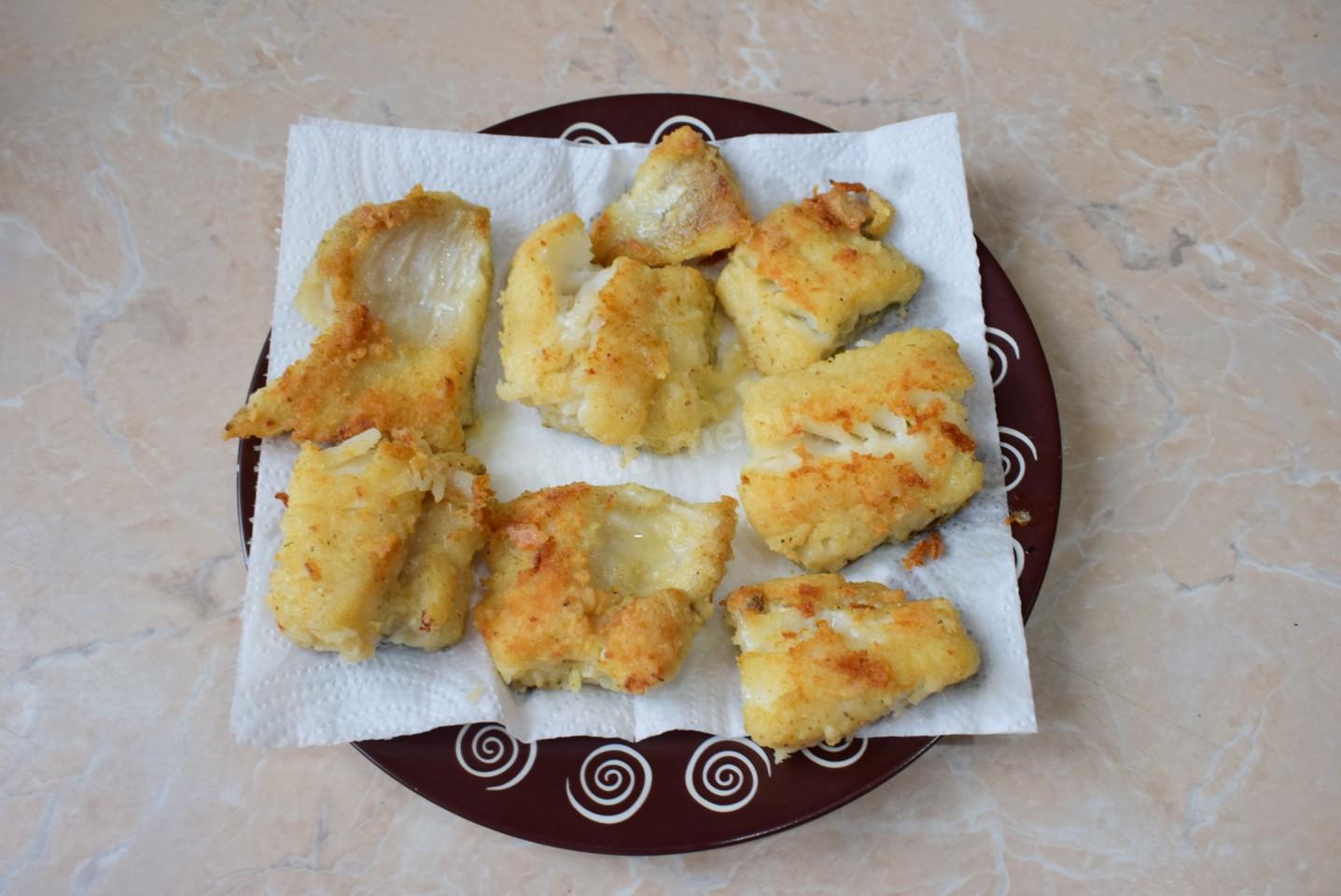
Set the golden, finished fish on a paper towel to blot off the excess oil.
-
Step 8:
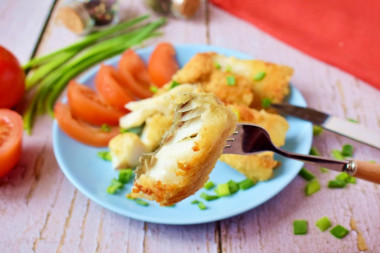
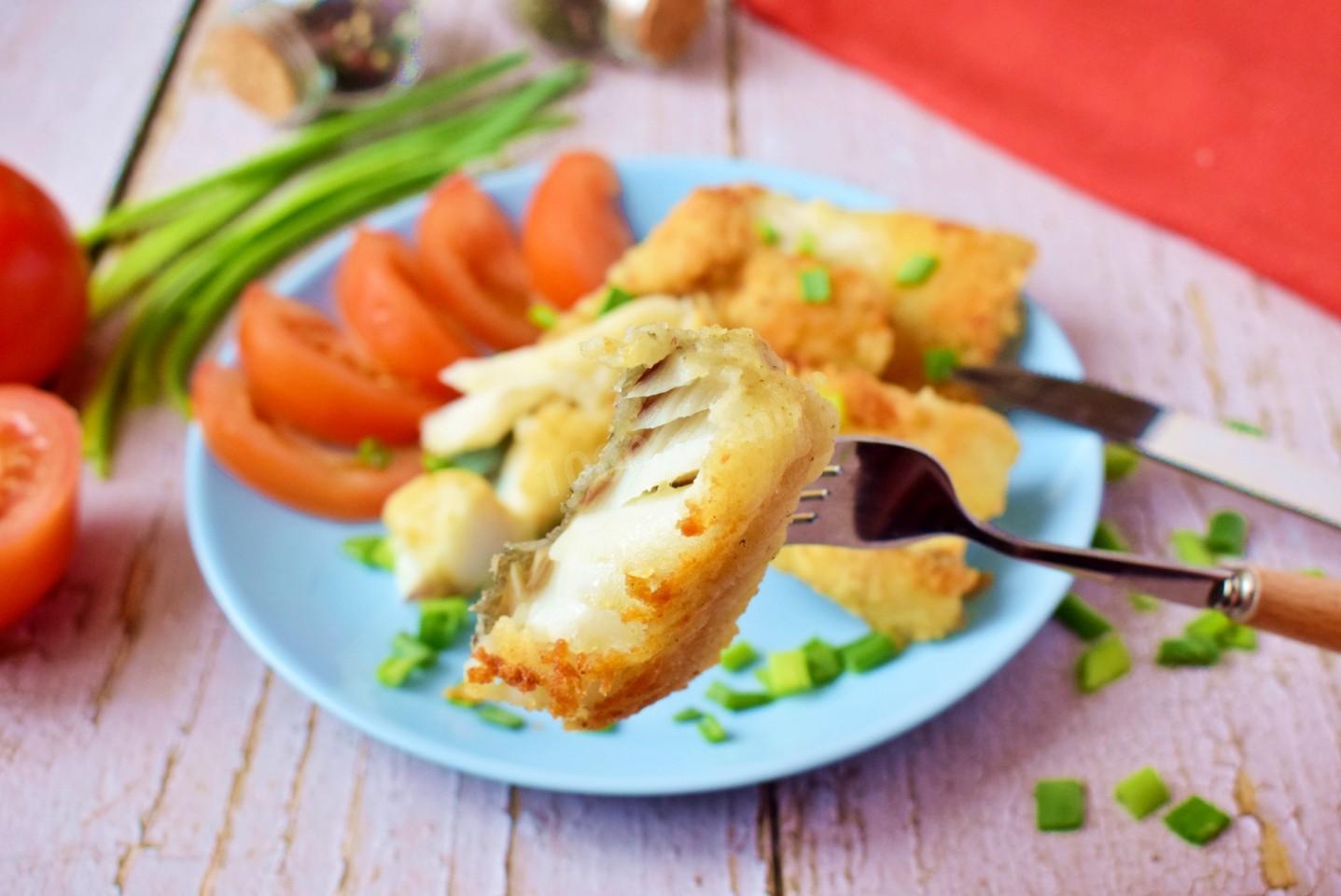
The tasty fish is ready! Serve it with a potato side or fresh vegetables. Enjoy!
- Never thaw fish all the way if you're going to cut it up! It's best to let it thaw only partway on the bottom shelf of the fridge. Then everything — cutting it into steaks or large pieces, or filleting it — goes smoothly. Fully thawed fish can turn into a shapeless mush when you try to cut it.
- Here's an easy way to tell whether the oil is hot enough: dip a wooden spatula into it. If bubbles gather around it, you're ready to start frying.
- Use an oil with a high smoke point for frying. Any oil is only good up to a certain temperature — its smoke point — beyond which it starts to burn and forms harmful compounds. Unrefined oils, with rare exceptions, have a low smoke point; they're full of unfiltered particles that scorch quickly. Refined oils stand up to heat better and have a higher smoke point. If you're cooking in the oven, in a skillet, or on the grill, use an oil with a high smoke point. The most common ones are refined sunflower, olive, and grapeseed oils.
Caloric content of the products possible in the composition of the dish
- Whole durum wheat flour fortified - 333 kcal/100g
- Whole durum wheat flour, universal - 364 kcal/100g
- Flour krupchatka - 348 kcal/100g
- Flour - 325 kcal/100g
- Vegetable oil - 873 kcal/100g
- Salt - 0 kcal/100g
- Spices dry - 240 kcal/100g
Similar recipes
- Fast and tasty
- Homemade dinner
- Fish and seafood
- Flour
- Spices seasonings spices
- Fats and oils
- Salt
- Dry spices
- Vegetable oil
- Frying
- Simple dinner
- Inexpensive dinner
- The second is fast and delicious
- Dishes in 30 minutes
- Fish second course
- Simple quick dinner
- Inexpensive budget dinner
- No eggs
- Recipes for lean dishes without butter