Flour-Dredged Pan-Fried Tilapia
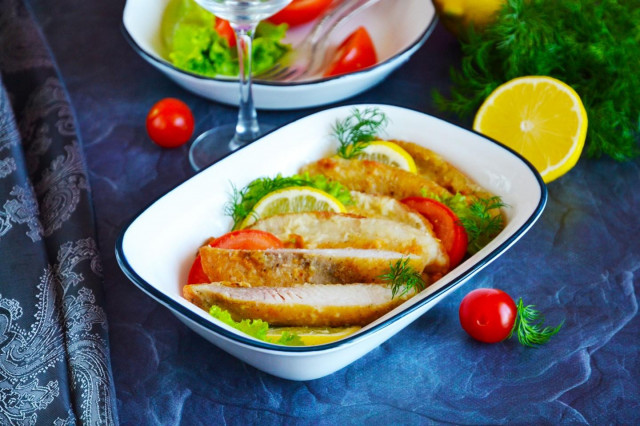
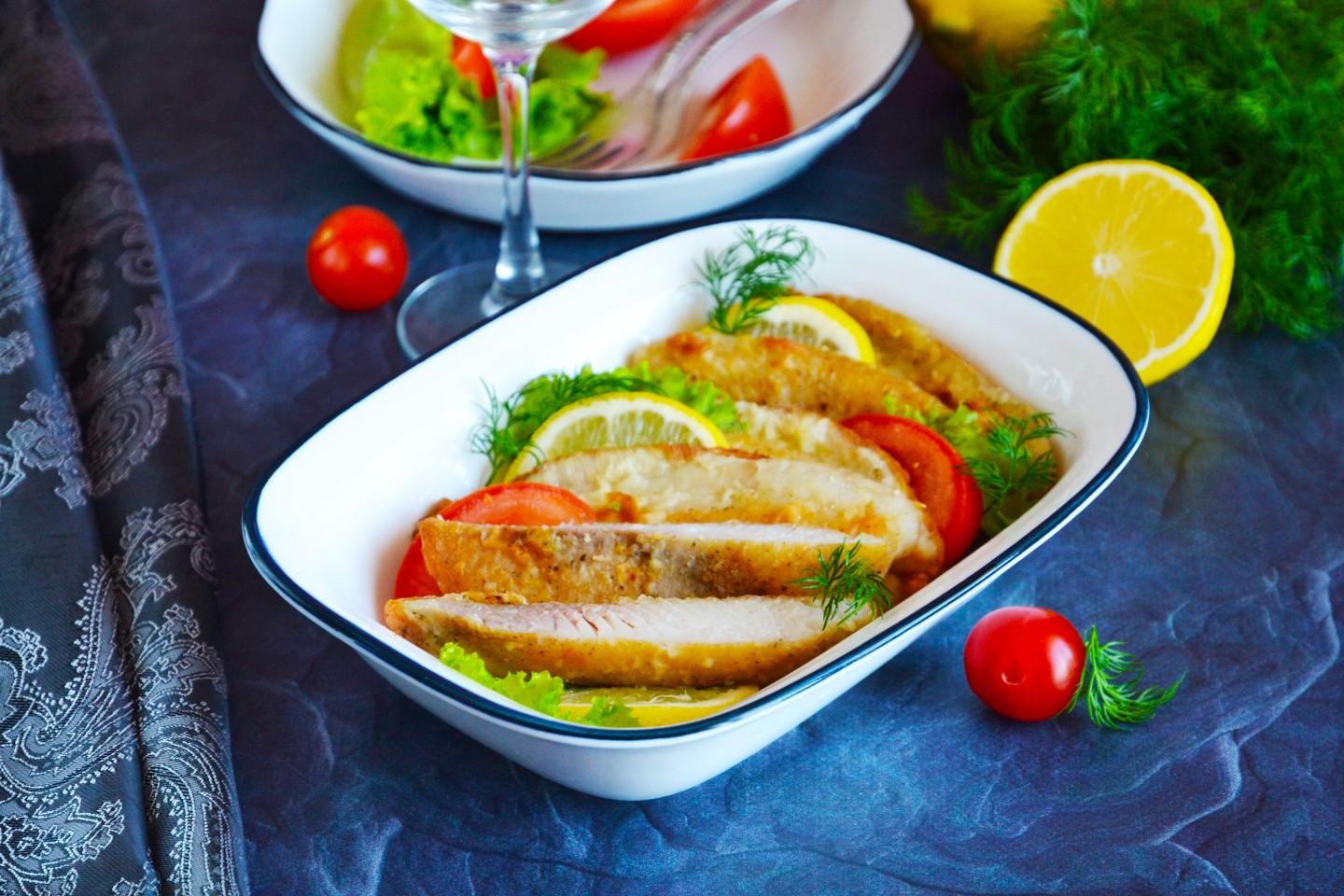
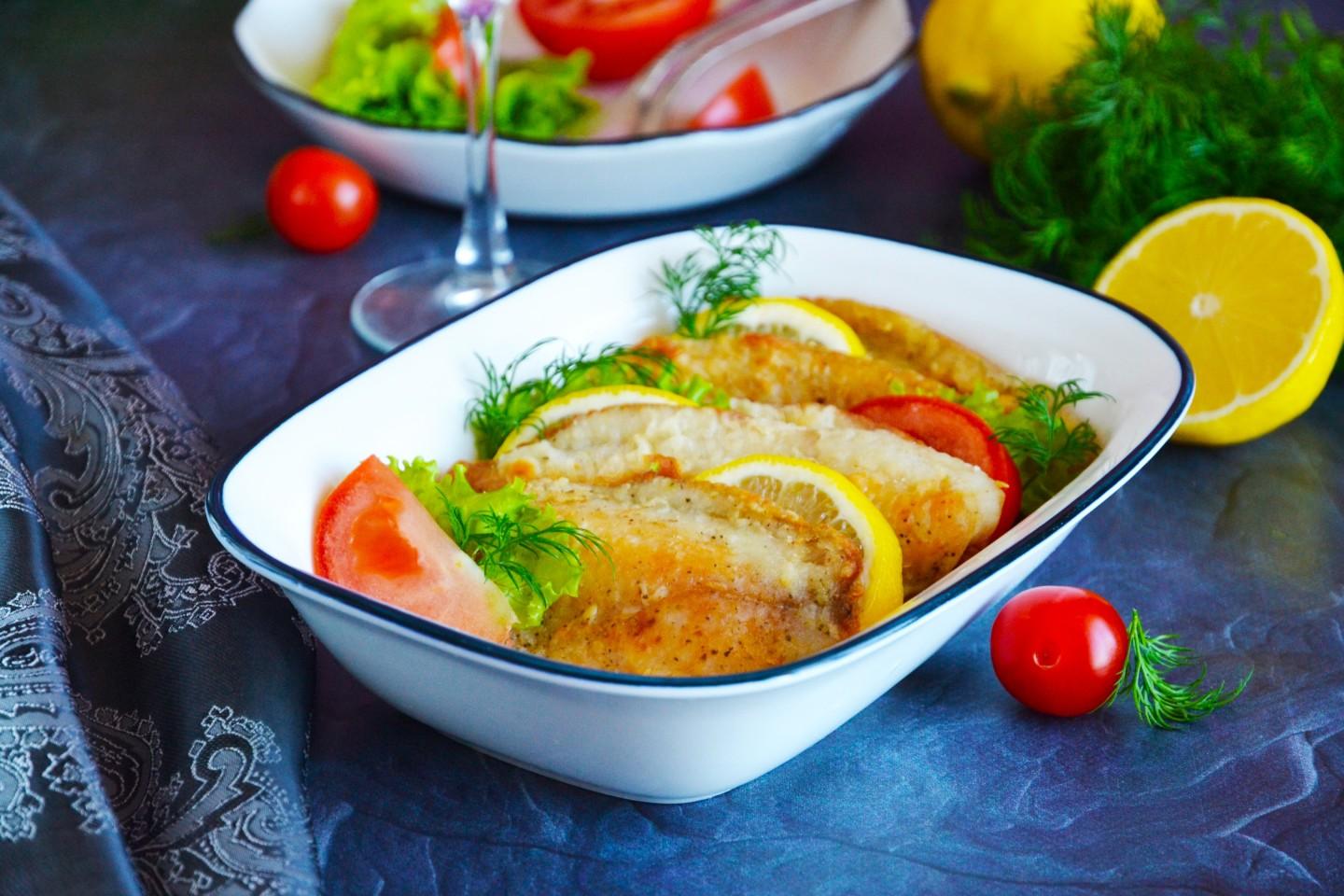
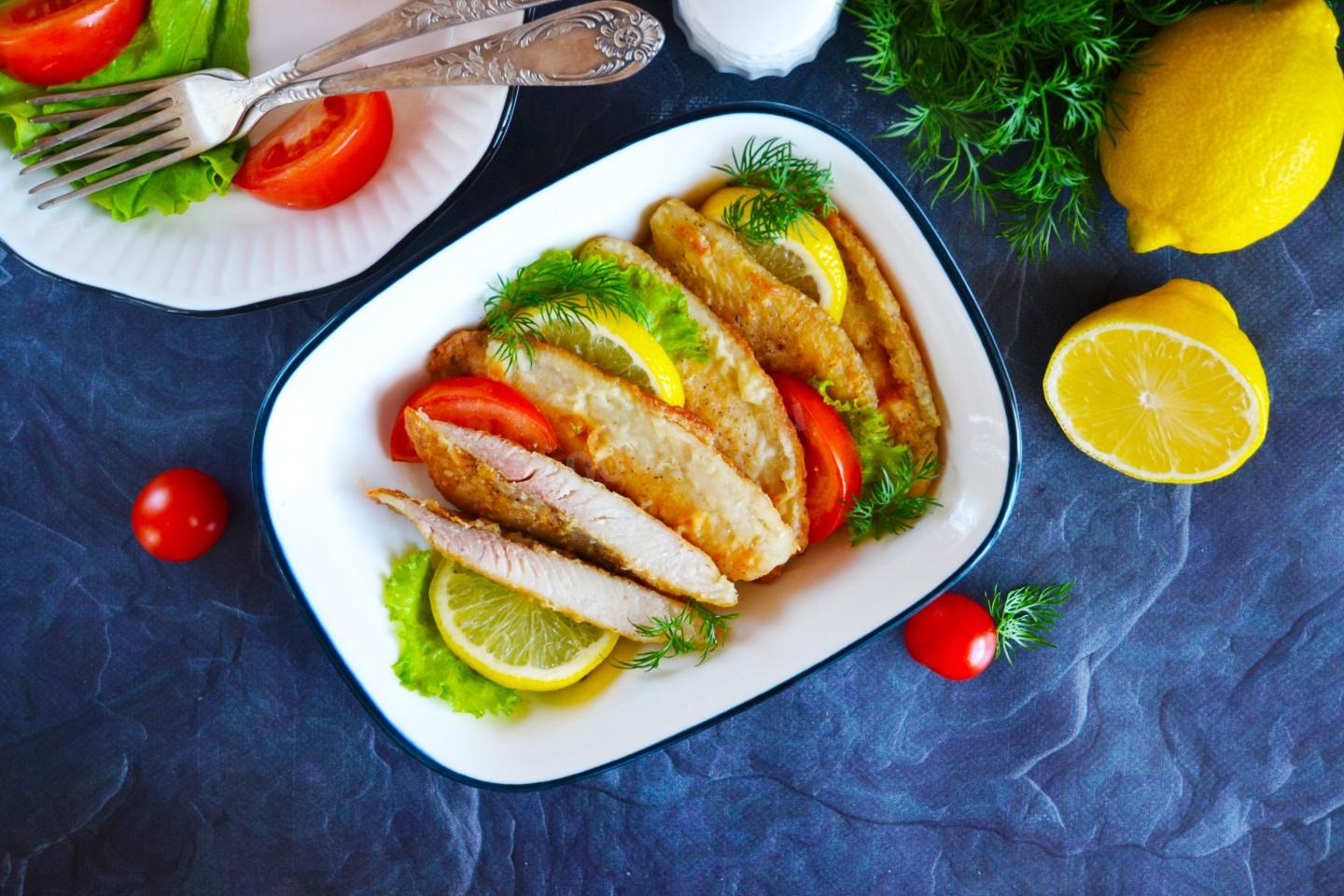
Quick, super tasty, and super simple — perfect for dinner! You can make flour-dredged pan-fried tilapia in 20 minutes. The fish comes out incredibly tender, soft, and fragrant! Add different spices, serve it with sauces or fresh vegetables — it's ridiculously good!

Cooking method
-
Step 1:
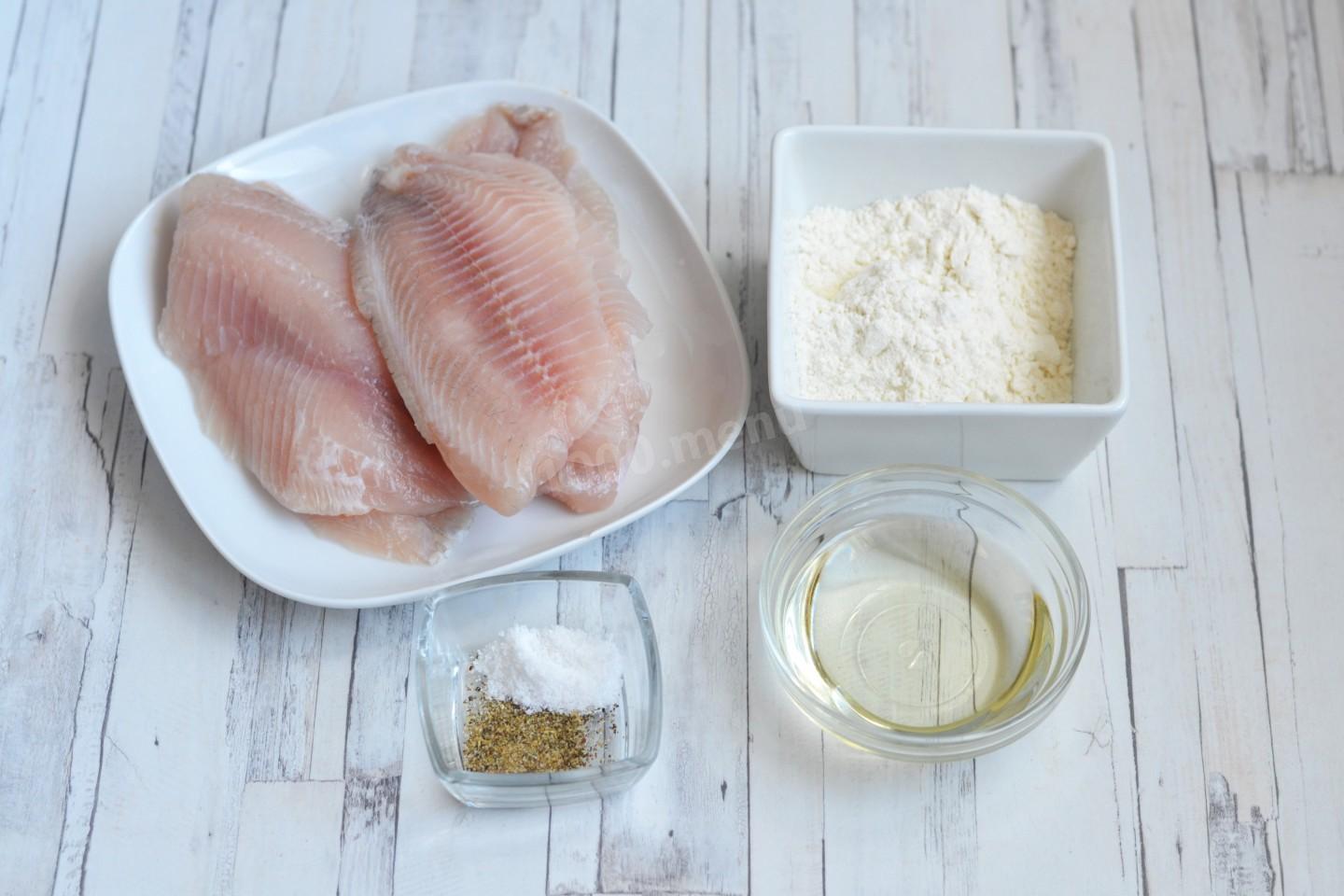
How do you pan-fry flour-dredged tilapia? Nothing could be easier — even a beginner can pull this off. Gather your ingredients from the list. For frying the fish, use refined sunflower oil or an olive oil made for frying.
-
Step 2:
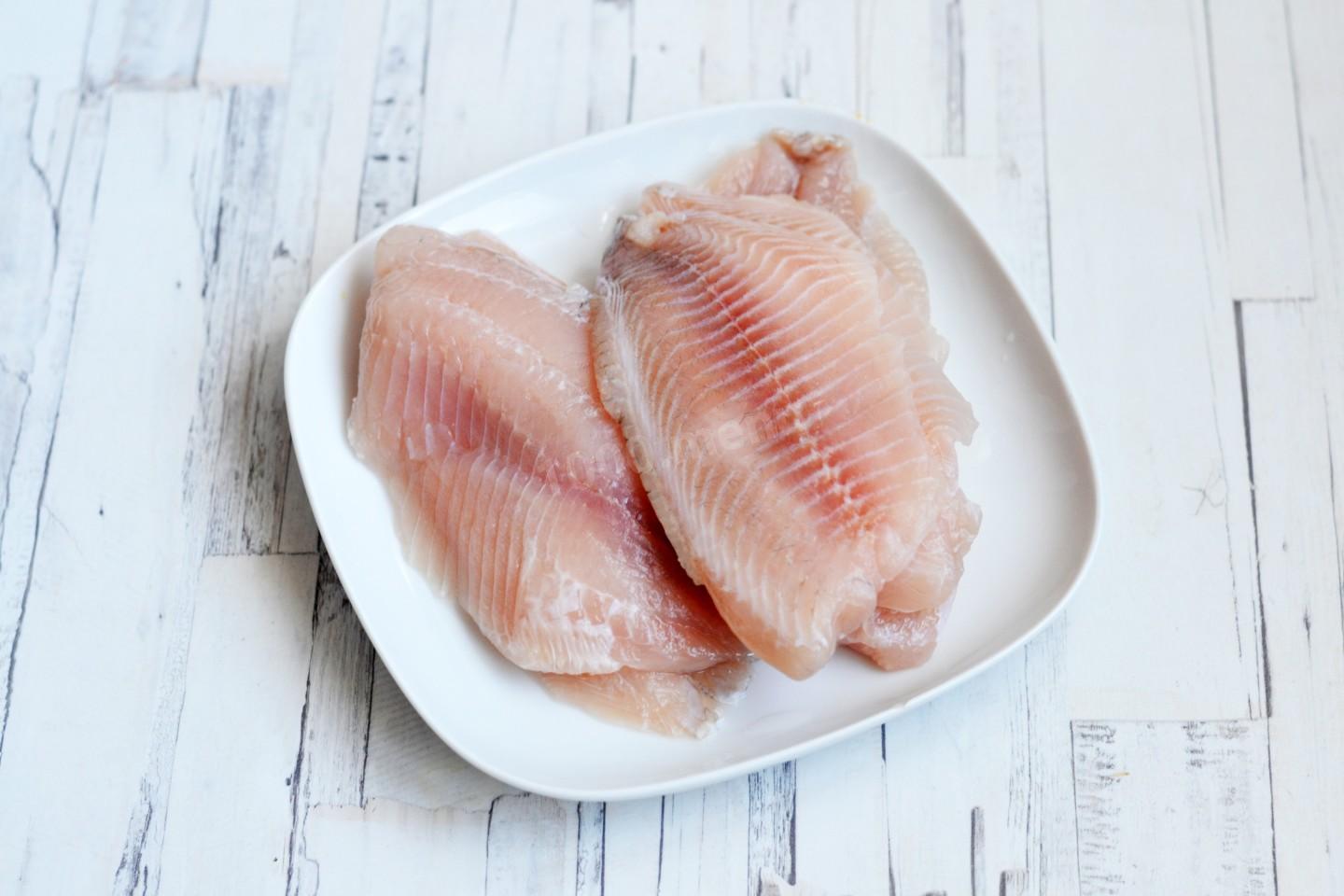
Rinse and dry the tilapia. If your fillets are large, you can cut each one in half lengthwise. Mine were small, so I cooked them whole. My fish was fresh; if you're using frozen, thaw it first and gently press out any excess moisture.
-
Step 3:
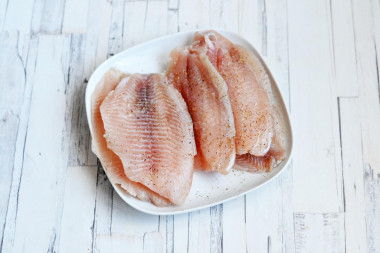
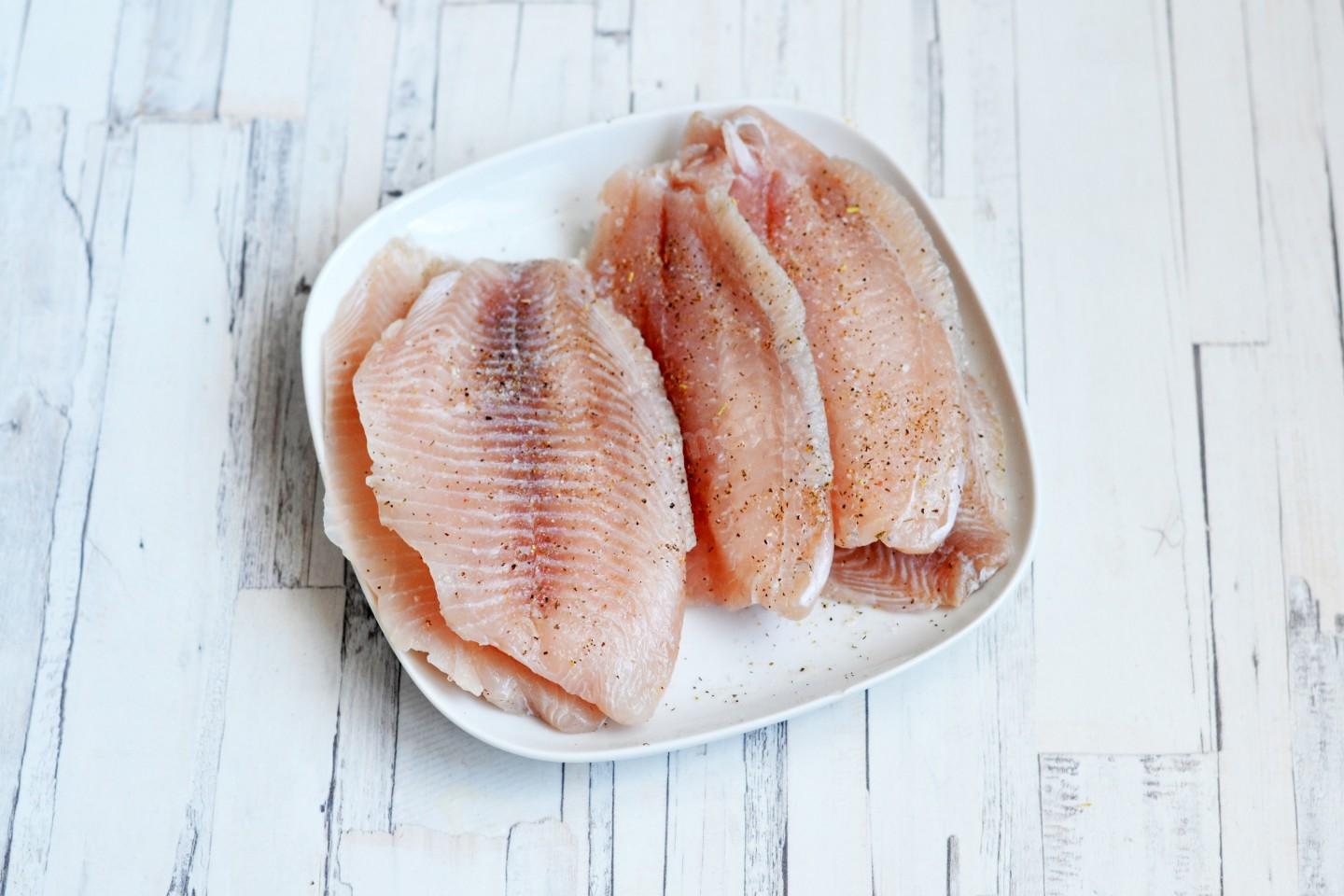
Season each piece of fish with salt and pepper on both sides. You can also sprinkle on a fish spice blend for more flavor and aroma. If you're using a pre-made spice mix, be sure to read the label — these often already contain salt and pepper, so keep that in mind or you may over-season. Let the tilapia sit for 10 minutes.
-
Step 4:
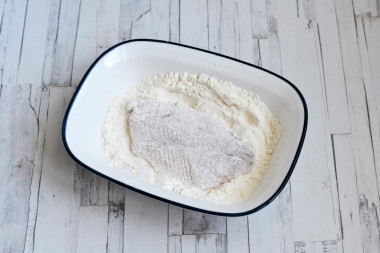
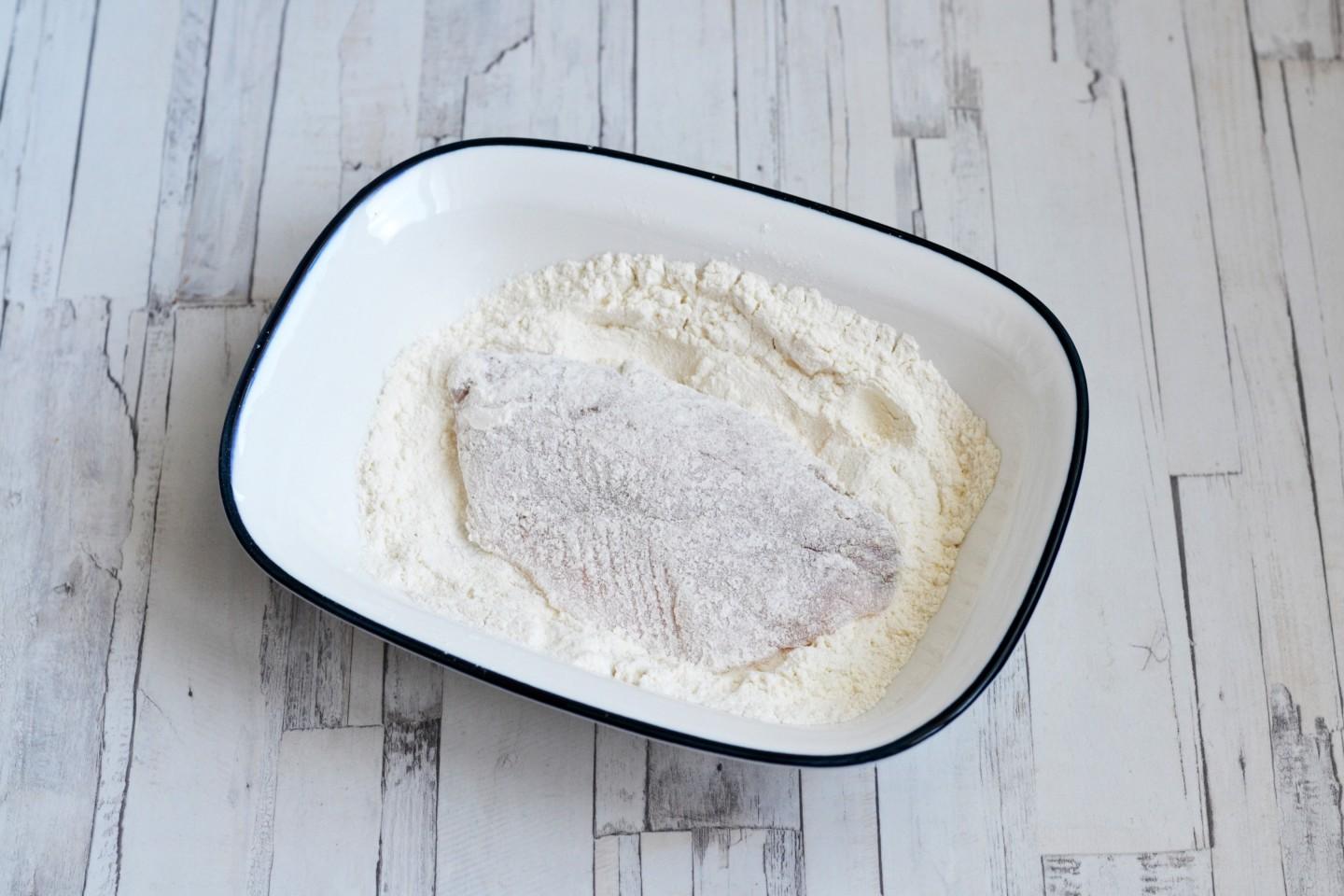
Meanwhile, put the flour on a dry plate — you can sift it first. Dredge each fillet thoroughly in flour on both sides, then shake off the excess so it doesn't burn in the pan.
-
Step 5:
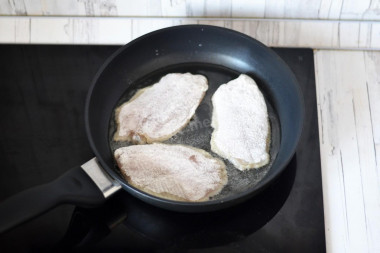
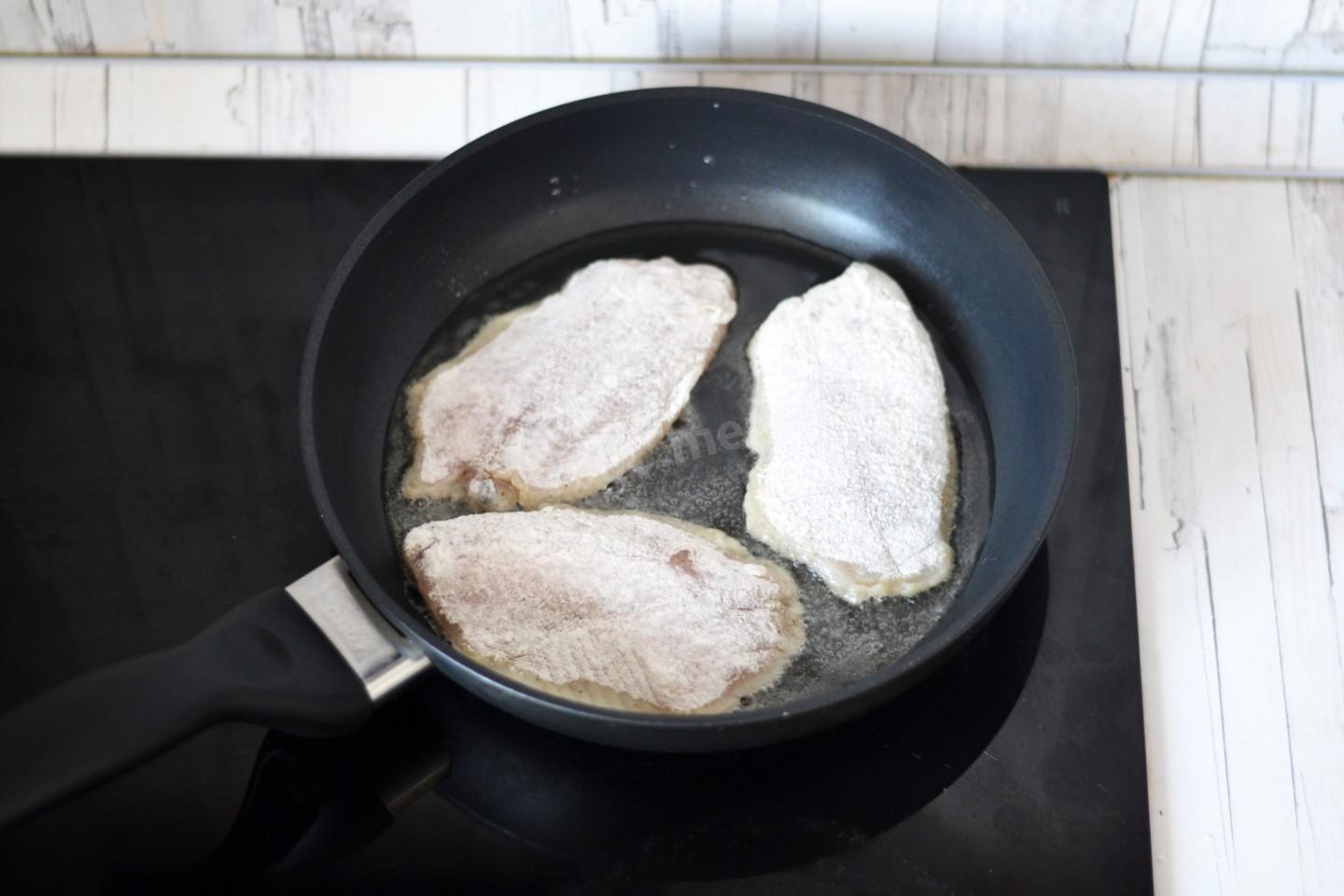
Heat the vegetable oil in a skillet over medium heat. Add the tilapia and fry for 3–5 minutes, until golden.
-
Step 6:
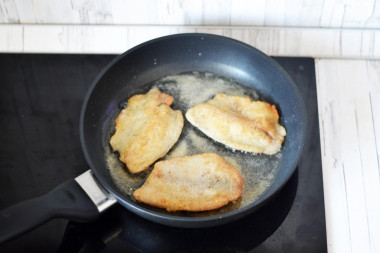
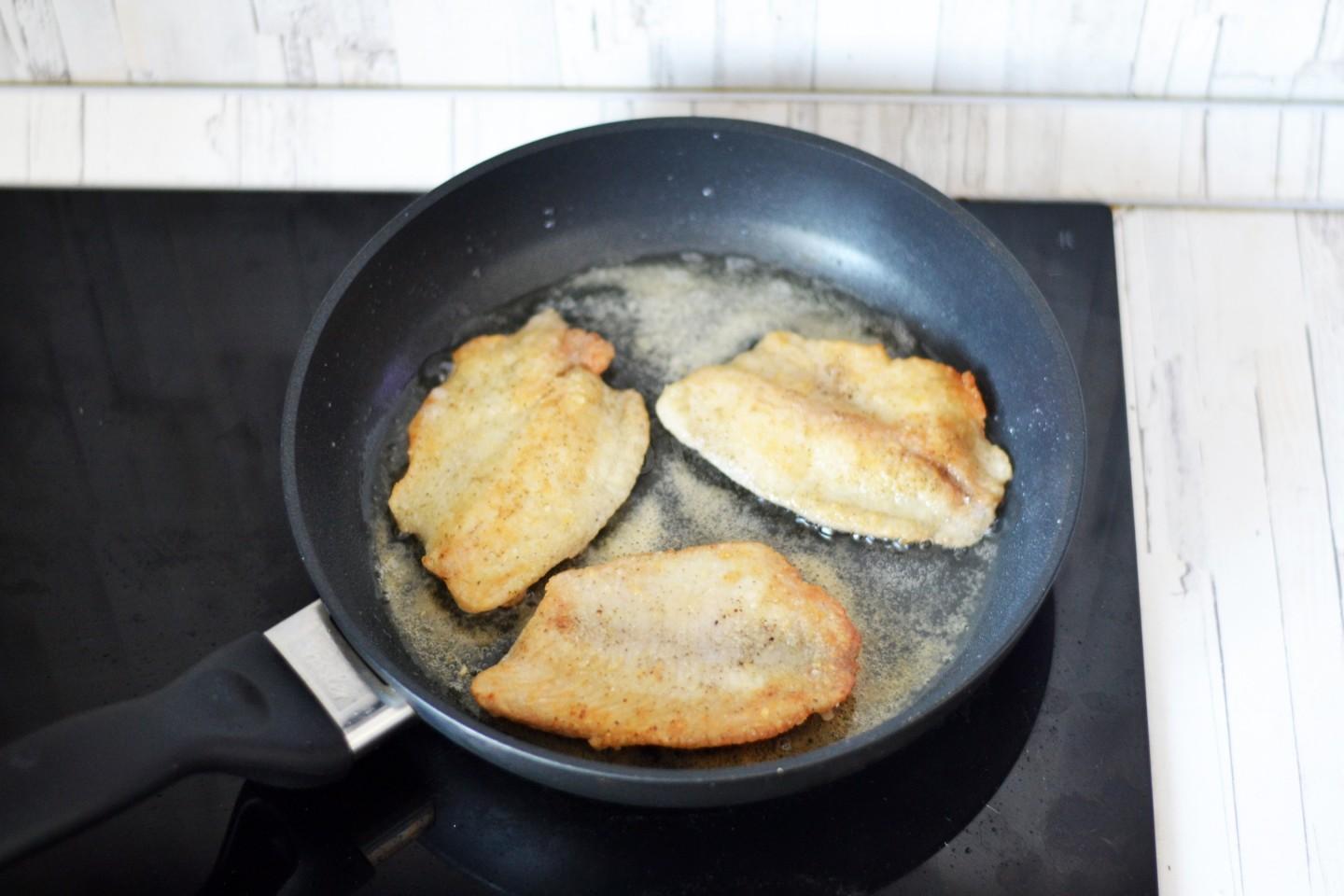
Then flip the fish and keep frying for another 3–5 minutes, until golden on the other side.
-
Step 7:
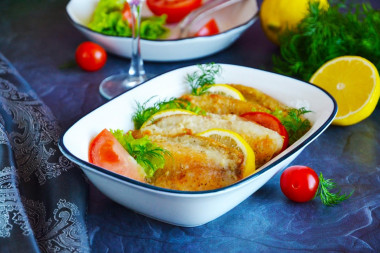
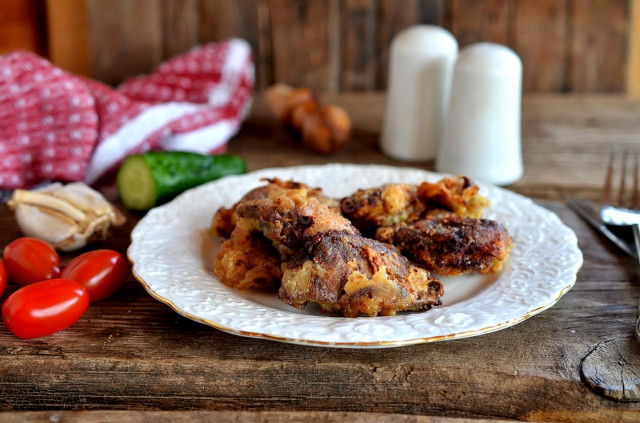
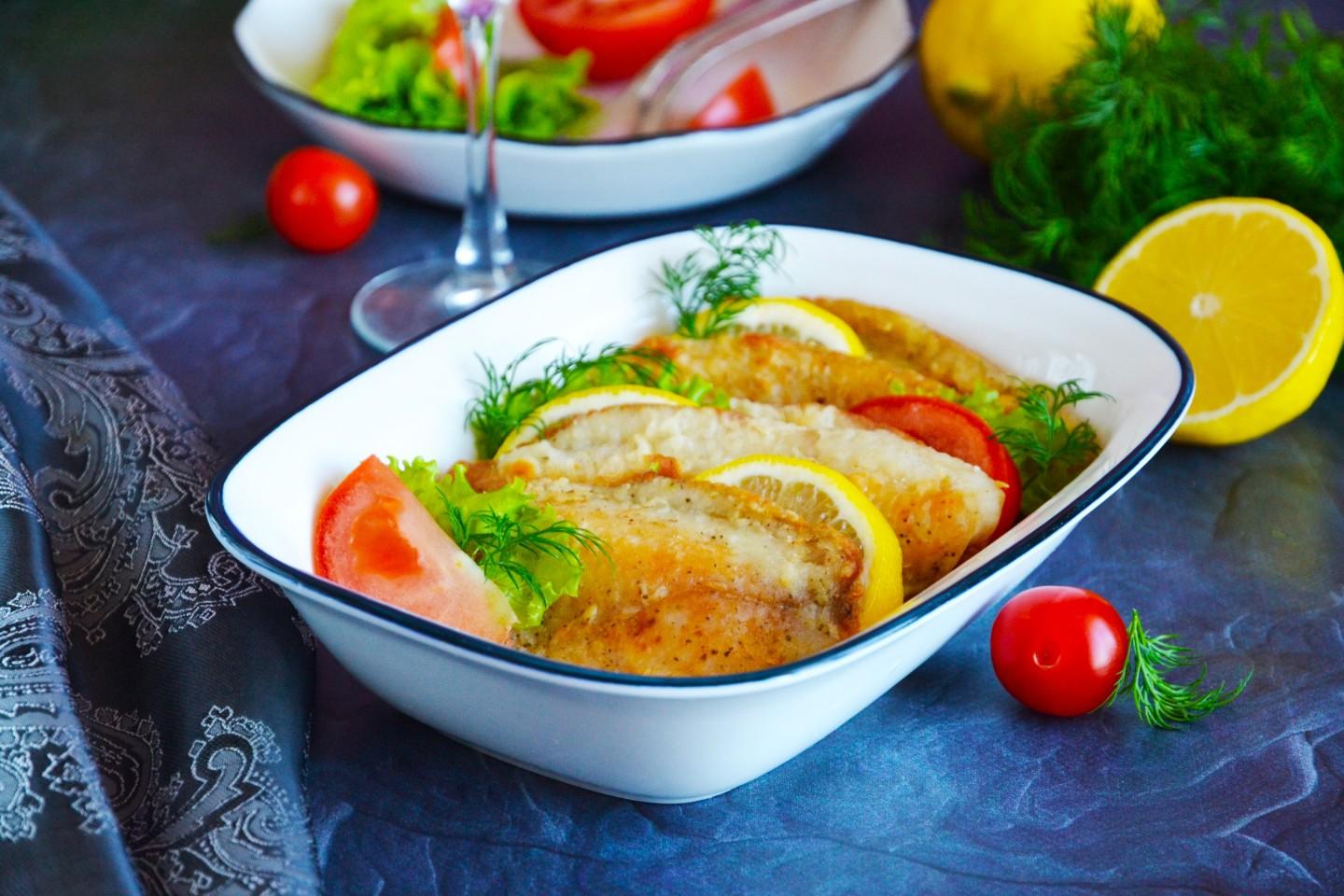
Transfer the finished fish to a plate and serve. Any side works — fresh vegetables, boiled potatoes, grains, or pasta. Enjoy!
- Keep in mind that properly thawing your ingredients makes a big difference to the quality and flavor of the finished dish.
- Everyone's tolerance for salt, sweetness, bitterness, heat, and acidity is different, so always season to your own taste. And if you're using a spice for the first time, remember that some are especially easy to overdo (chili pepper, for one).
- Use an oil with a high smoke point for frying. Oils are only healthy up to a certain temperature — the smoke point — beyond which they start to burn and form toxic compounds, including carcinogens. Unrefined oils, with few exceptions, have a low smoke point; they're full of unfiltered organic particles that burn quickly. Refined oils handle heat better and have a higher smoke point. If you're cooking in the oven, in a skillet, or on the grill, make sure you're using a high-smoke-point oil. The most common ones are refined sunflower, olive, and grapeseed oil.
Caloric content of the products possible in the composition of the dish
- Ground black pepper - 255 kcal/100g
- Whole durum wheat flour fortified - 333 kcal/100g
- Whole durum wheat flour universal - 364 kcal/100g
- Flour krupchatka - 348 kcal/100g
- Flour - 325 kcal/100g
- Vegetable oil - 873 kcal/100g
- Salt - 0 kcal/100g
- Spices dry - 240 kcal/100g
- Tilapia - 103 kcal/100g