Braised Beef with Vegetables
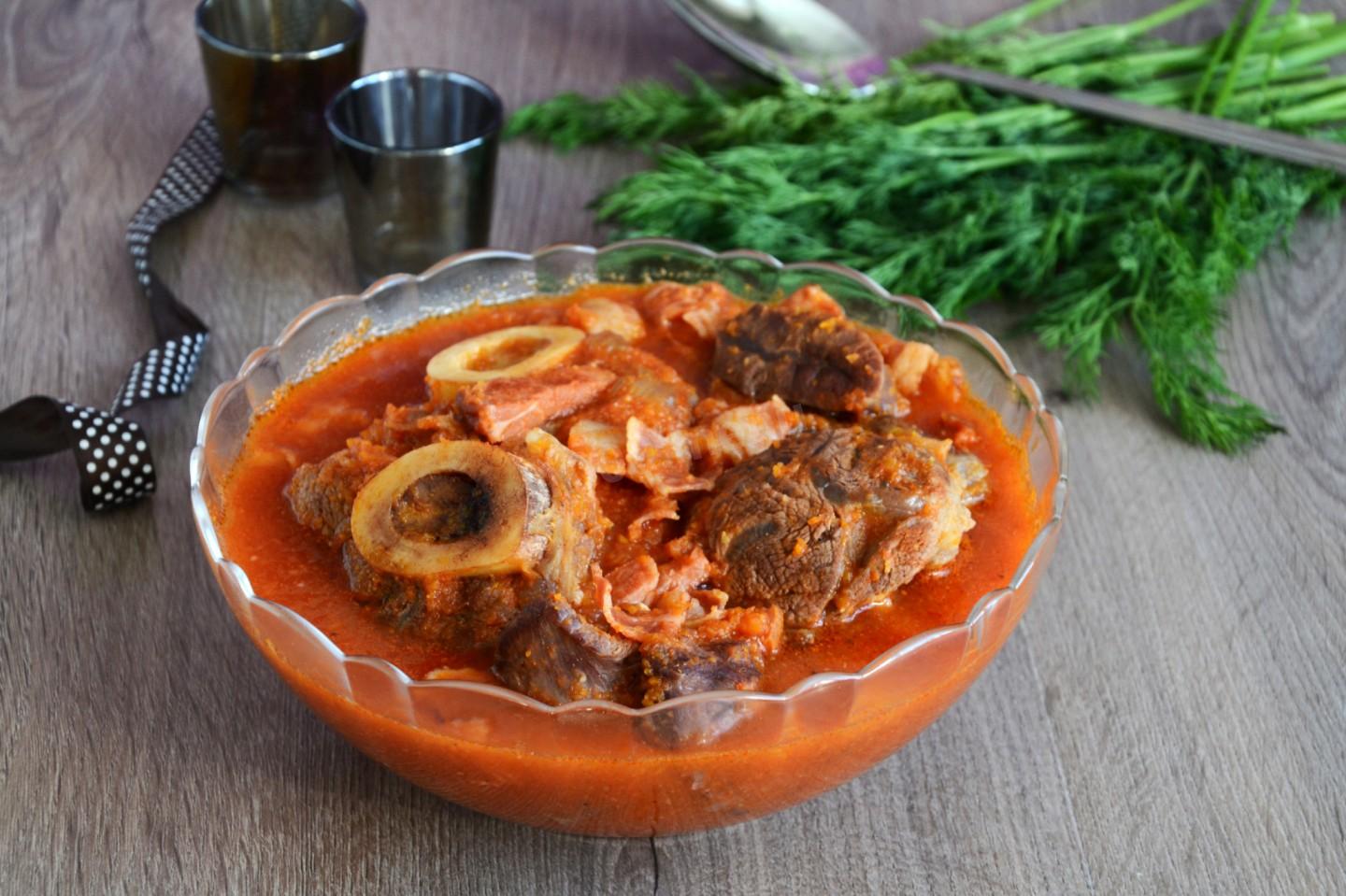
Beef with vegetables — a hearty main for a holiday table! Braised this way, the beef comes out juicy and full of flavor. Better yet, you can make it ahead so you're not stuck cooking on a holiday or weekend. It's great with any vegetable side, pasta, or rice.


Cooking method
-
Step 1:
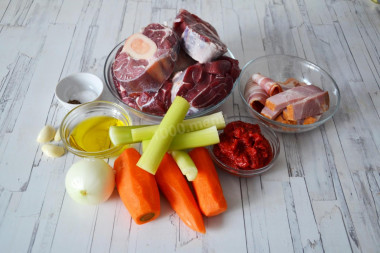
How do you braise beef with vegetables? Get your ingredients together. Rinse the beef shank, pat it dry, and chop it into large pieces. You can use a whole shank; I used pre-cut portions — about 3 1/3 lb (1.5 kg) boneless and 1 lb (500 g) bone-in osso buco. Shanks are the best choice here because they turn meltingly tender as they braise, but use any cut you like.
-
Step 2:
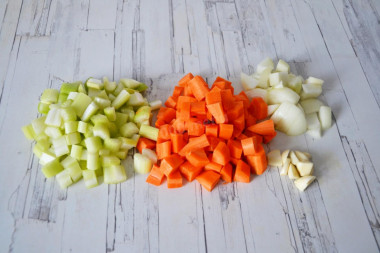
Wash the vegetables well. Peel the carrots, onion, and garlic. Cut the celery, onion, and carrot into small pieces, and halve the garlic.
-
Step 3:
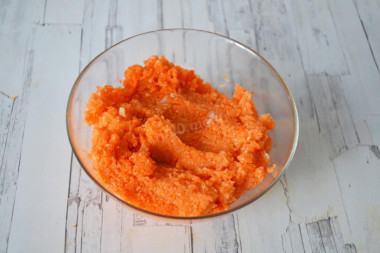
Put the prepped vegetables in a blender and purée until smooth.
-
Step 4:
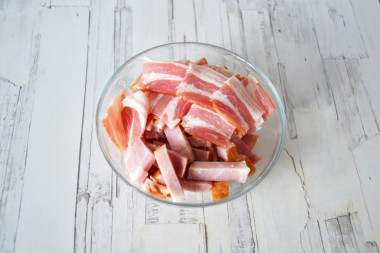
Cut the smoked meat into small pieces. I used about 3 1/2 oz (100 g) dry-cured bacon and 3 1/2 oz (100 g) smoked pork neck. You can skip the smoked meat, but it makes the dish more flavorful and aromatic.
-
Step 5:
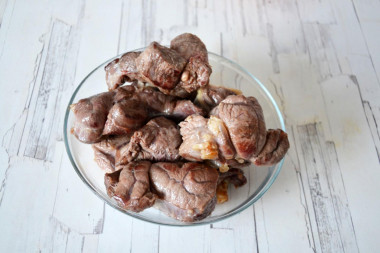
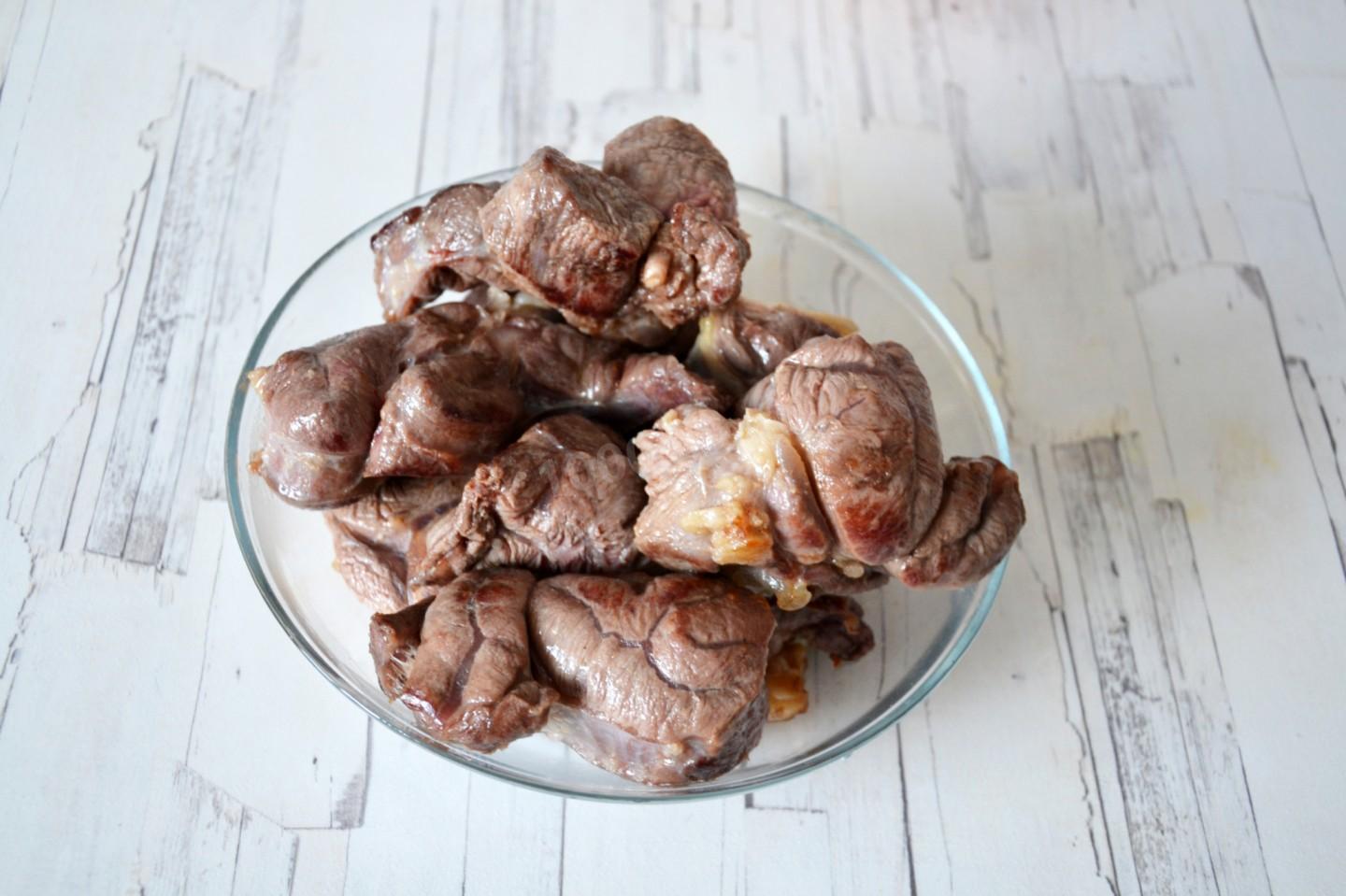
Heat the olive oil in a skillet and sear the beef over high heat until golden. Note that you're not cooking it through here — just browning the outside to seal in the juices. This classic technique keeps the finished meat juicy.
-
Step 6:
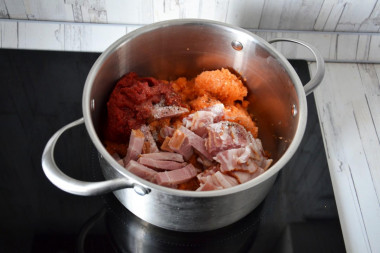
Put the vegetable purée in a deep pot and add the tomato paste, smoked meat, salt, and pepper.
-
Step 7:
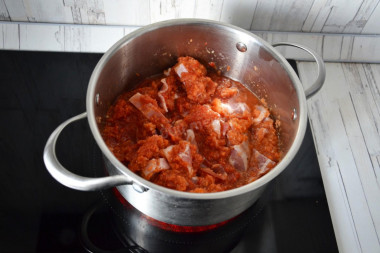
Pour in about 3/4 cup (200 ml) hot water and bring the vegetable purée to a boil.
-
Step 8:
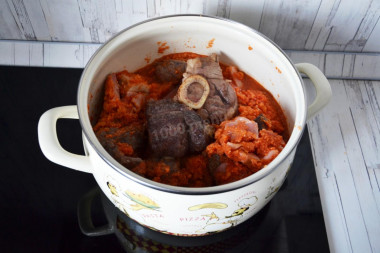
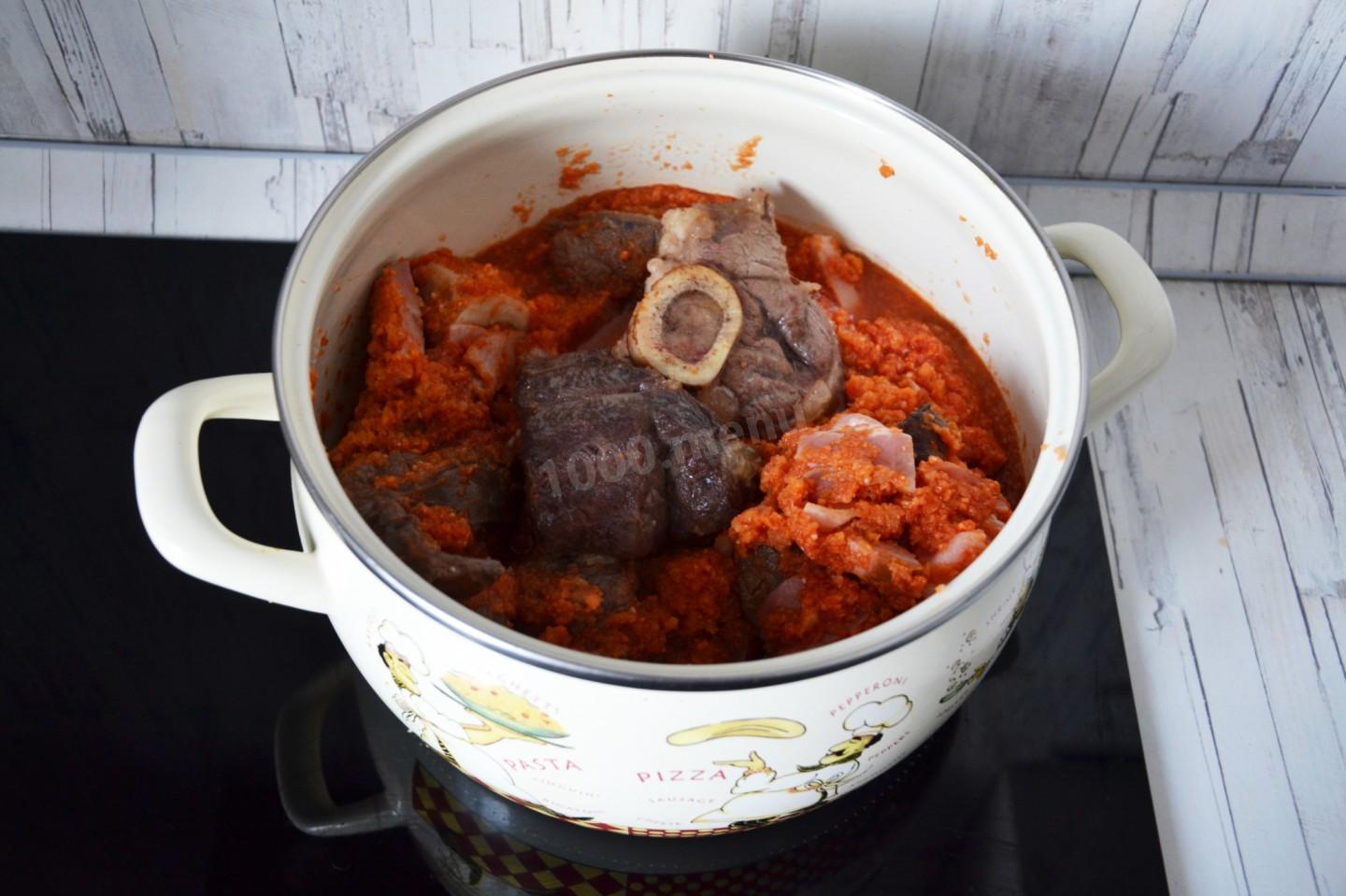
Add the meat and pour in enough of the remaining hot water to almost cover it, as shown. You may need a little more or less — go by your own ingredients.
-
Step 9:
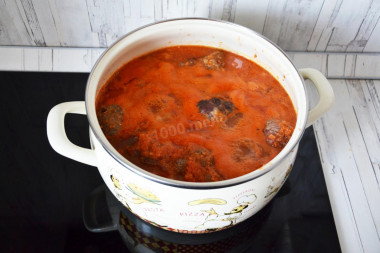
Bring the sauce to a boil, lower the heat, and braise, covered, for about 2 1/2 hours, turning the meat now and then. Serve the braised beef and vegetables on its own or with your favorite side. Enjoy!





- I've made this many times for family gatherings. The long braise makes the meat so tender it practically falls apart. I cook it the day before and reheat it before the meal — overnight it soaks up the sauce and gets even more fragrant and tender. It goes with any side; I usually serve it with oven-roasted potato wedges, mashed potatoes, or boiled rice. Pasta works too.
- Use an oil with a high smoke point for searing. Every oil is only good up to its smoke point, after which it starts to burn and form harmful compounds. Most unrefined oils have a low smoke point and lots of particles that scorch quickly, while refined oils handle heat better. Whether you're baking, pan-frying, or grilling, reach for a high-smoke-point oil — refined sunflower, olive, or grapeseed all work well.
- To keep onions from stinging your eyes, rinse the onion and knife in cold water first. And your cutting board won't hold the smell if you rub it with a slice of lemon before cutting.
- For picking the right pot for soups, grains, or pickling, see a good guide to cookware.
Caloric content of the products possible in the composition of the dish
- Carrot - 33 kcal/100g
- Dried carrot - 275 kcal/100g
- Boiled carrot - 25 kcal/100g
- Garlic - 143 kcal/100g
- Ground black pepper - 255 kcal/100g
- Boiled bacon - 447 kcal/100g
- Tomato paste - 28 kcal/100g
- Salt - 0 kcal/100g
- Water - 0 kcal/100g
- Onion - 41 kcal/100g
- Olive oil - 913 kcal/100g
- Beef shanks - 187 kcal/100g
- Celery stalk - 12 kcal/100g
Similar recipes



- Festive table
- Meat and meat products
- Vegetables
- Spices seasonings spices
- Fats and oils
- Other
- Garlic
- Pepper
- Celery
- Salt
- Vegetable oil
- Water
- Tomato paste
- Frying
- Stewing
- In a frying pan
- Meat second course
- Recipes for March 8
- Beef
- Meat semi-finished products
- From carrots
- From onion
- No eggs
- Recipes for lean dishes without butter