Homemade Pork Shawarma
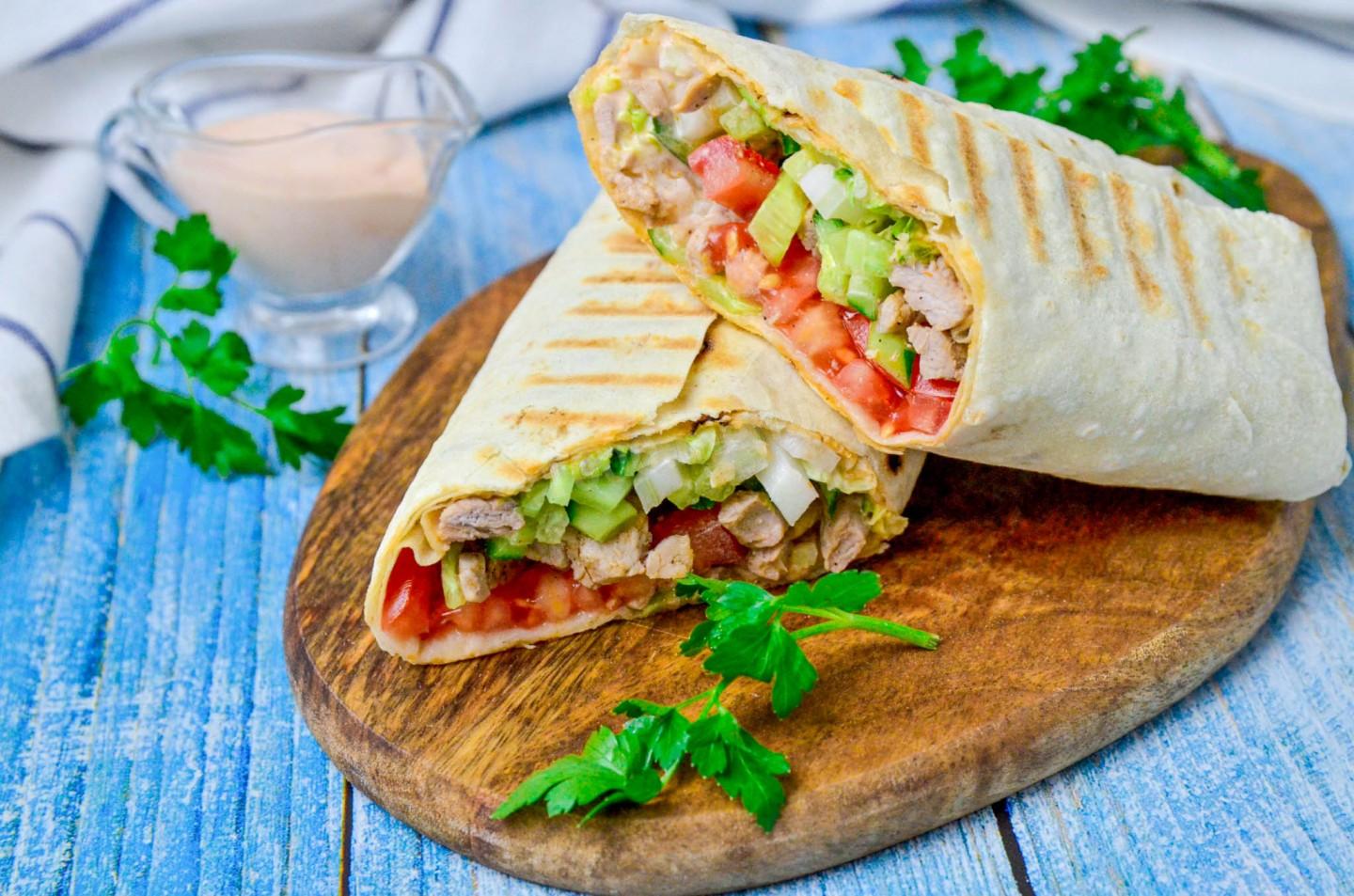
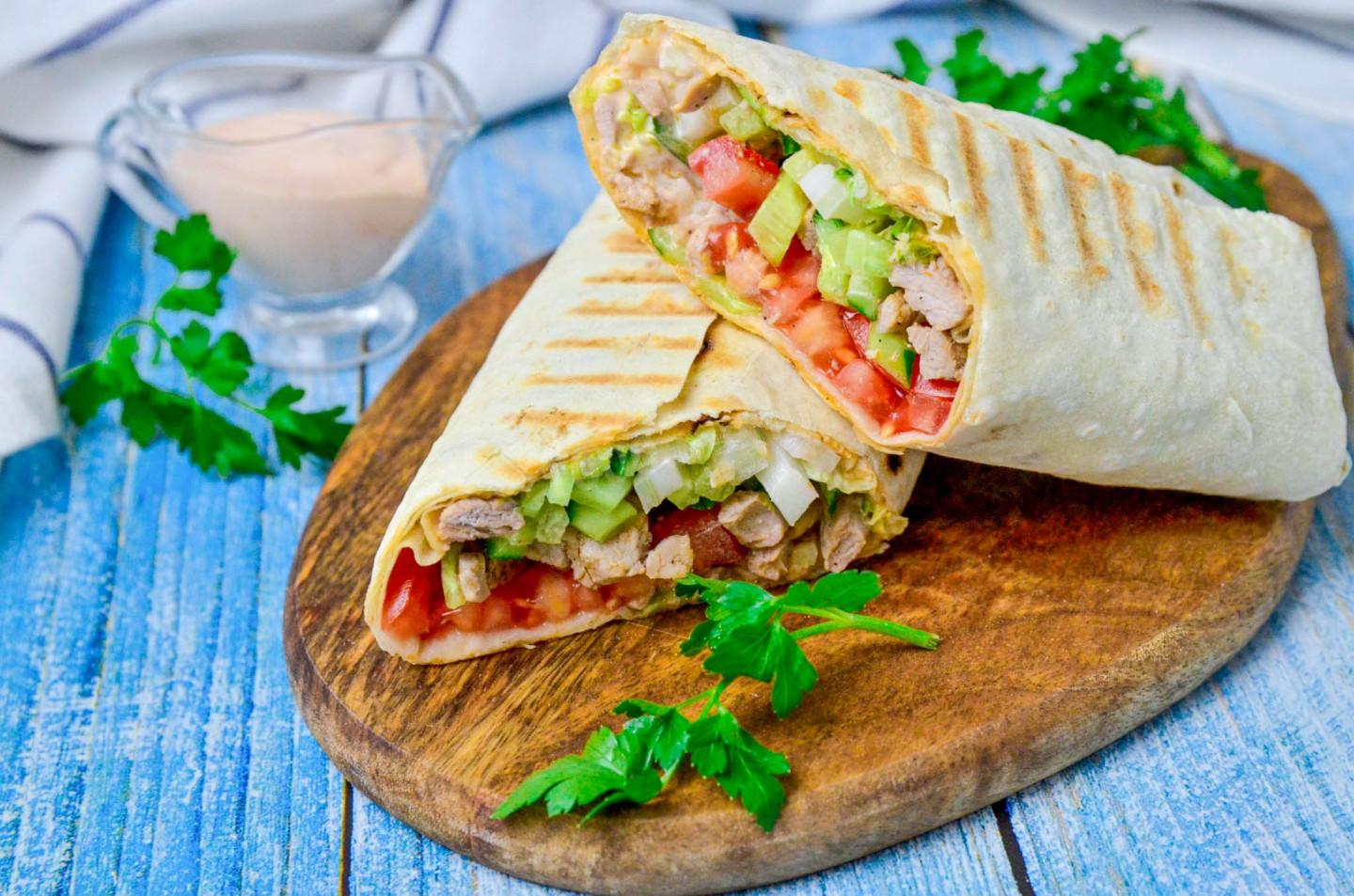
The tastiest, most satisfying kind — made from everyday ingredients! Homemade pork shawarma can count as wholesome food: it has everything you need — protein, fat, and carbs — plus plenty of fresh vegetables. It makes a full dinner or a hearty snack.

Cooking method
-
Step 1:
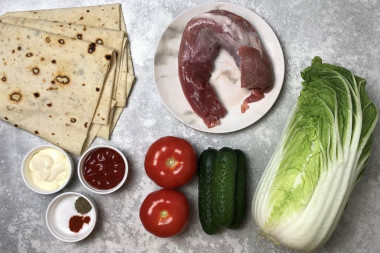
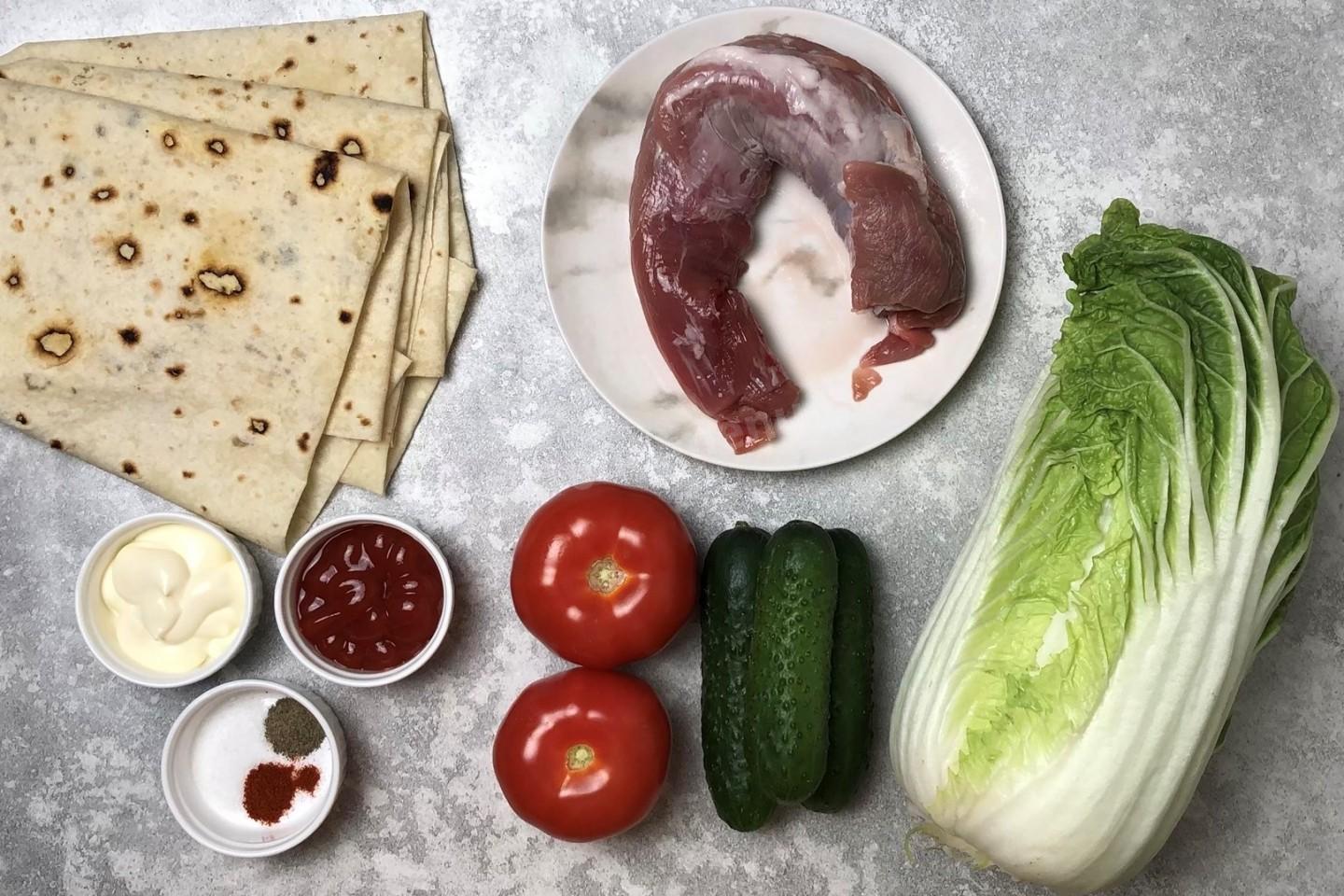
How do you make homemade pork shawarma? Gather your ingredients. Use the freshest, softest lavash you can find — half the flavor of the finished shawarma comes from it. For the pork, go with tenderloin or the most tender cuts, but not too fatty. You can use regular green cabbage in place of napa. Use any spices you love.
-
Step 2:
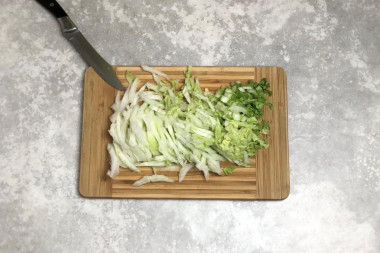
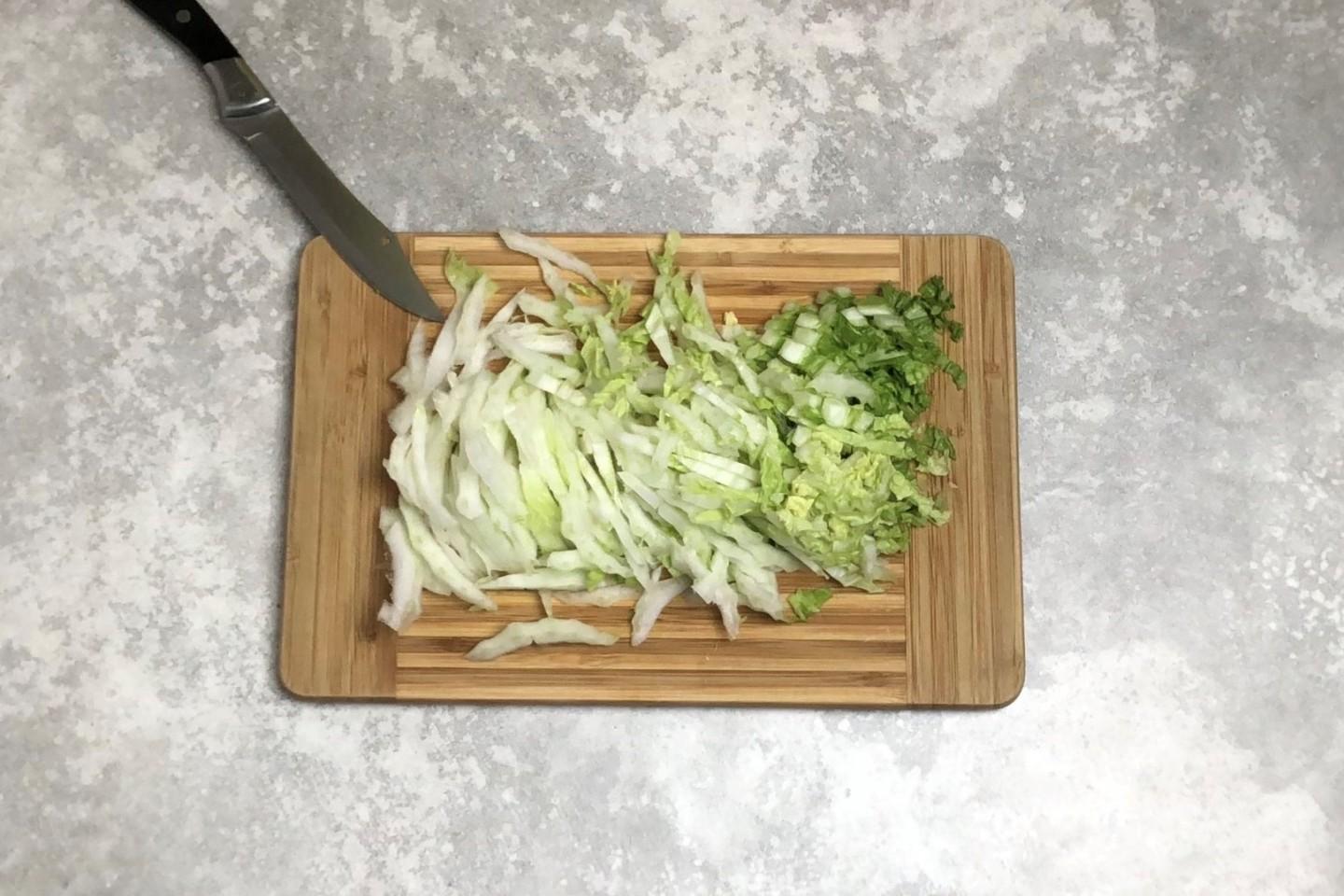
Wash the cabbage and cut off the amount you need. Slice it into thin strips. If you're using green cabbage, sprinkle it with a little salt and gently scrunch it with your hands — that makes it softer and tastier. You don't have to do this with napa; it's already tender.
-
Step 3:
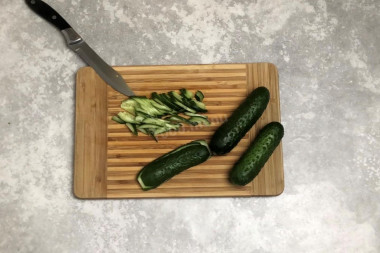
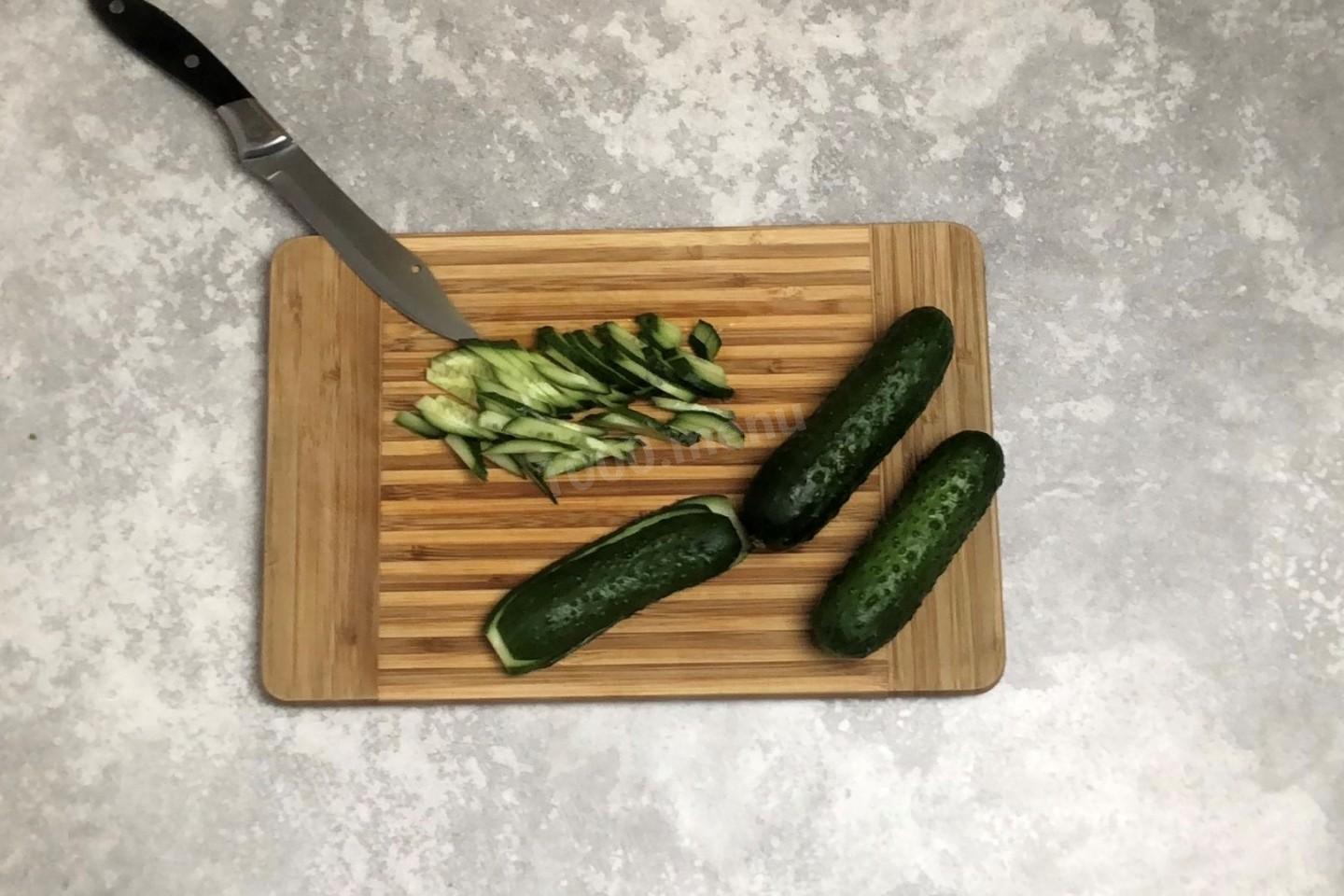
Wash the cucumbers well and pat them dry. Trim off the ends. Cut the cucumbers into thin strips: first slice them lengthwise into planks, then cut those planks crosswise.
-
Step 4:
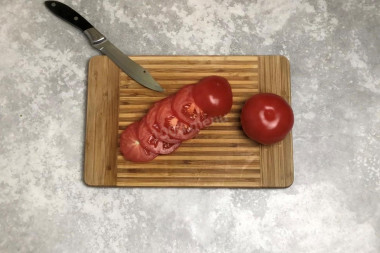
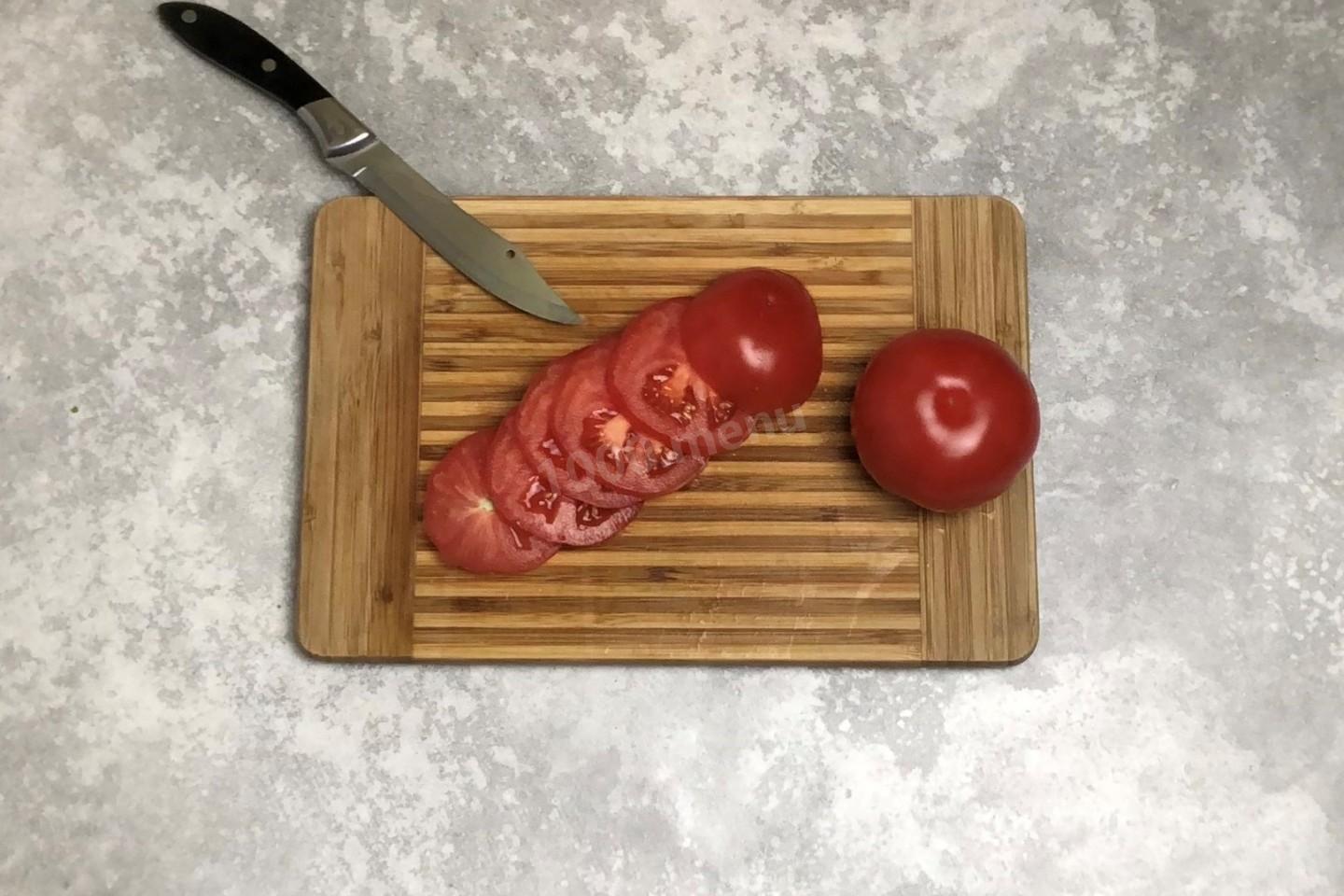
Wash and dry the tomatoes. With a sharp knife, cut them into thin rounds.
-
Step 5:
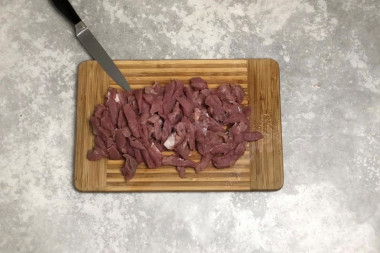
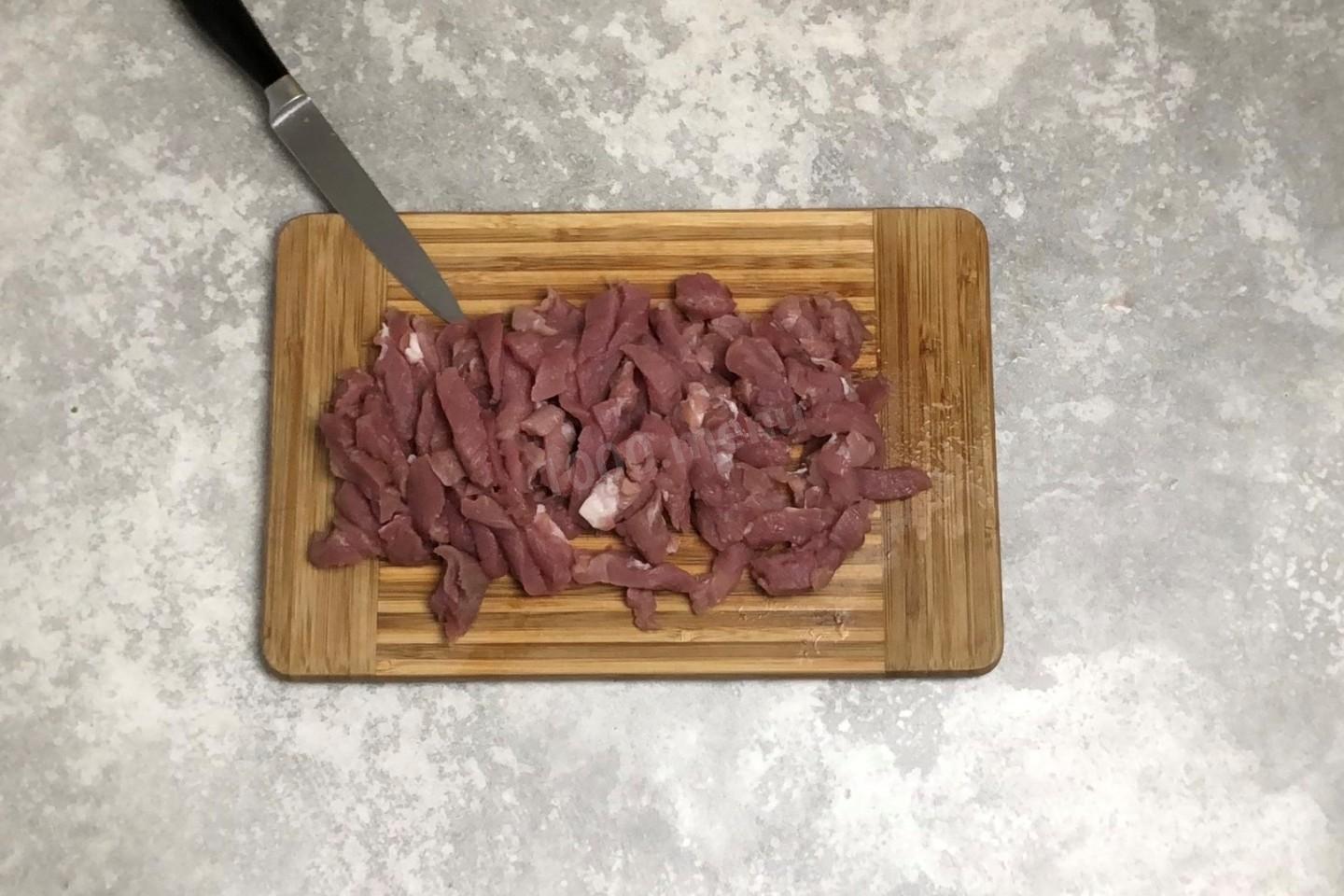
Rinse the meat and pat it dry well — otherwise the extra moisture will keep it from browning and it'll steam instead. Cut the meat into thin strips, minding the grain: to keep it tender, cut across the grain. Cut with the grain and the fibers tighten up, leaving the meat tough.
-
Step 6:

Make the sauce. Stir the ketchup into the mayonnaise. The proportions here are to our taste — I'd suggest adding the ketchup a bit at a time and tasting, since you may want more or less.
-
Step 7:
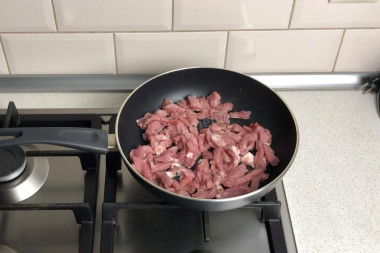
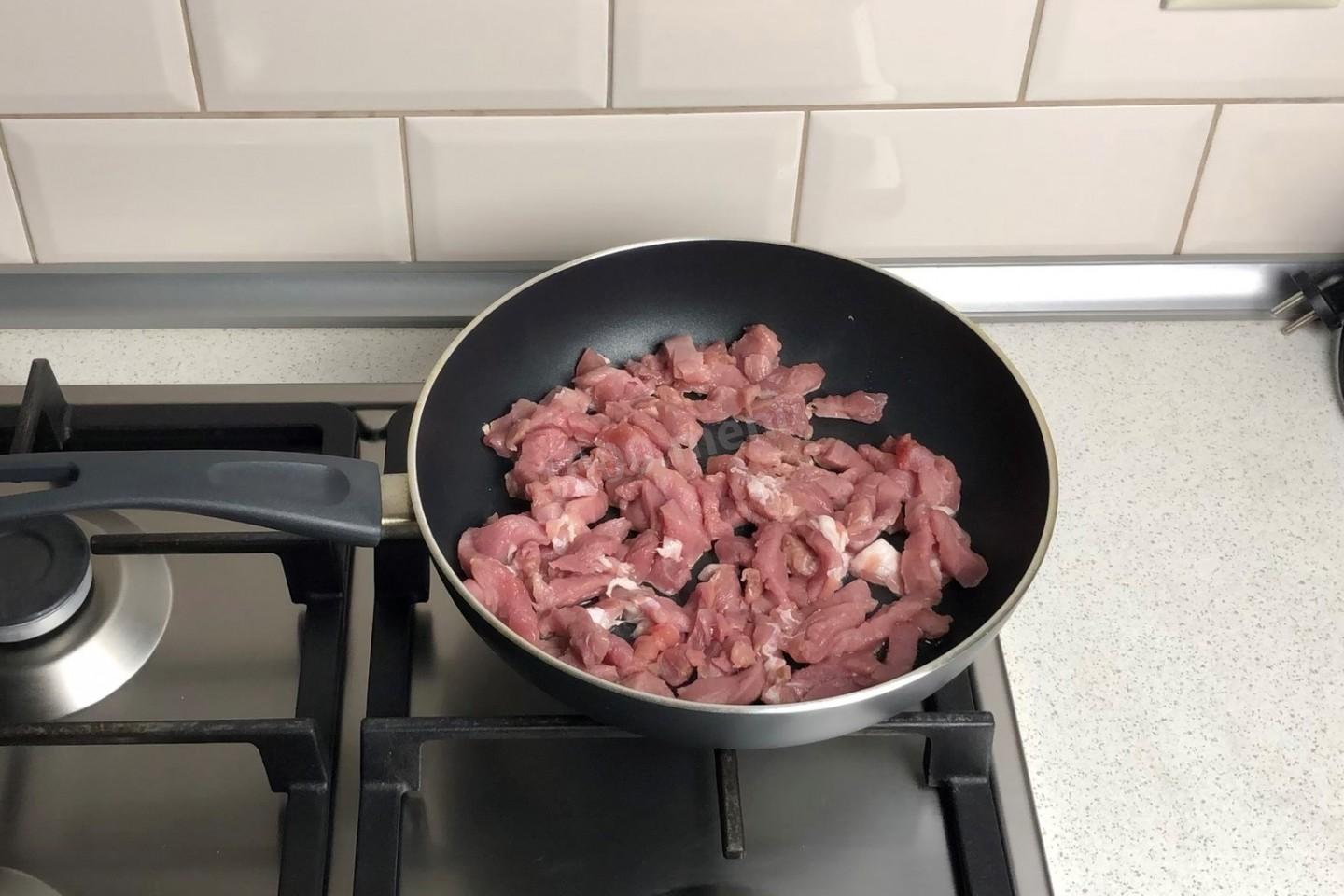
Heat a skillet over medium heat — I use a nonstick one. Pour in a little vegetable oil and let it heat for a few minutes. Add the meat. It's important to get the pan good and hot so the meat starts frying right away and forms a crust that "seals" the juices inside, keeping it soft and juicy. For the same reason, start stirring right away so it browns on all sides.
-
Step 8:
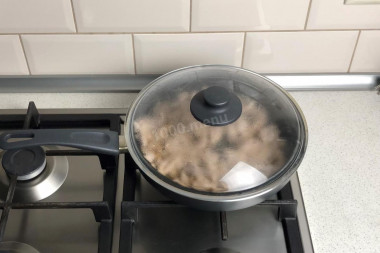
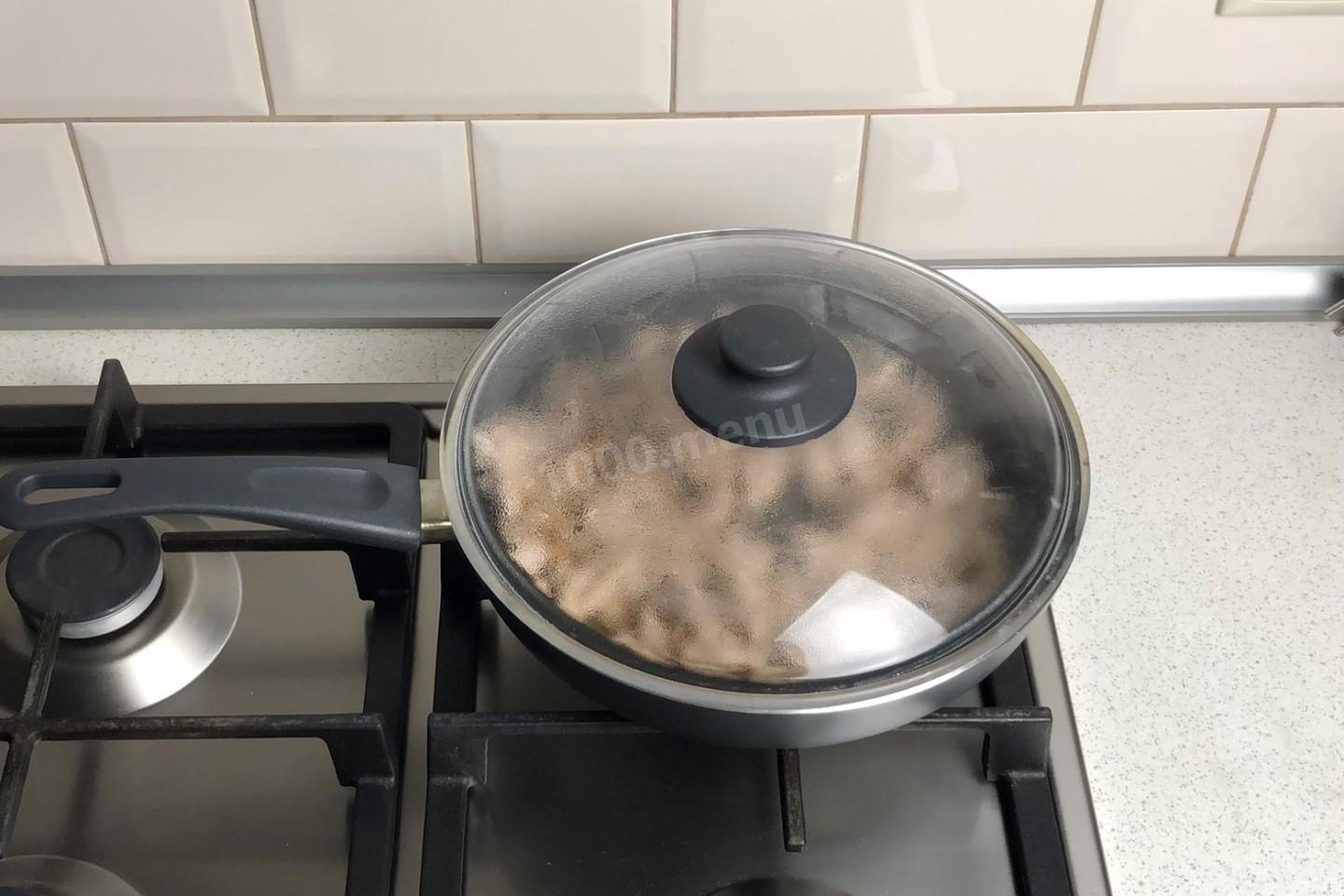
When the meat changes color, add salt and spices and stir. Lower the heat, cover the pan, and let the meat braise for 10 to 15 minutes — it's pork, so it needs time to cook through.
-
Step 9:
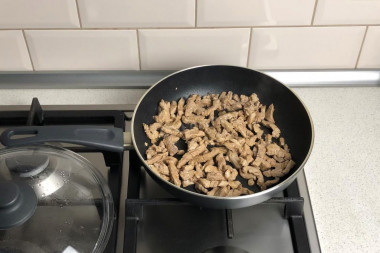
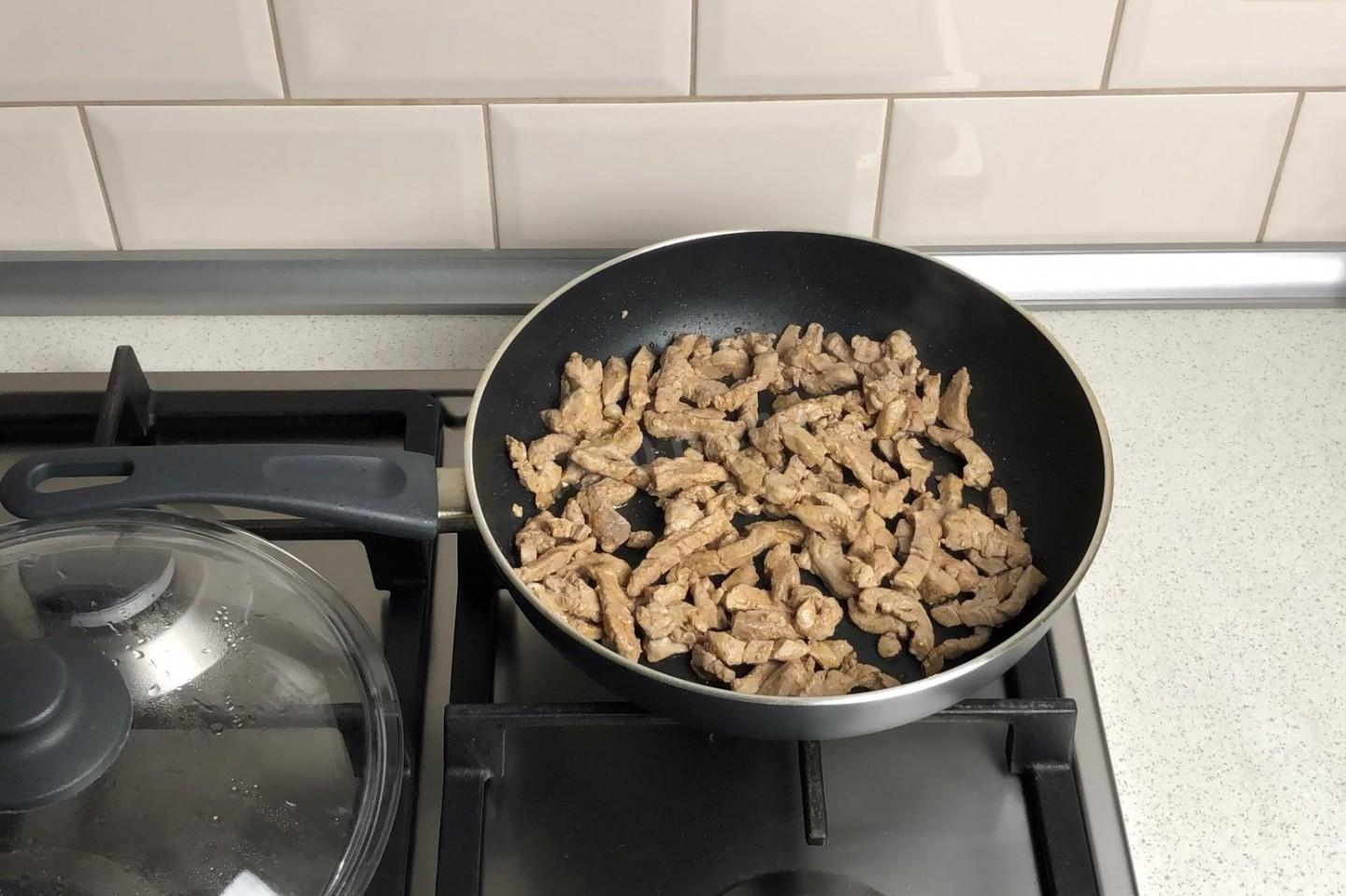
Then take off the lid and, if any moisture remains, cook it off. If the meat is already dry and browned, turn off the heat. Let it cool a bit — not too much, just so it's not scalding.
-
Step 10:
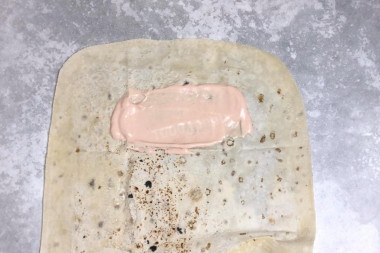
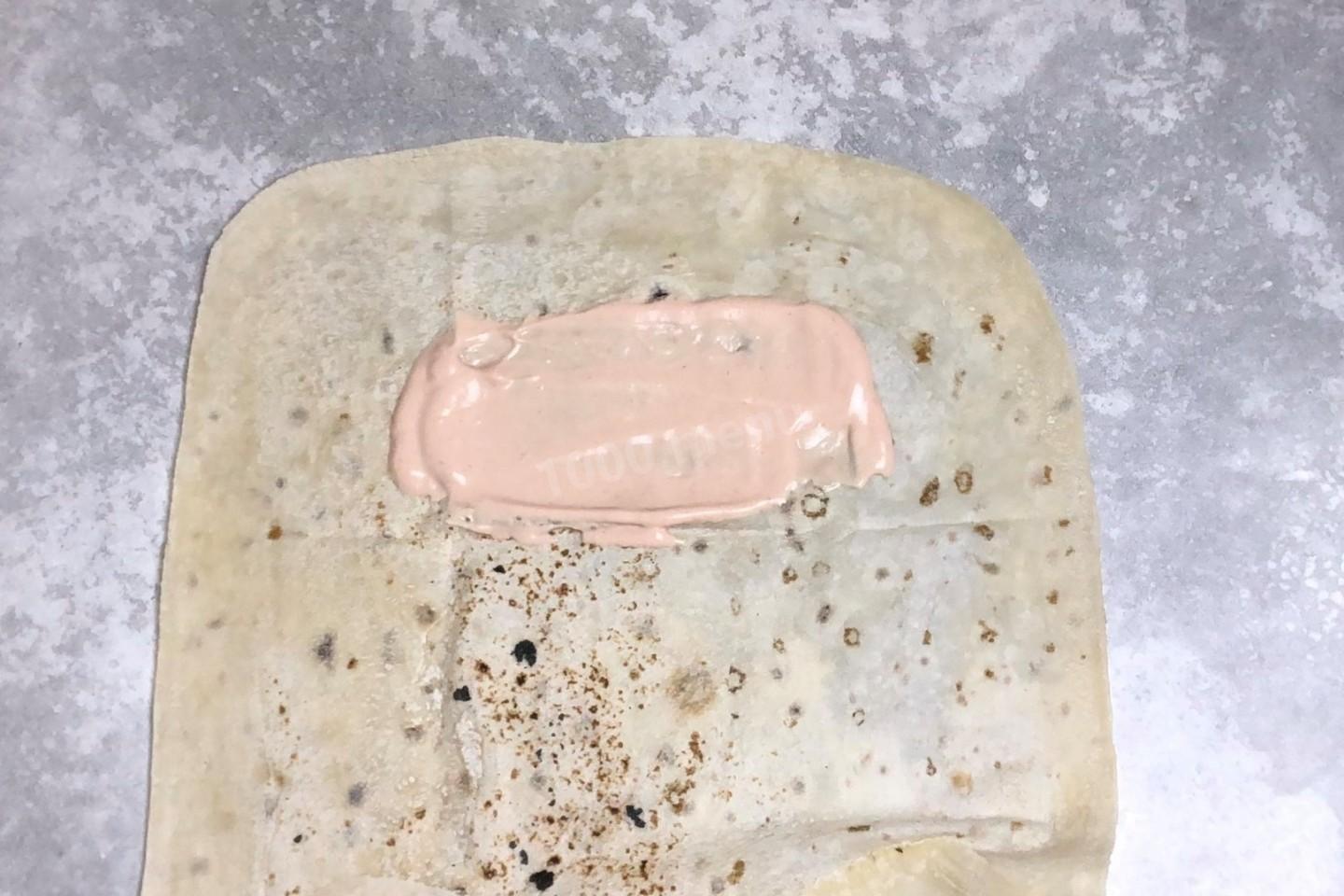
Lay out a sheet of lavash with a short side facing you. Spread a couple of spoonfuls of sauce down the middle, leaving a little margin from the edge.
-
Step 11:
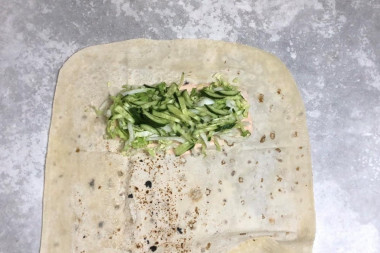
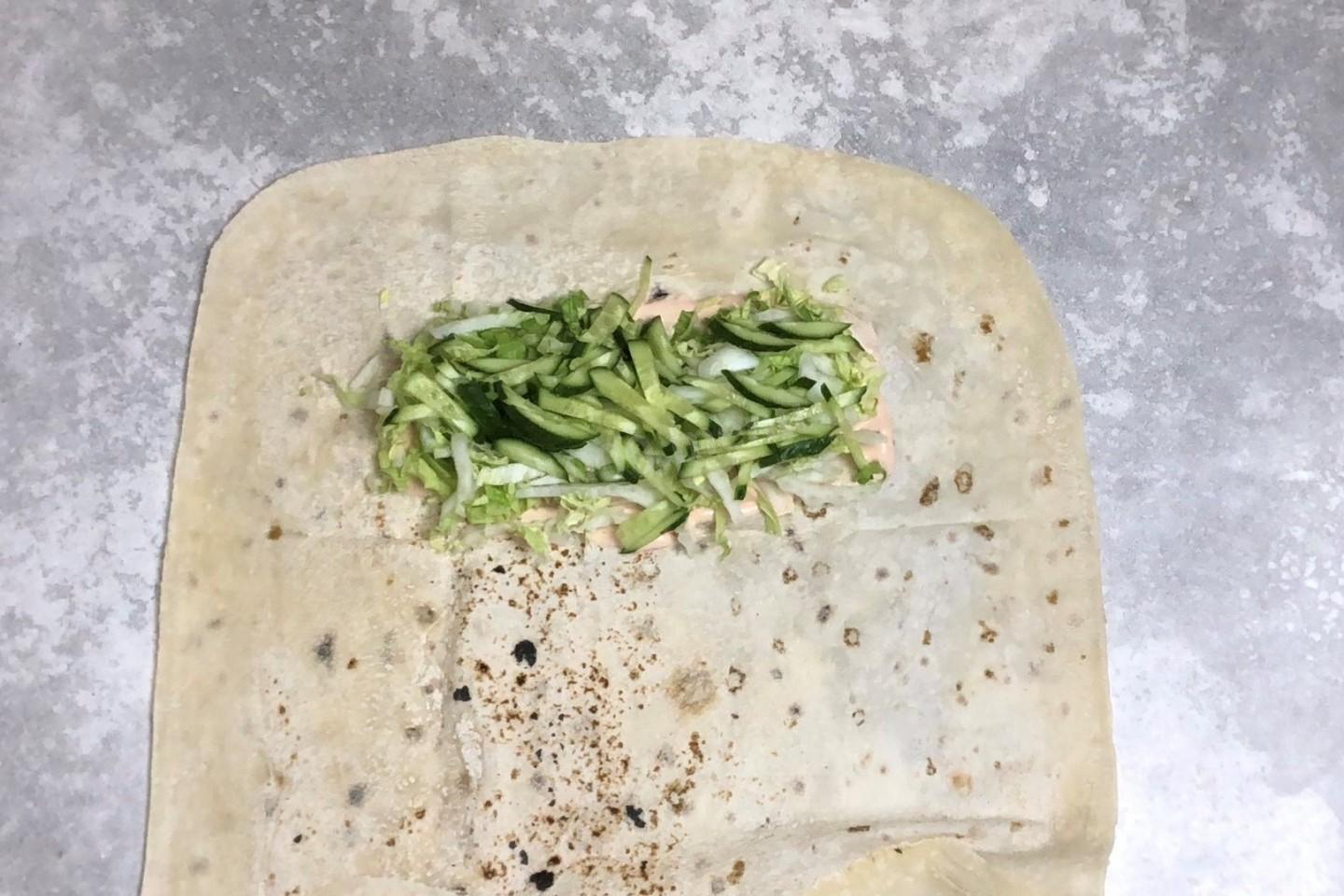
Top with the cabbage, then the cucumbers.
-
Step 12:
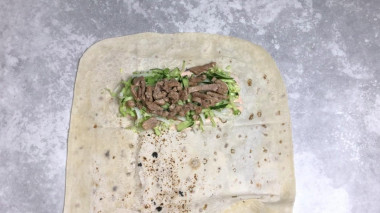
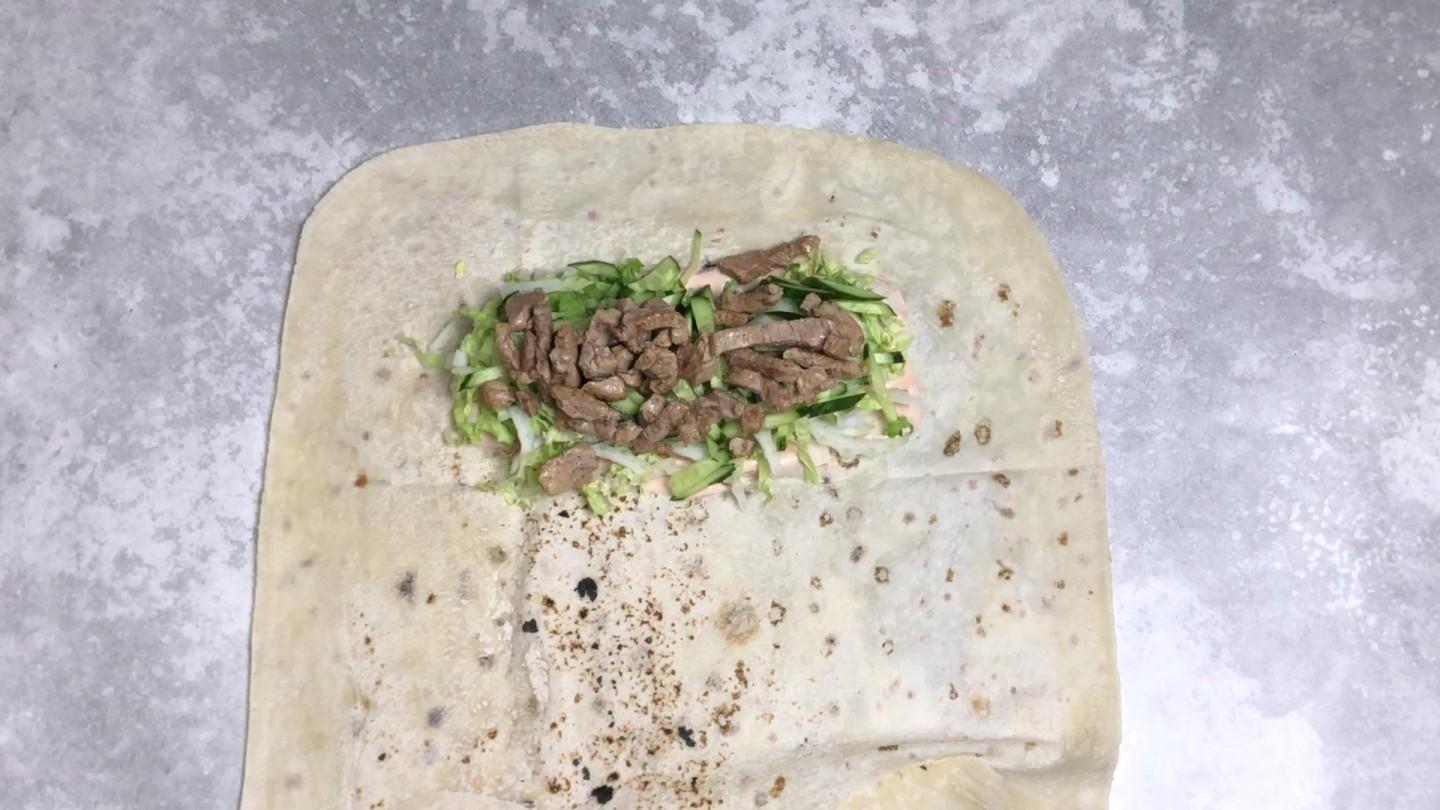
Add the meat on top of the vegetables. Divide the vegetables and meat roughly into portions — about a third of the total per wrap.
-
Step 13:
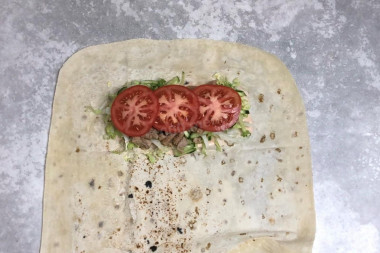
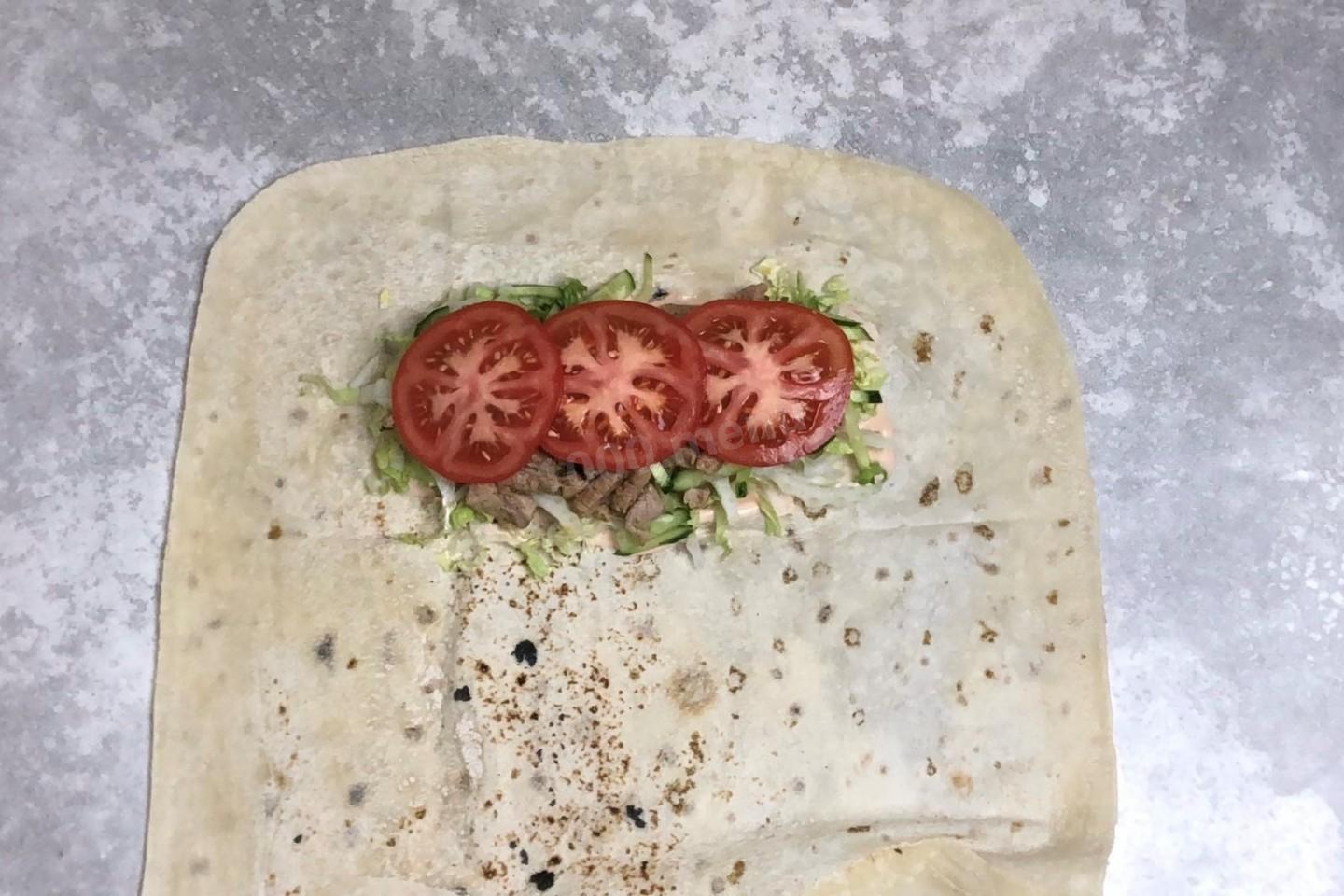
Lay the tomato rounds on top.
-
Step 14:
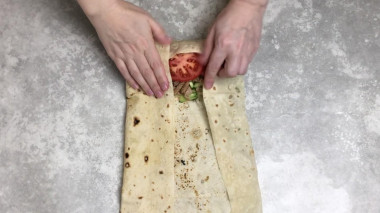
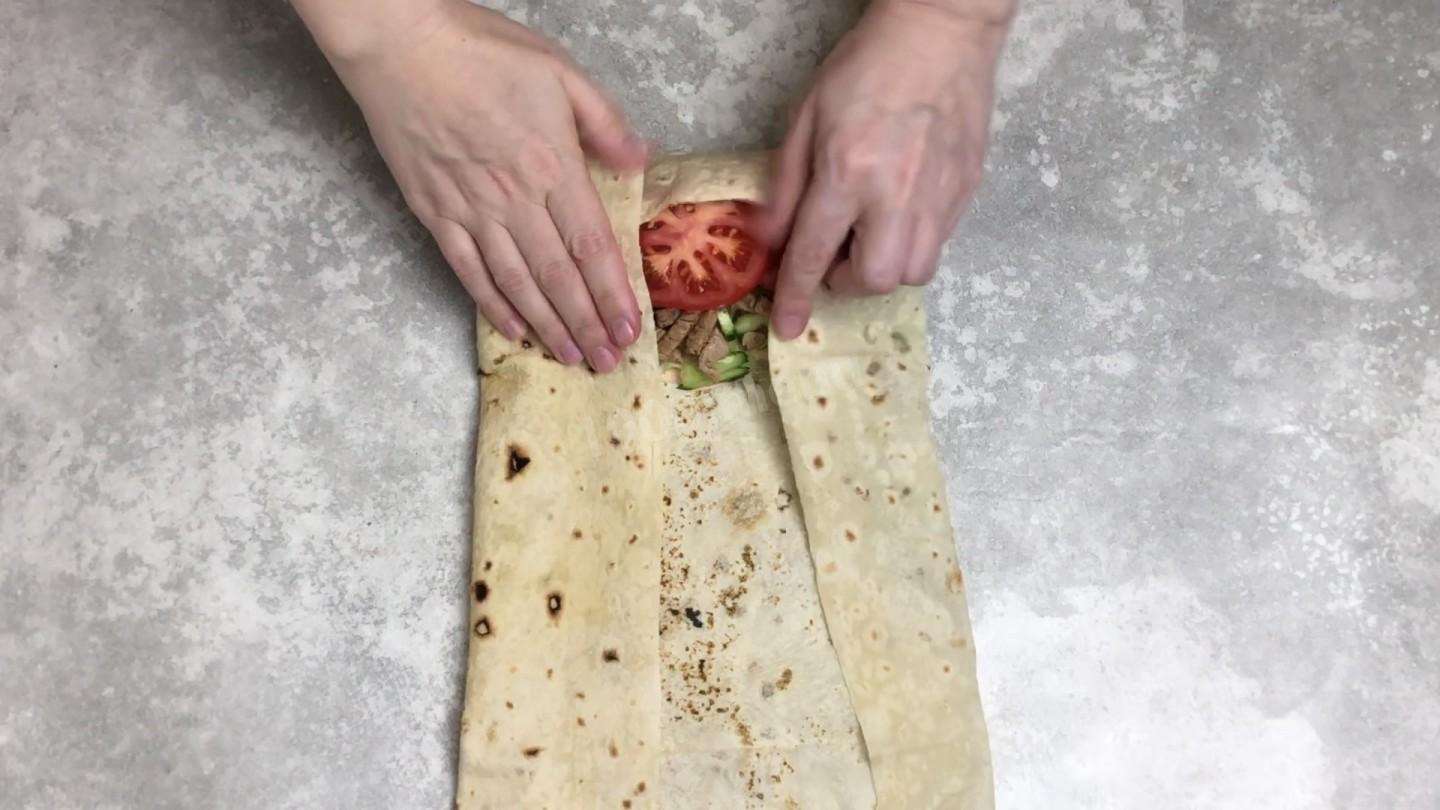
Start wrapping the shawarma. First fold the far edge over the filling, then fold in both sides.
-
Step 15:
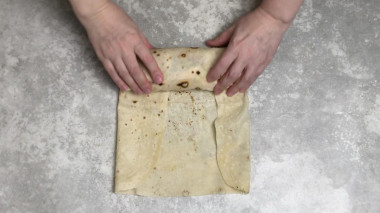
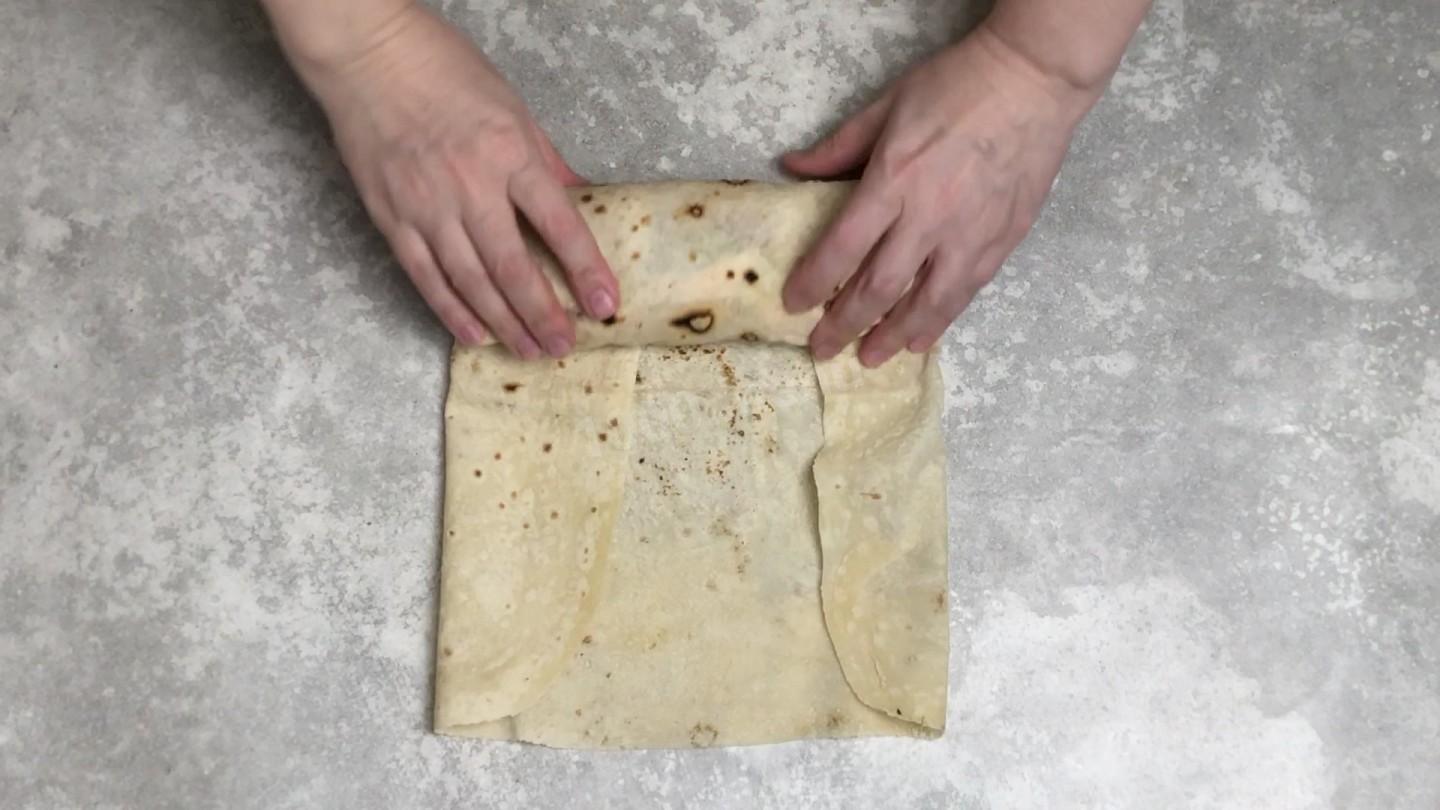
Roll the whole thing up, pressing the filling down a little as you go.
-
Step 16:
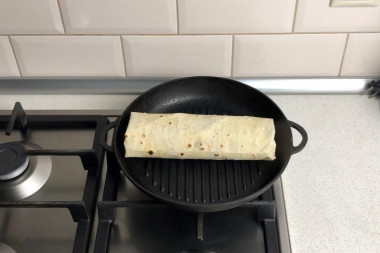
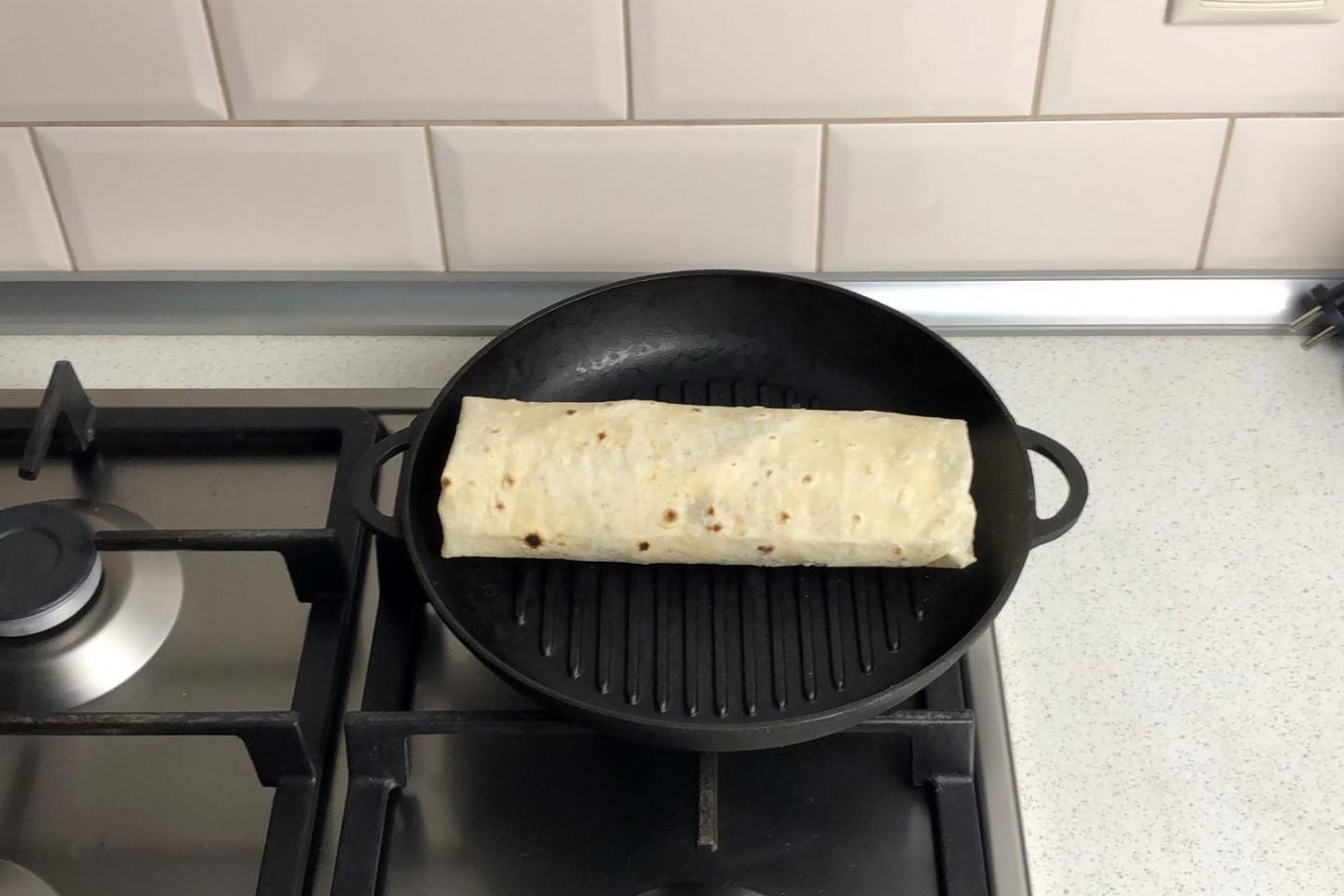
Heat a grill pan and set the wrapped shawarma on it.
-
Step 17:
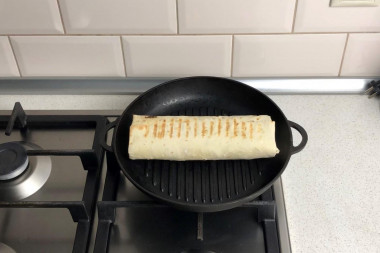
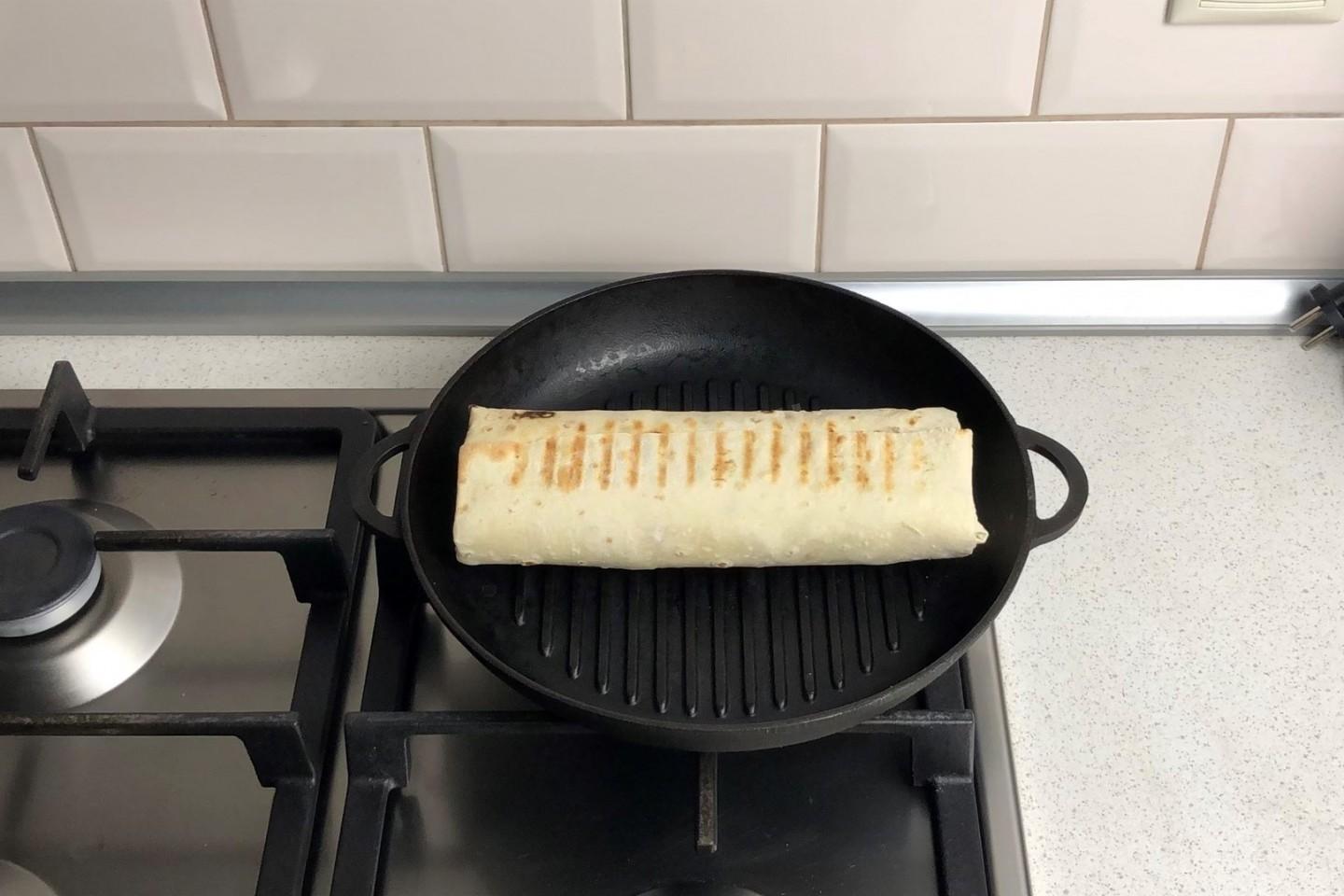
Toast the shawarma on both sides until grill marks appear. Toasting is optional — you can eat the shawarma right after wrapping it. But toasting crisps up the lavash and warms the filling through, which really improves the flavor. To serve, you can cut the shawarma in half for easier eating. Enjoy!

- I make shawarma at home all the time — we all love it. I usually do chicken, but sometimes pork. Besides the vegetables in the recipe, you can add onion, garlic, Korean-style carrots, pickles, or bell pepper — whatever you like and have on hand. To lighten it up, use yogurt or sour cream as the sauce.
- Choose tomatoes that are juicy but firm. Soft ones don't hold their shape; they turn to mush as you slice and cook, spoiling the look of the dish.
- If the skin isn't tough, damaged, or bitter, there's no need to peel it.
- How do you pick good lavash? First check the production date on the package and skip anything past its prime. Fresh lavash should smell pleasant. Look it over closely to make sure there are no spots or signs of mold.
Caloric content of the products possible in the composition of the dish
- Tomatoes - 23 kcal/100g
- Fresh cucumbers - 15 kcal/100g
- Pork, fatty - 333 kcal/100g
- Pork, lean cuts - 357 kcal/100g
- Pork, lean roast - 184 kcal/100g
- Pork chop, bone-in - 537 kcal/100g
- Pork schnitzel - 352 kcal/100g
- Pork shoulder - 593 kcal/100g
- Wild boar leg - 113 kcal/100g
- Pork - 259 kcal/100g
- Ground black pepper - 255 kcal/100g
- Salad mayonnaise 50% fat - 502 kcal/100g
- Light mayonnaise - 260 kcal/100g
- Provençal mayonnaise - 624 kcal/100g
- Provençal mayonnaise - 627 kcal/100g
- Table mayonnaise - 627 kcal/100g
- Napa cabbage - 16 kcal/100g
- Armenian lavash - 236 kcal/100g
- Lavash - 277 kcal/100g
- Salt - 0 kcal/100g
- Ground red pepper - 318 kcal/100g
- Ketchup - 93 kcal/100g
Similar recipes


- Fast and tasty
- Homemade dinner
- National cuisine
- Snacks
- Meat and meat products
- Semi-finished products
- Vegetables
- Bakery products
- Spices seasonings spices
- Fats and oils
- Wheat bread
- Pepper
- Salt
- Mayonnaise
- Turkish cuisine
- Arabic cuisine
- Hot snacks
- Meat snacks
- Frying
- In a frying pan
- Tomatoes fast and delicious
- Dishes in 30 minutes
- Pork
- Sauce
- From cabbage
- From cucumbers
- From tomato
- No eggs
- Recipes for lean dishes without butter