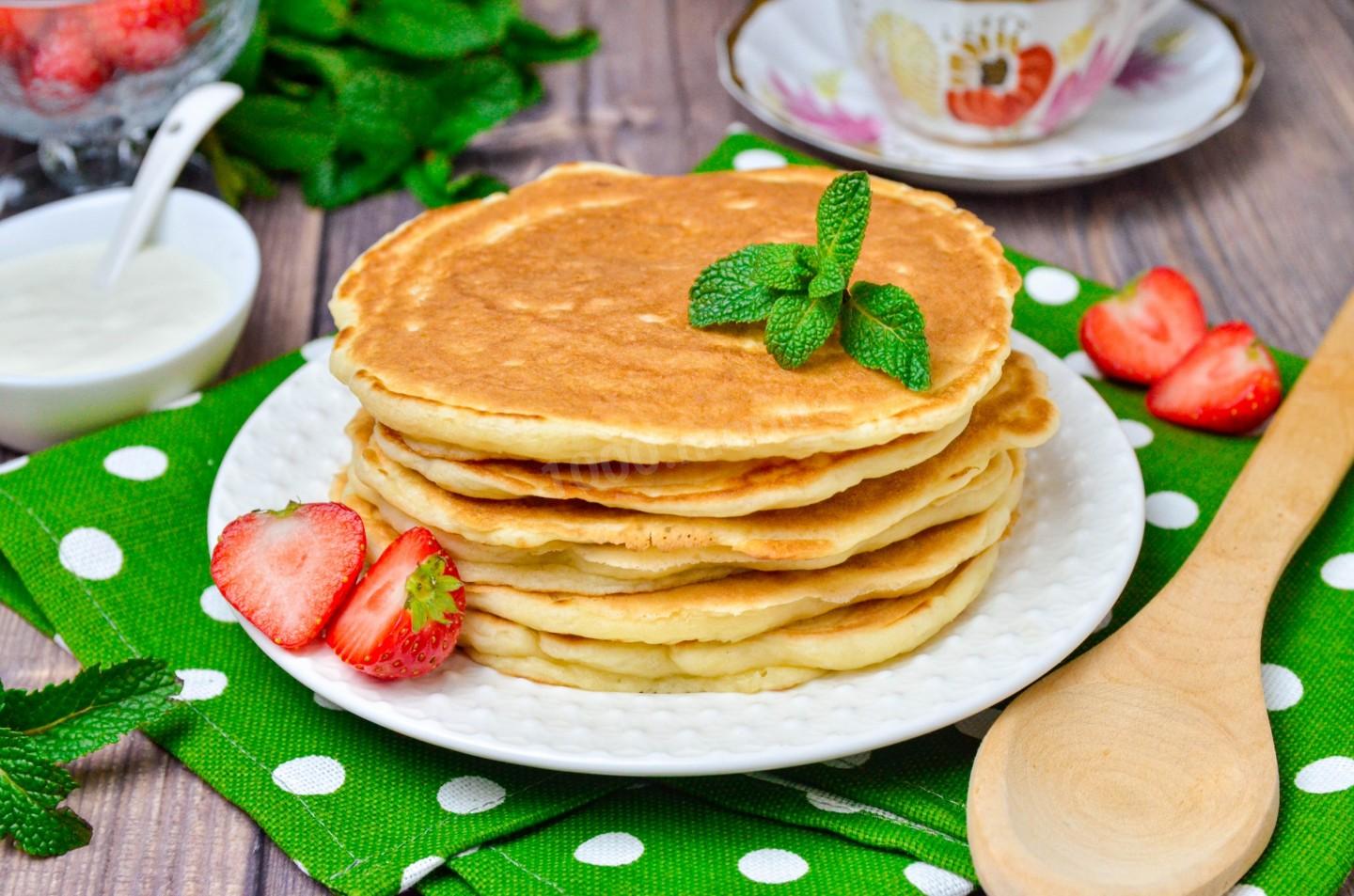
Thick, Fluffy Yeast Pancakes
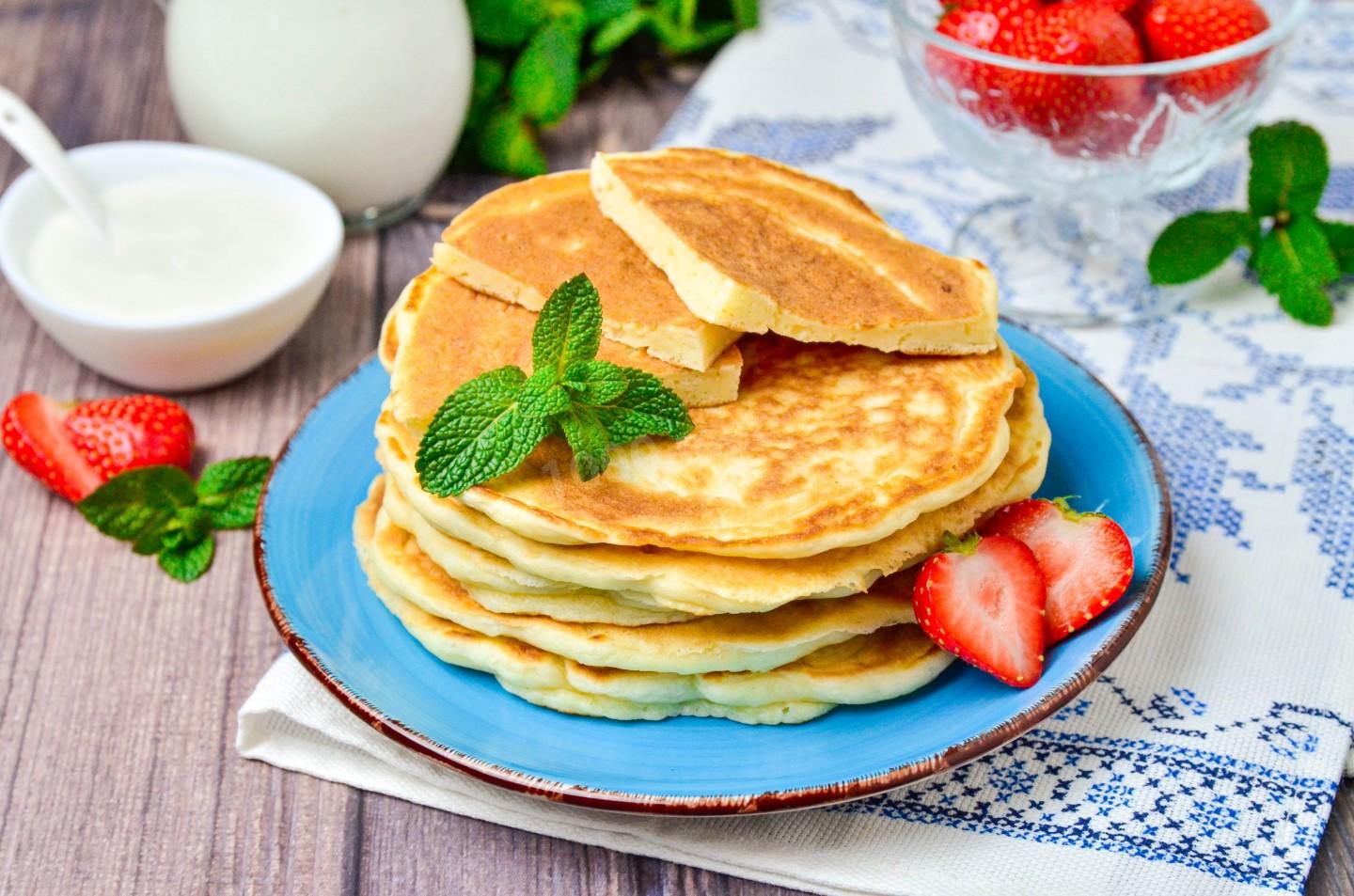
Delicious, golden, and irresistible — a breakfast the whole family will love! These thick, fluffy yeast pancakes take a little longer than the usual kind, but they're worth the effort — the flavor is amazing! They come out incredibly soft and fragrant, and they're especially good drizzled with honey.

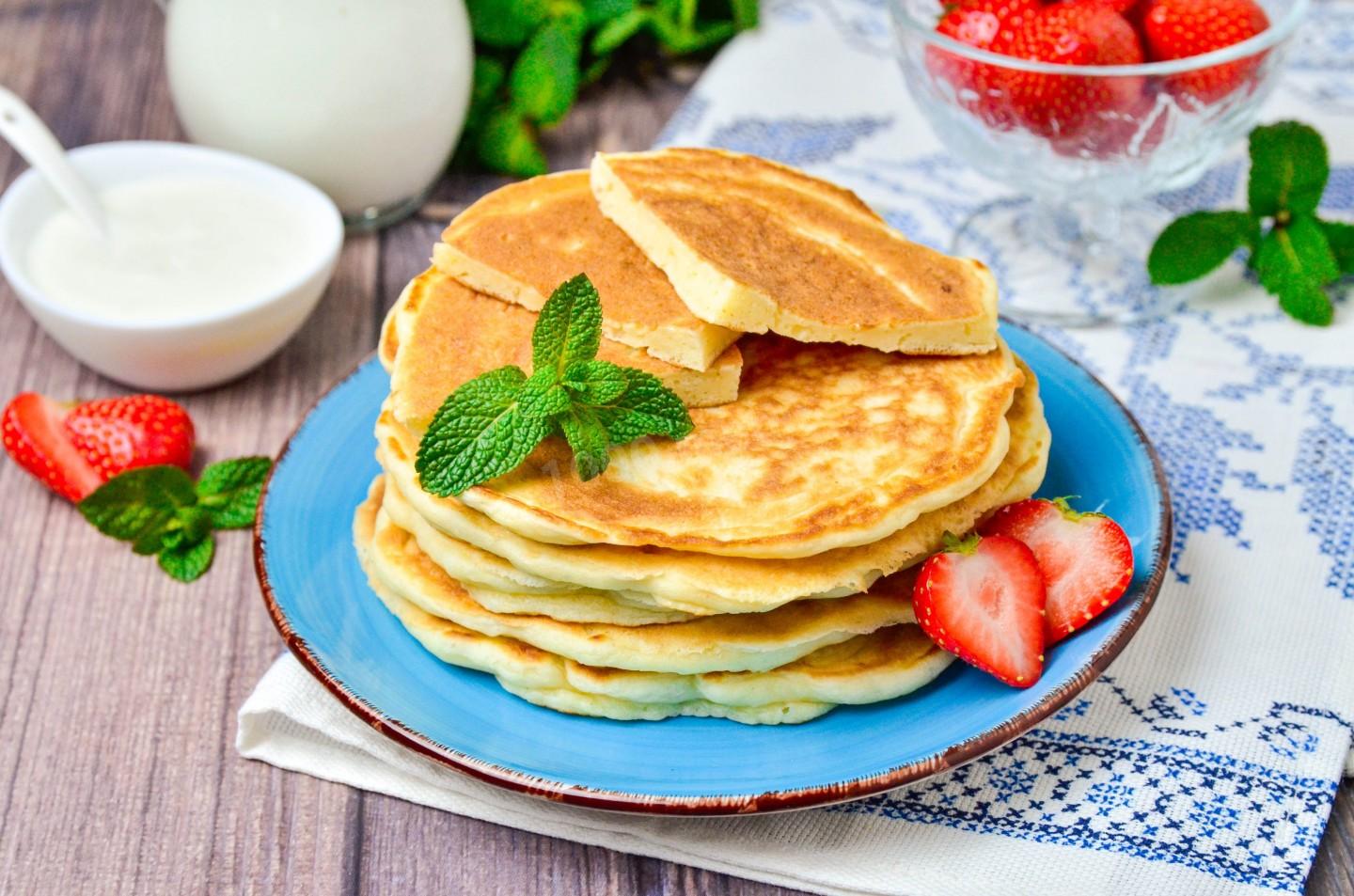
Cooking method
-
Step 1:
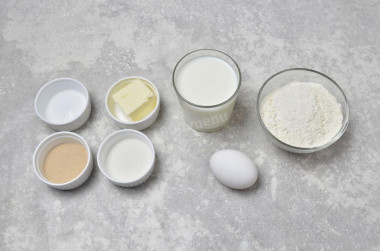
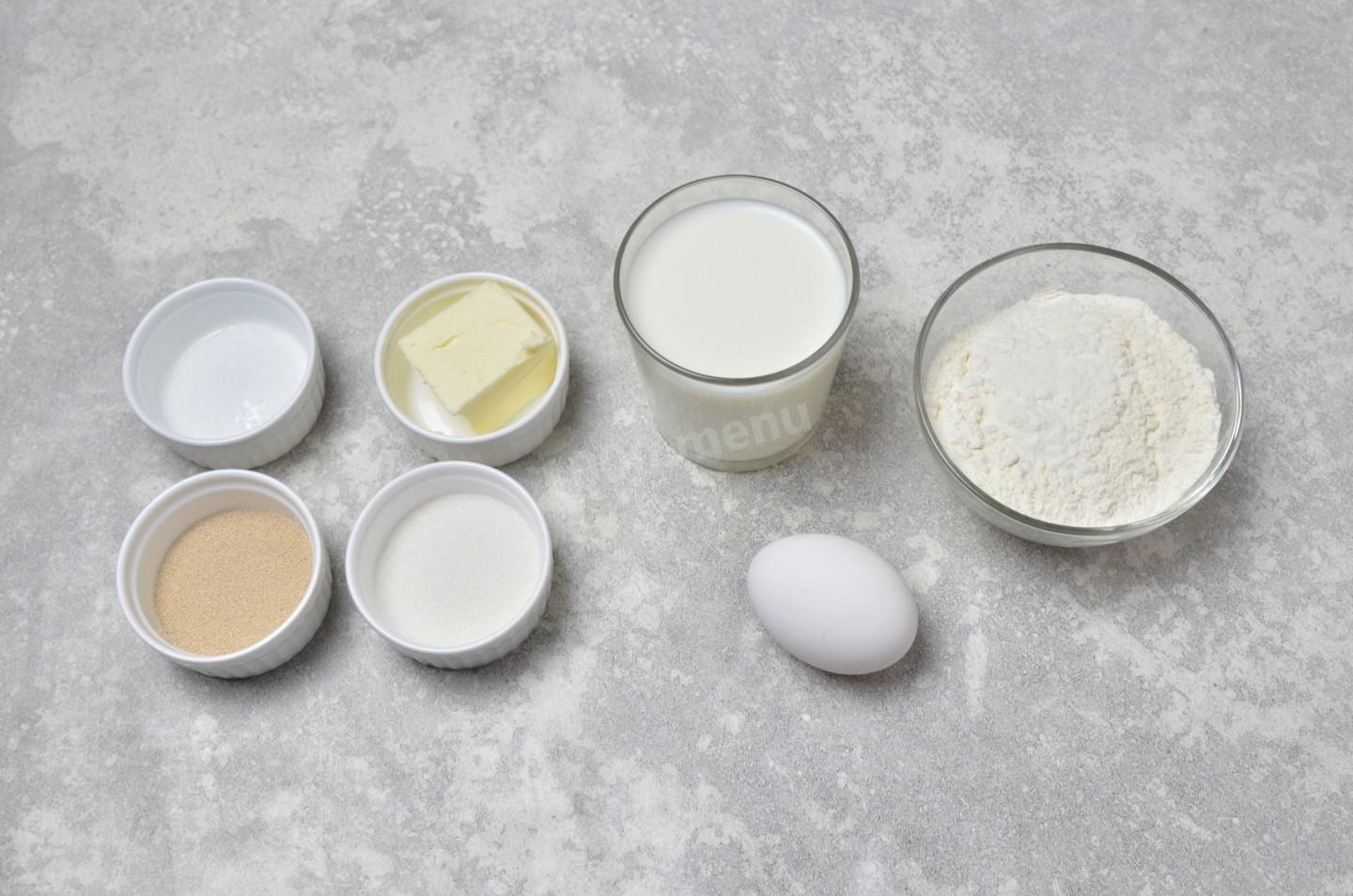
How do you make thick, fluffy yeast pancakes? Gather your ingredients. This amount makes about 7 small pancakes — scale it up if you need more. Any fat content of milk works. Use good-quality butter with no added vegetable fats.
-
Step 2:
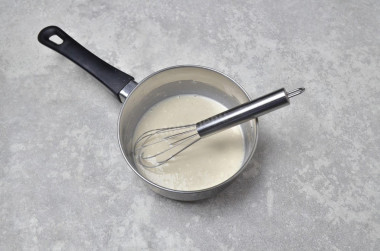
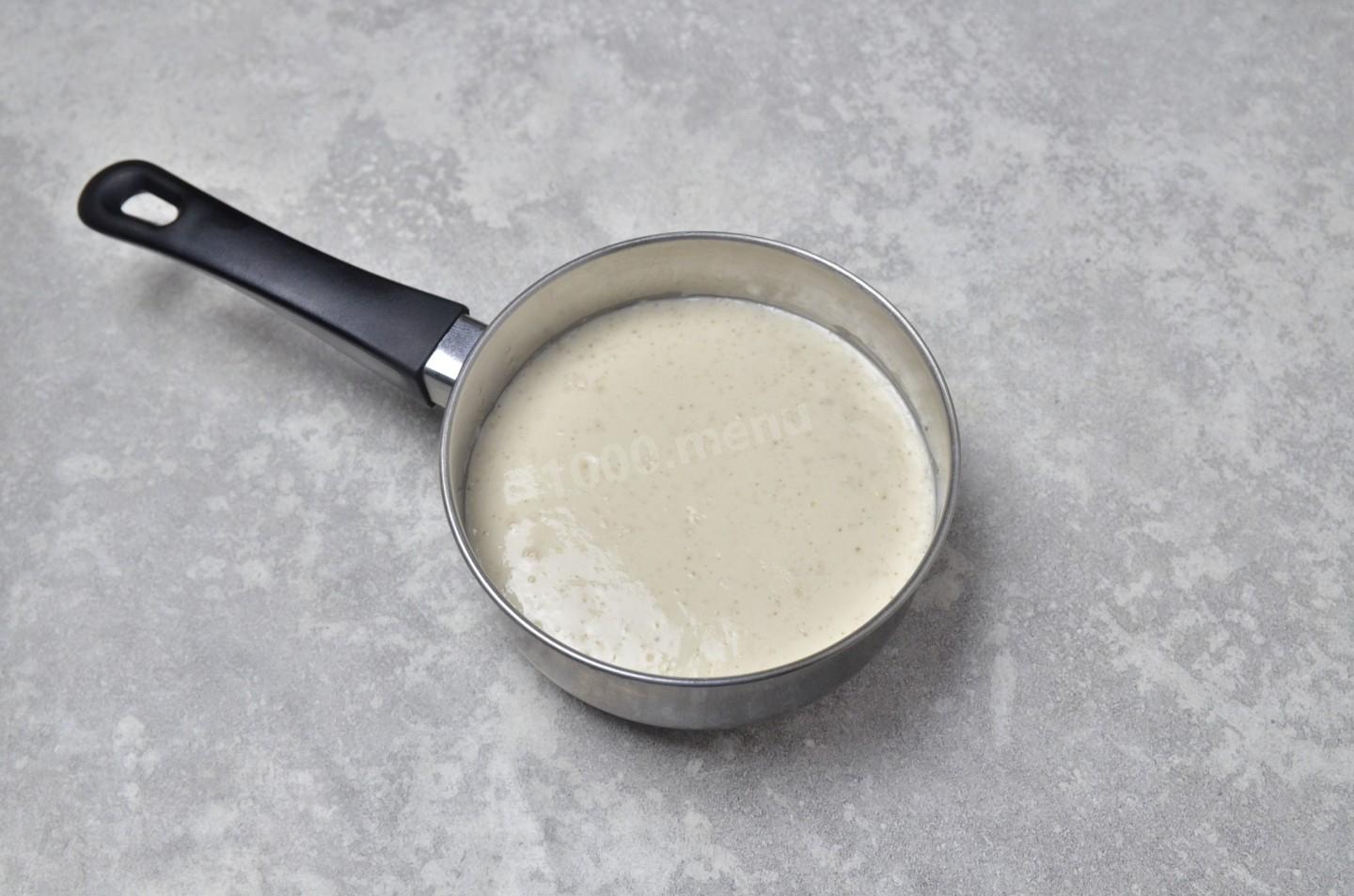
Start by making the sponge (the yeast starter). Take about a third of the milk and warm it to 100–104°F (38–40°C). That's the sweet spot for activating the yeast — too hot will kill it, too cold won't wake it up. Stir a third of the sugar, the salt, and the dry yeast into the warm milk. Add a couple of spoonfuls of flour and whisk again until smooth.
-
Step 3:
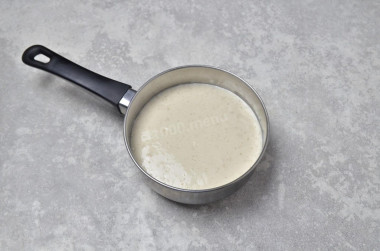
Cover the bowl with a clean towel and let the sponge rest for 10–15 minutes. By then it should be bubbly and roughly doubled in volume. If it isn't, your yeast is likely dead — start over with a fresh package.
-
Step 4:
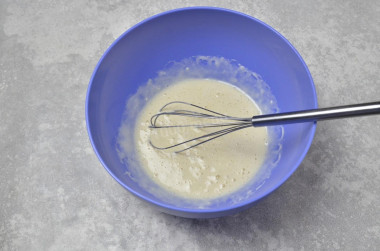
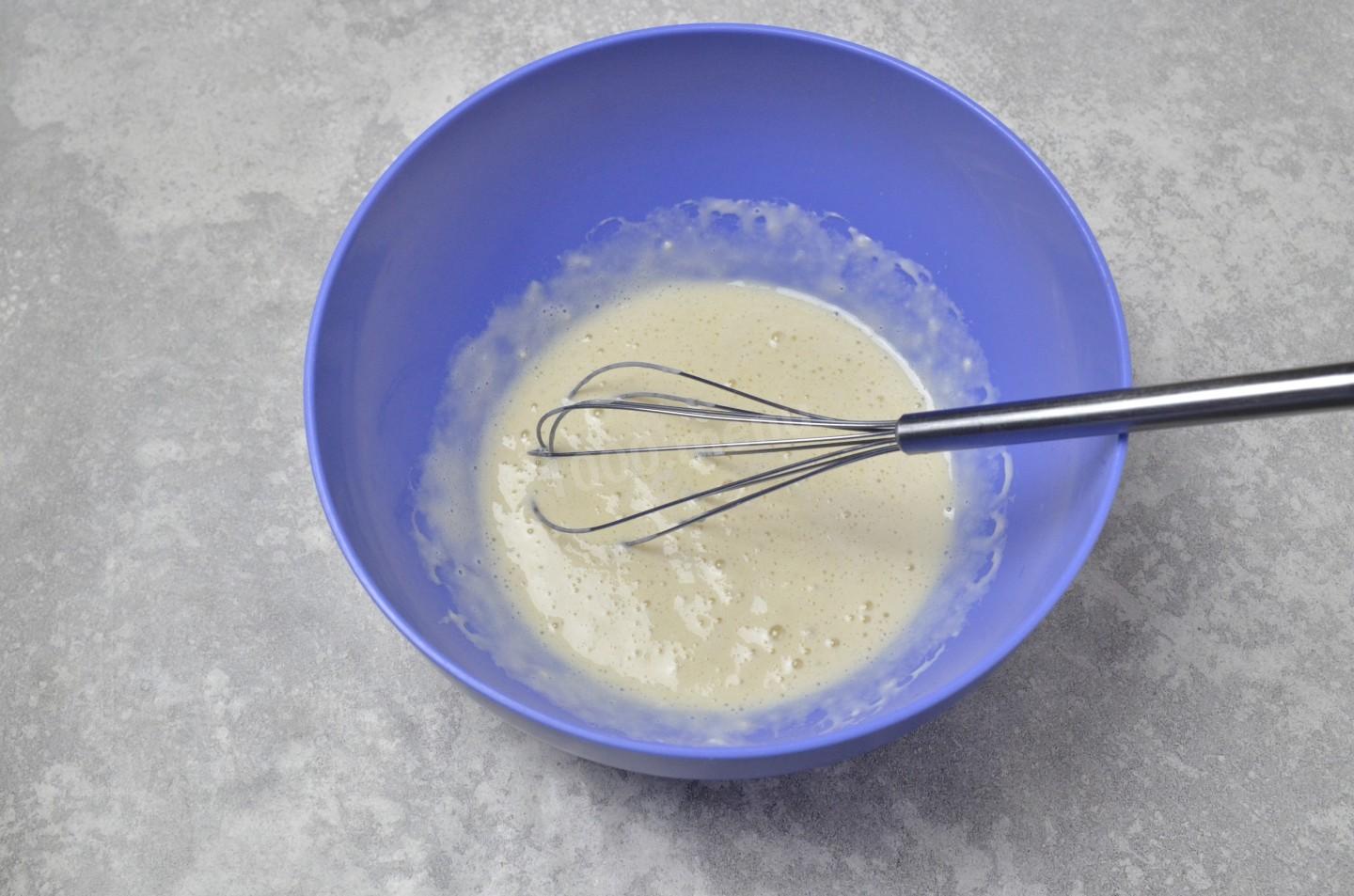
In a mixing bowl, crack in the egg and add the remaining sugar. Beat until smooth, then pour in the sponge and stir to combine.
-
Step 5:
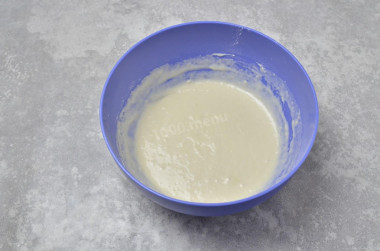
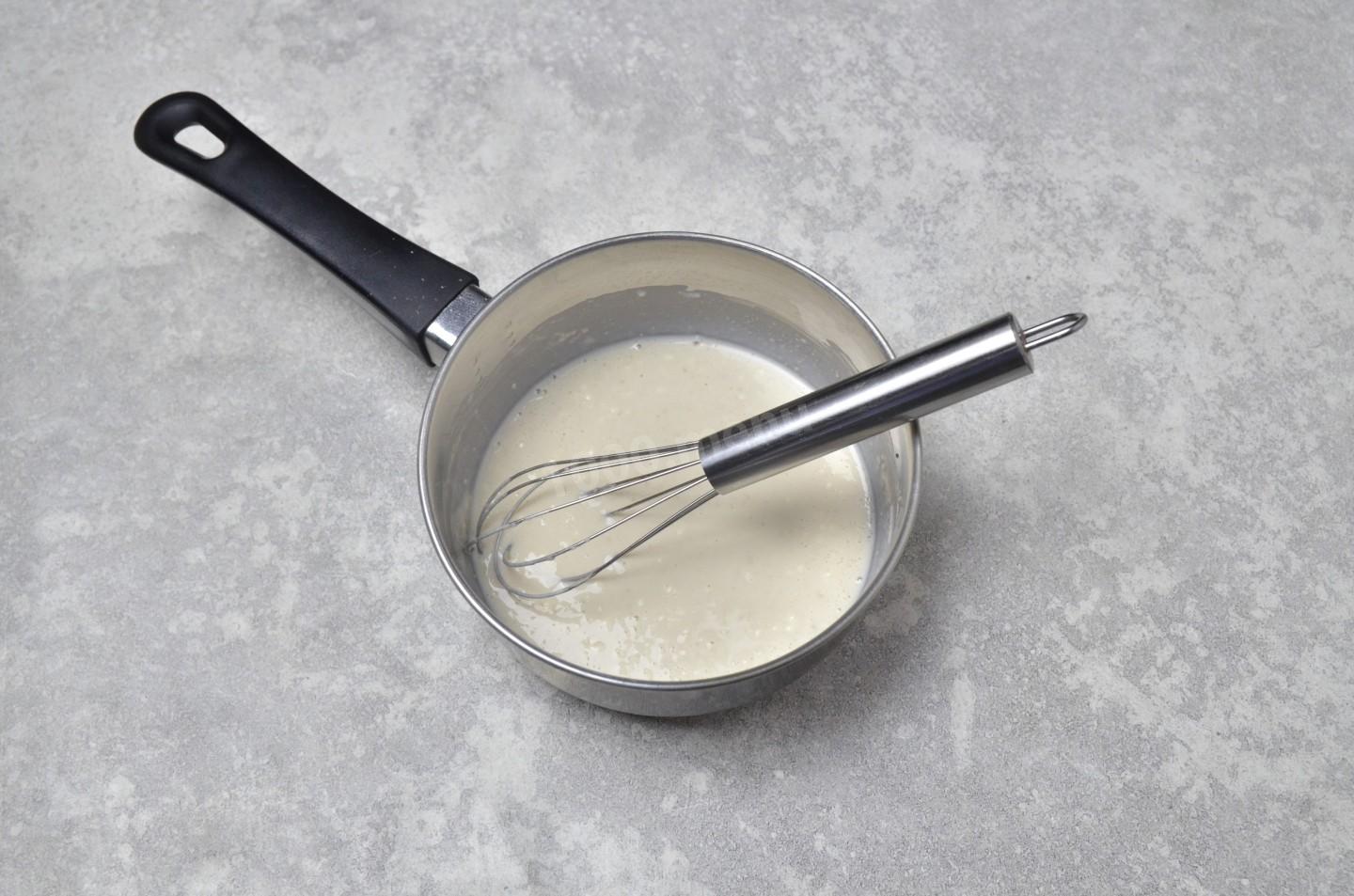
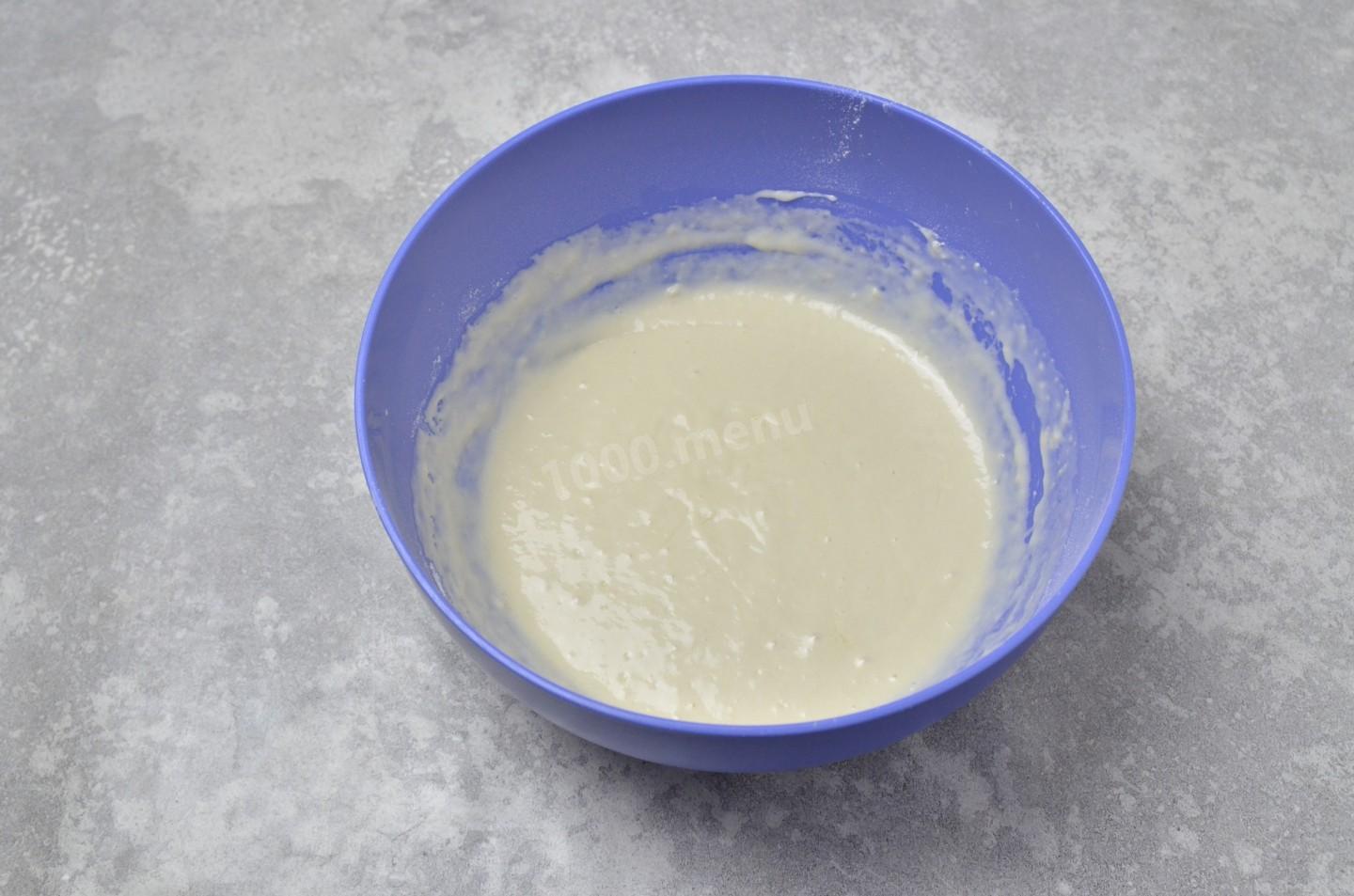
Sift in the flour. Start mixing the batter, adding the remaining milk a little at a time — this keeps lumps from forming. Now is when you dial in the consistency: more milk makes a thin batter and thin pancakes, while a thicker batter gives you tall, fluffy ones. Mix until smooth, then stir in the melted butter last.
-
Step 6:
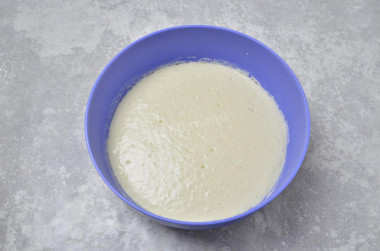
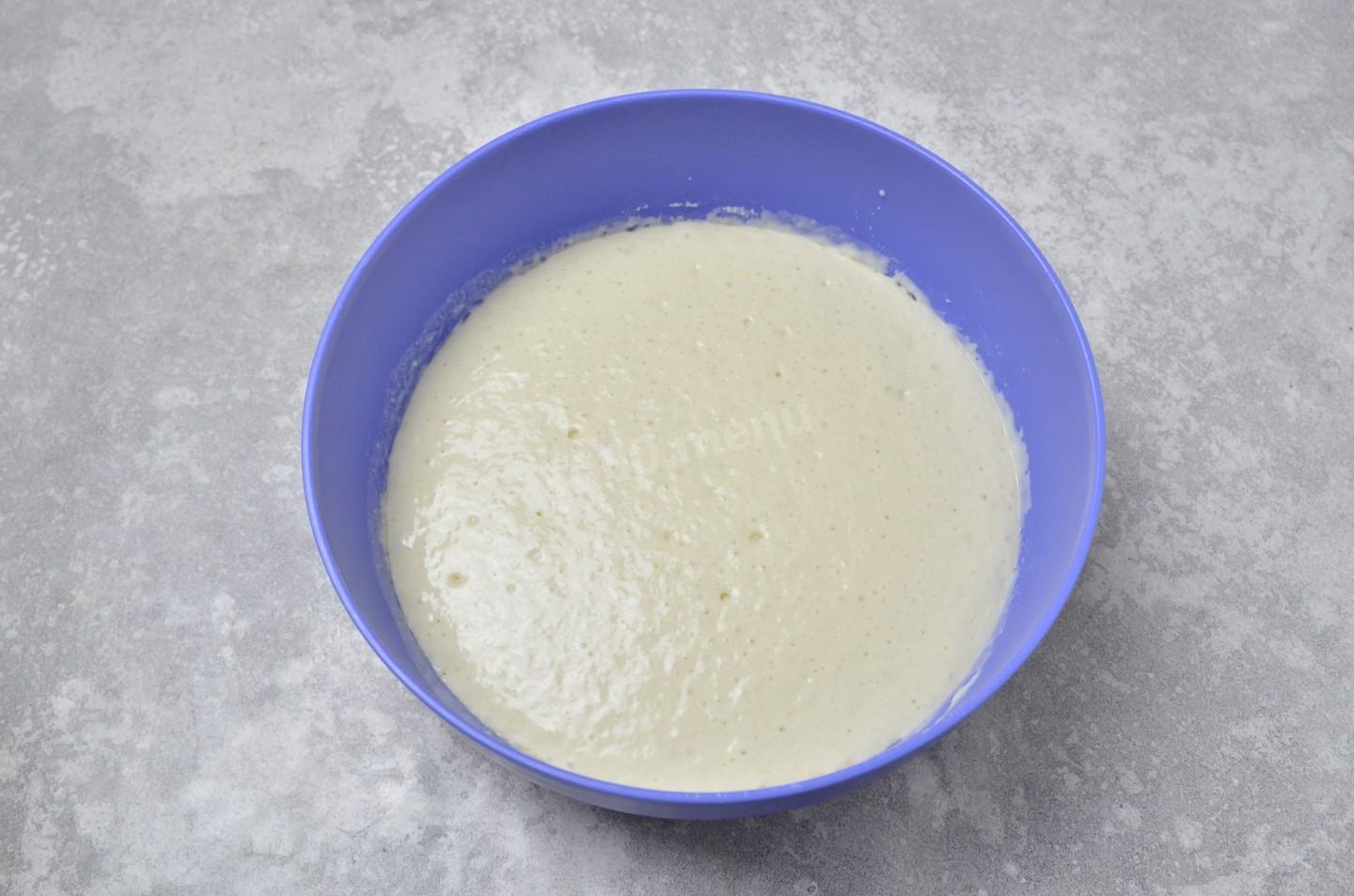
Set the batter in a warm spot to rise for at least 30 minutes — an hour is even better. If you're short on time, rest the bowl over a warm water bath. The batter should double in size.
-
Step 7:
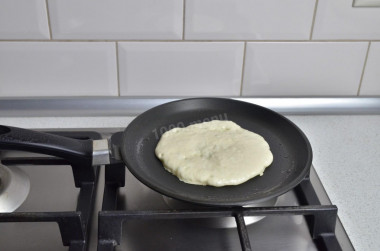
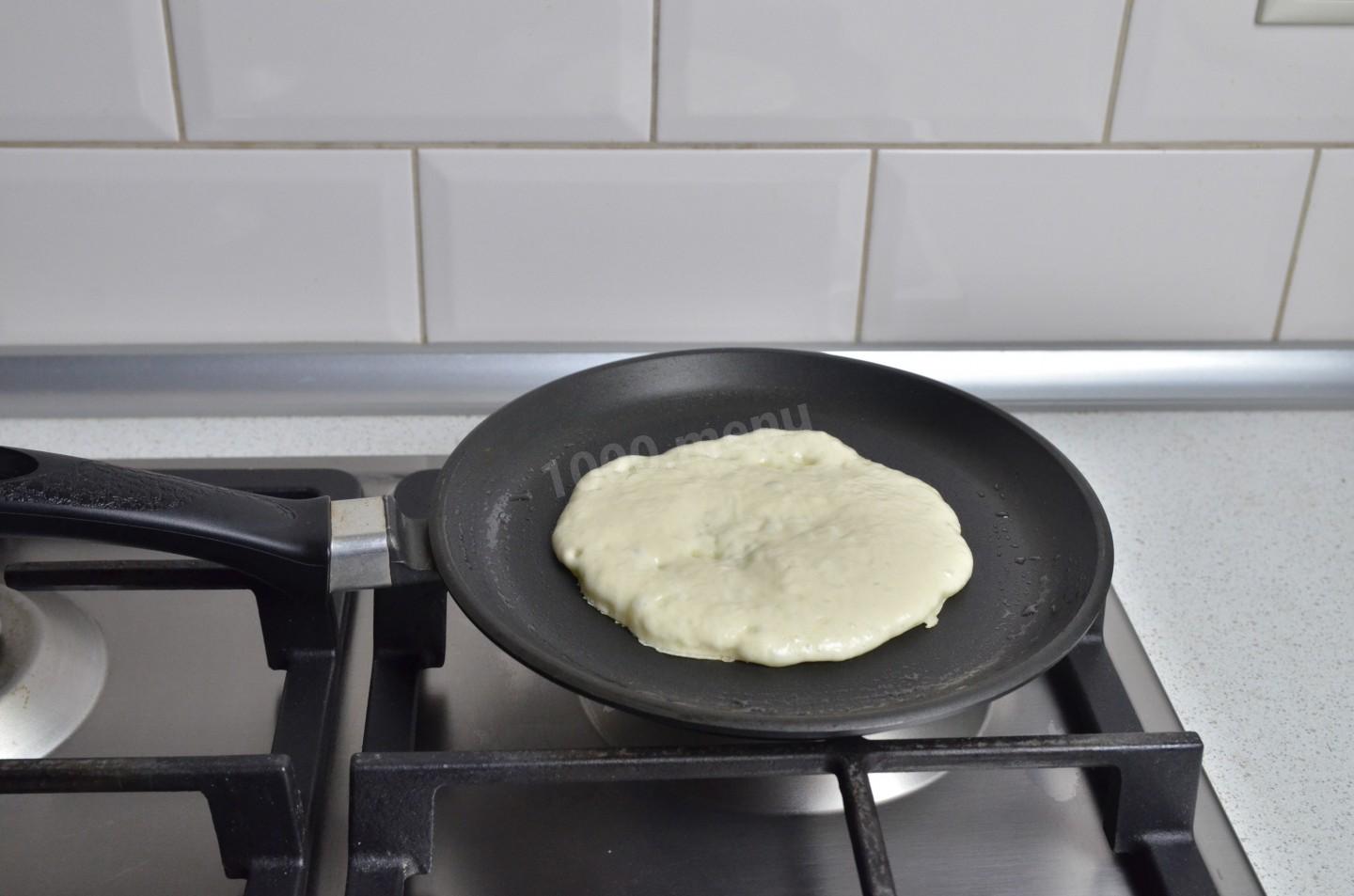
Heat a heavy-bottomed skillet over high heat and brush it with a drop of oil. Ladle batter into the center of the pan, spreading it evenly across the bottom.
-
Step 8:
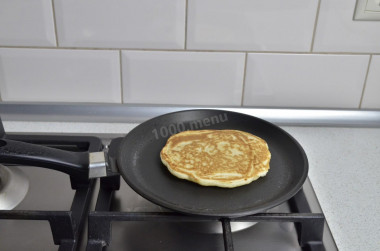
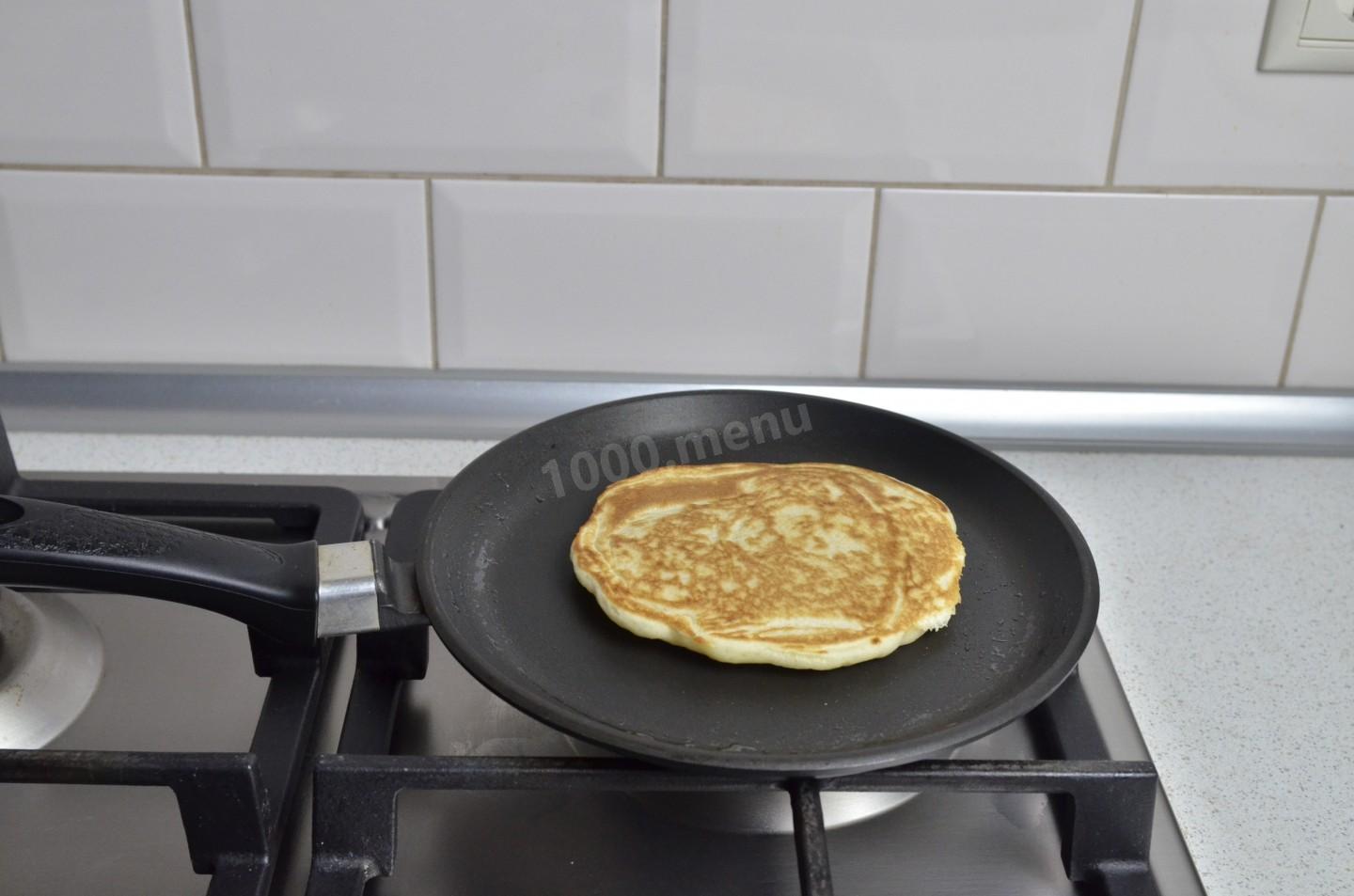
Cook the pancake on one side until golden, then flip and cook the other. Stack the finished pancakes on a plate and brush them with butter if you like. You don't have to grease the pan each time — the butter in the batter keeps them from sticking. Alternatively, skip the butter in the batter and fry the pancakes in butter instead.
-
Step 9:
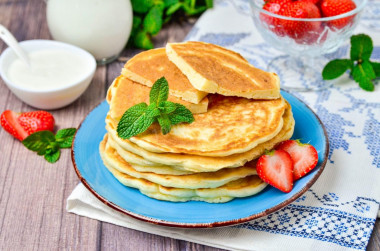
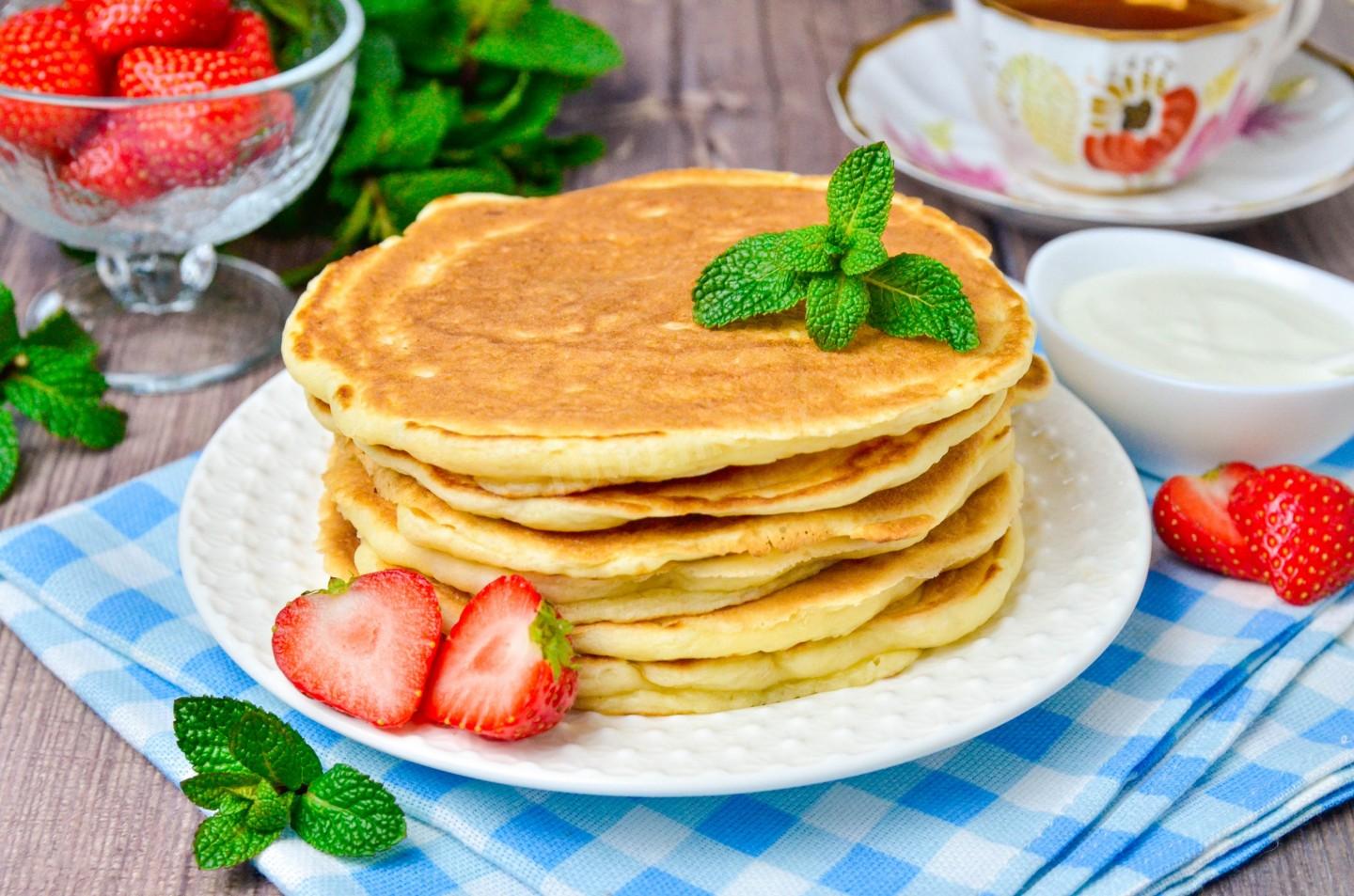
Serve the pancakes hot with sour cream, honey, jam, or fresh berries. Enjoy!
- Always wash eggs before using them — even a shell that looks clean can carry bacteria. A little dish soap and a brush work well.
- You can melt butter in the microwave or over a water bath. To microwave it: cut the butter into small pieces, put them in a microwave-safe container, and cover it with a paper towel to keep it from spattering. Melt it on the lowest power or on the defrost setting — start with about 5 seconds, then repeat in 5-second bursts until it's fully melted. For a water bath: set a small heatproof bowl over a larger pot of simmering water so the bowl is submerged about halfway. Add the cubed butter and stir gently as the heat melts it; take the bowl off the heat as soon as the butter has melted completely.
- You can swap the active dry yeast for fresh cake yeast at a ratio of 1:3 — for every 1 gram of dry yeast the recipe calls for, use 3 grams of fresh.
Caloric content of the products possible in the composition of the dish
- Whole cow's milk - 68 kcal/100g
- Milk 3.5% fat content - 64 kcal/100g
- Milk 3.2% fat content - 60 kcal/100g
- Milk 1.5% fat content - 47 kcal/100g
- Concentrated milk 7.5% fat content - 140 kcal/100g
- Milk 2.5% fat content - 54 kcal/100g
- Chicken egg - 157 kcal/100g
- Egg white - 45 kcal/100g
- Egg powder - 542 kcal/100g
- Egg yolk - 352 kcal/100g
- Ostrich egg - 118 kcal/100g
- Whole durum wheat flour fortified - 333 kcal/100g
- Whole durum wheat flour, universal - 364 kcal/100g
- Flour krupchatka - 348 kcal/100g
- Flour - 325 kcal/100g
- Granulated sugar - 398 kcal/100g
- Sugar - 398 kcal/100g
- Butter 82% - 734 kcal/100g
- Amateur unsalted butter - 709 kcal/100g
- Unsalted peasant butter - 661 kcal/100g
- Peasant salted butter - 652 kcal/100g
- Melted butter - 869 kcal/100g
- Salt - 0 kcal/100g
- Dry yeast - 410 kcal/100g