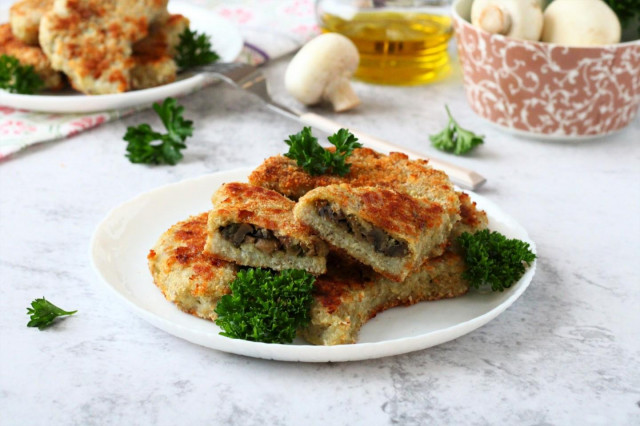
Chapati—Indian Flatbreads with Water
Unusual, light, and great for everyday use in place of bread! Chapati is an Indian flatbread made with just water. It comes together simply and quickly, with no yeast or baking powder—so it's a real find for anyone who skips traditional bread.


Cooking method
-
Step 1:
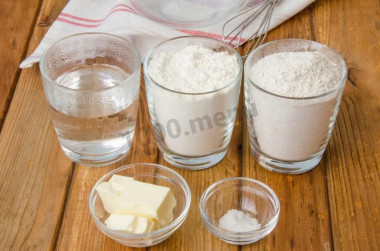
How do you make chapati—Indian flatbreads with water? Gather your ingredients. You'll need very little: two kinds of flour (rye and wheat), water, and salt. The water should be warm, so boil about half a cup ahead of time and let it cool slightly.
-
Step 2:
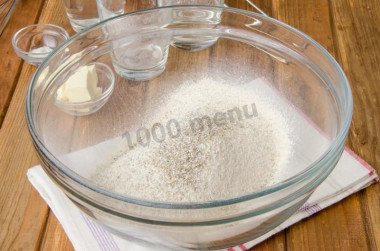
Take a large, roomy bowl for kneading the dough. Sift in the wheat flour first, then the rye. Don't skip this step—sifting removes any stray bits and also gives you a better-quality flatbread.
-
Step 3:
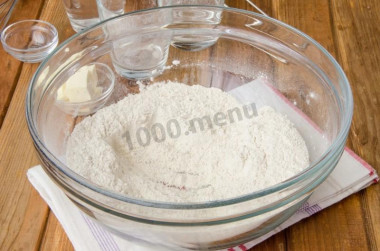
Add the salt and stir the dry ingredients so it's evenly distributed. Make a small well in the center of the flour.
-
Step 4:
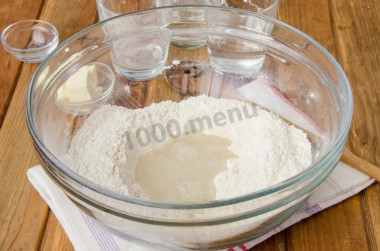
Pour the warm water into the well in small additions and knead a soft, pliable dough. Flour varies a lot in how much water it takes, so you may need more or less—go by the feel of the dough.
-
Step 5:
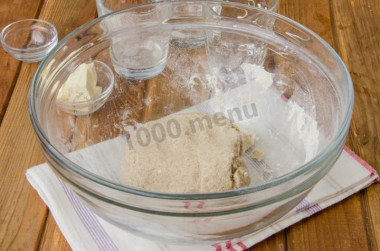
You don't need to knead it long—just gather it into a ball and work it right in the bowl for a couple of minutes. Cover the dough with a damp towel and let it rest for 10–15 minutes. During that time the flour absorbs all the liquid and the dough becomes more elastic.
-
Step 6:
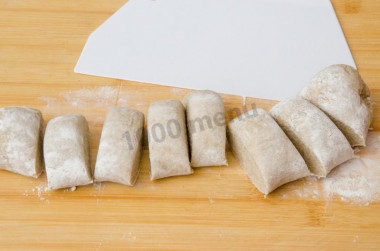
Divide the rested dough into 6–8 pieces (I'd go with 6, which gives flatbreads about 8–9 inches across).
-
Step 7:
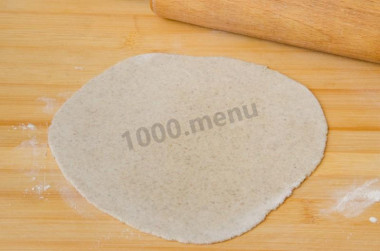
Roll each piece into a round about 1/16 inch (2 mm) thick. Dust the work surface lightly with flour so the dough doesn't stick.
-
Step 8:
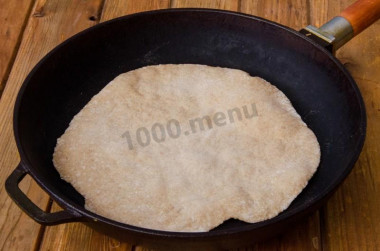
Heat a skillet over medium heat. Lay a flatbread in the dry pan. As soon as the underside is lightly browned and starts to bubble, flip it over.
-
Step 9:
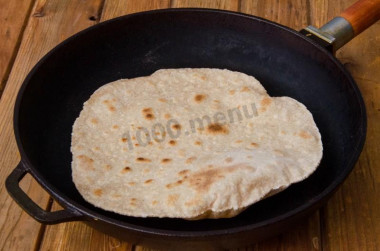
Cook it just about 1 minute more. These flatbreads cook fast, so watch them and don't overdo it, or they'll dry out and turn brittle.
-
Step 10:
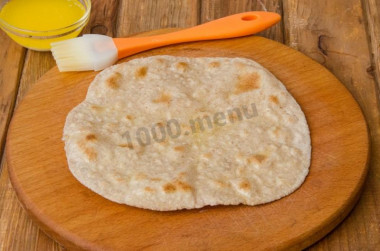
Move the finished flatbread to a board or plate and brush the top with melted butter (for a dairy-free version, leave it plain or use vegetable oil). The butter makes them more tender. Cover the hot flatbreads with a slightly damp towel so they don't dry out, or keep them in a covered container.
-
Step 11:
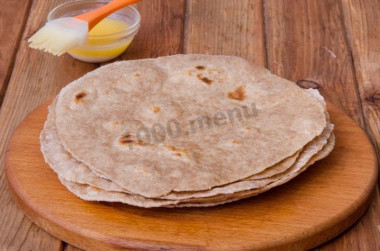
Cook all the flatbreads the same way.
-
Step 12:
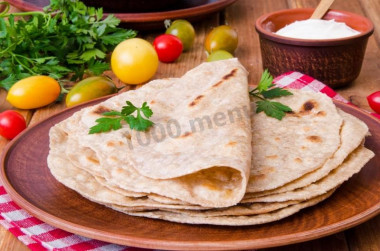
The chapati flatbreads are ready. They're best served still warm. Enjoy!


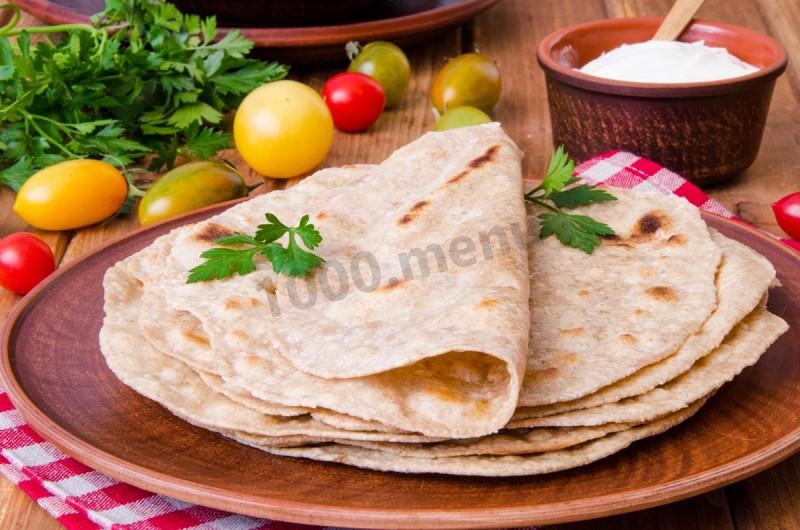
- It's best to make these flatbreads right before serving, since they dry out and turn brittle over time.
- To avoid mistakes when working with flour, read up on flour and its properties!
- For the best results, use filtered or bottled water that's neutral in taste. Tap water can give the dish an off, characteristic aftertaste.
Caloric content of the products possible in the composition of the dish
- Butter 82% - 734 kcal/100g
- Amateur unsalted butter - 709 kcal/100g
- Unsalted peasant butter - 661 kcal/100g
- Peasant salted butter - 652 kcal/100g
- Melted butter - 869 kcal/100g
- Salt - 0 kcal/100g
- Water - 0 kcal/100g
- Wheat flour - 325 kcal/100g
- Rye flour - 305 kcal/100g