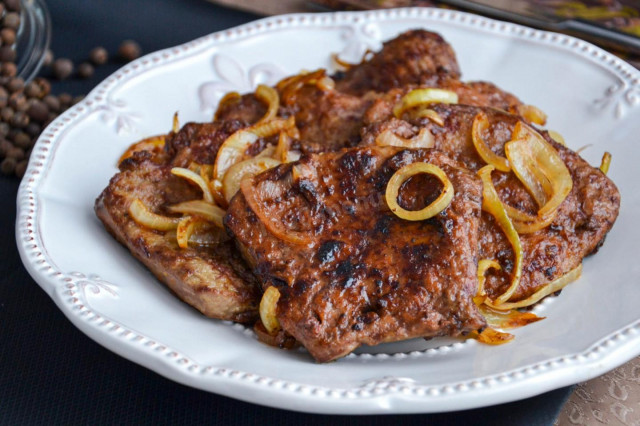
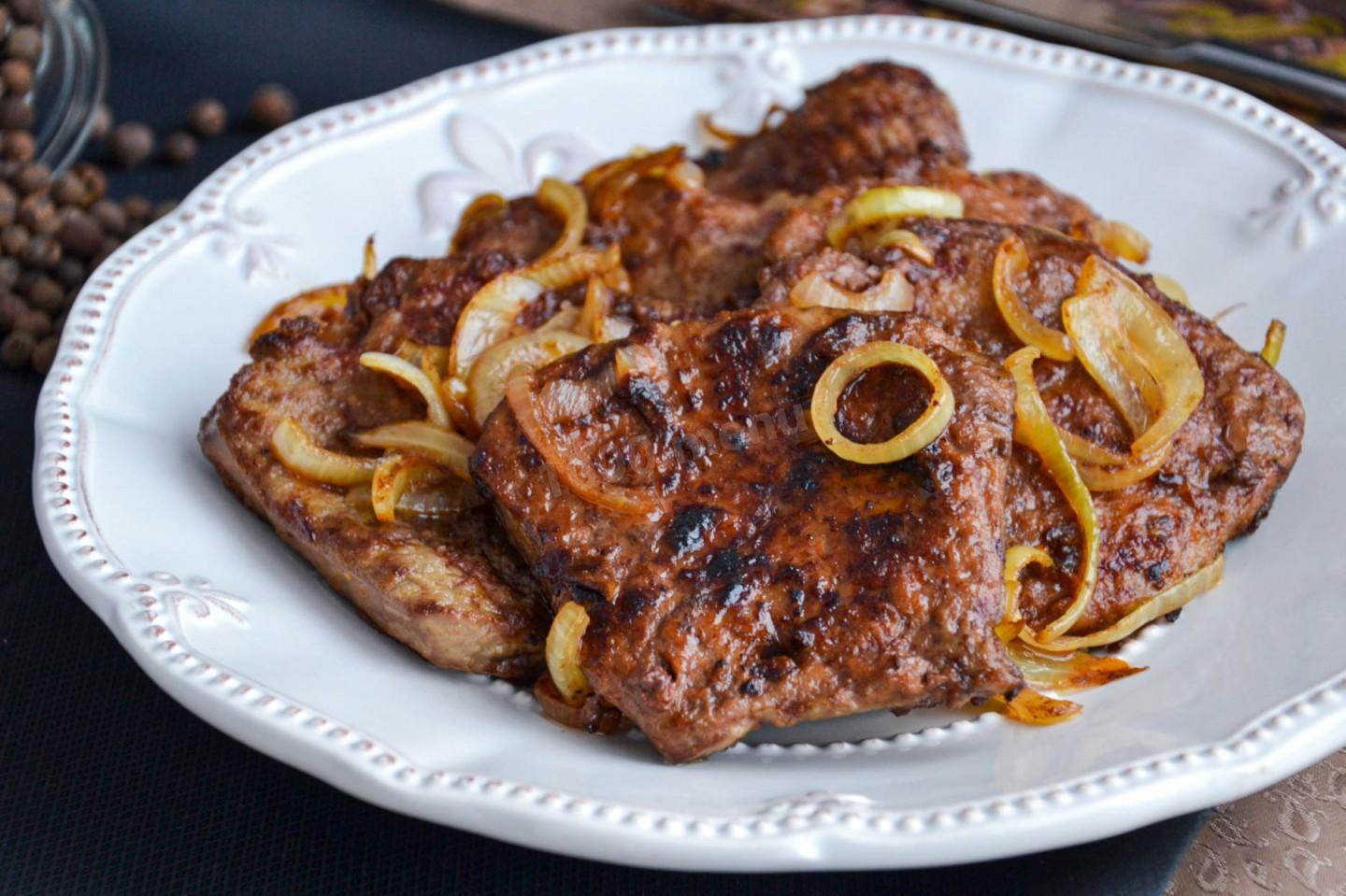
Flour-Dredged Pan-Fried Liver
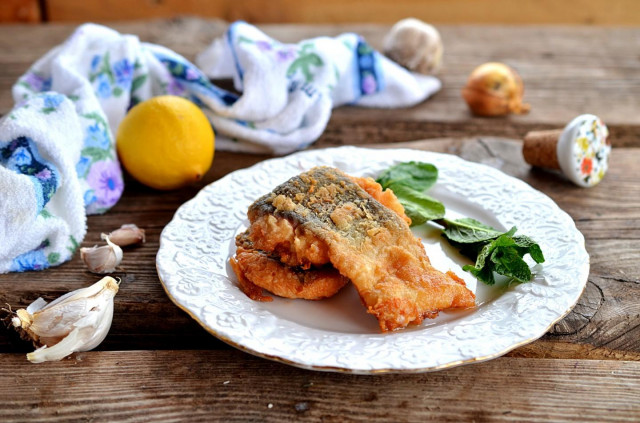
Tender, appetizing, juicy, and delicious! Flour-dredged liver is a simple dish that's incredibly tasty. The flour coating seals all the juices inside, so the liver comes out very soft. You can use the same method for pork or chicken liver.

Cooking method
-
Step 1:
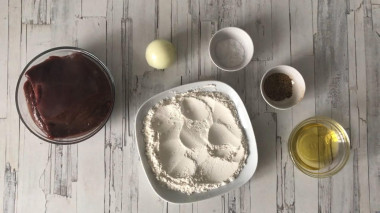
How do you pan-fry flour-dredged liver? Gather your ingredients. If the liver was frozen, thaw it by moving it from the freezer to the bottom shelf of the fridge first. I'd suggest leaving it slightly firm—it's easier to slice that way.
-
Step 2:
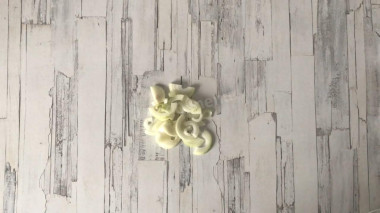
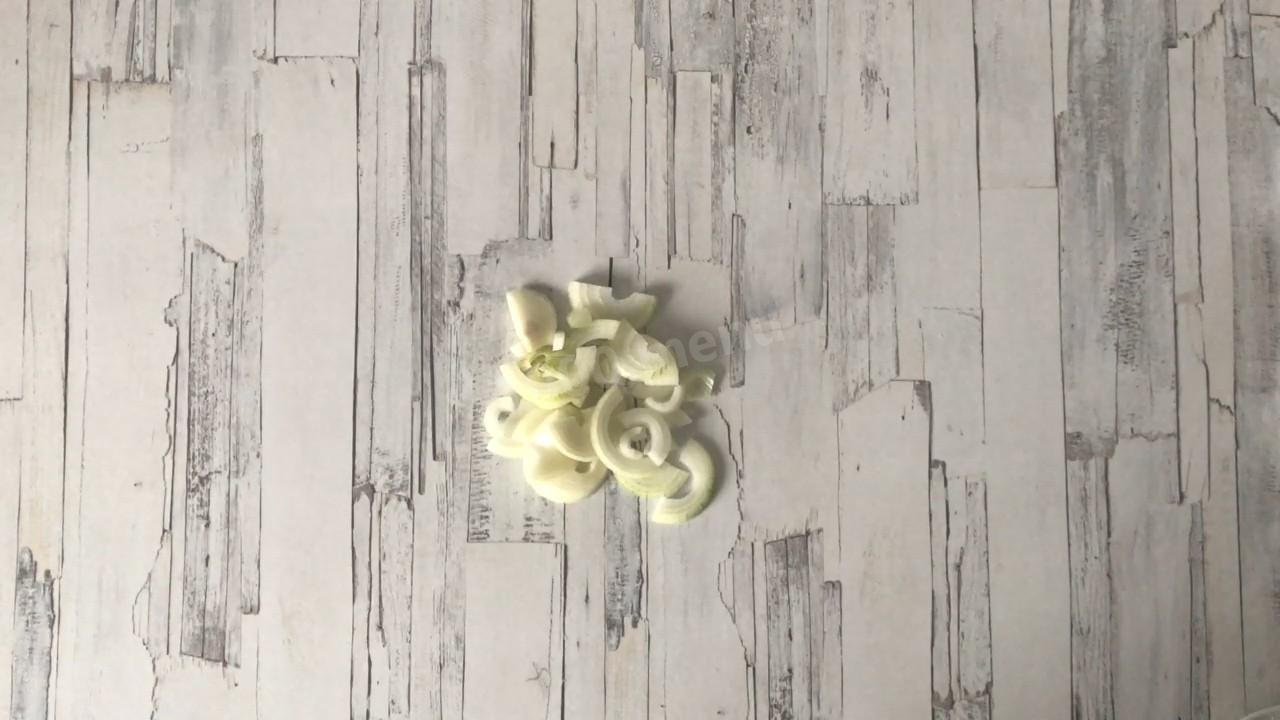
Peel the onion and cut it into half-rings.
-
Step 3:
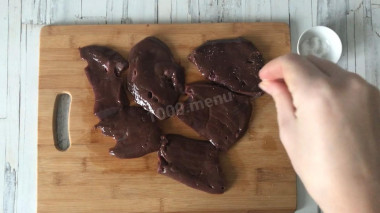
Rinse the liver and pat it dry well. It's important to do this thoroughly, or the liver will steam instead of fry. Cut it into pieces about 1/2 inch (1 cm) thick, salt them, and let them sit for 10 minutes.
-
Step 4:
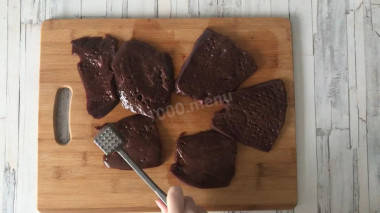
Then lightly pound the pieces on both sides. To keep the liver juices from spattering everywhere, you can cover it with plastic wrap first.
-
Step 5:
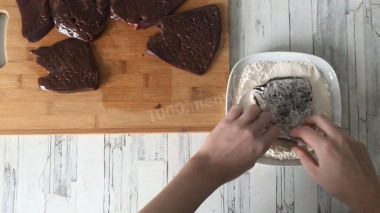
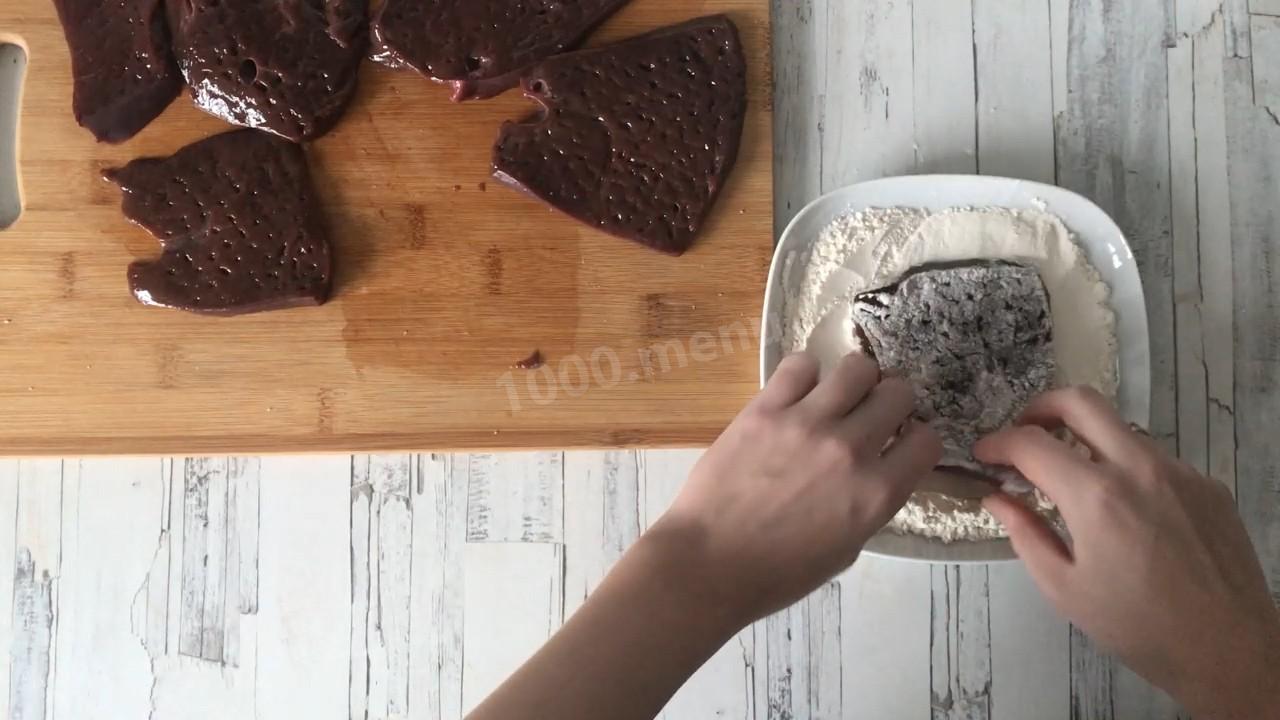
Pour the flour onto a flat plate. Dredge the liver pieces in the flour.
-
Step 6:
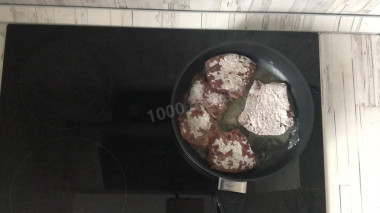
Heat the sunflower oil in a skillet over high heat. Add the liver and fry for 3–5 minutes per side, depending on the size of the pieces. Remove the liver from the skillet to a plate.
-
Step 7:
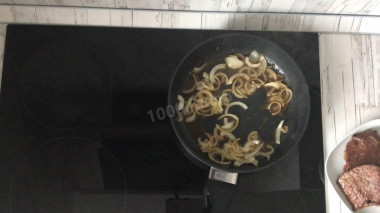
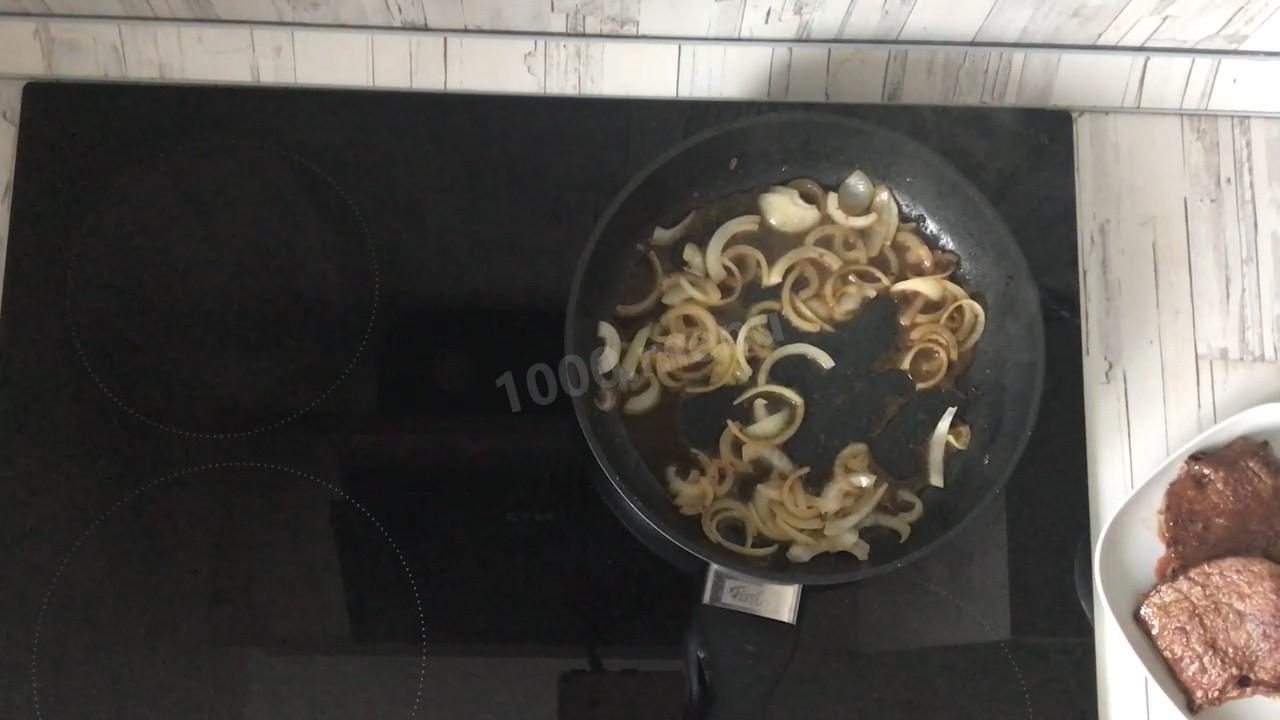
Add the onion to the same skillet the liver was fried in. Cook it over medium heat until translucent.
-
Step 8:
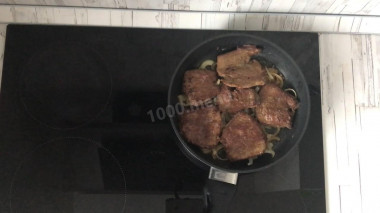
Return the liver to the skillet and fry it with the onion for about 5 more minutes. Don't cook it any longer, or it will turn tough. Serve the liver right away with any side dish or vegetables. Enjoy!





- Flour-dredged liver is an especially good recipe for anyone dealing with iron deficiency (anemia), since liver contains the highest amount of that mineral.
- Keep in mind that properly thawing your ingredients has a big effect on the quality and taste of the finished dish. For how to avoid mistakes and pick the best method, read our article on defrosting.
- Fry with an oil that has a high smoke point. Every oil is good only up to a certain temperature—its smoke point—beyond which it starts to burn and forms harmful compounds. Unrefined oils, with few exceptions, have a low smoke point because they're full of unfiltered particles that scorch quickly. Refined oils hold up better to heat and have a higher smoke point. Whenever you're cooking in the oven, in a skillet, or on the grill, reach for a high-smoke-point oil. The most common ones are refined sunflower, olive, and grapeseed oil.
- Important! The wrong pan can ruin even the best recipe. For all the details on choosing the perfect skillet for different dishes, read more here.
Caloric content of the products possible in the composition of the dish
- Onion - 41 kcal/100g
- Whole durum wheat flour fortified - 333 kcal/100g
- Whole durum wheat flour universal - 364 kcal/100g
- Flour krupchatka - 348 kcal/100g
- Flour - 325 kcal/100g
- Salt - 0 kcal/100g
- Sunflower oil - 898 kcal/100g
- Refined sunflower oil - 899 kcal/100g
- Beef liver - 130 kcal/100g