Pan-Fried Battered Pink Salmon
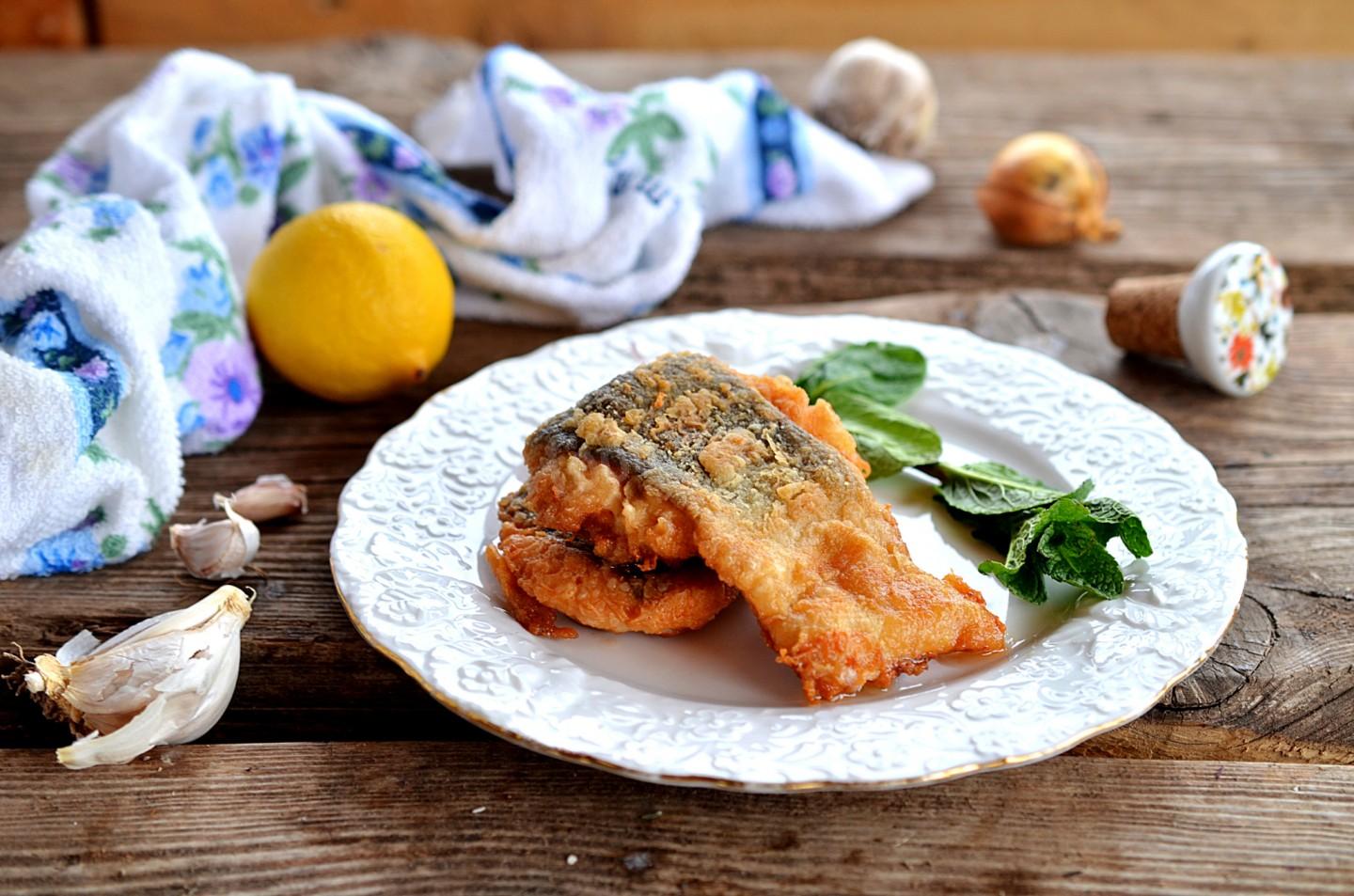
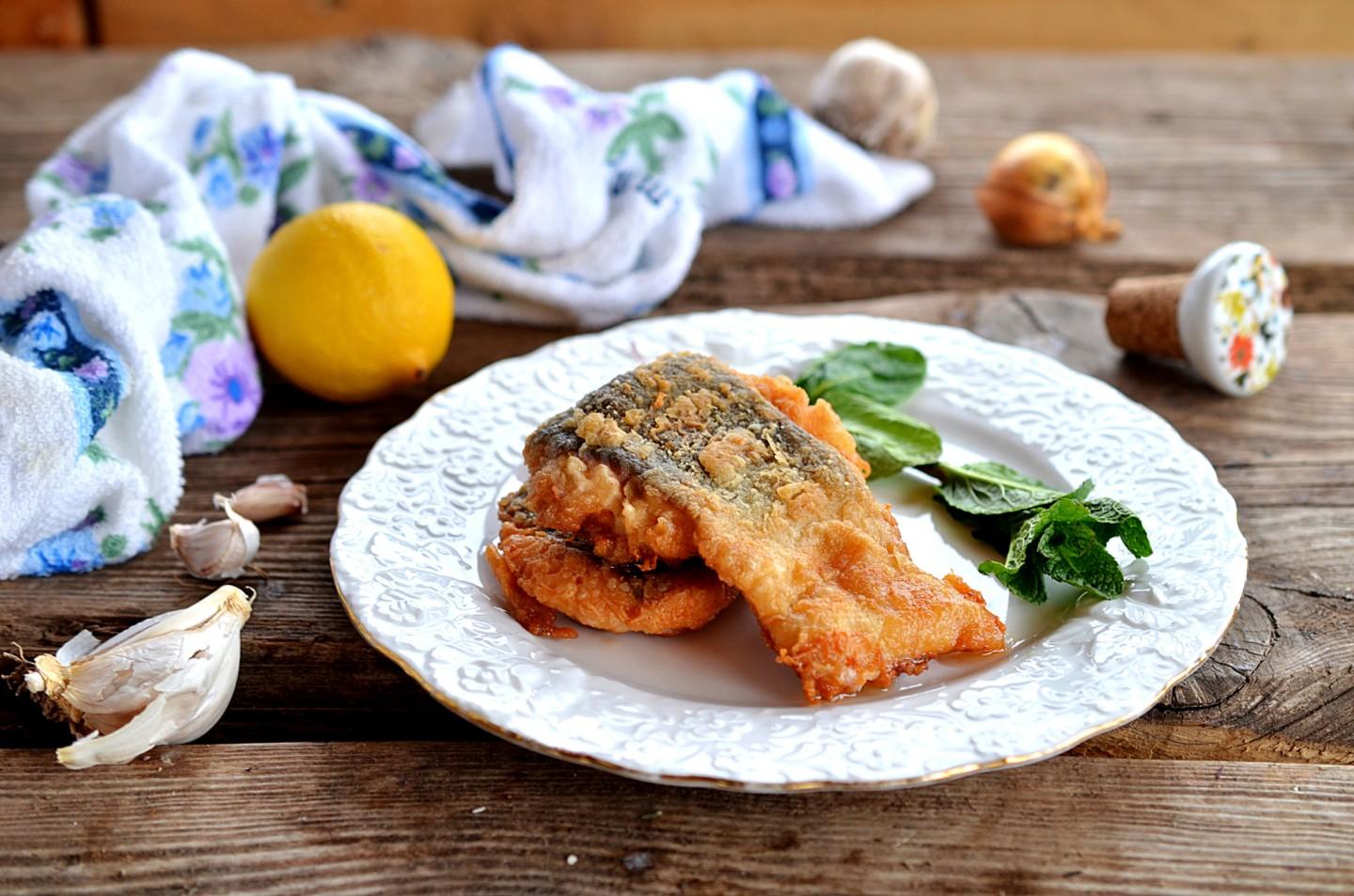
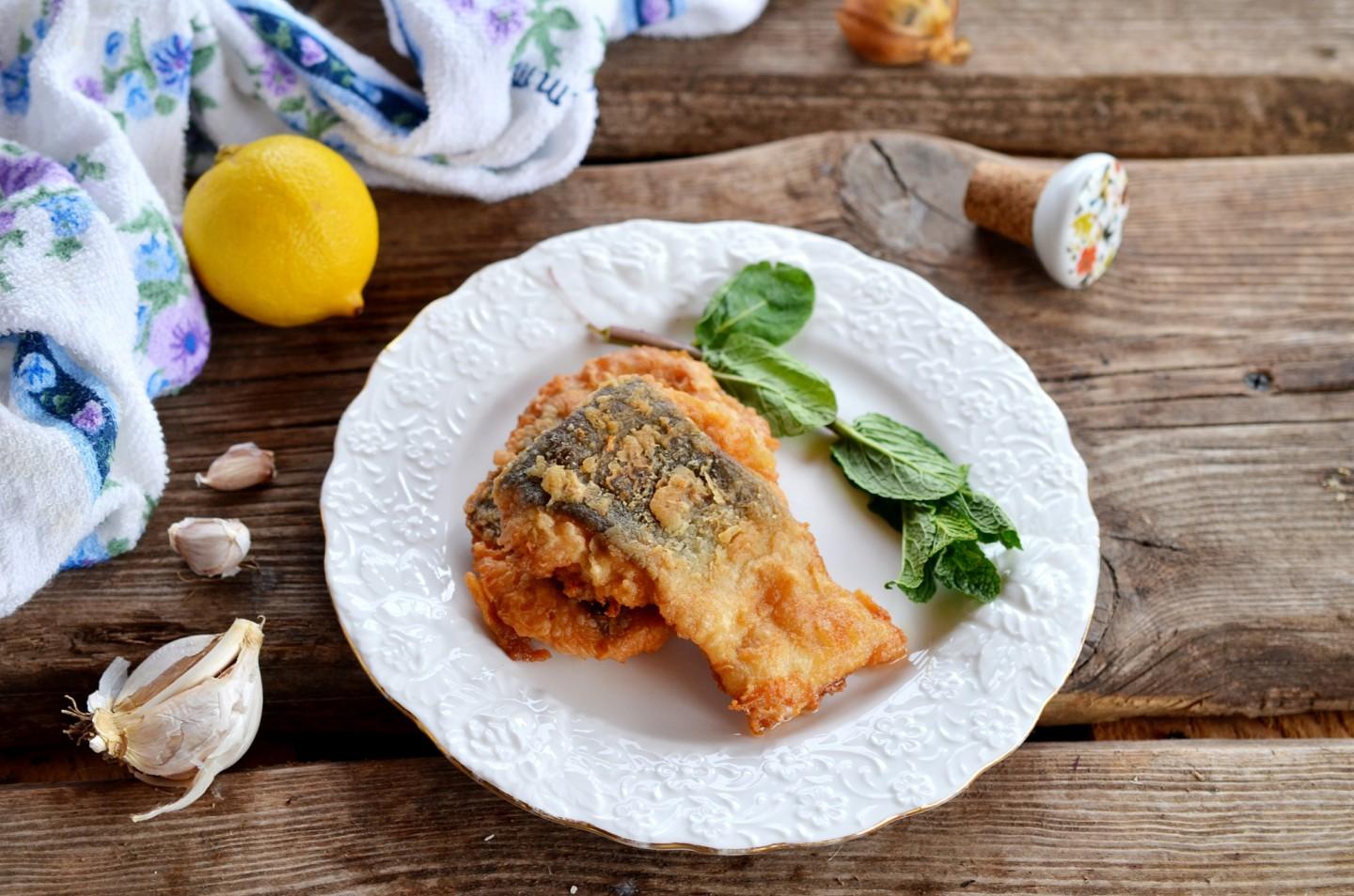
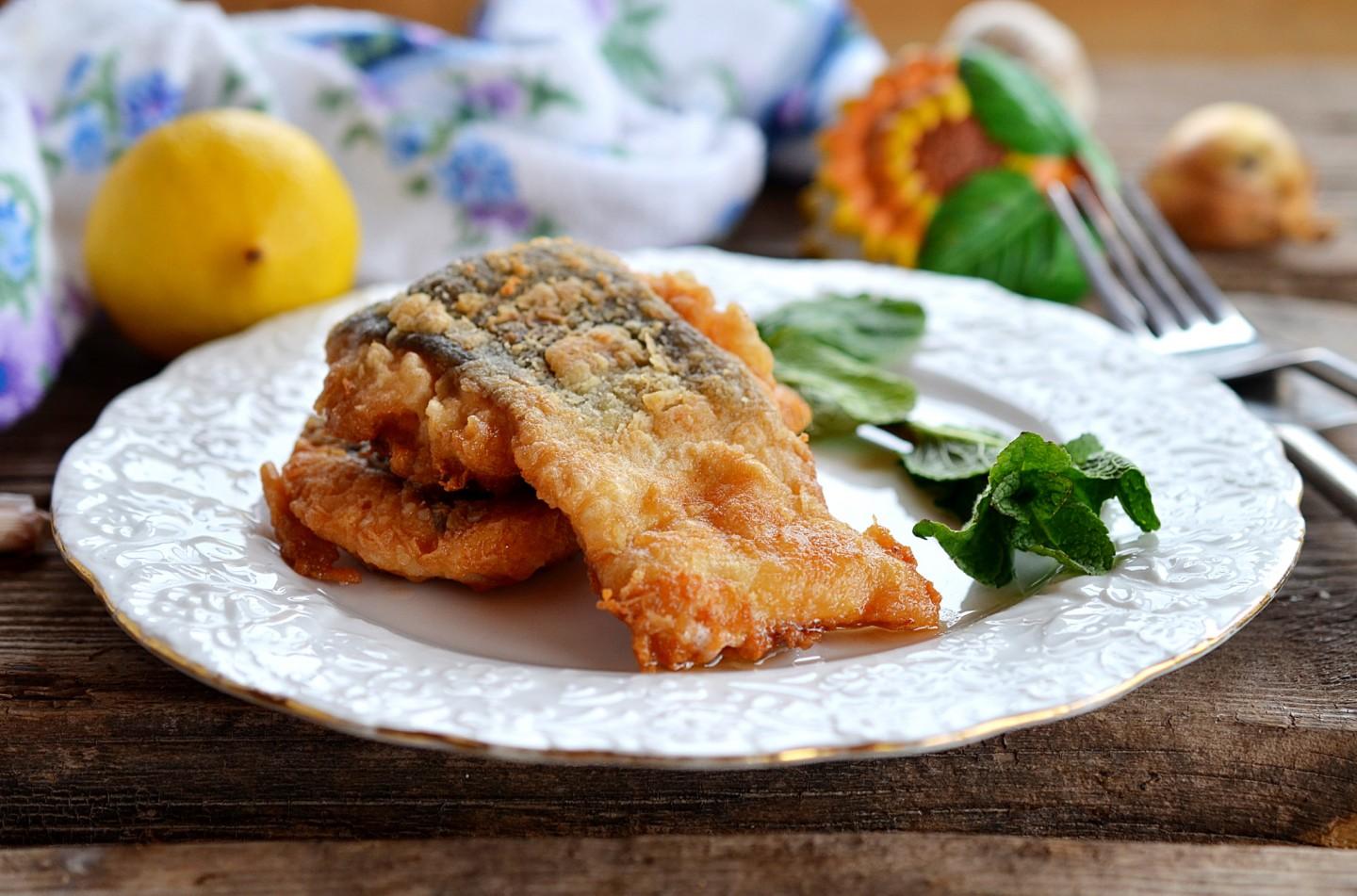
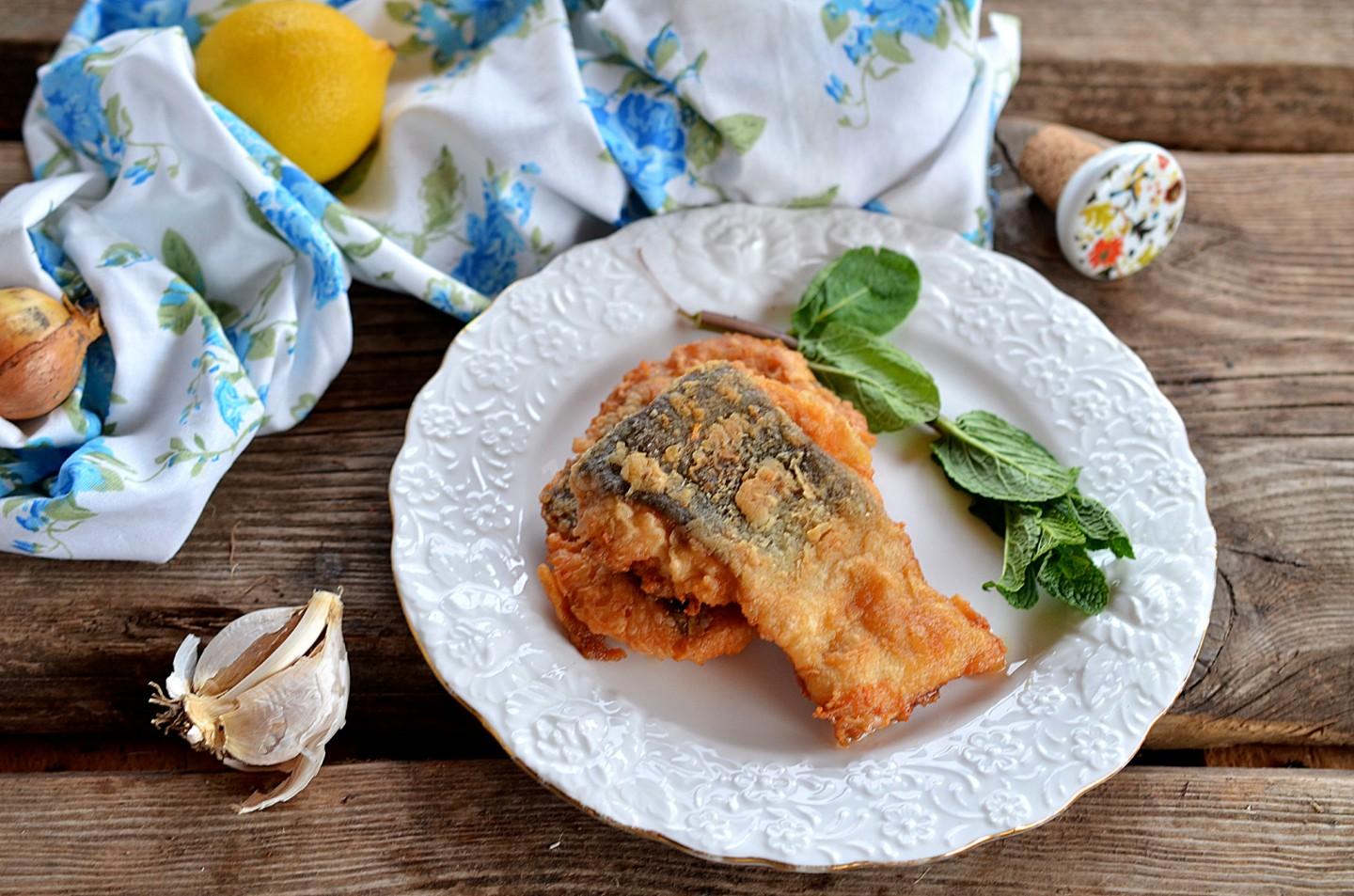
Crispy, fragrant pink salmon fried in a skillet! Made this way, the salmon comes out beautiful — a bright golden color, wonderfully crisp with a savory crust, yet still juicy inside. Both grown-ups and kids are sure to love it!

Cooking method
-
Step 1:
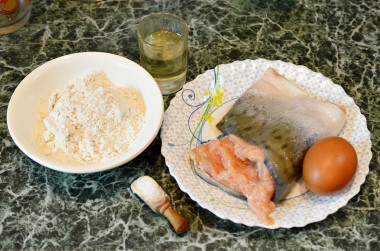
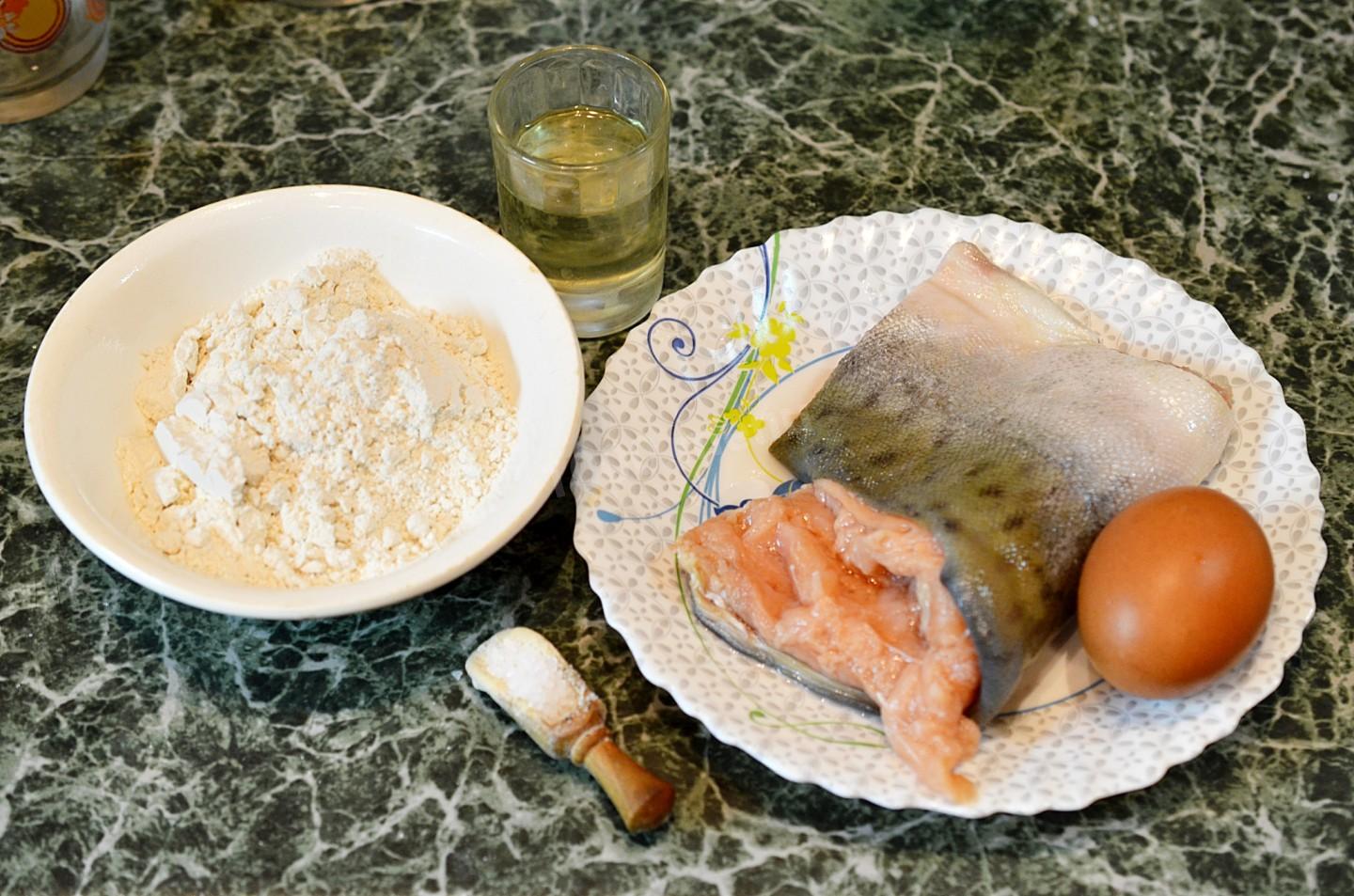
How do you make battered pink salmon in a skillet? Get your ingredients together. The key to this dish is good-quality fish — chilled rather than frozen is best, since it holds far more of its nutrients. Use large eggs, ideally farm-fresh. I used wheat flour, but you can swap in any other flour (rice, buckwheat) for a slightly different flavor each time. Any vegetable oil works, but it must be refined so it doesn't burn in the pan.
-
Step 2:
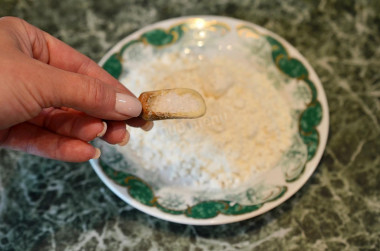
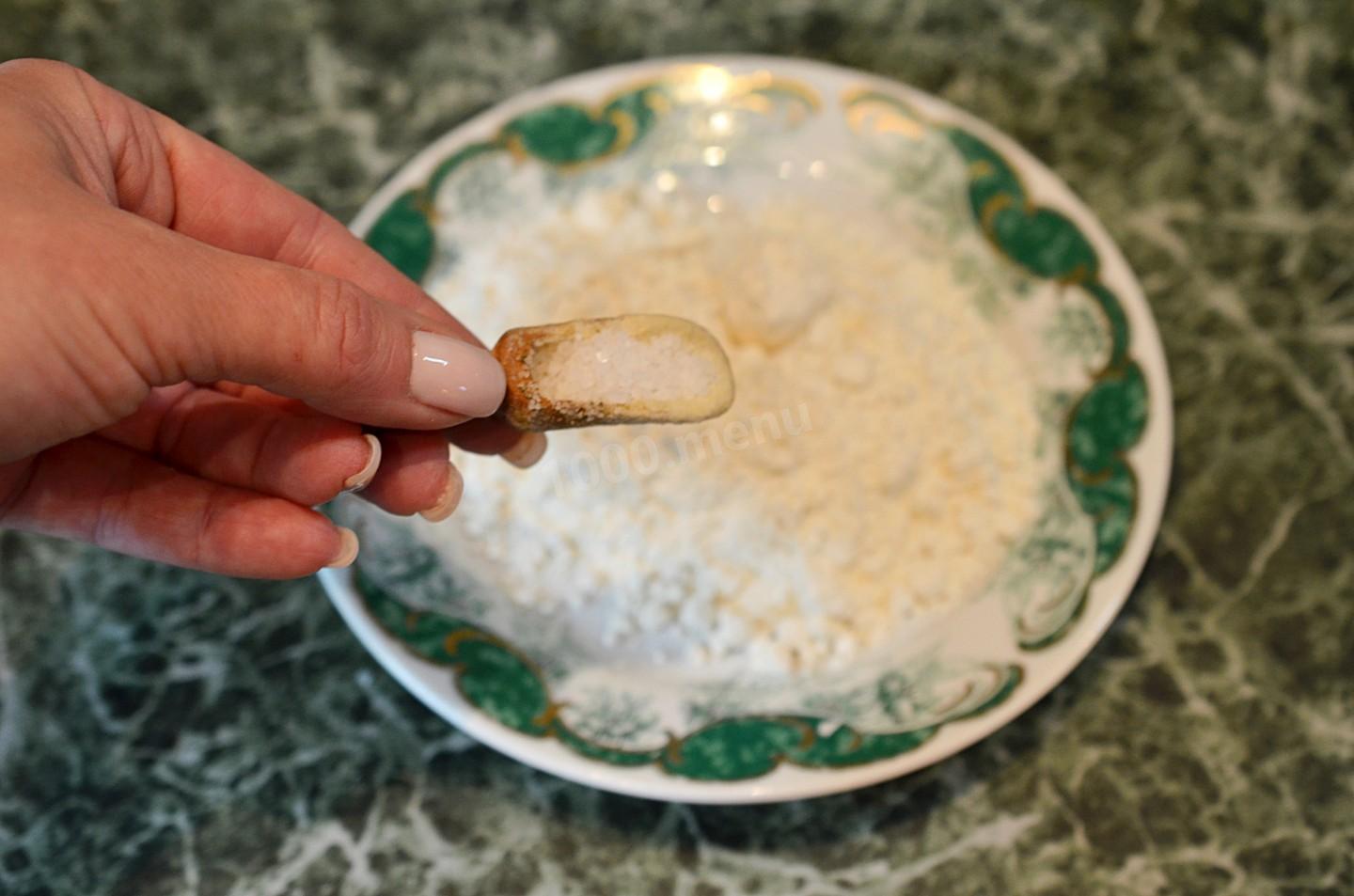
Stir the salt into the flour. I also recommend sifting the flour — it makes the coating lighter.
-
Step 3:
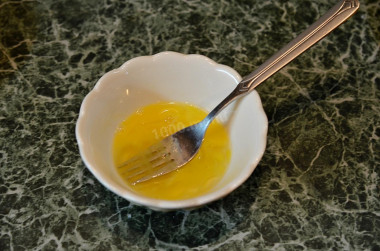
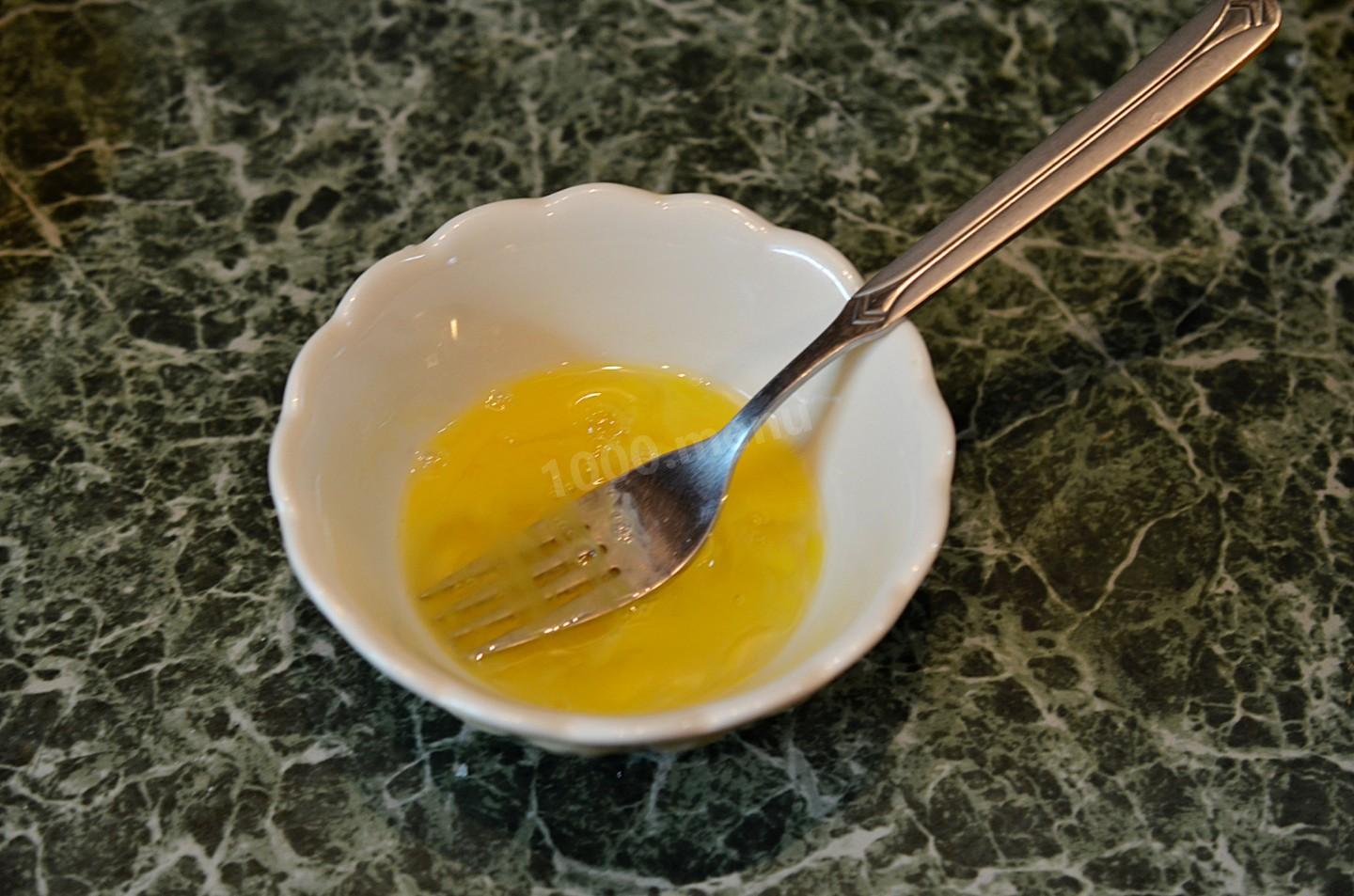
In a separate bowl, beat the egg with a fork.
-
Step 4:
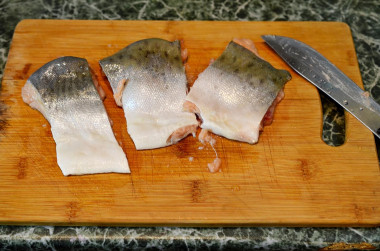
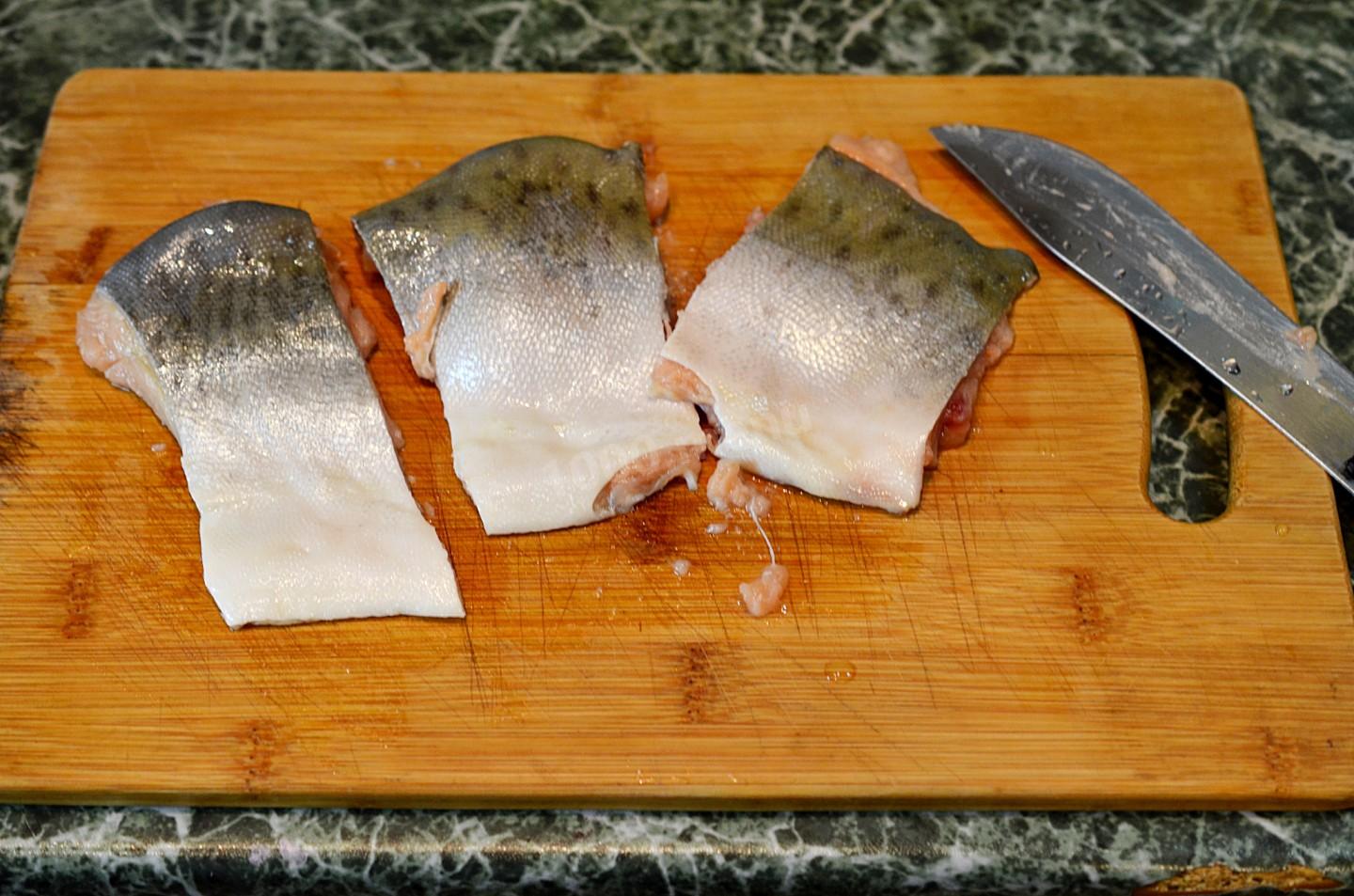
Now for the fish. You can use any cut of pink salmon — steak or fillet. If you have a whole fish, gut it, remove the gills, and cut the fillets away from the backbone. Save the backbone and head for making a soup base — they'll come in handy. I had a ready-made salmon fillet, so I just cut it into small pieces. Be sure to rinse the fish first and pat it dry with paper towels.
-
Step 5:
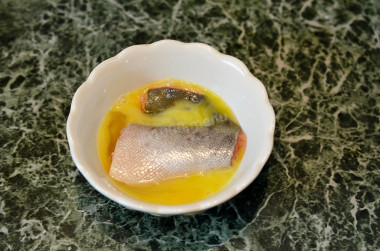
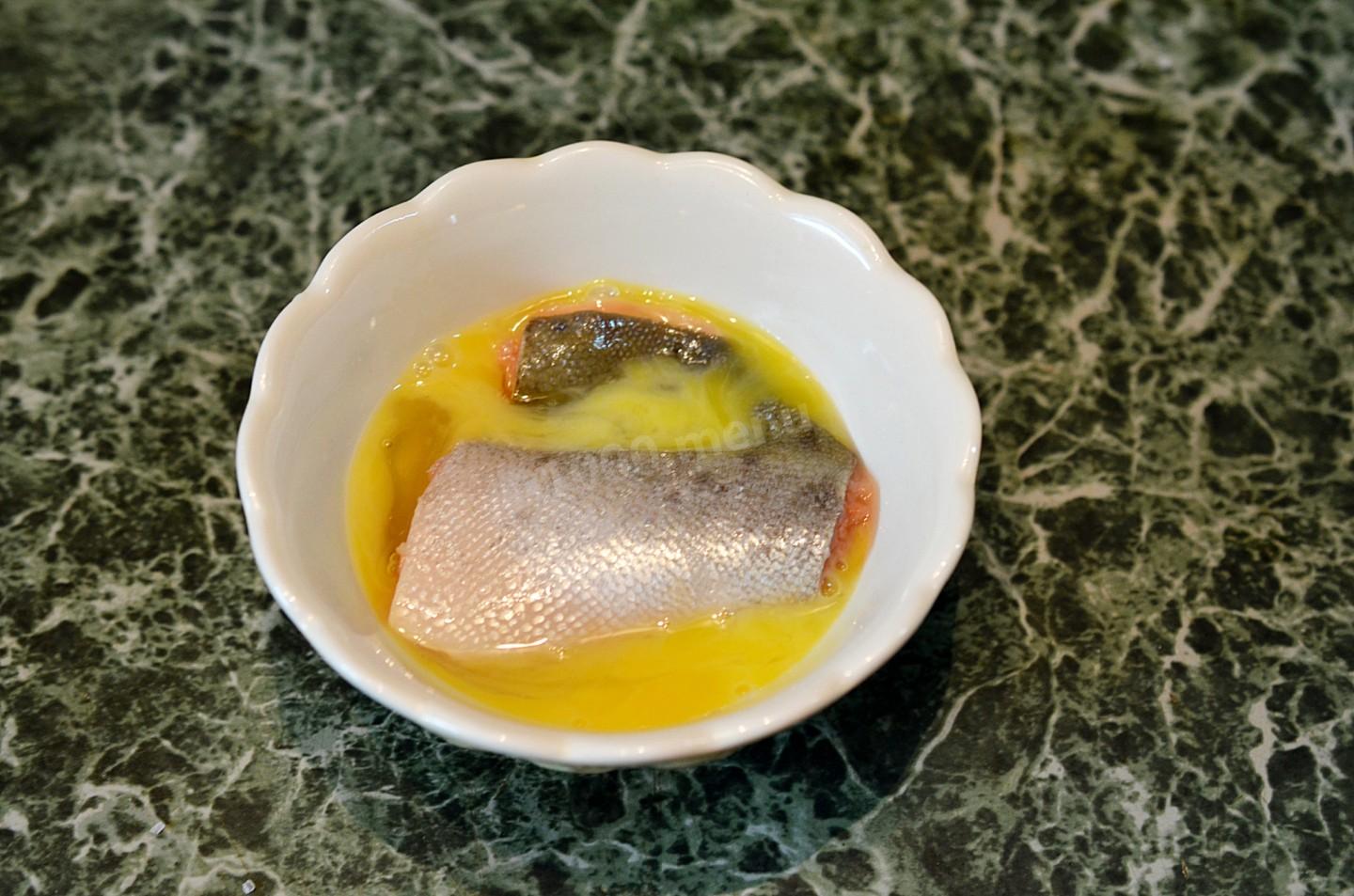
Dip each piece of fish into the beaten egg.
-
Step 6:
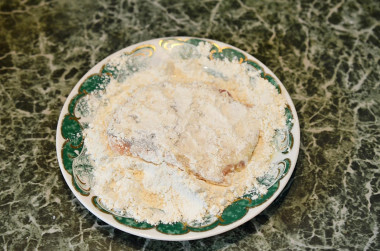
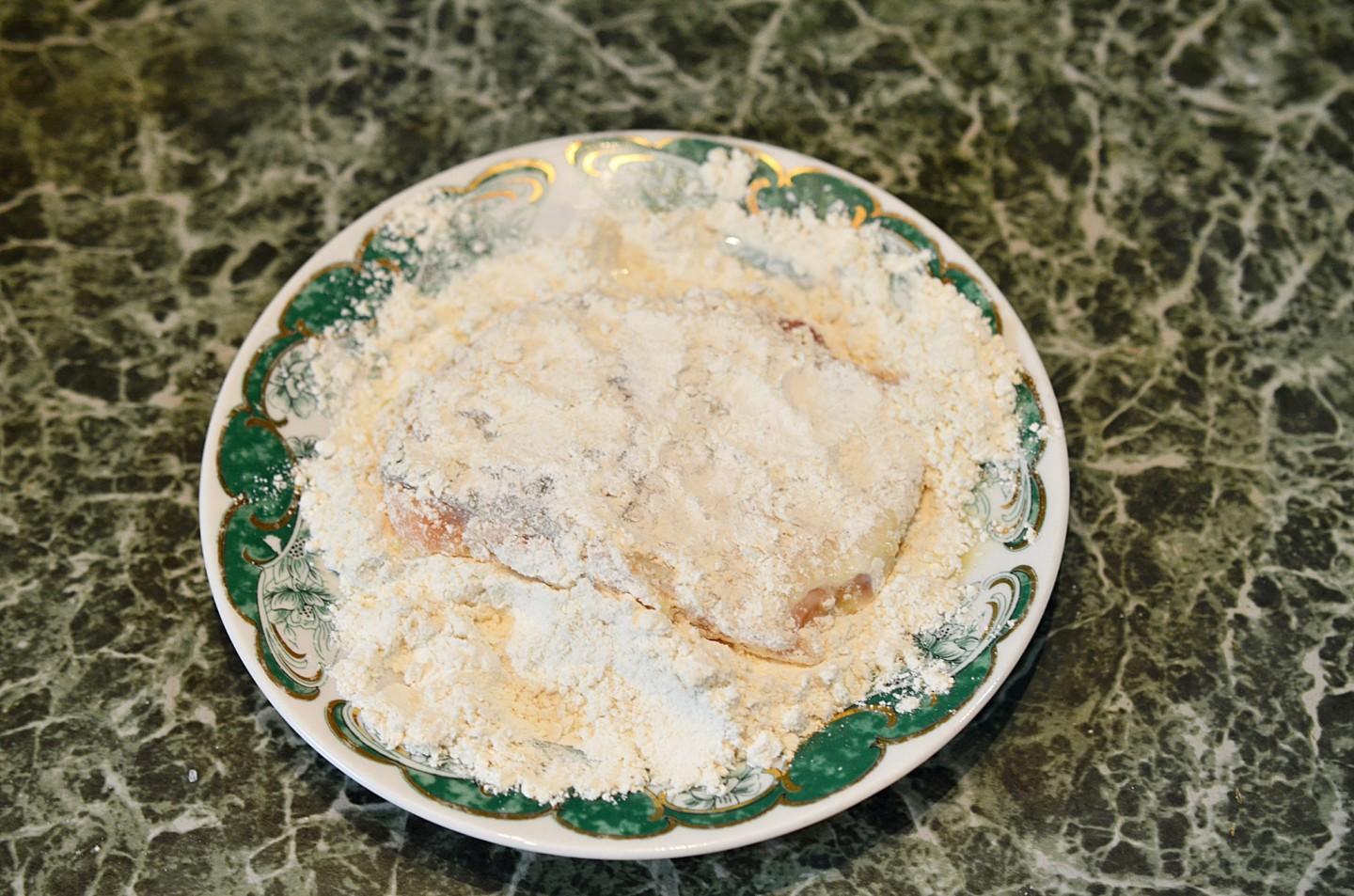
Then dredge it well in the flour mixture. For a thicker coating, repeat the process: dip the fish in the egg again and roll it once more in the flour.
-
Step 7:
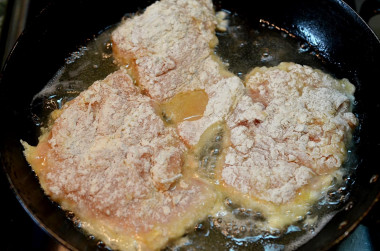
Heat the vegetable oil in a heavy-bottomed skillet, preferably nonstick. Add the breaded salmon pieces and fry on one side until golden, about 5–7 minutes.
-
Step 8:
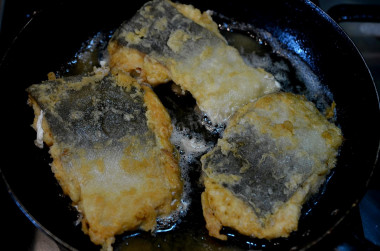
Then carefully flip the fish and cook it through on the other side, another 5–7 minutes.
-
Step 9:
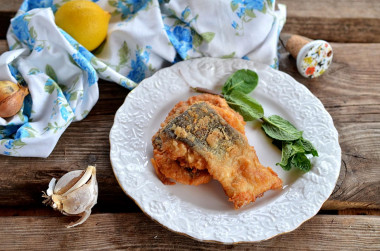
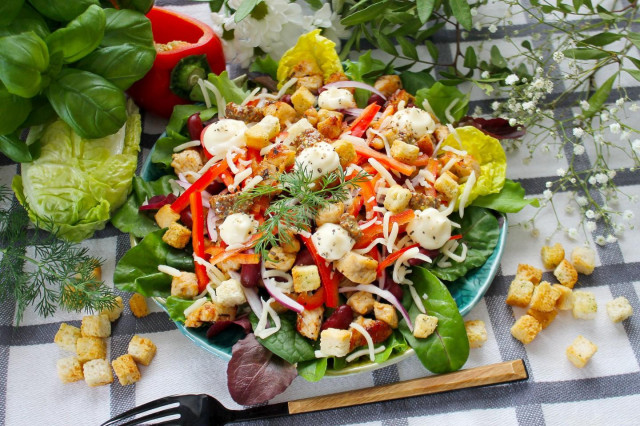
Serve the fish with fresh seasonal vegetables, herbs, or a simple garden salad. The salmon comes out beautiful and crispy. Enjoy!
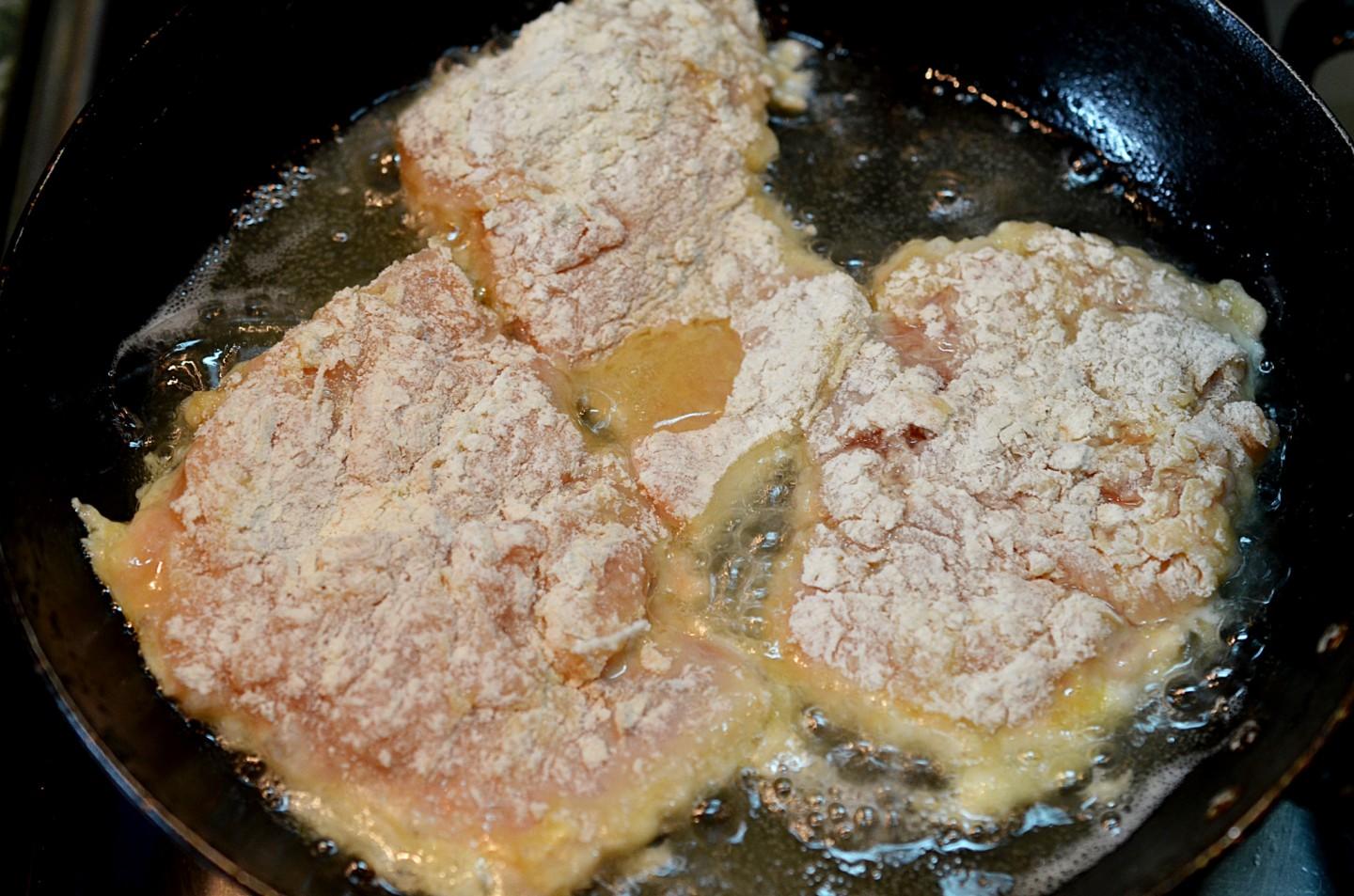
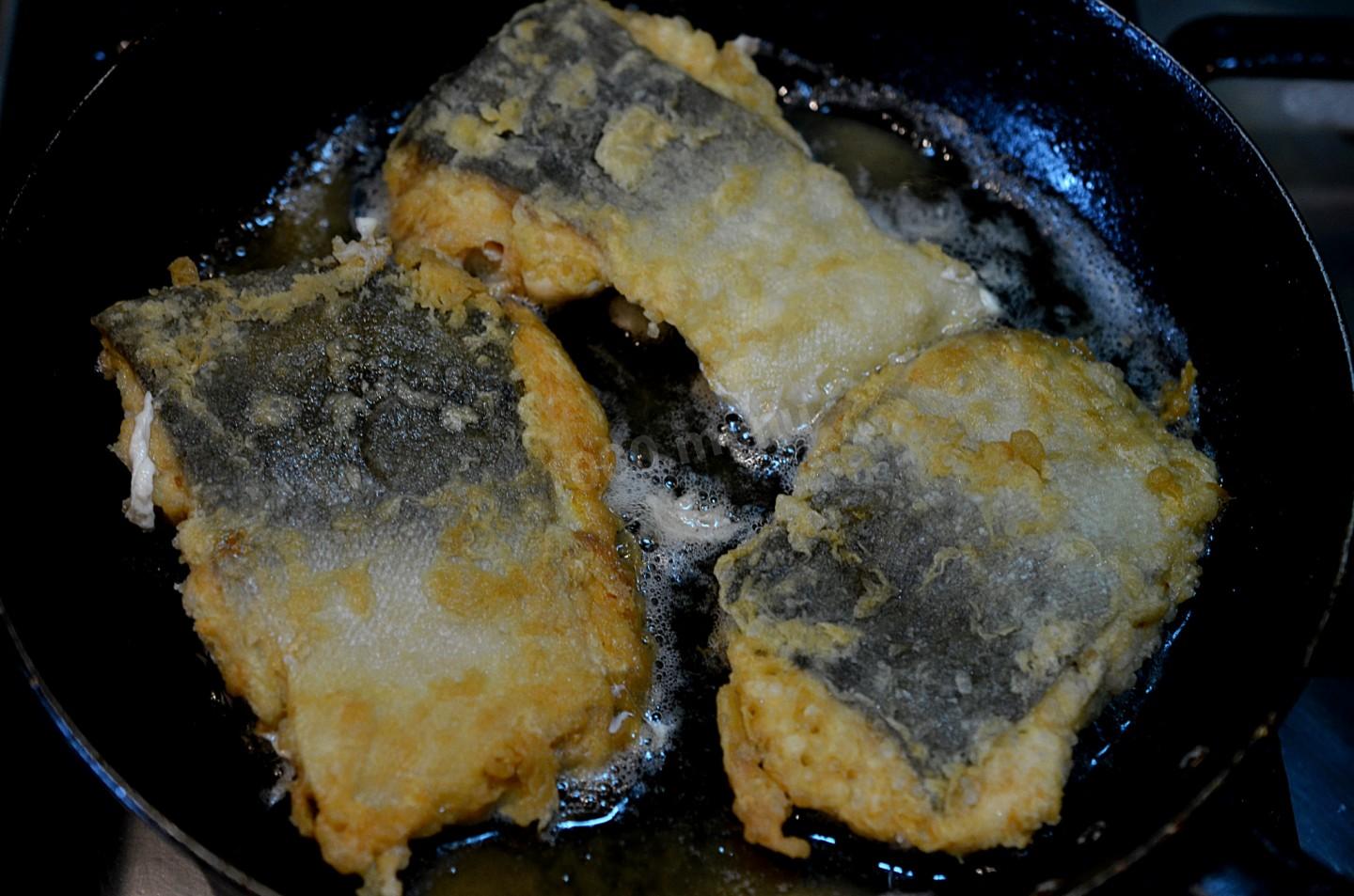
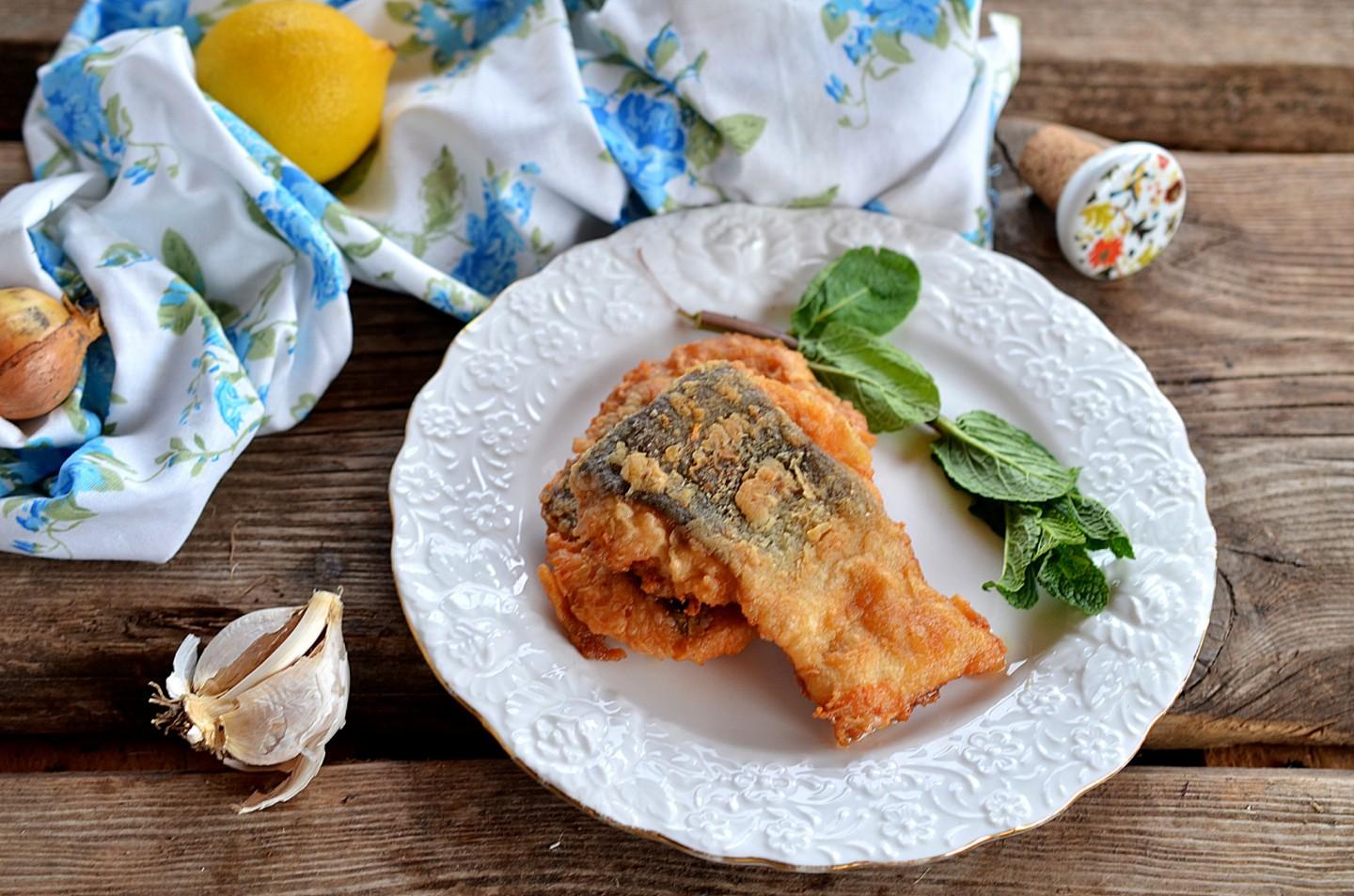
- Note that you can cook not only pink salmon this way, but any fish. Just choose boneless cuts. Enjoy!
- Any oil is only good up to a certain temperature — its smoke point, above which it starts to burn and forms toxic compounds, including carcinogens. For how to judge frying temperature and pick the best oil for frying (and which to avoid altogether), read here.
- Important! The wrong pan can ruin even the best recipe. For all the details on choosing the perfect pan for different dishes, read here.
- How can you tell if an egg is fresh? Crack it into a separate container. First, there should be no off smell. The white of a fresh egg is clear and clean, and the yolk should sit up firm, shiny, and rounded rather than running flat.
Caloric content of the products possible in the composition of the dish
- Chicken egg - 157 kcal/100g
- Egg white - 45 kcal/100g
- Egg powder - 542 kcal/100g
- Egg yolk - 352 kcal/100g
- Ostrich egg - 118 kcal/100g
- Whole durum wheat flour fortified - 333 kcal/100g
- Whole durum wheat flour, universal - 364 kcal/100g
- Flour krupchatka - 348 kcal/100g
- Flour - 325 kcal/100g
- Vegetable oil - 873 kcal/100g
- Salt - 0 kcal/100g
- Pink salmon fillet - 133 kcal/100g
Similar recipes
- Fast and tasty
- Homemade dinner
- Second course
- Baking
- Eggs
- Fish and seafood
- Flour
- Spices seasonings spices
- Fats and oils
- Salt
- Vegetable oil
- Frying
- In a frying pan
- Simple dinner
- Hasty pastries
- Dishes in 30 minutes
- Кляр
- Fish second course
- Quick baking
- Yeast-free baking
- Unsweetened pastries
- Red fish
- Simple quick dinner
- Recipes for lean dishes without butter