Cottage Cheese and Cheese Flatbreads in a Skillet
Simple, fast, and appetizing — cooked in a skillet, no oven needed! The dough for these cottage cheese and cheese flatbreads is about as easy as it gets. There's just a little dough and a whole lot of filling. Brushed with melted butter, they come out extra tender and delicious.

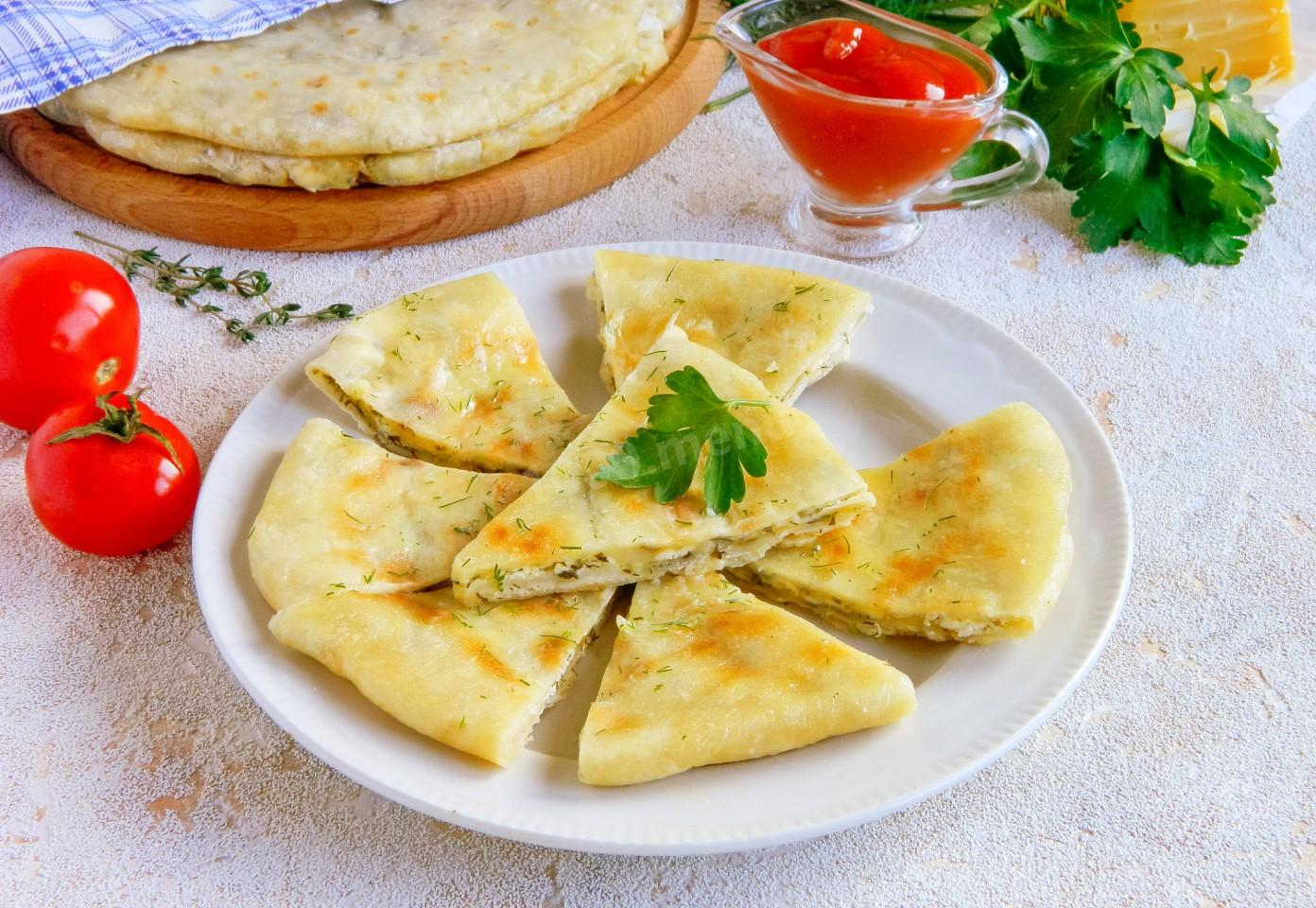
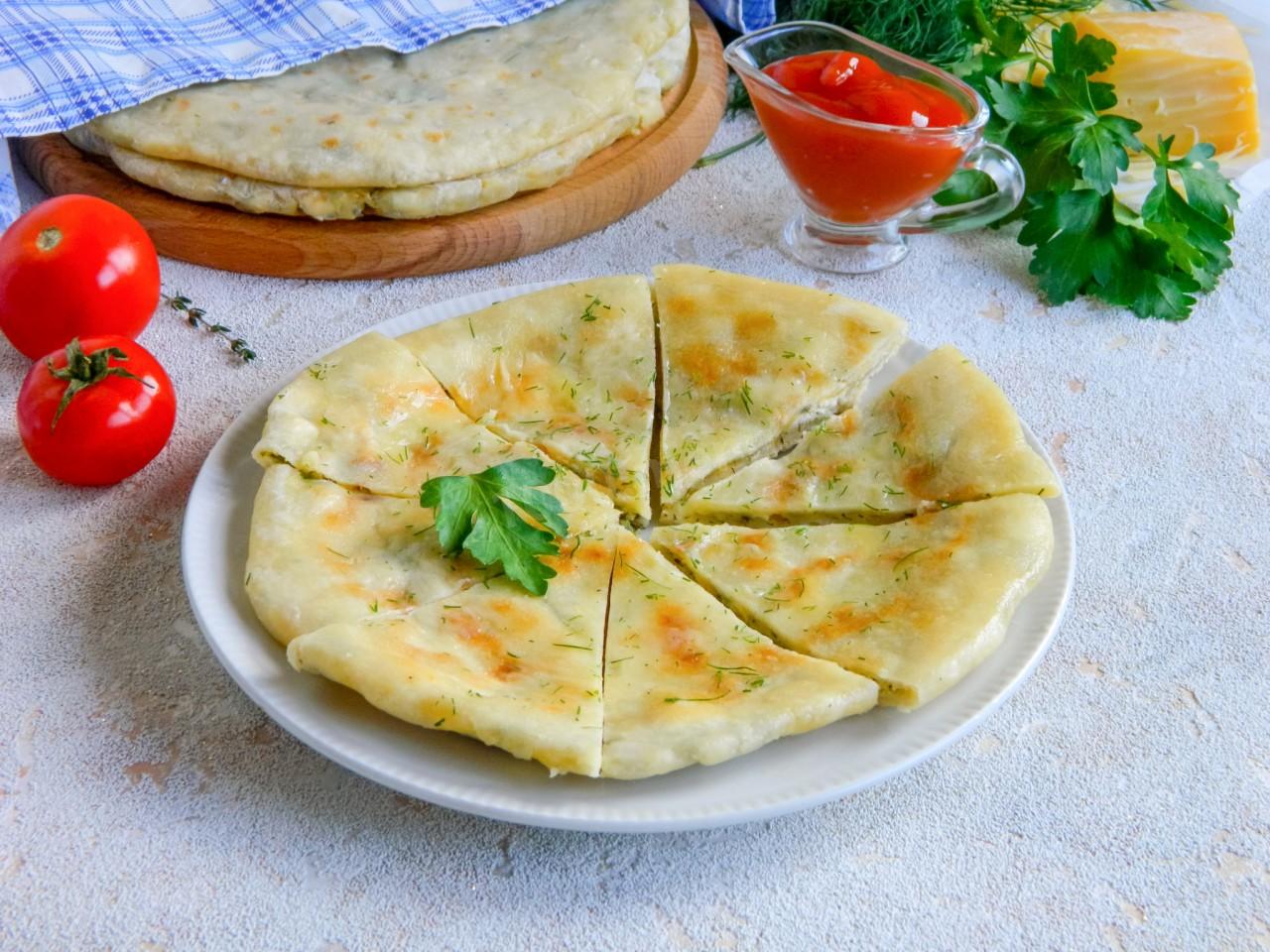
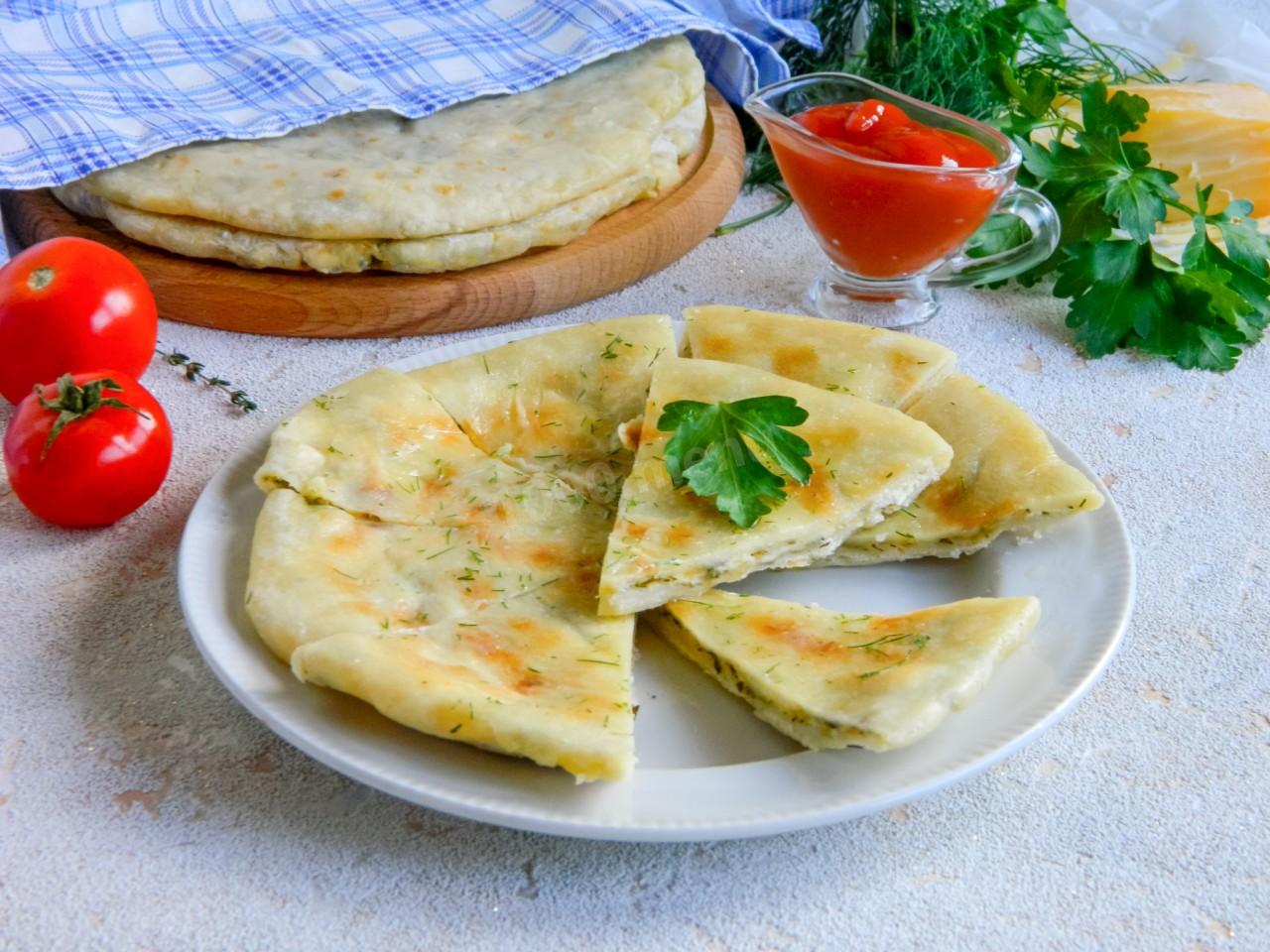
Cooking method
-
Step 1:
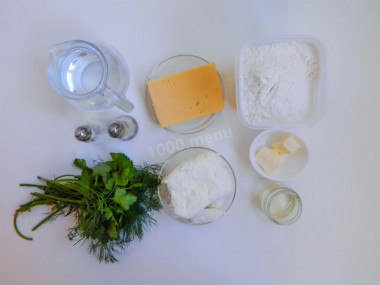
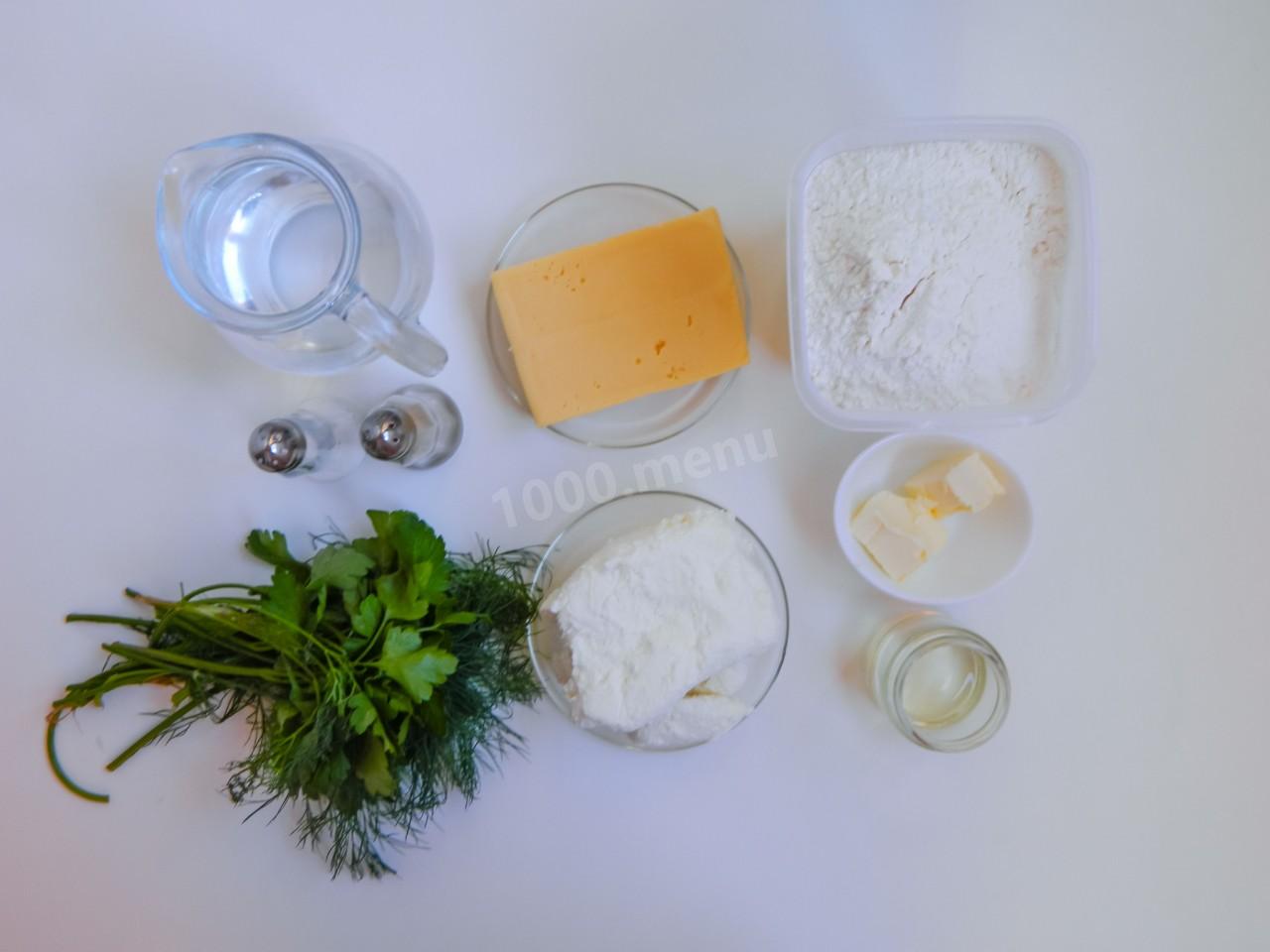
How do you make cottage cheese and cheese flatbreads in a skillet? Prep all your ingredients. Use all-purpose flour and refined vegetable oil. Go with plain, non-grainy cottage cheese and any hard or semi-hard cheese. For the herbs, use green onions, parsley, cilantro, dill — or, like me, a little of everything.
-
Step 2:
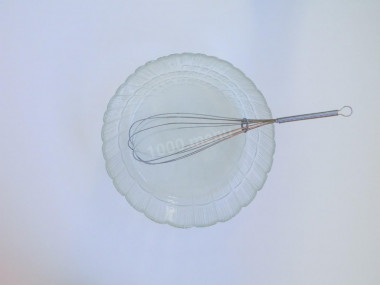
Start with the dough. In a deep, round-bottomed bowl that's easy to knead in, dissolve the salt in the water.
-
Step 3:
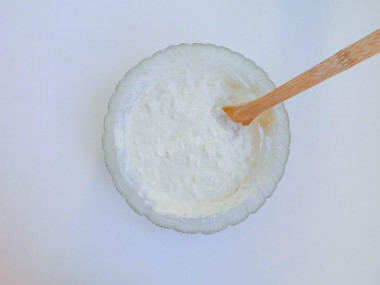
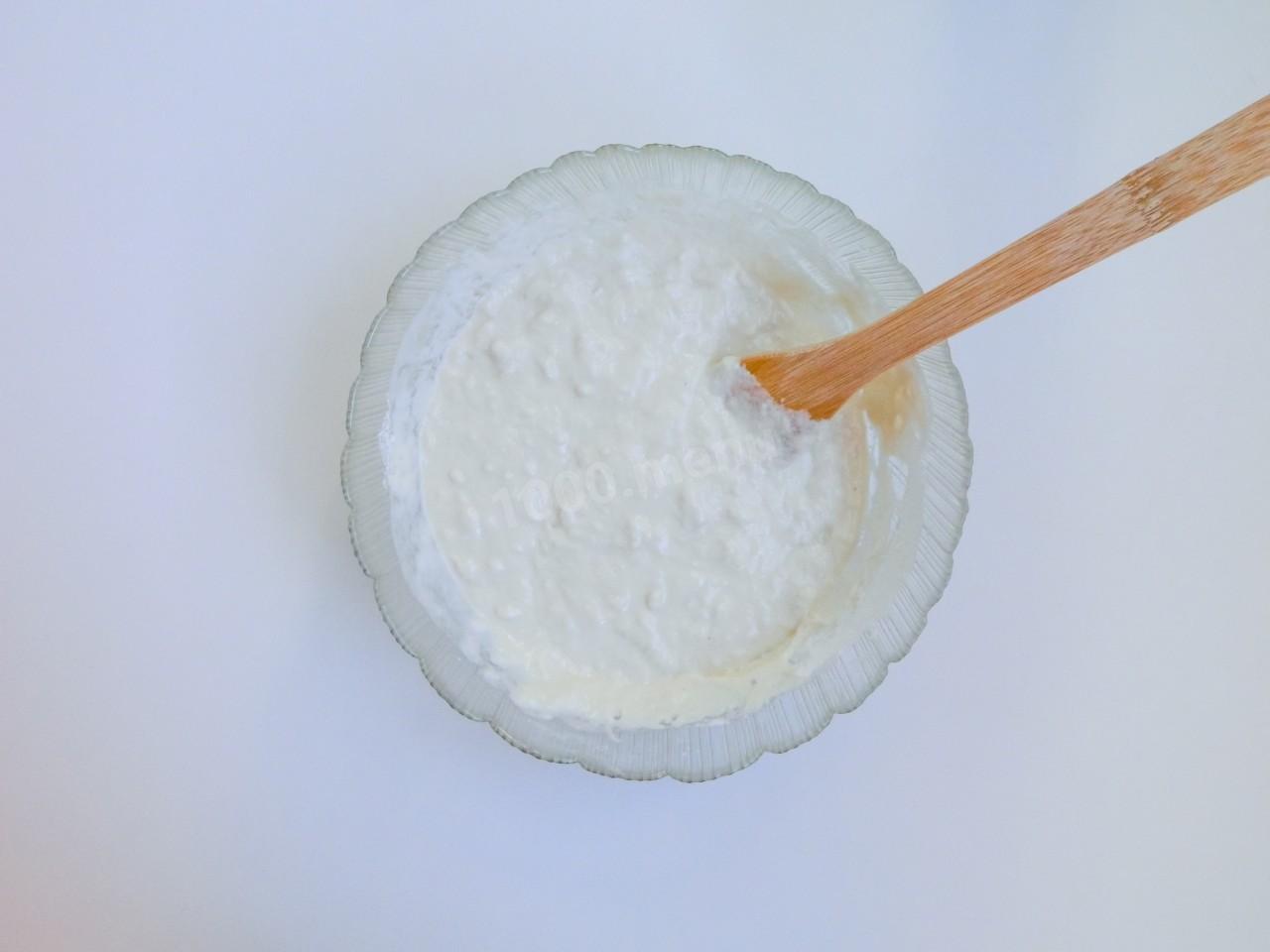
Add the vegetable oil and stir until smooth. Sift the flour — this catches any small bits of debris and makes the dough airier. Add the flour in small batches, kneading as you go.
-
Step 4:
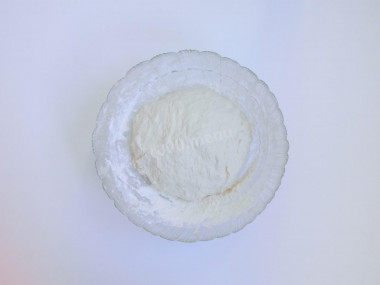
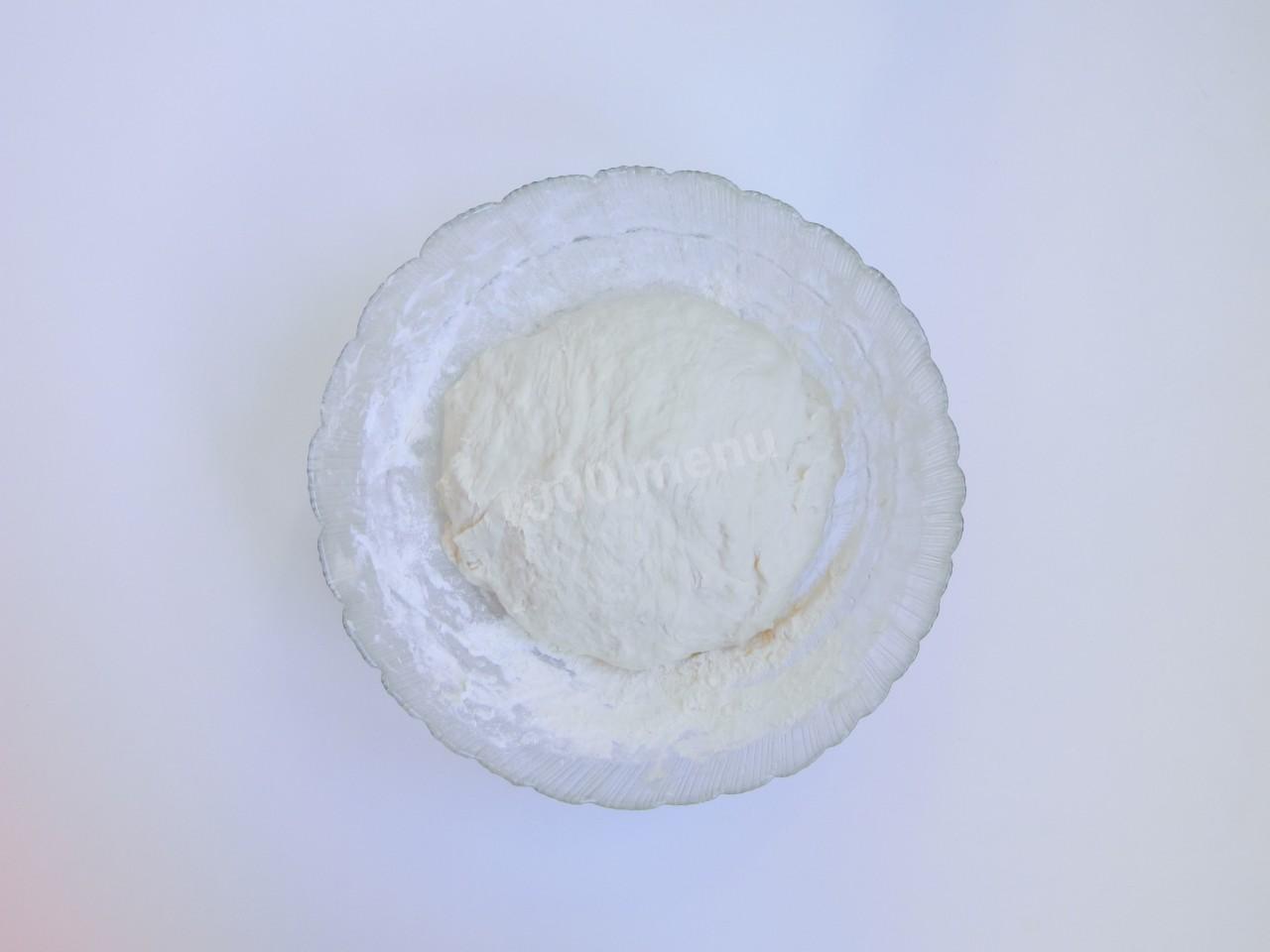
Keep adding flour until the dough reaches the right consistency. It should be soft and tender and stick to your hands just slightly. Gather it into a ball and cover it with a towel so it doesn't dry out. Let the dough rest so the gluten relaxes and it becomes easier to work with.
-
Step 5:
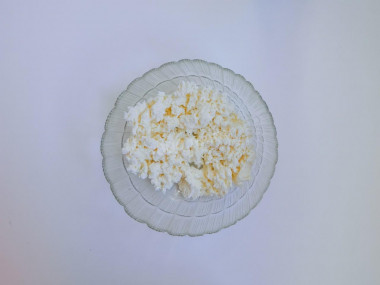
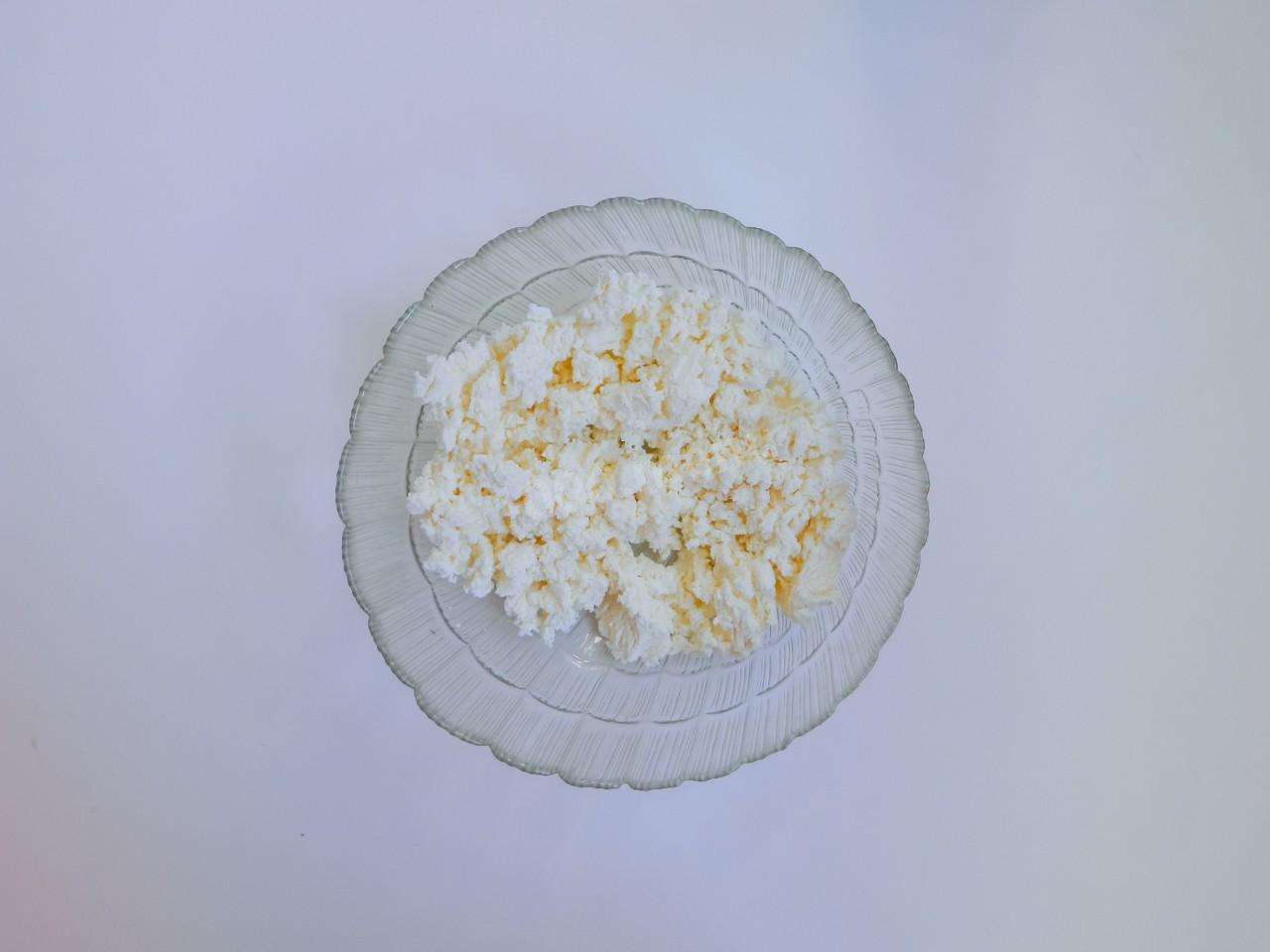
While the dough rests, make the filling. In a separate bowl, mash the cottage cheese with a fork until there are no big lumps and it's crumbly.
-
Step 6:
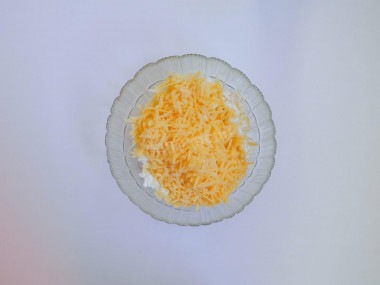
Grate the cheese on the coarse side of a grater into the same bowl.
-
Step 7:

Remove any tough stems and wilted leaves from the herbs, then rinse and dry them. Chop with a knife and add to the filling.
-
Step 8:
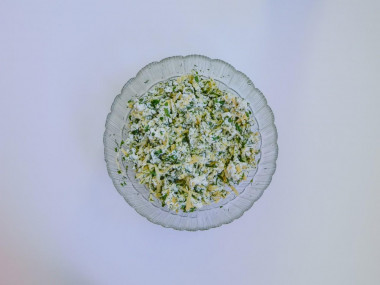
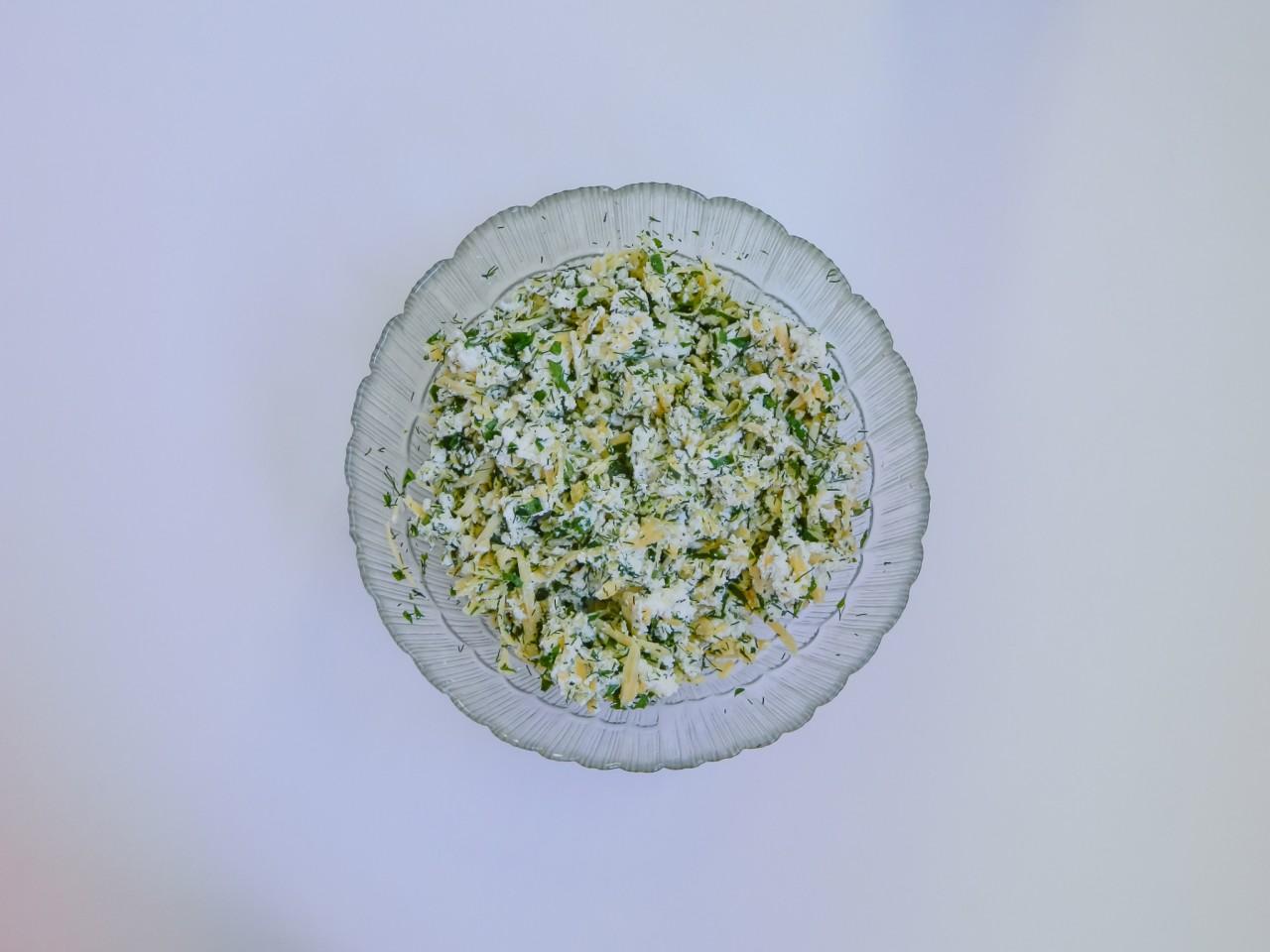
Add salt and pepper and mix the filling until even. Remember that how much salt the filling needs depends on how salty your cheese is, so salt carefully.
-
Step 9:
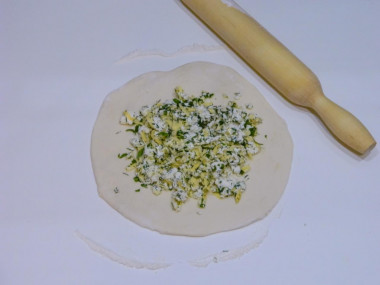
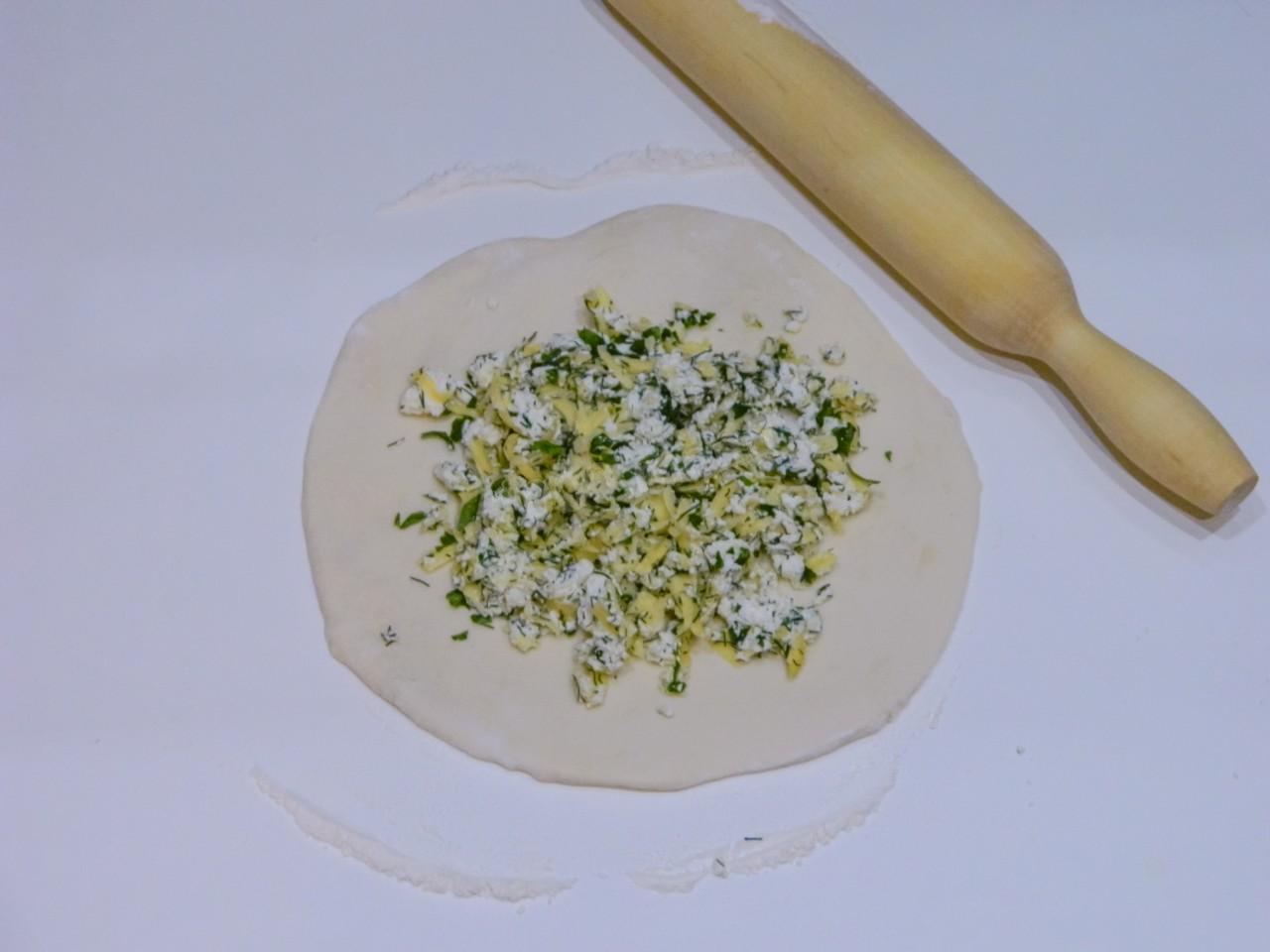
Divide the dough and the filling into 4 equal parts. Roll one piece of dough out on a floured surface into a round about 6 inches (15 cm) across. Place a portion of filling in the center. Dust your hands and rolling pin with flour so the dough doesn't stick.
-
Step 10:
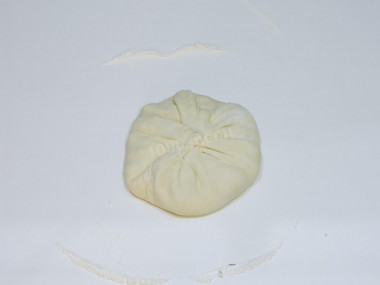
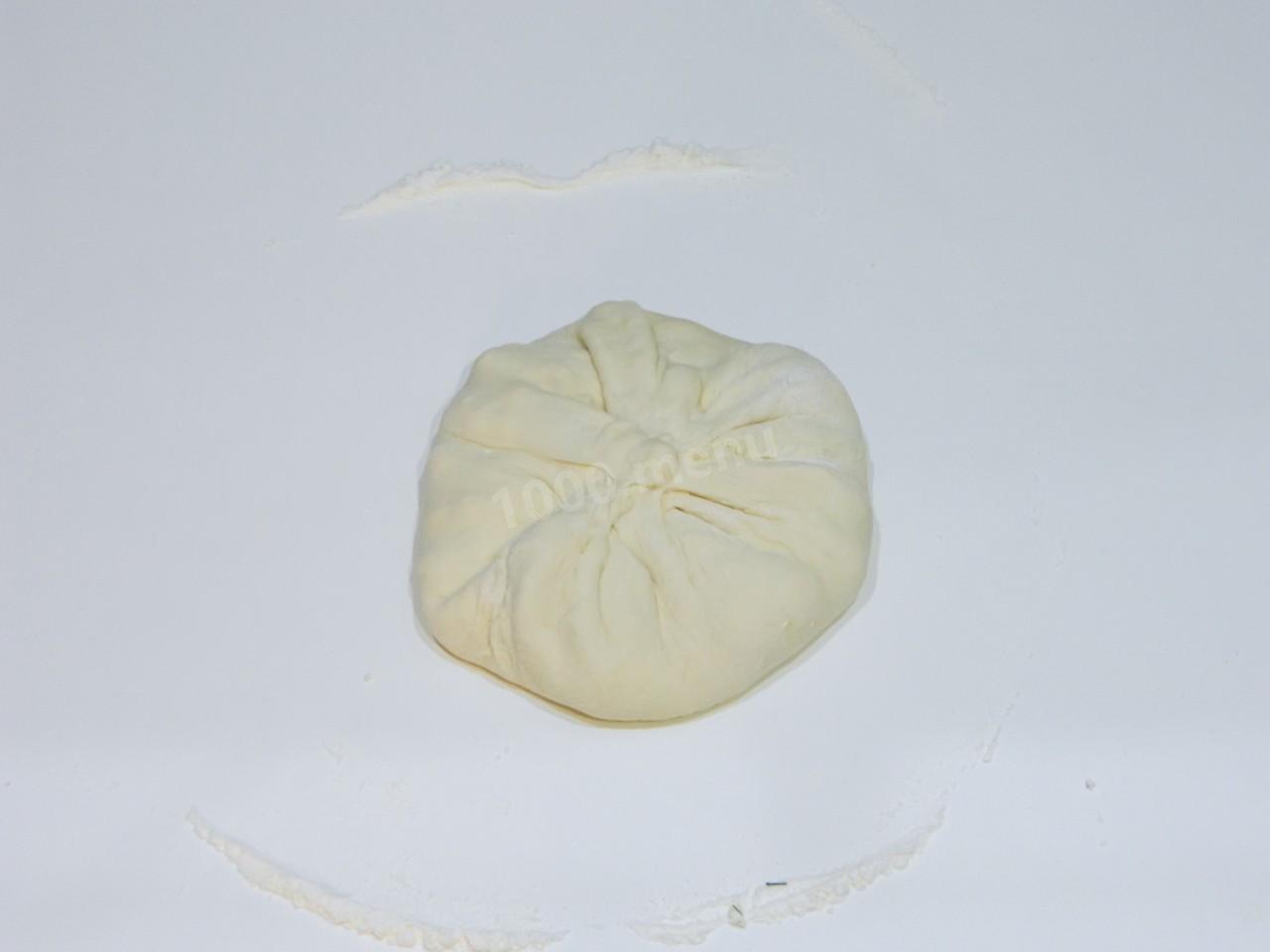
Lift the edges of the dough and pinch them together well on top so there are no gaps.
-
Step 11:
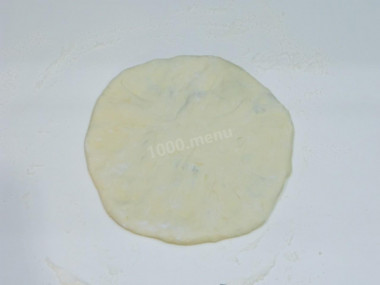
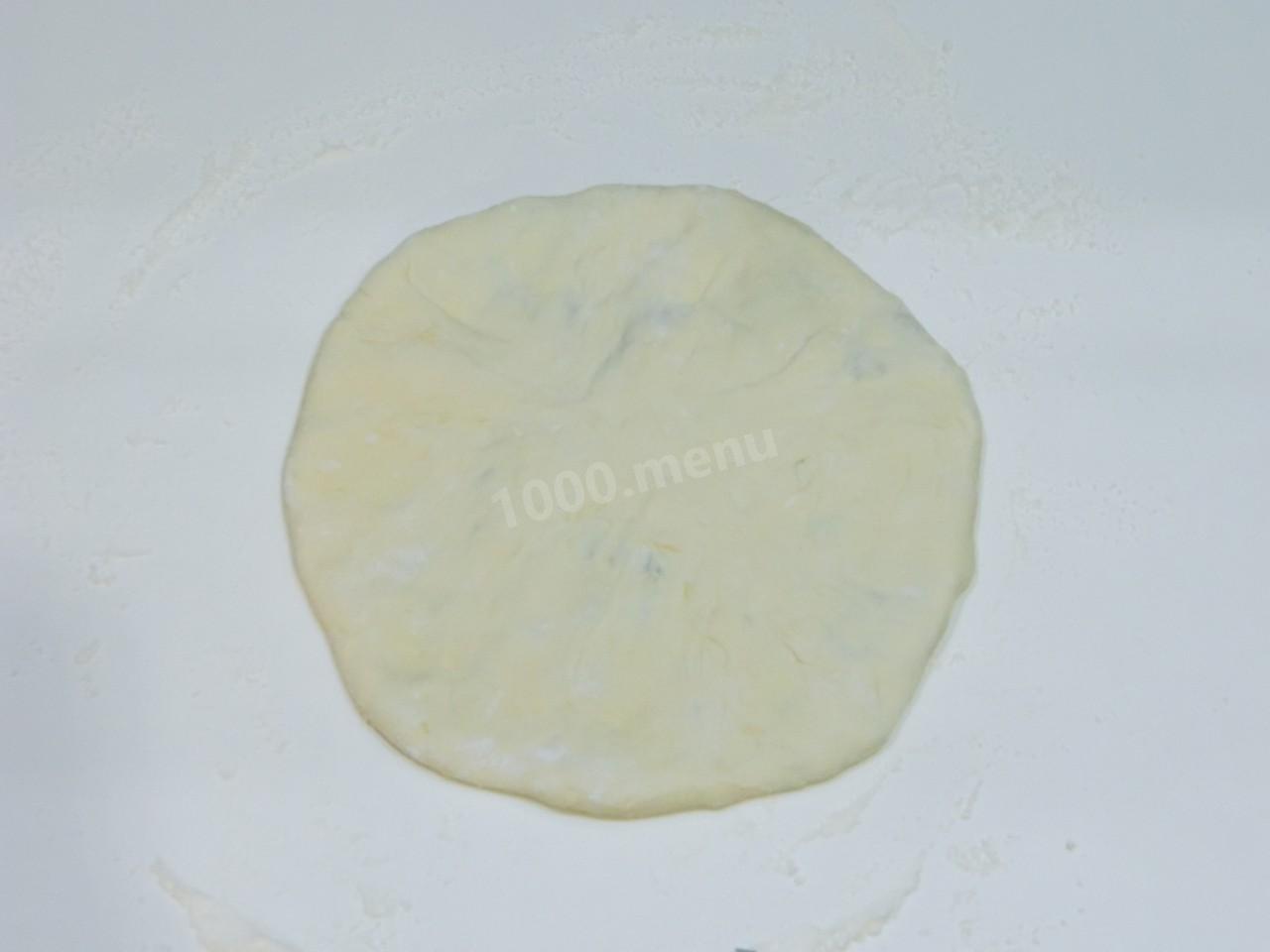
Turn it seam-side down. Gently roll it out again, being careful not to tear the dough, into a flatbread about 1/3 inch (0.7–1 cm) thick. Size it to fit your skillet with a little room around the edges, which makes it easy to flip.
-
Step 12:
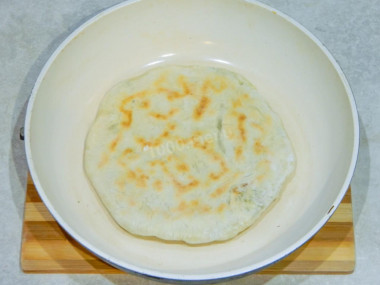
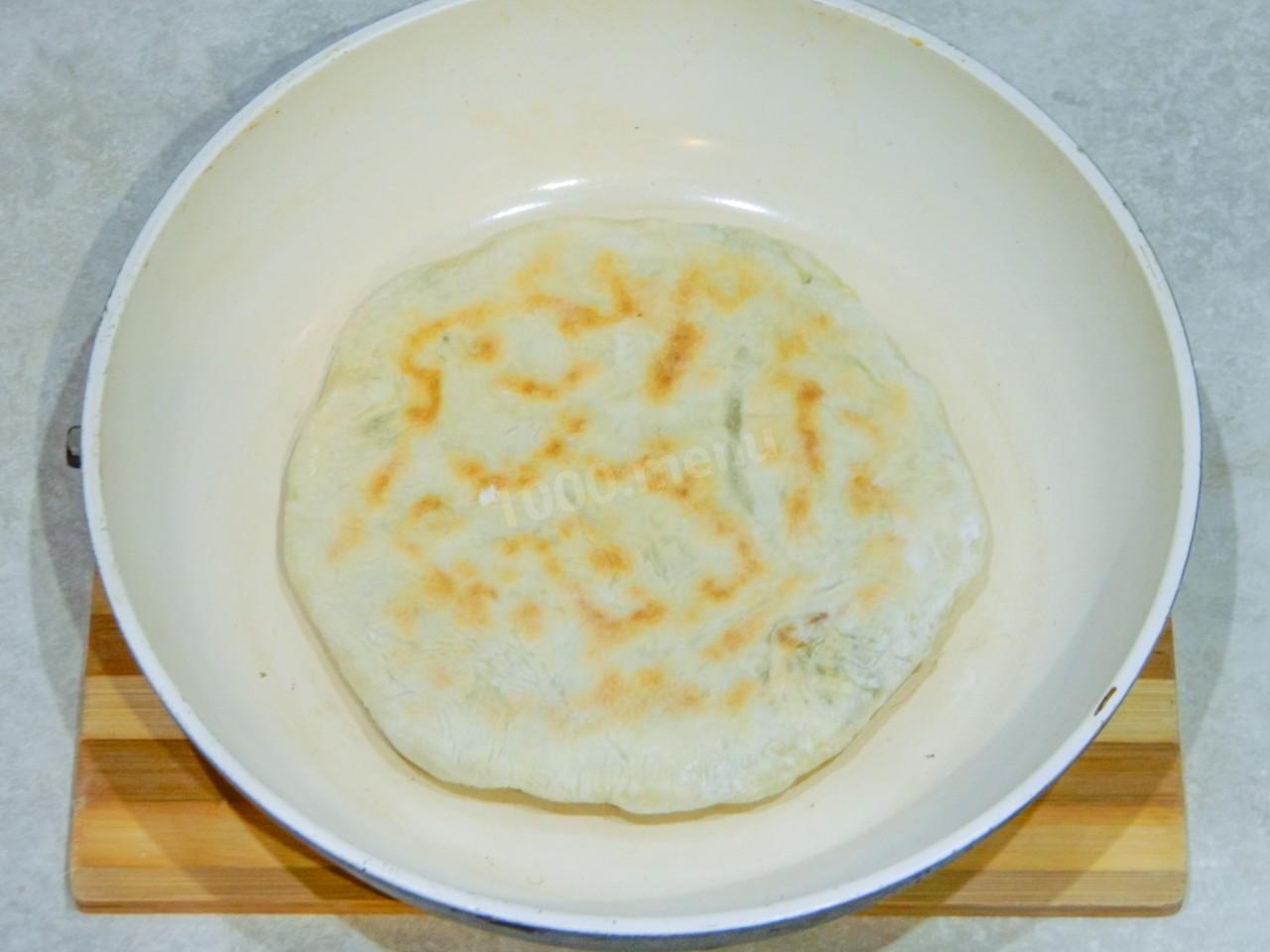
Cook the flatbreads over medium-high heat (7 out of 10 on my stove) in a preheated dry skillet for 4–5 minutes per side, until golden. While each flatbread is still hot, set a pat of butter on it and brush the whole surface with the melted butter.


- Serve these flatbreads on their own or in place of bread alongside meat and soups.
- Make it a rule of thumb: never fix the amount of flour in advance when making doughs and breads! That number always varies, because flour differs in moisture, grind, gluten level, and more — all of which affect how it binds with the liquid in the dough. Since you can't run a lab test on your flour at home, go by the "flour into water" approach: measure the liquid exactly as the recipe says, and add the flour to it gradually rather than all at once, working toward the right consistency (you may end up using a little more or a little less than the recipe states). This keeps the ingredient proportions accurate and preserves the quality of the dough.
Caloric content of the products possible in the composition of the dish
- Cottage cheese of 40% fat content - 466 kcal/100g
- Cottage cheese of 20% fat content - 233 kcal/100g
- Cottage cheese of 18% fat content - 226 kcal/100g
- Cottage cheese of 10% fat content - 156 kcal/100g
- Low-fat cottage cheese - 75 kcal/100g
- Cottage cheese with sour cream - 260 kcal/100g
- Fruit curd - 147 kcal/100g
- Soft dietary cottage cheese - 170 kcal/100g
- Vitalinia cottage cheese - 64 kcal/100g
- Cottage cheese 'morning' ( 'danone') without sugar - 91 kcal/100g
- Cottage cheese - 156 kcal/100g
- Dutch cheese - 352 kcal/100g
- Swiss cheese - 335 kcal/100g
- Russian cheese - 366 kcal/100g
- Kostroma cheese - 345 kcal/100g
- Yaroslavsky cheese - 361 kcal/100g
- Altai cheese 50% fat content - 356 kcal/100g
- Soviet cheese - 400 kcal/100g
- Cheese 'steppe' - 362 kcal/100g
- Uglich cheese - 347 kcal/100g
- Poshekhonsky cheese - 350 kcal/100g
- Lambert cheese - 377 kcal/100g
- Appnzeller cheese with 50% fat content - 400 kcal/100g
- Chester cheese with 50% fat content - 363 kcal/100g
- Edamer cheese with 40% fat content - 340 kcal/100g
- Cheese with mushrooms of 50% fat content - 395 kcal/100g
- Emmental cheese with 45% fat content - 420 kcal/100g
- Gouda cheese with 45% fat content - 356 kcal/100g
- Aiadeus cheese - 364 kcal/100g
- Dom blanc cheese (semi-hard) - 360 kcal/100g
- Lo spalmino cheese - 61 kcal/100g
- Cheese 'etorki' (sheep, hard) - 401 kcal/100g
- White cheese - 100 kcal/100g
- Fat yellow cheese - 260 kcal/100g
- Altai cheese - 355 kcal/100g
- Kaunas cheese - 355 kcal/100g
- Latvian cheese - 316 kcal/100g
- Limburger cheese - 327 kcal/100g
- Lithuanian cheese - 250 kcal/100g
- Lake cheese - 350 kcal/100g
- Gruyere cheese - 396 kcal/100g
- Ground black pepper - 255 kcal/100g
- Butter 82% - 734 kcal/100g
- Amateur unsalted butter - 709 kcal/100g
- Unsalted peasant butter - 661 kcal/100g
- Peasant salted butter - 652 kcal/100g
- Melted butter - 869 kcal/100g
- Vegetable oil - 873 kcal/100g
- Salt - 0 kcal/100g
- Water - 0 kcal/100g
- Wheat flour - 325 kcal/100g
- Fresh frozen soup greens in a package - 41 kcal/100g
- Greenery - 41 kcal/100g
Similar recipes

- For breakfast
- Baking
- Cheese
- Dairy products
- Flour
- Spices seasonings spices
- Fats and oils
- Other
- Зелень
- Pepper
- Salt
- Vegetable oil
- Butter
- Water
- Frying
- In a frying pan
- Pies
- Cottage cheese pastries
- Yeast-free baking
- Unsweetened pastries
- Cottage cheese for breakfast
- Made of solid cheese
- Cottage cheese
- Wheat flour
- No eggs
- Vegetarianism