Cottage Cheese Omelet
Inventive, filling, wholesome, and seriously tasty! This cottage cheese omelet is an unexpected twist on everyone's favorite breakfast. Stirring cottage cheese into the eggs gives the omelet a savory, cheese-like bite, because the curds soften and melt as they cook. It's a great way to shake up your usual morning routine.

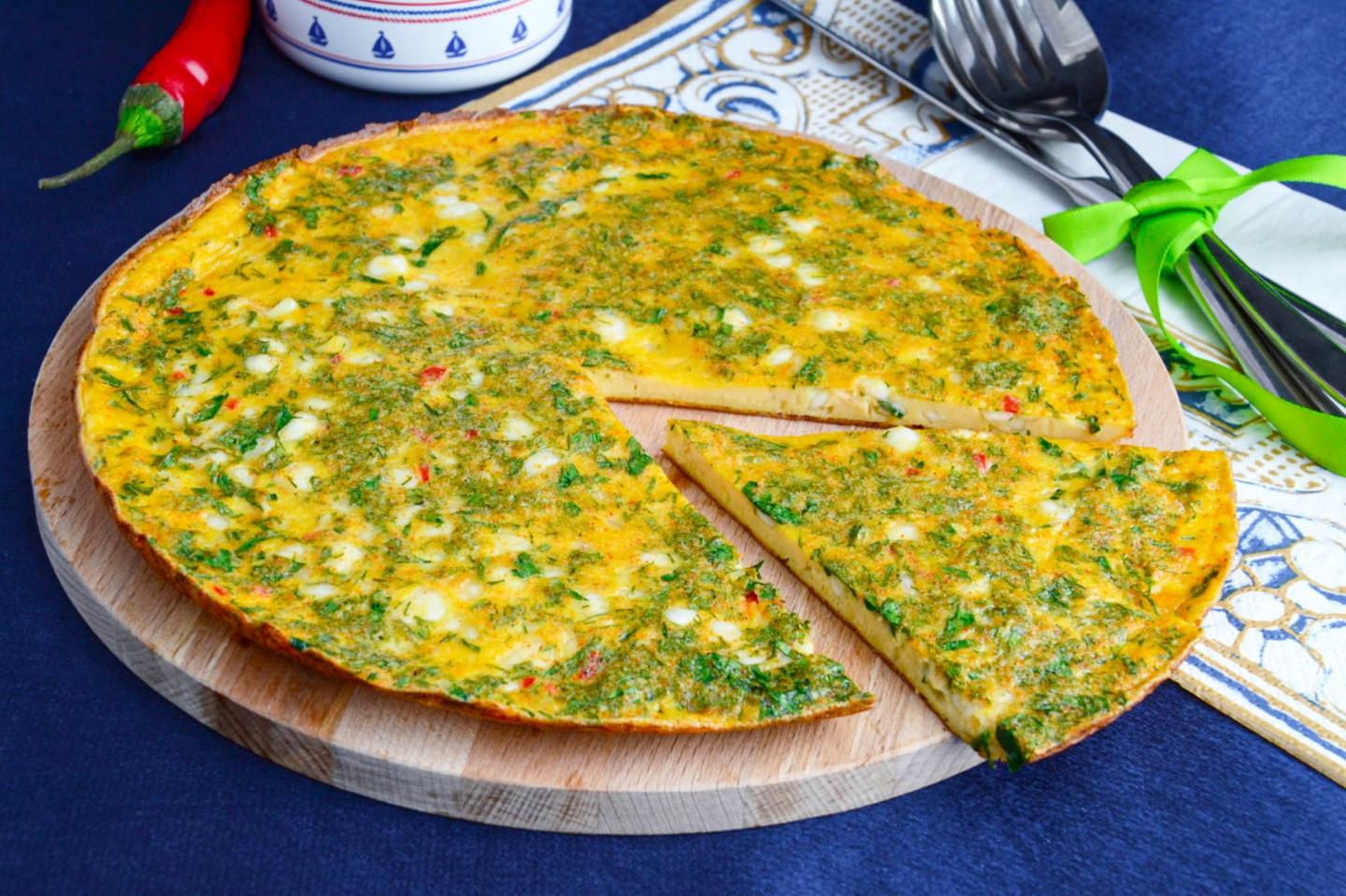
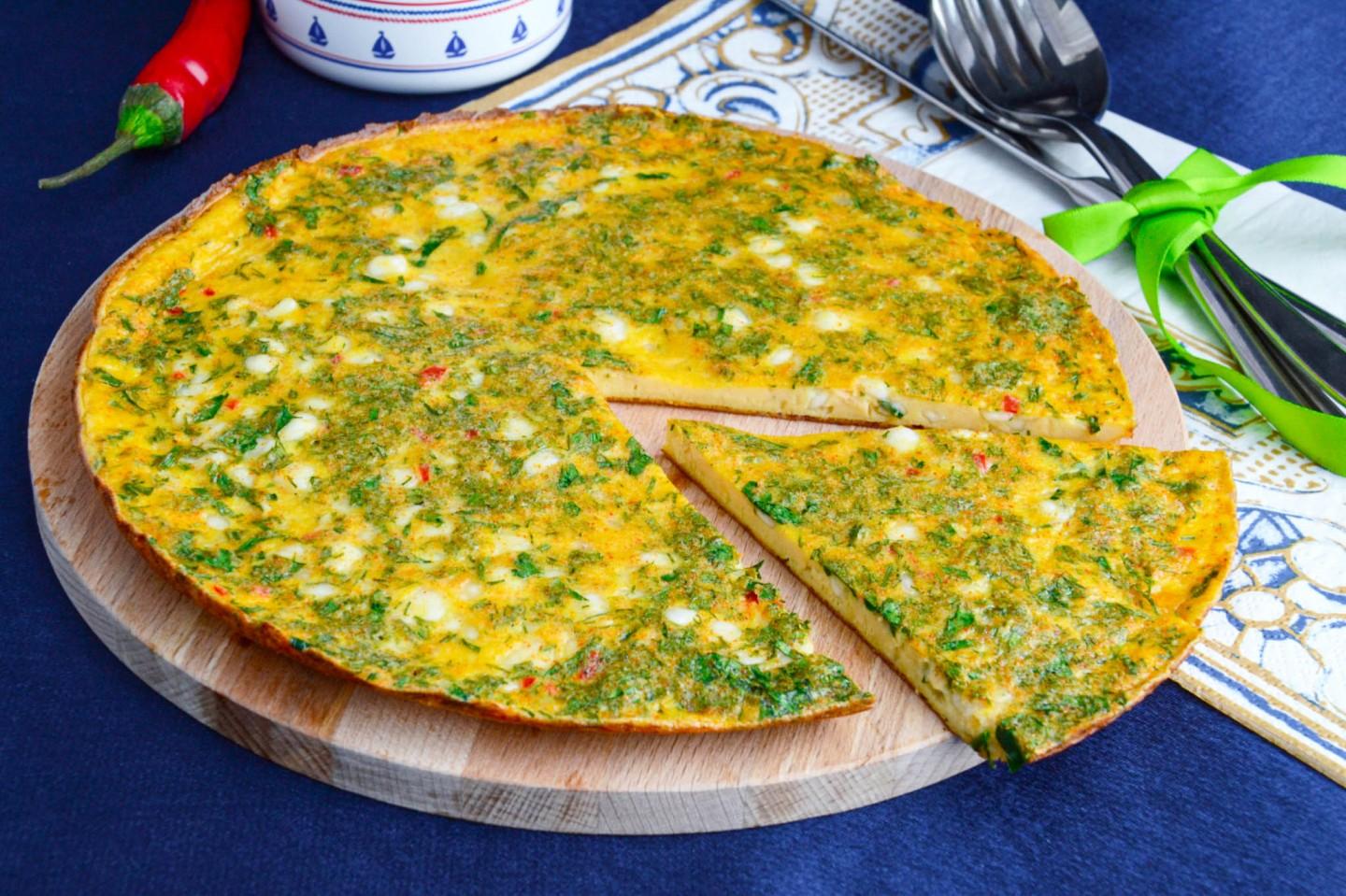
Cooking method
-
Step 1:
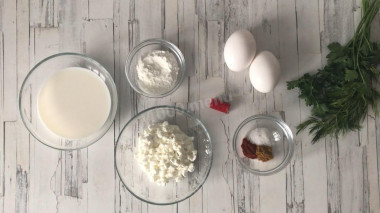
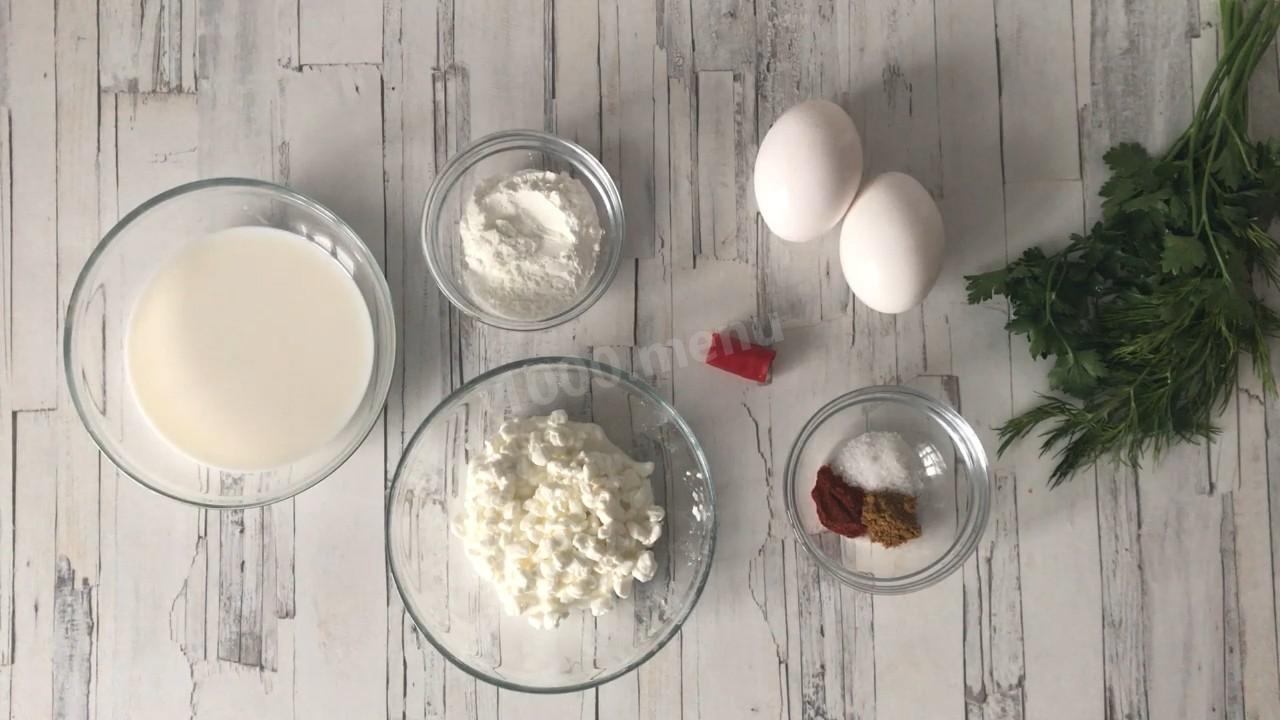
How do you make a cottage cheese omelet? Start by gathering your ingredients. Any milk works here; swap in cream for an even richer result, though it will bump up the calories. Use regular cottage cheese, or small-curd like I did. A little finely chopped chili pepper adds a nice kick, or use sweet bell pepper instead. Season to taste. I went with paprika and curry powder.
-
Step 2:

Rinse and dry the fresh herbs, then chop them finely with a knife. Use whatever herbs you like or have on hand.
-
Step 3:

If you're adding chili pepper, chop it finely. Scrape out the seeds to keep the heat in check.
-
Step 4:
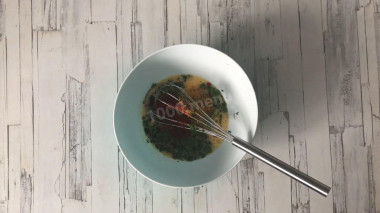
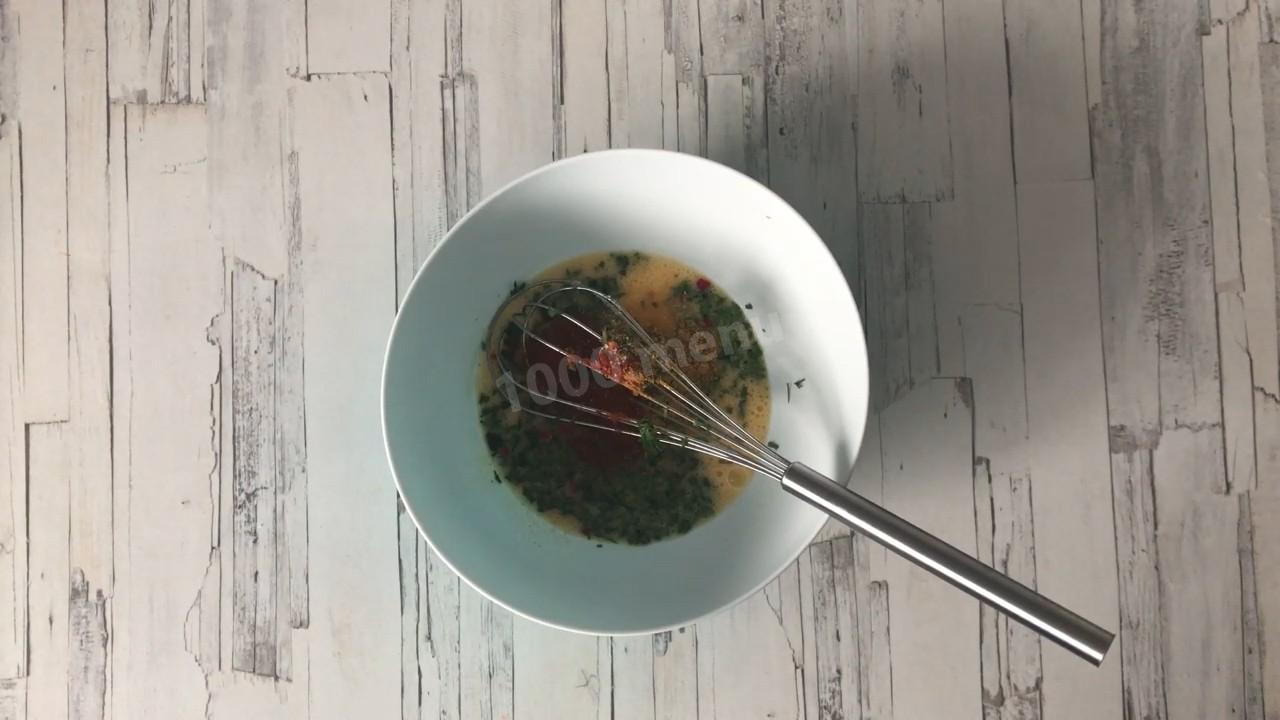
Wash the eggs well, crack them into a bowl, and whisk with a fork or whisk until smooth. Add the herbs, chili, spices, and salt, then stir to combine.
-
Step 5:
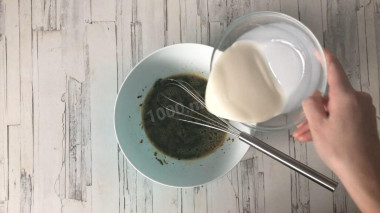
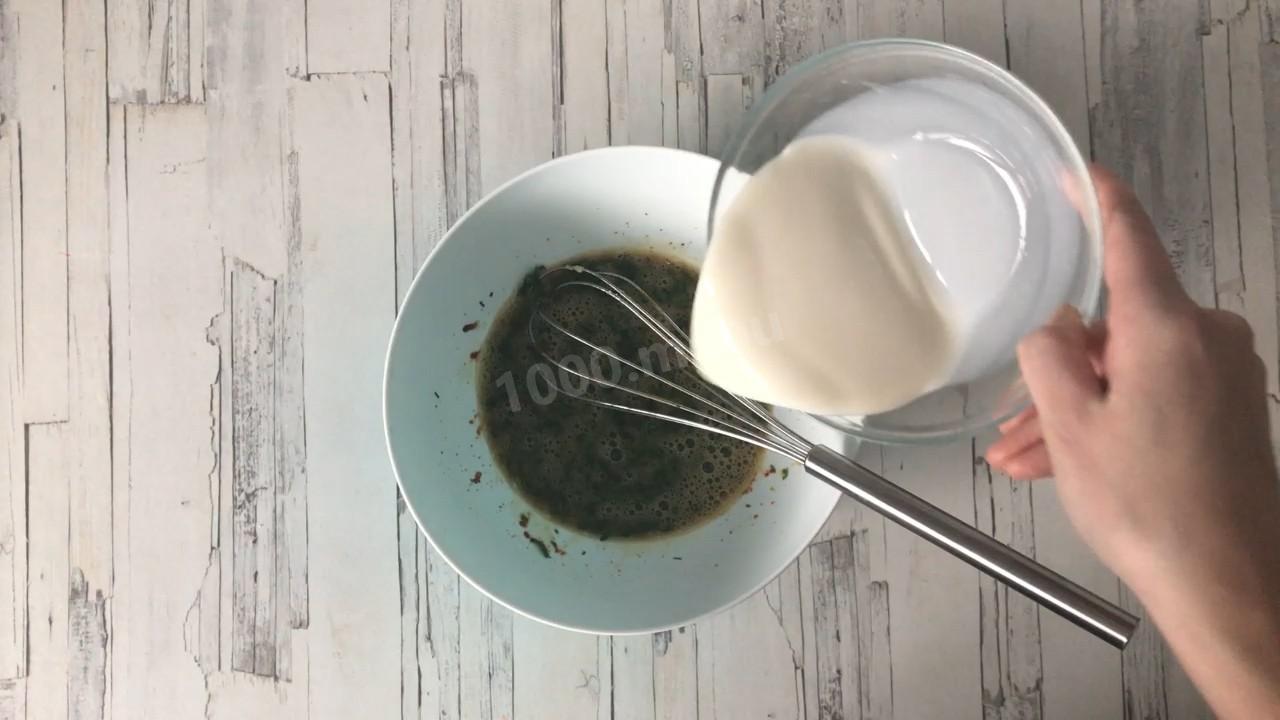
Pour in the milk and stir.
-
Step 6:
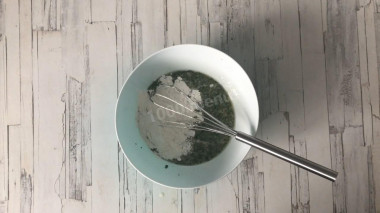
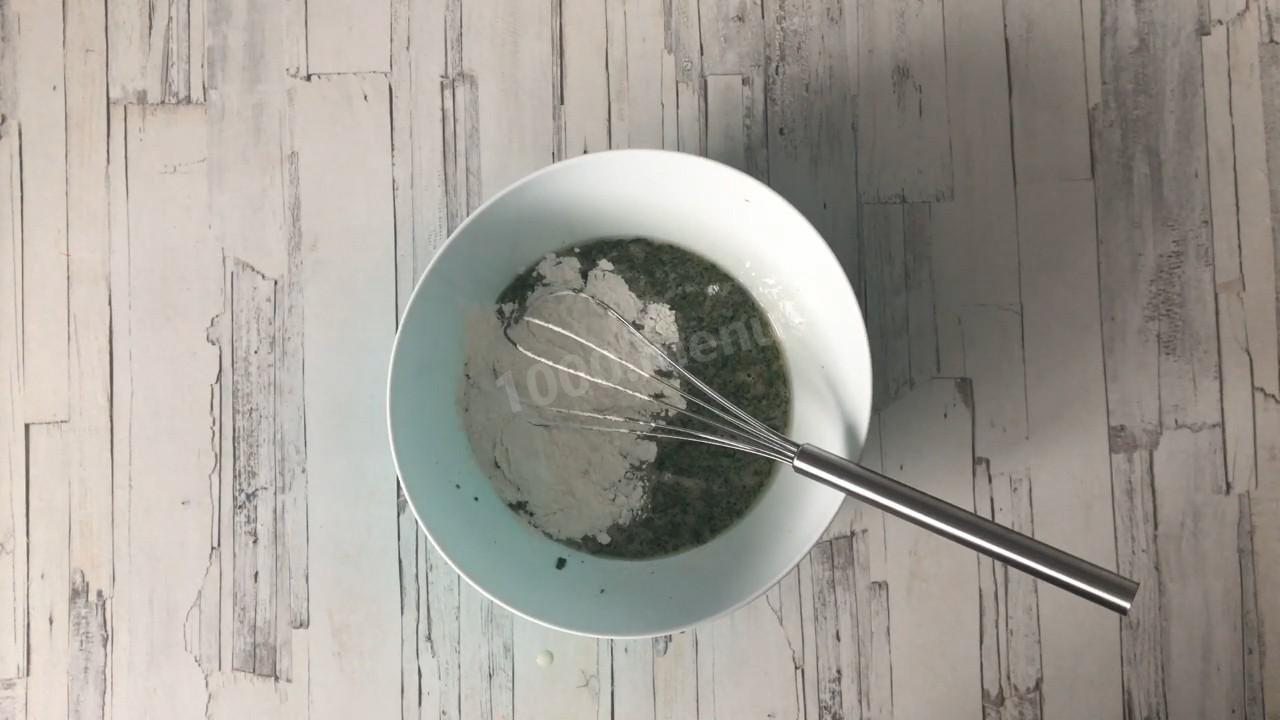
Add the cornstarch. Either cornstarch or potato starch works fine.
-
Step 7:
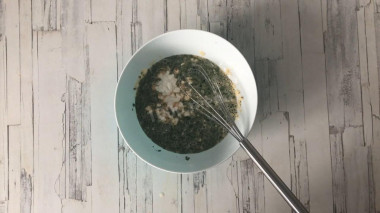
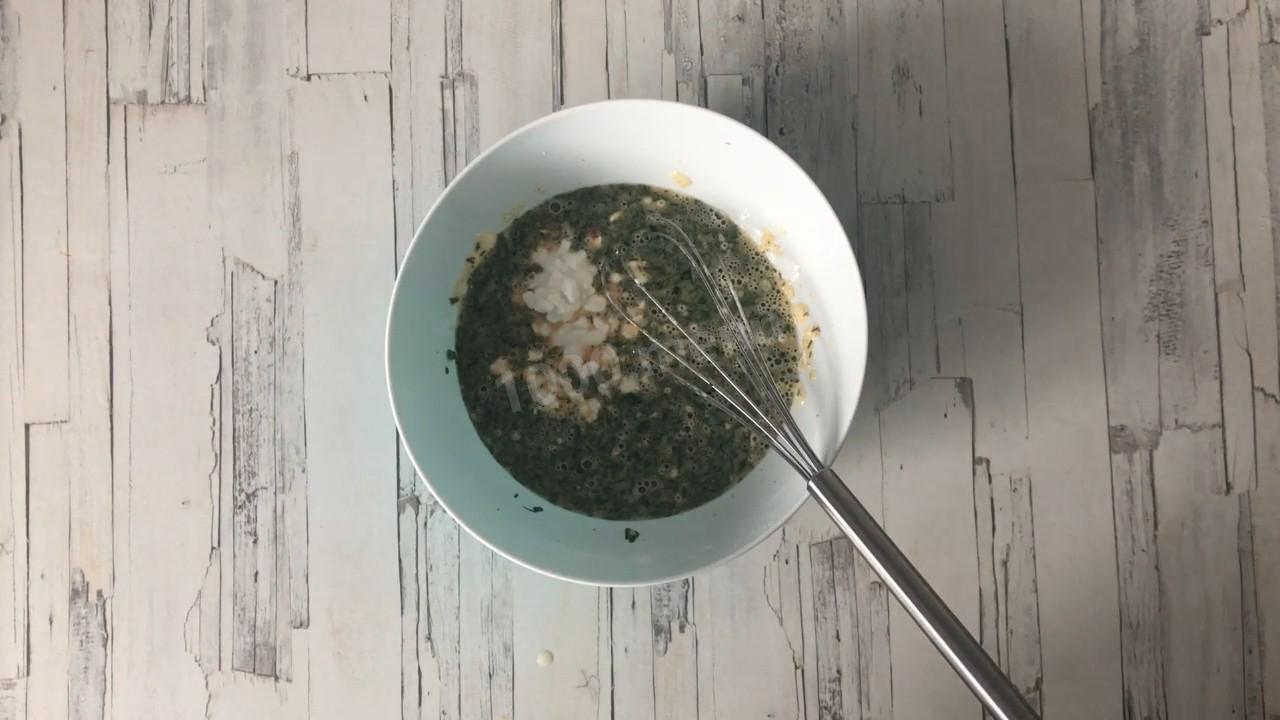
Add the cottage cheese and stir the mixture well until smooth.
-
Step 8:
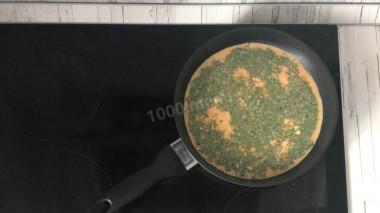
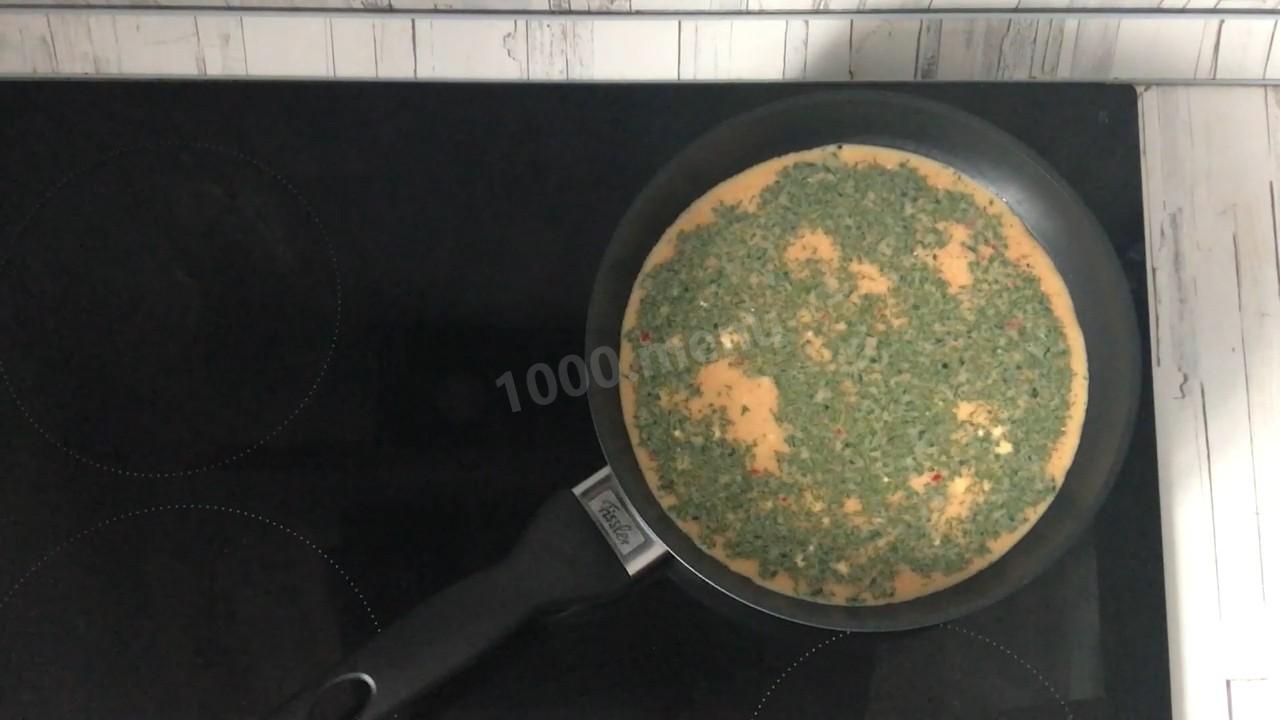
Pour the egg-and-milk mixture into a well-heated skillet coated with vegetable oil (butter works too).
-
Step 9:
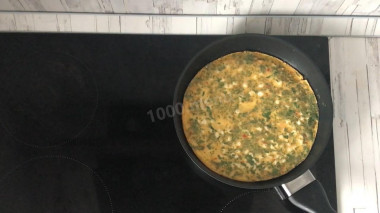
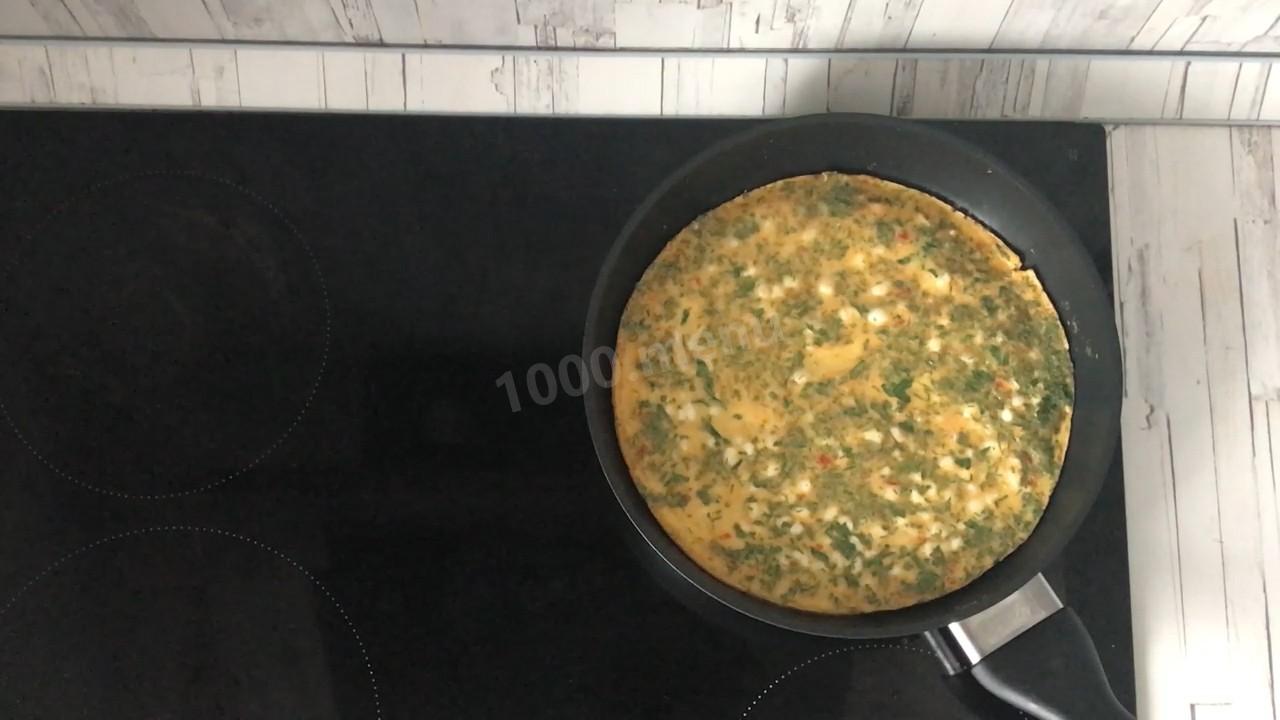
Cook the omelet over low heat for about 5 minutes. Then turn off the heat, cover the skillet with a lid, and let it sit for 1 minute to finish setting. Serve and enjoy!


- Always wash your eggs before using them, since even a shell that looks clean can carry harmful bacteria. A food-safe wash and a brush work best.
- The right skillet matters. The wrong pan can ruin even the best recipe, so choose one suited to what you're cooking.
- Every oil is good for cooking only up to a certain point, its smoke point, beyond which it starts to burn and form harmful compounds. Pick an oil with a high enough smoke point for frying and keep the heat below that threshold.
Caloric content of the products possible in the composition of the dish
- Whole cow's milk - 68 kcal/100g
- Milk 3.5% fat content - 64 kcal/100g
- Milk 3.2% fat content - 60 kcal/100g
- Milk 1.5% fat content - 47 kcal/100g
- Concentrated milk 7.5% fat content - 140 kcal/100g
- Milk 2.5% fat content - 54 kcal/100g
- Chicken egg - 157 kcal/100g
- Egg white - 45 kcal/100g
- Egg powder - 542 kcal/100g
- Egg yolk - 352 kcal/100g
- Ostrich egg - 118 kcal/100g
- Cottage cheese of 40% fat content - 466 kcal/100g
- Cottage cheese of 20% fat content - 233 kcal/100g
- Cottage cheese of 18% fat content - 226 kcal/100g
- Cottage cheese of 10% fat content - 156 kcal/100g
- Low-fat cottage cheese - 75 kcal/100g
- Cottage cheese with sour cream - 260 kcal/100g
- Fruit cottage cheese - 147 kcal/100g
- Soft dietary cottage cheese - 170 kcal/100g
- Vitalinia cottage cheese - 64 kcal/100g
- Cottage cheese 'morning' ('danone') without sugar - 91 kcal/100g
- Cottage cheese - 156 kcal/100g
- Parsley greens - 45 kcal/100g
- Dill greens - 38 kcal/100g
- Curry - 352 kcal/100g
- Starch - 320 kcal/100g
- Vegetable oil - 873 kcal/100g
- Salt - 0 kcal/100g
- Paprika - 289 kcal/100g
- Chili pepper - 40 kcal/100g
Similar recipes
- Fast and tasty
- For breakfast
- Snacks
- Second course
- Eggs
- Dairy products
- Spices seasonings spices
- Fats and oils
- Other
- Карри
- Pepper
- Parsley
- Salt
- Dill
- Vegetable oil
- Starch
- Hot snacks
- Frying
- In a frying pan
- From cottage cheese fast and tasty
- The second is fast and delicious
- Dishes in 30 minutes
- Omelets рецепты
- Egg breakfast
- Cottage cheese for breakfast
- Cottage cheese
- Milk
- Vegetarianism
- Recipes for lean dishes without butter