Juicy Hake Fish Cakes
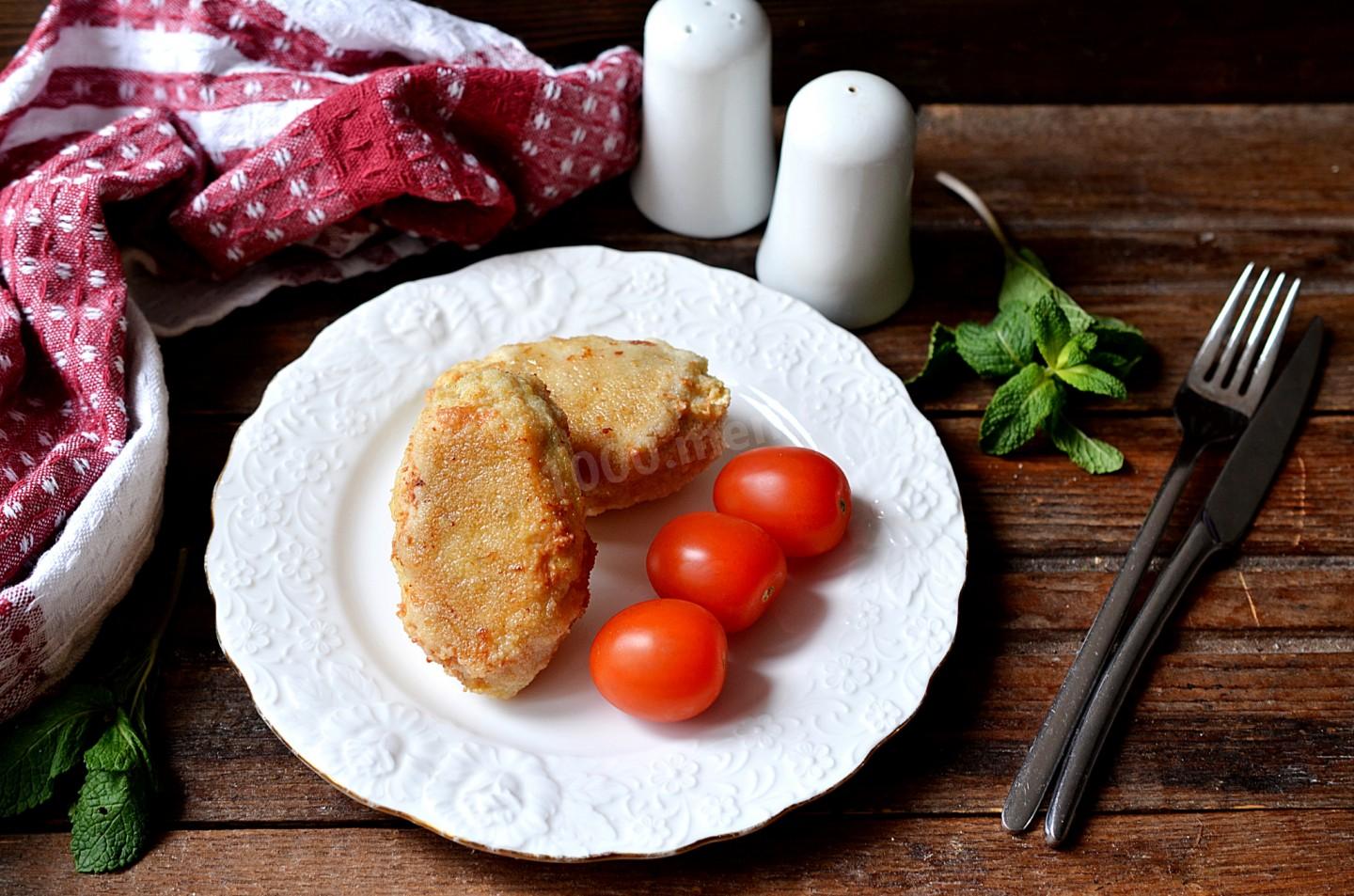
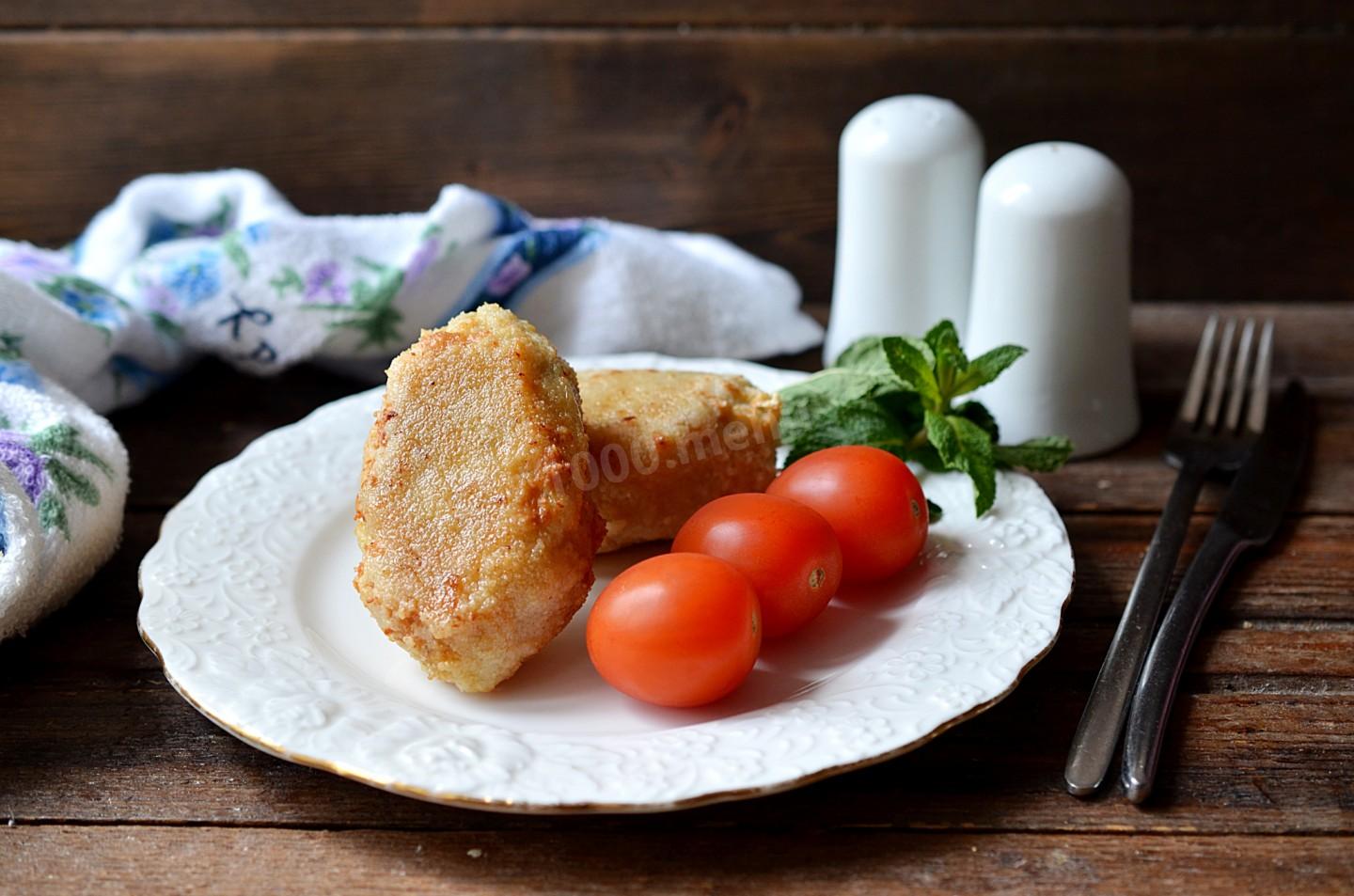
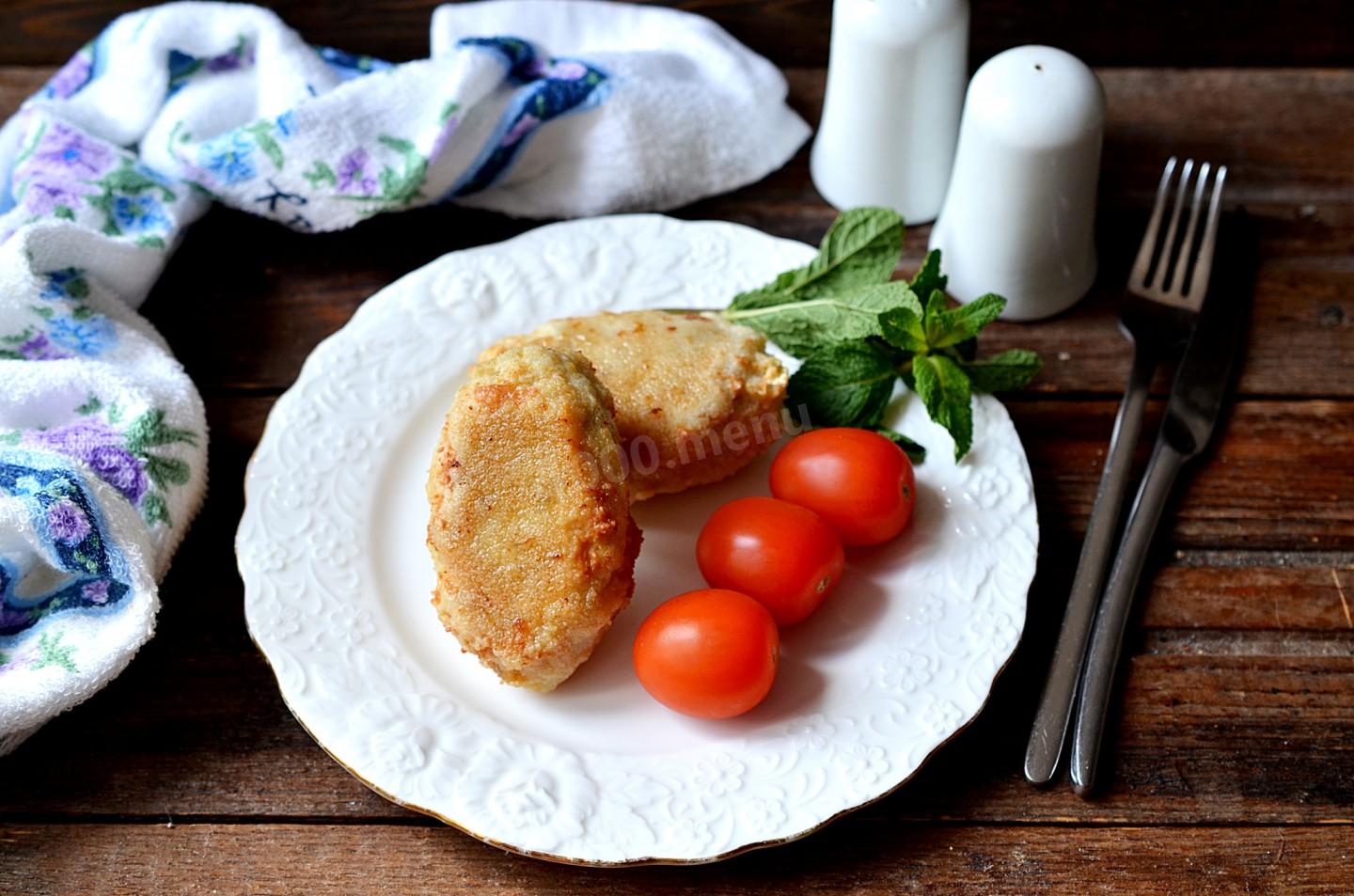
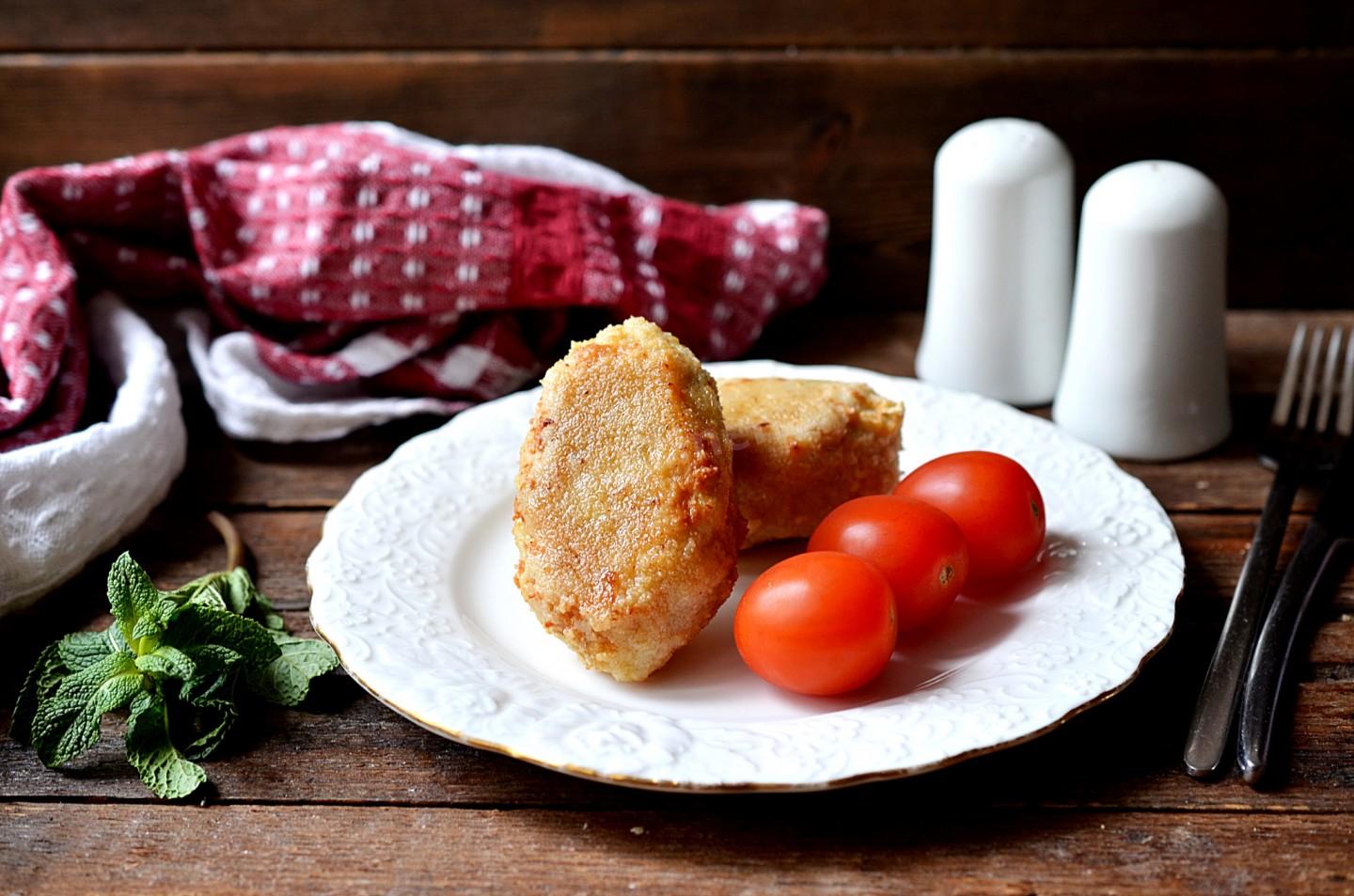
A simple recipe for juicy fish cakes with a crispy crust! These hake cakes are wonderfully juicy and flavorful, coated in crisp breadcrumbs and pan-fried. They come together quickly and easily — perfect for a family lunch or dinner!

Cooking method
-
Step 1:
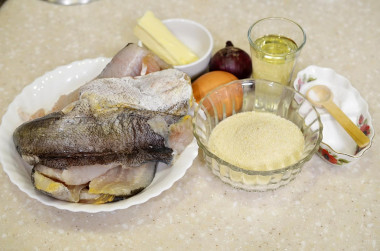
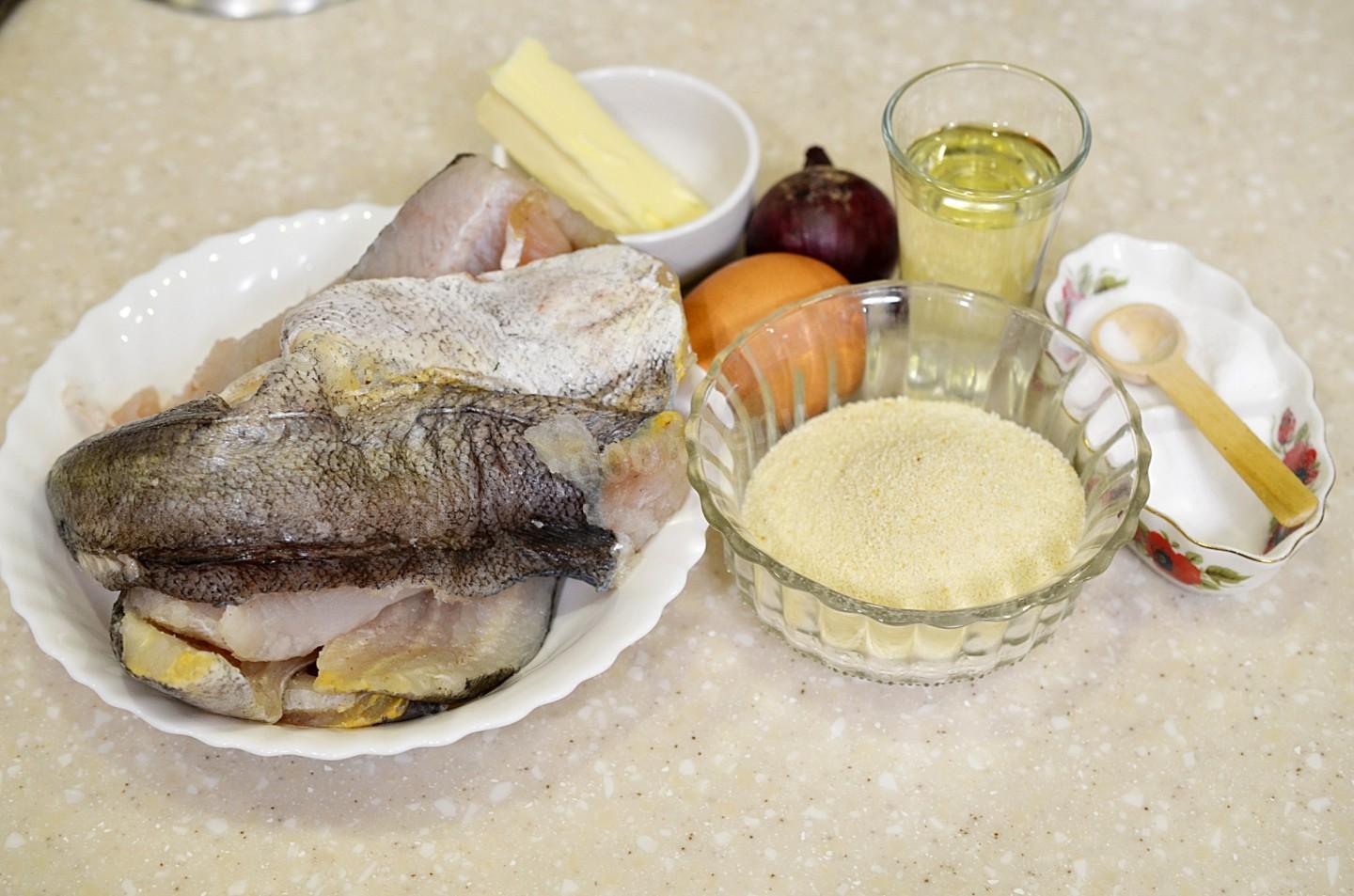
How do you make juicy hake fish cakes? Gather your ingredients. Use fresh, chilled fish if you can — it holds far more of its nutrients. If all you have is frozen hake, thaw it properly: move it from the freezer to the fridge for 4–6 hours first, then let it finish thawing at room temperature.
-
Step 2:
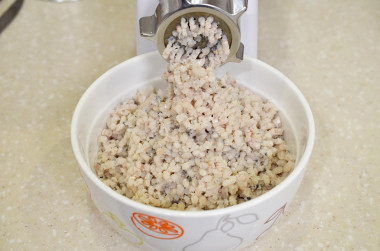
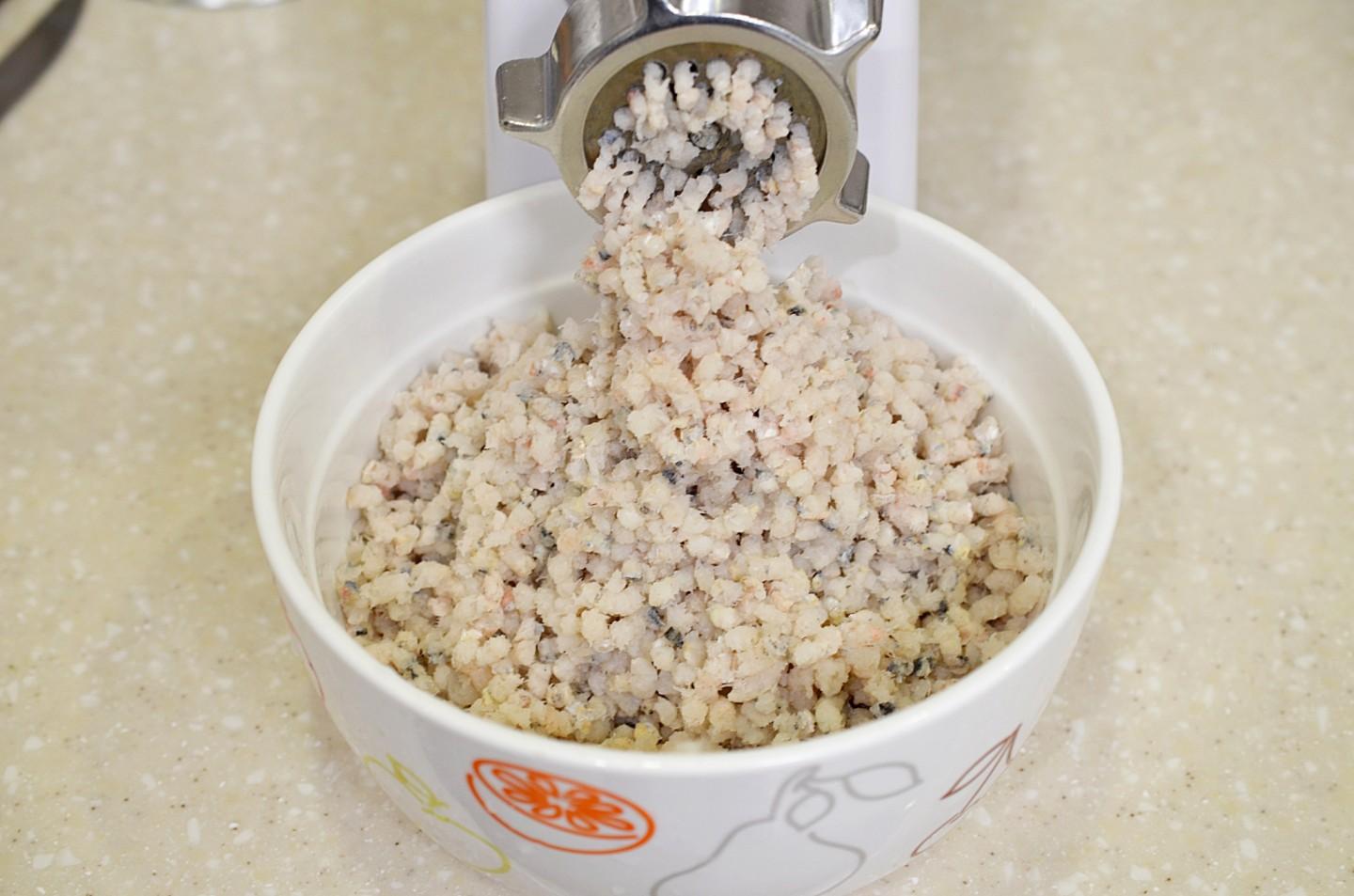
Rinse the fish and dry it well. Now the hake needs to be ground. I ran it through a meat grinder, but a blender works too — or, at a pinch, chop it very finely by hand.
-
Step 3:
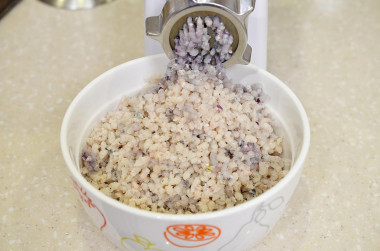
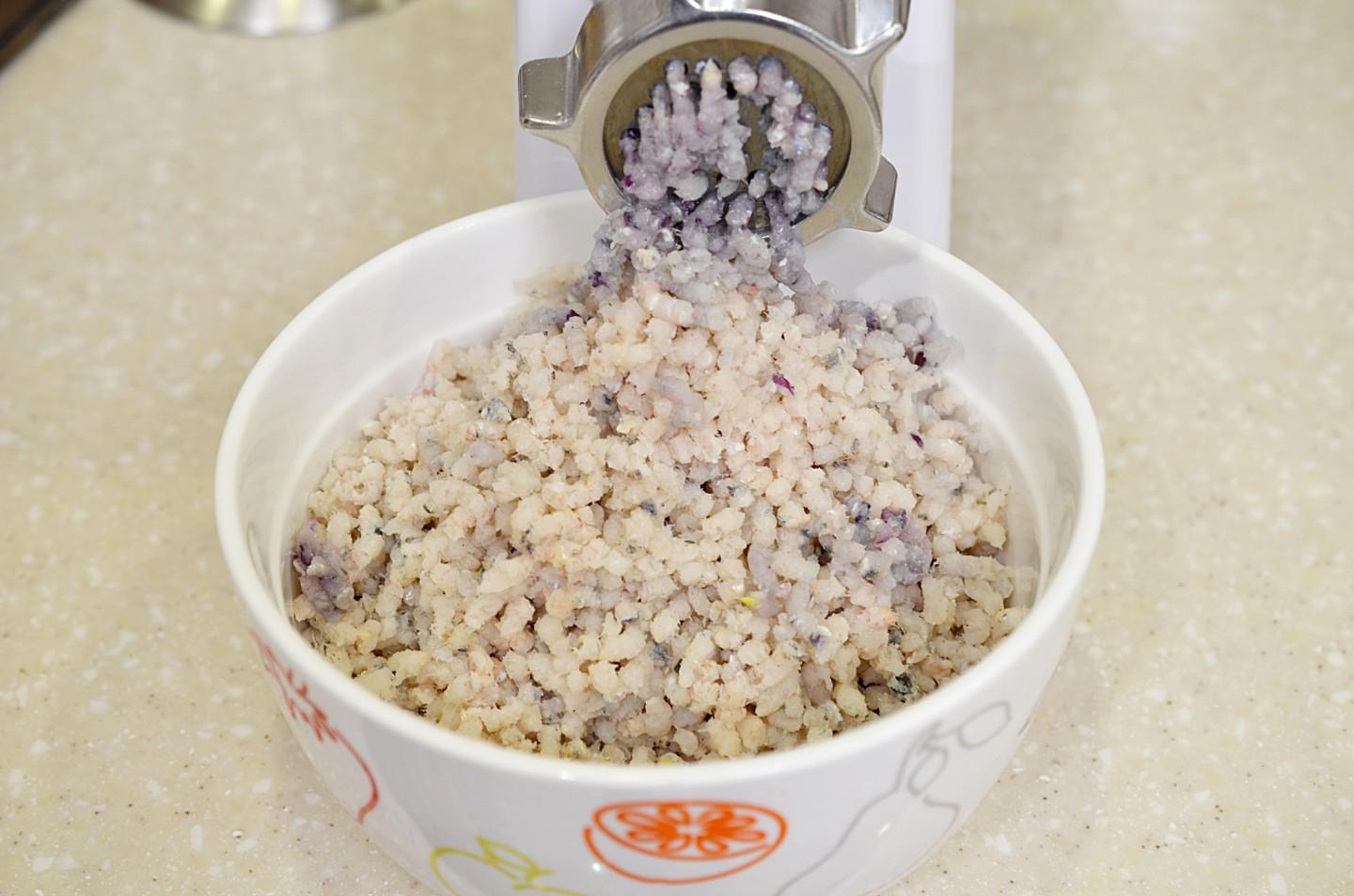
Peel and grind the onion the same way. I put it through the meat grinder as well.
-
Step 4:
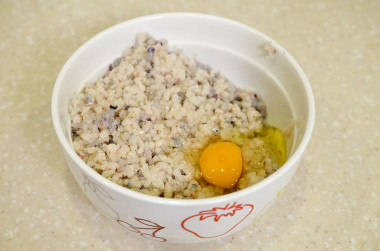
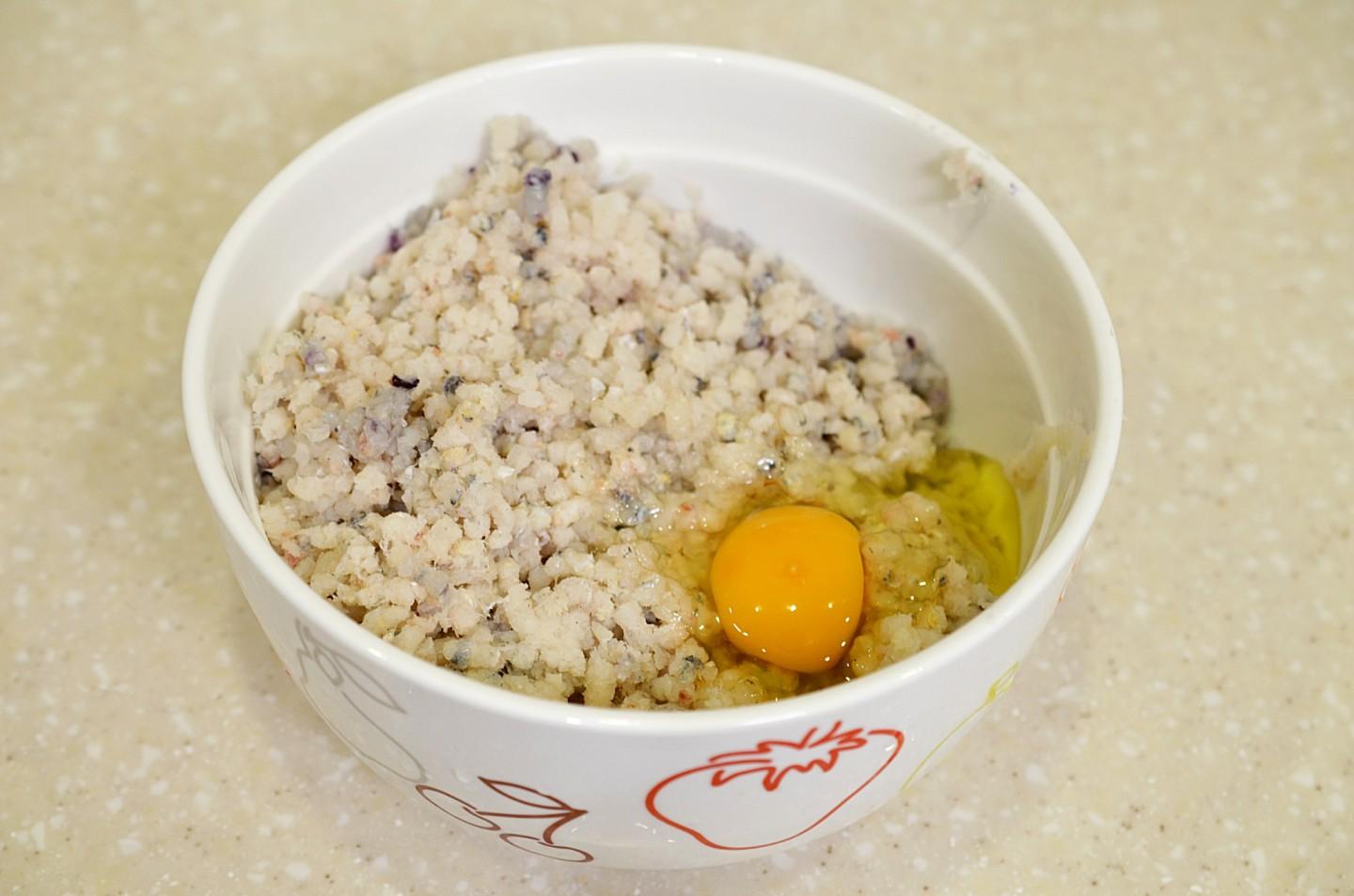
Crack the egg into the fish mixture. Use a good large egg.
-
Step 5:
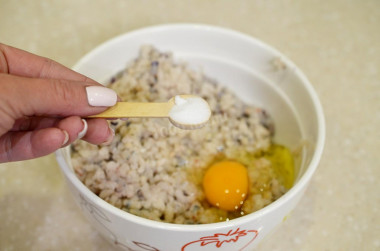
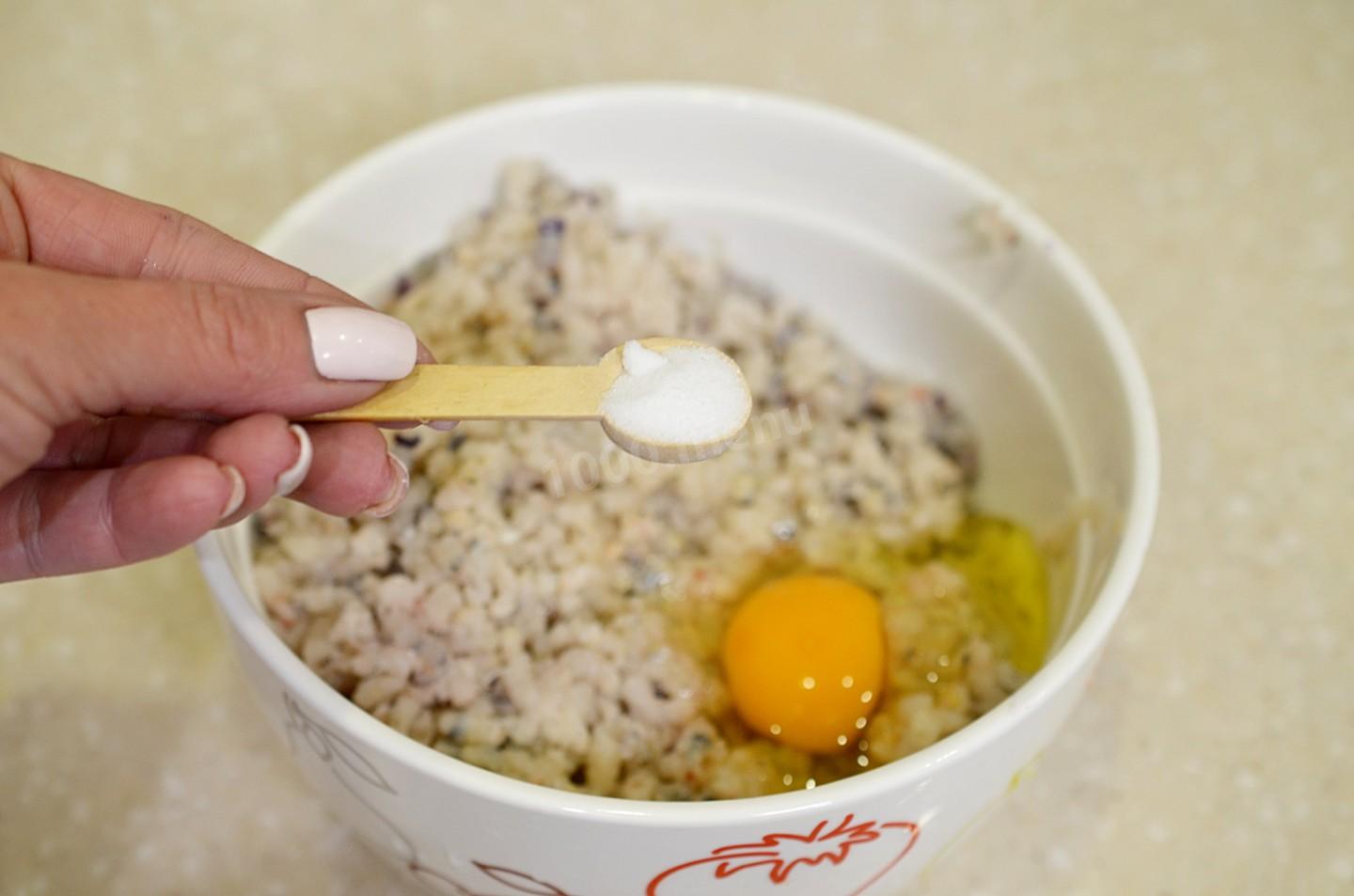
Salt the mixture. I use regular sea salt, but you could add a seasoned salt too. This is also the point to add your favorite herbs and seasonings. What goes well with fish? Lemon pepper, thyme, herbes de Provence — whatever you like!
-
Step 6:
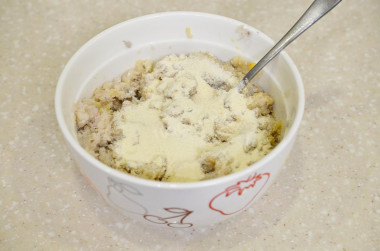
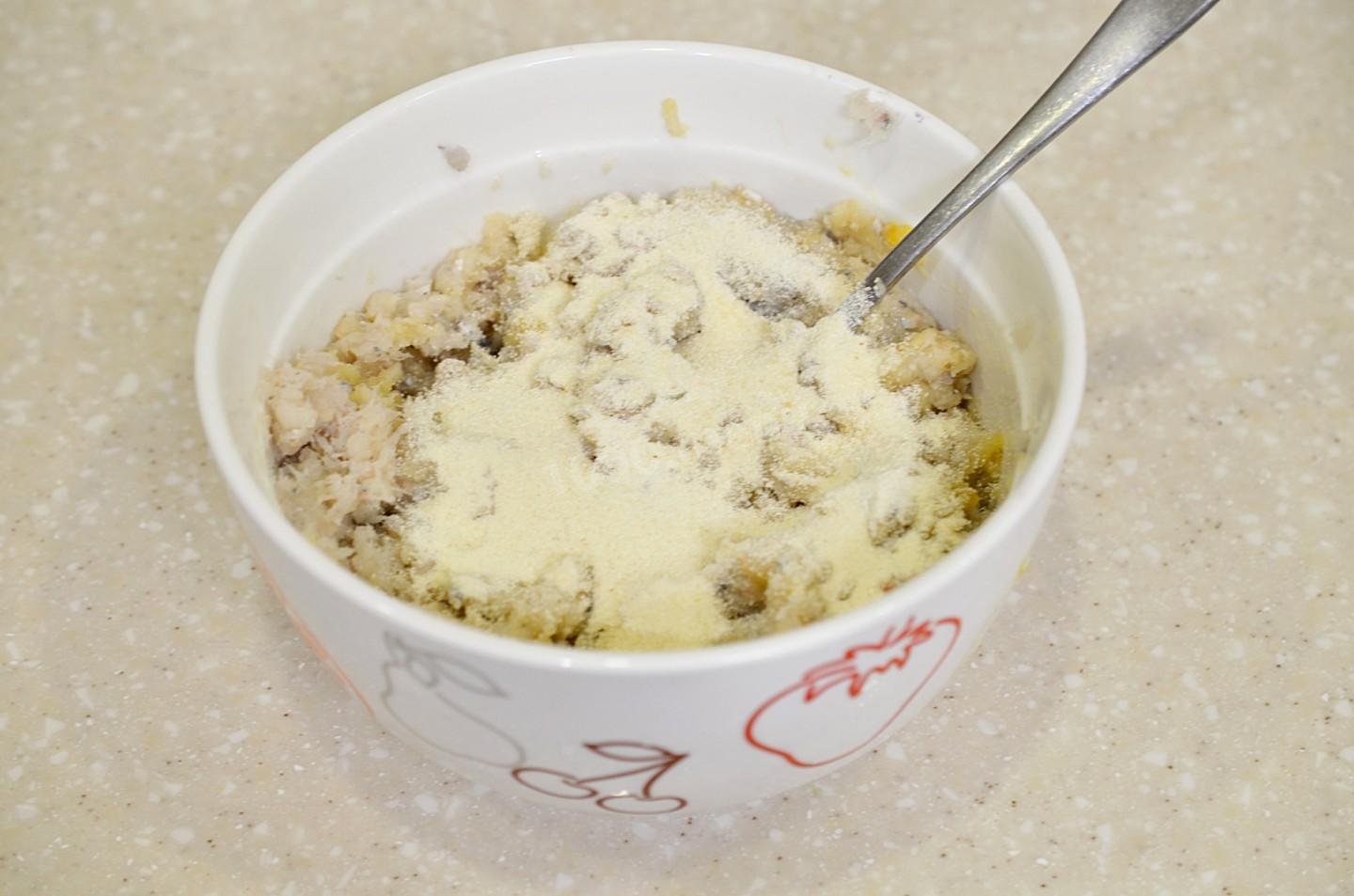
Add 3 tablespoons of breadcrumbs to the mixture. They'll soak up excess moisture and help bind everything together. You can also swap the breadcrumbs for semolina or flour in the same amount, or even cornstarch (use half as much). Mix the fish mixture well.
-
Step 7:
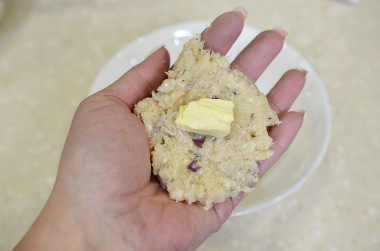
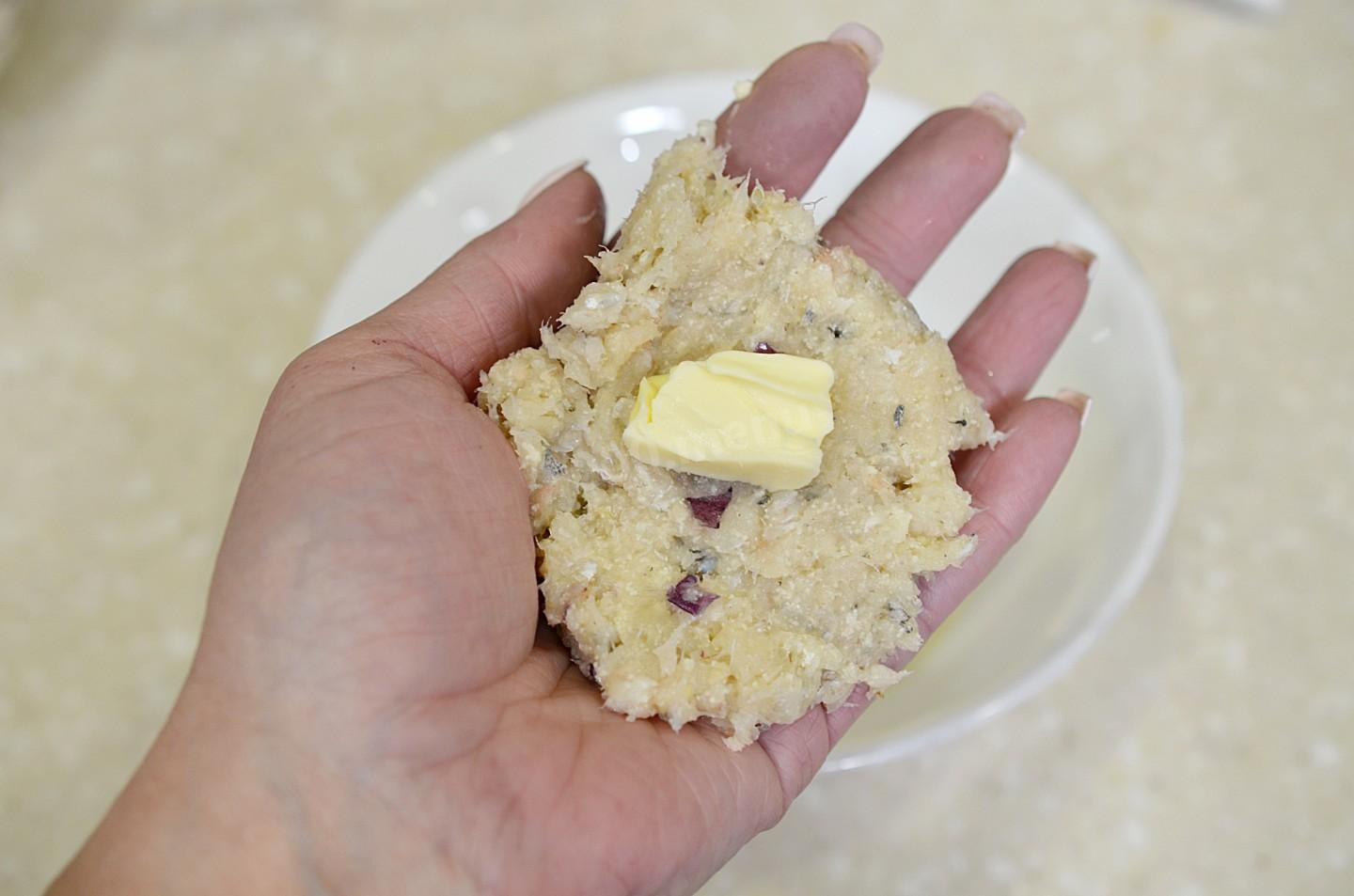
Take a portion of the mixture, flatten it into a patty, and tuck a small piece of butter into the center for juiciness.
-
Step 8:
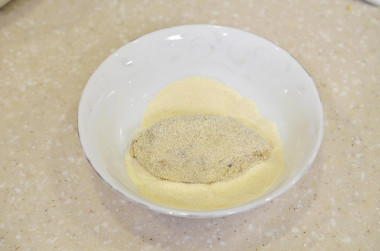
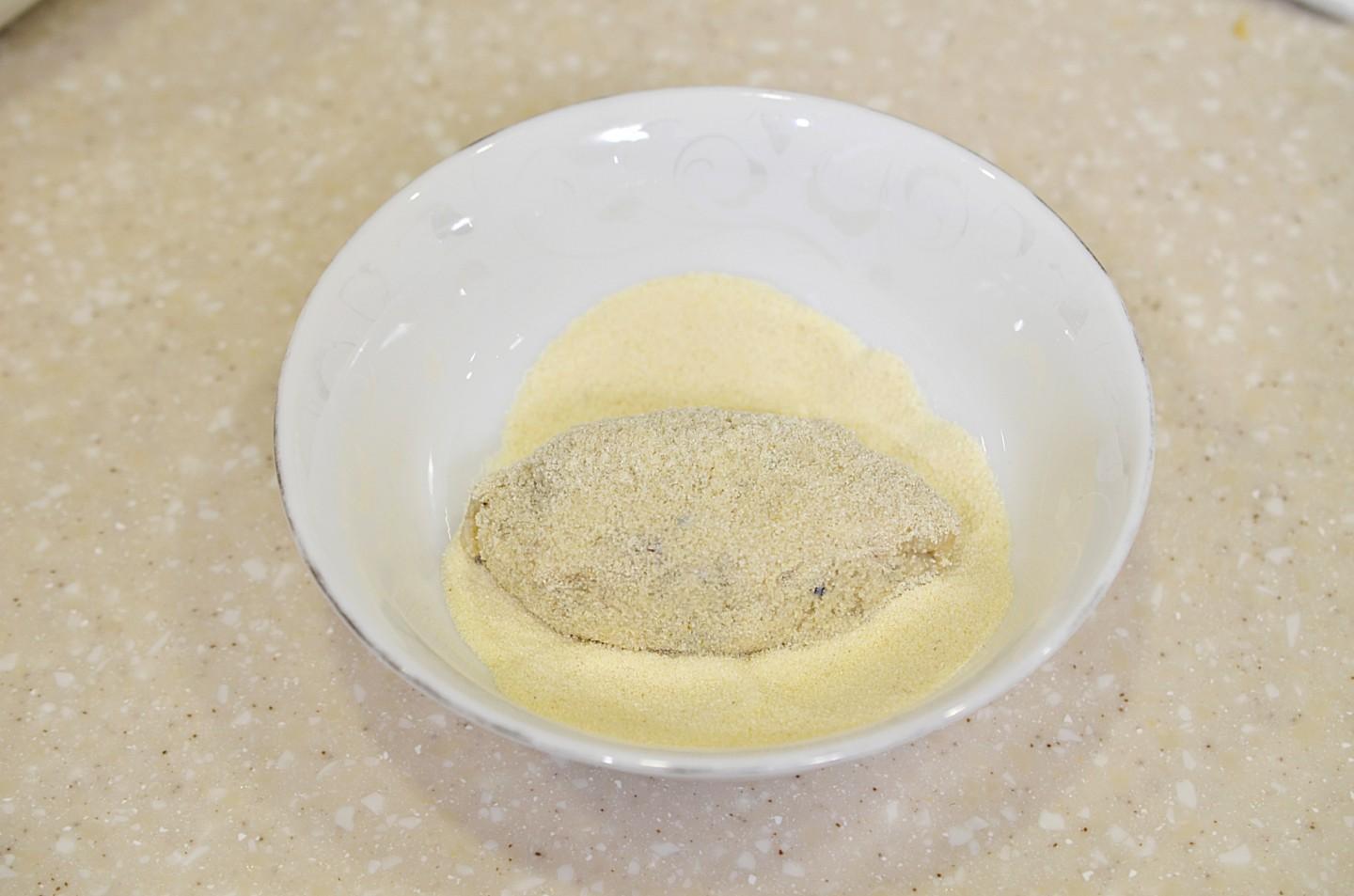
Shape it into a cake and roll it in the remaining breadcrumbs.
-
Step 9:
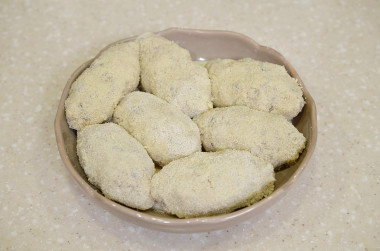
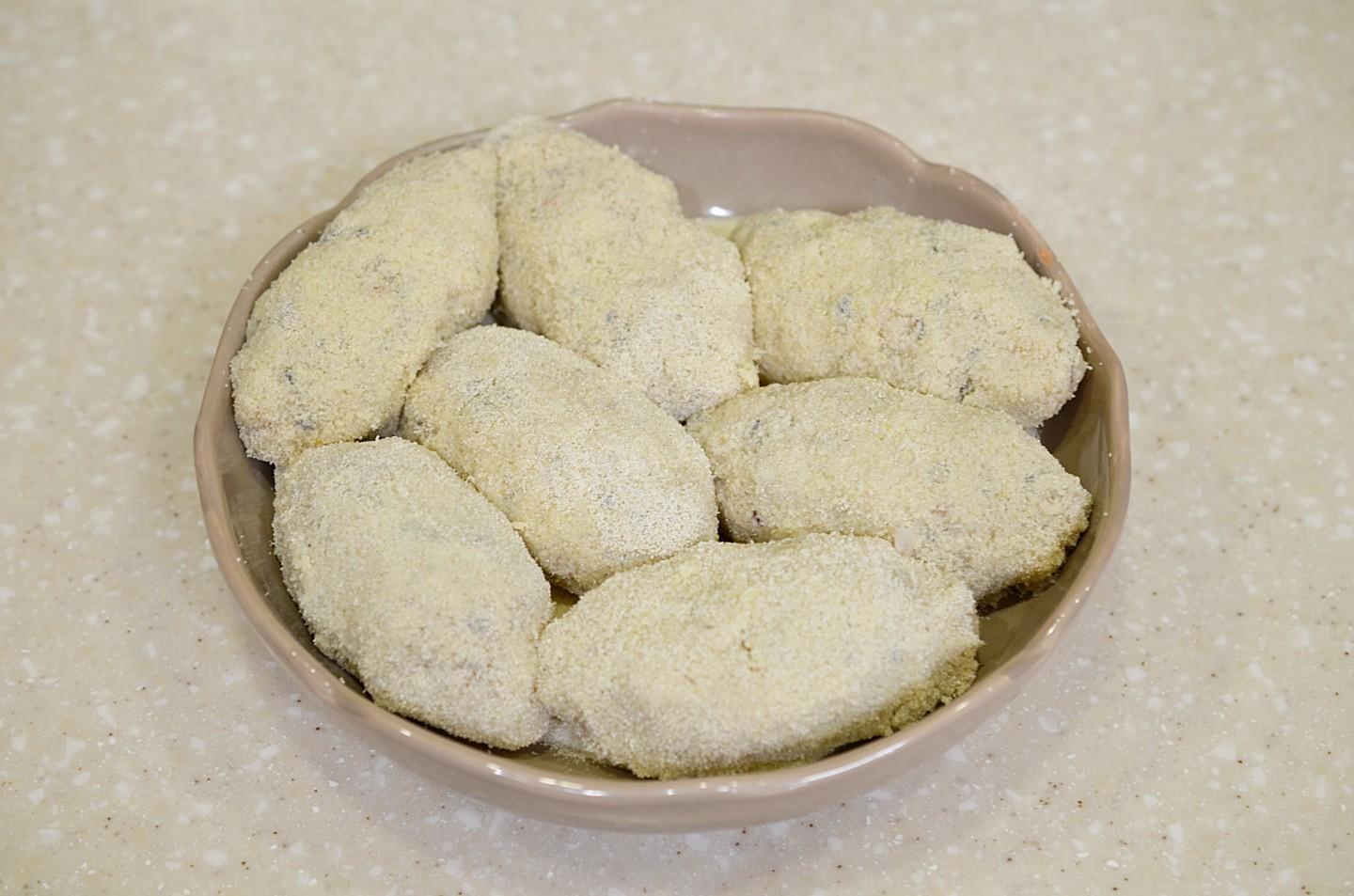
Do the same with the rest of the mixture to form all the cakes.
-
Step 10:
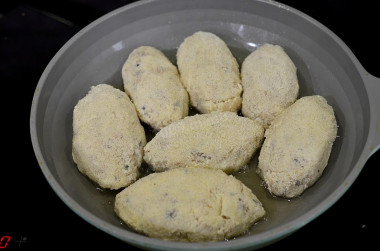
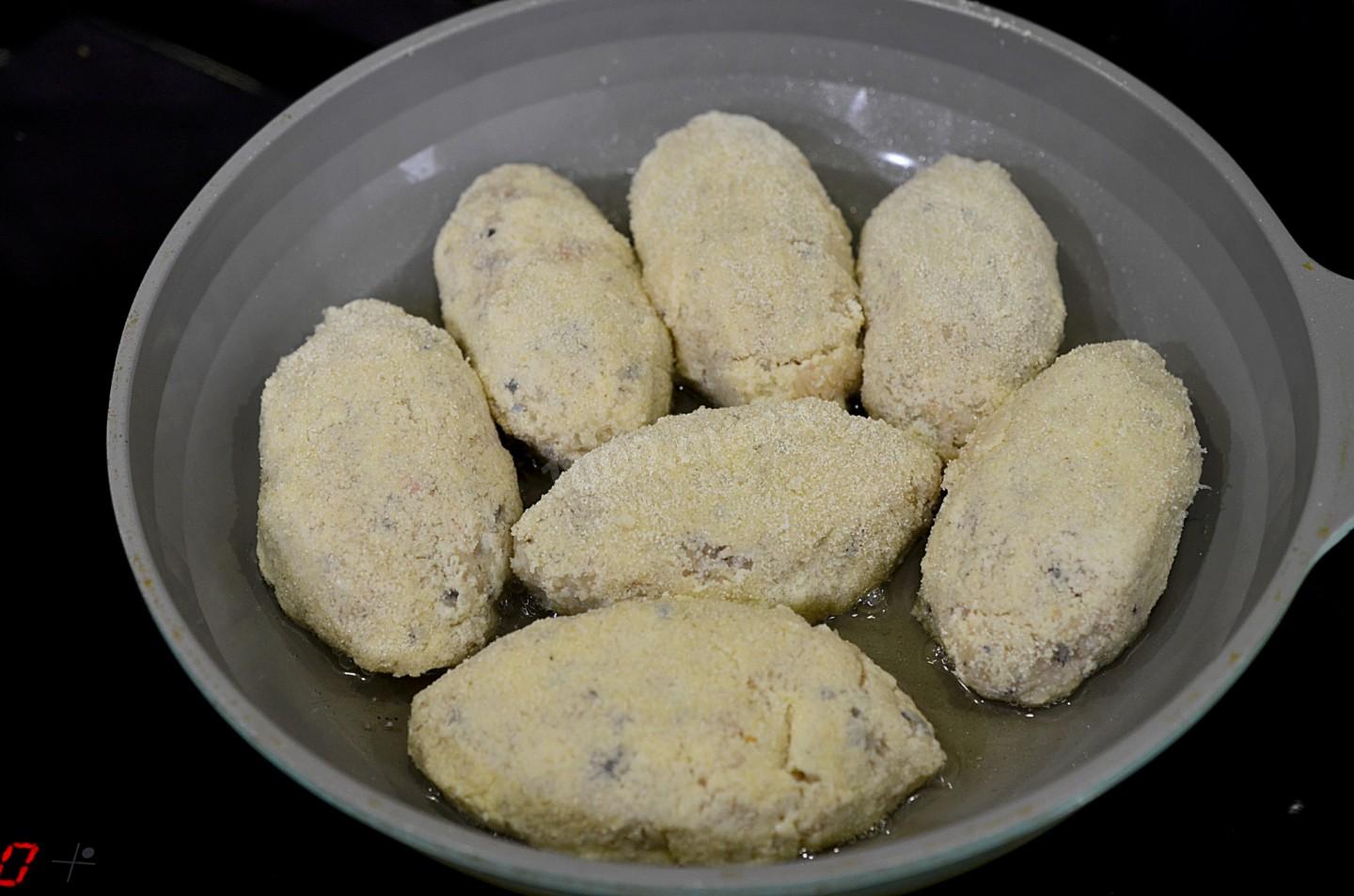
Heat the vegetable oil in a skillet. Add the cakes and fry over low heat, about 7–10 minutes on the first side. Then carefully flip them, cover the skillet, and cook until done.
-
Step 11:
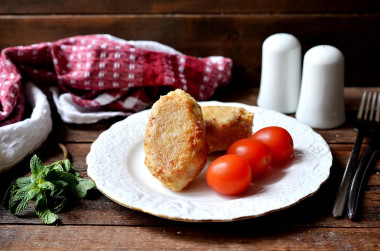
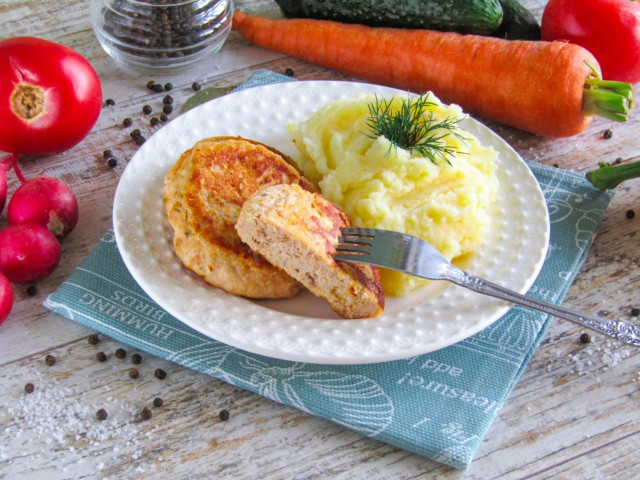
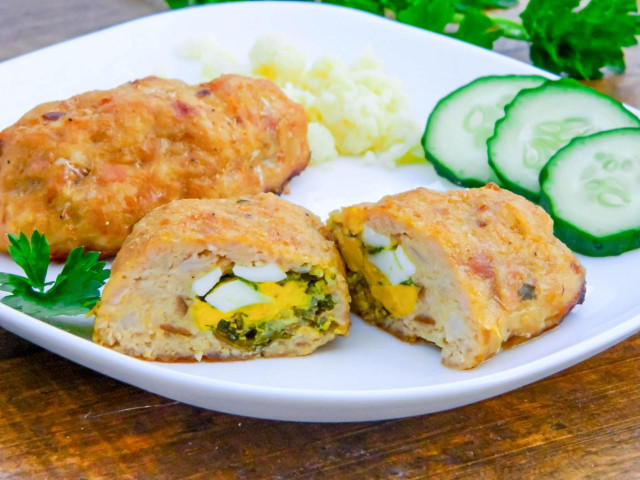
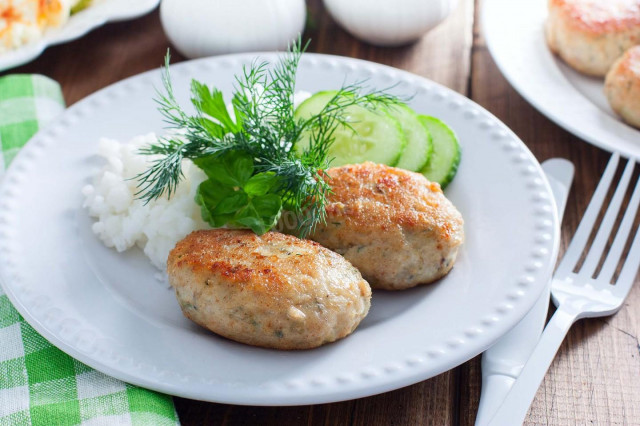
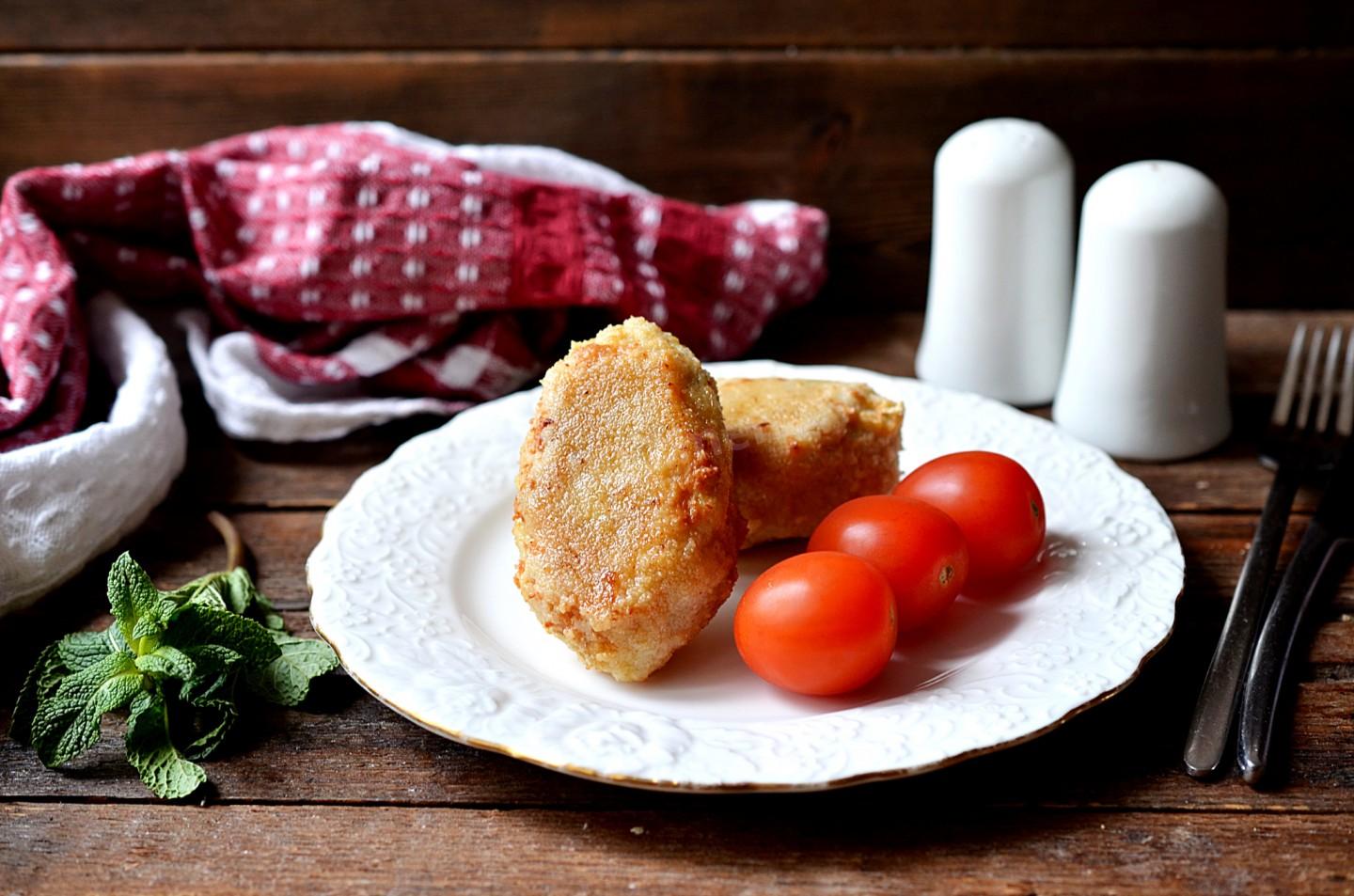
Delicious, juicy hake fish cakes are ready. Enjoy!
- Important! The wrong pan can ruin even the best recipe. A good skillet that heats evenly makes all the difference here.
- Every oil is good only up to a certain temperature — its smoke point — beyond which it starts to burn and forms harmful compounds, including carcinogens. It's worth knowing which oils are best for frying and at what temperature, and which ones to skip altogether.
- Keep in mind that thawing your ingredients properly has a big impact on the quality and flavor of the finished dish. It pays to know the best way to defrost and the mistakes to avoid.
Caloric content of the products possible in the composition of the dish
- Chicken egg - 157 kcal/100g
- Egg white - 45 kcal/100g
- Egg powder - 542 kcal/100g
- Egg yolk - 352 kcal/100g
- Ostrich egg - 118 kcal/100g
- Butter 82% - 734 kcal/100g
- Amateur unsalted butter - 709 kcal/100g
- Unsalted peasant butter - 661 kcal/100g
- Peasant salted butter - 652 kcal/100g
- Melted butter - 869 kcal/100g
- Vegetable oil - 873 kcal/100g
- Fried hake - 105 kcal/100g
- Boiled hake - 95 kcal/100g
- Hake fresh - 86 kcal/100g
- Salt - 0 kcal/100g
- Onion - 41 kcal/100g
- Breadcrumbs - 347 kcal/100g