Chum Salmon Fish Cakes
Wholesome, fluffy, and appetizing — great for the whole family! Chum salmon fish cakes made with this recipe come out incredibly juicy and tender. There's a secret trick to getting that result even from fairly lean fish, and I'm about to share it with you.

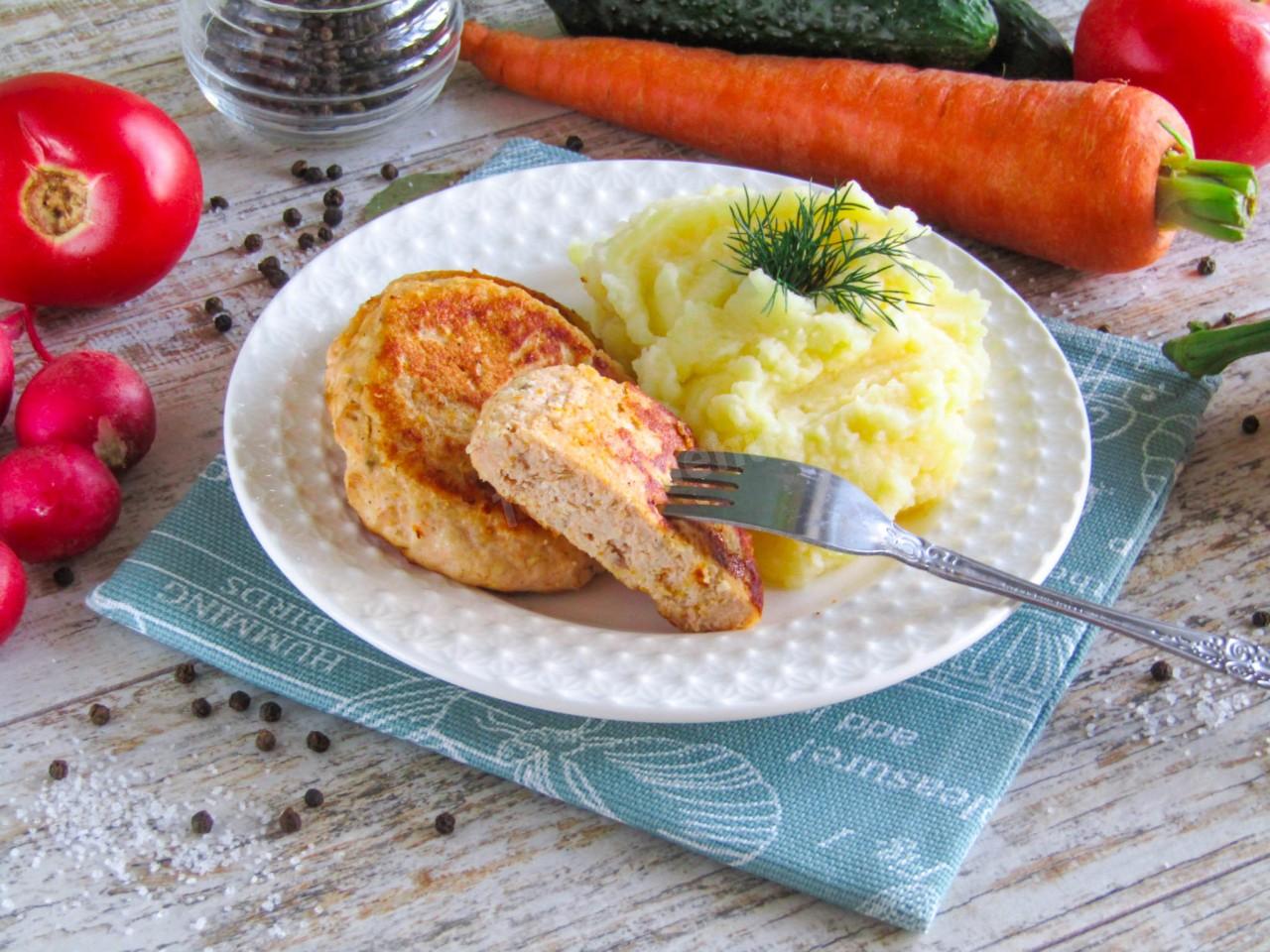
Cooking method
-
Step 1:
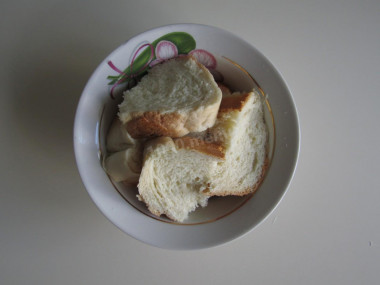
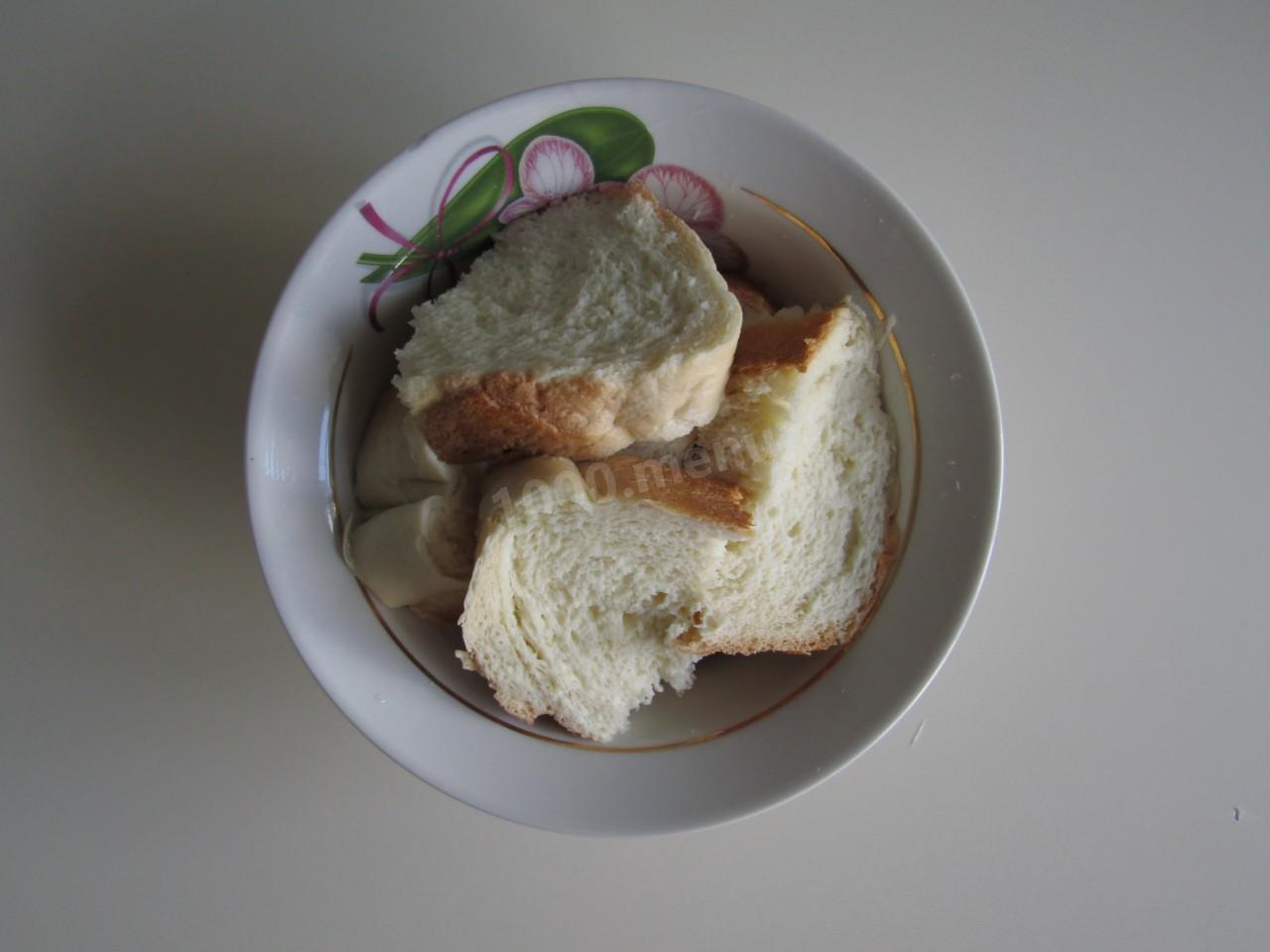
How do you make chum salmon fish cakes? One of the secrets to juicy, soft cakes is adding soaked bread to the mixture. White bread works best — I used a plain loaf. Cut the bread into pieces and pour milk over it. Let it soak for 10 minutes, turning the pieces now and then so they soak evenly.
-
Step 2:
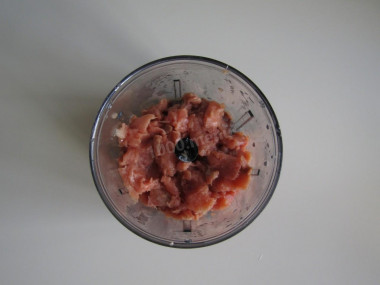
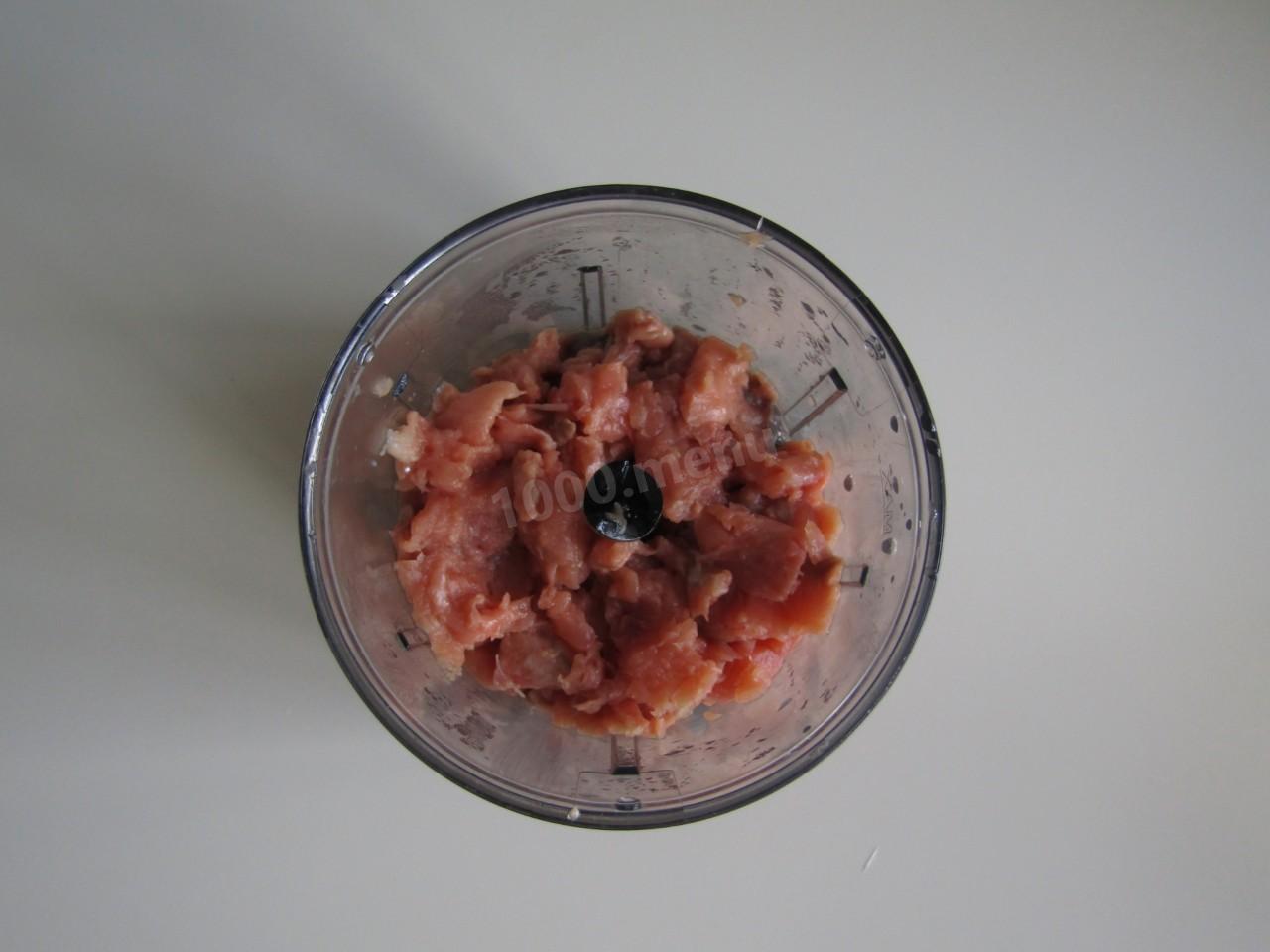
It's best to use chilled fillet, but if yours is frozen like mine, thaw it completely. Thaw the fish the right way by moving it from the freezer to the bottom shelf of the fridge ahead of time — that keeps the most nutrients and the right texture. Cut the thawed chum salmon fillet into small pieces and grind it, using a meat grinder or a blender.
-
Step 3:
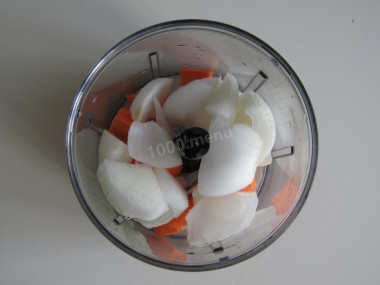
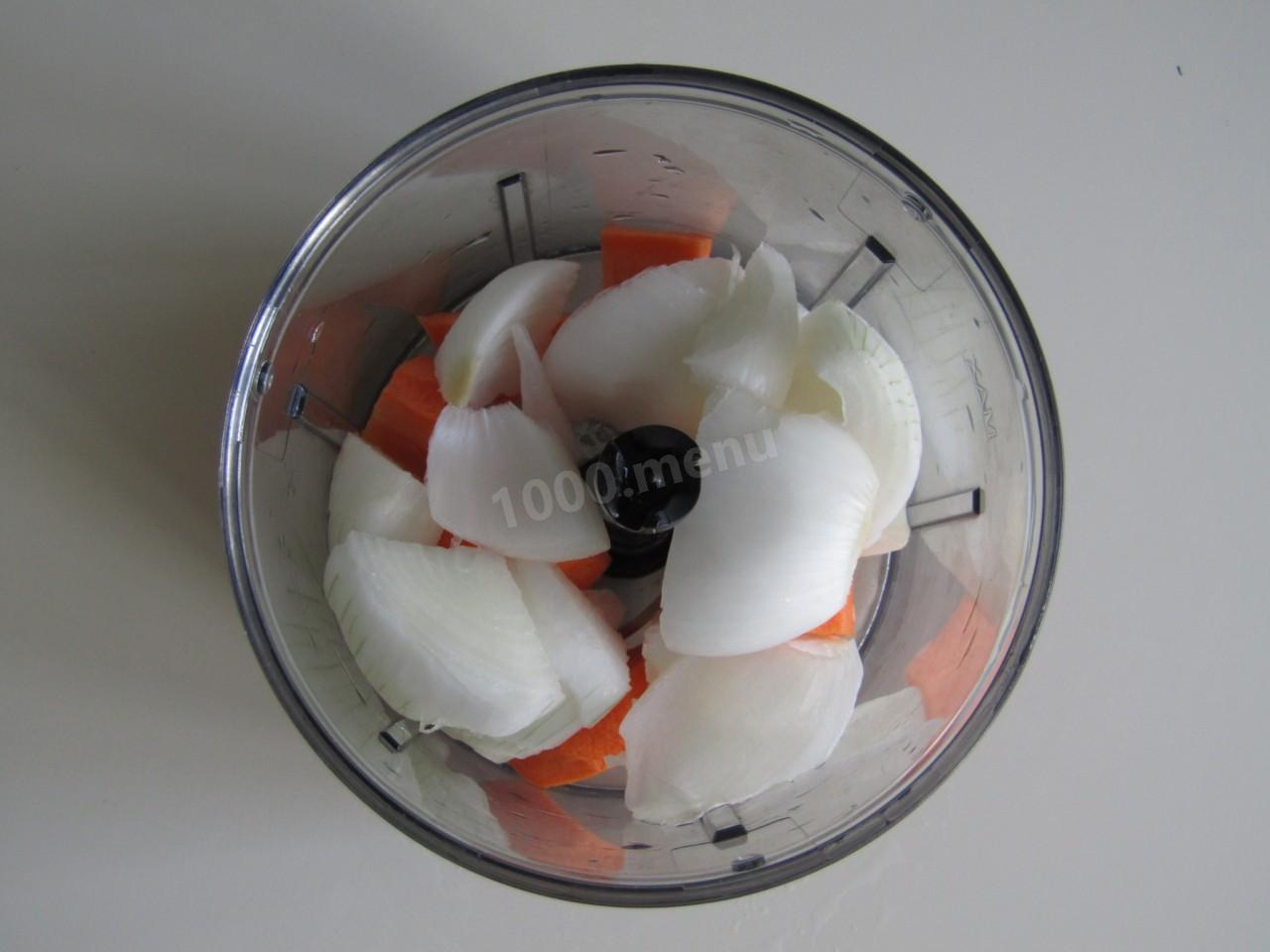
Peel the onion and carrot, rinse them, cut them into pieces, and grind them the same way, with a meat grinder or blender. This is the second secret to tender fish cakes — carrot in the mix. It makes the cakes juicier and gives them a lovely color.
-
Step 4:
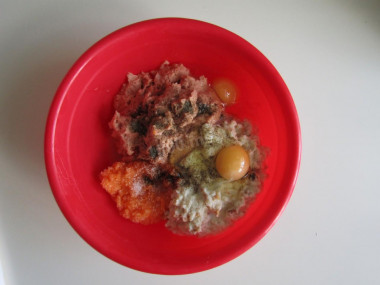
Add the two eggs and the ground onion and carrot to the fish. Squeeze out the soaked bread and break it up by hand or in a blender, then add it to the mixture. Season with salt and pepper and mix. Shape the cakes, dredge them in flour, and fry them in a hot skillet with vegetable oil, two minutes per side. Then cover, lower the heat to medium, and cook for about 10 minutes. A nonstick skillet works best. Enjoy!
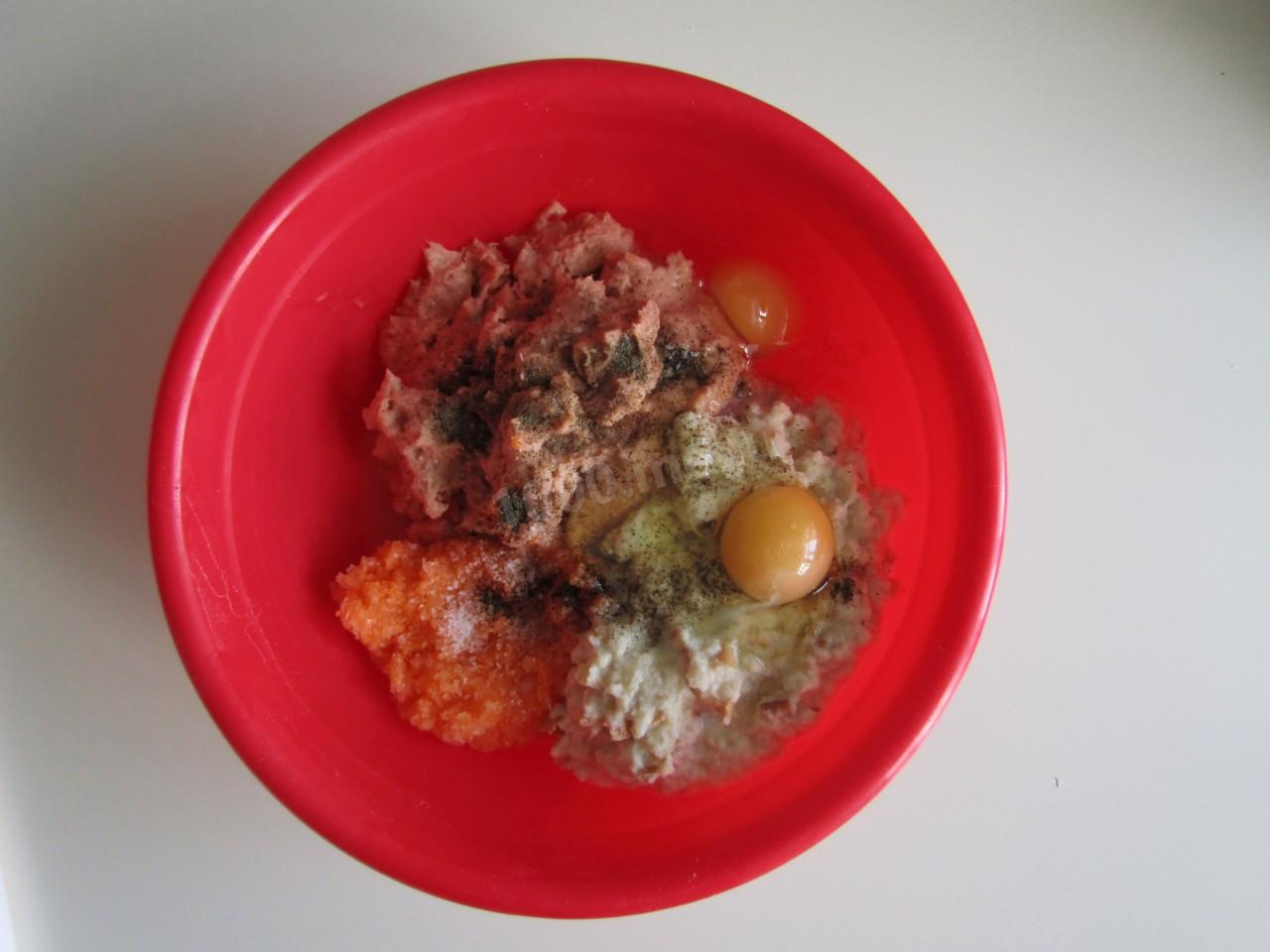
- This was my first time making chum salmon cakes and I worried they'd turn out dry, but thanks to proper thawing plus the added onion and carrot, they came out tender and juicy. If you're eating clean, you can swap the white bread for a whole-grain roll and fry the cakes in a minimal amount of oil — you'll want a good nonstick skillet for that. These cakes pair well with mashed potatoes, a fresh vegetable salad, pasta, rice, bulgur, or buckwheat — plenty of options, so take your pick. You can serve them with a sauce, too: tomato, cream, sour cream with minced garlic and herbs, or even a mustard sauce. It's a great recipe and I'll definitely make these again, especially since my family loved them.
- How do you fillet a whole fish? Remove the tail, head, and fins. Cut along the spine down to the backbone. Turn the fish on its side and, with a sharp knife, slice the flesh away from the backbone. Flip the fish and cut the fillet from the other side. Clean the inside, removing the black membrane, since it's bitter and will spoil the flavor. Rinse and be sure to dry it well.
- Always wash eggs before using them, since even a shell that looks clean can carry harmful bacteria. A food-safe wash and a brush work best.
- Fry with an oil that has a high smoke point. Every oil is good only up to a certain temperature — its smoke point — beyond which it starts to burn and forms harmful compounds, including carcinogens. Most unrefined oils have a low smoke point: they carry a lot of unfiltered organic particles that scorch quickly. Refined oils tolerate heat better and smoke at higher temperatures. Whenever you're roasting, frying, or grilling, reach for a high-smoke-point oil. Common choices include refined sunflower, olive, and grapeseed oil.
Caloric content of the products possible in the composition of the dish
- Onion - 41 kcal/100g
- Whole cow's milk - 68 kcal/100g
- Milk 3.5% fat content - 64 kcal/100g
- Milk 3.2% fat content - 60 kcal/100g
- Milk 1.5% fat content - 47 kcal/100g
- Concentrated milk 7.5% fat content - 140 kcal/100g
- Milk 2.5% fat content - 54 kcal/100g
- Chicken egg - 157 kcal/100g
- Egg white - 45 kcal/100g
- Egg powder - 542 kcal/100g
- Egg yolk - 352 kcal/100g
- Ostrich egg - 118 kcal/100g
- Carrots - 33 kcal/100g
- Dried carrots - 275 kcal/100g
- Boiled carrots - 25 kcal/100g
- Ground black pepper - 255 kcal/100g
- Whole durum wheat flour fortified - 333 kcal/100g
- Whole durum wheat flour, universal - 364 kcal/100g
- Flour krupchatka - 348 kcal/100g
- Flour - 325 kcal/100g
- Vegetable oil - 873 kcal/100g
- Fresh keta - 138 kcal/100g
- Salted keta - 184 kcal/100g
- Salt - 0 kcal/100g
- Loaf - 273 kcal/100g
Similar recipes
- Homemade dinner
- Kitchen utensils
- Second course
- Eggs
- Fish and seafood
- Dairy products
- Vegetables
- Flour
- Bakery products
- Spices seasonings spices
- Fats and oils
- Wheat bread
- Pepper
- Salt
- Vegetable oil
- Frying
- Stewing
- In a frying pan
- Cutlets
- Stewed vegetables
- Fish second course
- Fish with vegetables
- Red fish
- Milk
- From carrots
- From onion
- Recipes for lean dishes without butter