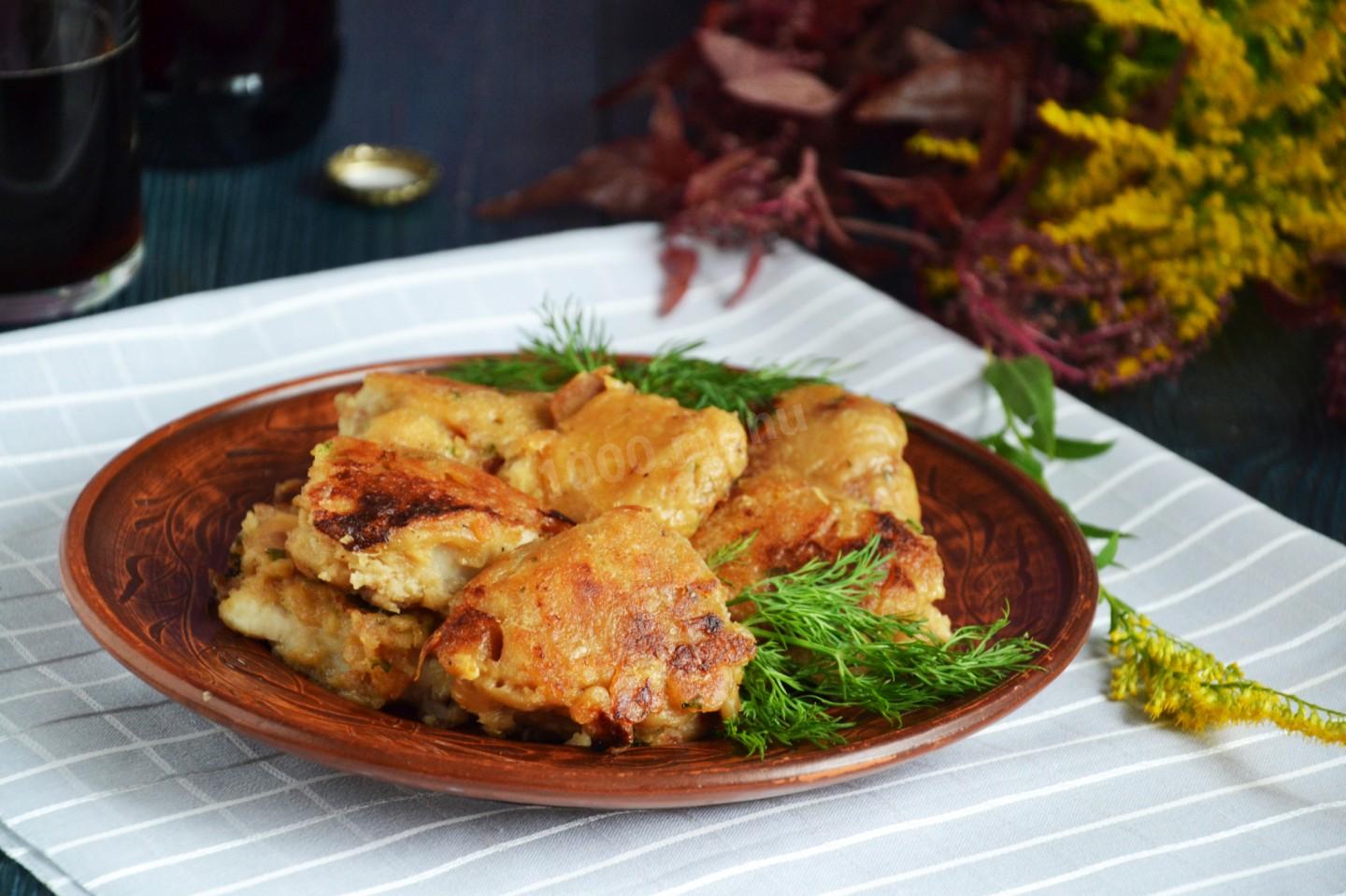
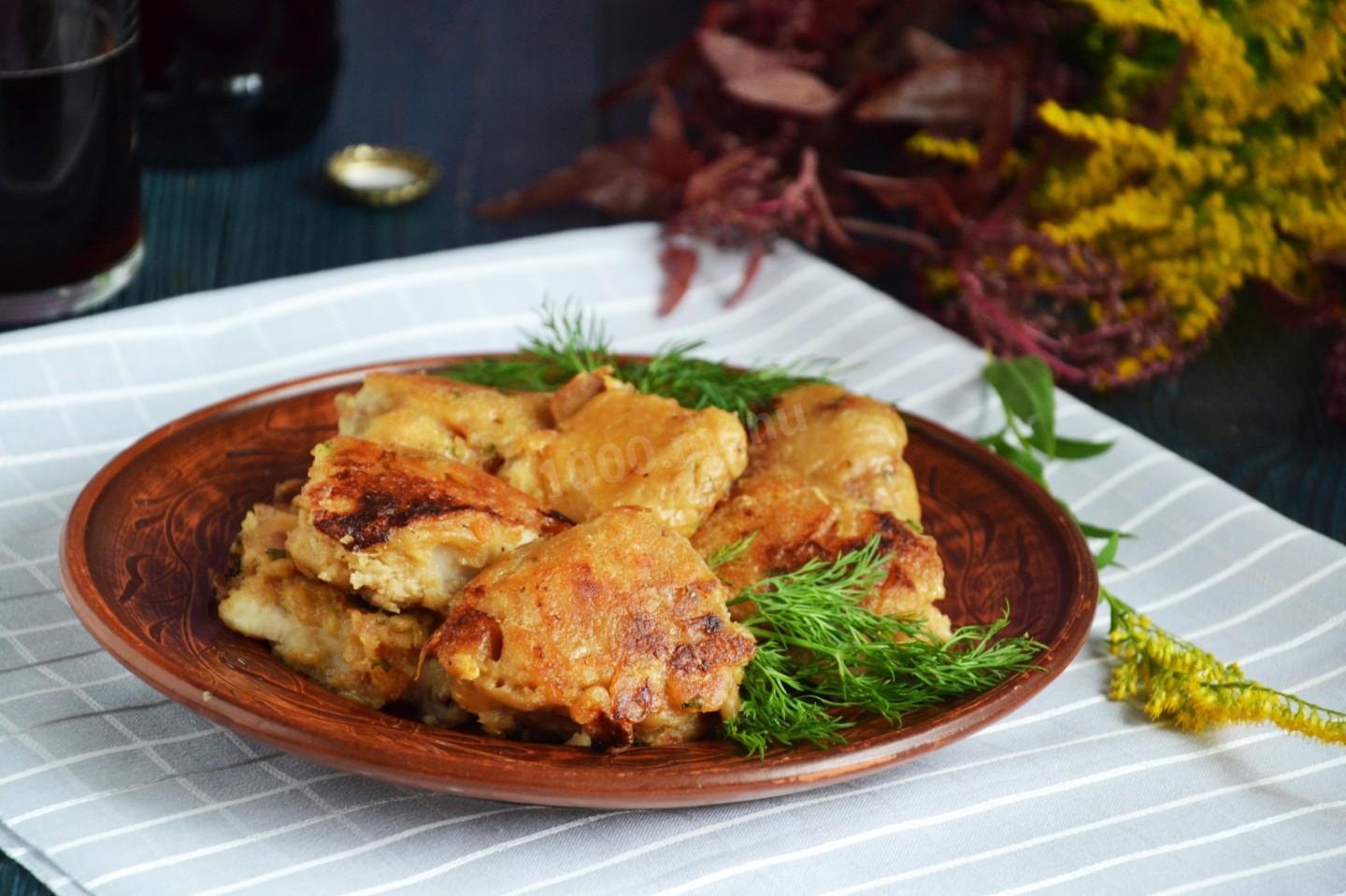
Beer-Battered Fish Fillets
You don't have to pan-fry the fish — you can deep-fry it instead. For battered fish, it's best to use a lean white fish fillet, such as pollock (what I used); hake, cod, or pike-perch work well too. You can batter salmon or trout this way as well, but they really do taste better baked in the oven.

Cooking method
-
Step 1:
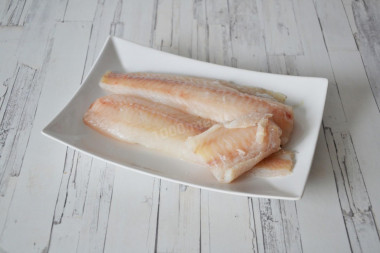
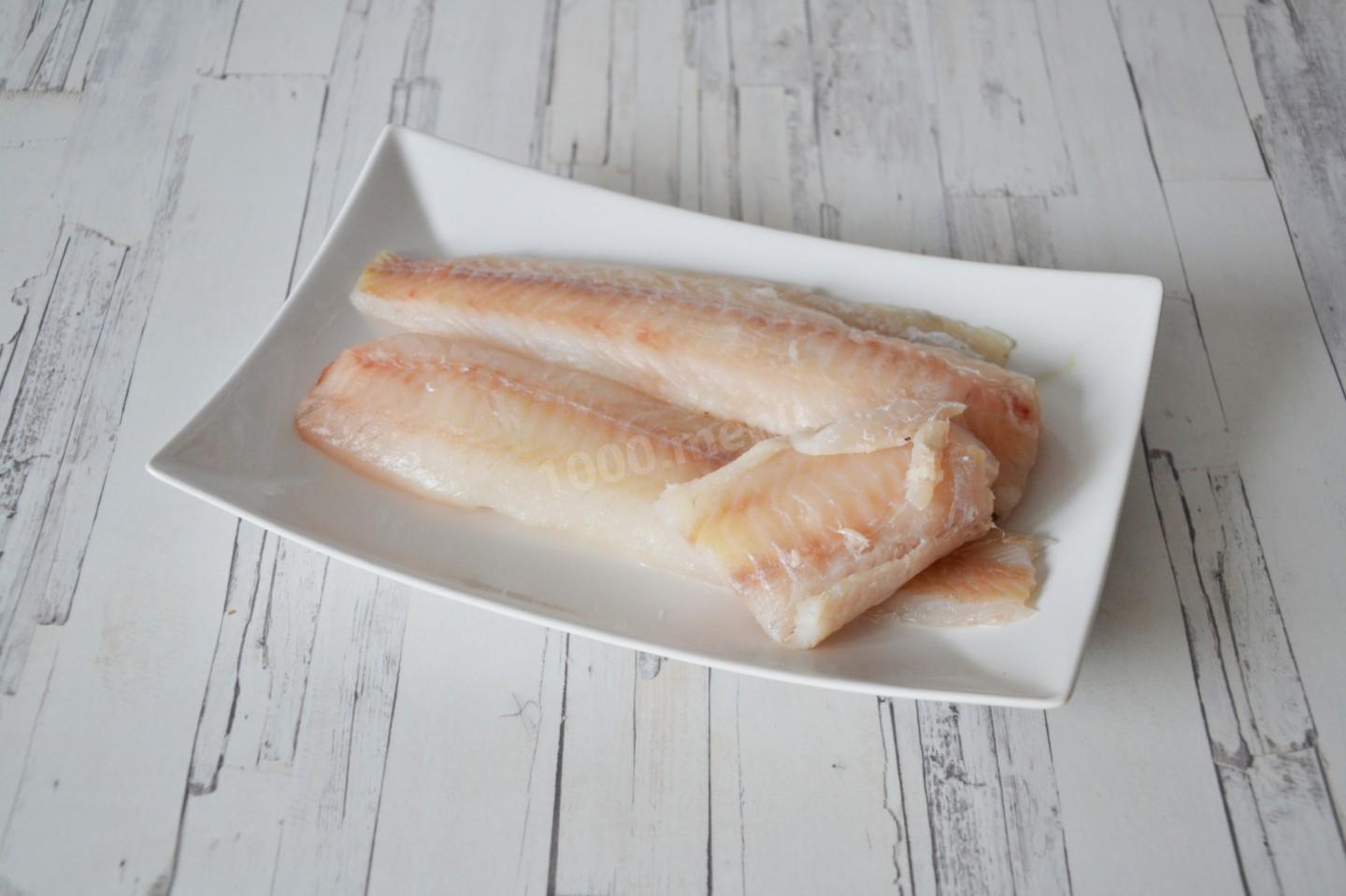
How do you make beer-battered fish fillets? Gather your ingredients. For this recipe you'll need a white fish fillet. If it's frozen, thaw it first and gently squeeze out the excess water.
-
Step 2:
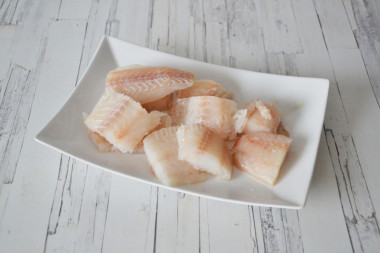
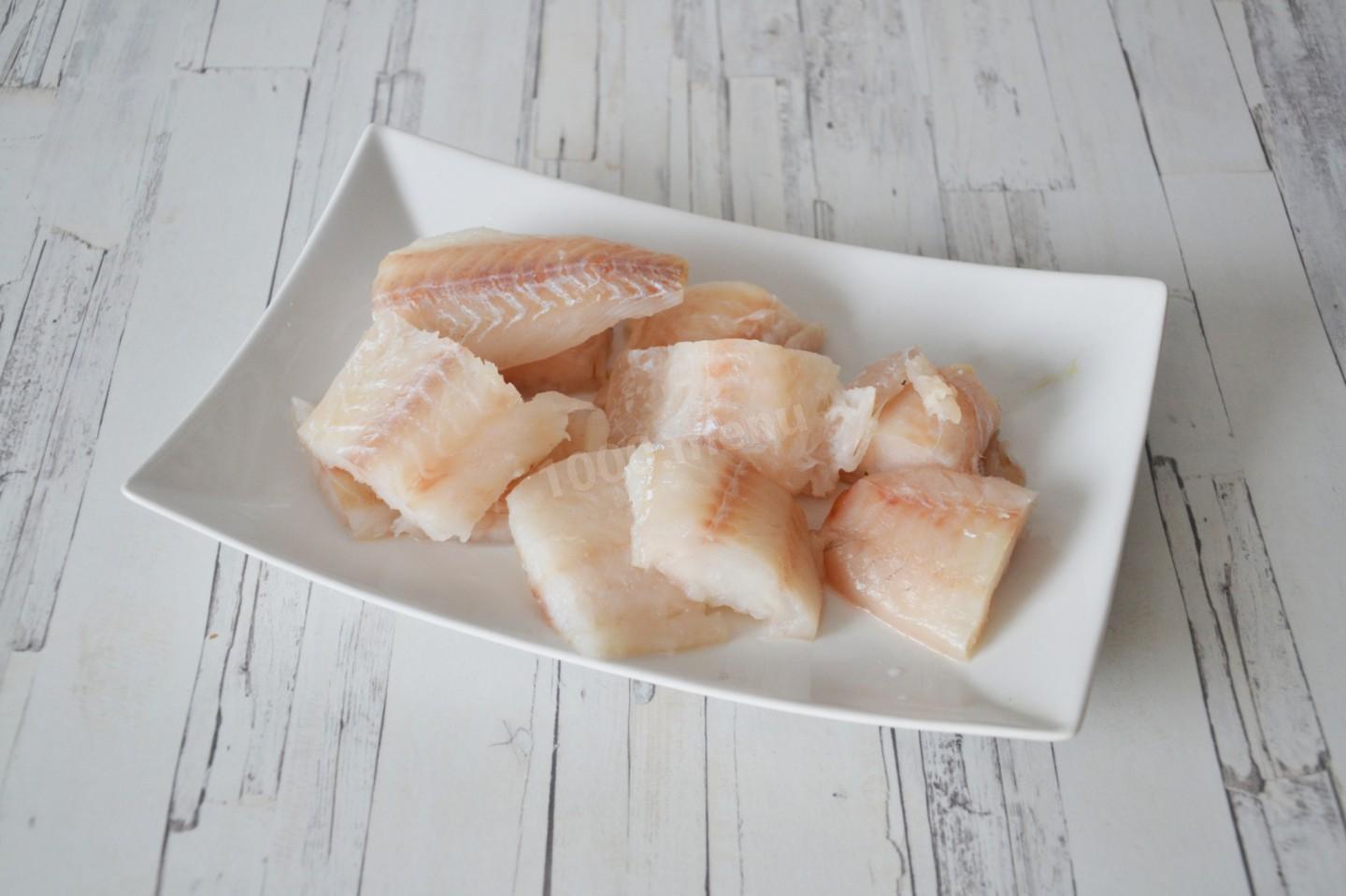
Rinse the fish fillet and pat it dry. Then cut it into serving-size pieces.
-
Step 3:
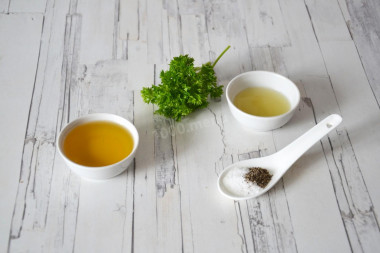
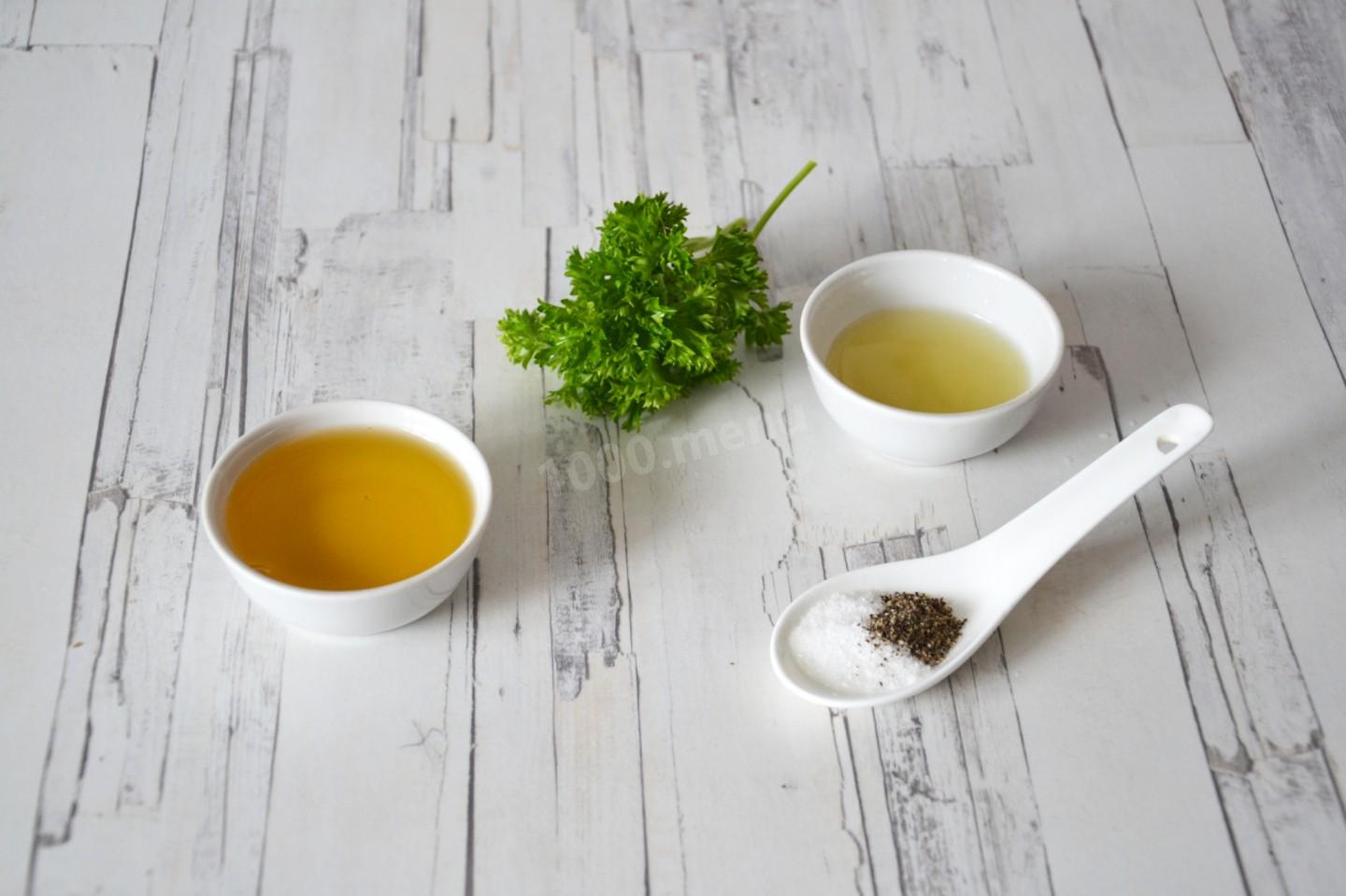
Make the marinade. You'll need vegetable oil (I used sunflower oil, but olive oil works too — whichever you prefer), lemon juice, fresh herbs (dill or parsley), ground black pepper, and salt.
-
Step 4:
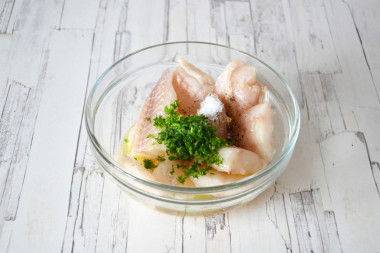
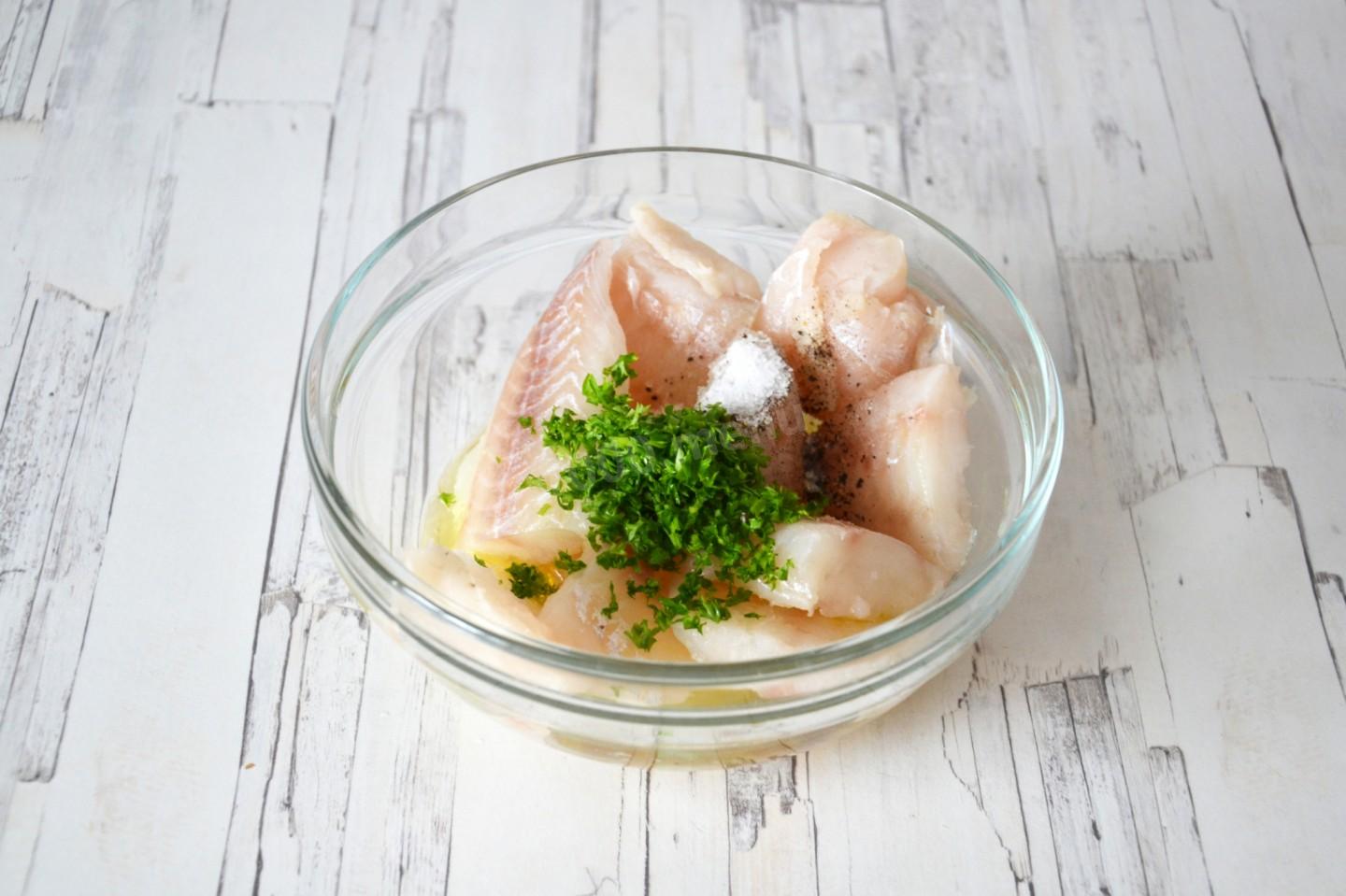
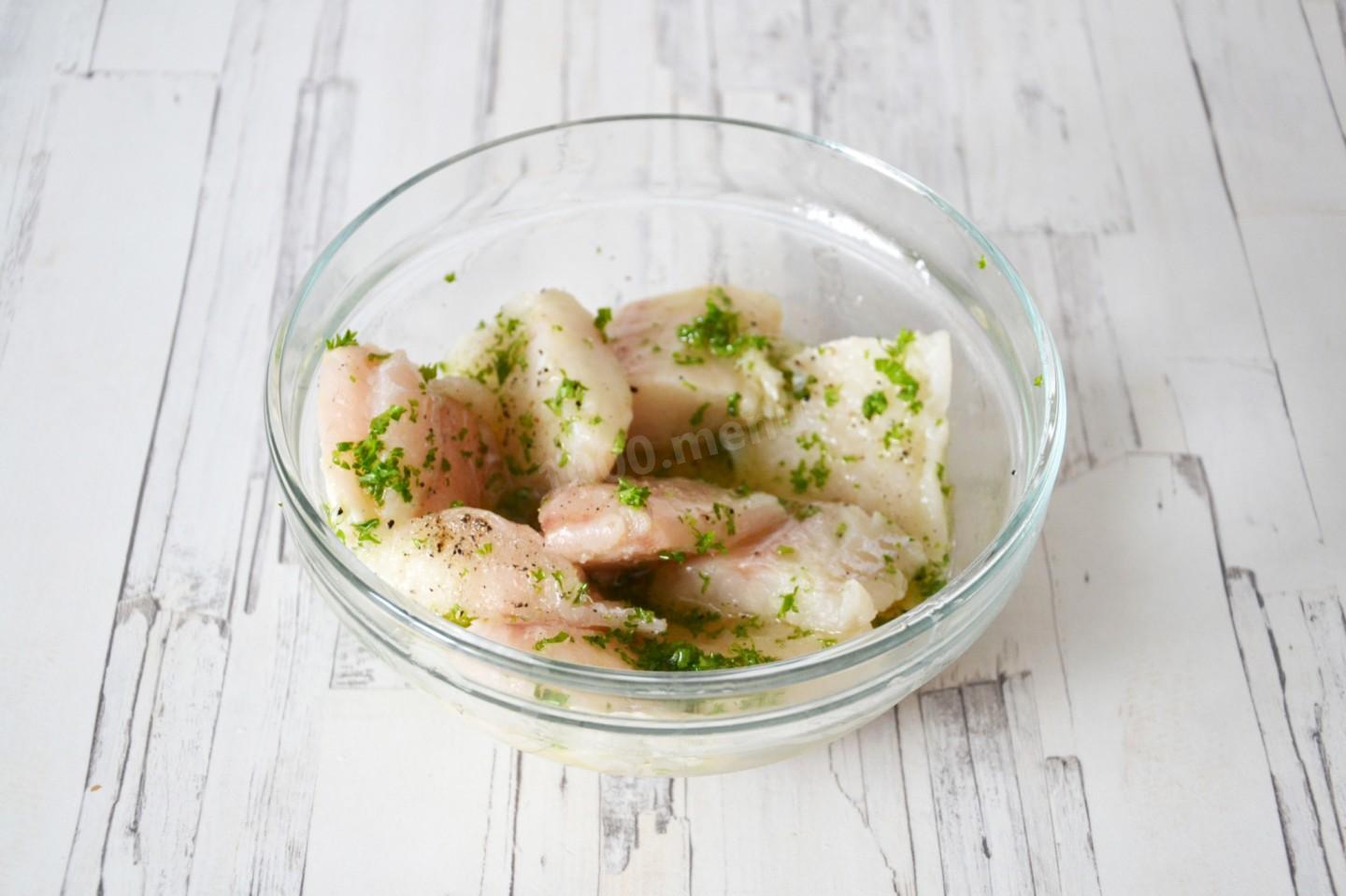
Put the prepared pieces of fish in a bowl. Season with salt and pepper, drizzle with lemon juice and vegetable oil, and add the finely chopped parsley.
-
Step 5:
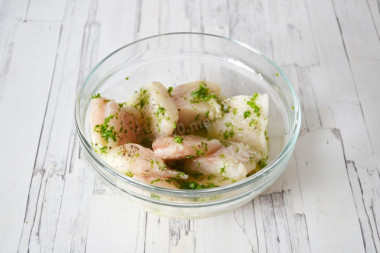
Mix everything well and let it marinate in the refrigerator for 25–30 minutes.
-
Step 6:
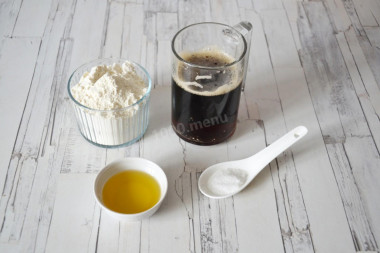
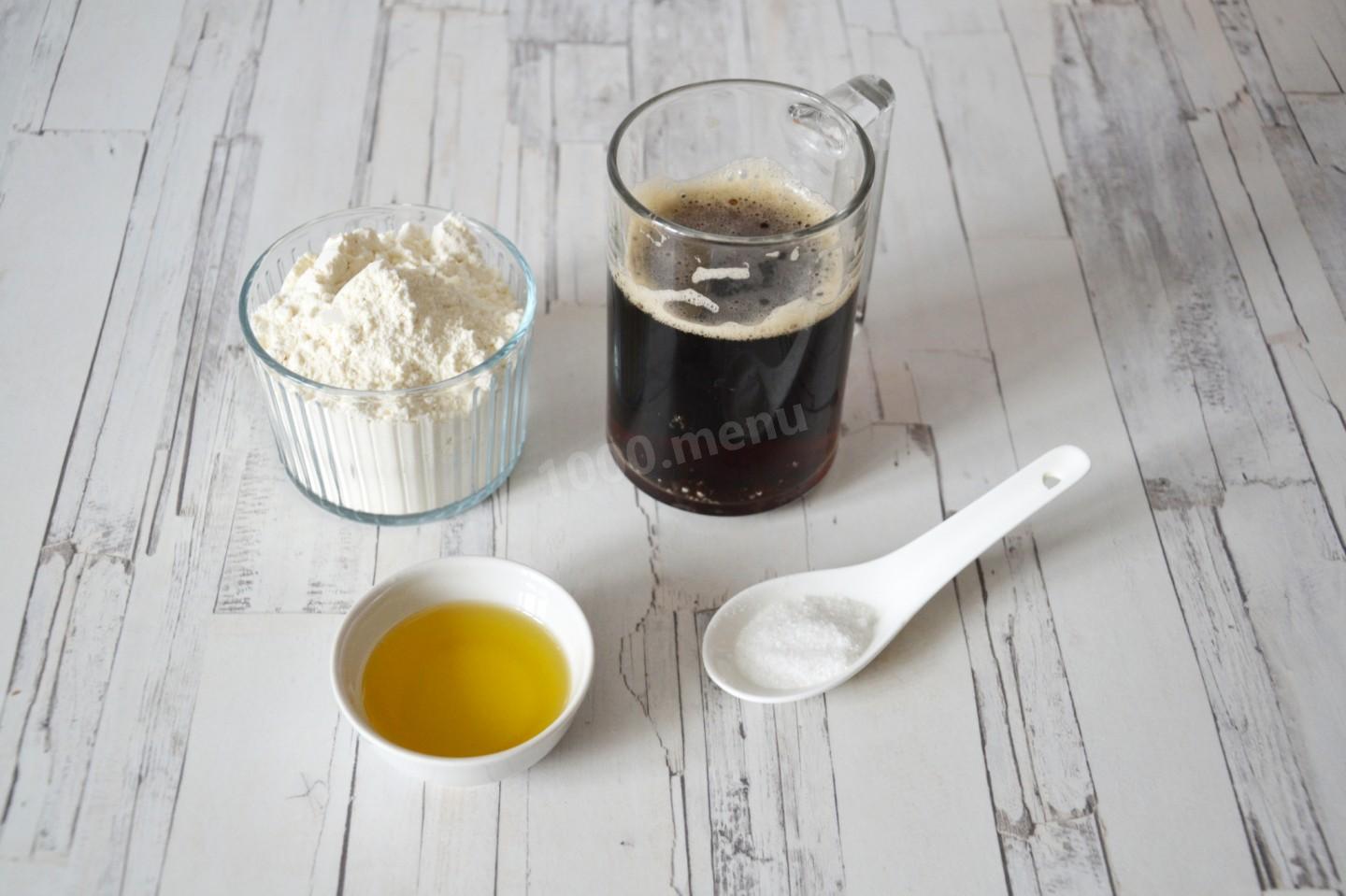
Make the batter. You'll need dark or light beer, flour, vegetable oil, and salt.
-
Step 7:
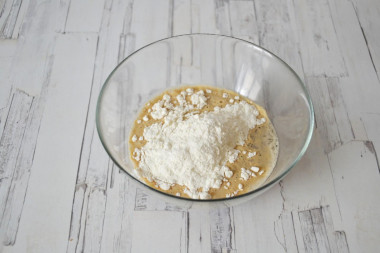
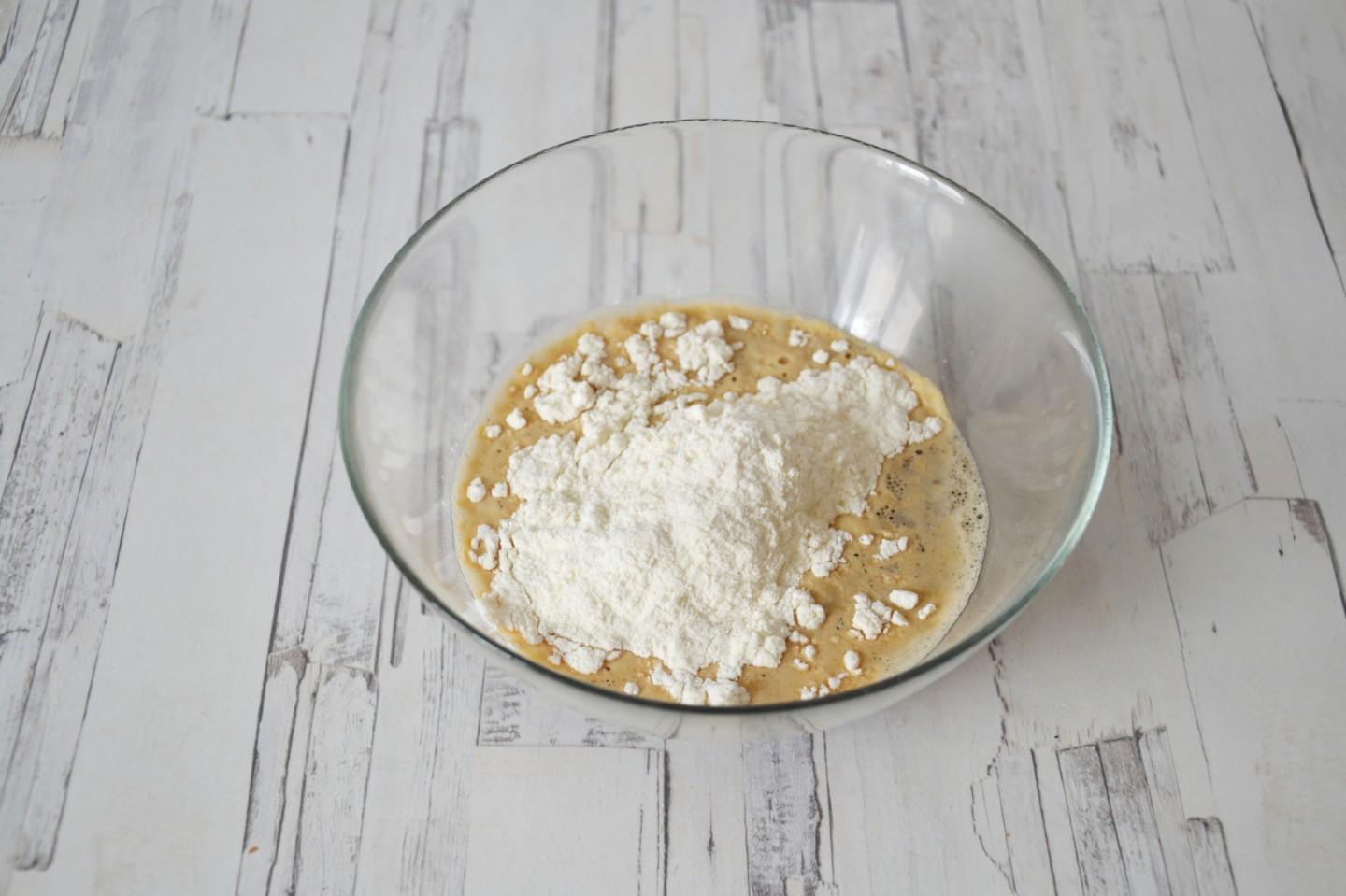
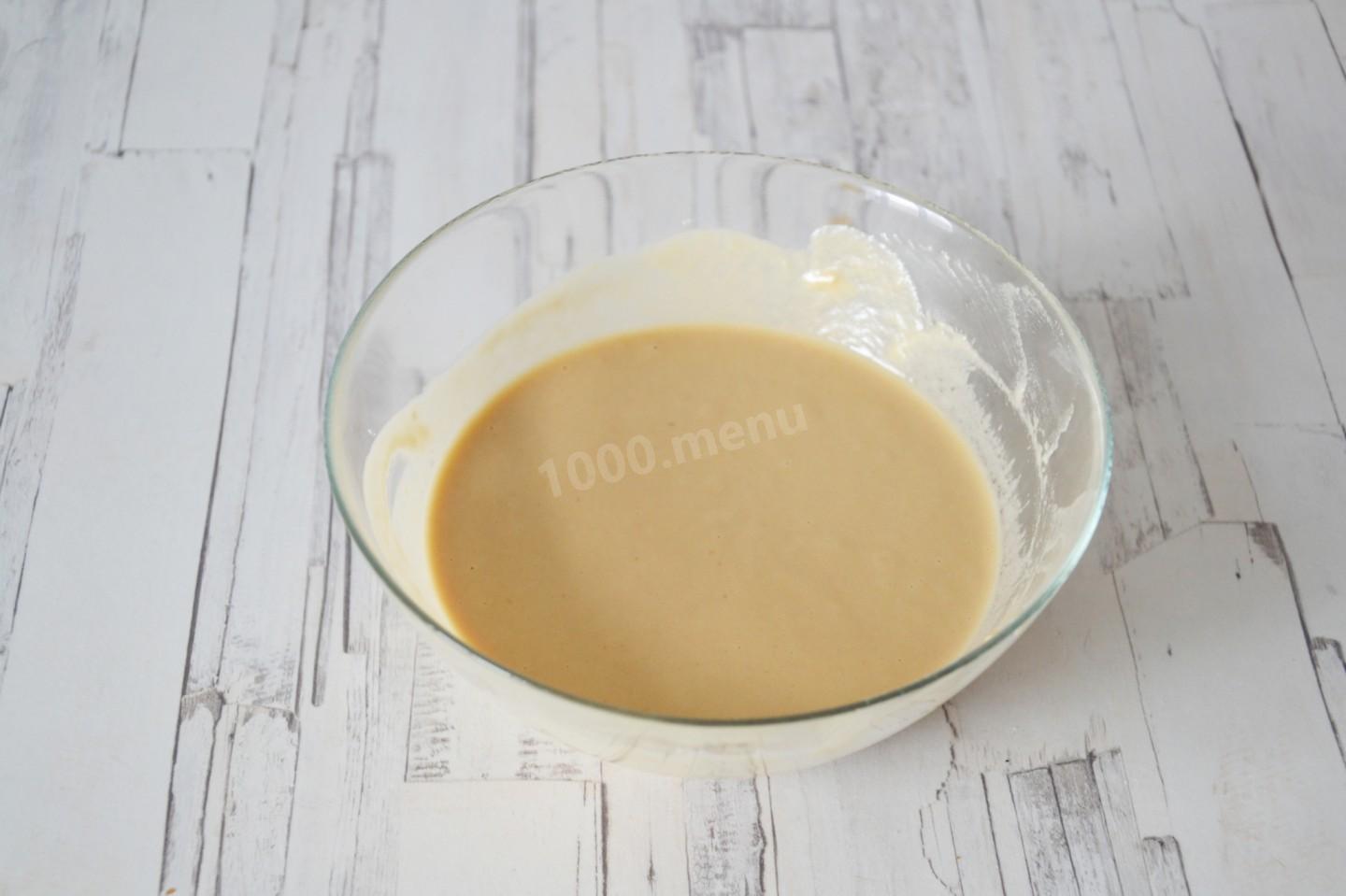
Pour the beer into a deep bowl. Sift the flour and add it to the beer a little at a time, whisking thoroughly after each addition so no lumps form.
-
Step 8:
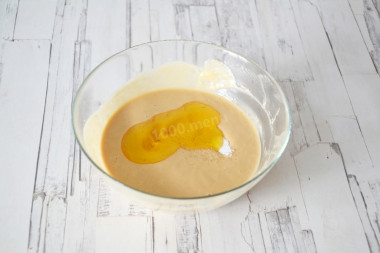
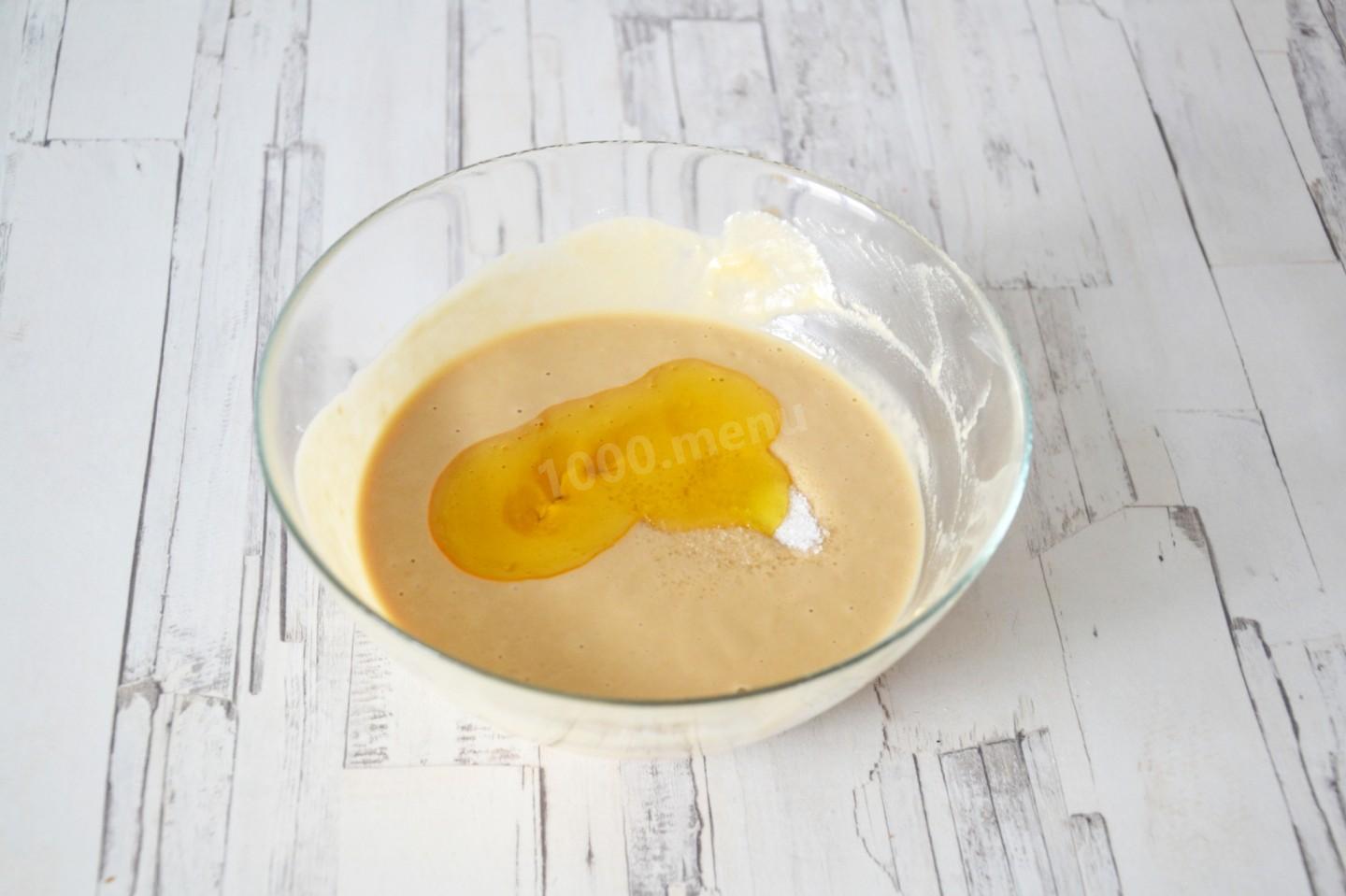
Pour in the vegetable oil and add the salt.
-
Step 9:
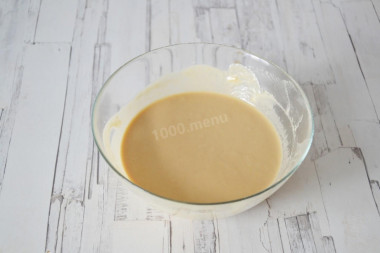
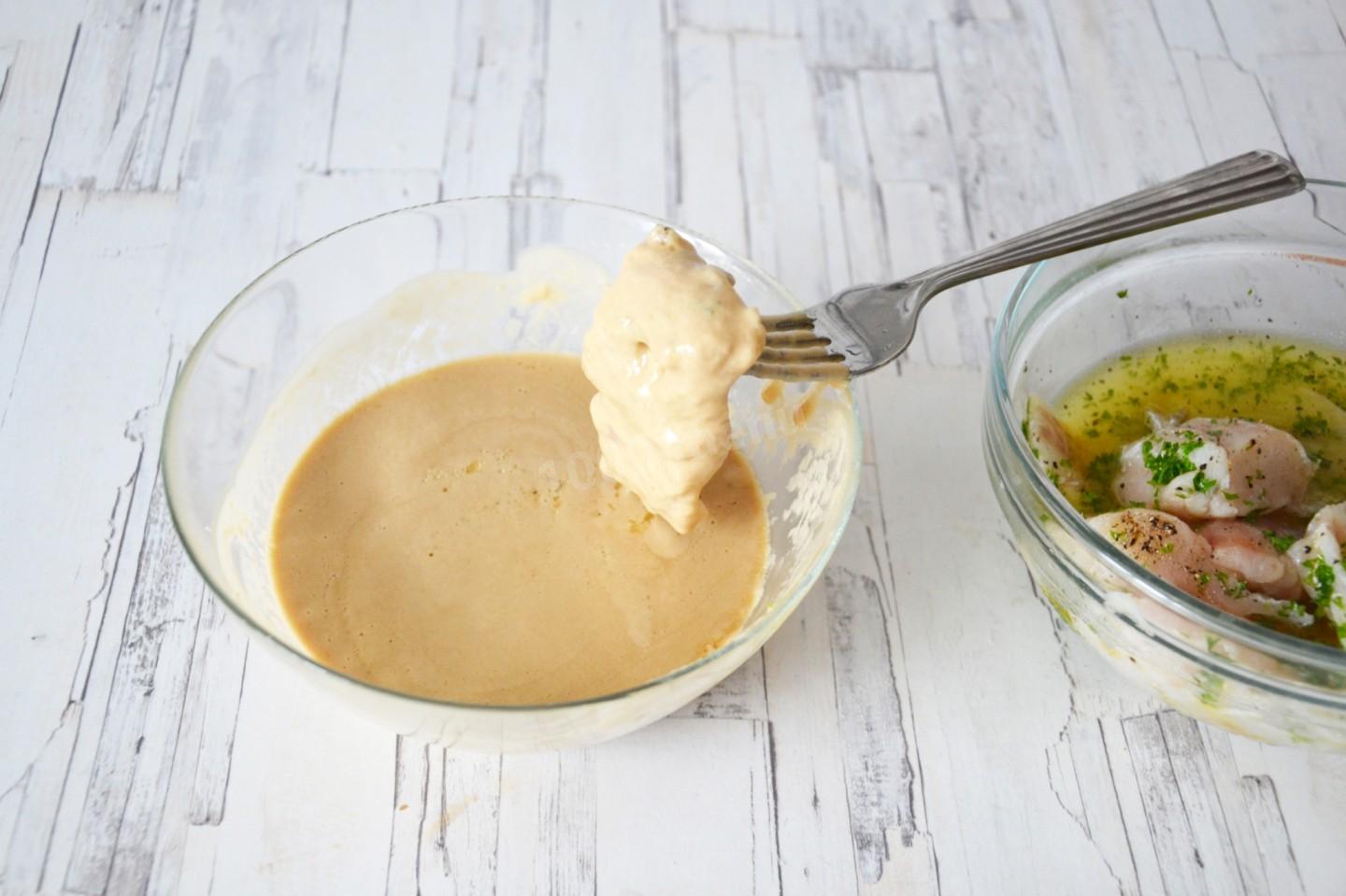
Whisk everything until smooth. The batter should be medium-thick, so it clings to the fish instead of running off. If yours turns out too thin, whisk in another 1–2 tablespoons of flour.
-
Step 10:
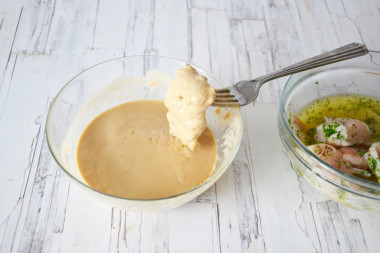
Dip the fish pieces into the batter. It should coat the fish completely.
-
Step 11:
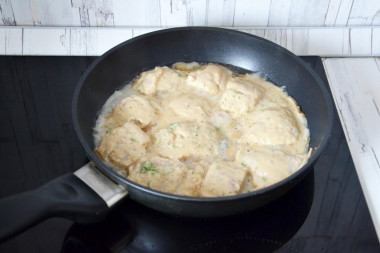
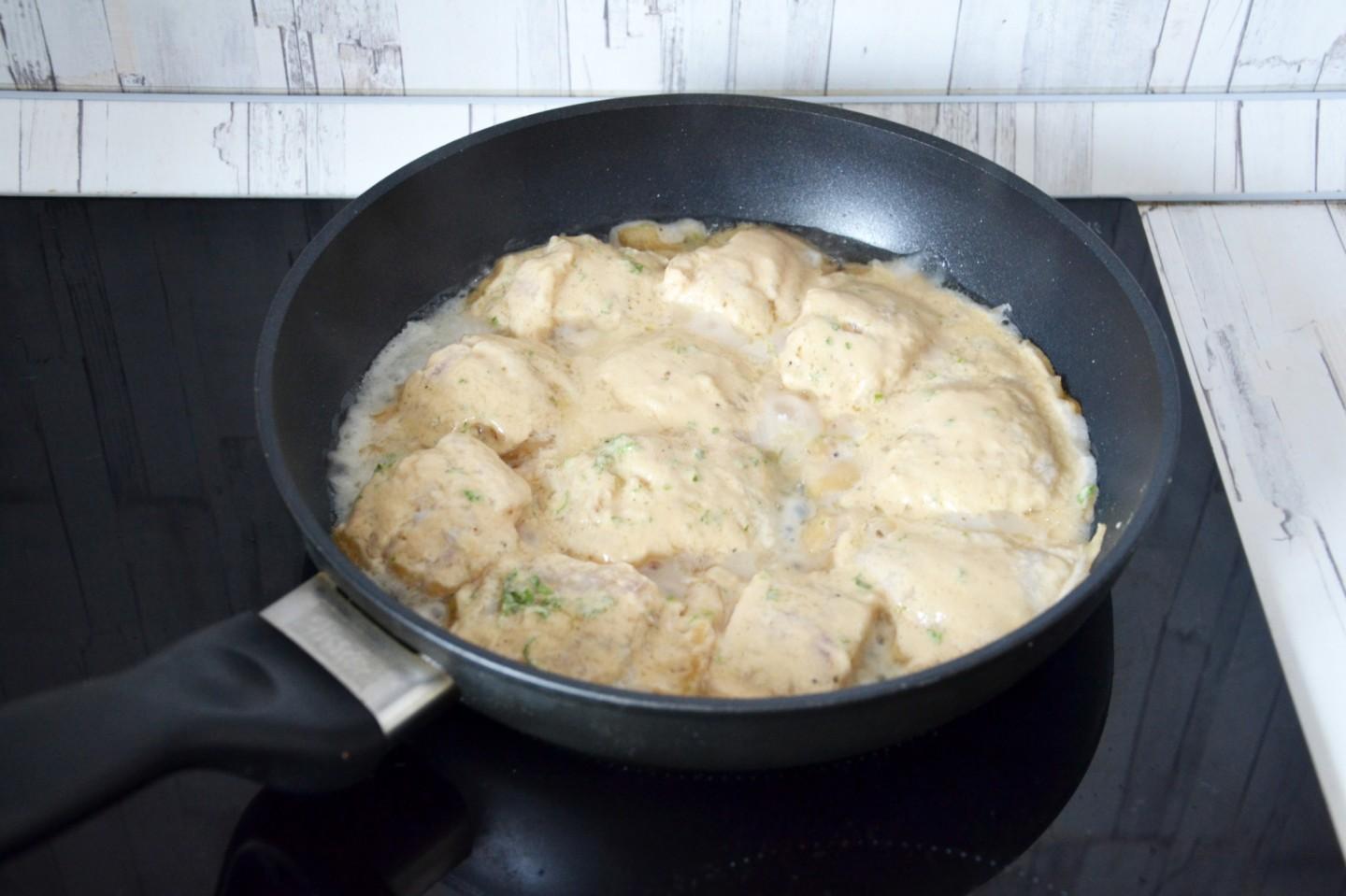
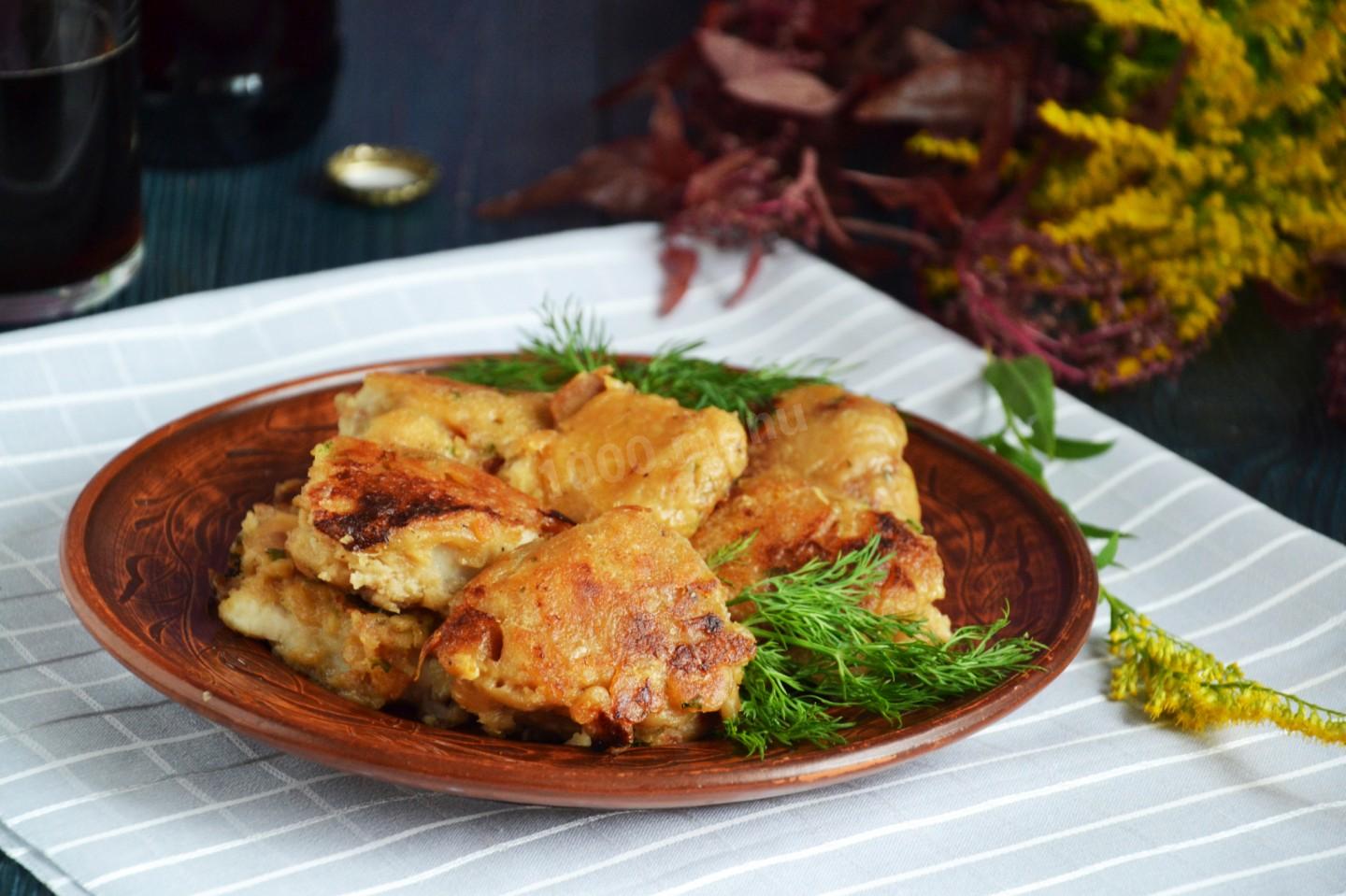
Fry the battered fish in vegetable oil in a skillet until golden brown, about 6–7 minutes per side.
-
Step 12:
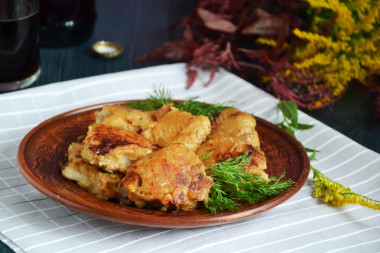
Enjoy!
- Batter is a thin, pourable dough used to coat foods before frying. In its classic form, flour is whisked with egg yolks and thinned with milk — or, as in this recipe, with beer — to a smooth, semi-liquid consistency. When you dip pieces of food in it and fry them, the batter sets into a light, crisp, golden crust. The key is its thickness: a thicker batter gives a heavier coating, a thinner one a more delicate crust. Judge it by how quickly it drips off a spoon.
- Every oil is good only up to a certain temperature — its smoke point — beyond which it starts to burn and forms harmful compounds, including carcinogens. It's worth knowing which oils are best for frying and which ones to skip altogether.
- Important! The wrong pan can ruin even the best recipe. A good skillet that heats evenly makes all the difference here.
- Keep in mind that how you thaw the fish has a lot to do with the quality and taste of the finished dish. Thaw it slowly in the refrigerator rather than rushing it, for the best result.
Caloric content of the products possible in the composition of the dish
- Light beer - 50 kcal/100g
- Non-alcoholic beer - 33 kcal/100g
- Strong beer - 150 kcal/100g
- Dark beer - 74 kcal/100g
- Beer - 50 kcal/100g
- Ground black pepper - 255 kcal/100g
- Parsley greens - 45 kcal/100g
- Whole durum wheat flour fortified - 333 kcal/100g
- Whole durum wheat flour, universal - 364 kcal/100g
- Flour krupchatka - 348 kcal/100g
- Flour - 325 kcal/100g
- Vegetable oil - 873 kcal/100g
- Salt - 0 kcal/100g
- Lemon juice - 16 kcal/100g
- Fish fillet - 204 kcal/100g