Tsuiwan — Mongolian Noodles with Meat and Vegetables
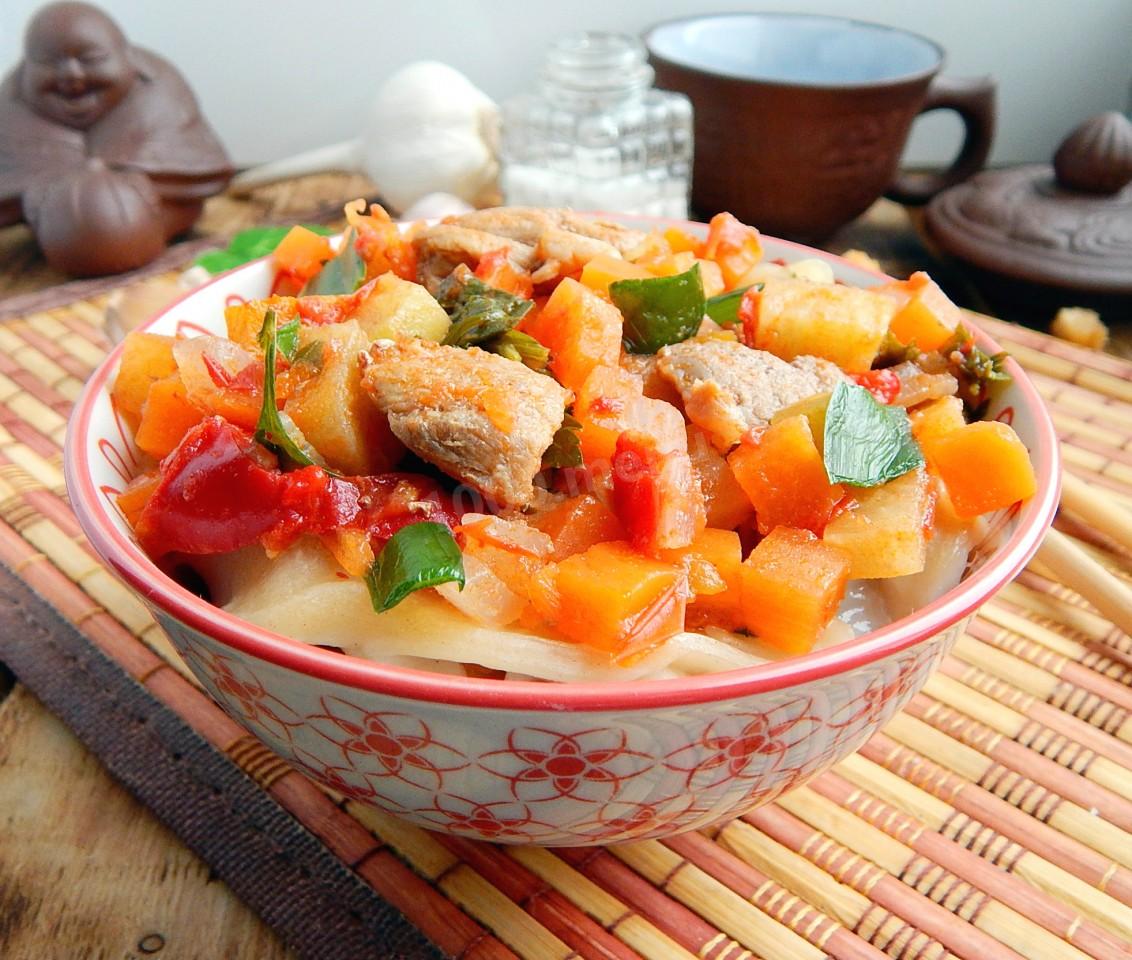
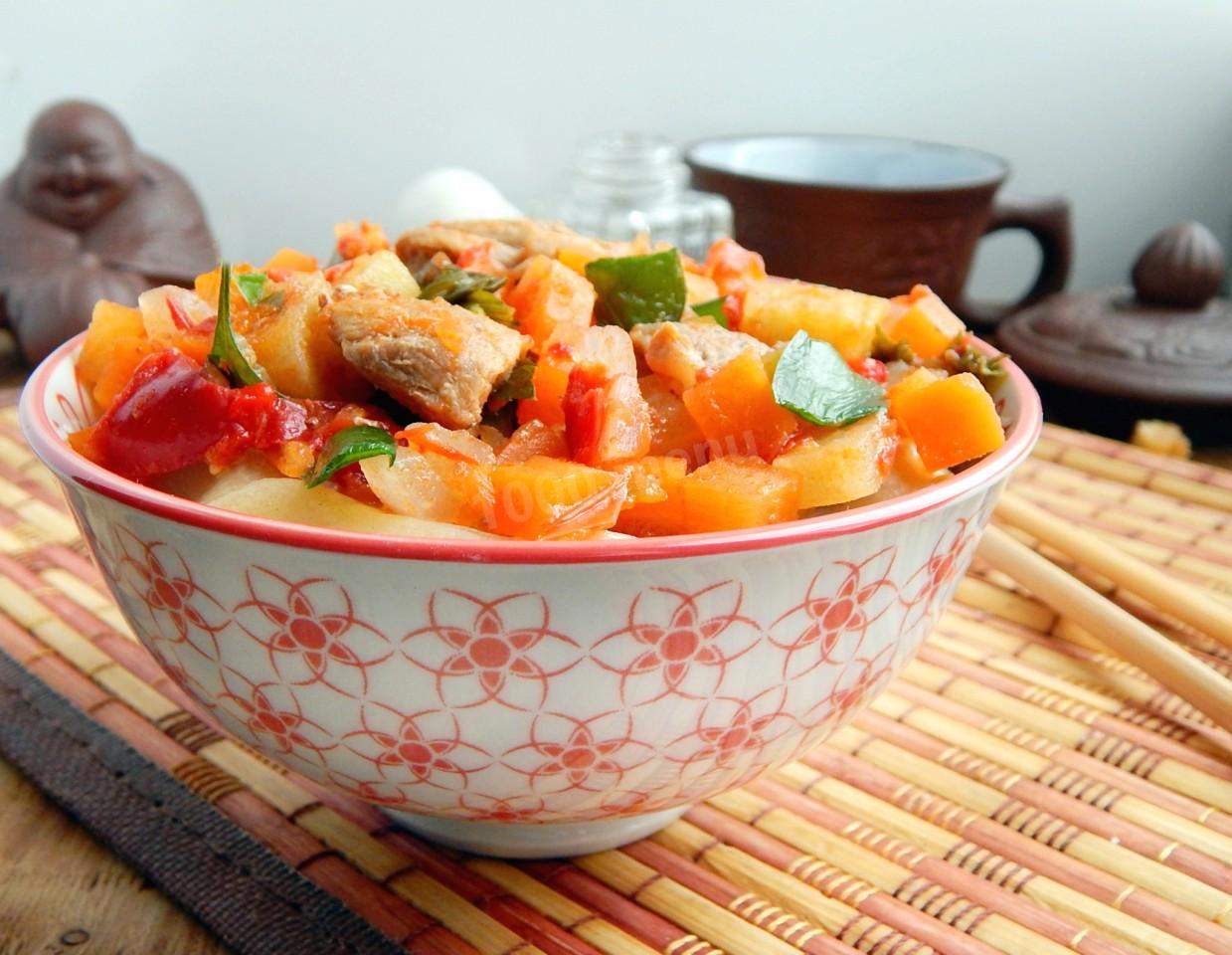
A hearty, comforting dish of homemade noodles simmered with meat and vegetables! Tsuiwan is a classic of Mongolian home cooking. In its ingredients and method it's a cousin to Uzbek lagman, Kazakh beshbarmak, and the good old homemade chicken noodles many of us grew up with — along with plenty of similar dishes made around the world. So if you've cooked any of those, this one will feel familiar. And like almost any traditional dish, every cook — even in its Mongolian homeland — has their own version with little tweaks of their own.


Cooking method
-
Step 1:
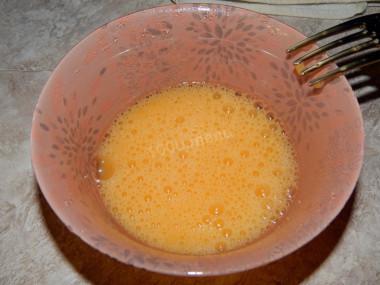
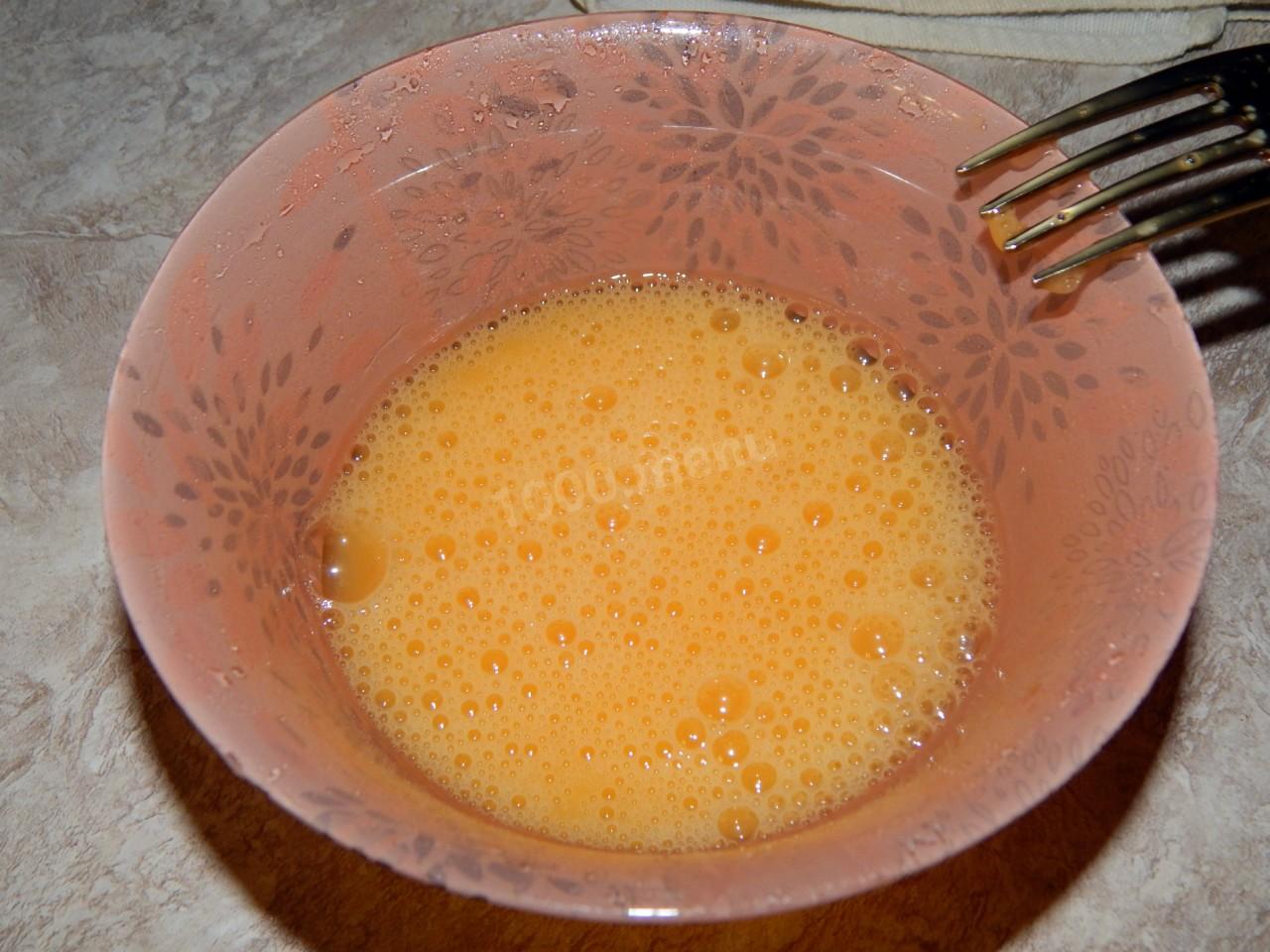
Gather all your ingredients. Start with the homemade noodles — there's nothing tricky about the dough. Crack a chicken egg into a deep bowl and whisk it with a little salt until smooth.
-
Step 2:
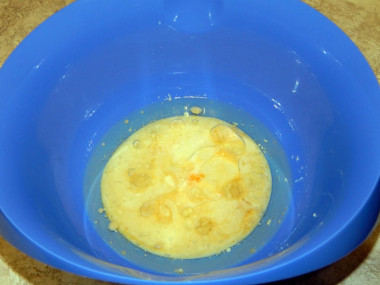
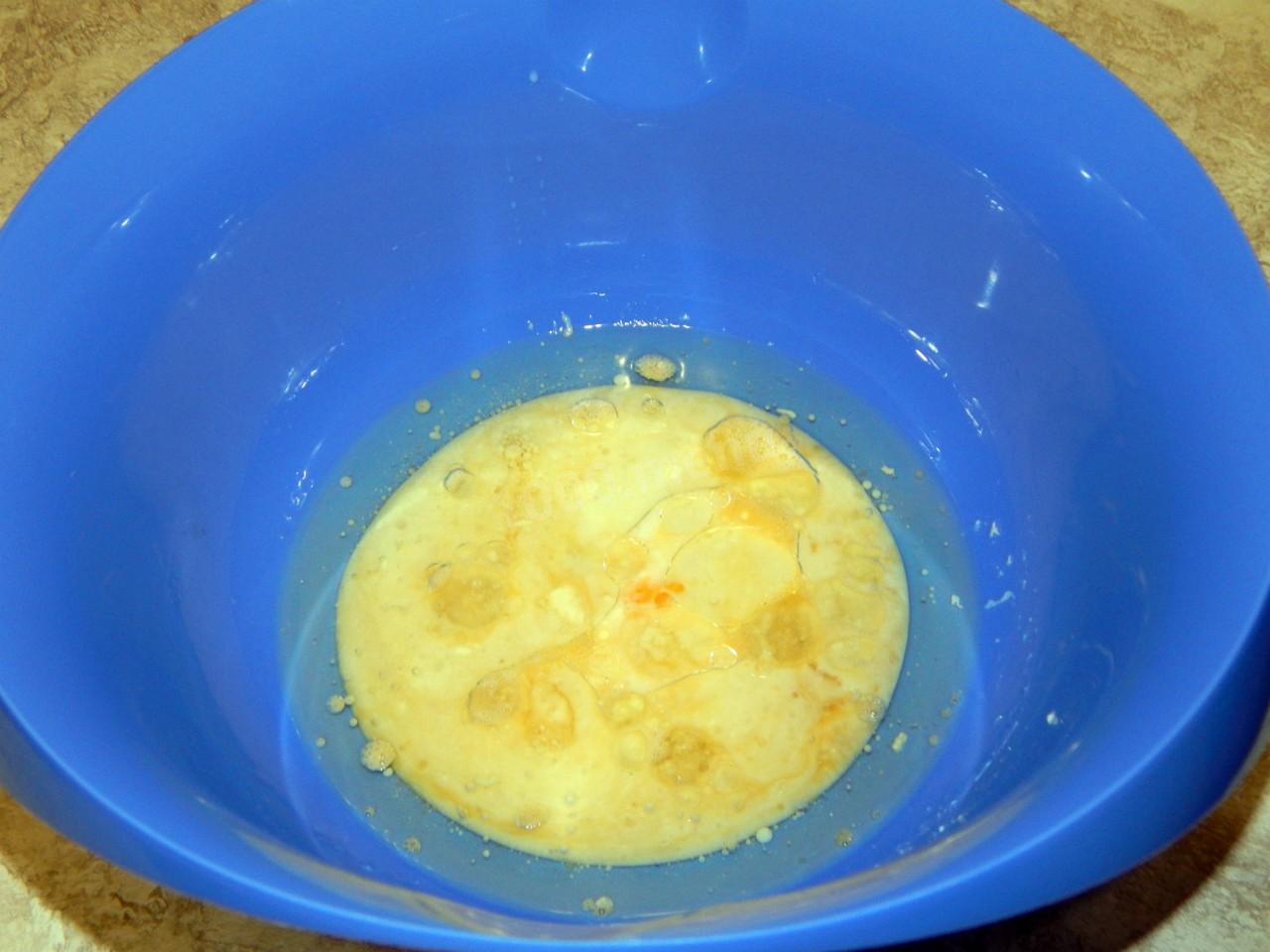
Pour in the cold water and a couple of tablespoons of vegetable oil, and stir to combine.
-
Step 3:
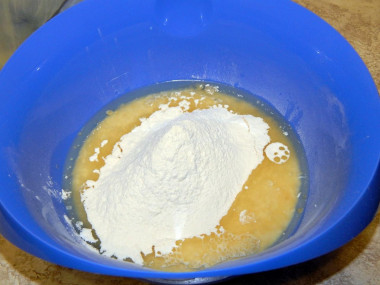
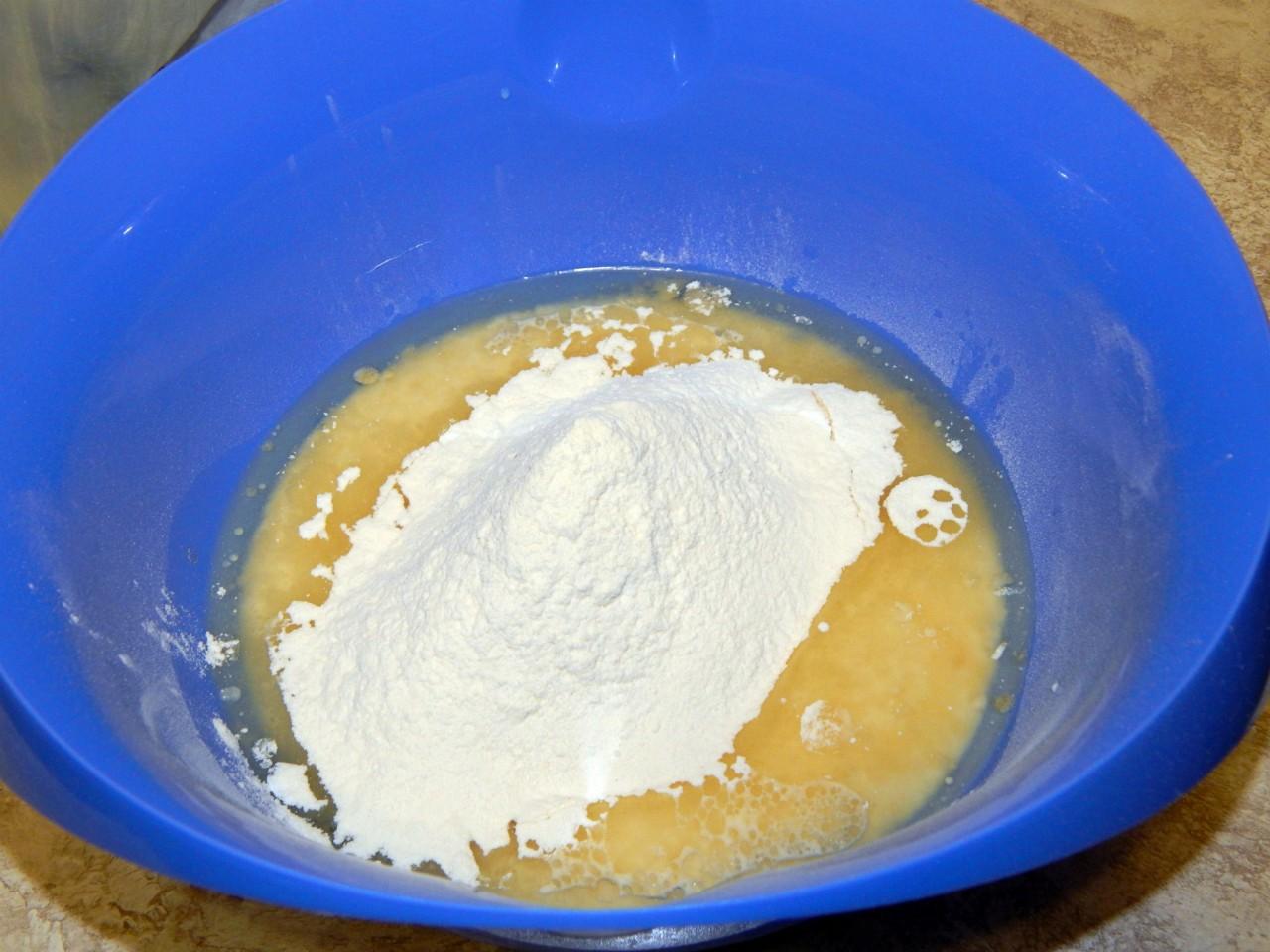
Add the sifted wheat flour and knead into a smooth, elastic dough.
-
Step 4:
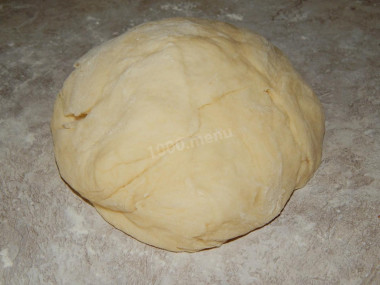
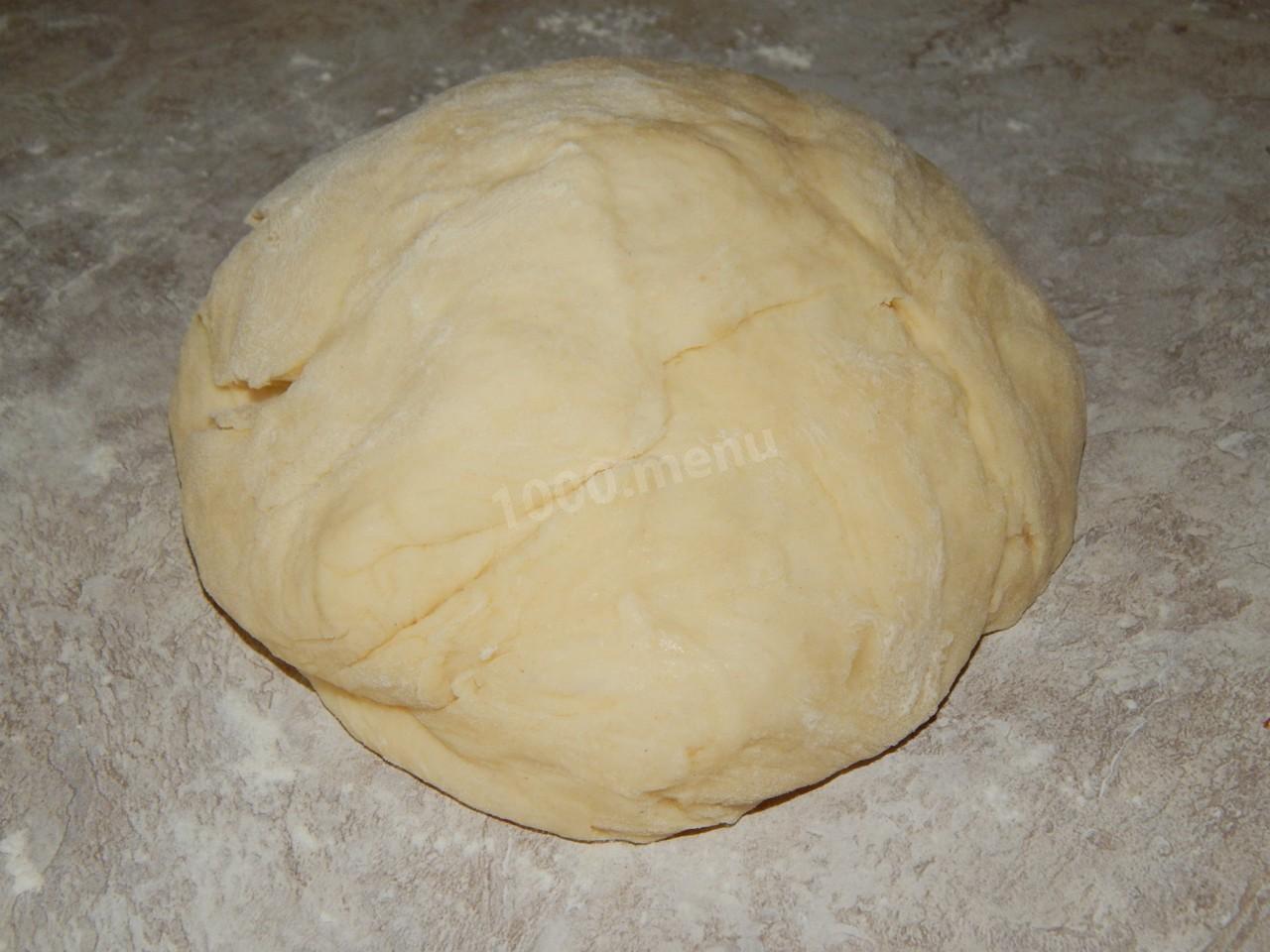
Knead by hand on a lightly floured surface until it no longer sticks. Return it to the bowl, cover with a towel, and let it rest for 20 minutes — it'll become much more pliable.
-
Step 5:
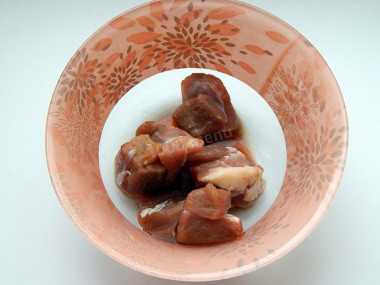
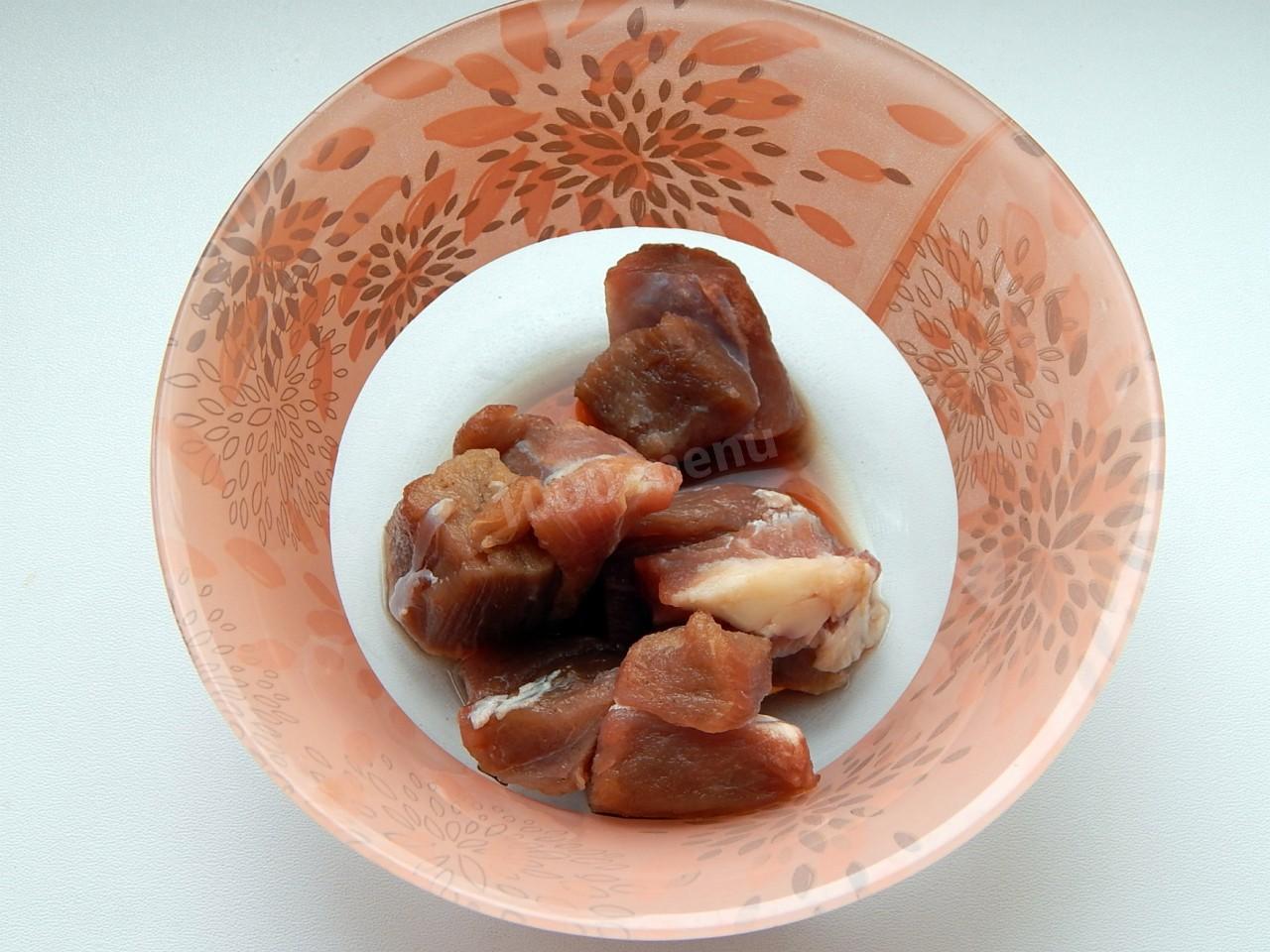
Traditionally this dish is made with fresh, tender beef. Rinse the meat well and cut it into small cubes or thin strips.
-
Step 6:
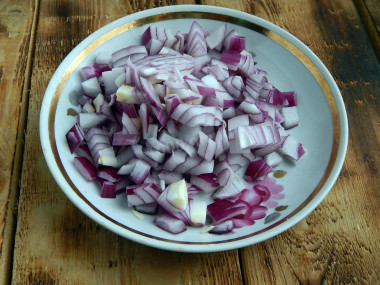
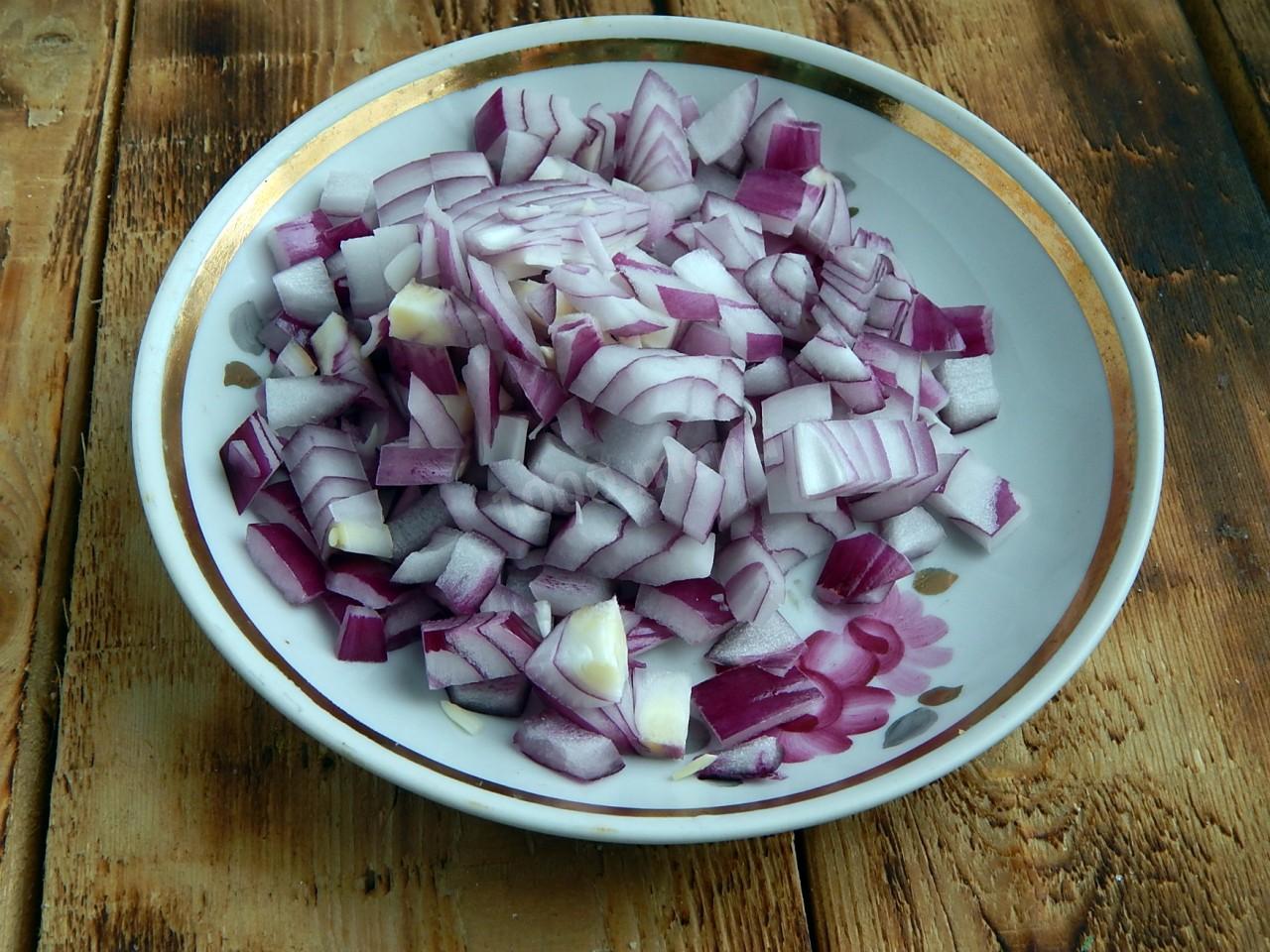
The usual vegetables for tsuiwan are carrot, onion, bell pepper, and garlic — everything that rounds out and lifts the flavor of the meat. Peel the onion and cut it into cubes or thin wedges.
-
Step 7:
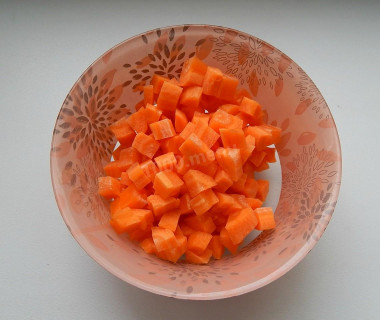
Wash, peel, and cut the carrot into thin strips or small cubes. Wash the bell pepper, remove the stem and seeds, and cut it into cubes or half-rings. Peel the garlic and finely chop it with a knife.
-
Step 8:
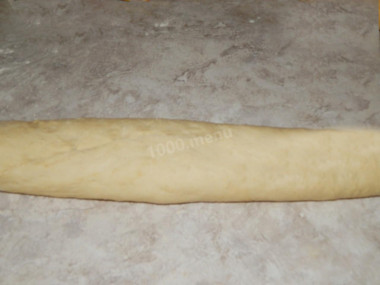
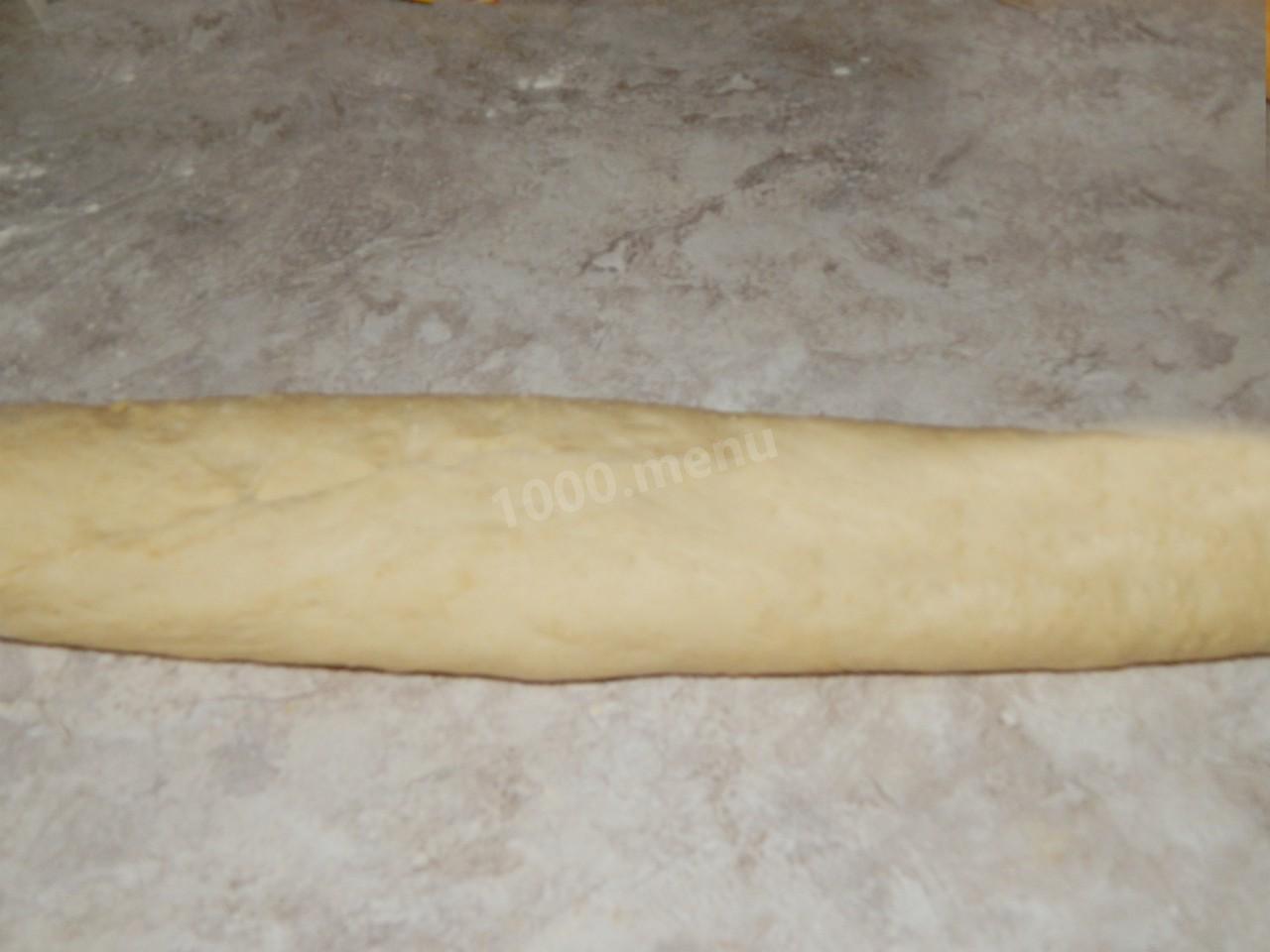
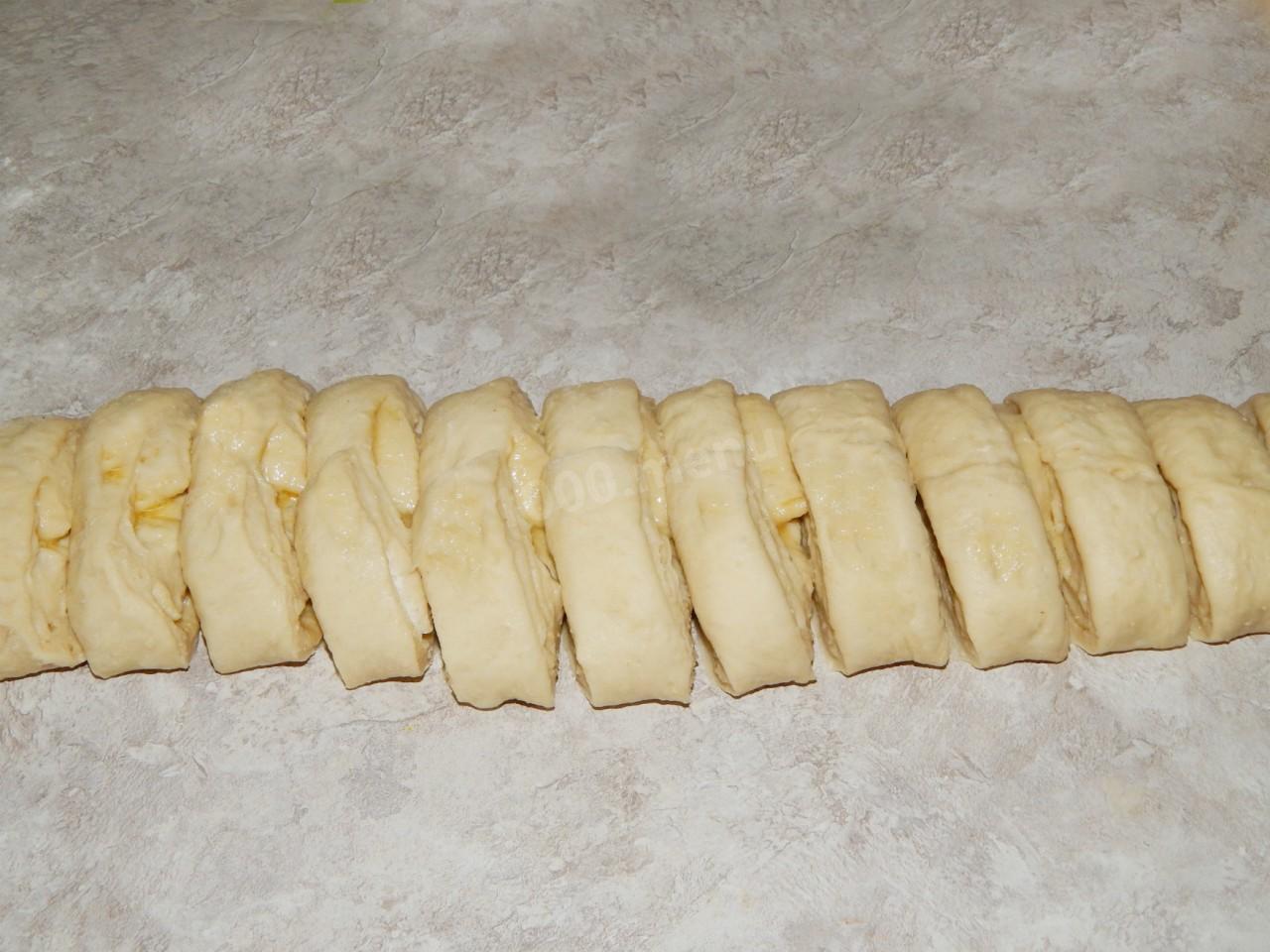
Roll the rested dough out into a thin sheet, brush it with vegetable oil, and roll it up loosely into a log. Steam the log for 20 minutes in a steamer (or a multicooker on the steam setting) so it holds its shape and doesn't unroll while it cooks.
-
Step 9:
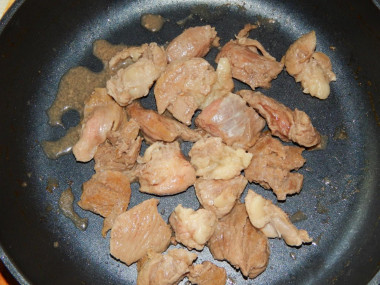
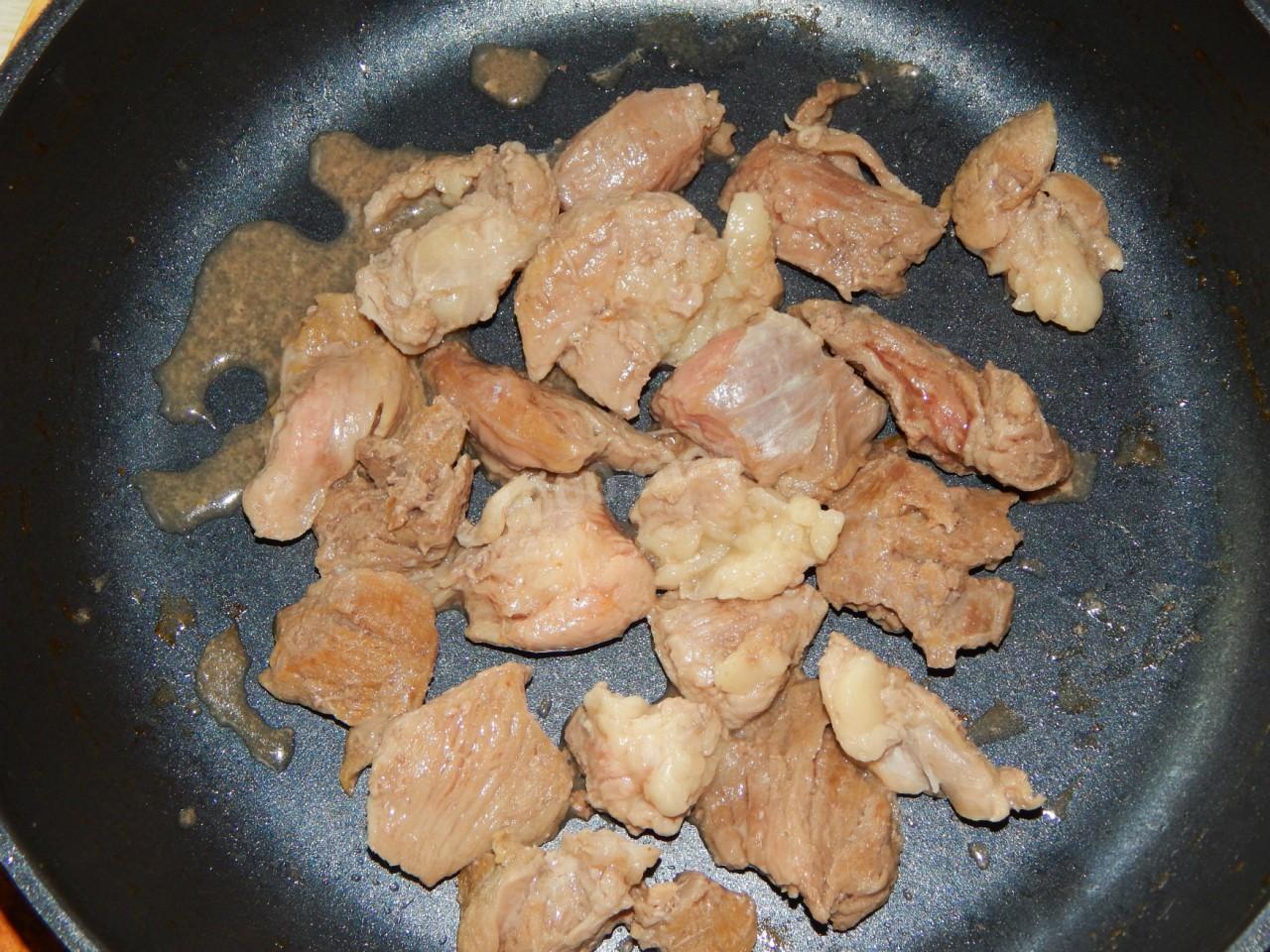
Heat vegetable oil in a skillet. Add the meat and fry over medium heat for about 5 minutes, stirring constantly. Pour in the soy sauce and stir.
-
Step 10:
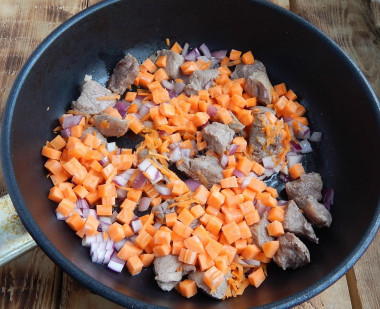
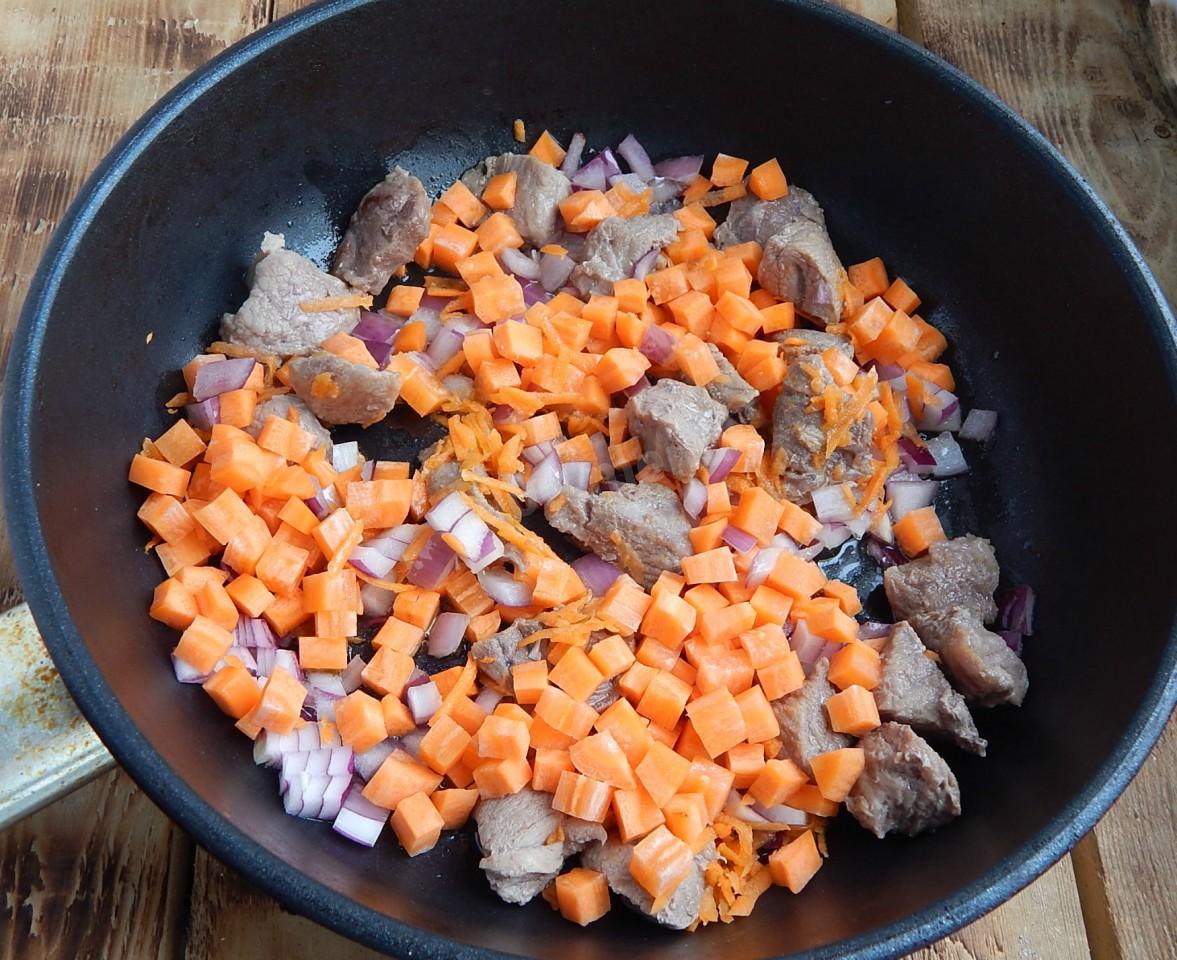
Add the carrot and onion, and cook everything together for about 5 more minutes.
-
Step 11:
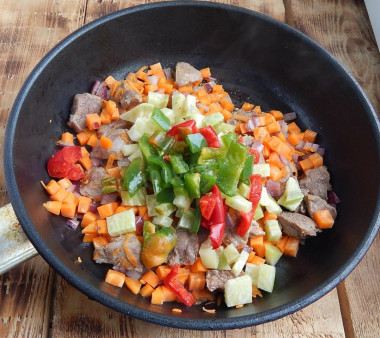
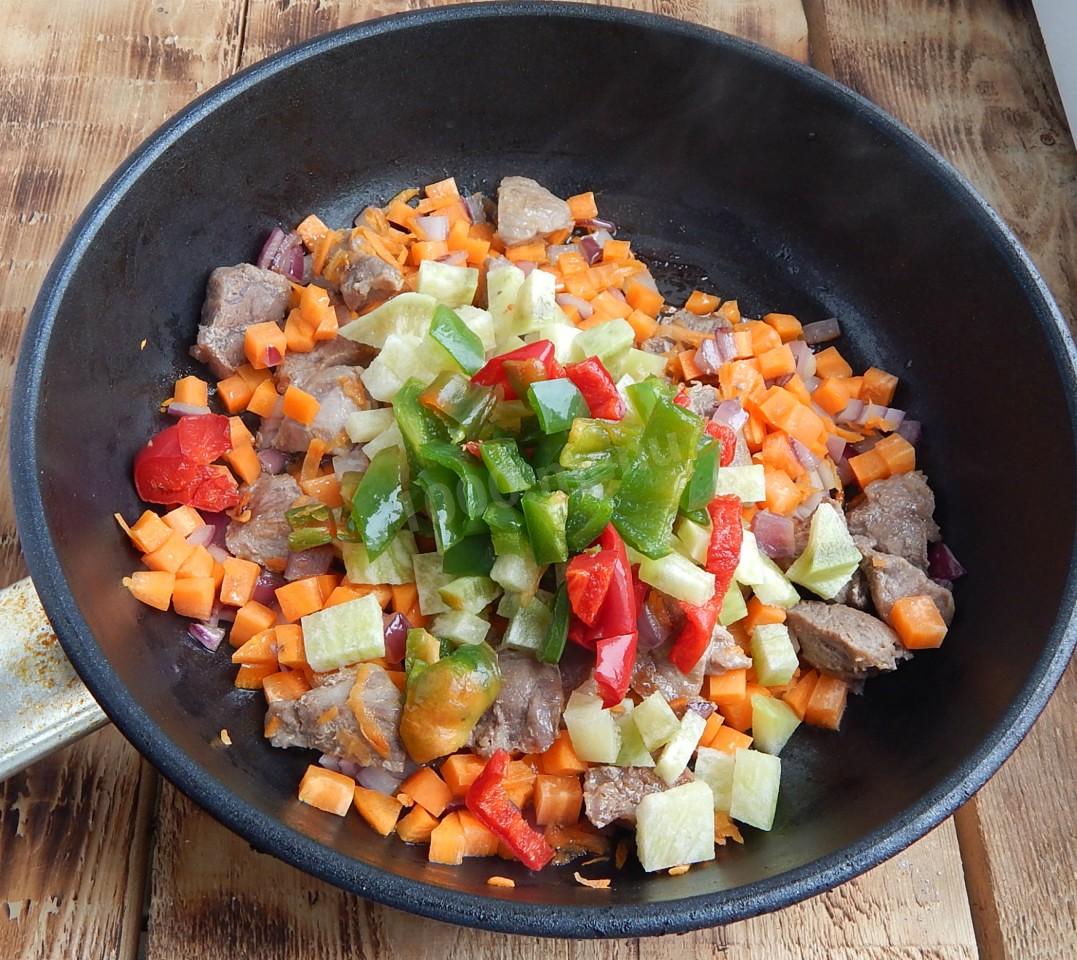
Add the remaining vegetables, salt, and spices. Fry, stirring, for another 5 minutes.
-
Step 12:
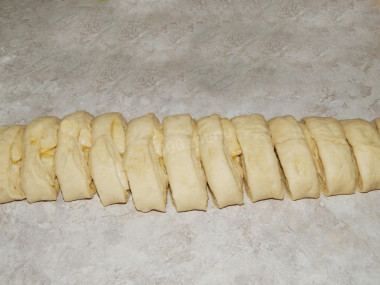
Let the steamed log cool a little, then cut it crosswise into wide strips — your noodles.
-
Step 13:
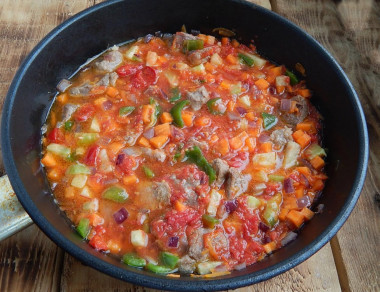
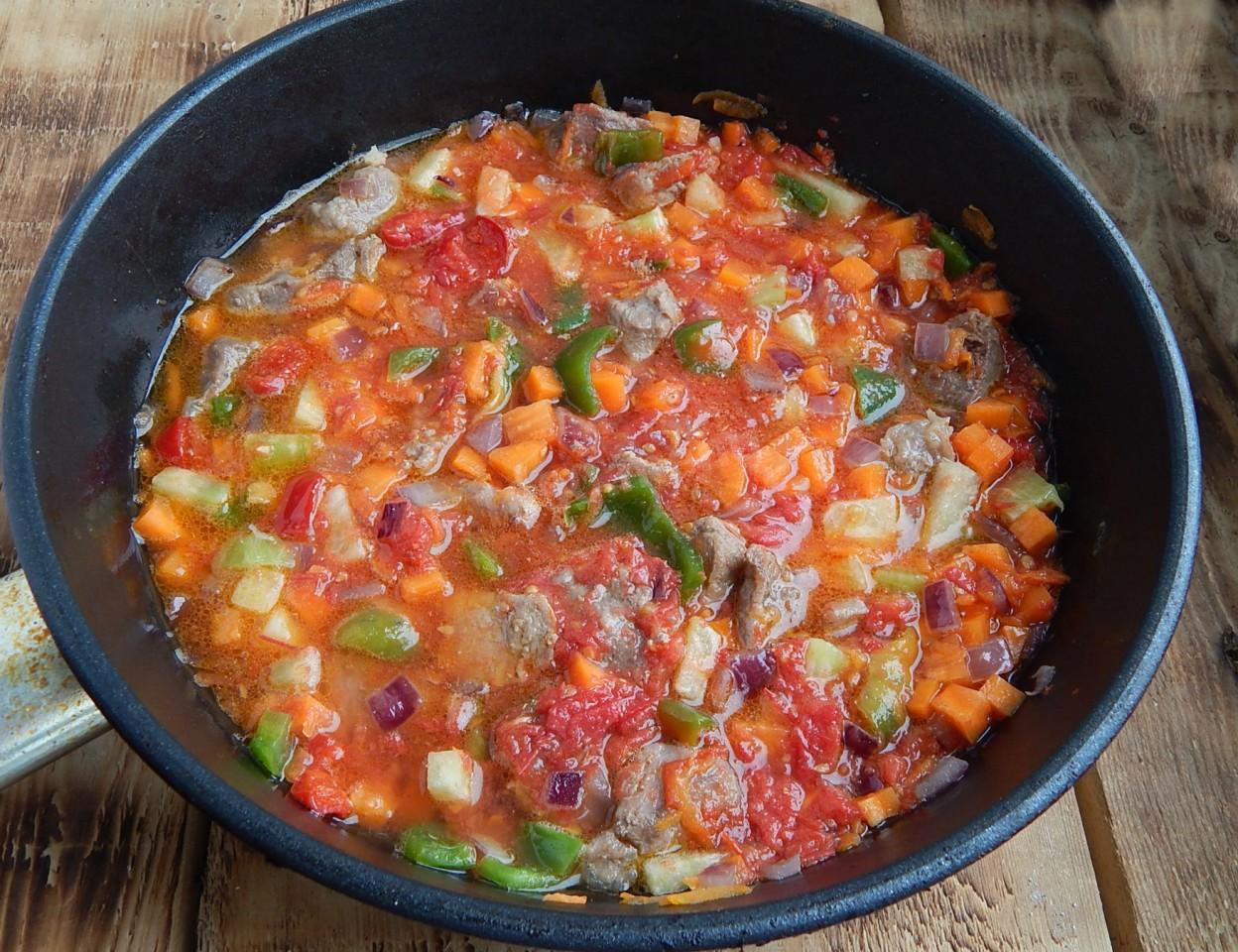
Pour in a cup of water and stir. Cover the skillet and simmer for about 25 minutes. Then add the noodles, stir, and cook everything together for another 5 minutes.
-
Step 14:
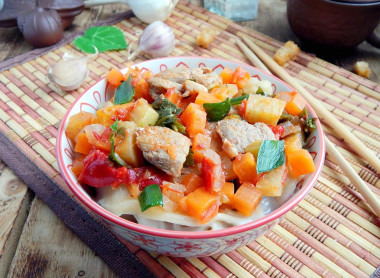
The tsuiwan is ready. Serve it up sprinkled with green onion. Enjoy!


Caloric content of the products possible in the composition of the dish
- Melted beef fat - 871 kcal/100g
- Fat beef - 171 kcal/100g
- Lean beef - 158 kcal/100g
- Beef brisket - 217 kcal/100g
- Beef sirloin - 380 kcal/100g
- Beef - lean roast - 200 kcal/100g
- Beef shoulder - 137 kcal/100g
- Beef - ribs - 233 kcal/100g
- Beef - ham - 104 kcal/100g
- Beef - tail - 184 kcal/100g
- Boiled ham - 269 kcal/100g
- Corned beef - 216 kcal/100g
- Sweet pepper - 27 kcal/100g
- Carrots - 33 kcal/100g
- Dried carrots - 275 kcal/100g
- Boiled carrots - 25 kcal/100g
- Garlic - 143 kcal/100g
- Ground black pepper - 255 kcal/100g
- Soy sauce - 51 kcal/100g
- Vegetable oil - 873 kcal/100g
- Salt - 0 kcal/100g
- Water - 0 kcal/100g
- Onion - 41 kcal/100g
- Wheat flour - 325 kcal/100g
- Chicken egg - 80 kcal/100g
- Ground coriander - 25 kcal/100g
Similar recipes


- National cuisine
- Second course
- Eggs
- Meat and meat products
- Semi-finished products
- Vegetables
- Flour
- Spices seasonings spices
- Fats and oils
- Other
- Garlic
- Кинза
- Pepper
- Salt
- Vegetable oil
- Water
- Asian cuisine
- Frying
- In a frying pan
- Спагетти
- Meat second course
- Chicken eggs
- Beef
- Sauce
- From carrots
- From sweet pepper
- From onion
- Wheat flour
- Recipes for lean dishes without butter