Chinese Di San Xian (Three Earthly Treasures)
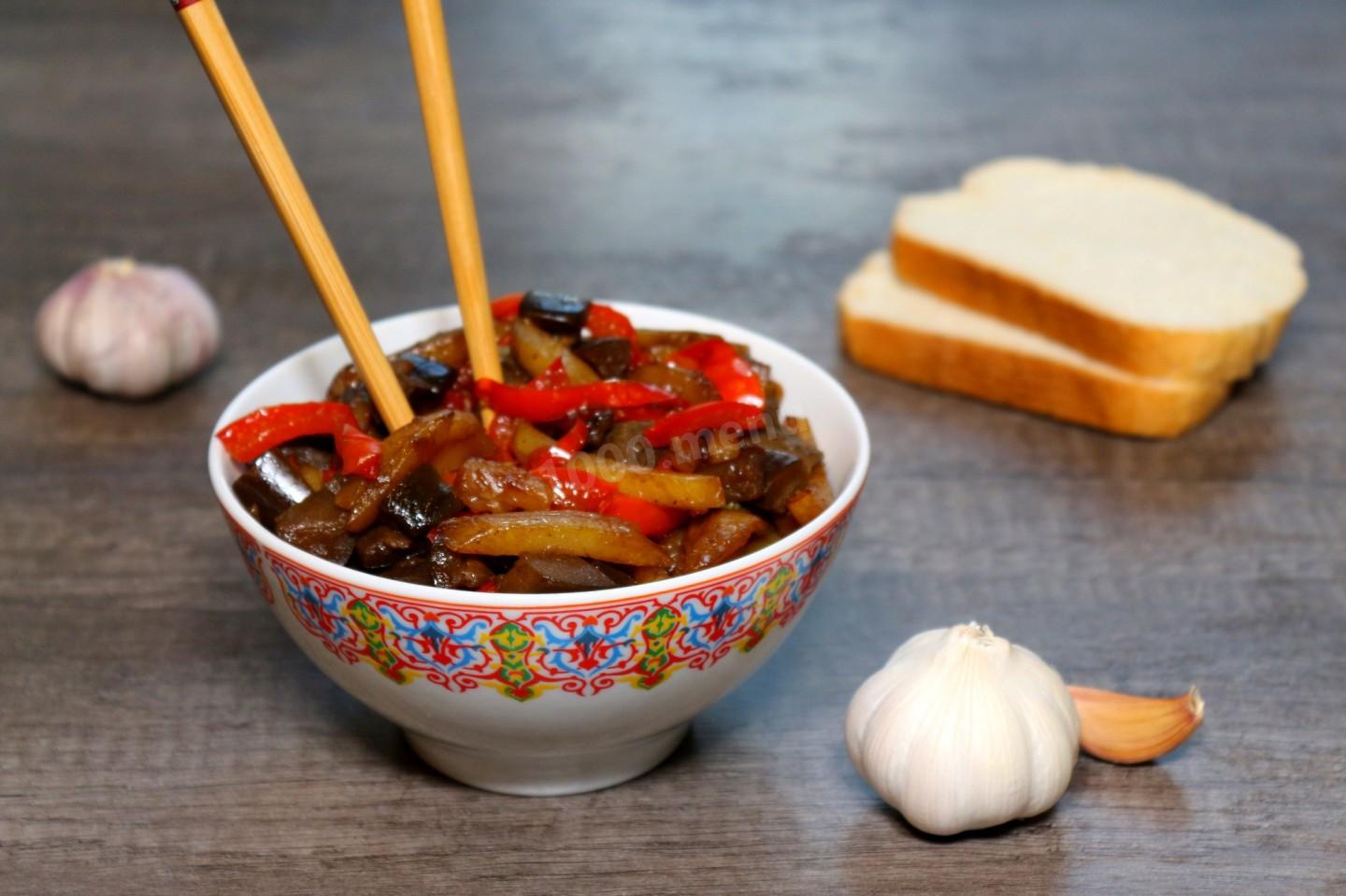
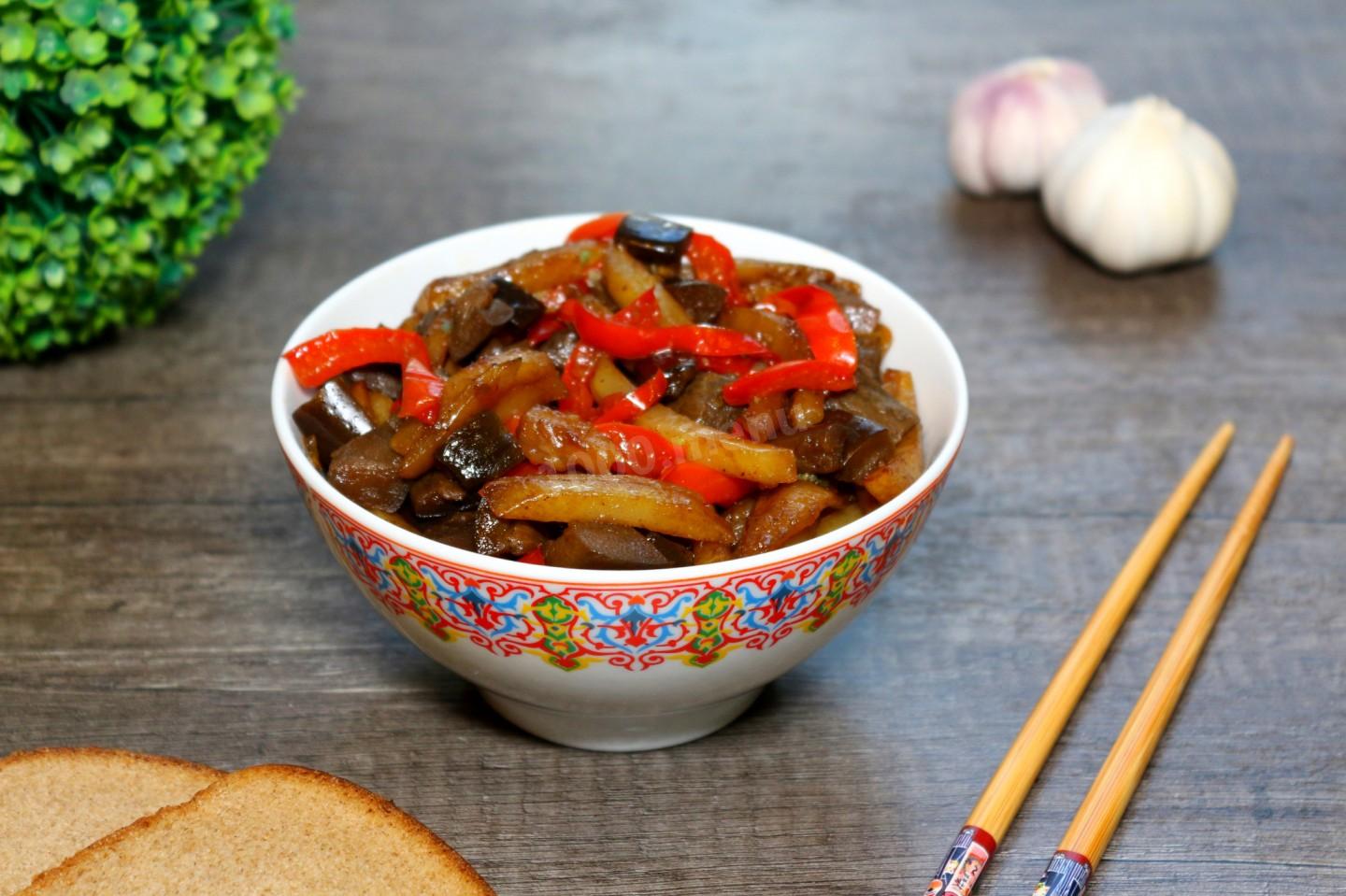
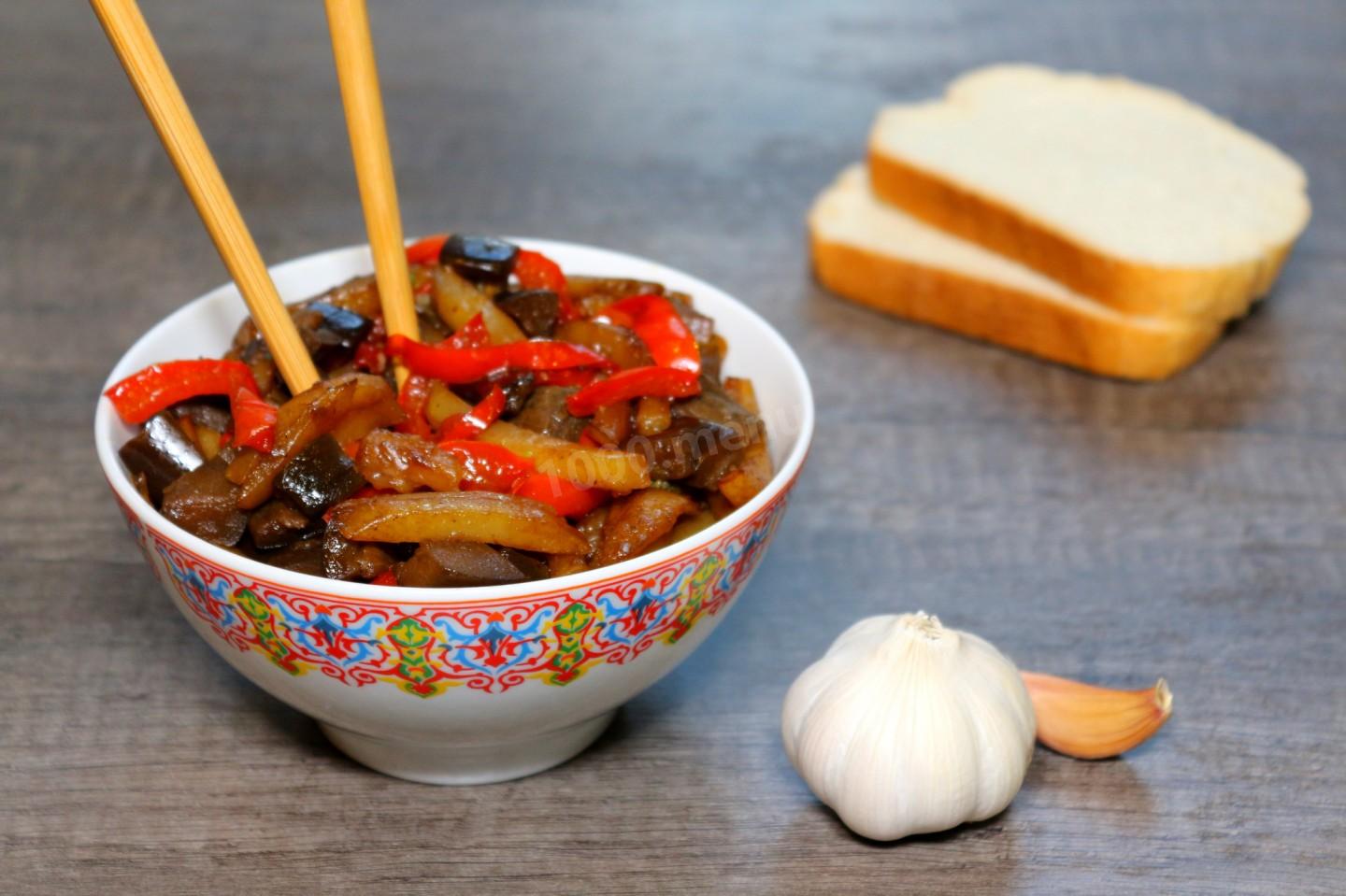
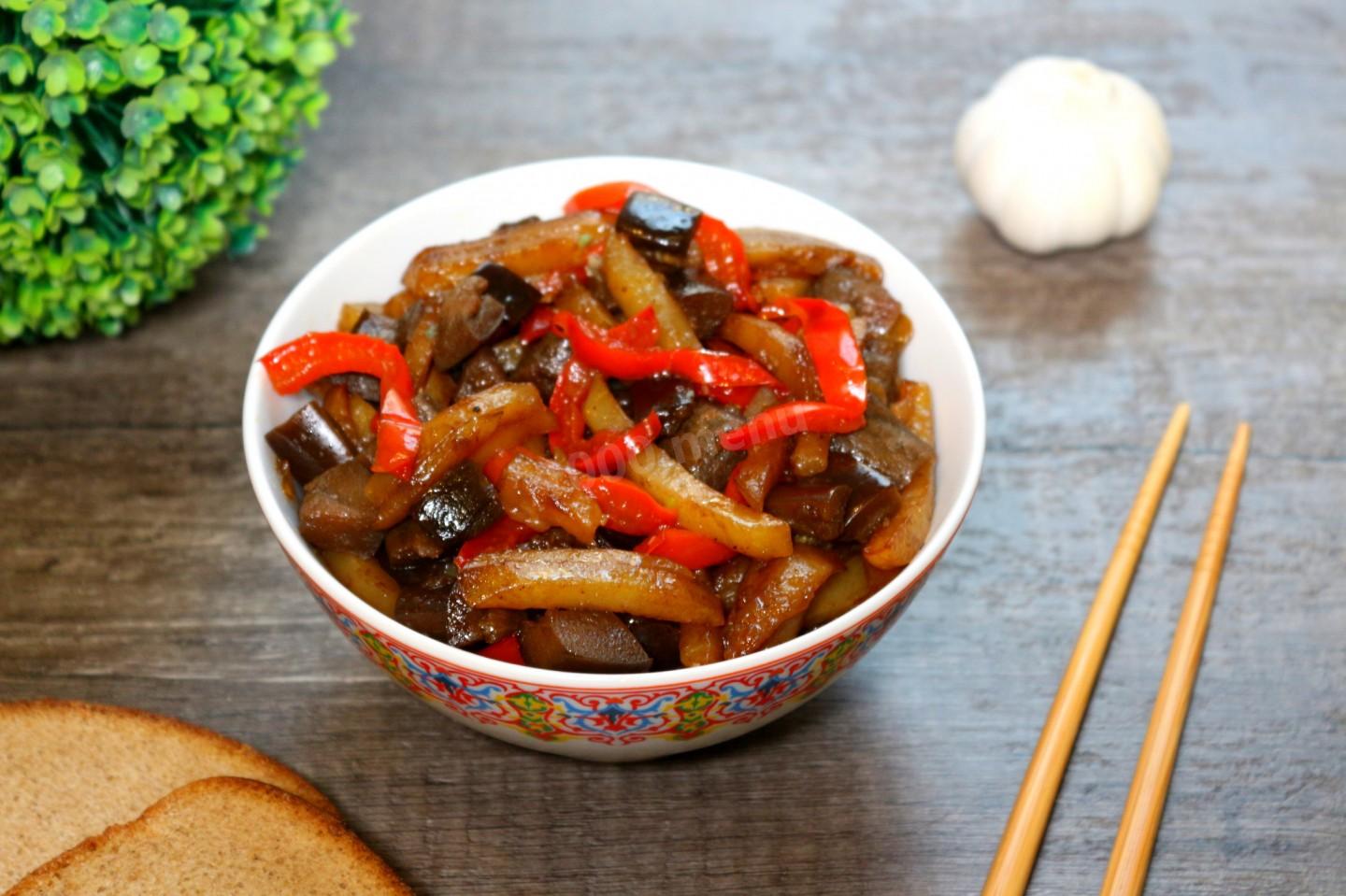
Try these amazing vegetables in a soy sauce glaze! The name of this Chinese dish translates as "three treasures of the earth," so of course it's built on three main ingredients: eggplant, potato, and pepper. What makes it truly Chinese is the soy sauce and the starch that thickens everything into a glossy sauce.

Cooking method
-
Step 1:
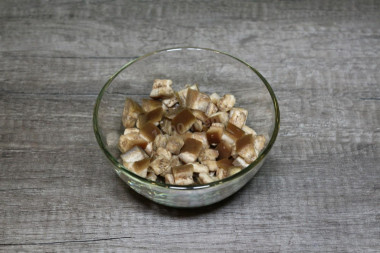
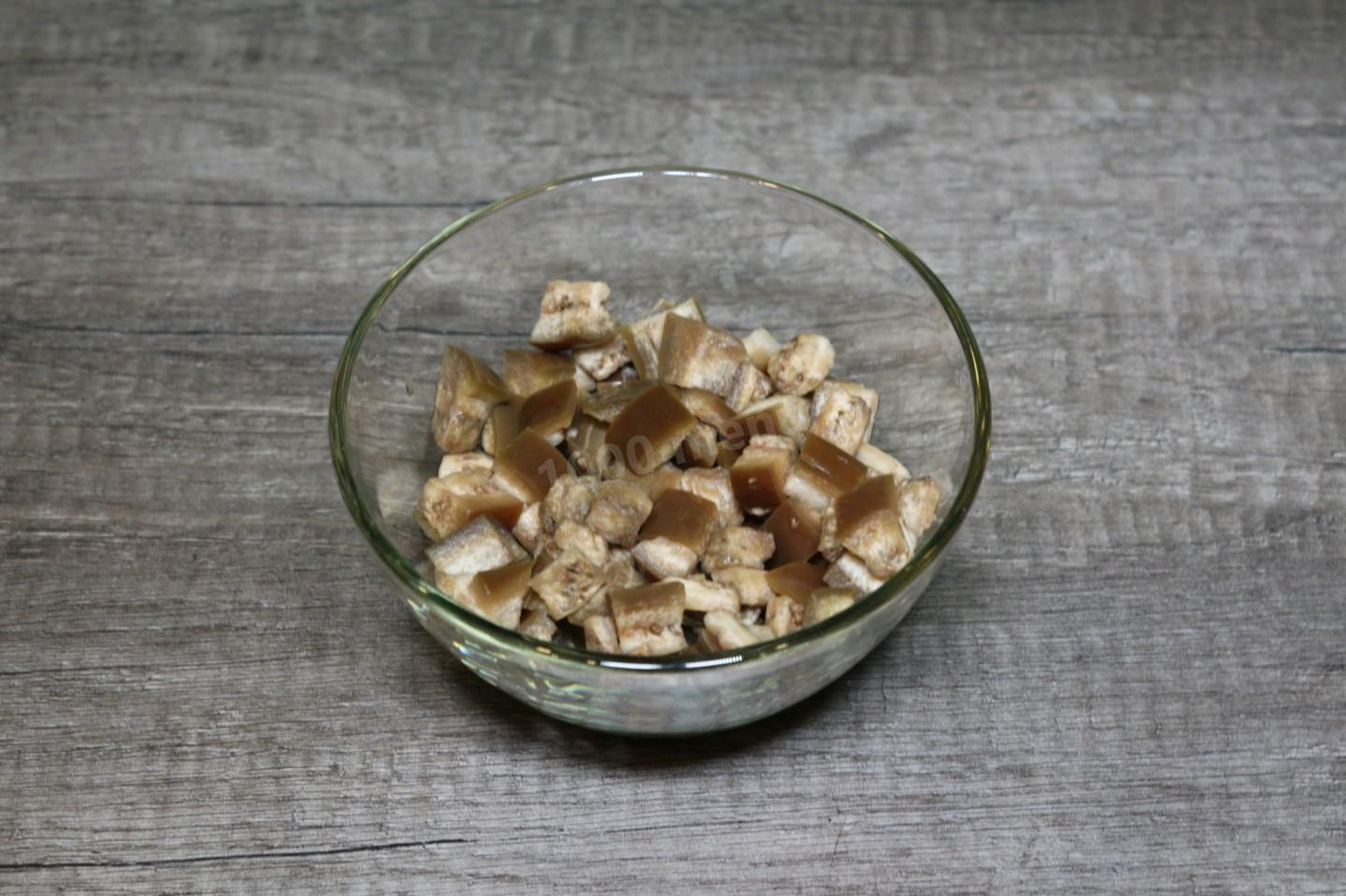
How do you make Di San Xian? I use frozen diced eggplant, so I take out a portion, put it in a bowl, and let it thaw at room temperature. If you're using fresh eggplant, wash it, cut it into small cubes, and sprinkle them with salt. Let them sit for 20–30 minutes to draw out any bitterness, then rinse the cubes under cold water and pat them dry so there's no extra moisture.
-
Step 2:
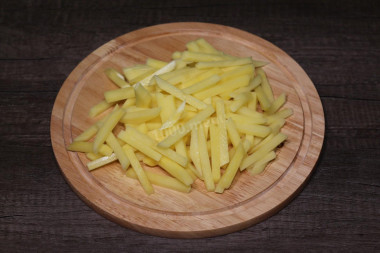
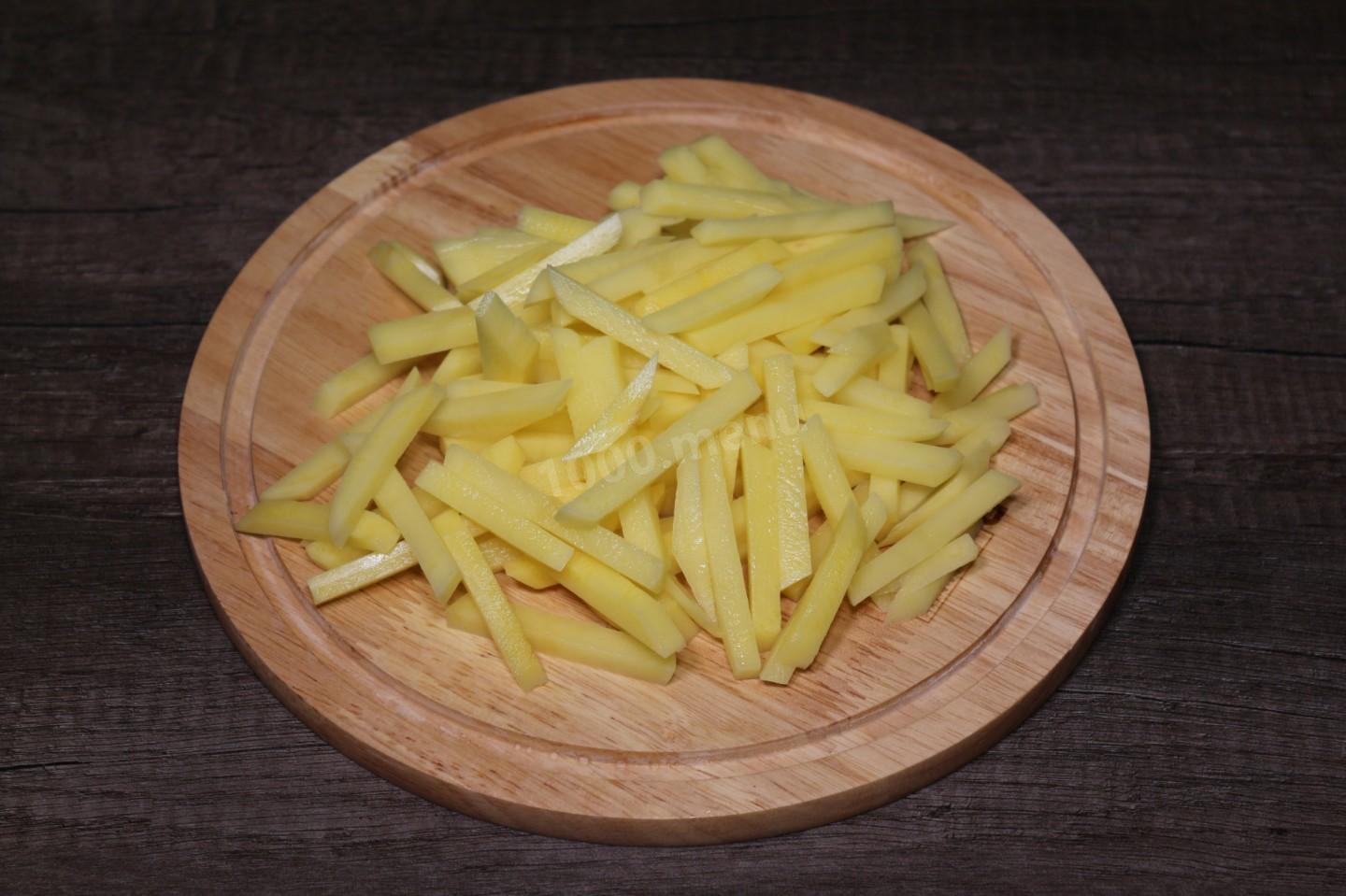
Peel the potatoes and cut them into batons with a knife or a mandoline (the mandoline gives you neat, even pieces). Rinse them to wash off excess starch, then dry them. Add the potatoes to a skillet with a little oil and fry them over nearly high heat until they're only half-cooked. Since every stovetop is different, adjust the heat as needed.
-
Step 3:
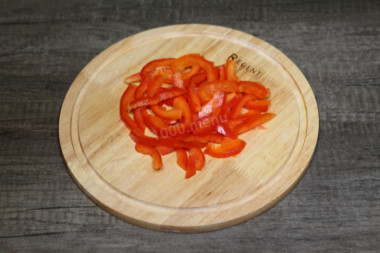
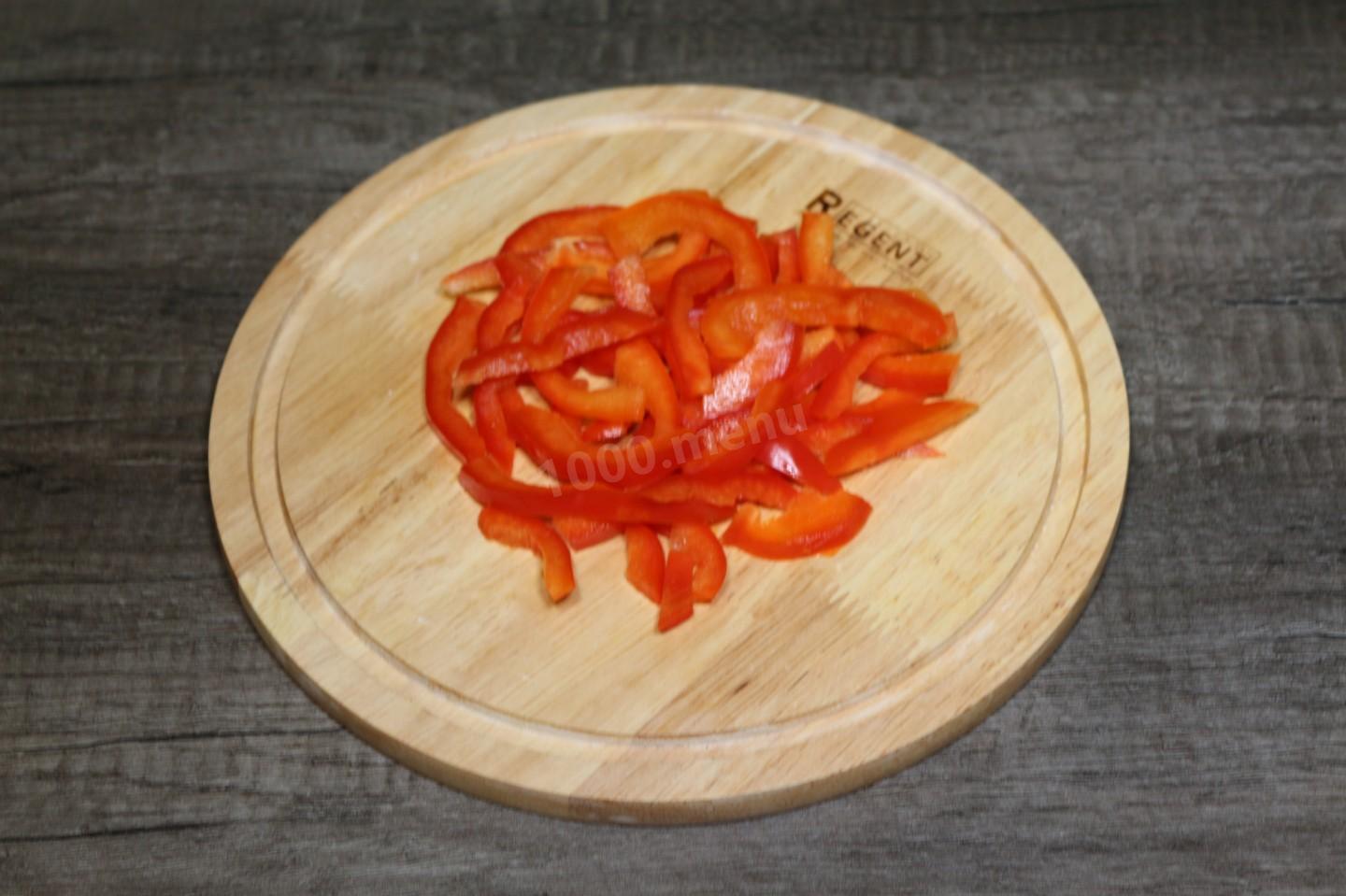
Seed and stem the bell pepper and cut it into oblong pieces. Move the potatoes to a deep bowl and add the pepper to the same pan; fry it over high heat for just 2–3 minutes, then transfer it to the bowl with the potatoes.
-
Step 4:
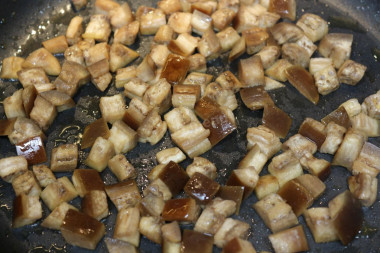
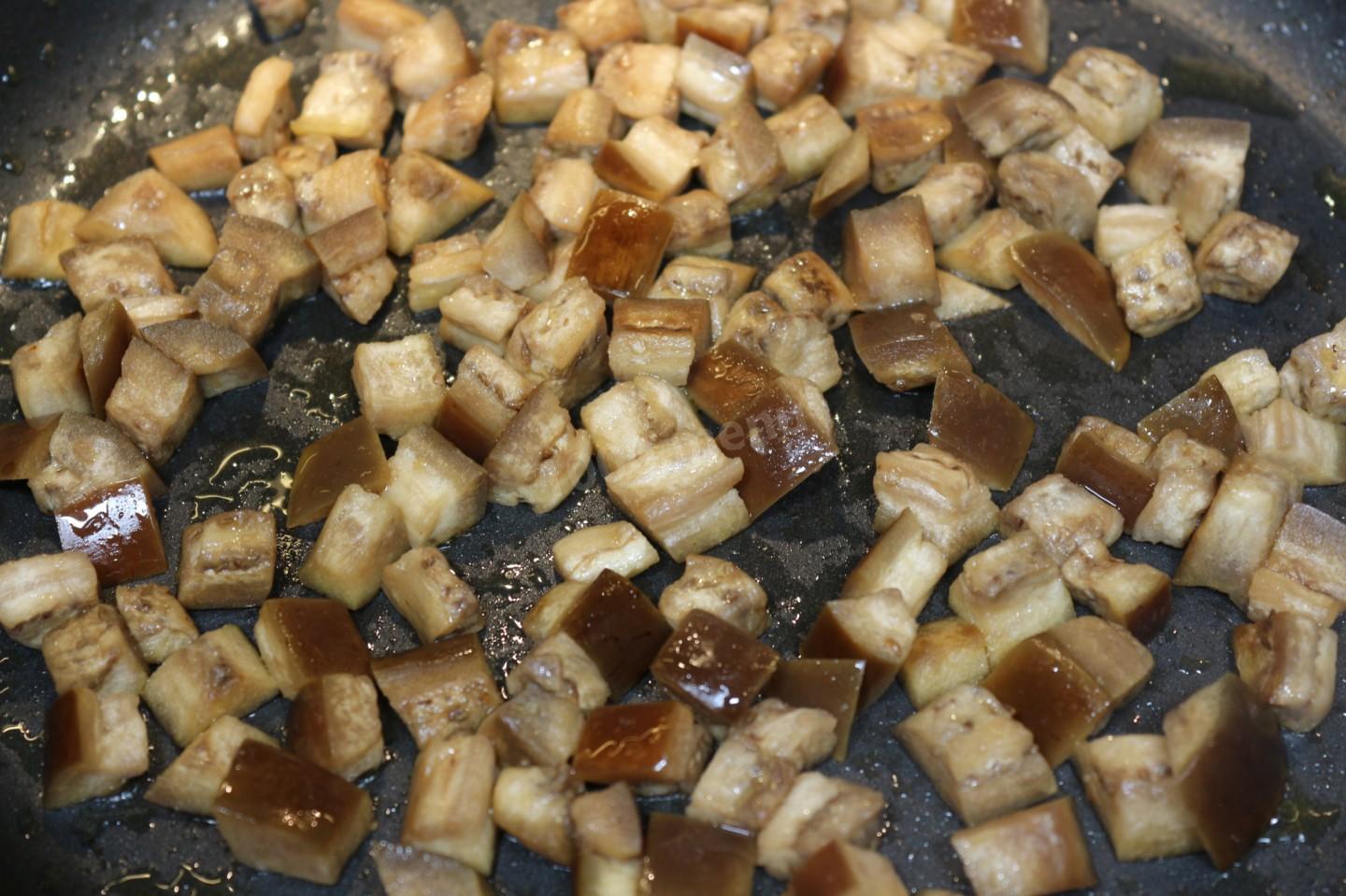
Add a little more sesame oil if needed and put the eggplant in the pan. Fry for 3–4 minutes, then sprinkle in the sugar and fry for 1 minute more.
-
Step 5:
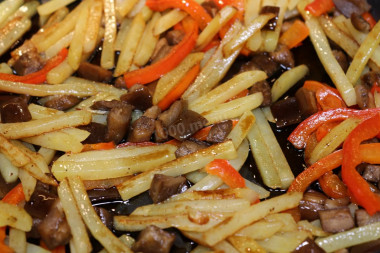
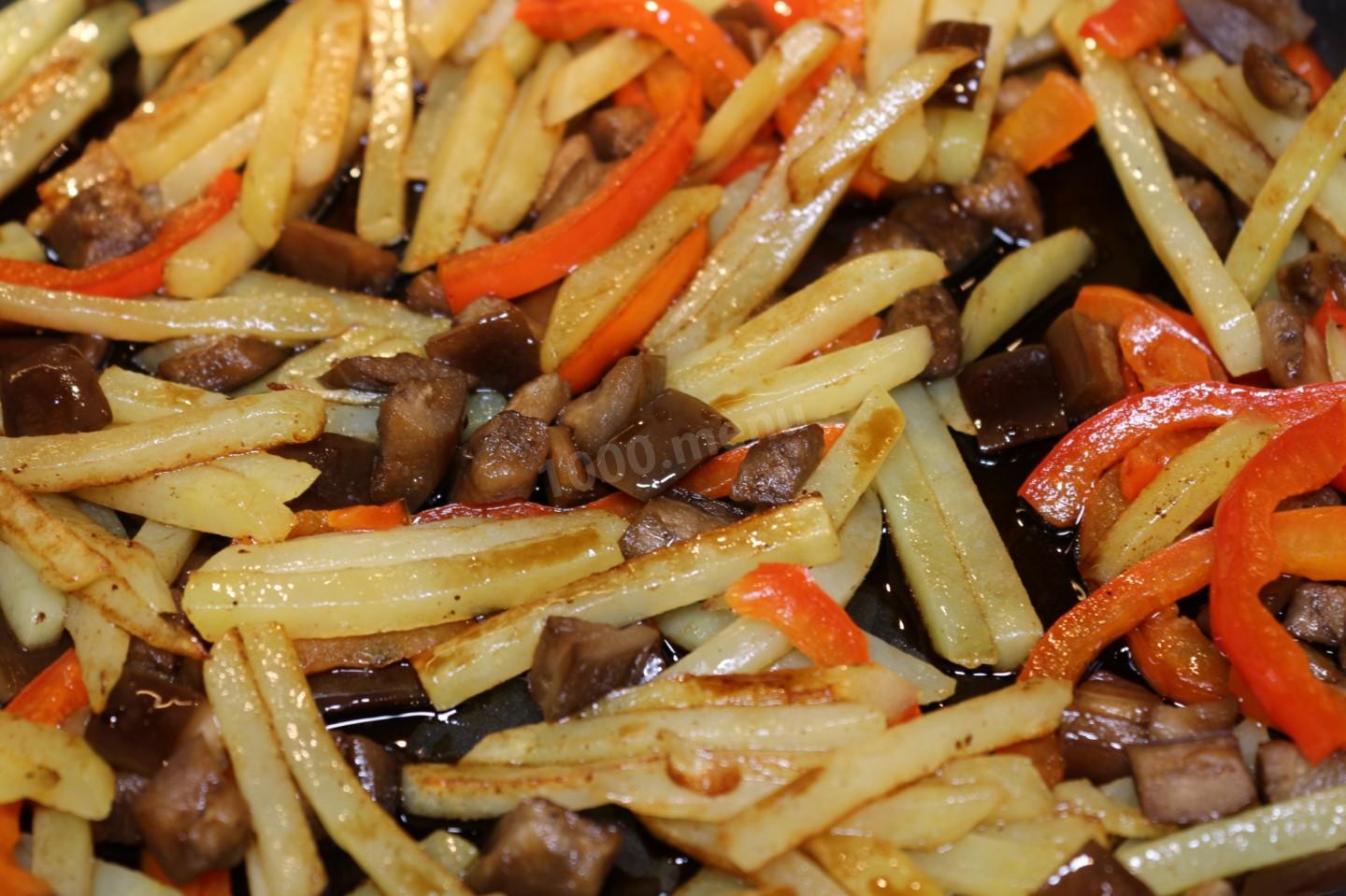
Return the half-cooked pepper and potatoes to the pan, add all the soy sauce, and keep cooking for another 4 minutes.
-
Step 6:
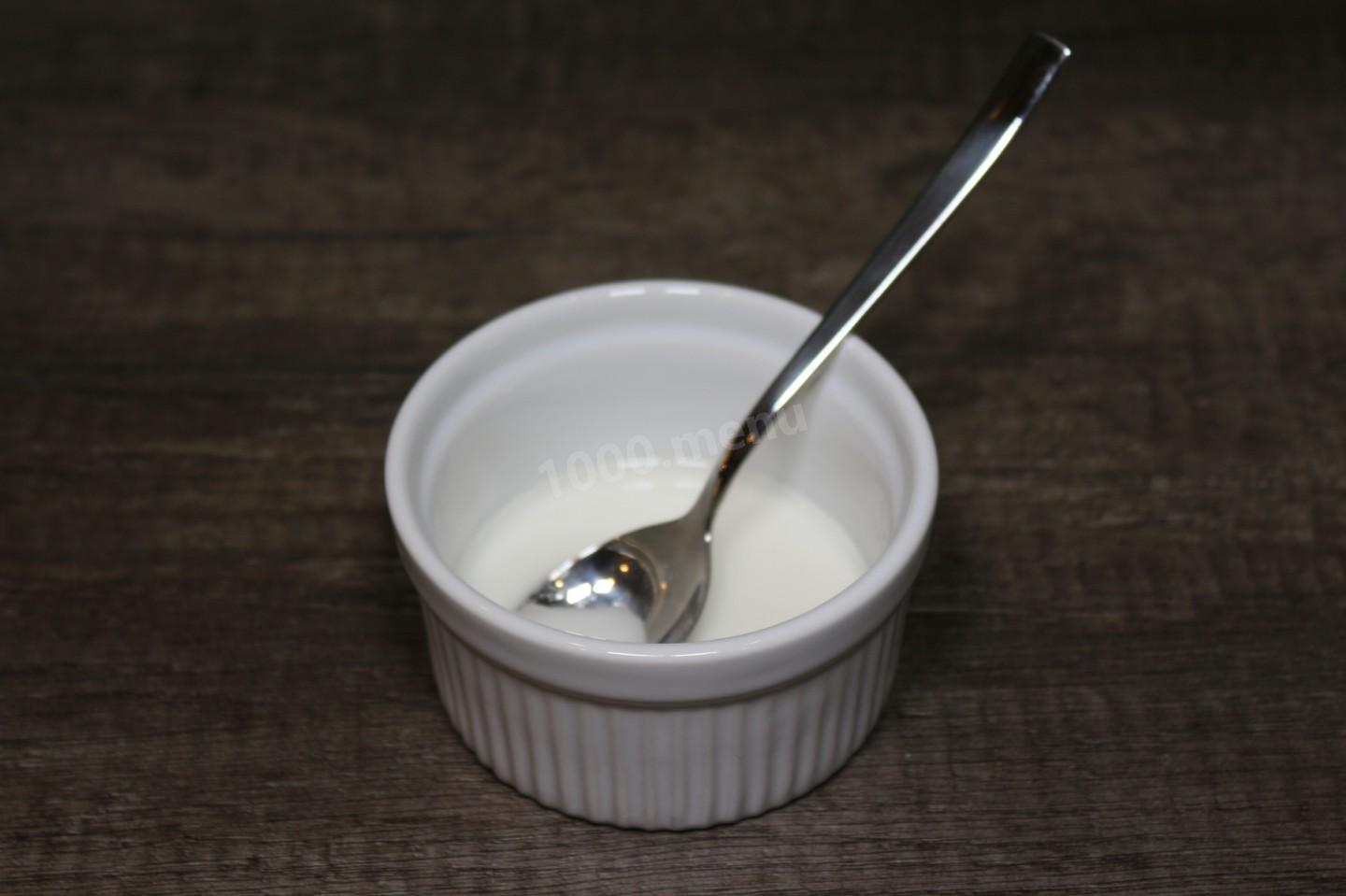
In a small bowl, stir the starch into the water and add it to the vegetables. Add the minced garlic clove at this point too, and stir well. Simmer the vegetables for another 5 minutes.
- This is made as just 2 servings on purpose, to eat right away — reheated later it isn't nearly as good, though there's rarely any left. The vegetables come out in a delicious soy-and-starch sauce, and we happily eat this dish even without any meat; it needs nothing else. I'd recommend it to anyone who loves Chinese food. We love it!
- Every oil is only good up to a certain point — its smoke point, above which it starts to burn and forms harmful compounds. It's worth knowing each oil's smoke point so you can pick the best one for frying.
- The wrong pan can ruin even the best recipe, so choose a skillet suited to what you're making.
- If you use a ready-made spice blend, read the label — these often already contain salt, so account for that or you may over-salt the dish.
Caloric content of the products possible in the composition of the dish
- Ripe potatoes - 80 kcal/100g
- Baked potatoes - 70 kcal/100g
- Mashed potatoes - 380 kcal/100g
- Boiled potatoes - 82 kcal/100g
- Potatoes in uniform - 74 kcal/100g
- Fried potatoes - 192 kcal/100g
- Sweet pepper - 27 kcal/100g
- Eggplant - 24 kcal/100g
- Garlic - 143 kcal/100g
- Soy sauce - 51 kcal/100g
- Granulated sugar - 398 kcal/100g
- Sugar - 398 kcal/100g
- Salt - 0 kcal/100g
- Water - 0 kcal/100g
- Potato starch - 300 kcal/100g
- Sesame oil - 899 kcal/100g
Similar recipes

- National cuisine
- Second course
- Semi-finished products
- Vegetables
- Sweet
- Spices seasonings spices
- Fats and oils
- Other
- Garlic
- Salt
- Vegetable oil
- Water
- Starch
- Asian cuisine
- Frying
- Stewing
- Stewed vegetables
- Eggplant second course
- Sauce
- From potatoes
- From eggplant
- From sweet pepper
- No eggs
- Vegetarianism
- Recipes for lean dishes without butter
- Sugar