Emerald Turtle Cake (No-Bake, Skillet Layers)
Your kids will absolutely love this cake! The "Turtle" cake is hugely popular online. I'd been eyeing it for a long time, and I finally made it. "Turtle" is really just a decorating style—you can use your own favorite recipes for thin cake layers and filling. Cottage-cheese or sour-cream fillings work beautifully here; I made mine with a custard cream. Don't let the long list of photo steps scare you—this cake is quite simple to put together. Even a teenager can handle it.

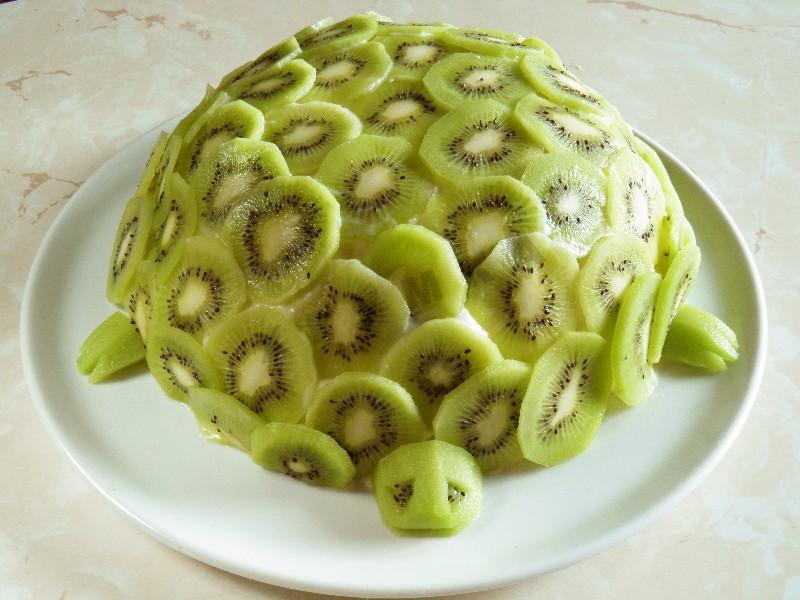
Cooking method
-
Step 1:
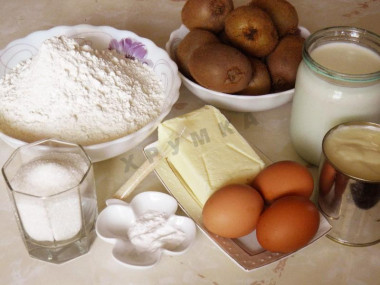
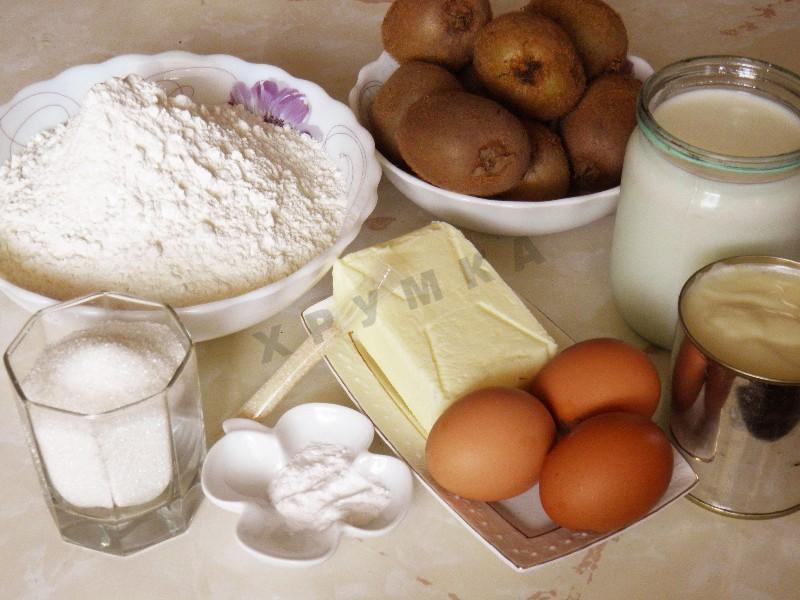
Ingredients.
-
Step 2:
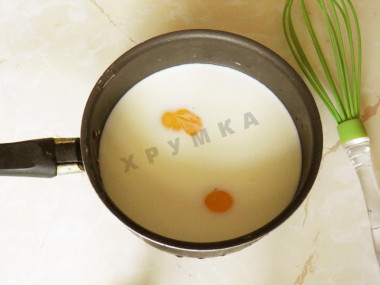
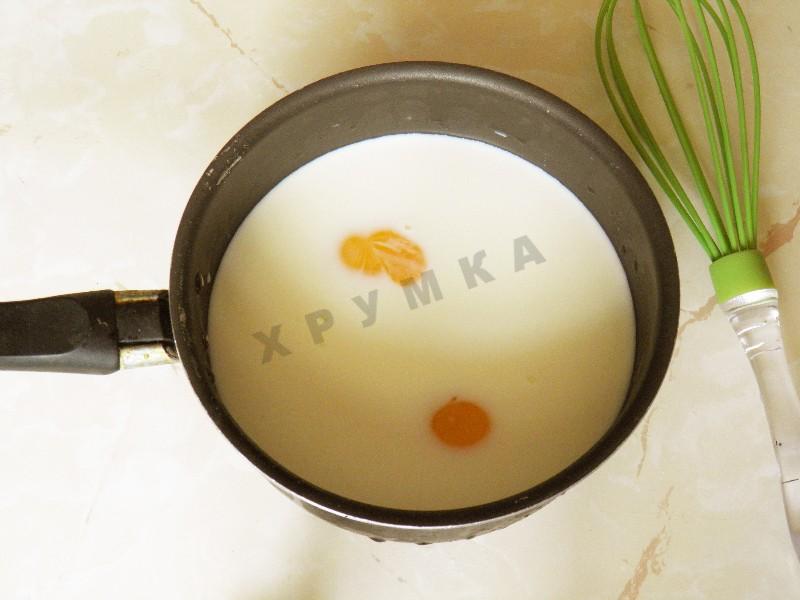
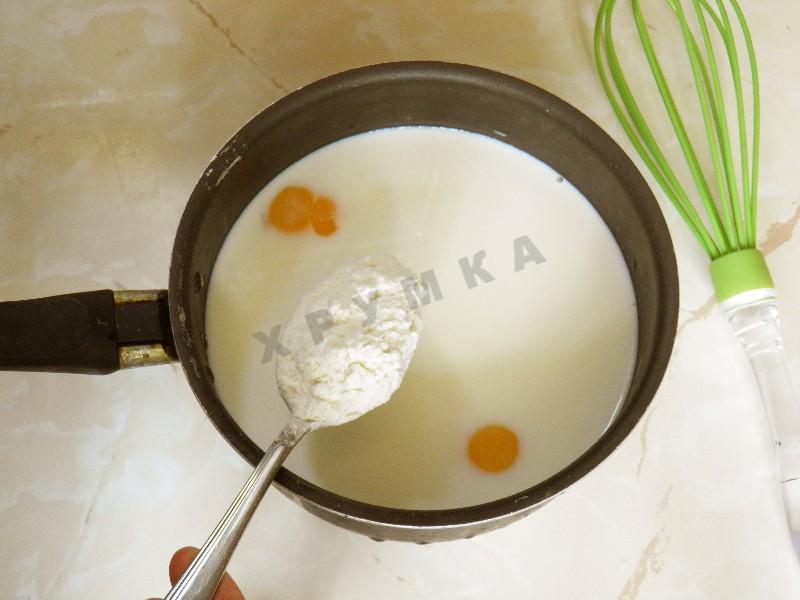
Start with the custard cream. Combine all the cream ingredients: add 2 eggs to the milk,
-
Step 3:
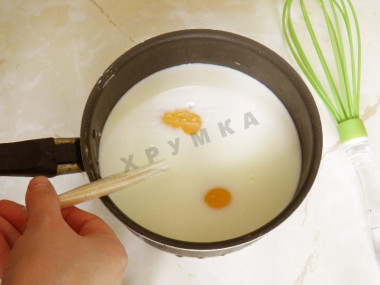
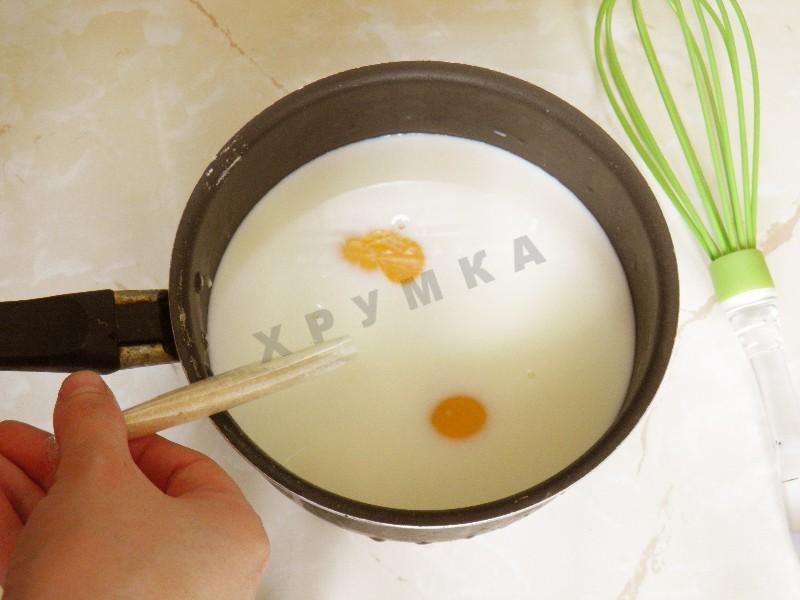
stir in the vanilla sugar,
-
Step 4:
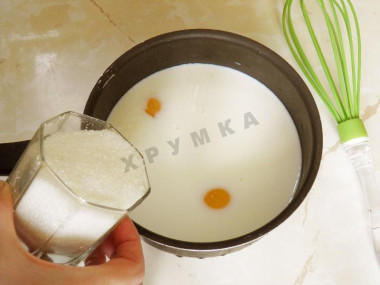
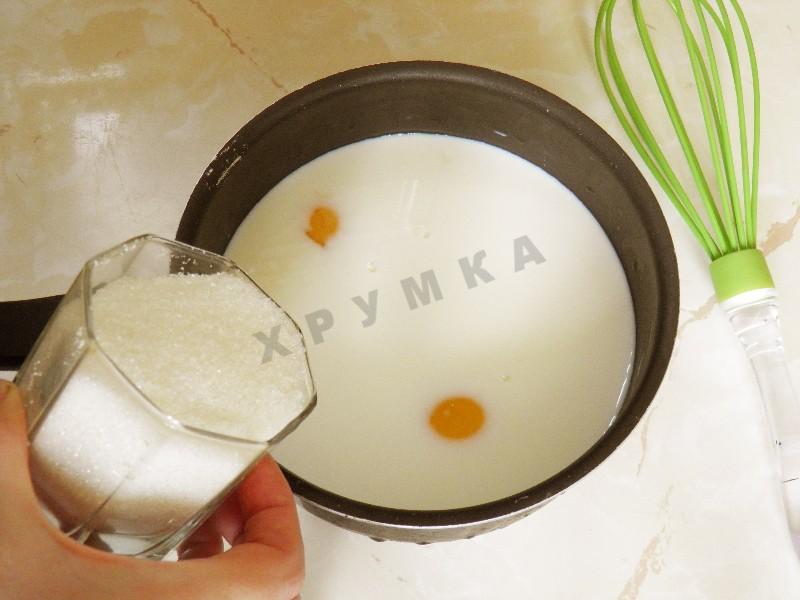
add a cup of regular granulated sugar,
-
Step 5:
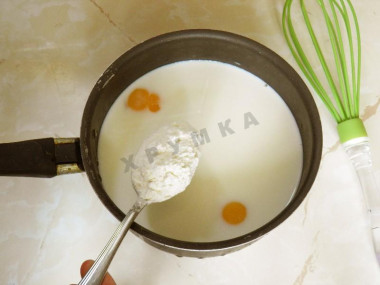
and two tablespoons of flour.
-
Step 6:
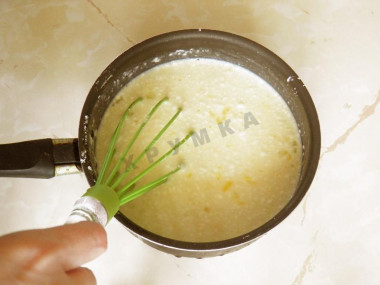
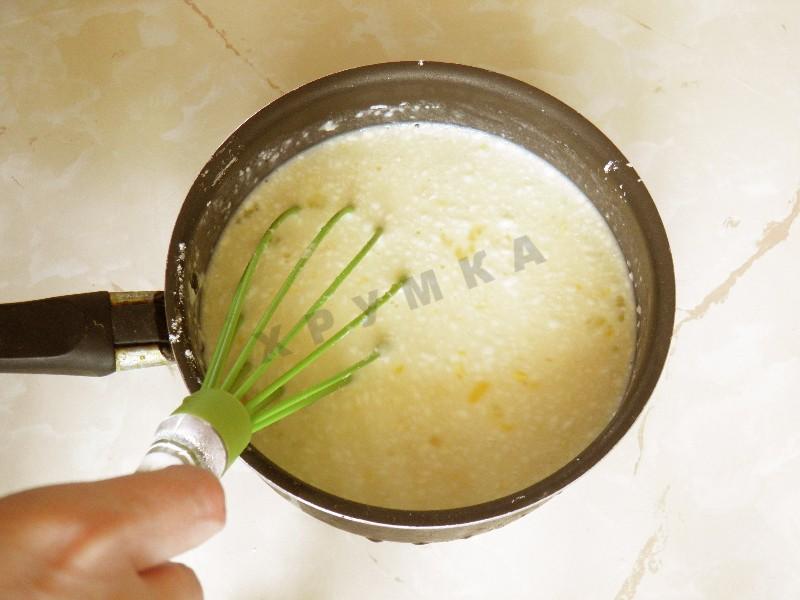
Whisk everything together thoroughly.
-
Step 7:
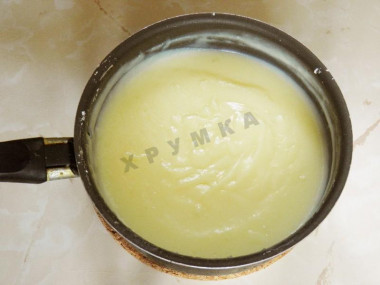
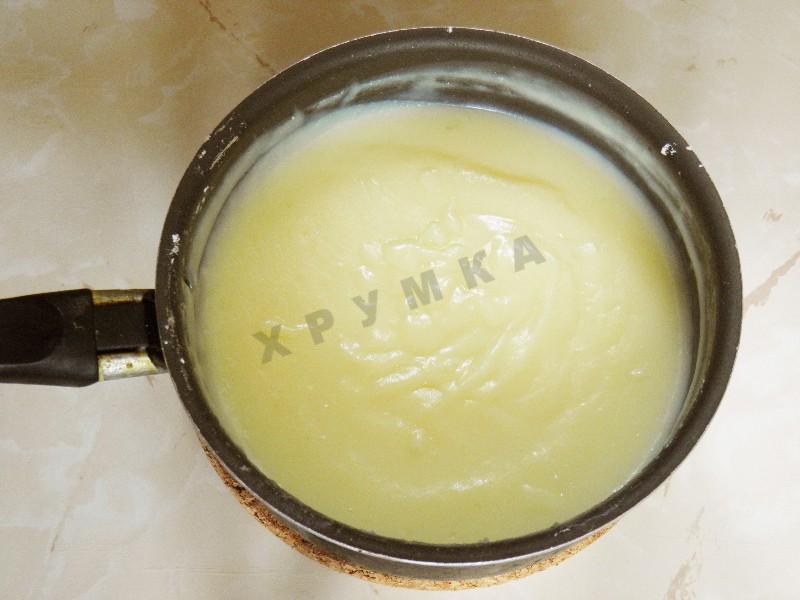
Cook over low heat until thickened. I cooked mine for about 25 minutes.
-
Step 8:
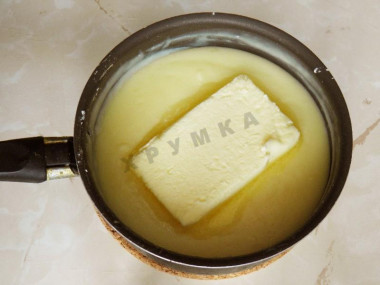
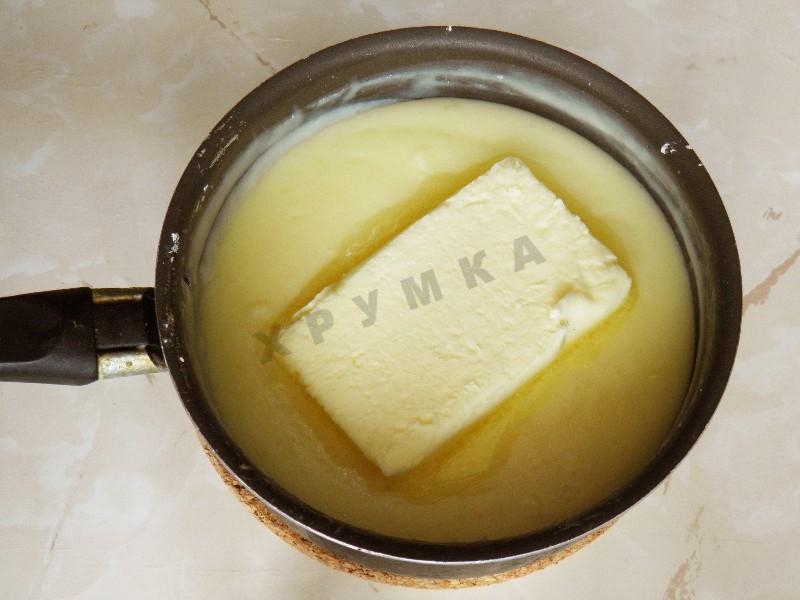
Stir the butter into the hot cream, then cover with a lid so a skin doesn't form on top.
-
Step 9:
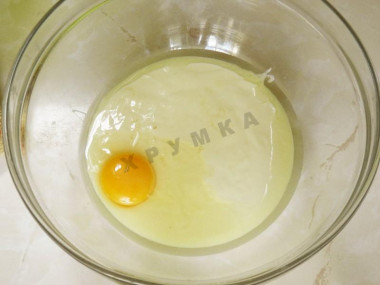
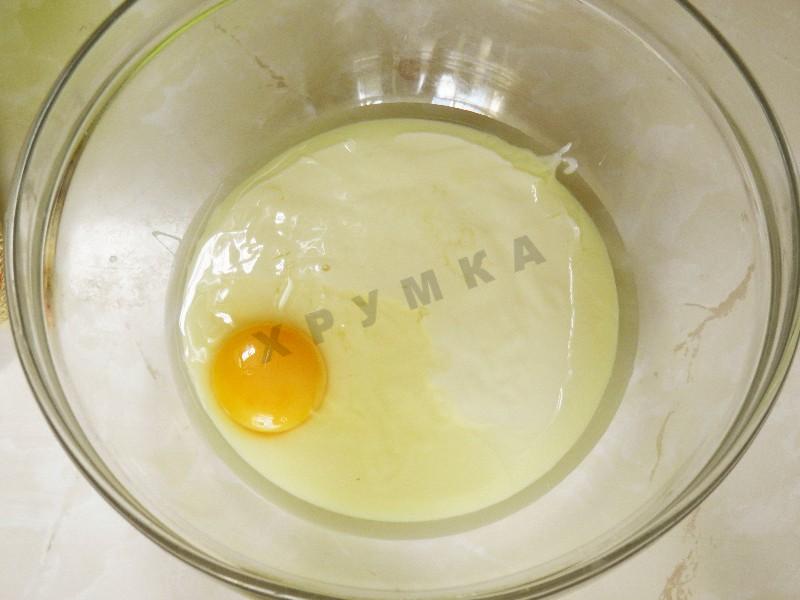
Now make the dough. Pour the condensed milk into a bowl and add one egg.
-
Step 10:
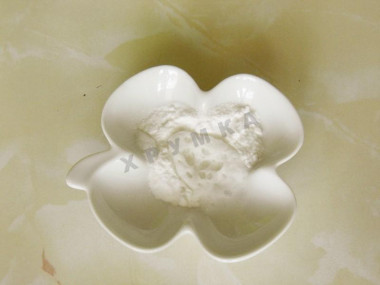
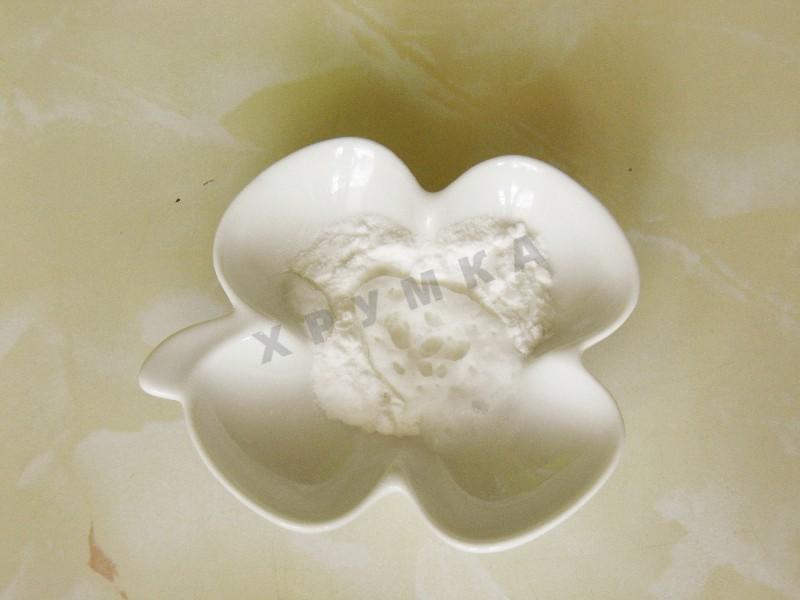
Slake the baking soda with the vinegar and add it to the bowl. Mix.
-
Step 11:
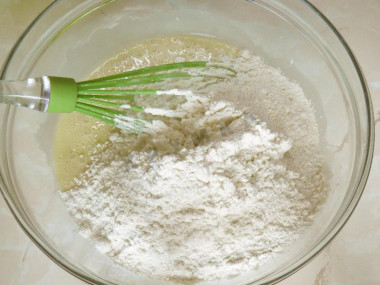
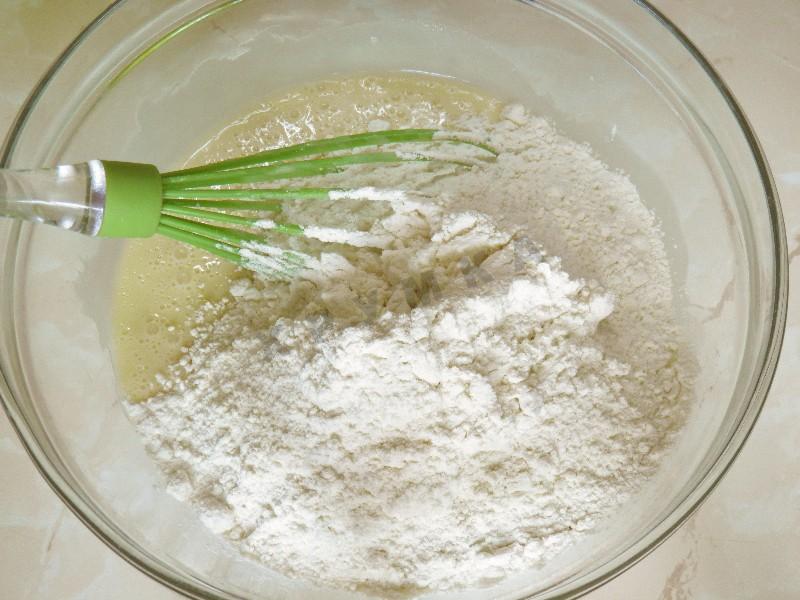
Now add the flour, a little at a time. Start with a whisk, then switch to your hands.
-
Step 12:
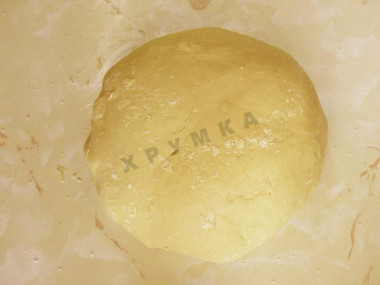
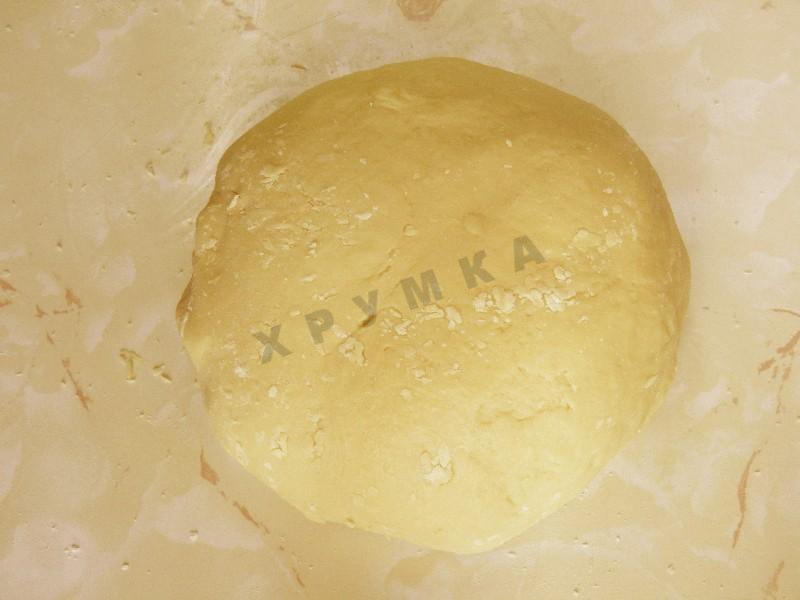
The dough will end up like shortbread—soft, smooth, and elastic.
-
Step 13:
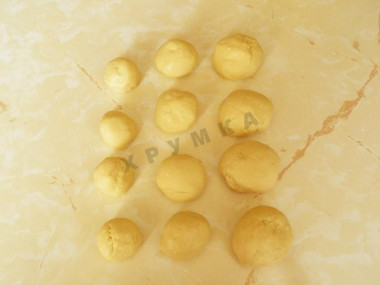
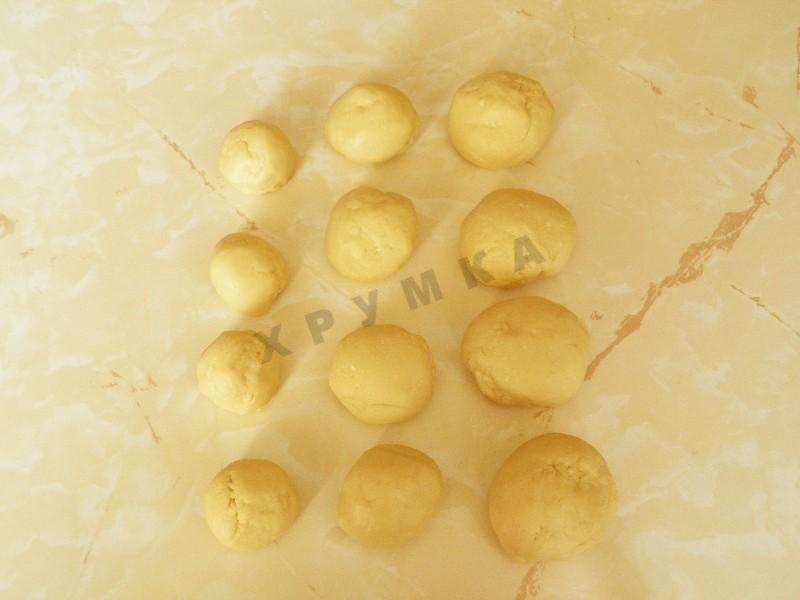
Divide the dough into portions. I split mine in two: from one half I made 4 large balls, and from the other, 4 medium and 4 small.
-
Step 14:
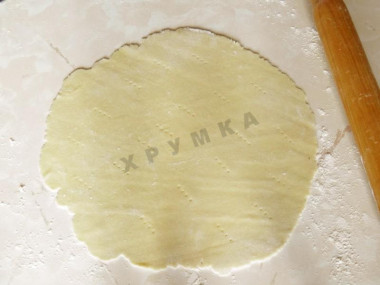
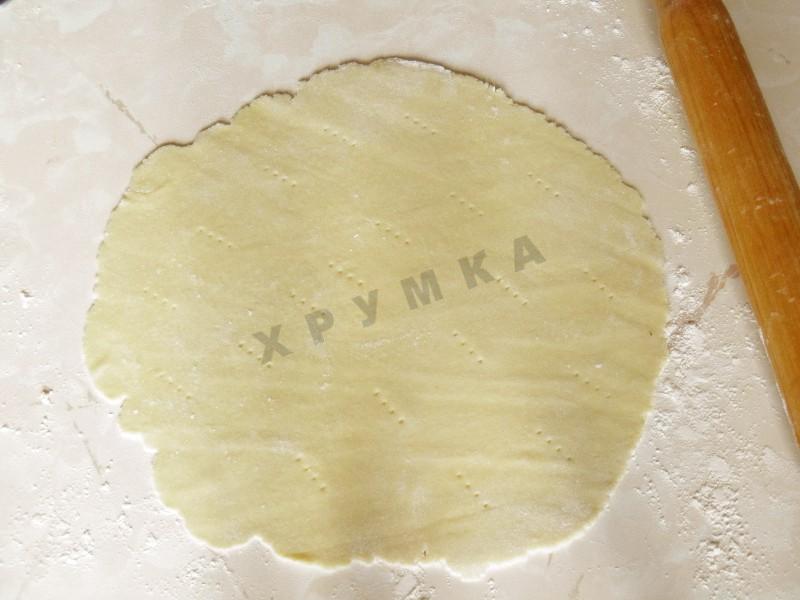
Dust the counter and rolling pin generously with flour and roll the dough into thin rounds. Don't be shy about dusting the dough and counter as you go—it makes rolling easier. Prick each round with a fork. Roll out all the pieces before you start cooking them, or work as a team: one rolls, the other cooks. It goes much faster that way.
-
Step 15:
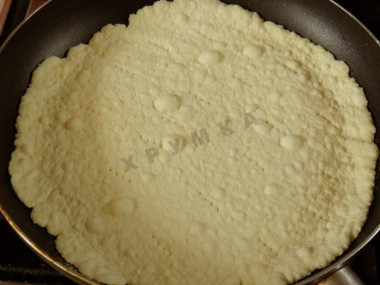
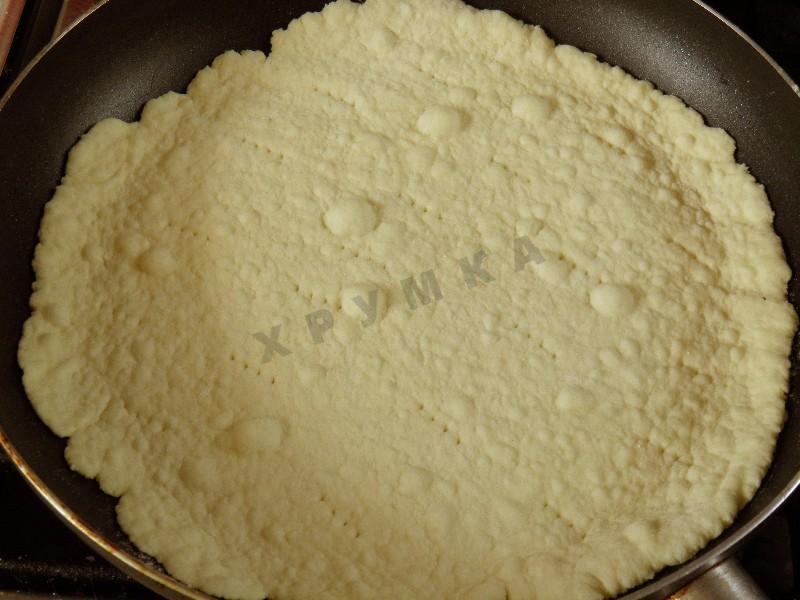
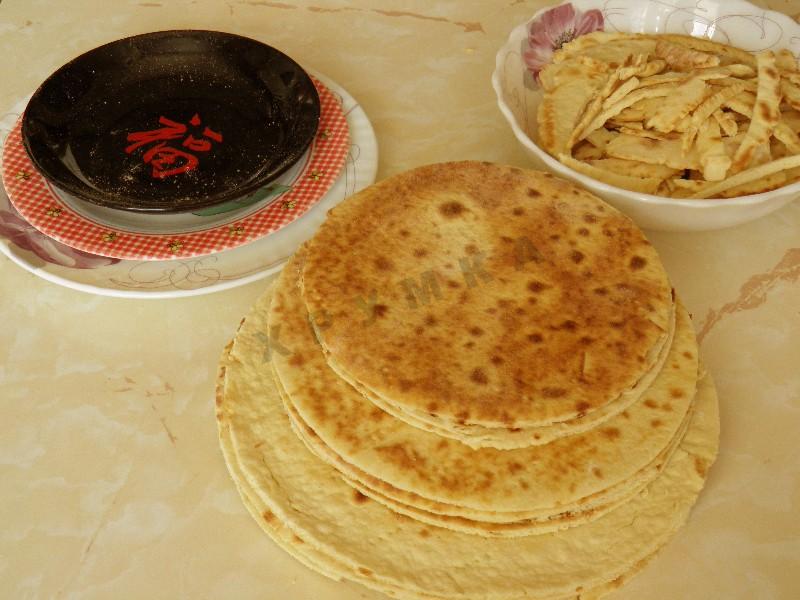
Cook them in a dry skillet. The dough will puff up and thicken, and cheerful bubbles will form on the surface. Cook for 40 seconds to 1 minute, then flip.
-
Step 16:
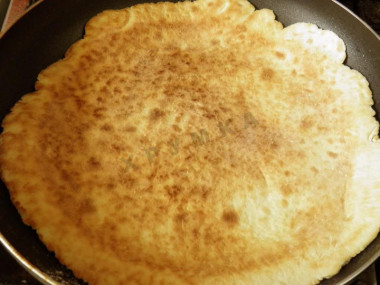
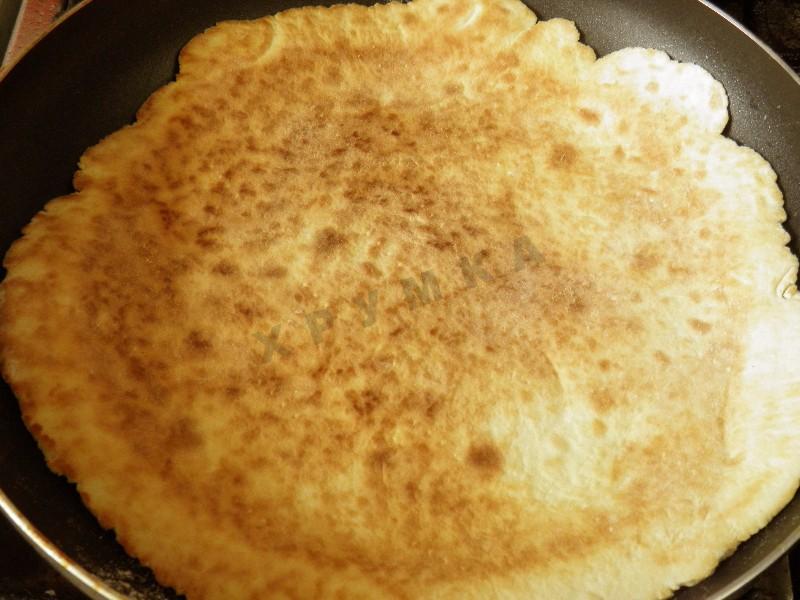
Cook the second side just as long, then remove. I don't have an 11-inch (28 cm) skillet, so my large rounds curled up the sides a bit—but once I lifted them out, they were flat, not bent.
-
Step 17:
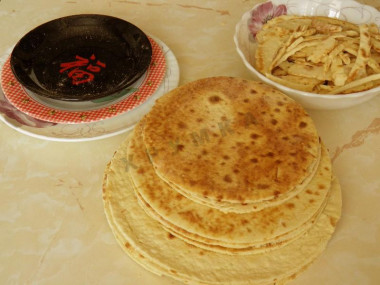
Trim the cooked rounds with a knife, using plates (or templates) of different diameters as guides.
-
Step 18:
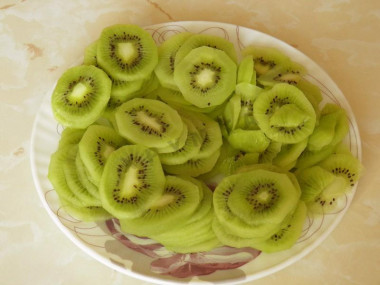
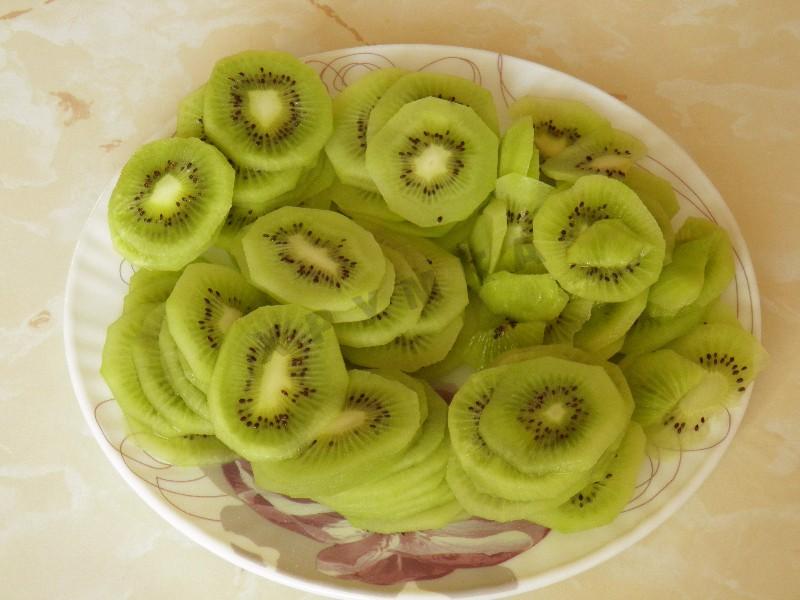
Slice the kiwi into thin rounds. I used firm kiwi so I could slice them very thin (about 1/16 inch / 1 mm). If you use soft kiwi, you may need twice as many, since they're harder to slice thinly.
-
Step 19:
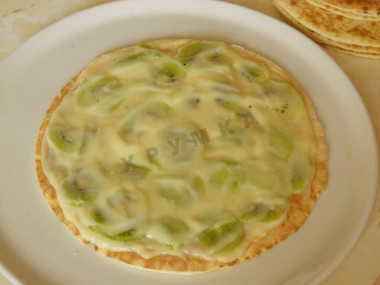
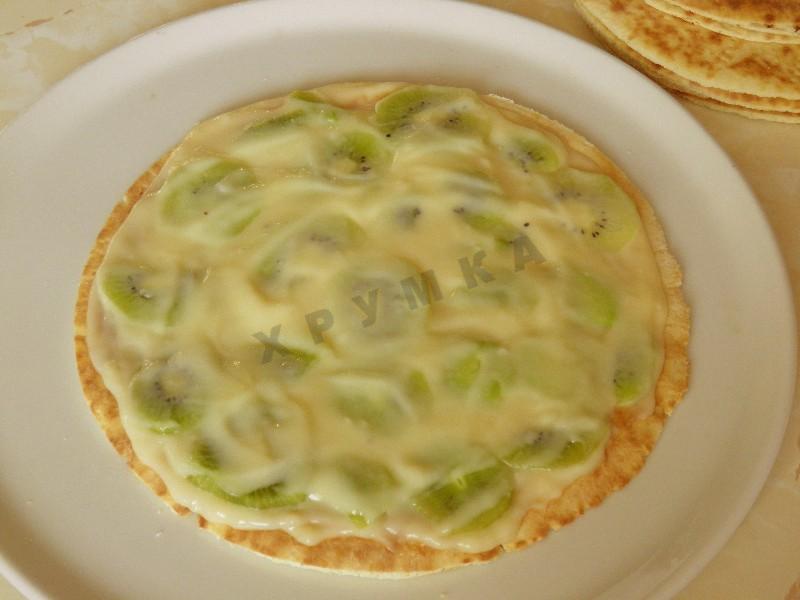
Set a large round on a serving plate, spread with cream, arrange kiwi on top, and spread with cream again. Repeat with all the rounds, stacking from largest to smallest, and just lay the last one on top.
-
Step 20:
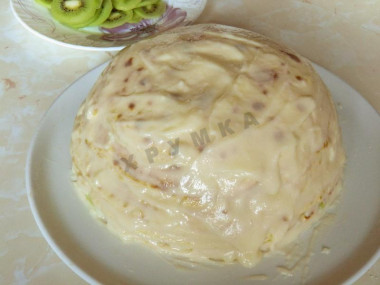
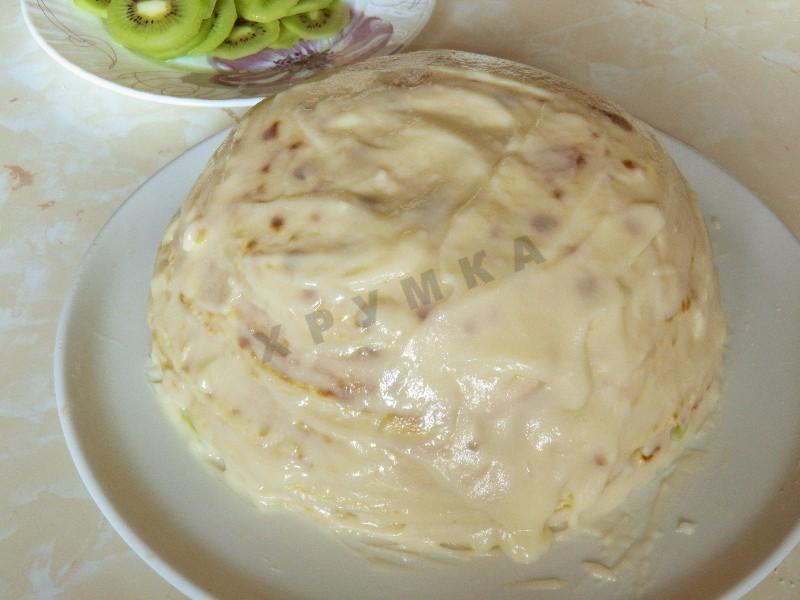
Now take the trimmed-off scraps, dip them in cream, and tuck them along the sides wherever needed to give the cake a dome shape. Pour the remaining cream over the cake and coat it all over.
-
Step 21:
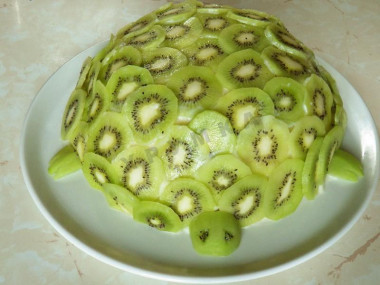
Place one kiwi round in the center and overlap the others around it, working outward until the whole cake is covered like a turtle's shell. I used thin kiwi slices for the top and sides and thicker ones along the bottom so they'd stay put—the thin ones kept sliding down.
-
Step 22:
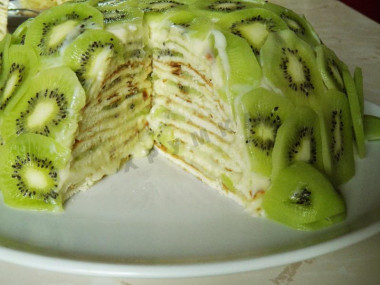
Let the cake rest a little—about 20 minutes is plenty—then serve.
-
Step 23:
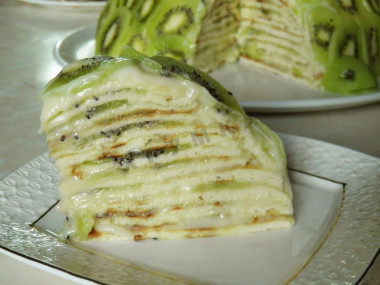
Enjoy, and treat your kids too!
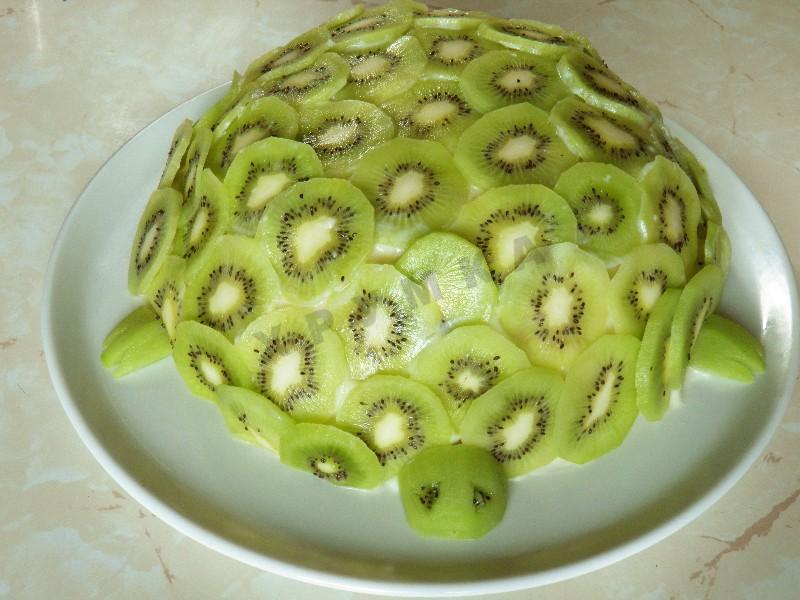
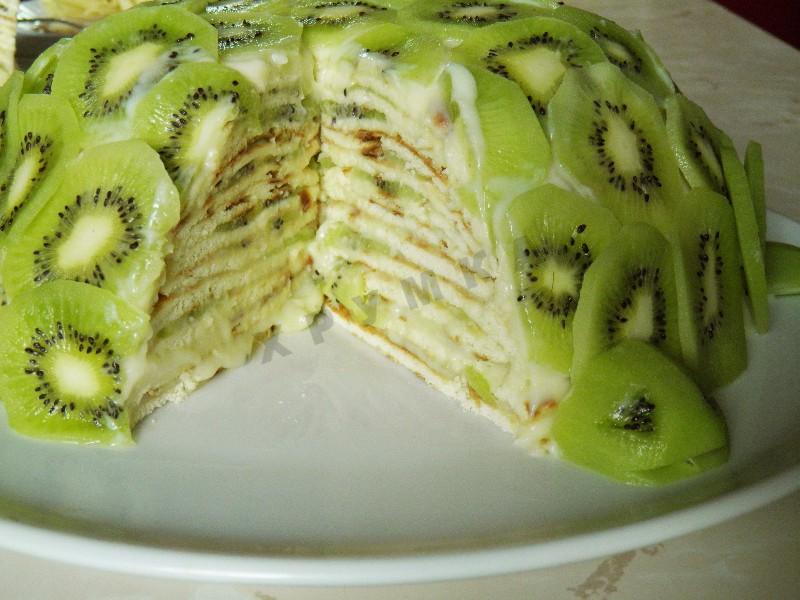
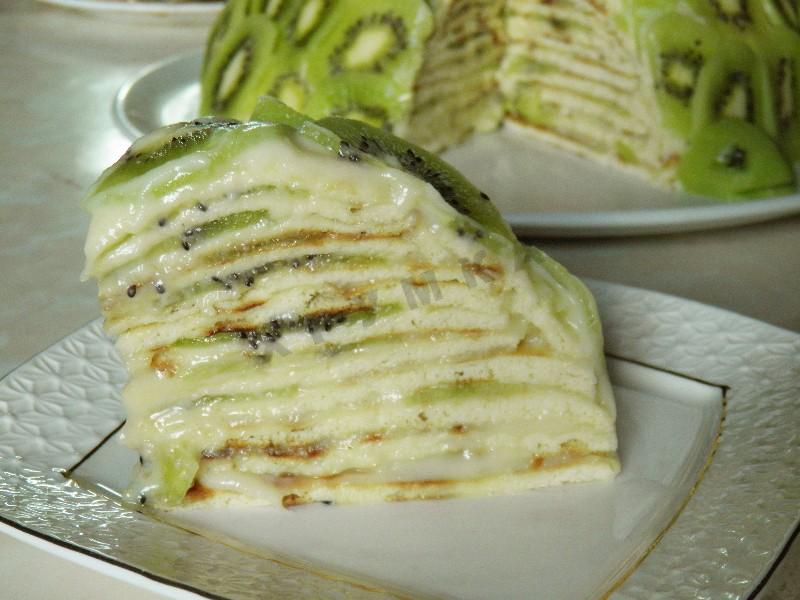
- You can divide the dough into 8 equal parts and trim the rounds so that each one is 1/2 to 1 inch (1.5–2 cm) smaller in diameter than the last. That makes for thicker layers, so a denser cream—like a cottage-cheese filling—works better. This cake takes about 2 hours to make, but with two people it goes twice as fast, so recruit your husband or kids to help.
Caloric content of the products possible in the composition of the dish
- Whole cow's milk - 68 kcal/100g
- Milk 3.5% fat content - 64 kcal/100g
- Milk 3.2% fat content - 60 kcal/100g
- Milk 1.5% fat content - 47 kcal/100g
- Concentrated milk 7.5% fat content - 140 kcal/100g
- Milk 2.5% fat content - 54 kcal/100g
- Whole durum wheat flour fortified - 333 kcal/100g
- Whole durum wheat flour, universal - 364 kcal/100g
- Flour krupchatka - 348 kcal/100g
- Flour - 325 kcal/100g
- Kiwi - 48 kcal/100g
- Granulated sugar - 398 kcal/100g
- Sugar - 398 kcal/100g
- Condensed milk with sugar - 324 kcal/100g
- Butter 82% - 734 kcal/100g
- Amateur unsalted butter - 709 kcal/100g
- Unsalted peasant butter - 661 kcal/100g
- Peasant salted butter - 652 kcal/100g
- Melted butter - 869 kcal/100g
- Wine vinegar (3%) - 9 kcal/100g
- Vinegar 9% - 11 kcal/100g
- Balsamic vinegar - 88 kcal/100g
- Apple vinegar - 14 kcal/100g
- Vinegar - 11 kcal/100g
- Baking soda - 0 kcal/100g
- Vanilla sugar - 379 kcal/100g
- Chicken egg - 80 kcal/100g
Similar recipes

- Festive table
- Baking
- Cakes
- Eggs
- Dairy products
- Flour
- Fruit berries
- Sweet
- Spices seasonings spices
- Fats and oils
- Other
- Vanilla
- Vinegar
- Butter
- Baking soda
- Frying
- Condensed milk cake
- Cakes without mastic
- Baby cakes
- Turtle cake
- Pan cake
- Child's birthday, angel's birthday
- Recipes for March 8
- Chicken eggs
- Milk
- Condensed milk
- From kiwi
- Vegetarianism
- Sugar