Skillet Buckwheat with Onion and Carrot
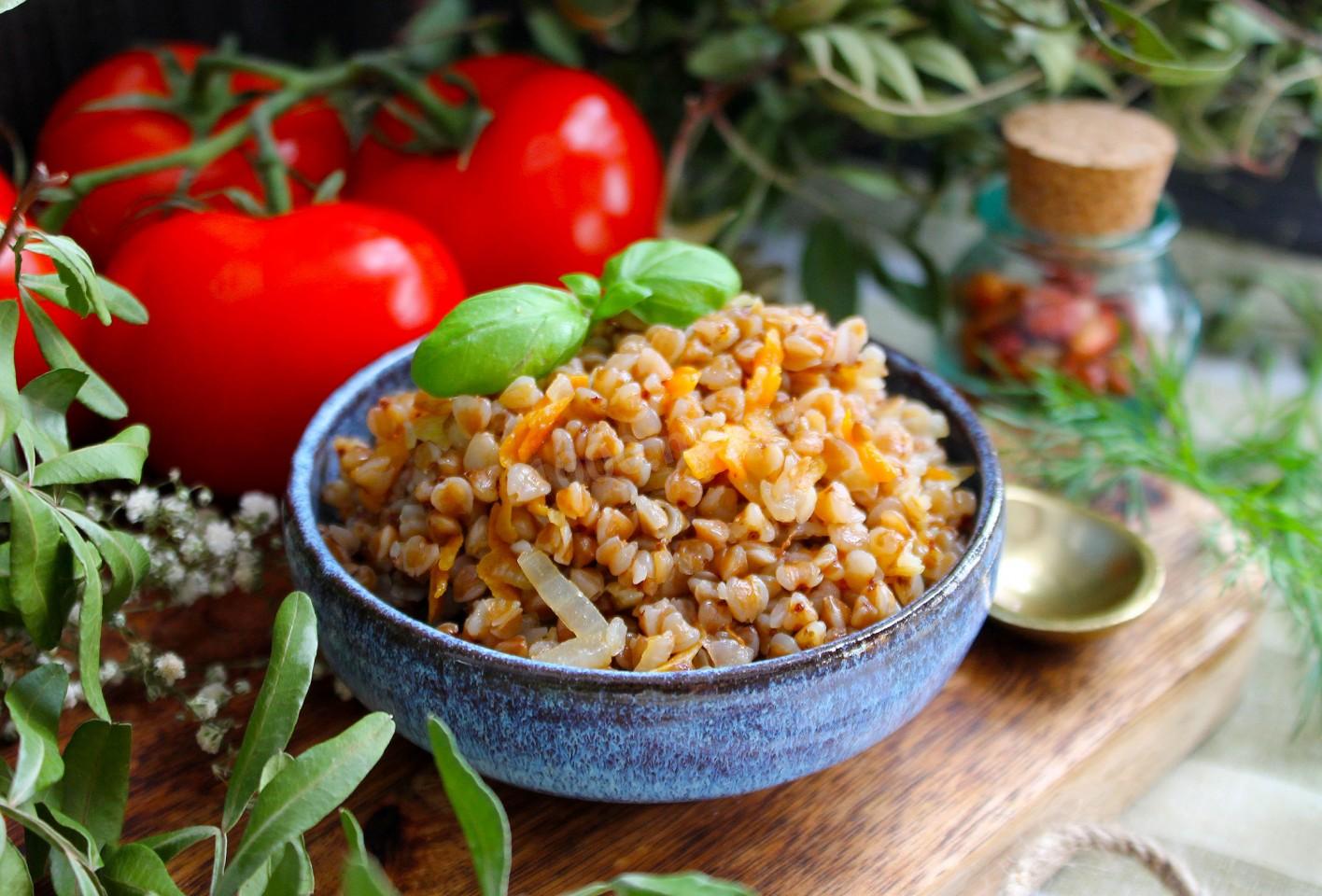
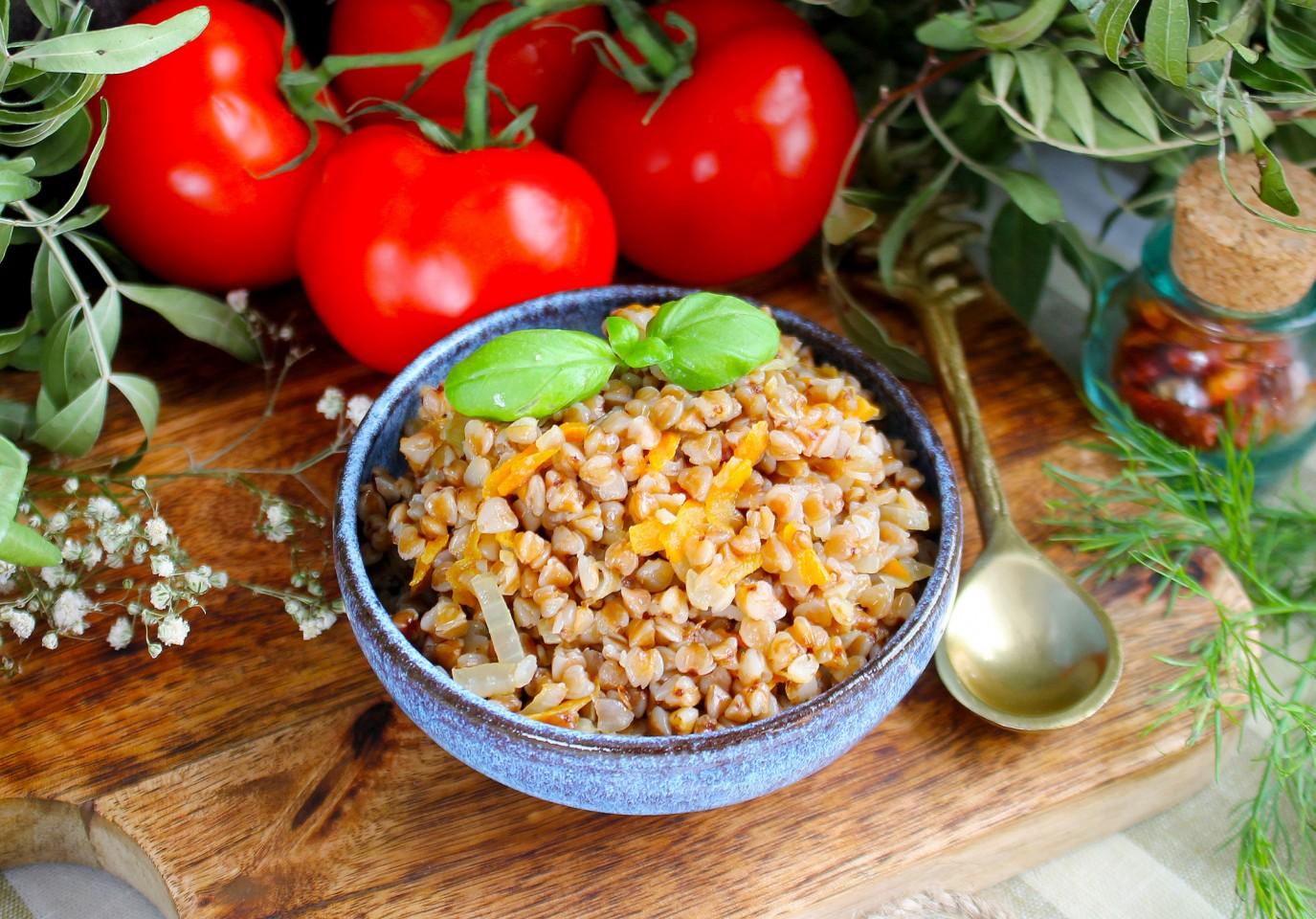
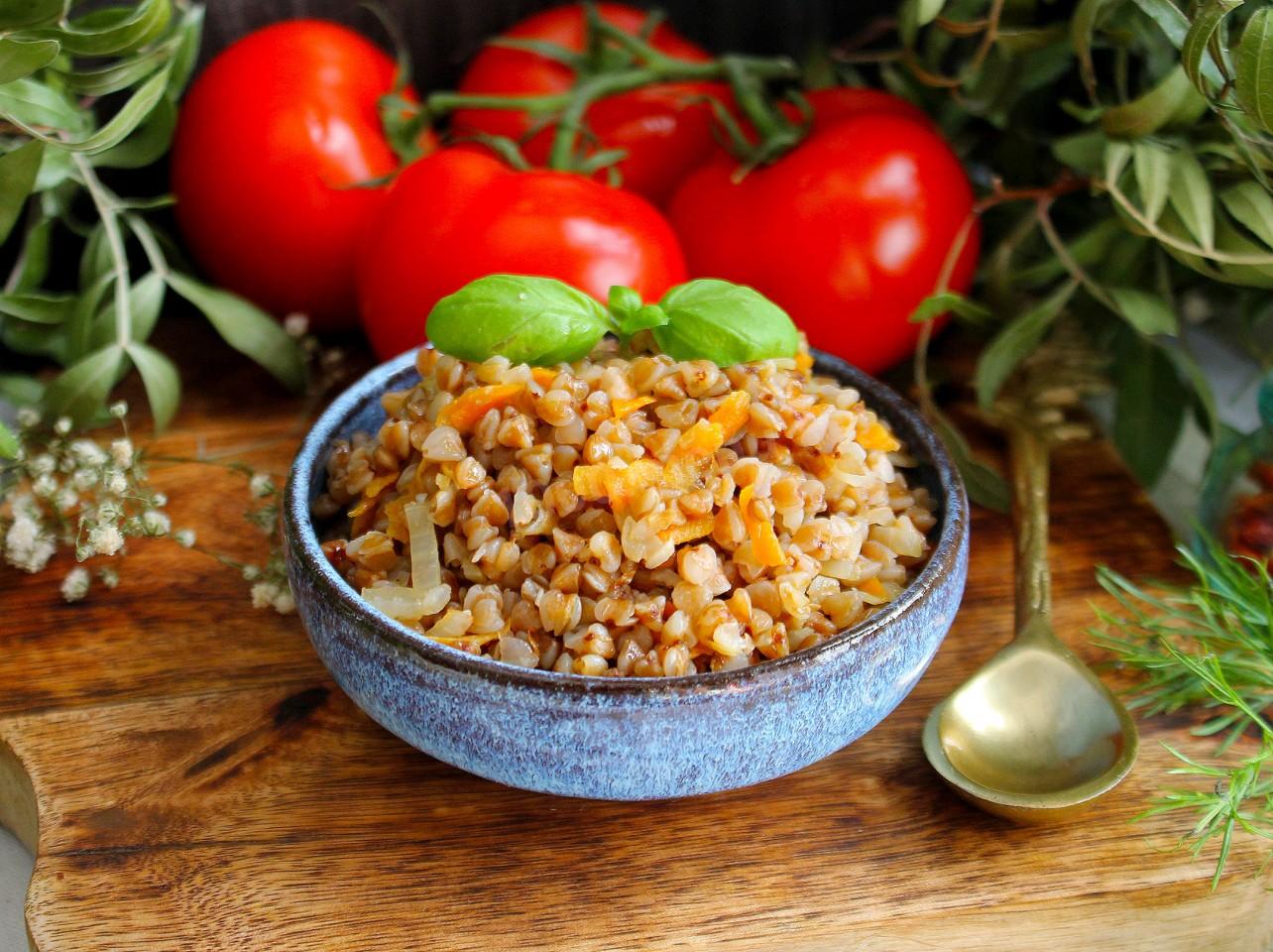
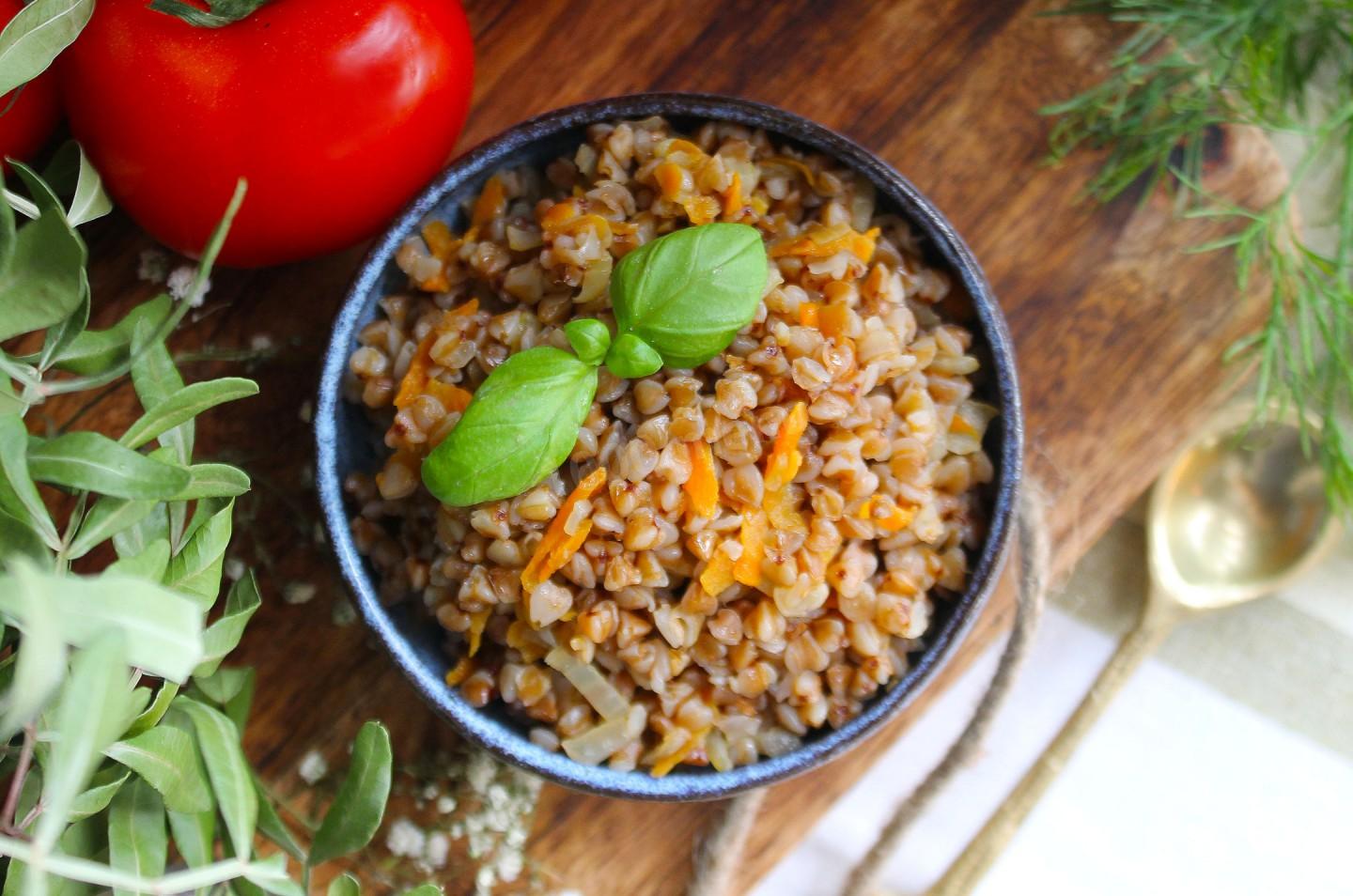
Fast, simple, easy, and delicious! Buckwheat with onion and carrot cooked in a skillet is the best and simplest side dish for any meat, and it takes just 30 minutes. Make it for lunch or dinner, and serve it not only with meat but also with braised vegetables, salads, or sauces.

Cooking method
-
Step 1:
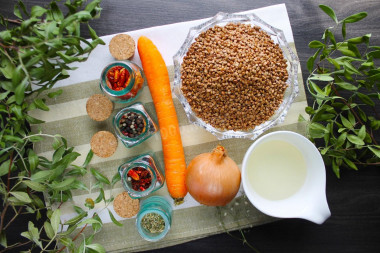
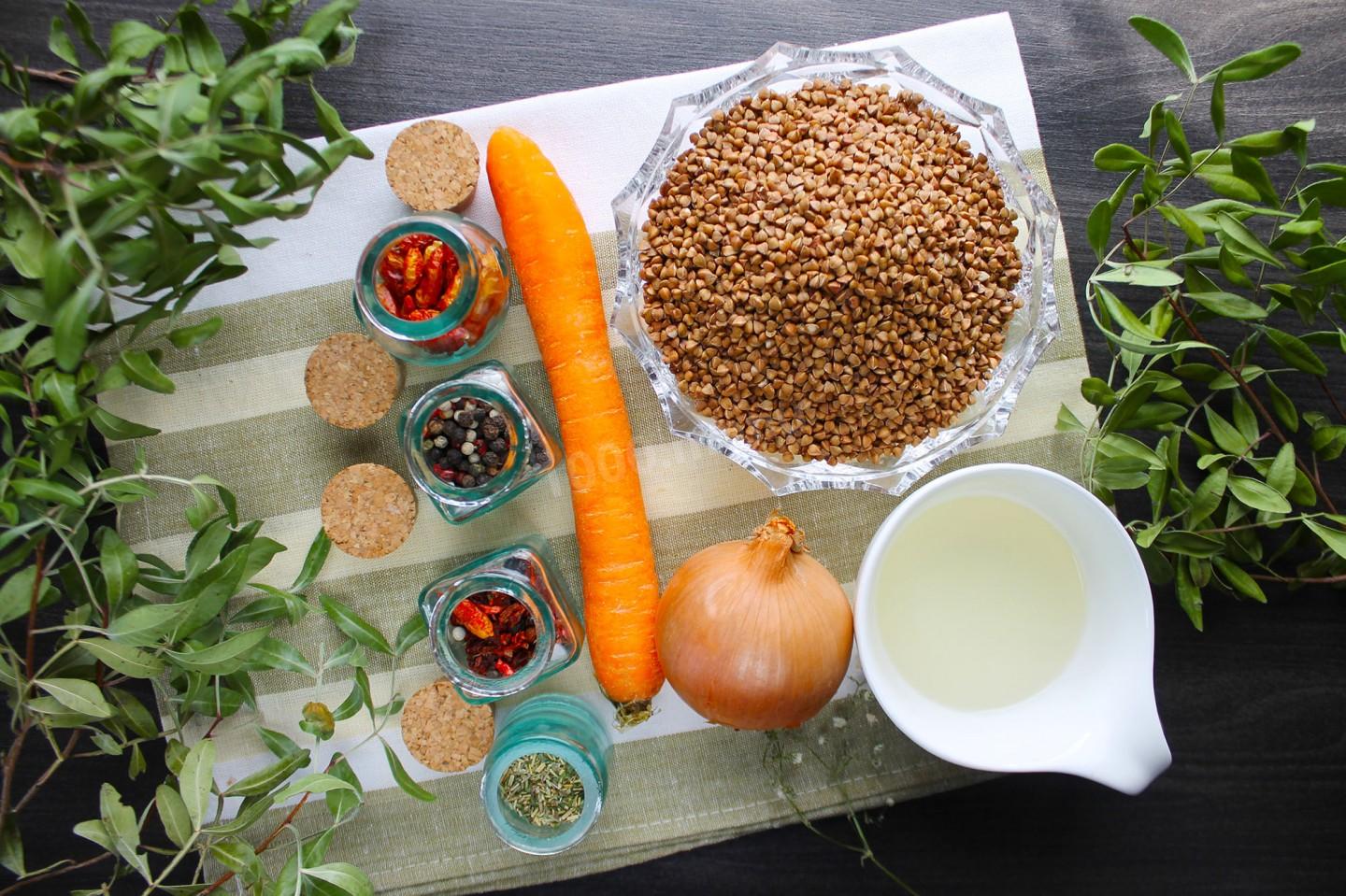
How do you make buckwheat with carrot and onion in a skillet? Gather all the ingredients on the list. The dish is versatile and simple, so the ingredient list is minimal.
-
Step 2:
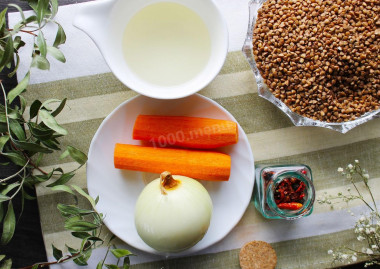
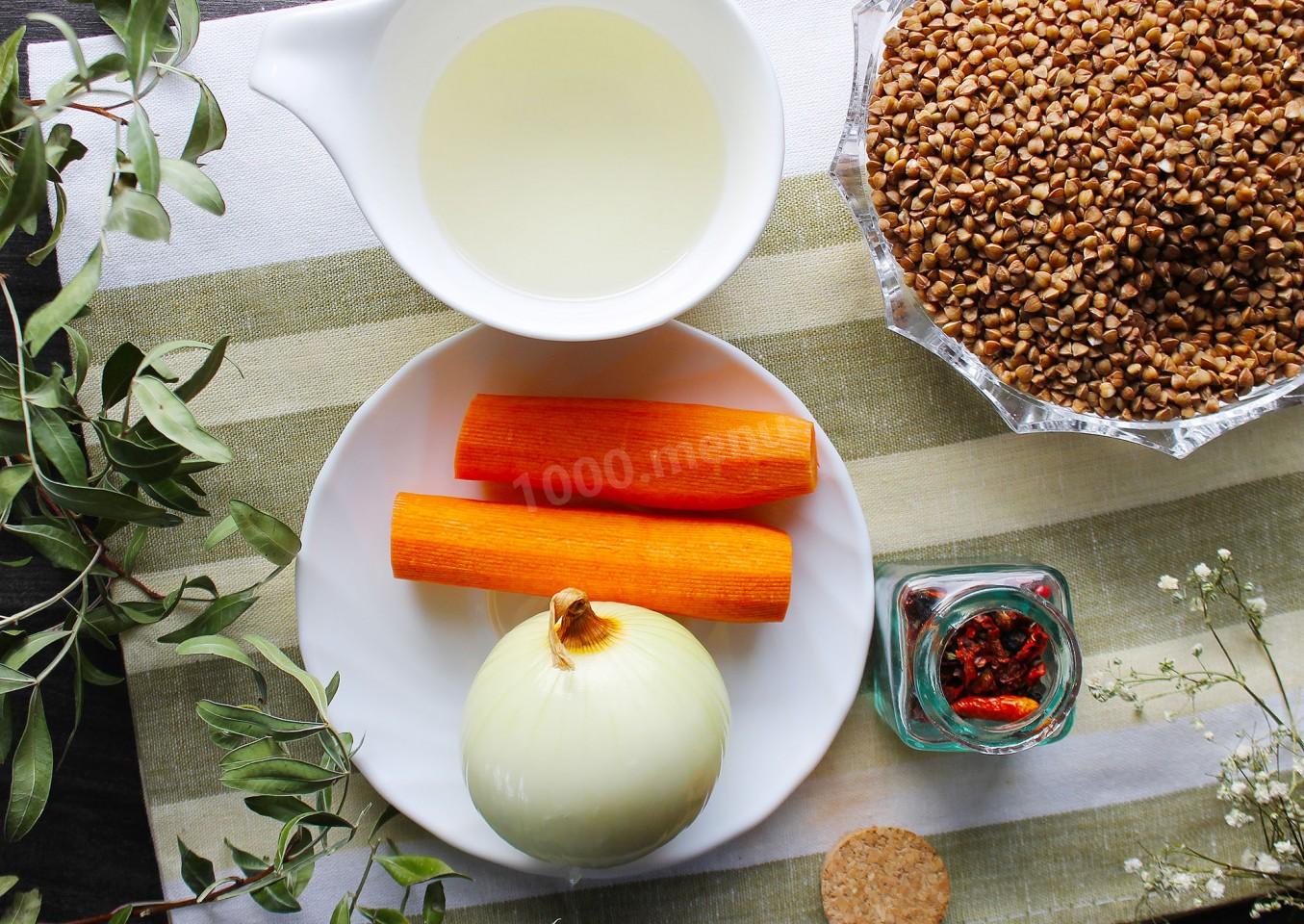
Peel the onion and carrot and rinse them under cold running water. Pat the vegetables dry with paper towels.
-
Step 3:
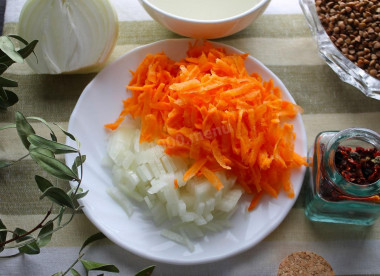
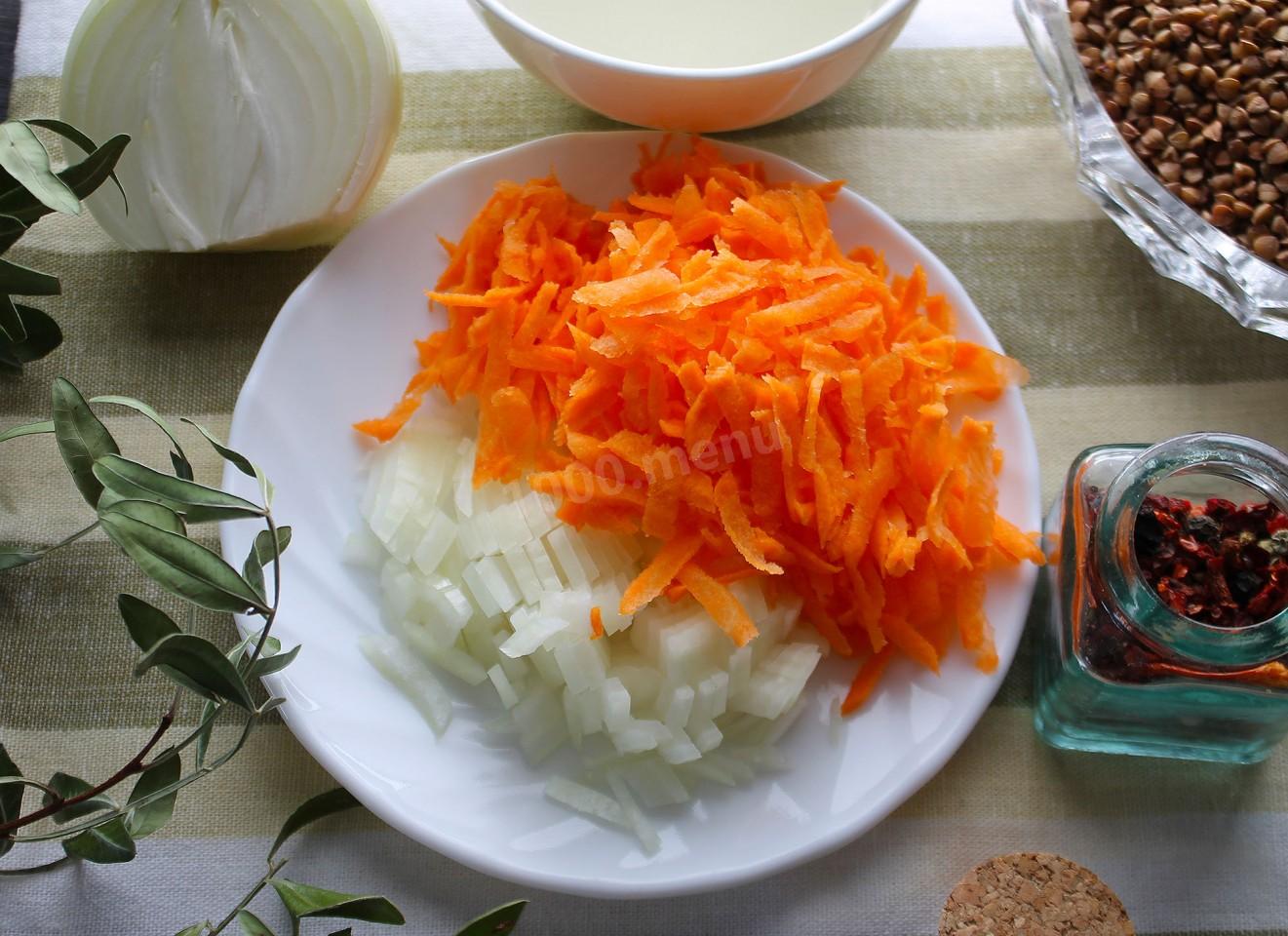
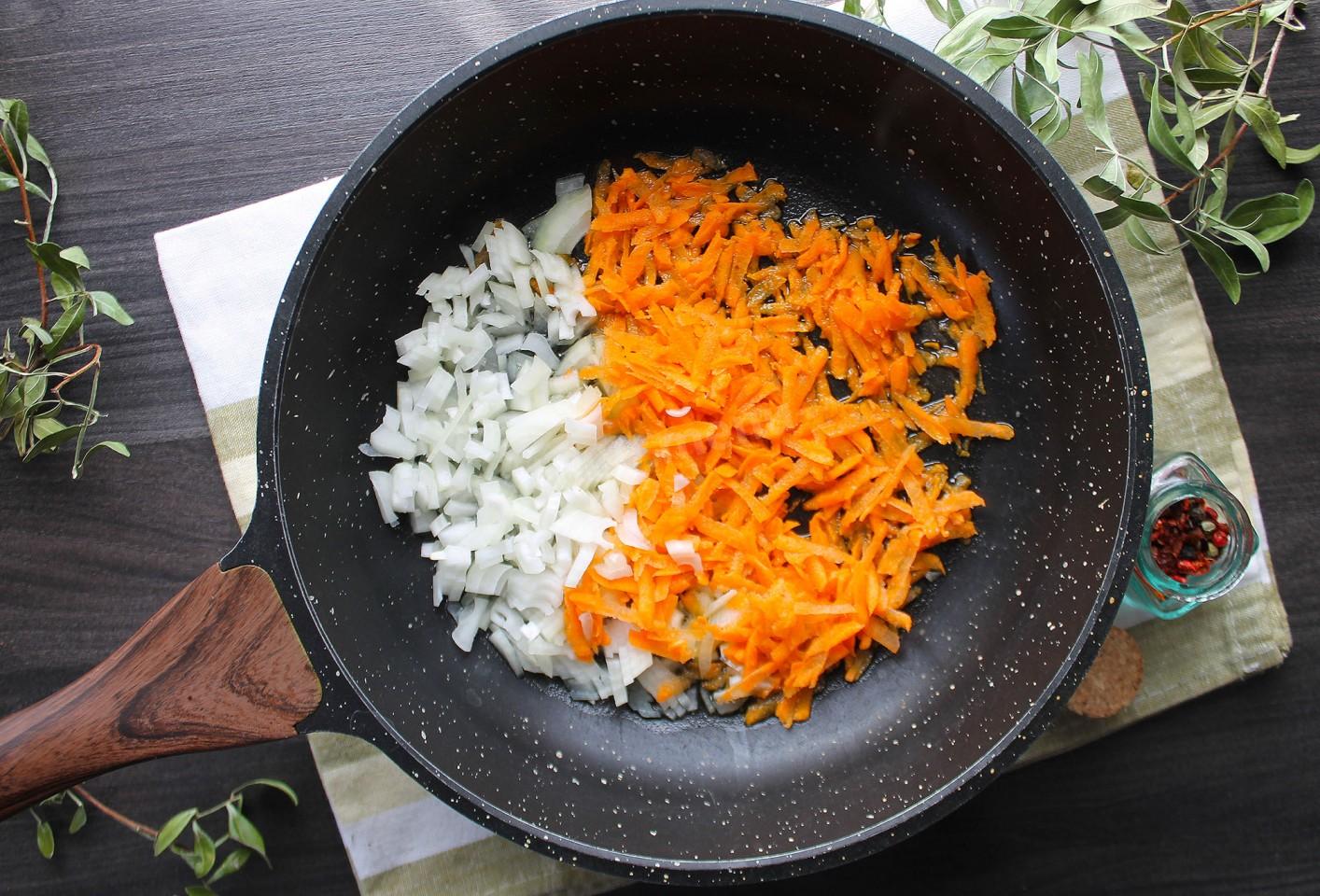
Cut the onion into small dice and grate the carrot on the large holes of a box grater. Alternatively, you can cut the carrot into thin matchsticks by hand.
-
Step 4:
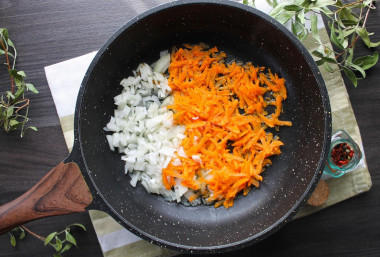
Heat the vegetable oil in a skillet. A heavy-bottomed skillet is best for buckwheat — it keeps the vegetables from scorching. Add the onion and carrot. Over high heat, stirring constantly, cook the vegetables to your liking — either lightly sweat them until the onion turns translucent, or fry them until golden. I cooked mine for about two minutes.
-
Step 5:
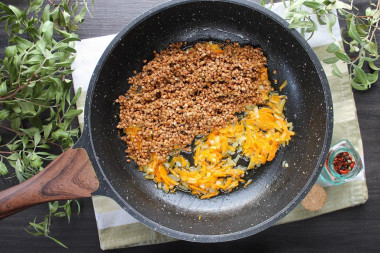
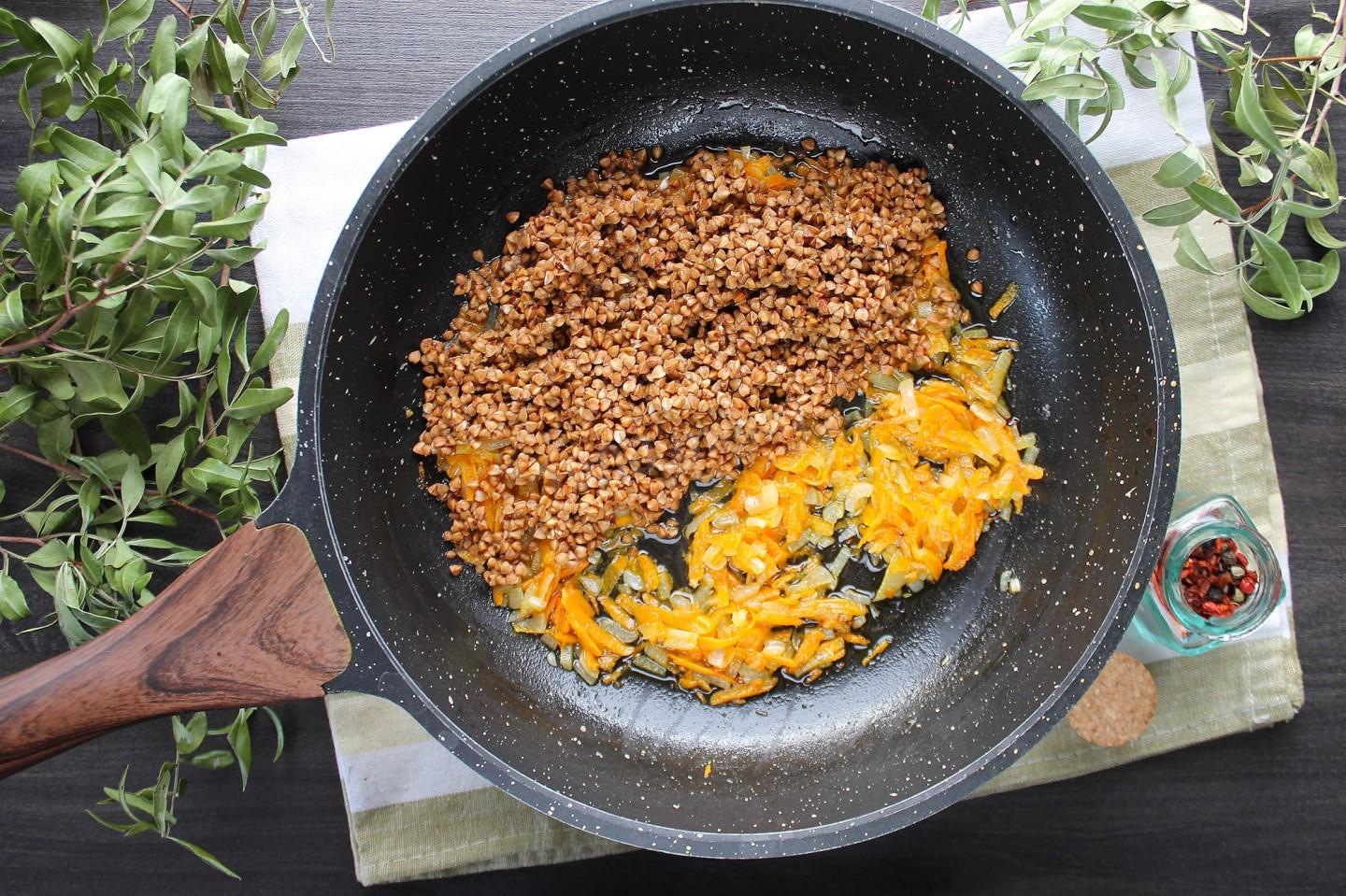
Rinse the buckwheat a few times until the water runs clear — I usually rinse it 2–3 times. Add the grain to the skillet with the sautéed vegetables. Spread it out in an even layer and lightly salt it.
-
Step 6:
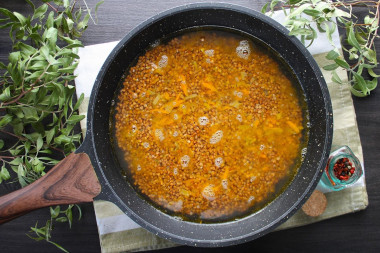
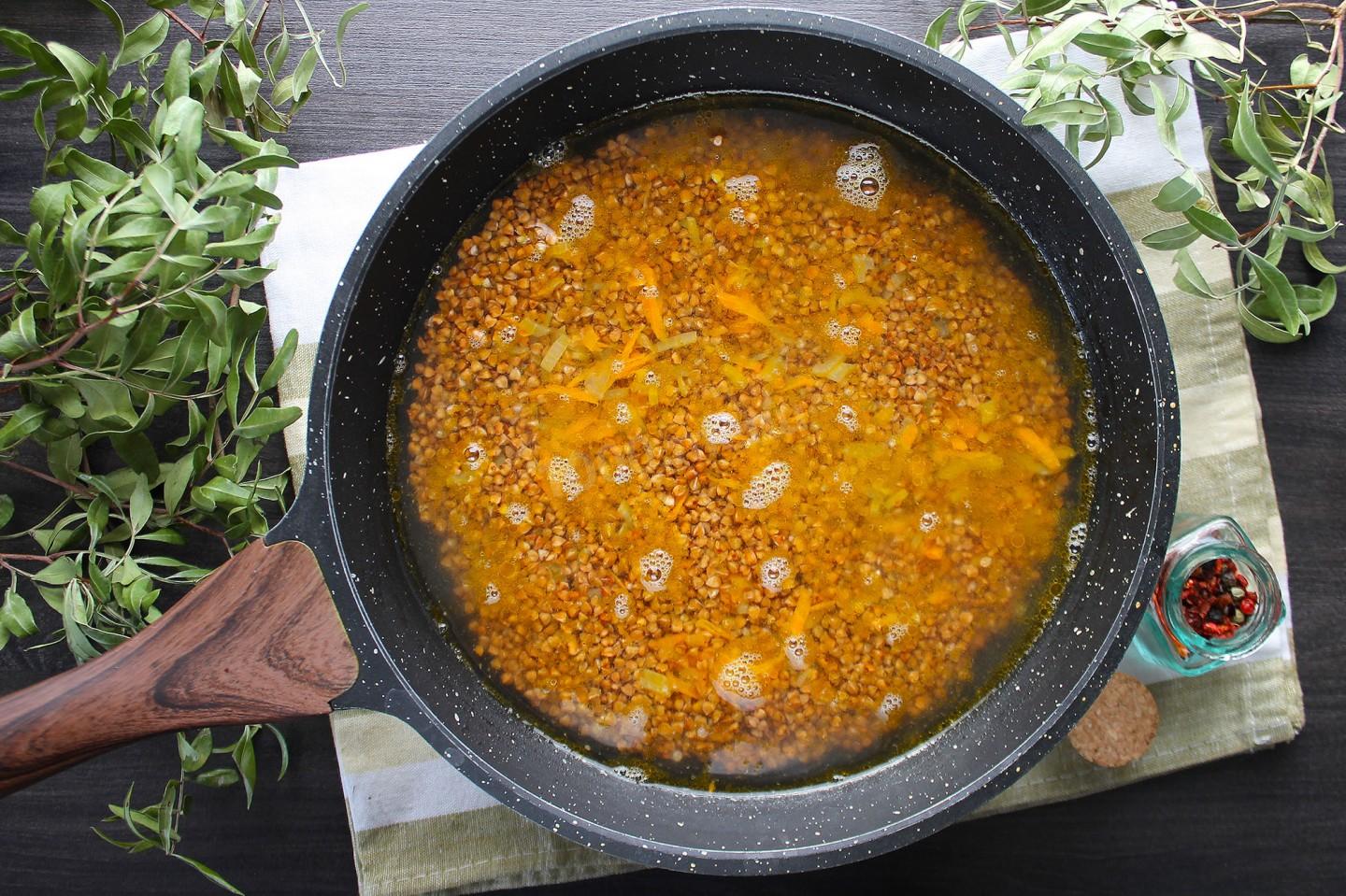
Pour the cold water into the skillet. Cover, and once it comes to a boil, lower the heat to its lowest setting and cook for about 20–25 minutes.
-
Step 7:
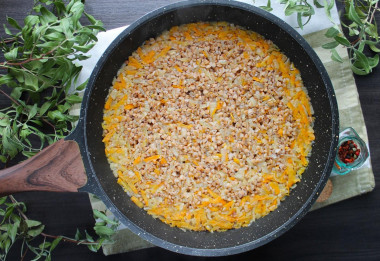
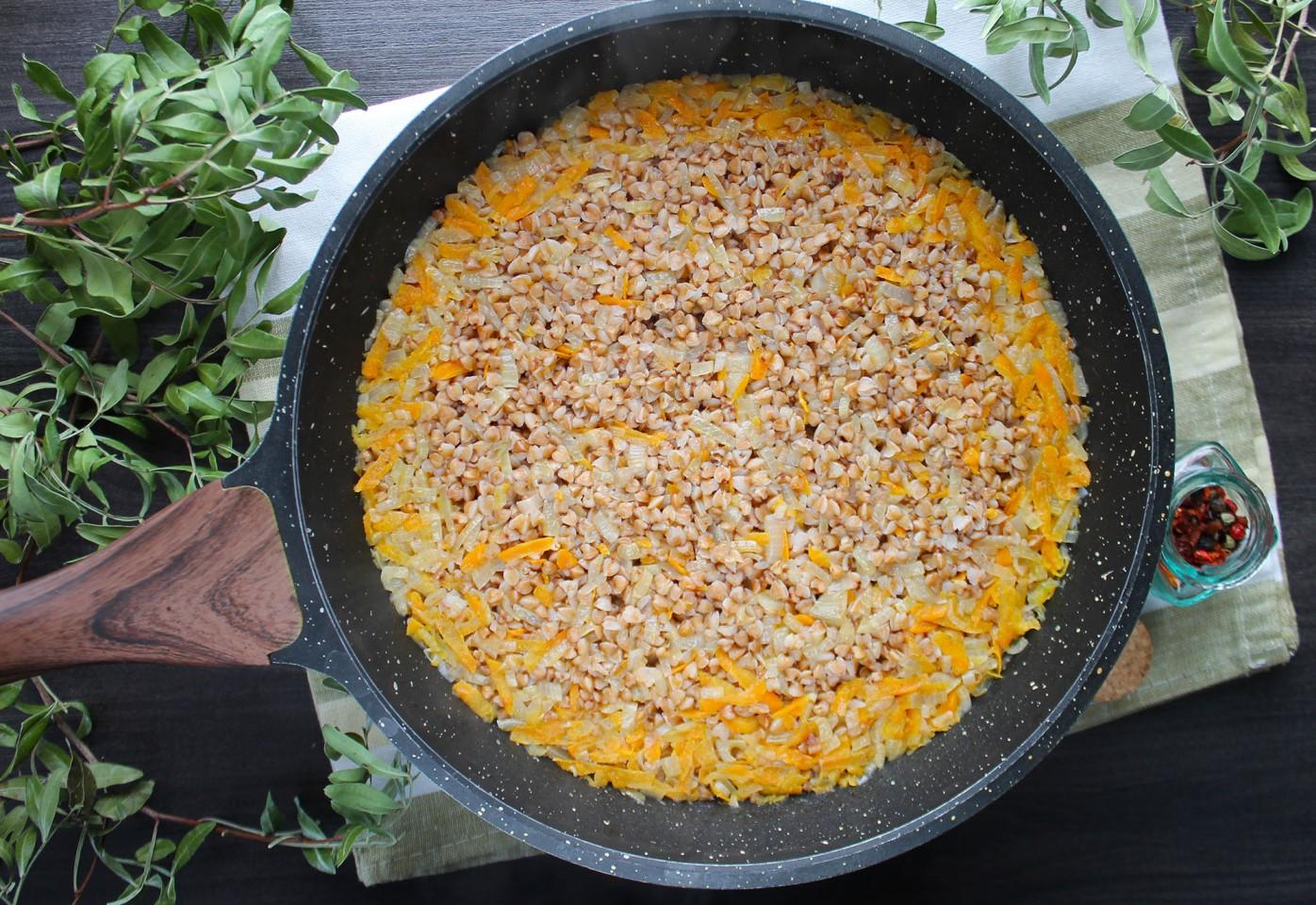
In that time, the grain will absorb the water and the buckwheat will cook through completely.
-
Step 8:
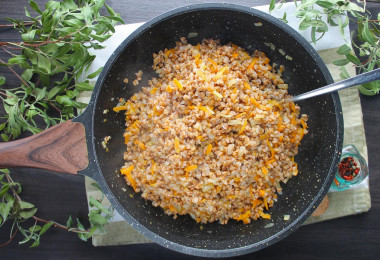
Fluff and stir the finished buckwheat thoroughly. Season with ground pepper if you like.
-
Step 9:
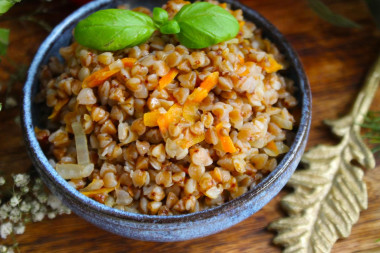
The buckwheat is ready!
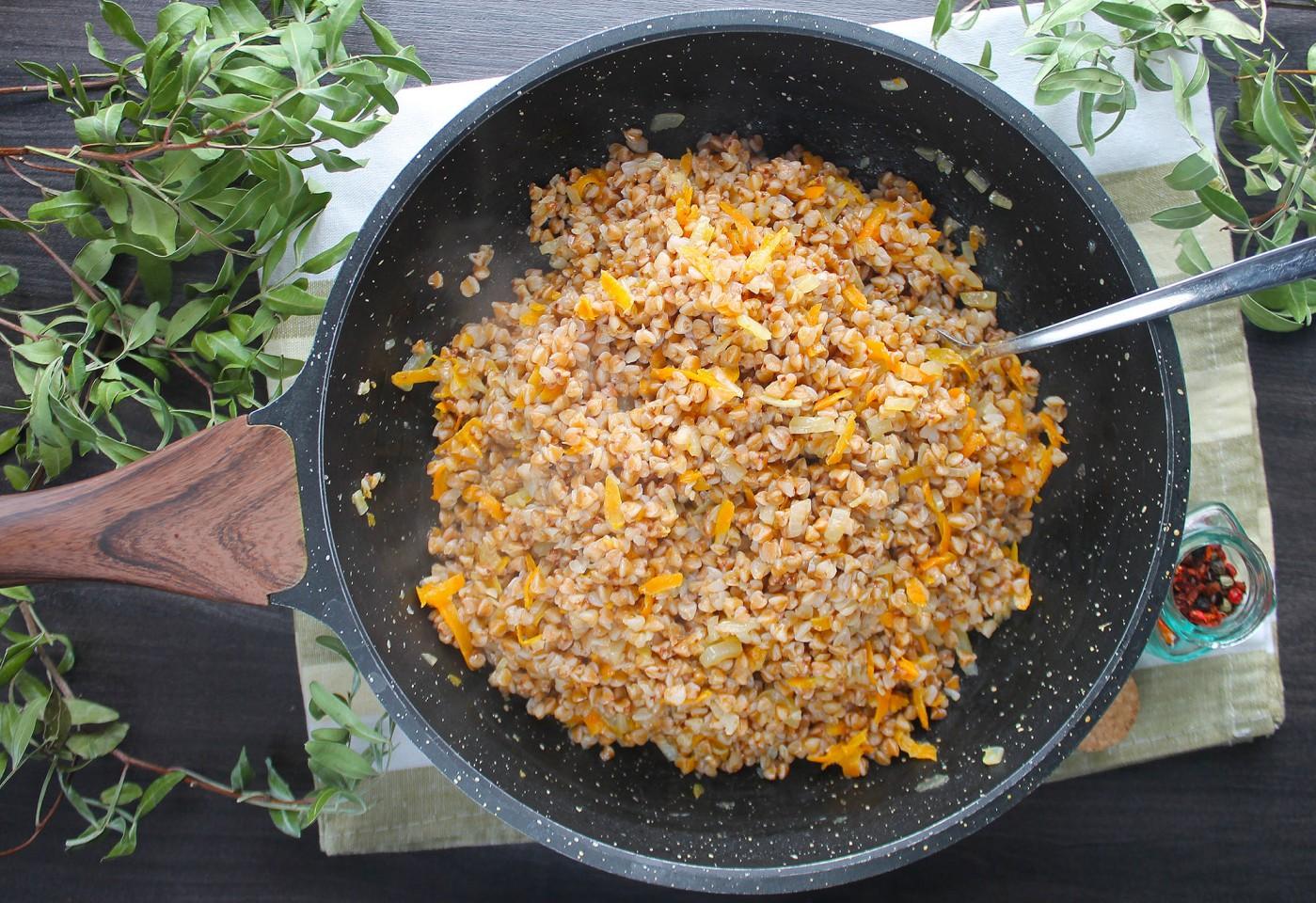
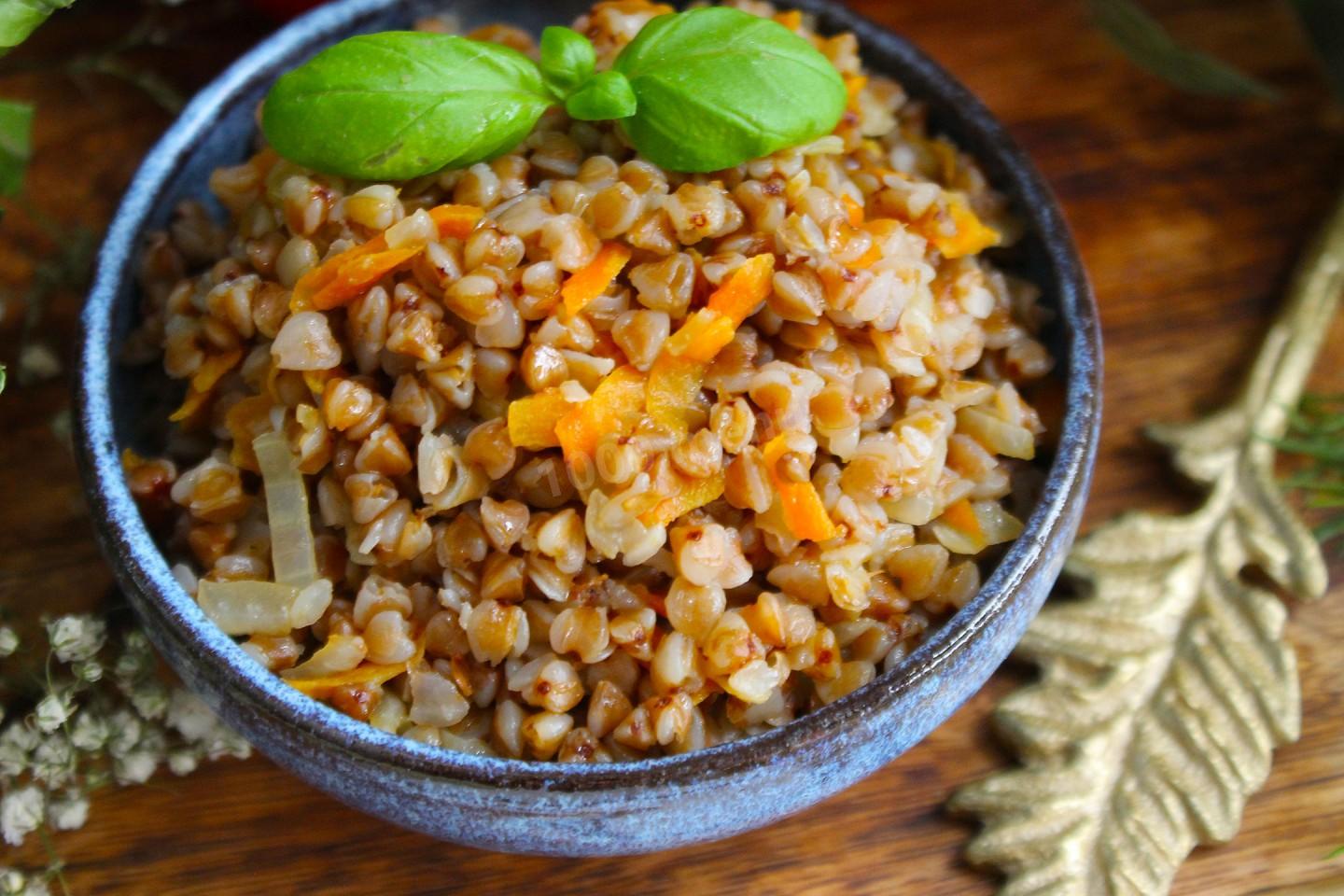
- Buckwheat is a unique and very wholesome grain, rich in vitamins and minerals, and there are many ways to cook it. Buckwheat with onion and carrot comes together incredibly quickly and easily — even a beginner can handle it. It's a great way to add hearty, tasty variety to your meals, and it makes an excellent partner for all kinds of meat dishes, gravies, or vegetables. Enjoy!
- How do you pick good buckwheat? Look at its appearance when buying: the groats should be uniform in shape and size, with no debris or crushed bits at the bottom of the package. Brown (toasted) buckwheat cooks faster since the grains are pre-roasted. Green buckwheat takes longer to cook; it's considered more nutritious but has a distinctive taste.
- Since everyone's tolerance for salt, sweetness, bitterness, heat, and acidity is different, always add spices and seasonings to your own taste. If you're using a spice for the first time, keep in mind that some — chili pepper, for example — are especially easy to overdo.
Caloric content of the products possible in the composition of the dish
- Onion - 41 kcal/100g
- Carrots - 33 kcal/100g
- Dried carrots - 275 kcal/100g
- Boiled carrots - 25 kcal/100g
- Buckwheat (whole grain) - 335 kcal/100g
- Dark buckwheat flour - 333 kcal/100g
- Light buckwheat flour - 347 kcal/100g
- Boiled buckwheat - 163 kcal/100g
- Buckwheat - 313 kcal/100g
- Ground black pepper - 255 kcal/100g
- Vegetable oil - 873 kcal/100g
- Salt - 0 kcal/100g
- Water - 0 kcal/100g
Similar recipes
- Homemade dinner
- Second course
- Vegetables
- Cereals and cereal products
- Spices seasonings spices
- Fats and oils
- Other
- Pepper
- Salt
- Vegetable oil
- Water
- Stewing
- Simple dinner
- Porridge recipes
- Stewed vegetables
- Simple quick dinner
- From carrots
- From onion
- No eggs
- Vegetarianism
- Recipes for lean dishes without butter
- Buckwheat