Stewed Potatoes with Beans
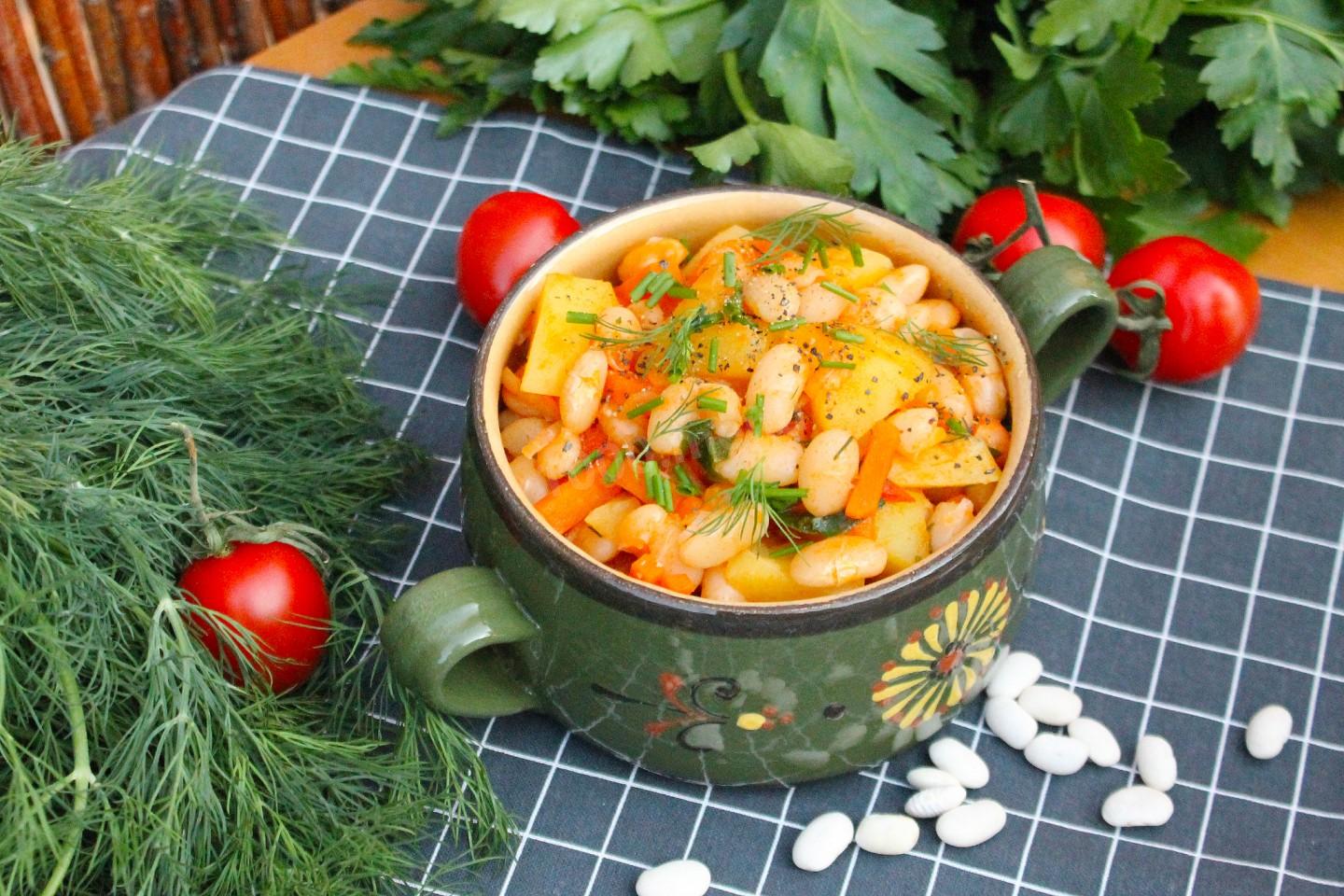
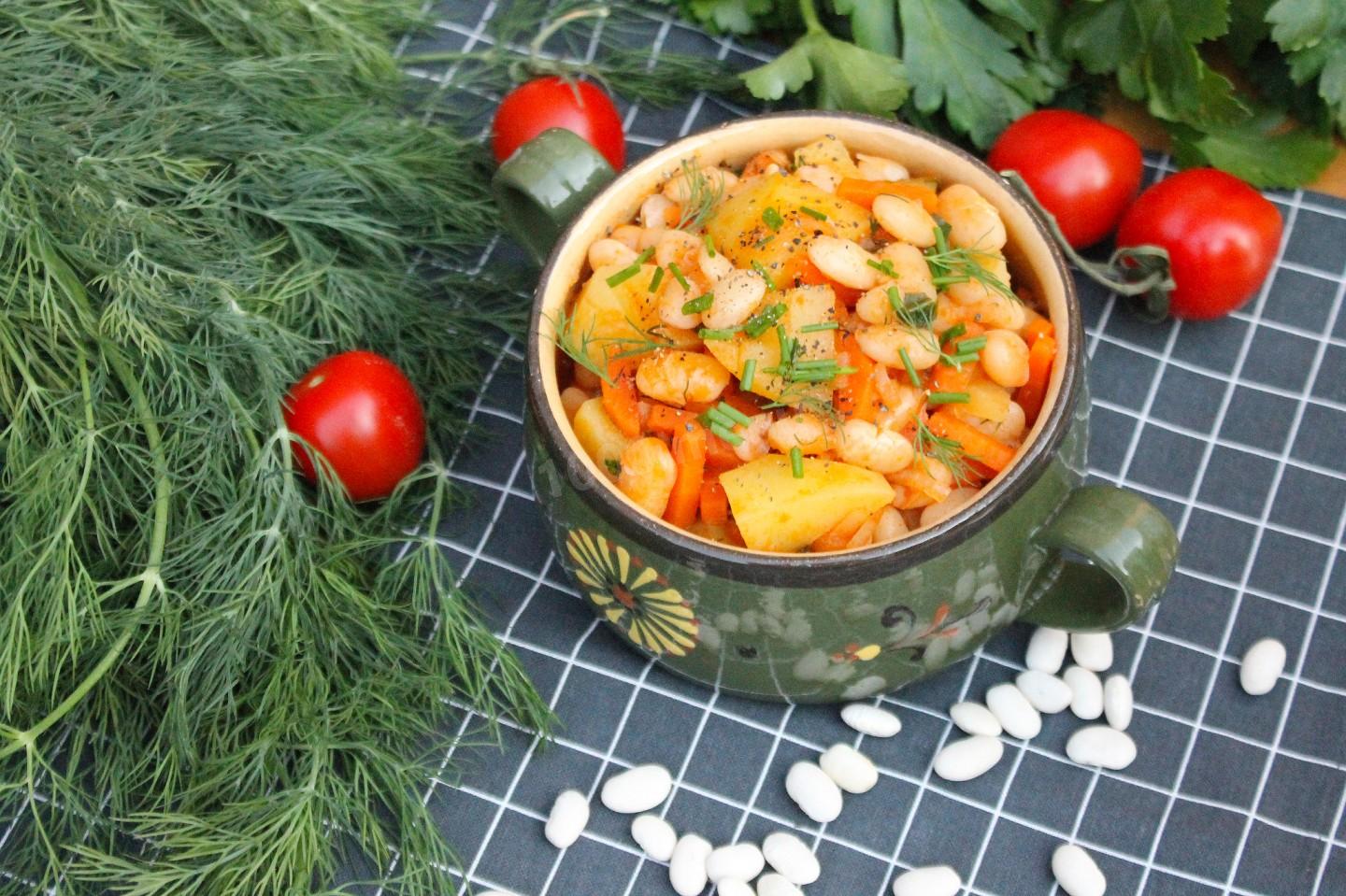
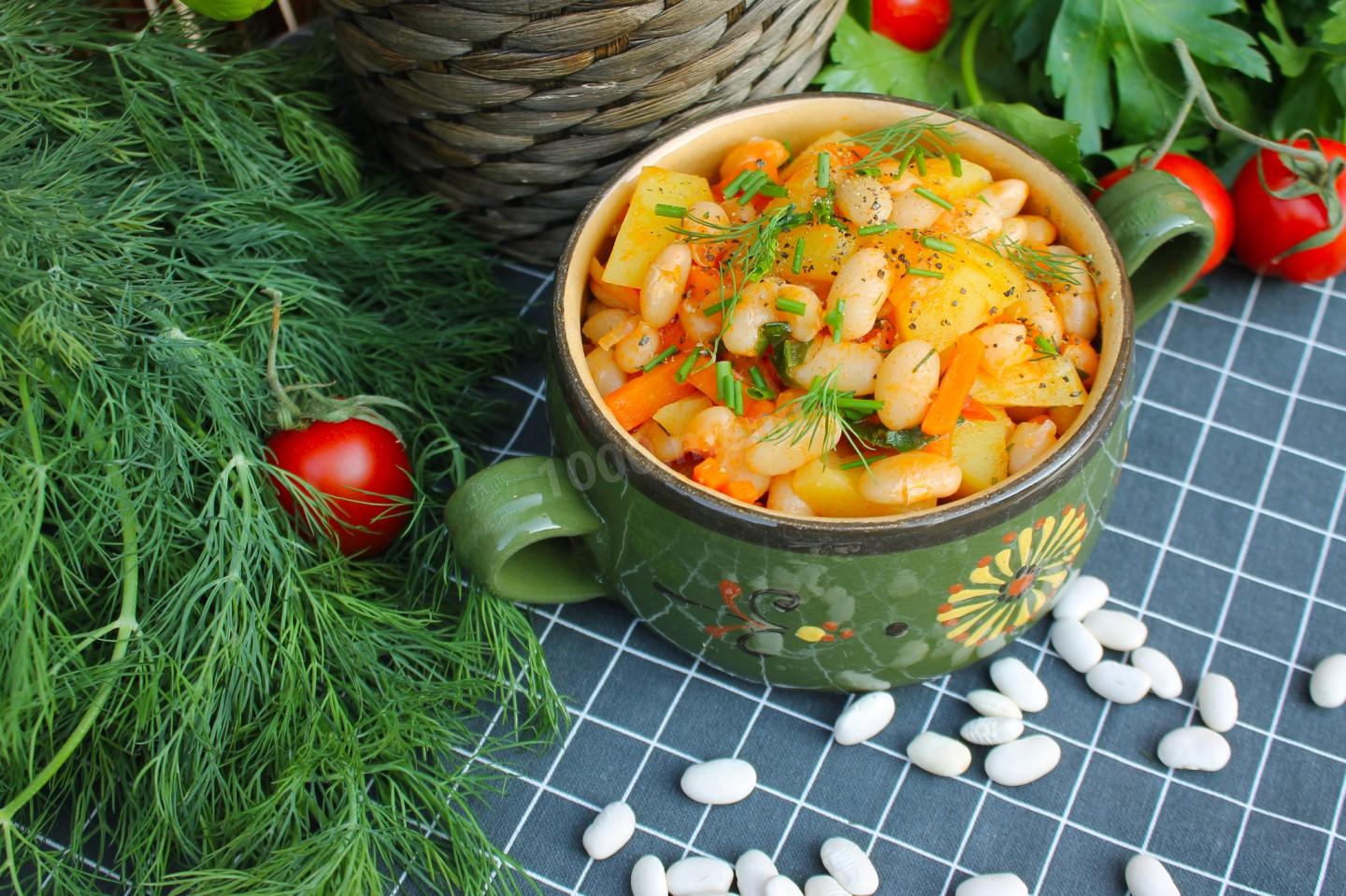
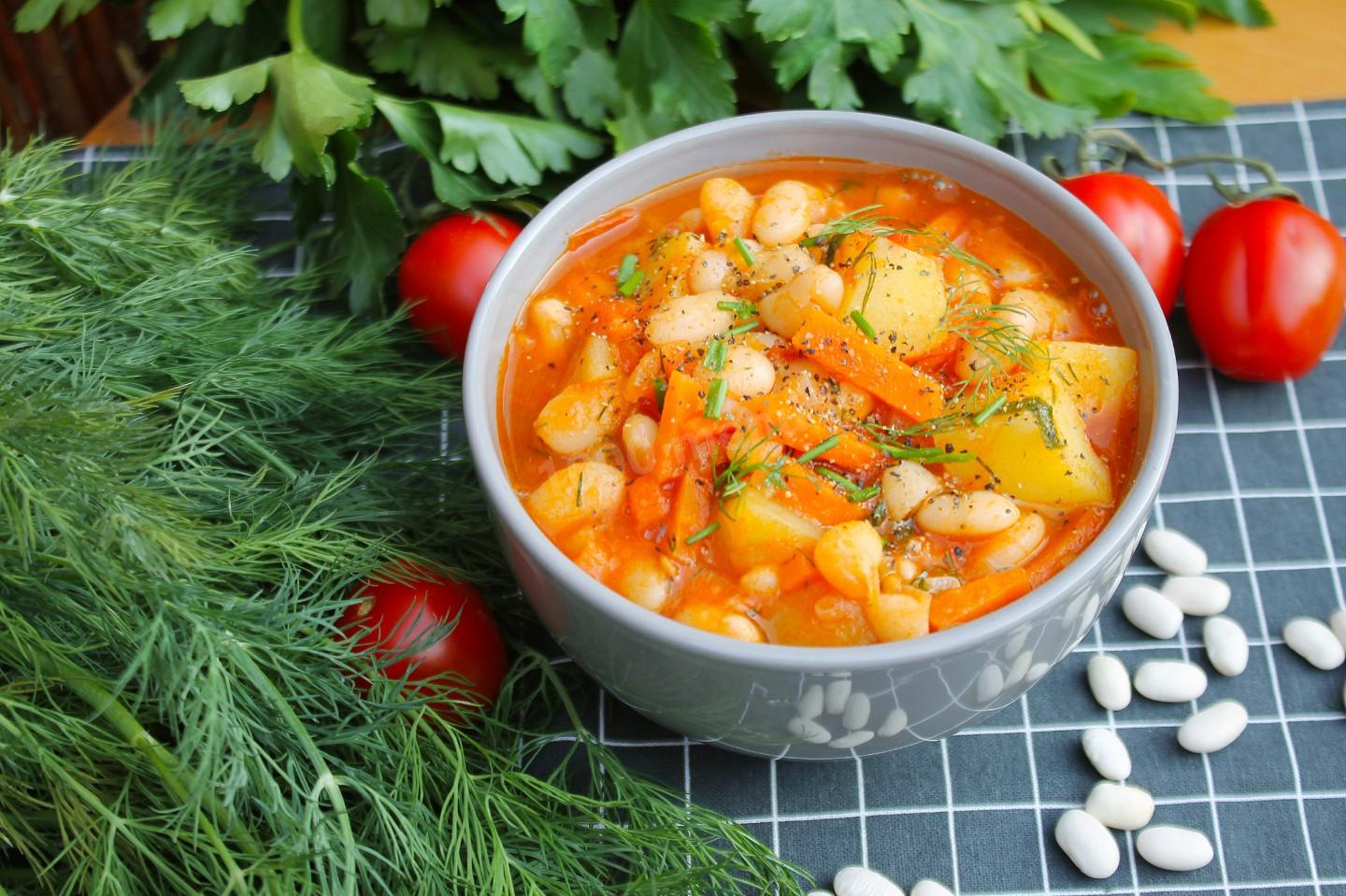
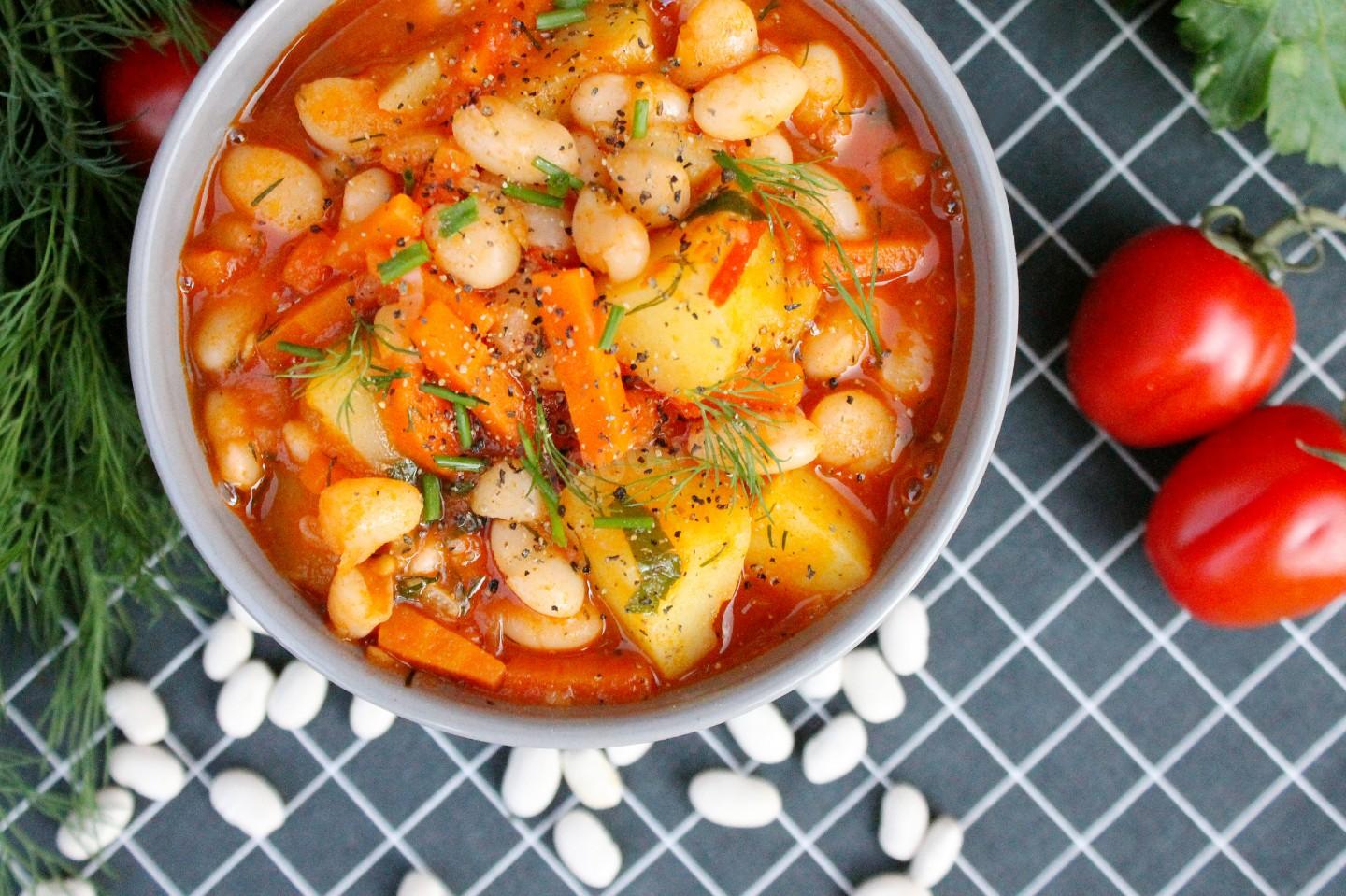
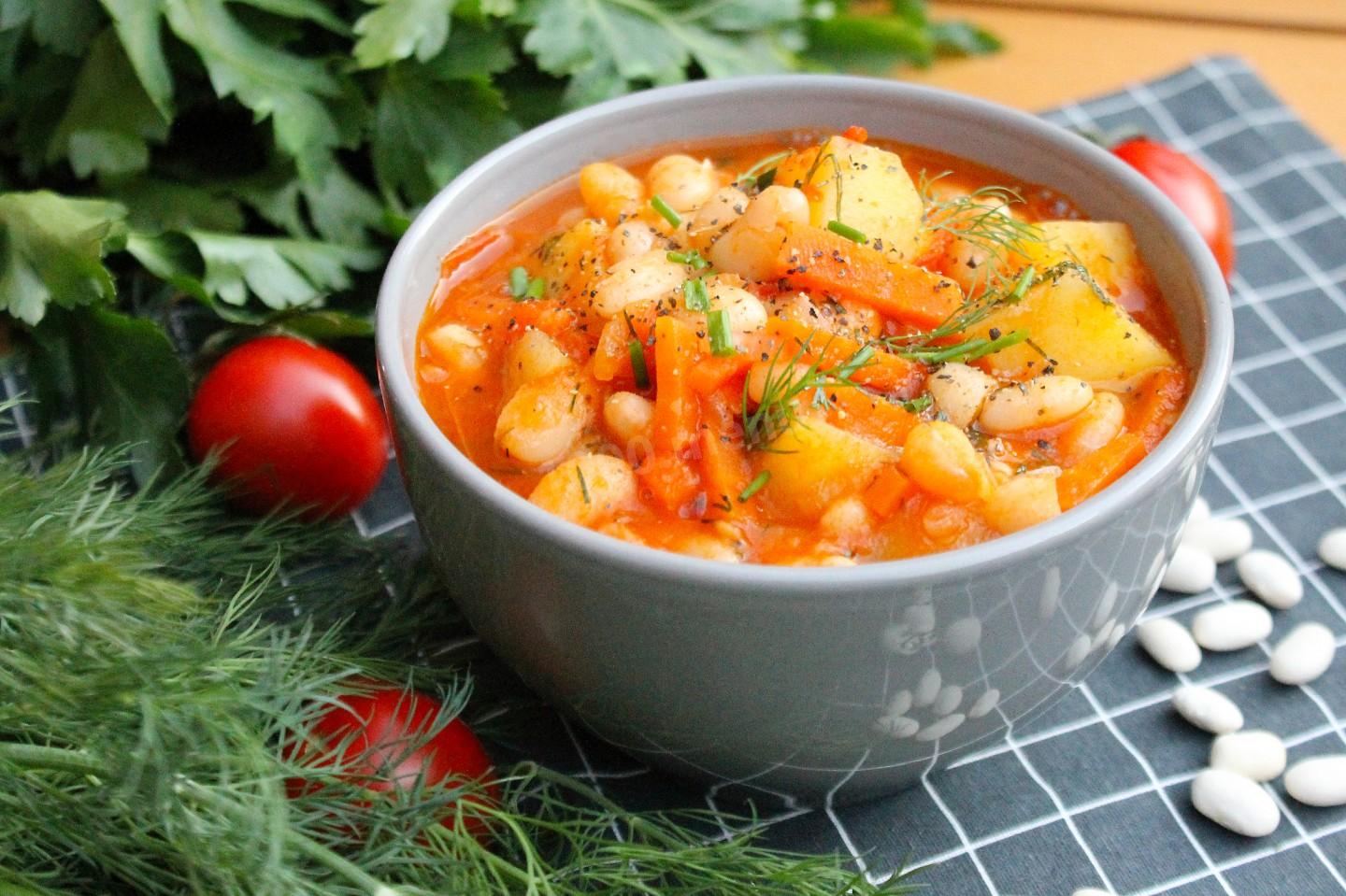
A great option for meatless days. Stewed potatoes with beans are hearty and delicious — filling enough to stand in as a full lunch or dinner. Adjust the amount of water to make the dish as thick or as saucy as you like.

Cooking method
-
Step 1:
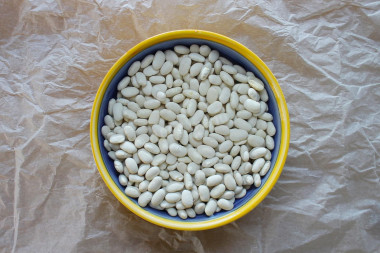
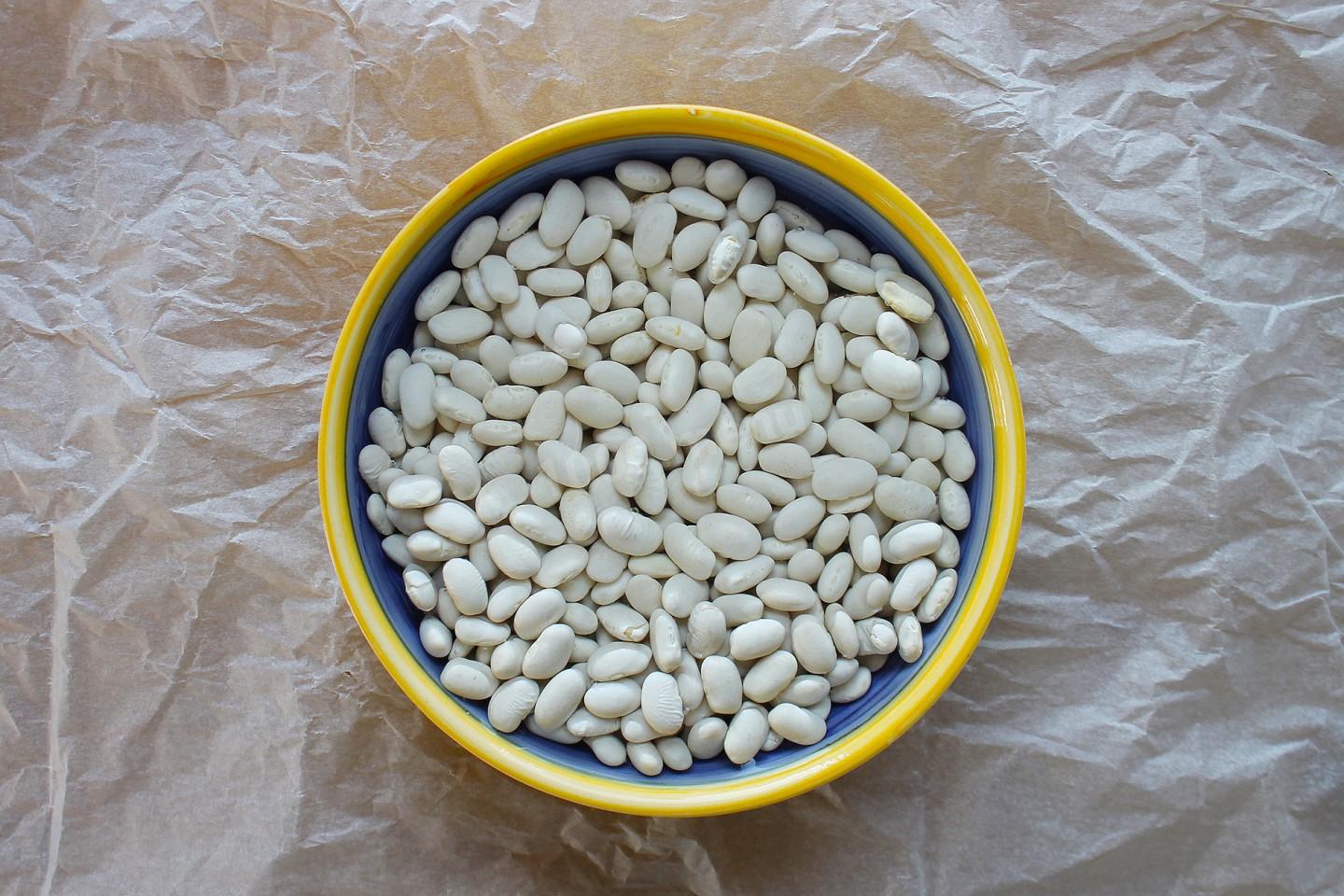
Before you make stewed potatoes with beans, soak the beans ahead of time. Cover them with cold water and leave them, ideally overnight. Then boil the beans in a separate pot until fully tender — that takes about 50–60 minutes.
-
Step 2:
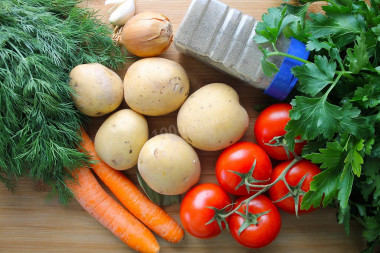
Get the rest of your ingredients ready. Wash and peel them.
-
Step 3:
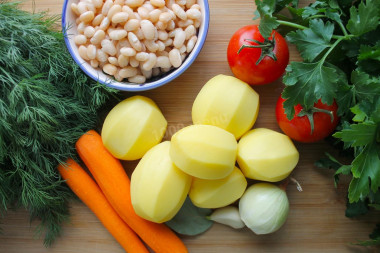
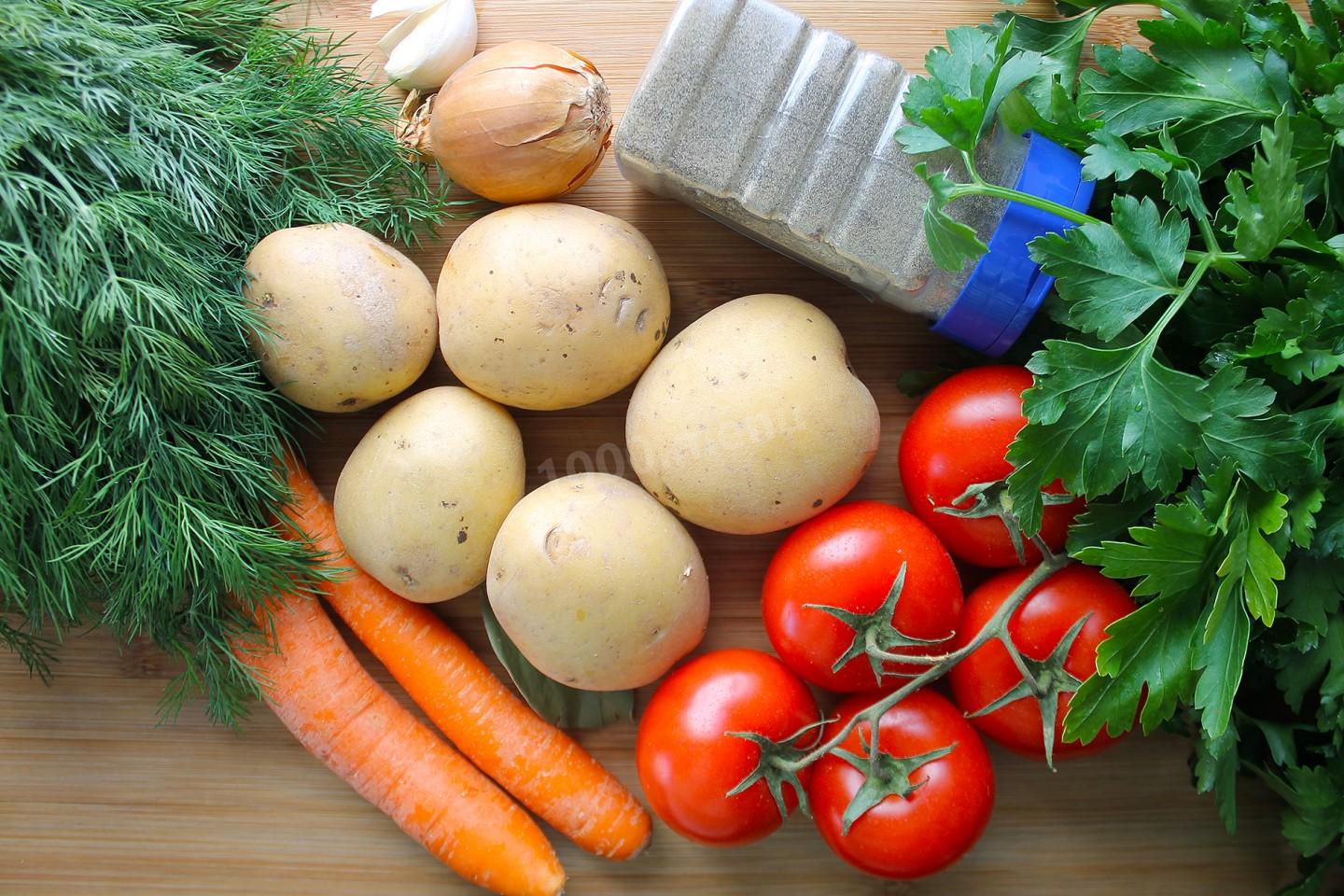
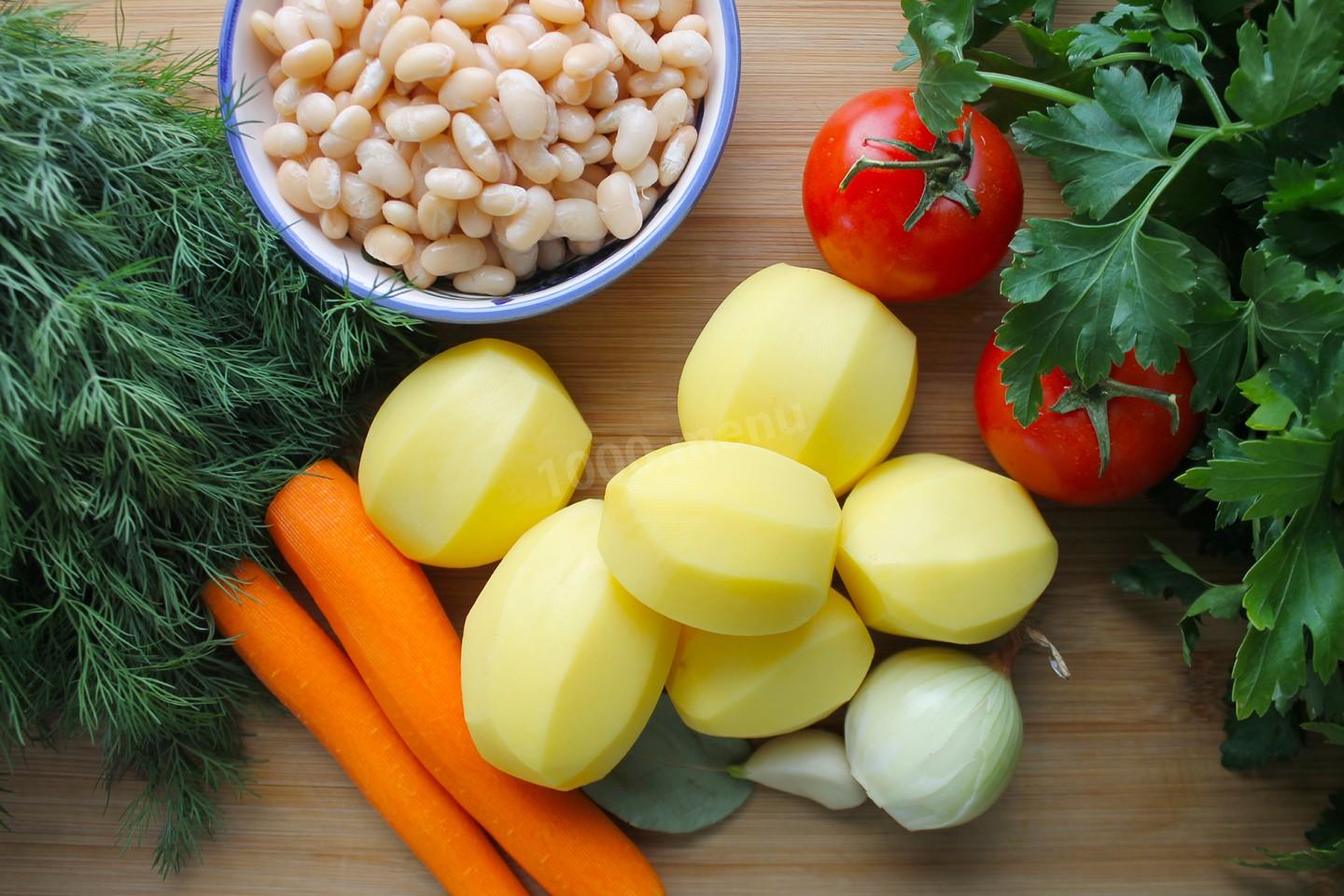
Drain the cooked beans in a colander to get rid of any excess liquid. Peel the potatoes, carrots, onion, and garlic, and rinse them in clean water. Rinse the bay leaf, tomatoes, and herbs as well.
-
Step 4:
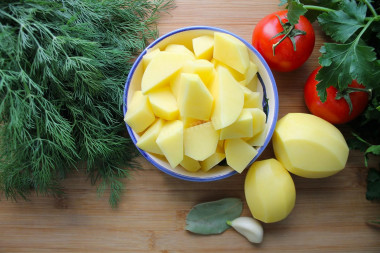
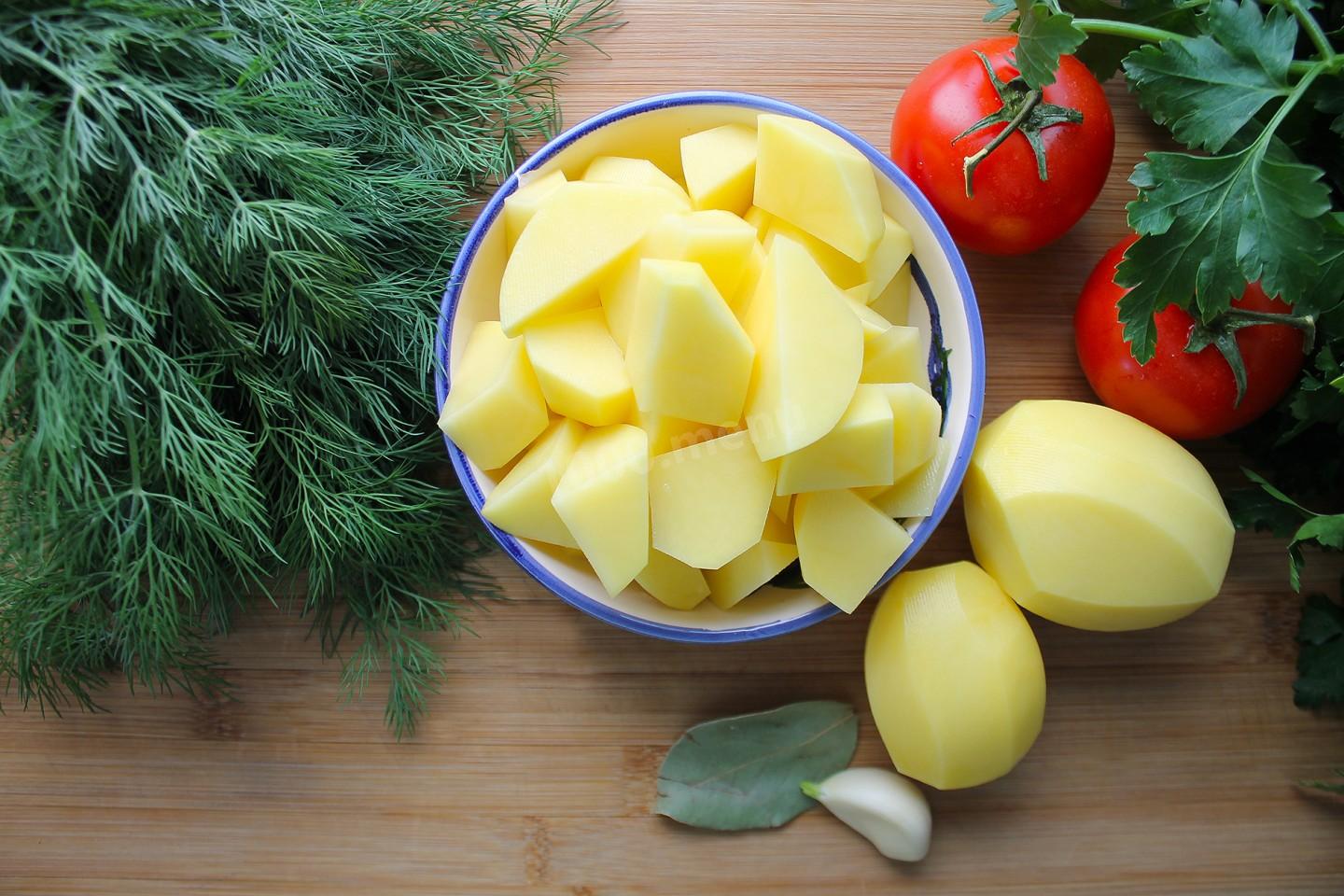
Cut the potatoes. How should you cut them? That's entirely up to you — larger pieces will simply take longer to cook. I usually cut the potatoes into medium pieces, roughly half the size of a matchbox.
-
Step 5:
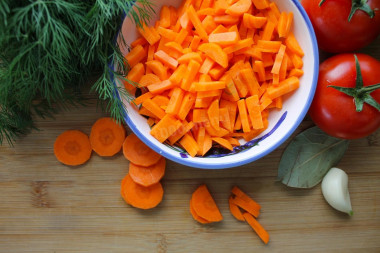
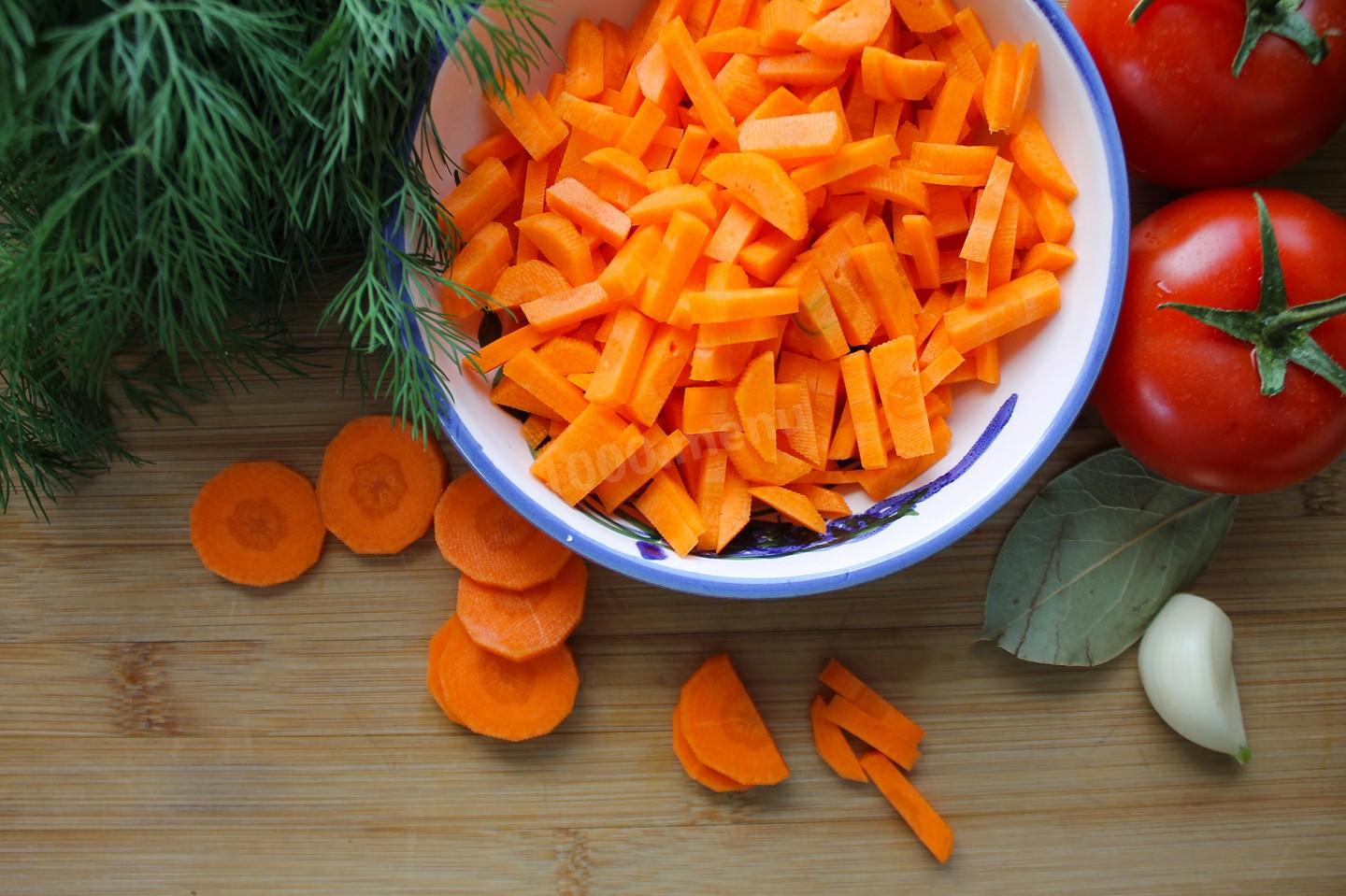
Cut the carrot into sticks. You could also use the coarse side of a grater, whatever you're used to. I like to actually taste the carrot in the finished dish, so I usually cut it by hand.
-
Step 6:
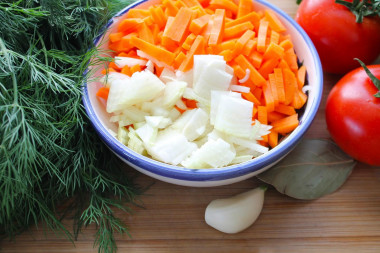
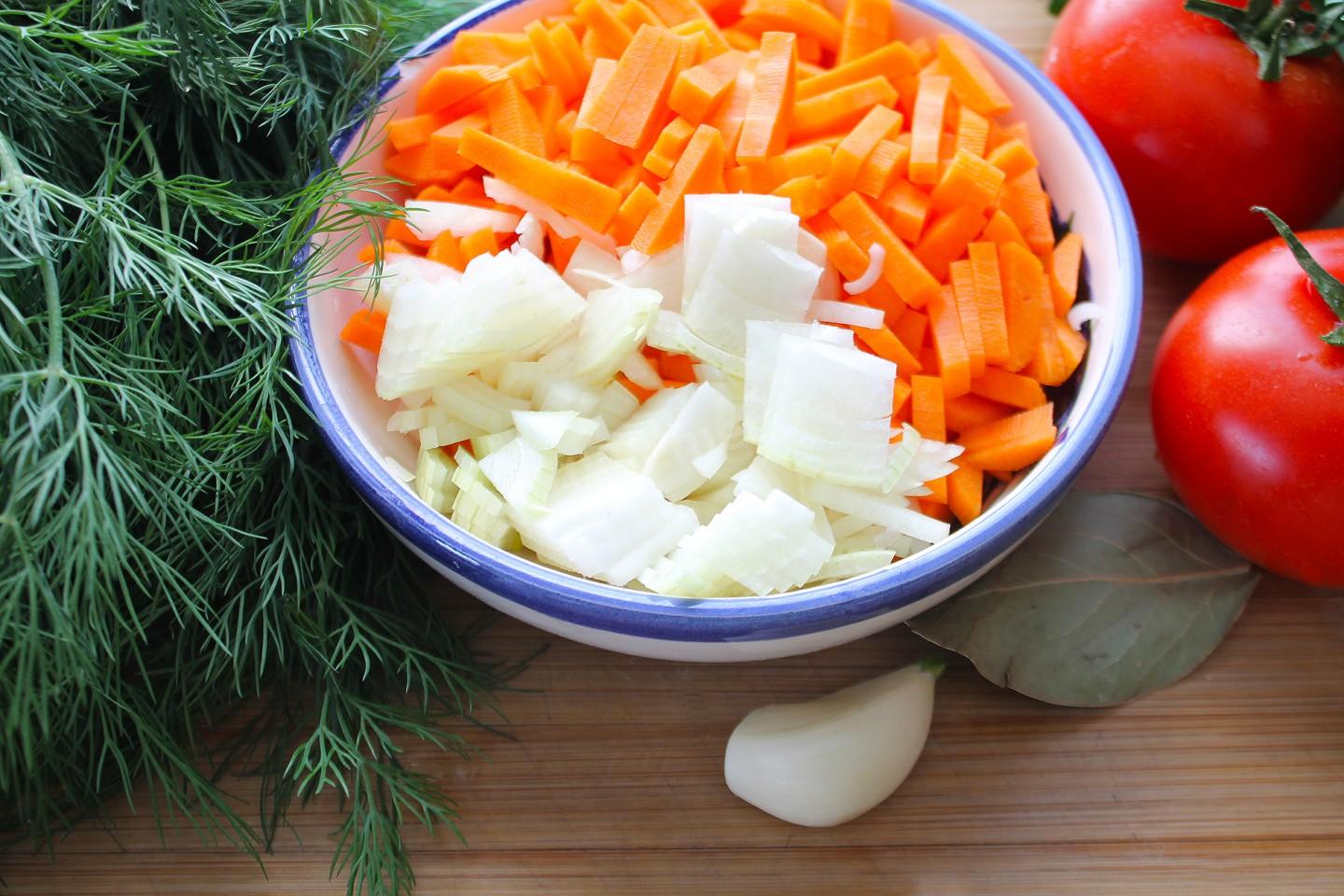
Next up is the onion. Cut it in half, then into half-moons or dice.
-
Step 7:
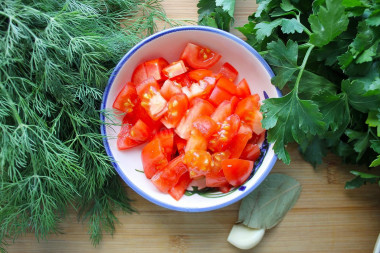
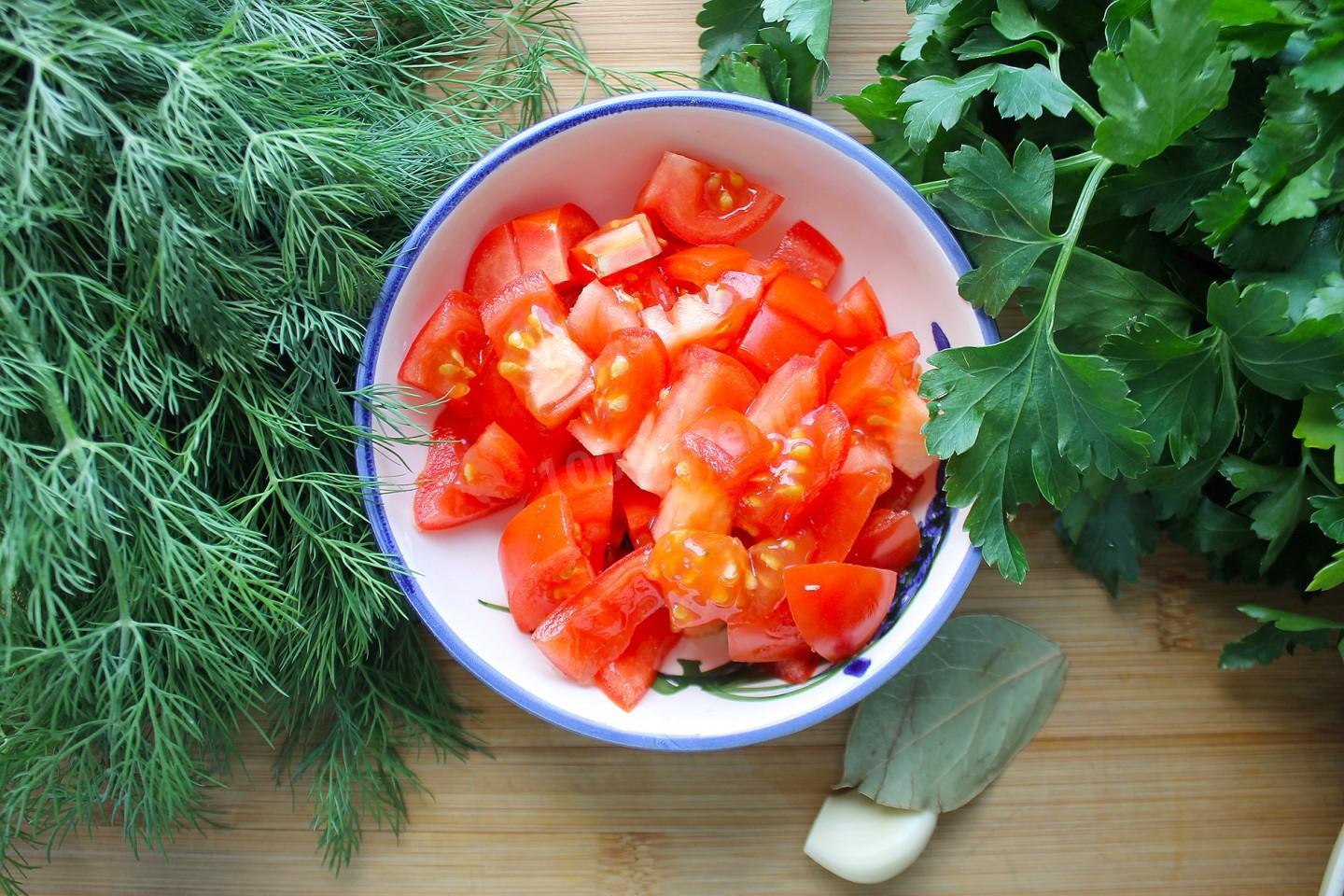
Now the tomatoes. If you like, you can peel them first: pour boiling water over them, let them sit for a minute, drain, and slip off the skins. I usually skip this and cook them as they are. Cut the tomatoes into small dice.
-
Step 8:
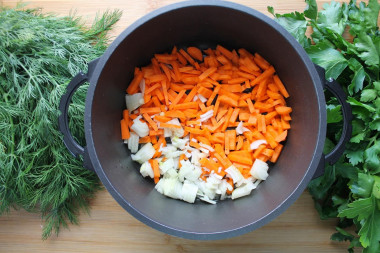
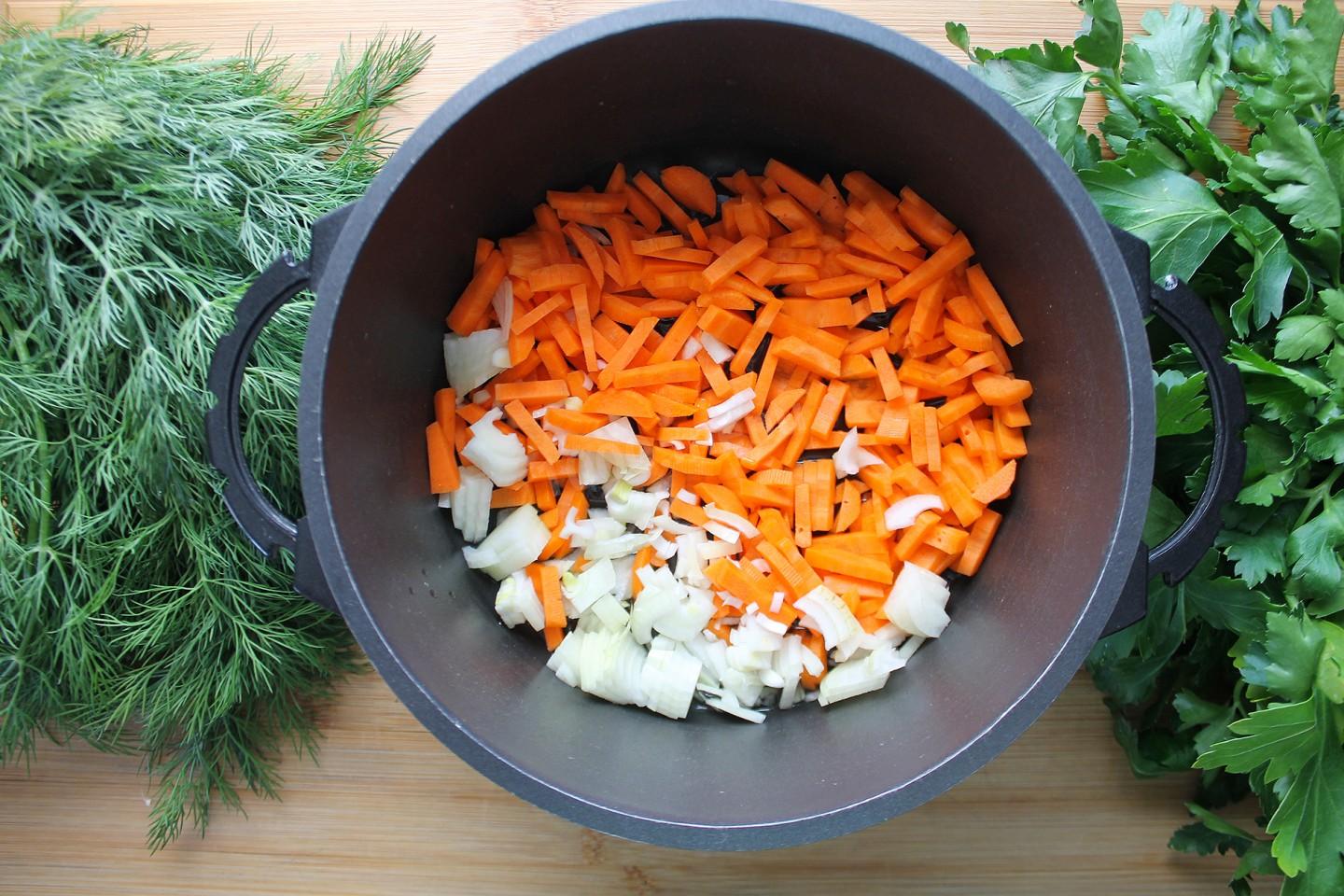
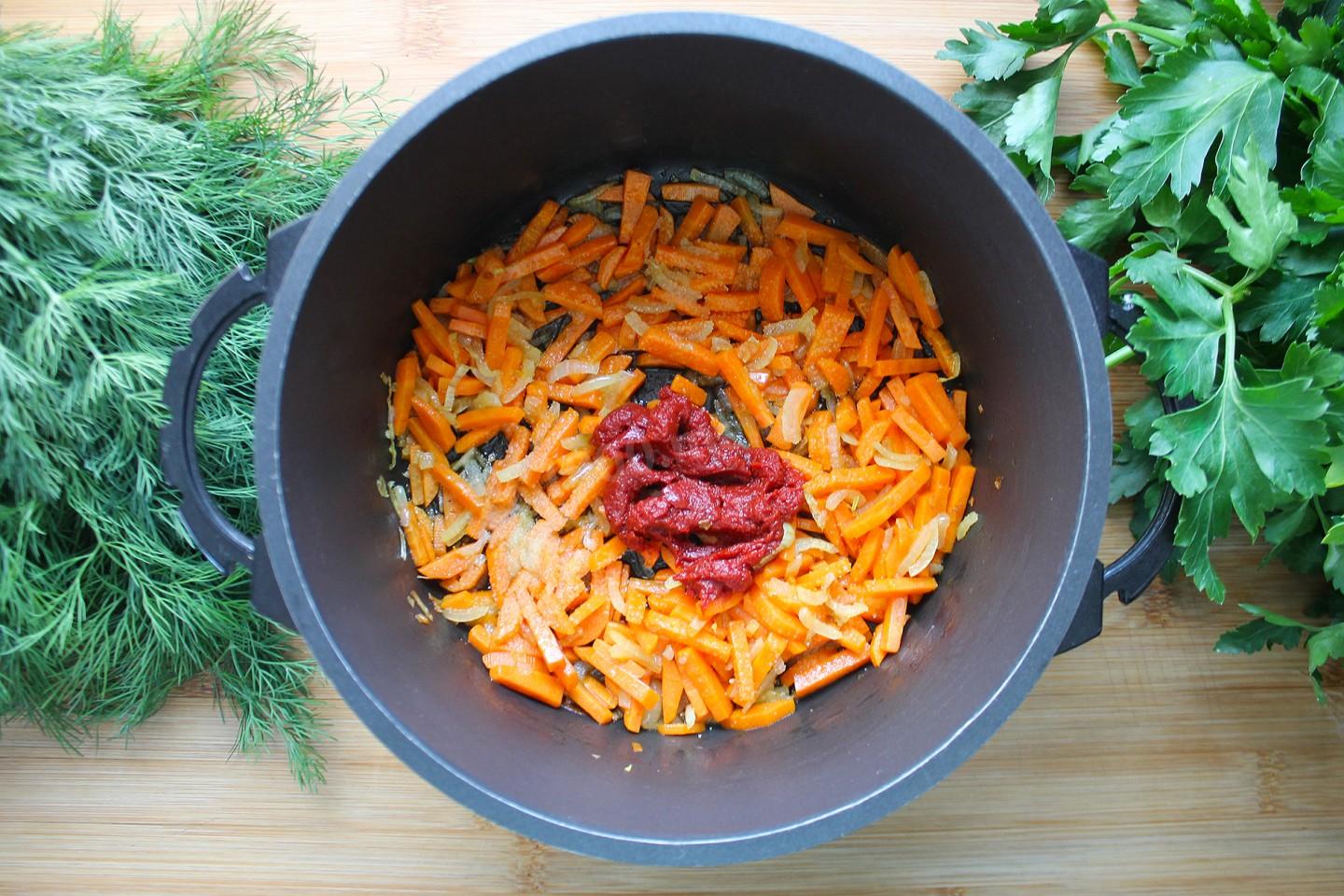
For this dish, it's best to use a Dutch oven or a heavy-bottomed pot with thick sides. Pour in the vegetable oil and set it over high heat to warm up. Add the onion and carrot to fry. Stir now and then so they don't burn, cooking for about 1–2 minutes. Keep moisture out of the oil, or it will spatter.
-
Step 9:
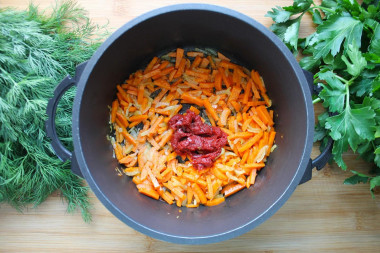
Next, add the tomato paste to the pot. You could use puréed tomatoes here instead, or skip the paste entirely and double the amount of fresh tomatoes. I don't mind tomato paste, so I add it.
-
Step 10:
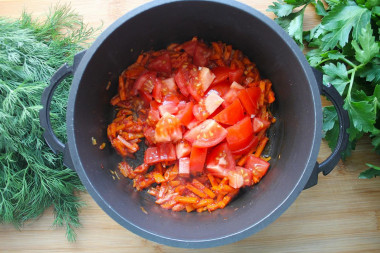
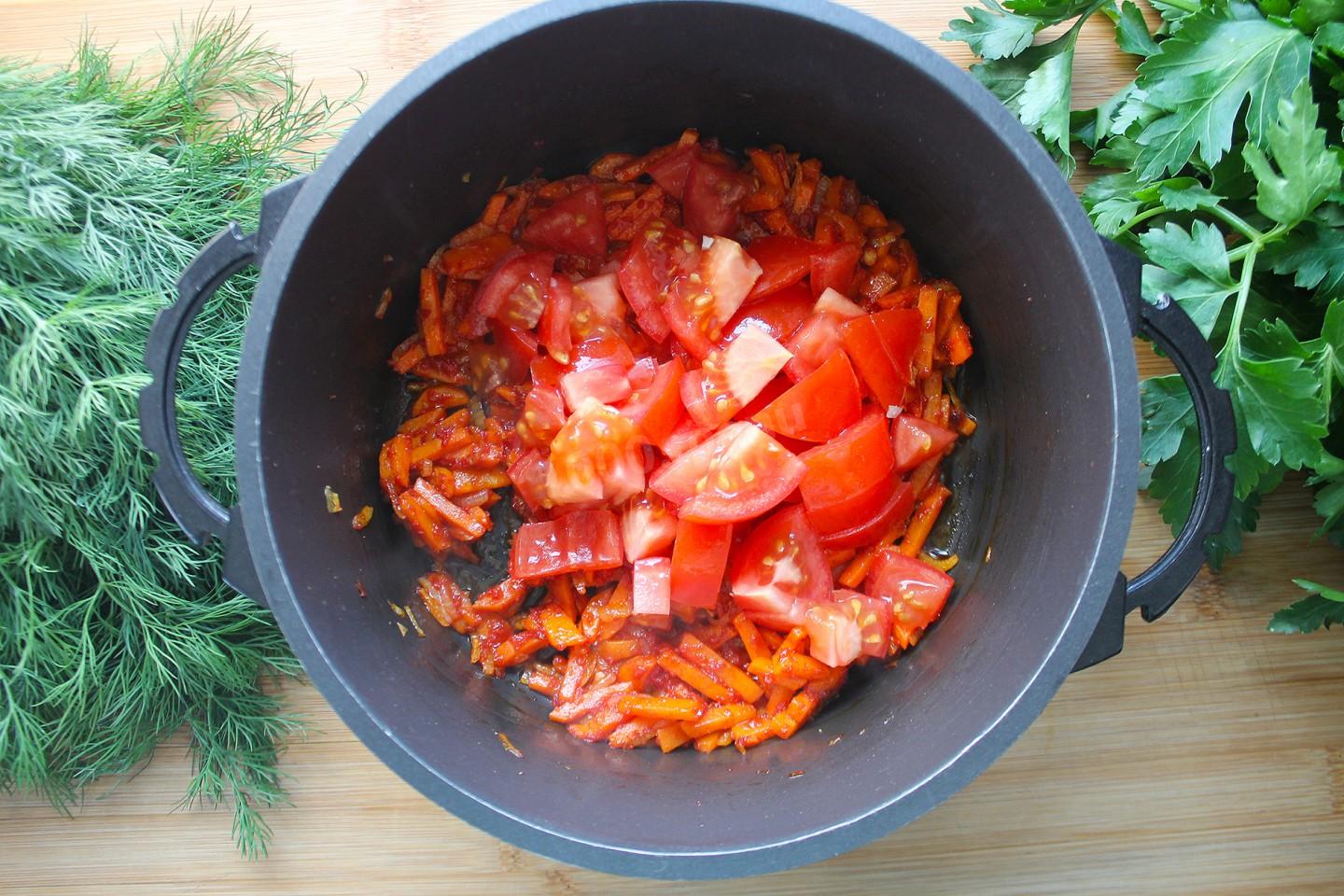
Add the tomatoes to the pot, stir everything well, lower the heat a bit, and simmer this base for about 5–10 minutes, stirring occasionally. The tomatoes will release their juices, so the vegetables won't burn. Add salt and your favorite dried seasonings. I usually use a pinch of dried basil, plus about half a teaspoon of sugar (if the tomatoes aren't very sweet, which happens out of season).
-
Step 11:
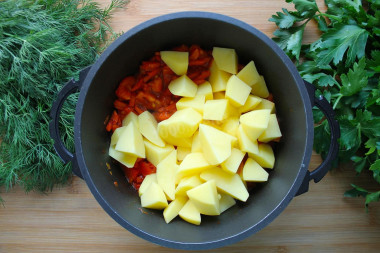
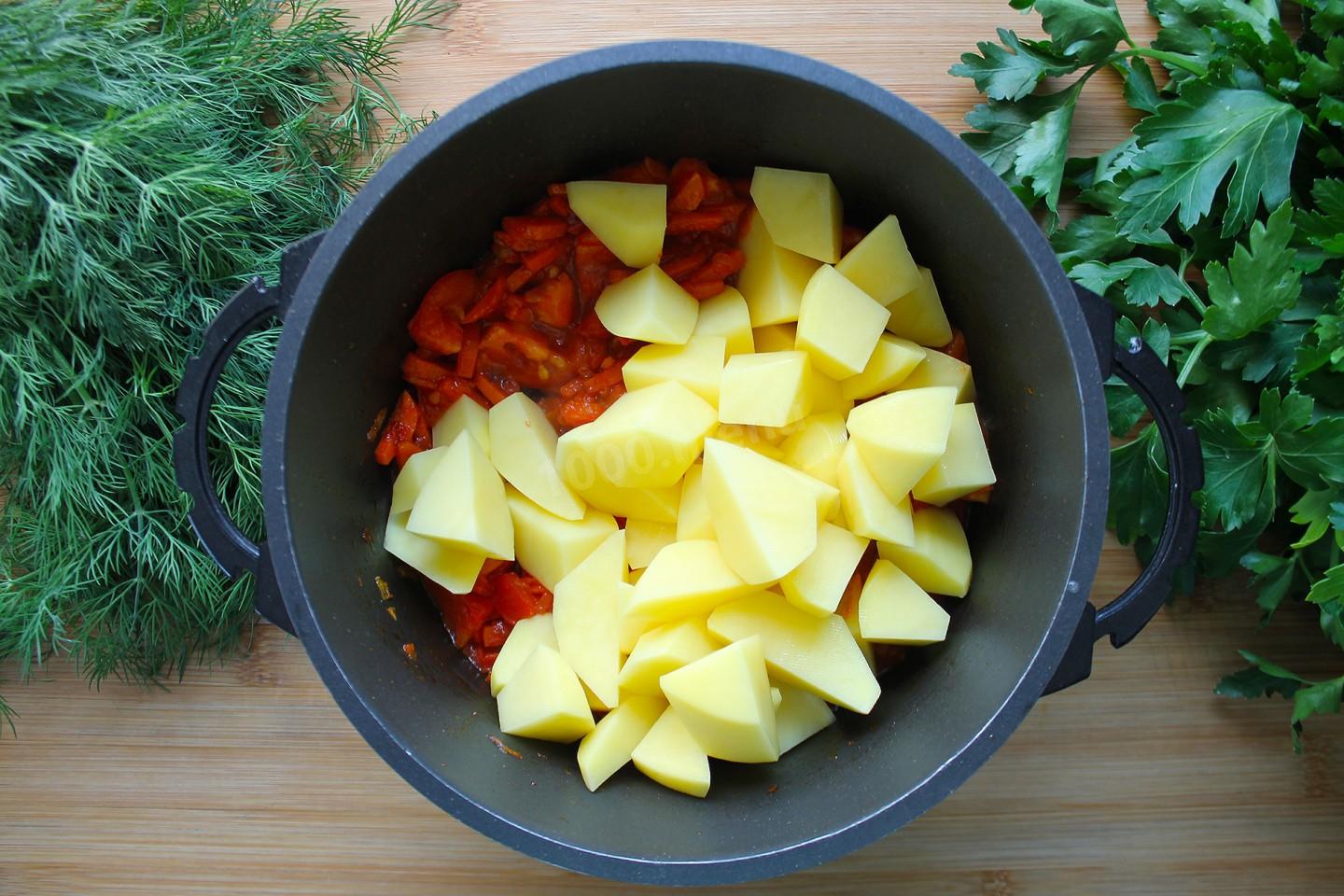
Important! If your tomatoes didn't give off much juice, add a little boiling water to the pot — 1–2 tablespoons is enough. Then add the potatoes to the rest.
-
Step 12:
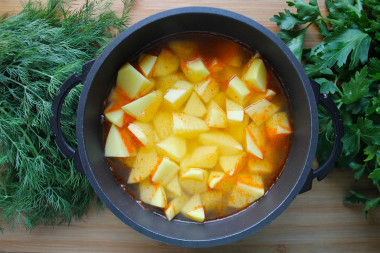
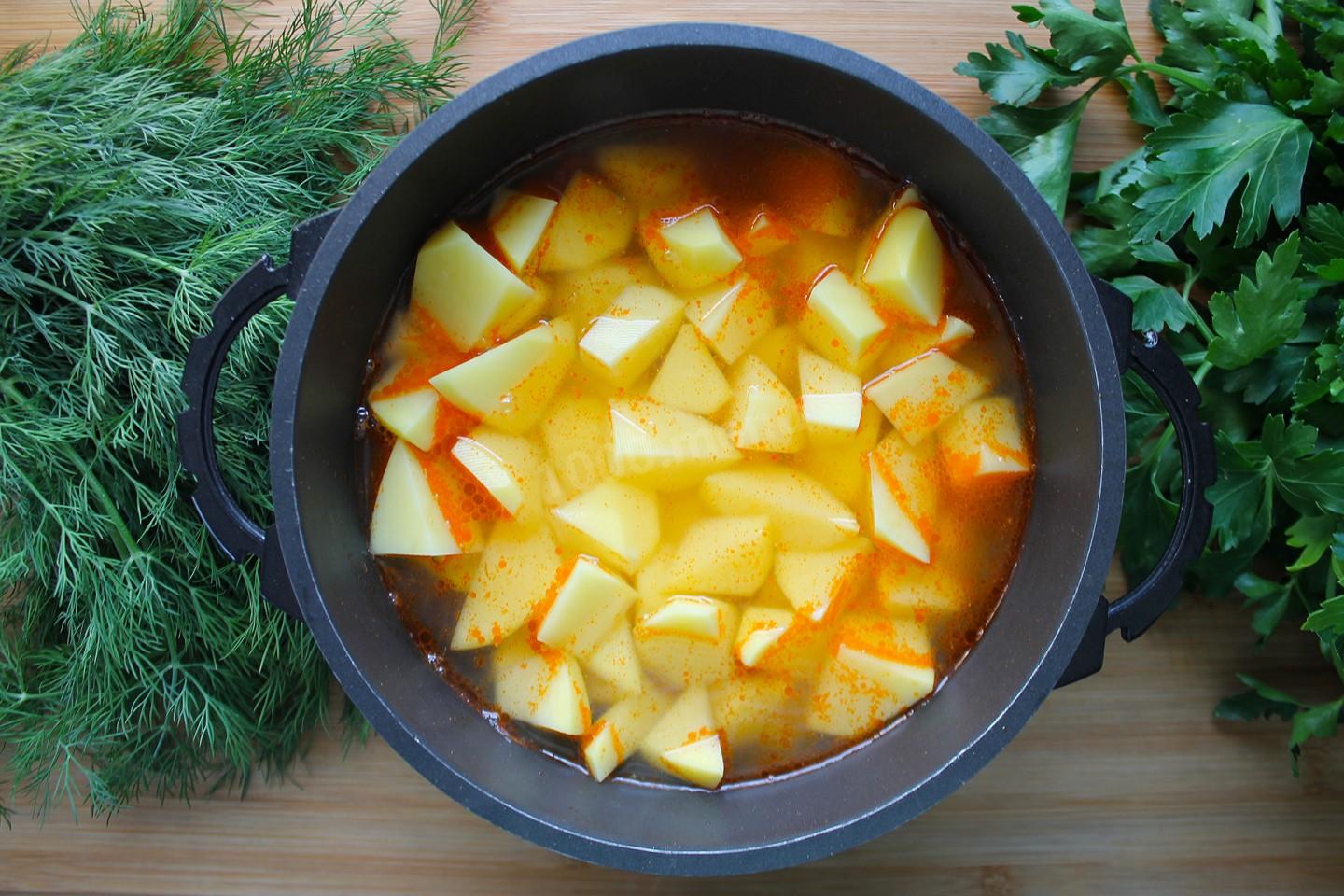
Pour in enough water to cover the potatoes by half an inch or so, stir everything well, and turn the heat to high. Once the water comes to a boil, reduce it to medium and simmer the potatoes, covered, until done. This takes about 15–20 minutes (depending on the variety). To check, pierce a piece with the tip of a knife — if it goes in easily, the potatoes are ready.
-
Step 13:
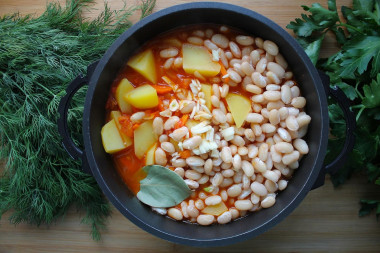
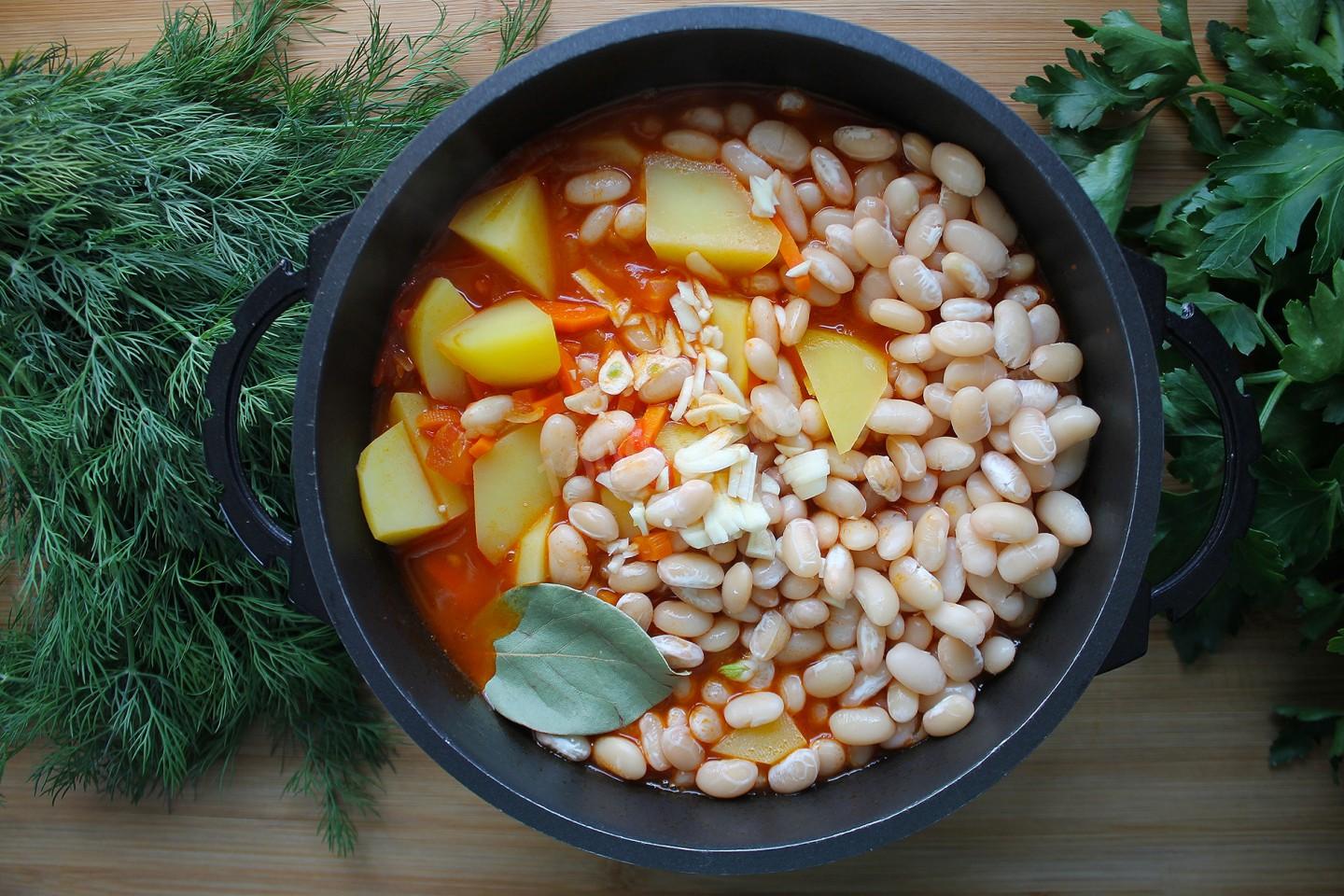
For the final step, add the beans, bay leaf, and finely chopped garlic to the potatoes. Stir again and cook, covered, for about five more minutes. Instead of chopping the garlic, you can press it. Position the bay leaf so it's easy to fish out later — once it's given up its aroma, it's no longer needed in the dish.
-
Step 14:
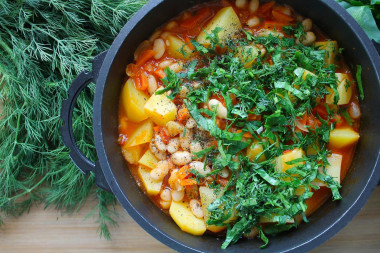
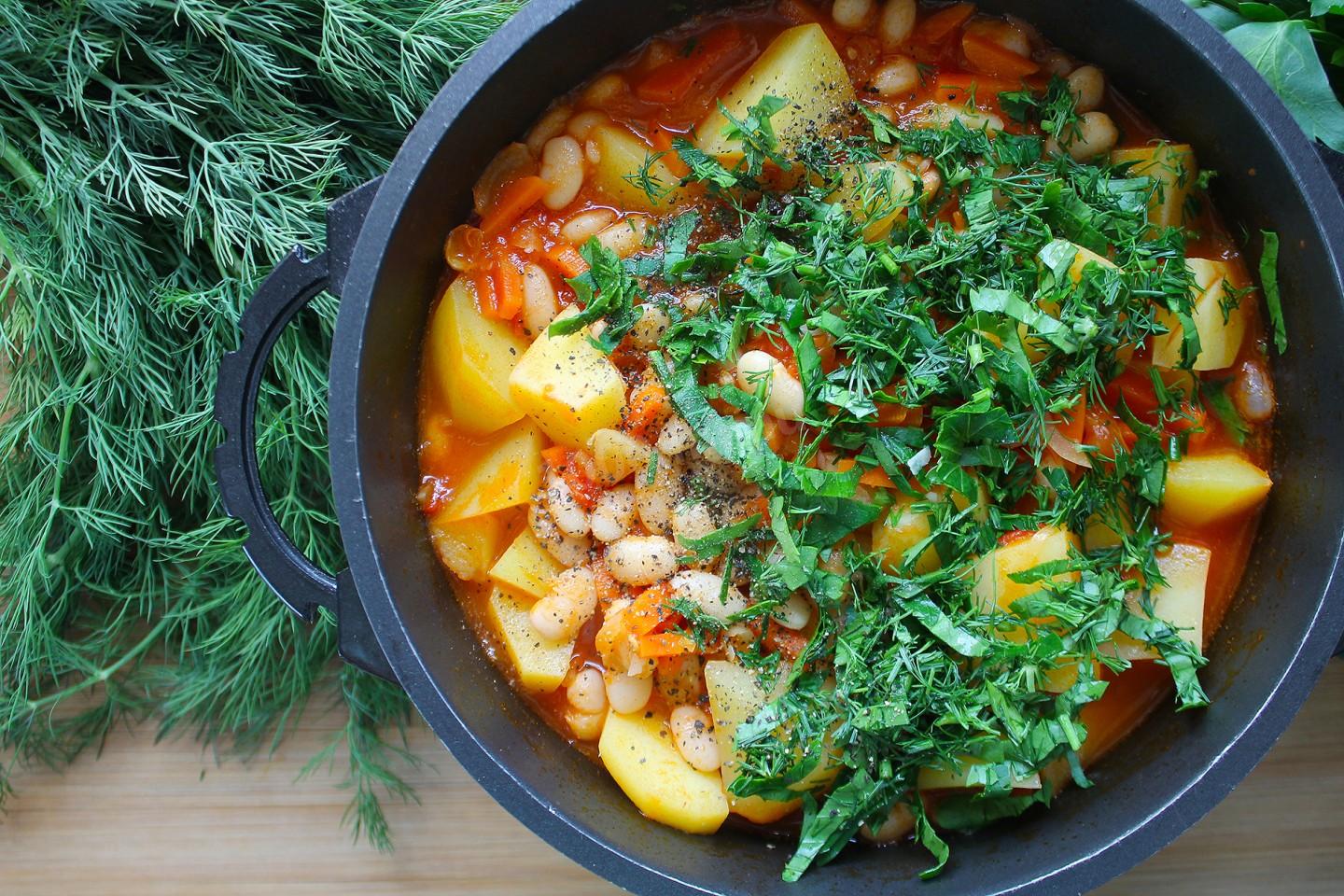
Coarsely chop the fresh herbs and add them to the pot. Take the finished dish off the heat and let it rest for a while (at least 10 minutes). When serving, sprinkle the stewed potatoes and beans with black pepper or allspice to taste.
-
Step 15:
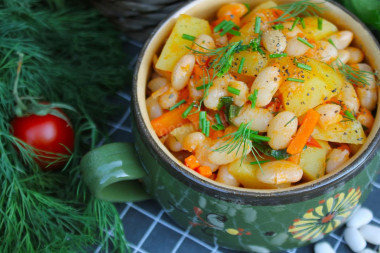
The amounts given here make a fairly thick dish. Like this, it's an ideal side for meat or poultry.
-
Step 16:
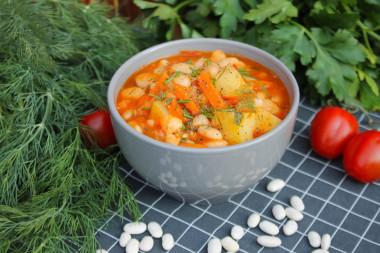
Want a soupier dish? Add a little more water back in step 12 and you'll get stewed potatoes that are more like a very thick soup or a saucy stew. In that form, it's great served on its own.
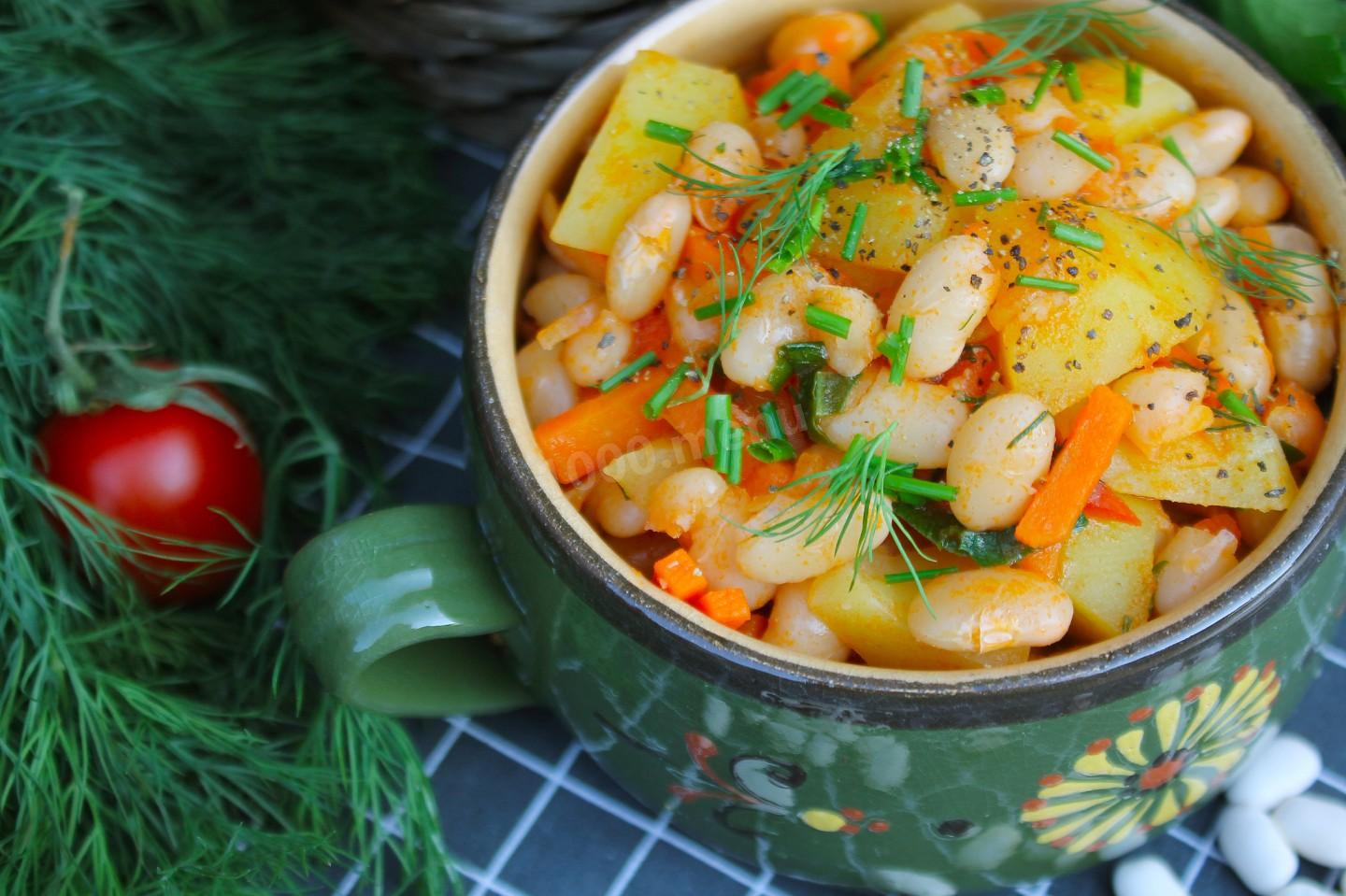
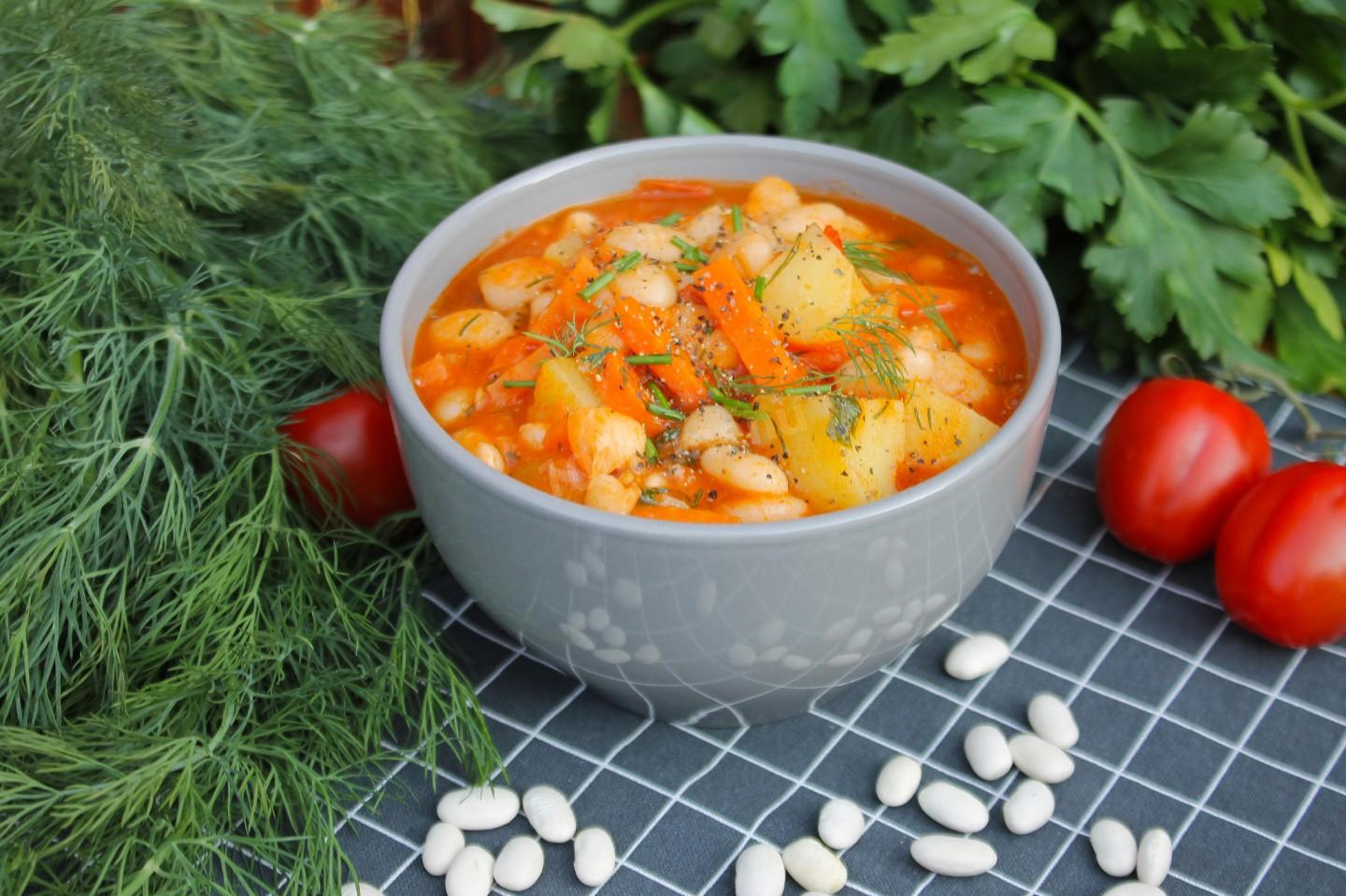
- A bright, hearty dish, ready to go! To save time, you can use canned beans, or make this with green string beans instead. Every version is delicious and nourishing. Enjoy!
- Keep in mind that how you cut the carrot changes the final result: grated carrot breaks down into the sauce as it cooks and blends in evenly, while carrot cut into sticks or cubes holds its shape.
- All oils are only good up to a certain temperature — their smoke point, where the oil starts to burn and forms harmful compounds, including carcinogens. For how to gauge frying temperature and pick the best oil for the job (and which to avoid), see the guide.
- If you're using a pre-made spice blend, be sure to check the ingredient list on the package. These blends often already contain salt, so factor that in or you risk over-salting the dish.
Caloric content of the products possible in the composition of the dish
- Onion - 41 kcal/100g
- Ripe potatoes - 80 kcal/100g
- Baked potatoes - 70 kcal/100g
- Mashed potatoes - 380 kcal/100g
- Boiled potatoes - 82 kcal/100g
- Potatoes in their skins - 74 kcal/100g
- Fried potatoes - 192 kcal/100g
- Tomatoes - 23 kcal/100g
- Carrots - 33 kcal/100g
- Dried carrots - 275 kcal/100g
- Boiled carrots - 25 kcal/100g
- Beans - 328 kcal/100g
- White beans - 352 kcal/100g
- Scarlet runner beans - 23 kcal/100g
- Frozen beans (300 g) - 102 kcal/100g
- Garlic - 143 kcal/100g
- Bay leaf - 313 kcal/100g
- Vegetable oil - 873 kcal/100g
- Tomato paste - 28 kcal/100g
- Salt - 0 kcal/100g
- Frozen soup greens - 41 kcal/100g
- Fresh herbs - 41 kcal/100g
- Allspice - 263 kcal/100g