Meat Gravy for Mashed Potatoes
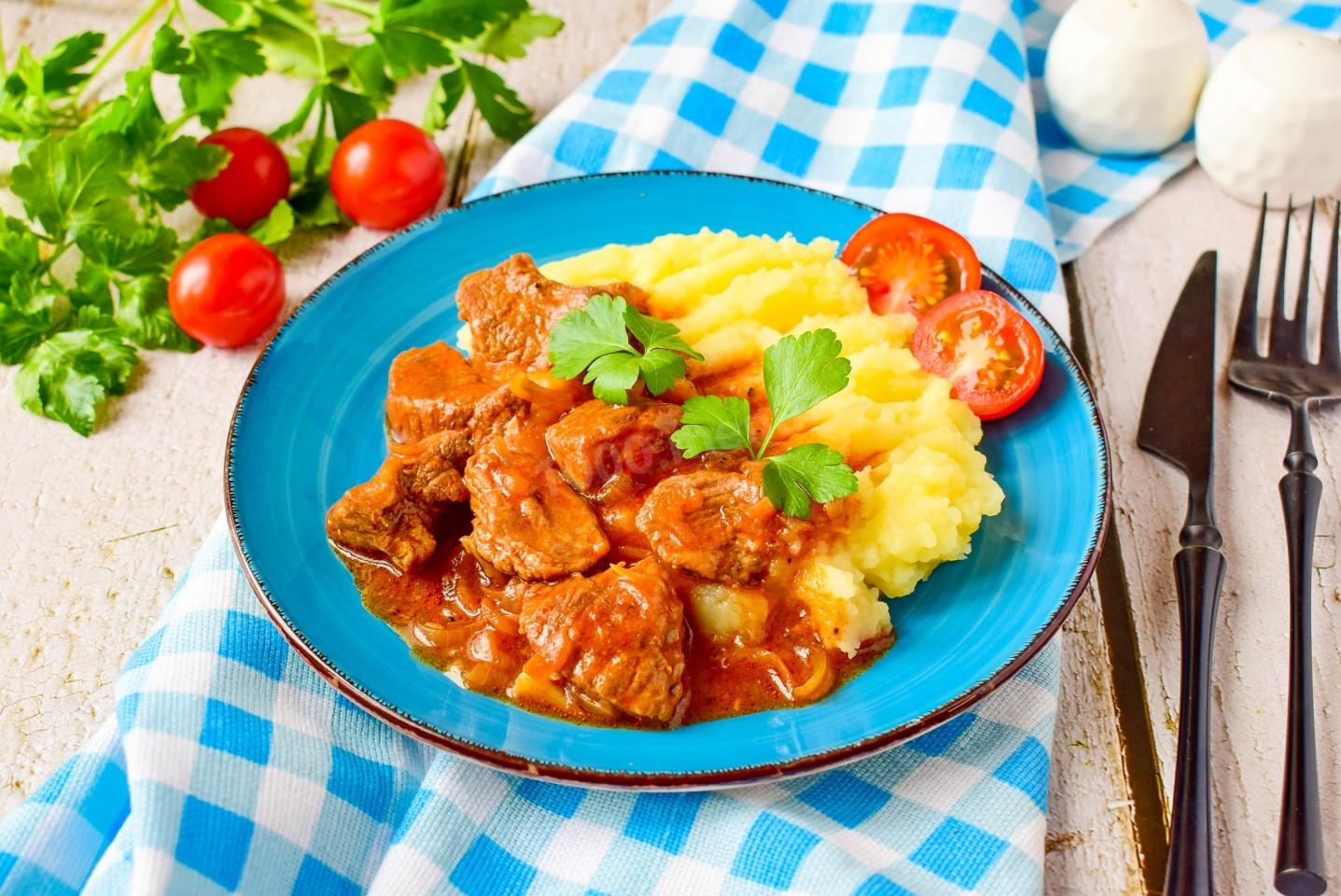
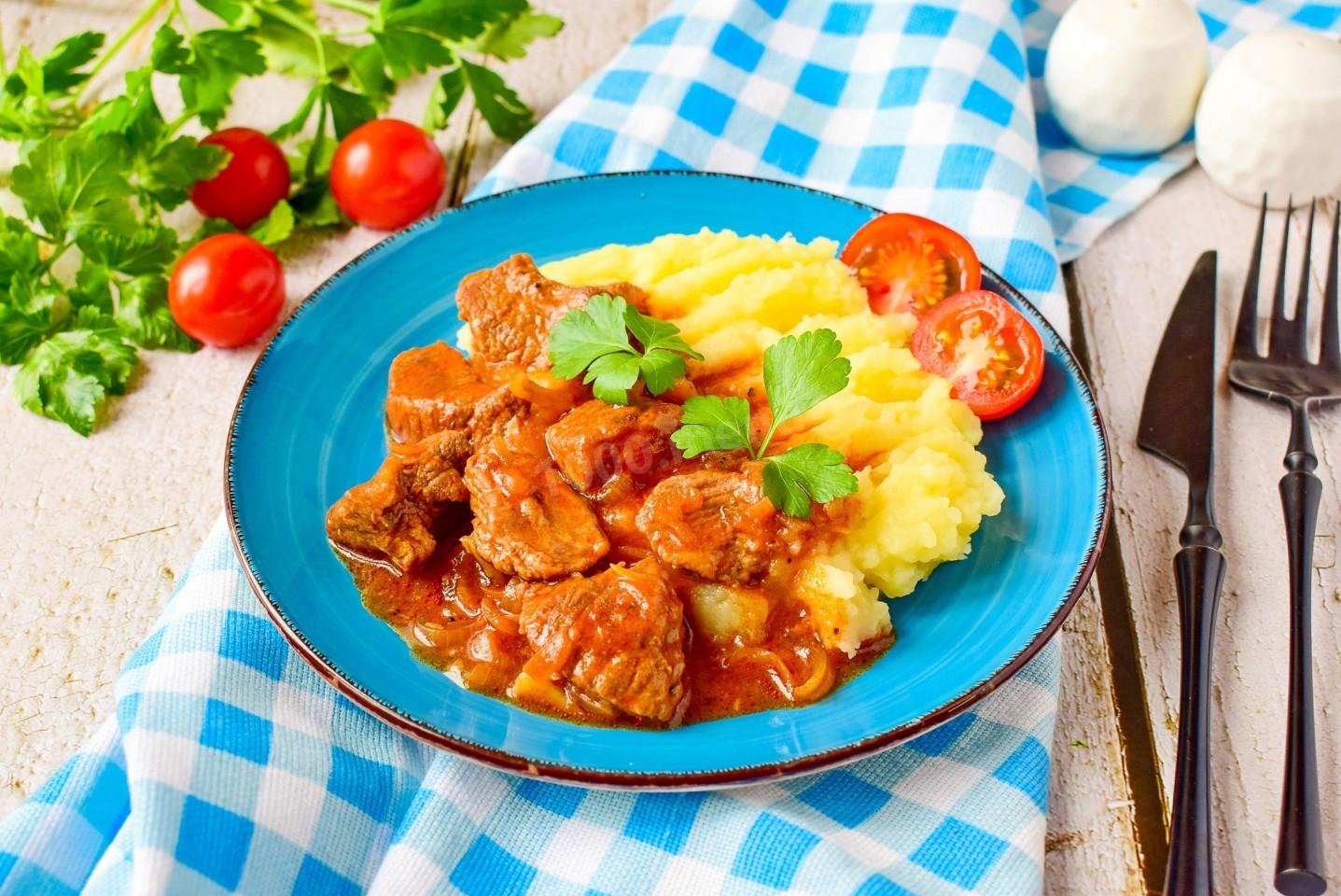
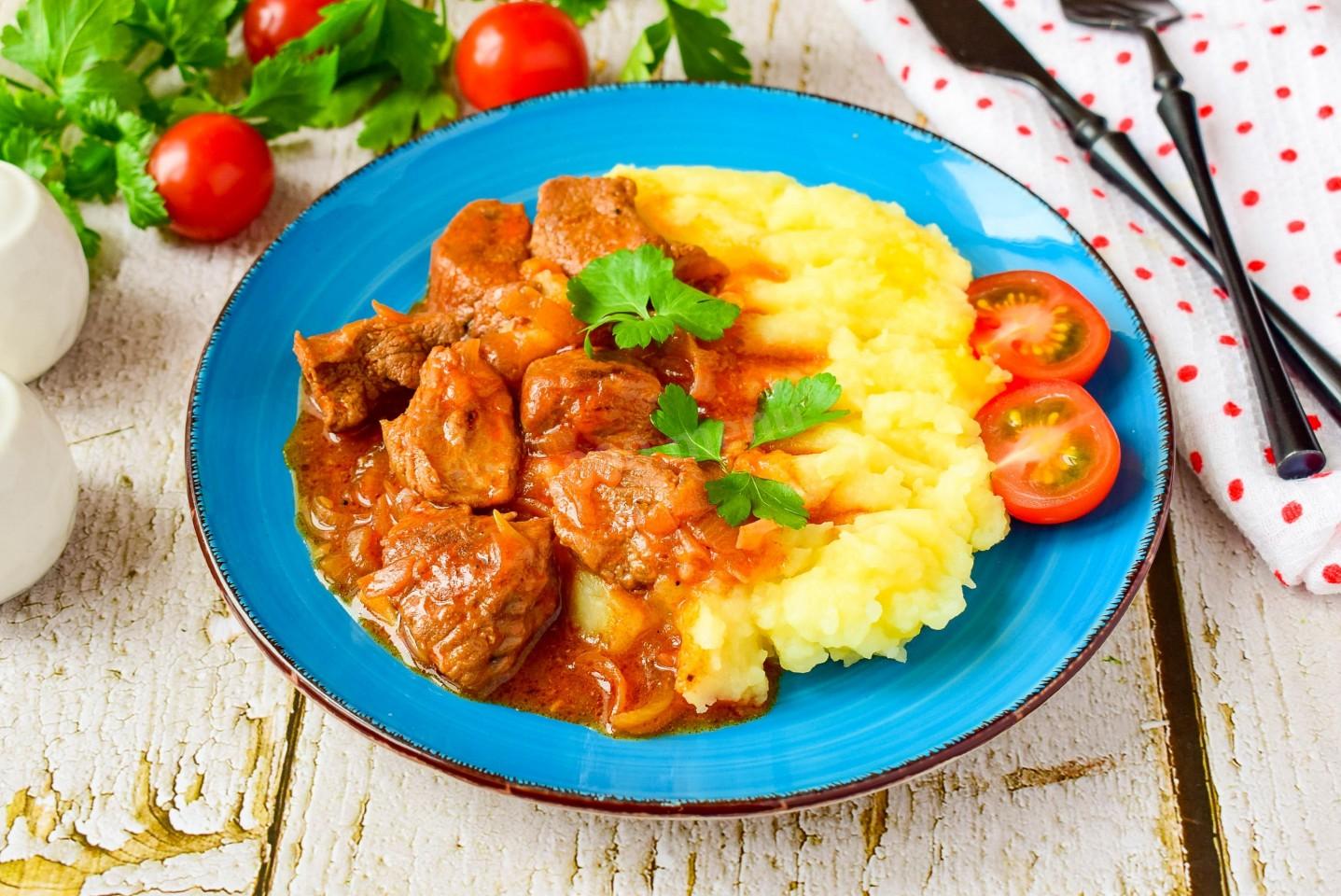
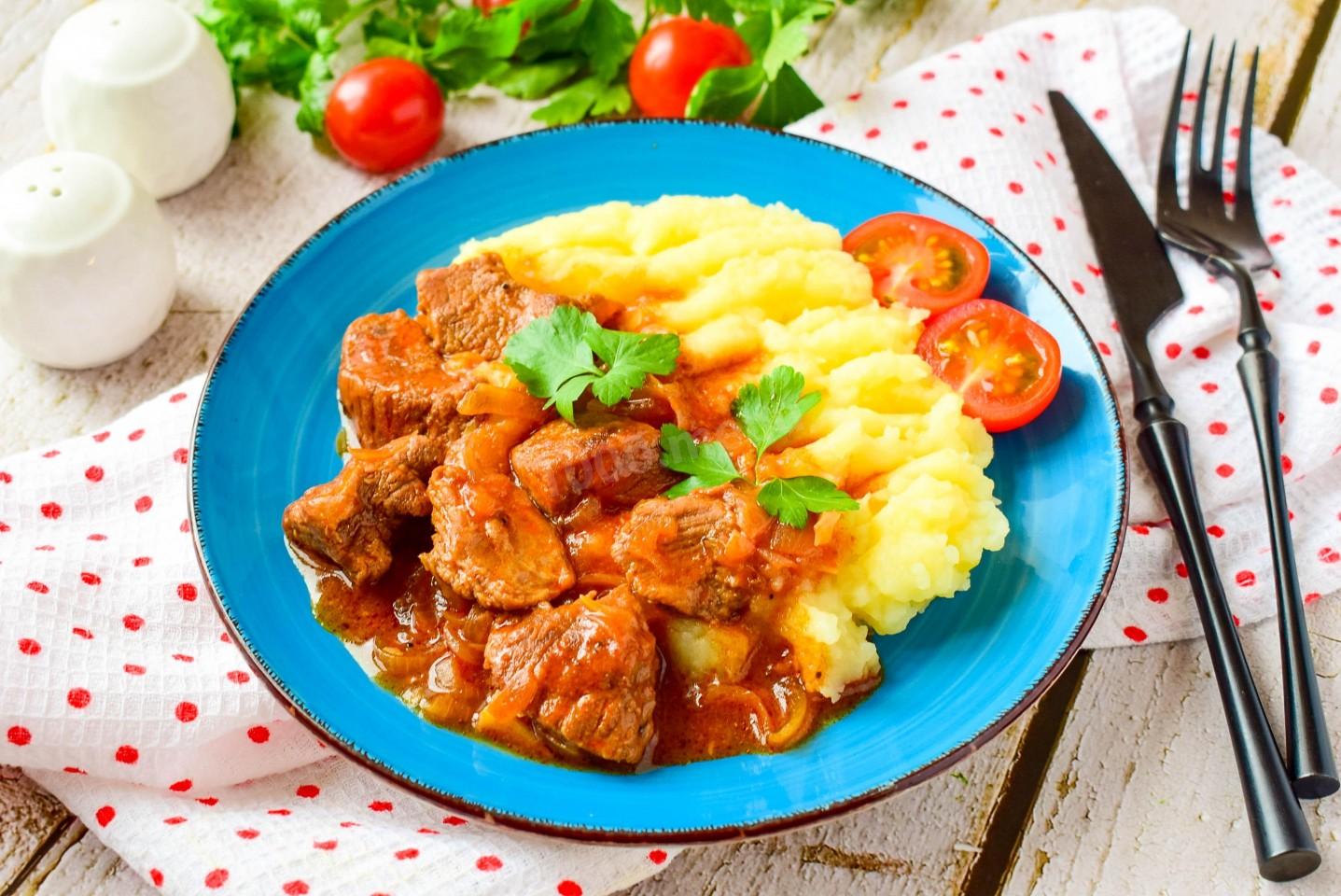
Quick, easy, and made from everyday ingredients! This meaty gravy for mashed potatoes will become a regular on your table. It's incredibly simple and fast to make, and any cook will nail it on the first try.

Cooking method
-
Step 1:
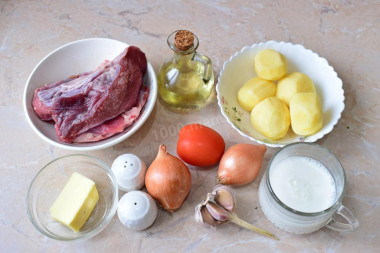
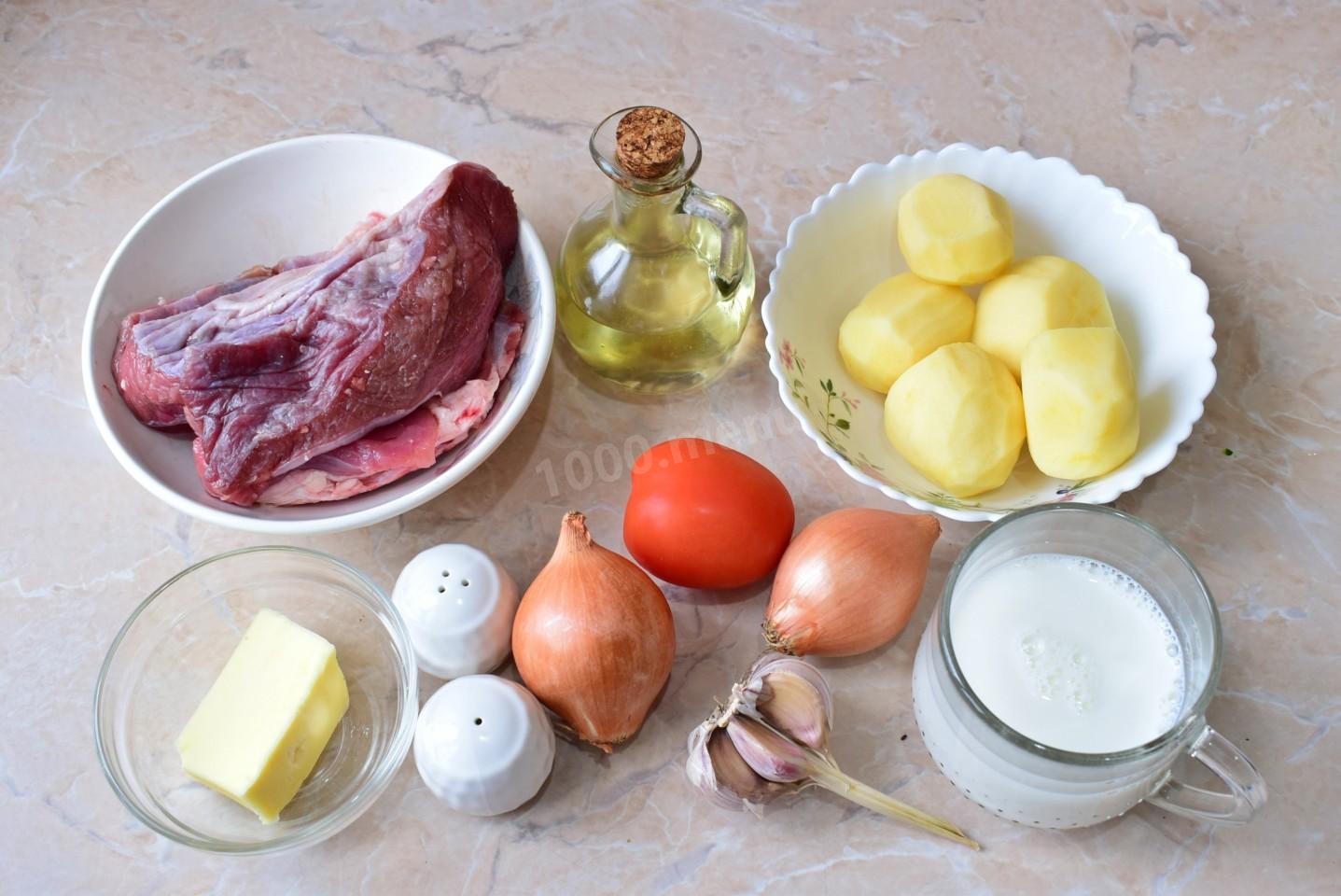
How do you make meat gravy for mashed potatoes? Get your ingredients ready. You can use any meat—I'm using beef. Choose young, tender meat; it cooks faster.
-
Step 2:
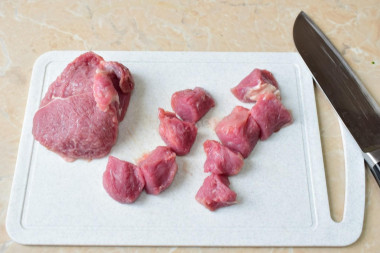
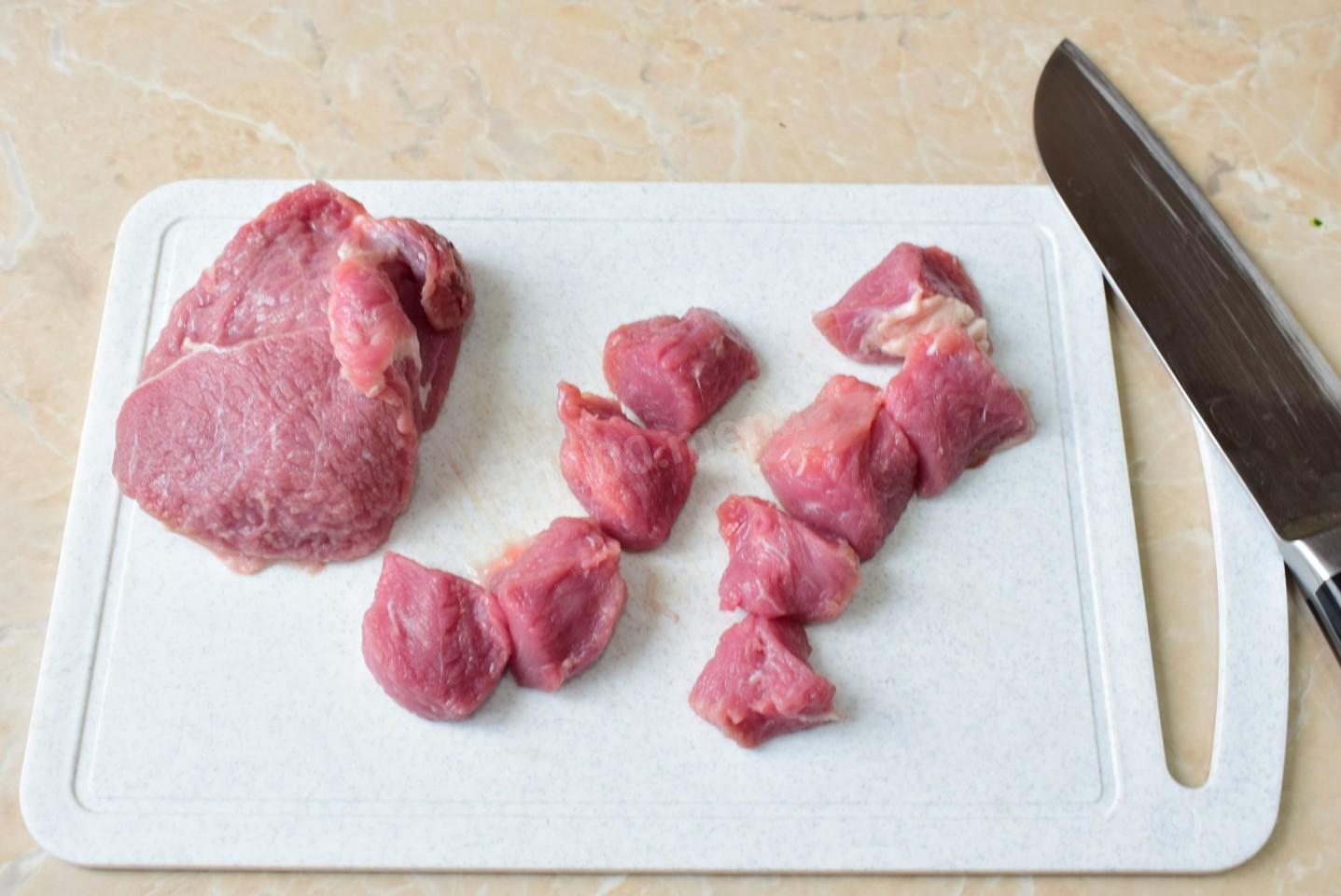
Rinse the meat under running water and pat it dry. Trim off any membrane and sinew, then cut the meat into small pieces.
-
Step 3:
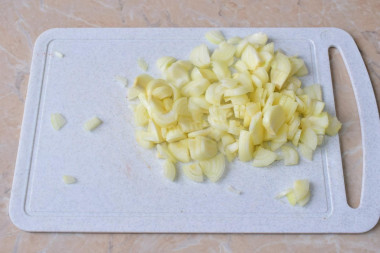
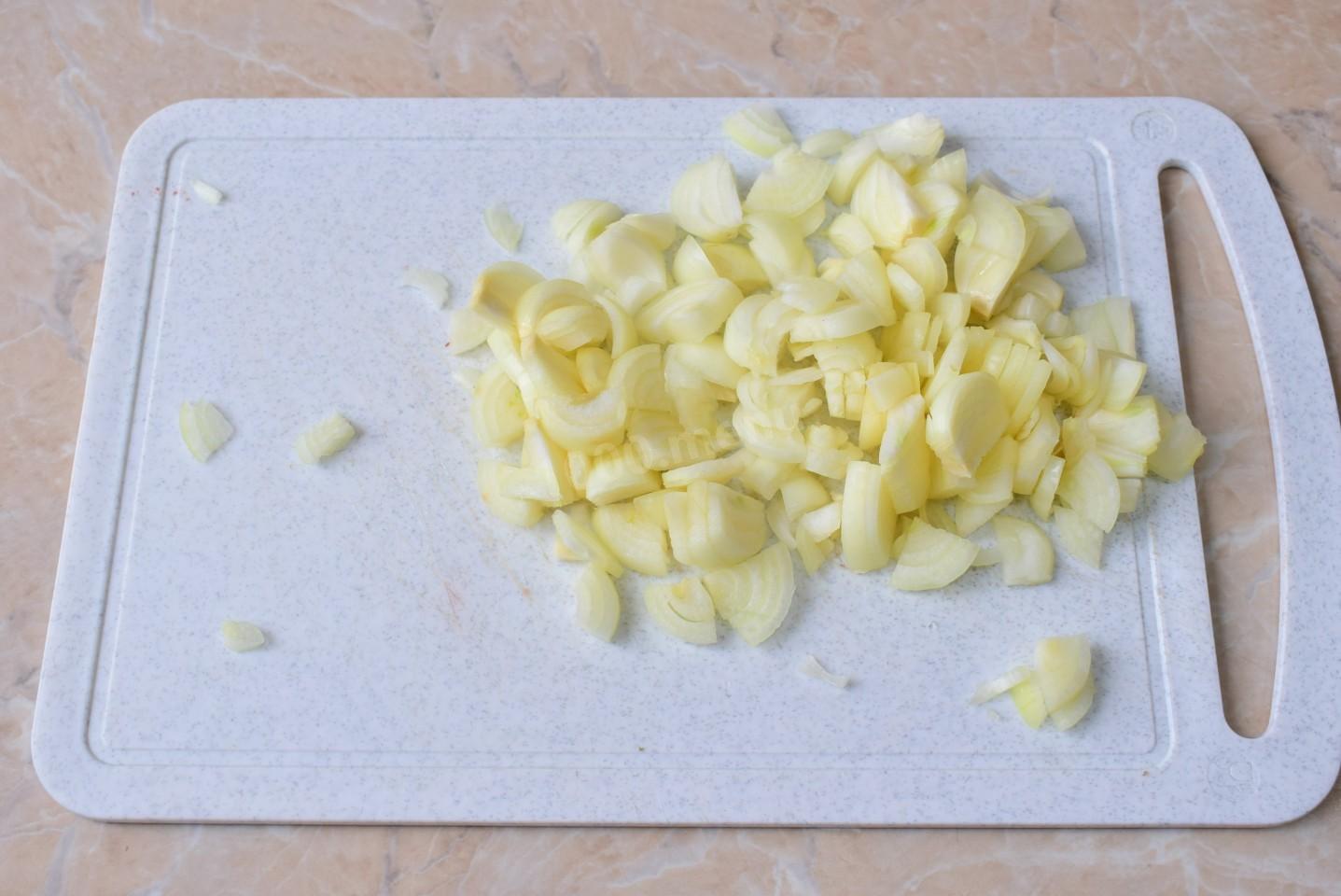
Peel the onion, rinse it, and finely chop.
-
Step 4:
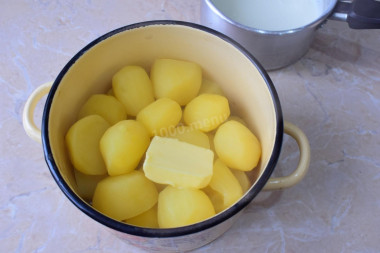
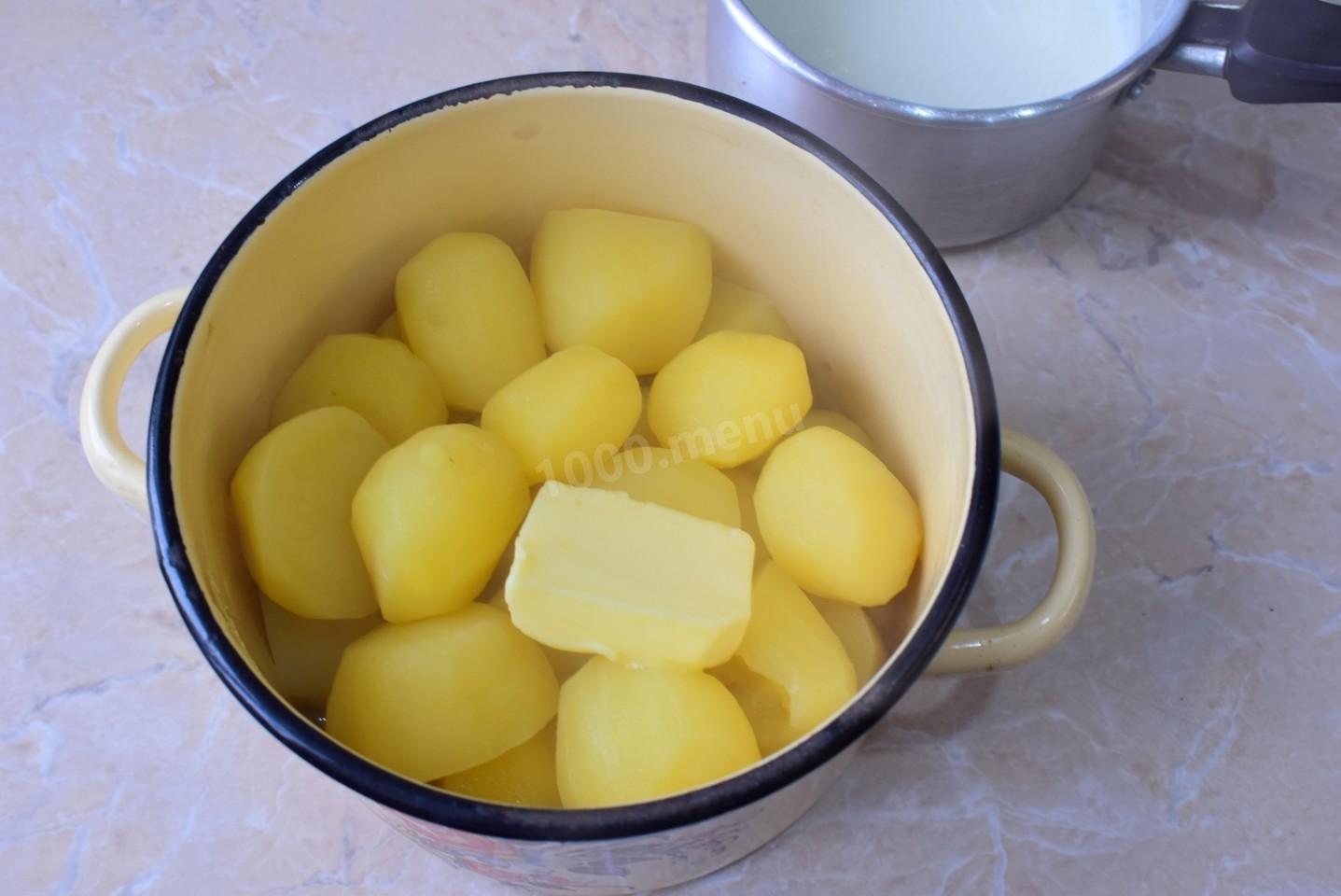
At the same time, put the potatoes on to boil for the side. Cook them in boiling salted water for about 25 minutes, until soft, then drain off the hot water. Add the butter and milk to the pot.
-
Step 5:
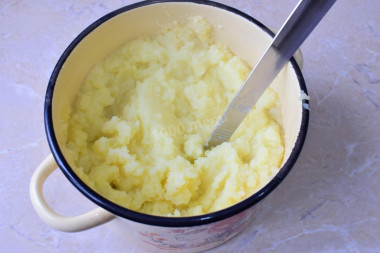
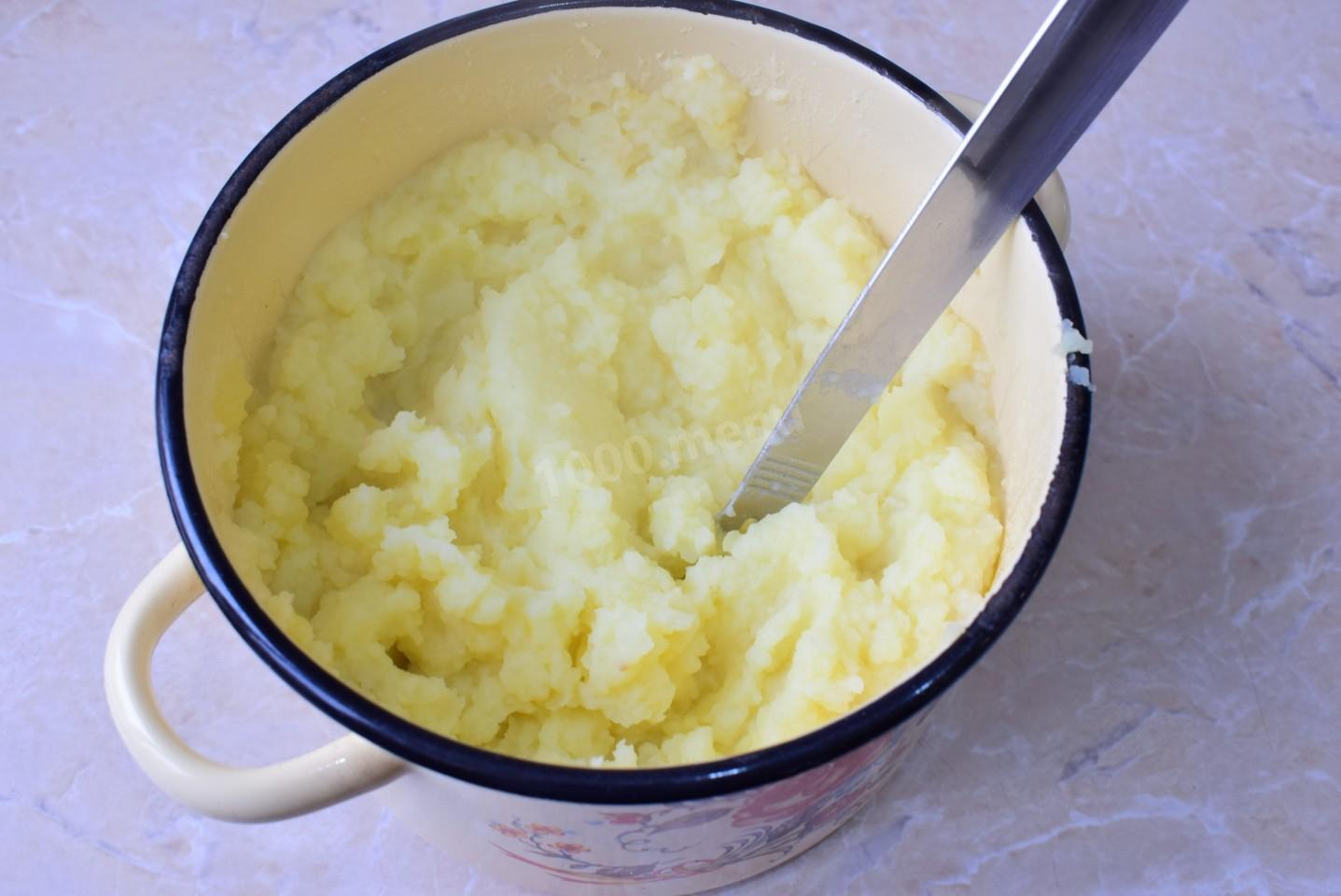
Mash with a potato masher until smooth.
-
Step 6:
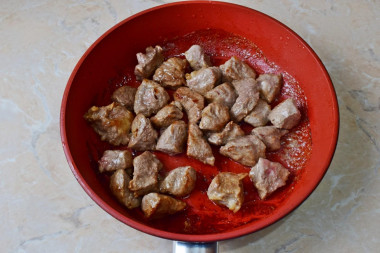
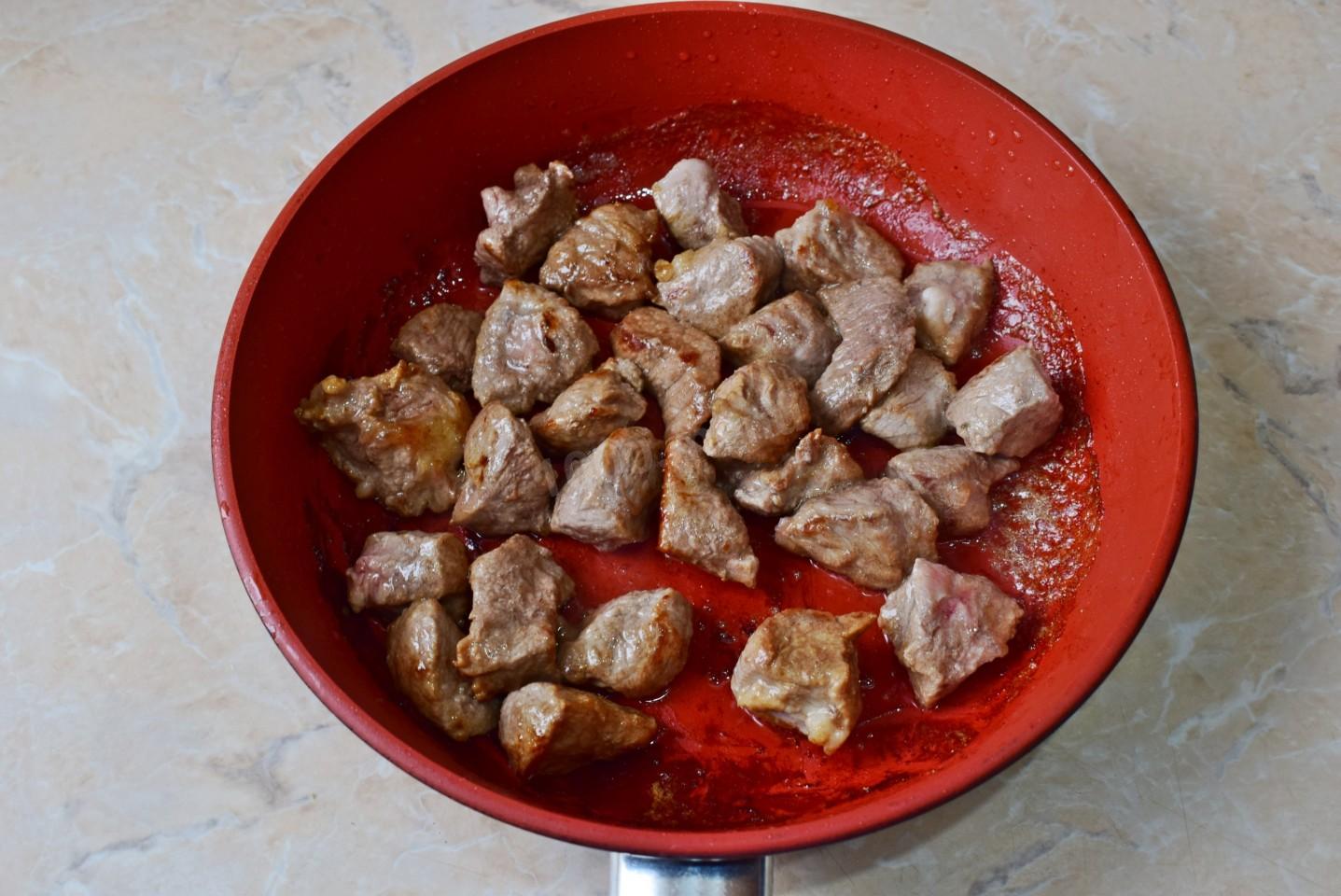
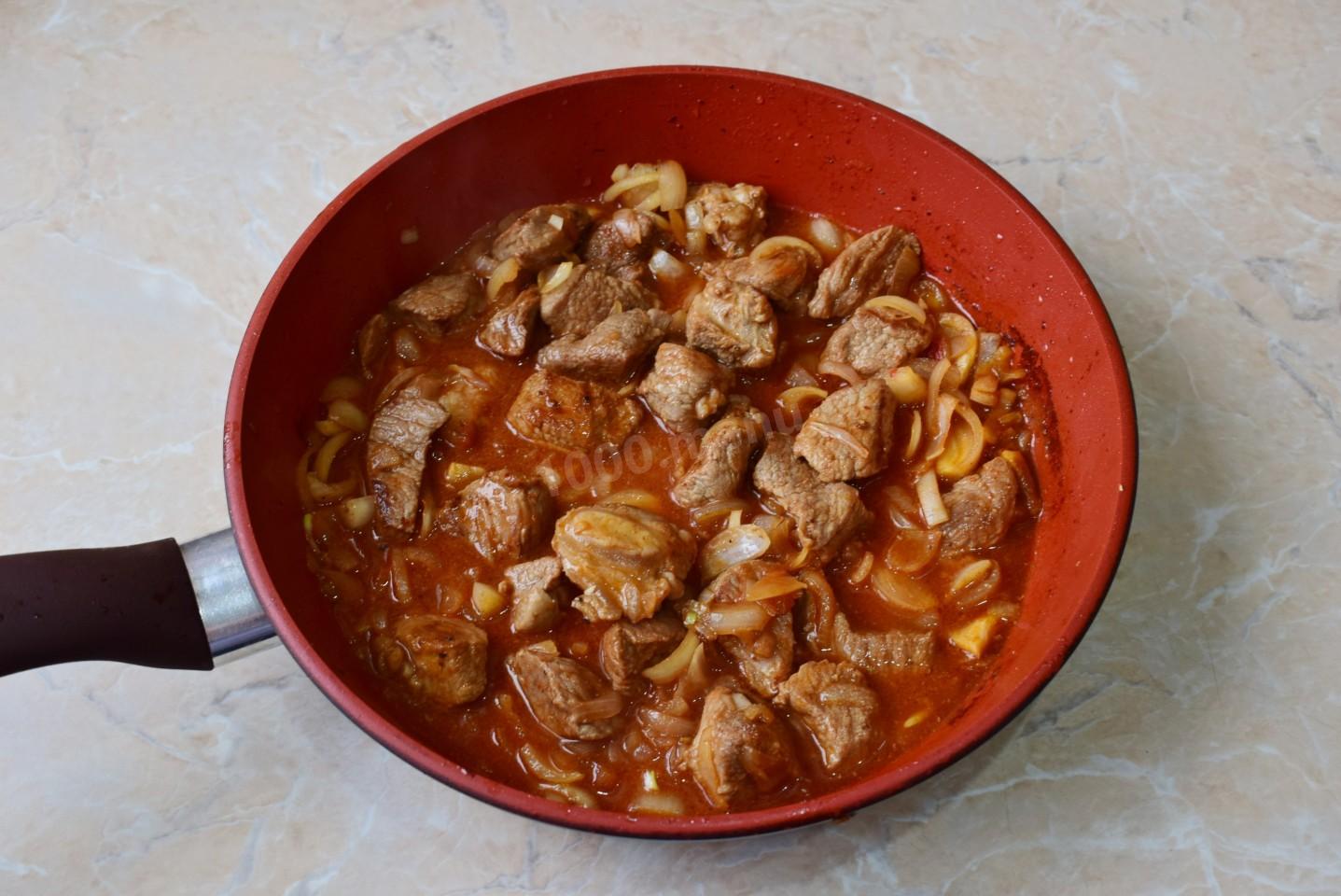
Pour a little vegetable oil into a hot skillet and add the meat. Fry it for a few minutes until it starts to brown.
-
Step 7:
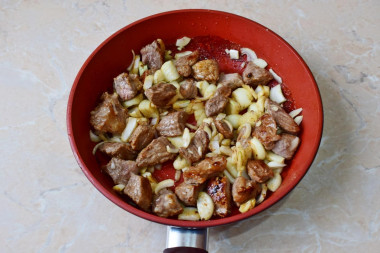
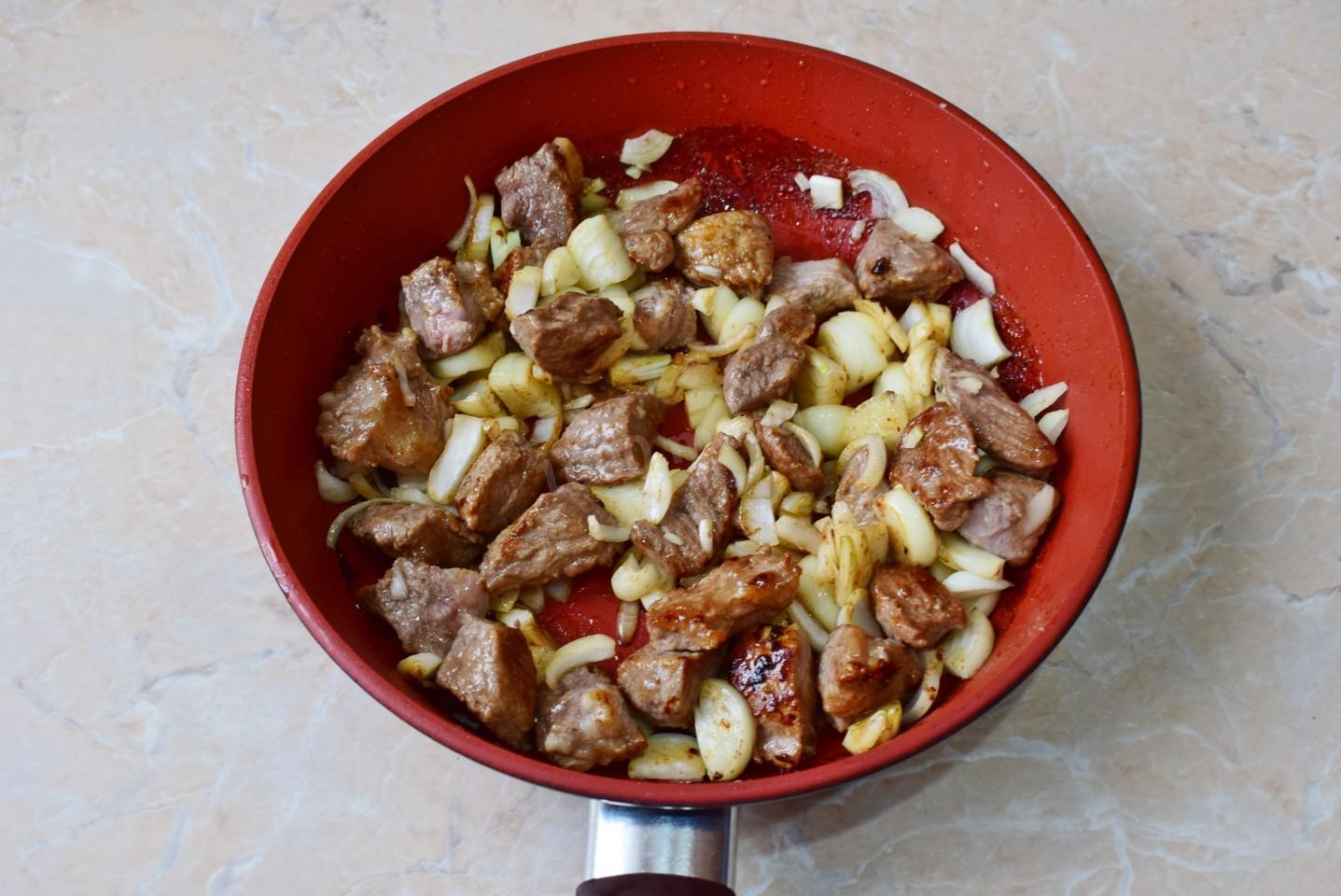
Then add the onion. Stir everything together and cook for another 2–3 minutes—you'll smell that classic onion aroma.
-
Step 8:
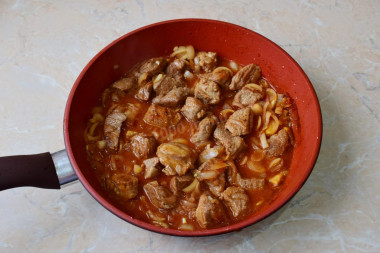
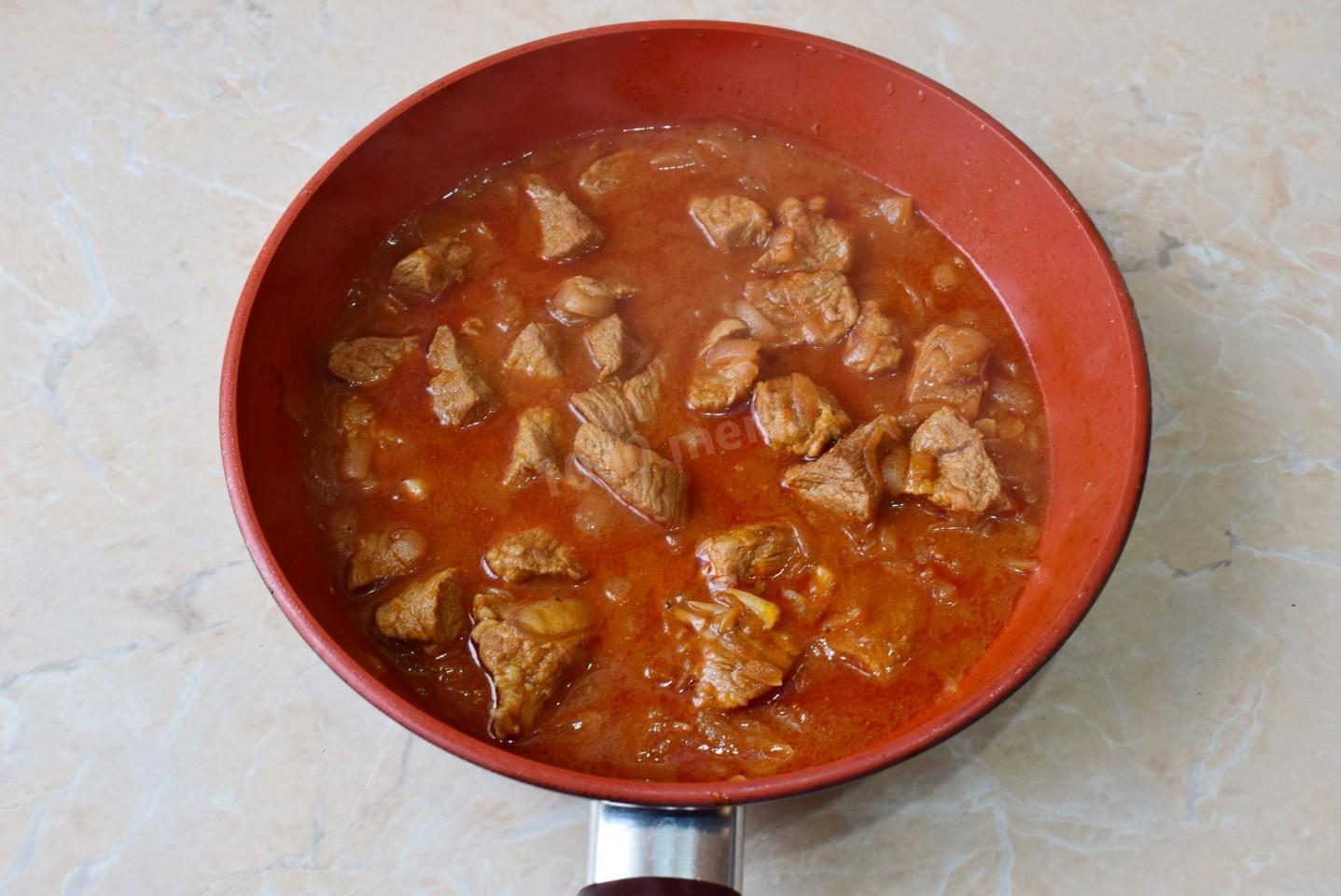
Grate the tomato, stir in a little tomato paste and some water, and pour it over the meat. Add salt and spices. Cover the skillet and simmer the meat in the sauce for 20–30 minutes over low heat, until tender. (Mince the garlic and stir it in near the end for extra aroma.)
-
Step 9:
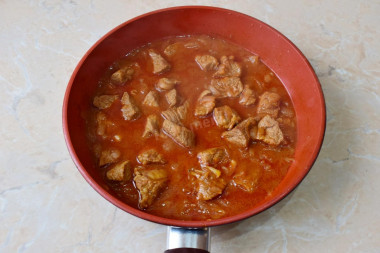
The simmering time depends on how quickly the meat becomes tender. You can adjust the amount of water depending on how much gravy you want. Serve the finished meat gravy over the mashed potatoes, hot. Enjoy!
- You can swap the beef for any other meat you prefer. Just keep in mind the cooking time, flavor, and calorie count will change—pork and lamb are usually fattier than beef, while chicken breast or turkey are leaner. Cooking time also depends on the cut and on how young the meat is.
- If you use a pre-made spice blend, read the label—these often already contain salt, so account for that or you may over-salt the dish.
- The right pan matters! The wrong skillet can spoil even a great recipe, so it's worth choosing one suited to what you're making.
Caloric content of the products possible in the composition of the dish
- Ripe potatoes - 80 kcal/100g
- Baked potatoes - 70 kcal/100g
- Mashed potatoes - 380 kcal/100g
- Boiled potatoes - 82 kcal/100g
- Potatoes in uniform - 74 kcal/100g
- Fried potatoes - 192 kcal/100g
- Tomatoes - 23 kcal/100g
- Melted beef fat - 871 kcal/100g
- Fat beef - 171 kcal/100g
- Lean beef - 158 kcal/100g
- Beef brisket - 217 kcal/100g
- Beef - okovalok - 380 kcal/100g
- Beef - lean roast - 200 kcal/100g
- Beef shoulder - 137 kcal/100g
- Beef - ribs - 233 kcal/100g
- Beef - ham - 104 kcal/100g
- Beef - tail - 184 kcal/100g
- Boiled ham - 269 kcal/100g
- Beef corned beef - 216 kcal/100g
- Whole cow's milk - 68 kcal/100g
- Milk 3.5% fat content - 64 kcal/100g
- Milk 3.2% fat content - 60 kcal/100g
- Milk 1.5% fat content - 47 kcal/100g
- Concentrated milk 7.5% fat content - 140 kcal/100g
- Milk 2.5% fat content - 54 kcal/100g
- Garlic - 143 kcal/100g
- Butter 82% - 734 kcal/100g
- Amateur unsalted butter - 709 kcal/100g
- Unsalted peasant butter - 661 kcal/100g
- Peasant salted butter - 652 kcal/100g
- Melted butter - 869 kcal/100g
- Vegetable oil - 873 kcal/100g
- Tomato paste - 28 kcal/100g
- Salt - 0 kcal/100g
- Onion - 41 kcal/100g
- Spices dry - 240 kcal/100g
Similar recipes
- Homemade dinner
- Children's recipes
- Second course
- Meat and meat products
- Dairy products
- Vegetables
- Spices seasonings spices
- Fats and oils
- Other
- Garlic
- Salt
- Dry spices
- Vegetable oil
- Butter
- Tomato paste
- Stewing
- In a frying pan
- Porridge recipes
- Stewed vegetables
- Meat second course
- Beef
- Light dinner
- Milk
- From potatoes
- From tomato
- From onion
- No eggs