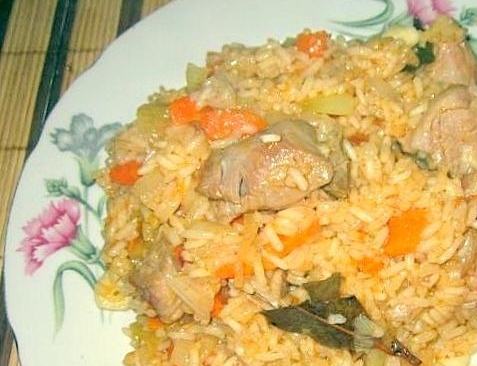
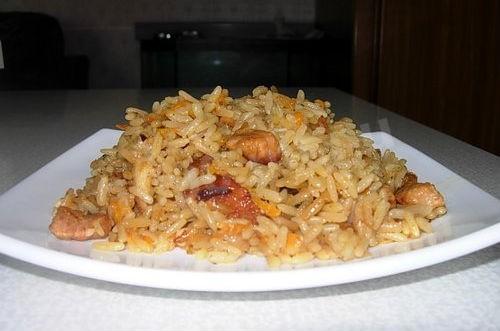
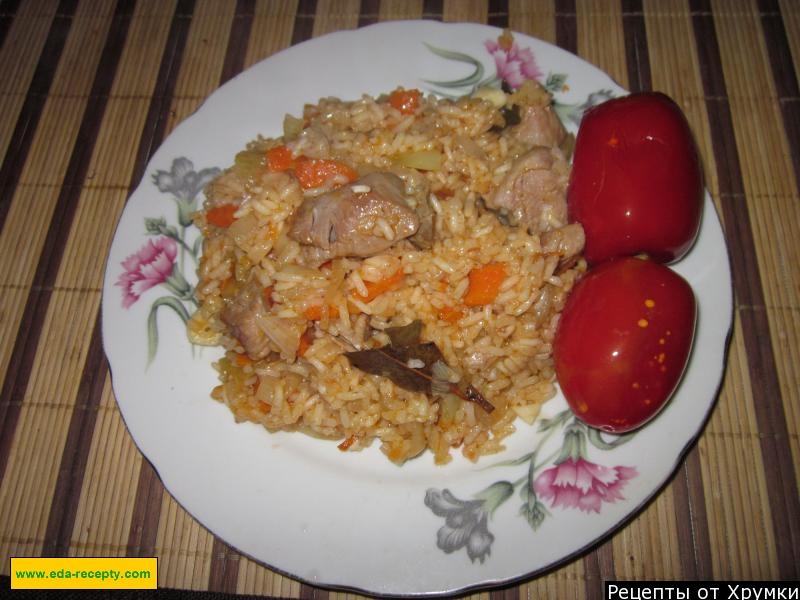
Fluffy Oven-Baked Pork Pilaf
Homestyle! Simple, quick, and really tasty — impress the family! This is my go-to method for pork pilaf, and to my mind it's just the thing for a hearty dinner. The key to good pork pilaf is how you handle the meat. You could say the meat matters even more than the rice — without it, pilaf isn't really pilaf at all.
Hilya♥
Recipe author
Fluffy Oven-Baked Pork Pilaf

Nutrients and energy value of the composition of the recipe
By weight of the composition:
Proteins 16 %
5 g
Fats 25 %
8 g
Carbohydrates 59 %
19 g
161 kcal
GI:
11
/
89
/
0
Cooking method
-
Step 1:
Step 1
-
Step 2:
Step 2
-
Step 3:
Step 3
-
Step 4:
Step 4
-
Step 5:
Step 5
-
Step 6:
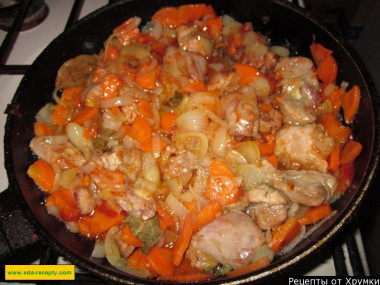
Step 6
-
Step 7:
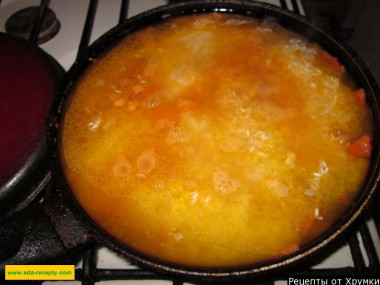
Step 7
-
Step 8:
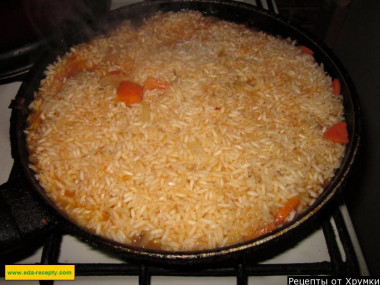
Step 8
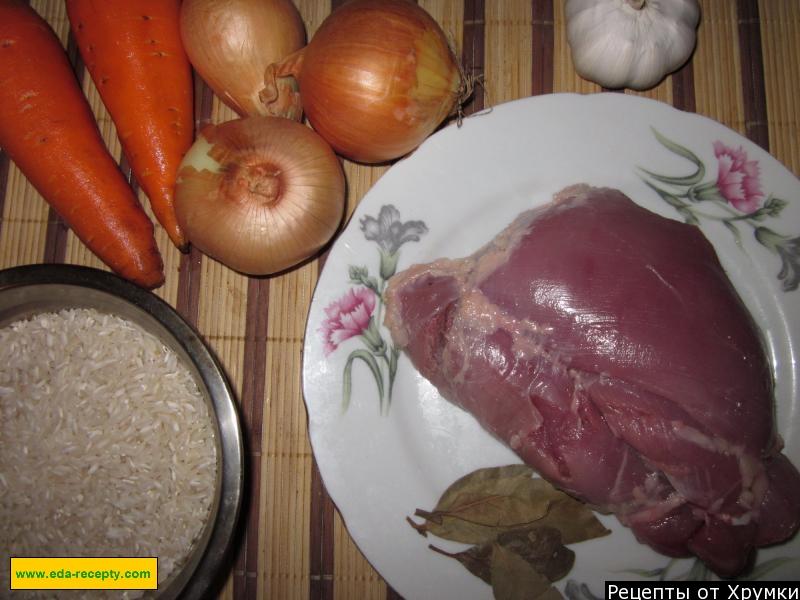
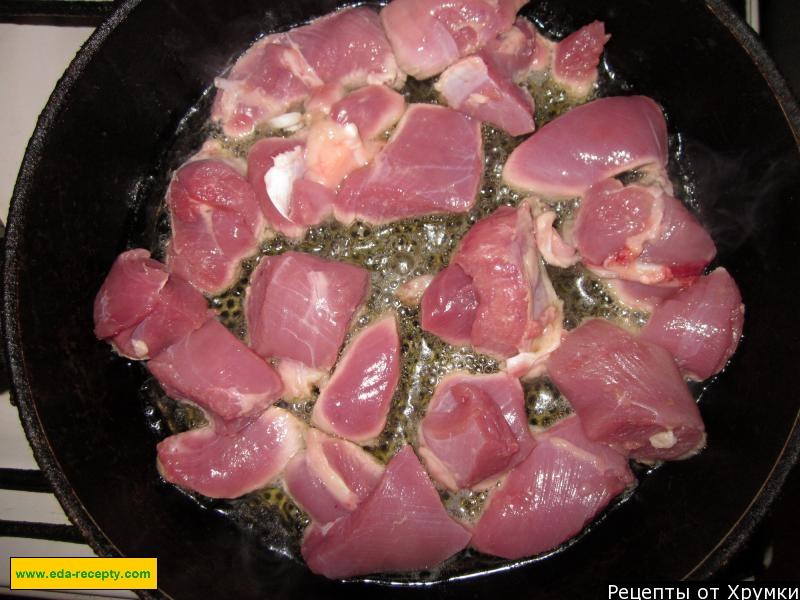
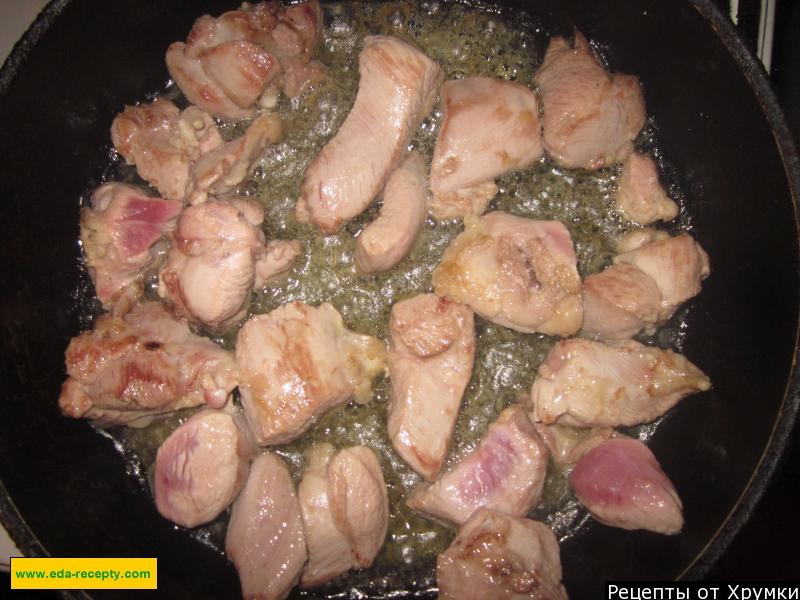
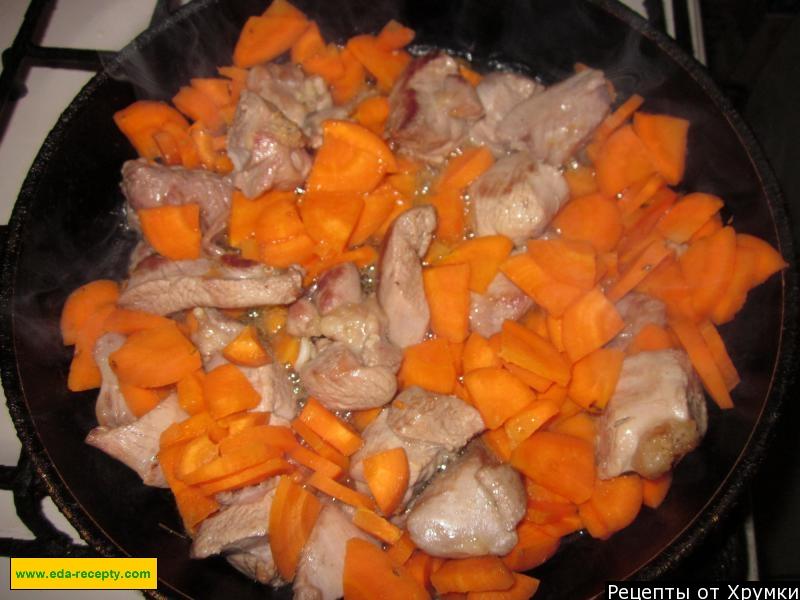
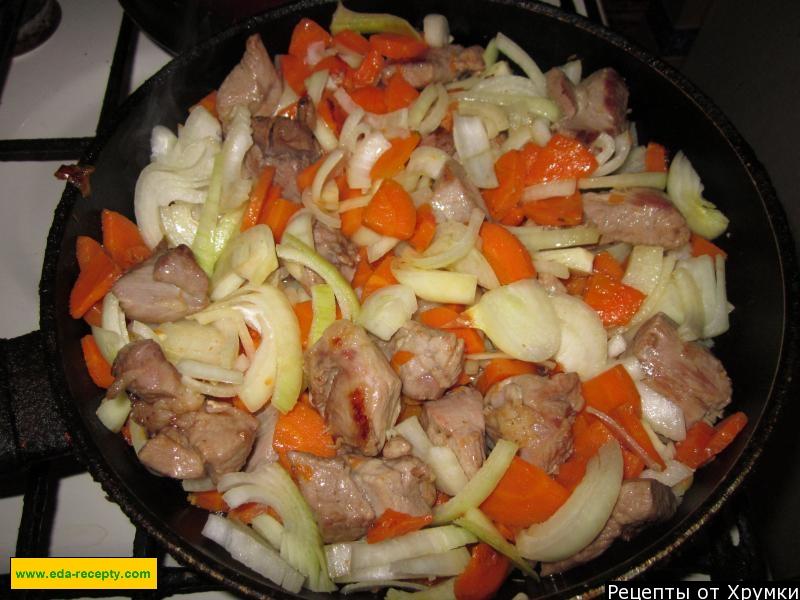
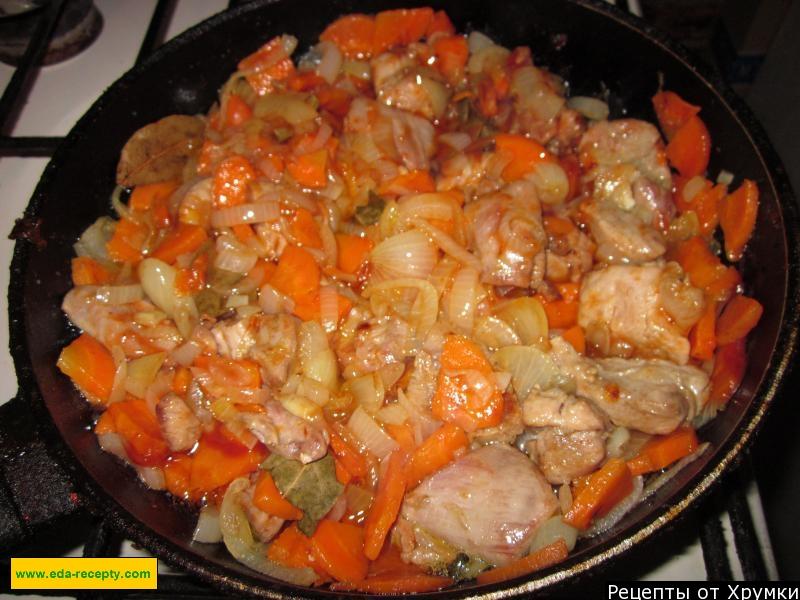
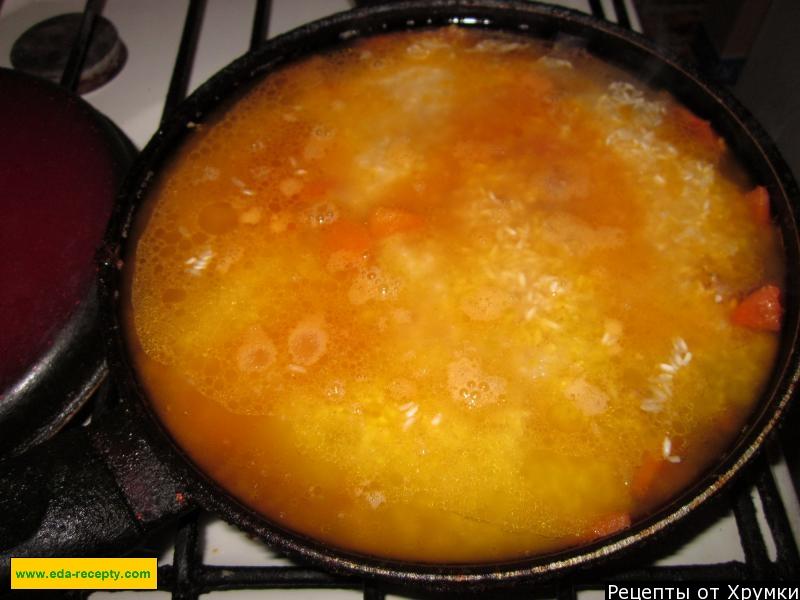
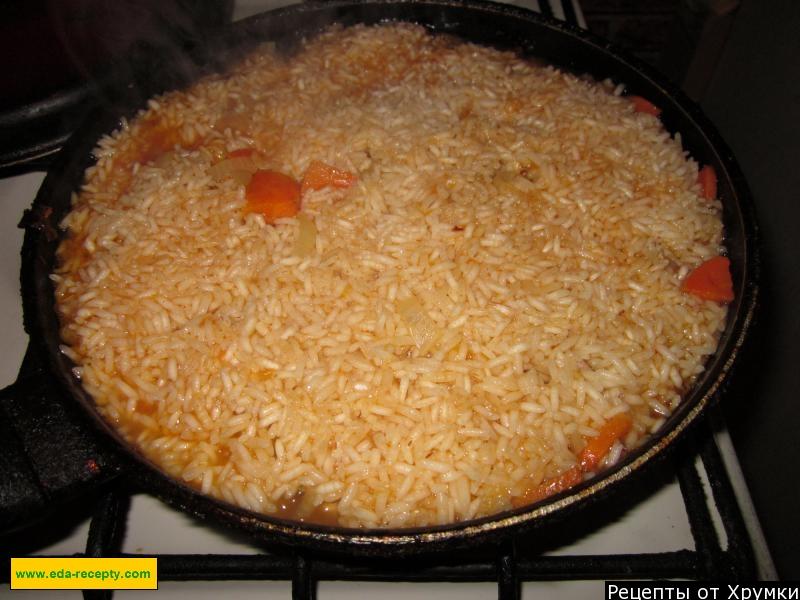
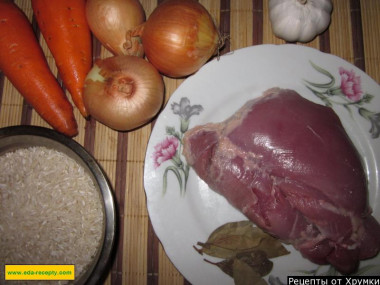
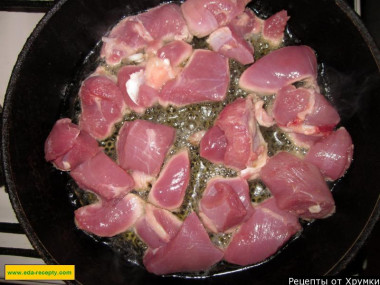
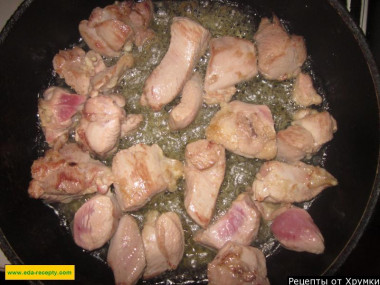
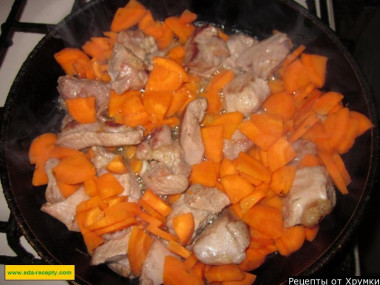
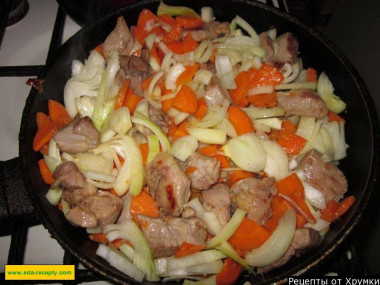
- How do you make fluffy oven-baked pork pilaf? If you want a hearty, really tasty dinner for the whole family, make pork pilaf. It always saves me when I haven't had a chance to cook and everyone's already at the door. Here's my recipe. We'll cook it in a dish that can go straight into the oven, so the pilaf never has to be transferred. Take an oven-safe braiser or Dutch oven. Pour in enough vegetable oil to come about half an inch up the sides. Rinse the pork under running water, trim off the sinew, and cut it into small pieces. Add the meat to the hot oil in the braiser. It will release its juices — let it braise in them. Once the liquid has fully cooked off, add an onion cut into quarter-rings and cook for 5 minutes. Then add the carrots — I don't slice them, I grate them on the large holes of a box grater. Chop the prunes and add them too. Sprinkle everything with pilaf seasoning and stir well. Pour in the water, season the meat and vegetables with salt, and stir. Bring everything to a boil. Once boiling, add the rice and stir. The water should sit about half an inch above the rice. Wait for it to return to a boil, then cover the braiser and put it in the oven for one hour. That's it. Enjoy!
- Tip: For rice that comes out perfect every time, choose a good variety and rinse it until the water runs clear before cooking.
- A note on frying oil: Every oil has a smoke point — the temperature at which it starts to burn and break down. For high-heat cooking, use a refined oil with a high smoke point, and avoid heating delicate unrefined oils too far.
- If you use a ready-made spice blend, always check the label. These mixes often already contain salt, so account for that or you risk over-salting the dish.
Caloric content of the products possible in the composition of the dish
- Pork, fatty - 333 kcal/100g
- Pork, lean - 357 kcal/100g
- Pork, lean roast - 184 kcal/100g
- Pork, bone-in chop - 537 kcal/100g
- Pork, schnitzel - 352 kcal/100g
- Pork shoulder - 593 kcal/100g
- Wild boar leg - 113 kcal/100g
- Pork - 259 kcal/100g
- Wild rice, raw - 353 kcal/100g
- Brown rice, raw - 360 kcal/100g
- Brown rice, cooked - 119 kcal/100g
- White rice, enriched, raw - 363 kcal/100g
- White rice, enriched, cooked - 109 kcal/100g
- White rice, parboiled, long-grain, raw - 369 kcal/100g
- White rice, parboiled, long-grain, cooked - 106 kcal/100g
- Instant rice, dry - 374 kcal/100g
- Instant rice, ready to eat - 109 kcal/100g
- Rice - 344 kcal/100g
- Carrot - 33 kcal/100g
- Dried carrot - 275 kcal/100g
- Carrot, boiled - 25 kcal/100g
- Prunes - 227 kcal/100g
- Vegetable oil - 873 kcal/100g
- Salt - 0 kcal/100g
- Water - 0 kcal/100g
- Dry seasoning blend - 240 kcal/100g
Similar recipes

Related and additional categories:
- Second course
- Meat and meat products
- Vegetables
- From dried fruits
- Cereals and cereal products
- Spices seasonings spices
- Fats and oils
- Other
- Salt
- Dry spices
- Vegetable oil
- Water
- Stewing
- Pilaf
- Stewed vegetables
- Meat second course
- Pork
- From carrots
- From prunes
- No eggs
- Recipes for lean dishes without butter
- From rice